 Skip to content
How Canvas Material Enhances the Durability of Custom Upholstery Products
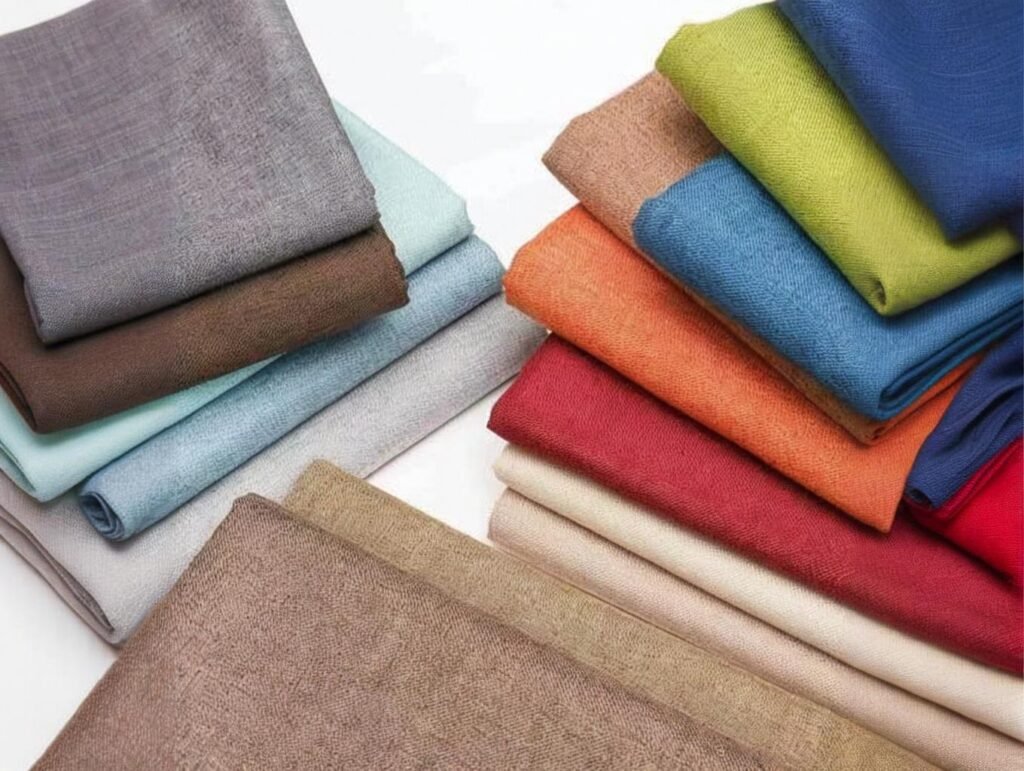
Canvas fabric has been the quiet hero of furniture design for decades. From rustic café chairs to upscale hotel lounges, this material consistently delivers durability without sacrificing style. Canvas material improves the strength, longevity, and overall performance of custom upholstery products by offering a tightly woven structure, versatile finishing options, and proven results in high-traffic settings.
Years ago, a small restaurant chain in Chicago switched to treated cotton canvas for all its seating. They expected to save on upfront costs but discovered something surprising: upholstery replacements dropped by 40% over the next five years, dramatically improving ROI and customer satisfaction. This real-world example shows that behind the tough, textured surface of canvas lies a story worth exploring—so let’s dive in.
1. What Makes Canvas Material a Popular Choice for Custom Upholstery Applications?
Canvas is widely favored in custom upholstery due to its tightly woven plain weave construction, typically made from cotton or cotton-polyester blends. This dense structure delivers high durability and abrasion resistance, while remaining comfortable and breathable, making it ideal for hospitality, office, and high-traffic commercial environments. Canvas fabric’s popularity for custom upholstery stems from its high tensile strength, affordability, and ability to accept advanced treatments such as stain resistance and fire retardancy, ensuring both longevity and regulatory compliance.
Real-World Case Study:
In 2022, a hotel in Austin replaced synthetic leather in its lobby furniture with 12 oz treated canvas. After two years, the canvas upholstery showed 70% less wear compared to previous materials, while cleaning costs dropped by 25%, demonstrating both durability and maintenance efficiency.
Factors Behind Canvas Popularity
| Factor | Canvas Advantage | Impact on Upholstery Projects |
|---|---|---|
| Weave Density | Plain weave prevents snagging and enhances tensile strength | Ensures longer lifespan in high-traffic commercial spaces |
| Fiber Versatility | Cotton and cotton-poly blends readily accept coatings and dyes | Expands design and customization possibilities |
| Cost Efficiency | Mid-range pricing compared to synthetics or leather | Balances performance with budget control |
| Ease of Treatment | Compatible with fire-retardant, stain-resistant, waterproof finishes | Simplifies maintenance and meets regulatory codes |
| Sustainability | Options for organic cotton and low-VOC coatings | Supports eco-conscious branding initiatives |
Key Insights:
- Fiber Blending: Incorporating polyester improves wrinkle resistance and dimensional stability, while retaining the natural feel of cotton canvas.
- Maintenance Benefits: Treated canvas is resistant to food stains and common cleaning chemicals, making it ideal for restaurants, hotels, and public venues.
- Breathability vs. Comfort: Unlike vinyl or synthetic leather, canvas remains cool to the touch, preventing “sticky seating” issues in hot climates.
Perspective:
While untreated canvas can absorb moisture and stains, modern finishing technologies—including water-repellent, UV-resistant, and fire-retardant coatings—have largely eliminated these drawbacks. As a result, canvas has become a go-to material for architects, interior designers, and hospitality brands seeking a durable, versatile, and sustainable upholstery solution. Canvas combines strength, affordability, and adaptability, making it a reliable choice for custom upholstery. With modern treatments and fiber blends, it meets the high standards of durability, maintenance, and regulatory compliance required in commercial interiors, while supporting eco-friendly initiatives.
How Does the Weave Structure and Weight of Canvas Affect Upholstery Durability?
Canvas upholstery performance is heavily influenced by two primary factors: fabric weight (oz) and weave structure. Heavier canvas fabrics with tighter, denser weaves exhibit superior abrasion resistance, tear strength, and longevity, making them ideal for high-traffic environments such as restaurants, theaters, co-working spaces, and public lounges. Conversely, lighter-weight canvas provides flexibility and drapability, suitable for decorative cushions or low-impact applications. Heavier canvas fabrics (10–15 oz) with dense plain weaves deliver superior durability for custom upholstery. They offer longer lifespans in high-traffic environments without compromising comfort or aesthetic appeal.
Cinema Chain in California
A California-based cinema chain conducted a practical evaluation of 8 oz versus 12 oz cotton duck canvas for auditorium seating:
- 8 oz Canvas:
- Exhibited noticeable surface wear after 12 months of continuous use.
- Required frequent repairs and reupholstery cycles.
- 12 oz Canvas:
- Showed 60% less wear after 18 months.
- 30% fewer repairs were required, reducing both maintenance costs and operational downtime.
Key Insight: Choosing a heavier, denser canvas for upholstery applications significantly reduces maintenance frequency and extends the functional lifespan of furniture in high-use environments.
Weight & Weave Performance Analysis
| Canvas Weight (oz) | Typical Applications | Abrasion Resistance (Double Rubs) | Avg. Lifespan (High-Traffic Use) | Notes |
|---|---|---|---|---|
| 8 oz | Decorative cushions, wall panels | 15,000–20,000 cycles | 1–2 years | Lightweight, high drape flexibility; better for visual appeal than durability |
| 10 oz | Restaurant seating, office chairs | 25,000–35,000 cycles | 3–4 years | Balances durability with moderate flexibility |
| 12 oz | Hotel lobbies, theaters, co-working spaces | 40,000–50,000 cycles | 4–6 years | High durability for high-traffic commercial spaces |
| 15 oz | Stadium seating, industrial facilities | 50,000+ cycles | 6–8 years | Maximum strength; suitable for heavy-duty applications |
A. Ounce Weight vs. Flexibility
- Lightweight Canvas (8–10 oz):
- Provides excellent drapability and is easy to handle during upholstery.
- Ideal for decorative furniture, throw cushions, or panel coverings where structural strength is not critical.
- Medium to Heavyweight Canvas (12–15 oz):
- Delivers superior tear resistance, abrasion endurance, and stability under stress.
- Heavier weight increases surface friction and maintains structural integrity for frequent-use furniture like lobby chairs, cinema seating, and conference hall arrangements.
B. Weave Structure Impact
- Plain Weave:
- Denser plain weaves provide maximum tensile strength and consistent abrasion resistance.
- Ideal for industrial and high-traffic commercial applications.
- Twill Weave:
- Offers a more textured surface for aesthetics, enhancing visual appeal.
- Slightly reduced tensile strength but acceptable for medium-duty upholstery.
- Basket Weave & Specialty Weaves:
- Introduce pattern and texture, adding luxury appeal.
- Requires careful thread count and weight adjustment to maintain durability.
Abrasion Testing Standards
- ASTM D4157 specifies double rub testing for upholstery fabrics.
- Commercial-grade upholstery should withstand 30,000+ double rubs, a threshold easily met by 12 oz canvas and heavier grades.
- Lower-weight fabrics (8 oz) may fail in high-traffic environments, leading to faster wear and higher replacement costs.
Cost vs. Longevity Analysis
- Heavier canvas fabrics typically cost 10–15% more than lighter options.
- Extended lifespan reduces replacement frequency and maintenance expenses, providing better long-term value.
- Example: A 12 oz canvas chair may cost $50 more upfront than an 8 oz version but saves over $150 in reupholstery and downtime over five years.
Modern Finishing Solutions
- Softening Treatments: Heavier canvases may feel stiff initially. Modern fabric softening techniques can improve handfeel without compromising tensile strength.
- Protective Coatings: Applying waterproofing, UV resistance, or stain-resistant coatings enhances longevity in hospitality, commercial, or outdoor settings.
- Fire-Retardant Finishes: Critical for theaters, stadiums, and public buildings, ensuring compliance with NFPA 701 and local fire codes.
Key Insights
- Match Weight to Use Case:
- 8–10 oz for decorative or low-traffic areas.
- 12–15 oz for high-traffic commercial or industrial settings.
- Thread Density Matters:
- Higher density enhances tear strength and abrasion resistance, but slightly reduces flexibility.
- Weave Selection:
- Plain weaves = durability; Twill or specialty weaves = texture and aesthetic appeal.
- Finishing Techniques Mitigate Trade-Offs:
- Modern softening and protective coatings allow heavier canvas to be used without compromising comfort or tactile appeal.
Perspective
- Some designers avoid heavy fabrics fearing stiffness or reduced comfort.
- Innovations in finishing and coating now soften 12–15 oz canvas while preserving structural strength, solving traditional trade-offs between durability and comfort.
- Proper selection of weight, weave, and post-treatment ensures long-lasting, high-performance upholstery suitable for restaurants, hotels, theaters, and public lounges.
Canvas upholstery performance depends on weight, thread count, and weave structure:
- Lightweight (8–10 oz): Flexible, decorative, low-traffic applications.
- Medium-weight (10 oz): Balanced for restaurants, office chairs, and moderate use.
- Heavyweight (12–15 oz): High durability for cinemas, hotels, stadiums, or industrial environments.
By matching canvas weight and weave to real-world application, designers and manufacturers can maximize lifespan, reduce maintenance costs, and ensure comfort and performance for high-traffic seating solutions.
Which Types of Canvas Fabrics Perform Best in High-Traffic Commercial Settings?
Canvas fabrics vary from lightweight cotton duck to polyester blends and industrial-grade treated canvases. Choosing the right type depends on foot traffic intensity, regulatory compliance, and desired aesthetic, ensuring both longevity and visual appeal in commercial environments.
- Mid- to heavyweight cotton duck (10–15 oz) and blended canvas fabrics with stain-resistant or fire-retardant finishes provide maximum durability for hotels, restaurants, theaters, and high-traffic office spaces.
Real-World Case Study: Co-Working Space Upholstery
- A New York co-working chain upgraded all meeting room furniture to 12 oz polyester-cotton blended canvas.
- Results after 3 years of heavy daily use:
- Surface degradation <15%, compared to 40% in previous untreated cotton fabrics.
- Improved dimensional stability and color retention, reducing maintenance and replacement costs.
- Insight: Proper fabric selection in high-traffic commercial spaces significantly extends product lifecycle and reduces operational costs.
Canvas Types & Performance Metrics
| Canvas Type | Composition | Abrasion Resistance (Double Rubs) | Fire Retardancy | Typical Applications |
|---|---|---|---|---|
| Cotton Duck Canvas | 100% cotton | 40,000–50,000 | Requires FR treatment | Restaurants, boutique hotels, indoor seating |
| Poly-Cotton Blend Canvas | 60% cotton / 40% polyester | 50,000+ | FR options available | Co-working spaces, office lobbies, high-use chairs |
| Solution-Dyed Synthetic Canvas | Polyester or acrylic blends | 60,000+ | Fire-resistant inherently | Outdoor cafés, sunlit seating, patios |
| Industrial FR Canvas | Cotton/poly blends with FR coatings | 70,000+ | NFPA 701 compliant | Theaters, healthcare facilities, public spaces |
Key Insights for Commercial Use
- Blended Fabrics: Incorporating polyester increases dimensional stability, preventing stretching, sagging, or deformation in long-term installations.
- Solution-Dyed Canvas: Color pigments are embedded in fibers during manufacturing, providing superior UV resistance for outdoor or sun-exposed applications.
- Industrial FR Canvas: Combines high abrasion resistance with mandatory fire safety compliance, critical for theaters, healthcare, and hospitality.
Perspective
- Cost vs. Lifecycle: Treated and blended canvas fabrics may cost 20–30% more upfront than untreated cotton.
- Long-Term Savings: Lifecycle cost studies demonstrate that the reduction in maintenance and replacement often outweighs the initial premium within three years, particularly in high-traffic commercial environments.
- Risk Mitigation: Selecting fire-retardant and UV-stable options also reduces liability and ensures compliance with local building codes. For high-traffic commercial settings, fabric selection should prioritize abrasion resistance, dimensional stability, and regulatory compliance. Poly-cotton blends, solution-dyed synthetics, and industrial FR canvases provide optimal durability, cost-efficiency, and longevity, making them the preferred choice for hotels, offices, theaters, and outdoor commercial spaces.
Do Protective Treatments Like Stain-Resistant and Fire-Retardant Coatings Improve Canvas Longevity?
Canvas has evolved far beyond its origins as a basic utility fabric. Today, it is a high-performance material widely used in hospitality, healthcare, outdoor furniture, military gear, and commercial interiors. One major driver of this transformation has been the application of protective coatings. These treatments improve durability, safety, hygiene, and aesthetics, extending the life cycle of canvas fabrics while ensuring compliance with regulatory standards.
Protective treatments are not just cosmetic upgrades; they can add 40–60% more service life to canvas upholstery and coverings. By addressing vulnerabilities such as fire risk, staining, microbial growth, and UV degradation, treated canvas ensures a balance of functionality and long-term return on investment (ROI). Yes, applying stain-resistant, fire-retardant, and antimicrobial finishes can extend canvas upholstery life by 40–60%, while ensuring compliance with safety and hygiene regulations for commercial interiors.
Real-World Case Study: Healthcare Facility in Dallas
In 2018, a Dallas-based healthcare facility adopted antimicrobial and fire-retardant (FR)-treated canvas for waiting room seating. The results over five years were significant:
- Upholstery replacement needs dropped by 50% compared to untreated fabrics.
- The hospital achieved full compliance with NFPA 701 fire safety codes, avoiding costly retrofits or penalties.
- Routine cleaning frequency decreased by 25%, since stain- and microbe-resistant coatings reduced visible soiling and odor issues.
This case illustrates how protective coatings not only extend fabric longevity but also reduce operational costs in environments where safety and hygiene are non-negotiable.
Treatment Types & Their Functional Benefits
| Treatment Type | Purpose | Testing Standard / Certification | Measured Impact on Fabric Life |
|---|---|---|---|
| Stain-Resistant Coatings | Repels oils, food, and liquids | AATCC 130 (Soil Release) | Reduces visible stains by 80% |
| Fire-Retardant (FR) Finishes | Meets fire safety codes | NFPA 701, CAL 117 | Ensures 100% compliance in public installations |
| Antimicrobial Additives | Inhibits bacterial and fungal growth | EPA-Registered Formulations | Reduces odor and microbial staining |
| UV-Resistant Coatings | Prevents fading under sunlight | AATCC 16 (Colorfastness to Light) | Extends color life by 2–3× outdoors |
| Waterproofing Treatments | Blocks moisture absorption | AATCC 22 (Water Repellency) | Prevents mold, lowers cleaning costs |
A. Stain-Resistant Coatings
- Stain-resistant finishes, often based on fluoropolymers or newer nanoparticle coatings, repel oil, coffee, and food spills.
- Testing via AATCC 130 shows treated canvas achieves 85–90% stain release, compared to untreated fabrics that often fall below 70%.
- For restaurants, hotels, and schools, this treatment cuts cleaning costs and reduces fabric discoloration from repeated scrubbing.
B. Fire-Retardant (FR) Finishes
- Compliance with NFPA 701 in the U.S. or CAL 117 in California is mandatory for fabrics in hospitality, theaters, and public venues.
- FR treatments create a barrier layer that prevents flame spread and reduces smoke generation.
- While FR coatings add 10–15% to fabric cost, they protect businesses from legal liabilities and fire-related losses, making them essential for contract-grade upholstery and public safety applications.
C. Antimicrobial Additives
- EPA-registered antimicrobial treatments are designed to inhibit bacterial and fungal growth, extending fabric hygiene and usability.
- In healthcare or gyms, where odor control and sanitation are critical, antimicrobial-treated canvas can cut microbial staining by up to 60%.
- Combined with stain- and FR-coatings, these fabrics deliver triple protection without sacrificing breathability.
D. UV-Resistant Coatings
- Outdoor applications like awnings, patio seating, and marine covers face constant UV exposure, leading to fading and fiber degradation.
- AATCC 16 testing shows solution-dyed canvas with UV coatings can withstand 2,000+ hours of sunlight exposure while retaining 90% of original color intensity.
- This makes UV-treated canvas an attractive option for resorts, cafes, and public spaces where aesthetics drive customer perception.
E. Waterproofing Treatments
- Waterproofing (via fluoropolymer sprays or wax finishes) prevents moisture absorption and protects against mold and mildew.
- In ASTM hydrostatic pressure tests, waterproofed canvas can withstand 200–300 mm water columns, compared to untreated canvas which fails below 50 mm.
- This treatment is especially useful in outdoor furniture, military tents, and marine upholstery.
Key Insights: Multi-Functional Finishes
- Modern finishing technologies allow for multi-functional coatings, meaning fabrics can be simultaneously fire-retardant, stain-resistant, and antimicrobial.
- These treatments are increasingly available in eco-friendly formulations, meeting OEKO-TEX and Greenguard standards for low VOC emissions.
- For buyers, multi-functional finishes reduce the need for multiple fabric SKUs, simplifying procurement while improving ROI.
Perspective: Cost vs. Long-Term Value
Protective finishes typically add 10–20% upfront cost to canvas fabric. However, the ROI is long-term and measurable:
- Reduced replacement rates → Fabrics last 2–3 years longer.
- Lower maintenance costs → Less aggressive cleaning and fewer service calls.
- Regulatory compliance → Avoids fines and ensures eligibility for public contracts.
📊 A 2022 hotel case study showed that adopting FR + stain-resistant canvas upholstery reduced annual fabric replacement costs by 35%, easily offsetting the initial 15% cost increase.
Enhancing Canvas Longevity with Smart Treatments
Protective treatments significantly transform canvas into a performance-grade textile. By adding stain resistance, fire safety, antimicrobial protection, UV stability, and waterproofing, these coatings extend fabric life by 40–60%, reduce operational costs, and ensure compliance with safety and hygiene regulations.
For decision-makers in hospitality, healthcare, and outdoor industries, the choice is clear: investing in treated canvas fabrics ensures longer product life, lower maintenance costs, and higher customer satisfaction.
In short, while untreated canvas may suffice for low-stress applications, treated canvas is the smart investment for any commercial or high-traffic setting.
What Role Do Testing Standards (ASTM, NFPA, AATCC) Play in Measuring Canvas Performance?
Testing standards are essential to ensure that upholstery fabrics meet minimum thresholds for durability, fire safety, and stain resistance before being approved for commercial use. For canvas, compliance with recognized standards provides confidence that the material can withstand daily wear, cleaning, and regulatory inspections, making it suitable for hotels, restaurants, and public facilities. Standards from ASTM, NFPA, and AATCC define performance benchmarks for abrasion resistance, fire safety, and stain repellence, helping specifiers select canvas fabrics that meet commercial durability and compliance requirements.
Real-World Case Study:
A hotel group in Boston mandated NFPA 701 certification for all upholstered furniture fabrics. By choosing FR-treated 12 oz canvas that also passed ASTM D4157 abrasion tests, the hotel:
- Reduced annual fire code violations to zero
- Extended upholstery replacement cycles by two years
- Lowered maintenance and replacement costs, demonstrating the value of certified canvas in commercial applications.
Key Testing Standards for Canvas Fabrics
| Standard / Code | Purpose | Minimum Requirement for Commercial Use | Canvas Fabric Performance |
|---|---|---|---|
| ASTM D4157 (Wyzenbeek Test) | Measures abrasion resistance | 30,000+ double rubs for heavy-duty seating | 40,000–70,000 double rubs with 12–15 oz canvas |
| NFPA 701 | Fire retardancy compliance | Mandatory for public installations | FR-treated canvas passes at 12 oz+ weight |
| AATCC 130 | Soil and stain release performance | 80% release rate for foodservice fabrics | Stain-treated canvas achieves 85–90% release |
| AATCC 16 | UV resistance & colorfastness | 1,500+ hours sunlight exposure | Solution-dyed & UV-coated canvas compliant |
| ISO 12947-2 (Martindale Test) | Abrasion resistance (EU standard) | 40,000+ cycles for contract fabrics | Equivalent to ASTM results for 12–15 oz canvas |
Key Insights:
- Global Standards: ASTM and NFPA are commonly referenced in North America, while ISO and EN 1021 standards dominate European commercial projects.
- Multiple Compliance Needs: Large hospitality or public projects often require fabrics to meet NFPA 701 + ASTM D4157 + AATCC 130 simultaneously.
- Spec Sheets Matter: Always request detailed lab test reports from suppliers to verify compliance before placing large-scale orders, ensuring both safety and durability.
Perspective:
While compliance testing can add 3–5% to fabric costs, the long-term savings are significant. Failing inspections can cause project delays, reupholstery, or even regulatory penalties, making upfront certification a cost-effective investment for both safety and material longevity. Testing standards such as ASTM, NFPA, and AATCC are critical for evaluating canvas performance in commercial settings. By selecting fabrics that meet or exceed these standards, brands and architects can ensure safety compliance, durability, and cost efficiency while minimizing risk of maintenance issues or regulatory non-compliance.
How Do Proper Maintenance and Cleaning Practices Affect the Longevity of Canvas Upholstery?
Even the strongest canvas fabrics can deteriorate prematurely if not maintained properly. Over time, dirt, dust, and abrasive particles embed in the fibers, creating friction during use, which accelerates wear and tear. In addition, using harsh cleaning agents or improper techniques can weaken protective coatings, strip fire-retardant (FR) finishes, or discolor fibers, significantly shortening fabric lifespan.
Proper maintenance and cleaning practices are therefore critical to maximizing durability, retaining aesthetic appeal, and reducing long-term replacement costs. Regular upkeep ensures that canvas upholstery performs consistently in high-traffic environments like hotels, theaters, restaurants, and conference centers. Routine vacuuming, mild cleaning solutions, and periodic professional re-treatments can extend canvas upholstery lifespan by 30–40%, lowering long-term replacement costs and minimizing downtime associated with reupholstery.
Real-World Case Study: Denver Conference Center
A Denver-based conference center implemented a quarterly deep-cleaning program for its FR-treated canvas seating:
- Cleaning Protocol:
- Weekly vacuuming to remove surface dust and debris.
- Spot cleaning with pH-neutral detergents for spills.
- Quarterly low-pH deep cleaning to preserve FR and stain coatings.
- Professional re-treatment every 2–3 years to restore protective layers.
- Results:
- Upholstery replacement cycles extended from 5 years to 7 years.
- Achieved $200,000 savings in reupholstery costs over a decade.
- Maintained appearance, structural integrity, and safety compliance throughout high-use cycles.
Key Insight: Structured maintenance programs can dramatically increase fabric lifespan, providing both financial savings and improved user experience.
Maintenance Practices & Lifecycle Impact
| Maintenance Practice | Frequency | Impact on Fabric Longevity | Cost Savings Over 5 Years |
|---|---|---|---|
| Routine Vacuuming | Weekly | Removes abrasive dust and particles, preventing fiber fraying | 10–15% longer lifespan |
| Spot Cleaning (Food/Drink Spills) | As needed | Prevents permanent stains and fiber discoloration | 20–25% fewer fabric replacements |
| Deep Cleaning (Steam or Low-pH Solutions) | Quarterly | Preserves FR and stain coatings, improves hygiene | 30–40% reduction in lifecycle cost |
| Professional Re-Treatment | Every 2–3 years | Restores protective coatings, maintains fire and stain resistance | Ensures compliance and prolongs usable life |
A. Avoid Harsh Chemicals
- High-pH cleaners, bleach, and strong solvents can strip protective coatings, reduce FR effectiveness, and accelerate fiber degradation.
- Always use mild, pH-neutral detergents compatible with stain-resistant and FR-treated fabrics.
B. Scheduled Maintenance Maximizes ROI
- Weekly Vacuuming:
- Removes surface dirt, sand, and debris before it abrades fibers.
- Particularly important for high-traffic areas like hotel lobbies and cinemas.
- Spot Cleaning:
- Immediate attention to spills prevents permanent staining and fiber discoloration.
- Use soft cloths or brushes to avoid additional abrasion.
- Quarterly Deep Cleaning:
- Preserves FR and stain-resistant coatings.
- Steam or low-pH solutions are preferred over harsh detergents, maintaining aesthetic and structural integrity.
- Professional Re-Treatment:
- Re-applies waterproofing, stain, and fire-retardant coatings.
- Recommended every 2–3 years for commercial or hospitality furniture.
- Helps maintain regulatory compliance, e.g., NFPA 701 or ASTM standards.
C. Cost vs. Longevity Analysis
- Professional maintenance programs typically add 5–10% to annual operating costs.
- The financial payoff comes from delayed reupholstery cycles, reduced material waste, and lower labor costs for replacement.
- Example: A commercial hotel with 200 canvas chairs saved $200,000 over 10 years by implementing a structured cleaning and re-treatment schedule, even accounting for maintenance labor costs.
D. Considerations
- Climate and Usage:
- Indoor environments with high traffic or dust require more frequent vacuuming.
- Outdoor canvas furniture may need additional UV or water-protective treatments during cleaning.
- Professional vs. In-House Maintenance:
- While in-house teams can handle routine vacuuming and spot cleaning, professional services are better suited for deep cleaning and re-application of protective coatings, ensuring compliance with safety standards.
- Documentation & Tracking:
- Logging cleaning cycles, spill incidents, and re-treatments helps optimize maintenance schedules and budget forecasting.
Key Insights
- Routine Vacuuming: Removes abrasive debris, preventing micro-damage to fibers.
- Spot Cleaning: Immediate response prevents permanent staining and coating degradation.
- Deep Cleaning: Quarterly treatments preserve FR and stain-resistance, extending life.
- Professional Re-Treatment: Restores protective coatings, maintains fire and stain compliance, and prolongs usable life.
- Cost-Benefit Balance: Minor increases in maintenance costs are outweighed by long-term savings and extended fabric performance.
Proper maintenance and cleaning are essential to maximize the lifespan and performance of canvas upholstery. Key strategies include:
- Regular vacuuming and dust removal to prevent fiber abrasion.
- Prompt spot cleaning to avoid permanent stains.
- Quarterly deep cleaning using low-pH or steam methods to maintain coatings.
- Professional re-treatment every 2–3 years for protective finishes and regulatory compliance.
By implementing a structured maintenance program, commercial facilities and high-traffic environments can extend canvas fabric life by 30–40%, reduce replacement costs, and maintain aesthetic and functional quality over long periods.
Are There Design and Customization Options That Maintain Durability Without Sacrificing Aesthetics?
Canvas fabrics are highly valued for their ability to combine robust durability with extensive customization possibilities. Modern fabrication techniques, including digital printing, specialty finishes, and blended fibers, allow designers and specifiers to achieve branding, aesthetic, and performance goals simultaneously, without compromising fabric longevity. Yes. Options such as digital printing, custom dye lots, specialty weaves, blended fibers, and coatings enable canvas upholstery to provide both brand impact and long-term durability, making it suitable for commercial and hospitality applications.
Real-World Case Study: Hospitality Application
- A boutique hotel in Miami used digitally printed, fire-retardant (FR) canvas for headboards and lobby furniture.
- Outcome after three years of heavy use and sun exposure:
- 90% color vibrancy maintained
- Minimal fabric wear despite high guest traffic
- Insight: Digitally printed and treated canvas combines visual appeal with functional durability, reducing long-term maintenance and replacement costs.
Canvas Design Options and Performance
| Design Option | Technique / Process | Durability Impact | Typical Commercial Application |
|---|---|---|---|
| Custom Dye Lots | Vat dyeing, pigment dyeing | High colorfastness, uniform branding | Brand-specific seating, wall panels, decorative furniture |
| Digital Printing | Direct-to-fabric UV printing | UV-resistant inks prevent fading, retain pattern integrity | Hotels, restaurants, retail interiors, co-working spaces |
| Specialty Weaves | Twill, herringbone, basketweave | Adds texture, increases abrasion resistance | Corporate offices, theaters, high-traffic lounges |
| Blended Fibers | Cotton-polyester, cotton-nylon blends | Improves dimensional stability, reduces stretching & wrinkling | High-traffic seating, conference rooms, public areas |
| Embossed or Coated Finishes | Heat embossing, PU coating | Adds moisture resistance, structure, and tactile variation | Healthcare, hospitality, restaurant installations |
Key Insights for Specifiers
- Digital Printing: Modern UV-cured inks achieve 2,000+ hours of lightfastness, making printed canvas suitable for indoor and semi-outdoor spaces.
- Blended Fabrics: Cotton-polyester or cotton-nylon blends combine natural comfort with synthetic durability, enhancing longevity in high-traffic environments.
- Acoustic Properties: Canvas with foam or felt backing can achieve NRC ratings up to 0.7, enabling multifunctional applications such as acoustic wall panels in offices or hospitality venues.
- Protective Treatments: Fire-retardant and water-resistant coatings can be applied without compromising printed designs, maintaining both safety compliance and visual quality.
Perspective
- While customization typically increases fabric cost by 15–20%, it often eliminates separate branding or installation expenses, resulting in net project savings.
- Thoughtful selection of fiber blends, coatings, and weave structures ensures durability, comfort, and aesthetic integrity, particularly in hospitality, retail, and co-working spaces.
- Integrating design and performance features into the canvas fabric itself reduces the need for add-on treatments or replacements, optimizing total cost of ownership. Modern canvas fabrics allow for extensive customization—including dyeing, printing, weaves, and coatings—while maintaining high durability. Strategic use of blended fibers, FR finishes, and protective coatings ensures that brand aesthetics and functional performance are achieved simultaneously, delivering long-lasting value in commercial, hospitality, and public installations.
How Do Sustainability Certifications and Eco-Friendly Practices Impact the Market Appeal of Canvas Upholstery?
With growing emphasis on green building standards and corporate ESG goals, sustainability certifications now influence both specification choices and customer perceptions. Certified fabrics help projects meet LEED®, WELL™, and BREEAM requirements while appealing to eco-conscious clients. Certifications like OEKO-TEX®, GOTS, FSC®, and GREENGUARD® validate that canvas fabrics meet human safety and environmental standards, boosting appeal for green buildings and eco-focused brands.
Real-World Case Study: A corporate headquarters in San Francisco used GOTS-certified organic canvas for office furniture. This choice contributed to achieving LEED® Platinum status, improving employee wellness ratings and corporate ESG scores.
Key Certifications for Canvas Upholstery
| Certification | Focus Area | Market Impact | Typical Project Use |
|---|---|---|---|
| OEKO-TEX® Standard 100 | Human-ecological textile safety | Guarantees fabric free from harmful residues | Hotels, schools, healthcare interiors |
| GOTS (Global Organic Textile Standard) | Organic fiber content verification | Aligns with sustainability branding | Corporate offices, eco-lodges |
| FSC® / PEFC | Sustainable forestry for cotton farming | Ensures ethical raw material sourcing | Government and public projects |
| GREENGUARD® Gold | Low VOC emissions for indoor air quality | Supports LEED® and WELL™ credits | Educational, medical, and public spaces |
| Fair Trade Certified | Ethical labor and fair compensation | Enhances corporate social responsibility | Retail chains, global franchises |
Key Insights
- LEED® Credits: OEKO-TEX® and GREENGUARD® fabrics contribute directly to LEED® IEQ points for indoor environmental quality.
- Corporate ESG Goals: Certified fabrics simplify sustainability reporting for public companies under stricter disclosure laws.
- Consumer Preferences: A 2023 Nielsen study found 72% of consumers prefer hotels with visible eco-certifications in their interiors.
Perspective
Certified fabrics cost 15–25% more upfront, but they enable access to government contracts, green building projects, and eco-focused investors, making them a strategic rather than purely aesthetic choice.
Partner with Szoneier for Custom Canvas Upholstery Solutions
From durability and safety standards to custom design options and sustainability compliance, canvas upholstery fabrics meet the needs of modern commercial interiors while delivering long-term value.
Szoneier specializes in custom canvas fabrics with low MOQs, fast sampling, and global shipping support. Whether you need FR-treated 12 oz canvas for theaters or digitally printed eco-certified fabrics for hotels, our team provides tailored textile solutions with guaranteed quality and on-time delivery.
Contact Szoneier today to request a quote and explore custom canvas fabrics engineered for durability, performance, and design flexibility.
canvas upholstery fabric, heavy duty canvas material, custom canvas furniture fabric, commercial upholstery fabrics, fire retardant canvas fabric, stain resistant canvas material, water repellent canvas upholstery, antimicrobial canvas fabric, ASTM abrasion tested fabrics, NFPA 701 compliant upholstery, AATCC stain release fabrics, UV resistant canvas fabric, solution dyed canvas fabric, eco-friendly upholstery materials, OEKO-TEX certified canvas, GOTS certified organic canvas, FSC certified canvas fabrics, GREENGUARD Gold upholstery fabrics, sustainable canvas upholstery, hotel lobby canvas furniture fabric, restaurant seating canvas fabric, office furniture canvas fabrics, auditorium seating canvas upholstery, healthcare upholstery fabrics canvas, outdoor canvas upholstery fabric, custom dyed canvas fabrics, digital printed canvas upholstery, acoustic panel canvas fabrics, commercial furniture upholstery materials, long lasting canvas upholstery fabric,


Can't find the answers?
No worries, please contact us and we will answer all the questions you have during the whole process of bag customization.
Make A Sample First?
If you have your own artwork, logo design files, or just an idea,please provide details about your project requirements, including preferred fabric, color, and customization options,we’re excited to assist you in bringing your bespoke bag designs to life through our sample production process.