 Skip to content
How Cotton Material Types Differ in GSM, Weave, and Performance
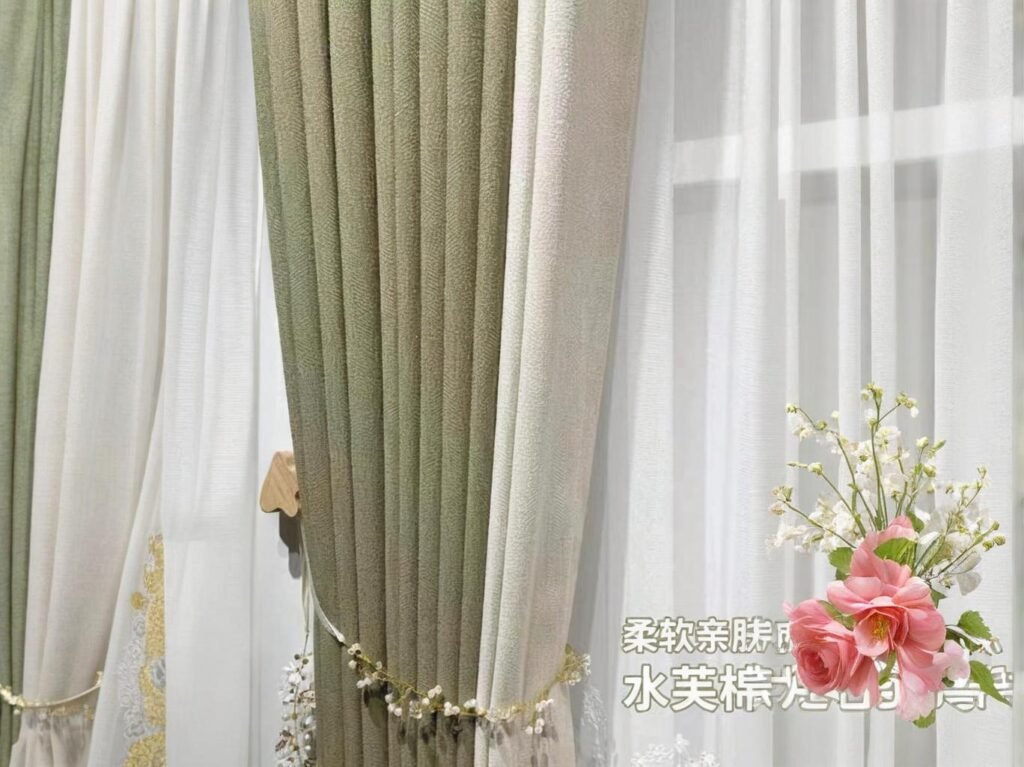
Cotton is often treated as a single, familiar material—soft, breathable, reliable. But in real product development, cotton is anything but uniform. Two fabrics made from 100% cotton can share the same color and thickness yet behave completely differently once washed, worn, or stitched into a product. One feels airy and cool, the other dense and stiff. One holds its shape, the other twists and shrinks. Cotton material types differ primarily in GSM (fabric weight), weave or knit structure, and yarn quality. These factors directly influence how a cotton fabric feels, how it performs over time, and which applications it is best suited for.
A sourcing manager once said, “We didn’t choose the wrong cotton—we misunderstood what kind of cotton it was.” That misunderstanding is exactly what this guide aims to eliminate.
What is GSM in cotton fabrics, and how does it influence fabric feel and use?
GSM, or grams per square meter, is one of the most frequently referenced specifications in cotton fabrics, yet it is also one of the most misunderstood. At its core, GSM measures how much cotton fiber exists in a given area of fabric. In practical terms, GSM strongly influences how a fabric feels in hand, how it drapes, how breathable it is, how well it resists wear, and which end uses it can realistically support over time.
Lower-GSM cotton fabrics generally feel lighter, cooler, and more fluid, while higher-GSM cotton fabrics feel denser, sturdier, and more structured. This makes GSM a functional signal, not just a numeric label. When chosen correctly, GSM supports comfort, durability, and performance. When chosen incorrectly, it becomes the root cause of premature wear, poor user experience, or unnecessary cost.
GSM is not just a number—it is a performance signal
Although GSM is often treated as a simple weight figure, it actually reflects a combination of yarn size, yarn density, fabric structure, and finishing. Two cotton fabrics with similar appearances on a roll can behave very differently once cut, sewn, worn, and washed, purely because their GSM differs.
A) Understanding GSM in practical terms
At a practical level, GSM answers a basic but important question: how much cotton material is present in each square meter of fabric. More material generally means more resistance to abrasion and distortion, but also reduced airflow and increased thermal retention.
| GSM Level | Physical Feel | Typical Perception |
|---|---|---|
| Low GSM | Light, airy | Cool, delicate |
| Medium GSM | Balanced | Versatile |
| High GSM | Dense, heavy | Durable, warm |
Low-GSM fabrics tend to feel soft and breathable, making them suitable for warm climates and lightweight garments. Medium-GSM fabrics strike a balance between comfort and structure, which is why they dominate everyday apparel. High-GSM fabrics feel substantial and stable, signaling durability and longevity, but they can feel heavy or warm if misapplied.
B) Common GSM ranges for cotton fabrics
Over time, certain GSM ranges have become closely associated with specific fabric categories and end uses.
| GSM Range | Fabric Category | Typical Uses |
|---|---|---|
| 90–120 | Very lightweight | Voile, lawn, summer tops |
| 130–160 | Lightweight | Shirts, dresses |
| 170–200 | Medium | T-shirts, casual wear |
| 210–260 | Medium-heavy | Chinos, work shirts |
| 280–350+ | Heavy | Canvas, outer layers |
These ranges are not arbitrary. They reflect the minimum material mass required for a fabric to perform reliably in each application. Selecting GSM outside the appropriate range is one of the most common mistakes in cotton sourcing. Too light, and the fabric wears out or loses shape quickly. Too heavy, and comfort, drape, and cost suffer without proportional benefit.
C) GSM and comfort: a balancing act
GSM directly affects how a cotton fabric feels on the body, but comfort is not determined by weight alone. It is shaped by how weight interacts with climate, garment design, and intended use.
Lower-GSM cotton fabrics generally:
- Allow better airflow
- Feel cooler in warm or humid conditions
- Drape more fluidly on the body
Higher-GSM cotton fabrics typically:
- Resist abrasion and thinning
- Maintain shape more effectively
- Feel warmer and more protective
Comfort, therefore, is contextual. A low-GSM fabric may feel ideal in a summer shirt but inadequate in a garment exposed to frequent friction or washing. A high-GSM fabric may feel reassuring in workwear but oppressive in casual or warm-weather apparel. GSM selection is less about preference and more about matching physical behavior to use conditions.
D) GSM and durability relationship
Fabric weight has a direct relationship with abrasion resistance and wear life, although it is not the only factor involved.
| GSM | Abrasion Resistance | Lifespan Expectation |
|---|---|---|
| <120 | Low | Short |
| 150–180 | Medium | Moderate |
| >220 | High | Long |
Higher-GSM fabrics contain more yarn mass per area, which means more fibers are available to absorb friction before thinning becomes visible. This generally extends usable life, especially in garments subject to frequent wear and washing. Conversely, low-GSM cotton fabrics used in high-wear applications almost always fail early, regardless of fiber quality or finishing.
That said, GSM amplifies good engineering but cannot compensate for poor yarn quality or unstable fabric structure. Weight supports durability only when the underlying construction is sound.
E) GSM tolerance and consistency
Professional fabric programs focus not only on target GSM, but on GSM consistency across production.
Well-controlled programs typically specify:
- GSM tolerance within ±5 percent
- Fabric width variation within ±1–2 cm
Inconsistent GSM leads to uneven drape, variable hand feel, and sewing difficulties. It also causes garments to age unevenly, with lighter zones thinning faster than heavier ones. From a durability and quality standpoint, controlled GSM is often more important than a higher nominal weight.
Consistency signals process control, which is essential for repeatable product performance.
F) GSM as a decision tool, not a shortcut
One of the most common sourcing errors is using GSM as a shortcut for quality. Heavier does not automatically mean better, and lighter does not automatically mean inferior. GSM should be selected after defining how the fabric will be used, how often it will be washed, and where stress will occur in the finished product.
When GSM is chosen in isolation, it leads to overbuilt fabrics that feel uncomfortable or underbuilt fabrics that fail early. When GSM is chosen as part of a broader material system, it becomes a powerful predictor of performance.
GSM insight
GSM is not a cosmetic specification. It is a functional decision that influences comfort, durability, and cost throughout a fabric’s life. The right GSM does not announce itself loudly. It simply allows the fabric to perform as expected, wear after wear, wash after wash.
In cotton fabrics, GSM should always be decided after use conditions are defined. It is a performance choice disguised as a measurement, and when used correctly, it quietly determines whether a fabric succeeds or disappoints.
Which common weave structures are used in cotton materials, and how do they affect performance?
In cotton fabrics, weave structure is one of the strongest determinants of performance, often more influential than fiber type or even GSM. The way yarns interlace controls how a fabric responds to tension, abrasion, creasing, and repeated washing. Plain, twill, and satin weaves may use the same cotton yarns at the same weight, yet behave very differently once turned into garments or home textiles.
For professional buyers and product developers, understanding weave structure is essential because it explains why two fabrics with identical specifications on paper perform so differently in real use.
Weave structure shapes behavior more than fiber type
Fiber quality determines the potential of a fabric, but weave structure determines how that potential is expressed. Weave controls yarn mobility, stress distribution, surface exposure, and recovery after deformation. These factors directly influence durability, wrinkle behavior, drape, and comfort.
A) Plain weave cotton fabrics
Plain weave is the most basic and widely used cotton weave. Each weft yarn passes alternately over and under each warp yarn, creating a tight and evenly balanced structure.
| Plain Weave Fabrics | Characteristics |
|---|---|
| Poplin | Smooth, crisp hand feel |
| Broadcloth | Dense, fine surface |
| Voile | Light, sheer, airy |
From a performance standpoint, plain weave cotton offers predictable behavior. The frequent interlacing points lock yarns firmly in place, which gives good dimensional stability and balanced strength in both directions.
Key performance traits of plain weave cotton include:
- High breathability due to open airflow paths
- Even distribution of tensile strength
- Good shape retention when properly finished
- Tendency to wrinkle because yarns bend sharply at each intersection
Plain weave fabrics crease easily because the yarns are forced into tight, repeated bends. These bends create stress points that “remember” folds. For this reason, plain weave cotton often requires ironing or wrinkle-control finishing.
Despite this, plain weave remains ideal for shirts, blouses, lightweight dresses, and applications where breathability and crisp appearance are valued more than wrinkle resistance.
B) Twill weave cotton fabrics
Twill weaves are recognized by their diagonal rib pattern, created by offsetting the interlacing points between warp and weft yarns. This small structural change has a significant impact on performance.
| Twill Fabrics | Characteristics |
|---|---|
| Denim | Durable, pronounced diagonal |
| Chino | Smooth, refined twill |
| Drill | Dense, heavy-duty |
In twill fabrics, yarns float over multiple opposing yarns before interlacing again. This reduces the number of sharp bends in each yarn, allowing stress to be spread more gradually across the fabric.
Performance traits of twill cotton include:
- Higher tensile and tear strength than plain weave
- Better wrinkle recovery due to reduced yarn bending
- Improved abrasion resistance
- Softer hand feel at comparable GSM
Because abrasion is distributed along diagonal paths rather than concentrated at right-angle intersections, twill fabrics wear more slowly and evenly. This makes twill the dominant choice for trousers, workwear, uniforms, jackets, and any cotton garment exposed to repeated friction.
Twill also hides minor surface wear better than plain weave, which helps garments maintain an acceptable appearance longer.
C) Satin and sateen cotton fabrics
Satin and sateen weaves use long float yarns to create a smooth, continuous surface. In cotton fabrics, this structure is often referred to as sateen.
| Feature | Impact |
|---|---|
| Smooth surface | Soft, luxurious hand feel |
| Higher luster | Refined visual appearance |
| Longer floats | Increased exposure to abrasion |
The defining feature of satin-type weaves is the extended float, where yarns pass over several opposing yarns before interlacing. This creates a silky surface that reflects light evenly and feels smooth against the skin.
However, these same floats are also the structure’s weakness. Because yarns are less frequently anchored, they are more exposed to friction and more likely to snag, abrade, or break.
As a result:
- Satin and sateen cottons feel premium initially
- Surface damage appears earlier under abrasion
- Pilling and sheen loss occur more quickly
- Durability depends heavily on yarn quality
These fabrics are commonly used in bedding, linings, and decorative applications where touch and appearance matter more than resistance to heavy wear. They are less suitable for garments subjected to constant friction or frequent industrial washing.
D) Same GSM, different weave, very different results
One of the clearest demonstrations of weave importance is comparing fabrics with the same GSM but different structures.
| GSM | Weave | Feel and Performance |
|---|---|---|
| 150 | Plain weave | Crisp, breathable, wrinkles easily |
| 150 | Twill weave | Softer, stronger, more durable |
| 150 | Sateen weave | Smooth, delicate, wears faster |
Although the amount of cotton per square meter is identical, the distribution of stress, surface exposure, and yarn movement differs dramatically. This is why GSM alone cannot predict how a fabric will behave in wear or washing.
Weave structure explains why two fabrics with the same weight can have completely different lifespans and comfort profiles.
E) Wrinkle behavior by weave type
Wrinkling is not just a finishing issue. It is largely structural.
| Weave | Wrinkle Tendency |
|---|---|
| Plain weave | High |
| Twill weave | Medium |
| Satin / sateen | Low, but damage is more visible |
Plain weaves wrinkle easily because yarns are locked tightly and bend sharply. Twills recover better because diagonal interlacing allows yarns to shift slightly and release stress. Satin weaves wrinkle less visibly, but when they do crease or abrade, the damage is more apparent due to the smooth surface.
In many applications, wrinkle behavior is more important than fabric thickness, especially in garments or textiles that must maintain a neat appearance with minimal maintenance.
F) Durability and aging patterns by weave
Weave structure also controls how fabrics age.
- Plain weave tends to show creases, thinning, and localized wear
- Twill ages gradually, with even softening and slower thinning
- Satin shows surface damage early but may retain drape
Consumers often judge quality by how a fabric ages, not by how it feels initially. Twill fabrics often outperform expectations because they degrade slowly and evenly, while satin fabrics may disappoint despite their premium appearance.
G) Weave selection based on end use
Experienced buyers choose weave based on stress profile rather than appearance alone.
Typical matches include:
- Plain weave for breathability and crispness
- Twill for durability and daily wear
- Satin or sateen for surface comfort and visual appeal
Problems arise when a weave designed for softness or aesthetics is placed in a high-abrasion environment. No amount of finishing can fully compensate for a structural mismatch.
Weave insight
If GSM defines how much cotton is present in a fabric, weave structure defines how that cotton behaves under stress. Weave determines whether yarns bend or slide, whether abrasion concentrates or disperses, and whether aging feels acceptable or disappointing.
In cotton materials, performance is not only about fiber quality or fabric weight. It is fundamentally shaped by weave structure, which quietly governs comfort, durability, and long-term satisfaction.
How do cotton knit structures (e.g., jersey, rib, interlock) compare in comfort and durability?
Cotton knit structures differ fundamentally from woven fabrics because they are built from interlocking loops rather than straight yarn intersections. This loop-based construction is what gives knit cotton its softness, stretch, and body-conforming comfort—but it also introduces durability challenges that vary widely by knit type. Jersey, rib, and interlock knits may use the same cotton fiber and similar GSM, yet their long-term comfort, shape retention, and wear life can differ dramatically.
In cotton knits, structure determines how fabric moves, recovers, and ages.
Knit structure defines how cotton moves with the body
Every knit structure manages tension and movement differently. Loops can stretch, relax, twist, and recover. How well they do this over time depends on loop arrangement, density, and symmetry. Comfort in knits comes from freedom of movement, while durability comes from the fabric’s ability to recover from that movement without permanent deformation.
A) Single jersey cotton knits
Single jersey is the simplest and most widely used cotton knit structure. It is formed with loops knitted in one direction, creating a fabric with a clear face and back.
| Feature | Result |
|---|---|
| Loop structure | Single-sided |
| Stretch | Natural, moderate |
| Breathability | High |
| Dimensional stability | Lower |
Single jersey fabrics feel light, soft, and breathable, which is why they dominate T-shirts, casual tops, underwear, and sleepwear. The open loop structure allows excellent airflow and adapts easily to body movement, delivering high perceived comfort.
However, the same structure that provides comfort also limits durability. Single jersey knits are inherently unbalanced, meaning the forces within the loops are not evenly distributed. Over time and repeated washing, this imbalance can lead to:
- Fabric twisting, especially along side seams
- Edge curling at hems and sleeves
- Progressive loss of shape
- Higher pilling risk when short or low-twist yarns are used
With high-quality combed or compact yarns and controlled GSM, single jersey can perform well for everyday wear. With poor yarn quality, durability issues appear quickly.
B) Rib knit cotton fabrics
Rib knits are created by alternating knit and purl stitches, producing vertical ribs on the fabric surface. This structure introduces elasticity with control.
| Rib Type | Key Advantage |
|---|---|
| 1×1 rib | Maximum stretch |
| 2×2 rib | Improved recovery |
| Fine rib | Cleaner, smoother appearance |
Compared to single jersey, rib knits offer better stretch recovery and improved shape retention. The alternating structure balances internal forces, reducing twisting and edge curling. This makes rib fabrics particularly effective where repeated stretching occurs.
In terms of comfort, rib knits feel slightly firmer than jersey but still flexible and body-friendly. From a durability perspective, they outperform jersey in areas such as:
- Necklines
- Cuffs
- Waistbands
- Fitted garments
However, rib knits can experience stretch fatigue over time if the yarn quality is weak or the fabric is overstretched in use. Recovery performance depends heavily on yarn elasticity and loop density.
C) Interlock cotton knits
Interlock knits are constructed by knitting two jersey structures together, resulting in a double-knit fabric with symmetrical loops on both sides.
| Property | Performance |
|---|---|
| Thickness | Medium to high |
| Stretch | Balanced and controlled |
| Surface | Smooth on both sides |
| Dimensional stability | High |
| Durability | High |
Interlock fabrics feel denser, smoother, and more substantial than single jersey. Because the structure is balanced, interlock knits resist twisting, curling, and distortion even after repeated washing. The loops support each other, which distributes stress more evenly across the fabric.
From a comfort standpoint, interlock knits are:
- Soft but less flimsy
- Smooth against the skin
- Less prone to cold spots or thin areas
From a durability standpoint, interlock offers:
- Lower pilling risk
- Better abrasion resistance
- Strong shape retention
These properties make interlock a preferred choice for premium T-shirts, babywear, underwear, and garments where long-term appearance matters. The trade-offs are higher yarn consumption, higher GSM, and increased cost.
D) Comfort versus durability trade-offs in knit structures
Each knit structure occupies a different position on the comfort–durability spectrum.
| Knit Type | Comfort Level | Durability Level |
|---|---|---|
| Single jersey | Excellent | Medium |
| Rib knit | Good | Good |
| Interlock | Very good | High |
Single jersey maximizes lightness and breathability but sacrifices stability. Rib knits add structure and recovery at the cost of slightly firmer hand feel. Interlock knits provide the most balanced long-term performance but feel heavier and cost more to produce.
Higher durability in knits usually correlates with:
- Higher GSM
- More yarn per square meter
- Tighter loop structures
These factors improve wear life but must be matched to garment purpose and climate.
E) Common knit-related durability issues
Many knit garment failures are blamed on cotton quality, but they are often structural in origin.
Typical issues include:
- Fabric twisting after washing
- Seam distortion and torque
- Neckline stretching and loss of recovery
- Localized thinning at stress points
These problems usually stem from the interaction between knit structure and yarn quality. For example, single jersey made with short fibers and low twist will pill aggressively, while the same structure made with compact-spun yarn may perform acceptably for years.
F) Knit structure and washing behavior
Knit structures are particularly sensitive to laundering. Loops expand when wet and contract when dry. Balanced structures like interlock recover more predictably, while unbalanced structures like jersey are more vulnerable to permanent deformation.
Frequent washing amplifies these differences:
- Jersey knits show gradual distortion
- Rib knits show elastic fatigue
- Interlock knits maintain form longer
This is why knit selection must consider not only how a garment feels when worn, but how often it will be washed and how aggressively.
G) Choosing knit structure by garment function
Experienced designers and buyers select knit structures based on movement and stress profile, not trend alone.
Common matches include:
- Single jersey for casual, lightweight, breathable garments
- Rib knit for fitted areas and stretch zones
- Interlock for durability-focused, premium basics
Problems arise when lightweight jersey is used where structure is required, or when interlock is used where breathability is critical.
Knit insight
If woven cotton defines shape, knit cotton defines movement. The knit structure determines how fabric stretches, recovers, and ages with the body. Choosing the wrong knit structure is one of the fastest ways to disappoint wearers, even when fiber quality and GSM appear correct.
In cotton knits, comfort is immediate, but durability is earned over time. Structure decides whether that comfort fades quickly or improves quietly with wear.
What role does fiber quality (staple length, yarn type) play in cotton performance?
Fiber quality and yarn construction are the most decisive hidden factors in cotton fabric performance. Long before GSM, weave, or finishing come into play, the intrinsic properties of the cotton fiber and the way those fibers are spun into yarn determine surface cleanliness, strength, pilling behavior, durability, and consistency. Two fabrics with identical weight and structure can perform very differently over time simply because their fibers and yarns were engineered differently.
In practical terms, fiber quality sets the ceiling of performance, and yarn construction determines how close a fabric comes to reaching that ceiling.
Yarn quality is the hidden performance engine
Cotton fabric performance is often judged at the surface level, but most performance outcomes are decided inside the yarn. Yarn is where fiber length, maturity, alignment, twist, and cohesion are either converted into strength and stability—or wasted through poor construction. Once yarn quality is compromised, no amount of finishing can fully restore long-term performance.
A) Staple length and surface behavior
Staple length refers to the average length of individual cotton fibers. It directly affects how securely fibers are held within the yarn and how easily they migrate to the fabric surface.
| Cotton Type | Staple Length | Surface Result |
|---|---|---|
| Short staple | Short | Fuzz, early pilling |
| Medium staple | Medium | Balanced, stable surface |
| Long / extra-long staple | Long | Smooth, clean appearance |
Longer fibers overlap more extensively when twisted into yarn. This overlap increases frictional bonding between fibers, reducing fiber slippage and breakage. As a result, fewer loose fiber ends protrude from the yarn surface, which dramatically reduces fuzz formation and pilling.
Short-staple cotton, even at higher GSM, tends to shed fibers quickly under abrasion. These fibers tangle on the surface, forming pills and dulling appearance. Medium-staple cotton offers a balance of cost and performance for many applications, while long-staple cotton delivers superior surface cleanliness and wear life when durability or premium appearance is required.
B) Fiber maturity and strength retention
Staple length alone is not sufficient. Fiber maturity, which reflects the thickness and development of the fiber cell wall, plays a critical role in strength and abrasion resistance.
Immature fibers:
- Break more easily during wear and washing
- Collapse under mechanical stress
- Contribute disproportionately to fuzz and pilling
Mature fibers:
- Retain strength when wet
- Resist repeated bending and abrasion
- Maintain yarn integrity longer
A medium-staple cotton with good maturity often outperforms a longer but immature fiber. This is why fiber quality must be evaluated as a combination of length, maturity, and uniformity rather than any single metric.
C) Yarn spinning methods and their impact
How fibers are assembled into yarn determines how effectively fiber quality translates into fabric performance.
| Yarn Type | Characteristics |
|---|---|
| Carded yarn | Cost-effective, rougher surface |
| Combed yarn | Cleaner, smoother, fewer short fibers |
| Compact yarn | Dense structure, very low hairiness |
| Open-end yarn | Bulkier, less uniform |
Carded yarns retain more short fibers, which sit near the yarn surface and detach easily. This increases pilling risk and surface wear. Combed yarns remove many of these weak fibers, producing smoother yarns with better strength and appearance retention.
Compact spinning further improves performance by condensing fibers tightly before twist insertion. This reduces yarn hairiness and increases fiber cohesion, making compact yarns particularly effective for garments requiring long-term surface cleanliness and durability.
Open-end yarns, while economical, have a more irregular fiber arrangement. They are suitable for cost-sensitive or heavy fabrics but generally show higher pilling and lower strength than well-made ring-spun or compact yarns.
Many fabric-level performance issues attributed to “cotton quality” are actually consequences of yarn construction choices.
D) Yarn count and fabric behavior
Yarn count influences how fibers experience stress within the fabric.
| Yarn Count | Effect on Fabric |
|---|---|
| Coarser yarn | Higher strength, heavier feel |
| Finer yarn | Softer hand, higher breathability |
Finer yarns place greater stress on individual fibers, which means they demand higher fiber quality to perform well. When fine yarns are made from short or immature fibers, breakage and pilling increase sharply. Coarser yarns distribute stress more evenly and tolerate lower fiber quality, but they produce heavier, less refined fabrics.
This relationship explains why premium lightweight cotton fabrics require exceptional fiber and yarn quality to achieve both softness and durability.
E) Yarn quality versus finishing illusion
Finishing treatments can temporarily improve hand feel and appearance, but they cannot change the fundamental behavior of fibers and yarns.
Softening finishes may:
- Reduce friction temporarily
- Mask surface irregularities
- Improve initial comfort
After repeated washing:
- Loose fibers reappear
- Pills form rapidly
- Underlying yarn weakness becomes visible
When yarn quality is poor, finishing only delays visible failure. When yarn quality is good, finishing enhances performance and allows fabrics to age gracefully.
True performance always originates at the fiber and yarn level, not in chemical treatments applied afterward.
F) Repeatability and batch stability
High-quality fibers and well-engineered yarns also improve process consistency, which is critical for commercial production.
Better yarn quality leads to:
- More stable GSM control
- Consistent dye uptake and shade
- Fewer defects during knitting or weaving
- Reduced variation between batches
This consistency reduces the gap between approved samples and bulk production. Fabrics made from unstable yarns may pass initial evaluation but behave unpredictably at scale, leading to quality disputes and performance failures later.
From a professional sourcing perspective, repeatability is as important as peak performance.
G) Fiber quality and long-term appearance
Consumers often judge cotton quality by how garments look after months of use rather than how they feel when new.
High-quality fibers and yarns:
- Pill later and less aggressively
- Retain smoothness longer
- Fade more evenly
- Maintain a cleaner surface
Lower-quality yarns show rapid visual decline, even if structural integrity remains. Perceived durability is therefore strongly tied to fiber and yarn choices, not just fabric weight or structure.
H) Cost perspective on fiber and yarn quality
Higher fiber and yarn quality increases material cost, but it often reduces cost elsewhere.
Benefits include:
- Longer usable garment life
- Fewer customer complaints
- Lower return and replacement rates
- Stronger brand trust
From a lifecycle standpoint, investing in better fiber and yarn quality is often more cost-effective than compensating for poor materials through finishing or post-sale support.
Fiber-quality insight
When two cotton fabrics share the same GSM and weave, the one made with better fiber and better yarn almost always delivers superior long-term performance. Fiber quality sets the performance ceiling, and yarn construction determines how fully that potential is realized.
In cotton materials, durability, appearance retention, and comfort are not accidents. They are the direct result of decisions made at the fiber and yarn level—long before the fabric ever reaches the loom or knitting machine.
Are there measurable differences in performance (tensile strength, abrasion, shrinkage) among various cotton types?
Yes—there are clear, measurable, and repeatable performance differences among cotton material types. Tensile strength, abrasion resistance, shrinkage, and dimensional stability vary significantly depending on fabric structure, yarn construction, and finishing, even when fiber content is the same. This is why two fabrics both labeled “100% cotton” can behave like completely different materials once they are worn and washed.
In professional evaluation, cotton performance becomes visible after the first few wash cycles, not on the inspection table.
Performance shows up after the first wash
Many cotton fabrics appear similar when new. Real differences emerge when the fabric is exposed to moisture, heat, mechanical stress, and repeated handling. At that point, structure and yarn quality determine whether the fabric stabilizes or degrades.
A) Tensile strength differences by fabric structure
Tensile strength measures how much force a fabric can withstand before tearing. While fiber quality contributes to baseline strength, fabric structure determines how that strength is distributed and retained.
| Cotton Type | Tensile Strength | Reason |
|---|---|---|
| Plain-weave woven | Medium | Balanced but rigid interlacing |
| Twill woven | High | Diagonal structure disperses stress |
| Jersey knit | Medium–low | Loop structure elongates under load |
| Interlock knit | High | Dense, double-knit construction |
Plain-weave fabrics distribute strength evenly in warp and weft directions, but sharp yarn bends create stress points that limit peak tensile performance. Twill weaves reduce these stress concentrations by allowing yarns to follow diagonal paths, which improves resistance to tearing and rupture.
Knitted fabrics behave differently. Jersey knits stretch under tension, which lowers apparent tensile strength but increases flexibility. Interlock knits, with their double-knit construction, regain strength by increasing yarn density and loop stability.
Importantly, higher GSM does not automatically produce higher tensile strength. A poorly structured heavy fabric can fail sooner than a lighter but better-engineered one.
B) Abrasion resistance and wear life
Abrasion resistance is often the most important predictor of long-term wear, especially for garments and upholstery. It measures how quickly fibers break and surfaces degrade under repeated rubbing.
| Fabric Type | Abrasion Resistance |
|---|---|
| Voile / lawn | Low |
| Poplin | Medium |
| Twill | High |
| Canvas / duck | Very high |
| Interlock knit | Medium–high |
Lightweight plain weaves such as voile and lawn have limited material mass and loose structures, making them vulnerable to thinning and surface breakdown. Poplin improves durability through tighter yarn packing, but still shows moderate wear over time.
Twill fabrics excel in abrasion resistance because diagonal interlacing spreads friction across multiple yarns, slowing fiber breakage. Heavy canvas and duck fabrics combine high GSM with dense weaves, delivering the highest abrasion resistance among cotton materials.
Interlock knits outperform jersey knits because their balanced loop structure reduces localized abrasion and slows fiber migration to the surface.
Abrasion resistance determines whether a fabric pills, thins, or tears first—and how quickly those changes become visible.
C) Shrinkage behavior across cotton structures
Shrinkage occurs when cotton fibers and yarns relax after being exposed to moisture and heat. The degree of shrinkage varies significantly by structure.
| Cotton Structure | Typical Shrinkage (Untreated) |
|---|---|
| Woven plain | 3–5% |
| Woven twill | 2–4% |
| Jersey knit | 4–7% |
| Interlock knit | 3–5% |
Knitted fabrics shrink more than woven fabrics because loops relax and retract during washing. Single jersey is especially prone to shrinkage and distortion, while interlock knits perform better due to their balanced structure.
Twill weaves often shrink less than plain weaves because their diagonal structure allows yarns to redistribute stress more evenly during relaxation.
Without pre-shrinking or stabilization, these shrinkage differences translate directly into fit problems, seam stress, and consumer dissatisfaction.
D) Dimensional stability and distortion risks
Cotton fabrics do not fail only by shrinking. They also fail by losing geometric stability.
Common distortion modes include:
- Twisting of garment panels
- Skewing of seams
- Edge curling or waviness
- Uneven stretch and recovery
| Risk Factor | High-Risk Fabrics |
|---|---|
| Skewing | Low-quality jersey knits |
| Twisting | Single jersey structures |
| Edge distortion | Loose plain weaves |
These issues are structural in nature. Single jersey fabrics twist because the loop forces are unbalanced. Loose weaves distort because yarns can shift too freely. Better yarn quality and tighter, more balanced structures reduce all three risks by improving internal force equilibrium.
Dimensional stability is critical for perceived quality. A fabric that does not tear but looks misshapen is still considered a failure by most users.
E) Role of yarn quality in performance testing
Across all performance metrics, yarn quality acts as a multiplier.
Higher-quality yarns:
- Increase tensile strength consistency
- Improve abrasion test results
- Reduce shrinkage variability
- Lower distortion during laundering
Lower-quality yarns introduce weak points that dominate test outcomes, regardless of GSM or structure. This is why fabrics that pass visual inspection can still fail standardized testing after limited use.
Many measurable differences attributed to “cotton type” are, in fact, the result of different yarn engineering choices.
F) Performance testing that reveals real differences
Professional evaluation relies on standardized testing rather than subjective judgment.
Common tests used to compare cotton materials include:
- ISO 13934 for tensile strength
- ISO 12947 for abrasion resistance
- ISO 5077 for dimensional change after washing
These tests reveal performance gaps that are not visible in unwashed samples. Fabrics that appear similar before testing often diverge sharply after 5–10 wash cycles or abrasion simulations.
Testing shifts cotton evaluation from assumption to evidence.
G) Why performance differences matter commercially
Measurable performance differences translate directly into commercial outcomes.
Higher-performing cotton fabrics:
- Retain appearance longer
- Reduce returns and complaints
- Maintain fit and shape
- Improve customer trust
Lower-performing fabrics may meet initial specifications but fail in use, leading to hidden costs and brand damage. For professional buyers, understanding measurable performance differences is essential for managing risk.
Performance insight
Cotton fabric performance is engineered, not assumed. Tensile strength, abrasion resistance, shrinkage, and dimensional stability are the result of deliberate choices in structure, yarn, and finishing.
This is why two fabrics both labeled “100% cotton” can behave like completely different materials. Measurable differences explain real-world outcomes, and those differences only become visible when fabrics are tested, washed, and used under realistic conditions.
Which cotton fabric types are best suited for specific end uses (apparel, home textiles, technical textiles)?
Cotton fabrics perform very differently depending on how they are used. Apparel, home textiles, and technical or heavy-use products place fundamentally different demands on comfort, durability, stability, and appearance retention. Selecting the right cotton fabric type is therefore not about tradition or habit, but about aligning fabric structure, GSM, and yarn quality with real performance requirements.
Most cotton failures in the market are not caused by “bad cotton,” but by end-use mismatch.
End use should drive fabric choice, not habit
Cotton is often treated as a single category material. In reality, cotton behaves like a family of materials whose performance varies widely depending on weave, knit, weight, and finishing. A fabric that performs perfectly in apparel may fail quickly in home textiles, while a cotton that excels in technical use may feel uncomfortable for clothing.
Professional selection always starts with use conditions.
A) Cotton fabrics best suited for apparel
Apparel cotton must balance comfort, breathability, drape, and acceptable durability. Most garments experience moderate abrasion and frequent movement, but less extreme mechanical stress than home or technical products.
| Apparel Category | Recommended Cotton Types |
|---|---|
| Shirts | Poplin, oxford, lightweight twill |
| T-shirts | Jersey, interlock |
| Dresses | Lawn, poplin, voile |
| Bottoms | Twill, denim |
Poplin and oxford weaves provide breathability and a clean appearance for shirts, while lightweight twills add strength for garments exposed to more friction. Jersey knits dominate T-shirts because of softness and stretch, while interlock is preferred when better shape retention and longevity are required.
For apparel, comfort is often the first impression, but durability determines whether customers repurchase. This is why yarn quality and structure selection matter as much as fabric weight.
B) Cotton fabrics for home textiles
Home textiles face harsher conditions than most apparel. Frequent washing, higher temperatures, and repeated mechanical action demand greater dimensional stability and abrasion resistance.
| Product | Suitable Cotton Types |
|---|---|
| Bedding | Percale, sateen |
| Towels | Terry cotton |
| Curtains | Poplin, twill |
| Cushion covers | Twill, canvas |
Percale bedding prioritizes breathability and crispness, while sateen emphasizes smoothness and visual appeal. Both require stable yarns to survive repeated laundering. Towels rely on terry loop structures to maximize absorbency, making loop durability more important than softness alone.
For home textiles, long-term appearance and structural stability usually matter more than initial hand feel. A fabric that degrades visually after repeated washing is quickly perceived as low quality, even if it remains technically intact.
C) Cotton fabrics for technical or heavy-use applications
Technical and heavy-use cotton products prioritize strength, abrasion resistance, and structural integrity over softness or drape.
| Application | Fabric Type |
|---|---|
| Tote bags | Canvas, duck |
| Workwear | Heavy twill |
| Protective covers | Dense woven cotton |
These fabrics typically use higher GSM, coarser yarns, and tighter weaves to resist tearing and surface wear. Comfort is secondary, while performance under load and friction is critical.
In these applications, cotton behaves more like an engineering material than a comfort textile. Over-softening or lightweight construction almost always leads to premature failure.
D) Climate and usage frequency considerations
Beyond product category, climate and washing frequency strongly influence which cotton fabric performs best.
| Condition | Preferred Cotton |
|---|---|
| Hot climate | Low-GSM plain weave |
| Frequent washing | Twill, interlock |
| Casual wear | Jersey |
| Structured products | Woven twill |
Low-GSM plain weaves allow airflow in hot environments but sacrifice durability. Twill and interlock structures tolerate frequent laundering better by dispersing stress and maintaining shape. Ignoring climate or wash frequency often results in garments that feel uncomfortable or wear out too quickly.
E) End-use mismatch risks
Using the wrong cotton fabric type for a given application commonly leads to:
- Premature thinning or tearing
- Excessive pilling or distortion
- Customer complaints about fit or feel
- Higher return and replacement rates
These outcomes are often misattributed to quality defects, when the real issue is fabric–use incompatibility. No amount of finishing can fully compensate for a structure that is fundamentally unsuited to its task.
F) Why “one cotton for everything” rarely works
Attempts to standardize on a single cotton fabric across multiple product lines often fail. A fabric optimized for apparel comfort may lack the durability needed for home textiles. A fabric designed for technical strength may feel stiff and unappealing in clothing.
Successful product programs accept that cotton selection must vary by end use. This flexibility reduces long-term cost and improves customer satisfaction.
G) Practical selection approach for buyers and designers
Experienced professionals select cotton fabrics by asking:
- Where will the fabric experience the most stress?
- How often will it be washed, and how aggressively?
- Is comfort or durability the primary value driver?
- How visible is surface wear to the end user?
Answering these questions clarifies whether softness, strength, stability, or appearance retention should dominate the decision.
End-use insight
The best cotton fabric is rarely the one that feels most impressive at first touch. It is the one that quietly performs its function, maintains appearance, and avoids problems after repeated use.
In cotton materials, success comes from matching fabric type to end use with intention. When that alignment is correct, cotton does not draw attention to itself—it simply works, wash after wash, use after use.
How does finishing (softening, enzyme wash, mercerization) alter cotton performance characteristics?
Finishing processes fundamentally reshape how cotton fabrics feel, behave, and age in real use. Treatments such as softening, enzyme washing, and mercerization influence surface friction, fiber cohesion, color clarity, dimensional stability, and long-term appearance retention. However, finishing is not a corrective tool for poor material decisions. It enhances the performance potential already built into GSM, weave or knit structure, and yarn quality. When those fundamentals are weak, finishing can only delay visible failure, not prevent it.
In professional cotton sourcing and development, finishing should be understood as performance tuning, not cosmetic transformation.
Finishing enhances structure, it does not replace it
Every finishing process interacts with the physical structure of the fabric. Some finishes reduce friction, others strengthen fibers, and others remove unstable material. None of them change how yarns are interlaced or how loops are formed. This is why finishing must be selected in alignment with fabric construction, not as an afterthought.
A) Softening finishes and hand feel
Softening is often the most noticeable finishing treatment because it directly affects how cotton feels against the skin. Different softeners work through different mechanisms, and each has trade-offs.
| Softener Type | Effect on Cotton | Trade-Off |
|---|---|---|
| Silicone softener | Silky, smooth touch | Slight reduction in breathability |
| Fatty acid softener | Natural, dry hand feel | Lower wash durability |
| Cationic softener | Immediate softness | Variable resistance to laundering |
Silicone softeners coat fiber surfaces, reducing friction and creating a smooth, slippery hand feel. This can improve comfort and drape, especially in woven cottons. However, heavy silicone application can reduce moisture absorption and breathability, which may be undesirable in warm climates or active wear.
Fatty acid softeners produce a more natural, less slippery feel but tend to wash out faster. Cationic softeners bond electrostatically to cotton fibers and deliver strong initial softness, but their durability depends heavily on washing conditions and detergent chemistry.
Softness achieved primarily through chemical coating often fades after repeated laundering. If the underlying yarn structure is weak, pilling and surface fuzz appear quickly once the softener diminishes.
B) Enzyme washing and bio-polishing
Enzyme washing, also known as bio-polishing, improves cotton performance by selectively removing loose, protruding fibers from the fabric surface. These fibers are the primary source of early pilling and dull appearance.
| Result | Performance Impact |
|---|---|
| Reduced surface fuzz | Lower pilling tendency |
| Cleaner fabric surface | Improved visual clarity |
| Smoother drape | Enhanced long-term comfort |
Unlike softeners, enzymes do not coat the fabric. They physically remove unstable fibers that would otherwise break off during wear and washing. This makes enzyme treatments especially valuable for knit fabrics such as jersey and interlock, where loop structures naturally expose fiber ends.
When properly controlled, enzyme washing improves appearance retention without reducing fabric strength. Over-treatment, however, can thin fabrics and weaken yarns, particularly in low-GSM constructions.
C) Mercerization as a performance upgrade
Mercerization is one of the few finishing processes that permanently alters cotton fiber structure. By treating cotton under tension in a controlled alkaline environment, the fibers swell, straighten, and become more uniform.
| Benefit | Why It Matters |
|---|---|
| Increased luster | Cleaner, more refined appearance |
| Improved fiber strength | Better abrasion resistance |
| Enhanced dye uptake | Brighter, more durable colors |
Mercerized cotton fibers have a more circular cross-section, which improves light reflection and reduces micro-roughness. This leads to smoother surfaces and stronger yarn cohesion. As a result, mercerized fabrics often outperform untreated cotton at the same GSM in both durability and color retention.
From a performance standpoint, mercerization is not decorative. It is a structural enhancement that supports long-term wear, particularly in woven fabrics and premium knit applications.
D) Pre-shrinking and dimensional control
Shrinkage and distortion are among the most common sources of cotton product complaints. Pre-shrinking addresses this by allowing fabrics to relax before garment construction.
| Treatment | Typical Shrinkage |
|---|---|
| Untreated | 3–7% |
| Pre-shrunk | 1–3% |
| Garment washed | Less than 2% |
Dimensional stability reduces stress at seams, prevents twisting, and preserves fit over time. While pre-shrinking does not increase fiber strength, it significantly improves perceived durability by preventing shape-related failures.
For size-sensitive products, dimensional control is not optional. It is a baseline requirement for consistent performance.
E) Interaction between finishing and fabric fundamentals
Finishing outcomes depend heavily on the quality of the underlying fabric. The same finish can produce very different results on different constructions.
High-quality yarns and stable structures:
- Respond predictably to finishing
- Maintain improvements after washing
- Age gradually and evenly
Low-quality yarns or unstable structures:
- Show dramatic improvement initially
- Degrade quickly after laundering
- Reveal hidden weaknesses
This is why finishing should never be used to compensate for poor yarn selection, inappropriate GSM, or unsuitable weave or knit structure.
F) The limits of finishing
Understanding what finishing can and cannot do is critical for realistic performance expectations.
| What Finishing Can Do | What It Cannot Do |
|---|---|
| Improve surface feel | Fix weak yarn |
| Reduce pilling onset | Add structural strength |
| Enhance appearance | Change weave or knit behavior |
Finishing refines how cotton behaves at the surface and during early use. It cannot fundamentally change how stress is distributed within the fabric. When finishing is asked to solve structural problems, failure is only delayed.
G) Wash durability as the real test of finishing
The true value of a finish is revealed after repeated washing. Finishes that support performance remain effective after dozens of cycles, while cosmetic finishes disappear quickly.
Durability-supportive finishes:
- Maintain smoothness after laundering
- Reduce fiber breakage over time
- Preserve dimensional stability
Short-lived finishes create a sharp contrast between first wear and later use, which often leads to dissatisfaction despite good initial impressions.
H) Strategic finishing for different end uses
Different end uses benefit from different finishing priorities.
For apparel, enzyme washing and balanced softening improve comfort and appearance retention. For home textiles, mercerization and shrink control support durability and color stability. For technical or heavy-use cotton products, finishing should be minimal and functional, preserving strength rather than enhancing softness.
The most successful cotton programs treat finishing as a targeted tool, not a standard recipe.
Finishing insight
The most successful cotton fabrics are not those that feel exceptional on day one. They are the ones that still feel good, look clean, and hold their shape after repeated washing.
Finishing alters cotton performance in meaningful ways, but it works best when it supports strong material fundamentals. When GSM, structure, and yarn quality are correct, finishing extends their strengths. When they are wrong, finishing merely postpones disappointment.
How should professional buyers evaluate and choose cotton materials based on GSM, weave, and performance requirements?
Choosing cotton materials professionally is not about finding the softest fabric or the lowest price per meter. It is about matching material behavior to real use conditions, then confirming that choice with measurable performance data. GSM, weave or knit structure, and yarn quality must be evaluated together, because none of them works in isolation. When buyers focus on only one parameter, problems almost always appear after washing, wearing, or scaling to bulk production.
A strong cotton selection process reduces complaints, returns, and reorders caused by premature failure. A weak one creates hidden costs that show up months later.
A practical cotton selection framework
Professional cotton selection follows a logical sequence. It starts with use reality, not samples or marketing descriptions, and it ends with testing, not assumptions.
A) Define real-world use before selecting fabric
Before looking at GSM charts or fabric swatches, buyers should define how the cotton will actually be used. This step alone eliminates a large percentage of unsuitable options.
Key questions to answer include:
- How often will the product be worn and washed?
- Will it experience abrasion at seams, elbows, knees, or edges?
- Is stretch and recovery important, or is shape retention critical?
- Will the product be used in hot climates, cold climates, or both?
A cotton fabric suitable for a fashion T-shirt worn occasionally is fundamentally different from one intended for uniforms, hotel textiles, or daily-use garments. If these questions are not answered clearly, later decisions on GSM and structure become guesswork.
Experienced buyers often say that use conditions decide 70% of the material choice before any fabric is touched.
B) Match GSM to function, not perception
GSM should be chosen based on functional requirements, not on how “substantial” a fabric feels in hand. Heavier is not always better, and lighter is not always more comfortable.
| Use Case | Recommended GSM |
|---|---|
| Summer apparel | 110–150 |
| Everyday wear | 160–200 |
| Heavy use | 220–300+ |
Low-GSM cottons provide airflow and drape but lose abrasion resistance quickly. High-GSM cottons offer durability but may reduce breathability and comfort if used incorrectly. Problems occur when GSM is selected for perception rather than performance, such as choosing heavy cotton for a garment that needs flexibility, or lightweight cotton for a product exposed to frequent washing.
Another critical factor is GSM consistency. A fabric that averages 180 GSM but fluctuates widely across production will age unevenly, distort during sewing, and behave unpredictably after washing. Professional programs control GSM within tight tolerances, not just nominal targets.
C) Select weave or knit structure intentionally
Once GSM is defined, structure becomes the primary driver of performance. Structure determines how cotton handles stress, movement, and recovery.
| Requirement | Best Structure |
|---|---|
| Shape retention | Woven twill |
| Breathability | Plain weave |
| Stretch comfort | Jersey or rib knit |
| Premium stability | Interlock knit |
Plain weaves allow air circulation but wrinkle and abrade more easily. Twill weaves distribute stress diagonally, improving durability and wrinkle recovery. Knits provide comfort and stretch, but their loop structure requires better yarn quality to prevent twisting and pilling. Interlock knits offer the highest stability among knits, making them suitable for products where longevity matters.
Structure decisions should never be made based on habit alone. A woven cotton that works well for shirts may fail quickly in garments requiring stretch. Likewise, a knit selected for comfort may lose shape if structural stability is not sufficient.
D) Evaluate yarn quality as a performance multiplier
Two fabrics with the same GSM and structure can perform very differently depending on yarn construction. Yarn quality controls surface behavior, pilling tendency, and long-term strength.
Professional buyers should clarify:
- Whether yarns are carded, combed, or compact spun
- Staple length category used in spinning
- Yarn twist balance and consistency
Ignoring yarn quality is one of the most common mistakes in cotton sourcing. Many durability complaints attributed to “fabric quality” are actually caused by excessive short fibers or loose yarn construction. Finishing can delay visible problems, but it cannot prevent them.
When durability matters, buyers should treat yarn quality as non-negotiable, not as an upgrade option.
E) Verify performance with testing, not assumptions
Sample approval without performance testing is incomplete. Visual inspection and hand feel reveal very little about how cotton will behave after repeated use.
Essential checks typically include:
- Shrinkage after washing and drying
- Pilling resistance under abrasion
- Color fastness to washing and rubbing
- Tensile and seam strength where relevant
Testing should reflect real conditions, not ideal ones. A single wash test is rarely enough. Multiple cycles reveal whether finishes wash out, whether yarns fuzz, and whether dimensional stability holds.
This step prevents the common scenario where a sample is approved enthusiastically, but bulk goods are rejected after customer use.
F) Avoid common cotton selection mistakes
Many cotton sourcing failures follow predictable patterns.
| Mistake | Result |
|---|---|
| Choosing by hand feel alone | Poor durability |
| Ignoring yarn quality | Pilling complaints |
| Skipping wash tests | Size and shape issues |
| Over-finishing weak fabric | Short product lifespan |
These mistakes usually save time or cost early in development, but create far greater costs later through returns, replacements, or brand damage.
Professional buyers learn to recognize when a fabric feels good for the wrong reasons, such as heavy softening or aggressive surface treatments.
G) Balance performance, cost, and repeatability
The goal of cotton selection is not to find the best-performing fabric in isolation, but the best-performing fabric that can be produced consistently at scale. A slightly less impressive fabric that runs smoothly in production and performs reliably in use is often a better choice than a high-spec fabric that is difficult to reproduce.
Repeatability matters as much as peak performance. Buyers should evaluate whether suppliers can maintain GSM, yarn quality, and finishing parameters batch after batch, not just for one approved sample.
H) Long-term view of cotton material selection
Professional cotton selection looks beyond the first shipment. It considers how materials behave after months of use, repeated washing, and customer handling. Fabrics that age evenly, maintain shape, and avoid visible defects create trust, even if they never stand out initially.
In this sense, cotton selection is a risk management exercise, not a beauty contest.
Selection insight
A well-chosen cotton fabric rarely draws attention to itself. It feels appropriate, performs predictably, and avoids problems that force explanation or apology.
For professional buyers, success lies in choosing cotton materials that quietly meet their purpose, wash after wash, wear after wear, without relying on softness, labels, or assumptions to justify the decision.
Cotton performance is engineered, not assumed
Cotton may feel familiar, but its performance is shaped by GSM, weave or knit structure, yarn quality, and finishing choices. Understanding how these elements interact is the difference between a fabric that merely looks right and one that performs reliably over time.
SzoneierFabrics supports clients with custom cotton fabric development, covering GSM engineering, weave and knit selection, yarn optimization, finishing control, and performance testing. With low MOQs, fast sampling, free design support, strict quality assurance, and reliable lead times, we help transform cotton from a commodity into a dependable, purpose-built material.
If you’re planning a cotton fabric program, share your intended use, target GSM range, structure preference, and performance expectations. SzoneierFabrics is ready to help you build cotton fabrics that perform exactly as intended.

Can't find the answers?
No worries, please contact us and we will answer all the questions you have during the whole process of bag customization.
Make A Sample First?
If you have your own artwork, logo design files, or just an idea,please provide details about your project requirements, including preferred fabric, color, and customization options,we’re excited to assist you in bringing your bespoke bag designs to life through our sample production process.