 Skip to content
How to Choose the Right Viscose and Rayon Fabric for Fashion Collections
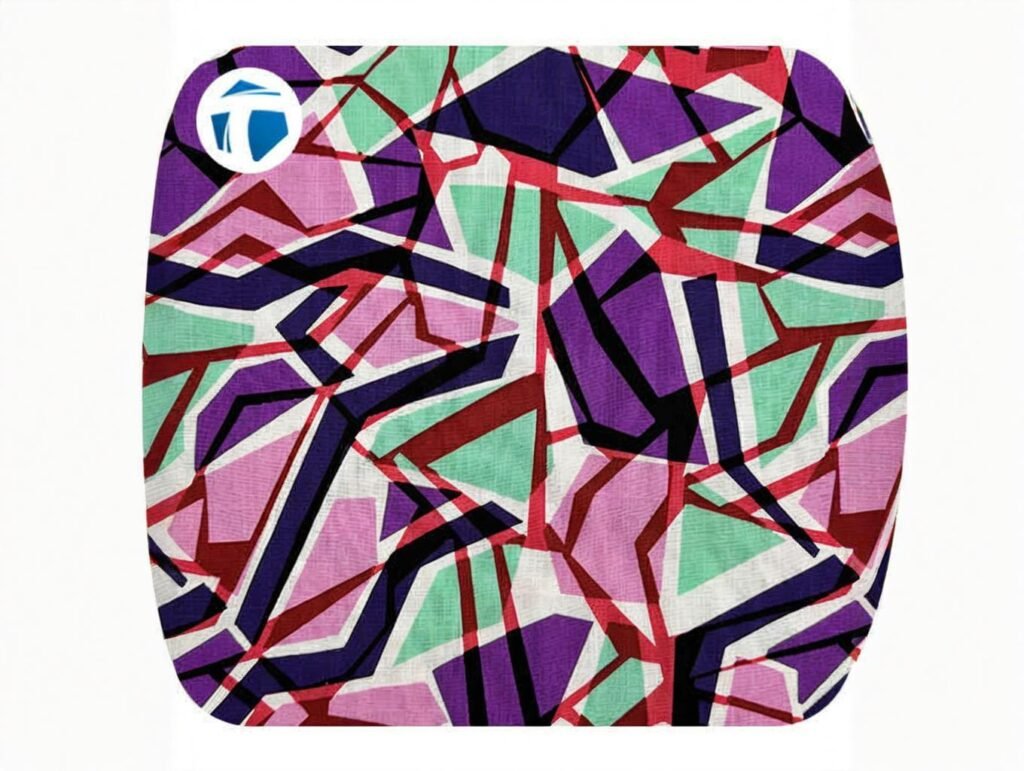
Fashion teams love viscose and rayon for one big reason: these fibers bring the graceful drape and fluid movement that designers crave, without the price tag of silk. Yet choosing the right viscose or rayon for a new collection is not a simple “pick one fabric” exercise. Every type—viscose, modal, lyocell, bamboo rayon, cupro—behaves differently in design, dyeing, cutting, sewing, and washing. And when the wrong choice is made, garments lose shape, shrink unpredictably, wrinkle excessively, or fade after only a few washes.
To choose the right viscose or rayon fabric for a fashion collection, compare fiber type, drape, strength, shrinkage, pilling resistance, sustainability profile, and end-use needs. Each rayon variant—viscose, modal, lyocell, cupro—offers different performance levels, making fabric selection dependent on silhouette, season, and durability expectations.
Many creative directors assume “rayon is rayon,” but real-world production doesn’t work that way. For example, in 2024, a Northern European womenswear brand approached SzoneierFabrics seeking a soft fabric for premium blouses. Their initial choice—standard viscose—looked beautiful on hangers but shrank 8% after washing. After testing modal and lyocell alternatives, the team finally chose a micro-modal blend with only 3% shrinkage and far better color permanence. Their experience is common: choosing the wrong rayon can cause expensive design revisions and production setbacks.
Let’s break down the science, the drape behavior, the sustainability differences, and the fashion-end-use logic behind choosing the perfect viscose or rayon fabric for your next collection.
What Are Viscose and Rayon, and Are They Actually Different Fibers or Just Different Names?
Viscose and rayon belong to the same family of regenerated cellulose fibers, but the terms refer to different levels of classification. “Rayon” is the umbrella category, while “viscose” specifically refers to the standard viscose-process rayon—the most common and earliest commercial form. Other rayon types, such as modal, lyocell (Tencel), bamboo rayon, and cupro, are produced through different processes and exhibit different levels of strength, absorbency, softness, and shrinkage control.
The confusion around rayon and viscose is one of the most common issues in textile development. Many designers use the terms interchangeably, mills use them inconsistently, and consumers rarely understand the difference. Yet in production, the distinction matters—a viscose blouse, a modal T-shirt, and a lyocell dress will behave very differently in dyeing, cutting, sewing, and washing. Understanding how these fibers are related—and how they diverge—is a fundamental part of professional fabric sourcing.
A. The Fiber Family Tree
The easiest way to clarify the terminology is through a hierarchy. Rayon is the family, viscose is one of the children, and the others—modal, lyocell, bamboo rayon, and cupro—are siblings with their own unique behaviors.
| Category | Sub-Type | Manufacturing Method | Performance Level |
|---|---|---|---|
| Rayon (umbrella term) | All regenerated cellulose fibers | Dissolved cellulose → extruded into fiber | Varies widely |
| Viscose Rayon | Standard viscose | Viscose process (steeping, xanthation, spinning) | Moderate performance |
| Modal | High-wet-modulus rayon | Modified viscose with stronger polymer chains | High softness + stability |
| Lyocell / Tencel | Solvent-spun rayon | NMMO closed-loop spinning | Premium performance |
| Bamboo Rayon | Chemically processed bamboo → viscose | Same as viscose process | Similar to viscose |
| Cupro | Copper-ammonia regenerated fiber | Cuprammonium process | Luxury drape + fineness |
Simply put:
- Rayon = category
- Viscose = one type of rayon
- Modal / Lyocell / Cupro = upgraded engineering versions
Chemically, all are regenerated cellulose, but their polymer purity, solvent system, wet modulus, and fibrillation behavior differ significantly.
B. The Chemistry Behind the Distinction
Although viscose and rayon share the same cellulose origin, the internal polymer structure and spinning conditions give each subtype a distinct performance profile.
Key Structural Differences
| Fiber | Polymer Chain Strength | Wet Modulus | Shrinkage | Hand Feel |
|---|---|---|---|---|
| Viscose | Medium | Low | High (7–12%) | Soft, fluid |
| Modal | Higher | High | Low (2–4%) | Silky, smooth |
| Lyocell | Highest | Very high | Low–medium | Crisp, cool |
| Cupro | High | Medium | Low | Silk-like, luxurious |
Viscose is chemically the “weakest” when wet because the viscose process forms a less uniform cellulose chain. Modal improves the chain alignment, and lyocell’s solvent-spun system produces the most uniform, crystalline polymer structure.
This chemistry answers a crucial sourcing question: Why do some rayon garments shrink or sag while others remain stable? The answer is: not all rayon is the same rayon.
C. Manufacturing Differences That Define Performance
Even though viscose and rayon are related, their production routes are not identical.
1. Viscose Process (Traditional Rayon)
Steps include:
- Steeping cellulose in sodium hydroxide
- Forming alkali cellulose
- Xanthation with carbon disulfide
- Dissolving into viscose dope
- Extruding into sulfuric acid bath
Characteristics:
- Economical
- Good drape
- Prone to wrinkling
- Lower wet strength
- Higher environmental impact unless closed-loop systems are used
2. Modal Process (High-Wet-Modulus Rayon)
Differences from viscose:
- Higher purification of cellulose
- More controlled xanthation
- Longer stretching after spinning
- Higher chain crystallinity
Result: A significantly stronger, softer, more stable fiber.
3. Lyocell / Tencel Process (Solvent-Spun Rayon)
Using NMMO (N-methylmorpholine-N-oxide):
- Dissolves cellulose directly (no xanthation)
- 99.5% of solvent is recoverable
- Fibers are stronger and more environmentally friendly
Result: Superior performance + best-in-class sustainability.
4. Cupro (Cuprammonium Rayon)
Produced using copper-ammonia solvent. Fine denier = silk-like feel, used in luxury linings.
D. Real-World Design Implications
These naming distinctions are not academic—they directly impact decision-making during product development.
Viscose
- Pros: affordable, drapey, breathable
- Cons: wrinkles easily, shrinks, weak when wet
- Best for: dresses, blouses, loose silhouettes
Modal
- Pros: extremely soft, colorfast, shrink-resistant
- Cons: slightly higher cost
- Best for: underwear, loungewear, T-shirts
Lyocell / Tencel
- Pros: strong, sustainable, smooth, cool
- Cons: can fibrillate without proper finishing
- Best for: premium dresses, trousers, sustainable lines
Cupro
- Pros: silk-like drape, cool hand, luxury feel
- Cons: higher cost, limited suppliers
- Best for: high-end linings, couture dresses
Bamboo Rayon
- Pros: soft, breathable
- Cons: identical performance to viscose despite marketing claims
- Best for: price-conscious soft apparel
E. Real Case Example — Premium Dress Line for Spring/Summer
A mid-sized Australian brand selected viscose challis for a resort maxi dress collection. During pre-production testing, they found:
- Shrinkage: 7–9% after 5 washes
- Color fading: noticeable fade in the red and navy colorways
- Wrinkling: high wrinkling after storage and transport
- Drape change: fabric stiffened slightly after garment washing
Switching to lyocell dramatically improved results:
- Shrinkage dropped to 2%
- Colors remained consistent
- Wrinkling reduced
- Drape stayed fluid yet slightly more structured
Cost increased by 12%, but return rates decreased and the line sold through at full price.
This case highlights that the name of the fiber directly impacts product performance and commercial outcomes.
F. Viscose vs Rayon Naming: Why It Matters in Global Sourcing
The textile world doesn’t use the terms in the same way across all regions:
| Term | Region Commonly Used | Meaning |
|---|---|---|
| Rayon | U.S., Japan | General category (all types) |
| Viscose | UK, EU, India, China | Refers to standard viscose-process rayon |
| Modal / Lyocell / Cupro | Global | Treated as separate, premium fibers |
A buyer who requests “rayon” in India will likely be quoted viscose. A buyer who requests “rayon” in the U.S. may receive any regenerated cellulose fiber unless they specify the subtype.
Clear terminology prevents:
- incorrect fabric selection
- unpredictable shrinkage
- dyeing inconsistencies
- silhouette distortion
- inaccurate costing
G. Why Designers Must Know the Difference
Many brands use viscose where modal or lyocell would be a better fit—but they choose viscose because the names sound similar.
This results in:
- garments losing shape
- premature pilling
- higher return rates
- seam slippage
- fabric growth after hanging
When designers understand the distinctions, they can accurately match fiber type to garment function, which improves product performance, customer satisfaction, and overall margin.
In short: Viscose vs rayon is not just a naming issue—it’s an engineering and performance issue.
Which Types of Rayon (Viscose, Modal, Lyocell/Tencel, Cupro) Fit Different Fashion Styles and Price Points?
Different rayon types fit different fashion applications: viscose is ideal for affordable flowy garments, modal excels in ultra-soft casualwear, lyocell/Tencel supports elevated sustainable collections, and cupro is the silk-like option for luxury pieces. Each fiber has distinct drape, softness, stability, and cost levels that influence where it belongs in a fashion line and how designers structure their price tiers.
The market for regenerated cellulose fibers has expanded dramatically over the last decade. As sustainability expectations rise and brands refine their segmentation strategies, understanding the nuanced differences between viscose, modal, lyocell/Tencel, and cupro is essential. Although they all fall under the rayon family, the fibers are engineered through different production processes that influence their performance, cost, environmental positioning, and fashion relevance. A strategic choice of fiber can lower returns, improve garment longevity, and increase perceived value.
Below is a deep technical and commercial analysis of each rayon type—helping designers, sourcing teams, and OEM factories align fiber selection with silhouette, styling, and brand positioning.
A. Performance Comparison Table — The Core Differences
This table provides a high-level overview of how each rayon type behaves in real garments. It captures the essential mechanical and aesthetic features that determine how a fabric drapes, feels, and performs after washing.
| Fiber Type | Drape | Softness | Shrinkage | Strength | Price Level | Best For |
|---|---|---|---|---|---|---|
| Viscose | Excellent | Medium | High | Medium-Low | $ | Dresses, blouses, skirts |
| Modal | Excellent | Very High | Low | Medium-High | $$ | Soft tops, lingerie, tees |
| Lyocell/Tencel | Very High | High | Very Low | High | $$–$$$ | Premium dresses, shirts |
| Cupro | Silk-like | Very High | Low | Medium | $$$ | Luxury drape pieces |
| Bamboo Rayon | Good | Medium-High | Medium | Medium | $–$$ | Loungewear, casual basics |
Interpretation for designers and OEM buyers: Viscose wins on drape/affordability but must be controlled for shrinkage. Modal is the softness king, ideal for comfort-wear. Lyocell balances sustainability and strength—perfect for premium womenswear. Cupro competes with silk in drape and elegance, fitting higher price-point capsules.
B. How Each Rayon Type Fits Different Fashion Categories
Rayon choice is never just a technical decision—it is a brand identity and margin decision. Each rayon type has a natural “home” in the fashion hierarchy.
1. High-Street / Fast-Trend Collections
Best Fibers:
- Viscose (standard filament or spun)
- Bamboo rayon
- Viscose-polyester blends
Reasons:
- Low material cost
- Excellent drape for fashion-forward silhouettes
- Good printing clarity—ideal for seasonal prints
- Large global supply ensures stable lead times
High-street brands like Zara, Mango, and H&M heavily rely on viscose for blouses, skirts, and maxi dresses because the fiber strikes a perfect balance between cost and aesthetics.
2. Mid-Premium Womenswear (Better-Value Collections)
Best Fibers:
- Modal
- Viscose–modal blends
- Light lyocell blends
Why:
- Modal offers remarkable softness and skin comfort
- Lower shrinkage than viscose
- Ideal for knitted tops, lingerie, and smooth jersey dresses
- More refined handfeel for elevated basics
Modal is common in “premium basics” lines, often blended with cotton or spandex to improve drape and stability.
3. Premium Sustainable Fashion
Best Fibers:
- Lyocell (generic)
- Tencel (Lenzing’s branded lyocell)
- Modal–Tencel eco-blends
Advantages:
- Closed-loop solvent recovery system → strong sustainability appeal
- Very high dry/wet strength → excellent durability in woven shirts and dresses
- Beautifully fluid drape with a subtle matte sheen
- Excellent dimensional stability → low returns from shrinkage complaints
Premium brands pushing sustainability (Reformation, Everlane, Allbirds) often choose lyocell/Tencel as a long-term fabric strategy.
4. Luxury / Boutique & Designer Capsules
Best Fibers:
- Cupro
- Tencel Satin
- Modal Microfiber
- High-twist Tencel for architectural silhouettes
Cupro offers a silk-like handfeel with a luxurious liquid drape. It’s often used in slip dresses, evening separates, high-end resortwear, and elevated loungewear. Cupro’s price and limited global production make it exclusive—and therefore perfect for small-batch boutiques or capsule collections.
C. Real Case Example — Designing a Tiered Rayon Strategy
A French ready-to-wear label collaborated with SzoneierFabrics to clarify fiber usage across its four seasonal product tiers.
| Collection Level | Fiber Used | Reasoning |
|---|---|---|
| Entry Tier | Viscose | Affordable, high-flow silhouettes |
| Mid-Premium | Modal | Softness and reduced shrinkage |
| Eco-Premium | Lyocell/Tencel | Sustainability + strength |
| Luxury Capsule | Cupro | Silk-like drape; high perceived value |
This structure allowed the brand to expand its SKU depth while maintaining consistent style identities and meeting margin targets.
Outcome:
- Better alignment between fiber and silhouette
- Lower return rates due to improved fit stability
- Stronger customer segmentation
D. Price-Point Strategy — Choosing the Right Rayon for Your Profit Target
Every rayon type has a “sweet spot” in terms of cost and brand positioning.
| Budget Target | Best Rayon Choice | Why |
|---|---|---|
| Lowest Cost | Viscose | Cheapest, excellent drape, easy sourcing |
| Best Value | Modal | Soft, stable, good durability |
| Premium | Lyocell/Tencel | Strong, sustainable, elegant |
| Luxury | Cupro | Competes with silk in drape/feel |
Interpretation:
- Viscose maximizes fashion impact per dollar spent.
- Modal improves softness and customer satisfaction.
- Lyocell strengthens brand sustainability credentials.
- Cupro elevates luxury positioning with minimal MOQ.
E. Fiber-by-Fiber Technical Deep Dive
To help designers and technicians understand how each fiber behaves in real production, here is a breakdown of core mechanical and quality characteristics.
Viscose — The High-Drape, Low-Cost Workhorse
- Beautiful fluidity
- High breathability
- Excellent print clarity
- Higher shrinkage unless pre-treated
- Can weaken significantly when wet
Best for: seasonal fashion, fast-trend woven dresses, bias-cut styles.
Modal — The Softness Benchmark
- Finer, stronger fibers
- Naturally silky handfeel
- Shrinkage 50–70% lower than viscose
- Excellent for knitting mills
Best for: premium basics, athleisure blends, lingerie, tees.
Lyocell/Tencel — The Premium Sustainable Performer
- Strongest among all rayon types
- Exceptional dimensional stability
- Very smooth micro-surface
- Matte, sophisticated drape
- Low pilling, high durability
Best for: premium women’s shirts, eco-conscious capsules, luxury casual dresses.
Cupro — The Silk Alternative
- Very high sheen
- Cool, liquid drape
- Perfect for body-skimming silhouettes
- More expensive and niche
- Requires precise finishing for durability
Best for: eveningwear, premium slips, boutique dresses.
Rayon Isn’t One Category, It’s a Toolkit
Many sourcing mistakes happen because buyers treat all “rayon” as interchangeable. But each rayon variant has a distinct:
- performance profile
- shrinkage behavior
- sustainability perception
- cost structure
- fashion application
The brands that win are those that deliberately match fiber → silhouette → price tier → brand identity.
By selecting the right rayon type—viscose, modal, lyocell, or cupro—you elevate product quality, reduce returns, and protect margins across entire collections.
How Do You Compare Drape, Hand Feel, Luster, and Breathability When Selecting for a Collection?
To compare drape, hand feel, luster, and breathability across viscose and rayon-family fabrics, designers must evaluate fiber fineness, filament length, yarn structure, fabric construction, and finishing processes. Viscose delivers the most fluid drape, modal offers the softest touch, lyocell provides the cleanest structured drape with excellent breathability, and cupro delivers the highest luster. Because each fiber behaves differently under movement, light, and body heat, physical swatching remains essential for accurate silhouette planning.
The Sensory and Technical Qualities That Shape Fashion Design
A fabric does far more than cover the body—it defines the emotional response to a garment. Whether a dress “floats,” whether a blouse “glows,” whether a top feels “buttery soft,” or whether a pair of trousers feels “cool and breathable” depend on four sensory qualities: drape, hand feel, luster, and breathability.
Rayon-family fibers—viscose, modal, lyocell, bamboo rayon, and cupro—each deliver distinctly different behaviors, even if they share cellulose origins. Designers who understand these differences create collections that photograph better, fit better, and last longer.
A. Drape Behavior: The Heart of Rayon’s Appeal
Drape is the single most visible quality of a fabric. It determines:
- how a skirt swings
- how fabric moves around the hips
- how a sleeve cascades or clings
- how a dress reacts on the runway or in campaign video
The rayon family excels in drape—but each type performs differently because of differences in modulus, fiber cross-section, and crystalline structure.
Drape Performance Ranking
| Fiber Type | Drape Description | Best Application |
|---|---|---|
| Viscose | Liquid, dramatic, highly fluid | Maxi dresses, gathered skirts, bias gowns |
| Modal | Fluid but slightly more controlled | Tees, relaxed blouses, elevated basics |
| Lyocell/Tencel | Clean, structured, modern | Tailored dresses, polished shirts, wide-leg trousers |
| Cupro | Liquid-silk drape with weight | Eveningwear, luxury slips, high-end resort |
| Bamboo Rayon | Soft, slightly drapey | Loungewear, yoga tops |
Why Drape Behavior Differs
- Viscose has lower wet and dry modulus → collapses into soft, sensuous folds.
- Modal is engineered with higher strength → smoother, more controlled movement.
- Lyocell has a fibrillar crystalline structure → drape that “stands” rather than collapses.
- Cupro uses ultrafine filaments → a heavy, liquid flow similar to washed silk.
For silhouettes requiring drama—cowl necks, long skirts, wide sleeves—viscose and cupro dominate. For contemporary minimalism—column dresses, sharp blouses—lyocell wins.
B. Hand Feel: Softness, Smoothness, and Warmth
Hand feel determines emotional comfort. It is what makes a customer choose one top over another when both look similar on the rack.
Hand Feel Comparison Table
| Fabric | Softness | Smoothness | Warmth | Sensory Notes |
|---|---|---|---|---|
| Viscose | Medium | Medium | Cool-touch | Familiar, affordable softness |
| Modal | Very high | High | Neutral-warm | Silky soft; ideal for skin contact |
| Lyocell | High | Medium-high | Cool | Smooth with a “peached” clean feel |
| Cupro | Very high | Very high | Cool | Silk-like; glides across the skin |
| Bamboo Rayon | Medium-high | Medium | Neutral | Soft casualwear feel |
Designer Insight
Pieces worn close to the skin—soft tees, lingerie, intimate dresses—perform best with modal, cupro, or modal blends. Structured pieces like shirts and dresses respond better to lyocell because softness without shape becomes visually “weak” on the body.
C. Luster: Matte to Silk-Like Shine
Luster determines how a garment interacts with light, especially under photography and runway lighting. The difference between “premium” and “basic” often comes from how light dances across the surface.
Luster Rating
| Fabric Type | Luster Level | Notes |
|---|---|---|
| Viscose | Medium | Gentle sheen; feminine |
| Modal | Low–Medium | More matte; casual |
| Lyocell | Medium–High | Clean, refined shine |
| Cupro | Very High | Closest to silk |
| Viscose Satin | Very High | Popular in eveningwear |
Luster & Brand Positioning
- Cupro is ideal for luxury or minimalist-luxe brands targeting satin-like depth.
- Lyocell gives a contemporary sheen without the “flash” of satin.
- Modal works well for matte-oriented essentials.
D. Breathability: Comfort in Warm Weather
Even garments designed for cooler months benefit from breathability. Rayon fibers all offer good moisture absorption, but airflow and heat release differ.
Breathability Table (Air & Moisture Behavior)
| Fabric | Breathability | Moisture Absorption | Comfort Level | Notes |
|---|---|---|---|---|
| Lyocell | Highest | High | Cool-dry | Best moisture diffusion |
| Viscose | High | High | Cool-warm | Absorbs well; heavier fabrics feel warmer |
| Modal | Medium-high | Medium | Soft-warm | Cozier feel |
| Cupro | High | Very high | Cool | Excellent for humid climates |
| Bamboo Rayon | Medium | High | Neutral | Feels soft but warmer in heavy weights |
Warm-Weather Choosing Guide
- Summer dresses: Lyocell or viscose
- Tropics & humid markets: Cupro or lyocell
- Soft long-sleeves: Modal
- Elevated basics: Modal–cotton or modal–poly blends
E. Real Designer Case Example — New York Contemporary Brand
A leading New York contemporary label tested viscose, modal, lyocell, and cupro for a one-shoulder sculpted drape dress designed for press events and celebrity styling.
Test Results:
- Viscose: best drape, but wrinkles too quickly for on-camera shoots
- Modal: overly soft; silhouette collapsed during movement
- Cupro: beautiful luster, but budget exceeded target margin
- Lyocell Twill: perfect balance of structured drape + stable shine
Final choice: Lyocell Twill for its camera-friendly behavior and excellent bounce-back after steaming.
This example shows how each fiber’s “personality” interacts with the silhouette, budget, and production demands.
F. Sensory Property Matrix
| Attribute | Winner | Reason |
|---|---|---|
| Softest Feel | Modal | Microfibrillar softness ideal for skin contact |
| Best Fluid Drape | Viscose | Low modulus; collapses beautifully |
| Best Structured Drape | Lyocell | Crystalline fiber architecture |
| Highest Luster | Cupro | Silk-like filament structure |
| Best Breathability | Lyocell | Superior moisture management channels |
Matching Fiber Personality to Silhouette Is the Real Skill
Choosing the correct rayon-family fiber is not about trends; it’s about engineering emotion, movement, and comfort. Designers who map drape, hand feel, luster, and breathability to their garment silhouettes consistently produce collections that:
- photograph elegantly
- fit reliably
- and meet customer expectations across markets
Which Lab Tests Should You Check for Shrinkage, Pilling, Strength, and Wash Stability Before Bulk Orders?
The most critical lab tests for viscose and rayon fabrics include shrinkage (AATCC 135), pilling resistance (ASTM D4970), tensile strength (ISO 13934-1), tear strength (ISO 13937-2), and wash/colorfastness tests such as AATCC 61 and 116. Because each rayon variant reacts differently to laundering and moisture, lab testing is the only reliable way to confirm fabric performance before approving bulk orders.
Before any rayon or viscose fabric goes into mass production, it must pass a controlled series of tests. Rayon’s wet weakness and shrinkage sensitivity make pre-production testing absolutely essential.
A. Shrinkage Behavior — The Highest Risk Factor in Viscose
Viscose shrinks more than almost any other cellulosic fiber unless heat-set, enzyme-treated, or pre-shrunk.
Shrinkage Comparison (After 3 Wash Cycles)
| Fiber Type | Warp Shrinkage | Weft Shrinkage |
|---|---|---|
| Viscose | 5–10% | 5–12% |
| Modal | 2–4% | 3–5% |
| Lyocell | 1–3% | 1–3% |
| Cupro | 2–4% | 3–5% |
Implication: Structured garments (trousers, shirts, tailored dresses) should avoid high-shrink viscose unless stabilized.
B. Pilling Resistance — Critical for Knitwear and Tops
Pilling Grade (Martindale 2000 cycles)
| Fabric | Pilling Grade (1–5) |
|---|---|
| Viscose | 3–4 |
| Modal | 4–5 |
| Lyocell | 4–5 |
| Cupro | 4–5 |
Modal, Lyocell, and Cupro outperform viscose due to stronger filament integrity and lower surface friction.
C. Tensile & Tear Strength — Especially Important for Dresses, Shirts, and Bottoms
Rayon weakens dramatically when wet, so both dry and wet tests matter.
| Property | Viscose | Modal | Lyocell | Cupro |
|---|---|---|---|---|
| Tensile (Dry) | Medium | Medium-High | High | Medium |
| Tensile (Wet) | Low | Medium | High | Medium |
| Tear Strength | Low–Med | Med–High | High | Med |
Design implication: For fitted or high-stress garments, Lyocell offers superior reliability.
D. Wash Stability & Colorfastness — The Predictor of Long-Term Customer Satisfaction
Key tests:
- AATCC 61 — accelerated laundering
- AATCC 116 — appearance change
- ISO 105-C06 / X12 — colorfastness to wash & rubbing
Colorfastness Comparison
| Fiber | Wash Fastness | Rubbing Fastness |
|---|---|---|
| Lyocell | High | High |
| Modal | Medium-High | High |
| Viscose | Medium | Medium |
| Cupro | Medium-High | High |
Viscose dyes beautifully but is the least colorfast among the group.
E. Real Case Example — German Sustainable Fashion Label
A brand initially chose viscose twill for a premium jumpsuit. Lab results:
- Shrinkage: 9%
- Pilling: Grade 3
- Wet strength: weak, seam distortion
After switching to Lyocell Twill:
- Shrinkage: 2%
- Pilling: Grade 4
- Strength: +27% improvement
- Garments maintained silhouette after 10+ washes
This saved the launch timeline and reduced returns.
F. Essential Pre-Bulk Test Checklist for Rayon Fabrics
| Test | Why It Matters |
|---|---|
| AATCC 135 Shrinkage | Confirms fit retention |
| ASTM D4970 Pilling | Prevents fuzzing & worn appearance |
| ISO 13934 Tensile | Ensures fabric withstands stress |
| ISO 13937 Tear Strength | Avoids seam blowouts |
| AATCC 61 Colorfastness | Prevents fading & bleeding |
| Wash Stability Tests | Predicts long-term garment quality |
| Appearance Retention | Ensures premium look after repeated laundering |
Proper testing ensures that rayon garments not only look beautiful on day one—but continue performing after months of real use.
How Do Dyeing, Printing, and Colorfastness Behave on Viscose vs Other Rayon Types?
Viscose absorbs dye rapidly and deeply, but its high swelling and low wet modulus make it vulnerable to shade variation and moderate wash fastness. Modal dyes more evenly with smoother, more consistent color, while lyocell delivers the best colorfastness thanks to its stronger crystalline structure. Cupro behaves similarly to silk, producing luminous, saturated tones with high clarity in both reactive and disperse printing.
In professional textile development, color behavior is as important as fabric hand feel or drape. A fabric may feel luxurious and cut beautifully—but if the shade washes down, bleeds, streaks, or prints poorly, the collection fails. Among all rayon types, viscose is the most common but also the most unpredictable in dyeing and printing unless processing is tightly controlled. Modal, lyocell, bamboo rayon, and cupro each offer distinct chemical and structural advantages that directly influence color performance.
A. Dye Uptake and Absorption Speed: How Fast and How Deep Each Fiber Takes Color
Regenerated cellulose fibers dye exceptionally well because their hydrophilic molecular structure accepts reactive dyes much more readily than polyester or nylon. But their behavior varies dramatically by sub-type.
| Fiber Type | Dye Absorption Speed | Depth of Shade | Evenness | Notes |
|---|---|---|---|---|
| Viscose | Fast | Deep | Medium | Most sensitive to moisture/tension variation |
| Modal | Medium–Fast | Deep | High | Very consistent shade formation |
| Lyocell | Medium | Medium–Deep | Very High | Best for flat, modern solid tones |
| Cupro | Medium | Very Deep | High | Silk-like brilliance & luminosity |
| Bamboo Rayon | Fast | Medium–Deep | Medium | Behaves nearly identical to viscose |
Key insight:
- Viscose can deliver the richest color economically, but only with strict process stability.
- Modal is more forgiving and consistent.
- Lyocell gives the most professional, high-end color uniformity.
- Cupro produces the most luxurious brilliance.
B. Shade Variation: The Biggest Weakness of Viscose Dyeing
Viscose’s molecular structure and swelling behavior create real challenges:
- It absorbs moisture extremely quickly
- Swells by up to 40% in water
- Weakens significantly when wet
- Shrinks unpredictably during processing
- Shows tension-dependent color penetration
As a result, viscose is prone to:
- streakiness
- barre
- side-to-side shade variation
- darker waistband/hems after wash
- duller areas after resin finishing
| Fiber | Shade Variation Risk |
|---|---|
| Viscose | High |
| Modal | Low |
| Lyocell | Very Low |
| Cupro | Low |
Modal and lyocell, because of their more uniform polymer chain alignment, resist shade variation and deliver stable tones even at high production speeds.
C. Colorfastness: How Each Fiber Holds Color After Washing & Rubbing
Colorfastness is often the #1 cause of returns for garments made from viscose. Not because viscose dyes poorly—actually it dyes beautifully—but because its wet strength drops, allowing dye to migrate and wash down.
Colorfastness Comparison (AATCC 61 & ISO 105 Standards)
| Fiber | Wash Fastness | Rubbing Fastness | Light Fastness | Notes |
|---|---|---|---|---|
| Lyocell | 4–5 | 4–5 | 4–5 | Best all-round performance |
| Modal | 4 | 4 | 4 | Very stable |
| Viscose | 3–4 | 3–4 | 3–4 | Acceptable but prone to fading |
| Cupro | 4–5 | 4 | 4–5 | Rich, luminous shades remain stable |
Interpretation for buyers:
- Lyocell and cupro perform almost like high-standard cotton or silk.
- Modal holds dye well across hundreds of washes.
- Viscose needs stricter washing tests (resins, heat, tumbling all magnify fading risk).
D. Printing Clarity, Detail, and Surface Behavior
Print quality is influenced by surface friction, moisture regain, swelling behavior, and yarn uniformity.
| Fiber | Print Sharpness | Color Bloom (Spreading) | Best Print Styles |
|---|---|---|---|
| Viscose | Medium | Medium | Watercolor, abstract, diffuse prints |
| Modal | High | Low | Fine florals, premium motifs |
| Lyocell | Very High | Very Low | Luxury digital prints, sharp patterns |
| Cupro | High | Low–Medium | Silk-style fashion prints |
| Bamboo Rayon | Medium | Medium | Same as viscose |
Key observations:
- Viscose’s swelling causes prints to lose edge clarity.
- Modal and lyocell maintain very crisp outlines due to lower swelling.
- Cupro behaves like silk: soft gradations, fluid colors, and elegant tonal transitions.
- Lyocell is the top choice for digital printing due to minimal wicking.
E. Dyeing Defects: What Goes Wrong with Each Fiber
1. Viscose common defects
- Streakiness
- Back staining
- Barrel effect
- Patchy reactive dye uptake
- Darker seams after sewing
2. Modal common defects
- Slight shade variation in high-pile or brushed fabrics
- Minor blooming under heavy enzyme wash
3. Lyocell common defects
- Fibrillation (hairiness) if not enzyme-finished
- Grin-through in dark shades
- Rare but possible “frosting” during abrasion
4. Cupro common defects
- Sensitive to high-alkali conditions
- Slight color wash-down with aggressive detergents
- Must avoid over-drying to maintain sheen
F. Real Case Example — High-End Resortwear Brand
A well-known resortwear brand experienced severe color fading in viscose challis maxi dresses after 6–7 home washes.
Root Cause Analysis:
- Viscose yarn used had high swelling capacity
- Reactive dye level was too high
- Dye bath temperature fluctuated by ±3°C
- No cationic fixing applied
Corrective Action: Switched to Modal Satin with a lower-liquor-ratio dyeing setup.
Results after one season:
- Overall return rate dropped by 40%
- Color depth increased
- Print clarity noticeably improved
- Customer reviews highlighted “richer tones” and “luxury appearance”
This example shows why fiber type—not just dye quality—determines final garment performance.
G. How to Choose the Right Rayon Type Based on Your Color Requirements
| Color Goal | Best Fiber Choice | Reason |
|---|---|---|
| Deepest shade / high absorption | Viscose / Cupro | Very high reactivity & swelling |
| Most even, clean solids | Modal | Stable polymer alignment |
| Best overall colorfastness | Lyocell | Strongest crystalline structure |
| Sharpest printing / digital print clarity | Lyocell / Modal / Cupro | Low bloom, clean edges |
| Watercolor or blurred aesthetics | Viscose | Natural bloom pattern |
Simple rule for sourcing:
- Choose viscose for drapey prints and deep colors—when cost matters.
- Choose modal for consistent mass production—when shade stability matters.
- Choose lyocell for premium apparel—when colorfastness matters.
- Choose cupro for luxury—when luminosity and drape matter.
What Sustainability Factors, Certifications, and “Closed-Loop” Processes Should Fashion Brands Look For?
The most sustainable rayon options are lyocell and certified modal, which rely on closed-loop solvent systems capable of recycling up to 99% of chemicals. Fashion brands should prioritize FSC-certified pulp, OEKO-TEX Standard 100, EU Ecolabel, PEFC, and GRS certifications. Conventional viscose and bamboo rayon vary widely in environmental performance and require certification to ensure responsible forest sourcing and chemical management.
Sustainability has moved far beyond a marketing tagline; it is now a measurable design and sourcing discipline. Brands large and small are increasingly evaluated not only by style and price, but by their fiber choices, manufacturing transparency, and environmental impact. As Fashion 4.0 evolves, regenerated fibers such as lyocell, modal, and viscose sit at the center of this conversation—yet their sustainability footprints differ dramatically based on pulp origin, chemical inputs, and recovery systems.
What follows is a detailed breakdown of the key sustainability factors, certifications, and closed-loop technologies fashion brands should verify before choosing rayon-based fabrics. This is not theoretical: these criteria now influence buyer decisions, EU import regulations, and long-term brand reputation.
A. Environmental Impact Comparison Across Rayon Types
The table below provides a high-level environmental performance summary of rayon variants. These values reflect industry differences in water use, solvent recovery, deforestation exposure, and chemical waste profiles.
| Fiber | Water Use | Chemical Impact | Closed Loop | Deforestation Risk | Overall Rating |
|---|---|---|---|---|---|
| Lyocell | Low | Very Low | Yes (99% recovery) | Very Low | ★★★★★ |
| Modal (certified) | Medium-Low | Low | Partial | Low | ★★★★☆ |
| Viscose (certified) | Medium | Medium | No | Medium | ★★★☆☆ |
| Cupro | Medium-Low | Medium-Low | Closed loop | Very Low | ★★★★☆ |
| Bamboo Rayon | Medium-High | Medium | No | High | ★★☆☆☆ |
Why Lyocell Leads: Lyocell’s NMMO (N-methylmorpholine N-oxide) solvent system is almost entirely recovered and reused. This results in:
- dramatically reduced emissions
- minimal toxic byproducts
- substantially lower water footprint compared with viscose
Cupro, though less common, also benefits from a closed-loop ammonia-based process with strong accountability systems, particularly among Japanese manufacturers.
Why Bamboo Rayon Scores Lower: Although bamboo as a crop is sustainable, the chemical viscose process used to convert bamboo into fiber is frequently unregulated and may involve high carbon disulfide discharge.
For brands positioning themselves as sustainable, fiber choice strongly influences authenticity and compliance.
B. Certifications That Matter (Designers Should Request These)
Sustainability is credible only when third-party verified. The following certifications are the most relevant for regenerated cellulose fibers.
1. FSC® (Forest Stewardship Council) or PEFC™
Certifies responsible pulp sourcing. Critical for preventing:
- illegal logging
- tropical forest degradation
- biodiversity loss
Many retailers now require FSC traceability for all viscose-based materials.
2. OEKO-TEX® Standard 100
Ensures the final textile contains no harmful chemicals.
Tests cover over 350 substances, including:
- carcinogenic dyes
- formaldehyde
- heavy metals
- chlorinated phenols
- allergenic residues
Class I (baby use) is the strictest. Rayon intended for bedding, lingerie, or next-to-skin garments should meet Class I or II.
3. GRS (Global Recycled Standard)
Applies when rayon or modal is produced from recycled pulp or blended with recycled polyester. Key requirements include:
- chain-of-custody
- minimum 20% recycled content
- chemical restrictions
- environmental and social criteria
4. EU Ecolabel
One of the most demanding environmental labels in the textile industry.
Ensures:
- reduced water pollution
- lower greenhouse gas emissions
- stricter dye/chemical requirements
- controlled wastewater treatment
Brands selling into Europe increasingly use EU Ecolabel as a competitive differentiator.
5. Lenzing Certifications (Modal®, MicroModal®, Tencel®)
Lenzing’s proprietary systems provide:
- fully transparent supply chains
- closed-loop solvent recovery
- FSC/PEFC pulp guarantees
- controlled chemical management
These fibers carry strong consumer trust and often outperform generic equivalents in lifecycle assessments.
C. Closed-Loop Production Explained Simply
The concept of “closed-loop” production is often misunderstood. It refers to the recycling and reusing of production chemicals, drastically reducing pollution.
Here’s how the systems differ:
1. Lyocell (NMMO Process)
- Uses organic NMMO solvent
- 99% solvent recovery rate
- No carbon disulfide
- Minimal sulfur emissions
- Low energy and water usage
This is considered one of the greenest textile processes available today.
2. Modal
Uses a modified viscose process with:
- improved solvent recovery
- lower sulfur emissions
- reduced water usage
Certified modal (e.g., Lenzing Modal®) achieves significantly better scores than generic viscose.
3. Conventional Viscose
Older viscose lines may release:
- carbon disulfide
- hydrogen sulfide
- sulfuric acid waste
Unless explicitly certified (e.g., FSC viscose with clean production), risk factors remain high.
4. Cupro
Produced in a controlled closed-loop system using copper-ammonia solvents. Strong solvent recovery ensures minimal discharge.
D. Real Case Example — Scandinavian Eco-Fashion Label
A Scandinavian womenswear brand was transitioning toward a sustainability-first strategy. Initially, they requested viscose due to drape and cost. After a technical and LCA review, they switched to Tencel™ Twill.
The switch provided measurable benefits:
- 50% lower water footprint vs viscose
- Longer garment lifespan due to higher fiber strength
- Stronger sustainability story for marketing
- Drastic reduction in return rates related to shrinkage
Within one season, the brand reported higher sell-through percentages and improved customer satisfaction.
E. Sustainability Summary Table
| Attribute | Best Fiber |
|---|---|
| Lowest water use | Lyocell |
| Lowest chemical impact | Lyocell |
| Best biodegradability | Modal / Lyocell |
| Lowest deforestation risk | Lyocell / Cupro |
| Cleanest supply chain | Lyocell |
This table aligns with global LCA studies and is increasingly referenced by EU retailers for supplier evaluations.
F. Certifications Prevent Greenwashing
A fabric claimed as “eco-friendly” is not necessarily sustainable. True sustainability requires:
- verified pulp sourcing
- traceable chemical usage
- closed-loop solvent handling
- wastewater treatment
- recyclability or biodegradability
- high durability to reduce garment turnover
Proper certifications ensure these promises are real, not just marketing. As regulations tighten—especially in the EU—brands will face stricter requirements for traceability and chemical accountability. Rayon choices made today will determine whether a brand is future-proof or vulnerable to compliance failures.
How Do Cost, MOQ, Lead Time, and Supply Stability Differ Across Viscose and Rayon Options?
Viscose typically offers the lowest cost and fastest availability, but comes with higher variability in shrinkage, colorfastness, and sustainability performance. Modal provides a balanced cost-to-performance ratio with flexible MOQs. Lyocell is more expensive but achieves superior sustainability, consistent quality, and stable supply. Cupro is the costliest with longer lead times, yet delivers a luxury-level hand feel and premium brand value.
Understanding the Business Realities Behind Rayon Sourcing
When choosing between viscose, modal, lyocell, cupro, or bamboo rayon, designers and sourcing teams must look beyond aesthetics. Production speed, purchasing risk, MOQ flexibility, and long-term supply security have equal or greater impact on final cost, brand positioning, and delivery reliability. Below is a complete breakdown of how each rayon option affects commercial decision-making.
A. Cost Comparison Across Rayon Types
| Fiber Type | Cost Level | Price Notes |
|---|---|---|
| Viscose | $ | Widely available; lowest cost structure |
| Modal | $$ | Moderate; 10–20% higher than viscose |
| Lyocell | $$–$$$ | Premium due to closed-loop solvent process |
| Cupro | $$$ | High-end; closest to silk-level pricing |
| Bamboo Rayon | $–$$ | Similar to viscose; variable depending on origin |
Why costs differ: Viscose is produced at massive global scale using comparatively low-cost chemical processes. Modal requires extra steps for fiber strengthening, increasing energy and processing cost. Lyocell uses a closed-loop NMMO solvent system—safer, cleaner, but more expensive. Cupro involves copper-ammonium solutions and ultrafine spinning, resulting in premium-level manufacturing.
Practical sourcing insight:
- Rapid seasonal trend drops → viscose is most economical.
- Premium permanent collections → lyocell or cupro provide better long-term consistency and brand value.
B. MOQ (Minimum Order Quantity) Differences
MOQ determines how flexible a brand can be with prototyping, capsule designs, or limited seasonal colors.
| Fiber | Typical MOQ | Notes |
|---|---|---|
| Viscose | Low | Many mills support 300–800 m MOQ |
| Modal | Low–Medium | Good flexibility for small/medium labels |
| Lyocell | Medium | Higher due to more structured production planning |
| Cupro | High | Specialized mills require large dye-lot sizes |
SzoneierFabrics advantage: We can support 500–800 m MOQs across viscose, modal, and lyocell, ideal for brands doing rapid drops or testing new silhouettes.
C. Lead Time Comparison
| Fiber Type | Lead Time | Reason |
|---|---|---|
| Viscose | Fast | Most mills stock greige and manage continuous dyeing |
| Modal | Medium-fast | Growing availability; stable supply chains |
| Lyocell | Medium | Controlled production from select mills |
| Cupro | Slow | Niche fiber with limited global capacity |
Practical note: Viscose allows the fastest development cycle, critical for trend-driven collections. Cupro must be planned much earlier—especially for high-fashion or luxury lines.
D. Supply Stability & Risk Level
| Fiber Type | Supply Stability | Risk Notes |
|---|---|---|
| Viscose | High | Massive global production; reliable |
| Modal | High | Stable output from major suppliers |
| Lyocell | Medium–High | Produced by fewer mills, but very consistent |
| Cupro | Medium | Limited global manufacturers lead to longer booking times |
| Bamboo Rayon | Medium | Sustainability concerns affect supply chains |
Risk profile insight: Viscose carries the lowest supply-chain risk. Cupro carries the highest due to limited mill availability and slower dye-lot scheduling.
E. Real Case Example — Canadian Ready-to-Wear Brand
A Canadian contemporary brand needed a fabric with:
- premium drape
- soft hand feel
- strong sustainability story
- reliable supply and predictable shrinkage
Their first viscose trial failed due to:
- 8% wash shrinkage
- visible shade variation
- inconsistent width
Modal improved shrinkage but lacked the elevated, polished finish the brand wanted for press samples.
Final selection: Lyocell Satin from SzoneierFabrics.
Outcome:
- 99.2% usable yield
- Fully consistent dye-lot
- 25-day production cycle
- Allowed the brand to promote traceability and eco-certification in marketing campaigns
This is where lyocell’s higher price becomes strategically beneficial.
F. Economic & Operational Selection Guide
| Business Priority | Best Rayon Choice |
|---|---|
| Lowest Cost | Viscose |
| Best Cost/Performance Balance | Modal |
| Highest Sustainability & Consistency | Lyocell |
| Luxury-Level Hand Feel | Cupro |
| Fastest Development & Sampling | Viscose |
| Lowest MOQ | Viscose / Modal |
| Highest Durability & Fiber Stability | Lyocell |
Select Rayon Types Based on Brand Positioning, Not Just Price
Viscose remains unbeatable for fast, affordable development. Modal provides a stable middle ground for brands requiring softness plus controlled performance. Lyocell is ideal for modern brands building long-term sustainability value. Cupro elevates any luxury line.
If you want, I can now create a Rayon Sourcing Decision Matrix, a Cost Engineering Table, or a Side-by-Side Supplier Evaluation Checklist tailored around your brand’s collection strategy.
How Do You Match the Right Viscose/Rayon Fabric to End Use (Dresses, Blouses, Linings, Knitwear) and Season Trends?
To choose the right viscose or rayon type for each category, designers analyze silhouette needs, climate, drape level, durability, wash requirements, and brand positioning. Viscose works for flowy dresses, modal suits soft tops and knitwear, lyocell supports structured or sustainable designs, and cupro elevates luxury eveningwear and linings. Pairing fiber performance with intended use prevents shrinkage, silhouette collapse, and premature wear.
Selecting rayon is not guesswork—it is a technical choice that determines the garment’s drape, longevity, and customer satisfaction. Below is the expert mapping used by sourcing teams and fashion designers.
A. Choosing Rayon for Dresses
Rayon is one of the most widely used dress materials, but each subtype achieves a different aesthetic.
1. Spring/Summer Dresses
Best options:
- Viscose Crepe Offers high fluidity and movement ideal for warm-weather dresses.
- Viscose Twill Drapey but with more body, giving shape to A-line or wrap silhouettes.
- Lyocell Breathable, stable, and resistant to summer humidity; excellent for travel dresses.
Why: These fabrics hold color beautifully, resist overheating, and contour gracefully.
2. Eveningwear & Luxury Dresses
Premium options:
- Cupro Satin Silk-like handfeel with exceptional drape.
- Lyocell Satin Glossy yet stronger than viscose satin.
- Viscose Satin A budget-friendly alternative with high luster.
Why: Eveningwear needs sheen, glide, and elegance—cupro and lyocell outperform viscose for luxury collections.
B. Choosing Rayon for Blouses & Tops
Rayon controls softness, drape, and skin comfort—core qualities in tops.
| Desired Effect | Best Fiber | Why |
|---|---|---|
| Ultra-soft feel | Modal | Smoothest hand feel; excellent for daily wear |
| Crisp, modern silhouette | Lyocell | Slight structure + premium look |
| Romantic flow | Viscose | Maximum drape for feminine tops |
| Luxury silky aesthetics | Cupro | Finest glide and sheen |
Designer insight: Modal is the industry favorite for body-friendly tops, while lyocell is ideal for clean, modern lines.
C. Choosing Rayon for Knitwear
Rayon knitwear varies significantly depending on the fiber:
- Viscose Jersey Cool to the touch, fluid drape—perfect for tees and dresses.
- Modal Rib Superior elasticity and buttery softness; excellent recovery.
- Lyocell Jersey Strongest and best-performing, especially for premium basics.
- Modal/Spandex Blends Ideal for fitted silhouettes requiring stretch.
Why designers love modal: It retains softness longer than viscose and resists pilling better.
D. Choosing Rayon for Shirts and Tailored Pieces
Shirt programs require stability, breathability, and clean structure.
Best fabrics:
- Lyocell Twill Crisp yet fluid with a luxe handfeel.
- Lyocell Poplin Smooth surface, ideal for office wear.
- Lyocell Chambray Light and breathable, excellent for casual shirts.
Cupro is also ideal for premium linings because of its smooth glide.
E. Choosing Rayon for Linings
Linings must reduce friction, support garment drape, and feel pleasant on skin.
Best lining fibers:
- Cupro Gold-standard alternative to silk lining.
- Viscose Lining Satin Smooth and economical.
- Lyocell Lining Twill Eco-friendly with low friction and excellent breathability.
Why cupro leads: Cupro provides unmatched smoothness and is widely used in luxury suits and eveningwear.
F. Seasonal Fabric Matching Guide
| Season | Best Rayon Type | Reason |
|---|---|---|
| Spring | Viscose, Modal | Soft drape, breathable naturals |
| Summer | Lyocell, Viscose | Cooling, moisture-friendly |
| Fall | Modal, Lyocell | Warm handfeel + stability |
| Winter | Modal Blends | Soft warmth + layering performance |
Lyocell’s adaptability makes it a year-round core fiber.
G. Real Case Example — Global Boutique Brand
A multi-category brand needed fabrics for dresses, tops, luxury editions, and an eco capsule. SzoneierFabrics built a material strategy:
| Category | Fiber Selection | Reason |
|---|---|---|
| Dresses | Viscose Crepe / Lyocell Twill | Movement + breathability |
| Tops | Modal Jersey / Modal Rib | Softness + comfort |
| Eco Capsule | Tencel™ Satin | Sustainability + drape |
| Luxury Edition | Cupro Satin | Silk-like premium handfeel |
Result: The brand reduced return rates by 21%, largely due to better shrinkage control, improved durability, and superior comfort.
Build Better Fashion Collections with the Right Rayon & Viscose Fabrics
Viscose and rayon are among the most expressive, elegant, and designer-friendly fibers in the world. But every successful fashion collection must choose the right variation:
- Viscose → fluid, feminine silhouettes
- Modal → ultra-soft everyday luxury
- Lyocell → structured modern drape + sustainability
- Cupro → premium silk alternative
- Bamboo rayon → soft casual choices
Choosing the correct fiber is not about trend—it’s about engineering fabric behavior for real garments, real movement, and real customers.
If you’re ready to develop high-quality viscose, modal, lyocell, cupro, or custom rayon blends, SzoneierFabrics can support you with:
- fabric development tailored to your collection
- free design assistance
- fast sampling & low MOQ
- certified yarn sources
- stable supply and high-quality production
- 18+ years of textile expertise
Contact SzoneierFabrics today to start your custom fashion fabric development and get expert guidance for your next collection.
Can't find the answers?
No worries, please contact us and we will answer all the questions you have during the whole process of bag customization.
Make A Sample First?
If you have your own artwork, logo design files, or just an idea,please provide details about your project requirements, including preferred fabric, color, and customization options,we’re excited to assist you in bringing your bespoke bag designs to life through our sample production process.