 Skip to content
How to Verify Oxford Fabrics Quality Before Bulk Production
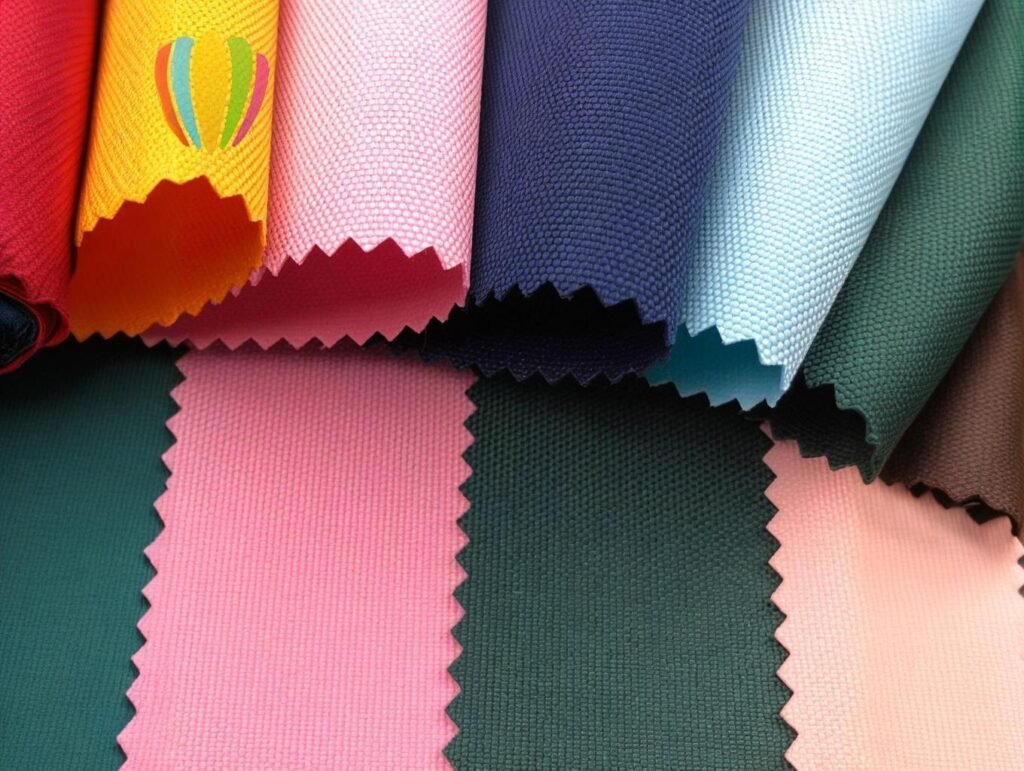
Oxford fabrics look simple on the surface, but verifying their true quality before mass production is one of the most overlooked—and most costly—steps in the entire sourcing process. Many buyers assume that Oxford is a “standardized” fabric and that any mill can deliver stable quality. But in reality, Oxford varies dramatically depending on yarn grade, weaving tension, coating methods, dyeing quality, and finishing systems. A fabric that looks strong in the swatch stage can shrink, fade, delaminate, pill, or tear after only a few weeks of real use if quality isn’t validated early. To verify Oxford fabric quality before bulk production, evaluate its yarn strength, weaving density, coating adhesion, colorfastness, shrinkage rate, and abrasion resistance. Request lab test reports, inspect pre-production yardage, conduct wash tests, and compare shade consistency under standardized lighting. These checks ensure durability, accurate performance, and consistency across the final production batch.
Yet the real challenge isn’t knowing what to check—it’s knowing how to check each factor, which tests actually matter, and which early warning signs signal future bulk problems. A famous outdoor gear brand once approved a 600D Oxford based only on a swatch, only to discover after production that the PU coating cracked at –10°C. The full batch had to be scrapped. That experience reshaped their entire sourcing process.
Let’s walk through a professional, structured, and realistic quality-verification framework that helps you avoid the same mistakes.
What Are the Key Quality Indicators You Should Check in Oxford Fabrics Before Bulk Production?
The key indicators include yarn quality, denier accuracy, weaving density, coating adhesion strength, colorfastness, tear resistance, and shrinkage behavior. A reliable Oxford fabric should show stable coating layers, consistent weave tension, even dye penetration, low shade variation, and strong abrasion resistance. These factors predict how the fabric will perform in real-world use and how consistent the final products will be across bulk production, colors, and repeat orders.
The Foundation of Oxford Fabric Quality (What Really Matters)
Before approving Oxford fabric, you must evaluate both the visible characteristics and the technical performance metrics. Many buyers still rely on handfeel alone, which is one of the biggest traps in textile sourcing. Oxford fabrics can feel thick but fail tear tests; they can look glossy but have weak, easily-flaking coatings; they can seem smooth on small swatches but fade or pill rapidly after washing and abrasion.
A professional approval process treats the swatch as a starting hypothesis, not a final answer. You confirm that hypothesis with lab tests, density checks, and controlled inspection of bulk rolls. The result is fewer surprises when the fabric leaves the mill and becomes real products—bags, backpacks, covers, tents, or footwear components—used by actual customers in tough environments.
Below is a structured breakdown of what actually determines real Oxford fabric quality and how to read those signals as a buyer.
1.1 Yarn Quality & Denier Accuracy
Oxford fabric starts at the yarn level. Poor yarn = unstable weaving = early failure. You can have a beautiful coating and perfect color, but if the base yarn is weak, the fabric will tear where it should not and coatings will crack on stress points.
| Parameter | What to Check | Why It Matters |
|---|---|---|
| Denier Accuracy (210D/300D/600D/900D) | Actual denier should match declared | Incorrect denier = weak base yarn |
| Filament Count | More filaments = smoother, stronger yarn | Affects abrasion and touch |
| Yarn Grade (Virgin vs. Recycled vs. Mixed) | Ensure supplier transparently states grade | Mixed yarn can fail tests |
| Yarn Treatment | Anti-static, anti-pilling, RFD | Supports high-quality finishing |
In a professional lab, denier is not guessed—it is measured and compared to spec with a tolerance (for example, ±5%). If a “600D” yarn is in reality closer to 520D, the final fabric may fall short of expected tensile and tear strength, even if density and coatings look fine.
Critical Insight: A 600D Oxford made with low-grade recycled yarn, high variation in filament strength, and poor twist control can perform worse than a premium 300D made with high-strength virgin yarn. The buyer who only looks at “D number” on the spec sheet and handfeel on the swatch is blind to this difference. Understanding the yarn source, grade, and consistency is essential if you are designing for load-bearing products like backpacks, luggage, or outdoor gear.
1.2 Weaving Density & Loom Tension
Weaving determines the fabric’s structural integrity. Two fabrics with the same yarn denier can behave very differently if one is woven loose and the other compact. Density (ends and picks per inch/cm) and loom tension together control:
- tear strength
- dimensional stability
- coating adhesion
- overall “body” and drape
Weaving Density Reference Table (Typical Standards)
| Oxford Type | Warp × Weft Density | Notes |
|---|---|---|
| 210D Oxford | ~72 × 38 | Lightweight, bags/linings |
| 300D Oxford | ~82 × 48 | Midweight, backpacks |
| 600D Oxford | ~68 × 38 | Outer bags, shoes |
| 900D Oxford | ~50 × 32 | Heavy-duty |
These figures are not universal, but they are a useful reference range. A density much lower than the typical range for a given denier usually signals cost-cutting: fewer picks per inch means less yarn per meter, lower weight, and weaker structure.
Higher density = stronger tear strength + better coating adhesion, but density must match:
- intended use (light fashion bag vs tactical backpack)
- coating requirements (thin PU vs thick TPU)
- mobility needs (soft drape vs rigid structure)
- cost and weight targets
Real Example: A travel luggage brand rejected a “600D” fabric during pre-production because the weft count was only 30 instead of the required 38. Tear tests showed around 17–20% lower tear strength than previous production. Under heavy airport handling, that gap would translate into seam failures and corner blowouts. The problem was not visible by handfeel alone—the density check and lab tests revealed it.
1.3 Coating Integrity (PU/TPU/PVC Advanced Considerations)
For many Oxford applications (bags, covers, outdoor products), the coating is just as important as the base fabric. A visually nice face can hide a weak, brittle, or under-cured coating on the back.
Coating Indicators to Inspect
- Coating thickness (measured in microns, or indirectly via fabric weight difference)
- Flexibility after repeated bending and folding
- Surface uniformity (no thin spots, pinholes, waves, or streaks)
- Adhesion strength (peel tests between coating and base cloth)
- Resistance to cracking at low temperatures
- Hydrolysis resistance for PU (simulated hot/humid aging)
Coating Durability Table
| Coating Type | Pros | Cons | Best Use |
|---|---|---|---|
| PU | Soft, flexible, widely used | Hydrolysis risk | Bags, backpacks |
| TPU | High strength, excellent cold resistance | Higher cost | Outdoor gear |
| PVC | Cheap, waterproof | Hard, heavy | Industrial uses |
In practice, you should request at least:
- hydrolysis testing for PU (e.g., 70°C / high humidity for several weeks) for products going to hot, humid markets
- cold crack testing (e.g., –10 °C or lower) for goods destined for Europe, Canada, or Northern climates
- basic adhesion tests, especially when using thicker coatings or lamination
Critical Insight: For bags shipped to Europe or Canada, PU coating that cannot pass a –10 °C cold-crack test is a silent liability. Many suppliers will not run this test unless the buyer explicitly asks for it. If your products are sold as “four-season” or “outdoor”, this should be non-negotiable.
1.4 Shrinkage Behavior
Oxford fabrics—especially those with coatings—are prone to shrinkage after heat, washing, or ironing/pressing. Shrinkage may appear low on small lab swatches but still cause serious issues in production if not properly tested.
A typical, broadly acceptable range is:
- Normal acceptable: 2–3%
- Warning zone: 3–5%
- Problematic: 5%+
Excessive shrinkage can cause:
- pattern distortion and panel size variation
- misaligned pockets, zippers, and binding positions
- wrinkling that cannot be fixed by pressing
- poor fit in finished goods or difficulty during sewing
Always test with realistic conditions:
- Wash at 40 °C or at the temperature your product care label will recommend
- Dry according to expected consumer or process conditions (line dry, tumble dry low, or industrial tunnel)
- Include steam press simulation to see if pressing in the sewing workshop will change dimensions
Ideally, you test shrinkage both before and after coating/finishing to understand where the movement is happening.
1.5 Color Consistency & Shade Variation
Shade variation is one of the most common reasons buyers reject bulk Oxford fabrics—and one of the most obvious issues to end consumers. Even strong fabrics can look cheap if colors do not match.
You should routinely check for:
- visible patchiness or mottling
- streaking along warp or weft direction (often due to dyeing or weaving issues)
- yarn-dye inconsistency in 2-tone or dobby Oxford constructions
- batch-to-batch shade mismatch, especially when re-ordering the same color later
Professional checks include:
- Evaluating fabric in a standardized lightbox (D65 daylight, sometimes TL84 and incandescent)
- Avoiding approvals under warm yellow lighting, which can hide subtle but important differences
- Requesting lab dips and standard reference swatches (L/D card) that mills must match within defined ΔE or “tolerance” ranges
If your product uses multiple panels on a single item (e.g., bag body, pockets, straps, and trims), even a small shade shift between batches can be very visible. Clear standards and strict bulk approval habits prevent this.
1.6 Abrasion & Tear Resistance
This is where Oxford’s reputation for durability either holds or collapses. The real-world performance of backpacks, tool bags, and luggage is heavily driven by abrasion and tear resistance.
Minimum Performance Reference (General Standard)
| Oxford Type | Tear Strength (N) | Abrasion Cycles |
|---|---|---|
| 210D | 15–25 N | 5,000–10,000 |
| 300D | 20–35 N | 10,000–20,000 |
| 600D | 30–50 N | 20,000–30,000 |
Tear strength is typically checked via standardized tests (for example, tongue tear methods). Abrasion resistance is measured with Martindale or similar equipment, where the fabric is rubbed against a standard abrasive until noticeable wear occurs.
Strong fabrics:
- maintain their shape under load
- hold stitching around stress points (corners, strap attachments)
- protect the coating from early exposure and peeling
When you combine robust tear strength with high abrasion cycles and a reliable coating, the difference in long-term customer satisfaction is dramatic—especially in categories like school backpacks, sports bags, or luggage where items are used daily.
1.7 Chemical & Safety Compliance
In many markets, Oxford fabrics are expected to comply with strict chemical and safety regulations. This is especially important for:
- children’s school bags
- baby products (stroller accessories, organizers)
- products sold in the EU, UK, or markets with REACH-style regulations
Look for:
- OEKO-TEX STANDARD 100 (textile safety)
- REACH compliance (EU chemical regulations)
- RoHS if used near electronics
- AZO-free dyes, and limited heavy metals and formaldehyde
Non-compliant Oxford can be held or seized at customs, or lead to product recalls and brand damage. Asking for recent test reports (not just old certificates) and checking that the fabric you are buying is covered by those reports is critical.
1.8 A Real Case: How One Brand Lost $22,000 From Poor Pre-Production Checks
A startup ordered 3,000 units of mid-range backpacks using what was described as 300D Oxford with PU coating. The swatches looked good and the price was attractive, so they skipped detailed lab testing to “save time”.
When the finished goods arrived, about 25% of the bags showed:
- flaking PU coating on internal surfaces after light flexing
- color transfer onto light-colored garments in hot, humid weather
- pilling and scuffing around corners and strap attachment zones
An investigation revealed that:
- The supplier had subcontracted the fabric to a cheaper mill.
- The actual density and yarn strength were lower than the original sample.
- The PU coating had insufficient adhesion and no proper hydrolysis testing.
The brand had to:
- Discount or scrap a large portion of the stock
- Cover high return and complaint rates
- Pay extra freight and sampling to switch to a higher-quality Oxford
Total direct and indirect loss was estimated at around $22,000, a significant hit for a young company.
Lesson: Swatch quality ≠ bulk quality. Serious Oxford programs require serious pre-production checks: yarn and density verification, coating tests, shrinkage and colorfastness testing, and clear quality agreements with the mill. The cost of skipping these steps is almost always higher than the cost of doing them right from the start.
How Do You Test the Strength, Durability, and Abrasion Resistance of Oxford Fabrics?
You can test the strength and durability of Oxford fabrics by evaluating tensile strength, tear resistance, abrasion cycles, pilling resistance, and coating adhesion using standardized methods such as ISO 13934, ISO 13937, ASTM D4966, and ASTM D3886. These tests show how the fabric behaves under stretching, rubbing, abrasion, and real-world wear, allowing buyers to predict long-term durability and avoid costly failures before bulk production begins.
A Complete Performance Testing Framework for Oxford Fabrics
High-performance Oxford fabrics are expected to survive a combination of outdoor exposure, heavy friction, impact forces, repeated bending, and constant load. In bags, luggage, outdoor gear, and work garments, Oxford is often the main structural fabric that takes the abuse long after zippers and logos are forgotten.
For sourcing teams, the most reliable approach is to build a standard test panel: every new Oxford option must pass the same minimum thresholds before it is even considered for design adoption. The tests below form the backbone of such a framework.
2.1. Tensile Strength Test (ISO 13934)
What It Measures: Tensile strength tests measure how much force the fabric can withstand before breaking when pulled in the warp (lengthwise) and weft (crosswise) directions. Samples are clamped in a tensile tester and pulled until they break; the maximum force in Newtons is recorded.
Why It Matters: Low tensile strength translates directly into:
- Seam failures when straps are loaded.
- Panels tearing under heavy packing or impact.
- Handles pulling out of the body fabric even when stitching looks correct.
For buyers, tensile data is one of the most straightforward ways to compare a “cheap but risky” fabric and a “slightly more expensive but safer” one.
Typical Values (Reference)
| Oxford Type | Warp (N) | Weft (N) |
|---|---|---|
| 210D | 350–500 | 200–300 |
| 300D | 450–650 | 250–400 |
| 600D | 700–1,000 | 450–700 |
These ranges are indicative, but they show a clear pattern: as denier and construction weight increase, breaking force goes up. For backpack bodies, many brands will insist that 600D Oxford meets the upper end of these numbers, especially in load-bearing directions.
A practical sourcing rule: if a proposed fabric sits significantly below your current standard’s tensile strength, you should either downgrade the end use (for lighter-duty products) or reject it.
2.2. Tear Strength Test (ISO 13937)
Purpose: Tear strength simulates what happens when a small cut or notch is already present and force is applied—like a corner catching on a sharp edge or a buckle digging into the fabric. In most tests, the fabric is pre-cut and then pulled so the tear propagates; the force required to extend the tear is recorded.
Result Meaning: Higher tear strength means:
- Better resistance to accidental snags and punctures.
- Less risk that a tiny cut becomes a catastrophic rip during use.
A 600D Oxford with tear strength below about 20 N in real outdoor applications is a red flag. It may look strong on paper due to high denier and decent tensile strength, but it will be vulnerable to local damage around corners, hardware, or impact zones.
From a buyer’s point of view, combining tensile + tear results gives a much clearer picture than relying on denier or fabric weight alone.
2.3. Abrasion Resistance Test (Martindale / ASTM D4966)
Purpose: Abrasion tests measure how many rubbing cycles a fabric can survive before a specified level of wear appears. Martindale (ASTM D4966, ISO 12947) is commonly used for apparel and bag fabrics; other methods such as Taber/ASTM D3886 are also used, particularly for more technical applications.
In a Martindale test, fabric samples are rubbed against a standard abrasive surface in a controlled pattern. The cycle count at which yarns break, a hole appears, or a defined change is seen is recorded.
Standard Abrasion Cycles
| Rating | Cycle Count | Interpretation |
|---|---|---|
| Excellent | 20,000+ | Long-lasting materials |
| Good | 10,000–20,000 | Normal bags, everyday use |
| Poor | <5,000 | Not suitable for load-bearing products |
For backpacks, luggage, and outdoor bags, many brands insist on 15,000–30,000 cycles or more on key panels (bottoms, corners, back panel) to avoid early wear-through.
Important: Abrasion performance is heavily influenced by coating quality:
- If the PU or PVC coating is too soft, thin, or poorly applied, fibers can break earlier, and the fabric may wear through quickly.
- Higher abrasion cycles usually indicate better yarn quality, tighter construction, and stable coatings.
This is why a lightweight, well-engineered 300D Oxford can sometimes outperform a poorly made 600D or 1680D in real-world wear.
2.4. Coating Adhesion Test
Why It Matters: Many Oxford fabrics are back-coated (PU, TPU, PVC, or other coatings) to provide:
- Water resistance or waterproofing
- Dimensional stability
- Improved handle and opacity
If the coating does not adhere well, the fabric will suffer from:
- Peeling or flaking on the back side
- Cracking when folded or compressed
- Delamination, where the coating separates as a sheet
All of these issues quickly lead to leaks, ugly interior surfaces, and customer complaints.
Testing Method: Common methods include:
- Adhesion strip tests, where coating and base fabric are pulled apart, and the force is measured.
- Cross-cut tests, where a grid is cut through the coating and tape is applied and removed to see if the coating lifts.
Good Coating Behaviors:
- No or minimal flakes when the film is bent repeatedly.
- No powdery residue or sticky patches after flexing.
- No cracks visible after folding or crumpling tests.
For higher-level programs, buyers will specify minimum adhesion values and may run internal bend/flex tests on coated samples before fully approving a fabric.
2.5. Flex Durability Test
Flex tests simulate the fabric’s response to repeated bending, folding, and compression—common in:
- Foldable and packable bags
- Backpack straps and back panels
- Shoe uppers lined or reinforced with Oxford
- Luggage that is constantly flexed at seams and corners
In a typical flex test, fabric strips are repeatedly folded or flexed under load for a set number of cycles, then inspected for:
- Coating cracks
- Broken yarns
- Delamination or surface chalking
Key insight: A fabric can show excellent tensile and abrasion results but still fail in flex testing, particularly when the coating is too rigid. In many cases:
- TPU coatings tend to have superior flex durability for outdoor and cold-weather use.
- Lower-grade PU may crack or powder under repeated bending, especially in low temperatures.
For buyers of foldable travel bags, soft luggage, and footwear, flex durability is a non-negotiable part of the testing suite.
2.6. Pilling Resistance (ASTM D4970)
Even when a bag or garment remains structurally sound, heavy pilling on the surface can make it look old and worn very quickly. Pilling tests (such as ASTM D4970) evaluate how easily small fiber balls form due to abrasion.
In this test, fabric samples are tumbled or rubbed in a controlled way, then visually rated against a standard scale from 1 (very severe pilling) to 5 (no pilling).
“Good” Rating: For visible panels—especially in apparel, backpacks, or laptop bags carried close to the body—buyers typically target a pilling note of 4 or above after the specified cycles.
Pilling is particularly important for:
- Oxford used in fashion-forward bags, where aesthetics are critical.
- Panels that rub against clothing (e.g., backpack back panels, straps).
- Products for premium or corporate gifts, where a fuzzy surface undermines perceived quality.
2.7. Real Case: Why a 1680D Oxford Failed a Drop Test
On paper, 1680D Oxford sounds indestructible. A premium laptop bag brand learned otherwise during fall simulation tests. Their lab ran repeated drop and slide tests: fully loaded bags were dropped from a set height onto rough concrete.
Results:
- Around 12% of test samples failed, with cracks and peeling around corners and bottom edges.
- Tensile and tear tests looked good; the high denier gave reassuring numbers.
- The root cause was poor abrasion and coating performance: when the bag hit the ground, the coating at high-impact areas fractured, exposing yarns that quickly abraded.
Lesson: High denier ≠ high durability. Denier tells you fiber thickness, not the full story. Without solid data on abrasion, coating adhesion, and flex, it is dangerous to assume a high-denier Oxford will perform well in real usage.
The brand eventually switched to a 900D Oxford with a better-engineered PU coating and higher abrasion test values, reducing failure rates dramatically—even though the nominal denier was lower.
2.8. Testing Checklist Table
To turn all of this into a practical decision tool, many buyers use a simple test matrix like the one below for each new Oxford quality:
| Test | Standard | Checks | Key Risk if Ignored |
|---|---|---|---|
| Tensile | ISO 13934 | Break force | Bag tearing |
| Tear | ISO 13937 | Pull resistance | Instant failure under load |
| Abrasion | ASTM D4966 | Cycle lifespan | Surface wear |
| Coating Adhesion | Cross-cut | Peeling/layer failure | Bag deforming |
| Flexing | Internal | Bending durability | Cracking |
| Pilling | ASTM D4970 | Surface fuzz | Poor appearance |
For critical styles, some brands add water resistance, color fastness, hydrostatic pressure, or cold crack testing to this list. But even this basic set, if enforced consistently, eliminates most low-quality fabrics before they reach production.
2.9. Why Performance Testing Is Increasingly Important
Several market trends make rigorous Oxford testing more important than ever:
- Higher consumer expectations: Outdoor, travel, and commuting products are often used daily. Customers expect bags and cases to last for years, not just a single trip.
- Explosion of new brands: Many e-commerce brands lack in-house material experts, so they rely heavily on their suppliers’ promises. Without testing, they only discover weaknesses after bad reviews.
- Cost pressure at mill level: Rising raw material and energy costs push some suppliers to quietly downgrade yarn quality, construction density, or coating weight. Only performance tests reveal those cost-downs.
- Growth of recycled Oxford: Recycled yarns (rPET, recycled nylon) can behave differently from virgin equivalents. Well-engineered recycled Oxford can be excellent, but it must be validated, not assumed equivalent.
From a sourcing and QA point of view, testing is not a luxury; it is a structured way to manage risk:
- It protects your brand reputation and star ratings.
- It supports honest marketing claims about durability and performance.
- It provides a factual basis for price negotiations and long-term supplier partnerships.
In short, a robust testing framework turns Oxford fabric selection from a gamble into a controlled, data-driven process—exactly what professional buyers need when planning collections and negotiating with mills.
Which Coatings and Finishing Treatments Matter Most for Oxford Fabric Performance?
The performance of Oxford fabrics is shaped far more by their coating and finishing than by the base denier or weave density alone. While many sourcing teams focus on 300D, 600D, or 900D counts as their primary metric, the reality is that coatings and finishing treatments account for 60–80% of real-world functionality—including waterproofness, stiffness, chemical resistance, cold-weather performance, and long-term durability. The most important coatings and finishes for Oxford fabrics include PU, TPU, PVC, waterproof back coatings, DWR, flame-retardant finishing, and anti-UV treatments. These determine waterproofness, flexibility, abrasion resistance, cold resistance, and durability. Quality evaluation requires checking coating thickness, adhesion, uniformity, and flexibility before bulk production.
3.1. Understanding the Most Common Coating Types
A fabric’s coating is essentially its protective “armor.” Oxford fabric without coating is soft and breathable—but also permeable, low in structure, and unsuitable for most bags, covers, and outdoor products. Coating transforms a plain-woven Oxford into a technical material.
Comparison Table: PU vs TPU vs PVC
| Coating Type | Strength | Flexibility | Waterproofness | Cold Resistance | Cost | Ideal Uses |
|---|---|---|---|---|---|---|
| PU (Polyurethane) | Medium | Very flexible | Good | Fair | Medium | Backpacks, apparel, general bags |
| TPU (Thermoplastic Polyurethane) | High | Excellent | Excellent | Outstanding | High | Outdoor packs, military gear, cold climates |
| PVC (Polyvinyl Chloride) | High | Low | Excellent | Poor | Low | Industrial covers, budget products |
Interpretation:
- PU gives balanced performance and soft handfeel, making it the most widely used.
- TPU is the premium choice for high-strength, low-temperature, long-life applications.
- PVC should be used selectively—it offers strong waterproofing but sacrifices flexibility and cold resistance.
3.2. Coating Thickness and Uniformity — The Hidden Quality Factor
Two 600D fabrics with “PU coating” can behave completely differently depending on coating quality. Uneven coating causes premature peeling, cracking, or weak hydrostatic resistance.
How to Check Coating Quality
| Parameter | Good Sign | Red Flag |
|---|---|---|
| Layer thickness | Even and uniform | Bare or thin spots |
| Hand feel | Firm but supple | Dry, chalky, overly stiff |
| Flex test | Smooth bends, no whitening | Crack lines, whitening at folds |
| Folding test (10×) | No surface change | Cracks or powdering |
Technical Note: High-quality mills target ±5% coating thickness tolerance across the full width. Poor mills can fluctuate 20–30%, resulting in inconsistent performance from roll to roll.
3.3. Waterproof and Water-Repellent Finishes
Oxford fabric can be engineered for two different water behaviors:
- Waterproof: Achieved by PU/TPU/PVC coating on the back
- Water-repellent: Achieved by DWR sprayed or padded on the surface
A high-quality bag fabric typically uses both: waterproof on the back + water-repellent on the face.
DWR Performance Indicators
| DWR Grade | Spray Rating | Wash Durability |
|---|---|---|
| Standard | 80/100 | 3–5 wash cycles |
| High-Performance | 90/100 | 10–15 wash cycles |
| Premium Fluoro-Free | 80–100/100 | Eco-friendly but may require reapplication |
Key Insight: Even the best DWR eventually wears off. Surface repellency should always be treated as a “sacrificial layer,” unlike back coating which defines long-term waterproofness.
3.4. Flame-Retardant Finishes — Essential for Safety-Critical Applications
FR Oxford is used in tents, industrial covers, stage equipment, and certain transportation products. FR performance varies greatly depending on chemical type and curing process.
Common Flame Retardancy Standards
| Standard | Region/Usage |
|---|---|
| NFPA 701 | U.S.—curtains, tents |
| EN 13501 | Europe—general flame classification |
| BS 5867 | UK—drapery and industrial cloth |
Professional Requirements: Always request:
- Certified test reports
- Chemical MSDS
- A small-scale burn test of your actual batch
Unstable FR treatments can fail after washing or UV exposure.
3.5. Anti-UV Treatments for Outdoor Applications
UV degradation is one of the biggest reasons outdoor fabrics fail, especially bright colors like red, orange, and yellow.
| UV Level | UPF Rating | Typical Use |
|---|---|---|
| Basic | UPF 30–40 | General bags, covers |
| Advanced | UPF 40–50+ | Camping, sports |
| Industrial | UPF 50+ | Marine, military, long-term exposure |
Notes: The best UV treatments combine chemical stabilizers + pigments engineered for UV resistance.
3.6. Real Case: Why 600D PU-Coated Oxford Failed in a Canadian Winter Project
A Canadian buyer purchased 600D PU-coated Oxford for snowmobile bags.
After two weeks:
- PU layer cracked at –15°C
- Coating peeled when bent
- Bags lost waterproofness
Root Cause: The supplier used a “summer-grade” PU lacking cold-resistant plasticizers. PU without cold additives becomes brittle below –10°C.
Solution: Switching to TPU-coated 600D solved the issue. TPU passed a –30°C cold-crack test and remained flexible all season.
Lesson: Climate-specific testing is mandatory for technical Oxford fabrics.
3.7. How to Inspect Coating Quality Before Bulk Production
Even if your supplier claims “high-quality PU,” always validate with these checks.
Simple On-Site Tests
- Scratch the back with a fingernail → No powder means stable coating
- Fold the fabric 10× sharply → No cracks or whitening
- Rub 50× with a dry cloth → No peeling
- Hold near mild heat (not flame) → Coating should not bubble
These reveal 70% of coating issues instantly.
Advanced Mill Tests (Recommended for Technical Products)
- Coating adhesion (tape test or peel strength)
- Hydrolysis resistance (humidity + heat exposure)
- Cold-crack testing (–10°C to –40°C depending on application)
- Hydrostatic pressure test (700–2000 mm or more for waterproof products)
If the supplier refuses testing: avoid them.
3.8. Critical Thinking: Is “Thicker Coating = Better Quality”?
This misconception leads to unnecessary problems.
Pros of Thicker Coatings
- Higher waterproof pressure
- More structural strength
- Stronger barrier against abrasion
Cons of Thicker Coatings
- Reduced flexibility
- Higher weight
- Greater cracking risk in cold climates
- Increased costs and energy consumption
- Poorer breathability
Technical Rule: The optimal coating thickness is the minimum required to meet performance standards—not the maximum the mill can apply.
Oxford fabric performance is primarily a chemistry and engineering challenge—not a denier challenge. Coatings define whether a fabric succeeds or fails in real-world use. Whether you need lightweight bag fabrics, military-grade TPU-coated textiles, or industrial FR Oxford, always evaluate coatings with the same seriousness as yarn, weave, and dyeing.
How Can You Verify Colorfastness, Dyeing Quality, and Shade Consistency?
Ensuring that Oxford fabric meets colorfastness and shade standards is one of the most important parts of sourcing—because over 40% of buyer complaints globally trace back to dyeing issues, not weaving or coating. Problems like color bleeding, rapid fading, shade inconsistency, and streaking often appear only after bulk goods arrive if the buyer does not test early. Proper verification—using standardized methods and structured shade checks—protects both your brand and your production schedule. You can verify Oxford fabric dyeing quality through recognized tests such as washing fastness (AATCC 61), rubbing fastness (ISO 105-X12), perspiration fastness (ISO 105-E04), lightfastness (AATCC 16), and water fastness (ISO 105-E01). Shade consistency is checked using a D65 lightbox and comparing A/B/C cuttings from different rolls. Stable dye penetration, strong colorfastness, and consistent shades ensure your bulk order doesn’t suffer fading, bleeding, or visible color mismatch.
Why Dyeing Quality Causes Nearly Half of All Oxford Complaints
Oxford fabric is commonly used in bags, luggage, outdoor gear, uniforms, and accessories—all of which undergo friction, washing, UV exposure, sweat, and weather cycles. Because of this, any weakness in dyeing becomes immediately visible to the end user.
Typical bulk issues include:
- Color bleeding onto clothing
- Fading after a few uses
- Patchy dye penetration
- Noticeable roll-to-roll shade variation
- Gloss differences under lighting
- Poor colorfastness in dark tones like black, navy, and red
Most defects can be spotted early if structured testing is performed before confirming bulk production.
4.1 Understanding How Oxford Fabric Is Dyed
Oxford fabric can be dyed using several techniques, each with different cost and quality implications.
| Dyeing Method | Quality Level | Notes |
|---|---|---|
| Piece Dyeing | High | Stable results; most widely used method |
| Dope Dyeing | Premium | Best UV resistance; pigments added at pellet stage |
| Yarn Dyeing | Premium | Produces classic check/textured Oxford patterns |
| Cross Dyeing | Moderate | Lower-cost method; inconsistent for darker shades |
Ranking (Best → Least Reliable for Color Stability):Dope Dyed → Yarn Dyed → Piece Dyed → Cross Dyed
Dope-dyed Oxford—often used in outdoor or military applications—offers exceptional lightfastness and minimal fading.
4.2 Essential Colorfastness Tests (What Each Test Tells You)
| Test | Standard | Purpose | Why It Matters |
|---|---|---|---|
| Washing Fastness | AATCC 61 | Measures resistance to washing | Prevents fading complaints |
| Rubbing Fastness | ISO 105-X12 | Checks dry & wet rubbing stability | Critical for backpacks, shoulder straps |
| Perspiration Fastness | ISO 105-E04 | Tests color against alkaline & acidic sweat | Important for wearables & bags |
| Light Fastness | AATCC 16 | Measures UV resistance | Outdoor fabrics, school bags |
| Water Fastness | ISO 105-E01 | Prevents bleeding when wet | Rain, spills, washing |
Industry-Expected Minimum Ratings:
- Washing Fastness: Grade 3–4
- Rubbing Fastness (Dry): Grade 4–5
- Rubbing Fastness (Wet): Grade 3–4
- Light Fastness: Grade 4–6 (outdoor applications ≥ 6)
These metrics form the baseline for professional procurement.
4.3 Shade Consistency: The Biggest Hidden Risk
Shade variation is one of the most common defects in roll-goods fabrics. Even small differences cause major problems in production, especially for bags, where multiple panels appear side-by-side.
Why Shade Variation Happens:
- Batch-to-batch dyeing changes
- Variation in coating thickness
- Different yarn suppliers
- Differences in loom tension
- Uneven heat-setting
How to Check Shade Accuracy Properly:
- Use a D65 light box
- Compare A/B/C cuttings from different rolls
- Inspect warp and weft directions
- Check sheen/gloss under angle lighting
- Compare Labvalues if available
- Simulate a stitched panel to see contrast
Shade Classification Table
| Shade Level | Description | Acceptability |
|---|---|---|
| A | Perfect match | Ideal |
| B | Minor difference visible only in lightbox | Acceptable |
| C | Visible difference in normal light | High risk |
| D | Major mismatch | Reject |
Brands with strong QC standards accept A/B only.
4.4 Colorfastness Issues by Fabric Type
Different Oxford deniers absorb dye differently:
| Fabric Type | Common Dye Problems |
|---|---|
| 210D | Streaking and uneven absorption |
| 300D | Slight rubbing issues on dark shades |
| 600D | Shade variation, especially in black/blue |
| 900D | Harder to penetrate deeply; dullness risk |
Higher-denier fabrics generally need stronger dyeing control.
4.5 Real Case: Why a U.S. Brand Suffered 32% Returns on Black Backpacks
A U.S. bag brand sourced black 600D Oxford without pre-testing.
What Happened:
- Customers noticed black stains on their clothes
- Bags faded within weeks of outdoor use
- The mill did not provide colorfastness data
Actual Test Results After Complaint:
- Rubbing Fastness Wet: Grade 2
- Light Fastness: Grade 3
- Washing Fastness: Grade 3
Outcome:
- 3,200 units returned
- Retail contracts suspended
- Supplier relationship ended
Lesson: Dark colors—especially black—require stricter wet/dry rubbing fastness testing.
4.6 How to Identify Poor Dyeing Quality at a Glance
Red Flags During Inspection:
- Uneven sheen or “flat” appearance
- Visible cross-loom lines
- Patchy or cloudy color areas
- Noticeable white specks
- Immediate color transfer in rub test
- Dye runoff when lightly wiping with damp cloth
Quick At-Home Tests:
- Rub with wet white cotton fabric
- Sunlight exposure test (12–24 hours)
- Light wash with mild detergent
- Inspect under daylight, yellow light, and LED
These simple tests catch early problems before bulk confirmation.
4.7 Is Rich, Intense Color Always Good?
Not necessarily.
Over-concentrated dyes lead to:
- higher bleeding risk
- faster fading
- poor rubbing fastness
- excessive chemical residue
- uneven penetrations
A balanced dye recipe is more durable and stable.
4.8 Dyeing Quality Checklist (For Buyers & QC Teams)
| Task | Why It Matters |
|---|---|
| Check A/B/C cuttings from multiple rolls | Detect shade variation early |
| Perform wet/dry rubbing tests | Prevent staining complaints |
| Inspect under D65 and household lighting | Ensure realistic color accuracy |
| Request full dyeing batch numbers | Ensure traceability |
| Conduct washing fastness test | Avoid post-wash fading |
| Request lightfastness test for outdoor fabrics | Ensure UV stability |
By following this structured process, OEMs, brands, and distributors dramatically reduce risk, protect product quality, and maintain customer trust—especially for dark, high-saturation Oxford fabrics where dyeing precision is critical.
What Lab Tests, Certifications, and Compliance Documents Should You Request From Your Supplier?
You should request lab tests such as tensile strength, tear strength, abrasion resistance, colorfastness, coating adhesion, and hydrolysis testing. Certifications like OEKO-TEX Standard 100, REACH compliance, RoHS, and GRS (if recycled yarn is used) are essential for verifying fabric safety and traceability. These documents confirm that the Oxford fabric meets international quality standards, complies with chemical regulations in your target markets, and will perform consistently during bulk production and repeat orders.
The Compliance Framework Every Oxford Fabric Buyer Should Master
Testing is not just paperwork—it is your insurance policy. Many Oxford fabric problems do not become visible until after coating, washing, cutting, stitching, or months of real-world use. A fabric that looks perfect on the inspection table can start delaminating in a warehouse in Brazil, cracking in a Canadian winter, or bleeding color onto garments in a humid summer.
Proper documentation protects you from:
- inconsistent batches when mills switch yarn, dyehouses or coatings
- hidden chemical issues that create customs or retailer problems
- unreliable subcontracted mills that the main supplier doesn’t fully control
In other words, you are not simply buying fabric—you are buying a risk profile. The right lab tests and certificates help you quantify and reduce that risk before you commit to thousands of meters.
5.1. Mechanical Performance Test Reports (Strength & Durability)
Mechanical tests are the foundation of any Oxford quality evaluation. If the base strength is wrong, everything built on top of it—coating, lamination, stitching—will eventually fail.
Core Lab Tests (Must-Haves)
| Test Type | Standard | What It Measures | Why It Matters |
|---|---|---|---|
| Tensile Strength | ISO 13934 | Breaking force | Prevent seam tearing |
| Tear Strength | ISO 13937 | Tear propagation | Critical for bags & outdoor gear |
| Abrasion | ASTM D4966 | Surface durability | Predict fabric lifespan |
| Coating Adhesion | ISO 2411 | PU/TPU peel strength | Avoid peeling or delamination |
| Hydrolysis Test | Internal (PU) | Aging under humidity | Long-term PU performance |
For Oxford fabrics used in bags, backpacks, luggage, outdoor covers, and workwear, these tests are not “nice to have”—they are non-negotiable. A buyer who approves fabric only by handfeel is relying on luck.
A practical approach:
- Ask suppliers for recent, lot-specific test reports, not just generic “typical values”.
- Check that the tests were done on the same construction, denier, and coating you are purchasing.
- For PU-coated fabrics, insist on real hydrolysis data (e.g., 70 °C / high humidity for several weeks) instead of vague reassurance like “good hydrolysis resistance”.
Request these documents early—ideally before final sampling and definitely before lab dips and bulk booking. Many mills only test swatch-stage material. If you do not push for bulk-ready test data, your production lot might be the first time the real fabric is tested—and you do not want your customer to be the test lab.
5.2. Colorfastness & Dye Performance Reports
Oxford fabrics are widely used in dark, saturated colors: black, navy, army green, khaki, safety colors. These are exactly the shades that generate complaints when they fade, rub off, or look patchy in store lighting.
Required Tests:
| Test | Standard | Why It Matters |
|---|---|---|
| Colorfastness to Washing | AATCC 61 | Prevent fading |
| Colorfastness to Rubbing | ISO 105-X12 | Prevent color bleed |
| Colorfastness to Light | AATCC 16 | UV stability |
| Perspiration Fastness | ISO 105-E04 | Prevent staining |
For backpacks, school bags, pet products, and sports gear, colorfastness to rubbing (dry and wet) is particularly critical. Poor results mean dark straps and panels will bleed onto light garments, car seats, or other products. In outdoor gear, lightfastness under strong sun is just as important: a deep navy turning into a dull grey after one season is not acceptable.
You don’t need to be a lab expert to use these reports. Decide minimum grade requirements (for example, not less than 4 on a 1–5 scale for key tests) and check that every color in your range meets them before bulk.
5.3. Chemical Compliance Documents
Mechanical performance keeps your bags from breaking; chemical compliance keeps your brand out of trouble with regulators and retailers.
Essential Certifications:
| Certification | Purpose |
|---|---|
| OEKO-TEX Standard 100 | Ensures textile is safe for contact |
| REACH | EU chemical and safety compliance |
| RoHS | Restricts use of harmful substances |
| AZO-Free Test | Ensures dyes don’t release toxins |
Why these matter:
- Customs authorities in the EU, UK and other markets can detain or reject non-compliant goods.
- Large retail chains increasingly require full chemical documentation as part of vendor onboarding.
- Consumers are more aware of skin contact safety and are quick to share negative experiences online.
Any supplier unable or unwilling to provide basic chemical compliance reports is a high-risk partner. Sometimes the reluctance is due to disorganization; sometimes it indicates the mill is using low-cost auxiliaries that would not pass testing. Neither is acceptable for serious, export-focused Oxford programs.
A simple best practice: align your supplier’s test reports with your target market’s legal framework. For example, REACH-based testing for EU, and additional retailer-specific RSL (Restricted Substances List) checks if necessary.
5.4. Sustainability & Traceability Documents
If you are promoting eco-friendly Oxford fabrics, the documentation needs to go beyond “we use recycled yarn” in a sales email.
GRS (Global Recycled Standard)
GRS verifies:
- Actual recycled yarn content (not just marketing claims)
- Chain-of-custody documentation from recycler to spinner to weaver
- Chemical safety in dyeing, coating and finishing
- Basic environmental and social management practices
GRS applies to the entire supply chain, not only the fabric mill. That means:
- The spinner must be certified.
- The weaver must be certified.
- Any dye or coating facility must also be included in the scope.
If any link in the chain is missing, the final product cannot be legitimately sold as GRS-certified, even if recycled yarn is used.
For buyers, the key steps are:
- Request the up-to-date GRS scope certificate and transaction certificates if applicable.
- Verify the certificate number and company names through the official database.
- Ensure the exact fabric you are buying is covered under the supplier’s scope (not just “some” fabrics).
5.5. Coating-Specific Tests (PU / TPU / PVC)
Most Oxford fabrics used in bags and covers rely on coatings to deliver waterproofness, stiffness and durability. Generic “waterproof” claims are meaningless without coating-specific tests.
Required if coating is used:
| Test | What It Evaluates |
|---|---|
| Cold Crack Test | Coating stability at low temperatures |
| Hydrolysis Resistance | PU aging under heat/humidity |
| Waterproof Pressure Test | Waterproof rating of coating |
| Flex Test | Repeated bending durability |
For PU coatings, hydrolysis resistance and flex tests are critical. For TPU, cold resistance and flex durability are key. For PVC, flexibility vs hardness and low-temperature performance matter.
If your product will be used outdoors or in vehicles, cold-crack and hydrolysis tests are non-negotiable. A bag that looks perfect in the factory but starts peeling or cracking in a winter climate will destroy customer trust quickly.
5.6. Flame Retardancy Certifications (If Needed)
For certain product categories—tents, exhibition backdrops, industrial covers, stage drapes, or public event equipment—basic performance and safety are not enough. You must meet legally defined flame retardancy standards.
For Oxford fabrics marketed as FR (flame retardant), request:
| Standard | Country/Use |
|---|---|
| NFPA 701 | USA |
| BS 5867 | UK |
| EN 13501 | EU |
Never accept FR claims without documents. Some mills will simply spray a low-cost FR finish on top of a standard fabric. It may pass a quick “lighter test” in the sample room but wash off or degrade over time, leaving you with products that no longer meet regulations. Properly tested and documented FR performance is the only reliable reference.
5.7. Real Case: A Buyer Saved $48,000 by Requesting GRS Documents Early
A European brand planned to launch a “100% recycled 300D Oxford” backpack line. The pricing and samples from one supplier were very attractive, and the marketing story looked perfect. However, the buyer insisted on seeing full GRS documentation before confirming the bulk order.
The supplier:
- Sent a certificate that looked suspicious on layout and numbering
- Could not be found as a certified entity in the official GRS database
The buyer immediately disqualified them and moved to another mill that could provide verified documentation and transaction certificates.
A few months later, industry contacts revealed that another brand had gone ahead with the first supplier. Their shipment was later tested and found to contain a mix of virgin and recycled yarn, not the claimed 100% recycled content. The second brand had to:
- Relabel or withdraw products
- Pay penalties to a major retail chain
- Absorb a reputational hit for misleading “recycled” claims
The first buyer effectively saved an estimated $48,000+ in potential penalties, relabeling, and rework, simply by verifying GRS documents at the quotation stage.
5.8. Compliance Documents Checklist
To make this practical, many sourcing teams maintain a simple checklist and require that suppliers tick off most of the items before being approved for serious programs:
| Document | Required For |
|---|---|
| OEKO-TEX | Safety, apparel, baby products |
| REACH | EU import |
| RoHS | Electronics accessories |
| GRS | Recycled materials |
| Flammability Reports | Tents/outdoor |
| Mechanical Tests | All Oxford types |
| Coating Tests | PU/TPU/PVC products |
As a working rule: if a supplier cannot provide at least 70% of these documents for your intended use case, they are operating below professional standards. You might still use them for very simple, low-risk applications, but they are not a safe choice for branded, export-oriented Oxford fabric programs where consistency, safety and long-term reputation really matter.
How Do You Inspect Samples, Swatches, and Pre-Production Yardage to Avoid Quality Surprises Later?
Inspect samples and pre-production yardage by checking fabric density, coating uniformity, color consistency, shrinkage, stiffness, hand feel, and weaving flaws. Compare swatches with bulk-ready rolls, perform simple physical tests (rub, fold, stretch), and request A/B/C shade cuttings. Inspecting yardage under D65 light and conducting small wash tests reveal potential issues before full production begins.
The Only Pre-Production Inspection Method That Truly Prevents Bulk Problems
Most serious fabric problems do not appear in the first beautiful swatch the mill sends you. They show up later, in the full-width roll, after continuous production, machine fluctuations, and small parameter changes at the dyeing and coating stages.
That’s why professional buyers don’t limit themselves to “desk swatch approval.” A robust process always covers:
- Initial swatches
- Handloom or trial samples
- One-yard test cuts
- Pre-bulk production yardage from the real machine and real settings
If you only approve the first step and skip the rest, you are relying on luck, not quality control. The framework below is designed to be practical enough for everyday use, but detailed enough to catch 80–90% of potential Oxford fabric issues before they become 10,000-piece headaches.
6.1. First-Level Inspection: Swatches & Small Samples
Swatches are still useful—as long as you treat them for what they are: a first filter, not a final decision.
Swatches tell you:
- basic quality
- hand feel
- coating type
- surface finish
- basic color tone
They help you answer quick questions: Does this construction feel suitable for bags or apparel? Is the coating matte or shiny? Does the general color direction match the mood of the collection?
What swatches cannot tell you:
❌ coating adhesion ❌ shade stability across a full roll ❌ density accuracy vs. specification ❌ long-term durability ❌ batch-to-batch consistency
A swatch is usually cut from the best area of the best roll, sometimes even from a lab or pilot machine that is not the same as the bulk line. That’s why experienced buyers use swatches to narrow down candidates, but never to sign off final bulk.
When you receive swatches, still record:
- Date received
- Supplier code and construction data (denier, GSM, coating type)
- Your subjective notes on hand feel, stiffness, noise (crinkle), and visual appearance
These notes become your base reference when you compare them with later one-yard and pre-bulk yardage.
6.2. Second-Level Inspection: One-Yard Pre-Production Samples
This is the most important stage for catching structural issues early. A one-yard cut from actual production width allows you to see how the fabric behaves in reality, not just on a handloom.
Checklist for One-Yard Samples:
| Item to Check | Purpose |
|---|---|
| Weight (gsm) | Detect density differences |
| Thickness | Check coating consistency |
| Weave Uniformity | Look for skipped threads |
| Coating Layer | Inspect for waves, cracks |
| Dye Penetration | Especially for dark colors |
| Gloss/Sheen | Ensure batch uniformity |
| Warp/Weft Alignment | Prevent twisting in products |
At this stage, you should already be measuring, not only “feeling”:
- GSM – Use a small digital scale and a GSM template (or a precisely cut 10 cm × 10 cm sample). Compare against the spec sheet. If the fabric is 8–10% lighter than promised, it will feel different in real use and may fail durability expectations.
- Thickness – Simple calipers already show if the coating layer is thinner than agreed.
How to measure density:
Cut a 10 cm × 10 cm sample → count warp & weft threads manually using a pick glass or magnifier. Compare with the technical data sheet. If you see fewer ends or picks than specified, the fabric is effectively “opened up,” which will affect strength, opacity, and coating support.
One-yard samples are usually where you first notice:
- Subtle waves in coating
- Slight weave skew
- Differences in shine or gloss between warp and weft direction
Those are early signals that you must either push the supplier to adjust, or be prepared for further problems in full rolls.
6.3. Third-Level Inspection: Pre-Bulk Yardage (A/B/C Cuttings)
This step separates casual buyers from professional sourcing teams. Pre-bulk yardage inspections verify that the entire roll behaves consistently—not just a random one-meter piece.
Ask for:
- Three fabric cuttings from different roll positions:
- A = first 5 meters
- B = middle of roll
- C = final 5 meters
These A/B/C cuttings reveal:
- shade drift along the roll
- coating thickness or adhesion changes
- tension variation that might cause skew or bow
- uneven dyeing or finishing
- roll-end defects where machines are speeding up or slowing down
Shade Evaluation Under D65 Lightbox:
| Grade | Meaning |
|---|---|
| A | Perfect |
| B | Slight difference, acceptable |
| C | Noticeable difference |
| D | Reject immediately |
Under a D65 lightbox (or at minimum standardized daylight conditions), compare:
- Swatch vs. A/B/C
- A vs. B vs. C
Most mills that struggle with process control tend to show C or D-level differences between roll start and roll end. For products like bags and garments where panels are cut across different parts of the roll, this leads to:
- Panels that don’t match in color within the same product
- Patchy appearance on large surfaces
- Increased waste, as cutting rooms avoid the worst sections
Catching this at pre-bulk stage lets you demand corrections before full-scale production.
6.4. Pre-Bulk Physical Tests You Can Do On-Site (No Lab Needed)
You don’t need a certified lab to uncover the majority of fabric weaknesses. A few simple, repeatable manual tests performed on the A/B/C cuttings will tell you a lot.
Quick Tests:
| Test | Method | What It Reveals |
|---|---|---|
| Wet rub test | Rub wet cloth 10× | Dye stability |
| Fold test | Fold 20× | Coating flexibility |
| Scratch test | Fingernail scratch | Coating adhesion |
| Thump test | Bend sharply | Cracking resistance |
| Steam test | Iron steam for 5 seconds | Shrinkage tendency |
How to use them in practice:
- After the wet rub test, check if the dye transferred to the cloth or if the surface dulled significantly. This is critical for dark or bright colors used in apparel or linings.
- In the fold test, repeatedly fold and press the same line. If you see micro-cracks or whitening of the coating, this is a sign the fabric may fail at folding points on bags or garments.
- The scratch test quickly reveals whether the coating easily flakes off under minor mechanical stress.
- With the steam test, a standard household iron is enough: apply steam for a few seconds, then see if the fabric shrinks, wrinkles permanently, or shows surface distortion.
These simple actions, done systematically, catch most of the problems that lead to complaints later.
6.5. Washing Test (Essential for All Oxford Fabrics)
Even if your end product is a bag and not a T-shirt, a basic wash test is extremely valuable, especially for coated Oxford fabrics.
How to test:
- Wash at 40°C with mild detergent.
- Air dry flat or hanging.
- Compare before/after:
Check for:
- shrinkage (measure both warp and weft)
- change in hand feel (stiffer, softer, rougher)
- color fading or dulling
- coating whitening or micro-cracking
- visible stiffness changes at edges and corners
Normal Shrinkage:
2–3% is usually acceptable and can be anticipated in pattern and fit.
Red Flag:
5%+ in any direction is a strong warning. For bags and structured products, even 4% can cause pattern distortion, seam pulling, or misalignment with plastic parts, foam panels, or linings.
If shrinkage is too high, ask the supplier to:
- Adjust pre-shrink/heat setting parameters.
- Rework coating and drying temperatures.
- Run another pilot lot before approving full-scale production.
6.6. Real Case: How a Pre-Bulk Yardage Inspection Saved a Production Run
A European sports bag company planned a large run using 600D Oxford. The initial swatch looked excellent—correct color, nice hand feel, convincing coating.
However, they insisted on pre-bulk yardage checks:
- A/B/C cuttings from the first bulk roll
- Quick wash test at 40°C
- Fold and scratch tests on each cutting
The findings:
- 7% shrinkage in warp after washing
- Noticeable shade difference between A and C positions
- Fine coating micro-cracks visible after repeated folding
If they had skipped this step, the resulting 10,000 bags would likely have warped panels, mismatched colors within the same bag, and coating issues that would show up during transport and early use.
Instead, they pushed the supplier to:
- Upgrade to a higher-quality PU system
- Adjust dyeing and heat-setting parameters
- Re-test until shrinkage fell to around 2.5% with stable shade across rolls
The project was saved, and the brand avoided both financial loss and reputational damage.
6.7. Why Swatch Approval Alone Is Dangerous
Swatches are inherently biased in your favor—but that’s exactly the problem.
Because swatches:
- Are taken from the best part of the roll
- Are often produced on a different machine or under special conditions
- Do not reflect actual coating application accuracy
- Do not show batch stability or roll-to-roll variation
- Do not reveal yarn-grade changes when mills quietly downgrade materials
Professional buyers NEVER make final production decisions from swatches alone. Swatches are a screening tool, not a guarantee.
A good internal rule:
“No pre-bulk yardage, no final approval.”
This discipline forces suppliers to prove full-scale consistency, not just pilot perfection.
6.8. Pre-Production Inspection Checklist (Copy & Use)
Use the following checklist as a standard template for every Oxford fabric before approving bulk:
| Category | Check Items |
|---|---|
| Fabric Structure | Density, yarn uniformity |
| Coating | Thickness, adhesion, flexibility |
| Dyeing | Shade consistency, colorfastness |
| Shrinkage | 40°C wash result |
| Hand Feel | Softness, stiffness change |
| Defects | Slubs, stains, weaving flaws |
| Final Approval | Compare with previous reference sample |
When this checklist is applied consistently—swatch → one-yard → A/B/C yardage, plus simple physical and wash tests—you dramatically reduce the probability of nasty surprises in bulk. Instead of reacting to quality issues after the goods arrive, you control them before production begins.
What Common Quality Problems Occur in Oxford Fabrics—and How Do You Identify Them Early?
Oxford fabric is one of the most widely used industrial textiles, powering global production of backpacks, luggage, covers, outdoor gear, uniforms, pet products, and upholstery. Yet, despite its popularity, Oxford is also one of the most inconsistent fabrics on the global market—largely because it is produced across thousands of mills with different weaving technologies, coating processes, dyeing systems, and QC standards. Common Oxford fabric problems include shade variation, coating peeling, cracked PU layers, low tear strength, uneven weaving, excessive shrinkage, dye streaking, poor colorfastness, pilling, and long-term hydrolysis. Early detection requires checking A/B/C cuttings, evaluating coating adhesion, performing tear tests, inspecting under D65 lighting, verifying warp/weft tension, testing shrinkage at 40°C, and examining coating uniformity before bulk production.
What separates successful brands from repeated production failures is not luck—but a systematic approach to identifying defects before they become expensive. Below is a comprehensive, industry-grade guide to the defect types you will encounter and how to catch them in time.
7.1 Shade Variation Across Rolls — The Most Common Global Complaint
Among all Oxford problems, shade variation causes the highest rejection rates. Inconsistent shade across rolls results in mismatched bag panels, uneven pocket flaps, and noticeable differences when parts are sewn together.
Why It Happens
- Dye formula inconsistencies
- Bath temperature fluctuations
- Recycled polyester batches with variable base tones
- Inconsistent dope-dye lots
- Subcontracted dye houses without calibration
- Humidity changes during dyeing and drying
Early Detection
| Test | What It Reveals |
|---|---|
| D65 Lightbox Comparison | True shade differences invisible to the naked eye |
| A/B/C Roll Cuttings | Variation along a single roll |
| Lab Color Measurement* | Numerical color deviation for precise QC |
Why It Matters
Shade variation isn’t cosmetic—it affects brand reputation and retail consistency. Even a minor ΔE value above 1.0 can be noticeable on premium goods.
7.2 Coating Peeling or Cracking — A Critical Performance Failure
Coating issues represent high-risk defects, because coating is responsible for waterproofing, stiffness, and structural integrity.
Common Root Causes
- Under-cured PU resin
- Incorrect resin-to-solvent ratio
- Uneven coating blade height
- No cold-resistant plasticizers
- Low-quality PVC with too much filler
- Poor adhesion between base cloth and coating
Identification Methods
- Fold Test (20×): Check for whitening or micro-cracks
- Scratch Test: Powder = unstable PU
- Rubbing Test (50 cycles): Peeling indicates weak adhesion
- Thickness Variation Check: Use micrometer or visual inspection
Risk Level
Extreme — coating failure leads to total product failure, especially for outdoor gear, luggage bottoms, and waterproof covers.
7.3 Low Tear Strength — A Hidden Structural Problem
Tear strength is often overlooked but is one of the most important performance metrics for bags, straps, and load-bearing seams.
Why Tear Strength Drops
- Low-quality yarn
- Uneven filament denier
- Loose weaving tension
- Recycled yarn with low intrinsic viscosity (IV)
- Cheap air-textured yarn with fiber breakage
Industry Tear Strength Expectations
| Fabric | Minimum Tear Strength |
|---|---|
| 210D Oxford | 15–25 N |
| 300D Oxford | 20–35 N |
| 600D Oxford | 30–50 N |
Simple Field Test
Cut a 5 cm slit → pull manually → watch how fast the tear propagates. Fast tearing indicates weak structure.
7.4 Pilling and Abrasion Wear — A Cosmetic but Recurring Complaint
Pilling is less about strength and more about long-term appearance. It is especially problematic for apparel-grade and interior-grade Oxford.
Causes
- Low filament count or coarse filaments
- Insufficient singeing or calendaring
- Weak yarn twist
- Inferior dyeing finish
- Excessive loom friction
How to Detect Early
- Conduct 100–200 rub cycles using a Martindale or manual cloth test
- Examine surface fuzzing under magnification
- Compare front/back sides for consistency
Industry Impact
While pilling rarely causes structural failure, it leads to product returns—especially in school bags, apparel, and pet products.
7.5 Uneven Weaving and Loom Defects — The Marks of Poor Machinery
Even a good yarn can be ruined by poor weaving quality.
Visual Symptoms
- Visible horizontal “lines” (weft streaks)
- Warp float defects
- Missing yarns
- Tension imbalances visible as ripples
- Knots, slubs, or thick-thin patches
How to Inspect
- Hold fabric against strong light
- Bend the fabric to reveal tension inconsistencies
- Measure pick density across different width zones
- Inspect selvedges for uniformity
Why It Matters
Weaving defects weaken structural integrity and cause unpredictable performance in stitching, coating, and cutting.
7.6 Excessive Shrinkage — A Sign of Unstable Heat Setting
Shrinkage affects bag patterning, fit, and dimensional accuracy. Improper heat setting leads to distortion after coating, sewing, or washing.
Causes
- Uncalibrated stenter frames
- Insufficient dwell time during heat setting
- Dye bath heat shock
- Poor moisture control
Shrinkage Tolerances
- Ideal: 2–3%
- Borderline: 4%
- Reject Immediately: 5%+
Easy Test
Wash at 40°C, air dry, measure before/after in both warp and weft.
7.7 Hydrolysis — The Silent Destroyer of PU Coatings
Hydrolysis is one of the most serious long-term defects in PU-coated Oxford fabrics.
Symptoms
- Sticky, rubbery surface
- Bad odor due to polymer breakdown
- Cracks when bent
- Peeling under light pressure
Causes
- Poor PU formulation
- High humidity + heat exposure
- Oxidation
- Poor-quality recycled PU resins
Prevention Strategy
- Request hydrolysis-resistant PU (≥3-year or ≥5-year grades)
- Use TPU coatings in humid or tropical climates
- Store rolls in climate-controlled rooms
Risk
Very High — hydrolysis can destroy entire batches within 6–12 months of storage.
7.8 Case Study — How a Buyer Prevented 8,000 Meters of Loss
A U.S. luggage brand requested pre-production yardage from three rolls of 600D Oxford. Their inspection revealed:
- noticeable shade variation
- weft streaks
- uneven coating patches
When questioned, the mill admitted the coating machine had just been serviced, and calibration was incomplete. Rejecting the batch saved the brand from producing tens of thousands of defective bags.
Lesson: A/B/C cuttings are one of the most powerful early-warning tools in Oxford sourcing.
7.9 Defect Detection Table (Copy & Use)
| Problem | Likely Cause | Early Test | Risk Level |
|---|---|---|---|
| Shade variation | Dye inconsistency | D65 lightbox, Lab* | High |
| Coating peeling | Poor PU quality | Fold test, scratch test | Very High |
| Low tear strength | Weak yarn | Tear test | High |
| Pilling | Coarse yarn | Abrasion test | Medium |
| Weaving flaws | Loom issues | Light inspection | Medium |
| Shrinkage | Poor heat setting | Wash test | High |
| Hydrolysis | PU aging | Accelerated aging test | Very High |
Oxford fabric defects are not random—they are predictable, measurable, and preventable when proper QC systems are in place. Shade variation reveals dyeing issues. Coating cracks warn of resin shortcuts. Low tear strength exposes poor yarn sourcing. Hydrolysis signals long-term instability.
The best sourcing teams evaluate every roll using structured tests, ensuring that problems are identified before cutting, sewing, or shipping—not after products reach customers.
How Can You Build a Reliable, Low-Risk QC Workflow With Your Oxford Fabric Supplier Before Bulk?
Building a reliable QC workflow for Oxford fabric requires multiple checkpoints, not just a final inspection. Failures in Oxford fabric—shade variation, coating defects, weak tensile strength, and poor colorfastness—usually begin in early stages such as dyeing and weaving. By implementing structured approvals, batch documentation, and transparent testing, brands can prevent 90% of bulk-production problems before they happen. You can establish a low-risk QC workflow by defining clear specifications, approving both swatches and pre-production yardage, verifying lab test reports, performing A/B/C shade checks, and conducting random roll inspections using ANSI/ASQ Z1.4 standards. Require pre-bulk samples for every dye and coating batch, document all approvals, and maintain frequent technical communication. This structured process ensures stable Oxford fabric quality and minimizes production risk.
8.1 Step 1 — Define Clear Specs Before Sampling
A strong QC workflow begins with a detailed specification sheet. Every point you clarify now eliminates potential disputes later.
Include these items in your spec sheet:
| Specification | Importance |
|---|---|
| Denier & Fiber Type | Determines base strength and weight |
| Weave Density (Ends/Picks) | Governs durability and tear resistance |
| Coating Type (PU/TPU/PVC) | Defines waterproof and abrasion properties |
| Coating Thickness | Ensures long-term performance and prevents peeling |
| Color Reference (Pantone/Lab Values) | Prevents shade deviation |
| Shrinkage Tolerance | Avoids panel distortion |
| Required Tests | Ensures compliance with your market |
Clear specs prevent 80% of misunderstandings and reduce QC pressure later.
8.2 Step 2 — Approve Initial Swatches as Visual Reference Only
Swatches help verify color direction and general handfeel, but they are not structurally accurate.
Document:
- Color shade
- Gloss level
- Texture
Do not treat swatches as final approval for bulk—they only represent the concept.
8.3 Step 3 — Verify Lab Test Reports
Before approving fabric for bulk, demand authentic third-party or mill-lab test reports.
Check reports for:
- Tensile strength
- Tear strength
- Abrasion resistance
- Colorfastness (wash, rub, light, perspiration)
- Coating adhesion
- PU hydrolysis resistance (for outdoor products)
Always inspect:
- Test date
- Lot number
- Fabric description
- Testing lab certification
Skipping this step is one of the greatest QC risks.
8.4 Step 4 — Inspect One-Yard Pre-Production Samples
This is your first true representation of how bulk goods will behave.
Check for:
- Weave density accuracy
- Coating thickness and uniformity
- Fabric stiffness
- Shade accuracy
- Shrinkage behavior
- Coating flexibility or brittleness
Most dyeing, weaving, and coating problems first appear in 1-yard samples—not in tiny swatches.
8.5 Step 5 — Approve A/B/C Shade Cuttings (Mandatory)
Shade cutting approval is the most critical step in Oxford QC.
Require cuttings from:
- Start of the roll (A)
- Middle of the roll (B)
- End of the roll (C)
This identifies:
- Shade drift
- Tension variation
- Uneven coating layers
- Inconsistent drying
If C is significantly different from A, reject immediately.
8.6 Step 6 — Perform Random Bulk Roll Inspection
Use the ANSI/ASQ Z1.4 standard to define sample quantity and acceptance levels.
Inspect for:
| QC Item | Method |
|---|---|
| Roll Width | Measure at 3–5 points |
| Coating Thickness | Scratch/fold inspection |
| Shade | Compare to approved reference |
| Weaving Defects | Slubs, knots, broken filaments |
| Yarn Consistency | Check under D65 light |
If 10–15% of rolls show problems, reject the entire batch—variation usually means systemic production issues.
8.7 Step 7 — Conduct On-Site or Third-Party Final Inspection
A structured final inspection catches:
- Incorrect roll lengths
- Coating cracks
- Warp/weft alignment issues
- Weaving contamination
- Unexpected handfeel changes
- Incorrect labeling and documentation
Use SGS, Intertek, TUV, or ITS if your supplier cannot provide reliable internal QC.
8.8 Step 8 — Track & Document Every Batch
Maintain complete traceability:
- Dye lot numbers
- Coating batch numbers
- Roll numbering
- A/B/C cutting records
- QC sheet + inspector signatures
This supports:
- Supplier accountability
- Root-cause analysis
- Strong legal footing for claims
- Long-term quality consistency
Professional brands turn QC into data, not opinions.
8.9 Real Case: How a Buyer Reduced Defects by 90% in One Season
A Japanese luggage brand faced:
- 22% defective Oxford fabric
- Serious shade variation
- PU coating cracking
They implemented:
- Mandatory A/B/C shade checks
- Tension monitoring
- Pre-bulk shrinkage tests
- Random roll inspections
Result: Defect rate dropped from 22% → 2.8% in the next season.
Lesson: QC is a continuous workflow—not a single inspection before shipment.
Ready to Build Reliable Oxford Fabric Quality With Zero Guesswork?
Verifying Oxford fabric quality before bulk production is not simply about checking a swatch—it’s about understanding yarn strength, coating integrity, color stability, weaving consistency, and batch-to-batch reproducibility. High-quality Oxford fabric holds up under real use, maintains color after washing, resists tearing, stays stable under tension, and delivers predictable results for every production run.
By following the structured methods in this guide—lab tests, A/B/C cuttings, coating inspections, dyeing checks, and pre-production yardage verification—you significantly lower the risk of costly fabric failures, production delays, and customer complaints.
If you want to source reliable Oxford fabrics with stable quality, fast sampling, low MOQs, and fully customizable specifications, SzoneierFabrics is ready to support your next project with professional-grade fabrics and guaranteed consistency.
Contact SzoneierFabrics now to begin your custom Oxford fabric development with confidence.
Can't find the answers?
No worries, please contact us and we will answer all the questions you have during the whole process of bag customization.
Make A Sample First?
If you have your own artwork, logo design files, or just an idea,please provide details about your project requirements, including preferred fabric, color, and customization options,we’re excited to assist you in bringing your bespoke bag designs to life through our sample production process.