Silk is often described with emotional words—luxurious, smooth, elegant—but in professional textile development, silk has to earn trust through numbers, not adjectives. Two silk fabrics may look identical in hand feel, yet behave completely differently once cut, sewn, stretched, or worn. ISO 6931 compliance provides standardized laboratory methods to evaluate silk fabric properties such as thread count and tensile strength, ensuring objective measurement of fabric structure and mechanical performance rather than relying on visual or subjective assessment.
What makes ISO 6931 especially important is that it shifts silk evaluation from perception to proof. Thread count defines how densely the fabric is constructed. Tensile strength reveals how the fabric survives real-world stress. Together, they explain why one silk lasts years while another fails quietly after production.
Many sourcing mistakes happen not because silk was “bad,” but because it was never tested the right way.
What Is ISO 6931 and Why Does It Matter for Testing Silk Fabric?
ISO 6931 is an international textile testing standard issued by International Organization for Standardization that defines controlled laboratory methods for evaluating mechanical properties of textile fabrics, including delicate woven materials such as silk. Its purpose is not to judge appearance or luxury perception, but to establish repeatable, comparable, and objective measurements of how a fabric behaves under defined mechanical stress.
ISO 6931 matters for silk fabric testing because silk is one of the most structurally sensitive fibers used in textiles. Minor changes in yarn quality, weaving parameters, or finishing tension can result in disproportionate differences in strength, elongation, and dimensional stability. Without a unified testing framework, numerical results lose context and cannot be reliably compared between suppliers, production batches, or development stages.
In short, ISO 6931 turns silk from a visually judged material into a measurable engineering system.
Why ISO 6931 Exists in Silk Evaluation
Silk occupies a unique position among textile fibers. It is prized for smoothness, luster, and drape, yet mechanically it is far less forgiving than many plant or synthetic fibers. Its performance depends heavily on fiber alignment and stress distribution, making standardized testing essential.
Silk fibers are:
- Extremely fine in diameter
- Smooth-surfaced, reducing inter-yarn friction
- Highly orientation-dependent along the filament axis
Because of these characteristics, small production variations can lead to large mechanical performance shifts.
| Factor | Effect on Silk |
|---|---|
| Yarn fineness | Direct tensile strength variation |
| Weave density | Tear resistance and load distribution |
| Finishing tension | Elongation and recovery behavior |
ISO 6931 exists to control and fix testing variables—such as sample dimensions, loading rate, and environmental conditions—so that these structural effects can be isolated and evaluated consistently.
What ISO 6931 Controls That Informal Testing Does Not
In many factories, silk is tested using internal methods developed over time. While these may provide rough guidance, they often lack consistency and external comparability.
ISO 6931 standardizes:
- Sample size and preparation method
- Clamping geometry and grip pressure
- Loading speed and direction
- Conditioning temperature and humidity
By fixing these parameters, ISO 6931 ensures that results reflect fabric behavior, not testing setup differences. This is especially important for silk, where slight clamping damage or tension misalignment can distort results.
Why Visual Inspection Is Unreliable for Silk
Silk fabrics often pass visual inspection easily. Their aesthetic qualities can mask structural weaknesses that only appear under load or repeated stress.
| Visual Attribute | Mechanical Reality |
|---|---|
| Smooth surface | Can indicate low inter-yarn friction |
| High sheen | Does not correlate with tensile strength |
| Soft drape | May hide poor dimensional stability |
A silk fabric may look flawless on the inspection table yet fail during sewing, washing, or wear. ISO 6931 testing exposes weaknesses that the eye cannot detect, such as low tensile margins or uneven elongation behavior.
Why ISO Standards Outperform Factory-Specific Tests
Factory-specific tests often vary widely between suppliers. Differences commonly include:
- Inconsistent specimen dimensions
- Non-standard clamping surfaces
- Variable loading speeds
- Uncontrolled environmental conditions
These variations make it impossible to compare results across factories or regions. A tensile strength value measured in one factory may not mean the same thing in another.
ISO 6931 removes this ambiguity. When two silk fabrics are tested according to the same ISO protocol, their results are directly comparable, regardless of where the testing is performed. This comparability is critical for sourcing decisions and quality benchmarking.
What ISO 6931 Data Enables in Practice
For silk buyers and developers, ISO 6931 results support decisions that go far beyond pass/fail judgments.
ISO-based data allows teams to:
- Compare silk suppliers objectively
- Track performance consistency across batches
- Correlate mechanical data with sewing performance
- Identify root causes of fabric failure
For example, if a silk garment shows seam distortion after assembly, ISO 6931 elongation data can help determine whether the issue originates from yarn structure, weave density, or finishing tension.
When ISO 6931 Becomes Critical
ISO 6931 testing is particularly important in scenarios where risk and accountability increase.
It becomes critical when:
- Developing premium or luxury silk garments
- Sourcing silk from multiple mills or regions
- Investigating tearing or distortion after sewing
- Preparing documentation for brand or third-party audits
- Establishing internal quality benchmarks
In these contexts, subjective descriptions such as “soft,” “strong,” or “high quality” are insufficient. ISO 6931 provides numerical evidence that can be discussed, challenged, and verified.
ISO 6931 and Supplier Comparison
One of the most practical uses of ISO 6931 is supplier comparison. Two silk fabrics may share identical specifications on paper—same momme, same weave, same finish—yet perform very differently under load.
ISO testing often reveals:
- Strength variation caused by filament quality
- Elongation differences linked to finishing tension
- Structural weaknesses masked by surface appearance
This information allows buyers to select suppliers based on measured reliability, not reputation or sample feel alone.
Supporting Quality Audits and Documentation
For brands and importers operating in regulated or high-expectation markets, documentation matters. ISO 6931 reports provide standardized evidence that fabric quality has been evaluated using internationally recognized methods.
During audits or disputes, ISO-based data:
- Reduces ambiguity
- Demonstrates due diligence
- Supports corrective-action decisions
This is especially valuable when quality issues arise after production, where subjective assessments often lead to disagreement.
From Subjective Luxury to Measurable Performance
Silk is often treated as an inherently luxurious material, judged primarily by touch and appearance. While these attributes remain important, they are not sufficient for modern manufacturing and sourcing.
ISO 6931 helps bridge the gap between luxury perception and engineering reality. It allows silk to be evaluated not just as a sensory material, but as a fabric with defined mechanical behavior.
Why ISO 6931 Matters Long-Term
As silk supply chains globalize and product lifecycles shorten, consistency becomes harder to maintain. ISO 6931 provides a stable reference point across time, suppliers, and product generations.
By relying on standardized testing:
- Development becomes faster and more predictable
- Quality drift is detected earlier
- Supplier performance is easier to manage
This reduces risk while preserving the qualities that make silk desirable.
ISO 6931 matters for silk fabric testing because silk’s beauty conceals its structural sensitivity. Without standardized methods, performance data cannot be trusted or compared. Visual inspection and informal testing may be sufficient for sampling, but they fail under the demands of scale, accountability, and repeatability.
ISO 6931 replaces subjective judgment with controlled measurement. It ensures that when silk is described as strong, stable, or suitable for a given application, those claims are backed by repeatable, laboratory-based evidence.
In silk development and sourcing, standards like ISO 6931 do not diminish craftsmanship. They protect it—by making quality visible, measurable, and defensible across the entire supply chain.
Which Key Properties of Silk Fabric Are Measured Under ISO 6931 (Thread Count, Tensile Strength)?
Silk is often described using emotional or sensory language—smooth, luxurious, lightweight, fluid. While these descriptors are useful for marketing, they are insufficient for material selection, production planning, or quality control. In professional textile evaluation, silk must be understood through measurable structural and mechanical properties. This is where ISO-based testing becomes essential.
ISO 6931 is primarily concerned with mechanical performance, especially tensile behavior. However, when applied to silk fabrics, ISO 6931 data is rarely interpreted in isolation. Instead, it is paired with structural metrics, most notably thread count, because silk’s mechanical behavior is inseparable from how the fabric is built. Strength in silk does not exist independently of structure; it emerges from the interaction between yarn quality, yarn density, and weave balance.
Under ISO 6931 testing, silk fabric evaluation therefore focuses on tensile strength and elongation under load, while thread count is measured alongside these tests to explain why the fabric behaves the way it does. This combined approach allows mills, brands, and product developers to predict sewing performance, durability, and garment stability before bulk production begins.
Thread count explains why strength behaves the way it does, while tensile testing confirms how far that structure can be pushed.
Understanding the Relationship Between Structure and Strength
Silk is fundamentally different from many other natural fibers. Unlike cotton, which relies on staple fiber length and twist, silk is a continuous filament fiber. This gives silk inherently high tensile potential at the yarn level. However, once those filaments are woven into fabric, performance becomes highly dependent on structural decisions.
Two silk fabrics made from the same raw silk filament can perform very differently if their thread counts, weave densities, or warp–weft balances differ. ISO 6931 captures the resulting mechanical behavior, but thread count explains the underlying cause.
Ignoring either metric leads to incomplete conclusions. A fabric may test strong in one direction and weak in another, not because of fiber quality, but because of how threads are distributed and tensioned during weaving.
Thread Count: The Structural Baseline
Thread count in silk fabric refers to the number of warp yarns and weft yarns per unit length, usually expressed per centimeter or inch, depending on regional practice. It is not a quality metric on its own, but it defines the structural framework within which silk yarns operate.
Thread count determines:
- Fabric compactness
- Inter-yarn friction
- Load distribution under stress
- Drape and hand feel
| Thread Count Level | Structural Implication |
|---|---|
| Low | Loose structure, high drape |
| Medium | Balanced strength & softness |
| High | Dense structure, higher resistance |
A low thread count silk fabric allows yarns more freedom to move. This results in excellent drape and fluidity, but it also concentrates stress on fewer yarns when load is applied. Such fabrics are visually elegant but more prone to seam slippage and localized tearing.
A medium thread count typically represents the most versatile construction. Load is shared across enough yarns to provide stability, while still allowing softness and flexibility. This range is often preferred for blouses, dresses, and scarves intended for regular wear.
A high thread count silk fabric distributes stress across many yarns, increasing resistance to rupture and abrasion. However, excessive density can reduce drape, increase stiffness, and amplify the effects of finishing treatments, sometimes making the fabric feel brittle despite its strength.
Thread count alone does not guarantee quality—but it sets the stage on which mechanical performance plays out.
Tensile Strength: The Performance Outcome
Tensile strength testing under ISO 6931 measures how silk fabric behaves when subjected to controlled, increasing force until rupture. This test provides objective data on:
- Maximum force the fabric can withstand
- Elongation behavior under load
- Failure mode (gradual vs sudden rupture)
In silk evaluation, tensile strength is almost always measured in multiple directions, because fabric behavior is anisotropic.
| Tensile Direction | Why It Matters |
|---|---|
| Warp | Seam stability |
| Weft | Wear resistance |
| Bias (indirect) | Garment deformation |
Warp direction strength is critical for seam stability. During garment construction, seams often align parallel to warp yarns. Weak warp tensile strength increases the risk of seam breakage, puckering, or distortion during sewing.
Weft direction strength influences wear resistance and fabric durability in use. Areas subject to repeated bending, friction, or body movement rely heavily on weft performance.
Bias behavior, while not directly measured as a standard tensile direction, is inferred from warp and weft results. Bias deformation affects how garments hang, twist, and recover after movement. Imbalanced tensile properties often lead to garments that skew or lose shape over time.
ISO 6931 ensures these tensile tests are conducted under identical conditions, allowing meaningful comparison between fabrics rather than anecdotal assessment.
Why Both Metrics Must Be Read Together
Evaluating silk fabric using only thread count or only tensile strength leads to misleading conclusions. The two metrics explain different layers of performance.
A silk fabric may have:
- High thread count but low tensile strength due to weak or over-degummed yarns
- Moderate thread count but high tensile strength due to strong filament quality and balanced weave
In the first case, the fabric may appear dense and refined but fail under sewing stress. In the second, the fabric may look lighter yet outperform expectations in durability.
Interpreting tensile data without thread count obscures why the fabric behaves as it does. Interpreting thread count without tensile data ignores how much stress the structure can actually handle.
This is especially important when comparing silk fabrics from different suppliers, where finishing processes, degumming intensity, and yarn sourcing vary significantly.
Typical Lab Interpretation Logic
In professional testing environments, laboratories and fabric engineers often interpret ISO 6931 tensile data alongside thread count using pattern-based logic rather than isolated numbers.
| Scenario | Likely Cause |
|---|---|
| High TC, low strength | Over-finished or fragile yarn |
| Low TC, good strength | Coarser but durable silk |
| Balanced TC & strength | Stable, production-friendly fabric |
A high thread count with low tensile strength often indicates over-processing. Aggressive degumming, excessive chemical finishing, or heat exposure can weaken silk filaments even while maintaining a dense structure.
A lower thread count with good tensile strength usually points to thicker or less-refined yarns. These fabrics may feel slightly heavier but often perform better in demanding garments.
A balanced thread count and tensile strength combination is typically the most production-friendly. These fabrics tolerate cutting, sewing, and wear with fewer defects, making them suitable for scalable manufacturing rather than limited-run luxury pieces.
This interpretation logic allows teams to identify risks before committing to bulk orders or complex garment designs.
Elongation and Failure Behavior Under ISO 6931
In addition to maximum force, ISO 6931 provides insight into elongation at break. This metric is particularly important for silk, which is often expected to move fluidly with the body.
Elongation behavior reveals:
- How silk responds to gradual stress
- Whether failure is brittle or progressive
- How forgiving the fabric is during sewing
Silk fabrics with very low elongation tend to fail suddenly, increasing the risk of seam rupture. Fabrics with moderate elongation distribute stress more evenly, reducing localized failure.
Thread count influences elongation indirectly. Dense fabrics restrict yarn movement, reducing elongation even if yarns themselves are strong. Looser fabrics allow more movement but may concentrate stress on fewer filaments.
Structural–Mechanical Mismatch and Production Issues
Many downstream production problems attributed to sewing technique, thread choice, or operator skill are actually rooted in structural–mechanical mismatch.
Common examples include:
- Seam puckering caused by high thread count combined with low warp tensile strength
- Fabric tearing during sewing due to low elongation under ISO 6931 despite acceptable hand feel
- Garment distortion resulting from unbalanced warp–weft tensile behavior
These issues are rarely visible in visual inspection or small hand samples. They emerge only when fabric is subjected to controlled mechanical testing and interpreted alongside structural data.
Combined testing allows development teams to adjust:
- Stitch density
- Seam placement
- Fabric orientation in pattern layout
before problems appear on the production floor.
Why ISO 6931 Matters for Silk, Specifically
Silk’s reputation as a luxury fiber often leads to assumptions about quality. ISO 6931 testing challenges those assumptions by providing objective performance data.
Two silks may look identical to the eye and feel similar by hand, yet differ dramatically in tensile behavior due to:
- Filament quality
- Degumming level
- Yarn twist
- Weave balance
ISO 6931 does not replace aesthetic evaluation, but it prevents aesthetic preference from overriding structural reality. For brands producing ready-to-wear garments, this distinction is critical.
Application Context: When These Metrics Matter Most
Thread count and tensile strength under ISO 6931 are especially important when silk is used for:
- Garments with fitted seams
- Apparel subjected to repeated wear and laundering
- Large production runs with low tolerance for defects
- Hybrid constructions combining silk with other materials
In purely decorative or low-stress applications, structural performance may be less critical. In functional garments, however, ignoring these metrics often leads to avoidable quality failures.
A Real Development Insight
In many cases, silk fabric failures blamed on sewing machines, operator handling, or thread choice are actually caused by structural–mechanical mismatch. ISO 6931 testing, when paired with thread count analysis, reveals these mismatches early.
By understanding how structure drives strength, development teams can select silk fabrics that are not only beautiful, but also stable, predictable, and suitable for real-world production.
In silk engineering, strength is not an isolated number. It is the outcome of structure, material integrity, and controlled testing. ISO 6931 provides the mechanical truth; thread count explains the story behind it.
How Is Thread Count Defined and Measured According to ISO 6931 Standards?
Thread count sounds straightforward, yet in silk fabrics it is one of the most misunderstood and frequently disputed construction parameters. Many disagreements between mills, garment manufacturers, sourcing teams, and brands do not stem from intentional misrepresentation, but from different counting conditions, preparation methods, and reporting practices.
Under ISO-aligned laboratory practice, thread count for silk fabric is defined as the number of warp and weft yarns per specified unit length, measured only after the fabric has been properly conditioned and stabilized. The purpose of ISO-style measurement is not to inflate numbers, but to reveal the true structural construction of the fabric as it exists in real use.
The critical point is not the act of counting itself, but how the fabric is prepared before counting. Without standardized preparation, thread count figures can vary significantly even for the same fabric.
Why thread count measurement is tricky in silk
Silk behaves very differently from cotton or synthetic fibers. Its protein-based structure makes it highly responsive to environmental and mechanical factors. This sensitivity is precisely why standardized measurement is essential.
Silk relaxes easily
Silk yarns react quickly to changes in:
- Ambient humidity
- Release of loom or finishing tension
- Folding, handling, and mounting pressure
During weaving and finishing, silk fabrics are held under controlled tension. When that tension is released—either during storage, transport, or washing—the fabric relaxes. This relaxation alters yarn spacing without changing the actual yarn count.
If thread count is measured directly from a tightly wound roll or freshly finished fabric, the result may reflect manufacturing tension rather than real construction.
| Condition | Effect on Count |
|---|---|
| High tension | Artificially high count |
| Relaxed state | True construction |
| Post-wash | Real-use count |
ISO-aligned practice requires that the fabric be stabilized before measurement so the count reflects the condition most relevant to wear and performance.
Why “straight from the roll” counts are unreliable
Counting threads directly from the roll often produces higher numbers because the fabric has not yet relaxed. In silk, this difference is not trivial. Variations of 5–10% are common, especially in lightweight or high-density weaves.
For example, a silk satin may appear to have a warp density of 120 ends per centimeter when measured under tension. After conditioning and relaxation, the true value may be closer to 110. Both measurements involve the same fabric, but only one reflects how the fabric behaves in use.
Sample preparation rules that matter
ISO-aligned thread count measurement places strong emphasis on sample preparation, because preparation errors are the most common source of inconsistent results.
In compliant laboratory testing, samples are typically prepared using the following steps:
- Conditioning at standard temperature and relative humidity
- Allowing the fabric to rest and relax without applied tension
- Cutting samples cleanly without distorting edges
- Mounting samples flat without stretching or compression
Silk is usually conditioned under standard textile laboratory conditions (commonly around 20°C and 65% relative humidity). This allows the fibers to reach moisture equilibrium, reducing variability caused by environmental differences.
Skipping or shortening this conditioning phase can significantly affect results, particularly for fine filament silks and fabrics with high finishing tension.
The impact of improper preparation
Improper preparation introduces several risks:
- Over-counting due to residual tension
- Under-counting if fabric is stretched during mounting
- Inconsistent results between laboratories
In sourcing disputes, these differences are often mistaken for quality issues, when in reality they stem from non-aligned measurement conditions.
Counting methods used in laboratories
Once the sample is properly prepared, the actual counting of threads can be performed using several accepted methods. ISO-aligned practice allows multiple approaches, provided they are applied correctly and consistently.
| Method | Application |
|---|---|
| Pick glass / counting lens | Manual verification |
| Optical microscopy | Fine filament silks |
| Digital image analysis | High-density fabrics |
Manual counting with pick glass or counting lens
Manual counting remains widely used, especially for silk, because it allows technicians to visually distinguish individual yarns. A pick glass or counting lens magnifies a defined area of fabric, enabling accurate identification of warp and weft threads.
This method is particularly effective when:
- Yarns are clearly defined
- Fabric density is moderate
- Direct yarn identification is required
Manual counting is slower, but it reduces ambiguity in fabrics where yarns may overlap or vary slightly in diameter.
Optical microscopy for fine filament silks
For very fine filament silks, optical microscopy is often used. Microscopes provide higher magnification, making it easier to distinguish individual filaments in tightly packed constructions.
This method is useful when:
- Yarn diameter is extremely small
- Fabric density is very high
- Manual counting becomes unreliable
However, microscopy requires careful calibration and skilled technicians to avoid misinterpreting filament bundles as single yarns.
Digital image analysis for high-density fabrics
Digital image analysis is increasingly used for very dense or complex silk fabrics. High-resolution images are captured and analyzed using software to count yarns within a defined area.
While efficient, this method depends heavily on:
- Image quality
- Correct contrast and lighting
- Accurate software calibration
For this reason, many laboratories still use digital methods as a supplement rather than a replacement for manual verification.
Warp vs weft: why both must be reported
One of the most important aspects of ISO-style thread count reporting is the separate reporting of warp and weft densities.
Thread count is not a single number. It consists of two independent values:
- Warp threads per unit length
- Weft threads per unit length
| Direction | Why It Matters |
|---|---|
| Warp | Loom tension, seam strength |
| Weft | Drape, comfort |
Warp yarns are typically under higher tension during weaving, which affects fabric strength and dimensional stability. Weft yarns contribute more directly to drape, softness, and comfort.
Reporting only a combined or “total” thread count hides this structural information and can mask imbalances in fabric construction.
Why total thread count is misleading
A fabric described as “200 thread count” could be:
- 120 warp × 80 weft
- 100 warp × 100 weft
- 140 warp × 60 weft
Each construction behaves differently, even though the total number is the same. ISO-style reporting avoids this ambiguity by requiring directional transparency.
Unit length and reporting format
Thread count must always be tied to a specific unit length, such as:
- Threads per centimeter
- Threads per inch
ISO-aligned reporting requires that the unit be clearly stated. Converting between units without specifying methodology introduces another source of confusion, especially when comparing data from different regions or suppliers.
Finishing processes and their effect on thread count
Silk fabrics undergo various finishing processes, including:
- Degumming
- Calendering
- Washing
- Heat setting
Each process can change yarn spacing. Degumming, for example, removes sericin, allowing yarns to relax and spread slightly. Washing further relaxes the structure.
This is why thread count measured:
- Before finishing
- After finishing
- After washing
can legitimately produce different values.
A frequent sourcing conflict
Many sourcing disputes arise because suppliers and buyers are quoting different thread count conditions without realizing it.
Suppliers may quote:
- Loom-state thread count
- Finished-state thread count
- Post-wash thread count
Without specifying the condition, the number itself is meaningless.
ISO-style reporting always requires the test condition to be stated clearly, such as “measured after conditioning and relaxation” or “measured after standard washing.”
Why ISO-style reporting reduces disputes
ISO-aligned measurement does not aim to maximize thread count figures. It aims to:
- Standardize preparation
- Eliminate tension-related distortion
- Make results reproducible across laboratories
When both parties follow the same preparation and reporting rules, discrepancies shrink dramatically. Differences of 1–2% may remain due to natural variability, but major disputes become rare.
Thread count versus fabric quality in silk
An important practical insight is that thread count alone does not define silk quality.
Other critical factors include:
- Yarn type (filament vs spun silk)
- Yarn linear density (denier)
- Weave structure
- Finishing quality
A lower thread count fabric made with finer, higher-quality filaments can outperform a higher thread count fabric made with coarser yarns. ISO-style measurement supports accurate comparison, but it does not replace holistic fabric evaluation.
Practical guidance for buyers and sourcing teams
When specifying or verifying silk thread count, experienced buyers:
- Require warp and weft counts to be reported separately
- Specify the measurement condition in contracts
- Align on unit length and test method
- Request testing from accredited laboratories when disputes arise
This approach shifts conversations from subjective claims to verifiable data.
Thread count in silk fabrics is not a simple marketing figure. It is a structural measurement that depends heavily on preparation, environment, and reporting discipline.
ISO-aligned practice defines thread count as the number of warp and weft yarns per specified unit length, measured only after the fabric has been properly conditioned and stabilized. Without these steps, results can vary by 5–10%, creating confusion where none needs to exist.
For mills, brands, and buyers, the most important lesson is this: Thread count only has meaning when the measurement method and condition are clearly defined.
By adopting ISO-style preparation and reporting, sourcing teams can reduce disputes, improve transparency, and focus on what truly matters—fabric performance, consistency, and suitability for the intended application.
What Methods Are Used to Test Tensile Strength in Silk Fabric per ISO 6931?
Tensile strength testing is one of the most revealing evaluations for silk fabrics. Unlike surface inspection or hand-feel assessment, tensile testing exposes how silk behaves when real mechanical stress is applied, such as during cutting, sewing, wearing, or repeated handling. Many downstream quality problems—seam slippage, tearing during stitching, or premature failure in garments—can be traced back to tensile behavior that was never properly evaluated.
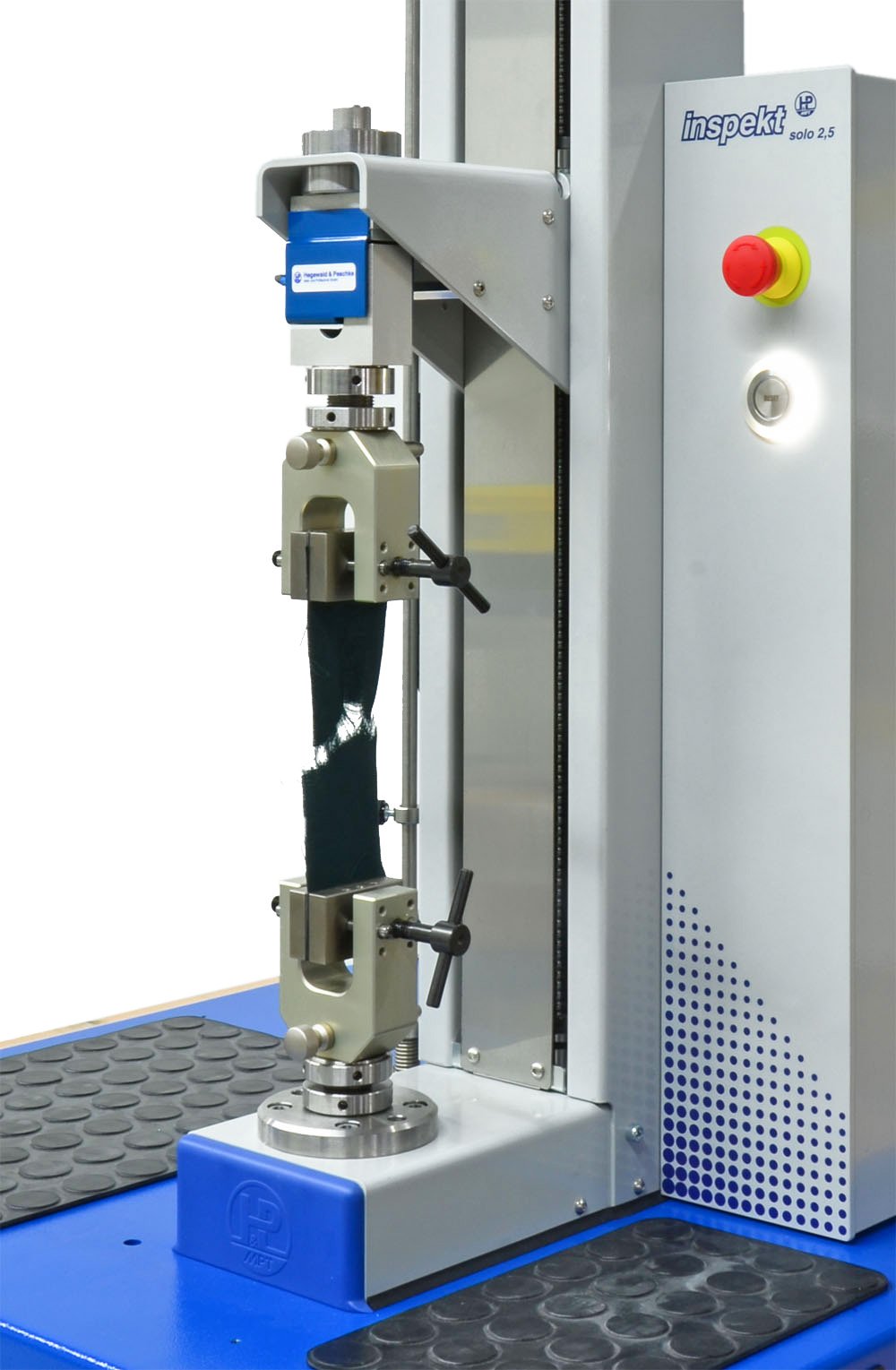
Under ISO 6931, tensile strength testing for silk fabric is conducted using standardized strip or grab methods. A controlled, steadily increasing force is applied to a prepared fabric specimen until rupture, while instruments record maximum force, elongation, and the manner in which the fabric fails. These data points are not abstract numbers; they directly influence production decisions, machine settings, and end-use suitability.
For silk in particular, how the fabric fails often matters as much as how strong it is. Silk is a filament-based natural fiber with high tensile potential but limited tolerance for localized stress or improper handling. ISO 6931 testing provides a structured way to understand these limits before problems appear in manufacturing or use.
Why Tensile Strength Testing Is Critical for Silk
Silk fabrics are often selected for their softness, drape, and luxury appearance, but these characteristics can mask mechanical weaknesses. A silk fabric that feels smooth and substantial may still exhibit low elongation or brittle break behavior, making it vulnerable during sewing or wear.
Tensile testing helps answer practical questions such as:
- Will the fabric survive high-speed cutting and stitching?
- Can it tolerate seam tension without tearing?
- Is it suitable for fitted garments or load-bearing applications?
- How will it behave after repeated movement or stress?
ISO 6931 provides a repeatable framework to answer these questions objectively.
Inside an ISO 6931 Tensile Strength Test
ISO 6931 defines how silk fabrics should be prepared, mounted, and tested so that results are comparable across laboratories and production lots. The method focuses on consistency, because even small deviations in preparation can distort results.
Sample Cutting and Orientation
One of the most important steps in tensile testing is sample orientation. Silk fabrics are anisotropic, meaning their strength and elongation differ depending on direction.
Samples are prepared in two principal orientations:
- Warp direction
- Weft direction
| Orientation | Insight |
|---|---|
| Warp test | Structural backbone |
| Weft test | Wear resistance |
Warp yarns usually carry higher tension during weaving and often provide the main structural strength of the fabric. Weft yarns, by contrast, influence flexibility, comfort, and resistance to lateral stress during wear.
Testing only one direction provides an incomplete picture. Incorrect orientation or mislabeling of samples invalidates results and can lead to false confidence in fabric performance.
Strip Test vs Grab Test
ISO 6931 allows for two primary tensile testing approaches, each serving a different analytical purpose.
| Test Method | Characteristics |
|---|---|
| Strip test | Full-width load, precise |
| Grab test | Partial load, simulates wear |
In the strip test, the full width of the specimen is clamped and loaded. This method distributes stress evenly across the fabric and is highly sensitive to yarn strength, fabric construction, and finishing effects. For silk, strip testing is often preferred during material development, supplier comparison, and quality benchmarking.
The grab test clamps only the center portion of the specimen. This simulates localized stress, closer to what occurs in real garments during wear. Grab tests are useful for performance assessment but can mask weaknesses in fabric edges or less-uniform constructions.
For high-value silk fabrics, many laboratories perform both tests to capture a complete mechanical profile.
Loading Speed and Clamping Control
Silk filaments are smooth and relatively delicate. Improper clamping or loading conditions can damage fibers before the test even begins, leading to artificially low results.
ISO 6931 specifies:
- A constant rate of extension
- Defined jaw separation distance
- Controlled clamping pressure
Excessive clamp pressure can crush or nick silk filaments, initiating premature failure. Insufficient pressure can cause slippage, producing misleading elongation values. Skilled laboratories pay close attention to jaw surface texture and pressure calibration to ensure the fabric fails due to tensile load, not test setup errors.
What the Lab Actually Records
A tensile test produces more than a single “strength” number. ISO 6931 requires recording multiple parameters that together describe fabric behavior.
| Parameter | Meaning |
|---|---|
| Maximum force (N) | Ultimate strength |
| Elongation (%) | Flexibility |
| Break type | Yarn vs fabric failure |
Maximum force indicates how much load the fabric can withstand before rupture. For silk, this value is influenced by filament quality, yarn twist, and weave density.
Elongation measures how much the fabric stretches before breaking. This parameter is critical for silk because low elongation often correlates with brittle behavior and poor sewing performance.
Break type describes how failure occurs. A clean yarn break suggests uniform load distribution, while progressive yarn slippage or tearing indicates structural weaknesses in the fabric construction.
Understanding Break Behavior in Silk
Two fabrics with similar tensile strength values can behave very differently in real use depending on how they fail.
A clean break, where yarns rupture evenly, often indicates:
- Balanced construction
- Adequate yarn cohesion
- Predictable behavior during sewing
A progressive yarn slip, where yarns pull out before breaking, may signal:
- Low yarn friction
- Loose weave
- Risk of seam slippage in garments
ISO 6931 reports that include qualitative observations of break behavior provide far more value than numerical results alone.
Typical Tensile Behavior Patterns in Silk
Over time, laboratories and manufacturers have identified recurring tensile behavior patterns in silk fabrics. These patterns help predict downstream performance issues.
| Result Pattern | Interpretation |
|---|---|
| High strength, low elongation | Stiff, less forgiving |
| Moderate strength, high elongation | Comfortable, durable |
| Low strength, low elongation | High risk in sewing |
High strength with low elongation may sound desirable, but such fabrics often feel rigid and can fail suddenly under localized stress.
Moderate strength with high elongation is frequently ideal for apparel. These fabrics distribute stress gradually, reducing the risk of tearing or seam damage.
Low strength with low elongation is a warning sign. Fabrics with this profile are prone to cutting damage, needle breakage, and early failure during wear.
Warp vs Weft Results: Why Balance Matters
ISO 6931 testing often reveals significant differences between warp and weft behavior in silk fabrics. Large imbalances can create practical problems.
For example:
- High warp strength combined with weak weft performance can lead to lateral tearing.
- Excessive elongation in one direction may cause garment distortion over time.
- Inconsistent break behavior complicates pattern design and seam placement.
Experienced fabric developers use tensile data to adjust weave density, yarn selection, or finishing processes to bring warp and weft performance into a functional balance.
The Role of Finishing in Tensile Performance
Silk finishing processes—such as degumming, softening, calendaring, or coating—can significantly affect tensile behavior.
Degumming removes sericin and improves softness but may reduce tensile strength if overdone. Softening treatments can increase elongation but sometimes reduce yarn cohesion. ISO 6931 testing performed before and after finishing helps isolate these effects and prevents unintended performance loss.
A Real Lab Insight
Many silk failures blamed on cutting blades, sewing needles, or machine tension are actually predicted by low elongation at break, visible only in tensile reports. Fabrics with adequate strength but insufficient elongation tend to fail suddenly under point stress, creating the impression of mechanical damage when the root cause is material behavior.
By reviewing ISO 6931 tensile data early, manufacturers can:
- Adjust machine settings
- Modify seam design
- Reinforce high-stress zones
- Reject unsuitable fabric lots before production
Practical Value for Buyers and Manufacturers
ISO 6931 tensile strength testing is not merely a compliance exercise. It is a decision-making tool. For silk fabrics, where material cost is high and tolerance for defects is low, tensile data reduces uncertainty and prevents costly downstream issues.
When interpreted correctly, tensile test results guide:
- Fabric selection for specific garment types
- Sewing and cutting parameter optimization
- Supplier evaluation and lot approval
- Risk assessment before bulk production
Silk’s elegance hides mechanical complexity. ISO 6931 tensile testing brings that complexity into focus by revealing how silk fabrics respond to real stress, not just aesthetic evaluation. Strength values, elongation behavior, and break patterns together form a mechanical fingerprint that predicts performance long before garments are made.
For brands, mills, and manufacturers working with silk, understanding tensile behavior is not optional. It is the difference between relying on appearance and engineering reliability into luxury materials.
How Do Lab Reports Present ISO 6931 Test Results for Silk Fabric Quality?
A laboratory report is only valuable if the reader understands what the numbers represent, how they were generated, and how they should be interpreted in real manufacturing terms. ISO 6931 test reports are designed to remove ambiguity by fixing test conditions and reporting formats, but that clarity only exists when the report is complete and read correctly.
ISO 6931 lab reports present silk fabric quality through structured tables and controlled descriptions that document sample identity, conditioning environment, tensile and elongation behavior, and failure characteristics. This allows silk fabrics to be compared objectively across suppliers, batches, and development stages.
The true value of an ISO 6931 report lies in context, consistency, and interpretation, not in isolated figures.
Why ISO 6931 Lab Reports Are Structured the Way They Are
ISO 6931 is published by the International Organization for Standardization and focuses on repeatable mechanical testing of textile fabrics. Silk, in particular, requires strict structure in reporting because its mechanical performance is highly sensitive to yarn alignment, weave density, and finishing tension.
Without standardized reporting:
- Tensile values cannot be compared across labs
- Supplier data becomes subjective
- Development decisions are based on incomplete signals
ISO 6931 lab reports solve this by enforcing fixed reporting logic. Each section of the report answers a specific quality question.
Anatomy of an ISO 6931 Lab Report
A properly prepared ISO 6931 report follows a consistent internal structure. Missing sections or vague descriptions reduce credibility and make the data difficult to use.
Key Sections You Should Always See
| Section | Why It Matters |
|---|---|
| Sample identification | Confirms the exact material tested |
| Conditioning details | Ensures repeatability and comparability |
| Test method reference | Confirms alignment with ISO 6931 |
| Result tables | Provide core mechanical data |
| Observations | Explain how and why failure occurred |
Each section plays a role. When one is missing, the report becomes harder to trust or reuse for decision-making.
Sample Identification: The Foundation of Credibility
Sample identification is often underestimated, but it is the anchor of the entire report. It should clearly state:
- Fabric type and composition
- Construction (woven, plain, twill, satin, etc.)
- Weight or momme
- Supplier or batch reference
For silk, where two fabrics can look identical but behave differently, clear identification prevents misinterpretation. If a report cannot be confidently linked to a specific production batch, its usefulness drops sharply.
Conditioning Details: Why Environment Matters for Silk
Silk is hygroscopic and reacts noticeably to humidity and temperature. ISO 6931 therefore requires fabrics to be conditioned under defined atmospheric conditions before testing.
A complete report specifies:
- Conditioning temperature
- Relative humidity
- Conditioning duration
Without this information, tensile and elongation values lose comparability. A silk fabric tested at uncontrolled humidity may appear stronger or weaker simply due to moisture content, not structural quality.
Test Method Reference: Confirming ISO Alignment
An ISO 6931 report should explicitly reference:
- The ISO standard number
- The test orientation (warp or weft)
- Any permitted deviations
This confirms that the test follows internationally recognized procedures rather than internal or modified methods. Reports that omit the method reference raise questions about comparability, especially when data is used across multiple suppliers or regions.
How Tensile Results Are Typically Shown
Tensile testing is the core of ISO 6931 reporting. For silk, results must be clearly separated by fabric direction.
| Parameter | Unit | Typical Format |
|---|---|---|
| Max force | Newton (N) | Individual values + average |
| Elongation | % | Individual values + range |
| Direction | Warp / Weft | Separate rows |
Warp and weft behave differently in silk due to yarn orientation and weave structure. Reporting them together hides critical information. A report that combines warp and weft values is a clear warning sign.
Why Averages Alone Are Not Enough
Average values are useful, but they are not sufficient for evaluating silk quality. Silk fabrics are sensitive to yarn irregularities and finishing tension, which often show up as variation between specimens.
High-quality ISO 6931 reports include:
- Individual specimen results
- Calculated averages
- Sometimes range or standard deviation
| Data Pattern | Interpretation |
|---|---|
| Tight range | Stable yarn and weaving quality |
| Wide spread | Inconsistent yarns or finishing |
| One extreme value | Possible local defect |
For example, two silk fabrics may show the same average tensile strength, but one may have tightly clustered values while the other shows wide variation. The first is usually safer for production, especially for garments requiring precision sewing.
Elongation Data: Often More Important Than Strength
In silk garments, elongation behavior is often more predictive of sewing and wear performance than maximum force. Elongation values indicate how much the fabric stretches before breaking and how it distributes stress.
Low elongation silk may:
- Tear easily at seams
- Show puckering during sewing
High elongation silk may:
- Distort under load
- Lose dimensional stability
ISO 6931 reports present elongation alongside tensile strength to provide a fuller picture of fabric behavior. Reading tensile data without elongation context can lead to poor material choices.
Failure Mode Notes: Explaining the Numbers
One of the most overlooked but valuable sections of an ISO 6931 report is the failure mode observation. These notes describe how the fabric failed during testing.
Common failure descriptions include:
- Yarn break
- Yarn slippage
- Edge rupture
- Progressive tearing
These observations explain why a fabric failed, not just how strong it was.
For silk, failure mode is especially important. Yarn slippage may indicate low inter-yarn friction, which can cause seam instability. Clean yarn break may suggest stronger yarn cohesion but lower elongation tolerance.
Why Failure Mode Matters in Real Manufacturing
Two silk fabrics with identical tensile values can behave very differently in production if their failure modes differ.
For example:
- Fabric A breaks by clean yarn rupture
- Fabric B fails by yarn slippage
Fabric A may sew cleanly but feel stiff. Fabric B may feel soft but cause seam distortion. ISO 6931 reports provide the clues needed to anticipate these outcomes.
Interpreting Warp vs Weft Differences
In silk, warp yarns are typically under higher tension during weaving, often making them stronger but less extensible than weft yarns. ISO 6931 reports separate these directions so users can assess balance.
Large disparities between warp and weft may signal:
- Unbalanced weave
- Potential distortion after cutting
- Direction-sensitive performance
Balanced silk fabrics generally perform better in garments that involve complex pattern shapes.
Using ISO 6931 Reports for Supplier Comparison
One of the strongest advantages of ISO 6931 reporting is supplier comparability. When multiple silk suppliers provide ISO-based reports, buyers can evaluate materials on equal terms.
Meaningful comparisons include:
- Warp-to-weft strength ratios
- Elongation consistency
- Variation between specimens
This moves sourcing decisions away from subjective sample handling and toward measurable performance.
Detecting Risk Early Through Report Patterns
Experienced readers look for patterns, not just values. Certain report features often correlate with future production issues:
- Wide elongation spread may predict sewing distortion
- Low weft strength may cause tearing in bias cuts
- Slippage-dominated failure may signal poor seam holding
ISO 6931 reports allow these risks to be identified before bulk production begins.
Common Red Flags in ISO 6931 Reports
Not all reports labeled “ISO” are equally reliable. Warning signs include:
- Missing conditioning details
- No individual specimen data
- Combined warp and weft results
- Vague failure descriptions
Such omissions reduce the report’s diagnostic value and limit its usefulness for decision-making.
How Brands and Manufacturers Use These Reports Internally
Well-run development teams use ISO 6931 reports as working tools, not just compliance documents. They correlate lab data with:
- Sewing trials
- Garment wash tests
- Wear feedback
Over time, brands build internal benchmarks linking specific ISO 6931 patterns to real-world performance. This shortens development cycles and reduces material-related surprises.
Documentation and Audit Readiness
ISO 6931 reports also serve an important role in quality audits. Their standardized structure:
- Demonstrates due diligence
- Supports traceability
- Provides defensible evidence in disputes
For premium silk programs or regulated supply chains, this documentation is often essential.
A Practical Reading Tip
When reviewing an ISO 6931 report, never focus on a single number. Read:
- Tensile strength and elongation
- Warp and weft separately
- Averages and variation
- Numerical data and failure notes
If two silk fabrics show similar strength but different elongation ranges or failure modes, they will behave very differently during sewing and wear—even if they look identical on the table.
ISO 6931 lab reports present silk fabric quality through structured, standardized data designed to eliminate guesswork. When complete and properly interpreted, they reveal how silk will behave under stress, how consistent it is across a batch, and where potential risks lie.
The numbers themselves are not the answer. The relationships between numbers, directions, variation, and failure behavior are what give ISO 6931 reports their real value.
For anyone sourcing, developing, or manufacturing with silk, learning to read these reports correctly transforms silk from a visually judged luxury material into a controlled, measurable fabric system—one that can be compared, improved, and relied upon with confidence.
What Are Common Challenges When Testing Silk Fabric for Compliance with ISO 6931?
Silk is widely regarded as a premium textile, but from a testing perspective, it is also one of the most technically sensitive fabrics in modern laboratories. Many silk fabrics that appear to “fail” ISO 6931 tensile and elongation tests do not fail because the material is poor, but because the testing process itself introduces error. Compared with cotton, polyester, or nylon, silk reacts far more strongly to handling, moisture, tension, and mechanical constraint.
ISO 6931 is designed to produce repeatable, comparable tensile performance data. When applied correctly, it is highly effective. When applied casually, it becomes misleading. In silk testing, small deviations in method often lead to large deviations in results, which is why disputes between suppliers, brands, and third-party laboratories are common.
The most frequent challenges in ISO 6931 silk testing include sample damage before testing, inconsistent conditioning, incorrect clamping pressure, misinterpretation of elongation data, and failure to account for silk’s sensitivity to humidity and tension. Understanding these challenges is essential for obtaining meaningful results rather than false failures.
Testing silk requires restraint as much as precision.
Where Silk Testing Goes Wrong
Unlike many woven fabrics, silk is built from continuous filaments with high intrinsic strength but low tolerance for surface damage. The testing process itself can become the primary source of weakness if not handled with care. Problems usually arise before the test even begins, long before the fabric is loaded into the tensile machine.
Handling Damage Before Testing
One of the most underestimated risks in silk testing is pre-test handling damage. Silk filaments are smooth, fine, and sensitive to abrasion. Damage that is invisible to the naked eye can dramatically reduce measured tensile strength.
Silk filaments can be weakened by:
- Fingernails
- Sharp cutting tools
- Excess folding or creasing
| Damage Source | Effect |
|---|---|
| Micro nicks | Premature failure |
| Creases | Local stress points |
Micro nicks introduced during cutting or handling act as crack initiation points. During ISO 6931 testing, the fabric almost always fails at the weakest point. If that weakness is artificially created by handling, the test result reflects handling error, not fabric performance.
Creases are another common issue. Folding silk sharply during storage or sample preparation creates localized stress concentration zones. When tensile load is applied, rupture often occurs at the crease, producing artificially low strength values.
Professional laboratories mitigate this risk by:
- Using rounded or protected cutting tools
- Handling samples with gloves
- Avoiding folding; rolling samples instead
- Discarding any specimen with visible creases
Without these precautions, even high-quality silk will appear inconsistent or weak.
Conditioning Shortcuts
Moisture content plays a critical role in silk’s mechanical behavior. Silk is hygroscopic, meaning it absorbs and releases moisture depending on ambient humidity. This directly affects both tensile strength and elongation.
Skipping or shortening conditioning leads to:
- Inflated tensile strength readings
- Reduced elongation values
- Poor repeatability between tests
ISO-style conditioning is not optional for silk. Conditioning allows moisture content to equilibrate across samples so that results reflect material behavior rather than environmental fluctuation.
Unconditioned silk tested in a dry environment often appears stronger but more brittle, failing at lower elongation. In a humid environment, the same silk may appear softer, with higher elongation but slightly lower peak force.
When laboratories skip conditioning to save time, the resulting data becomes incomparable—even within the same batch. This is one of the most common reasons factory test results differ from third-party ISO test reports.
Proper conditioning equalizes:
- Moisture content
- Fiber friction
- Filament mobility
Without it, ISO 6931 results lack technical credibility.
Clamping Pressure Mistakes
Clamping is one of the most technically demanding aspects of silk tensile testing. Silk does not behave like coarse woven fabrics that tolerate aggressive jaw pressure. Incorrect clamping is a leading cause of false failures.
| Clamp Issue | Result |
|---|---|
| Too tight | Yarn break at jaws |
| Too loose | Slippage |
| Uneven | Skewed elongation |
When clamps are too tight, the jaws crush or cut silk filaments. Failure then occurs at the clamp rather than within the gauge length, invalidating the test. This is often misinterpreted as low tensile strength when it is actually jaw-induced damage.
When clamps are too loose, the fabric slips during loading. This artificially increases elongation while reducing apparent strength, creating distorted stress–strain curves.
Uneven pressure across the clamp width creates asymmetric loading. Some yarns bear more stress than others, leading to irregular elongation behavior and inconsistent break points.
Proper clamping pressure is not purely procedural; it is a learned skill. Experienced technicians adjust pressure based on:
- Fabric weight
- Thread count
- Weave tightness
- Filament fineness
This human factor explains why identical machines can produce different results in different labs when silk is involved.
Gauge Length and Alignment Errors
Another subtle but impactful issue is incorrect gauge length or misalignment. Silk fabrics, especially those with high drape or low stiffness, are sensitive to alignment within the testing frame.
Misalignment causes:
- Uneven stress distribution
- Premature yarn failure
- Inconsistent elongation curves
Even slight angular misalignment can shift load disproportionately onto certain warp or weft yarns. This effect is amplified in silk because individual filaments carry a significant portion of the load.
Strict adherence to ISO-specified gauge lengths and careful alignment are therefore essential. Deviations that might be tolerated in cotton testing often produce unacceptable distortion in silk results.
Misinterpreting Elongation Data
One of the most common analytical mistakes in ISO 6931 silk testing is overvaluing peak tensile strength while undervaluing elongation behavior.
High tensile strength alone does not equal good silk.
| Scenario | Real Outcome |
|---|---|
| Very strong, low elongation | Sewing damage |
| Moderate strength, balanced elongation | Better garment performance |
Silk with very high tensile strength but low elongation often fails in real garments. During sewing, limited elongation causes yarn breakage at needle penetration points, seam puckering, or tearing under localized stress.
Conversely, silk with moderate tensile strength and balanced elongation often performs better in apparel because it can absorb stress through controlled deformation rather than sudden rupture.
ISO 6931 provides both strength and elongation data, but laboratories and buyers sometimes focus only on the maximum force value. This leads to incorrect rejection of fabrics that would perform well in real production.
Correct interpretation requires examining:
- Stress–strain curve shape
- Elongation at break
- Consistency across specimens
Without this context, ISO data is easily misused.
Warp–Weft Imbalance Misread as Defect
Silk fabrics frequently exhibit directional performance differences between warp and weft. This is not inherently a defect; it is often a deliberate design choice.
Common reasons for imbalance include:
- Higher twist or density in warp yarns
- Softer, lower-twist weft for drape
- Weave structures that favor one direction
Problems arise when test results are evaluated against unrealistic expectations of symmetry. A fabric may show strong warp performance and lower weft strength, yet still be perfectly suited for its intended garment orientation.
When laboratories or buyers apply uniform thresholds without considering fabric design intent, they may incorrectly classify compliant silk as failing ISO 6931 requirements.
Environmental Sensitivity and Repeatability Issues
Silk’s sensitivity to humidity and temperature creates repeatability challenges, especially when tests are conducted in different locations.
Small environmental differences can cause:
- Variations in moisture absorption
- Changes in friction between filaments
- Shifts in elongation behavior
This explains why:
- Factory tests pass
- Third-party ISO tests fail
The difference is usually method control, not fabric quality.
Professional labs mitigate this by:
- Strict environmental control
- Pre-conditioning samples in the test environment
- Running multiple specimens and reporting averages
When such controls are absent, single-test results become unreliable indicators of compliance.
Over-Testing and Sample Fatigue
Another overlooked issue is sample fatigue caused by repeated handling or pre-testing. Silk samples that have been stretched, manipulated, or partially tested before final ISO testing may show reduced strength.
This is particularly relevant when:
- Samples are used for multiple internal tests
- Swatches are passed between departments
- Fabric is “hand-tested” repeatedly
Silk does not recover from micro-stretching the way synthetic fibers do. Even gentle manual stretching can alter filament alignment and reduce measured tensile performance.
For ISO 6931 compliance testing, specimens should be dedicated and untouched prior to testing.
Communication Gaps Between Stakeholders
Many testing disputes stem from poor communication rather than technical disagreement. Factories may test under one set of conditions, while third-party labs apply stricter ISO interpretations.
Common gaps include:
- Different conditioning times
- Different clamp types
- Different gauge lengths
- Different acceptance criteria
Without alignment on test protocol, results cannot be meaningfully compared. This often leads to unnecessary rejection, re-testing, or commercial conflict.
Professional suppliers and brands address this by:
- Agreeing on test conditions in advance
- Sharing detailed test methods, not just results
- Using the same reference laboratory when possible
A Real-World Testing Failure Pattern
A recurring pattern in silk disputes looks like this:
- Factory internal tests pass
- Third-party ISO tests fail
- Fabric is blamed
In most cases, investigation reveals that:
- Samples were not conditioned identically
- Clamping pressure differed
- Handling damage occurred before testing
Once method variables are aligned, results converge.
This pattern reinforces a critical lesson: ISO 6931 compliance for silk is as much about process discipline as it is about material quality.
Silk testing under ISO 6931 fails more often due to testing error than fabric defect. The material’s sensitivity magnifies small procedural mistakes into large numerical differences.
Accurate compliance testing requires:
- Gentle, disciplined handling
- Proper conditioning
- Skilled clamping
- Balanced interpretation of strength and elongation
If these elements are not controlled, ISO 6931 results lose meaning. When they are controlled, silk testing becomes a powerful tool for predicting real-world performance rather than a source of confusion.
In silk evaluation, the goal is not to generate impressive numbers, but to generate reliable, comparable data that reflects how the fabric will behave in production and use.
How Do Silk Fabric Test Results Influence Sourcing, Quality Control, and Product Development?
Laboratory test results only create value when they change real decisions. In silk sourcing and manufacturing, ISO 6931 test data becomes powerful precisely because it moves teams away from subjective judgment and toward measurable, repeatable criteria—before fabric is cut, sewn, or committed to bulk production.
ISO 6931 silk fabric test results influence sourcing, quality control, and product development by exposing structural limits, predicting sewing behavior, and guiding material selection based on verified performance rather than surface appearance or hand feel. When used correctly, the data prevents costly trial-and-error cycles and reduces downstream production risk.
In short, numbers replace assumptions.
Why silk decisions based on feel alone often fail
Silk presents a unique challenge. Two fabrics can look identical on a hanger yet behave completely differently during cutting, stitching, washing, or wear. Visual inspection and hand feel are useful, but they cannot reveal:
- Directional strength imbalance
- Excessive elongation under sewing tension
- Hidden weakness caused by uneven yarn spacing
- Batch-to-batch variability from the same supplier
ISO 6931 testing brings these hidden factors into focus early—when they are still inexpensive to address.
Turning lab data into practical decisions
The real value of ISO test results emerges when teams integrate them into sourcing choices, quality thresholds, and design development, rather than treating them as post-production documentation.
Sourcing: selecting silk beyond appearance
During sourcing, buyers are often presented with multiple silk options that appear similar in weave, luster, and softness. ISO 6931 data helps distinguish between fabrics that will perform consistently and those that may introduce risk.
Key sourcing questions answered by ISO data include:
- Will this fabric tolerate industrial sewing speeds?
- Is the warp–weft balance suitable for the garment type?
- How consistent is this supplier across batches?
| Test Insight | Sourcing Decision |
|---|---|
| High variance in strength | Supplier risk |
| Balanced warp/weft results | Stable construction |
| Adequate elongation | Sewing-friendly |
A fabric with impressive tensile strength but extreme variation across test samples may signal poor process control at the mill. Conversely, slightly lower strength with tight variance often indicates more reliable production, which matters more in bulk manufacturing.
ISO data also enables fair supplier comparison. When all samples are tested under the same conditions, differences reflect real construction quality—not finishing tension or presentation tricks.
Reducing sampling cycles in sourcing
Without lab data, sourcing teams often rely on multiple sampling rounds to “see how the fabric behaves.” ISO results shorten this loop by predicting performance upfront.
For example:
- Low weft elongation may signal poor drape in bias-cut garments
- Excessively high elongation may lead to seam distortion
- Unbalanced warp/weft strength may cause asymmetric wear
Identifying these issues early reduces wasted sampling time and speeds supplier selection.
Quality control: setting acceptance criteria
Once a silk fabric is approved for sourcing, ISO 6931 data becomes the foundation for objective quality control. Instead of vague descriptions like “good strength” or “acceptable hand feel,” teams can define measurable acceptance thresholds.
ISO-based QC allows manufacturers to specify:
- Minimum tensile strength values
- Acceptable elongation ranges
- Maximum variation between samples
| QC Parameter | Purpose |
|---|---|
| Warp strength minimum | Seam stability |
| Weft elongation range | Wear comfort |
| Variation tolerance | Batch consistency |
These benchmarks transform QC from subjective inspection into repeatable verification.
Preventing batch-to-batch inconsistency
Silk is particularly sensitive to:
- Yarn sourcing changes
- Weaving tension adjustments
- Finishing process variation
A fabric that passed approval once may drift over time. ISO testing applied to incoming batches helps detect subtle changes before they escalate into production failures.
Common warning signs include:
- Gradual reduction in warp strength
- Increasing elongation variance
- Shift in warp-to-weft balance
Catching these early allows corrective action before garments are cut.
QC as a communication tool, not just a gate
ISO data also improves communication between buyers, factories, and mills. When issues arise, discussions can focus on measured parameters, not opinions.
Instead of: “This fabric feels weaker than last time.”
Teams can say: “Warp tensile strength has dropped 12% compared to the approved reference.”
This clarity accelerates resolution and reduces friction.
Product development: matching fabric to design intent
Designers often discover fabric limitations too late—after patterns are finalized or samples are sewn. ISO 6931 data allows product developers to match silk behavior to design intent from the start.
Different garment styles place different demands on silk fabrics.
| Design Goal | Preferred Test Profile |
|---|---|
| Structured garments | Higher warp strength |
| Flowing silhouettes | Higher elongation |
| Lightweight luxury | Balanced strength & drape |
A tailored blouse or silk jacket benefits from higher warp strength to support seams and structure. A bias-cut dress, on the other hand, requires controlled elongation to achieve fluid drape without distortion.
Designing with data, not correction
When designers select silk without performance data, problems often surface during fitting:
- Pulling at seams
- Unexpected stretching
- Loss of shape after pressing
ISO results allow designers to anticipate these behaviors. Instead of redesigning patterns to compensate for fabric weaknesses, they can select fabrics that support the design.
This reduces rework and preserves the original design intent.
Predicting sewing behavior before sampling
One of the most practical benefits of ISO silk testing is predicting sewing performance.
Key sewing-related insights include:
- Low elongation fabrics may pucker under stitch tension
- High elongation fabrics may cause uneven seam feeding
- Unbalanced warp/weft strength can lead to seam skew
By reviewing elongation and strength data together, development teams can adjust:
- Stitch density
- Thread type
- Seam direction
before physical samples are made.
Failure prevention before production
Many silk production failures are not random. They are predictable outcomes of mismatched fabric properties.
Common issues include:
- Seam puckering
- Yarn breakage during sewing
- Tearing at stress points
- Distortion after washing
ISO 6931 data reveals these risks early. For example:
- Low warp strength correlates strongly with seam failure
- Excessive weft elongation often leads to shape loss
- High variability predicts inconsistent garment behavior
Addressing these risks before production saves significant time and cost.
The cost of ignoring test data
When ISO results are collected but not applied, teams often pay later through:
- Increased defect rates
- Repeated sampling rounds
- Delayed production schedules
- Higher rejection and rework costs
The cost of testing is small compared to the cost of correcting issues after bulk cutting.
A common but costly mistake
One frequent error is focusing only on tensile strength while ignoring elongation data.
A silk fabric may show acceptable strength values yet perform poorly in sewing if elongation is too low or too high. This leads to:
- Puckered seams despite “strong” fabric
- Distortion during wear
- Inconsistent garment fit
Strength and elongation must always be interpreted together, not in isolation.
Integrating ISO data into internal workflows
The most effective organizations embed ISO results directly into their workflows:
- Sourcing teams use data for supplier comparison
- QC teams use it for batch acceptance
- Design teams reference it during fabric selection
Rather than living in a lab report folder, the data becomes part of everyday decision-making.
Long-term supplier development
Over time, consistent ISO testing helps build stronger supplier relationships. Mills that understand how their fabrics are evaluated can:
- Adjust weaving parameters
- Improve yarn selection
- Reduce variability
This creates a feedback loop where data drives continuous improvement rather than reactive troubleshooting.
Practical takeaway
ISO 6931 silk fabric test results are not just technical documentation. When used correctly, they become a decision-making framework that guides sourcing, quality control, and product development.
They allow teams to:
- Select silk based on performance, not appearance
- Set clear, objective QC standards
- Align fabric behavior with design intent
- Prevent predictable failures before production
The most successful silk programs are not those with the highest thread count or softest hand feel, but those that align measurable fabric behavior with real-world use.
When ISO data is treated as an active tool rather than a passive report, silk sourcing becomes more predictable, development cycles shorten, and product quality becomes repeatable at scale.
What Best Practices Should Suppliers and Buyers Follow to Ensure Reliable ISO 6931 Testing and Reporting?
ISO 6931 tensile testing is widely referenced, but its value depends entirely on how consistently and transparently it is applied. Many disputes around silk fabric performance are not caused by the test method itself, but by inconsistent execution, unclear test intent, or reports that cannot be reliably linked back to production reality.
Reliable testing is not about running more tests. It is about running the right tests, on the right samples, for the right purpose, and ensuring that everyone involved—development, sourcing, quality control, and suppliers—interprets the results the same way. When ISO 6931 testing is treated as a shared technical language rather than a checkbox, it becomes a powerful decision tool instead of a source of confusion.
Why ISO 6931 Results Often Get Misinterpreted
ISO 6931 is a controlled laboratory method. It produces precise numerical outputs, but those numbers are only meaningful when context is preserved. Problems arise when:
- Samples are not representative of bulk fabric
- Reports lack batch or construction detail
- Results are compared across different laboratories without alignment
- Tensile values are reviewed without understanding elongation or break behavior
Best practices exist to prevent these issues. They focus on discipline and alignment, not complexity.
A Practical ISO 6931 Best-Practice Framework
Experienced suppliers and buyers tend to follow a consistent framework that ensures tensile data remains reliable, comparable, and actionable over time.
Define the Test Purpose Before Testing
The first step is agreeing on why the test is being run. ISO 6931 can support different decisions, but each purpose requires a different testing approach.
Common testing purposes include:
- Fabric development and material engineering
- Supplier or mill comparison
- Incoming quality control and lot acceptance
Each purpose may require different sample quantities, orientations, or acceptance criteria. For example, development testing may involve multiple iterations to understand behavior trends, while QC acceptance typically focuses on confirming that bulk material matches an approved baseline.
When the purpose is not defined in advance, results are often over-interpreted or misapplied, leading to unnecessary rejections or false approvals.
Use the Same Laboratory for Meaningful Comparisons
ISO standards allow some operational flexibility. Different laboratories may use:
- Slightly different tensile machines
- Different jaw surfaces or clamping techniques
- Different operator handling practices
While all may technically comply with ISO 6931, results are not always directly comparable across labs. For supplier benchmarking or development comparison, using the same laboratory is critical.
Using one lab ensures:
- Consistent equipment calibration
- Comparable operator technique
- Stable testing environment
Switching labs mid-project often introduces variability that is mistakenly attributed to fabric quality changes.
Control Sample Conditioning and Preparation
Silk is sensitive to humidity and handling. Proper sample conditioning is essential for reproducible results.
Best practice includes:
- Conditioning samples under controlled temperature and humidity
- Avoiding creasing, stretching, or contamination during handling
- Cutting samples cleanly, with correct dimensions and orientation
Even small deviations—such as testing freshly finished fabric without conditioning—can alter elongation and break behavior. Conditioning should be treated as part of the test, not a preliminary step that can be rushed.
Always Match Test Reports to Fabric Batches
A tensile report only has value if it can be unambiguously linked to the fabric being evaluated. Generic or reused reports are one of the most common sources of sourcing disputes.
Reliable reports clearly state:
- Fabric code or internal reference
- Lot or batch number
- Warp and weft yarn specifications
- Weave type and density
- Finishing status (e.g., degummed, softened, coated)
When this information is missing, buyers cannot confirm whether the test reflects the fabric actually delivered. Reports without batch linkage quickly lose decision value, especially in bulk production.
Communicate Results in Plain, Technical Language
Numerical data alone rarely supports good decisions. Tensile results must be interpreted, not just transmitted.
Good suppliers explain:
- What the tensile and elongation values indicate in practical terms
- Whether results are typical or marginal for the fabric type
- Where risks may appear during cutting, sewing, or wear
- What process or construction changes could improve performance
| Communication Style | Outcome |
|---|---|
| Data only | Confusion |
| Interpretation + data | Confidence |
Clear explanation builds trust and accelerates decision-making. It also prevents overreaction to numbers that may look low or high without context.
Align Development, QC, and Sourcing Teams
ISO 6931 testing often fails not because of lab error, but because different teams use the data differently.
Common misalignments include:
- Development teams accepting wider ranges than QC teams
- Sourcing teams focusing only on strength, ignoring elongation
- QC teams rejecting lots based on single-direction results
Best practice is to align teams on:
- Which parameters matter most for the product
- Acceptable variation ranges
- How warp and weft results should be balanced
- What constitutes a functional failure versus a cosmetic deviation
When alignment exists, tensile reports become a shared reference rather than a point of conflict.
Re-Test After Any Structural Change
ISO 6931 results are not transferable across structural changes. Any modification to the fabric invalidates prior reports.
Changes that require re-testing include:
- Yarn count or filament type
- Yarn twist or ply structure
- Weave pattern or density
- Degumming level
- Softening, coating, or finishing chemistry
Using old reports after such changes creates false confidence. Even subtle finishing adjustments can significantly alter elongation and break behavior in silk.
Maintain Baselines and Trend Data
Beyond individual reports, experienced buyers and suppliers maintain baseline tensile profiles for approved fabrics. These baselines allow:
- Faster evaluation of new batches
- Early detection of performance drift
- Objective discussion with mills or finishers
Trend tracking is often more informative than single-point testing, especially for long-running programs.
Avoid Common Reporting Pitfalls
Several recurring mistakes undermine ISO 6931 reliability:
- Reporting average values without individual specimen data
- Omitting elongation or break description
- Combining warp and weft results into a single figure
- Failing to note test method variation (strip vs grab)
Clear, complete reports prevent misinterpretation and reduce follow-up questions.
The Shared Responsibility Model
Reliable ISO 6931 testing is a shared responsibility. Laboratories ensure technical accuracy, suppliers ensure sample integrity and transparency, and buyers ensure correct interpretation and application.
When any link in this chain weakens, trust erodes—even if the test itself was technically correct.
Final Practical Insight
Consistency creates trust. Not because it eliminates variation—fabric variation is inevitable—but because it makes variation understandable and manageable.
Suppliers and buyers who follow best practices for ISO 6931 testing gain:
- Clearer material selection decisions
- Fewer disputes during bulk approval
- Better alignment between expectations and performance
- Reduced risk of downstream manufacturing failure
ISO 6931 is not just a test method. When applied correctly, it becomes a common technical framework that allows silk fabrics to be evaluated with the same rigor as they are admired for their appearance.
ISO 6931 Turns Silk into a Predictable Material
Silk does not need to be mysterious to remain luxurious. ISO 6931 testing proves that silk can be measured, compared, and trusted—without stripping away its character.
When thread count and tensile strength are tested correctly:
- Development becomes smoother
- Quality becomes repeatable
- Sourcing becomes strategic
If you are developing silk fabrics for garments, linings, accessories, or specialty applications, SzoneierFabrics supports custom silk development with low MOQs, fast sampling, ISO-aligned testing coordination, and consistent quality control.
Contact SzoneierFabrics today to request silk fabric samples or a tailored quotation—and build silk products backed by data, not guesswork.