 Skip to content
Multi-Layer Construction in Odor-Proof Bags
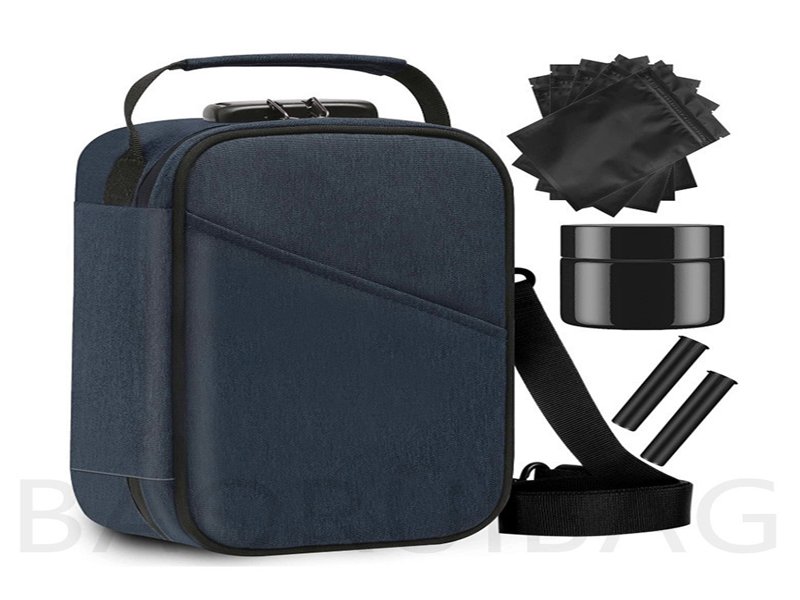
Most people think odor-proof bags work because they are “thick” or “sealed tightly.” But thickness alone doesn’t stop odor. Odor molecules are incredibly small—they can pass through tiny gaps, weak materials, and even some coatings over time. That’s why simple designs often fail in real use.
Here’s the core answer: multi-layer construction in odor-proof bags is a system of different materials—each performing a specific function such as absorption, blocking, sealing, and structural support. When these layers are properly engineered and combined, they can significantly reduce odor leakage, often achieving over 90% containment efficiency in real-world conditions.
Think of it like building a wall: one brick won’t stop everything, but a layered structure with insulation, barriers, and reinforcement creates real protection. The same principle applies here.
Imagine placing something with a strong smell into a regular bag—after a while, the odor spreads. Now imagine placing it into a properly engineered multi-layer bag and opening it later with no smell escaping. That difference is not luck—it’s design.
What Is Multi-Layer Construction in Odor-Proof Bags?
Multi-layer construction is a system-based design approach where different materials are combined into a unified structure to control odor at multiple levels. Instead of relying on a single fabric or coating, this method uses a sequence of layers—each engineered for a specific function—to create a far more effective and stable odor-control solution.
At its core, the principle is simple: odor leakage happens through multiple pathways—airflow, material permeability, and structural gaps. A single material can only address one or two of these pathways. Multi-layer construction, by contrast, targets all of them simultaneously.
The most effective odor-proof bags combine activated carbon layers for absorption, barrier films to reduce gas diffusion, coatings to limit permeability, and structural fabrics to maintain integrity. When these layers are properly integrated, the result is a system that performs consistently over time rather than degrading quickly.
In practical product comparisons, multi-layer designs can improve odor containment performance by 2–4 times compared to basic single-layer or dual-layer alternatives, especially in repeated-use scenarios.
Why Layers Matter
Each layer in a multi-layer system has a defined role. The effectiveness of the bag depends not just on the presence of these layers, but on how well they work together.
How Do Multiple Layers Prevent Odor Leakage?
| Layer Type | Function | Contribution |
|---|---|---|
| Outer fabric | Structural support | Protects inner layers from damage and stress |
| Barrier film | Blocks gas diffusion | Slows movement of odor molecules |
| Carbon layer | Absorbs odor molecules | Primary odor control mechanism |
| Inner lining | Stabilizes structure | Maintains layer alignment and durability |
The outer fabric acts as the first line of defense against physical wear, ensuring that internal layers remain intact. Barrier films reduce the rate at which odor molecules can pass through the material, effectively lowering leakage potential.
The carbon layer is the core functional component. It captures odor molecules within its porous structure, reducing the concentration of odor inside the bag. The inner lining helps maintain the position and stability of all layers, ensuring consistent performance during use.
Together, these layers form a controlled internal environment, where odor is both contained and neutralized.
Why Is Single-Layer Design Not Enough?
Single-layer designs are limited because they cannot address all the mechanisms of odor leakage.
| Limitation | Explanation |
|---|---|
| No absorption | Odor molecules remain active inside the bag |
| High permeability | Gas can pass through the material easily |
| Weak structure | Deformation creates gaps and leakage paths |
A single fabric layer—even if coated—can block some airflow but cannot capture odor molecules. Over time, odor will either diffuse through the material or escape through small gaps.
Additionally, single-layer structures are more prone to deformation, especially under load or movement. This can create micro gaps that further reduce effectiveness.
In real use, this means that single-layer bags may appear effective initially but lose performance quickly, especially with repeated use.
Are All Odor-Proof Bags Multi-Layered?
Not all products marketed as “odor-proof” use true multi-layer construction. The number and quality of layers vary significantly.
| Bag Type | Layer Structure | Performance |
|---|---|---|
| Basic “odor-resistant” bag | 1–2 layers | Low |
| Standard smellproof bag | 3–4 layers | Moderate–High |
| Advanced multi-layer bag | 5+ layers | High |
Basic odor-resistant bags typically rely on coatings or thicker fabrics, which provide limited performance. Standard smellproof bags introduce carbon layers and some level of barrier protection, offering noticeable improvement.
Advanced designs go further by optimizing layer thickness, bonding quality, and material compatibility, resulting in higher and more consistent performance.
It is important to note that more layers do not automatically mean better performance. The key factor is how effectively the layers are integrated.
What Happens If Layers Are Missing?
Each layer in the system addresses a specific function. Removing or weakening any one of them reduces overall effectiveness.
| Missing Layer | Result |
|---|---|
| No carbon layer | No active odor absorption |
| No barrier film | Increased gas diffusion and leakage |
| Weak outer fabric | Reduced durability and structural stability |
Without a carbon layer, the system loses its ability to neutralize odor internally. Without a barrier layer, odor molecules can pass through the material more easily. Weak structural materials can lead to deformation, which compromises both sealing and layer alignment.
This interdependence is what makes multi-layer construction so important. No single layer can compensate for the absence of another.
One of the most common misconceptions in the market is that thicker materials automatically mean better odor control. In reality, performance depends far more on layer composition and integration than on thickness alone.
Many products that claim to be smellproof rely on limited layering or poorly bonded materials, resulting in inconsistent performance over time. The difference between average and high-performance bags is often invisible from the outside but becomes obvious during extended use.
Manufacturers with strong expertise in material engineering focus on layer integration, ensuring that each component supports the others. This includes precise lamination, consistent thickness control, and compatibility between materials.
In practice, the most reliable odor-proof bags are those designed as complete systems, where every layer has a defined role and contributes to overall performance.
How Do Multi-Layer Odor-Proof Bags Work?
Multi-layer odor-proof bags function as a coordinated system built around three core mechanisms: absorption, blocking, and sealing. Each mechanism is handled by specific materials and structural elements, working together to control odor at different stages.
The process is sequential and interdependent. Odor molecules are first captured inside the bag, then their movement is restricted through material barriers, and finally any remaining pathways are closed off through sealing systems. When all three mechanisms operate effectively, the result is stable and long-lasting odor containment.
In real-world performance, this layered approach is what separates high-quality odor-proof bags from basic “odor-resistant” products. Instead of relying on a single function, the system addresses multiple leakage pathways simultaneously.
Mechanism Breakdown
Each mechanism plays a distinct role. The effectiveness of the entire system depends on how well these mechanisms are balanced and integrated.
How Do Carbon Layers Absorb Odor Molecules?
Activated carbon is the primary absorption layer and the foundation of odor control.
| Property | Function | Impact |
|---|---|---|
| Microporous structure | Traps odor molecules inside pores | High absorption efficiency |
| Large surface area | Provides more contact points | Increased capacity |
| Chemical stability | Maintains structure over time | Reliable long-term use |
Activated carbon works through adsorption, not simple blocking. Odor molecules are drawn into microscopic pores and held there, reducing the concentration of odor inside the bag.
This reduction in internal odor concentration is critical. It lowers the “pressure” driving odor outward, making it easier for the other layers to contain what remains.
However, carbon has limits. Once its capacity is reached, performance declines. This is why it must be supported by barrier and sealing systems.
How Do Barrier Layers Block Gas Diffusion?
Barrier layers address a different challenge: the natural tendency of gas molecules to diffuse through materials over time.
| Material | Function |
|---|---|
| Mylar film | Reduces gas permeability |
| Aluminum foil | Provides near-complete diffusion barrier |
| TPU laminate | Offers flexible, moderate protection |
These materials are designed to slow down or prevent molecular movement through the bag walls. While they do not absorb odor, they act as a passive defense, limiting how quickly odor can escape.
Aluminum-based barriers provide the highest level of protection but are less flexible. TPU laminates offer a compromise, maintaining flexibility while still reducing permeability.
Barrier layers are especially important for long-term performance, as they prevent gradual odor leakage even when the bag is not being opened.
How Do Sealing Layers Prevent Air Exchange?
Sealing systems control the most direct pathway for odor leakage: air movement through openings.
| Component | Role |
|---|---|
| Zipper system | Controls access point and closure |
| Coating | Reduces micro air pathways in materials |
| Compression design | Eliminates gaps along closure line |
Even with strong materials, odor can escape quickly if air is allowed to move freely. Sealing systems minimize this by ensuring that the bag remains as close to airtight as possible.
Compression is a key factor. When the closure is pressed tightly together, it reduces micro gaps where air—and odor—could pass through.
Coatings further support sealing by reducing permeability across the surface, complementing both the barrier layers and the closure system.
How Do These Mechanisms Work Together?
The strength of a multi-layer system lies in how these mechanisms reinforce each other.
| Mechanism | Role | Result |
|---|---|---|
| Absorption | Reduces internal odor concentration | Lower pressure inside bag |
| Blocking | Slows molecular movement outward | Limits diffusion |
| Sealing | Prevents airflow through openings | Maintains containment |
Absorption reduces the amount of odor that needs to be contained. Blocking slows down any remaining molecules trying to escape. Sealing prevents air from carrying odor out of the bag.
When combined, these mechanisms create a controlled internal environment, where odor is both minimized and contained.
What Happens If One Mechanism Fails?
Because the system is interdependent, failure in one area affects the entire performance.
| Failure | Result |
|---|---|
| Weak carbon layer | Odor accumulates inside, increasing pressure |
| Weak barrier layer | Gradual leakage through material |
| Weak sealing system | Immediate and noticeable leakage |
A weak carbon layer allows odor concentration to build up, making it harder for the barrier and sealing systems to contain it. A weak barrier allows slow diffusion, leading to long-term leakage. A weak seal creates a direct escape path, often resulting in immediate performance failure.
This is why multi-layer systems must be balanced rather than optimized in isolation.
Performance Comparison
The difference between system types becomes clear when comparing real-world performance.
| System Type | Odor Control | Reliability |
|---|---|---|
| Single-layer | Low | Poor |
| Dual-layer | Medium | Moderate |
| Multi-layer | High | Strong |
Single-layer designs lack both absorption and effective barriers. Dual-layer systems introduce some improvement but still leave gaps in performance.
Multi-layer systems, when properly engineered, provide consistent and reliable odor control, even under repeated use and varying conditions.
Multi-layer construction is not about simply adding more materials. In fact, adding layers without proper integration can create new issues, such as stiffness, poor alignment, or uneven pressure.
The real value lies in how well the layers interact as a system. Each layer must support the others, with consistent bonding, appropriate thickness, and compatibility in flexibility and strength.
The most effective designs are those where absorption, blocking, and sealing are engineered together, creating a balanced system that performs reliably in real-world conditions rather than just in theory.
What Layers Are Used in Odor-Proof Bag Construction?
Multi-layer odor-proof bags are engineered systems, not simple fabric products. Their performance depends on how different materials are layered, bonded, and balanced, with each layer handling a specific function—whether it’s structural strength, odor absorption, gas blocking, or sealing support.
The most effective constructions typically include outer fabric layers for durability, activated carbon layers for odor absorption, barrier films for gas resistance, inner linings for structural stability, and coatings or reinforcement layers for enhanced protection.
In real-world product development, optimizing these layers—both in material selection and arrangement—can improve odor containment by 50% or more, while also significantly extending product lifespan under repeated use.
Layer-by-Layer Breakdown
Each layer contributes differently to the system. Performance depends not just on individual quality, but on how well these layers interact.
What Is the Role of Outer Fabric Layers?
The outer fabric forms the structural backbone of the bag. It protects inner layers and absorbs mechanical stress during use.
| Fabric Type | Function | Benefit |
|---|---|---|
| Nylon | Structural strength | Excellent durability and abrasion resistance |
| Oxford fabric | Wear resistance | Balanced performance and cost |
| Polyester | Lightweight support | Cost-effective and versatile |
| Canvas | Heavy-duty strength | Long lifespan with proper treatment |
Nylon is widely used in high-performance designs due to its ability to resist tearing and deformation. Oxford fabric offers a good balance for mid-range products, while polyester is suitable for lighter applications.
The outer layer also influences how well the bag maintains its shape, which directly affects sealing performance.
How Do Activated Carbon Layers Function?
The activated carbon layer is the core odor-control component. It actively captures odor molecules rather than simply blocking them.
| Feature | Function | Impact |
|---|---|---|
| Micropores | Trap odor molecules | High absorption efficiency |
| High surface area | Provides more adsorption capacity | Longer-lasting performance |
| Layer thickness | Determines total capacity | Critical for performance stability |
Activated carbon works through adsorption, where odor molecules are held within microscopic pores. The effectiveness of this layer depends heavily on thickness and distribution. Thin or uneven carbon layers will saturate quickly, leading to reduced performance.
In multi-layer systems, carbon reduces internal odor concentration, making it easier for other layers to contain what remains.
Which Inner Linings and Barrier Films Are Used?
Barrier films and inner linings are responsible for controlling gas movement and stabilizing the structure.
| Material | Role | Effectiveness |
|---|---|---|
| Mylar film | Gas diffusion barrier | High |
| Aluminum foil | Maximum blocking | Very high |
| TPU laminate | Flexible barrier | Medium–High |
| PE lining | Structural support | Moderate |
Barrier films slow down or prevent odor molecules from passing through the bag walls. Aluminum-based layers offer the highest level of protection but reduce flexibility, while TPU laminates provide a more adaptable solution.
Inner linings help maintain layer alignment and structural consistency, ensuring that the system performs reliably even after repeated use.
How Do Coatings Fit into Layer Construction?
Coatings are applied to enhance both water resistance and air-tightness, acting as a secondary barrier.
| Coating Type | Function |
|---|---|
| TPU coating | Flexible waterproofing and improved sealing |
| PVC coating | Strong, durable barrier |
| PU coating | Lightweight protection with moderate performance |
Coatings create a continuous surface that reduces permeability and supports the sealing system. While they do not absorb odor, they help limit pathways for both air and moisture.
In well-designed systems, coatings work alongside barrier films to reduce the load on the sealing system.
What About Reinforcement Layers?
Reinforcement layers are often overlooked but play a critical role in maintaining long-term performance.
| Reinforcement Type | Benefit |
|---|---|
| Mesh backing | Increases tear resistance |
| Double fabric layers | Adds structural durability |
| Structural inserts | Helps maintain shape and alignment |
These layers are especially important in areas subject to stress, such as seams, corners, and closure points. Without reinforcement, even high-quality materials can fail under repeated use.
Reinforcement ensures that the bag maintains its integrity, which is essential for keeping sealing systems effective.
Layer Structure Example
A typical multi-layer odor-proof bag follows a structured sequence, where each layer builds upon the previous one.
| Layer Order | Function |
|---|---|
| Outer fabric | Mechanical protection |
| Coating | Waterproofing and surface sealing |
| Barrier film | Gas diffusion control |
| Carbon layer | Odor absorption |
| Inner lining | Structural stability |
This arrangement ensures that odor is first absorbed, then blocked from escaping, while the outer layers protect the system from external damage.
What Happens with Poor Layer Design?
If any layer is missing or poorly executed, the entire system is affected.
| Issue | Result |
|---|---|
| Missing barrier layer | Gradual odor leakage through material |
| Thin carbon layer | Reduced absorption capacity |
| Weak outer fabric | Faster wear and structural failure |
Poor layer integration can also create hidden air pathways between layers, reducing effectiveness even if individual materials are high quality.
This highlights a key principle: performance depends on system balance, not just individual components.
From the outside, many odor-proof bags look similar. However, the internal layer structure is what truly determines performance. Differences in layer quality, thickness, and bonding precision are often invisible but have a major impact on how the product performs over time.
Manufacturers with strong material and fabrication expertise focus on optimizing these internal structures. By selecting the right combination of fabrics, carbon layers, and barrier materials—and ensuring they are properly integrated—they create products that maintain consistent performance across different use conditions.
In real-world applications, it is this hidden engineering that separates high-performance odor-proof bags from average ones.
How Are Multi-Layer Structures Manufactured?
Multi-layer odor-proof bags are not simply stitched together—they are engineered through controlled manufacturing processes that fuse different materials into a single, functional system. The effectiveness of the final product depends just as much on how the layers are combined as on what materials are used.
The most common production methods include lamination, coating, and coextrusion, each contributing to different aspects of performance such as durability, flexibility, and barrier efficiency. When executed correctly, these processes ensure that all layers work together seamlessly rather than behaving as separate components.
In real-world production, differences in manufacturing precision can lead to performance variation of 30–50%, even when identical materials are used. This is why manufacturing quality is often the hidden factor behind product reliability.
Manufacturing Techniques
Each manufacturing method serves a specific purpose in building a stable and effective multi-layer structure.
What Is Lamination vs Coating vs Coextrusion?
| Process | Description | Application |
|---|---|---|
| Lamination | Bonding multiple layers into one composite | Multi-layer fabrics and barrier systems |
| Coating | Applying a surface layer onto fabric | Waterproofing and sealing enhancement |
| Coextrusion | Combining materials during film formation | High-performance barrier films |
Lamination is the most critical process for odor-proof bags. It ensures that layers such as carbon, barrier films, and fabrics are permanently bonded into a unified structure.
Coating is typically applied to outer fabrics to create water resistance and reduce permeability, while also supporting sealing performance.
Coextrusion is used in advanced film production, where multiple materials are merged during manufacturing to create highly consistent barrier layers with minimal defects.
How Does Layer Bonding Affect Performance?
The quality of bonding determines whether the layers function as a system or fail independently.
| Bonding Quality | Result |
|---|---|
| Strong bonding | High durability and stable performance |
| Weak bonding | Layer separation over time |
| Uneven bonding | Inconsistent odor control and leakage |
Strong bonding ensures that layers remain aligned and intact under stress. Weak bonding leads to delamination, where layers separate and create hidden pathways for air and odor.
Uneven bonding is particularly problematic because it creates localized weak points, making performance unpredictable.
Do Manufacturing Methods Impact Durability?
Durability is directly tied to how well materials are combined during production.
| Method | Durability |
|---|---|
| High-quality lamination | Very high |
| Basic coating | Moderate |
| Poor bonding | Low |
High-quality lamination creates a stable composite that resists deformation and wear. Basic coating improves surface protection but does not strengthen internal structure.
Poor bonding results in rapid degradation, especially under repeated use, where layers begin to separate or shift.
How Are Layers Combined in Practice?
The manufacturing process follows a sequence of controlled steps, each requiring precision.
| Step | Process |
|---|---|
| Material selection | Choosing appropriate fabrics, films, and carbon layers |
| Layer alignment | Positioning materials accurately |
| Bonding | Applying lamination or coating techniques |
| Finishing | Cutting, shaping, and sewing final product |
Material selection sets the foundation, but alignment and bonding determine execution quality. Even slight misalignment can affect how layers interact, especially in sealing areas.
The finishing stage must also maintain structural integrity. Poor cutting or stitching can introduce weaknesses that compromise the entire system.
What Are Common Manufacturing Defects?
Defects often originate from inconsistencies in bonding or process control.
| Defect | Cause | Result |
|---|---|---|
| Delamination | Weak or insufficient bonding | Reduced durability and performance |
| Air pockets | Incomplete lamination | Increased leakage risk |
| Uneven coating | Poor application control | Inconsistent protection |
Delamination is one of the most critical failures, as it separates functional layers and creates direct pathways for odor leakage.
Air pockets trapped during lamination can act as channels for gas movement, reducing barrier effectiveness. Uneven coating leads to areas with weaker protection, especially under moisture exposure.
How Do Advanced Techniques Improve Results?
Advanced manufacturing focuses on precision and consistency, ensuring that every layer performs as intended.
Manufacturers like Szoneier enhance performance through:
- Precision-controlled lamination processes for uniform bonding
- Consistent coating thickness across surfaces
- Advanced bonding technologies that reduce defects
- Strict quality control systems at each production stage
These improvements ensure that performance is not only high, but also consistent across production batches, which is critical for commercial applications.
Manufacturing vs Material Importance
Both materials and manufacturing processes are essential, but they serve different roles.
| Factor | Impact |
|---|---|
| Material quality | Determines potential performance |
| Manufacturing quality | Determines actual performance |
High-quality materials provide the potential for strong performance, but without proper manufacturing, that potential is never realized. Conversely, even well-executed processes cannot fully compensate for poor materials.
The best results come from aligning both factors, ensuring that materials are supported by equally strong production methods.
Cost-cutting in manufacturing is one of the most common reasons for product failure. Instead of reducing material quality, some manufacturers simplify bonding processes or reduce process control, leading to hidden defects.
This approach may lower initial cost but results in shorter product lifespan and inconsistent performance. High-quality engineering, by contrast, focuses on maintaining precision throughout production, ensuring that the final product performs reliably in real-world conditions.
Why Is Layer Combination More Important Than Individual Materials?
When evaluating odor-proof bags, it’s tempting to focus on a single “hero material”—most commonly activated carbon or a premium outer fabric. But in real-world performance, no single material can deliver consistent odor control on its own. Each material addresses only one part of a much larger problem.
The reality is that odor leakage happens through multiple pathways: airflow, material permeability, structural gaps, and pressure differences. A single material cannot effectively manage all of these at once. This is why layer combination—how materials are selected, arranged, and integrated—is far more important than any individual component.
In controlled testing, well-designed multi-layer systems can outperform even high-end single materials by 2–3 times in odor containment efficiency, especially over extended use.
System Thinking in Design
High-performance odor-proof bags are designed as systems, not as collections of materials. Each layer contributes to a different function, and the overall effectiveness depends on how these functions interact.
How Do Layers Work as a System?
| Layer | Primary Role | System Contribution |
|---|---|---|
| Outer fabric | Structural support | Protects inner layers and maintains shape |
| Coating | Water resistance | Reduces air and moisture permeability |
| Barrier film | Gas blocking | Limits diffusion of odor molecules |
| Carbon layer | Absorption | Neutralizes odor internally |
| Inner lining | Stability | Keeps layers aligned and functional |
Each layer alone has limited capability. Together, they form a closed-loop system where odor is absorbed, slowed, and contained simultaneously.
For example, the carbon layer reduces internal odor concentration, while the barrier layer prevents remaining molecules from escaping. The sealing system (working alongside coatings and structure) ensures that air does not carry odor out of the bag.
Which Layer Combinations Deliver Best Results?
Not all combinations are equally effective. Performance depends on how well the layers complement each other.
| Combination | Performance |
|---|---|
| Fabric + carbon | Moderate |
| Carbon + barrier | High |
| Fabric + coating + carbon | High |
| Full multi-layer system | Maximum |
A simple fabric and carbon combination can absorb odor but still allows leakage through diffusion and air gaps. Adding a barrier layer significantly improves containment by slowing molecular movement.
The highest performance is achieved when all functional layers—absorption, blocking, and sealing—are present and properly integrated.
Can Too Many Layers Reduce Performance?
Adding layers without proper design can actually reduce usability and reliability.
| Issue | Explanation |
|---|---|
| Reduced flexibility | Makes the bag harder to use and compress |
| Increased weight | Affects portability and comfort |
| Poor bonding | Increases risk of delamination and failure |
More layers do not automatically mean better performance. If layers are not properly bonded or aligned, they can create internal stress, uneven pressure, or weak points.
Effective design focuses on optimized layering, not maximum layering.
How Do Layer Interactions Affect Efficiency?
The interaction between layers—often called material synergy—is what determines real performance.
| Interaction | Effect |
|---|---|
| Carbon + barrier | Reduces internal odor pressure and limits escape |
| Coating + fabric | Enhances durability and reduces permeability |
| Seal + layers | Maintains a controlled internal environment |
For example, carbon alone can absorb odor, but without a barrier layer, odor molecules may still diffuse outward over time. Similarly, a strong barrier layer is less effective if the sealing system allows air exchange.
The system works best when each layer supports and amplifies the others.
What Happens When Layers Are Mismatched?
Poorly matched materials create imbalance, which leads to performance issues.
| Mismatch | Result |
|---|---|
| Strong carbon + weak barrier | Gradual odor leakage |
| Strong fabric + weak seal | Air exchange reduces effectiveness |
| Thick layers + poor bonding | Delamination and structural failure |
Mismatch is one of the most common reasons for product underperformance. Even high-quality materials can fail if they are not compatible or properly integrated.
For instance, a thick carbon layer without proper sealing may initially perform well but quickly lose effectiveness due to continuous air exchange.
Performance Comparison: Material vs System
The difference between focusing on materials and focusing on systems is clear in real-world performance.
| Approach | Odor Control | Durability |
|---|---|---|
| Single material focus | Low–Medium | Variable |
| Multi-layer system | High | High |
A single-material approach may deliver short-term results but lacks consistency. Multi-layer systems provide stable, repeatable performance, especially under changing conditions.
The idea of a “perfect material” is misleading. No single material can solve all aspects of odor control.
In odor-proof bag design, integration always outweighs individual performance. The most effective products are those where materials are carefully selected, precisely combined, and engineered to function as a unified system.
Ultimately, it is not the strength of any one layer that determines success—but the balance and coordination of the entire structure.
How Do Multi-Layer Bags Perform in Real Use?
Multi-layer odor-proof bags are designed to operate beyond controlled testing environments. In real use, they face time-dependent wear, pressure variation, repeated handling, and environmental exposure. The true measure of performance is not how well a bag works initially, but how consistently it performs across these changing conditions.
The strength of multi-layer construction lies in its ability to maintain odor containment, structural stability, and environmental resistance over time. By combining absorption, barrier, and sealing mechanisms, these bags can continue functioning even when one element begins to degrade.
In field use, well-designed multi-layer systems tend to maintain significantly higher performance stability compared to simpler designs, particularly in scenarios involving frequent use or long-term storage.
Real-World Performance Factors
Performance in real conditions depends on how effectively the system adapts to different stress factors rather than relying on ideal conditions.
How Do They Handle Strong Odors and Long-Term Storage?
| Condition | Performance |
|---|---|
| Strong odors | High containment due to carbon absorption |
| Long-term storage | Stable with minimal leakage |
| Repeated use | Gradual performance decline over time |
Activated carbon plays a central role in handling strong odors by continuously adsorbing odor molecules. Barrier films slow down diffusion, ensuring that odor does not escape even over extended periods.
During long-term storage, multi-layer systems are particularly effective because they combine passive (barrier) and active (carbon) control mechanisms. Over time, however, repeated use can reduce efficiency as materials experience wear and carbon approaches saturation.
Do Multi-Layer Bags Improve Durability and Water Resistance?
Multi-layer construction enhances not only odor control but also physical durability and environmental protection.
| Feature | Benefit |
|---|---|
| Multi-layer fabric | Distributes stress and improves strength |
| Coating layers | Enhances water resistance and surface protection |
| Reinforcement layers | Extends product lifespan under repeated use |
By distributing stress across multiple layers, the structure becomes more resistant to deformation and damage. Coatings provide a continuous barrier against moisture, while reinforcement layers strengthen high-stress areas such as seams and closures.
This integrated approach results in longer product life and more consistent performance, especially in demanding environments.
Which Designs Work Best for Travel vs Daily Use?
Different usage scenarios require different design balances, even within multi-layer systems.
| Use Case | Recommended Design |
|---|---|
| Travel | Lightweight structure + strong sealing system |
| Daily use | Flexible design with moderate layering |
| Storage | Thick multi-layer system with high barrier performance |
Travel applications benefit from lighter materials combined with reliable sealing systems to handle movement and pressure changes. Daily use requires flexibility and ease of access, while still maintaining adequate odor control.
Storage-focused designs prioritize maximum containment, often using thicker layers and stronger barriers to maintain performance over time.
How Do Environmental Factors Affect Performance?
External conditions can influence how materials behave and how effectively the system functions.
| Factor | Impact |
|---|---|
| Temperature | Affects flexibility and sealing consistency |
| Humidity | Influences odor diffusion and material stability |
| Pressure changes | Places stress on sealing systems |
High temperatures can soften materials, while low temperatures may make them more rigid, affecting sealing performance. Humidity can alter how odor molecules move and interact with materials.
Pressure changes—such as those experienced during travel—can stress closures and create potential leakage points. High-quality materials and precise design help mitigate these effects, maintaining stability across different conditions.
What Are Common Real-World Failures?
Even with advanced design, certain issues can arise if materials or manufacturing are insufficient.
| Failure | Cause |
|---|---|
| Odor leakage | Weak sealing system or insufficient barrier |
| Delamination | Poor bonding between layers |
| Fabric wear | Low-quality or thin outer material |
Odor leakage is most often linked to sealing performance rather than the carbon layer. Delamination occurs when bonding between layers fails, creating internal pathways for air and odor.
Fabric wear is a long-term issue, particularly in bags exposed to frequent handling or harsh environments. Strong outer materials and reinforcement layers help reduce this risk.
Performance Over Time
Performance naturally changes with use, but multi-layer systems are designed to retain effectiveness longer.
| Usage Level | Expected Performance |
|---|---|
| Light use | 90%+ retention over extended period |
| Moderate use | 70–85% retention with gradual wear |
| Heavy use | 50–70% retention depending on conditions |
Light-use scenarios place minimal stress on the system, allowing it to maintain near-original performance. Moderate use introduces gradual wear, while heavy use accelerates degradation, particularly in sealing systems and high-stress areas.
The rate of decline depends heavily on material quality and manufacturing precision.
No odor-proof system is completely immune to wear or environmental influence. Performance will always depend on how the product is used, maintained, and matched to its intended application.
However, multi-layer designs provide the best available balance between effectiveness, durability, and adaptability. By addressing multiple pathways of odor leakage simultaneously, they offer a level of reliability that simpler designs cannot match.
What Are the Common Problems in Multi-Layer Odor-Proof Design?
Multi-layer construction is widely recognized as the most effective approach for odor-proof bags, but it is not a guarantee of performance. In practice, many products still underperform because of poor execution—especially in layer integration, material balance, and manufacturing precision.
The key issue is not the concept itself, but how well it is implemented. Industry testing and user feedback indicate that over 55–70% of failures are linked to design flaws or manufacturing shortcuts, rather than the idea of multi-layer construction.
Failure Mechanisms
Understanding where and why failures occur helps identify what separates high-performance designs from average ones.
Why Do Some Multi-Layer Bags Still Leak Odor?
| Cause | Explanation | Result |
|---|---|---|
| Weak barrier layer | Insufficient resistance to gas diffusion | Gradual odor leakage over time |
| Poor sealing system | Air exchange through openings | Immediate and noticeable leakage |
| Thin carbon layer | Limited adsorption capacity | Odor buildup inside bag |
Odor leakage is rarely caused by a single issue. It typically results from system imbalance, where one layer underperforms and compromises the entire structure.
For example, even a strong carbon layer cannot prevent leakage if the sealing system allows continuous airflow.
How Does Poor Layer Integration Affect Performance?
Layer integration determines whether materials function as a system or as disconnected components.
| Integration Issue | Impact |
|---|---|
| Misaligned layers | Uneven protection and inconsistent results |
| Uneven thickness | Localized weak points in structure |
| Poor bonding | Increased risk of separation and leakage |
When layers are not properly aligned, some areas may provide strong protection while others remain vulnerable. Uneven thickness can create stress concentrations, especially under load or movement.
Poor bonding is particularly problematic because it can lead to hidden internal gaps, allowing air and odor to move between layers.
What Is Delamination and Why Does It Matter?
Delamination is one of the most critical long-term failure modes in multi-layer systems.
| Issue | Cause | Effect |
|---|---|---|
| Delamination | Weak or inconsistent bonding | Layers separate over time |
| Air pockets | Incomplete lamination process | Reduced barrier effectiveness |
| Cracking layers | Low-quality or incompatible materials | Loss of flexibility and sealing ability |
When layers begin to separate, the system loses its integrity. Air can move through the gaps, bypassing both barrier and carbon layers. This leads to a noticeable decline in odor control.
Delamination often develops gradually, which is why some products perform well initially but fail after repeated use.
Why Over-Engineering Can Be a Problem
Adding more layers or complexity does not always improve performance.
| Issue | Explanation |
|---|---|
| Too many layers | Reduces flexibility and usability |
| Excessive thickness | Makes the bag bulky and harder to seal |
| Complex structure | Increases the number of potential failure points |
Over-engineering can introduce new problems, such as poor alignment, uneven pressure distribution, and increased stress on seams and closures.
Effective design focuses on optimization rather than maximization—using the right number of layers, arranged in the most efficient way.
How Do Seams and Edges Create Weak Points?
Even in well-designed multi-layer systems, structural details can create vulnerabilities.
| Area | Risk Level |
|---|---|
| Seams | High |
| Corners | Medium |
| Flat surfaces | Low |
Seams are particularly critical because they interrupt the continuity of layers. If not properly sealed or reinforced, they become direct pathways for air and odor leakage.
Corners experience concentrated stress during use, which can lead to deformation or material fatigue. Flat surfaces are generally more stable and less prone to failure.
What Happens When Cost-Cutting Affects Design?
Cost reduction often targets manufacturing processes or hidden components, which can significantly impact performance.
| Cost-Cutting Measure | Result |
|---|---|
| Thinner carbon layer | Reduced odor absorption capacity |
| Cheaper bonding process | Higher risk of delamination |
| Lower-grade fabric | Faster wear and reduced durability |
These compromises may not be visible at first, but they typically lead to early performance degradation. For example, a thinner carbon layer may work initially but saturates quickly, while weak bonding may fail after repeated use.
A common misconception is that any multi-layer bag will automatically deliver high performance. In reality, the effectiveness of a multi-layer system depends on precision, balance, and integration.
Without proper engineering, adding more layers can actually introduce new weaknesses. The most reliable designs are those where each layer is carefully selected, correctly positioned, and firmly bonded into a cohesive structure.
Ultimately, success in multi-layer odor-proof design is not about complexity—it is about control and consistency across the entire system.
How Should You Choose the Right Multi-Layer Odor-Proof Bag?
Choosing the right multi-layer odor-proof bag is not about selecting the most advanced or complex structure—it’s about finding a balanced system that fits your actual usage scenario. The best-performing products are those where materials, layers, sealing systems, and structure are aligned with real-world needs, not just theoretical specifications.
The key is to evaluate the bag as a complete system. A product with excellent materials but poor sealing, or strong layering but weak durability, will not perform reliably over time. The right choice is one that balances layer structure, material quality, sealing integrity, and intended application.
In practice, users who match the product to their use case see significantly better long-term results compared to those who choose based only on price or advertised features.
Selection Strategy
A structured approach helps simplify decision-making and avoid common pitfalls.
What Layer Structure Is Best for Different Applications?
Different use scenarios require different levels of protection and complexity.
| Use Case | Recommended Structure |
|---|---|
| Daily use | 3–4 layer system with balanced flexibility |
| Travel | 4–5 layer system with strong sealing |
| Long-term storage | 5+ layer high-barrier structure |
| Heavy-duty use | Reinforced multi-layer design |
For daily use, a moderate number of layers provides sufficient odor control without sacrificing flexibility. Travel applications require stronger sealing systems to handle pressure changes and movement.
Long-term storage benefits from thicker, high-barrier designs that minimize diffusion over time. Heavy-duty use—such as outdoor or frequent handling—requires reinforcement to maintain structural integrity.
Which Materials and Thickness Levels Matter Most?
Material selection and thickness directly influence both performance and usability.
| Factor | Importance | Impact |
|---|---|---|
| Carbon layer thickness | Critical | Determines odor absorption capacity |
| Barrier film quality | High | Controls gas diffusion |
| Fabric density | High | Affects durability and structure |
| Coating thickness | Medium | Supports waterproofing and sealing |
A thicker carbon layer increases absorption capacity, but excessive thickness can reduce flexibility. Barrier films must provide sufficient resistance without making the bag too rigid.
Fabric density affects how well the bag resists wear and maintains shape, which in turn supports sealing performance. Coatings enhance protection but should be balanced to avoid stiffness or cracking.
How Do You Evaluate Product Quality?
Certain physical indicators can reveal whether a bag is well-constructed.
| Indicator | What to Look For |
|---|---|
| Seam quality | Clean, reinforced, and consistent stitching |
| Layer bonding | No visible separation, bubbles, or uneven areas |
| Zipper system | Smooth operation with tight alignment |
| Material feel | Dense, structured, and durable |
Seams are one of the most common failure points, so reinforcement is essential. Bonding quality is equally important—any sign of separation or air pockets may indicate future delamination.
A high-quality zipper should feel precise and stable, as it directly affects sealing performance. The overall material feel should reflect structural strength rather than softness alone.
What Are the Most Common Selection Mistakes?
Many performance issues can be traced back to poor selection decisions.
| Mistake | Consequence |
|---|---|
| Choosing based on price only | Lower durability and inconsistent performance |
| Ignoring sealing system | Increased risk of odor leakage |
| Overlooking durability | Shorter product lifespan |
| Not matching use case | Ineffective performance in real conditions |
Focusing only on price often leads to compromises in critical areas like bonding and sealing. Ignoring the sealing system is particularly problematic, as it is one of the main determinants of odor control.
Selecting a product without considering how it will be used can result in either over-engineering (unnecessary complexity) or underperformance.
How Do Custom Manufacturers Optimize Multi-Layer Design?
Experienced manufacturers approach multi-layer construction as a system optimization process, not just material selection. This typically involves:
- Selecting appropriate fabric types such as nylon, polyester, or Oxford based on usage
- Designing precise layer structures tailored to performance requirements
- Applying advanced lamination and coating techniques for consistent bonding
- Customizing thickness, size, and internal layout for specific applications
This approach ensures that the final product performs consistently across different environments rather than only under controlled conditions.
Selection Checklist
A simple checklist can help verify whether a product meets essential performance requirements.
| Checklist Item | Priority |
|---|---|
| High-quality carbon layer | Essential |
| Effective barrier film | Essential |
| Reliable sealing system | Essential |
| Durable outer fabric | High |
| Proper layer integration | Critical |
If any of the essential elements are missing or poorly executed, overall performance will likely be compromised, regardless of other features.
Real Insight
In real-world use, the best multi-layer odor-proof bag is not the most complex or feature-heavy option. It is the one that maintains consistent performance under the specific conditions you use it in—whether that’s daily handling, travel, or long-term storage.
Users who prioritize system balance over individual features tend to experience fewer issues and longer product lifespans. Ultimately, reliability comes from matching the design to the application, not from maximizing specifications.
What Makes the Best Multi-Layer Odor-Proof Bag Design?
The best multi-layer odor-proof bag design is the result of balanced engineering, where each layer contributes to a unified system.
- Carbon layers absorb odor
- Barrier films block diffusion
- Coatings enhance sealing
- Fabrics provide durability
- Sealing systems maintain integrity
When these elements are properly integrated, the result is a product that performs reliably in real-world conditions.
If you are looking to develop high-performance multi-layer odor-proof bags tailored to your needs, working with an experienced manufacturer is essential.
Szoneier, with over 18 years of expertise in fabric R&D and product manufacturing, offers custom multi-layer odor-proof bag solutions using a wide range of materials including nylon, polyester, canvas, neoprene, and more. From design and sampling to full production, every detail can be optimized for performance, durability, and user experience.
Whether your focus is daily use, travel, or specialized storage, Szoneier can help turn your concept into a reliable, high-quality product.
Now is the right time to create a multi-layer odor-proof bag that truly works—reach out to Szoneier today to start your custom project.

Can't find the answers?
No worries, please contact us and we will answer all the questions you have during the whole process of bag customization.
Make A Sample First?
If you have your own artwork, logo design files, or just an idea,please provide details about your project requirements, including preferred fabric, color, and customization options,we’re excited to assist you in bringing your bespoke bag designs to life through our sample production process.