Neoprene is everywhere—protective gear, sports accessories, medical supports, industrial covers—but most people never question what makes one neoprene fabric “safe” or “reliable” while another quietly fails after a few months of use. Quality certifications for neoprene fabric material exist to verify chemical safety, mechanical performance, and regulatory compliance, ensuring that neoprene products are consistent, safe for end use, and legally accepted across global markets.
What’s often misunderstood is that neoprene quality is not judged by thickness or softness alone. It’s judged by what happens after exposure—to skin, heat, friction, sweat, chemicals, and time. Certifications are the bridge between how neoprene looks on a roll and how it behaves in real life.
Many sourcing decisions fail not because the fabric was cheap, but because a required certification was missing, incomplete, or misunderstood. And by the time that becomes visible, production has already moved too far to turn back.
What Is Neoprene Fabric Material and Why Do Quality Certifications Matter?
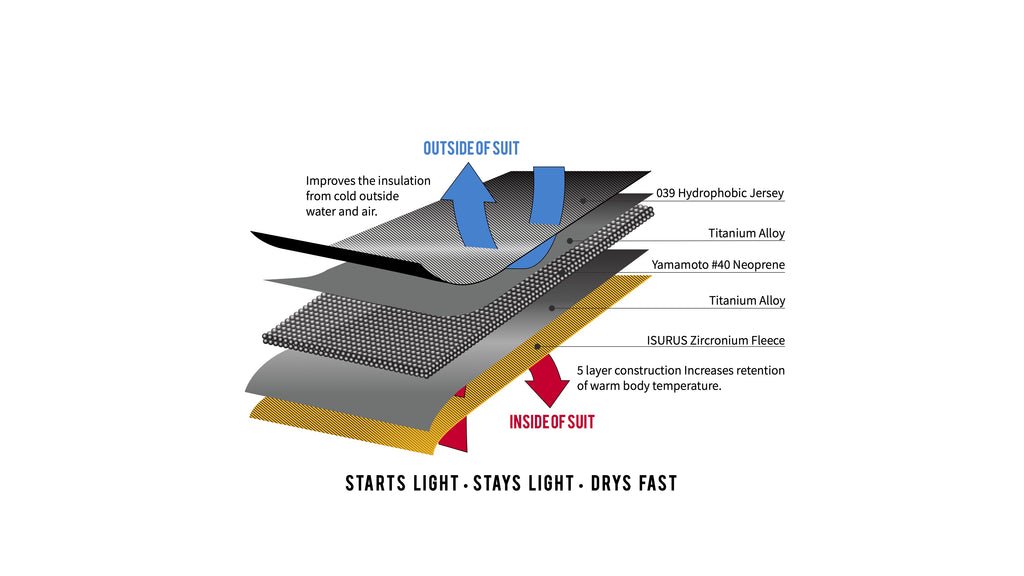
Neoprene fabric material is a chemically engineered composite, most commonly produced by foaming polychloroprene rubber and laminating it with textile surfaces such as nylon, polyester, or recycled fabrics. Unlike woven or knitted textiles, neoprene does not rely on yarn structure for its core performance. Its behavior is defined by polymer chemistry, foaming precision, lamination integrity, and post-finishing control.
This distinction is critical when evaluating quality. Neoprene is not a “natural” or inert material. It contains reactive compounds, residual processing agents, and bonded layers that can affect skin safety, durability, odor, color stability, and long-term mechanical performance. As a result, quality certifications are not optional formalities. They are the only reliable way to verify that a neoprene fabric is safe, compliant, and fit for its intended use.
Neoprene safety and performance must be proven through testing, not assumed through appearance or basic specifications.
Why Neoprene Requires Certification More Than Most Fabrics
Many buyers approach neoprene with the same evaluation mindset used for conventional textiles, focusing on thickness, density, and hand feel. This approach is insufficient. Neoprene’s risks are largely invisible and originate at the chemical and process level.
Neoprene fabrics typically involve:
- Polymer synthesis under controlled conditions
- Chemical foaming agents that create cell structure
- Adhesives used for fabric lamination
- Dyes, coatings, or surface finishes
Each of these introduces potential compliance and safety risks if not controlled and verified.
Neoprene Is Chemically Engineered, Not Woven
Unlike cotton, polyester, or nylon fabrics—where fibers are spun and mechanically interlaced—neoprene is built through chemical reactions. This makes third-party verification essential.
| Component | Risk Without Certification |
|---|---|
| Polymer base | Skin irritation, odor issues |
| Foaming chemicals | Residual toxicity, instability |
| Adhesives | VOC exposure, delamination |
| Dyes / coatings | Color bleeding, allergens |
Certifications exist to confirm that these risks are reduced to acceptable levels and remain stable across production batches.
Visual Quality Tells You Almost Nothing
One of the most common mistakes in neoprene sourcing is relying on visual inspection. A neoprene roll can appear smooth, uniform, and soft while still failing critical requirements.
Uncertified or poorly controlled neoprene may:
- Exceed chemical residue limits
- Lose tensile strength after heat exposure
- Delaminate during sewing or heat pressing
- Fade or bleed color after washing
None of these issues are reliably detectable by sight or touch. This is why quality certifications focus on measured behavior under defined test conditions, not subjective appearance.

What Quality Certifications Actually Verify
Quality certifications for neoprene are designed to evaluate both chemical safety and mechanical performance. Depending on the application, testing may include chemical analysis, physical stress testing, and aging simulations.
From a chemical perspective, certifications verify:
- Absence or controlled levels of restricted substances
- Acceptable VOC emissions
- Skin-contact safety for prolonged use
- Compliance with destination-market regulations
From a performance perspective, certifications assess:
- Tear strength and elongation
- Compression set and recovery
- Peel strength of lamination
- Colorfastness to washing, rubbing, and heat
These metrics provide objective evidence that a neoprene fabric will behave consistently in real-world conditions.
Why Visual Approval and Internal Testing Are Not Enough
Many manufacturers perform internal quality checks, and many buyers approve samples based on these results. However, internal testing often lacks regulatory authority and may not align with destination-market requirements.
A neoprene fabric can pass factory-level checks and still fail:
- Customs inspections
- Retail compliance audits
- Third-party brand testing
When this happens after export, the consequences are severe. Products may be rejected, destroyed, or returned at the buyer’s expense. At that stage, re-certification is often impossible because production has already been completed.
Certifications Protect Both Sides of a Transaction
Quality certifications function as more than compliance tools. They act as a shared technical reference point between buyers and manufacturers.
For buyers, certifications:
- Reduce recall and liability risk
- Prevent regulatory rejection
- Ensure performance consistency across batches
For manufacturers, certifications:
- Standardize production parameters
- Reduce disputes over subjective quality claims
- Enable long-term partnerships with repeat clients
When both parties rely on the same certified benchmarks, communication becomes clearer and expectations more stable.
Certification Is a Cost-Control Tool, Not a Marketing Feature
There is a misconception that certifications are only relevant for premium or high-end products. In practice, entry-level and mass-market neoprene products often require more rigorous certification, not less.
Products involving:
- Skin contact
- Child use
- Medical or protective functions
- Prolonged wear
are subject to stricter scrutiny, regardless of price point. Failure to certify these products correctly increases the risk of complaints, returns, and regulatory action.
Certification costs are typically small compared to the cost of:
- Scrapped inventory
- Production delays
- Brand damage
From a sourcing perspective, certification is a preventive investment rather than an added expense.
A Common Real-World Failure Scenario
A frequent issue in neoprene sourcing occurs when products pass internal testing but fail destination-market compliance. For example, a neoprene support or bag panel may be approved for thickness, color, and stretch, but later fails chemical restrictions imposed by the importing region.
By the time this is discovered:
- Goods have already been shipped
- Packaging and labeling are complete
- Distribution schedules are set
Corrective action at this stage is costly or impossible. Reworking neoprene after lamination and cutting is rarely feasible. Certification performed at the material stage would have prevented the issue entirely.
Certification Ensures Repeatability, Not Just Safety
Beyond safety, certifications also support process repeatability. Testing protocols require manufacturers to maintain consistent formulations, curing times, and lamination parameters.
This discipline benefits bulk buyers in particular. Certified neoprene tends to show:
- Lower batch-to-batch variation
- More predictable cutting behavior
- Stable sewing performance
- Reduced rejection rates
In contrast, uncertified materials often fluctuate in density, bond strength, or color, even when nominal specifications remain unchanged.
Why Certification Matters More as Volume Increases
The risks associated with uncertified neoprene scale with order size. Small defects that affect a few meters in sampling can affect thousands of units in bulk production.
As volume increases:
- Small density shifts cause major cutting losses
- Minor lamination weakness leads to widespread delamination
- Slight chemical imbalance causes odor or skin complaints
Certifications reduce these risks by enforcing process stability, not just one-time compliance.
Certification as a Foundation for Long-Term Supply
For buyers planning ongoing neoprene programs rather than one-off orders, certification is foundational. It allows materials to be specified once and reordered with confidence, without revalidating quality every cycle.
Certified materials support:
- Stable production planning
- Predictable lead times
- Consistent product performance in the market
This reliability becomes a competitive advantage, particularly in categories such as sports accessories, medical supports, bags, and protective gear where end-user trust is critical.
Why “Safe Enough” Is Not a Valid Standard
Because neoprene is chemically engineered, there is no safe assumption without testing. Materials that appear harmless can still cause irritation, degrade under heat, or release unwanted compounds over time.
Quality certifications replace assumption with evidence. They establish that neoprene fabric meets defined limits under defined conditions. This clarity protects all parties involved.
The Strategic Role of Certification in Neoprene Sourcing
Quality certifications are not about positioning a product as premium. They are about risk management, repeatability, and credibility. In neoprene sourcing, where chemistry and mechanics intersect, certification is the only reliable way to verify what cannot be seen.
Buyers who treat certification as optional often discover its importance too late. Buyers who require certification from the start build supply chains that are more stable, more predictable, and easier to scale.
Which International Quality Standards Commonly Apply to Neoprene Fabric?
Neoprene fabric is widely used across industries ranging from bags and consumer accessories to medical supports, protective equipment, electronics cases, and industrial insulation. Despite its broad adoption, neoprene does not fall under a single unified global standard. Instead, compliance depends on how the material is formulated, processed, and ultimately used.
In practice, neoprene sits at the intersection of chemical regulations, mechanical performance standards, and application-driven requirements. A neoprene fabric used for a laptop sleeve faces very different compliance expectations than one used for medical braces, protective gloves, or children’s products. Misunderstanding this distinction often leads to two costly outcomes: unnecessary over-testing that adds time and expense, or missing critical compliance that results in rejected shipments or legal exposure.
For engineers, sourcing teams, and product managers, understanding which international standards apply—and why—is essential for building compliant products without burdening the supply chain with irrelevant certifications.
Mapping Neoprene Standards by Purpose
The most effective way to understand neoprene compliance is to categorize standards by what they are designed to control. Broadly, neoprene standards fall into three groups:
- Chemical compliance standards, which regulate what substances the material may contain
- Mechanical and physical performance standards, which define how the material behaves under stress
- Application-driven standards, which apply only when neoprene is used in specific regulated products
Each group answers a different question, and confusing them often leads to incorrect assumptions about compliance.
Chemical Compliance Standards
Chemical regulations are concerned with material composition, not physical performance. These standards determine whether a neoprene fabric is legally allowed to enter certain markets or be used in regulated product categories.
| Standard | Focus | Why It Matters |
|---|---|---|
| REACH (EU) | Restricted substances | Legal access to EU |
| RoHS | Heavy metals | Electronics & accessories |
| SVHC list | High-risk chemicals | Long-term compliance |
REACH is the most influential chemical regulation affecting neoprene fabric globally. It governs the use of restricted substances, including certain plasticizers, solvents, flame retardants, and residual monomers. For neoprene sold into the European Union, REACH compliance is not optional. Even trace amounts of restricted substances can trigger non-compliance, leading to customs holds or forced product withdrawals.
RoHS focuses on limiting hazardous substances such as lead, cadmium, mercury, and certain brominated flame retardants. While RoHS is often associated with electronics, it becomes relevant whenever neoprene is used in or alongside electronic products—such as device sleeves, cable organizers, wearable electronics, or protective cases. In these contexts, neoprene may be considered part of the electronic accessory and subject to RoHS scrutiny.
The SVHC (Substances of Very High Concern) list under REACH is dynamic and updated regularly. Substances added to this list may still be legal in limited quantities but require disclosure once thresholds are exceeded. For neoprene suppliers and buyers, monitoring SVHC updates is critical for long-term compliance, especially for products with extended lifecycles.
These chemical standards regulate what neoprene contains, not how it performs. A fabric can pass all chemical compliance tests and still fail mechanically in real use.
Mechanical and Physical Performance Standards
Mechanical standards address how neoprene behaves under load, movement, and environmental exposure. These tests are essential for predicting durability, safety, and suitability for specific applications.
| Standard | Test Area |
|---|---|
| ISO | Tensile, tear, abrasion |
| ASTM | Compression, aging |
| EN standards | Protective performance |
ISO mechanical test standards are commonly used to evaluate tensile strength, elongation, tear resistance, and abrasion behavior. These tests help quantify how neoprene responds to pulling, stretching, cutting, and surface wear. For products involving stitching, bending, or repeated handling, ISO-based data is often the baseline requirement for supplier comparison.
ASTM standards are widely used in North America and cover areas such as compression set, thermal aging, and material degradation over time. Compression set testing is particularly relevant for neoprene foam, as it indicates how well the material recovers after prolonged compression. Poor compression recovery leads to permanent deformation, reduced cushioning, and diminished product lifespan.
EN standards often apply to neoprene used in protective or safety-related products. These standards may include impact resistance, thermal insulation, or resistance to specific hazards depending on the product category. EN testing is especially relevant for neoprene used in personal protective equipment, workwear components, or industrial safety accessories.
Unlike chemical compliance, mechanical standards are performance-driven. They do not determine market legality on their own, but they strongly influence product reliability, customer satisfaction, and suitability for demanding use cases.
Application-Driven Standards
Some neoprene products fall under regulated application categories, which impose additional certification layers beyond basic chemical and mechanical testing.
Neoprene used for:
- Medical products
- Protective equipment
- Children’s items
may require application-specific approvals, testing protocols, or documentation.
In medical contexts, neoprene used in braces, supports, or rehabilitation products may be subject to biocompatibility testing, skin irritation assessments, or hygiene-related standards. These requirements often go beyond generic textile tests and focus on prolonged skin contact and patient safety.
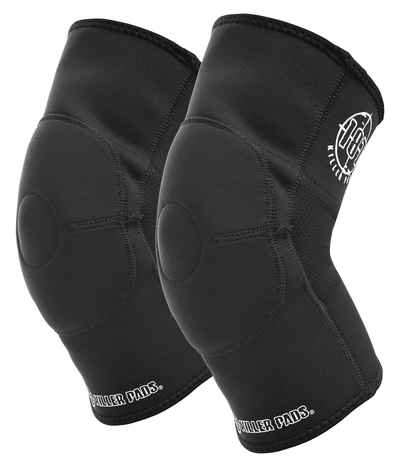
For protective equipment, standards may address impact absorption, thermal resistance, or hazard-specific protection. Neoprene used in gloves, knee pads, or industrial supports must meet criteria aligned with occupational safety regulations.
Children’s products introduce another layer of scrutiny. Even if neoprene meets general chemical standards, additional limits on extractable substances, odor, or small-part risks may apply. Testing protocols are often stricter due to lower tolerance thresholds for exposure.
The key point is that application-driven standards override general material standards. Passing ISO or ASTM tests alone does not guarantee compliance if the end product falls into a regulated category.
Why “ISO Certified Factory” Is Not Enough
One of the most common sources of confusion in neoprene sourcing is the phrase “ISO certified factory.” Many suppliers present this as evidence of product compliance, but the reality is more nuanced.
| ISO Type | What It Covers |
|---|---|
| ISO 9001 | Process control |
| ISO product tests | Material performance |
ISO 9001 certification relates to quality management systems. It indicates that a factory follows documented processes, internal audits, and continuous improvement practices. While this is valuable, it does not certify that any specific neoprene fabric meets performance or regulatory requirements.
ISO product tests, by contrast, are material-specific. They generate test reports showing how a particular neoprene fabric performs under defined conditions. These tests must be conducted on the actual material used in production, not on reference samples or historical data.
Buyers who conflate ISO 9001 certification with ISO material compliance often discover too late that the supplied neoprene lacks required test documentation for their application.
Integrating Standards Into the Development Process
Effective compliance planning starts early. Instead of treating standards as a final checklist before shipment, experienced teams integrate compliance decisions into product design and sourcing discussions.
This involves clarifying:
- Target markets and regulatory jurisdictions
- End-use application and user exposure
- Expected mechanical stresses and lifespan
- Downstream customer or retailer requirements
With this information, teams can identify which standards are mandatory, which are application-dependent, and which are optional but commercially advantageous.
For example, a neoprene laptop sleeve sold in Europe may require REACH and RoHS compliance, along with basic mechanical testing for tear strength and abrasion. The same material used in a medical support would trigger additional testing related to skin contact and durability under repeated use.
Avoiding Over-Testing and Under-Testing
Over-testing adds cost and delays without adding value. Under-testing creates risk that can surface after launch. The balance lies in aligning standards with real-world use.
Common over-testing mistakes include applying medical-grade requirements to consumer accessories or running redundant mechanical tests that do not correlate with actual performance needs. Common under-testing mistakes include ignoring SVHC updates or skipping compression set testing for cushioning products.
The goal is not to collect certifications, but to build a defensible compliance strategy that matches the product’s purpose.
A Critical Buyer Insight
The most effective buyers do not ask:
“Do you have certifications?”
They ask:
“Which certifications apply to this exact neoprene application, in this market, for this use case?”
That question reframes compliance from a marketing exercise into a technical and regulatory alignment process. It forces suppliers to think beyond generic claims and provide relevant documentation tied to real product requirements.
For neoprene fabric, where applications are diverse and standards overlap, this mindset is essential. Understanding which international standards apply—and why—prevents unnecessary testing, reduces compliance risk, and ensures that material performance aligns with both regulatory expectations and real-world use.
How Do REACH, RoHS, and Chemical Compliance Affect Neoprene Fabric Selection?
Chemical compliance is the most non-negotiable layer of neoprene fabric quality. Mechanical failures can be corrected. Aesthetic issues can be reworked. Chemical non-compliance cannot be negotiated away. It can block shipments at customs, trigger forced recalls, invalidate certifications, and permanently damage a brand’s ability to sell in regulated markets.
For neoprene fabrics, REACH, RoHS, and related chemical regulations influence material selection far beyond a single lab test. They directly shape rubber formulation, foaming chemistry, lamination adhesives, dyes, coatings, and even supplier selection strategy. Compliance is not something added at the end of production; it must be designed into the material system from the beginning.
If chemical compliance fails, nothing else matters.
Understanding chemical compliance in real neoprene production
Neoprene is not a simple material. It is a multi-chemical system produced through a sequence of chemical reactions and bonding processes. Each stage introduces potential compliance risk, which means that testing only the finished fabric is insufficient if upstream controls are weak.
Why neoprene faces higher chemical scrutiny
Compared with woven or knitted fabrics, neoprene faces closer regulatory attention because its production involves reactive chemicals and compound additives.
Neoprene production typically includes:
- Chloroprene polymerization
- Chemical foaming agents to create closed-cell structure
- Adhesives used in fabric lamination
- Pigments, stabilizers, and surface coatings
Each of these steps can introduce restricted or regulated substances if not tightly controlled.
| Production Stage | Common Chemical Risk |
|---|---|
| Polymer synthesis | Residual monomers |
| Foaming | Blowing agent residues |
| Lamination | Solvents, VOCs |
| Dyeing / coating | Heavy metals, PAHs |
This is why chemical compliance for neoprene must be evaluated as a system-level issue, not a single-material check. A compliant rubber compound can still fail if the adhesive or dye system is non-compliant.
REACH: the most demanding framework
REACH is widely regarded as the strictest chemical regulatory framework affecting neoprene fabrics. Any product entering the European Union must comply, regardless of where it is manufactured.
REACH focuses on controlling and progressively restricting substances of very high concern (SVHCs). For neoprene fabrics, the most relevant substance groups include:
- Polycyclic aromatic hydrocarbons (PAHs)
- Phthalates used as plasticizers
- Heavy metals such as lead and cadmium
- Certain aromatic amines and solvents
| REACH Focus | Impact on Neoprene |
|---|---|
| SVHC limits | Forces rubber compound reformulation |
| Ongoing updates | Requires continuous monitoring |
| Declaration duty | Demands supplier transparency |
A critical point often overlooked by buyers is that REACH compliance is dynamic. The SVHC list is updated regularly. A neoprene fabric that passed testing two years ago may no longer be compliant today if new substances are added to the candidate list.
This has direct implications for sourcing:
- One-time test reports are insufficient
- Suppliers must actively monitor regulatory updates
- Formulations may need periodic adjustment
Buyers selecting neoprene for EU markets must therefore assess not only whether a supplier passed REACH testing, but whether they have a process for staying compliant over time.
RoHS: often misunderstood in neoprene sourcing
RoHS is commonly associated with electronics, which leads many buyers to ignore it when sourcing neoprene fabrics. This is a mistake.
RoHS applies to electrical and electronic equipment, but neoprene is frequently used in:
- Electronic device covers
- Wearable electronics and smart textiles
- Cable protection and insulation
- Accessories integrated with electronic components
When neoprene fabric is part of, or in contact with, an electronic product, it may fall under RoHS scope.
| RoHS Restricted Substance | Typical Limit |
|---|---|
| Lead (Pb) | ≤ 0.1% |
| Cadmium (Cd) | ≤ 0.01% |
| Mercury (Hg) | ≤ 0.1% |
RoHS compliance affects:
- Pigments used for coloration
- Stabilizers in rubber compounds
- Certain adhesive systems
Suppliers who design neoprene solely for apparel or sports use may unintentionally exceed RoHS limits if the same material is later applied to electronic-related products. This creates downstream compliance failures that are costly to correct.
The interaction between REACH and RoHS
REACH and RoHS overlap but are not interchangeable. Passing one does not guarantee passing the other.
Key differences include:
- REACH focuses on chemical exposure and environmental impact
- RoHS focuses on hazardous substances in electronics
- Substance limits and reporting obligations differ
For neoprene fabrics used in multi-sector applications—such as wearables, medical devices, or automotive interiors—dual compliance planning is essential.
Regional chemical rules are not identical
Chemical compliance is not globally harmonized. Each major market enforces its own framework, with different thresholds and enforcement practices.
| Market | Key Regulation |
|---|---|
| EU | REACH |
| USA | CPSIA, Proposition 65 |
| Japan | J-MOSS, voluntary standards |
| Korea | K-REACH |
A neoprene fabric that passes REACH may still fail:
- Proposition 65 labeling requirements in California
- CPSIA limits for children’s products
- K-REACH registration obligations
This reality affects supplier choice. Manufacturers who design formulations only to meet one market’s rules often create barriers for global distribution.
Chemical compliance and formulation control
At the factory level, chemical compliance begins with formulation discipline.
Key formulation decisions include:
- Selection of low-PAH fillers
- Avoidance of restricted plasticizers
- Controlled use of stabilizers and antioxidants
- Selection of water-based or low-VOC adhesives
These choices often increase raw material cost, but they reduce compliance risk dramatically. Suppliers who compete primarily on price are more likely to substitute marginal additives, increasing the likelihood of future test failures.
Adhesives and lamination: a hidden risk zone
Many neoprene compliance failures do not originate in the foam itself, but in the lamination layer.
Lamination introduces:
- Solvent-based adhesives
- Residual VOCs
- Cross-linking agents
If adhesives are not REACH- or RoHS-aligned, the entire fabric fails—even if the rubber compound is compliant. This is why experienced buyers request adhesive compliance documentation, not just rubber test reports.
Testing is necessary—but not sufficient
Third-party testing is essential, but it does not replace process control.
Effective compliance programs include:
- Initial full-spectrum chemical testing
- Periodic re-testing tied to formulation changes
- Internal batch tracking
- Supplier declarations updated annually
Expired test reports are a common red flag. Chemical compliance reports typically reflect the formulation at the time of testing, not future production.
Documentation and traceability expectations
Experienced buyers do not ask only for a test report. They request a documentation package that supports ongoing compliance.
This often includes:
- Full material declaration (FMD)
- Bill of substances used in rubber and adhesives
- Latest third-party test reports
- Written confirmation of ongoing compliance
Chemical compliance is therefore best understood as a living process, not a certificate stored in a folder.
Compliance failures and their real consequences
When neoprene fabrics fail chemical compliance, the impact is rarely limited to one shipment.
Consequences often include:
- Customs holds and shipment destruction
- Forced recalls from retail channels
- Loss of certification status
- Long-term damage to brand credibility
Unlike mechanical defects, chemical non-compliance creates legal and reputational risk that cannot be fixed quietly.
Practical sourcing insight
Buyers who successfully manage chemical compliance tend to follow a consistent approach:
- Select suppliers with documented formulation control
- Require up-to-date testing, not historical reports
- Confirm how suppliers monitor regulatory changes
- Align material selection with target markets from day one
Chemical compliance should be discussed before sampling, not after bulk production begins.
Strategic takeaway
REACH, RoHS, and related chemical compliance standards fundamentally shape how neoprene fabrics are formulated, processed, and selected. They affect rubber chemistry, adhesives, dyes, coatings, and even supplier eligibility.
For buyers, the most important insight is this: chemical compliance is not a pass-or-fail checkbox. It is an ongoing system of formulation control, documentation, and monitoring.
Suppliers who treat compliance as a core capability—rather than a last-minute requirement—reduce risk across the entire supply chain. For brands operating in regulated markets, this capability is not optional. It is the foundation on which every other quality attribute depends.
What Testing Methods Are Used to Certify Neoprene Fabric Performance and Safety?
Certification of neoprene fabric is not based on visual inspection, supplier assurances, or sample feel. It is built on standardized laboratory testing conducted under defined international methods. Each test exists to answer a specific risk question: Will the material tear during sewing? Will it lose elasticity after use? Will it fade, migrate, crack, or release restricted chemicals over time?
Because neoprene is a rubber-based composite material, its performance profile is more complex than that of woven textiles. It combines foam behavior, fabric facings, adhesive layers, and sometimes printed or laminated surfaces. As a result, no single test can certify neoprene performance or safety. Certification relies on a structured combination of mechanical, physical, aging, surface, and chemical tests, selected based on application and market requirements.
Understanding what each test measures—and why it exists—allows buyers to evaluate test reports correctly and avoid false confidence based on incomplete data.
Why Standardized Testing Is Essential for Neoprene
Neoprene products often fail after delivery, not at the factory. Problems such as cracking, compression collapse, color transfer, or chemical non-compliance typically appear only after real use. Laboratory testing is designed to simulate these risks in advance, under controlled and repeatable conditions.
Testing is not about proving perfection. It is about identifying weak points before bulk production, so they can be addressed through material selection or process control.
Breaking Down Neoprene Testing by Function
Each category of testing addresses a different failure mode. Skipping a category leaves blind spots that often become quality disputes later.
Mechanical Performance Tests
Mechanical tests evaluate how neoprene behaves under physical stress during cutting, sewing, assembly, and use. These tests are fundamental for both industrial and consumer applications.
| Test | What It Measures | Why It Matters |
|---|---|---|
| Tensile strength | Pull resistance | Structural integrity |
| Tear strength | Edge durability | Sewing reliability |
| Elongation | Stretch capacity | Comfort and fit |
Tensile strength measures how much force neoprene can withstand before breaking. Low tensile strength often leads to tearing at seams or attachment points.
Tear strength is especially critical for neoprene because foam can propagate tears rapidly once an edge is compromised. Poor tear results often correlate with sewing failures, zipper pull-outs, or strap detachment.
Elongation evaluates how far the material can stretch before failure. For wearable products, braces, wetsuits, or covers, insufficient elongation causes discomfort and premature damage.
These tests help predict whether neoprene will survive normal manufacturing operations and user handling without structural failure.
Compression and Aging Tests
Neoprene’s defining feature is its ability to compress and recover. If that ability degrades, the product loses function.
| Test | Purpose |
|---|---|
| Compression set | Shape recovery |
| Heat aging | Long-term stability |
| UV aging | Outdoor durability |
Compression set measures how much permanent deformation remains after compressive stress. High compression set values indicate that neoprene will flatten over time, reducing cushioning, insulation, or fit.
Heat aging exposes neoprene to elevated temperatures for extended periods, simulating long-term use, storage, or transport conditions. Poor heat aging results often show embrittlement, hardening, or loss of elasticity.
UV aging evaluates resistance to sunlight and artificial UV exposure. This is critical for outdoor, marine, and sports applications. Materials with weak UV resistance may crack or fade even if mechanical properties were initially acceptable.
A neoprene fabric that passes mechanical tests but fails aging tests may perform well at first and then deteriorate rapidly in the field.
Abrasion and Surface Durability Tests
Surface performance determines how neoprene looks and feels over time, especially in high-contact applications.
| Test | Risk Addressed |
|---|---|
| Martindale abrasion | Surface wear |
| Pilling | Appearance degradation |
Martindale abrasion testing simulates repeated friction against clothing, skin, or other surfaces. Low abrasion resistance results in surface breakdown, exposed foam, or fuzzy facings.
Pilling tests measure fiber entanglement and surface roughening. While pilling may seem cosmetic, it often signals weak lamination or poor fabric selection that can lead to deeper structural issues.
These tests are particularly important for bags, protective gear, seat covers, and accessories that experience constant rubbing.
Colorfastness and Migration Tests
Color-related failures are among the most common causes of customer complaints in neoprene products, especially dark or printed materials.
| Test | Application |
|---|---|
| Wash fastness | Cleaning exposure |
| Rubbing fastness | Friction contact |
| Color migration | Adjacent materials |
Wash fastness evaluates color stability when exposed to water and detergents. Poor results lead to fading or staining during cleaning.
Rubbing fastness tests whether color transfers to other surfaces through friction. Wet rubbing is especially critical for sweat-prone or marine applications.
Color migration tests assess whether dyes or pigments move into adjacent materials, such as linings, straps, or packaging. Migration issues often appear after heat exposure or prolonged contact.
Colorfastness failures are rarely isolated problems. They often indicate deeper issues in dye fixation, lamination temperature control, or curing processes.
Chemical Analysis and Safety Tests
Chemical compliance testing ensures neoprene is safe for end users and legally acceptable in target markets.
| Test Type | Detection |
|---|---|
| GC-MS | Organic compounds |
| ICP-MS | Heavy metals |
| PAH screening | Carcinogenic residues |
GC-MS (Gas Chromatography–Mass Spectrometry) detects volatile and semi-volatile organic compounds, including residual solvents or plasticizers.
ICP-MS (Inductively Coupled Plasma–Mass Spectrometry) identifies heavy metals such as lead, cadmium, or mercury, often restricted under global regulations.
PAH screening checks for polycyclic aromatic hydrocarbons, which are regulated due to carcinogenic risks.
These tests underpin compliance with frameworks such as REACH, RoHS, and CPSIA, depending on market destination. Failure at this stage can block imports entirely, regardless of mechanical performance.
Why Test Selection Matters More Than Test Quantity
Testing everything indiscriminately is inefficient and expensive. More importantly, it can obscure real risks by generating large volumes of irrelevant data.
Effective certification strategies focus on test relevance, not test volume. The right combination of tests depends on:
- End use (wearable, industrial, marine, medical)
- Contact type (skin contact, indirect contact, no contact)
- Environmental exposure (heat, UV, moisture)
- Market destination and regulatory framework
For example, a neoprene laptop sleeve may require abrasion, colorfastness, and chemical testing, while a medical brace demands stricter elongation, compression, and biocompatibility evaluation.
Interpreting Test Results Correctly
Passing a test does not guarantee long-term success if the test conditions do not reflect real use. Buyers should always review:
- Test standards and methods used
- Test conditions such as temperature, duration, and load
- Whether samples were tested before or after lamination, printing, or aging
A common mistake is accepting pre-lamination test results for laminated products. Post-processing often changes material behavior significantly.
The Role of Accredited Laboratories
Certification credibility depends on who performs the testing. Results from accredited third-party laboratories carry legal and commercial weight. Internal factory testing is useful for process control but should not replace independent certification when compliance is required.
Buyers should confirm:
- Laboratory accreditation scope
- Test method references
- Report traceability and sample identification
Operational Insight: Testing as Risk Management, Not Formality
Neoprene testing is not a bureaucratic hurdle. It is a risk management tool. Each test reduces uncertainty in a specific failure scenario. When combined intelligently, these tests protect brands from recalls, disputes, and regulatory penalties.
Smart suppliers do not push unnecessary tests, nor do they minimize testing to cut costs. They help buyers align test selection with product function, market exposure, and lifecycle expectations.
Which Certifications Are Required for Neoprene Used in Medical and Protective Products?
When neoprene is used in medical or protective products, certification is no longer a commercial preference or a market-entry checkbox. It becomes a matter of user safety, regulatory compliance, and legal responsibility. Unlike general-purpose neoprene used in bags or accessories, medical and protective neoprene is often in direct, prolonged contact with the human body and may be relied upon to perform a safety function under stress. This fundamentally changes how the material must be evaluated.
Neoprene used in medical and protective products must comply with application-specific certification frameworks that address biocompatibility, skin contact safety, mechanical reliability, and, in many cases, formal regulatory approval under medical device or personal protective equipment (PPE) rules. General fabric compliance is not sufficient, even if the material appears identical in thickness, color, or hand feel.
Why Medical and Protective Neoprene Faces Stricter Rules
The regulatory environment tightens dramatically when neoprene moves from consumer goods into medical or protective use. The reason is simple: risk exposure increases.
Medical and protective neoprene products often:
- Remain in contact with skin for extended periods
- Apply compression or localized pressure
- Are worn repeatedly, sometimes daily
- Are used by individuals with sensitive or compromised skin
These conditions amplify even small material risks. Residual chemicals that are harmless in short-term contact can cause irritation or sensitization over time. Mechanical weaknesses that are acceptable in casual products can become safety hazards when a brace, pad, or glove fails during use.
Skin Contact Changes Everything
Once neoprene is intended for direct or semi-direct skin contact, testing must move beyond chemical composition and address biological response.
| Risk Factor | Why It Matters |
|---|---|
| Prolonged contact | Increases cumulative exposure to residues |
| Occlusion | Traps heat and moisture, raising irritation risk |
| Repeated use | Accelerates material breakdown and migration |
Certifications for medical and protective neoprene are designed to simulate or evaluate these real-world conditions. They focus not only on what the material contains, but on how the human body reacts to it during normal use.


Common Certifications for Medical Neoprene Applications
Medical neoprene is typically evaluated under a combination of biocompatibility standards and medical device regulations. The exact requirements depend on the product’s intended use, duration of contact, and risk classification.
| Certification / Standard | Scope |
|---|---|
| ISO 10993 | Biocompatibility evaluation |
| USP Class VI | Biological safety of plastics |
| Medical device directives / regulations | Market approval |
| EN standards (EU) | Product safety and conformity |
Among these, ISO 10993 is the most frequently misunderstood and the most critical.
ISO 10993: The Foundation of Biocompatibility
ISO 10993 is not a single test. It is a framework used to determine which biological evaluations are required based on how a material is used. For neoprene products such as braces, supports, wraps, or orthotic components, testing often includes:
- Cytotoxicity (does the material damage cells?)
- Skin irritation (does it cause redness or inflammation?)
- Sensitization (can it trigger allergic reactions?)
Passing ISO 10993 means the material has been evaluated under conditions that reflect its actual contact scenario. This is why ISO 10993 is essential for neoprene products intended for prolonged or repeated skin contact.
It is also why ISO 10993 cannot be replaced by general chemical compliance alone.
USP Class VI: A Higher Biological Safety Threshold
USP Class VI is commonly referenced in medical plastics and elastomers. While it originated in pharmaceutical packaging and device components, it is sometimes applied to neoprene used in higher-risk medical environments.
USP Class VI testing focuses on:
- Systemic toxicity
- Intracutaneous reactivity
- Implantation response
Not all neoprene products require USP Class VI, but when specified, it signals elevated biological safety expectations. Buyers should understand that USP Class VI is not a generic label; it applies only to materials tested under specific protocols.
Medical Device Regulations: Material Alone Is Not Enough
In many regions, neoprene used in medical products falls under medical device regulation, even if the material itself is not implanted or invasive.
Depending on the market, this may include:
- EU Medical Device Regulation (MDR)
- US FDA medical device requirements
- Regional health authority approvals
In these cases, neoprene certification becomes part of a larger compliance dossier. Test reports must be traceable, current, and linked to specific production batches. Material compliance alone does not guarantee approval if documentation is incomplete or inconsistent.
Protective Equipment Standards for Neoprene
When neoprene is used for protection rather than therapy, the certification focus shifts from biological response to mechanical performance under stress.
Neoprene in protective gloves, padding, impact-absorbing gear, or industrial safety products must often comply with PPE standards that evaluate physical resistance.
| Standard | Application |
|---|---|
| EN 388 | Mechanical risks (abrasion, tear, puncture) |
| EN 13594 | Protective gloves |
| ASTM F2879 | Impact testing and energy absorption |
These standards assess how neoprene behaves when subjected to forces such as abrasion, tearing, compression, or impact. Chemical safety remains important, but failure under load becomes the primary concern.
For example, impact-absorbing neoprene used in protective padding must demonstrate consistent energy dissipation across multiple impacts. A foam that passes chemical testing but collapses mechanically after repeated stress is not compliant for protective use.
The Interaction Between Material and Design
In medical and protective products, certification applies not only to raw neoprene sheets but also to how the material is used. Thickness, lamination structure, and surface fabric can influence test outcomes.
A neoprene foam that passes biocompatibility testing in one construction may fail when:
- Laminated with a different fabric
- Bonded using a different adhesive
- Subjected to higher compression
This is why certifications must be context-specific. Reusing test reports from unrelated applications is a common compliance mistake.
What “Medical-Grade Neoprene” Really Means
The term “medical grade” is frequently used in marketing but rarely defined accurately. There is no universal, standalone definition of medical-grade neoprene.
In practical terms, medical-grade neoprene means:
- Biocompatibility testing appropriate to the application
- Controlled and documented formulation
- Traceable production batches
- Consistent manufacturing conditions
Without test context, the term has no technical meaning. Two neoprene materials can look identical, yet only one may qualify as medical-grade for a specific use.
A Common Compliance Mistake Buyers Make
One of the most frequent misunderstandings in neoprene sourcing is the assumption that general chemical compliance equals medical suitability.
A typical statement is: “REACH-compliant neoprene is safe for medical use.”
This is incorrect.
REACH focuses on restricted substances and chemical content, not on how human tissue responds to prolonged contact, pressure, or occlusion. A REACH-compliant neoprene can still fail biocompatibility testing due to irritation or sensitization.
Medical and protective applications require both chemical compliance and biological evaluation. One cannot substitute for the other.
Certification Timing Matters
Another critical factor is when certification is performed. Testing must be done:
- On the correct material construction
- Using representative production batches
- Before large-scale manufacturing
Testing after production is risky. If a neoprene product fails certification after assembly, corrective action is often impractical. Materials cannot be easily reformulated or re-laminated once converted into finished goods.
Early certification protects:
- Development timelines
- Regulatory submissions
- Market launch schedules
Why Entry-Level Medical Products Often Need More Certification
There is a misconception that only advanced or premium medical products require rigorous certification. In reality, entry-level products often face greater scrutiny.
Low-cost braces, supports, or protective items are:
- Produced in higher volumes
- Used by a broader population
- More likely to trigger complaints or regulatory review
As a result, regulators and buyers often demand clearer proof of safety and performance, not less.
The Legal and Commercial Implications of Non-Compliance
Failure to certify neoprene correctly can have consequences far beyond product rejection. These include:
- Product recalls
- Import refusals
- Liability claims related to skin reactions or injury
- Loss of distribution partners
From a commercial standpoint, certification failures damage credibility. From a legal standpoint, they expose brands and importers to significant risk.
Certification as a Shared Responsibility
In medical and protective neoprene sourcing, certification is a shared responsibility between supplier and buyer. Suppliers must provide:
- Accurate test reports
- Traceable batch information
- Consistent manufacturing processes
Buyers must ensure that:
- Certifications match the intended application
- Reports are current and valid
- Changes in design or construction trigger re-evaluation
When both sides understand certification as a technical requirement rather than a paperwork exercise, sourcing becomes more stable and predictable.
Why Certification Is the Baseline, Not the Finish Line
Certifications do not guarantee a product’s success, but they establish a minimum acceptable standard. They confirm that neoprene materials meet defined safety and performance criteria under specified conditions.
For medical and protective products, this baseline is non-negotiable. Without it, claims of safety or reliability lack evidence.
The Strategic Value of Proper Certification
For brands and manufacturers, investing in correct certification does more than satisfy regulators. It:
- Reduces downstream risk
- Improves consistency across orders
- Enables long-term product programs
- Builds trust with distributors and end users
In neoprene applications where human safety is involved, certification is not an added cost. It is the technical foundation that allows products to be used with confidence.
Understanding which certifications are required—and why—prevents costly mistakes and ensures that neoprene performs as intended, not just in theory, but in real human use.
How Do Environmental and Sustainability Standards Apply to Neoprene Fabric Materials?
Neoprene occupies a complicated position in sustainability discussions. It is not a natural fiber, not biodegradable, and not produced from renewable agriculture. At the same time, it is exceptionally durable, versatile, and capable of delivering long service life in demanding applications where many “eco” materials fail prematurely. Because of this, sustainability standards for neoprene do not focus on origin purity or biodegradability. Instead, they emphasize chemical control, emissions management, durability, and responsible manufacturing systems.
Understanding how environmental and sustainability standards apply to neoprene requires abandoning simplified narratives. Neoprene sustainability is not about being “green” in the traditional sense. It is about measurable impact reduction across the material lifecycle, from formulation and processing to use phase and eventual disposal. Standards exist to provide structure and accountability in this evaluation, helping brands and engineers make defensible claims without overstating environmental benefits.
Sustainability Standards Relevant to Neoprene
Unlike organic textiles or bio-based fibers, neoprene is governed by a combination of environmental management standards, chemical safety frameworks, and lifecycle assessment methodologies. Each addresses a different dimension of environmental responsibility.
Why Neoprene Is Different From “Eco Fabrics”
Neoprene differs fundamentally from materials such as organic cotton, hemp, or recycled polyester.
Neoprene:
- Is a synthetic rubber produced through chemical polymerization
- Is not biodegradable under normal environmental conditions
- Offers a long functional service life under mechanical stress
Because of these characteristics, sustainability evaluation shifts away from raw material origin and toward how long the material lasts, how safely it is produced, and how well its environmental impacts are controlled.
For example, a neoprene product that lasts ten years in active use may generate less total environmental impact than a biodegradable alternative that fails after one year and requires frequent replacement. Sustainability standards help quantify and manage this tradeoff rather than ignoring it.
Common Sustainability-Related Standards and Frameworks
Several widely recognized standards and frameworks are used to evaluate the environmental profile of neoprene fabrics.
| Standard | Focus |
|---|---|
| ISO 14001 | Environmental management |
| OEKO-TEX® | Chemical safety |
| ZDHC | Chemical discharge |
| LCA frameworks | Lifecycle impact |
ISO 14001 focuses on environmental management systems rather than the material itself. It evaluates whether a manufacturer has structured processes in place to identify environmental risks, reduce waste, manage emissions, and continuously improve environmental performance. For neoprene producers, ISO 14001 indicates disciplined control over energy use, wastewater treatment, solvent handling, and waste disposal. It does not claim that neoprene is environmentally neutral, but it demonstrates that its environmental impact is actively managed rather than ignored.
OEKO-TEX® certification is often misunderstood in the context of neoprene. It primarily addresses chemical safety for human contact, ensuring that finished materials do not contain harmful substances above regulated limits. For neoprene fabrics used in bags, wearables, medical supports, or apparel-adjacent products, OEKO-TEX® signals skin safety and regulatory compliance. It does not certify environmental friendliness, carbon neutrality, or low environmental impact. Its role is important but specific.
ZDHC (Zero Discharge of Hazardous Chemicals) addresses chemical management at a system level. It focuses on controlling and reducing hazardous chemical discharge during manufacturing, particularly in wet processing, dyeing, and finishing. For neoprene, ZDHC alignment demonstrates responsible handling of processing chemicals and wastewater rather than eliminating chemical use altogether. This distinction is critical for honest sustainability assessment.
Lifecycle Assessment (LCA) frameworks provide the most comprehensive sustainability evaluation. LCAs assess environmental impact across the entire product lifecycle, including raw material extraction, manufacturing, transportation, use, and end-of-life. For neoprene, LCAs often reveal that the use phase and longevity play a significant role in total environmental impact, sometimes outweighing the initial production footprint.
Durability as a Sustainability Factor
Durability is one of neoprene’s most important—and often overlooked—environmental attributes. Unlike many lightweight or biodegradable materials, neoprene is designed to withstand repeated stress, compression, exposure, and handling over extended periods.
Longer product life reduces:
- Replacement frequency
- Material waste generation
- Transportation-related emissions
| Fabric Type | Typical Service Life |
|---|---|
| Low-grade neoprene | Short |
| Certified neoprene | Long |
Low-grade neoprene, often produced with inconsistent density, weak lamination, or poor chemical control, tends to degrade faster. Cracking, compression set, delamination, and surface breakdown shorten usable life, undermining any sustainability claims.
Certified or well-controlled neoprene, by contrast, maintains structural integrity and functional performance for years. When evaluated through an LCA lens, this extended service life can offset higher initial production impacts. In this context, durability becomes an environmental advantage, not a liability.
Sustainability standards increasingly recognize this principle by incorporating durability, fatigue resistance, and lifecycle performance into environmental evaluation rather than focusing exclusively on material origin.
Chemical Management and Emissions Control
One of the most significant environmental challenges in neoprene production is chemical intensity. Polymer synthesis, foaming, curing, and lamination all involve controlled chemical reactions. Sustainability standards aim to manage these processes rather than deny them.
Key focus areas include:
- Restricted substance control
- Solvent recovery and reduction
- Wastewater treatment
- Air emission management
Standards such as ISO 14001 and ZDHC provide frameworks for minimizing emissions and preventing uncontrolled chemical discharge. They require documentation, monitoring, and corrective actions, which reduce environmental risk even when chemical processes are unavoidable.
For buyers and brands, alignment with these standards signals that neoprene is produced under regulated and accountable conditions, rather than uncontrolled or opaque operations.
Recycled and Alternative Neoprene Developments
In response to sustainability pressure, some manufacturers are exploring alternative neoprene formulations and sourcing strategies.
These include:
- Limestone-based neoprene
- Recycled rubber or polymer blends
- Bio-based elastomer components
While these developments are promising, they introduce new complexities. Alternative formulations must still meet performance expectations for tear strength, elasticity, compression recovery, and bonding compatibility. In many cases, additional certification layers or testing protocols are required to verify that performance has not been compromised.
For example, recycled-content neoprene may show greater variability in density or aging behavior if feedstock consistency is not tightly controlled. Limestone-based neoprene reduces dependence on petroleum feedstocks but does not eliminate chemical processing requirements. Bio-based elastomers may improve renewable content but often require extensive validation to match traditional neoprene durability.
Sustainability standards help ensure that these alternatives are evaluated honestly rather than accepted on claim alone.
Sustainability Claims Versus Sustainability Proof
One of the biggest risks in neoprene sustainability communication is oversimplification. Terms such as “eco neoprene” or “green rubber” are often used without clear definition, scope, or supporting data.
Leading suppliers avoid these claims. Instead, they communicate sustainability through:
- Defined compliance scope
- Documented chemical management practices
- Verified environmental management systems
- Measured durability and service life benefits
This approach aligns with how sustainability standards are designed to function. They are not marketing labels, but verification tools that allow stakeholders to understand tradeoffs transparently.
Honest Sustainability Communication
Transparency is increasingly critical as regulators, retailers, and consumers become more sophisticated. Overstated claims invite scrutiny and undermine trust, while precise, documented statements build credibility.
Responsible neoprene suppliers focus on:
- What standards they comply with
- What those standards actually cover
- Where limitations still exist
For example, stating that a neoprene fabric is OEKO-TEX® certified for chemical safety is accurate and defensible. Claiming that it is environmentally neutral would not be.
Integrating Sustainability Standards Into Decision-Making
For engineers and sourcing teams, sustainability standards should inform material selection rather than act as after-the-fact validation. This means considering environmental impact alongside performance requirements, cost, and service life.
Key questions include:
- How long is the product expected to last in real use?
- What environmental risks exist in production, and how are they managed?
- Which standards meaningfully apply to this application?
By framing sustainability around impact reduction and accountability, rather than idealized purity, teams can make better-informed decisions that align with both functional requirements and environmental responsibility.
A Practical Sustainability Perspective
Sustainability in neoprene is not about perfection. It is about measurable improvement, disciplined control, and honest evaluation of tradeoffs. Environmental and sustainability standards exist to structure this process, providing clarity in a material category where simple labels fail.
Neoprene’s strength lies in its durability and reliability. When combined with robust chemical management, emissions control, and lifecycle-aware evaluation, these attributes allow neoprene to fit responsibly into modern sustainability strategies. The most credible sustainability stories are not those that promise zero impact, but those that demonstrate control, transparency, and long-term performance.
What Are the Differences Between Factory Self-Testing and Third-Party Certification?
One of the most common—and costly—misunderstandings in neoprene sourcing is assuming that factory test reports and third-party certifications are interchangeable. They are not. Each exists for a different reason, answers a different question, and carries a very different level of authority once materials leave the factory.
Factory self-testing is designed to control production, detect drift, and keep batches consistent. Third-party certification exists to prove compliance, satisfy regulators, protect buyers in disputes, and unlock market access. Confusing internal control with external proof often leads to shipment delays, rejected audits, or unresolved claims when problems arise.
Used correctly, both testing paths are complementary. Used incorrectly, either one alone leaves gaps.
Understanding the real role of each testing path
The key distinction is intent. Factory testing answers the question, “Are we producing consistently today?” Third-party certification answers, “Can this product be trusted and accepted outside the factory?”
Factory self-testing: process control, not proof
Most professional neoprene manufacturers operate in-house laboratories to monitor day-to-day production stability. These tests are embedded into the manufacturing workflow and are performed frequently—sometimes on every batch.
Typical factory self-tests include:
- Thickness and thickness tolerance
- Density and weight per square meter
- Tensile strength
- Tear resistance
- Visual lamination inspection
| Strength | Limitation |
|---|---|
| Fast feedback | Limited legal standing |
| Process monitoring | Not market-accepted |
| Cost-effective | Potential bias |
The value of factory self-testing lies in speed and frequency. Results are available within hours, allowing operators to adjust foaming parameters, lamination pressure, or curing time before defects accumulate.
However, internal tests have clear boundaries:
- They are not independent
- They follow internal methods, not always standardized ones
- They are rarely accepted by customs, regulators, or retail platforms
In practice, factory testing is excellent for preventing problems, but weak at proving compliance once questions arise.
Why factory tests matter more than many buyers realize
Although factory self-testing lacks legal authority, it plays a critical role in reducing risk. Suppliers without strong internal testing often rely on occasional external reports while allowing daily variation to go unnoticed.
Consistent factory testing:
- Detects density drift before bulk cutting
- Identifies lamination weakness early
- Prevents mixing of off-spec batches
When internal control is poor, third-party testing simply documents failure rather than preventing it.
Third-party certification: independence and credibility
Third-party certification exists to remove bias. Independent laboratories operate under recognized standards, calibrated equipment, and audited procedures. Their reports carry authority beyond the supplier–buyer relationship.
Well-known laboratories include SGS, TÜV, Intertek, and Bureau Veritas.
Third-party labs provide:
- Standardized test methods (ISO, ASTM, EN, GB)
- Independent sample handling
- Traceable reporting
- Global recognition
| Benefit | Why It Matters |
|---|---|
| Neutral results | Buyer confidence |
| Regulatory acceptance | Customs clearance and audits |
| Legal protection | Dispute resolution |
For export markets, regulated industries, or branded programs, third-party certification is often non-negotiable. Retailers, platforms, and regulators do not rely on a supplier’s internal data, regardless of how sophisticated their lab may be.
What third-party certification does—and does not—do
Third-party reports verify that a specific sample met a defined standard at a specific time. They do not:
- Guarantee future batches automatically
- Monitor day-to-day production
- Replace internal quality systems
This distinction is critical. A single passing report cannot compensate for weak process control. It confirms compliance, but only for the tested sample.
Why self-testing alone fails in disputes
When problems occur—such as delamination, thickness deviation, or chemical non-compliance—the question shifts from “What did you intend?” to “What can be proven?”
In disputes, buyers, regulators, and platforms typically reject:
- Internal spreadsheets
- In-house test summaries
- Unverified or non-standard methods
They request recognized laboratory documentation tied to international standards. Without it, buyers are often forced to absorb losses or abandon claims, even when defects are real.
This is why relying solely on factory data creates exposure once products move beyond the factory gate.
The smartest sourcing model: both, not either
Leading neoprene suppliers do not choose between factory testing and third-party certification. They integrate both into a single quality system.
This combined approach typically looks like:
- Continuous factory self-testing for every production run
- Defined control limits for thickness, density, and strength
- Periodic third-party verification for key SKUs or markets
- Re-testing after formulation or process changes
This model delivers two critical outcomes:
- Daily consistency through internal monitoring
- External credibility through independent verification
It also reduces friction during audits, buyer inspections, and compliance checks.
Cost perspective: prevention versus validation
From a cost standpoint, factory testing is preventative, while third-party testing is confirmatory.
Factory testing:
- Costs less per test
- Reduces scrap and rework
- Prevents defects from scaling
Third-party testing:
- Costs more per report
- Protects market access
- Reduces legal and commercial risk
Treating third-party testing as a substitute for internal control usually increases total cost, because failures are discovered late rather than prevented early.
A common red flag in supplier evaluation
One statement consistently signals risk during supplier assessment:
“Our internal tests are better than third-party labs.”
Professional suppliers do not make this claim. They recognize that:
- Internal tests are for control
- External tests are for proof
Suppliers who resist third-party verification often do so because:
- Results are inconsistent
- Formulations change without documentation
- Internal data cannot withstand scrutiny
Transparency and openness to external testing are strong indicators of maturity.
Practical guidance for buyers
When evaluating neoprene suppliers, experienced buyers separate questions of capability from questions of credibility.
They ask:
- What parameters are tested internally, and how often?
- Which standards are followed for external certification?
- How often are third-party reports updated?
- What triggers re-testing?
Suppliers who can answer these clearly tend to deliver fewer surprises over time.
Strategic takeaway
Factory self-testing and third-party certification are not competing systems. They serve different purposes at different stages of the supply chain.
Factory self-testing keeps production stable and predictable. Third-party certification provides independent proof required for compliance, export, and dispute resolution. Relying on one without the other creates blind spots.
In neoprene sourcing, the most reliable outcomes come from suppliers who treat internal control and external verification as a single, connected system. For buyers, understanding this distinction is not a technical detail—it is a safeguard against risk that only becomes visible when something goes wrong.
How Can Buyers Verify Neoprene Fabric Certifications When Working With Suppliers?
In neoprene sourcing, having a certificate is not the same as being compliant. Many quality disputes, shipment delays, and rejected products trace back to certificates that were expired, incomplete, issued for a different material, or misapplied to the wrong product. These failures rarely come from fraud; they usually come from assumptions.
Neoprene is not a single standardized material. Small changes in thickness, density, formulation, lamination method, color system, or adhesive can materially affect test outcomes. Because certifications are issued for specific test conditions and samples, they must be verified carefully against what is actually being produced and shipped.
For buyers, certification verification is not a trust issue. It is a technical sourcing skill. The goal is not to challenge suppliers unnecessarily, but to ensure that certificates genuinely apply to the material in question, are still valid, and will be accepted by regulators, brands, platforms, or customs authorities in the destination market.
The following best practices outline how experienced buyers verify neoprene fabric certifications systematically, without slowing down sourcing decisions or damaging supplier relationships.
Why Certification Verification Is Especially Critical for Neoprene
Neoprene sits at the intersection of rubber chemistry, textile facings, and adhesive systems. Unlike woven fabrics, its compliance profile can change significantly after lamination, printing, or finishing. A certificate issued on raw foam may not apply to laminated fabric. A report for one color may not cover another. A test done two years ago may no longer meet current regulatory thresholds.
Common verification failures include:
- Certificates issued for a different thickness or density
- Reports covering raw neoprene but not laminated fabric
- Expired REACH or SVHC documentation
- Lab reports from non-accredited or regionally unrecognized laboratories
- Certificates reused across batches without re-testing
Any one of these gaps can invalidate compliance at the point of inspection, regardless of product quality.
A Practical Certification Verification Checklist
Verification works best when approached step by step. Each step removes a specific category of risk.
Step 1: Confirm Certificate Relevance to the Exact Material
The first and most important question is whether the certificate actually applies to the exact neoprene fabric being purchased.
Buyers should confirm:
- Is the material formulation the same?
- Is the thickness identical?
- Is the density range the same?
- Is the fabric facing identical (nylon, polyester, recycled knit)?
- Is the color system the same?
Certificates issued for “similar neoprene” or “representative samples” are often insufficient, especially for chemical compliance. Dark colors, printed surfaces, or specialty laminations frequently introduce additional risk factors.
If any of these parameters differ, the certificate may not be valid for the intended product—even if the supplier believes it is.
Step 2: Check Dates and Version Control
Even technically correct certificates lose value if they are outdated. Regulations evolve, restricted substance lists expand, and test standards are revised.
Buyers should review the following elements carefully:
| Item | What to Verify |
|---|---|
| Test date | Within valid period |
| Regulation version | Latest revision |
| SVHC list | Up to date |
For example, REACH compliance depends on the current SVHC list, which is updated regularly. A report issued before the latest update may no longer be accepted, even if the material itself has not changed.
Similarly, some certifications are considered valid only for a defined period. Reports that are several years old often trigger re-testing requirements from brands, platforms, or customs authorities.
Step 3: Verify the Testing Laboratory
Not all laboratories carry the same weight. Even technically accurate test results may be rejected if they come from a lab that is not recognized by regulators or commercial platforms.
Reliable and widely accepted reports typically come from internationally accredited laboratories such as:
- SGS
- Intertek
- TÜV
- Bureau Veritas
These organizations operate under recognized accreditation systems and follow standardized test methods. Reports from unknown or non-accredited labs may be acceptable for internal reference but are often rejected during audits or customs clearance.
Buyers should confirm:
- The laboratory name and accreditation scope
- The test method reference (ISO, ASTM, EN, etc.)
- Whether the lab is accepted in the destination market
This step is particularly important for export-oriented products and online marketplace compliance.
Step 4: Match Batch, Formulation, and Production Reality
A common weak point in certification verification is traceability. Certificates describe what was tested, but buyers must ensure that what is shipped matches what was tested.
Strong suppliers are able to provide:
- Batch or lot traceability
- Formulation or compound control records
- Re-test documentation when materials change
- Internal QA records linking production to test samples
Certificates without traceability lose practical value. If a supplier cannot demonstrate that bulk production matches the tested sample, the certificate becomes little more than a reference document.
This is especially important for long-term programs, where formulations may be adjusted over time due to raw material availability or cost changes.
Step 5: Ask the Right Follow-Up Questions
The way buyers ask about certifications often determines the quality of the response. Vague questions tend to produce vague answers.
Instead of asking:
“Do you have certificates?”
Experienced buyers ask:
- Which standards apply to my specific product and market?
- Which tests have already been completed for this material?
- Which tests are still required based on thickness, color, or application?
This shifts the conversation from sales reassurance to technical alignment. It also signals to the supplier that certification is being treated as a shared responsibility rather than a box-checking exercise.
Suppliers who respond clearly to these questions are usually better prepared to support compliant bulk production.
Understanding Scope Limitations in Certificates
Every certificate has a defined scope. Buyers should read beyond the summary page and examine:
- Sample description
- Test conditions
- Material composition notes
- Any exclusions or remarks
For example, a chemical test report may state that it applies only to the tested foam layer, excluding adhesives or surface prints. Using that report to justify compliance for a laminated or printed product would be incorrect.
Similarly, performance test results obtained before lamination may not reflect post-lamination behavior. Verification requires matching test scope to real product structure.
Avoiding Common Verification Pitfalls
Even experienced buyers sometimes fall into avoidable traps, including:
- Accepting certificates at face value to save time
- Assuming “factory standard” reports apply to all products
- Reusing certificates across different customers or applications
- Skipping re-verification when colors or suppliers change
These shortcuts often lead to problems later, when the cost of correction is much higher.
How Strong Suppliers Support Verification
Verification works best when suppliers participate actively. Reliable neoprene suppliers typically:
- Proactively explain certificate scope and limitations
- Flag when re-testing is required
- Maintain organized documentation systems
- Update reports when formulations or regulations change
This behavior is not defensive; it reflects process maturity. Suppliers who resist verification or treat it as unnecessary friction often lack internal control over compliance.
Certification Verification as Risk Management
From a sourcing perspective, certification verification is not about distrust. It is about risk management. Verifying certificates early prevents:
- Shipment holds or rejections
- Platform listing removals
- Regulatory penalties
- Costly re-testing after production
- Brand reputation damage
The cost of verification is small compared to the cost of failure.
Operational Insight: Turning Certificates Into Reliable Assurance
A certificate only becomes meaningful when it is:
- Relevant to the exact material
- Current and version-aligned
- Issued by a recognized laboratory
- Traceable to production reality
Buyers who master certification verification reduce uncertainty across the supply chain. They make faster decisions, experience fewer disputes, and build stronger technical relationships with suppliers.
In neoprene sourcing, verification is competence, not suspicion. It is a sign that the buyer understands how materials, regulations, and production intersect. When applied consistently, it transforms certificates from paper assurances into reliable guarantees that hold up under scrutiny—long after the order ships.
Certifications Turn Neoprene from Material into Assurance
Neoprene fabric quality is not defined by feel, thickness, or price. It is defined by what can be proven, under recognized standards, for specific applications.
Certifications exist to:
- Protect end users
- Enable market access
- Reduce sourcing risk
- Build long-term trust
When understood and applied correctly, they are not obstacles—they are safeguards.
If you are sourcing neoprene fabric for sports, medical, protective, or industrial products and need certified, application-ready materials, SzoneierFabrics supports custom neoprene development with full compliance planning, low-MOQ sampling, third-party testing coordination, and reliable bulk production.
Contact SzoneierFabrics today to request certified neoprene fabric samples or a tailored quotation—and move forward with confidence, not assumptions.