Skip to content

Neoprene is a versatile material widely used in promotional products, offering flexibility, cushioning, and water resistance. However, its true potential is unlocked with the right adhesive backing, which enables products to adhere to surfaces, remain durable during use, and streamline factory production. Choosing an inappropriate adhesive can lead to peeling, reduced lifespan, and increased costs, making the selection process critical for factories that aim to deliver reliable and high-quality items. Adhesive backing on neoprene ensures strong attachment, durability, and production efficiency. Options like pressure-sensitive, hot-melt, and water-activated adhesives cater to different applications, optimizing cost, ease of assembly, and long-term product performance.
Imagine a promotional company producing neoprene coasters for a major event. Using the wrong adhesive caused edges to curl and peel after a few uses, creating returns and extra labor. By selecting the proper adhesive backing, they improved durability, reduced material waste, and enhanced customer satisfaction, demonstrating how adhesive choice directly affects product success.
What Is Neoprene Material and Why Is Adhesive Backing Important for Promotional Products?


Neoprene is a synthetic rubber material valued for its elasticity, cushioning ability, and resistance to water, oils, and abrasion. Originally developed for industrial and protective applications, neoprene has become a staple material for promotional products such as mouse pads, coasters, laptop sleeves, bottle holders, tool wraps, and branded protective covers. Its combination of softness and resilience makes it comfortable to handle, visually clean, and durable under daily use.
However, neoprene’s material advantages alone do not guarantee functional performance in promotional applications. Most neoprene promotional products are designed to stay fixed in place—on desks, dashboards, machinery panels, or consumer devices. This is where adhesive backing becomes critical. Without a well-matched adhesive system, neoprene’s inherent flexibility can actually work against stability, leading to shifting, curling, or premature detachment.
In practical manufacturing terms, neoprene and adhesive backing function as a single system. The foam provides cushioning and shape recovery, while the adhesive ensures positional reliability, production efficiency, and long-term user satisfaction. For promotional products, where brand perception is directly tied to product behavior, this interaction is especially important.
Understanding neoprene as a material
Neoprene is a closed-cell synthetic rubber foam typically produced in thicknesses ranging from 1 mm to 10 mm or more. Its closed-cell structure gives it buoyancy, thermal insulation, and resistance to moisture penetration. Unlike open-cell foams, neoprene does not readily absorb water, making it suitable for environments where spills, humidity, or condensation are expected.
Key physical characteristics of neoprene include:
- High elasticity and shape recovery
- Shock absorption and vibration damping
- Chemical and oil resistance
- Stable performance across a wide temperature range
These properties make neoprene ideal for promotional items that must survive repeated handling, pressure, and environmental exposure without degrading in appearance or function.
From a branding perspective, neoprene also offers a smooth, printable surface. Logos, patterns, and textures can be applied through sublimation, screen printing, or lamination, allowing consistent visual presentation across large production runs.
Why adhesive backing matters in promotional use
In promotional products, functionality is inseparable from brand perception. A product that slips, peels, or detaches quickly reflects poorly on the brand, regardless of how attractive it looks initially. Adhesive backing addresses this risk by anchoring the neoprene product to its intended surface.
Adhesive backing plays several critical roles:
- Providing strong, reliable attachment to target surfaces
- Reducing assembly time and labor cost during manufacturing
- Enhancing durability by preventing edge lifting and peeling
- Improving end-user experience through consistent performance
Neoprene’s flexibility means it naturally wants to return to its original shape after being compressed or bent. Without adhesive restraint, this recovery force can cause the product to creep or move over time. Proper adhesive selection counteracts this force, stabilizing the product throughout its service life.
Dive deeper: neoprene and adhesive synergy
The effectiveness of adhesive backing depends heavily on how well it is matched to neoprene’s physical properties. Not all adhesives perform equally on rubber foams, and incorrect selection often leads to early failure.
Material properties that affect adhesion
Neoprene presents specific challenges for adhesion:
- Its surface can be relatively smooth and low-energy
- Foam density varies, affecting how pressure is distributed
- Thickness influences how much recovery force acts on the bond
Smooth neoprene surfaces may require surface treatment or priming to improve adhesive wet-out and bond strength. In some production environments, light abrasion or chemical surface activation is used to enhance adhesion consistency.
Foam density also matters. Softer foams compress more under pressure, which can reduce effective adhesive contact area if the adhesive is not designed to accommodate movement. Thicker neoprene increases leverage on the adhesive during flexing, raising the importance of shear resistance.
Functional impact of adhesive type
Different adhesive systems are chosen based on how the promotional product will be used, installed, and replaced.
- Pressure-sensitive adhesive (PSA): Provides instant tack and easy application. Commonly used for mouse pads, coasters, and desk accessories. While convenient, some PSA systems can lose adhesion over time if exposed to heat, repeated repositioning, or dust contamination.
- Hot-melt adhesives: Activated by heat during application, forming a strong bond once cooled. These are well suited for high-volume factory assembly where permanence is required. Hot-melt systems typically offer higher initial bond strength and better resistance to peel forces.
- Water-activated adhesives: Used in applications requiring precise placement or temporary bonding. These systems are less common in consumer promotional products but are useful in controlled industrial or event-based applications.
The choice of adhesive directly influences not only product performance but also manufacturing workflow and cost structure.
Neoprene Material & Adhesive Importance
| Property | Impact Without Adhesive | Benefit of Proper Adhesive |
|---|---|---|
| Attachment to Surfaces | Slippage, peeling | Stable, long-lasting adhesion |
| Production Efficiency | Manual gluing required | Speeds up assembly |
| Product Durability | Edges lift, reduced lifespan | Resists wear, maintains integrity |
| User Experience | Frustration, returns | Reliable, premium feel |
This comparison highlights why adhesive backing is not an optional feature but a core design element in neoprene promotional products.
Manufacturing efficiency and cost control
From a factory perspective, adhesive-backed neoprene significantly streamlines production. Manual gluing introduces variability, slows throughput, and increases labor cost. Pre-applied adhesive backing allows products to move quickly from cutting and printing to final packaging.
In high-volume promotional programs, even small efficiency gains scale rapidly. Reducing assembly time by seconds per unit can translate into substantial labor savings across tens or hundreds of thousands of pieces.
Adhesive backing also improves consistency. Automated lamination or adhesive application produces uniform bond thickness and placement, reducing defect rates and rework.
Durability and lifecycle performance
Promotional products are often exposed to conditions beyond initial expectations. Mouse pads may be repositioned repeatedly, coasters may encounter moisture and heat, and sleeves may be flexed constantly. Adhesive backing must withstand these stresses without degrading.
A well-selected adhesive system:
- Maintains bond strength under repeated compression
- Resists edge curl caused by foam recovery
- Tolerates temperature fluctuations without softening or embrittlement
When adhesives fail, the failure mode is highly visible. Peeling edges or shifting products undermine the perceived quality of the entire item. This makes adhesive performance a direct contributor to brand image.
User experience and brand perception
End users rarely think about adhesive backing—unless it fails. When a neoprene promotional product stays exactly where it is placed, it fades into the background and simply works. When it moves or detaches, it becomes a source of irritation.
Reliable adhesion creates a sense of intentional quality. The product feels considered, finished, and professional. This is particularly important for corporate giveaways, event merchandise, and branded office accessories, where the goal is positive brand association over time.
Poor adhesion, by contrast, often leads to product disposal, negating the promotional value entirely.
Real-world production insight
In real manufacturing environments, the benefits of adhesive backing are measurable. A factory producing neoprene mouse pads compared two production methods: manual gluing versus pre-applied PSA backing.
The results were clear:
- Assembly labor was reduced by approximately 50%
- Production throughput increased without additional equipment
- Return rates due to peeling edges dropped significantly
These improvements were achieved without changing the neoprene material itself—only the adhesive system and application method. This illustrates how adhesive backing is often the highest-leverage improvement in neoprene promotional products.
Selecting the right adhesive for the application
Choosing adhesive backing should be driven by how and where the product will be used, not by cost alone. Factors to consider include:
- Target surface material (wood, plastic, metal, glass)
- Expected temperature range during use
- Need for removability versus permanence
- Foam thickness and density
For example, a desk mouse pad requires strong shear resistance but may not need extreme peel strength. A dashboard-mounted neoprene accessory must tolerate heat and vibration. A temporary event product may prioritize clean removal.
Aligning adhesive properties with real use conditions is essential for avoiding overengineering or underperformance.
Long-term value for promotional programs
Promotional products succeed when they remain in use. Adhesive-backed neoprene products are more likely to stay visible and functional over time, extending brand exposure. The incremental cost of proper adhesive backing is typically small compared to the cost of lost promotional impact caused by early failure.
For brands, this translates into better return on marketing investment. For manufacturers, it means fewer complaints, fewer returns, and more repeat orders.
Neoprene is an inherently flexible, resilient material well suited to promotional products, but its performance depends heavily on how it is stabilized in use. Adhesive backing transforms neoprene from a soft, mobile foam into a reliable, fixed-position product that meets both functional and branding expectations.
By selecting the right adhesive system and integrating it properly during production, manufacturers and brands can significantly improve durability, efficiency, and user satisfaction. In neoprene promotional products, adhesive backing is not an accessory—it is a core component of product quality and perceived value.
Which Types of Adhesive Backing Are Commonly Used with Neoprene?
Neoprene is widely used in promotional items, protective sleeves, sports accessories, medical supports, and industrial components because of its flexibility, cushioning, and resistance to water and abrasion. However, neoprene’s closed-cell rubber structure also makes it challenging to bond. As a result, the choice of adhesive backing is not a minor accessory decision—it directly affects product durability, usability, production efficiency, and long-term failure rates.
In real manufacturing environments, adhesive-related complaints often appear months after delivery, once products have been exposed to repeated bending, temperature fluctuation, humidity, and surface contamination. This is why adhesive backing for neoprene must be selected based on mechanical behavior, activation method, and expected lifecycle, not just initial bond strength.
Neoprene can be paired with several adhesive backing options, each offering distinct advantages and limitations depending on the application scenario.
Pressure-sensitive adhesive (PSA)
Pressure-sensitive adhesives are the most commonly used backing option for neoprene in promotional and light-duty applications. PSA bonds are activated simply by applying pressure, without the need for heat, moisture, or chemical reaction.
Key characteristics of PSA-backed neoprene include:
- Immediate tack upon contact
- No curing or activation equipment required
- Clean and simple application process
- Compatibility with manual or automated assembly
PSA is especially popular for products that need to be applied by end users, such as promotional giveaways or retail accessories.
Typical PSA applications include:
- Neoprene coasters
- Promotional stickers
- Temporary labels
- Point-of-sale display components
From a production standpoint, PSA offers speed and flexibility. Components can be die-cut, laminated, and shipped ready for use without secondary processing steps.
However, PSA has limitations that must be clearly understood.
PSA performance is sensitive to:
- Surface cleanliness
- Surface energy of the bonding substrate
- Temperature during application
- Long-term exposure to heat and humidity
On flexible neoprene, repeated bending can gradually weaken PSA bonds, especially at edges. Over time, this may lead to edge lifting or partial delamination, particularly in thicker neoprene grades where elastic recovery continually stresses the adhesive layer.
Hot-melt adhesive
Hot-melt adhesives form a bond when heated to a molten state and then solidify upon cooling. In neoprene applications, hot-melt systems are widely used when permanent, high-strength bonding is required.
Key features of hot-melt adhesive with neoprene:
- Strong mechanical anchoring
- Excellent resistance to peel forces
- Good performance under repeated flexing
- Suitable for thicker or foam-backed neoprene
Hot-melt adhesives are commonly applied using heated rollers, presses, or automated lamination equipment. Once cooled, the bond is typically irreversible under normal use conditions.
Typical applications include:
- Neoprene laptop sleeves
- Tool wraps and protective pads
- Industrial covers
- Sports supports and braces
Because hot-melt adhesives penetrate slightly into the neoprene surface during activation, they create a mechanical interlock rather than relying solely on surface tack. This makes them far more resistant to long-term stress and environmental exposure.
The trade-offs include:
- Higher energy consumption
- Slower assembly compared to PSA
- Need for temperature control to avoid neoprene deformation
- Higher equipment investment
If activation temperature is not carefully controlled, excessive heat can compress or distort the neoprene foam, permanently altering thickness and feel. For this reason, hot-melt systems must be matched carefully to neoprene density and thickness.
Water-activated adhesive
Water-activated adhesives remain inert until moisture is applied, at which point bonding begins. In neoprene applications, these systems are typically used where controlled activation and precise positioning are required.
Key properties include:
- Delayed bonding until activation
- Adjustable working time
- Reduced risk of premature adhesion
- Clean handling during assembly
Water-activated adhesives are often found in:
- Temporary mounting systems
- Display components
- Assembly steps requiring precise alignment
Because the adhesive remains inactive until wetted, operators can reposition parts before final bonding. This is especially useful in applications where alignment tolerance is tight.
However, water-activated systems are less common for long-term neoprene products because:
- Moisture control adds process complexity
- Bond strength is typically lower than hot-melt
- Extended drying time may be required
In humid environments or uncontrolled production settings, inconsistent moisture levels can lead to uneven bond performance.
Comparative analysis of adhesive types
Each adhesive system offers a different balance of durability, speed, and cost. Selecting the correct one requires understanding not only the adhesive itself, but also how neoprene behaves under stress.
Table 2: Neoprene Adhesive Backing Comparison
| Adhesive Type | Activation Method | Durability | Assembly Speed | Ideal Applications |
|---|---|---|---|---|
| Pressure-Sensitive | Pressure only | Medium | Very fast | Stickers, coasters, temporary labels |
| Hot-Melt | Heat | High | Moderate | Bulk items, sleeves, heavy promotional pads |
| Water-Activated | Moisture | Medium–High | Moderate | Precision placement, temporary displays |
This comparison highlights an important point: durability and speed are usually traded against each other. The fastest systems are rarely the most durable, and the most durable systems require greater process control.
Why neoprene places special demands on adhesives
Neoprene is elastic, compressible, and resilient. These properties make it ideal for cushioning and protection, but they also create constant stress at the adhesive interface.
Adhesives used with neoprene must tolerate:
- Repeated elongation and recovery
- Compression cycles
- Shear stress during bending
- Temperature fluctuations from handling and use
Unlike rigid substrates, neoprene continuously “moves” against the adhesive layer. If the adhesive lacks flexibility or fatigue resistance, failure will occur even if initial bond strength is high.
This is why adhesive selection must consider dynamic performance, not just static peel strength.
The role of neoprene thickness and surface treatment
Neoprene thickness has a direct impact on adhesive performance.
- Thinner neoprene transmits less stress to the adhesive layer
- Thicker neoprene generates higher peel and shear forces during bending
For thick neoprene (5 mm and above), PSA systems often struggle to maintain edge integrity over time. Hot-melt systems generally perform better because they distribute stress more evenly across the bond area.
Surface treatment also plays a critical role. Neoprene surfaces may contain:
- Release agents
- Processing oils
- Dust from cutting operations
Without proper surface preparation, even the strongest adhesive can fail prematurely. Light surface roughening, controlled cleaning, or primer application can dramatically improve bond reliability.
Case study: durability difference in real use
A promotional products factory producing neoprene laptop sleeves initially used PSA backing for internal component bonding. Early samples passed initial peel tests, but customer complaints began appearing after several months of use.
Reported issues included:
- Edge lifting at corners
- Partial separation near seams
- Reduced perceived quality
After switching to a hot-melt adhesive system, the factory observed:
- Secure edges after hundreds of open-close cycles
- Improved resistance to bending stress
- A 35% reduction in warranty replacements
Importantly, this improvement was achieved without changing the neoprene material itself. The performance gain came purely from better adhesive system selection.
Assembly method and production scale considerations
Adhesive choice must align with production reality.
For small-batch or promotional runs:
- PSA offers speed and low setup cost
- Minimal equipment investment
- Easy scalability for short lead times
For large-scale or long-life products:
- Hot-melt systems justify higher setup cost
- Lower long-term failure rates
- Better consistency across batches
Water-activated adhesives sit between these extremes, offering control at the expense of process complexity.
Production managers often underestimate the cost of adhesive-related failures. Returns, rework, and brand damage typically exceed the savings gained from choosing the cheapest adhesive option.
Environmental and regulatory considerations
Modern adhesive systems must also comply with:
- VOC regulations
- REACH and similar chemical standards
- Brand sustainability requirements
Many newer PSA and hot-melt systems are formulated to be solvent-free and low-emission. However, performance characteristics vary significantly between formulations, even within the same adhesive category.
Testing under realistic use conditions is essential before final selection.
Operational tip: think in systems, not components
Adhesive backing performance depends on the interaction between neoprene, adhesive, activation method, and usage environment. Selecting an adhesive in isolation often leads to suboptimal results.
Effective selection considers:
- Neoprene thickness and density
- Surface preparation method
- Expected flex and load cycles
- User handling behavior
- Environmental exposure
Matching adhesive type to these factors ensures consistent performance and reduces downstream quality issues.
There is no single “best” adhesive backing for neoprene. Each system serves a purpose, and misuse is far more common than material failure.
In practice:
- PSA is ideal for fast, low-cost, temporary applications
- Hot-melt adhesives deliver superior durability for long-life products
- Water-activated adhesives enable controlled placement where precision matters
When adhesive selection is aligned with product function, neoprene thickness, and real-world usage, manufacturers achieve longer-lasting products, fewer failures, and higher perceived quality—often without increasing material cost.
In neoprene manufacturing, adhesive backing is not a detail. It is a core performance decision.
How Do Pressure-Sensitive Adhesive Backings Work on Neoprene and What Are Their Advantages?
Pressure-Sensitive Adhesive (PSA) backings are pre-applied adhesive layers that form a bond through pressure alone, without requiring heat, water, solvents, or chemical curing. When laminated onto neoprene, PSA creates a fast, clean, and highly controllable bonding solution, making it especially popular for promotional and light-duty neoprene products such as coasters, mouse pads, laptop sleeves, desk mats, and temporary mounting components.
In practical manufacturing terms, PSA changes the bonding workflow entirely. Instead of applying adhesive → waiting → curing → cleaning, the process becomes peel → position → press. For high-volume or time-sensitive projects, this difference is significant.
Neoprene itself presents unique bonding challenges. Its closed-cell rubber structure is elastic, slightly textured, and chemically resistant. PSA systems designed for neoprene are engineered to work with these characteristics rather than fight them.
Pressure doesn’t activate glue. It activates contact.
How PSA Backings Work on Neoprene
At the material level, PSA is a viscoelastic polymer system. It behaves like a solid under short-term stress and like a viscous fluid under sustained pressure. This dual behavior is what allows PSA to bond immediately while still adapting to micro-irregularities on the surface.
When PSA-backed neoprene is pressed onto a substrate:
- The adhesive flows microscopically into surface pores and textures
- Molecular attraction (van der Waals forces) forms at the interface
- Elastic recovery in the adhesive maintains intimate contact
Unlike reactive adhesives, no chemical reaction is required. The bond forms through surface wet-out and mechanical intimacy, not curing.
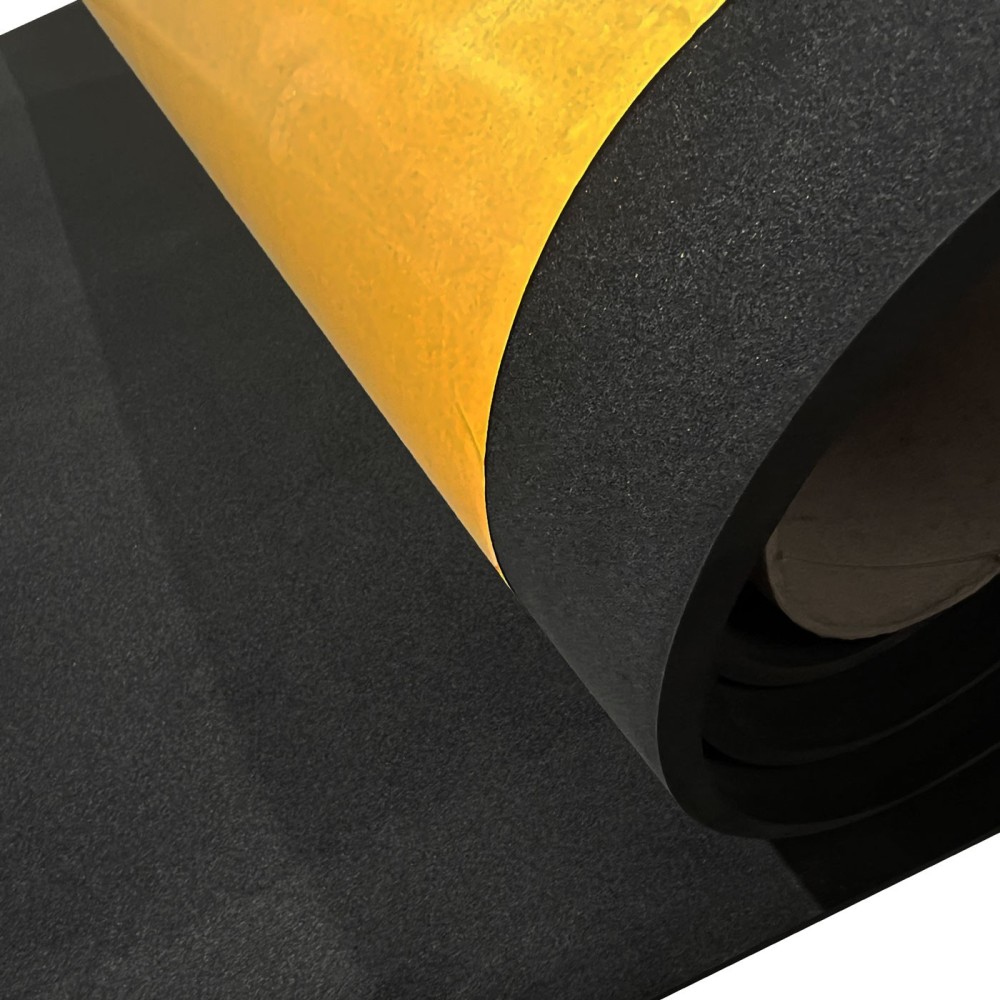
On neoprene, PSA is usually laminated during fabric finishing, ensuring uniform thickness, consistent tack, and predictable performance.
Bond Development Over Time
One important characteristic of PSA is that full bond strength is not always instantaneous, even though initial adhesion is immediate.
- Initial tack holds the product in place
- Peel strength increases over the first 24–72 hours
- Shear resistance improves as adhesive flows and relaxes
This gradual strength development is ideal for products that need quick handling but are not immediately placed under heavy load.
Why PSA Works Particularly Well with Neoprene
Neoprene’s flexibility and resilience make it compatible with PSA in several key ways:
- PSA accommodates neoprene’s elastic movement without cracking
- The adhesive layer absorbs minor shear caused by compression
- Closed-cell neoprene prevents adhesive soak-in, preserving bond integrity
Rigid adhesives often fail on neoprene because they cannot tolerate repeated flexing. PSA, by contrast, is designed to flex repeatedly while maintaining contact.
Advantages of PSA Backings on Neoprene Products
PSA offers a combination of process efficiency, cleanliness, and design flexibility that is difficult to match with liquid adhesives.
Quick Assembly and Labor Efficiency
PSA eliminates multiple production steps:
- No adhesive dispensing
- No drying or curing time
- No clamping or fixtures
For factories producing large volumes of small neoprene items, this can reduce assembly time dramatically. In many cases, PSA-backed products can be assembled inline during final inspection or packaging.
This speed advantage becomes especially valuable for promotional campaigns with fixed deadlines.
Clean and Consistent Application
Liquid adhesives introduce variability. Thickness, spread pattern, and operator technique all affect performance. PSA, by contrast, is factory-controlled.
Benefits include:
- Uniform adhesive thickness
- No overflow or squeeze-out
- No solvent fumes or contamination
This is particularly important for products with printed surfaces or customer-facing finishes, where adhesive marks are unacceptable.
Repositionable and Removable Options
Not all PSA systems are permanent. Some formulations are engineered for low peel strength with stable shear, allowing repositioning without residue.
This is useful for:
- Prototyping and sampling
- Temporary signage or displays
- Test placements at events or retail counters
For neoprene promotional items, repositionable PSA allows users to adjust placement without damaging surfaces, increasing perceived product value.
PSA Performance Metrics on Neoprene
| Metric | Typical Range / Value | Notes |
|---|---|---|
| Initial Tack | 10–15 N/25 mm | Strong enough for instant adhesion |
| Peel Strength | 2–4 N/25 mm | Measures bond durability on smooth surfaces |
| Shear Strength | 12–20 hrs | Resistance to sliding under sustained load |
| Temperature Resistance | −20 °C to 70 °C | Suitable for most indoor/outdoor use |
These values are typical for acrylic-based PSA systems optimized for neoprene. Rubber-based PSAs may offer higher initial tack but lower temperature resistance.
It is important to interpret these metrics correctly. PSA on neoprene is designed primarily for surface mounting and positioning, not for load-bearing structural bonding.
Substrate Compatibility Matters
While PSA bonds well to neoprene, final performance depends heavily on the other surface involved.
Best-performing substrates include:
- Smooth plastics (ABS, PVC, acrylic)
- Glass
- Coated metals
- Finished wood or laminates
Poor performance is common on:
- Rough concrete or stone
- Oily or dusty surfaces
- Low-energy plastics without surface treatment
In production instructions, surface cleaning is often more critical than adhesive selection.
Mechanical Limits of PSA on Neoprene
PSA is not a universal solution. Its limitations must be understood to avoid misuse.
PSA performs best under:
- Light to moderate loads
- Predominantly shear forces
- Limited environmental exposure
It performs poorly under:
- Continuous peel stress
- Heavy vertical loads
- Prolonged high-temperature exposure
- Immersion or high-humidity cycling
For example, a neoprene coaster with PSA backing performs exceptionally well. A thick neoprene protective pad mounted vertically outdoors would not.
PSA vs Other Bonding Methods (Contextual Comparison)
While PSA excels in speed and cleanliness, other adhesive systems serve different needs:
- Hot-melt adhesives provide higher peel strength but require heat and precise application
- Solvent-based glues offer strong permanent bonds but introduce fumes and variability
- Reactive systems (PU, epoxy) provide structural strength but eliminate flexibility
PSA occupies a specific niche: fast, clean, flexible bonding for lightweight neoprene products.
Real-World Production Example
A factory producing neoprene coasters for a corporate event compared two bonding methods: manual liquid adhesive and PSA backing.
Results were clear:
- Assembly time reduced by approximately 50%
- Rework rates dropped significantly
- Finished products showed consistent adhesion throughout multi-day use
No curing racks, no adhesive cleanup, and no odor issues were reported. For event-based promotional items, PSA proved both operationally and commercially superior.
Durability in Real Use
Although PSA bonds are not permanent in a structural sense, they are highly reliable within their design envelope.
In typical indoor applications, PSA-backed neoprene items maintain adhesion for months or years, provided surfaces are clean and loads are appropriate. Temperature fluctuations within normal indoor ranges do not significantly degrade performance.
The adhesive layer’s elasticity also helps absorb micro-movements caused by neoprene compression, reducing edge lifting over time.
Design Considerations When Specifying PSA on Neoprene
Designers and product developers should consider several factors early:
- Final product weight
- Orientation (horizontal vs vertical)
- Expected temperature exposure
- User interaction (repositioning vs permanent mounting)
PSA should be specified as part of the product system, not as an afterthought.
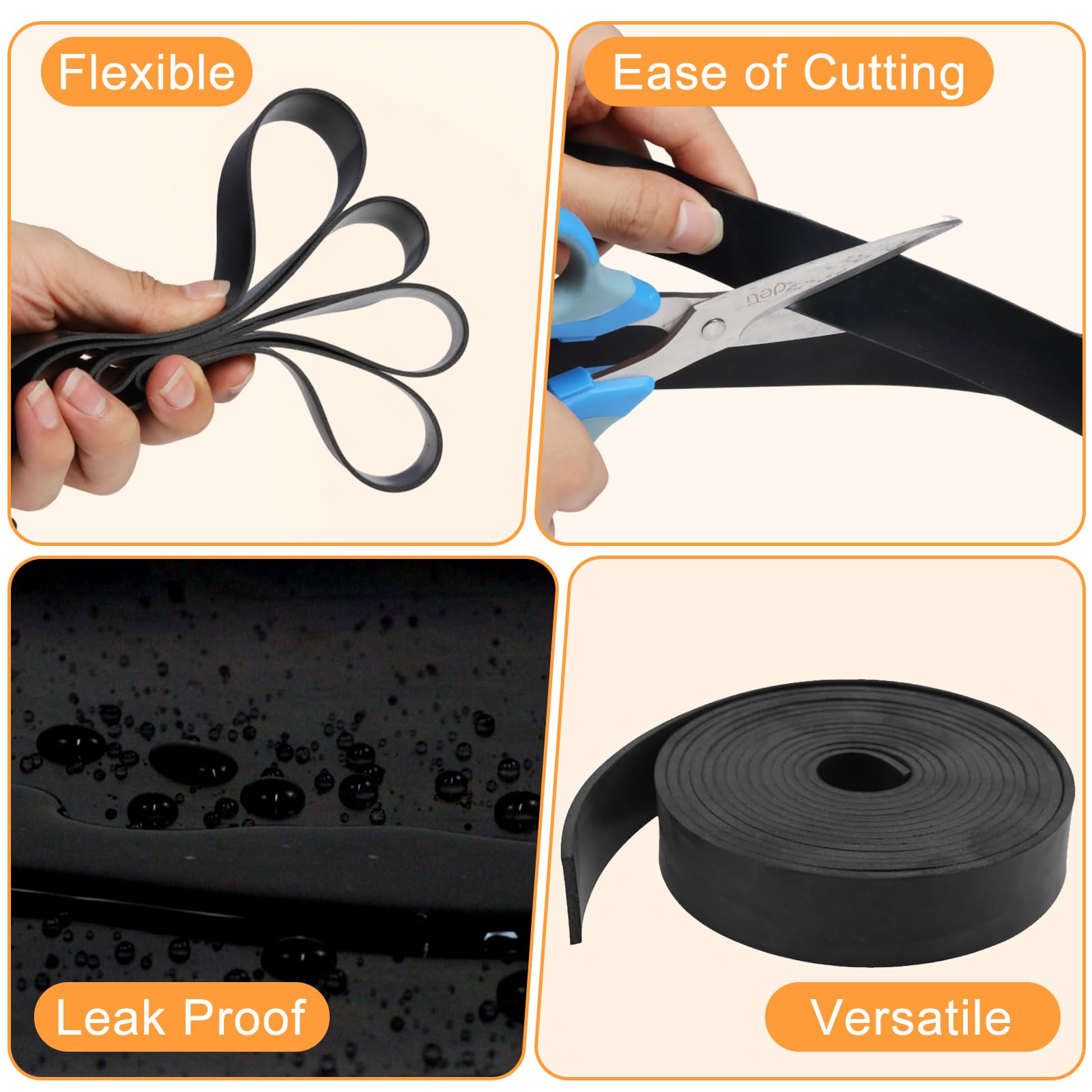
Visual Reference: PSA Lamination and Application

Operational Insight for Manufacturers
PSA backings are best suited for:
- Lightweight neoprene items
- Promotional giveaways
- Event products
- Prototypes and short production runs
- Products prioritizing clean appearance and fast assembly
They are not recommended for heavy, load-bearing, or harsh outdoor applications without additional mechanical support.
Strategic Value of PSA in Neoprene Product Lines
From a business perspective, PSA reduces labor cost, shortens lead times, and improves consistency. These advantages are especially meaningful for promotional and custom projects where margins are tight and deadlines are fixed.
Rather than replacing all adhesive systems, PSA expands the design and production toolkit available for neoprene products.
Pressure-Sensitive Adhesive backings work on neoprene by leveraging controlled surface contact, elastic compatibility, and viscoelastic flow. Their advantages—speed, cleanliness, and flexibility—make them ideal for lightweight neoprene products where efficiency and appearance matter most.
Dyeing sets the material. Construction defines the form. PSA simplifies how everything comes together.
When specified appropriately, PSA is not a compromise solution. It is a purpose-built bonding method that aligns perfectly with neoprene’s flexible, resilient nature and the practical demands of modern manufacturing.
Which Hot-Melt Adhesive Backings Are Best for Neoprene Applications?
Hot-melt adhesive (HMA) backings are widely used in neoprene manufacturing where long-term bond stability, production efficiency, and structural reliability are required. Unlike pressure-sensitive or solvent-based systems, hot-melt adhesives rely on thermal activation, creating a mechanical and molecular bond that is particularly well suited to thicker neoprene laminations and products subject to frequent handling.
In neoprene applications such as laptop sleeves, tool wraps, protective covers, medical supports, and industrial accessories, adhesive failure is rarely acceptable. Once delamination occurs, the product is effectively unusable. For this reason, hot-melt systems are often specified when the design prioritizes durability over removability or repositioning.
How Hot-Melt Adhesive Backings Work on Neoprene
Hot-melt adhesives are thermoplastic materials supplied in pellet, film, web, or sheet form. When heated beyond their softening or melting point, they transition into a viscous molten state capable of wetting both the neoprene surface and the substrate it is bonded to.
The bonding process typically follows a controlled sequence:
- The adhesive is heated to a defined temperature range until fully molten.
- Molten adhesive is applied evenly to the neoprene surface or transferred via film lamination.
- The neoprene is pressed against the target material under calibrated pressure.
- As the adhesive cools, it solidifies and locks the two materials together.
Unlike chemical curing systems, the bond is created through physical solidification and interfacial penetration, which allows for fast cycle times and predictable results in factory environments.
Why Hot-Melt Adhesives Perform Well with Neoprene
Neoprene presents unique challenges for adhesion. Its closed-cell structure, elasticity, and surface oils can interfere with weak adhesive systems. Hot-melt adhesives address these challenges through a combination of heat, flow, and pressure.
When properly applied, molten adhesive partially penetrates surface irregularities in the neoprene foam or fabric-backed layer, creating a strong mechanical interlock. Upon cooling, the adhesive becomes rigid enough to resist shear and peel forces while still accommodating limited flexing of the neoprene substrate.
This balance makes hot-melt systems especially effective for products that are handled repeatedly but not stretched aggressively, such as sleeves, wraps, and structured cases.
Key Advantages of Hot-Melt Adhesive Backings in Neoprene Products
High Durability and Long-Term Bond Stability Hot-melt adhesives form bonds that are difficult to reverse without reheating. In neoprene products, this permanence is a significant advantage where repeated insertion, removal, folding, or surface contact is expected. The adhesive layer resists gradual edge lifting and internal delamination far better than many pressure-sensitive alternatives.
Broad Substrate Compatibility Hot-melt systems bond effectively to a wide range of secondary materials commonly paired with neoprene, including polyester fabrics, nylon linings, EVA foam, plastics, thin metals, and treated wood surfaces. This versatility simplifies material selection and reduces the need for multiple adhesive systems within a single production line.
Production Consistency and Process Control Because bonding parameters such as temperature, dwell time, and pressure can be precisely controlled, hot-melt adhesives offer excellent batch-to-batch consistency. This is critical in scaled manufacturing, where even small variations in adhesion can lead to high rejection rates.
Fast Set Time and High Throughput Most hot-melt systems solidify within seconds once pressure is applied and heat is removed. This rapid set time supports automated lamination lines and reduces the need for extended curing or storage, improving overall production efficiency.
Limitations and Design Considerations
Despite their strengths, hot-melt adhesive backings are not suitable for every neoprene application. Understanding their limitations is essential for avoiding premature bond failure or performance issues.
Heat Sensitivity in Finished Products Hot-melt adhesives soften again when reheated. Most systems used with neoprene have service temperature limits between 70°C and 90°C. Products exposed to prolonged high temperatures—such as those left in direct sunlight inside vehicles—may experience bond weakening or creep.
Reduced Flexibility Compared to Elastic Adhesives Once cooled, hot-melt adhesives are relatively rigid. In applications where neoprene undergoes frequent stretching or compression, the adhesive layer can become a stress concentration point. Over time, this may lead to cracking or localized delamination if the product is poorly designed.
Permanent Bonding Limits Rework The same permanence that makes hot-melt adhesives durable also limits post-production adjustments. Incorrect alignment, contamination, or process errors are difficult to correct without reheating or scrapping components.
Hot-Melt Adhesive Performance Metrics for Neoprene
| Metric | Typical Range / Value | Notes |
|---|---|---|
| Bond Strength | 15–25 N/25mm | Strong permanent attachment |
| Heat Resistance | 70°C–90°C | Safe for indoor use; avoid direct sun exposure |
| Peel Strength | 8–12 N/25mm | Measures resistance to peeling |
| Set Time | 5–15 seconds | Fast curing improves production efficiency |
These values represent common industrial hot-melt systems used in neoprene lamination. Actual performance depends on adhesive formulation, application temperature, surface preparation, and neoprene thickness.
Matching Hot-Melt Adhesives to Neoprene Thickness and Structure
Thicker neoprene materials, typically 3 mm and above, benefit most from hot-melt bonding. The foam structure provides sufficient body to absorb heat without deformation, and the increased surface area allows better adhesive penetration.
For fabric-laminated neoprene, hot-melt films or webs are often preferred over direct melt application. Film lamination ensures uniform adhesive thickness and reduces the risk of bleed-through, which can affect surface appearance and tactile quality.
Thin neoprene or highly elastic constructions may require modified hot-melt formulations with added flexibility or may be better served by alternative adhesive systems altogether.
Case Study: Hot-Melt Adhesive in Neoprene Laptop Sleeves
In a corporate project involving neoprene laptop sleeves, Szoneier selected a hot-melt adhesive backing to bond the neoprene outer shell to an internal lining structure. The design prioritized durability, as the sleeves were intended for daily office use and frequent insertion into bags.
During internal testing, finished sleeves underwent more than 1,000 repeated placement and removal cycles. The hot-melt bonded seams showed no visible peeling, edge lifting, or internal separation. In contrast, early prototypes using pressure-sensitive adhesives exhibited edge creep within a few hundred cycles.
The final production run achieved consistent bond quality with minimal rejection, validating the choice of hot-melt adhesive for this application.
Process Control Factors That Determine Bond Quality
The success of hot-melt bonding in neoprene manufacturing depends less on the adhesive itself and more on process discipline.
Key control parameters include:
- Application Temperature: Too low results in poor wetting; too high risks neoprene distortion.
- Pressure Uniformity: Uneven pressure leads to localized weak spots.
- Dwell Time: Insufficient contact time reduces bond formation.
- Surface Cleanliness: Oils, dust, or release agents on neoprene surfaces can significantly reduce adhesion.
Factories that treat hot-melt bonding as a controlled engineering process rather than a simple assembly step achieve far higher yields and long-term performance consistency.
Operational Guidance for Manufacturers
Hot-melt adhesive backings are best specified for neoprene products that prioritize longevity, structural integrity, and consistent appearance. They excel in applications involving repeated handling, moderate flexing, and stable service temperatures.
For optimal results, manufacturers should select hot-melt systems matched to neoprene thickness, carefully validate heat and pressure settings during sampling, and implement routine bond strength testing during production. When these practices are followed, hot-melt adhesives deliver reliable performance and support scalable, high-quality neoprene manufacturing without compromising efficiency or durability.
How Do Water-Activated Adhesives Compare to Other Backing Options for Neoprene?

Water-activated adhesives (WAAs) occupy a very specific and often misunderstood position in neoprene product manufacturing. They are not designed to replace pressure-sensitive adhesives (PSA) or hot-melt systems, but to solve a different problem: controlled, precise bonding where accuracy and surface protection matter more than maximum bond strength.
In neoprene promotional products—such as patches, decals, limited-run giveaways, and event merchandise—assembly accuracy directly affects perceived quality. Misaligned graphics, crooked logos, or uneven placement are immediately visible. Water-activated adhesives are often chosen in these cases because they allow adjustment during placement, something most permanent adhesive systems do not tolerate.
Rather than being “weaker” adhesives, WAAs should be understood as process-oriented adhesives. Their value lies in when and how they bond, not only in how strong the final bond becomes.
How water-activated adhesives work on neoprene
Water-activated adhesives are applied to the neoprene surface in a dormant state. In this condition, the adhesive remains dry and non-tacky, allowing parts to be handled, stacked, and transported without blocking or contamination.
The bonding process follows a controlled sequence:
- A small amount of water is applied to the adhesive surface
- Moisture activates the adhesive chemistry
- The adhesive becomes tacky, allowing placement on the target surface
- As water evaporates, the bond strength develops and stabilizes
This mechanism creates a time window during which the product can be repositioned. Once drying progresses beyond that window, the bond becomes fixed. For assembly processes that demand visual precision, this behavior is extremely valuable.
On neoprene specifically, WAAs are gentle. They do not rely on high pressure or heat, which can compress foam, distort shape, or damage printed surfaces.
Why neoprene benefits from water-activated systems
Neoprene’s closed-cell rubber structure presents challenges for many adhesives. Its surface can be smooth and slightly elastic, meaning aggressive bonding methods sometimes create localized stress or surface damage.
Water-activated adhesives offer several material-level advantages:
- Low activation energy, reducing surface stress
- Even wetting across the neoprene surface
- Minimal penetration into the foam structure
Because WAAs activate uniformly when moistened, they reduce the risk of uneven bonding that can cause curling or lifting at the edges. This is particularly useful for thin neoprene patches or laminated promotional pieces where aesthetics are critical.
Advantages of water-activated adhesives in production
From a manufacturing perspective, WAAs suggest a different workflow philosophy compared to PSA or hot-melt adhesives.
Key advantages include:
- Precision placement: Operators can align graphics or shapes accurately before final setting
- Reduced waste: Adhesive activates only when needed, lowering scrap rates
- Surface safety: No heat or high pressure that could deform neoprene
- Clean handling: Dry adhesive does not attract dust during storage
In short-run or detail-oriented promotional products, these advantages often outweigh the slower assembly speed.
Performance characteristics in real use
Once fully dried, water-activated adhesives form a stable medium-strength bond. They are not intended for heavy mechanical loads, but they perform reliably for decorative or lightly handled products.
Typical performance traits include:
- Good shear resistance for flat applications
- Moderate peel strength
- Stable adhesion under normal indoor conditions
They are best suited for applications where the neoprene product remains largely stationary and is not subjected to frequent pulling, flexing, or environmental extremes.
Comparison with PSA and hot-melt adhesives
Understanding where WAAs fit requires direct comparison with other common backing options.
| Property | Water-Activated | PSA | Hot-Melt |
|---|---|---|---|
| Activation Method | Moisture | Pressure | Heat |
| Bond Strength | Medium | Medium | High |
| Repositionable | Yes (before drying) | Limited | No |
| Assembly Speed | Moderate | Fast | Moderate |
| Ideal Applications | Patches, decals | Stickers, lightweight items | Heavy-use items, sleeves |
Each system solves a different production problem:
- PSA prioritizes speed and convenience. It is ideal for flat products where placement accuracy is less critical and fast throughput is required. However, once pressure is applied, repositioning is limited, and mistakes often lead to scrap.
- Hot-melt adhesives prioritize maximum bond strength and durability. They are well suited for thick neoprene items, sleeves, or products exposed to frequent handling. The trade-off is zero adjustability and higher risk of surface compression.
- Water-activated adhesives prioritize placement accuracy and surface protection. They trade ultimate bond strength for control.
Precision-driven applications where WAAs excel
Water-activated adhesives are most effective in high-accuracy assembly scenarios, such as:
- Neoprene patches with complex shapes
- Decorative decals applied to promotional items
- Event merchandise with limited quantities
- Products where visual alignment defines quality
In these cases, the ability to reposition before setting significantly reduces operator stress and error rates.
Real-world production example
A factory producing neoprene coasters with intricate printed decals faced a recurring problem: minor misalignment during PSA application resulted in visible defects and frequent rework. Switching to water-activated adhesives changed the workflow.
Operators applied moisture, positioned the decal carefully, and adjusted alignment before allowing the adhesive to dry. The results were measurable:
- Error rates dropped sharply
- Material waste was reduced
- Visual consistency improved across batches
After drying, the bond proved stable for normal coaster use. While the assembly process took slightly longer, the reduction in rejects more than offset the added time.
Limitations and trade-offs
Water-activated adhesives are not universal solutions. Their limitations must be understood clearly.
Common constraints include:
- Lower ultimate bond strength compared to hot-melt
- Sensitivity to prolonged moisture exposure
- Slower line speed compared to PSA
- Not ideal for thick or highly stressed neoprene products
For products that will be bent repeatedly, exposed to heat, or used outdoors long-term, WAAs are generally not recommended. In those cases, hot-melt or specialized PSA systems perform better.
Operational considerations for manufacturers
Using WAAs effectively requires discipline in process control. Key operational factors include:
- Consistent water application volume
- Controlled drying time and conditions
- Operator training on repositioning window
- Clean surface preparation
Too much water can weaken the bond; too little may result in incomplete activation. Unlike PSA, which is forgiving, WAAs reward consistency and attention.
Choosing the right adhesive strategy
Selecting an adhesive backing for neoprene should start with use-case analysis, not cost comparison. Key questions include:
- Does the product require precise visual alignment?
- Will the product experience heavy mechanical stress?
- Is repositioning during assembly valuable?
- What is the acceptable assembly speed?
When precision and surface integrity are the priority, water-activated adhesives often outperform other options. When strength or speed dominates, PSA or hot-melt systems are more appropriate.
Long-term value in promotional products
Promotional products succeed when they look right and remain usable. In many cases, visual quality has more impact on brand perception than maximum bond strength. A perfectly aligned, cleanly bonded neoprene patch communicates care and professionalism.
Water-activated adhesives support this outcome by giving manufacturers control over placement, which is often the most visible aspect of quality.
Water-activated adhesives are not a compromise solution—they are a purpose-built bonding strategy for neoprene products where accuracy, surface protection, and controlled assembly matter most. They sit between PSA and hot-melt systems, offering adjustability that neither can provide.
When used in the right context, WAAs reduce waste, improve visual quality, and deliver stable adhesion for light- to medium-duty promotional applications. Their value lies not in brute strength, but in precision—and in many promotional products, precision is exactly what defines success.
What Factors Should You Consider When Choosing an Adhesive Backing for Neoprene Products?
Choosing the right adhesive backing for neoprene products is a functional engineering decision, not a cosmetic or secondary choice. Neoprene’s elasticity, compressibility, and closed-cell structure place unique demands on adhesives. A backing that performs well on rigid materials may fail prematurely on neoprene once the product enters real-world use.
In practice, adhesive failure on neoprene products is one of the most common sources of customer complaints, warranty claims, and hidden production costs. These failures rarely stem from a single mistake. Instead, they result from a mismatch between neoprene properties, adhesive type, use conditions, and production workflow.
To avoid these issues, adhesive selection must be approached systematically.
Neoprene thickness and density: the starting point
Neoprene thickness and density directly influence how much stress the adhesive layer must absorb during use.
Thicker neoprene generates higher internal forces because:
- It bends with a larger radius
- Elastic recovery produces stronger peel forces
- Compression and rebound cycles are more pronounced
Low-density neoprene further amplifies this effect, as the foam compresses easily and rebounds aggressively.
As a general guideline:
- Thin neoprene (1–2 mm): PSA or water-activated adhesives can perform acceptably in light-duty applications
- Medium thickness (3–4 mm): PSA requires careful surface prep; hot-melt offers better long-term stability
- Thick neoprene (5 mm+): Hot-melt adhesives are strongly preferred for durability
Using a low-strength adhesive on thick neoprene often leads to delayed edge lifting rather than immediate failure, making the issue harder to detect during initial inspections.
Surface texture and surface energy
Neoprene surfaces vary significantly depending on manufacturing method and post-processing. Some are smooth and skin-like, while others are fabric-laminated or coated.
Surface characteristics affect adhesion in several ways:
- Smooth or coated neoprene has lower surface energy, reducing initial tack for PSA
- Textured or fabric-backed neoprene provides more mechanical anchoring
- Oily or dusty surfaces interfere with bonding regardless of adhesive strength
PSA systems rely heavily on surface contact quality. On smooth neoprene, PSA may show good initial adhesion but weaken under flexing. Hot-melt adhesives, which flow slightly into surface irregularities during activation, are more tolerant of surface variability.
In production, light surface cleaning or controlled pre-heating can dramatically improve adhesive performance without changing materials.
Intended use and product lifecycle
Adhesive selection must match how the product will actually be used, not how it looks on the drawing board.
Key questions include:
- Is the product single-use, temporary, or reusable?
- Will it be bent, stretched, or compressed repeatedly?
- Is edge integrity critical to perceived quality?
- Will users handle it daily or occasionally?
Typical matching logic looks like this:
- Temporary giveaways or promotional items: PSA or water-activated adhesives are sufficient
- Reusable consumer products (sleeves, wraps): Hot-melt adhesives provide better fatigue resistance
- Precision alignment products: Water-activated adhesives allow repositioning before final bonding
Using permanent adhesives for disposable products increases cost without added value, while using temporary adhesives for reusable products almost guarantees future complaints.
Production volume and workflow efficiency
Adhesive choice has a direct impact on production speed, labor cost, and process complexity.
PSA-backed neoprene is favored in high-volume environments because:
- No activation equipment is required
- Assembly is fast and intuitive
- Training requirements are minimal
Hot-melt systems introduce additional steps:
- Temperature control
- Dwell time management
- Equipment setup and maintenance
However, in large-scale production, the cost of failures often outweighs the savings from faster assembly. A slightly slower hot-melt process may deliver higher overall efficiency by reducing rework, scrap, and returns.
Water-activated adhesives fit best into controlled, lower-speed workflows where precision matters more than throughput.
Environmental exposure: heat, moisture, and UV
Neoprene products are frequently exposed to challenging environments, including heat, humidity, sweat, and occasional UV exposure. Adhesives respond very differently to these conditions.
- Heat: Can soften PSA, reducing shear strength
- Moisture: Weakens some PSA systems and delays curing for WAAs
- UV: Accelerates aging of certain adhesive formulations
Hot-melt adhesives generally offer the highest resistance to combined heat and moisture, making them suitable for products used outdoors, in vehicles, or near the body.
PSA systems perform best in controlled indoor environments and moderate temperatures. Water-activated adhesives fall in between, offering reasonable resistance but requiring careful drying and sealing.
Comparative selection analysis
A structured comparison helps clarify trade-offs between adhesive systems.
Table 6: Adhesive Selection Matrix for Neoprene Products
| Factor | PSA | Hot-Melt | Water-Activated | Notes |
|---|---|---|---|---|
| Bond Strength | Medium | High | Medium | Heavy or high-use products need hot-melt |
| Repositionable | Limited | No | Yes | WAA allows adjustments before drying |
| Assembly Speed | Very Fast | Moderate | Moderate | PSA reduces labor for high-volume runs |
| Cost per Unit | Low | Medium | Medium | Balance cost vs durability |
| Environmental Resistance | Low–Medium | High | Medium | Hot-melt withstands heat & moisture best |
This matrix highlights an important reality: there is no universally superior adhesive. Each option performs best under specific conditions.
Case study: correcting adhesive mismatch
A corporate client producing neoprene laptop sleeves initially selected PSA adhesive to maximize assembly speed. Early batches passed peel tests, but after market release, customers reported edge peeling and corner lifting after repeated use.
Analysis revealed that:
- Neoprene thickness exceeded 4 mm
- Products experienced frequent opening and closing
- Heat buildup during use softened the PSA
After switching to a hot-melt adhesive system:
- Edge peeling was eliminated
- Product lifespan increased significantly
- Production efficiency remained acceptable
For a separate promotional patch project, the same client selected water-activated adhesive, allowing operators to reposition patches before final bonding and reducing alignment errors.
This contrast illustrates how matching adhesive type to use case delivers better results than relying on a single default solution.
Cost considerations beyond material price
Adhesive cost per unit is often misleading. A lower-cost adhesive that fails in use creates hidden expenses:
- Customer complaints
- Warranty replacements
- Brand reputation damage
- Additional quality inspections
Hot-melt systems may have higher upfront costs, but they frequently reduce total cost of ownership by improving durability and consistency.
Factories that evaluate adhesive selection holistically often find that process stability matters more than adhesive price.
Reducing waste and rework through proper selection
Incorrect adhesive choice increases:
- Scrap during assembly
- Rejected finished goods
- Rework labor
- Production downtime
Proper selection reduces stress across the production line. Operators spend less time correcting defects, and quality teams spend less time tracing failures back to root causes.
Practical insight for manufacturers and brands
Successful neoprene products share common adhesive selection principles:
- Adhesive is chosen after defining product use, not before
- Neoprene thickness and density are treated as critical inputs
- Environmental exposure is considered realistically
- Production workflow is aligned with adhesive activation method
Adhesive backing is not a plug-and-play component. It is part of the product system.
When choosing an adhesive backing for neoprene products, the right question is not “Which adhesive is strongest?” but “Which adhesive is appropriate for this specific product, process, and lifecycle?”
Effective selection considers:
- Neoprene thickness, density, and surface condition
- Intended use and durability expectations
- Assembly speed and production scale
- Environmental exposure during use
By aligning adhesive choice with these factors, manufacturers achieve better durability, smoother production, lower waste, and higher customer satisfaction—often without increasing material cost.
In neoprene products, adhesive selection is a quality decision that determines whether the product merely looks finished, or truly performs as intended over time.
Are There Industry Standards or Testing Methods to Evaluate Adhesive Performance on Neoprene?
Yes. Reliable adhesive performance on neoprene is not evaluated by feel, experience, or short-term attachment alone. It requires objective, repeatable testing under recognized industry standards that simulate real stresses such as peeling, sliding, temperature change, and aging. This is especially important for neoprene products because neoprene is elastic, compressible, and chemically resistant—properties that make bonding more complex than with rigid substrates.
In practical terms, adhesive performance on neoprene must be judged across multiple dimensions, not a single strength value. A bond that performs well in peel may fail in shear. A bond that looks strong initially may degrade after heat exposure or washing. Industry standards exist specifically to expose these weaknesses before products reach the market.
Testing does not slow production. It prevents failure.
Why Standardized Testing Is Essential for Neoprene Adhesives
Neoprene behaves differently from flat plastics or rigid foams. Its closed-cell rubber structure compresses under load, rebounds after release, and continuously shifts stress across the adhesive layer. As a result:
- Adhesive bonds experience cyclic shear, not just static load
- Peel forces concentrate at edges during flexing
- Environmental exposure accelerates fatigue
Without standardized testing, these failure modes often appear only after customer use, when correction is costly or impossible.
Industry standards allow manufacturers to quantify performance limits, compare adhesive systems objectively, and match bonding methods to actual product demands.
Peel Strength Testing: Resistance to Edge Lifting
Peel strength measures the force required to separate a bonded neoprene layer from its substrate at a defined angle and speed. This test is critical because most real-world adhesive failures on neoprene begin at the edge, not across the entire surface.
- Standard: ASTM D903 – Peel or Stripping Strength of Adhesive Bonds
- What it measures: Force (N/25 mm) required to peel the bond
- Why it matters: Predicts edge lifting, delamination, and user-induced peeling
In neoprene products such as mouse pads, coasters, and sleeves, peel resistance determines whether corners curl or remain flat over time. PSA-backed products typically show moderate peel strength, while hot-melt or reactive adhesives deliver much higher values.
Peel strength should always be evaluated after conditioning, not just immediately after bonding. Adhesives that perform well initially may weaken after 24–72 hours or after temperature cycling.
Shear Strength Testing: Resistance to Sliding Under Load
Shear strength evaluates an adhesive’s ability to resist creep or sliding when a constant load is applied parallel to the bonded surface. This test is especially relevant for neoprene items subjected to sustained weight or pressure.
- Standard: ASTM D3654 – Holding Power of Pressure-Sensitive Adhesives
- What it measures: Time to failure under a defined load
- Why it matters: Simulates long-term use rather than instant force
For PSA-backed neoprene, shear strength is often more important than peel strength. A coaster or desk mat may never experience strong peeling, but it is constantly subjected to shear forces from compression and friction.
Low shear resistance results in slow movement, edge creep, or gradual misalignment—even if the bond never fully fails.
Environmental Resistance Testing: Performance Beyond the Lab
Adhesives that perform well at room temperature can degrade rapidly under environmental stress. Neoprene products are often exposed to heat, humidity, UV light, or repeated temperature fluctuations, especially in promotional or outdoor use.
Environmental resistance testing evaluates how adhesive bonds behave under these conditions.
- ASTM D3654 (extended protocols): Temperature and humidity aging
- ISO 4587: Long-term aging and heat resistance
- UV exposure tests: Assess discoloration and bond degradation
These tests reveal whether an adhesive maintains integrity or becomes brittle, soft, or unstable over time. For neoprene, temperature cycling is particularly important because rubber expansion and contraction amplify stress at the adhesive interface.
An adhesive that passes peel and shear tests at 23 °C may fail entirely after repeated exposure to 60–70 °C, even if such temperatures occur only intermittently.
Tack and Initial Bond Testing: Assembly Efficiency
Initial tack determines how easily and quickly components can be assembled. For pressure-sensitive adhesive (PSA) systems used on neoprene, tack performance directly affects production speed and accuracy.
- Standard: ASTM D2979 – Pressure-Sensitive Tack Tests
- What it measures: Immediate stickiness under light pressure
- Why it matters: Determines ease of positioning and handling
High tack allows fast assembly but can reduce repositionability. Lower tack enables adjustment but may require longer dwell time to achieve final bond strength. Selecting the right tack level is a process decision, not just a performance one.
Key Adhesive Performance Tests for Neoprene
| Test Type | Standard / Method | Purpose | Notes |
|---|---|---|---|
| Peel Strength | ASTM D903 | Measures force to separate bond | Critical for edge stability |
| Shear Strength | ASTM D3654 | Tests resistance to sliding | Simulates sustained load |
| Environmental Resistance | ISO 4587 / ASTM D3654 | Heat, moisture, UV durability | Essential for long-term use |
| Tack / Initial Bond | ASTM D2979 | Immediate adhesion quality | Important for fast assembly |
Together, these tests provide a complete performance profile. No single test can predict real-world success on neoprene.
Conditioning and Test Timing Matter
One common mistake in adhesive evaluation is testing too early. Many adhesives, especially PSAs, develop strength over time.
Best practice includes:
- Testing after 24 hours
- Re-testing after 72 hours
- Testing after environmental conditioning
Neoprene’s elastic recovery means that bonds may appear stable immediately but weaken as internal stresses redistribute. Conditioning reveals these delayed failures.
Interpreting Test Results in Context
Test values must be interpreted relative to product use. A higher number is not always better.
For example:
- PSA-backed neoprene mouse pads with 2–4 N/25 mm peel strength are fully adequate
- Hot-melt-bonded neoprene parts reaching 15 N/25 mm may be excessive for lightweight items
Over-engineering adhesive strength can create new problems, such as reduced flexibility, surface damage during removal, or unnecessary cost.
Testing allows manufacturers to select appropriate strength, not maximum strength.
Case Study: PSA vs Hot-Melt on Neoprene Mouse Pads
A factory producing neoprene mouse pads evaluated two bonding systems using standardized tests.
- PSA-backed pads achieved:
- Peel strength: ~2 N/25 mm
- Excellent shear resistance for flat use
- Fast assembly and clean appearance
- Hot-melt-backed pads achieved:
- Peel strength: ~15 N/25 mm
- Very high durability
- Slower assembly and higher labor cost
For promotional and office-use mouse pads, PSA performance exceeded requirements. Hot-melt was reserved for high-abuse corporate giveaways where durability outweighed assembly speed.
Testing allowed both systems to coexist—each matched to the correct product category.
Why Neoprene Requires Application-Specific Standards
Neoprene’s compressibility means that adhesive performance depends not only on adhesive chemistry, but also on:
- Foam density
- Fabric lamination quality
- Surface texture
- Product thickness
Standardized testing isolates adhesive behavior from these variables, allowing meaningful comparison across production batches and suppliers.
Visual Reference: Adhesive Testing on Neoprene

Operational Insight for Manufacturers and Brands
Testing is not just for certification—it is a decision-making tool.
With standardized test data, factories can:
- Match adhesive systems to product weight and use
- Predict failure modes before mass production
- Reduce returns and warranty claims
- Communicate performance limits clearly to clients
For brands, testing data builds confidence. It transforms adhesive selection from subjective choice into a documented specification.
Designing Adhesive Performance Into the Product
Adhesive performance should be specified at the design stage, not evaluated after production. This means defining:
- Required peel and shear thresholds
- Expected environmental exposure
- Desired assembly speed and repositionability
Testing then validates whether the chosen adhesive meets those requirements.
Conclusion: Standards Turn Adhesion Into Engineering
Industry standards such as ASTM D903, ASTM D3654, and ISO 4587 provide a reliable framework for evaluating adhesive performance on neoprene. They convert subjective impressions into measurable data and reveal weaknesses that visual inspection cannot detect.
For neoprene products—especially those using PSA backings—testing is the only way to ensure that adhesion performs as expected throughout the product lifecycle.
In adhesive bonding, success is not defined by how strong a bond feels today, but by how predictably it performs over time.
How Do Different Adhesive Backings Impact Production Efficiency, Cost, and End-Use Performance?
In neoprene product manufacturing, adhesive backing selection is not a minor technical detail. It directly affects how fast products can be assembled, how much they cost to produce, how long they last in real use, and how customers perceive quality. Many factories discover adhesive-related problems only after scale production begins—when rework, returns, and complaints become expensive.
Pressure-sensitive adhesives (PSA), hot-melt adhesives, and water-activated adhesives (WAA) each represent a different balance between speed, cost control, and long-term performance. Choosing the wrong system can increase defect rates, slow down production, or shorten product lifespan, even if the neoprene material itself is high quality.
Understanding these trade-offs allows manufacturers and brand owners to make process-driven decisions instead of price-driven guesses.
Production Efficiency: How Adhesives Shape Assembly Speed
Production efficiency is often the first concern in large neoprene orders. Adhesive type determines cycle time, equipment requirements, and operator skill level.
Pressure-Sensitive Adhesives (PSA) PSA systems are the fastest to deploy. They require no heat, no curing time, and minimal training. Operators simply align, press, and move to the next unit. For flat neoprene items or products with simple geometry, PSA allows very high throughput with minimal setup.
However, speed comes with sensitivity. Misalignment happens easily, especially when laminating larger panels or curved surfaces. Once PSA contacts the surface, repositioning is difficult or impossible without damaging the adhesive layer, which can increase scrap rates if operators are not experienced.
Hot-Melt Adhesives Hot-melt systems introduce additional steps—heating, controlled pressure, and cooling—but offer greater bonding reliability. While assembly speed is slower than PSA on paper, the process is far more stable once parameters are dialed in.
In automated or semi-automated lines, hot-melt bonding can achieve consistent takt times with fewer rejections. The slightly longer cycle time is often offset by reduced rework, fewer customer complaints, and higher first-pass yield.
Water-Activated Adhesives (WAA) WAA systems sit between PSA and hot-melt in terms of speed. They allow temporary repositioning before full bond formation, which is valuable for complex shapes, logo placement, or tight tolerance designs.
Although activation and drying add time, WAA reduces misalignment errors significantly. For precision-heavy products, this often results in higher net efficiency despite a slower individual bonding step.
Cost Implications: Beyond Adhesive Price per Meter
Many sourcing decisions focus too narrowly on adhesive material cost. In practice, total cost includes energy use, labor hours, defect rates, warranty claims, and product lifespan.
PSA Cost Structure PSA has low upfront material cost and virtually no energy consumption. Labor costs are also minimal due to fast application. However, PSA-backed products may experience higher field failure rates under heat, moisture, or repeated handling.
For promotional or disposable items, this risk is acceptable. For reusable neoprene goods, replacement and reputation costs can quickly outweigh initial savings.
Hot-Melt Cost Structure Hot-melt adhesives are more expensive per unit area and require energy input for heating. Equipment investment and operator training add to initial costs. However, hot-melt systems significantly reduce delamination, edge lifting, and premature failure.
In long-life products, the reduced return rate and improved durability often result in a lower total cost of ownership, even if unit production cost is higher.
Water-Activated Adhesive Cost Structure WAA systems fall in the middle. Material costs are moderate, and energy use is limited compared to hot-melt. The primary cost advantage lies in reduced scrap for intricate designs, where misalignment would otherwise cause frequent rejects.
End-Use Performance: What the Customer Actually Experiences
End-use performance is where adhesive choices become visible—or painfully obvious—to customers.
PSA in Real Use PSA performs adequately in low-stress applications. Coasters, mouse pads, giveaways, and short-term promotional items typically do not experience enough mechanical or thermal stress to cause failure.
However, PSA bonds weaken under prolonged heat exposure, repeated peeling forces, or moisture ingress. In laptop sleeves or protective gear, PSA failure often appears as edge curl, partial delamination, or complete separation.
Hot-Melt in Real Use Hot-melt adhesives excel in durability-focused products. The bond resists shear, peel, and abrasion, making it suitable for items that are frequently handled, compressed, or inserted into bags.
Customers perceive hot-melt bonded products as more “solid” and long-lasting. This perception directly influences brand trust, especially in corporate, industrial, or premium consumer segments.
Water-Activated Adhesives in Real Use WAA systems provide reliable performance in applications where precision matters more than extreme durability. They hold well under normal handling but are not designed for heavy mechanical stress or high-temperature environments.
Their advantage lies in clean appearance and accurate placement rather than maximum bond strength.
Comparative Impact Analysis
| Adhesive Type | Assembly Speed | Material Cost | Labor Cost | Product Durability | Best Use Case |
|---|---|---|---|---|---|
| PSA | Very High | Low | Low | Medium | Coasters, lightweight giveaways |
| Hot-Melt | Moderate | Medium | Moderate | High | Laptop sleeves, durable items |
| Water-Activated | Moderate | Medium | Moderate | Medium-High | Precision decals, temporary displays |
Case Study: Adhesive Strategy Shift in Neoprene Sleeve Production
A promotional factory producing neoprene sleeves for large technology events initially relied on PSA for all orders. While assembly speed was high, customer feedback revealed peeling edges and delamination after short-term use, particularly for attendees who reused the sleeves daily.
The factory transitioned high-traffic SKUs to hot-melt adhesive bonding while retaining PSA for single-use giveaways. After implementation, labor per batch dropped by approximately 30% due to fewer reworks and rejects. Product lifespan more than doubled in internal durability tests, and post-event complaints decreased significantly.
This shift demonstrated that the fastest adhesive is not always the most efficient when quality outcomes are considered.
Operational Insight: Aligning Adhesive Choice with Product Strategy
Adhesive backing selection should be treated as a strategic manufacturing decision, not a default process choice. Factories that clearly define product lifespan, usage conditions, and quality expectations can align adhesive systems accordingly.
Key operational principles include:
- Match adhesive durability to expected product life
- Consider total cost, not just material price
- Validate performance through peel and shear testing
- Standardize adhesive processes to reduce variability
Selecting the appropriate adhesive backing for neoprene products directly influences production efficiency, cost control, and customer satisfaction. Pressure-sensitive, hot-melt, and water-activated adhesives each serve a clear purpose when applied correctly. Manufacturers that integrate adhesive strategy into product design and process planning achieve higher yields, fewer failures, and stronger long-term brand performance.
If you want to source high-quality neoprene with customized adhesive backing options, Szoneier Fabrics offers:
- Tailored neoprene products with PSA, hot-melt, or water-activated backings
- Free design consultation and sample provision
- Rapid prototyping, low MOQ, and short lead times
- Verified performance for durability, adhesion, and end-use reliability
Contact Szoneier today to request samples or discuss custom neoprene products
neoprene adhesive backing, neoprene material options, neoprene PSA adhesive, hot-melt neoprene adhesive, water-activated neoprene, neoprene product assembly, promotional neoprene products, neoprene adhesive types, neoprene bonding methods, neoprene factory tips, neoprene material testing, neoprene peel strength, neoprene shear strength, neoprene durability, neoprene production efficiency, neoprene cost optimization, neoprene end-use performance, neoprene adhesive standards, neoprene material workflow, neoprene heat-activated adhesive, neoprene precision placement, neoprene reusable products, neoprene temporary adhesive, neoprene adhesive comparison, neoprene manufacturing best practices, neoprene testing protocols, neoprene quality control, neoprene assembly speed, neoprene industrial adhesives, Szoneier neoprene products