Skip to content
If you’ve ever compared two backpacks side by side—one made from nylon and the other from polyester—you might notice subtle differences in texture, weight, and feel. But what you don’t immediately see is what truly matters: how these materials behave after months of daily use, exposure to weather, and repeated stress. The real difference between nylon and polyester isn’t just technical—it directly affects how long a backpack lasts, how it performs, and how it feels every day.
At its core, the difference between nylon and polyester backpacks comes down to strength, durability, water behavior, UV resistance, and cost. Nylon is generally stronger, more abrasion-resistant, and better suited for heavy-duty or high-performance applications, while polyester offers better UV resistance, lower cost, and more stable long-term appearance. The right choice depends on how the backpack will be used—whether for daily commuting, outdoor activities, or high-load conditions. Understanding these differences allows you to select a material that aligns with real-world performance needs rather than just specifications on paper.
Imagine two users: one commuting through city streets, the other hiking through rough terrain. Both carry backpacks every day, but their needs are completely different. One prioritizes lightweight and affordability, while the other needs durability and strength. The story of nylon vs polyester begins exactly here—where real-life usage defines what truly matters.
What Is Nylon vs Polyester in Backpack Materials?

Nylon and polyester are the two dominant synthetic materials in backpack manufacturing, but treating them as interchangeable is one of the most common mistakes in product development. While both are engineered fibers derived from petrochemical sources, their internal structure, behavior under stress, and long-term performance differ in ways that directly impact how a backpack feels, performs, and ages over time.
At a practical level, nylon is a polyamide fiber designed for strength, elasticity, and impact resistance. It performs exceptionally well in high-stress environments where flexibility and durability are required. Polyester, by contrast, is a polymer fiber engineered for dimensional stability, UV resistance, and cost efficiency. It maintains its shape better over time and performs consistently in everyday conditions, especially when exposed to sunlight and moisture.
In global production, these two materials account for the vast majority of backpacks because they offer scalable manufacturing, consistent quality, and adaptable performance across different price points. The real decision is not which material is “better,” but which one aligns more closely with the product’s intended use and market positioning.
Basic Material Definitions
Understanding the Core Differences
Although both materials are synthetic, their fundamental properties are shaped by their chemical composition and fiber structure.
| Material | Type | Key Feature | Typical Use Positioning |
|---|---|---|---|
| Nylon | Polyamide fiber | High strength + elasticity | Performance, outdoor, heavy-duty |
| Polyester | Polymer fiber (PET) | Stability + UV resistance | Daily use, cost-sensitive products |
Nylon’s defining characteristic is its ability to stretch and recover without breaking. This makes it highly resistant to sudden force and repeated stress. Polyester, on the other hand, is more rigid at the molecular level, which gives it better shape retention and resistance to environmental factors like sunlight and humidity.
How Each Fiber Is Produced
Why Structure Determines Performance
The way nylon and polyester are produced at the molecular level has a direct impact on how they behave in real-world applications.
| Factor | Nylon | Polyester |
|---|---|---|
| Polymer structure | Flexible molecular chains | More rigid, stable chains |
| Moisture absorption | 4–7% | 0.4–0.8% |
| Elasticity | High (can stretch 15–30%) | Low (limited stretch) |
| Thermal stability | Moderate | Higher |
Nylon’s flexible molecular chains allow it to absorb energy and distribute stress across the fabric. This is why it performs well in applications where the backpack is frequently loaded, dropped, or subjected to dynamic movement.
Polyester’s lower moisture absorption means it does not retain water within its fibers. As a result, it dries faster and maintains dimensional stability even in humid conditions. This makes it particularly suitable for everyday use and environments where exposure to moisture and sunlight is frequent.
Why Both Dominate Backpack Manufacturing
Balancing Performance and Cost
The widespread use of nylon and polyester is not accidental. Together, they cover nearly the entire spectrum of backpack applications, from low-cost promotional products to high-performance outdoor gear.
| Reason | Nylon | Polyester |
|---|---|---|
| Strength | Excellent (600–900 N tensile strength) | Moderate (400–700 N) |
| Cost | 15–30% higher than polyester | More cost-efficient |
| Versatility | High (multiple denier options, coatings) | High (easy dyeing, stable supply) |
| Supply stability | Good but price-sensitive | Very stable |
Nylon is typically chosen when performance is the priority—such as in travel, outdoor, or tactical backpacks. Polyester is favored when cost control and production scalability are more important, such as in school bags or promotional products.
From a manufacturing perspective, polyester also offers advantages in large-scale production. It is easier to dye consistently, resulting in better color matching across batches—an important factor for brands that require repeat orders with identical appearance.
Material Behavior Under Stress
Real-World Performance Differences
The differences between nylon and polyester become more apparent when the materials are subjected to real usage conditions.
| Condition | Nylon Performance | Polyester Performance |
|---|---|---|
| Stretch and flexibility | Adapts to load, reduces stress points | Rigid, less adaptive |
| Impact resistance | Absorbs shock effectively | Transfers stress to seams |
| Repeated use (12–24 months) | Maintains structure and strength | Gradual fiber fatigue |
| Abrasion (rough surfaces) | High resistance (15,000–25,000 cycles) | Moderate resistance (10,000–15,000 cycles) |
For example, when a backpack is repeatedly loaded with 10–20 kg and subjected to movement, nylon’s elasticity helps distribute stress across the fabric. This reduces the likelihood of tearing or seam failure. Polyester, being more rigid, tends to concentrate stress at specific points, which can lead to earlier wear in high-load scenarios.
However, in controlled environments—such as office commuting—these differences are less critical. Polyester performs reliably and meets the durability expectations of most users.
Why Nylon Feels “Premium”
Perception Driven by Performance and Texture
Many consumers perceive nylon backpacks as more premium, even when they may not fully understand the technical reasons behind it.
| Factor | Impact on User Perception |
|---|---|
| Surface feel | Softer, smoother, more refined texture |
| Flexibility | Easier handling, conforms to movement |
| Strength perception | Feels more robust under load |
This perception is not purely subjective. Nylon’s flexibility and finer fiber structure often result in a smoother finish, especially in higher-quality fabrics like 420D or 500D nylon. When combined with advanced coatings or laminations, it creates a tactile experience that feels more “engineered” compared to standard polyester.
For brands targeting premium markets, this perceived difference can influence purchasing decisions, even if the functional gap is not always fully utilized by the end user.
Manufacturing Perspective: Material Selection Strategy
How Factories Decide Between Nylon and Polyester
In real production environments, the choice between nylon and polyester is rarely based on a single factor. Manufacturers evaluate multiple parameters to recommend the most suitable option.
- Intended use determines the baseline requirement. Heavy-duty or outdoor products typically lean toward nylon, while everyday products favor polyester.
- Performance requirements such as load capacity, abrasion resistance, and flexibility influence fabric selection and denier level.
- Cost constraints define the upper limit of material choice, especially in large-volume production where small differences in fabric price can significantly impact total cost.
In many cases, factories will propose multiple options during the sampling stage—for example, offering both 600D polyester and 420D nylon versions of the same design. This allows brands to compare performance, weight, and cost before making a final decision.
It is also common to combine both materials within a single product. Polyester may be used for the main body to control cost, while nylon is applied to high-stress areas such as the bottom panel or straps to improve durability.
Ultimately, nylon and polyester are not competing materials but complementary tools. The most successful backpack designs use them strategically—leveraging nylon’s strength and flexibility where needed, and polyester’s stability and efficiency where it delivers the greatest value.
Which Is More Durable: Nylon or Polyester Backpacks?
When comparing durability in backpack materials, nylon consistently ranks higher than polyester in terms of raw strength, abrasion resistance, and long-term performance under stress. However, durability is not a single metric—it is a combination of how a material handles force, friction, environmental exposure, and repeated use over time.
In controlled testing environments, nylon fabrics typically show 20–30% higher tear strength than polyester of the same denier. In abrasion tests, high-quality nylon can exceed 30,000 rub cycles, while standard polyester usually ranges between 10,000 and 20,000 cycles. These differences become especially noticeable in high-load or rough-use scenarios such as travel, outdoor activities, or tactical applications.
That said, durability in real products depends on more than just the base material. Fabric construction, coating quality, stitching, and reinforcement all play critical roles. A well-constructed polyester backpack can outperform a poorly designed nylon one. The real question is not just which material is stronger, but how that strength translates into real-world performance.
Tear Strength and Tensile Comparison
How Nylon and Polyester Handle Force
Tear strength and tensile strength define how a fabric responds to pulling forces and sudden stress. These properties are essential for areas like shoulder straps, seams, and load-bearing panels.
| Property | Nylon | Polyester |
|---|---|---|
| Tear strength | High (600–900 N) | Medium (400–700 N) |
| Tensile strength | High | Medium |
| Elasticity | High (absorbs stress) | Low (more rigid) |
Nylon’s advantage comes from its molecular flexibility. When force is applied, the fibers stretch slightly and redistribute stress across the fabric. This reduces the likelihood of tearing, especially under dynamic conditions such as lifting or dropping a loaded backpack.
Polyester, being more rigid, does not absorb stress in the same way. Instead, force is concentrated at specific points, which can lead to earlier material fatigue over time—particularly in high-load situations.
Abrasion Resistance Differences
Performance Against Friction and Wear
Abrasion resistance measures how well a material withstands repeated rubbing against surfaces such as floors, walls, or rough terrain. This is one of the most important durability indicators for travel and outdoor backpacks.
| Fabric Type | Abrasion Cycles | Durability Level |
|---|---|---|
| Nylon (Cordura / high-denier) | 25,000–30,000+ | High |
| Polyester (600D–900D) | 10,000–20,000 | Medium |
In real-world use, this means nylon backpacks are less likely to show visible wear when dragged across surfaces or used in demanding environments. The bottom panel, in particular, benefits from nylon’s superior abrasion resistance.
Polyester performs adequately for everyday use but tends to show signs of wear more quickly in high-friction conditions. This is why many manufacturers reinforce critical areas with nylon even when the main body is made from polyester.
Long-Term Wear Performance
How Materials Age Over Time
Durability is not only about immediate performance but also how materials behave after months or years of use.
| Condition | Nylon Outcome | Polyester Outcome |
|---|---|---|
| Daily use (5–10 kg load) | Maintains structure for 2–4 years | Gradual softening after 1–2 years |
| Heavy load (15–25 kg) | Strong resistance, minimal deformation | Increased stress, possible seam strain |
| Rough surfaces | Minimal visible damage | Faster wear and surface fading |
Nylon maintains its structural integrity longer because it can handle repeated stress cycles without significant degradation. Polyester, while stable, tends to experience gradual fiber fatigue, especially in areas exposed to constant pressure or friction.
However, in controlled environments such as office or school use, polyester’s performance is often sufficient to meet the expected product lifespan.
Why Durability Is Not Just About Strength
The Role of Construction and Engineering
Material strength alone does not guarantee durability. Several additional factors determine how long a backpack will actually last.
| Factor | Impact |
|---|---|
| Stitching quality | Prevents seam failure under load |
| Coating durability | Maintains water resistance and surface protection |
| Reinforcement zones | Protects high-stress areas such as corners and straps |
| Hardware quality | Ensures zippers and buckles do not fail prematurely |
For example, using high-quality nylon without reinforcing the bottom panel or stress points can still lead to failure. Conversely, a polyester backpack with reinforced stitching and coated surfaces can deliver reliable performance for years.
Durability must be engineered at the product level, not assumed based on material alone.
Real-World Insight: When Polyester Outperforms Nylon
Situations Where Polyester Is the Better Choice
Despite nylon’s superior strength, polyester has advantages in certain conditions that make it the more practical option.
| Scenario | Better Material | Reason |
|---|---|---|
| High UV exposure | Polyester | Better resistance to fading and degradation |
| Moist environments | Polyester | Lower water absorption, faster drying |
| Budget-sensitive products | Polyester | Lower cost, stable supply |
For example, backpacks used in sunny climates benefit from polyester’s UV resistance, which helps maintain color and fabric integrity over time. Nylon, while strong, can degrade more quickly under prolonged UV exposure unless treated.
Polyester is also more cost-efficient, making it the preferred choice for large-scale production where price competitiveness is critical.
Optimizing Durability
How Manufacturers Combine Materials for Better Performance
In modern backpack manufacturing, durability is often achieved through hybrid material strategies rather than relying on a single fabric.
- Nylon is used in high-stress areas such as the bottom panel, corners, and straps to improve abrasion resistance.
- Polyester is used for the main body to control cost and maintain production efficiency.
- Coatings such as PU or TPU are applied to enhance water resistance and surface durability.
- Reinforced stitching and structural design ensure that stress is distributed evenly across the product.
This approach allows manufacturers to increase overall durability by 20–40% without significantly increasing material cost.
Ultimately, nylon is the more durable material in terms of raw performance, especially under heavy use and harsh conditions. However, polyester remains highly competitive in everyday applications due to its stability, cost efficiency, and sufficient durability. The most effective backpack designs use both materials strategically, combining their strengths to achieve optimal performance and value.
How Do Nylon and Polyester Backpacks Compare in Weight and Strength?

When evaluating backpack materials, weight and strength cannot be considered separately. What truly matters in real-world performance is how efficiently a material delivers strength relative to its weight—commonly referred to as the strength-to-weight ratio. This factor directly influences how a backpack feels during use, how much load it can carry, and how long it maintains structural integrity over time.
In practical manufacturing terms, nylon consistently offers a higher strength-to-weight ratio than polyester. This means that for the same fabric thickness, nylon can تحمل more stress, resist tearing more effectively, and maintain performance under repeated use—all while keeping overall product weight lower. Polyester, while slightly heavier for equivalent strength, provides better dimensional stability. It stretches less, holds its shape more consistently, and performs reliably in everyday conditions.
The challenge for product developers is not choosing the lightest or strongest material, but finding the right balance between weight, durability, comfort, and cost based on the intended application.
Strength-to-Weight Ratio Comparison
Why Nylon Is More Efficient Under Load
The strength-to-weight ratio determines how much force a material can handle relative to its mass. This is especially important for backpacks designed for long-term carrying, where even small weight differences can impact user comfort.
| Property | Nylon | Polyester |
|---|---|---|
| Strength-to-weight ratio | High | Medium |
| Fabric density (for same strength) | Lower | Higher required |
| Elasticity | Flexible (absorbs stress) | Rigid (resists deformation) |
Nylon’s molecular flexibility allows it to stretch slightly under load and distribute stress across the fabric. This reduces localized strain and improves overall durability without requiring heavier material. As a result, a nylon backpack often feels lighter in use, even when carrying similar loads.
Polyester, by contrast, relies on a more rigid structure. It does not stretch as much, which helps maintain shape but requires higher fabric density (and therefore more weight) to achieve comparable strength.
Denier vs Real Performance
Why Denier Alone Is Not Enough
Denier (D) is commonly used to describe fabric thickness, but it does not directly indicate strength or durability. Two fabrics with the same denier can perform very differently depending on material type and construction.
| Fabric Type | Denier | Real Strength Performance |
|---|---|---|
| Nylon 420D | 420D | High durability, comparable to heavier polyester |
| Polyester 600D | 600D | Moderate durability, stable for daily use |
| Nylon 1000D | 1000D | Very high durability, heavy-duty applications |
A 420D nylon fabric can often match or exceed the performance of a 600D polyester fabric because of its superior fiber strength and elasticity. This is why high-performance backpacks frequently use lower-denier nylon to reduce weight while maintaining durability.
In manufacturing, denier should always be evaluated alongside:
- Yarn quality (filament vs staple fibers)
- Weave density (threads per inch)
- Coating or lamination quality
These factors collectively determine real-world performance.
Impact on Portability and Comfort
How Material Choice Affects User Experience
Weight is one of the most immediate factors users notice when carrying a backpack, especially during extended use such as commuting or travel.
| Factor | Nylon Outcome | Polyester Outcome |
|---|---|---|
| Carry weight | Lighter feel for same strength | Slightly heavier for equivalent performance |
| Flexibility | Adapts to body movement | More rigid, maintains shape |
| Comfort over time | Higher, especially under load | Stable but less adaptive |
Nylon’s flexibility allows the backpack to conform more naturally to the user’s body, reducing pressure points during movement. This is particularly beneficial for outdoor or travel backpacks that are carried for long periods.
Polyester’s rigidity provides a more structured feel, which can be advantageous for certain designs such as laptop backpacks where shape retention is important. However, this can also make the bag feel less dynamic during movement.
Why Lightweight Does Not Always Mean Better
The Risk of Over-Optimization
While reducing weight is a common goal, pushing it too far can compromise durability and product lifespan.
| Approach | Advantage | Risk |
|---|---|---|
| Ultra-light design (≤300–400D) | Easy to carry, reduced fatigue | Lower abrasion resistance, shorter lifespan |
| Heavy-duty design (≥1000D) | Maximum strength and durability | Increased weight, reduced comfort |
| Balanced design (400D–800D range) | Optimal performance and usability | Requires precise material selection |
For example, using ultra-light fabrics in a backpack intended for heavy loads can lead to early wear, tearing, or seam failure. On the other hand, over-specifying heavy materials for lightweight applications results in unnecessary weight and reduced user comfort.
The most successful designs fall into the balanced category, where materials are selected to meet performance requirements without exceeding them.
Hidden Factor: Fabric Construction Quality
Why Two Similar Fabrics Perform Differently
Even when denier and material type are the same, construction quality can create significant differences in performance.
| Factor | Impact on Performance |
|---|---|
| Yarn density | Higher density increases strength and durability |
| Weave type (plain, ripstop, Oxford) | Affects tear resistance and abrasion performance |
| Coating quality | Enhances durability and environmental resistance |
For example, a tightly woven 420D nylon with ripstop reinforcement can outperform a loosely woven 600D polyester in both strength and longevity. Similarly, high-quality coatings improve not only waterproofing but also resistance to wear and environmental degradation.
This is why experienced manufacturers focus on the entire fabric system, not just the base material specification.
Manufacturing Insight: Optimizing Weight and Strength
How Factories Achieve the Right Balance
In real production, optimizing weight and strength involves a combination of material selection, structural design, and targeted reinforcement.
- Appropriate denier levels are selected based on load requirements, typically 300D–600D for daily use and 500D–1000D for heavy-duty applications.
- High-stress zones such as the bottom panel, strap anchors, and corners are reinforced with stronger materials or additional layers.
- Hybrid material strategies combine lightweight fabrics for the main body with high-strength fabrics in critical areas.
- Coatings and laminations are applied to enhance durability without significantly increasing weight.
For example, a well-optimized backpack might use 420D nylon for the main structure to reduce weight, combined with 1000D reinforcement at the base to handle abrasion. This approach can improve overall durability by 30–50% while keeping total weight manageable.
Ultimately, the comparison between nylon and polyester is not about choosing one over the other, but understanding how each material contributes to the balance between weight and strength. Nylon leads in efficiency and performance under load, while polyester offers stability and cost advantages. The most effective designs leverage both materials strategically to deliver a product that feels light, performs reliably, and meets real-world user expectations.
Which Material Is More Waterproof or Water-Resistant?
When comparing nylon and polyester from a waterproofing perspective, the answer is not as straightforward as choosing one material over the other. At the fiber level, polyester has a clear advantage because it absorbs significantly less moisture than nylon. This means it dries faster, maintains its shape better in wet conditions, and performs more consistently in humid environments.
However, in real backpack manufacturing, neither nylon nor polyester is inherently waterproof. Without coatings or laminations, both materials will eventually allow water to penetrate under sustained exposure. True waterproof or water-resistant performance is achieved through finishing processes—such as PU coating, PVC coating, or TPU lamination—combined with proper construction techniques like seam sealing.
In practice, this means that while polyester starts with better natural water resistance, a properly coated nylon fabric can match or even exceed its waterproof performance. The final result depends far more on how the material is treated than on the base fiber itself.
Water Absorption vs Repellency
How Nylon and Polyester Behave Around Water
The key difference between nylon and polyester lies in how their fibers interact with moisture before any treatment is applied.
| Property | Nylon | Polyester |
|---|---|---|
| Water absorption rate | 4–7% | 0.4–0.8% |
| Drying speed | Slower | Faster |
| Dimensional stability (wet) | Slight expansion | Remains stable |
| Natural resistance | Moderate | Better |
Polyester’s low absorption rate means it does not retain water within its fibers. This makes it more stable in humid environments and less prone to weight gain when wet. For example, a polyester backpack exposed to rain may feel damp on the surface but will not significantly increase in weight.
Nylon, by contrast, absorbs more moisture at the fiber level. This can lead to slight swelling and increased weight during prolonged exposure. While this difference is noticeable in untreated fabrics, it becomes much less significant once coatings are applied.
Coating and Lamination Impact
Why Finishing Determines Waterproof Performance
In modern backpack production, coatings and laminations are the primary drivers of water resistance and waterproofing.
| Coating Type | Typical Waterproof Rating | Performance Impact | Application |
|---|---|---|---|
| PU coating | 800–1500 mm | Water-resistant, flexible | Daily use, commuting |
| PVC coating | 1500–3000 mm | Strong waterproofing, rigid | Industrial, heavy-duty |
| TPU laminate | 2000–5000 mm | High durability + eco compliance | Premium, outdoor |
PU coating is the most common solution for everyday backpacks. It provides sufficient protection against light to moderate rain while maintaining flexibility and comfort. PVC coating offers higher waterproof performance but adds weight and reduces flexibility, making it more suitable for specialized applications.
TPU lamination represents a more advanced solution. By bonding a waterproof membrane to the fabric, it creates a continuous barrier that resists water penetration even under pressure. This is commonly used in high-end outdoor backpacks.
With these treatments, both nylon and polyester can achieve similar waterproof ratings. In some cases, coated nylon performs better because its flexibility allows the coating to maintain integrity under repeated bending.
Performance in Rain and Humidity
Real-World Comparison in Different Conditions
Material performance varies depending on exposure level and whether treatments are applied.
| Condition | Nylon Performance | Polyester Performance |
|---|---|---|
| Light rain (short exposure) | Good with PU coating | Naturally resistant, performs well |
| Moderate rain (30–60 min) | Requires coating for full protection | Performs well with coating |
| Heavy rain / prolonged exposure | Needs coating or lamination | Stable with coating, better UV resistance |
| High humidity environments | May absorb slight moisture | Remains stable and dries quickly |
For everyday use, both materials perform similarly when coated. The difference becomes more noticeable in humid conditions, where polyester maintains better dimensional stability.
In outdoor or heavy rain scenarios, the type and quality of coating become the deciding factors. A TPU-laminated nylon fabric, for example, can outperform standard coated polyester in extreme conditions.
Why Coating Quality Matters More Than Material
The Real Determinants of Waterproof Performance
In manufacturing, the effectiveness of waterproofing depends more on how the coating is applied than on the base fabric.
| Factor | Impact |
|---|---|
| Coating thickness | Directly determines waterproof rating |
| Adhesion strength | Prevents peeling and long-term failure |
| Flexibility | Reduces cracking during repeated use |
| Uniformity | Ensures consistent protection across fabric |
A poorly applied coating can fail quickly, regardless of whether the base fabric is nylon or polyester. Issues such as uneven thickness, weak adhesion, or improper curing can lead to cracking or peeling, which compromises waterproof performance.
High-quality coating processes maintain tight tolerances—typically within ±0.02–0.05 mm thickness variation—to ensure consistent results across large production runs.
Real-World Insight: Waterproof vs Water-Resistant Confusion
Understanding What Labels Actually Mean
In the market, the terms “water-resistant” and “waterproof” are often used interchangeably, but they represent very different levels of performance.
| Label | Actual Meaning |
|---|---|
| Water-resistant | Protects against light rain and splashes |
| Waterproof | Prevents water penetration under pressure |
Water-resistant backpacks typically rely on basic coatings and fabric density. They are suitable for commuting or short-term exposure but may not withstand heavy rain.
Waterproof backpacks require a combination of laminated fabrics, sealed seams, and specialized construction methods such as roll-top closures or heat welding. Without these elements, even a coated fabric cannot deliver true waterproof performance.
Combining Materials for Waterproofing
How Manufacturers Achieve Reliable Results
In real production, waterproof performance is achieved through a combination of materials and technologies rather than relying on a single solution.
- Polyester is often used for outer panels because of its dimensional stability and resistance to environmental factors.
- Nylon is applied in reinforcement areas where flexibility and strength are required.
- TPU or PVC coatings create a continuous waterproof barrier.
- Seam sealing or bonding techniques eliminate leakage points created during stitching.
For example, a well-engineered backpack might use 600D polyester with TPU lamination for the main body, reinforced with nylon at stress points, and finished with sealed seams. This combination ensures that the product remains lightweight, durable, and capable of handling wet conditions.
Ultimately, the question is not whether nylon or polyester is more waterproof, but how effectively the material system is designed. Polyester offers a natural advantage in moisture resistance, while nylon provides flexibility and strength. With the right coatings, laminations, and construction methods, both materials can achieve high levels of waterproof performance. The difference lies in how well these elements are integrated during manufacturing.
How Do Nylon and Polyester Perform in UV and Weather Exposure?

When backpacks are used outdoors—whether for daily commuting under strong sunlight, travel across different climates, or long-term exposure in open environments—UV resistance and weather stability become critical performance factors. These environmental forces do not cause immediate failure, but they gradually degrade materials over time, leading to fading, reduced strength, coating breakdown, and eventually shortened product lifespan.
Between nylon and polyester, polyester has a clear advantage in UV resistance and long-term environmental stability. It maintains color, structure, and surface integrity more effectively under continuous sun exposure. Nylon, while mechanically stronger, is more sensitive to UV radiation and can degrade faster if not properly treated.
In controlled exposure testing, polyester fabrics can retain their color and tensile strength approximately 20–30% longer than comparable nylon fabrics under sustained UV conditions. This makes polyester the preferred choice for products that are regularly exposed to sunlight, such as school backpacks, commuter bags, and travel luggage used in outdoor environments.
However, performance in real-world conditions is not determined by base material alone. Coatings, dye quality, and finishing processes can significantly influence how both materials behave over time.
UV Resistance and Fading
How Each Material Responds to Sunlight
UV radiation affects both the appearance and structural integrity of backpack fabrics. Over time, exposure to sunlight can break down polymer chains, leading to fading and weakening.
| Property | Nylon | Polyester |
|---|---|---|
| UV resistance | Moderate | High |
| Color fading rate | Faster (visible within months in strong sun) | Slower (retains color longer) |
| Long-term exposure | Gradual degradation | More stable performance |
Polyester’s molecular structure is inherently more resistant to ultraviolet radiation. This allows it to maintain both color and strength over extended periods of exposure. In contrast, nylon tends to lose strength and fade more quickly unless treated with UV stabilizers.
For example, in outdoor usage scenarios such as daily cycling or travel in sunny regions, polyester fabrics are less likely to show discoloration or surface wear within the first 12–18 months.
Temperature Stability
Performance Under Heat and Cold Conditions
Backpacks are often exposed to temperature fluctuations, from hot car interiors to cold outdoor environments. These changes can affect material flexibility and structural stability.
| Condition | Nylon Performance | Polyester Performance |
|---|---|---|
| High heat (≥50°C exposure) | Slight softening or deformation risk | Maintains shape and stability |
| Low temperature (≤0°C) | Retains flexibility | Becomes slightly stiffer |
| Rapid temperature changes | Moderate stability | High dimensional stability |
Polyester performs better in high-temperature environments because it maintains its structure without significant deformation. This is particularly important for backpacks left in cars or exposed to direct sunlight for extended periods.
Nylon, while more flexible overall, can become slightly softer under high heat and more sensitive to prolonged exposure. However, its flexibility at low temperatures gives it an advantage in cold-weather applications where maintaining material integrity is important.
Outdoor Durability Comparison
Combined Effects of Sun, Moisture, and Use
In real-world outdoor conditions, materials are rarely exposed to a single factor. Sunlight, humidity, and physical wear interact to influence long-term durability.
| Factor | Nylon Outcome | Polyester Outcome |
|---|---|---|
| Continuous sun exposure | Gradual weakening, fading | Maintains strength and color |
| Moisture exposure | Absorbs some moisture | Resistant, dries quickly |
| Combined weather conditions | Strong but sensitive to UV | More stable overall |
Polyester’s low moisture absorption and high UV resistance make it particularly suitable for environments with frequent weather changes. It remains stable even when exposed to alternating sunlight and humidity.
Nylon performs well mechanically but requires additional protection—such as coatings or UV treatments—to maintain long-term stability in outdoor conditions.
Why UV Resistance Matters More Than Expected
Beyond Appearance: Structural Impact
Many product developers focus on color fading as the main effect of UV exposure, but the more significant issue is structural degradation.
| Effect | Explanation |
|---|---|
| Fiber degradation | UV breaks down polymer chains, reducing strength |
| Coating breakdown | Protective layers lose effectiveness over time |
| Surface wear | Accelerates aging and reduces product lifespan |
For example, a backpack that appears only slightly faded may have already lost a measurable percentage of its tensile strength. This can lead to unexpected failures in seams or load-bearing areas after prolonged use.
This is especially important for products used daily outdoors, where cumulative exposure can significantly shorten lifespan if materials are not properly selected or treated.
Coatings Can Change UV Performance
How Treatments Improve Resistance
Coatings and finishing processes can significantly enhance the UV resistance of both nylon and polyester, reducing the performance gap between them.
| Treatment Type | Impact |
|---|---|
| UV-stabilized coating | Slows down fiber degradation |
| TPU laminate | Adds protective barrier against UV and moisture |
| High-quality dyeing | Improves color retention and reduces fading |
For example, applying a UV-resistant PU coating can extend the lifespan of nylon fabrics by reducing direct exposure to sunlight. TPU laminates provide an additional physical barrier that protects both the fabric and the coating layer beneath.
Dye quality also plays a critical role. High-quality dyes penetrate fibers more effectively and resist fading better than low-cost alternatives, which can lose color quickly even if the base fabric is durable.
Manufacturing Perspective: Designing for Environmental Exposure
How Factories Improve Weather Resistance
To ensure consistent performance in outdoor conditions, manufacturers incorporate multiple strategies during material selection and production.
- UV-stabilized materials are selected to reduce degradation over time, especially for products intended for outdoor use.
- Protective coatings such as PU, TPU, or specialized UV-resistant finishes are applied to shield the fabric from environmental damage.
- Fabric finishing processes are optimized to improve dye penetration, coating adhesion, and overall durability.
- Testing procedures simulate real-world exposure, including UV aging tests (24–72 hours) and humidity chambers to evaluate long-term performance.
Factories with advanced finishing and testing capabilities can significantly improve the environmental durability of backpack materials. By controlling these variables, they ensure that products maintain both appearance and performance over extended periods of use.
Ultimately, polyester offers better inherent resistance to UV and environmental exposure, making it the more stable choice for outdoor and sunlight-heavy applications. Nylon, while stronger under physical stress, requires additional protection to achieve similar long-term performance. The most effective designs take advantage of both materials, combining their strengths and compensating for their limitations through coatings, treatments, and thoughtful engineering.
Which Is Better for Different Backpack Applications?
Choosing between nylon and polyester is not about identifying a universally better material—it is about aligning material performance with real-world application. Each material has distinct strengths, and when used correctly, both can deliver excellent results. The difference lies in how well the material matches the product’s intended use, load requirements, and environmental exposure.
In practical manufacturing, nylon is typically selected for high-performance applications where strength, flexibility, and abrasion resistance are critical. Polyester, on the other hand, is favored for cost-sensitive, high-volume products where stability, color consistency, and predictable performance are more important than extreme durability.
From market feedback, backpacks that match material selection to actual usage scenarios show significantly higher customer satisfaction and lower return rates. Misalignment—such as using lightweight polyester for heavy-duty applications—often leads to early wear, structural issues, and negative user experience.
Laptop vs Outdoor Backpacks
Matching Materials to Functional Priorities
Laptop and outdoor backpacks represent two very different use cases, and their material requirements reflect this difference clearly.
| Application | Better Material | Typical Specs | Reason |
|---|---|---|---|
| Laptop backpack | Polyester | 300D–600D + padding + PU coating | Lightweight, stable structure, cost-efficient |
| Outdoor backpack | Nylon | 420D–1000D ripstop or Cordura | High strength, abrasion resistance |
Laptop backpacks are designed for controlled environments—commuting, office use, and short-distance travel. Polyester works well here because it maintains shape, resists UV fading, and supports clean, consistent aesthetics. Combined with internal padding (usually EVA foam 5–10 mm), it provides sufficient protection for electronic devices without unnecessary weight.
Outdoor backpacks operate in much harsher conditions. They are exposed to rough terrain, heavy loads, and variable weather. Nylon’s higher tensile strength and flexibility allow it to absorb stress and resist tearing, making it the preferred choice for hiking, trekking, and adventure use.
School vs Travel vs Tactical Use
Different Applications Require Different Material Strategies
Each category has its own performance priorities, which directly influence material selection.
| Application | Recommended Material | Typical Load | Key Requirement |
|---|---|---|---|
| School backpack | Polyester (600D–900D) | 5–10 kg | Cost efficiency, lightweight |
| Travel backpack | Nylon/polyester hybrid | 10–20 kg | Balance of durability and cost |
| Tactical backpack | Nylon (Cordura / ballistic) | 15–25 kg | Maximum strength and abrasion resistance |
School backpacks prioritize affordability and comfort. Polyester is ideal because it offers stable performance and lower cost, allowing brands to remain competitive in price-sensitive markets.
Travel backpacks require a more balanced approach. They must handle moderate to heavy loads and frequent handling (airports, luggage compartments), but also remain cost-effective. Hybrid designs—combining polyester for the main body and nylon for reinforcement—are commonly used.
Tactical backpacks represent the highest durability tier. These products are designed for extreme conditions and often use high-denier nylon (1000D or higher) to withstand abrasion, heavy loads, and long-term use.
Lightweight vs Heavy-Duty Use
Balancing Weight and Durability
Material choice also depends on whether the backpack is intended for lightweight portability or heavy-duty performance.
| Use Type | Best Material | Advantage |
|---|---|---|
| Lightweight (daily carry) | Polyester or ripstop nylon | Reduced weight, easier handling |
| Heavy-duty (high load) | High-denier nylon | Superior strength and lifespan |
| Mixed use | Hybrid materials | Balanced performance and cost |
Lightweight backpacks, typically under 500–800 grams, focus on comfort and portability. Polyester and low-denier nylon (210D–420D) are commonly used to reduce weight while maintaining acceptable durability.
Heavy-duty backpacks prioritize strength over weight. High-denier nylon (840D–1680D) provides the necessary structural integrity for carrying loads of 15–25 kg or more, making it suitable for travel, outdoor, and professional use.
Mixed-use designs aim to combine these advantages, offering durability where needed while keeping overall weight manageable.
Matching Material to Real User Needs
Why Misalignment Leads to Product Failure
Understanding how users actually use backpacks is essential for correct material selection.
| Mismatch Scenario | Result |
|---|---|
| Polyester used for heavy-load applications | Early wear, seam stress, reduced lifespan |
| Nylon used in low-cost products | Increased cost without added value |
| Incorrect balance of materials | Poor performance and user dissatisfaction |
For example, using 300D polyester in a backpack intended for heavy travel can result in fabric deformation and seam failure within months. Conversely, using 1000D nylon for a school backpack increases weight and cost without improving user experience.
Successful products are those that align material performance with real usage patterns rather than theoretical specifications.
Real-World Insight: Hybrid Material Strategy
How Combining Materials Improves Results
Modern backpack design increasingly relies on hybrid material strategies to optimize both performance and cost.
| Combination Strategy | Benefit |
|---|---|
| Nylon + polyester | Combines strength with cost efficiency |
| Polyester body + nylon base | Reinforces high-wear areas without increasing overall cost |
| Coated hybrid fabrics | Improves water resistance and durability |
A common production approach includes:
- Polyester (600D–900D) for main panels to maintain cost control
- Nylon (840D–1000D) for bottom panels and corners to resist abrasion
- PU or TPU coatings for water resistance
- Reinforced stitching in stress areas
This configuration can increase overall durability by 20–40% compared to single-material designs while keeping material costs within target ranges.
Application-Driven Design
How Manufacturers Translate Use Cases into Materials
In professional manufacturing environments, material selection follows a structured process driven by application requirements.
- Usage scenarios are defined first, including load, frequency of use, and environmental exposure.
- Fabric specifications (denier, weave type, coating) are selected to meet these requirements.
- High-stress areas are reinforced with stronger materials or additional layers.
- Prototypes are tested to validate performance before mass production.
Factories with experience in multiple product categories often recommend material combinations based on proven results. They may provide several sample options—such as a polyester version and a nylon-reinforced version—allowing brands to compare performance, weight, and cost before finalizing production.
Ultimately, the choice between nylon and polyester is not about superiority, but about suitability. Nylon excels in demanding environments where strength and durability are critical, while polyester delivers consistent, cost-effective performance for everyday use. The most successful backpack designs use these materials strategically, ensuring that each component of the product is optimized for its specific function.
What Are the Cost and Manufacturing Differences?
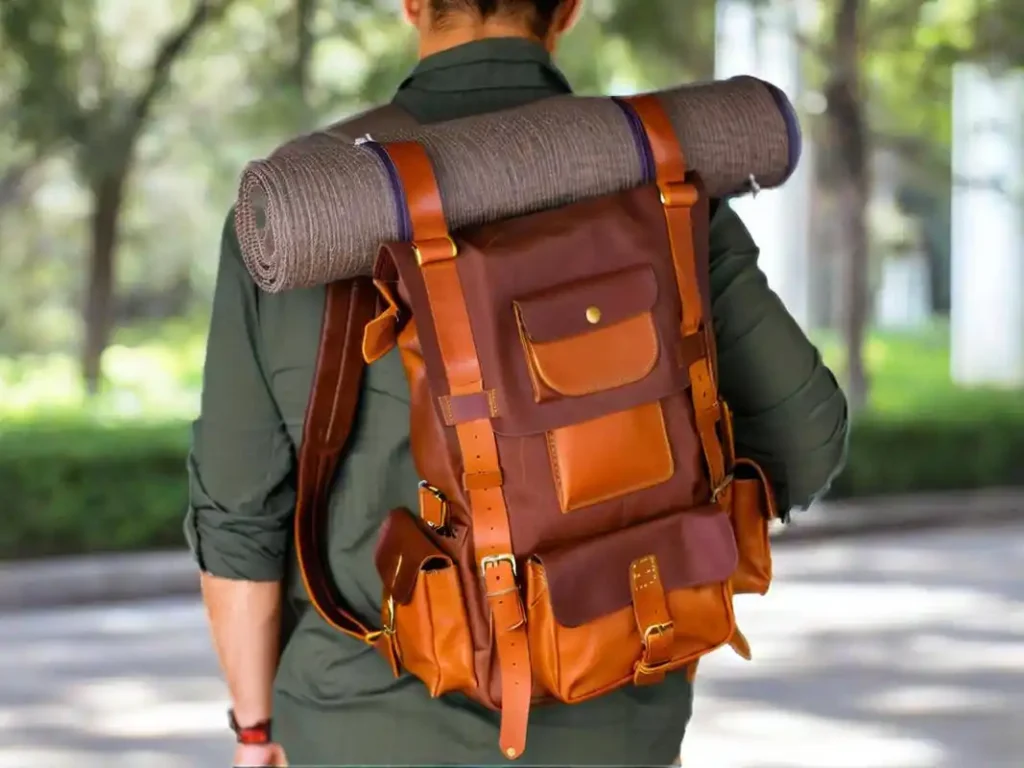
Cost and manufacturability are often the deciding factors that determine whether a backpack moves from concept to a scalable product. While performance is critical, a design that cannot be produced consistently at the right cost will struggle in real markets. This is where the differences between nylon and polyester become most apparent—not only in raw material pricing, but across the entire production chain, from dyeing and coating to yield control and batch consistency.
In most sourcing scenarios, polyester fabrics are 15–30% lower in material cost than comparable nylon fabrics. This difference becomes substantial at scale. For example, in a 50,000-piece production run, even a $0.50 difference per unit in fabric cost can translate into $25,000 in total savings. However, nylon’s higher upfront cost can be justified in high-performance products where durability reduces returns and enhances perceived value.
The real comparison is not just about price per meter, but about total manufacturing efficiency, defect risk, and long-term product performance.
Raw Material Cost Comparison
Understanding Base Fabric Economics
The cost difference between nylon and polyester begins at the fiber level and extends through supply chain dynamics.
| Cost Factor | Nylon | Polyester |
|---|---|---|
| Fiber cost | Higher (polyamide-based) | Lower (PET-based) |
| Price volatility | More sensitive to oil price changes | More stable over time |
| Availability | Good, but limited in some specs | Very high, globally abundant |
| Typical positioning | Premium / heavy-duty | Mass-market / everyday |
Polyester benefits from a highly mature and scalable supply chain. It is widely produced, easier to source in large quantities, and less affected by short-term fluctuations in raw material pricing. This makes it the default choice for high-volume production, especially for brands targeting competitive retail pricing.
Nylon, while more expensive, is often reserved for products where durability and performance justify the additional cost. In these cases, the material becomes part of the product’s value proposition rather than just a cost component.
Processing and Production Complexity
How Material Behavior Affects Manufacturing
Beyond raw material cost, nylon and polyester behave differently during processing, which impacts production efficiency and quality control.
| Process Step | Nylon Consideration | Polyester Consideration |
|---|---|---|
| Dyeing | Deeper penetration, richer tones | Easier to control, more consistent |
| Heat setting | Sensitive to temperature variation | More stable under heat |
| Cutting & sewing | Flexible, may shift during cutting | Holds shape well, easier handling |
| Coating/lamination | Strong adhesion (especially TPU) | Stable application, lower risk |
Nylon’s flexibility is a double-edged sword. It contributes to performance but requires tighter control during cutting and sewing. If not managed properly, it can lead to slight distortions or alignment issues, especially in automated processes.
Polyester’s rigidity makes it easier to handle in production. It maintains its shape during cutting and sewing, which improves accuracy and reduces variability. This is one of the reasons polyester is preferred for large-scale, standardized production.
Scalability and Batch Consistency
Why Polyester Scales More Easily
As production volume increases, consistency becomes more important than individual material performance. Small variations in color, thickness, or coating can lead to noticeable differences between batches.
| Factor | Nylon Outcome | Polyester Outcome |
|---|---|---|
| Batch color consistency | Good, but requires tighter control | Highly consistent |
| Fabric stability | Slight variation possible | Very stable |
| Defect rate (typical) | Medium if process not controlled | Low to medium |
| Production speed | Moderate | Faster, more predictable |
Polyester’s stability allows for smoother scaling. It is easier to maintain consistent color matching across multiple dye lots, which is critical for brands that rely on repeat orders.
Nylon, while capable of high-quality results, requires more precise process control to achieve the same level of consistency. This can increase production complexity, especially for large orders.
Total Cost of Ownership (TCO)
Looking Beyond Unit Price
Focusing only on initial material cost can be misleading. A more accurate evaluation considers total cost of ownership, which includes durability, return rates, and long-term brand impact.
| Cost Element | Nylon Impact | Polyester Impact |
|---|---|---|
| Initial material cost | Higher | Lower |
| Durability / lifespan | Longer (2–3× in heavy use) | Moderate |
| Return / defect risk | Lower when properly manufactured | Moderate |
| Brand perception | Premium positioning | Standard to good |
| Replacement frequency | Lower | Higher in demanding use |
For example, a nylon backpack used in heavy-duty conditions may last 2–3 years, while a polyester equivalent might require replacement after 1–2 years. In such cases, nylon can reduce long-term costs despite higher upfront investment.
However, in everyday applications where durability requirements are lower, polyester provides a more efficient cost-performance balance.
Hidden Costs in Manufacturing
Where Problems Often Arise
Many cost overruns in backpack production are not caused by material price, but by process issues that affect quality and yield.
| Hidden Cost Driver | Risk | Mitigation |
|---|---|---|
| Inconsistent coating thickness | Reduced waterproof performance | Controlled coating processes |
| Low-quality yarn | Early wear or breakage | Qualified material sourcing |
| Improper heat settings | Fabric deformation or shrinkage | Process calibration |
| Inadequate QC checkpoints | Batch inconsistency | In-line and final inspections |
For example, uneven coating application can lead to localized leakage, resulting in product returns. Similarly, poor yarn quality can cause premature fabric failure, even if the design is otherwise sound.
Managing these risks requires both technical expertise and strict quality control systems.
Cost Optimization Strategies Used in Practice
Balancing Performance and Budget
To achieve the best balance between cost and performance, manufacturers often use hybrid material strategies rather than relying on a single fabric.
| Strategy | Outcome |
|---|---|
| Polyester main body + nylon base | Lower cost with improved durability in high-wear areas |
| Nylon panels at stress points | Reinforced strength without full cost increase |
| TPU/PU coating on polyester | Enhanced water resistance at controlled cost |
| Denier optimization (e.g., 420D vs 600D) | Tailored performance to application needs |
For instance, using 600D polyester for the main body and 1000D nylon for the bottom panel can improve durability by 20–30% while keeping overall material costs manageable.
Denier optimization is another key approach. Instead of defaulting to higher-denier fabrics, manufacturers select the minimum specification required to meet performance targets, avoiding unnecessary weight and cost.
Manufacturing Insight: Designing for Yield and Efficiency
How Efficient Design Reduces Cost
Material selection must be aligned with production efficiency to achieve consistent results at scale.
- Pattern layouts are optimized to reduce fabric waste, improving material utilization by 5–10%.
- Standardized components such as zippers and webbing simplify sourcing and reduce lead times.
- Stable fabrics like polyester enable automated cutting, increasing precision and reducing labor costs.
- Clear and detailed tech packs minimize interpretation errors during production, reducing rework and defects.
Factories with integrated capabilities—such as in-house fabric sourcing, coating, and sewing—have a significant advantage. They can control each stage of production, ensuring that cost, quality, and consistency are maintained across large orders.
Ultimately, the choice between nylon and polyester is not just a material decision, but a manufacturing strategy. Polyester offers efficiency, scalability, and cost control, making it ideal for mass production. Nylon provides superior durability and premium positioning, making it suitable for high-performance products. The most effective solutions combine both materials strategically, aligning technical performance with commercial objectives.
How Should You Choose Between Nylon and Polyester Backpacks?
Choosing between nylon and polyester is not a question of which material is universally better—it is about selecting the right material for a specific product, user scenario, and market positioning. In real product development, the decision is driven by a balance of durability, cost, weight, environmental exposure, and user expectations.
At a practical level, nylon should be selected when strength, abrasion resistance, and long-term durability are critical. Polyester should be chosen when cost efficiency, production stability, and consistent appearance are the priority. The most successful backpack designs rarely rely on a single material—they combine both strategically to optimize performance and cost.
From real manufacturing feedback, products that align material selection with actual use conditions can reduce defect rates and returns by over 30–40%, while improving customer satisfaction and repeat orders.
How to Evaluate Nylon vs Polyester in Practice
Material selection should always start with clear criteria based on how the backpack will be used and what the product needs to deliver.
| Decision Factor | Choose Nylon When… | Choose Polyester When… |
|---|---|---|
| Durability requirement | Heavy loads (15–25 kg), rough environments | Light to moderate use (3–10 kg) |
| Weight & feel | Need flexibility and strength | Prefer structured, stable shape |
| Water performance | Using TPU/PVC laminates or advanced coatings | Need stable moisture behavior in daily use |
| UV exposure | Limited or protected exposure | Frequent sunlight exposure |
| Budget constraint | Higher cost tolerance | Cost-sensitive, high-volume production |
For example, if the product is intended for outdoor or travel use where abrasion and load are significant, nylon provides a clear advantage. If the product is designed for commuting or school use, polyester offers sufficient performance with better cost control.
Performance vs Budget Balance
Aligning Product Goals with Material Strategy
Every product falls into a performance-cost spectrum, and material selection must reflect this positioning.
| Priority Level | Recommended Approach |
|---|---|
| Premium performance | Nylon or nylon-dominant hybrid (420D–1000D) |
| Balanced (mid-range) | Polyester body + nylon reinforcement |
| Cost-focused | Polyester (600D–900D) with targeted reinforcements |
In premium products, nylon is often used extensively to deliver maximum durability and performance. In balanced designs, polyester controls cost while nylon reinforces critical areas. In cost-focused products, polyester dominates, with minimal reinforcement to maintain acceptable durability.
This approach ensures that material investment is aligned with the product’s price point and user expectations.
Matching Material to Product Positioning
Practical Material Strategies by Product Type
Different backpack categories require different material configurations. Matching material to positioning ensures both performance and competitiveness.
| Product Type | Suggested Material Strategy |
|---|---|
| Daily commute bag | 600D polyester + PU coating (800–1000 mm) |
| Laptop backpack | Polyester body + EVA padding + reinforced base |
| Travel backpack | Hybrid (polyester main + nylon base/panels) |
| Outdoor / tactical | Nylon (420D–1000D) + TPU/PVC coating |
| Eco-focused line | RPET polyester + TPU laminate |
For example, a travel backpack benefits from hybrid construction. Polyester keeps the cost manageable, while nylon reinforcement in high-wear areas improves durability during handling and transport.
Outdoor and tactical backpacks rely heavily on nylon because of its ability to withstand abrasion and heavy loads. Eco-focused products increasingly use RPET polyester to meet sustainability requirements while maintaining acceptable performance.
Common Mistakes When Choosing Materials
Where Many Products Go Wrong
Material selection errors often lead to performance issues, increased returns, and reduced brand trust.
| Mistake | Consequence | Better Approach |
|---|---|---|
| Choosing based on price only | Early wear, negative reviews | Match material to use case |
| Ignoring coatings or finishing | Poor water resistance | Specify coating type and thickness |
| Over-specifying denier | Increased weight and cost | Optimize material by function |
| Using a single material everywhere | Weak points in stress areas | Apply hybrid reinforcement |
For example, using low-denier polyester in a heavy-duty backpack can result in seam failure within months. Conversely, using high-denier nylon in a budget product increases cost without improving user experience.
Avoiding these mistakes requires a structured approach to material selection rather than relying on assumptions.
Real-World Selection Scenarios
Proven Material Setups for Different Use Cases
In real applications, successful products follow repeatable material strategies based on usage conditions.
| Scenario | Recommended Setup | Why It Works |
|---|---|---|
| Urban commuting (rain + sun) | Polyester + PU/TPU + protective design | Stable, cost-effective, weather-resistant |
| Frequent travel (air/ground handling) | Hybrid with reinforced base | Durability in high-wear zones |
| Outdoor use (abrasion + load) | Nylon + TPU laminate | Strength + waterproof performance |
| School use (high volume, cost focus) | Polyester + targeted reinforcement | Reliable and affordable |
These setups reflect a balance between performance and cost. They also demonstrate how combining materials often delivers better results than relying on a single fabric.
Design First, Then Material
How Professionals Approach Material Selection
Experienced manufacturers do not start with material—they start with structure. Once the design defines where stress, wear, and exposure occur, materials are assigned accordingly.
- High-stress zones (strap anchors, load points) use nylon or higher-denier fabrics to prevent failure.
- Main body panels use polyester to control cost and maintain structural stability.
- Bottom panels are reinforced with nylon or coated Oxford fabrics to resist abrasion.
- Weather-exposed areas receive PU, TPU, or PVC coatings to improve water resistance.
This zone-based approach ensures that materials are used where they deliver the most value, rather than applying the same specification across the entire product.
In practice, this method can improve durability by 20–40% while keeping material costs within target ranges.
Ultimately, choosing between nylon and polyester is not about preference—it is about precision. Nylon delivers superior strength and durability for demanding applications, while polyester provides efficiency, stability, and cost control for everyday products. The most effective backpack designs combine these materials intelligently, ensuring that each component of the product is optimized for its specific function and use environment.
Choose the Right Material, Build the Right Backpack
Nylon and polyester each bring distinct strengths to backpack construction. Nylon delivers superior strength, abrasion resistance, and a premium feel—ideal for demanding use. Polyester offers stability, better UV resistance, consistent appearance, and cost efficiency—perfect for everyday products and large-scale production.
The best-performing backpacks rarely rely on a single material. Instead, they combine fabrics strategically, reinforce critical zones, and apply the right coatings and construction methods to meet real-world demands. That’s how products achieve both durability and practicality.
At Szoneier, we combine over 18 years of fabric development and backpack manufacturing experience to help turn these decisions into reliable products. From selecting the right nylon or polyester specifications, to applying PU/PVC/TPU coatings, to reinforcing high-stress zones and maintaining strict quality control, every step is designed to deliver consistent, long-lasting performance. With free design support, low MOQ, fast sampling, and stable lead times, you can move from idea to finished product with confidence.
If you’re planning to develop a new backpack line or improve an existing one, now is the time to choose materials that truly match your product goals. Reach out to Szoneier to discuss your design, explore material options, and get a tailored solution that balances performance, durability, and cost—built for real-world use.