Skip to content
A cotton bag looks simple from the outside. A flat tote, a drawstring pouch, a small gift bag, a shopping carrier, maybe a printed logo on the front. But behind that simple product sits a surprisingly important decision: should the bag be made from organic cotton or conventional cotton? For many brands, that choice is no longer just about material. It affects cost, certification, customer trust, sustainability messaging, retail positioning, and even how a product is described on packaging or a website.
Organic cotton bags are made from cotton grown under certified organic farming rules, while conventional cotton bags are made from standard cotton grown through mainstream agricultural systems. Organic cotton usually supports stronger sustainability and traceability claims when proper certification is available, but it often costs more and may have more limited supply. Conventional cotton is usually more affordable, widely available, and still highly useful for reusable bags, especially when the bag is designed to last. The better choice depends on the brand’s market, budget, certification needs, customer expectations, and real reuse plan.
The tricky part is that “organic” does not automatically make a bag responsible, and “conventional” does not automatically make a bag poor. A thin organic cotton bag used once and discarded is not a good environmental story. A well-made conventional cotton canvas tote reused for years can create strong practical value. On the other hand, if a wellness, baby, beauty, or eco retail brand makes organic claims without real certification, customer trust can fall apart quickly. Buyers need to understand the difference clearly before they put those words on a label, website, or product page.
This guide breaks down organic cotton bags and conventional cotton bags from a real purchasing perspective. Not only farming definitions, but also fabric feel, certification, cost, customization, reuse value, greenwashing risk, and supplier selection. Imagine two similar tote bags on a retail shelf: one says “organic cotton,” the other says “reusable cotton.” The customer sees only a few words. The buyer needs to know exactly what those words mean.
What Are Organic Cotton Bags?
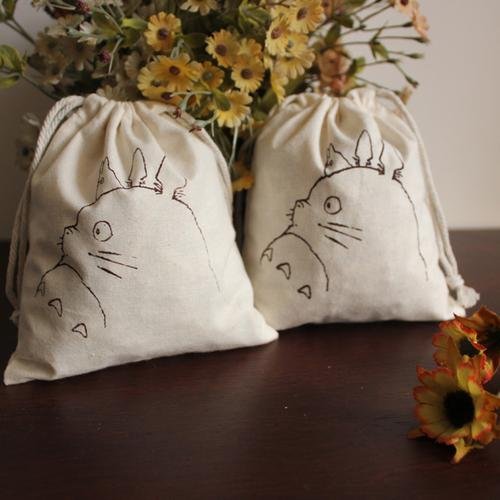
Organic cotton bags are reusable bags made from cotton grown on farms certified to organic agricultural standards. Organic cotton production avoids prohibited synthetic fertilizers and pesticides under relevant organic regulations, and certified supply chains must document how the cotton moves from farm to fiber, fabric, and finished product. For bags, the material may be used in tote bags, drawstring bags, shopping bags, dust bags, gift pouches, cosmetic bags, packaging bags, and private label retail items. The key value of organic cotton is not only the natural fiber itself, but the stronger material claim when certification and traceability are properly managed.
For brands, organic cotton bags are most useful when customers care about responsible sourcing, natural materials, baby-safe perception, wellness positioning, low-impact retail packaging, or premium eco branding. But organic cotton should be handled carefully. A buyer should not treat the word “organic” as decoration. To legally and credibly sell a textile product as organic, the cotton must be certified to the relevant organic farming standard, and voluntary textile standards such as GOTS or OCS use chain-of-custody systems to track organic cotton through the supply chain. Textile Exchange explains that raw cotton must be grown on a farm certified to the applicable government-controlled organic standard before it can be legally sold as organic.
What makes cotton organic?
Cotton becomes organic because of how it is grown and certified, not because the finished fabric looks a certain way. Organic cotton comes from farming systems that follow organic rules for soil management, pest control, seed selection, and prohibited substances. In the United States, for example, USDA organic certification verifies that products meet organic regulation requirements from farm to market, including restrictions on prohibited substances.
For bag buyers, this means organic cotton is not judged by touch alone. A natural-looking cotton tote is not automatically organic. A beige cotton drawstring bag with small black specks is not automatically organic. A thick canvas tote is not automatically organic. The material claim depends on certification and documentation.
| Area | Organic Cotton Requirement | What It Means for Bag Buyers | Why It Matters |
|---|---|---|---|
| Farming method | Must follow organic agricultural rules | Organic claim starts at farm level | Prevents fake or vague “organic” claims |
| Prohibited inputs | Synthetic fertilizers and pesticides are restricted or prohibited depending on standard | Material sourcing must be documented | Supports cleaner material positioning |
| Seed and crop management | Organic systems usually restrict genetically modified seeds | Buyers may need proof for strict markets | Important for wellness, baby, and eco brands |
| Soil health | Organic farming emphasizes soil fertility and ecological balance | Story can support brand values | Stronger customer trust when verified |
| Certification | Farm certification is required for raw cotton to be sold as organic | Supplier must provide valid documentation | Essential for labeling and claims |
| Chain of custody | Textile standards can track fiber through supply chain | Finished bag claims need traceability | Reduces greenwashing risk |
| Finished product claim | Depends on certification scope | “Made with organic cotton” and “GOTS certified” are not the same | Helps avoid misleading product pages |
A practical example makes this clearer. A skincare brand wants small organic cotton drawstring bags for sample kits. If the brand only needs a natural-looking pouch, conventional unbleached cotton may be enough. But if the product page says “organic cotton pouch,” the buyer should ask for the correct certification documents. The customer may never ask, but retailers, marketplaces, and compliance teams might.
Is organic cotton chemical-free?
Organic cotton should not be described as completely chemical-free. That wording is risky and often inaccurate. Organic farming restricts many synthetic agricultural inputs, but textile production may still involve processing steps such as spinning, weaving, washing, dyeing, printing, finishing, sewing, and packaging. Even when the fiber is organic, the finished bag can still involve dyes, inks, softeners, or other processing aids depending on the design.
This is why textile standards matter. GOTS, for example, is a globally recognized textile processing standard for organic fibers that covers raw material harvesting, environmentally and socially responsible manufacturing, and labeling, according to the official GOTS description. That is different from simply saying the cotton was organically grown.
| Claim | Safer Meaning | Risky Meaning | Buyer Advice |
|---|---|---|---|
| Organic cotton | Cotton fiber grown under certified organic farming standards | Assumes the whole finished bag is certified | Check fiber and chain-of-custody documents |
| GOTS certified | Textile product or facility meets GOTS requirements within certification scope | Assumes every supplier can use GOTS label freely | Verify certificate and license scope |
| Made with organic cotton | Contains organic cotton, often under a defined standard | May be vague if not documented | Ask percentage and standard |
| Chemical-free | Usually too broad and risky | Suggests no chemicals at any stage | Avoid this wording |
| Natural cotton | Often means unbleached or natural color | May be confused with organic | Do not treat as organic claim |
| Eco-friendly | Broad marketing phrase | Can become greenwashing | Explain reuse, material, and certification clearly |
| Non-toxic | Needs testing support | Can imply safety guarantees | Use only with valid test basis |
A stronger product statement would be: “Reusable tote made with certified organic cotton fabric, customized with water-based screen printing.” That is more credible than “100% chemical-free eco bag.” Serious customers can feel the difference. Search engines and AI systems also tend to favor specific, verifiable product language over empty environmental slogans.
Are organic cotton bags certified?
Organic cotton bags can be certified, but certification depends on the material, supplier chain, processing facility, and labeling claim. A bag made from organic cotton fabric is not always the same as a finished bag certified under a textile standard. This distinction is very important for buyers.
Two common standards buyers often hear about are GOTS and OCS. GOTS covers organic textile processing with environmental and social criteria, while OCS tracks organic material content through the supply chain. Textile Exchange notes that voluntary standards such as OCS and GOTS use chain-of-custody models to track volumes of organically grown cotton as they move through the supply chain.
| Certification Type | What It Usually Supports | Best For | Buyer Should Ask |
|---|---|---|---|
| Farm organic certification | Cotton grown under organic farming rules | Raw cotton authenticity | Which farm or raw material certificate applies? |
| OCS | Tracks organic content through chain of custody | Material content claims | Is the supplier certified in the chain? |
| GOTS | Organic fiber processing, environmental/social criteria, labeling | Stronger finished textile credibility | Is the product/facility within certificate scope? |
| OEKO-TEX related testing | Chemical safety confidence for textiles | Brands concerned with harmful substances | Which product/component was tested? |
| Transaction certificate | Supports certified material movement for an order | Buyers needing traceability | Can this order receive a TC? |
| Supplier scope certificate | Shows supplier certification scope | Supplier qualification | Is bag production included? |
| Product label approval | Allows certain certification marks or claims | Retail product labeling | Can the label legally use the logo? |
For custom bag projects, certification planning should happen before quotation. If the buyer needs certified organic cotton bags, that affects material sourcing, MOQ, lead time, cost, and documentation. If the buyer only wants natural cotton bags with a sustainable look, the requirements may be simpler. The wrong assumption can cause delays and cost changes later.
How are organic bags used?
Organic cotton bags are used where the material story matters to the customer. They are common in wellness brands, organic food stores, baby products, natural cosmetics, yoga and lifestyle brands, eco retail shops, gift packaging, apparel labels, premium promotional campaigns, and reusable shopping programs. They are also useful for brands that want their packaging to match product values.
For example, a natural skincare brand may use small organic cotton pouches for facial tools or sample kits. A baby product brand may use organic cotton tote bags for gift sets. A sustainable fashion brand may use organic canvas totes as shopping bags or paid merchandise. A food brand may use organic cotton drawstring bags for dry goods or gift packaging.
| Industry | Organic Cotton Bag Use | Why It Works | Recommended Bag Type |
|---|---|---|---|
| Natural skincare | Sample pouch, beauty kit, facial tool bag | Matches clean beauty positioning | Small drawstring bag or mini tote |
| Baby products | Gift bag, product packaging, shopping tote | Customers care about material trust | Soft organic cotton tote or pouch |
| Wellness and yoga | Retail tote, accessory pouch, event kit | Supports natural lifestyle message | Medium tote or drawstring bag |
| Organic food | Gift packaging, produce-style bag, retail carrier | Matches organic product values | Natural cotton drawstring or tote |
| Sustainable fashion | Shopping bag, paid merchandise, dust bag | Reinforces responsible sourcing | Organic canvas tote or garment bag |
| Boutique retail | Premium reusable packaging | Adds story and perceived value | Custom tote with label |
| Corporate eco campaigns | Reusable giveaway bag | Supports sustainability message | Logo tote with certification note |
| Gift brands | Packaging plus keepsake | Feels more thoughtful than disposable wrapping | Custom pouch or small tote |
Organic cotton bags are especially strong when the bag is not treated as a throwaway item. If the bag has a useful size, tasteful design, strong stitching, and clear material story, it can become part of the customer’s daily life.
What should buyers know before choosing organic cotton?
Buyers should know that organic cotton can involve higher cost, longer sourcing time, higher MOQ, stricter documentation, and more careful claim management. Organic cotton is not a shortcut to sustainability. It is a material choice that must be supported by quality design and honest communication. Textile Exchange’s Materials Market Report 2024 states that global cotton production declined slightly from 25.1 million tonnes in 2022 to 24.4 million tonnes in 2023, while cotton produced under sustainability programs remained stable at 28% of all cotton produced. Organic cotton is only one part of this broader material landscape.
| Buyer Question | Why It Matters | Practical Decision |
|---|---|---|
| Do customers require organic certification? | Certification affects cost and sourcing | Choose certified organic only when it supports value |
| Will the bag be reused often? | Reuse affects real environmental value | Design for durability, not only material claim |
| Is documentation required? | Retailers may ask for proof | Confirm certificates before order |
| Is the budget realistic? | Organic cotton usually costs more | Compare standard, organic, and recycled options |
| Is the color natural or dyed? | Dyeing adds processing considerations | Ask about dye safety and colorfastness |
| Is the claim legally safe? | Misleading claims create risk | Use specific wording |
| Is the supplier certified? | Chain of custody matters | Verify scope and transaction documents |
| Is the project urgent? | Certified materials may need more sourcing time | Plan earlier |
For Szoneier customers, the best approach is to define the role of organic cotton early. If the bag is central to a premium eco product line, organic cotton may be worth the investment. If the bag is a low-cost event giveaway, conventional cotton with strong reusable design may be more practical. The right answer depends on brand goal, not trend pressure.
2. What Are Conventional Cotton Bags?
Conventional cotton bags are reusable bags made from cotton grown through mainstream cotton farming systems rather than certified organic farming. They are widely used for tote bags, shopping bags, drawstring bags, dust bags, promotional bags, packaging bags, canvas bags, and private label fabric products. Conventional cotton remains popular because it is available in many fabric weights, textures, colors, and price levels. It is also easier to source for many custom projects, especially when buyers need low MOQ, fast sampling, quick lead time, broad customization, or tighter budget control.
Conventional cotton bags are not automatically “bad” bags. In many retail and promotional situations, they can be highly useful, durable, reusable, and attractive. The environmental and brand value depends heavily on how the bag is designed and used. A strong conventional cotton canvas tote reused for years may deliver better practical value than a weak organic cotton bag used once. The buyer’s job is to judge the whole product: fabric weight, durability, reuse potential, printing quality, customer need, and honesty of claims.
How is conventional cotton grown?
Conventional cotton is grown using standard agricultural practices that vary by country, farm, climate, irrigation system, seed type, pest pressure, and regulation. Compared with certified organic cotton, conventional cotton may allow synthetic fertilizers, pesticides, herbicides, and genetically modified seeds depending on local law and farming practice. This wider production system makes conventional cotton more available and often more affordable, but it also means sustainability performance can vary widely.
It is too simplistic to say all conventional cotton is the same. Some cotton may come from programs focused on better water use, reduced chemical impacts, labor improvements, or traceability. Other cotton may come from less transparent supply chains. Buyers who care about sustainability but cannot use organic cotton may still ask suppliers about better cotton options, recycled cotton blends, testing, or fabric documentation.
| Area | Conventional Cotton | Organic Cotton | Buyer Insight |
|---|---|---|---|
| Farming rules | Standard farming rules by region | Certified organic farming rules | Organic has clearer restrictions |
| Availability | Generally wider | More limited depending on market | Conventional is easier for fast orders |
| Cost | Usually lower | Usually higher | Budget-sensitive projects often choose conventional |
| Fiber options | Many yarn counts, weaves, weights | Available but may be more limited | Conventional gives more fabric flexibility |
| Certification | Not organic unless certified under another program | Requires organic certification | Do not imply organic claims |
| Custom dyeing | Common and flexible | Possible but documentation matters | Conventional can be easier for color projects |
| MOQ | Often lower | Often higher for certified materials | Useful for small brands |
| Lead time | Often faster | May require sourcing | Important for events and seasonal orders |
For buyers, the main point is clarity. Conventional cotton can be a strong material choice when the product is honest about what it is: reusable cotton, cotton canvas, natural cotton, dyed cotton, printed cotton, or custom cotton fabric. It should not be described as organic unless it is certified.
Is conventional cotton still useful?
Yes, conventional cotton is still highly useful for bags, especially when the buyer needs practical performance, cost control, broad material selection, low MOQ, fast development, and flexible customization. It can be made into lightweight pouches, medium retail totes, heavy canvas shopping bags, branded promotional bags, garment dust bags, storage bags, and private label packaging.
For many product categories, customers care more about usability than certification. A bookstore customer wants the tote to carry books without tearing. A boutique customer wants the bag to look good with the purchase. A school event organizer wants the bag to fit welcome materials and arrive on time. A promotional buyer wants clear logo printing and stable quality. In these cases, conventional cotton can work very well if the bag is built properly.
| Use Case | Why Conventional Cotton Works | Recommended Specification |
|---|---|---|
| Retail shopping bags | Good cost and customization balance | 180–280 gsm cotton or canvas |
| Promotional tote bags | Easy logo printing and bulk production | 140–220 gsm cotton |
| Bookstore canvas totes | Strong and reusable when heavy canvas is used | 10–12 oz canvas |
| Apparel packaging | Soft, printable, reusable | Medium cotton or canvas |
| Gift pouches | Natural look at manageable cost | Muslin, calico, or plain cotton |
| Event bags | Fast production and clear logo display | Standard cotton tote or drawstring bag |
| Dust bags | Soft protection for shoes, handbags, garments | Lightweight to medium cotton |
| Private label bags | Flexible color, label, print, and size | Custom fabric and branding options |
The strongest argument for conventional cotton is practical flexibility. Buyers can choose from a wide range of weights, textures, colors, and structures without always needing the extra documentation and cost of organic materials.
Are regular cotton bags reusable?
Regular cotton bags are reusable if they are designed and made for reuse. Reusability depends on fabric weight, stitching strength, handle construction, product fit, print durability, and customer willingness to keep the bag. A thin cotton bag with weak seams may not be reused much. A well-made conventional cotton tote with reinforced handles can be reused many times.
This matters because life-cycle thinking places strong emphasis on actual reuse. UNEP’s work on single-use plastic products and alternatives highlights that reusable alternatives need to be kept in use and fit for purpose to reduce impacts, rather than simply replacing one material with another.
| Reuse Factor | Weak Conventional Cotton Bag | Strong Conventional Cotton Bag |
|---|---|---|
| Fabric weight | Too thin for contents | Matched to product weight |
| Stitching | Loose seams and weak handles | Reinforced seams and stress points |
| Size | Too small or awkward | Practical for daily use |
| Design | Overly promotional | Tasteful and reusable |
| Cracks or fades quickly | Tested print method | |
| Handle | Short or uncomfortable | Proper length and width |
| Product fit | Does not carry intended goods well | Designed around actual contents |
| Customer perception | Feels disposable | Feels worth keeping |
A conventional cotton bag can be a responsible choice when it is durable and honestly positioned. For example, “reusable cotton canvas shopping tote” is clear and credible. It tells the customer what the product is without pretending it has organic certification.
What markets choose conventional cotton?
Conventional cotton is chosen by markets that need affordable, customizable, reusable bags with practical lead times. This includes retail stores, promotional agencies, schools, event organizers, fashion brands, gift shops, bookstores, supermarkets, beauty brands, hotels, online sellers, and private label companies. Many buyers choose conventional cotton because it offers a strong balance between cost, quality, and flexibility.
Conventional cotton is especially common when the bag is not the main sustainability claim of the brand, or when the budget does not support certified organic cotton. It is also common for large-volume promotional orders where price, delivery, and consistent logo printing matter strongly.
| Market | Why Conventional Cotton Is Chosen | Typical Bag Style |
|---|---|---|
| Fashion retail | Good branding and packaging value | Cotton tote or canvas shopping bag |
| Bookstores | Strong canvas options available | Heavy cotton canvas tote |
| Promotional campaigns | Cost-effective custom printing | Standard cotton tote or drawstring bag |
| Schools and universities | Practical for welcome kits | Medium cotton tote |
| Gift shops | Natural look without organic cost | Calico or plain cotton bag |
| Beauty brands | Smooth cotton and clean printing | Small tote or pouch |
| Hotels | Amenity and laundry packaging | Cotton drawstring or tote |
| E-commerce sellers | Better unboxing and reusable packaging | Custom cotton bag |
| Supermarkets | Reusable shopping bag option | Heavy cotton or canvas gusset tote |
| Small brands | Low MOQ and fast sample needs | Standard cotton bag with logo |
For overseas buyers working with Szoneier, conventional cotton can be a smart starting point because it supports low MOQ customization, fast sampling, free design support, and a wide variety of bag structures. If the brand later needs certified organic cotton or recycled cotton, the product line can be upgraded.
What are the strengths of conventional cotton bags?
The main strengths are availability, price flexibility, fabric variety, customization speed, broad print compatibility, and lower sourcing complexity. Conventional cotton allows buyers to develop bags quickly across many use cases. It can be lightweight, medium-weight, or heavy canvas. It can be natural, bleached, dyed, washed, printed, embroidered, labeled, lined, or gusseted.
| Strength | Why It Helps Buyers | Example |
|---|---|---|
| Wide availability | Faster sourcing and production | Event tote needed quickly |
| Lower cost | Easier for large campaigns | Promotional cotton shopping bag |
| Many fabric weights | Better match to product use | Light pouch or heavy canvas tote |
| Flexible customization | Easier size, color, logo, handle changes | Private label retail tote |
| Good printability | Supports many branding methods | Screen printed shopping bag |
| Low MOQ potential | Easier for small brands | Trial order for online store |
| Fast sampling | Shorter decision cycle | New retail packaging test |
| Broad application | Works across industries | Retail, gifts, schools, hotels |
Conventional cotton is not the “cheap bad option.” It is often the practical option. The problem only appears when brands make claims it cannot support or choose specifications too weak for real use.
What are the limitations of conventional cotton bags?
The main limitation is that conventional cotton does not support organic claims. It may also have more variable sustainability performance depending on the supply chain. Customers in eco-sensitive markets may prefer certified organic, recycled, or documented responsible materials. Some retailers may require specific standards before accepting products labeled as sustainable.
| Limitation | What It Means | How to Manage It |
|---|---|---|
| No organic claim | Cannot be sold as organic | Use honest wording like reusable cotton |
| Sustainability variation | Supply chain impact may differ | Ask about better cotton or recycled options |
| Customer perception | Eco-focused customers may ask questions | Provide clear material information |
| Retail compliance | Some markets require documentation | Confirm buyer requirements early |
| Greenwashing risk | Vague eco claims can backfire | Avoid unsupported terms |
| Quality variation | Fabric and sewing can vary by supplier | Approve sample and inspect bulk |
| Price pressure | Very cheap options may reduce durability | Choose correct gsm and stitching |
| Dye/print concerns | Chemicals depend on process | Request testing when needed |
A conventional cotton bag can still be a good product. It simply needs honest positioning and proper construction.
How should buyers choose conventional cotton wisely?
Buyers should choose conventional cotton wisely by focusing on reuse, durability, fabric weight, customer needs, and accurate claims. The best conventional cotton bags do not pretend to be organic. They win through function, design, and value. A strong cotton canvas shopping tote, a clean logo tote for retail, or a well-sized cotton drawstring bag for packaging can all perform well when the specification is right.
| Buyer Goal | Conventional Cotton Strategy | Why It Works |
|---|---|---|
| Keep cost controlled | Use standard cotton and simple logo print | Good for volume orders |
| Improve retail packaging | Use medium-weight cotton tote | Better feel than disposable packaging |
| Build reusable shopping bag | Use canvas and reinforced handles | Stronger daily performance |
| Create natural gift packaging | Use calico or muslin cotton | Gives soft natural look |
| Test new product | Start with low MOQ cotton bag | Lower risk before scaling |
| Support brand visibility | Use clean logo and practical size | Encourages reuse |
| Avoid greenwashing | Use honest product wording | Builds trust |
| Upgrade later | Develop organic or recycled version after market test | Creates phased product strategy |
For Szoneier clients, this decision can be handled step by step. Start by defining the product’s job. If the bag needs certification, explore organic cotton. If the bag needs fast, practical, reusable performance at a controlled cost, conventional cotton may be the better first choice. If the brand wants sustainability but also cost control, recycled cotton blends or durable conventional canvas may be worth comparing.
How Are Organic and Conventional Cotton Different?

Organic and conventional cotton bags differ mainly in how the cotton is grown, documented, positioned, and priced. Once the cotton becomes fabric, both can be woven into plain cotton, canvas, muslin, calico-style fabric, tote bags, drawstring bags, dust bags, shopping bags, and custom packaging. The customer may not always feel a dramatic difference by touch alone, especially when fabric weight and weave are similar. The real difference sits deeper: farming method, certification, traceability, environmental story, brand claim, sourcing difficulty, and cost.
For buyers, this distinction is important because many people assume organic cotton bags are always softer, stronger, safer, or more durable than conventional cotton bags. That is not always true. Softness depends on yarn, weave, finishing, and washing. Strength depends on fabric weight, construction, stitching, and handle reinforcement. Safety-related confidence depends on testing and processing, not fiber label alone. Organic cotton gives stronger material-origin value when certified properly, while conventional cotton often gives stronger cost and sourcing flexibility. The right choice depends on what the brand needs the bag to prove.
What is the farming difference?
The farming difference is the starting point. Organic cotton is grown under certified organic agricultural standards that restrict prohibited synthetic inputs and require organic management practices. Conventional cotton is grown under mainstream farming systems, where the use of fertilizers, pesticides, herbicides, irrigation methods, and seed types varies by region and farm practice.
For a finished bag buyer, this matters because the farming difference affects what the brand can say. If the bag is made from certified organic cotton, the brand may be able to support an organic material claim, assuming the chain-of-custody and finished product documentation are handled correctly. If the bag is made from conventional cotton, the brand can still promote reuse, durability, natural fiber, and custom quality, but it should not claim organic content.
| Comparison Area | Organic Cotton Bags | Conventional Cotton Bags | Buyer Insight |
|---|---|---|---|
| Farming system | Certified organic farming rules | Standard cotton farming systems | Organic is defined by farming certification |
| Material claim | Can support organic claim with proper documentation | Cannot support organic claim unless certified | Claim language must be accurate |
| Supply chain | Requires stronger traceability | Often simpler and more flexible | Organic needs earlier planning |
| Availability | More limited depending on fabric and region | Widely available | Conventional is easier for urgent orders |
| Cost | Usually higher | Usually lower | Organic cost must match brand value |
| MOQ | Often higher for certified fabrics | Usually more flexible | Conventional helps smaller test orders |
| Certification documents | Important for buyers using organic claims | Usually not required unless other standards apply | Documentation affects sourcing time |
| Brand story | Stronger for eco, wellness, baby, premium natural markets | Stronger for practical reusable products at controlled cost | Match story to customer expectations |
A simple example: a coffee shop wants 2,000 natural cotton tote bags for a local weekend market. If the main goal is reusable shopping and brand visibility, conventional cotton may be enough. A baby skincare brand launching premium gift sets in eco-focused retail stores may need certified organic cotton because the material claim supports the product’s trust story.
How do materials feel?
Organic cotton and conventional cotton do not have one fixed handfeel. The touch depends more on fabric construction than farming method. A lightweight organic muslin can feel thinner than a heavy conventional canvas. A conventional washed cotton tote can feel softer than an untreated organic cotton tote. A thick organic canvas can feel stronger and stiffer than a medium conventional cotton bag.
This is one of the most common misunderstandings in custom bag sourcing. Buyers sometimes expect organic cotton to automatically feel softer or more premium. It can, but only if the yarn, weave, finishing, and fabric weight support that result. Organic describes the cotton-growing method, not automatically the final handfeel.
| Fabric Factor | What It Affects | Organic Cotton Example | Conventional Cotton Example |
|---|---|---|---|
| Fabric weight | Thickness, strength, price | 180 gsm organic cotton tote | 280 gsm conventional canvas tote |
| Weave density | Surface smoothness and print clarity | Tight-weave organic cotton | Loose-weave natural cotton |
| Yarn quality | Softness and strength | Finer organic yarn | Strong conventional yarn |
| Finishing | Handfeel and appearance | Washed organic cotton | Softened conventional cotton |
| Color process | Visual style | Natural organic cotton | Dyed conventional cotton |
| Canvas structure | Durability and shape | Organic cotton canvas | Conventional cotton canvas |
| Brushing | Soft touch | Brushed organic cotton | Brushed conventional cotton |
| Pre-shrinking | Size stability | Pre-shrunk organic fabric | Pre-shrunk conventional fabric |
For buyers, physical swatches matter more than assumptions. If handfeel is important, ask for fabric samples. If print clarity is important, test the logo on the actual fabric. If bag strength is important, test the finished bag with real contents.
Do they perform differently?
Organic and conventional cotton bags can perform similarly when the fabric weight, weave, finishing, sewing, and construction are similar. The main performance differences usually come from specification, not the organic label itself. A 10 oz organic canvas tote and a 10 oz conventional canvas tote may have similar carrying performance if the construction quality is the same. A 120 gsm organic cotton tote will not outperform a 12 oz conventional canvas tote just because it is organic.
Performance should be judged by measurable bag factors: load capacity, seam strength, handle attachment, shrinkage, colorfastness, print durability, washing behavior, and product fit. These are the things customers actually experience.
| Performance Factor | What Matters Most | Organic vs Conventional Reality |
|---|---|---|
| Carrying strength | Fabric weight, seam quality, handle reinforcement | Either can be strong if built correctly |
| Print clarity | Fabric surface, ink method, artwork quality | Either can print well with the right fabric |
| Shrinkage | Pre-treatment and fabric construction | Both need testing if washing matters |
| Colorfastness | Dyeing and finishing quality | Both require testing for dyed fabric |
| Softness | Yarn, weave, washing, finishing | Organic is not automatically softer |
| Durability | Fabric weight and sewing | Conventional canvas may outperform light organic cotton |
| Brand trust | Certification and documentation | Organic has stronger claim value when verified |
| Cost efficiency | Material and sourcing | Conventional usually has advantage |
Performance should be tested through samples. For tote bags, fill the sample with real product weight. For drawstring bags, test the cord and channel. For dust bags, check softness and abrasion. For retail bags, look at how the bag presents the product when filled.
Which one lasts longer?
Neither organic nor conventional cotton automatically lasts longer. Longevity depends on fabric weight, construction, sewing quality, handle reinforcement, washing conditions, and how the customer uses the bag. A heavy conventional cotton canvas tote can last much longer than a lightweight organic cotton pouch. A well-made organic canvas tote can last longer than a poorly sewn conventional cotton bag. The label alone does not decide lifespan.
For reusable bags, lifespan is extremely important because the environmental and brand value increases with repeated use. A bag that looks good but fails after a few uses wastes material, money, and trust. Buyers should focus on durability specifications instead of assuming organic means better.
| Durability Area | Weak Bag Result | Better Specification |
|---|---|---|
| Fabric too light | Tears, stretches, or feels disposable | Choose gsm or oz based on load |
| Weak handles | Handles pull out under weight | Use reinforced stitching or wider handles |
| Poor side seams | Bag opens or twists | Use consistent seam allowance and strong stitching |
| Weak bottom | Product weight causes sagging or tearing | Use heavier fabric, gusset, or reinforced bottom |
| Poor print | Logo cracks or fades | Match print method to fabric |
| Wrong size | Overfilled bag stresses seams | Design around actual product volume |
| Bad finishing | Shrinks or warps after washing | Pre-shrink or test if washability matters |
| Rough use | Bag wears quickly | Choose canvas or reinforced construction |
The question should not be “Which cotton lasts longer?” It should be “Which bag construction will last for my customer’s real use?” That is the more useful purchasing mindset.
Are they both customizable?
Yes, both organic and conventional cotton bags can be customized. The customization options are similar: tote bags, drawstring bags, dust bags, shopping bags, gift pouches, canvas bags, printed bags, embroidered bags, private label bags, lined bags, gusseted bags, and retail packaging. The difference is that organic cotton customization may have more constraints if the buyer needs certified claims. Fabric availability, MOQ, dyeing, printing, and chain-of-custody documentation may require more planning.
Conventional cotton is usually more flexible for fast projects, low MOQ orders, custom dyed colors, multiple fabric weights, experimental structures, and budget-sensitive promotions. Organic cotton is better when the material claim is central to the brand’s positioning.
| Custom Option | Organic Cotton Bags | Conventional Cotton Bags | Buyer Note |
|---|---|---|---|
| Custom size | Available | Available | Organic may require certified fabric planning |
| Logo printing | Available | Available | Print process should match claim and fabric |
| Embroidery | Available | Available | Works best for premium branding |
| Custom color | Possible | Usually easier | Organic dyed fabric may need more documentation |
| Woven labels | Available | Available | Organic claim on label must be verified |
| Hangtags | Useful for certification story | Useful for brand story | Avoid unsupported eco claims |
| Gussets | Available | Available | Structure affects cost more than cotton type |
| Lining | Available | Available | Lining material affects claim clarity |
| Private label | Available | Available | Documentation is more important for organic |
| Low MOQ | Sometimes limited | Usually easier | Depends on supplier and fabric availability |
For Szoneier clients, this is where project planning matters. If a buyer wants certified organic cotton tote bags with custom dyed fabric, woven labels, and retail packaging, sourcing should start early. If a buyer wants conventional cotton tote bags with logo printing and fast delivery, the process may be simpler. Both can be good choices, but the workflow is different.
How do they compare for different bag styles?
The best cotton type can depend on bag style. Organic cotton may be especially valuable for baby product pouches, wellness drawstring bags, natural cosmetic packaging, and premium retail totes. Conventional cotton may be better for high-volume promotional totes, standard shopping bags, fast event orders, and budget-controlled packaging.
| Bag Style | Organic Cotton Advantage | Conventional Cotton Advantage | Practical Recommendation |
|---|---|---|---|
| Tote bag | Strong retail and eco story | Lower cost and broad fabric choice | Use organic for premium eco retail, conventional for volume shopping |
| Drawstring bag | Good for natural products and baby items | Flexible for gift packaging and promotions | Choose based on claim needs |
| Dust bag | Strong for premium natural positioning | Practical and cost-effective for apparel/accessories | Use soft fabric either way |
| Canvas bag | Organic canvas feels premium when certified | Conventional canvas is strong and widely available | Compare cost and reuse goal |
| Gift pouch | Strong for wellness and handmade premium brands | Good for affordable natural look | Avoid organic claim without proof |
| Grocery bag | Good if customers expect eco story | Strong if heavy canvas and reusable | Durability is more important than label alone |
| Promotional bag | Adds sustainability message | Better for large-volume cost control | Use organic only if audience values it |
| Private label retail bag | Supports premium material story | Supports flexible design and price | Choose based on brand positioning |
The bag style should lead the material decision. A high-end yoga brand may benefit from organic cotton. A school event may benefit more from conventional cotton with durable stitching and on-time delivery.
How should buyers explain the difference to customers?
Brands should explain the difference clearly and honestly. Organic cotton is about certified farming and traceability. Conventional cotton is standard cotton, which can still be reusable and practical. The brand should not exaggerate either one. Customers increasingly recognize vague sustainability language, and unclear claims can reduce trust.
| Product Statement | Better For | Why It Works |
|---|---|---|
| “Made with certified organic cotton” | Verified organic material | Specific and claim-based |
| “Reusable cotton canvas tote” | Conventional cotton bag | Honest and practical |
| “Natural cotton shopping bag” | Unbleached conventional cotton | Avoids false organic claim |
| “Organic cotton drawstring pouch with custom logo” | Certified organic packaging | Clear and searchable |
| “Durable cotton tote designed for repeated shopping use” | Reuse-focused product | Emphasizes function |
| “Made with recycled cotton blend” | Recycled content bag | Specific if documented |
| “Eco-friendly bag” | Too vague alone | Should be supported by details |
| “Chemical-free cotton bag” | Risky wording | Avoid unless legally and scientifically supported |
Clear language helps both human readers and AI search systems understand the product. A product page that explains material, certification, reuse, and customization is more credible than one filled with generic green phrases.
Which Cotton Bag Is More Sustainable?
Organic cotton bags can be more sustainable in terms of farming inputs and certified material sourcing, but the most sustainable bag is usually the one that is made responsibly, used repeatedly, lasts long enough, and supports honest claims. Organic cotton may reduce reliance on prohibited synthetic agricultural chemicals and support better traceability when certified. Conventional cotton may have a higher concern around farming inputs, but a durable conventional cotton bag reused many times can still have practical environmental value. Sustainability is not decided by one word on a label. It depends on farming, processing, manufacturing, transport, durability, reuse, and end-of-life behavior.
For buyers, the key lesson is simple: material choice matters, but reuse matters too. If a brand chooses organic cotton but makes a weak bag that customers do not keep, the sustainability story is incomplete. If a brand chooses conventional cotton but designs a strong reusable tote that replaces disposable bags many times, the product may still be a responsible choice. The best decision combines better material, strong construction, real customer use, and transparent communication.
Is organic always greener?
Organic cotton is not automatically greener in every situation. It often has advantages related to restricted synthetic chemical inputs and organic farming systems, but full environmental impact depends on yield, water use, region, processing, dyeing, transport, bag durability, and reuse. A certified organic cotton bag still uses land, water, energy, labor, spinning, weaving, sewing, printing, packing, and shipping. If it is not reused, its environmental value weakens quickly.
This is where critical thinking matters. Brands should avoid treating organic cotton as a magic word. It is a stronger material-origin choice, especially for customers who care about farming systems and certification. But the finished product must still be designed well.
| Sustainability Question | Organic Cotton Bag | Conventional Cotton Bag | Better Buyer Thinking |
|---|---|---|---|
| Does farming method matter? | Yes, organic standards matter | Conventional varies widely | Organic has stronger farming claim |
| Does reuse matter? | Yes, very much | Yes, very much | Reuse can decide real value |
| Does durability matter? | Yes | Yes | Strong construction is essential |
| Does dyeing matter? | Yes | Yes | Processing affects impact |
| Does certification matter? | Yes, if making claims | Less relevant unless other standards apply | Claims should match documents |
| Does shipping matter? | Yes | Yes | Heavy bags increase freight impact |
| Does customer behavior matter? | Yes | Yes | A kept bag beats a discarded bag |
| Is one always better? | Not always | Not always | Context decides |
A practical example: a brand orders organic cotton tote bags but prints a huge event date on the front. Customers may use it once and stop. Another brand orders conventional cotton canvas totes with a tasteful design and strong handles. Customers keep them for shopping. The second bag may create stronger real-world reuse despite not being organic. Material is important, but product design decides whether the material becomes useful or waste.
How many times should bags be reused?
There is no single reuse number that applies to every cotton bag because studies use different assumptions about cotton type, bag weight, region, production method, transport, and impact category. However, life-cycle studies consistently show that reusable bags need repeated use to justify their higher material footprint compared with lightweight single-use bags. Cotton bags generally need more reuse than lighter materials because cotton fabric uses more resources per bag.
For brands, the exact number is less important than the design principle: make the bag useful enough that customers keep it. A cotton bag should be sized for real life, strong enough for repeat use, and attractive enough to carry outside the store or event.
| Bag Design Choice | Effect on Reuse | Sustainability Impact |
|---|---|---|
| Practical size | Customers use it for daily shopping, books, travel, storage | More reuse opportunities |
| Durable fabric | Bag survives repeated carrying | Longer lifespan |
| Comfortable handles | Customers prefer carrying it | More frequent use |
| Clean branding | Customers are not embarrassed to reuse it | Better long-term visibility |
| Strong stitching | Reduces early failure | Less waste |
| Washable or easy-care fabric | Customers can maintain it | Longer use period |
| Useful structure | Gusset, pocket, or closure when needed | More functional value |
| Timeless design | Not tied to one date or event | Longer relevance |
If the bag is meant to be reused, avoid overly seasonal, overly promotional, or overly specific designs unless the campaign goal is short-term. A tote with “Spring Trade Show 2026 Booth C18” may have less long-term reuse value than one with a clean brand illustration.
Do certifications matter?
Certifications matter when a brand makes specific material, organic, chemical safety, or responsible sourcing claims. For organic cotton bags, certification can be essential because it supports traceability and helps prevent misleading claims. For conventional cotton bags, certifications may still matter if buyers need chemical testing, social compliance, quality management, or responsible sourcing documentation.
However, certifications should be understood correctly. A certificate for fabric is not always a certificate for the finished bag. A supplier’s certification does not always cover every product they sell. A logo on a hangtag may require approval and scope verification. Buyers should ask detailed questions instead of assuming.
| Certification or Document | What It Supports | When Buyers Need It | Important Caution |
|---|---|---|---|
| Organic farm certification | Raw cotton organic origin | Organic cotton sourcing | Does not automatically certify finished bag |
| OCS | Organic content chain of custody | Organic content claims | Verify supplier scope |
| GOTS | Organic textile processing and labeling | Strong organic textile claims | Check finished product and label scope |
| OEKO-TEX related testing | Confidence around harmful substances | Apparel, baby, beauty, retail packaging | Check exact product/component tested |
| Transaction certificate | Order-level certified material movement | Traceable certified orders | Ask before production |
| Scope certificate | Supplier certification scope | Supplier qualification | Confirm product category is covered |
| REACH-related awareness | EU chemical compliance direction | EU market buyers | Requirements depend on product and use |
| Social audit experience | Responsible manufacturing confidence | Larger retailers and brands | Audit scope and date matter |
For buyers working with Szoneier, certification needs should be discussed at the beginning. If the project needs certified organic cotton bags, the material sourcing, documentation, MOQ, and timeline must be planned. If the project needs reusable conventional cotton bags with quality assurance, the focus may be on fabric performance, testing, and inspection instead.
How can brands avoid greenwashing?
Brands can avoid greenwashing by using specific, verifiable, and realistic language. Instead of saying “100% eco-friendly cotton bag,” say what is actually true: “Reusable cotton canvas tote,” “made with certified organic cotton,” “designed for repeated shopping use,” “natural unbleached cotton,” or “recycled cotton blend with documented content.” The more specific the claim, the more trustworthy it becomes.
Greenwashing often happens when brands overstate environmental benefits, use vague words, or imply certification that does not exist. Customers, retailers, and search engines are becoming more careful about these claims. AI search tools also tend to reward clear, factual explanations over generic sustainability language.
| Weak Claim | Why It Is Risky | Better Claim |
|---|---|---|
| Eco-friendly cotton bag | Too broad and unsupported | Reusable cotton tote designed for repeated shopping |
| Chemical-free cotton bag | Usually inaccurate | Made with certified organic cotton fabric, printed with approved ink |
| Sustainable bag | Vague | Durable cotton canvas bag for long-term reuse |
| Organic-style cotton | Misleading | Natural unbleached cotton |
| Green shopping bag | Vague | Reusable cotton shopping bag |
| 100% planet-safe | Unrealistic | Made with organic cotton under verified certification |
| No impact bag | False implication | Lower-waste reusable packaging option |
| Certified organic bag | Risky if only fabric is certified | Made with certified organic cotton fabric, documentation available |
A responsible product page should explain the bag’s material, use, durability, customization, and certification status. It should not rely on empty environmental adjectives. Strong content builds trust because it helps the buyer understand the trade-offs.
What role does durability play in sustainability?
Durability is one of the most important sustainability factors because a bag that lasts longer can be reused more often. Whether the cotton is organic or conventional, weak stitching, thin fabric, poor handles, and bad sizing can turn the product into waste. A strong bag supports the material’s value.
For shopping totes, durability usually depends on fabric weight, handle reinforcement, bottom seam strength, gusset construction, and print durability. For drawstring bags, cord strength and channel sewing are important. For dust bags, softness and abrasion resistance matter. For retail packaging, clean appearance and product fit are critical.
| Durability Factor | Sustainability Risk if Poor | Better Specification |
|---|---|---|
| Fabric weight | Bag tears or feels disposable | Match weight to product load |
| Handle stitching | Bag fails during carrying | Reinforced box stitch or bar tack |
| Bottom seam | Product weight damages bag | Stronger seam or gusset |
| Print durability | Logo cracks and bag looks old | Test print method |
| Size fit | Bag is overfilled or unused | Design around real product |
| Care performance | Shrinkage or distortion | Pre-shrink or test fabric |
| Cord strength | Drawstring bag becomes unusable | Choose suitable cord |
| Customer comfort | Bag is not reused | Improve handle length and width |
A sustainable bag should be designed for the second, third, and tenth use, not only the first handout moment.
How do organic and conventional cotton compare by use case?
The more sustainability-sensitive the customer and market, the stronger the case for organic cotton. The more cost-sensitive, urgent, or volume-driven the project, the stronger the case for conventional cotton. But both need good design.
| Use Case | Better Choice | Reason |
|---|---|---|
| Baby product packaging | Organic cotton | Customers value material trust |
| Wellness gift bags | Organic cotton | Supports natural lifestyle positioning |
| Large event giveaway | Conventional cotton | Cost and availability matter |
| Premium eco retail tote | Organic cotton canvas | Stronger material story |
| Bookstore tote | Conventional or organic canvas | Durability matters most; organic if brand values it |
| Grocery reusable bag | Heavy conventional canvas or organic canvas | Reuse and strength are key |
| Cosmetic sample pouch | Organic or smooth conventional cotton | Choose based on brand promise |
| School welcome bag | Conventional cotton | Budget and durability often matter more |
| Sustainable fashion packaging | Organic cotton | Stronger brand alignment |
| Low MOQ market test | Conventional cotton | Easier sourcing and lower entry cost |
A smart brand can also create product tiers. For example, use conventional cotton for standard promotional bags and organic cotton for premium retail packaging. This gives customers options without forcing every project into one material path.
How should brands build a realistic sustainability strategy?
A realistic sustainability strategy should combine material choice, durability, reuse design, honest claims, and supplier transparency. Organic cotton can be part of the strategy, but it should not be the only piece. Conventional cotton can also play a role if the bag is durable, useful, and clearly described.
| Strategy Area | Practical Action | Why It Helps |
|---|---|---|
| Material selection | Compare organic, conventional, recycled, canvas, jute, linen | Finds the right fit |
| Durability | Use proper fabric weight and reinforced construction | Extends product life |
| Design | Choose timeless artwork and useful size | Encourages reuse |
| Certification | Verify claims before labeling | Builds trust |
| Testing | Check print, stitching, colorfastness, shrinkage if needed | Reduces risk |
| Packaging | Avoid excessive packaging | Reduces unnecessary waste |
| Communication | Use specific wording | Prevents greenwashing |
| Supplier choice | Work with a manufacturer that understands fabric and finished products | Improves control |
Szoneier can support buyers by comparing different material routes. A project may start with organic cotton, conventional cotton, recycled cotton, canvas, jute, linen, Oxford fabric, polyester, nylon, or neoprene depending on function. The goal is not to push one material everywhere. The goal is to create a custom bag that fits the product, customer, budget, and sustainability message.
How Do Costs Compare?

Organic cotton bags usually cost more than conventional cotton bags because the material requires certified farming, stricter sourcing control, more documentation, and often smaller available supply. Conventional cotton bags are generally more cost-flexible because the fabric is widely available in many weights, colors, textures, and price levels. But the lowest unit price is not always the best value. For cotton bags, cost should be judged together with durability, certification needs, brand positioning, reuse potential, customization level, and customer expectations.
For buyers, the real question is not only “Which bag is cheaper?” The better question is “Which bag gives the best return for my brand and my customers?” Organic cotton may be worth the higher cost for wellness, baby, beauty, sustainable fashion, organic food, and premium retail brands where material trust supports the product story. Conventional cotton may be better for large-volume promotions, fast delivery projects, schools, general retail, event giveaways, and budget-controlled shopping bags. Both can be smart choices when the specification fits the use case.
Why is organic cotton more expensive?
Organic cotton is more expensive because certified organic cotton requires controlled farming practices, certification management, traceability, and a more limited supply chain. The cost difference may also increase when buyers need certified fabric, transaction certificates, specific labels, special packaging, organic dyeing, or documentation for retail claims. Even if the finished bag looks similar to a conventional cotton bag, the sourcing system behind it is more complex.
Organic cotton is not simply “cotton with a higher price tag.” The added cost is tied to proof, traceability, and brand credibility. If a brand sells the bag as organic or uses it to support a premium sustainable product line, that proof can become valuable. If the project is a low-budget one-day giveaway, the additional cost may not create enough value.
| Cost Driver | Why It Raises Organic Cotton Cost | Buyer Impact |
|---|---|---|
| Certified farming | Organic cotton must come from certified farms | Material price is usually higher |
| Chain of custody | Organic content must be tracked through supply chain | More documentation and management |
| Limited fabric supply | Certified organic fabrics may not be available in every weight or color | MOQ and lead time may increase |
| Certification documents | Scope certificates, transaction certificates, or claim support may be needed | Administrative cost and planning increase |
| Organic dyeing or processing | If required, processing must match claim expectations | Higher development complexity |
| Smaller production runs | Organic cotton orders may be less common than standard cotton | Unit cost can rise |
| Label control | Certification wording must be accurate | Packaging and hangtag approval may take longer |
| Supplier qualification | Certified suppliers must maintain compliance | Fewer suitable supplier options |
A brand should choose organic cotton when the customer can understand and value the difference. For example, a premium baby product brand can justify organic cotton packaging more easily than a low-cost street event giveaway. The material story must connect with the buyer’s market.
What affects conventional cotton cost?
Conventional cotton cost is affected by fabric type, fabric weight, weave, color, size, sewing structure, printing method, handle type, labels, packaging, and order quantity. It is usually more flexible than organic cotton because buyers can choose from a wide range of standard fabrics. A lightweight conventional cotton drawstring bag may be very economical, while a heavy conventional canvas tote with embroidery and lining can still be expensive.
Conventional cotton gives buyers more freedom to control cost through specification choices. If the budget is tight, the buyer can select a standard natural cotton, simple size, one-color print, standard handle, and bulk packing. If the brand needs a more premium result, the buyer can upgrade to heavier canvas, dyed fabric, reinforced handles, woven labels, hangtags, or individual packaging.
| Cost Factor | Lower-Cost Conventional Option | Higher-Cost Conventional Option | Practical Note |
|---|---|---|---|
| Fabric weight | 100–140 gsm cotton | 10–16 oz cotton canvas | Weight strongly affects cost and shipping |
| Fabric color | Natural unbleached cotton | Custom dyed Pantone color | Dyeing adds setup and MOQ |
| Bag size | Small pouch or flat tote | Large gusseted shopping bag | More fabric means higher cost |
| Structure | Flat simple bag | Gusset, lining, pocket, zipper | More sewing increases labor |
| Handle | Standard cotton handle | Wide, reinforced, contrast, webbing handle | Comfort and strength may justify cost |
| Logo method | One-color screen print | Embroidery, foil, full-color print | Branding complexity affects price |
| Labels | No label | Woven label, care label, hangtag | Needed for private label projects |
| Packaging | Bulk packing | Individual retail packaging | Presentation costs more |
| MOQ | Larger quantity | Small custom batch | Small orders have higher unit cost |
The biggest pricing mistake is comparing bags without matching specifications. A 120 gsm cotton tote and a 12 oz canvas tote are not comparable. A simple one-color printed bag and a full-color printed bag are not comparable. A bulk-packed bag and individually packed retail-ready bag are not comparable.
How does MOQ change pricing?
MOQ affects pricing because custom production involves setup work before mass production begins. Fabric sourcing, cutting, printing setup, embroidery programming, label preparation, sample making, sewing line setup, packing preparation, and inspection all take time. When the order quantity is low, those costs are spread over fewer pieces, making the unit price higher. When quantity increases, unit price usually becomes more competitive.
Organic cotton often has higher MOQ pressure because certified fabrics may require minimum sourcing quantities or documentation handling. Conventional cotton is usually easier for low MOQ orders, especially when using available fabric and standard colors. For new brands, this can be important because they may want to test the market before committing to a large inventory.
| Order Situation | Organic Cotton Cost Behavior | Conventional Cotton Cost Behavior | Buyer Strategy |
|---|---|---|---|
| Small trial order | Often higher and harder to source | More flexible | Use conventional cotton for testing if certification is not essential |
| Medium custom order | More realistic if certified fabric is available | Good price balance | Compare organic and conventional options |
| Large retail order | Organic cost may become more manageable | Stronger unit price advantage | Choose based on brand value |
| Repeat order | Better planning and stable supply possible | Easier to optimize | Keep approved sample and material standard |
| Urgent order | Certified sourcing may be difficult | Faster if standard fabric is available | Use conventional or available organic stock |
| Custom dyed order | Organic may need more planning | Easier but still requires MOQ | Confirm color and fabric early |
| Private label program | Higher setup can be justified | Flexible and scalable | Use organic for premium tier if needed |
| Promotional campaign | Cost may be too high for mass giveaway | More practical | Design conventional bag for reuse |
Low MOQ does not always mean lower total value. It can help a brand test size, fabric, customer response, and logo design before scaling. But buyers should expect unit cost to be higher at low volume.
Which option gives better value?
The better value depends on the brand goal. Organic cotton gives better value when the material claim helps sell the product, build trust, support retail positioning, or meet customer expectations. Conventional cotton gives better value when the priority is practical reuse, price control, fast delivery, flexible customization, or large-volume distribution.
Value is not the same as price. A higher-cost organic cotton bag may be valuable if it supports a premium baby brand’s promise. A lower-cost conventional cotton bag may be valuable if it is durable, attractive, and reused many times. A poorly made bag in either material is poor value.
| Brand Goal | Better Value Option | Why |
|---|---|---|
| Premium eco retail | Organic cotton | Certification supports brand story |
| Baby product packaging | Organic cotton | Material trust matters |
| Wellness gift sets | Organic cotton | Natural positioning is important |
| Large event giveaway | Conventional cotton | Cost and availability matter |
| School welcome bags | Conventional cotton | Durability and budget are key |
| Bookstore merchandise | Conventional or organic canvas | Choose organic if customers value it |
| Fast promotional order | Conventional cotton | Easier sourcing and shorter lead time |
| Sustainable fashion | Organic cotton | Strong alignment with brand values |
| Grocery shopping tote | Heavy conventional or organic canvas | Durability and reuse matter most |
| Small brand market test | Conventional cotton | Lower risk and flexible MOQ |
A useful way to decide is to ask: will the customer notice and care about the organic claim? If yes, organic cotton may be worth the investment. If no, spend the budget on better fabric weight, stronger stitching, cleaner printing, or a more practical size.
How can brands control cost without lowering quality?
Brands can control cost by simplifying structure, choosing suitable fabric weight, limiting print colors, using standard sizes, planning quantity carefully, avoiding unnecessary labels, and choosing packaging based on real distribution needs. Cost control should not come from cutting the parts that customers notice most: fabric feel, handle strength, stitching, and logo quality.
| Cost Control Method | Good Use | What Not to Cut |
|---|---|---|
| Use standard fabric | Faster and cheaper sourcing | Do not choose fabric too thin for product weight |
| Limit print colors | Reduces printing setup cost | Do not make logo unclear |
| Use standard size | Improves production efficiency | Do not choose wrong size for product |
| Simplify bag structure | Reduces sewing cost | Do not remove needed gusset or reinforcement |
| Use bulk packing | Saves packing labor | Do not use if product must be retail-ready |
| Plan larger quantity | Reduces unit cost | Do not overbuy without demand |
| Use label strategically | Adds brand value at low area cost | Do not add too many decoration elements |
| Test with samples | Prevents wrong bulk order | Do not skip sample approval |
For example, a brand that cannot afford organic cotton may still create a strong reusable conventional cotton bag with medium-weight fabric, reinforced stitching, and tasteful logo placement. That may create better customer experience than choosing organic cotton but cutting quality everywhere else.
How do hidden costs affect cotton bag projects?
Hidden costs often appear when buyers focus only on unit price. Sample cost, artwork adjustment, printing setup, label production, packaging, inspection, shipping, customs, rush fees, and rework can all affect total project cost. Organic cotton projects may also involve certificate handling or traceability documentation.
| Hidden Cost | Why It Appears | How to Avoid Surprise |
|---|---|---|
| Sample cost | Custom size, print, or material needs setup | Confirm sample fee and refund policy |
| Artwork adjustment | Low-quality logo file needs cleanup | Provide vector file early |
| Print setup | Screens, embroidery programming, color setup | Ask cost by print method |
| Custom labels | Woven labels, care labels, hangtags need MOQ | Confirm label requirements early |
| Packaging | Individual packing or retail packaging adds labor | Decide packing before quotation |
| Inspection | Strict QC takes time and labor | Define inspection standard early |
| Shipping | Heavy cotton bags increase freight | Ask carton size and weight |
| Rush production | Short deadlines require extra effort | Plan earlier |
| Certification documents | Organic claims need proof | Ask document availability before order |
| Revisions | Sample changes add time and cost | Give clear feedback |
A complete quotation should include the cost factors that matter to the project. If a supplier gives only a simple unit price without details, buyers should ask what is included.
How should Szoneier customers compare options?
Szoneier customers can compare organic and conventional cotton options by asking for practical specification paths. For example, a buyer may compare a standard conventional cotton tote, a heavier conventional canvas tote, an organic cotton tote, and a recycled cotton blend tote. Each option can be evaluated by price, MOQ, lead time, certification, appearance, durability, and brand fit.
| Option | Cost Level | Best For | Main Advantage |
|---|---|---|---|
| Standard conventional cotton | Lower | Promotions, events, simple packaging | Flexible and affordable |
| Heavy conventional canvas | Medium | Shopping, bookstores, daily carry | Durable and reusable |
| Certified organic cotton | Higher | Baby, wellness, eco retail | Stronger material claim |
| Organic cotton canvas | Higher | Premium retail and merchandise | Durable plus organic story |
| Recycled cotton blend | Medium to higher | Sustainability campaigns | Recycled content positioning |
| Cotton-linen blend | Medium | Premium natural packaging | Refined texture |
| Jute-cotton blend | Medium | Rustic retail and food gifts | Strong natural look |
| Oxford or polyester alternative | Variable | Functional, water-resistant bags | Better for outdoor or wet use |
The best supplier will not push one material blindly. Szoneier can help buyers compare materials based on project goals, not only keywords. That is especially useful when a brand wants sustainability, but also needs realistic MOQ, pricing, and production timing.
Which Cotton Bag Fits Your Brand?
The right cotton bag depends on your brand’s customer expectations, product category, retail positioning, sustainability claims, budget, and real use scenario. Organic cotton bags fit brands that need certified material trust, natural lifestyle positioning, wellness credibility, baby-safe perception, or premium eco packaging. Conventional cotton bags fit brands that need practical reusable products, cost flexibility, fast sampling, broad customization, and large-volume production. Neither option is universally better. The best choice is the one that matches what customers care about and what the bag must do.
A strong brand-material match feels natural. Organic cotton makes sense for a clean beauty brand selling plant-based skincare. Heavy conventional canvas makes sense for a bookstore tote designed to carry books. Natural conventional cotton may be enough for a handmade soap brand that wants rustic packaging but does not claim organic. Organic canvas may work beautifully for a sustainable fashion label selling premium tote merchandise. The bag should support the brand promise without creating unnecessary cost or unsupported claims.
What do eco brands prefer?
Eco brands often prefer organic cotton, recycled cotton, jute, linen, or responsibly sourced natural materials because customers expect material transparency. However, eco brands should still think carefully about durability, reuse, and certification. A certified organic cotton bag with weak stitching is not a strong eco product. A durable reusable bag with honest claims can be more convincing than a trend-driven material choice.
Eco customers are usually sensitive to vague sustainability language. They may look for words such as certified organic cotton, GOTS, OCS, recycled cotton, reusable, unbleached, natural dyes, water-based print, plastic-free packaging, or low-waste production. But these words must be supported. A brand should only use claims it can prove.
| Eco Brand Need | Better Material Choice | Why It Works | Caution |
|---|---|---|---|
| Certified material story | Organic cotton | Supports organic claim | Need documentation |
| Recycled content story | Recycled cotton blend | Supports circular material message | Confirm content percentage |
| Natural rustic packaging | Calico cotton, jute, linen | Strong visual and tactile identity | Not automatically organic |
| Premium reusable tote | Organic canvas or heavy canvas | Durable and attractive | Avoid over-branding |
| Low-waste promotion | Reusable cotton tote | Encourages repeated use | Must be practical |
| Plastic reduction | Cotton drawstring or tote | Replaces disposable packaging | Reuse still matters |
| Clean beauty packaging | Organic or smooth natural cotton | Matches product values | Print and dye choices matter |
| Food gift packaging | Natural cotton or jute-cotton | Rustic and giftable | Confirm food contact requirements if direct contact |
For eco brands, the strongest strategy is not “use organic everywhere.” It is “use materials responsibly, design for reuse, and communicate honestly.” Organic cotton may be the right choice, but it should be part of a complete product decision.
Which is better for retail?
For retail, the better option depends on product price, customer profile, and packaging role. Organic cotton is better for premium retail categories where material story influences purchase decisions. Conventional cotton is better for general retail where durability, cost, appearance, and practical reuse matter more than certification.
Retailers should also consider whether the bag is free packaging, gift-with-purchase, or a product sold separately. A free checkout bag must control cost. A gift-with-purchase bag should feel valuable enough to support the promotion. A paid retail tote must meet higher expectations for fabric, stitching, and design.
| Retail Situation | Better Choice | Reason |
|---|---|---|
| Premium beauty gift bag | Organic cotton | Supports clean and natural positioning |
| Fashion boutique shopping tote | Conventional canvas or organic canvas | Choose based on brand values and price |
| Bookstore merchandise tote | Heavy conventional canvas | Durability and print quality matter |
| Organic food store bag | Organic cotton or natural cotton | Organic if claim is central |
| Gift shop packaging | Conventional calico or organic cotton | Depends on product price level |
| Museum tote for sale | Heavy canvas | Artwork quality and durability matter |
| Baby product retail | Organic cotton | Material trust supports category |
| General checkout bag | Conventional cotton | Cost and supply flexibility |
| Premium loyalty tote | Organic canvas or heavy canvas | Higher perceived value |
| Seasonal retail promotion | Conventional cotton | Faster and more cost-controlled |
Retail buyers should think from the customer’s hand. Does the bag feel good when carried? Does it match the product price? Will the customer keep it? Does the material claim matter enough to justify the cost? These questions usually reveal the right choice.
Which works for promotions?
Conventional cotton often works better for large-volume promotions because it offers lower cost, faster availability, and more flexible MOQ. Organic cotton works better for targeted promotions where sustainability is central to the message and the audience values certified material. For example, an organic skincare launch may benefit from organic cotton pouches. A school fair or trade show may be better served by conventional cotton totes with strong printing and practical sizing.
Promotional products need usefulness above all. A bag that is too thin, too small, or too logo-heavy may not be reused, whether it is organic or conventional. The strongest promotional bag is one people keep.
| Promotional Goal | Better Choice | Specification Tip |
|---|---|---|
| Large event giveaway | Conventional cotton | Use cost-effective fabric and simple logo |
| Eco campaign | Organic cotton or recycled cotton | Use documented material claims |
| Beauty sample kit | Organic cotton or soft conventional cotton | Focus on handfeel and clean print |
| University welcome bag | Conventional cotton | Choose stronger fabric and handles |
| Corporate sustainability gift | Organic cotton | Add certification note or hangtag |
| Trade show bag | Conventional cotton | Large practical tote with visible logo |
| Wellness event pouch | Organic cotton | Natural color and soft texture |
| Low MOQ test campaign | Conventional cotton | Start simple, upgrade later |
| Premium client gift | Organic canvas or heavy canvas | Add woven label or hangtag |
| Community market bag | Conventional natural cotton | Rustic and affordable |
For promotion, cost per use matters more than cost per piece. A slightly better bag that gets reused can outperform a cheaper bag that gets thrown away.
How do customer expectations matter?
Customer expectations should drive material selection. A customer buying organic baby products may expect organic packaging. A customer buying discount promotional merchandise may care more about price and usefulness. A customer buying premium fashion may expect better fabric and design but may not require organic certification unless the brand promotes sustainability. A grocery shopper may care most about strength and capacity.
| Customer Type | What They Usually Notice | Better Bag Choice |
|---|---|---|
| Eco-conscious shopper | Certification, material story, reuse | Organic cotton or recycled cotton |
| Budget-conscious buyer | Practicality and price | Conventional cotton |
| Premium retail customer | Fabric feel, design, presentation | Organic or heavy canvas |
| Student audience | Capacity, comfort, durability | Conventional medium/heavy cotton |
| Beauty customer | Clean look, softness, gift feel | Organic or smooth cotton |
| Book buyer | Strength and artwork | Heavy canvas |
| Grocery shopper | Capacity and handle comfort | Heavy gusseted cotton/canvas |
| Corporate gift recipient | Quality and usefulness | Organic or high-quality conventional cotton |
| Online shopper | Unboxing and reuse | Custom cotton packaging |
| Baby product customer | Material trust | Organic cotton |
A bag is successful when the customer feels, “This makes sense for this brand.” If the material feels disconnected from the product, the bag may not create the intended value.
How should brands choose by product category?
Different product categories create different material priorities. A baby brand needs trust. A bookstore needs strength. A fashion brand needs style. A grocery brand needs durability. A cosmetic brand needs clean presentation. A food gift brand may need natural texture. The bag should be selected around these category needs.
| Product Category | Recommended Cotton Option | Reason |
|---|---|---|
| Baby products | Organic cotton | Strong material trust |
| Wellness products | Organic cotton or natural cotton | Matches healthy lifestyle image |
| Skincare and beauty | Organic cotton or smooth conventional cotton | Clean, soft, giftable |
| Apparel | Conventional canvas or organic canvas | Depends on brand positioning |
| Books | Heavy conventional canvas | Strength matters most |
| Groceries | Heavy conventional or organic canvas | Reuse and load capacity matter |
| Handmade soap | Calico conventional or organic cotton | Rustic natural look |
| Coffee and tea gifts | Natural cotton, jute-cotton, or organic cotton | Matches natural product identity |
| Tech accessories | Conventional cotton or canvas | Function and design matter |
| Luxury casual retail | Organic canvas or heavy conventional canvas | Premium handfeel and structure |
A brand does not need the most expensive material for every product. It needs the most appropriate material for the customer experience.
Can brands use both organic and conventional cotton?
Yes, many brands can use both. A tiered strategy may be the smartest choice. Organic cotton can be used for premium products, eco collections, baby lines, wellness kits, or retail merchandise. Conventional cotton can be used for standard shopping bags, large promotions, event giveaways, or lower-cost packaging. This gives the brand flexibility while keeping claims accurate.
| Brand Tier | Bag Material | Best Use |
|---|---|---|
| Standard packaging | Conventional cotton | Everyday retail and affordable custom bags |
| Premium packaging | Heavy conventional canvas | Higher perceived value without organic cost |
| Eco collection | Organic cotton | Certified sustainability story |
| Promotional giveaway | Conventional cotton | Cost control and volume |
| VIP gift | Organic canvas | Premium reusable item |
| Trial launch | Conventional cotton | Lower risk before scaling |
| Retail merchandise | Organic or heavy canvas | Based on customer willingness to pay |
| Seasonal campaign | Conventional dyed cotton | Fast and flexible |
This approach is practical. It avoids forcing organic cotton into projects where it does not create enough value, while still allowing the brand to use organic cotton where it matters most.
How can Szoneier help match material to brand?
Szoneier can help match cotton bag materials to brand needs through fabric recommendation, sample development, custom structure design, logo process selection, and production planning. Because Szoneier works with cotton, canvas, polyester, nylon, neoprene, jute, linen, Oxford fabric, and other materials, buyers can compare different options before committing.
| Brand Requirement | Szoneier Material Direction | Benefit |
|---|---|---|
| Need certified eco story | Organic cotton option | Stronger material positioning |
| Need budget control | Conventional cotton | Flexible and affordable |
| Need premium shopping tote | Heavy canvas | Better durability and retail value |
| Need rustic gift packaging | Calico cotton, jute, linen | Natural texture |
| Need fast promotion | Available conventional cotton | Shorter lead time |
| Need private label | Cotton or canvas with labels and tags | Strong brand identity |
| Need functional bag | Oxford, nylon, polyester, neoprene alternatives | Better performance for specific use |
| Need product line | Multiple fabric bags under one system | Consistent development and sourcing |
The best choice starts with a real conversation about product use, customer expectation, target price, quantity, and certification needs. Szoneier can then recommend whether organic cotton, conventional cotton, recycled cotton, canvas, jute, linen, Oxford fabric, polyester, nylon, or neoprene is more suitable for the project.
How to Customize Cotton Bags?

Cotton bags can be customized in material, shape, size, fabric weight, handle style, closure, printing, embroidery, labels, hangtags, packaging, and private label details. Both organic cotton and conventional cotton bags can be customized, but the planning process is different when certified organic claims are involved. Conventional cotton usually allows broader flexibility, faster sourcing, and lower MOQ, while organic cotton requires more attention to certification scope, documentation, material availability, and claim wording.
For brands, customization should not begin with decoration. It should begin with the customer’s real use. A tote bag for retail shopping needs a different structure from a drawstring pouch for skincare samples. A dust bag for shoes needs a different softness and size from a canvas tote for books. A grocery bag needs stronger seams and a gusset. A premium organic cotton gift bag needs clean sewing, verified material, and careful label wording. Good customization is the process of turning brand promise into a useful product people want to keep.
What bag styles are available?
Cotton bags can be made in many styles, including tote bags, drawstring bags, shopping bags, dust bags, pouch bags, grocery bags, wine bags, shoe bags, garment bags, cosmetic bags, gift bags, and flat packaging bags. Organic cotton is often chosen for styles where material trust and premium natural positioning matter. Conventional cotton is often chosen for styles where cost, flexibility, volume, and fast customization matter.
The bag style should match what the product needs to do. A tote bag is easy to carry and highly visible. A drawstring bag protects small items and creates a gift-ready feeling. A dust bag protects products from scratches and dust. A grocery bag needs strength and capacity. A small pouch creates a softer unboxing moment.
| Bag Style | Organic Cotton Advantage | Conventional Cotton Advantage | Best Use |
|---|---|---|---|
| Tote bag | Strong eco retail story | Cost-effective and widely customizable | Shopping, apparel, books, events |
| Drawstring bag | Natural, soft, premium packaging feel | Flexible for gifts and promotions | Cosmetics, samples, gifts, shoes |
| Dust bag | Good for premium natural product protection | Practical for shoes, handbags, garments | Fashion, accessories, storage |
| Grocery bag | Supports reusable eco positioning | Strong canvas options at better cost | Food retail, markets, supermarkets |
| Gift pouch | Strong for wellness and baby products | Good for handmade and seasonal gifts | Jewelry, soap, candles, small products |
| Wine bag | Natural premium appearance | Lower-cost custom gifting option | Wine, beverages, gift sets |
| Shoe bag | Organic story for premium footwear | Strong conventional cotton or canvas | Retail packaging, travel |
| Cosmetic bag | Good for clean beauty positioning | Flexible fabric and print choices | Beauty kits, sample packs |
| Garment bag | Organic option for sustainable fashion | Practical cotton protection | Apparel, suits, dresses |
| Flat packaging bag | Certified natural packaging | Simple and affordable retail packaging | Small goods, accessories |
A buyer should avoid choosing a bag style only because it looks popular. The best bag style is the one customers will use naturally after receiving it.
Which printing methods work?
Common printing methods for cotton bags include screen printing, heat transfer printing, digital printing, embroidery, woven labels, printed labels, patches, foil printing, and puff printing. The best method depends on the artwork, fabric texture, color count, order quantity, budget, and brand level.
Screen printing is widely used for simple logos and larger orders. Digital printing works better for full-color artwork or illustrations. Heat transfer can support detailed graphics, but the surface feel should be tested. Embroidery gives a premium look but costs more and works better for smaller logo areas. Woven labels are excellent for private label bags because they feel more like a finished retail product.
| Printing Method | Best For | Organic Cotton Note | Conventional Cotton Note |
|---|---|---|---|
| Screen printing | Simple logos, bold graphics, volume orders | Use suitable inks and verify claim needs | Most cost-effective for many projects |
| Digital printing | Full-color artwork, illustrations | Test on actual organic fabric | Good for creative retail bags |
| Heat transfer | Detailed designs and multiple colors | Check handfeel and durability | Useful for complex logos |
| Embroidery | Premium small logos | Strong for luxury organic branding | Good for canvas and fashion bags |
| Woven label | Private label identity | Claim wording must be accurate | Adds brand value at controlled cost |
| Printed label | Care info, simple branding | Useful for material notes | Lower-cost label option |
| Patch label | Fashion or outdoor look | Good on organic canvas | Good on heavy conventional canvas |
| Foil print | Gift, beauty, premium effect | Test carefully on cotton texture | Strong for cosmetic and retail packaging |
| Puff print | Youth and fashion style | Less common for organic positioning | Works for creative brands |
For organic cotton bags, print and label wording should be managed carefully. A buyer should not add “GOTS certified” or “organic cotton” to a label unless the documentation supports it. For conventional cotton bags, the buyer can still use strong wording such as “reusable cotton tote,” “natural cotton pouch,” or “durable cotton canvas shopping bag.”
How do labels prove material claims?
Labels do not prove claims by themselves. Documentation proves claims. Labels communicate claims. This is an important distinction. A woven label that says “organic cotton” is only credible if the cotton and supply chain documentation support that statement. A hangtag that says “eco-friendly” may look nice, but without details, it can feel vague. A stronger hangtag explains the material clearly and avoids overstatement.
For organic cotton bags, buyers may need scope certificates, transaction certificates, organic content documents, or supplier declarations depending on the claim and market. For conventional cotton bags, labels can communicate fabric composition, care instructions, brand identity, reuse message, or product story, but should not imply organic status.
| Label Type | What It Can Communicate | Organic Cotton Use | Conventional Cotton Use |
|---|---|---|---|
| Woven label | Brand name, logo, material note | Good for certified organic branding if supported | Good for private label identity |
| Printed care label | Composition and care | Can state certified organic cotton if documented | Can state cotton or cotton canvas |
| Hangtag | Story, QR code, reuse message | Good for certification explanation | Good for brand and reuse story |
| Paper band | Retail-ready packaging | Can mention certified material | Can mention reusable cotton |
| Inner label | Composition and origin details | Useful for retail products | Useful for private label bags |
| QR code label | Links to proof or product story | Strong for traceability explanation | Strong for product care and brand story |
| Carton label | Logistics and inventory | Supports certified order tracking | Supports warehouse handling |
| Barcode label | Retail sale management | Useful for merchandise bags | Useful for sold tote bags |
A credible organic cotton bag label might say, “Made with certified organic cotton. Documentation available upon request.” A credible conventional cotton bag label might say, “Reusable cotton canvas tote designed for everyday shopping.” Both can be honest and useful.
Can bags be private label?
Yes, both organic and conventional cotton bags can be private label. Private label customization can include the brand logo, custom size, custom fabric, woven label, inner label, care label, hangtag, barcode, packaging, carton mark, and product line design. Private label cotton bags are often used by fashion brands, beauty brands, retailers, gift companies, wellness brands, bookstores, hotels, schools, and promotional product sellers.
The difference is that organic private label bags require more careful claim control. If the brand wants the label to say organic, the documentation must support that exact claim. If the brand only wants a natural look, conventional cotton may be enough.
| Private Label Detail | Organic Cotton Bag | Conventional Cotton Bag | Buyer Tip |
|---|---|---|---|
| Logo printing | Available | Available | Test print on actual fabric |
| Woven label | Must use accurate claim wording | Good for brand identity | Avoid unsupported organic language |
| Hangtag | Can explain certification and reuse | Can explain reuse and care | Keep wording specific |
| Custom fabric color | Possible but may need more planning | Usually easier | Confirm MOQ and colorfastness |
| Custom size | Available | Available | Sample with real product |
| Care label | Useful for composition and care | Useful for composition and care | Check legal market needs |
| Retail packaging | Strong for premium organic lines | Strong for merchandise bags | Choose based on selling channel |
| Barcode | Useful if bag is sold | Useful if bag is sold | Confirm retail system needs |
| Carton marks | Important for bulk orders | Important for bulk orders | Helps warehouse sorting |
| Product line | Organic premium tier | Flexible standard tier | Both can be developed together |
Private label cotton bags should look and feel consistent with the product line. If the brand sells premium natural skincare, the bag should not feel like a cheap event giveaway. If the brand sells affordable market goods, the bag should not be overbuilt with unnecessary luxury features.
What details should buyers provide?
Buyers should provide material preference, certification need, bag style, size, fabric weight, quantity, logo file, print method, color, labels, packaging, target use, delivery date, and destination country. If the buyer is unsure about technical details, product photos and use scenarios are very helpful.
For organic cotton projects, the buyer should clearly state whether certified organic documentation is required. This changes sourcing and quotation. For conventional cotton projects, the buyer should still define fabric weight, use case, and quality expectations to avoid weak specifications.
| Buyer Detail | Why It Matters | Example |
|---|---|---|
| Cotton type | Determines sourcing and claim | Organic cotton or conventional cotton |
| Certification need | Affects documents, MOQ, and lead time | GOTS, OCS, transaction certificate |
| Bag style | Affects structure and cost | Tote, drawstring, dust bag, pouch |
| Size | Controls product fit and fabric use | 35 × 40 cm tote, 20 × 30 cm pouch |
| Fabric weight | Affects strength and price | 180 gsm cotton, 10 oz canvas |
| Quantity | Affects MOQ and unit price | 500, 1,000, 5,000 pcs |
| Logo file | Needed for printing | AI, EPS, PDF, SVG |
| Print colors | Affects print method and cost | One color, full color, embroidery |
| Bag color | Affects material and dyeing | Natural, white, black, Pantone |
| Label needs | Affects private label production | Woven label, care label, hangtag |
| Packaging | Affects presentation and shipping | Bulk pack, individual pack, paper band |
| Use case | Guides material choice | Retail shopping, gift packaging, event giveaway |
| Deadline | Affects production plan | Store launch, event date, seasonal campaign |
| Destination | Affects shipping and documents | USA, EU, Japan, Australia |
A clear inquiry helps Szoneier recommend the right solution faster. Instead of asking only “How much for cotton bags?”, a buyer can say: “We need 1,000 reusable cotton tote bags for a beauty retail launch, natural color, one-color logo, medium weight, individual packing, and delivery to Germany.” That type of request leads to a much better quotation.
How should buyers choose customization based on cotton type?
Customization should match the material story. Organic cotton works best when the design is clean, natural, premium, and transparent. Conventional cotton can support a wider range of creative, promotional, colorful, or cost-controlled designs. Both can be premium or simple depending on fabric and finishing.
| Brand Direction | Better Cotton Type | Customization Style |
|---|---|---|
| Clean beauty | Organic cotton | Soft fabric, minimal logo, hangtag story |
| Bookstore | Conventional canvas or organic canvas | Strong canvas, artwork print, long handles |
| Baby products | Organic cotton | Gentle color, soft texture, verified label |
| Event promotion | Conventional cotton | Simple print, standard size, cost control |
| Fashion boutique | Organic or conventional canvas | Dyed fabric, woven label, embroidery |
| Handmade goods | Conventional calico or organic cotton | Natural color, rustic cord, simple logo |
| Grocery store | Heavy conventional or organic canvas | Gusset, reinforced handles, clear reuse message |
| Corporate eco gift | Organic cotton | Certification note, premium packaging |
| School kit | Conventional cotton | Strong fabric, large size, visible logo |
| Premium retail gift | Organic canvas | Hangtag, woven label, individual packing |
Good customization should make the material feel believable. A certified organic cotton bag with aggressive plastic-like printing may feel inconsistent. A conventional cotton promotional tote with simple strong construction may feel honest and useful.
How does Szoneier support cotton bag customization?
Szoneier supports cotton bag customization through fabric recommendation, product design, sample development, logo processing, private label details, packaging, quality assurance, and bulk manufacturing. With more than 18 years of experience in fabric R&D, finished product manufacturing, and sales, Szoneier can work with cotton, canvas, polyester, nylon, neoprene, jute, linen, Oxford fabric, and other materials for different industries and applications.
For buyers comparing organic cotton bags and conventional cotton bags, Szoneier can help evaluate material cost, handfeel, certification needs, MOQ, lead time, printing method, bag style, and final use. This helps customers choose a material route that matches the brand instead of guessing.
| Custom Need | Szoneier Support | Benefit |
|---|---|---|
| Need organic cotton bags | Help discuss certified material direction | Better claim planning |
| Need conventional cotton bags | Offer flexible fabric and cost options | Faster and more affordable sourcing |
| Need custom size | Develop pattern based on product dimensions | Better product fit |
| Need logo branding | Support printing, embroidery, labels, hangtags | Stronger brand identity |
| Need private label | Add label, packaging, carton mark options | Retail-ready result |
| Need low MOQ | Flexible customization support | Easier trial orders |
| Need fast sample | Quick sample development | Faster decision-making |
| Need fabric comparison | Cotton, canvas, jute, linen, Oxford, polyester, nylon, neoprene options | Better material selection |
| Need quality control | Check fabric, stitching, print, packing | Lower risk in bulk production |
| Need product expansion | Develop matching totes, pouches, drawstring bags, dust bags | Stronger brand system |
A good custom cotton bag is not just a fabric choice. It is a complete product decision. Szoneier helps buyers connect material, design, use, cost, and quality into one workable production plan.
How to Choose a Cotton Bag Manufacturer?
The best cotton bag manufacturer should understand fabric sourcing, organic and conventional cotton differences, certification requirements, bag construction, printing methods, sampling, quality control, private label details, and export delivery. A cotton bag may look simple, but the wrong manufacturer can create serious problems: unsupported organic claims, weak fabric, poor stitching, blurry printing, late delivery, inconsistent sizes, or packaging that does not match retail needs.
For buyers comparing organic cotton bags and conventional cotton bags, supplier selection is especially important. Organic cotton requires stronger documentation and claim control. Conventional cotton requires careful specification to avoid low-quality shortcuts. A good manufacturer should not simply say yes to every request. They should help identify risks, recommend materials, confirm documents, and make samples before bulk production.
What certifications should you ask for?
The certifications you ask for depend on your material claim, market, and product use. If you need organic cotton bags, ask about organic material documents, GOTS or OCS scope where relevant, transaction certificates when needed, and whether the finished bag can carry the requested claim. If you need conventional cotton bags, you may still ask about textile safety testing, dyeing standards, social compliance, or quality control documents depending on market requirements.
Certification must be checked by scope. A supplier may have a certificate, but that does not always mean your exact product, material, or claim is covered. Buyers should ask for documents early, not after bulk production.
| Document or Certification | Why Ask | Best For | Buyer Caution |
|---|---|---|---|
| Organic material certificate | Confirms organic origin | Organic cotton projects | Check whether it applies to material used |
| GOTS scope certificate | Shows certified organic textile processing scope | Strong organic textile claims | Confirm finished product and facility scope |
| OCS scope certificate | Tracks organic content | Organic content claims | Check chain-of-custody coverage |
| Transaction certificate | Supports order-specific certified material movement | Retailers needing traceability | Request before order if needed |
| OEKO-TEX related testing | Supports chemical safety confidence | Baby, apparel, beauty, retail packaging | Check exact tested component |
| REACH-related information | Helps EU market chemical compliance | EU buyers | Requirements vary by product |
| Colorfastness test | Checks dyed fabric performance | Colored cotton bags | Important for retail quality |
| Shrinkage test | Checks wash behavior | Washable reusable bags | Useful for merchandise totes |
| Social audit experience | Supports responsible sourcing | Larger retailers and brands | Audit scope and date matter |
| Quality inspection report | Shows finished goods check | Bulk orders | Should match approved sample |
A trustworthy supplier will explain what documents can and cannot prove. That honesty matters. It is better to know limitations early than to create risky claims later.
How do you check factory capability?
Factory capability should be checked through samples, material options, communication quality, production experience, customization range, quality control, and problem-solving ability. A capable cotton bag manufacturer should be able to explain fabric weight, organic vs conventional sourcing, printing suitability, handle strength, stitching options, MOQ, lead time, and packing methods.
Samples are the fastest way to judge real capability. The buyer should check fabric feel, seam quality, handle attachment, logo clarity, label placement, odor, cleanliness, and product fit. Photos are useful, but physical samples reveal much more.
| Capability Area | Weak Supplier Signal | Strong Supplier Signal |
|---|---|---|
| Material knowledge | Cannot explain organic vs conventional cotton clearly | Explains fabric type, weight, certification, and use |
| Certification handling | Uses vague “eco” claims | Provides document guidance and scope explanation |
| Sampling | Avoids custom samples | Offers stock, fabric, print, and pre-production samples |
| Printing advice | Promises every artwork will work | Reviews artwork and fabric before printing |
| Sewing quality | Loose thread and uneven seams | Clean stitching and reinforced stress points |
| Custom options | Only offers fixed stock bags | Supports size, fabric, labels, packing, structures |
| Communication | Gives vague answers | Asks detailed use-case questions |
| Quality control | No inspection explanation | Checks fabric, size, stitching, print, packing |
| Export support | Unclear shipping process | Understands overseas shipment and packing |
| Problem prevention | Waits for issues | Warns about risks early |
A good factory should feel like a development partner, not only a quotation machine. Especially for organic cotton, the supplier should understand claim risk. Especially for conventional cotton, the supplier should understand how to maintain quality while controlling cost.
What questions reduce sourcing risk?
Buyers can reduce sourcing risk by asking clear questions before ordering. The goal is to confirm whether the supplier understands the product, material, certification, customization, and delivery requirements. Good questions reveal whether the manufacturer is reliable.
| Question | Why It Reduces Risk |
|---|---|
| Can you provide organic cotton documentation for this order? | Prevents unsupported organic claims |
| Is the finished bag certified or only the fabric? | Clarifies label wording |
| What cotton fabric weights do you recommend for my product? | Prevents weak material choice |
| Can I see fabric swatches before sampling? | Helps compare handfeel and color |
| Which printing method fits my logo and fabric? | Prevents poor print results |
| What is the MOQ for organic and conventional cotton? | Helps budget and planning |
| Can you make a pre-production sample? | Reduces bulk production risk |
| How do you test handle strength? | Important for tote and shopping bags |
| What quality checks happen before shipment? | Prevents defects |
| Can you support private label packaging? | Important for retail-ready products |
| What lead time is realistic? | Prevents missed launch dates |
| What happens if the sample needs revision? | Clarifies development process |
A supplier that answers these questions clearly is usually safer than one that only gives a low price. In custom manufacturing, unclear answers often become expensive later.
Why choose Szoneier for cotton bags?
Szoneier is a strong choice for custom cotton bags because it combines fabric R&D, finished product manufacturing, customization support, quality assurance, and export experience. With more than 18 years of experience, Szoneier can produce custom products using cotton fabric, canvas fabric, polyester fabric, nylon fabric, neoprene fabric, jute fabric, linen fabric, Oxford fabric, and more. The company supports various fabric treatments, free design, low MOQ customization, fast sampling, free sample support, short lead times, and OEM/ODM private label production.
For organic cotton bags vs conventional cotton bags, Szoneier can help customers compare material options from a practical perspective: certification needs, budget, bag style, fabric weight, logo process, color, handfeel, durability, MOQ, and lead time. This is especially useful for overseas small and medium buyers and high-end brands that want their own logo products but need clear guidance before production.
| Buyer Need | Szoneier Support | Practical Value |
|---|---|---|
| Compare organic and conventional cotton | Material recommendation and sourcing discussion | Better decision before quotation |
| Need custom cotton tote bags | Fabric, size, handle, gusset, logo support | Retail-ready shopping bags |
| Need drawstring or pouch bags | Custom size, cord, fabric, printing | Better gift and packaging solutions |
| Need private label | Woven label, hangtag, care label, packing | Stronger brand identity |
| Need low MOQ | Flexible customization options | Easier market testing |
| Need fast sampling | Quick development support | Faster approval |
| Need multiple materials | Cotton, canvas, jute, linen, Oxford, nylon, polyester, neoprene | More product possibilities |
| Need quality assurance | Fabric, sewing, logo, packing inspection | Lower bulk risk |
| Need OEM/ODM | Design support and product development | Helps turn ideas into finished bags |
| Need short lead time | Production planning and export support | Better launch timing |
Szoneier’s advantage is that customers do not have to choose material blindly. The team can help decide whether certified organic cotton, conventional cotton, cotton canvas, recycled cotton, jute, linen, Oxford fabric, polyester, nylon, or neoprene fits the project better.
How should buyers compare manufacturers?
Buyers should compare manufacturers based on specification clarity, sample quality, material knowledge, certification support, customization range, communication, lead time, inspection process, and export capability. Price matters, but price without specification is dangerous.
| Comparison Area | What to Check | Why It Matters |
|---|---|---|
| Material specification | Cotton type, gsm, oz, weave | Prevents misleading price comparison |
| Certification support | Organic documents and scope | Protects claims |
| Sample quality | Fabric feel, sewing, logo, handles | Shows real production level |
| Custom ability | Size, style, print, label, packing | Supports brand requirements |
| MOQ flexibility | Trial and bulk options | Helps different order stages |
| Print capability | Screen, digital, transfer, embroidery | Affects logo quality |
| Quality control | Inspection process | Reduces bulk defects |
| Lead time | Realistic timeline | Protects launch schedule |
| Communication | Clear and specific responses | Prevents misunderstanding |
| Export experience | Packing, shipping, documents | Supports overseas orders |
A manufacturer who understands both organic and conventional cotton gives buyers more freedom. They can recommend organic when it adds value and conventional when it is more practical.
What red flags should buyers avoid?
Buyers should avoid suppliers who make vague sustainability claims, cannot provide certification documents, offer prices without fabric specifications, refuse samples, ignore artwork limitations, or promise unrealistic delivery dates. These red flags are especially important for organic cotton projects, where unsupported claims can create compliance and trust problems.
| Red Flag | What It May Mean | Safer Response |
|---|---|---|
| Says “organic” without documents | Claim may be unsupported | Ask for certificate and scope |
| Price is much lower than others | Fabric may be thinner or not certified | Confirm material and gsm |
| Cannot explain GOTS or OCS | Weak certification knowledge | Ask detailed document questions |
| No sample support | Higher bulk risk | Request sample before order |
| Vague fabric description | Product may not match expectations | Ask for swatch and weight |
| Promises any logo will print perfectly | No technical review | Request print test |
| No QC process | Defects may pass | Ask inspection details |
| Unrealistic lead time | Risk of delay or rushed work | Ask for stage timeline |
| Uses “eco-friendly” everywhere | Possible greenwashing | Ask for specific proof |
| Poor communication | Future production risk | Choose clearer supplier |
A good manufacturer protects the buyer by explaining limits. If a claim is risky, they should say so. If a fabric is too light, they should suggest alternatives. If a print is too detailed, they should recommend a better method.
What should a final supplier decision include?
Before placing a bulk order, buyers should confirm material type, certification need, fabric weight, bag style, size, logo method, labels, packaging, sample approval, quality standard, MOQ, price, lead time, shipping method, and claim wording. This prevents misunderstandings and gives both sides a clear production reference.
| Final Confirmation Item | What to Confirm |
|---|---|
| Cotton type | Organic cotton, conventional cotton, recycled cotton, canvas, blend |
| Certification | Required documents, scope, transaction certificate if needed |
| Bag style | Tote, drawstring, pouch, dust bag, shopping bag |
| Fabric weight | gsm or oz |
| Size | Width, height, gusset, handle length |
| Logo | Artwork file, size, position, print method, colors |
| Labels | Woven label, care label, hangtag, certification wording |
| Packaging | Bulk, individual, paper band, carton marks |
| Sample | Approved physical sample |
| Quality | Inspection points and tolerances |
| Quantity | Order quantity and possible tolerance |
| Timeline | Sample, production, inspection, shipping |
| Shipping | Destination and delivery method |
| Claims | Exact wording for organic, reusable, recycled, or natural |
Clear confirmation turns a custom cotton bag order from a vague idea into a controlled production project.
Choose the Cotton Bag That Matches Your Brand Promise
Organic cotton bags and conventional cotton bags can both be excellent choices, but they serve different brand goals. Organic cotton bags are stronger when certification, material trust, natural lifestyle positioning, baby-safe perception, wellness branding, or premium eco retail value matters. Conventional cotton bags are stronger when buyers need cost flexibility, fast sampling, low MOQ, broad customization, large-volume production, and practical reusable performance.
The best cotton bag is not always the one with the most environmental words attached to it. It is the one that matches the product, customer, budget, material claim, and reuse goal. A certified organic cotton pouch can be perfect for a clean beauty launch. A conventional cotton canvas tote can be perfect for a bookstore. A natural cotton drawstring bag can be perfect for handmade gifts. A heavy organic canvas tote can be perfect for sustainable fashion merchandise. The right choice is specific.
Szoneier can help you develop custom organic cotton bags, conventional cotton bags, canvas bags, drawstring bags, tote bags, retail shopping bags, gift pouches, dust bags, and private label fabric products with the right material, structure, logo process, packaging, and quality control. With more than 18 years of fabric R&D and finished product manufacturing experience, Szoneier supports free design, low MOQ customization, fast sampling, free sample support, short lead times, 100% quality assurance, and OEM/ODM production for overseas buyers and high-end brands.
To start your custom cotton bag project, send Szoneier your bag style, product size, target quantity, logo file, preferred material, certification needs, packaging requirements, and delivery timeline. The team can help compare organic cotton, conventional cotton, canvas, jute, linen, Oxford fabric, polyester, nylon, neoprene, and other material options, then recommend the best solution for your brand and market.