 Skip to content
Polyester Clothing vs Cotton Clothing: Which Is Better for Mass Production?
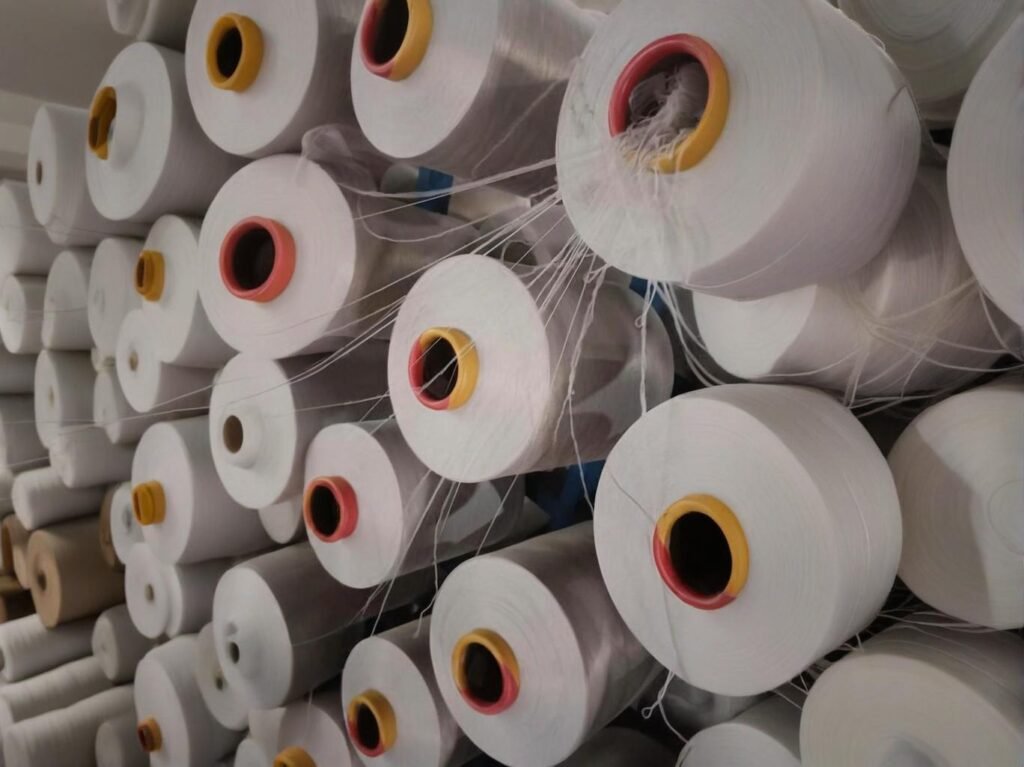
In today’s fast-paced garment industry, the battle between polyester and cotton continues to influence material decisions on factory floors and design tables alike. When scaling clothing production, choosing the right fabric isn’t just about comfort or aesthetics—it’s about operational efficiency, cost optimization, and long-term sustainability. For brands and manufacturers navigating growth, understanding which fabric aligns better with their production goals is critical.
Polyester is generally better suited for mass production due to its lower cost, faster drying time, reduced shrinkage, and easier maintenance. Cotton, while more natural and breathable, tends to cost more and may increase production lead time and care requirements.
The real question isn’t just which fabric is better—but which one fits your specific production model. This article explores every dimension, from fabric performance to environmental impact and printability. And along the way, we’ll show how real factories and brands choose between polyester and cotton under tight deadlines and changing market demand.
Let’s begin with the basics—what exactly sets these two fabrics apart?
1. What Are the Key Differences Between Polyester and Cotton Fabrics?
Polyester and cotton differ significantly in origin, texture, performance, and behavior during mass production. While cotton is a natural fiber derived from cotton plants, polyester is a synthetic polymer made from petrochemicals. These roots shape their distinct production behaviors. Polyester is a synthetic fabric known for strength, moisture resistance, and low cost, whereas cotton is a natural fiber valued for softness and breathability. In large-scale manufacturing, polyester often outperforms cotton in speed, durability, and fabric consistency.
Key Fabric Differences That Affect Manufacturing
A. Fiber Origin and Composition
| Fabric Type | Source | Fiber Type | Renewable | Biodegradable |
|---|---|---|---|---|
| Cotton | Natural (plant) | Cellulose | Yes | Yes |
| Polyester | Synthetic (petrochemical) | Polymer | No | No |
- Cotton’s natural source offers eco-marketing potential but introduces variability in fiber quality.
- Polyester’s consistency ensures predictable production outcomes, especially in high-speed knitting or weaving.
B. Physical Properties Comparison
| Property | Cotton | Polyester |
|---|---|---|
| Texture | Soft, breathable | Smooth, moisture-resistant |
| Durability | Moderate, wears with time | High, resists stretching/shrinking |
| Moisture Wicking | Absorbs moisture | Repels water, quick-dry |
| Color Retention | Fades over time | High colorfastness |
C. Application Insight
- A Bangladesh-based T-shirt exporter noted that switching from 100% cotton to a 60/40 polyester-cotton blend reduced shrinkage complaints by over 70% and improved repeat order rates.
- In high-heat, high-humidity markets like Southeast Asia, polyester clothing outperforms cotton in drying speed and mold resistance.
D. Maintenance Factors
- Cotton garments require gentler washing, wrinkle easily, and may shrink if not pre-treated.
- Polyester garments are low-maintenance, wrinkle-resistant, and machine-washable in bulk with minimal damage.
2. Which Material Is More Cost-Effective for Large-Scale Clothing Production?
Cost-effectiveness in mass clothing production includes more than raw material price—it covers dyeing, labor, energy use, fabric yield, and long-term maintenance. Polyester typically outpaces cotton due to its affordability and production efficiency. Polyester is more cost-effective than cotton for large-scale manufacturing due to lower raw material prices, higher production yields, and reduced energy usage during washing and drying.
Cost Considerations in Fabric Selection
A. Raw Material and Fabric Cost Breakdown
| Cost Factor | Cotton (per kg) | Polyester (per kg) |
|---|---|---|
| Global Average Price (2025) | $2.10 – $3.20 | $1.20 – $2.00 |
| Dyeing Cost | Higher (requires reactive dyes) | Lower (disperse dyes absorb faster) |
| Shrinkage Allowance | 5–10% | <2% |
| Fabric Yield | Lower (due to shrinkage and fraying) | Higher |
B. Labor and Time Efficiency
- Polyester’s faster drying time cuts down on post-wash delays in production lines.
- Fabric cutting for polyester results in less fraying, reducing edge hemming labor.
C. Maintenance and Lifecycle Cost
- Polyester garments retain their structure longer, reducing return and defect rates.
- Cotton, although more eco-friendly in raw form, may incur higher long-term care costs in institutional settings (e.g., hotel uniforms or schoolwear).
D. Real-World Case: Sportswear Brand’s Transition
A mid-sized European athletic wear company reported a 12% cost reduction in production after shifting from cotton to polyester for their base layer items. Drying time dropped from 45 minutes to 15 minutes per unit, and material waste during cutting was reduced by 30%.
3. How Do Polyester and Cotton Perform in Terms of Fabric Durability and Longevity?
Durability is one of the top priorities in mass clothing production, especially when garments must survive shipping, washing, display, and customer wear. Polyester is often the preferred choice for heavy-use garments, while cotton’s longevity is impacted by how it’s treated during manufacturing. Polyester is more durable than cotton in high-friction, repetitive-wear applications, making it ideal for uniforms and activewear. Cotton can last long if handled properly, but it’s more prone to abrasion, shrinkage, and color fading over time.
Durability Metrics and Use Cases
A. Tensile Strength and Fabric Abrasion
| Test Metric | Cotton Fabric | Polyester Fabric |
|---|---|---|
| Tensile Strength (MPa) | 3–4.5 | 4.5–6.5 |
| Abrasion Resistance (Martindale) | 15,000–20,000 rubs | 30,000–40,000 rubs |
| Shrinkage Rate (washed 5x) | 5–8% | <2% |
- Polyester garments hold their shape and integrity even after multiple industrial wash cycles.
- Cotton, especially untreated or low-GSM versions, may tear or lose shape faster under repeated wear.
B. Use Case Comparison
- Uniforms (Hospitality or Industrial): Polyester blends are preferred due to high abrasion and wrinkle resistance.
- Luxury Casualwear: High-grade cotton is chosen for its feel, even if it requires more care.
C. Blends as a Middle Ground
- A common solution is a 60% cotton / 40% polyester blend, balancing comfort with strength. A South Korean school uniform manufacturer using this blend reported a 3-year lifecycle per uniform, with minimal customer complaints.
D. Human-Centered Insight
- One sourcing manager in Vietnam noted: “When we produce 20,000 pieces for institutional clients, polyester’s lower return rate due to pilling and shape loss is a major advantage.”
4. Do Polyester or Cotton Fabrics Offer Better Printability for Custom Designs?
In today’s branded apparel landscape, printability is critical—whether screen printing logos or sublimating full-panel graphics. Polyester and cotton each have their strengths, depending on the desired technique and final effect. Cotton offers better results for screen printing with vibrant, matte finishes. Polyester is superior for sublimation printing, allowing long-lasting, high-definition color prints with minimal cracking or fading.
Print Technique Compatibility
A. Common Printing Methods
| Printing Method | Best on Cotton? | Best on Polyester? | Notes |
|---|---|---|---|
| Screen Printing | ✅ Yes | ⚠️ Only with prep | Water-based inks absorb best on cotton |
| Sublimation Printing | ❌ No | ✅ Yes | Requires polyester for dye bonding |
| Heat Transfer Vinyl | ✅ Yes | ✅ Yes | Works on both, but polyester holds shape better |
| Direct-to-Garment | ✅ Yes | ⚠️ Needs pre-treatment | Cotton preferred for soft finishes |
B. Print Durability Comparison
| Property | Cotton Print | Polyester Print |
|---|---|---|
| Color Vibrancy | Moderate to High | High |
| Fade Resistance | Moderate | Very High |
| Ink Absorption | Excellent | Requires coating or treatment |
C. Production Efficiency Insight
- Polyester’s ability to handle all-over sublimation makes it ideal for activewear, esports jerseys, and athletic fashion. For example, a Canadian sportswear brand cut 35% of printing cost and increased graphic precision by switching to sublimation on 100% polyester tanks.
D. Limitations and Workarounds
- Cotton can’t be used for sublimation unless treated with a polyester coating.
- Polyester may require specialized inks or treatment to prevent dye migration during heat press.
E. Real Case Comparison
| Brand Type | Preferred Fabric | Printing Method | Reason |
|---|---|---|---|
| Streetwear Start-up | 100% Cotton | Screen Printing | Soft-hand feel, natural matte look |
| Gym Apparel Label | 100% Polyester | Sublimation | Durable full-color printing |
5. Is Polyester or Cotton More Suitable for Fast Fashion and High-Volume Brands?
Speed, consistency, and scalability are at the core of fast fashion success. Fabric selection directly influences how quickly designs can move from concept to shelf. Polyester dominates in environments that require short lead times and high fabric utilization. Polyester is generally more suitable for fast fashion due to faster production cycles, wrinkle resistance, and higher availability. Cotton’s natural appeal may better suit premium or eco-conscious labels but often struggles to meet rapid turnaround demands.
Fast Fashion Dynamics and Fabric Roles
A. Production Turnaround Time
| Process Stage | Cotton | Polyester |
|---|---|---|
| Weaving/Knitting | Slower | Faster |
| Dyeing & Drying | Slower (air dry preferred) | Faster (machine dry ready) |
| Finishing & Treatment | Often more steps | Fewer steps required |
- Polyester dries faster post-dyeing, which cuts average production time by up to 2–3 days per batch in bulk runs.
B. Inventory and Storage Behavior
- Cotton requires climate-controlled storage to avoid mildew or discoloration.
- Polyester is highly resistant to moisture and can be stored in more variable warehouse conditions.
C. Case Insight: Fast-Fashion Retailer Shift
A major Indonesian mass retailer shifted 70% of their T-shirt and blouse lines to polyester-blended fabrics. As a result, the company decreased restock lead time by 18% and improved inventory forecasting due to better fabric consistency.
D. Fabric Consistency Across Batches
- Polyester’s synthetic origin guarantees uniformity in color and texture across multiple production lots.
- Cotton, depending on seasonal or regional harvesting, may vary in staple length or softness.
E. Consumer Trend Consideration
- Gen Z and millennial buyers are more tolerant of synthetic blends in exchange for style variety and affordability.
- Polyester’s ability to mimic the appearance of premium fabrics (e.g., poly-satin) enhances its versatility for fast drops.
6. What Are the Environmental Impacts of Using Polyester vs Cotton in Manufacturing?
With sustainability becoming a priority across apparel industries, fabric environmental footprint is a growing concern. Both polyester and cotton have environmental drawbacks—but they manifest differently. Understanding their full lifecycle impact is key. Cotton is biodegradable and renewable but uses large amounts of water and pesticides. Polyester requires less water but is fossil-fuel-based and non-biodegradable. Blends and recycling innovations offer middle-ground solutions.
Environmental Metrics and Lifecycle Impacts
A. Water Consumption Comparison
| Impact Type | Cotton (per kg fabric) | Polyester (per kg fabric) |
|---|---|---|
| Water Usage | 10,000–20,000 liters | ~20 liters |
| CO₂ Emissions | ~2.1 kg | ~5.5 kg |
| Energy Consumption | Moderate | High |
- Cotton is notorious for its water footprint, particularly in regions like India or Uzbekistan.
- Polyester’s energy-intensive production increases its CO₂ output significantly.
B. Biodegradability and Waste
- Cotton degrades in soil within months under the right conditions.
- Polyester can persist for decades in landfills unless recycled.
C. Certifications and Eco-Solutions
| Fabric Type | Sustainable Alternatives | Key Certifications |
|---|---|---|
| Cotton | Organic Cotton, BCI Cotton | GOTS, OEKO-TEX, BCI |
| Polyester | Recycled PET (rPET), Bio-based Polyesters | GRS, OEKO-TEX, Bluesign |
D. Global Trend: Recycled Polyester Growth
- According to Textile Exchange’s 2024 report, rPET usage grew by 18% YoY, with top fashion brands pledging over 50% rPET adoption by 2030.
- Major factories now offer closed-loop polyester recycling systems to minimize waste.
E. Case Study: Sustainable Sourcing
A German yoga apparel company transitioned from virgin polyester to rPET and saw a 47% increase in online engagement after marketing their switch. Though raw material cost rose by 8%, their customer retention grew due to perceived brand responsibility.
F. Critical Perspective
- Polyester is “fast” but not eco-friendly unless recycled or blended smartly.
- Cotton is “natural” but not always green—especially if it’s not organic or responsibly sourced.
7. How Do Polyester and Cotton Compare in MOQ, Lead Time, and Supply Chain Efficiency?
For global clothing production, Minimum Order Quantity (MOQ), lead time, and supply chain predictability play critical roles in fabric selection. These factors influence not only cost but also time-to-market, especially for private label or on-demand fashion models. Polyester offers lower MOQ flexibility and shorter lead times due to higher availability and streamlined supply chains. Cotton may have longer cycles due to growing seasons, spinning delays, and regional supply inconsistencies.
Production Logistics and Fabric Responsiveness
A. MOQ Comparison by Region
| Region | Polyester MOQ (yards) | Cotton MOQ (yards) |
|---|---|---|
| China | 300–500 | 500–1000 |
| India | 400–600 | 800–1200 |
| Turkey | 250–400 | 600–1000 |
| Vietnam | 300–500 | 700–1200 |
- Polyester mills offer lower MOQ due to synthetic batch-dyeing efficiency.
- Cotton mills often require larger lots to justify combing and pre-treatment processes.
B. Lead Time Benchmarks
| Fabric Type | Average Lead Time (Ready Stock) | Lead Time (Custom Dye/Weave) |
|---|---|---|
| Polyester | 5–7 days | 10–18 days |
| Cotton | 7–10 days | 15–25 days |
C. Logistics Efficiency
- Polyester is easier to source year-round since it’s not dependent on crop cycles.
- Cotton prices fluctuate with global harvests and are more sensitive to climate disruptions.
D. Case Insight: Lead Time Optimization
A U.S.-based children’s apparel company that transitioned from organic cotton to poly-cotton blends saw its average order fulfillment window drop from 32 days to 18 days. This allowed them to respond faster to seasonal demands and reduce inventory holding.
E. Additional Supply Chain Notes
- Polyester is more compatible with digital forecasting tools and automated inventory systems due to its stable metrics.
- Cotton-based supply chains often involve more intermediaries—ginners, spinners, and weavers—lengthening timelines and increasing variability.
8. Which Fabric Is More Preferred by Buyers in Global Export Markets Today?
Trends in fabric preference vary by geography, climate, and end-user expectations. While cotton maintains a stronghold in premium and natural product categories, polyester’s dominance is growing in performance wear, uniforms, and cost-driven fashion sectors. In global markets, polyester is increasingly preferred for its affordability, consistency, and performance benefits. Cotton remains popular in luxury, sustainable, and tropical wear categories, but its usage is shifting toward blends and specialty segments.
Regional Buyer Trends and Preferences
A. Market Preference Overview
| Region | Polyester Preference (%) | Cotton Preference (%) | Comments |
|---|---|---|---|
| North America | 65% | 35% | Blends are widely used in uniforms |
| Western Europe | 55% | 45% | Cotton still strong in premium sectors |
| Middle East | 70% | 30% | Polyester better suited to hot climates |
| Southeast Asia | 75% | 25% | Fast fashion growth fuels polyester |
| Japan & Korea | 60% | 40% | Blends dominate mass retail |
B. Performance vs Natural Appeal
- Brands focused on athletic, workwear, or outerwear lean heavily into polyester.
- Eco-conscious labels or babywear lines typically choose GOTS-certified cotton.
C. Branding Impact
- Marketing “100% organic cotton” remains a strong conversion tool in European markets.
- Conversely, “moisture-wicking polyester” drives athletic apparel sales in tropical and humid climates.
D. Export Scenario Example
An Australian distributor of promotional T-shirts found polyester gave them a 22% higher margin and 40% fewer returns due to better wrinkle resistance and longer shelf life—key for bulk exports and seasonal campaigns.
E. Future Forecast
- Recycled polyester and regenerative cotton are emerging as compromise solutions.
- Buyers increasingly demand transparency—fabric traceability, dye process disclosures, and environmental metrics are becoming mandatory.
Which Fabric Should You Choose for Mass Production?
There is no one-size-fits-all answer—your choice between polyester and cotton depends on your product category, buyer expectations, sustainability goals, and production model.
| Decision Factor | Recommended Fabric |
|---|---|
| Fast turnaround & cost savings | Polyester |
| Luxury feel & natural image | Cotton |
| Custom all-over graphics | Polyester |
| Babywear or organic needs | Cotton (certified) |
| High durability use (e.g., uniforms) | Polyester |
| Eco marketing & premium branding | Cotton |
Ready to Start Custom Clothing Production with the Right Fabric?
At SzoneierFabrics, we help international clothing brands and designers source, develop, and customize polyester, cotton, and blended garments with unmatched flexibility:
- ✅ 100% quality guarantee
- ✅ Free fabric design consultation
- ✅ Low MOQ, fast sampling
- ✅ Eco-certified materials (GOTS, OEKO-TEX, rPET)
- ✅ Short lead times, export-ready logistics
Contact us today to get started with your custom fabric or clothing production inquiry. Let us help you choose the right material for your brand’s success.
polyester clothing, cotton clothing, polyester vs cotton, polyester fabric for clothing, cotton fabric for clothing, best fabric for mass production, polyester cotton blend, clothing production materials, fabric sourcing for apparel, polyester vs cotton durability, polyester printing quality, cotton printability, fast fashion fabrics, bulk clothing fabric, low MOQ clothing fabric, fabric lead time comparison, polyester vs cotton cost, recycled polyester fabric, organic cotton fabric, polyester for uniforms, cotton for luxury clothing, apparel fabric comparison, global fabric supply chain, polyester shrinkage, cotton shrinkage, which fabric is better for t-shirts, best fabric for sublimation printing, custom clothing fabric, polyester vs cotton sustainability, high-volume clothing manufacturing


Can't find the answers?
No worries, please contact us and we will answer all the questions you have during the whole process of bag customization.
Make A Sample First?
If you have your own artwork, logo design files, or just an idea,please provide details about your project requirements, including preferred fabric, color, and customization options,we’re excited to assist you in bringing your bespoke bag designs to life through our sample production process.