Skip to content
A good neoprene bag looks simple when it reaches the customer’s hand. It may be a soft laptop sleeve, a colorful beach tote, a slim bottle holder, a cosmetic pouch, or an insulated lunch bag. But behind that clean shape is a surprisingly technical process. The thickness must be right. The foam density must be stable. The surface fabric must be laminated properly. The logo method must match stretch and moisture exposure. The stitching cannot distort the panel. The zipper, handle, lining, and edge binding all need to work together. In other words, a neoprene bag is not just “cut some rubber fabric and sew it.” It is a product where material science, bag engineering, branding, and production control meet in one soft structure.
Neoprene bags are manufactured through a structured process that usually includes product requirement analysis, material selection, neoprene lamination, pattern development, cutting, logo application, sewing, edge finishing, zipper or handle assembly, quality inspection, sampling approval, bulk production, packaging, and delivery. The final quality depends not only on neoprene thickness, but also on foam density, surface fabric, lamination strength, stitching method, seam placement, zipper quality, lining choice, logo durability, and finished product testing. For custom projects, the best result comes when the manufacturer understands both fabric performance and finished bag construction.
This matters because most buyers do not actually want “a neoprene bag.” They want a product that solves a use problem. A sports brand may want a bottle holder that stretches tightly and survives sweat. A beauty brand may want a cosmetic pouch that feels soft, looks clean, and resists small spills. A lifestyle retailer may want a colorful tote that feels premium enough to sit next to higher-priced accessories. A corporate gift company may want a low MOQ custom logo bag that ships quickly and still looks professional. Each of these products may use neoprene, but they do not need the same structure.
That is where manufacturing experience becomes visible. Two factories can use the same 3mm neoprene sheet and still produce very different bags. One bag may hold its shape, print clearly, open smoothly, and feel balanced. Another may wrinkle near the zipper, peel at the laminated surface, stretch out at the handle, or smell strongly after packing. The difference is rarely one single mistake. It is usually the result of small production choices stacking up.
Szoneier works across fabric research, material sourcing, product development, bag manufacturing, and export support, helping customers create custom products using cotton, canvas, polyester, nylon, neoprene, jute, linen, Oxford fabric, and other material systems. For neoprene bag projects, this wider fabric background is important because the best solution is not always pure neoprene. Some products need neoprene as the main body. Some need neoprene with polyester lining. Some need nylon jersey laminated neoprene for stronger durability. Some need Oxford reinforcement, webbing handles, custom zipper pullers, printed panels, or coated linings. The strongest product usually comes from choosing the right structure, not just choosing a popular material.
Imagine a customer launching a new insulated bottle sleeve. The first sample looks attractive, but the sleeve is too loose, the stitching rubs against the hand, and the printed logo cracks slightly when stretched over a larger bottle. None of these problems are dramatic on their own. But together, they turn a promising product into something that feels unfinished. A better manufacturing process would catch these details before mass production: adjust the pattern, test stretch recovery, change the logo method, improve seam placement, and confirm fit with real bottles. That is the difference between making a bag and developing a product.
What Is a Neoprene Bag?

A neoprene bag is a soft, flexible bag made from neoprene foam rubber, usually laminated with textile surfaces such as polyester, nylon, spandex, or printed fabric. It is widely used for tote bags, lunch bags, laptop sleeves, cosmetic pouches, bottle holders, sports pouches, beach bags, wine carriers, and promotional accessories because it combines cushioning, water resistance, insulation, stretch, and a smooth hand feel in one material system. Unlike ordinary woven fabric bags, neoprene bags are built around a foam core, which gives them a protective and slightly elastic structure.
The simplest way to understand neoprene is this: it behaves like a soft protective layer. It is not as rigid as molded EVA, not as thin as polyester fabric, not as absorbent as cotton canvas, and not as stiff as many coated waterproof fabrics. It sits in the middle. That is why customers often choose neoprene when they want the product to feel comfortable, protective, modern, and practical at the same time.
In bag manufacturing, neoprene is rarely used as raw rubber alone. Most commercial neoprene bag materials are composite sheets. The center is neoprene foam, while the outside is laminated with textile fabric. This laminated surface improves appearance, allows printing, increases sewing stability, and gives the product a more finished look. The foam core creates the key performance features, while the surface fabric creates the style and branding potential.
What Neoprene Fabric Is Made From
Neoprene is a synthetic rubber material made from chloroprene polymer. In bag production, it is usually expanded into foam sheets with a closed-cell structure. These sheets are then laminated with fabric on one or both sides. The fabric surface may be plain, printed, textured, stretchable, glossy, matte, or customized according to the product style.
The closed-cell foam structure is one of the most important reasons neoprene works well in bags. The foam contains many tiny sealed cells, which help reduce water absorption, slow heat transfer, and provide cushioning. This structure makes neoprene useful for products that need to protect items from bumps, temperature changes, light moisture, and daily wear.
However, buyers should avoid thinking of neoprene as one fixed material. Neoprene can vary significantly by thickness, density, surface fabric, softness, stretch, lamination quality, odor level, color, and finishing method. A 2mm neoprene bottle sleeve and a 5mm laptop sleeve may both be “neoprene,” but they are not the same product material in practical manufacturing terms.
| Neoprene Element | What It Does | Why It Matters for Bags |
|---|---|---|
| Foam Core | Provides cushioning, insulation, stretch, and water resistance | Determines the product’s protective feel and functional value |
| Outer Fabric | Creates appearance, color, texture, and printability | Affects branding, touch, and retail presentation |
| Inner Backing | Supports durability, comfort, and item protection | Important for laptops, cosmetics, food bags, and soft cases |
| Lamination Adhesive | Bonds fabric to neoprene foam | Poor bonding can cause peeling, bubbling, or wrinkles |
| Thickness | Controls body, protection, weight, and sewing difficulty | Must match the product purpose, not just look “premium” |
| Density | Affects softness, compression, recovery, and durability | Low-density material may feel weak or collapse too easily |
| Surface Finish | Controls water behavior, cleaning, and logo performance | Essential for beauty, sports, beach, and promotional products |
For Szoneier, material selection is usually one of the earliest and most important steps. Customers may come with a product idea, a reference sample, a photo, a drawing, or simply a market concept. The factory then helps match the material structure to the actual use. A neoprene lunch bag may need an easy-clean lining. A tech sleeve may need soft inner backing. A beach tote may need bright color and reinforced handles. A sports pouch may need flexible seams and sweat-resistant surface performance.
Why Neoprene Is Used for Bags
Neoprene is used for bags because it offers several functions at once. A single material can provide cushioning, stretch, insulation, light water resistance, soft touch, and shape recovery. This makes it attractive for products where comfort and protection matter more than rigid structure.
For example, a laptop sleeve made from plain polyester fabric may be lightweight, but it does not protect the device well unless foam padding is added. A canvas pouch may look natural, but it absorbs moisture more easily and does not stretch. A hard EVA case may protect well, but it feels bulky and costs more to mold. Neoprene gives a middle-ground solution: soft protection with flexible manufacturing.
This multi-function character is especially useful for customized products. Brands often want one product to do several jobs. A bottle sleeve should hold the bottle, reduce condensation, feel good in the hand, and display a logo clearly. A cosmetic pouch should protect bottles, resist bathroom moisture, look giftable, and fit inside luggage. A beach tote should handle splashes, feel light, carry towels, and match a colorful lifestyle identity. Neoprene can support these mixed demands better than many single-purpose fabrics.
| Customer Need | How Neoprene Helps | Example Product |
|---|---|---|
| Protect contents from small bumps | Foam core absorbs light impact | Laptop sleeve, camera pouch, bottle holder |
| Resist light moisture | Closed-cell structure reduces absorption | Cosmetic pouch, beach bag, lunch tote |
| Improve comfort | Soft and flexible surface feels pleasant | Sports pouch, shoulder tote, bottle sleeve |
| Maintain temperature | Foam slows heat transfer | Lunch bag, cooler bag, can sleeve |
| Fit different shapes | Stretch allows snug holding | Bottle sleeve, phone pouch, sports holder |
| Support branding | Laminated textile surface can be printed or patched | Promotional bag, retail pouch, private label tote |
| Improve perceived value | Soft thickness feels more premium than thin fabric | Beauty pouch, gift bag, lifestyle accessory |
Neoprene does not solve every problem. It is not the best material for heavy-duty waterproof dry bags, high-load backpacks, or products that need strong breathability. But it is excellent when the product needs a balance of softness, protection, moisture resistance, and brand-friendly appearance.
Common Neoprene Bag Types
Neoprene is used in a wide range of bag categories because its structure can be adapted to different shapes. Some products use a simple two-panel construction. Others use gussets, zippers, handles, pockets, lining, binding, patches, or multi-layer assembly.
| Neoprene Bag Type | Main Use | Key Manufacturing Focus |
|---|---|---|
| Neoprene Tote Bag | Beach, shopping, lifestyle, travel | Handle strength, surface appearance, large-panel cutting |
| Neoprene Lunch Bag | Food storage, office meals, school use | Insulation, lining, zipper, cleaning performance |
| Neoprene Bottle Holder | Water bottles, wine bottles, cans, sports bottles | Fit accuracy, stretch recovery, seam comfort |
| Neoprene Cosmetic Bag | Beauty, skincare, travel kits | Lining, stain resistance, zipper smoothness |
| Neoprene Laptop Sleeve | Electronics, office, commuting | Thickness, soft lining, zipper protection, sizing |
| Neoprene Beach Bag | Pool, resort, travel, summer retail | Splash resistance, colorfastness, handle reinforcement |
| Neoprene Sports Pouch | Running, gym, cycling, outdoor use | Sweat resistance, seam flexibility, zipper durability |
| Neoprene Wine Carrier | Gift packaging, retail, events | Bottle protection, handle strength, branding |
| Neoprene Cooler Bag | Picnic, outdoor, food delivery, drinks | Insulation, lining, bottom structure, closure |
| Neoprene Promotional Bag | Events, giveaways, branded campaigns | Logo clarity, low MOQ, fast sampling, cost control |
For many customers, the most difficult part is not choosing the product category. It is defining the performance level inside that category. A basic neoprene lunch bag and a premium insulated lunch bag may look similar in photos, but the second one may require better lining, stronger zipper, reinforced handles, improved bottom structure, and more careful QC.
Is Neoprene Suitable for Custom Bag Projects?
Neoprene is very suitable for custom bag projects because it supports different thicknesses, colors, printing methods, shapes, handles, zippers, linings, patches, labels, and packaging options. It works well for custom logo products, private label collections, promotional items, retail accessories, travel goods, sports gear, beauty pouches, and insulated products.
The strongest advantage is flexibility in product development. A brand can start with a reference product and adjust the size, structure, surface, logo, zipper, lining, packaging, and finishing details. This makes neoprene especially useful for customers who want a practical product with clear brand identity, but do not want the higher tooling cost of fully molded products.
At Szoneier, custom projects can begin from multiple types of input:
| Input From Customer | How It Can Be Used in Development |
|---|---|
| Product photo | Helps identify style, shape, and expected function |
| Physical sample | Allows accurate size, pattern, material, and construction review |
| Technical drawing | Speeds up pattern making and specification confirmation |
| Logo file | Used for printing, patch, label, or packaging design |
| Target market | Helps define material level, packaging, and compliance needs |
| Target price | Guides thickness, accessories, and finishing choices |
| Quantity plan | Helps evaluate MOQ, production method, and cost efficiency |
| Usage scenario | Determines water resistance, lining, seam, and zipper requirements |
For customers building their own logo products, this is valuable because they may not have a complete technical file at the beginning. A professional manufacturer can help turn a rough idea into a producible design. This includes correcting unrealistic features, suggesting suitable materials, reducing unnecessary cost, and improving real-use performance before sampling.
Neoprene Is Not Just “Waterproof Fabric”
One common misunderstanding is that neoprene automatically means waterproof. This is not accurate. Neoprene material is water-resistant, but a finished neoprene bag may not be fully waterproof because seams, zippers, openings, handles, and stitched areas can allow water entry. For many everyday products, water resistance is enough. But for outdoor electronics, boating, heavy rain, or dry storage, neoprene alone may not be the best solution.
| Claim | What Customers May Expect | Reality for Standard Neoprene Bags | Better Product Wording |
|---|---|---|---|
| Waterproof | No water can enter under wet conditions | Usually not true unless seams and closures are sealed | Water-resistant neoprene bag |
| Leakproof | Liquid cannot escape or enter | Requires special lining and sealed construction | Easy-clean lined lunch bag |
| Rainproof | Can protect contents in rain | Depends heavily on zipper and seam design | Designed for light splash protection |
| Splash-resistant | Handles casual water exposure | Usually realistic for neoprene bags | Good for beach, gym, travel |
| Moisture-resistant | Handles condensation, damp hands, and light spills | Very suitable for many neoprene products | Good for bottle holders and cosmetic bags |
Good product development starts with honest language. Customers are not disappointed when a product is clearly described and performs as expected. Problems usually happen when a standard stitched neoprene pouch is marketed like a dry bag. That creates a mismatch between design and expectation.
Neoprene Compared With Other Bag Materials
Because Szoneier works with many material categories, customers can compare neoprene with cotton, canvas, polyester, nylon, jute, linen, Oxford fabric, and coated materials before making decisions. This matters because different bag projects have different priorities.
| Material | Main Strength | Main Limitation | Best Product Fit |
|---|---|---|---|
| Neoprene | Cushioning, stretch, insulation, water resistance | Less breathable, not fully waterproof when stitched | Bottle sleeves, lunch bags, cosmetic bags, laptop sleeves |
| Cotton Fabric | Natural feel, soft hand, easy branding | Lower water resistance and structure | Simple totes, lifestyle pouches, eco-style products |
| Canvas Fabric | Durable, structured, natural appearance | Heavier and absorbs moisture unless treated | Shopping totes, tool bags, wine bags |
| Polyester Fabric | Lightweight, economical, printable | Needs coating or padding for stronger function | Promotional bags, shopping bags, travel pouches |
| Nylon Fabric | Strong, lightweight, abrasion-resistant | Higher cost than polyester | Outdoor bags, travel bags, sports gear |
| Jute Fabric | Natural look, eco-style appeal | Rough texture, moisture sensitivity | Gift bags, packaging, rustic retail products |
| Linen Fabric | Premium natural texture | Wrinkles and absorbs moisture | Lifestyle bags, gift packaging, boutique products |
| Oxford Fabric | Strong, structured, coating-friendly | Less soft than neoprene | Backpacks, tool bags, outdoor bags |
| TPU/PVC Coated Fabric | Strong waterproof potential | Stiffer, heavier, different hand feel | Dry bags, waterproof storage, heavy-duty outdoor bags |
This comparison shows why neoprene is chosen for specific reasons, not because it is universally better. A brand that needs a soft protective pouch may love neoprene. A brand that needs a breathable summer tote may prefer canvas or cotton. A brand that needs a rugged outdoor backpack may choose Oxford or nylon. A brand that needs a waterproof dry bag may choose TPU-coated fabric instead.
How Product Positioning Changes Neoprene Choices
A low-cost promotional bottle sleeve, a mid-range cosmetic pouch, and a premium laptop sleeve may all use neoprene, but they should not use the same specification. Product positioning affects thickness, lamination, logo method, accessories, packaging, and QC requirements.
| Product Position | Typical Goal | Recommended Material Direction | Manufacturing Priority |
|---|---|---|---|
| Promotional | Low cost, fast delivery, visible logo | 2mm–3mm neoprene, simple surface | Print clarity, quantity stability, cost control |
| Retail Standard | Good appearance and daily use | 3mm neoprene, better surface fabric | Sewing quality, zipper, packaging |
| Premium Lifestyle | Better touch and brand feel | 3mm–5mm neoprene, refined surface | Lamination quality, edge finishing, custom details |
| Protective Tech | Cushioning and fit accuracy | 4mm–5mm neoprene, soft lining | Size accuracy, zipper protection, inner surface |
| Food and Cooler | Insulation and cleaning | 3mm–5mm neoprene with lining | Lining, closure, handle strength |
| Sports and Outdoor | Sweat, movement, durability | Flexible neoprene, strong seams | Seam strength, zipper durability, comfort |
A strong manufacturer helps customers choose specifications based on the product’s real purpose. Overbuilding a low-cost promotional sleeve can make it too expensive. Underbuilding a premium laptop sleeve can hurt reviews. The best design sits in the middle: enough quality for the use case, without unnecessary cost.
What Buyers Should Confirm Before Choosing Neoprene
Before starting a custom neoprene bag project, buyers should clarify the product’s use scenario. The answers will guide material thickness, surface, lining, logo method, zipper, seam, and packaging decisions.
| Buyer Question | Why It Matters |
|---|---|
| What will the bag carry? | Determines strength, lining, size, and protection needs |
| Will it touch water, sweat, food, or cosmetics? | Affects surface, lining, and cleaning requirements |
| Does the product need insulation? | Controls thickness and lining selection |
| Is the logo simple or full-color? | Determines printing method |
| Will the bag be stretched often? | Affects logo durability and seam design |
| Is the product for retail or promotion? | Changes packaging and finishing level |
| What is the target price? | Guides material and accessory choices |
| What quantity is expected? | Helps evaluate MOQ and production efficiency |
| Does the product need fast sampling? | Impacts design complexity and material availability |
| Will the product use a private label? | Requires logo, label, tag, and packaging planning |
These questions may look simple, but they can prevent expensive sample revisions. A clear requirement sheet helps the factory reduce guesswork and create a more accurate first sample.
Why Choose Neoprene for Bags?
Neoprene is chosen for bags because it delivers a rare combination of flexibility, cushioning, water resistance, insulation, stretch, comfort, and modern visual appeal. It is especially useful for products that need to protect contents while still feeling soft and easy to carry. Compared with ordinary fabric bags, neoprene offers more body and protection. Compared with hard cases, it feels lighter, softer, and easier to customize. For many brands, this balance makes neoprene a practical material for retail products, promotional goods, travel accessories, food bags, beauty pouches, sports items, and daily-use protective bags.
The customer does not always know the word “neoprene.” They may simply say they want a soft lunch bag, a stretchy bottle sleeve, a water-resistant cosmetic pouch, a protective laptop case, or a premium beach tote. The manufacturer’s job is to connect that use need with the right material system. Neoprene becomes valuable because it can solve several small problems at once. It can reduce scratches, soften impact, resist small splashes, slow temperature change, stretch around contents, and create a clean branded surface.
This is why neoprene products often feel more useful than they look in photos. A bottle sleeve is not just a sleeve. It improves grip, reduces condensation, and makes the bottle easier to carry. A laptop sleeve is not just a fabric cover. It cushions the device, softens contact, and adds a moisture-resistant barrier. A cosmetic pouch is not just a small bag. It protects bottles, handles bathroom moisture, and creates a retail-ready accessory. These small daily benefits are exactly why neoprene remains popular in custom bag manufacturing.
Is Neoprene Water-Resistant?
Neoprene is water-resistant because its closed-cell foam structure limits water absorption and slows moisture penetration. This makes it useful for bags exposed to splashes, condensation, damp surfaces, light rain, gym sweat, bathroom moisture, and beach environments. However, standard neoprene bags should not automatically be described as fully waterproof because stitched seams, zippers, openings, and handle attachment points can still allow water entry.
For most custom bag products, water resistance is the right level of performance. A bottle holder does not need to survive underwater submersion. It needs to handle condensation. A cosmetic pouch does not need to float in a pool. It needs to resist small spills. A lunch bag does not always need to be leakproof. It needs to manage food moisture and wipe clean easily. A beach tote does not need dry-bag performance. It needs splash-friendly convenience.
| Water Exposure | Neoprene Performance | Additional Design Need |
|---|---|---|
| Bottle condensation | Very suitable | Accurate fit and comfortable seam |
| Light splash | Suitable | Clean stitching and proper surface |
| Gym sweat | Suitable | Odor control and cleaning guidance |
| Bathroom moisture | Suitable | Wipeable lining for cosmetics |
| Light rain | Sometimes suitable | Better zipper and seam placement |
| Food moisture | Suitable with lining | Easy-clean or insulated lining |
| Heavy rain | Limited unless improved | Water-resistant zipper and protected seams |
| Submersion | Not suitable for standard stitched bags | Requires sealed waterproof construction or other materials |
The key is matching the product claim to the construction. Szoneier can help customers decide whether a standard water-resistant neoprene structure is enough or whether the project needs lining, zipper protection, seam adjustment, or another material such as TPU-coated fabric or Oxford fabric with coating.
Does Neoprene Provide Cushioning?
Neoprene provides cushioning because its foam core compresses under pressure and then recovers its shape. This makes it useful for protecting laptops, bottles, cosmetics, cameras, sports accessories, small electronics, and fragile items from everyday bumps and scratches. It is not a replacement for heavy-duty protective cases, but it is excellent for lightweight daily protection.
Cushioning is one reason neoprene feels more valuable than thin fabric. A polyester pouch may hold items, but it does not protect them much unless padding is added. A cotton bag may look soft, but it does not absorb impact well. Neoprene naturally includes padding because the foam core is part of the material.
| Product | Cushioning Need | Neoprene Benefit |
|---|---|---|
| Laptop Sleeve | Protects from desk bumps and bag friction | Foam layer reduces surface impact |
| Bottle Holder | Reduces scratches and small knocks | Stretch and cushion hold bottle securely |
| Cosmetic Bag | Protects glass bottles and skincare containers | Soft body reduces collision inside luggage |
| Camera Pouch | Helps with light daily protection | Foam structure adds soft barrier |
| Wine Carrier | Protects bottle surface and improves gift feel | Thick neoprene feels secure and premium |
| Sports Pouch | Protects phone or small items during movement | Flexible cushion supports body-contact use |
For products carrying valuable items, thickness and density matter. A 2mm neoprene sleeve may be too thin for a laptop, while a 5mm structure may feel much more protective. However, thicker is not always better. A cosmetic pouch that is too thick may feel bulky. A bottle sleeve that is too thick may not stretch properly. A good manufacturer chooses thickness based on the product’s real use.
How Does Neoprene Support Insulation?
Neoprene supports insulation because its closed-cell foam structure traps air and slows heat transfer. This helps keep cold items cool for longer and reduces direct temperature contact with the user’s hand. It is commonly used for lunch bags, cooler totes, bottle sleeves, can coolers, wine carriers, and food-related accessories.
Neoprene does not perform like a vacuum-insulated bottle or a professional hard cooler. But for soft bags, it provides a useful insulation layer without adding too much weight or structure. This is why many brands use neoprene for everyday lunch bags, drink sleeves, and casual cooler products.
| Product Type | Insulation Goal | Neoprene Role |
|---|---|---|
| Lunch Bag | Keep food stable for short daily use | Foam slows temperature change |
| Bottle Sleeve | Reduce condensation and keep drinks cooler | Neoprene wraps tightly around bottle |
| Can Cooler | Keep drinks comfortable to hold | Thin neoprene reduces heat transfer |
| Wine Carrier | Protect and lightly insulate bottle | Soft foam adds temperature buffer |
| Picnic Tote | Improve outdoor food carrying | Neoprene plus lining improves performance |
| Baby Bottle Sleeve | Help maintain temperature during travel | Soft stretch and insulation combine |
For stronger insulation, neoprene can be paired with aluminum foil lining, PEVA lining, EPE foam, or other inner layers. The best structure depends on whether the product is for daily office meals, outdoor picnics, grocery delivery, wine gifting, or promotional drinkware.
Is Neoprene Flexible and Durable?
Neoprene is flexible because it can bend, stretch, and recover without feeling rigid. It is durable enough for many daily-use bags, especially when the lamination, stitching, and edge finishing are well controlled. Its flexibility makes it comfortable for body-contact products, bottle sleeves, travel pouches, cosmetic bags, and soft totes.
However, durability depends on the complete structure. Poor lamination may peel. Weak stitching may fail at stress points. Low-density foam may collapse. A badly placed seam may distort after use. A handle that is stitched directly into thin neoprene without reinforcement may stretch or tear. Neoprene is a strong material system, but it still needs good manufacturing.
| Durability Factor | Why It Matters | Production Control |
|---|---|---|
| Foam Density | Affects compression recovery and structure | Select stable material, not only low-cost foam |
| Lamination Strength | Prevents surface peeling | Test bonding before bulk production |
| Stitch Quality | Controls seam strength and appearance | Use proper needle, thread, and stitch density |
| Edge Binding | Protects raw edges and improves finish | Match binding width to thickness |
| Handle Reinforcement | Prevents tearing under load | Add webbing, stitching reinforcement, or stronger panel |
| Logo Method | Prevents cracking or peeling | Match printing method to stretch and surface |
| Zipper Quality | Affects daily user experience | Test opening smoothness and attachment strength |
For daily-use retail products, durability is not just about whether the bag breaks. It is also about whether it continues to look good after repeated use. A bag with stretched seams, peeling logo, warped shape, or bubbling surface may still “function,” but customers will judge it as low quality. That is why QC must look at both performance and appearance.
Which Markets Use Neoprene Bags Most?
Neoprene bags are used across many markets because the material fits both functional and lifestyle products. It is common in sports, outdoor, beauty, food, beverage, travel, electronics, promotional, fashion, and retail accessory categories. The strongest demand usually appears where customers need soft protection, water resistance, insulation, or a modern tactile feel.
| Market | Common Neoprene Products | Key Customer Concern |
|---|---|---|
| Sports and Fitness | Phone pouches, bottle holders, gym bags | Sweat resistance, stretch, comfort |
| Food and Beverage | Lunch bags, can coolers, bottle sleeves | Insulation, cleaning, condensation control |
| Beauty and Skincare | Cosmetic pouches, toiletry bags | Soft feel, lining, stain management |
| Electronics | Laptop sleeves, tablet cases, cable pouches | Cushioning, fit accuracy, zipper protection |
| Beach and Resort | Beach totes, swim pouches, wet-item bags | Splash resistance, color, easy carrying |
| Promotional Products | Logo sleeves, event pouches, gift bags | Cost, logo visibility, fast delivery |
| Travel Goods | Organizers, protective pouches, passport sleeves | Lightweight protection, zipper quality |
| Wine and Gift | Wine carriers, gift bottle holders | Presentation, cushioning, handle strength |
| Pet and Outdoor Lifestyle | Treat pouches, small accessory bags | Durability, cleaning, branding |
These markets have different expectations. A promotional product buyer may care most about logo area and price. A beauty brand may care about color matching and packaging. A sports brand may care about sweat, stretch, and seam comfort. A tech accessory brand may care about exact sizing and inner lining. Szoneier’s role is to help turn these market needs into manufacturable specifications.
Neoprene’s Biggest Advantage Is Combination Value
Many materials can do one thing well. Neoprene’s advantage is that it does several things reasonably well at the same time. This is especially valuable for custom products because customers rarely judge a bag by one feature only.
| Feature | Neoprene Performance | Why Customers Notice It |
|---|---|---|
| Water Resistance | Good for daily moisture | Bag feels safer around spills and condensation |
| Cushioning | Good for light impact | Contents feel better protected |
| Insulation | Good for short-term temperature control | Drinks and food feel more practical to carry |
| Stretch | Good for fitted products | Bottle sleeves and pouches feel snug |
| Soft Touch | Strong advantage | Product feels comfortable and premium |
| Printability | Good with correct surface and method | Supports custom branding |
| Lightweight Protection | Strong advantage | Adds function without hard-case bulk |
| Shape Recovery | Good with proper density | Product looks cleaner after use |
This combination explains why neoprene is popular in categories where customers use the product often. It may not win every technical comparison, but it creates a satisfying daily experience.
Where Neoprene Is Not the Best Choice
A professional article should not pretend neoprene is perfect for everything. Buyers trust manufacturers more when the limitations are clear. Neoprene may not be the best material when the product needs high breathability, heavy-duty load bearing, full waterproof sealing, rigid structure, or very low unit cost.
| Requirement | Neoprene Limitation | Better Alternative |
|---|---|---|
| Full waterproof dry storage | Stitched neoprene can leak through seams | TPU/PVC coated fabric with welded seams |
| High breathability | Foam structure holds heat | Mesh, cotton, breathable polyester |
| Very heavy loads | Soft structure may stretch | Canvas, Oxford, nylon with reinforcement |
| Rigid protection | Neoprene is soft, not hard-shell | EVA, molded case, hard plastic |
| Ultra-low-cost giveaway | Material cost may be higher than thin polyester | Non-woven, polyester, cotton |
| Formal luxury look | Neoprene feels sporty and modern | Leather, PU, canvas, linen |
| High-temperature exposure | May need special material review | Heat-resistant technical fabrics |
This is where Szoneier’s wider material range becomes useful. A customer may start by asking for neoprene, but after reviewing the product function, the best solution may be neoprene plus nylon, neoprene plus Oxford reinforcement, polyester with foam lining, or a completely different fabric.
Neoprene Bag Cost Drivers
The cost of a neoprene bag is influenced by more than size. Thickness, density, lamination, surface fabric, printing, zipper, lining, handle structure, packaging, MOQ, and inspection requirements all affect price. Customers who only compare unit price may miss the reasons behind quality differences.
| Cost Factor | Lower-Cost Direction | Higher-Cost Direction | Impact on Product |
|---|---|---|---|
| Thickness | 2mm | 4mm–5mm | More protection and insulation, more bulk |
| Density | Softer low-density foam | Higher-density foam | Better recovery and structure |
| Surface Fabric | Basic polyester jersey | Nylon, textured, printed, specialty surface | Better touch and appearance |
| Lamination | Standard bonding | Stronger tested lamination | Lower peeling risk |
| Logo Method | Simple screen print | Sublimation, heat transfer, rubber patch, embroidery | Better brand effect or detail |
| Zipper | Basic zipper | Water-resistant zipper or custom puller | Better function and perceived value |
| Lining | No lining | PEVA, foil, soft lining, coated lining | Better cleaning, insulation, or protection |
| Handle | Cut-out handle | Webbing, reinforced, padded, custom handle | Better carrying strength |
| Packaging | Bulk pack | Individual polybag, insert card, retail box | Better retail presentation |
The goal is not always to choose the most expensive option. The goal is to spend money where the customer will feel the difference. For a bottle sleeve, fit and logo may matter more than a premium zipper. For a laptop sleeve, inner lining and thickness may matter more than colorful packaging. For a beach tote, handle strength and colorfastness may matter more than extra lining.
Why Buyers Should Test Real Use, Not Just Samples on a Desk
Neoprene bags often look good when empty. The real test begins when they are filled, carried, stretched, zipped, packed, exposed to moisture, and used repeatedly. A sample review should simulate the customer’s real environment.
| Test Scenario | What It Reveals | Product Type |
|---|---|---|
| Fill the bag with actual contents | Shape, seam tension, zipper performance | Lunch bags, cosmetic bags, totes |
| Stretch over real bottle size | Fit, logo cracking, seam comfort | Bottle sleeves |
| Carry with target weight | Handle strength and comfort | Totes, wine carriers, cooler bags |
| Place on damp surface | Bottom seam and surface behavior | Lunch bags, laptop sleeves |
| Open and close zipper repeatedly | Zipper smoothness and alignment | Pouches, sleeves, organizers |
| Rub printed logo after bending | Logo durability | Promotional and retail products |
| Pack in carton for several days | Creasing and shape recovery | All export orders |
| Check odor after sealed packaging | Material and adhesive control | Retail and gift products |
For custom orders, this type of testing saves money. It is much cheaper to adjust a sample than to discover a design weakness after production. Szoneier’s sampling and quality process helps customers catch these issues before bulk manufacturing.
How Neoprene Creates Better Brand Experience
A custom bag is not only a container. It is a touchpoint between the brand and the user. Customers touch it, zip it, carry it, clean it, pack it, and see the logo many times. Neoprene’s soft hand feel and functional value can make that touchpoint more memorable.
| Brand Goal | Neoprene Support |
|---|---|
| Create a premium giveaway | Soft thickness feels better than thin fabric |
| Improve product usefulness | Water resistance and cushioning add real daily value |
| Build visual identity | Large printable surfaces support logos and patterns |
| Support repeat use | Functional bags are kept longer than disposable items |
| Create lifestyle appeal | Neoprene works well in beach, sport, beauty, and travel scenes |
| Offer private label products | Custom labels, tags, packaging, and surface colors are available |
| Reduce customer disappointment | Correct material and claim matching improves reviews |
This is why brands often use neoprene when they want the product to feel more substantial than a simple fabric pouch. A well-made neoprene bag can become part of the user’s routine, not just a one-time accessory.
What Makes Szoneier a Practical Partner for Neoprene Bag Projects?
Szoneier is positioned for customers who need more than a basic supplier. The company combines fabric development, material selection, finished product manufacturing, custom design support, low MOQ customization, fast sampling, free samples, OEM/ODM service, private label production, and quality assurance. This is especially useful for customers who want to create their own logo products but need guidance on material, structure, cost, and production details.
| Customer Need | How Szoneier Supports It |
|---|---|
| Unsure which fabric to choose | Compares neoprene with cotton, canvas, polyester, nylon, Oxford, jute, linen, and treated fabrics |
| Need custom design | Provides design support based on product use and branding |
| Need quick validation | Supports fast sampling and sample review |
| Need low MOQ | Helps smaller and growing brands test products more easily |
| Need private label | Supports logo, label, tag, packaging, and OEM/ODM customization |
| Need quality control | Reviews material, cutting, sewing, printing, and finished product inspection |
| Need shorter lead time | Coordinates material preparation, sampling, and production planning |
| Need product improvement | Suggests structure changes before bulk production |
For customers developing neoprene bags, the most valuable support is not only production capacity. It is decision support. The right factory helps customers avoid weak materials, unsuitable claims, poor logo methods, wrong thickness, weak handles, and overcomplicated structures. That makes the final product easier to sell, easier to use, and easier to reorder.
How Does Manufacturing Start?
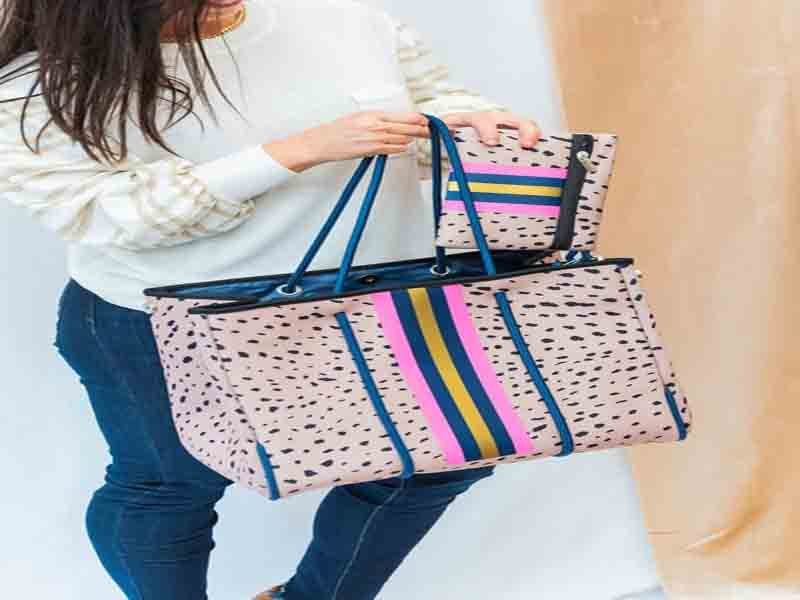
Neoprene bag manufacturing starts long before fabric is cut. The first stage is product requirement analysis: confirming what the bag will carry, where it will be used, what protection level it needs, what price range the customer expects, what logo effect is required, and how the finished product should be packed and delivered. A strong beginning reduces sample revisions, prevents material mismatch, controls cost, and helps the factory build a product that looks good and works well in real use.
For many custom bag projects, the biggest early mistake is jumping directly into appearance. A customer may send a photo and say, “We want something like this, but with our logo.” That is useful, but not enough. A neoprene lunch bag, cosmetic pouch, laptop sleeve, and beach tote may all look simple in photos, yet each has different requirements for thickness, lining, zipper, stitching, load strength, water resistance, and packaging. If the factory does not understand the use scenario, the first sample may look close but fail in function.
A professional manufacturing start usually answers five practical questions: What is the product? Who will use it? What will it carry? What environment will it face? What brand feeling should it create? Once those are clear, the factory can recommend material thickness, surface fabric, structure, logo method, accessories, and packaging more accurately.
At Szoneier, the starting stage often combines fabric knowledge and finished product engineering. Since the company works with neoprene, cotton, canvas, polyester, nylon, jute, linen, Oxford fabric, and other treated materials, the team can compare options instead of forcing one material into every project. For customers developing custom neoprene bags, this is important because the best product may use neoprene alone, neoprene with lining, neoprene with webbing handles, neoprene with Oxford reinforcement, or even another fabric if the target use requires it.
What Information Should Buyers Provide First?
The first information buyers should provide includes product type, size, quantity, logo file, target use, target price, preferred material thickness, color requirements, packaging needs, and expected delivery schedule. If the customer has a physical sample, product photo, sketch, or technical drawing, the development process becomes faster and more accurate.
Many customers worry that they need a professional technical file before contacting a factory. In reality, that is not always necessary. A good manufacturer can work from simple references. However, the clearer the initial information, the better the first sample will be.
| Information Needed | Why It Matters | Example |
|---|---|---|
| Product Type | Defines structure and production method | Lunch bag, bottle holder, tote, sleeve |
| Size | Controls pattern, material usage, and fit | 13-inch laptop sleeve or 750ml bottle holder |
| Quantity | Affects MOQ, material sourcing, and price | 500 pcs, 1,000 pcs, 5,000 pcs |
| Logo File | Determines branding method | AI, PDF, EPS, PNG, or high-resolution artwork |
| Color Requirement | Supports brand consistency | Pantone color, standard black, custom printed pattern |
| Use Scenario | Guides material, lining, zipper, and seam decisions | Beach, gym, office, travel, retail gift |
| Target Price | Helps control material and accessory choices | Economy, standard, premium |
| Packaging | Affects final presentation and cost | Bulk pack, polybag, insert card, retail box |
| Delivery Time | Guides sampling and production planning | Event deadline, seasonal launch, reorder plan |
| Compliance Needs | Important for certain markets or uses | Food-contact concern, children’s products, export standards |
A practical example: a customer wants a neoprene cosmetic pouch for a skincare brand. If they only provide size and logo, the factory can make a basic pouch. But if they also explain that the pouch will be sold as a gift-with-purchase item in humid bathroom settings, the factory may recommend a smooth surface, wipeable lining, reliable zipper, darker interior, and logo method resistant to rubbing. The product becomes more useful because the manufacturing decision is based on real user behavior.
How Are Product Size and Structure Confirmed?
Product size and structure are confirmed through requirement review, reference sample analysis, capacity testing, pattern planning, and practical usage checks. For neoprene bags, size is not only about length, width, and height. It also involves thickness allowance, seam allowance, stretch behavior, zipper placement, handle position, lining space, and how the product behaves when filled.
This is especially important because neoprene is flexible. A flat measurement may not show how the product performs when stretched or packed. A bottle sleeve needs to grip the bottle without being too tight. A laptop sleeve needs enough internal space for the device but not so much that the laptop slides around. A lunch bag needs to fit containers, ice packs, or food boxes while still closing smoothly.
| Product Type | Size Confirmation Focus | Common Risk |
|---|---|---|
| Bottle Sleeve | Diameter, height, stretch, seam comfort | Too loose or too tight |
| Laptop Sleeve | Device size, zipper clearance, inner lining thickness | Laptop scratches or poor fit |
| Lunch Bag | Container capacity, zipper opening, standing shape | Cannot close when filled |
| Cosmetic Pouch | Bottle height, opening width, lining space | Difficult to clean or access |
| Beach Tote | Capacity, handle drop, bottom width | Weak carrying comfort |
| Wine Carrier | Bottle diameter, handle strength, base support | Bottle unstable or handle strain |
| Sports Pouch | Phone size, body fit, stretch recovery | Shifting during movement |
| Cooler Bag | Volume, lining, insulation thickness, closure | Poor insulation or leakage risk |
For custom projects, Szoneier can help customers develop the pattern based on actual product use. If a customer is unsure about the correct size, the factory can suggest common market dimensions or create a sample based on the intended content. For example, a wine bottle carrier must consider bottle height and diameter, but also the handle position and how the bottle weight pulls on the seam. A simple size chart is not enough.
How Does Szoneier Support Free Design?
Szoneier supports free design by helping customers translate product ideas into practical bag structures, material choices, logo positions, color layouts, and production-ready specifications. This is especially useful for customers who have a concept but do not have an in-house product development team.
Design support is not only about making a product look attractive. It is also about making the product manufacturable. A beautiful design can fail if the logo sits on a high-stretch area, the zipper curve is too tight, the handle attachment is weak, the seam is placed where water collects, or the material thickness creates bulky corners. Good design support catches these issues early.
| Design Area | What Needs to Be Decided | Manufacturing Impact |
|---|---|---|
| Bag Shape | Flat, gusseted, box, tote, sleeve, pouch | Controls pattern complexity and cost |
| Material Thickness | 2mm, 3mm, 4mm, 5mm or custom | Affects protection, sewing, and hand feel |
| Surface Fabric | Polyester, nylon, printed fabric, textured fabric | Affects appearance and printing |
| Logo Position | Front panel, side, handle, label, patch | Affects visibility and durability |
| Closure | Zipper, open top, flap, drawstring, snap | Affects function and water resistance |
| Handle Style | Cut-out, webbing, rope, padded, detachable | Affects load strength and style |
| Lining | None, polyester, PEVA, foil, soft lining | Affects cleaning, insulation, protection |
| Packaging | Bulk, retail, gift, private label | Affects brand presentation |
A customer may ask for a large neoprene tote with an all-over printed pattern, inner zipper pocket, and thick rope handles. During design review, the factory may suggest adjusting the handle attachment, reinforcing the top edge, changing pocket size, and confirming print placement before cutting. These changes may seem small, but they reduce risk in mass production.
Do Buyers Need Technical Drawings?
Buyers do not always need technical drawings, but drawings can improve development speed and reduce misunderstanding. If the customer has exact requirements for dimensions, construction, logo placement, pocket layout, handle length, or packaging, a technical drawing is highly useful. If no drawing is available, a reference photo, physical sample, sketch, or written description can still be enough to begin.
For early-stage custom projects, many customers start from one of four input levels.
| Input Level | What the Customer Provides | Best Use |
|---|---|---|
| Idea Only | Product concept and use scenario | Early design discussion |
| Photo Reference | Image of similar product | Style and structure direction |
| Physical Sample | Existing product to improve or customize | Accurate remake or upgrade |
| Technical Drawing | Full size and construction details | Faster sampling and lower revision risk |
Technical drawings are especially helpful for large orders, retail products, multi-size projects, and private label lines where consistency matters. However, they should not replace practical manufacturing review. A drawing may look correct but still need adjustment because neoprene stretches, compresses, and behaves differently from woven fabric.
Szoneier can help customers who do not have complete drawings by creating development specifications during the sampling process. This allows smaller buyers and growing brands to start custom projects without needing a full product engineering department.
How Are MOQ and Target Cost Reviewed?
MOQ and target cost are reviewed based on material availability, product size, production complexity, logo method, accessory choices, packaging, and order quantity. Neoprene projects can often support low MOQ customization, but the exact number depends on whether the material is standard or custom, whether the color is in stock, whether the surface requires printing or lamination, and whether special accessories are needed.
A common misunderstanding is that MOQ is only a factory policy. In reality, MOQ is often linked to material production, dyeing, printing, lamination, accessory sourcing, and machine setup. A simple black neoprene bottle sleeve may have a much lower MOQ than a fully custom printed neoprene tote with special zipper pullers and retail packaging.
| Factor | Lower MOQ Possible When | MOQ May Increase When |
|---|---|---|
| Material Color | Standard colors are available | Custom Pantone color requires material production |
| Thickness | Common thickness is in stock | Special thickness or density is needed |
| Surface Fabric | Standard polyester or nylon surface | Special texture or custom print surface |
| Logo | Simple one-color logo | Full-color all-over print or custom patch |
| Accessories | Standard zipper and handle | Custom zipper puller, metal hardware, molded patch |
| Structure | Simple sleeve or pouch | Multi-pocket, lined, shaped, reinforced bag |
| Packaging | Bulk pack or simple polybag | Retail box, insert card, custom tag |
| Quantity | Order matches efficient production | Very small quantity with many custom details |
Szoneier’s low MOQ customization is helpful for customers who want to test a product before scaling. A smaller first order can validate market demand, product reviews, logo effect, and packaging direction. After that, the customer can reorder larger quantities with improved specifications.
Why the First Requirement Discussion Determines Final Quality
Many production problems are caused by unclear early communication. If the product purpose is vague, the factory may choose a standard structure that looks acceptable but does not match the customer’s market. This is especially common in neoprene bags because the material is versatile and can be used in many ways.
| Unclear Requirement | Possible Production Issue | Better Early Question |
|---|---|---|
| “Make it waterproof” | Wrong construction or unrealistic claim | Will it face splashes, rain, or submersion? |
| “Use thick neoprene” | Product becomes bulky or hard to sew | What protection level is required? |
| “Add our logo” | Logo cracks on stretch area | Will the logo area stretch during use? |
| “Make a lunch bag” | Poor cleaning or insulation | Does it need lining or only soft protection? |
| “Same as photo” | Size and function mismatch | What changes do you need from the reference? |
| “Premium quality” | Cost expectation unclear | Premium in touch, packaging, zipper, or durability? |
| “Fast delivery” | Material may not be available | Are standard colors acceptable? |
A strong factory does not just accept vague instructions. It asks the right questions. This may feel slower at the beginning, but it prevents larger delays later.
How Use Scenario Changes the Whole Product
A neoprene pouch for bathroom cosmetics, gym use, office electronics, and beach travel may look similar at first glance. But the use scenario changes nearly every manufacturing decision.
| Use Scenario | Material Focus | Structure Focus | Branding Focus |
|---|---|---|---|
| Bathroom Cosmetic Use | Moisture-resistant surface, easy-clean lining | Wide opening, smooth zipper | Clean logo, premium color |
| Gym Use | Sweat resistance, flexible surface | Strong seam, easy puller | Sporty logo or rubber patch |
| Office Electronics | Cushioning, soft lining | Accurate fit, zipper protection | Subtle premium branding |
| Beach Travel | Splash resistance, bright surface | Reinforced handles, open access | All-over print or lifestyle logo |
| Food and Lunch | Insulation, wipeable lining | Closure and standing shape | Family-friendly or retail branding |
| Event Promotion | Cost-effective material | Simple construction | High logo visibility |
| Wine Gift | Cushioning, structure | Strong handle and bottle fit | Elegant logo and packaging |
This table shows why a customer-centered approach matters. The same material can become very different products depending on the final user’s routine.
Cost Control Should Start Before Sampling
Many customers try to reduce cost after the sample is finished. That is possible, but not ideal. Cost control is more effective when it starts before sampling because material, pattern, accessories, and logo method can be chosen strategically from the beginning.
| Cost Area | Smart Control Method | Risk of Cutting Too Much |
|---|---|---|
| Thickness | Choose function-based thickness | Too thin may feel cheap or weak |
| Surface Fabric | Use standard available surface when possible | Poor surface may affect printing |
| Logo Method | Match design complexity to budget | Low-cost logo may peel or crack |
| Zipper | Use standard zipper for basic products | Cheap zipper hurts user experience |
| Lining | Add lining only where useful | No lining may reduce cleaning or insulation |
| Pattern | Reduce unnecessary panels | Over-simple design may lose function |
| Packaging | Match channel needs | Poor packaging weakens retail presentation |
| QC Level | Focus on key risk points | Weak inspection leads to returns |
A practical example: if a customer wants a premium cosmetic pouch but has a tight price target, it may be better to keep the outer neoprene standard, invest in a better zipper and clean lining, and use a simple but durable logo method. Customers will notice the zipper and lining every time they use the pouch. They may not notice a slightly more expensive surface fabric.
Sample Development Is a Risk-Reduction Tool
Sampling should not be treated as a formality. It is the stage where design assumptions are tested. A sample should be filled, carried, opened, closed, stretched, cleaned, and checked against the real use case. For neoprene products, this is especially important because thickness, stretch, and sewing tension can change how the bag behaves.
| Sample Check | What to Review | Why It Matters |
|---|---|---|
| Size Check | Does the intended item fit correctly? | Prevents customer complaints |
| Shape Check | Does the bag keep its form when filled? | Affects appearance and usability |
| Stitch Check | Are seams clean and strong? | Affects durability |
| Logo Check | Does logo crack, peel, or distort? | Protects brand image |
| Zipper Check | Does it open smoothly under pressure? | Affects daily experience |
| Handle Check | Can it carry expected weight? | Prevents failure |
| Lining Check | Is it easy to clean or protective enough? | Important for food, beauty, electronics |
| Odor Check | Does the sealed product smell too strong? | Affects retail acceptance |
| Packing Check | Does it deform during packing? | Important for export shipping |
A good sample does not only answer “Does it look nice?” It answers “Will users enjoy this product after using it ten times?”
How Early Decisions Affect Production Timeline
The production timeline is influenced by how quickly details are confirmed. Material availability, artwork approval, sample revisions, accessory sourcing, and packaging confirmation all affect lead time.
| Decision Area | Fast Route | Slower Route |
|---|---|---|
| Material | Use available standard neoprene | Custom color, thickness, or surface |
| Logo | Simple approved artwork | Multiple revisions or complex print |
| Structure | Existing pattern adjustment | New complex structure development |
| Accessories | Standard zipper, handle, label | Custom hardware or molded pullers |
| Sample Approval | Clear feedback after sample | Unclear feedback or changing direction |
| Packaging | Standard export packing | Custom retail packaging development |
| Inspection | Standard QC checklist | Special testing or third-party inspection |
Customers who need fast delivery should prioritize standard materials, clear artwork, simple structure, and quick sample approval. Customers building a premium retail product may accept longer development time for better details. Neither route is wrong. The key is aligning timeline with product goals.
Which Materials Are Used?
Neoprene bag manufacturing uses laminated neoprene as the main material, but the finished product may also include polyester or nylon surface fabric, inner lining, zipper, binding, webbing, handles, thread, labels, patches, hardware, foam layers, coated fabric, and packaging materials. The right material combination depends on product type, target price, water resistance, cushioning, insulation, logo method, appearance, and customer use scenario.
A neoprene bag is rarely just one material. Even a simple bottle sleeve may include neoprene foam, laminated jersey fabric, stitching thread, edge binding, and printed logo ink. A lunch bag may include neoprene, PEVA or aluminum foil lining, zipper, handle webbing, binding, and custom label. A laptop sleeve may include thicker neoprene, soft brushed lining, zipper, puller, and reinforced stitching. Every component influences the final product.
This is why material selection should be treated as a system. A high-quality neoprene sheet cannot rescue a weak zipper. A premium printed surface cannot fix poor lamination. A thick foam core cannot make up for bad seam design. The material package must be built around the intended use.
What Neoprene Thickness Is Best?
The best neoprene thickness depends on product function. 2mm neoprene is suitable for lightweight sleeves, can coolers, promotional pouches, and simple bottle holders. 3mm neoprene is a balanced option for cosmetic bags, lunch bags, soft pouches, and general custom bags. 4mm to 5mm neoprene provides stronger cushioning and insulation for laptop sleeves, premium bottle carriers, cooler bags, and protective products. Thicker material may feel more protective, but it also increases bulk, cost, and sewing difficulty.
| Thickness | Best For | Strength | Limitation |
|---|---|---|---|
| 2mm | Can sleeves, promotional pouches, light bottle holders | Lightweight, flexible, cost-effective | Less cushioning and insulation |
| 3mm | Cosmetic bags, lunch bags, daily pouches, bottle sleeves | Good balance of feel, function, and cost | May not be enough for premium protection |
| 4mm | Laptop sleeves, wine carriers, better insulated bags | Stronger body and cushioning | Slightly bulkier seams |
| 5mm | Premium protective sleeves, cooler bags, heavy bottle carriers | Better protection and insulation | Higher cost and harder sewing |
| 6mm+ | Specialty protective products | Strong cushioning | Often too bulky for normal bags |
A common mistake is assuming thicker neoprene always means better quality. In reality, a well-designed 3mm cosmetic pouch may be better than a bulky 5mm pouch. A 2mm bottle sleeve may be perfect for a promotional campaign. A 5mm laptop sleeve may feel premium, but only if the zipper, lining, and seam finishing are also well designed.
Which Surface Fabrics Can Be Laminated?
Neoprene foam is commonly laminated with polyester jersey, nylon jersey, spandex fabric, printed textile, textured fabric, or specialty surface materials. The surface fabric affects appearance, printing, touch, durability, stretch, and water behavior. It is one of the most visible parts of the product, so it strongly affects customer perception.
| Surface Fabric | Main Benefit | Best Use |
|---|---|---|
| Polyester Jersey | Cost-effective, printable, versatile | Promotional bags, lunch bags, pouches |
| Nylon Jersey | Stronger feel, smoother durability | Sports pouches, laptop sleeves, premium bags |
| Spandex Blend | Better stretch and flexibility | Bottle sleeves, body-contact pouches |
| Printed Fabric | Full visual customization | Retail totes, beach bags, gift products |
| Smooth Laminated Surface | Easier wiping, cleaner look | Cosmetic bags, lunch bags |
| Textured Surface | More premium hand feel | Lifestyle bags and private label products |
| Mesh or Specialty Surface | Breathability or design effect | Sports and outdoor products |
The surface fabric should be selected according to both design and use. A soft printed fabric may look beautiful on a beach tote, but if the product will face frequent friction, the print durability must be tested. A smooth surface may wipe clean easily, but it may show scratches more clearly. A nylon surface may cost more, but it may feel stronger and more durable.
How Do Polyester and Nylon Surfaces Compare?
Polyester and nylon are two common surface fabrics for laminated neoprene. Polyester is widely used because it is cost-effective, easy to print, stable, and available in many colors. Nylon usually feels stronger, smoother, and more durable, making it suitable for premium or performance-oriented products. The choice depends on price level, appearance, durability, and branding needs.
| Feature | Polyester Surface | Nylon Surface |
|---|---|---|
| Cost | Lower | Higher |
| Print Compatibility | Very good | Good, depends on finish |
| Durability Feel | Good | Better |
| Surface Touch | Soft and familiar | Smoother and stronger |
| Color Options | Wide | Wide but sometimes higher cost |
| Best For | Promotional, retail, lunch, cosmetic bags | Sports, tech, outdoor, premium sleeves |
| Limitation | May feel less premium in some products | Higher price and sourcing requirements |
For a low MOQ promotional sleeve, polyester laminated neoprene may be the most practical choice. For a premium laptop sleeve, nylon laminated neoprene may create a better touch and stronger surface feel. For a beach tote with all-over print, polyester may be preferred because of print flexibility and cost control.
Are Coated or Printed Surfaces Available?
Coated and printed surfaces are available for many neoprene bag projects. Customers can choose solid colors, sublimation prints, screen prints, heat transfer graphics, rubber patches, woven labels, embossed effects, or custom laminated printed fabric. The best option depends on artwork complexity, order quantity, stretch level, surface texture, and budget.
| Branding or Surface Method | Best For | Key Consideration |
|---|---|---|
| Solid Color Neoprene | Clean brand color, simple products | Color matching and material availability |
| Screen Printing | Simple logos, cost-effective production | Best for fewer colors |
| Sublimation Printing | Full-color patterns and large designs | Usually works best with polyester surfaces |
| Heat Transfer | Detailed logos and graphics | Must test stretch and washing behavior |
| Rubber Patch | Sporty and premium logo effect | Adds cost and may require mold |
| Woven Label | Private label identity | Placement and sewing quality matter |
| Embossed/Debossed Effect | Subtle premium branding | Depends on material and tooling |
| All-Over Print | Beach bags, retail totes, fashion pouches | Requires accurate pattern alignment |
Logo and surface choices should be tested under real use. Neoprene stretches, so a logo that looks good when flat may distort when the product is filled or pulled. For bottle sleeves and sports pouches, flexible logo methods are especially important.
How Are Linings Selected for Neoprene Bags?
Linings are selected based on what the bag carries and how it will be cleaned. A neoprene cosmetic pouch may need a wipeable lining. A lunch bag may need PEVA or aluminum foil lining. A laptop sleeve may need soft brushed fabric to prevent scratches. A sports pouch may need lightweight lining or no lining to maintain flexibility. The lining can improve usability, but it also adds cost, thickness, and production complexity.
| Lining Type | Main Benefit | Suitable Product |
|---|---|---|
| No Lining | Lightweight, lower cost, flexible | Bottle sleeves, simple pouches |
| Polyester Lining | Clean inner finish | Cosmetic pouches, travel organizers |
| PEVA Lining | Easy cleaning and moisture support | Lunch bags, toiletry bags |
| Aluminum Foil Lining | Better insulation support | Cooler bags, food bags |
| Soft Brushed Lining | Scratch protection | Laptop sleeves, tablet cases |
| Waterproof-Coated Lining | Better spill control | Toiletry bags, wet-use pouches |
| Mesh Lining | Organization and ventilation | Sports and travel organizers |
Lining should not be added blindly. A lining that is too thick can reduce capacity. A lining that is difficult to sew can create wrinkles. A lining that traps moisture can create odor problems. A good factory selects lining based on the user’s real routine.
Material Selection Should Follow Product Function
The strongest material selection starts from product function, not from trend. Neoprene is popular, but different neoprene bags require different material packages.
| Product Function | Recommended Material Direction | Why |
|---|---|---|
| Condensation Control | 2mm–3mm neoprene | Flexible and cost-effective |
| Laptop Protection | 4mm–5mm neoprene with soft lining | Cushioning and scratch protection |
| Food Storage | 3mm–5mm neoprene with PEVA or foil lining | Insulation and cleaning |
| Beauty Travel | 2mm–3mm neoprene with smooth lining | Soft protection and stain control |
| Beach Use | Printed or colorful neoprene with strong handles | Splash-friendly and lifestyle look |
| Sports Use | Flexible neoprene with durable zipper and seam | Sweat, movement, comfort |
| Wine Gift | 3mm–5mm neoprene with reinforced handle | Bottle protection and presentation |
| Retail Fashion | Premium surface, custom labels, packaging | Brand identity and touch |
A customer may ask for “premium neoprene,” but premium should be defined by the category. In a laptop sleeve, premium may mean soft lining and accurate fit. In a beach tote, premium may mean color, handle strength, and shape. In a cosmetic pouch, premium may mean lining, zipper, and clean logo placement.
Why Foam Density Matters as Much as Thickness
Thickness is easy to understand, but density is often more important than buyers realize. Two pieces of 3mm neoprene can feel very different. One may feel firm and recover well. Another may feel soft, weak, and easy to collapse. Density affects hand feel, compression recovery, durability, and perceived quality.
| Material Property | Low-Density Neoprene | Higher-Density Neoprene |
|---|---|---|
| Hand Feel | Softer but sometimes weak | Firmer and more supportive |
| Shape Recovery | Lower | Better |
| Cushioning Feel | May compress too easily | More stable protection |
| Durability | May deform faster | Better long-term use |
| Cost | Lower | Higher |
| Best Use | Short-term promotional items | Retail, tech, sports, premium products |
For low-cost giveaways, lower-density neoprene may be acceptable if the product use is light. For retail products, frequent-use bags, and protective sleeves, better density usually creates a stronger customer experience.
Material Odor Should Not Be Ignored
Neoprene and lamination adhesives can sometimes create odor issues if material quality, production timing, or packaging control is poor. This is especially important for retail products, beauty accessories, lunch bags, and products packed in sealed polybags.
| Odor Risk Source | Why It Happens | Control Method |
|---|---|---|
| Low-Quality Foam | Strong rubber smell | Use better-grade neoprene |
| Fresh Lamination | Adhesive smell remains | Allow ventilation and curing time |
| Sealed Packing Too Soon | Odor trapped in polybag | Air out before packing |
| Ink or Printing Chemical | Strong print smell | Use suitable ink and drying process |
| Lining Material | Plastic smell | Select better lining materials |
| Storage Conditions | Heat increases odor | Control warehouse and carton conditions |
For customers selling to high-end brands or retail stores, odor can affect product acceptance. A product may look perfect, but if the customer opens the package and smells strong chemical odor, the experience drops immediately. Szoneier’s material selection and production control can help reduce this issue.
Material Testing Before Production
Before bulk production, materials should be checked for thickness, color, lamination strength, surface quality, printing compatibility, stretch recovery, odor, and water behavior. These checks help prevent large-scale problems.
| Test Item | What It Checks | Why It Matters |
|---|---|---|
| Thickness Check | Confirms material specification | Controls feel, cost, and protection |
| Color Check | Matches approved standard | Protects brand consistency |
| Lamination Peel Check | Tests bonding strength | Prevents bubbling and peeling |
| Stretch Recovery Check | Tests elasticity after pulling | Important for sleeves and pouches |
| Surface Inspection | Finds stains, wrinkles, defects | Improves appearance quality |
| Logo Test | Confirms print adhesion | Prevents cracking or peeling |
| Wet Rub Test | Checks colorfastness | Important for printed and wet-use products |
| Odor Check | Reviews packaging experience | Important for retail |
| Cutting Trial | Tests edge behavior | Helps avoid production waste |
Material testing is not just a technical step. It protects the customer’s launch. One material issue can affect thousands of finished bags. Catching it early is much cheaper than fixing it later.
When Hybrid Materials Make More Sense
Some of the best neoprene bag products use hybrid materials. Neoprene may provide soft protection, while another material adds strength, structure, waterproofing, or aesthetic contrast.
| Hybrid Design | Benefit | Product Example |
|---|---|---|
| Neoprene + Webbing Handles | Stronger carrying support | Beach totes, lunch bags |
| Neoprene + Oxford Bottom | Better abrasion resistance | Outdoor pouches, cooler bags |
| Neoprene + PEVA Lining | Easier cleaning | Lunch bags, cosmetic bags |
| Neoprene + Foil Lining | Better insulation | Cooler bags, bottle carriers |
| Neoprene + Nylon Surface | Stronger performance feel | Sports pouches, laptop sleeves |
| Neoprene + Leather Patch | Premium branding | Lifestyle totes, gift pouches |
| Neoprene + Mesh Pocket | Ventilation and organization | Sports organizers |
| Neoprene + TPU-Coated Panel | Improved wet-area protection | Outdoor accessory bags |
Hybrid structures are useful when a single material cannot do everything. For example, a neoprene tote may feel soft and modern, but webbing handles may be better for load strength. A neoprene lunch bag may insulate well, but PEVA lining makes cleaning easier. A neoprene sports pouch may stretch well, but a water-resistant zipper improves protection.
Material Choice and Customer Reviews
Material decisions directly influence customer reviews. Users may not know the technical terms, but they notice how the product feels, smells, carries, protects, and ages.
| Customer Review Issue | Likely Material or Construction Cause | Prevention |
|---|---|---|
| “Feels cheap” | Low-density neoprene or poor surface | Choose better foam and surface fabric |
| “Smells bad” | Poor material or packed too soon | Control material grade and airing |
| “Logo cracked” | Wrong logo method for stretch area | Test logo under stretching |
| “Doesn’t fit” | Pattern did not account for thickness/stretch | Test with real contents |
| “Zipper stuck” | Low-quality zipper or poor sewing | Upgrade zipper and check alignment |
| “Peeling surface” | Weak lamination | Test bonding before production |
| “Not waterproof” | Overclaimed standard construction | Use accurate wording or improve design |
| “Handle broke” | Weak reinforcement | Use webbing or stronger stitch structure |
This is why Szoneier treats material selection as part of product development, not just purchasing. The right material package helps customers reduce complaints, increase repeat orders, and build stronger product trust.
How Szoneier Helps Customers Choose Materials
Szoneier helps customers choose materials by reviewing product purpose, use environment, budget, logo method, target market, sample expectations, and delivery timeline. If neoprene is the right choice, the team can recommend thickness, density, surface fabric, lining, accessories, and finishing. If another material is better, Szoneier can compare cotton, canvas, polyester, nylon, jute, linen, Oxford fabric, coated materials, or mixed structures.
| Customer Situation | Szoneier Material Recommendation Approach |
|---|---|
| Wants a low-cost promotional sleeve | Use standard thickness, simple surface, efficient logo method |
| Wants a premium laptop sleeve | Recommend thicker neoprene, soft lining, protected zipper |
| Wants a lunch bag | Review insulation, lining, closure, and handle strength |
| Wants a beach tote | Focus on color, handle, splash resistance, and shape |
| Wants a cosmetic pouch | Recommend lining, zipper quality, and stain-control surface |
| Wants an outdoor pouch | Compare neoprene with coated nylon or Oxford fabric |
| Wants private label products | Match material with packaging and brand positioning |
| Wants low MOQ testing | Use available materials and practical customization options |
This practical guidance helps customers avoid both overbuilding and underbuilding. The result is a product that fits the market, looks professional, and can be produced consistently.
How Are Neoprene Bags Made?
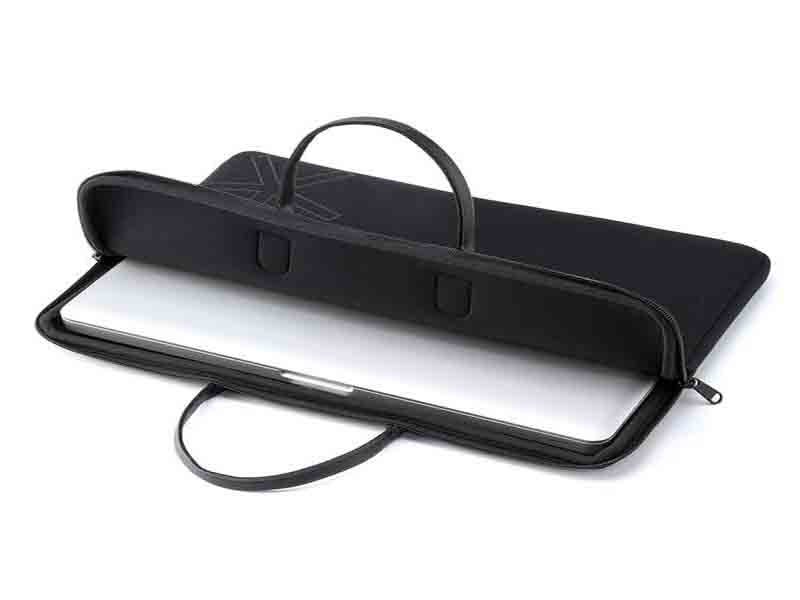
Neoprene bags are made through a step-by-step production process that usually includes material inspection, pattern development, cutting, logo application, sewing, zipper or handle assembly, edge binding, shaping, cleaning, inspection, packaging, and shipment. The process looks straightforward from the outside, but each step affects the finished product’s fit, durability, appearance, water resistance, and user experience. A neoprene bag is not only a stitched fabric item. It is a soft engineered product where foam thickness, surface lamination, stitch tension, seam placement, and accessory installation must work together.
For customers, the most important thing to understand is that manufacturing quality is not created at the final inspection stage. It is built gradually from the first pattern line to the last packing check. If the pattern is inaccurate, the bag may not fit the intended item. If the cutting is uneven, the seams may twist. If the logo is printed before testing stretch, it may crack or distort. If the sewing tension is too tight, the edge may wrinkle. If the zipper is installed poorly, the bag may look cheap even if the neoprene material is good.
This is why professional neoprene bag manufacturing requires both material knowledge and bag construction experience. Szoneier’s production background across neoprene, cotton, canvas, polyester, nylon, Oxford fabric, jute, linen, and other material systems allows the factory team to understand how different fabrics behave during cutting, stitching, laminating, and finishing. For neoprene products, this is especially important because neoprene is thicker, stretchier, and more compressible than many woven fabrics.
A simple example makes this easier to see. A customer requests a neoprene bottle holder for a sports brand. The product looks like one tube with a seam and a logo. But in production, the factory must confirm bottle diameter, stretch allowance, seam placement, handle strength, logo stretch resistance, neoprene thickness, edge binding, and packing shape. If the sleeve is 3mm too loose, the bottle slips. If it is too tight, users struggle to insert the bottle. If the logo is placed across the strongest stretch area, it may crack. Small technical choices decide whether the product feels professional or frustrating.
Pattern Development
Pattern development is the stage where the product design becomes a production template. The pattern controls panel shape, seam allowance, zipper length, handle position, gusset width, curve shape, edge binding, and final product size. For neoprene bags, pattern accuracy is critical because the material has thickness and stretch. A pattern that works for thin polyester may not work for 3mm or 5mm neoprene.
Unlike flat paper or thin fabric, neoprene changes the way edges meet. Thick material creates bulk at corners. Stretch can change fit. Foam compression can affect seam appearance. A zipper opening may shrink slightly after stitching. A handle cut-out may deform if the pattern does not account for tension. This means pattern makers must understand both the product shape and the material behavior.
| Product Type | Pattern Challenge | Manufacturing Control |
|---|---|---|
| Bottle Sleeve | Must fit tightly without overstretching | Add correct diameter allowance and seam placement |
| Laptop Sleeve | Must fit device while allowing zipper space | Include device thickness, lining, and seam clearance |
| Cosmetic Pouch | Needs volume and easy opening | Control gusset depth and zipper curve |
| Lunch Bag | Must stand and close when filled | Plan bottom width, side panels, and lining space |
| Beach Tote | Needs capacity and handle comfort | Confirm panel height, width, handle drop, and reinforcement |
| Wine Carrier | Must hold bottle securely | Control bottle diameter, bottom curve, and handle load |
| Sports Pouch | Must stay stable during movement | Plan stretch direction and body-contact comfort |
| Cooler Bag | Needs insulation and volume | Account for lining, seam bulk, and zipper opening |
A well-developed pattern reduces material waste, improves sewing efficiency, and makes bulk production more consistent. For customers, this means fewer size problems, cleaner appearance, and smoother sample approval.
Material Inspection Before Cutting
Before cutting begins, the neoprene material should be inspected for thickness, density, lamination quality, surface defects, color consistency, odor, and stretch recovery. This stage is easy to overlook, but it protects the entire production run. Once defective material is cut into panels, the cost of correction increases quickly.
Neoprene material can have hidden problems. The surface fabric may be unevenly laminated. The foam may vary in thickness. The color may look slightly different between rolls. The surface may have marks, wrinkles, or adhesive bubbles. The material may smell too strong if it has not been aired properly. These problems can become customer complaints if they are not caught early.
| Inspection Item | What It Checks | Why It Matters |
|---|---|---|
| Thickness | Confirms 2mm, 3mm, 4mm, 5mm or custom spec | Controls hand feel, protection, and cost |
| Density | Reviews foam firmness and recovery | Affects durability and perceived quality |
| Lamination | Checks bonding between foam and fabric | Prevents peeling and bubbling |
| Surface Quality | Finds stains, wrinkles, scratches, uneven texture | Protects appearance |
| Color Consistency | Compares rolls or batches | Avoids mixed-color finished goods |
| Stretch Recovery | Checks whether material returns after pulling | Important for sleeves and sports products |
| Odor | Detects strong rubber or adhesive smell | Important for retail packaging |
| Flatness | Checks roll stability before cutting | Prevents distorted panels |
| Print Compatibility | Tests surface for logo method | Reduces print failure |
For Szoneier, material inspection is part of risk control. Customers may see only finished bags, but the quality story begins at the roll inspection table.
Cutting and Panel Preparation
Cutting turns neoprene sheets into bag panels. Depending on order quantity, product shape, and precision needs, cutting may be done by die cutting, knife cutting, laser cutting, CNC cutting, or manual-assisted cutting. The correct method depends on product complexity and production scale.
Neoprene cutting requires care because the material is soft and compressible. If pressure is uneven, the edge may deform. If the blade is dull, the cut may look rough. If the pattern is not aligned properly, printed designs may shift. If stretch direction is ignored, the finished product may behave differently from the approved sample.
| Cutting Method | Best Use | Advantage | Limitation |
|---|---|---|---|
| Die Cutting | Repeated simple shapes | Fast and consistent | Tooling required |
| Knife Cutting | Medium complexity | Clean edges with proper setup | Needs skilled handling |
| Laser Cutting | Detailed shapes or small parts | Accurate and flexible | May create heat marks depending on surface |
| CNC Cutting | Complex pattern control | Good precision | Higher setup requirement |
| Manual Cutting | Samples or small adjustments | Flexible and fast for prototypes | Less consistent for bulk production |
After cutting, panels may be sorted, marked, checked, and prepared for printing or sewing. For printed neoprene bags, panel alignment is especially important. If artwork crosses seams, the factory must control pattern matching carefully. For private label products, logo location must remain consistent across all units.
Sewing and Assembly
Sewing is where flat panels become a finished bag. This stage includes joining panels, attaching zippers, sewing lining, reinforcing handles, binding edges, adding pockets, attaching labels, and shaping the product. Neoprene sewing requires different control from ordinary woven fabric because the material is thick, elastic, and compressible.
If stitch tension is too tight, the seam may pucker. If it is too loose, the seam may look weak or open under stress. If the needle and thread are not suitable, the material may tear or create visible holes. If the sewing operator pulls the material unevenly, the shape may twist. These issues become more serious on curved seams, thick edges, and small pouches.
| Sewing Area | Common Risk | Quality Control Method |
|---|---|---|
| Side Seams | Uneven stretch or puckering | Control stitch tension and feed speed |
| Zipper Seam | Wavy zipper or misalignment | Use guides and pre-positioning |
| Curved Corners | Bulk and uneven shape | Adjust seam allowance and trimming |
| Handle Attachment | Weak load strength | Reinforce with bartack or webbing |
| Bottom Seam | Water and load stress | Use stronger stitching and placement |
| Edge Binding | Bulky or uneven finish | Match binding width to thickness |
| Lining Assembly | Wrinkles or trapped bulk | Control lining size and seam order |
| Label Sewing | Crooked label or weak stitch | Use placement guide |
For customers, sewing quality is one of the easiest things to notice. A product with clean seams immediately feels more professional. A product with twisted edges or uneven stitching can feel cheap even if the material itself is good.
Edge Binding and Finishing
Edge binding covers raw edges, improves appearance, protects seams, and adds structure. Many neoprene bags use binding around openings, side seams, handles, or zipper edges. Binding can be made from polyester, nylon, elastic tape, woven tape, or custom colored material.
Binding is both functional and visual. It hides raw foam edges, reduces wear, and creates a cleaner retail look. However, binding must match neoprene thickness. If the binding is too narrow, it may not cover the edge properly. If it is too stiff, the bag may feel uncomfortable. If the stitching is uneven, the product may look poorly made.
| Binding Type | Best Use | Benefit |
|---|---|---|
| Polyester Binding | General neoprene bags | Cost-effective and versatile |
| Nylon Binding | Sports and travel products | Stronger and smoother |
| Elastic Binding | Stretch products | Moves with neoprene |
| Contrast Binding | Fashion and retail bags | Adds visual identity |
| Wide Binding | Thick neoprene edges | Better edge coverage |
| Reinforced Binding | High-stress areas | Improves durability |
Finishing may also include thread trimming, cleaning, shaping, steaming, checking zipper movement, wiping surfaces, attaching tags, and preparing packaging. These final details affect the customer’s first impression when the product is unpacked.
Handle, Zipper, and Accessory Assembly
Handles, zippers, pullers, labels, patches, buckles, hooks, snaps, and pockets can make a neoprene bag more useful and more branded. But every accessory also adds construction complexity. Poor accessory assembly is one of the most common reasons a bag feels low quality.
A zipper must open smoothly and sit flat. A handle must carry the expected load without stretching or tearing. A custom patch must stay secure. A pocket must not distort the main panel. A label must be straight and placed consistently. These are small details, but they shape the user experience.
| Accessory | Function | Key Manufacturing Concern |
|---|---|---|
| Zipper | Closure and security | Smooth movement and proper alignment |
| Zipper Puller | Usability and branding | Strength, size, and style match |
| Webbing Handle | Carrying support | Load strength and stitch reinforcement |
| Cut-Out Handle | Simple integrated carrying | Edge comfort and stretch control |
| Inner Pocket | Organization | Seam placement and lining control |
| Rubber Patch | Brand identity | Adhesion or sewing strength |
| Woven Label | Private label branding | Clean placement and durability |
| Buckle or Hook | Detachable function | Hardware strength and compatibility |
| Binding Tape | Edge protection | Width, color, and sewing consistency |
For Szoneier’s custom projects, accessory selection is usually reviewed together with the customer’s target market. A promotional bottle sleeve may only need a printed logo. A premium beach tote may need webbing handles, custom zipper pouch, logo patch, and individual packaging. The right level depends on product positioning.
Why Neoprene Sewing Is More Difficult Than It Looks
Neoprene seems easy to sew because it is soft. In reality, its softness creates challenges. The material can stretch while feeding through the machine. The foam can compress under the presser foot. Thick seams can become bulky. Curves can wrinkle. Edges can roll. These issues require experienced operators and proper machine settings.
| Neoprene Sewing Challenge | Cause | Possible Solution |
|---|---|---|
| Puckered Seam | Stitch tension too high | Adjust tension and feed speed |
| Wavy Zipper | Stretch mismatch between zipper and neoprene | Pre-position zipper and use sewing guides |
| Bulky Corner | Multiple layers overlap | Trim seam allowance and adjust pattern |
| Visible Needle Holes | Wrong needle size or stitch density | Use suitable needle and thread |
| Twisted Shape | Uneven pulling during sewing | Control material feeding |
| Weak Handle Area | Too much stress on soft material | Reinforce with webbing or bartack |
| Uneven Binding | Binding width not matched to thickness | Use suitable tape width |
| Logo Distortion | Product stretches after logo application | Test logo placement and method |
This is why a factory’s experience matters. The difference between a clean neoprene bag and a messy one often comes down to operator skill and production setup.
The Order of Production Steps Matters
The sequence of production affects quality. Some logos must be printed before sewing. Some labels should be attached before lining is closed. Some handles must be reinforced before final assembly. Some zippers must be installed before side seams are joined. If the order is wrong, the factory may struggle to sew cleanly or maintain logo position.
| Step Order Decision | Why It Matters |
|---|---|
| Print before sewing | Easier to keep logo flat and accurate |
| Cut after full material inspection | Avoids wasting defective material |
| Attach labels before closing lining | Cleaner hidden stitches |
| Install zipper before final shaping | Improves alignment |
| Reinforce handles before joining panels | Increases load strength |
| Bind edges after main assembly | Covers raw edges and creates clean finish |
| Final trimming after sewing | Removes thread and rough edges |
| Pack after odor and shape check | Protects customer unpacking experience |
Customers may not see this process, but they benefit from it. A well-planned production flow creates consistent finished products.
How Bag Shape Affects Manufacturing Difficulty
Not all neoprene bags have the same production complexity. A flat sleeve is easier than a box-shaped lunch bag. A round bottle holder is different from a gusseted cosmetic pouch. A tote with reinforced handles requires different equipment and QC than a small zipper pouch.
| Bag Shape | Difficulty Level | Main Challenge |
|---|---|---|
| Flat Sleeve | Low to medium | Size accuracy and edge finish |
| Simple Bottle Sleeve | Low to medium | Diameter and seam comfort |
| Zipper Pouch | Medium | Zipper alignment and corner shape |
| Gusseted Cosmetic Bag | Medium | Volume and seam control |
| Box Lunch Bag | Medium to high | Bottom shape, lining, zipper |
| Large Tote | Medium to high | Panel stability and handle strength |
| Multi-Pocket Organizer | High | Stitching order and alignment |
| Cooler Bag | High | Lining, insulation, and structure |
This matters for pricing and lead time. A customer may compare two neoprene bags by size, but structure can change the cost more than size alone.
Manufacturing Tolerances Should Be Realistic
Neoprene is soft, so very tight tolerances can be difficult. Small differences may occur due to cutting, sewing, compression, stretching, and manual assembly. A good factory controls these differences within acceptable ranges, especially for products that need accurate fit.
| Product | Critical Tolerance Area | Why It Matters |
|---|---|---|
| Laptop Sleeve | Internal length, width, thickness clearance | Device fit and protection |
| Bottle Sleeve | Diameter and height | Grip and usability |
| Cosmetic Bag | Opening width and zipper length | User access |
| Lunch Bag | Capacity and closure alignment | Real use with containers |
| Wine Carrier | Bottle fit and handle position | Stability and safety |
| Sports Pouch | Phone fit and strap position | Comfort during movement |
For customers, the key is to define which dimensions are critical. Not every measurement needs extreme control. But the dimensions that affect function must be checked carefully.
Production Quality Is Built Into the Line
A strong production line does not wait until the end to find problems. It checks quality at multiple points: material arrival, cutting, printing, sewing, accessory attachment, finishing, and packing. This prevents defects from moving too far into production.
| Production Stage | Quality Check | Prevented Problem |
|---|---|---|
| Material Arrival | Thickness, color, lamination | Wrong material or defective rolls |
| Cutting | Panel size and edge quality | Shape mismatch and sewing difficulty |
| Printing | Logo position and adhesion | Misprinted or peeling logos |
| Sewing | Seam strength and stitch appearance | Weak seams or wrinkles |
| Zipper Assembly | Smooth opening and alignment | Poor user experience |
| Handle Assembly | Load strength | Handle failure |
| Finishing | Thread trimming and cleaning | Messy appearance |
| Packing | Quantity, shape, labels, carton marks | Shipping and delivery issues |
This approach reduces rework and improves consistency. It also helps customers receive products closer to the approved sample.
Why Finished Bag Testing Matters
Finished bag testing confirms whether the assembled product performs as intended. Material testing alone is not enough because sewing, zippers, handles, and lining change the product behavior.
| Finished Test | What It Reveals | Suitable Products |
|---|---|---|
| Fit Test | Whether contents fit correctly | Sleeves, bottle holders, pouches |
| Load Test | Handle and seam strength | Totes, wine carriers, lunch bags |
| Zipper Test | Smoothness and durability | All zippered products |
| Splash Test | Basic water resistance | Cosmetic bags, beach bags, sleeves |
| Stretch Test | Shape recovery and logo durability | Bottle sleeves, sports pouches |
| Drop/Impact Check | Cushioning performance | Laptop sleeves, bottle holders |
| Odor Check | Packaging experience | Retail and gift products |
| Packing Compression Check | Shape after carton packing | Export shipments |
For a custom product, these tests should match the real use. A lunch bag should be tested with containers. A laptop sleeve should be tested with the target device. A wine carrier should be tested with a bottle weight. Real-use testing creates better products.
How Are Logos Applied?
Logos are applied to neoprene bags through methods such as screen printing, sublimation printing, heat transfer, rubber patch, woven label, embroidery, embossing, debossing, and custom zipper pullers. The best logo method depends on artwork complexity, neoprene surface fabric, stretch level, order quantity, budget, product use, and desired brand effect. A good logo method should not only look attractive when new; it should also stay stable when the bag is stretched, zipped, carried, cleaned, exposed to moisture, or packed for shipping.
For custom neoprene bags, logo application is one of the most important parts of the product. Customers may buy the bag for function, but they remember the brand through the logo, color, label, and packaging. A clean logo can make a simple pouch feel retail-ready. A poor logo can make even a well-sewn bag look cheap.
Neoprene creates special branding opportunities because it has a soft textile surface and a flexible foam body. This means it can support bright prints, sporty rubber patches, clean woven labels, large front-panel logos, all-over graphics, and private label details. But it also creates challenges. The material can stretch. The surface may be textured. The foam may compress. Some inks may crack if applied incorrectly. Heat can affect bonding. A logo placed on a high-stress area may distort during use.
Szoneier helps customers match the logo method to the product category. A promotional can cooler may use simple screen printing. A beach tote may use sublimation or all-over print. A sports pouch may use rubber patch or reflective print. A cosmetic pouch may use subtle heat transfer or woven label. A laptop sleeve may use a clean embossed patch or minimal logo for a premium look.
Screen Printing
Screen printing is a common logo method for neoprene bags, especially when the design uses simple colors, bold shapes, and clear branding. It is cost-effective for medium and large runs and works well on many laminated neoprene surfaces. Screen printing is often used for promotional pouches, bottle sleeves, lunch bags, can coolers, and simple retail products.
The main advantage is clean visual impact at a reasonable cost. The limitation is that complex gradients, photo-like images, and many colors are harder to reproduce. Screen printing also needs proper ink selection because neoprene can stretch. If the ink is too rigid, it may crack or peel when the material bends.
| Screen Printing Factor | Best Practice | Risk If Ignored |
|---|---|---|
| Artwork | Use bold shapes and clear lines | Fine details may blur |
| Color Count | Keep colors limited when possible | Cost increases with each color |
| Ink Type | Use flexible ink suitable for neoprene | Logo may crack when stretched |
| Placement | Avoid high-stretch seam areas | Logo distortion |
| Drying | Allow proper curing | Poor adhesion |
| Testing | Bend and stretch after printing | Hidden cracking risk |
For many customers, screen printing is a practical first choice because it balances cost, speed, and visibility. It is especially suitable when the logo is simple and the bag surface is stable.
Sublimation Printing
Sublimation printing is used for full-color patterns, gradients, photographic designs, and all-over prints. It works best on polyester-based surfaces because the dye bonds with polyester fibers under heat. For neoprene bags with polyester laminated fabric, sublimation can create bright, durable, and visually rich designs.
This method is popular for beach bags, sports products, promotional items, fashion pouches, bottle sleeves, and retail collections that need colorful graphics. It allows brands to create patterns instead of only placing a logo.
| Sublimation Printing Feature | Advantage | Consideration |
|---|---|---|
| Full-Color Artwork | Supports complex designs | Requires suitable polyester surface |
| All-Over Print | Strong retail and lifestyle appeal | Pattern alignment must be controlled |
| Durability | Design becomes part of fabric surface | Heat settings must be correct |
| MOQ Flexibility | Useful for custom designs | Cost depends on size and setup |
| Color Effect | Bright and smooth | Exact Pantone matching may need testing |
| Stretch Behavior | Better than thick surface ink | Still requires sample check |
Sublimation is not always the best choice for every neoprene product. If the customer wants a simple one-color logo, screen printing may be more cost-effective. If the product uses nylon surface, sublimation may not work the same way. The surface material must be confirmed before choosing this method.
Heat Transfer
Heat transfer applies a printed or cut design onto the surface through heat and pressure. It is useful for detailed logos, multi-color graphics, small runs, and designs that require clean edges. It can work well for cosmetic bags, laptop sleeves, pouches, and private label products.
The key concern is flexibility. Because neoprene bends and stretches, the transfer material must move with the surface. A stiff transfer can crack or lift at the edges. Heat settings must also be controlled carefully so the surface fabric and lamination are not damaged.
| Heat Transfer Factor | Benefit | Risk |
|---|---|---|
| Detail | Good for complex logos | Fine edges may lift if poor quality |
| Color | Supports multi-color graphics | Color matching requires approval |
| Surface | Works on many fabric surfaces | Texture may affect bonding |
| Flexibility | Can be good with proper film | Rigid film may crack |
| MOQ | Good for small custom runs | Unit cost may be higher |
| Durability | Good if tested correctly | Peeling risk under stretch or washing |
Heat transfer is a smart option when customers need detailed branding but do not want full sublimation or expensive patches. It should always be tested on the actual neoprene material.
Rubber Patches and Silicone Labels
Rubber patches and silicone labels create a sporty, premium, three-dimensional brand effect. They are popular for sports pouches, outdoor accessories, beach totes, lifestyle bags, and private label products. They can be sewn, heat-applied, or attached depending on design and material.
The advantage is strong brand presence. A rubber patch can make a neoprene product feel more durable and retail-ready. The limitation is cost, especially if custom molds are needed. Patch thickness, flexibility, edge quality, and attachment method must be reviewed.
| Patch Type | Brand Effect | Best Use |
|---|---|---|
| Rubber Patch | Sporty and durable | Sports bags, outdoor pouches |
| Silicone Label | Soft, modern, colorful | Lifestyle and retail bags |
| PVC Patch | Strong 3D effect | Promotional and casual products |
| PU Patch | Fashion look | Totes and cosmetic bags |
| Leather Patch | Premium natural feel | Gift and lifestyle bags |
| Reflective Patch | Safety and sport function | Running and cycling pouches |
For products that will stretch, patch placement is important. A patch placed on a high-stretch panel may pull or distort. It is better to place patches in stable areas or adjust the panel design.
Woven Labels and Private Label Tags
Woven labels and private label tags are useful for customers building their own product line. They can be placed on the side seam, front panel, inner lining, zipper pull, handle, or packaging. Labels are common for cosmetic pouches, lunch bags, laptop sleeves, tote bags, and retail products.
Woven labels create a clean and professional identity without needing a large printed logo. They are especially useful when the brand wants a subtle look.
| Label Type | Best Placement | Effect |
|---|---|---|
| Side Seam Label | Pouches, sleeves, small bags | Subtle brand identity |
| Front Woven Label | Cosmetic bags, lunch bags | Clean visible branding |
| Inner Label | Private label and product info | Professional retail finish |
| Hang Tag | Retail and gift products | Adds brand story and product details |
| Care Label | Products needing instructions | Helps user understand care |
| Packaging Label | Polybag, box, carton | Supports inventory and retail |
Labels may look simple, but placement matters. A crooked label immediately reduces perceived quality. Szoneier can help customers plan label position before sampling so the final product looks intentional.
Embossing and Debossing
Embossing and debossing create raised or pressed logo effects. These methods can look premium and subtle, especially on smooth neoprene surfaces, PU patches, or special laminated surfaces. They are often used for minimalist branding.
However, embossing directly on neoprene may depend on material structure and surface. The foam body can compress, and the result may vary. For more consistent results, embossing is often applied to a patch or compatible surface rather than the main neoprene panel.
| Branding Method | Visual Style | Consideration |
|---|---|---|
| Embossing | Raised logo effect | Needs compatible material |
| Debossing | Pressed logo effect | May be subtle on soft surfaces |
| PU Patch Debossing | Premium and clean | Adds patch cost |
| Rubber Molded Logo | Strong 3D effect | Tooling may be required |
| Heat-Pressed Logo | Minimalist surface effect | Must test foam response |
These techniques are good for brands that want a quieter premium look instead of a large printed logo.
Custom Zipper Pullers and Hardware Branding
Branding does not need to stay only on the front panel. Custom zipper pullers, colored zipper tape, branded metal tags, silicone pullers, rubber pull tabs, and custom hardware can make a neoprene bag feel more complete.
| Branding Detail | User Impact | Best Product |
|---|---|---|
| Custom Rubber Puller | Easier to grip, sporty identity | Sports pouches, travel bags |
| Metal Puller | Premium feel | Cosmetic bags, laptop sleeves |
| Silicone Puller | Soft and colorful | Lifestyle products |
| Printed Zipper Tape | Strong visual detail | Retail bags |
| Branded Hardware | Premium private label look | Totes, travel organizers |
| Custom Handle Label | Subtle brand presence | Beach totes, lunch bags |
These small details can improve perceived value, especially for retail and private label products. However, they should match the product price level. A low-cost promotional sleeve may not need custom hardware. A premium lifestyle tote may benefit from it.
Logo Method Should Match Product Use
The best logo method is not always the most beautiful one. It must match how the bag will be used. A logo on a bottle sleeve must survive stretching. A logo on a beach bag must handle moisture and sun exposure. A logo on a cosmetic pouch must resist rubbing inside a handbag. A logo on a lunch bag may face cleaning and food moisture.
| Product Use | Recommended Logo Method | Why |
|---|---|---|
| Promotional Bottle Sleeve | Screen print or sublimation | Cost-effective and visible |
| Full-Color Beach Tote | Sublimation print | Supports patterns and lifestyle graphics |
| Sports Pouch | Rubber patch or flexible print | Better sporty durability |
| Cosmetic Pouch | Heat transfer, woven label, subtle print | Clean and giftable |
| Laptop Sleeve | Debossed patch, woven label, clean print | Professional and premium |
| Lunch Bag | Screen print or woven label | Practical and cost-controlled |
| Wine Carrier | Printed logo or leather/PU patch | Gift presentation |
| Outdoor Pouch | Rubber patch or reflective print | Better performance feel |
Choosing the wrong logo method can create problems even when the artwork is beautiful. A rigid print on a stretch panel may crack. A delicate woven label on a high-friction area may wear. A large heat transfer on a curved pouch may lift at the edge.
Logo Placement Can Protect or Damage the Design
Logo placement affects both visibility and durability. The most visible area is not always the safest area. On neoprene products, areas near seams, curves, handles, and stretch points may distort more than flat central panels.
| Placement Area | Benefit | Risk |
|---|---|---|
| Front Center Panel | High visibility | Must avoid strong stretch and wrinkles |
| Side Seam Label | Subtle and clean | Small branding area |
| Handle Area | Unique branding | High friction and stress |
| Zipper Puller | Daily interaction | Small size limits detail |
| Bottom Area | Discreet | Low visibility and high wear |
| Inner Lining | Private label feel | Not visible at first glance |
| All-Over Surface | Strong design identity | Pattern alignment and color consistency |
A good factory will review logo placement during sampling, not after mass production. This helps protect the brand appearance.
Artwork Preparation Affects Production Quality
Even the best factory cannot create a perfect print from poor artwork. Customers should provide high-resolution or vector files whenever possible. For logo production, AI, EPS, PDF, or SVG files are usually better than low-resolution JPG images.
| Artwork Issue | Production Problem | Better Preparation |
|---|---|---|
| Low Resolution | Blurry print edges | Provide vector file |
| Wrong Color Mode | Color mismatch | Confirm Pantone or CMYK/RGB needs |
| Tiny Text | Difficult to reproduce | Enlarge or simplify text |
| Complex Gradient | Hard for screen printing | Use sublimation or heat transfer |
| Thin Lines | May break or blur | Adjust line thickness |
| No Placement Guide | Inconsistent logo location | Provide mockup or dimensions |
| No Size Confirmation | Logo too large or too small | Confirm print size before sample |
For private label customers, this is a simple way to improve product quality. Good artwork saves time, reduces sample revisions, and creates a more professional result.
Logo Durability Testing
Logo durability should be tested on the actual material, especially for stretch products, sports products, wet-use products, and items that will be cleaned or rubbed frequently.
| Test | What It Checks | Important For |
|---|---|---|
| Bend Test | Whether logo cracks when folded | Pouches, sleeves |
| Stretch Test | Whether logo survives expansion | Bottle sleeves, sports pouches |
| Rub Test | Whether surface wears off | Cosmetic bags, travel items |
| Wet Rub Test | Whether color transfers when damp | Beach bags, lunch bags |
| Adhesion Test | Whether transfer or patch peels | Heat transfer, rubber patches |
| Packing Test | Whether logo marks other surfaces | Bulk packed products |
| Cleaning Test | Whether logo handles wiping | Lunch and cosmetic bags |
Customers should approve the logo after seeing it on the actual sample, not only on a digital mockup. Digital mockups are useful, but physical samples reveal real material behavior.
Branding Is More Than the Logo
A custom neoprene bag can carry brand identity through color, texture, zipper, lining, label, packaging, tag, shape, and even the way it feels in the hand. Strong product branding is created by all these details working together.
| Branding Element | Customer Perception |
|---|---|
| Color | Immediate brand recognition |
| Surface Texture | Premium, sporty, soft, or casual feeling |
| Logo Method | Quality and positioning |
| Zipper Puller | Daily interaction with brand detail |
| Lining Color | Hidden quality cue |
| Woven Label | Retail-ready identity |
| Packaging | First impression before product use |
| Shape | Product personality and usability |
| Handle Style | Comfort and perceived durability |
| Care Card | Professional after-use guidance |
For high-end customers, these details matter. A bag with a nice logo but poor zipper or cheap packaging may not feel complete. A bag with coordinated materials and brand details feels much more professional.
How Szoneier Supports Custom Logo Development
Szoneier supports logo development by helping customers choose suitable printing, labeling, patching, embroidery, heat transfer, sublimation, zipper puller, and packaging options based on the product material and target market. The team can review artwork, recommend logo placement, prepare samples, test adhesion, and adjust production methods before bulk manufacturing.
| Customer Branding Need | Szoneier Support |
|---|---|
| Simple company logo | Screen printing or heat transfer recommendation |
| Full-color pattern | Sublimation or printed fabric review |
| Premium private label | Woven labels, patches, custom packaging |
| Sports-style branding | Rubber patch, silicone label, reflective print |
| Subtle retail identity | Side label, debossed patch, custom puller |
| Gift packaging | Hang tag, insert card, branded polybag or box |
| Low MOQ trial | Practical logo method with available materials |
| High-volume consistency | Logo placement guide and production QC |
The best logo is not only attractive. It is suitable for the material, stable during use, cost-effective for the order quantity, and aligned with the customer’s brand position. That is what turns a simple neoprene bag into a product customers remember.
How Is Quality Controlled?

Quality control for neoprene bags is managed through a full-process inspection system that covers material checking, cutting accuracy, logo testing, sewing quality, zipper performance, handle strength, lining condition, water-resistance review, finished size, appearance, packaging, and shipment preparation. The goal is not only to find defective products at the end, but to prevent defects from entering the next production stage. For custom neoprene bags, this is especially important because small issues in material, lamination, stitching, or logo application can become very visible after the product is assembled.
A neoprene bag can fail in several quiet ways before it ever reaches the customer. The fabric may look good but peel after bending. The logo may pass a visual check but crack after stretching. The zipper may work when the bag is empty but jam when filled. The handle may look strong but stretch under real carrying weight. The lining may wrinkle, trap odor, or tear near the seam. Good quality control means testing how the product behaves, not only how it looks on a table.
For Szoneier, quality control starts from the material side because the company works across fabric R&D, material sourcing, and finished product manufacturing. This is a practical advantage for custom neoprene bag projects. When the factory understands cotton, canvas, polyester, nylon, neoprene, Oxford fabric, jute, linen, coatings, linings, and bag construction, it can identify risks earlier and recommend better solutions before mass production.
A strong QC process protects both sides. Customers receive products closer to the approved sample, and the factory reduces rework, shipment delays, and after-sales issues. In custom manufacturing, quality is not created by one final inspector. It is created by a chain of checks from material roll to packed carton.
Material Quality Inspection
Material inspection confirms whether the neoprene sheet meets the approved specification before cutting. This includes checking thickness, density, color, surface fabric, lamination strength, odor, stretch recovery, surface defects, and roll consistency. If material issues are not found at this stage, the same defect may appear across hundreds or thousands of finished products.
Neoprene quality can vary greatly between batches. A roll may be slightly thinner than expected. The foam may feel too soft. The laminated surface may show bubbles or weak bonding. The color may differ from the approved sample. The material may have wrinkles, pressure marks, stains, or strong odor. These issues can affect appearance, performance, and customer reviews.
| Inspection Item | What QC Checks | Why It Matters |
|---|---|---|
| Thickness | Confirms 2mm, 3mm, 4mm, 5mm or approved spec | Affects protection, insulation, hand feel, and cost |
| Density | Reviews firmness, recovery, and support | Affects long-term shape and perceived quality |
| Lamination Strength | Checks bonding between surface fabric and foam | Prevents peeling, bubbling, and delamination |
| Surface Appearance | Finds stains, wrinkles, scratches, uneven texture | Protects retail presentation |
| Color Consistency | Compares roll color with approved standard | Prevents mixed-color production |
| Stretch Recovery | Tests whether material returns after pulling | Critical for sleeves and sports products |
| Odor | Detects strong rubber, glue, or ink smell | Important for retail and gift packaging |
| Roll Width | Confirms usable cutting width | Affects material usage and waste |
| Surface Compatibility | Checks print or heat transfer suitability | Reduces logo failure risk |
Material inspection is also where Szoneier can help customers avoid overpaying for the wrong specification. A product may not need the thickest material, but it does need consistent material. A stable 3mm neoprene with good lamination may be better than a cheaper 4mm neoprene that peels, smells strongly, or compresses too easily.
Cutting Quality Control
Cutting quality controls whether each panel matches the approved pattern. For neoprene bags, accurate cutting is critical because thick and stretchy material can distort during sewing if the panel shape is inconsistent. Cutting defects can lead to twisted seams, uneven edges, misaligned zippers, wrong bag size, and poor final shape.
During cutting inspection, the factory checks dimensions, edge smoothness, pattern direction, fabric alignment, printed panel positioning, and quantity accuracy. For all-over printed neoprene bags, cutting must also match the design layout so the artwork appears correctly after assembly.
| Cutting Check | What It Prevents |
|---|---|
| Panel Size Measurement | Prevents wrong final bag dimensions |
| Edge Smoothness Check | Prevents rough edges and poor binding |
| Pattern Direction Review | Prevents inconsistent stretch or visual mismatch |
| Printed Layout Alignment | Prevents artwork shifting after sewing |
| Cut Quantity Count | Prevents shortages during assembly |
| Defect Sorting | Removes stained or damaged panels |
| Matching Sets | Keeps paired panels consistent |
| Seam Allowance Check | Prevents sewing misalignment |
Cutting errors are expensive because they often appear later during sewing. A panel that is only slightly wrong may still be sewn, but the finished product may look uneven. Good factories catch these issues before assembly.
Logo and Branding Inspection
Logo inspection checks whether the printed, transferred, embroidered, patched, labeled, or embossed branding matches the approved sample. This includes position, size, color, clarity, adhesion, stretch performance, rub resistance, and overall visual effect.
For custom neoprene bags, branding is often the most important visual detail. A small logo error can make the product unacceptable, even if the bag itself is functional. This is especially true for private label orders, promotional campaigns, retail goods, event merchandise, and high-end brand projects.
| Logo Inspection Item | What QC Checks | Common Risk |
|---|---|---|
| Logo Position | Distance from edges, center alignment, consistency | Crooked or inconsistent branding |
| Logo Size | Matches approved artwork and sample | Too large, too small, or distorted |
| Color Accuracy | Matches Pantone or approved color | Brand color mismatch |
| Print Clarity | Sharp edges and readable text | Blurry or broken details |
| Adhesion | Logo stays attached after rubbing or bending | Peeling or cracking |
| Stretch Test | Logo survives product expansion | Cracking on bottle sleeves or sports pouches |
| Wet Rub Test | Color does not transfer when damp | Staining or fading |
| Patch Sewing | Patch attached securely and evenly | Loose corners or crooked patch |
| Label Placement | Side label or inner label is straight | Low-quality appearance |
Logo QC should happen before and after assembly. A logo may look correct on a flat panel, but it may appear misaligned after sewing if the pattern or seam tension changes. This is why sample approval and production guides are important.
Sewing and Seam Quality Control
Sewing inspection reviews stitch quality, seam strength, stitch density, thread tension, edge alignment, seam position, binding quality, and overall shape. For neoprene bags, sewing QC is one of the most important stages because the material is soft, thick, and elastic.
A good seam should be strong, even, clean, and suitable for the product’s use. It should not pucker, twist, stretch unevenly, or create uncomfortable edges. For load-bearing bags, handle seams need extra checking. For water-resistant products, seam placement and stitch holes must be reviewed carefully.
| Sewing Defect | What It Looks Like | Why It Matters |
|---|---|---|
| Skipped Stitches | Missing stitches along seam | Weakens seam and looks defective |
| Uneven Stitch Length | Inconsistent stitch spacing | Reduces professional appearance |
| Puckering | Fabric wrinkles near seam | Shows tension problem |
| Twisted Seam | Bag shape pulls to one side | Affects fit and appearance |
| Loose Thread | Threads hang from seam | Poor finishing quality |
| Weak Handle Stitch | Handle pulls or separates | Serious functional risk |
| Bulky Corner | Thick seam creates lump | Reduces premium feel |
| Uneven Binding | Edge tape waves or shifts | Makes product look cheap |
| Exposed Raw Edge | Foam visible at seam | Affects durability and appearance |
For neoprene products, seam inspection should include both appearance and stress. A seam may look clean when flat but open under load. This is why handle pull tests, filled bag tests, and stretch checks are useful.
Zipper and Closure Testing
Zipper testing checks whether the zipper opens smoothly, closes fully, aligns correctly, stays attached under pressure, and matches the product’s water-resistance requirement. Closures are tested because users interact with them constantly. A poor zipper can make an otherwise good neoprene bag feel frustrating.
Standard zippers are acceptable for many pouches, cosmetic bags, and promotional products. Water-resistant zippers or zipper flaps may be needed for laptop sleeves, outdoor pouches, and higher-protection products. Either way, the zipper must be installed cleanly.
| Zipper Test | What It Reveals |
|---|---|
| Opening and Closing Test | Smoothness and user comfort |
| Filled Bag Test | Whether zipper works under real pressure |
| Alignment Check | Whether zipper sits straight |
| End Gap Check | Potential weak points or water entry |
| Puller Strength Test | Whether puller breaks or detaches |
| Curve Test | Whether zipper jams around corners |
| Stitch Check | Whether zipper seam is secure |
| Light Spray Test | Water entry risk for protective bags |
Closures can also include flaps, snaps, hook-and-loop, drawstrings, buckles, or open-top designs. Each needs its own QC focus. A magnetic snap must align. A flap must cover properly. Hook-and-loop must attach strongly. A roll-top closure must fold correctly if used for water protection.
Handle and Load Testing
Handle and load testing checks whether the bag can carry the expected weight without tearing, stretching too much, or deforming. This is essential for tote bags, lunch bags, wine carriers, cooler bags, travel organizers, and bottle holders with straps.
Neoprene is soft and flexible, so handle construction matters. Some handles are cut directly from the neoprene body. Others use webbing, rope, padded straps, reinforced stitching, or attached hardware. Each design has different strength requirements.
| Product Type | Load Concern | QC Focus |
|---|---|---|
| Neoprene Tote | Towels, books, groceries, daily items | Handle reinforcement and panel stretch |
| Lunch Bag | Food containers and drinks | Handle seam and zipper closure |
| Wine Carrier | Heavy glass bottle | Bottom support and handle strength |
| Cooler Bag | Ice packs, food, drinks | Bottom seam and carrying balance |
| Bottle Holder | Filled bottle weight | Strap attachment and sleeve fit |
| Laptop Sleeve | Device weight and carrying friction | Seam strength and zipper area |
| Sports Pouch | Movement and body contact | Elasticity and strap stability |
A practical load test should reflect real use. If a wine carrier is designed for one 750ml glass bottle, it should be tested with that weight. If a tote is expected to carry beach towels and water bottles, testing an empty bag is not enough.
Water-Resistance and Spill Testing
Water-resistance testing checks how the finished bag performs against splashes, damp surfaces, condensation, internal spills, or light rain depending on the product claim. This is important because neoprene material itself may resist water, but seams, zippers, lining, and openings affect finished product performance.
Not every neoprene bag needs the same test. A bottle sleeve mainly needs condensation resistance. A cosmetic pouch needs spill and wipeability checks. A lunch bag may need lining and internal moisture testing. A laptop sleeve may need light splash or zipper exposure testing.
| Test Type | What It Checks | Suitable Products |
|---|---|---|
| Surface Splash Test | How outer material handles water | Beach bags, cosmetic pouches |
| Condensation Test | Moisture around cold bottles | Bottle sleeves, can coolers |
| Wet Surface Test | Bottom seam exposure | Lunch bags, laptop sleeves |
| Light Spray Test | Zipper and seam entry risk | Laptop sleeves, outdoor pouches |
| Internal Spill Test | Lining and seam control | Lunch bags, toiletry bags |
| Wipe Cleaning Test | Surface and lining cleaning | Cosmetic bags, food bags |
| Wet Rub Test | Color or logo transfer | Printed bags and wet-use products |
The safest approach is to match testing to marketing claims. If the product page says water-resistant, the product should handle ordinary moisture. If it says waterproof, the construction must be designed and tested much more strictly. For most standard neoprene bags, water-resistant, splash-resistant, moisture-resistant, or easy-clean wording is more accurate.
Final Appearance and Packaging Inspection
Final inspection reviews finished size, shape, color, sewing, logo, zipper, handle, lining, odor, cleaning, labeling, packaging, carton marks, and order quantity. This is the last checkpoint before shipment.
Packaging matters because it shapes the customer’s first impression. A product may be well made, but if it is folded badly, packed too tightly, scratched by hardware, or sealed before airing, the customer may receive a deformed or smelly bag. For retail and private label products, packaging is part of the product experience.
| Final Check | Why It Matters |
|---|---|
| Finished Size | Confirms product matches approved sample |
| Shape and Symmetry | Ensures clean appearance |
| Logo Position | Protects brand consistency |
| Thread Trimming | Improves professional finish |
| Surface Cleaning | Removes dust, marks, and residue |
| Zipper Function | Confirms user experience |
| Handle Strength | Reduces functional complaints |
| Lining Condition | Prevents wrinkles, stains, or tears |
| Odor Check | Protects unpacking experience |
| Packing Method | Prevents deformation during shipping |
| Carton Label | Supports warehouse and delivery accuracy |
| Quantity Check | Prevents shortage or overpacking |
For export orders, carton strength and packing method are also important. Soft neoprene bags can compress, but over-compression may create creases or shape distortion. The packing plan should match the product’s structure and customer’s sales channel.
Why Final Inspection Alone Is Not Enough
Final inspection can find visible problems, but it cannot fully fix problems created earlier. If the wrong material was used, if the logo method was unsuitable, if the seam design was weak, or if the zipper choice was poor, final inspection can only reject products. It cannot easily turn them into good products.
| Problem Found at Final Inspection | Root Cause | Better Prevention Stage |
|---|---|---|
| Peeling surface | Weak lamination | Material inspection |
| Wrong fit | Pattern or cutting error | Pattern development and cutting check |
| Cracked logo | Wrong logo method | Logo testing before bulk production |
| Weak handle | Poor reinforcement design | Sample review and sewing QC |
| Wavy zipper | Sewing tension or zipper mismatch | Assembly line QC |
| Strong odor | Material or packing timing | Material selection and airing |
| Water entry | Seam or zipper design | Design and sample testing |
| Deformed packing | Poor carton method | Packaging test |
A strong QC system is layered. It catches problems early, checks critical points during production, and confirms final goods before shipment.
Quality Standards Should Match Product Type
Not all neoprene bags need the same quality standard. A promotional can cooler and a premium laptop sleeve should not be judged by identical criteria. The key is matching QC focus to product category and customer expectation.
| Product Type | Main QC Priority | Secondary QC Priority |
|---|---|---|
| Promotional Sleeve | Logo clarity and size consistency | Basic seam quality |
| Cosmetic Pouch | Appearance, zipper, lining | Spill resistance and cleaning |
| Laptop Sleeve | Fit, cushioning, zipper, lining | Water-resistance and seam strength |
| Lunch Bag | Lining, insulation, zipper, handle | Cleaning and odor |
| Beach Tote | Handle strength, color, splash resistance | Shape and pocket function |
| Sports Pouch | Stretch, seam strength, zipper | Sweat and rub resistance |
| Wine Carrier | Bottle fit, bottom support, handle strength | Gift appearance |
| Cooler Bag | Insulation, lining, load strength | Water-resistance and closure |
This approach helps customers invest QC effort where it matters. A laptop sleeve must fit accurately. A beach tote must carry comfortably. A lunch bag must clean easily. A promotional sleeve must show the logo clearly.
Common Quality Problems in Neoprene Bags
Understanding common defects helps buyers communicate better with factories and inspect samples more effectively.
| Quality Problem | Likely Cause | How to Reduce Risk |
|---|---|---|
| Surface Peeling | Weak lamination or poor adhesive | Test lamination before production |
| Wrinkled Panels | Poor material handling or sewing tension | Improve cutting and sewing control |
| Logo Cracking | Ink or transfer too rigid | Use flexible logo method |
| Color Difference | Mixed material batches | Compare roll colors before cutting |
| Strong Odor | Low-grade material or packed too soon | Air material and control packaging |
| Wavy Zipper | Poor sewing or zipper mismatch | Use guides and test filled bag |
| Weak Handle | Insufficient reinforcement | Add bartack, webbing, or thicker panel |
| Bulky Seams | Too much thickness at corners | Adjust pattern and trim allowance |
| Lining Wrinkles | Poor lining size or sewing order | Improve pattern and assembly sequence |
| Bag Deformation | Over-compressed packing | Adjust folding and carton method |
Most of these problems are preventable when the factory reviews material, pattern, sample, and production setup carefully.
How Customers Can Review Samples Like a Professional
Customers do not need to be manufacturing experts, but they should review samples with real use in mind. A sample should not only be photographed. It should be used.
| Sample Review Action | What the Customer Learns |
|---|---|
| Put real items inside | Confirms size and capacity |
| Open and close zipper repeatedly | Tests daily usability |
| Carry with expected weight | Checks handle comfort and strength |
| Stretch the product if needed | Checks recovery and logo durability |
| Wipe with damp cloth | Reviews surface and print behavior |
| Place on damp surface | Checks bottom seam concerns |
| Smell after sealed packing | Reviews retail unpacking experience |
| Compare logo to brand standard | Confirms color and position |
| Check inner lining | Reviews cleaning and product feel |
| Photograph from all angles | Helps give clear revision feedback |
Clear sample feedback improves the second sample quickly. Instead of saying “make it better,” customers should say “increase handle length by 2cm,” “move logo 1.5cm upward,” “make zipper smoother,” or “use darker lining.” Specific feedback saves time.
Why Quality Control Protects Brand Reputation
A neoprene bag may be a small product, but it represents the brand that sells it. Customers may not know where it was made, but they know how it feels. If the zipper sticks, the logo cracks, the bag smells bad, or the handle fails, the selling brand receives the complaint.
| Product Issue | Customer Reaction | Brand Risk |
|---|---|---|
| Logo peeling | Feels cheap | Weak brand impression |
| Strong odor | Unpleasant unboxing | Return or negative review |
| Poor zipper | Daily frustration | Low repeat purchase |
| Wrong size | Product unusable | Refund or complaint |
| Weak handle | Loss of trust | Safety concern |
| Water claim failure | Anger and disappointment | Damaged credibility |
| Messy sewing | Low perceived value | Poor product rating |
| Deformed packing | Bad first impression | Retail rejection risk |
This is why Szoneier emphasizes 100% quality assurance and sample confirmation before production. Quality control is not only a factory process. It is brand protection.
How Szoneier Supports Quality Assurance
Szoneier supports quality assurance through material review, sample development, production inspection, logo testing, stitching checks, accessory review, finished product inspection, and packaging control. Customers can request custom quality focus depending on product category, such as stronger handle testing for totes, lining inspection for lunch bags, logo stretch testing for bottle sleeves, or zipper protection review for laptop sleeves.
| Customer Requirement | Szoneier QC Support |
|---|---|
| Custom logo products | Logo position, color, adhesion, and durability checks |
| Low MOQ trial orders | Sample confirmation and practical inspection |
| Private label collections | Label, packaging, and appearance consistency |
| Fast sampling projects | Early material and structure review |
| Premium retail products | More detailed appearance and finish control |
| Water-resistant bags | Splash, seam, zipper, and lining review |
| Insulated products | Lining, closure, and thickness checks |
| Heavy-carry bags | Handle, seam, and bottom reinforcement checks |
| Export orders | Packing, carton, quantity, and shipment preparation |
For customers developing custom neoprene bags, this kind of QC support reduces uncertainty. It helps ensure that the final products are not only good-looking, but also practical, consistent, and ready for real users.
How to Choose a Manufacturer?
Choosing a neoprene bag manufacturer should be based on fabric knowledge, product development ability, customization support, sampling speed, quality control, MOQ flexibility, production experience, communication clarity, and export service. The best manufacturer is not simply the one offering the lowest unit price. It is the one that can help turn your idea into a stable product, prevent avoidable mistakes, control quality across production, and deliver bags that match your brand, market, and customer expectations.
A strong neoprene bag manufacturer should understand both material and finished product construction. Neoprene is not like ordinary cloth. It has thickness, stretch, foam density, lamination, surface fabric, compression, and water-resistant behavior. If a factory only treats it like standard fabric, the finished bag may have poor seams, bad fit, weak handles, distorted logos, bulky corners, or unrealistic waterproof claims.
Customers should also consider whether the manufacturer can support their stage of business. Some buyers need small trial orders. Some need free design support. Some need private label packaging. Some need fast sampling for a launch deadline. Some need OEM or ODM production for a full product line. Some need help comparing neoprene with cotton, canvas, polyester, nylon, Oxford, jute, linen, or coated fabrics. The right partner can adapt to these needs.
Szoneier is suitable for customers who want a factory that combines fabric R&D, finished product manufacturing, custom development, low MOQ support, fast sampling, free design, sample support, OEM/ODM service, private label customization, and export experience. For neoprene bag projects, this integrated capability helps customers move from idea to sample to bulk production more smoothly.
What Factory Experience Should Buyers Check?
Buyers should check whether the factory has experience with neoprene materials, bag construction, custom logo methods, sewing control, lamination quality, lining selection, packaging, and export orders. Years of experience matter, but only when that experience is relevant to the product category.
A general sewing factory may be able to stitch simple bags, but neoprene requires more specific handling. A fabric supplier may understand raw material but not finished bag construction. A trading company may communicate well but may not control production details directly. A strong manufacturer should be able to discuss both material and finished product performance.
| Experience Area | Why It Matters |
|---|---|
| Neoprene Material Knowledge | Helps select thickness, density, and surface fabric |
| Bag Pattern Development | Controls shape, fit, and capacity |
| Custom Logo Experience | Prevents cracking, peeling, and wrong placement |
| Sewing and Binding Skill | Improves seam strength and appearance |
| Zipper and Handle Assembly | Affects daily user experience |
| Lining and Insulation Knowledge | Important for lunch bags, cooler bags, cosmetics |
| Quality Control System | Reduces production defects |
| Export Experience | Supports packaging, shipping, and communication |
| Multi-Material Capability | Helps compare neoprene with other fabric options |
Szoneier has over 18 years of experience in fabric development and finished product manufacturing. This matters because neoprene bag success often depends on how material and structure are combined.
Why Does Fabric R&D Capability Matter?
Fabric R&D capability matters because custom bag projects often require more than choosing an existing roll of material. Customers may need a specific hand feel, thickness, color, texture, lamination, coating, print compatibility, lining, or performance level. A manufacturer with fabric development knowledge can help customers avoid material mismatch and build better products.
For neoprene bags, fabric R&D affects many decisions: Should the surface be polyester or nylon? Should the bag use 2mm, 3mm, 4mm, or 5mm neoprene? Does the product need a smoother surface for printing? Does it need a stronger surface for sports use? Does the lining need to be wipeable? Is neoprene enough, or should Oxford fabric or coated polyester be added for reinforcement?
| R&D Question | Why It Matters |
|---|---|
| Which thickness matches the product? | Controls comfort, protection, and cost |
| Which surface fabric supports the logo? | Affects print clarity and durability |
| Which lining improves user experience? | Important for food, cosmetics, electronics |
| Does the product need reinforcement? | Prevents handle or seam failure |
| Is neoprene the right material? | Avoids forcing the wrong fabric into the project |
| What post-treatment is available? | Supports water resistance, printing, or texture |
| Can material be customized? | Supports brand-specific products |
| Can samples be adjusted quickly? | Speeds up product development |
A factory with material knowledge can recommend smarter alternatives. For example, if a customer wants a fully waterproof outdoor pouch, Szoneier may explain that standard neoprene is water-resistant but not ideal for dry-bag-level protection, and may suggest TPU-coated fabric, coated nylon, Oxford fabric, or hybrid construction instead. That kind of honesty protects the customer’s product reputation.
How Important Are OEM and ODM Services?
OEM and ODM services are important for customers who want products under their own logo, packaging, design, size, color, and market positioning. OEM usually means the customer provides a design or reference and the factory manufactures it. ODM means the factory can also support product development, design adjustment, structure improvement, and material recommendation.
For custom neoprene bags, both services are valuable. Some customers already know exactly what they want. Others only have an idea. A strong manufacturer can support both.
| Service Type | Best For | Szoneier Support |
|---|---|---|
| OEM | Customers with existing design, sample, or technical file | Produce according to approved specifications |
| ODM | Customers needing design and development support | Recommend material, structure, logo, and packaging |
| Private Label | Customers selling under their own brand | Custom labels, tags, logos, packaging |
| Low MOQ Custom | Customers testing market demand | Support smaller custom trial orders |
| Full Custom Development | Customers building new product lines | Design, sampling, revision, production, QC |
| Logo Customization | Promotional and retail projects | Printing, labels, patches, pullers |
| Material Customization | Performance or brand-specific products | Thickness, surface, color, lining, treatment |
ODM support is especially helpful for customers without technical product teams. Instead of only asking “What size do you want?” the manufacturer can help think through user experience, material performance, cost, and production feasibility.
Why Are Low MOQ and Fast Sampling Valuable?
Low MOQ and fast sampling are valuable because they help customers test products before committing to large orders. In today’s custom product market, many brands want to validate designs, gather customer feedback, test packaging, and adjust specifications before scaling. A factory that supports low MOQ customization and quick sample development reduces launch risk.
For neoprene bags, sampling is not only about seeing the appearance. It confirms fit, thickness, logo effect, zipper function, lining, handle comfort, water resistance, and packaging. A fast sample cycle helps customers make decisions sooner.
| Customer Situation | Why Low MOQ and Fast Sampling Help |
|---|---|
| New brand testing a product | Reduces inventory risk |
| Promotional event with deadline | Speeds up approval and production |
| Retail buyer testing colors | Allows market feedback before scaling |
| Beauty brand launching gift pouch | Confirms packaging and logo effect |
| Sports brand testing fit | Checks stretch and comfort |
| Corporate buyer testing logo | Confirms print quality |
| Existing brand adding new SKU | Speeds up product line expansion |
Low MOQ should still be practical. Very small orders with highly customized material, special colors, molded patches, custom packaging, and complex structures may still require higher MOQ because of supplier setup. A good factory explains this clearly and suggests workable alternatives.
How Can Buyers Compare Price, Quality, and Delivery?
Buyers can compare price, quality, and delivery by looking beyond the quoted unit cost. A lower price may use thinner neoprene, lower-density foam, weaker lamination, cheaper zipper, no lining, basic packaging, or limited inspection. A higher price may include better material, stronger construction, private label details, more stable QC, and safer delivery planning. The best quote is the one that matches the product goal.
When comparing suppliers, customers should ask what is included in the price. Does it include custom logo? Does it include lining? What thickness is used? What packaging is included? Are samples free? How many revisions are allowed? What is the production timeline? What QC checks are performed?
| Comparison Point | Low-Price Risk | Better Question to Ask |
|---|---|---|
| Material Thickness | Thinner than expected | What thickness and density are included? |
| Lamination | Weak bonding | Has lamination been tested? |
| Logo | Basic print only | Which logo method is quoted? |
| Zipper | Cheap zipper | What zipper quality is used? |
| Lining | No lining included | Is lining included in the price? |
| Handles | Weak reinforcement | How is handle strength tested? |
| Packaging | Bulk only | What packing method is included? |
| QC | Limited inspection | What inspection steps are included? |
| Delivery | Unrealistic promise | What is the production schedule after sample approval? |
Customers should also compare communication quality. A manufacturer that asks smart questions early may save more money than a supplier that gives a quick cheap quote but misses important details.
Why Work With Szoneier?
Szoneier is a practical partner for custom neoprene bag projects because it combines over 18 years of fabric R&D, finished product manufacturing, custom development, OEM/ODM support, low MOQ customization, fast sampling, free design, free sample support, quality assurance, and export service. The company can produce products using neoprene as well as cotton, canvas, polyester, nylon, jute, linen, Oxford fabric, and other treated materials, helping customers choose the right material system for each project.
For customers developing custom neoprene bags, Szoneier can support the full process from idea review to sample development, material selection, logo method recommendation, production planning, quality inspection, packaging, and shipping. This integrated support is useful for small and medium foreign buyers as well as high-end brand customers who want private label or OEM/ODM products.
| Customer Need | Szoneier Advantage |
|---|---|
| Need material recommendation | Broad fabric experience across neoprene and other materials |
| Need custom design | Free design support for product development |
| Need low MOQ | Flexible customization for test orders |
| Need fast sampling | Quick sample development for faster decisions |
| Need own logo | Printing, labels, patches, packaging customization |
| Need private label products | OEM/ODM production and brand packaging |
| Need reliable quality | 100% quality assurance and production inspection |
| Need shorter lead time | Integrated material and production coordination |
| Need product improvement | Engineering review before bulk production |
| Need export support | Experience serving overseas customers |
The biggest value is not only that Szoneier can make bags. It is that Szoneier can help customers make better decisions before production. That is where many custom projects succeed or fail.
Questions Buyers Should Ask a Neoprene Bag Factory
Before placing an order, buyers should ask questions that reveal the factory’s real capability. Good answers should be specific, not vague.
| Buyer Question | What a Strong Answer Should Include |
|---|---|
| What neoprene thickness do you recommend? | Product-based recommendation, not one-size-fits-all |
| Can you help with design? | Pattern, material, logo, and structure support |
| What logo methods are available? | Screen print, sublimation, heat transfer, patch, label options |
| Can you provide samples? | Sampling timeline, revision process, sample cost policy |
| What MOQ do you support? | Practical MOQ based on material and customization |
| How do you inspect quality? | Material, cutting, sewing, logo, packing checks |
| Can you customize packaging? | Polybag, tag, insert card, retail box, carton options |
| What materials besides neoprene can you use? | Ability to compare fabric options |
| How do you handle delivery? | Production schedule and shipping support |
| Can you improve my existing product? | Review sample, identify risks, suggest upgrades |
A factory that only says “yes, we can do it” without asking about use case, thickness, logo, lining, quantity, and packaging may not be giving enough support.
Warning Signs When Choosing a Supplier
There are also warning signs buyers should watch for. These do not always mean the supplier is bad, but they suggest risk.
| Warning Sign | Possible Risk |
|---|---|
| Quote is much lower than all others | Material or QC may be reduced |
| No questions about product use | Wrong material or construction may be chosen |
| Cannot explain thickness differences | Weak material knowledge |
| Avoids sample testing | Higher bulk order risk |
| No logo durability discussion | Print may crack or peel |
| No clear MOQ explanation | Hidden material or accessory limitations |
| No quality checklist | Defects may be found too late |
| Unrealistic delivery promise | Delay risk after deposit |
| Cannot provide packaging details | Retail presentation may suffer |
| Only focuses on price | Product quality may not match brand needs |
A reliable manufacturer should be transparent about trade-offs. Sometimes the answer should be “This is possible, but it will increase cost,” or “This material is water-resistant, but not fully waterproof,” or “This logo method needs testing because the panel stretches.” That kind of honesty is valuable.
Manufacturer Comparison Table
Customers can use a simple comparison table when evaluating potential partners.
| Evaluation Area | Basic Supplier | Strong Custom Manufacturer |
|---|---|---|
| Material Knowledge | Offers standard neoprene only | Recommends thickness, density, surface, lining |
| Design Support | Requires finished design | Helps create or improve design |
| MOQ Flexibility | Fixed high MOQ | Supports practical low MOQ options |
| Sampling | Basic sample only | Fast sampling with revision support |
| Logo Options | Limited printing | Multiple branding methods |
| QC Process | Final check only | Full-process inspection |
| Fabric Range | One or few materials | Neoprene, cotton, canvas, polyester, nylon, Oxford, jute, linen |
| Communication | Price-focused | Use-case and solution-focused |
| Packaging | Bulk pack only | Private label and retail packaging |
| Long-Term Support | One-time production | Reorders, improvements, product line support |
The right choice depends on the customer’s goals. For simple products, a basic supplier may be enough. For brand products, retail goods, private label lines, and repeat orders, a stronger custom manufacturer is usually safer.
How to Prepare an Inquiry for Faster Quotation
A clear inquiry helps the factory quote faster and more accurately. Customers do not need to provide everything perfectly, but the more detail they include, the better the response.
| Inquiry Detail | Example |
|---|---|
| Product Type | Neoprene lunch bag, cosmetic pouch, laptop sleeve |
| Size | 25 x 18 x 8 cm, or fit 13-inch laptop |
| Quantity | 500 pcs, 1,000 pcs, 5,000 pcs |
| Material Preference | 3mm neoprene, polyester surface, PEVA lining |
| Logo | One-color screen print, full-color sublimation, rubber patch |
| Color | Black, custom Pantone, all-over print |
| Accessories | Zipper, handle, pocket, label, hook |
| Packaging | Individual polybag, hang tag, retail box |
| Use Scenario | Beach, gym, office, travel, food, promotion |
| Target Market | Retail, corporate gift, private label, online store |
| Deadline | Sample date and bulk delivery date |
| Reference | Photo, sketch, sample, or product link |
A strong inquiry does not need to be long. It needs to be clear. Even a simple message with product type, size, quantity, logo, and use scenario can start the development process.
Start Your Custom Neoprene Bag Project With Szoneier
If you are planning to develop custom neoprene bags for your brand, product line, retail collection, promotional program, or private label project, Szoneier can help you move from idea to finished product with less uncertainty. Whether you need a neoprene tote bag, lunch bag, bottle holder, cosmetic pouch, laptop sleeve, sports pouch, beach bag, wine carrier, or cooler bag, the team can support material selection, free design, fast sampling, logo customization, low MOQ production, quality control, packaging, and delivery.
Szoneier works with a wide range of fabric materials, including neoprene, cotton, canvas, polyester, nylon, jute, linen, Oxford fabric, and custom-treated materials. This allows customers to compare options and choose the most suitable structure instead of guessing. From simple promotional products to premium private label bags, Szoneier can help you build products that look professional, feel useful, and match your market expectations.
To receive a custom quotation, prepare your product idea, size, quantity, logo file, target use, preferred material, and packaging requirements. If you already have a sample or reference photo, that will make development even faster. Szoneier can review your details, recommend the right material and structure, prepare samples, and support your project from prototype to bulk production.
Contact Szoneier today to start your custom neoprene bag project and turn your product idea into a manufacturable, brand-ready bag.