Skip to content

Polyester is everywhere—sportswear, luggage, upholstery, outdoor gear, industrial textiles—yet many sourcing decisions around polyester are still made on assumptions rather than engineering facts. Some teams default to virgin polyester for “stability.” Others switch to recycled polyester believing it is automatically greener, cheaper, or equivalent in performance. In reality, neither assumption is consistently true.
Virgin polyester and recycled polyester are chemically similar but not operationally identical. The real differences lie in raw material consistency, fiber morphology, processing stability, certification traceability, and long-term performance risk. Buyers should evaluate polyester choices based on end use, quality tolerance, compliance needs, and supply-chain control—not marketing labels.
At SzoneierFabrics, many projects only succeed after the “polyester decision” is re-examined from the ground up—fiber source, spinning method, dyeing behavior, and real-world usage. A jacket fabric that performs flawlessly in virgin PET may fail colorfastness targets when converted to rPET, while a recycled yarn may outperform expectations when engineered correctly. Understanding why is where smart sourcing begins.
Let’s start at the foundation.
What is polyester fiber, and how is virgin polyester made from PET?

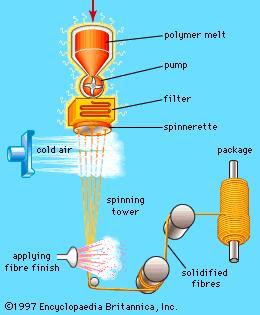
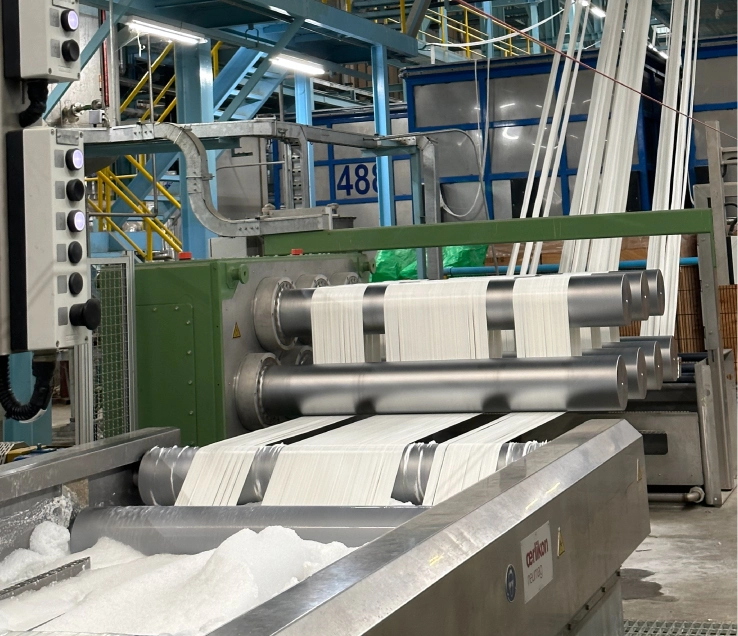
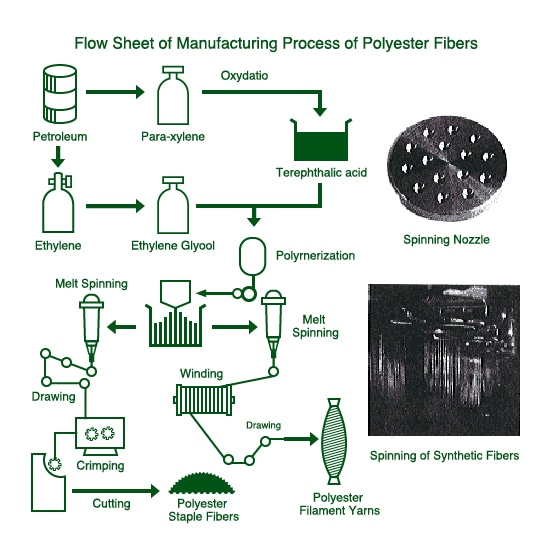
Virgin polyester is a synthetic fiber produced from petrochemical-derived PET (polyethylene terephthalate). It is manufactured under tightly controlled conditions, resulting in highly consistent fiber diameter, strength, dye uptake, and batch-to-batch repeatability.
This consistency is why virgin polyester remains the baseline material for performance-critical fabrics—especially where tight tolerances, uniform color, and predictable mechanical behavior are required.
How virgin polyester is actually engineered
From oil to fiber: the controlled chain
Virgin polyester begins with crude oil derivatives refined into PTA (purified terephthalic acid) and MEG (monoethylene glycol). These are polymerized into PET chips, which are then melted and extruded through spinnerets.
What matters to fabric buyers is not the chemistry alone—but the control.
| Stage | Why It Matters in Fabric Performance |
|---|---|
| PET chip purity | Determines yellowing risk & dye clarity |
| Melt viscosity control | Affects filament uniformity |
| Spinneret precision | Controls denier consistency |
| Drawing & orientation | Drives tensile strength |
| Heat setting | Impacts shrinkage & dimensional stability |
Because every input is standardized, virgin polyester behaves predictably during weaving, knitting, dyeing, coating, and finishing.
Filament vs staple: not all virgin polyester is the same
Virgin polyester is produced in two main formats:
| Fiber Type | Typical Uses | Key Characteristics |
|---|---|---|
| Filament yarn | Sportswear, bags, linings | Smooth, strong, low lint |
| Staple fiber | Apparel blends, home textiles | Cotton-like handfeel, more air |
Choosing filament vs staple often matters more than “virgin vs recycled” in real fabric performance.
Why brands still rely on virgin polyester
From a factory perspective, virgin polyester offers:
- Fewer dyeing surprises
- Lower defect rates in mass production
- Easier shade matching across seasons
- Higher success rate for complex finishes (PU, TPU, PVC coatings)
In high-volume programs with strict delivery windows, these factors often outweigh raw material sustainability claims.
What is recycled polyester (rPET), and which feedstocks matter most?

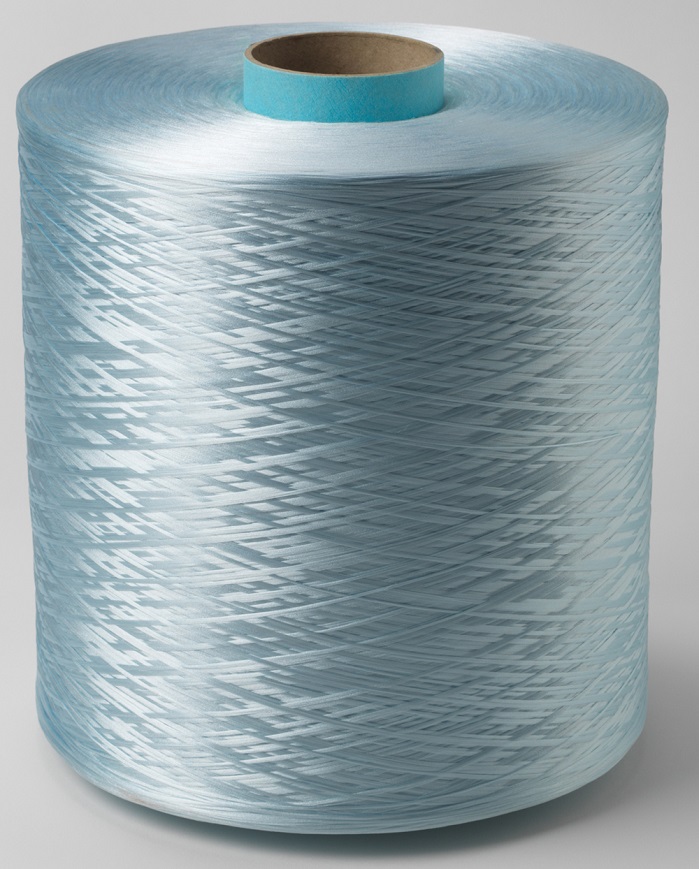
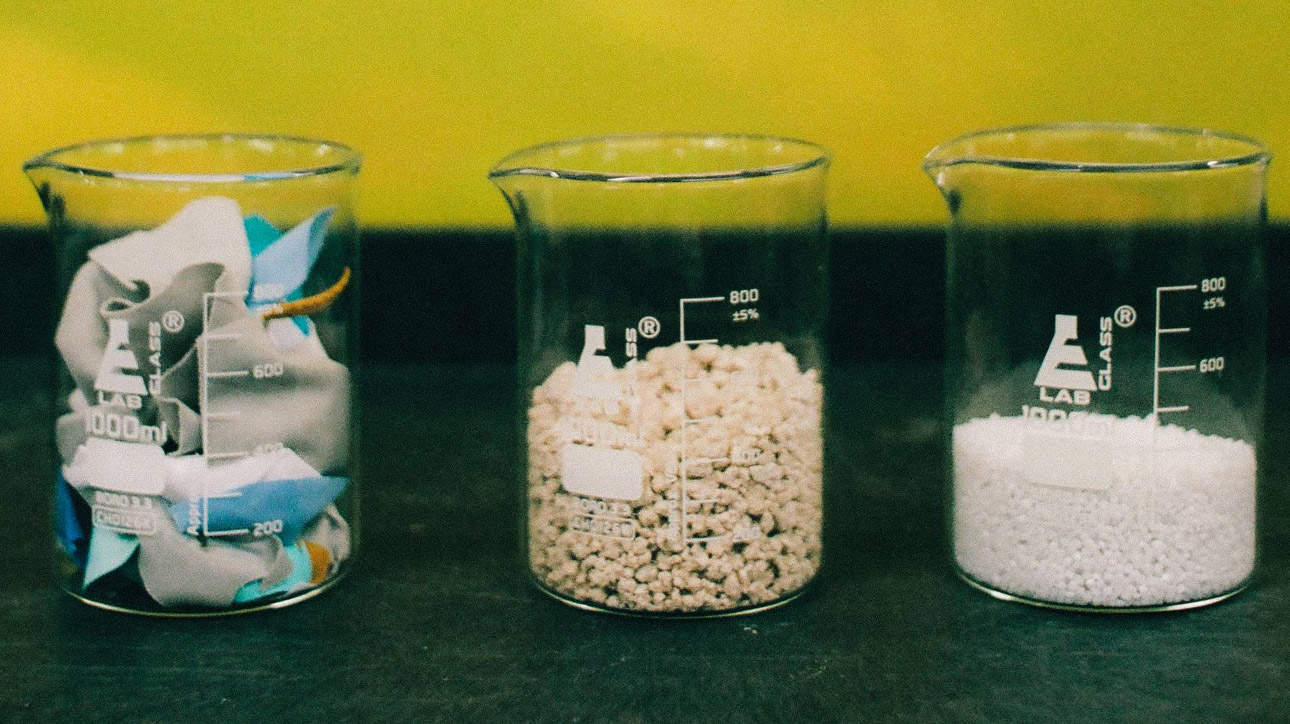
Recycled polyester (rPET) is produced by reprocessing post-consumer or post-industrial PET waste—most commonly plastic bottles—into new polyester fibers. While chemically similar to virgin polyester, rPET’s performance depends heavily on feedstock quality, sorting, and processing discipline.
This is why two “100% recycled polyester” fabrics can behave very differently in production and use.
Feedstock defines fabric reality
Bottle-to-fiber (the dominant model)
Over 80% of recycled polyester on the market comes from PET bottles. The process includes collection, sorting, washing, flaking, re-melting, and re-spinning.
Key risks emerge early.
| Step | Risk Introduced |
|---|---|
| Collection | Mixed polymer contamination |
| Sorting | Color residue variability |
| Washing | Chemical residue retention |
| Re-melting | Polymer chain degradation |
Each step affects yarn strength, elongation, and dye behavior.
Textile-to-textile recycling (the future, not the norm)
Recycling old garments into new polyester fiber sounds ideal—but is still limited.
| Aspect | Bottle-Based rPET | Textile-to-Textile rPET |
|---|---|---|
| Supply scale | High | Very limited |
| Cost | Lower | Significantly higher |
| Fiber purity | Medium | Potentially high |
| Color consistency | Variable | More controllable |
| Commercial maturity | Established | Emerging |
Most buyers requesting textile-to-textile recycled polyester are surprised by MOQs, cost premiums, and lead times.
Mechanical vs chemical recycling
Not all recycled polyester is created equal.
| Recycling Method | Pros | Cons |
|---|---|---|
| Mechanical | Lower cost, mature | Polymer degradation |
| Chemical | Restores polymer quality | Higher cost, fewer suppliers |
From a fabric engineering standpoint, chemical recycling can approach virgin-like performance—but availability remains limited.
Why rPET sometimes underperforms expectations
Common issues seen in development:
- Higher yarn breakage during weaving
- Inconsistent dye uptake between lots
- Reduced abrasion resistance in bags
- Increased pilling in apparel
These are not “recycled polyester problems”—they are feedstock control problems.
Factories with in-house yarn testing and pre-production trials can mitigate these risks. Without that capability, rPET sourcing becomes guesswork.
What are the key differences between virgin polyester and recycled polyester in performance, dyeing, and durability?
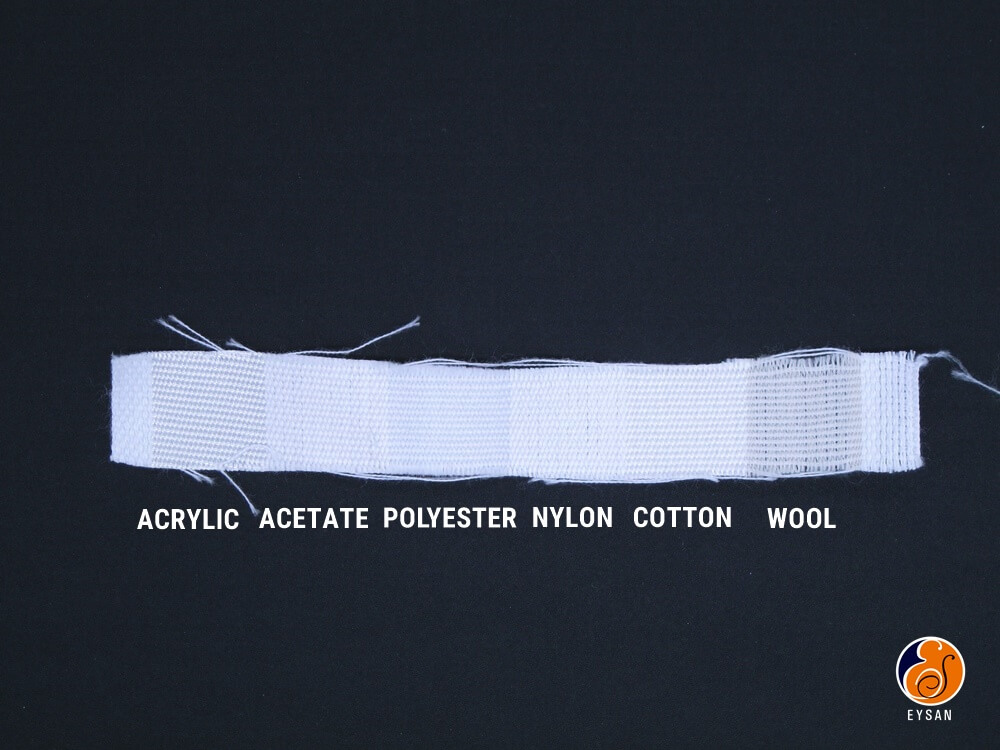
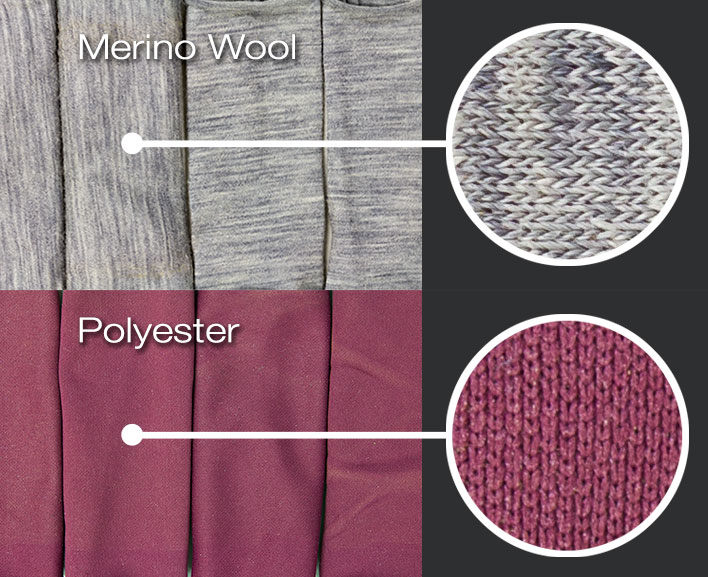
Virgin polyester and recycled polyester share the same chemical base, but they often differ in mechanical stability, dye consistency, abrasion resistance, and long-term durability due to differences in polymer chain integrity and feedstock variability.
In practical terms: virgin polyester behaves more predictably, while recycled polyester requires tighter process control to reach the same performance level.
Where differences show up in real products
Tensile strength & elongation
Virgin polyester fibers typically have longer, more uniform polymer chains. Recycled polyester—especially mechanically recycled rPET—often shows shorter chain lengths due to repeated melting.
| Property | Virgin Polyester | Recycled Polyester (Mechanical) |
|---|---|---|
| Tensile strength | High & stable | Medium–high, variable |
| Elongation at break | Consistent | Wider tolerance |
| Load-bearing reliability | Strong | Depends on yarn grade |
For bags, straps, webbing, and luggage fabrics, this difference becomes critical under long-term load.
Abrasion resistance
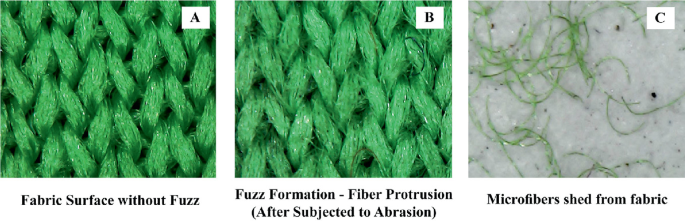
Abrasion resistance depends not only on fiber type but also on yarn twist, fabric density, and finishing. However, recycled polyester often shows earlier surface wear if yarn quality is inconsistent.
| Test Result (Martindale) | Virgin PET Fabric | rPET Fabric |
|---|---|---|
| First fuzzing | Later | Earlier |
| Fiber breakage | Minimal | Slightly higher |
| Surface uniformity | Stable | More variation |
This is why some recycled fabrics feel “tired” faster in real use—even if lab specs look acceptable.
Pilling behavior
Pilling is one of the most common complaints with rPET fabrics.
Why? Shorter fiber fragments from recycled inputs are more likely to migrate to the surface.
| Fabric Type | Pilling Risk |
|---|---|
| Filament virgin polyester | Very low |
| Filament recycled polyester | Low–medium |
| Staple recycled polyester | Medium–high |
For consumer-facing products, this difference directly affects perceived quality.
Dyeing & color consistency
Dyeing is where many teams first encounter recycled polyester risk.
| Aspect | Virgin Polyester | Recycled Polyester |
|---|---|---|
| Dye uptake | Uniform | Slightly uneven |
| Shade repeatability | High | Batch-sensitive |
| Deep colors (black/navy) | Stable | More variation |
| Light colors | Clean | Risk of grey cast |
At SzoneierFabrics, rPET dyeing projects often require additional lab dips and tighter batch control, especially for light or saturated colors.
Heat resistance & shrinkage
Recycled polyester can show:
- Slightly higher thermal shrinkage
- Less forgiving heat-setting windows
This matters in laminated, coated, or embossed fabrics.
Which specifications should you compare first when sourcing polyester fabrics?

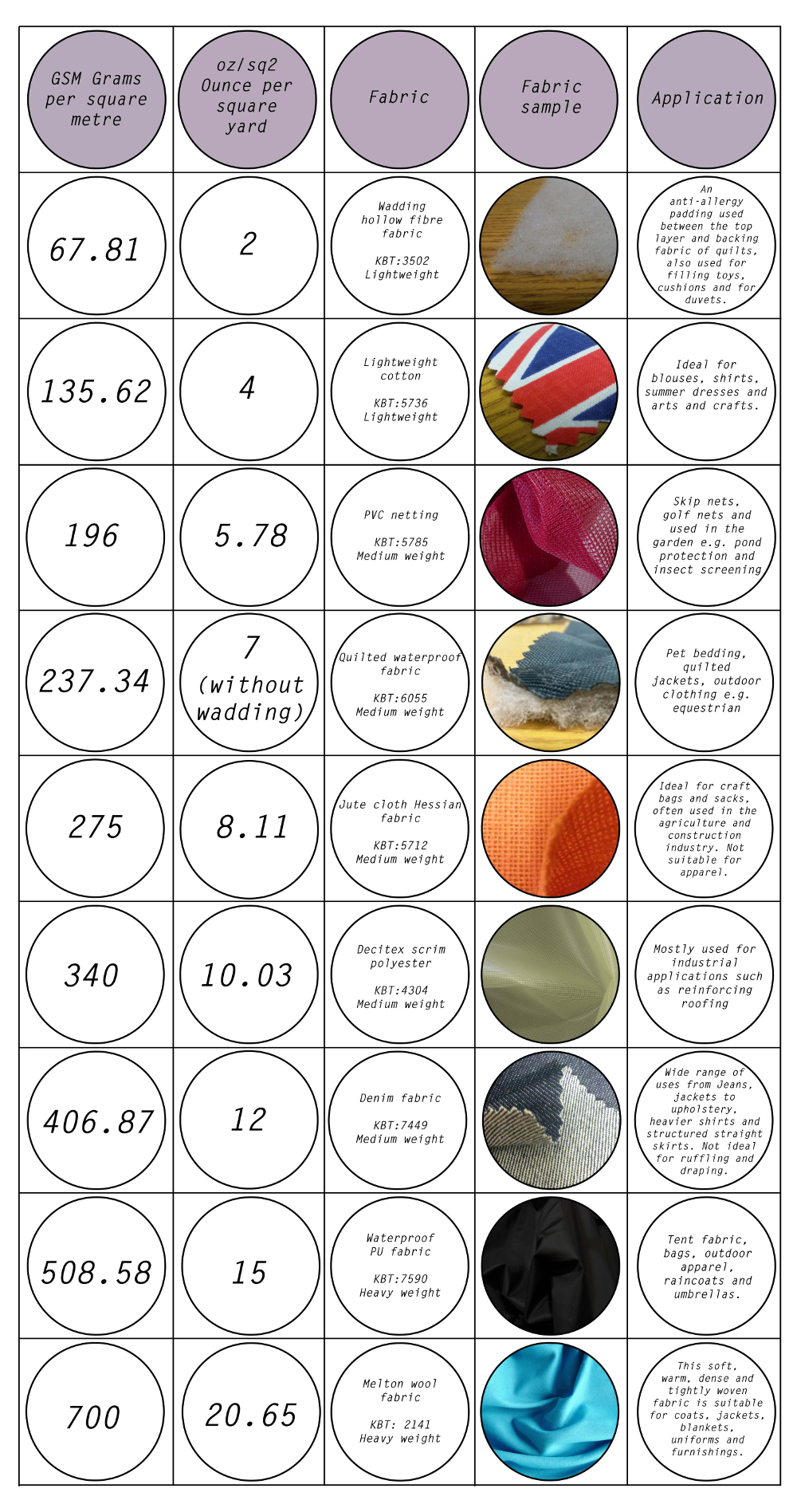
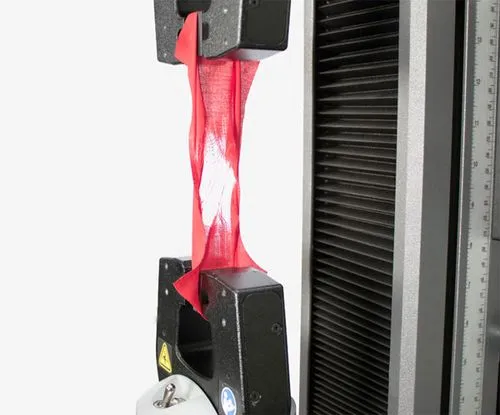
Buyers should prioritize yarn structure, denier, fabric construction, and performance test results over recycled content percentage alone. Many sourcing failures happen because teams focus on sustainability labels before validating technical suitability.
Specifications that actually control outcomes
Denier (D) – the most misunderstood number
Denier measures yarn thickness, but not strength by itself.
| Denier | Typical Use | Notes |
|---|---|---|
| 50D–75D | Linings, light apparel | Sensitive to rPET quality |
| 150D–300D | Backpacks, outerwear | Balanced |
| 600D–1680D | Luggage, tool bags | Virgin or high-grade rPET only |
A 600D recycled yarn is not automatically equivalent to a 600D virgin yarn.
Filament vs staple yarn
This choice often matters more than virgin vs recycled.
| Yarn Type | Best For | Risk Level |
|---|---|---|
| Filament | Bags, outdoor, performance | Low |
| Staple | Apparel, soft handfeel | Medium–high |
Recycled staple fibers amplify variability unless tightly controlled.
Fabric construction (woven vs knitted)
| Construction | Strength | Elasticity | Typical Issues |
|---|---|---|---|
| Plain weave | Stable | Low | Stiff handfeel |
| Twill | Strong | Medium | Higher yarn demand |
| Knitted | Flexible | High | Pilling risk |
For recycled polyester, tighter constructions often help mask fiber variability.
GSM (grams per square meter)
GSM alone does not guarantee durability.
| GSM Range | Common Misconception | Reality |
|---|---|---|
| Low GSM | “Too weak” | Depends on yarn |
| High GSM | “More durable” | Can hide poor yarn |
Always pair GSM with tensile and tear tests.
Core mechanical tests to request
Buyers should always request test data—not just spec sheets.
| Test | Why It Matters |
|---|---|
| Tensile strength | Load-bearing ability |
| Tear resistance | Seam failure prevention |
| Colorfastness | Wash & rub durability |
| Abrasion | Surface lifespan |
| Shrinkage | Dimensional stability |
At SzoneierFabrics, recycled polyester developments typically undergo one additional testing loop before approval to reduce downstream risk.
How do certifications like GRS and RCS work, and what documents should you request?

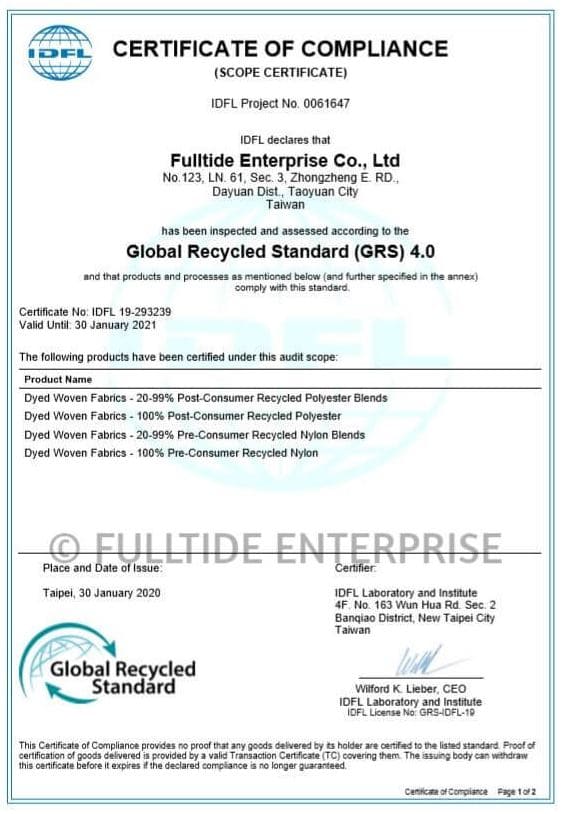
GRS and RCS certifications verify recycled content through documented chain-of-custody, not by visual inspection or supplier claims. Buyers must review scope certificates, transaction certificates, and material balances to ensure recycled polyester claims are legitimate and product-specific.
Certifications are tools—not guarantees—unless you know how to read them.
Understanding certification beyond the logo
GRS vs RCS: what’s the real difference?
Both standards are widely used, but they serve different levels of assurance.
| Aspect | GRS (Global Recycled Standard) | RCS (Recycled Claim Standard) |
|---|---|---|
| Recycled content verification | Yes | Yes |
| Social & environmental criteria | Yes | No |
| Chemical compliance | Yes | No |
| Chain-of-custody depth | Full | Partial |
| Typical use | Brands, retail products | Industrial, components |
If your fabric will be used in consumer-facing products, GRS is usually the safer baseline.
Documents you should always request
Many sourcing teams stop at a “certificate PDF.” That’s a mistake.
| Document | Why It Matters |
|---|---|
| Scope Certificate (SC) | Confirms supplier is certified |
| Transaction Certificate (TC) | Links certification to your order |
| Material balance | Verifies recycled input/output |
| Test reports | Confirms fiber content |
| Invoice consistency | Prevents certificate misuse |
Without a Transaction Certificate tied to your PO, recycled claims are not product-specific.
Common certification misunderstandings
- “Factory is GRS-certified” ≠ your fabric is certified
- Certificates can expire or be product-limited
- Certification does not guarantee performance quality
At SzoneierFabrics, recycled polyester projects only move forward once TC availability is confirmed at the yarn stage, not after fabric production.
Certification adds process discipline—not magic
Certification forces:
- Segregated raw materials
- Documented production flows
- Auditable inventory controls
This discipline often improves consistency—but only when factories truly implement it.
How can you audit traceability and reduce greenwashing risk across the supply chain?


Greenwashing risk increases whenever recycled claims are separated from physical process control. Buyers should audit traceability across spinning, weaving, dyeing, and finishing—not just at the sales level.
If recycled polyester sounds “too easy,” that’s usually a red flag.
Where traceability breaks—and how to fix it
The four critical control points
Recycled polyester traceability can fail at multiple stages.
| Stage | Typical Risk |
|---|---|
| Yarn sourcing | Mixed virgin/recycled inputs |
| Weaving/knitting | Line contamination |
| Dyeing | Batch mixing |
| Finishing | Untracked subcontracting |
Each handoff increases risk unless controlled.
Questions that reveal real capability
Instead of asking “Are you GRS certified?”, ask:
- Where is the recycled yarn spun?
- Are recycled and virgin yarns stored separately?
- How are production lines cleaned between runs?
- Who issues the Transaction Certificate?
Factories that hesitate here usually lack real traceability.
Why dyeing & finishing are the weak links
Many mills buy certified yarn but outsource dyeing.
| Scenario | Risk Level |
|---|---|
| In-house dyeing | Lower |
| Approved certified dye house | Medium |
| Uncontrolled subcontracting | High |
At SzoneierFabrics, recycled polyester dyeing is either in-house or restricted to audited partners, reducing cross-batch contamination.
Material balance: the hidden safeguard
Material balance checks whether recycled input volumes align with output.
| Red Flag | What It Indicates |
|---|---|
| Output > input | Certificate misuse |
| Missing batch IDs | Poor control |
| Generic TCs | Non-specific claims |
Buyers rarely request this—but should.
Greenwashing often isn’t intentional
Many issues come from:
- Sales teams overpromising
- Misunderstood certification scope
- Fragmented production chains
Clear documentation requests early in development prevent later disputes.
Do recycled polyester fabrics change cost, MOQ, lead time, and supply stability?

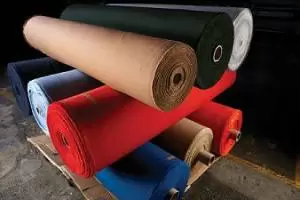

Yes. Recycled polyester typically introduces higher cost volatility, higher MOQs, longer lead times, and greater supply uncertainty compared to virgin polyester—especially when certifications and traceability are required.
These differences are not flaws; they are structural realities of recycled supply chains.
The commercial mechanics behind recycled polyester
Cost structure: why prices fluctuate more
Virgin polyester pricing is closely linked to oil and petrochemical markets. Recycled polyester pricing depends on waste collection, sorting efficiency, recycling capacity, and certification overhead.
| Cost Component | Virgin Polyester | Recycled Polyester |
|---|---|---|
| Raw material stability | High | Medium–low |
| Price volatility | Moderate | Higher |
| Certification cost | None | Added |
| Processing yield | High | Variable |
This is why recycled polyester prices can spike even when oil prices fall.
MOQ reality: where buyers are often surprised
Many mills require higher MOQs for recycled polyester due to segregation and certification costs.
| Fabric Type | Typical MOQ (Virgin) | Typical MOQ (Recycled) |
|---|---|---|
| Woven fabric | 500–1000 m | 1000–3000 m |
| Knitted fabric | 300–800 kg | 800–2000 kg |
| Custom colors | Flexible | More restricted |
At SzoneierFabrics, low-MOQ recycled projects are possible—but only after confirming yarn availability and dyeing capacity upfront.
Lead time impact
Recycled polyester often adds steps.
| Stage | Added Time Risk |
|---|---|
| Certified yarn booking | Medium |
| Lab dips & shade correction | High |
| Transaction certificate issuance | Medium |
| Production scheduling | Medium |
This can extend lead time by 7–20 days compared to virgin polyester.
Supply stability: the hidden long-term issue
Recycled polyester supply depends on:
- Waste collection systems
- Regional recycling infrastructure
- Certification audits
- Brand demand surges
During peak seasons, recycled yarn shortages are common. Virgin polyester rarely faces the same bottlenecks.
What are the most common risks and misconceptions—and how can buyers manage them?
Most problems with recycled polyester come from assumptions rather than facts. Misconceptions about performance, sustainability, and compliance lead to poor material decisions. These risks are manageable—but only with informed sourcing.
Separating myths from operational truth
Misconception 1: “Recycled polyester is always more sustainable”
Reality: Sustainability depends on durability, lifespan, and application fit.
| Scenario | Better Choice |
|---|---|
| Short-life promotional item | Recycled |
| Long-life load-bearing bag | Virgin or chemical rPET |
| High-wash apparel | Depends on yarn quality |
A fabric that fails early and needs replacement is rarely the more sustainable option.
Misconception 2: “All recycled polyester performs the same”
Reality: Feedstock and processing dominate performance.
| Factor | Impact |
|---|---|
| Bottle source quality | High |
| Recycling method | High |
| Yarn spinning control | Critical |
| Fabric construction | Critical |
Two rPET fabrics with identical specs can behave very differently in use.
Misconception 3: “Certification guarantees quality”
Reality: Certification verifies origin, not fitness for use.
Quality still depends on:
- Yarn engineering
- Fabric density
- Finishing discipline
- Testing standards
This is why lab testing remains non-negotiable.
Microfiber shedding concerns
Recycled polyester is often blamed for microfiber shedding, but studies show:
| Factor | Shedding Influence |
|---|---|
| Fiber length | High |
| Yarn twist | High |
| Fabric construction | High |
| Recycled vs virgin | Secondary |
Well-engineered recycled fabrics can shed no more than virgin ones.
Chemical compliance risks
Poorly controlled recycled inputs may introduce:
- Residual contaminants
- Inconsistent dye fixation
- Odor or yellowing risks
Factories with incoming yarn testing and controlled finishing mitigate these issues effectively.
Practical Conclusion: How should you choose between virgin and recycled polyester?
There is no universally “better” option—only a better-matched one.
Choose virgin polyester when:
- Performance tolerance is tight
- Load-bearing or abrasion resistance is critical
- Color consistency must be exact
- Lead time and supply stability matter most
Choose recycled polyester when:
- Sustainability targets are explicit
- Certification and traceability are required
- Slight cost or lead-time flexibility exists
- Factory capability has been verified
The smartest sourcing decisions are engineering-driven, not label-driven.
Work With SzoneierFabrics on the Right Polyester Strategy
SzoneierFabrics is an experienced fabric R&D and manufacturing factory in China, supporting custom development of virgin polyester and recycled polyester fabrics for bags, apparel, home textiles, and technical applications.
We offer:
- Fabric engineering based on real use scenarios
- Low-MOQ customization and fast sampling
- Certified recycled options with full documentation
- In-house testing and controlled production
- Short lead times and stable quality assurance
If you’re planning a new polyester fabric project—or reconsidering an existing one—share your requirements with SzoneierFabrics. Our team will help you select, test, and customize the right material with clarity and confidence.
polyester fiber vs recycled polyester, virgin polyester fabric, recycled polyester fabric, rPET fabric, polyester fabric sourcing, recycled polyester vs virgin polyester, polyester fabric performance, recycled polyester durability, polyester fabric specifications, denier polyester fabric, filament vs staple polyester, polyester fabric dyeing, recycled polyester colorfastness, GRS certified polyester, RCS recycled polyester, recycled polyester certification, sustainable polyester fabric, polyester fabric manufacturing, recycled polyester supply chain, polyester fabric cost comparison, recycled polyester MOQ, polyester fabric lead time, polyester fabric testing standards, abrasion resistant polyester fabric, polyester fabric for bags, polyester fabric for apparel, technical polyester fabric, recycled polyester greenwashing risk, polyester fabric quality control, custom polyester fabric manufacturer