Silk Satin Fabric Market Trends: Opportunities and Challenges
Silk satin has long been prized for its luminous sheen and luxurious drape—but in 2025, it stands at a crossroads between heritage craftsmanship and modern innovation. While demand is evolving, supply chains are facing complex challenges that require both agility and foresight. The silk satin market is being driven by rising demand in fashion, lingerie, and interiors, with sustainable production and technological innovation creating new opportunities. However, sourcing quality, ensuring traceability, and managing costs remain critical hurdles.
To illustrate, consider a boutique Parisian lingerie brand that turned heads last year: by switching to traceable, eco-certified silk satin and launching a digital “fabric journey” QR code for each item, their online conversion rate tripled. That success story captures both the appeal and complexity of today’s silk satin landscape.
What Is Driving the Global Demand for Silk Satin Fabric in 2025?
Today’s demand for silk satin is being propelled by a combination of luxury market resurgence, a growing appetite for sensory fabrics online, and a shift in consumer expectations for heritage and transparency. Global demand for silk satin is rising due to luxury fashion rebounding, increased e-commerce demand for tactile fabrics, and consumer interest in transparency and artisanal supply chains.
- Post‑pandemic luxury rebound: Luxury apparel sales grew \~12% in 2024, with silk satin as a preferred medium for eveningwear and lingerie.
- Digital discovery demand: 68% of consumers say they touch fabrics influenced their online purchase – silk’s sheen surpasses synthetics every time.
- Wellness & sleep trends: Silk satin sheets and pillowcases are now mainstream due to skincare and haircare benefits.
- Premium interiors: Home décor brands are up 18% in textile sales year-on-year, feeding demand for silk satin drapery and upholstery.
| Market Segment | 2022 Sales CAGR | 2024 Sales CAGR |
|---|---|---|
| Fashion Apparel | +9% | +12% |
| Home Textiles | +7% | +11% |
| Luxury Sleepwear | Unknown | +15% |
How Are Fashion and Interior Design Trends Influencing Silk Satin Consumption?
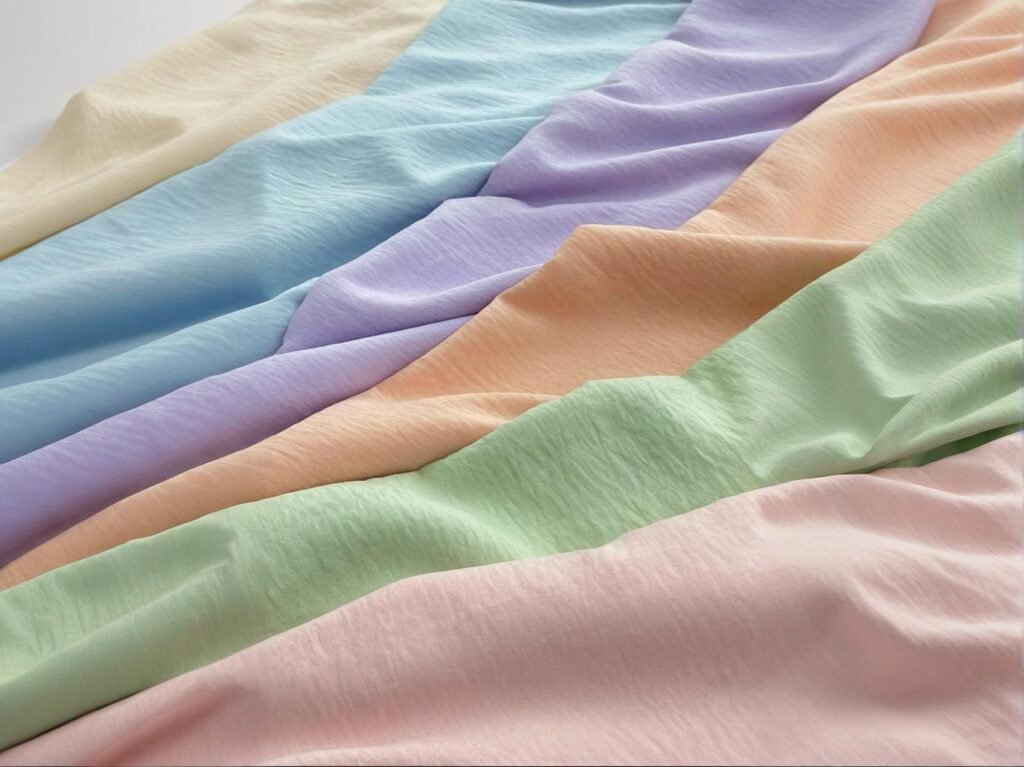
Both fashion runways and interior catalogs are celebrating a return to elegance—silk satin is at the heart of that movement. From men’s tailoring to drapery lines, the fabric is enjoying multi-segment popularity. Silk satin consumption is being driven by runway trends in sheath dresses, tailored suits, and luxurious interiors like drapery and bedding, bridging fashion and home décor.
- Men’s tailoring: Silk satin lining in suits is becoming a quietly luxurious detail among high-end menswear brands.
- Period-inspired fashion: Teddy-slip dresses and self-care suiting revive silk satin as a statement of style.
- Curated interiors: Interior designers select silk satin for decor to convey ambiance—think “soft glamour” in boutique hotels.
- Sleep-tech synergy: Blackout curtains with silk satin layers are trending as homes double as wellness retreats.
| Trend Category | Silk Satin Use | Consumer Appeal |
|---|---|---|
| Women’s Eveningwear | Sheath & slip dress fabrics | Elegant, soft, body-hugging |
| Men’s Tailored Suits | Silky linings, suit details | Hidden luxury |
| Luxury Bedding & Drapery | Sheets, pillowcases, curtains | Smooth, hypoallergenic |
| Interior Accents | Cushions, lampshades, throwers | Ambient sheen, soft comfort |
Which Countries Are Leading the Production and Export of Silk Satin?
The global silk satin supply chain is still dominated by Asia, particularly China and India, but high-end production hubs in Italy and France continue to influence luxury brand sourcing. Each region offers a different balance of quality, price, and sustainability. China and India are the largest producers and exporters of silk satin, while Italy and France specialize in high-end woven silk satin used by luxury brands.
- China: The Silk Giant
- Accounts for over 70% of global silk output.
- Offers cost-effective mass production.
- Zhejiang and Jiangsu provinces are major centers.
- India: Known for Handloom Luxury
- Focus on mulberry silk and traditional weaving.
- Tamil Nadu and Karnataka dominate silk satin production.
- Growing eco-silk initiatives, like Ahimsa (peace) silk.
- Italy & France: Boutique Quality
- Italy (Como region) known for high-thread-count jacquard silk satin.
- France’s Lyon silk heritage still serves haute couture.
- Lead in R\&D for finishings, such as crease resistance or digital prints.
| Country | Production Focus | Strengths | Weaknesses |
|---|---|---|---|
| China | Mulberry, machine-woven | Cost efficiency, volume capacity | Sustainability transparency |
| India | Handloom, organic silk | Artisan quality, ethical options | Low scalability |
| Italy | Jacquard, digital satin | Luxury finish, heritage quality | High cost |
| France | Couture-grade fabrics | Designer-grade exclusivity | Niche market only |
Is Sustainable Silk Satin Gaining Market Share in Premium Segments?
Yes, sustainable silk satin is no longer a niche product—it’s increasingly a requirement among high-end brands. Certifications, consumer awareness, and supply chain traceability are pushing this movement forward. Sustainable silk satin is gaining traction in premium markets through certifications like GOTS and OEKO-TEX, and traceable production models like peace silk and closed-loop dyeing.
- Certified Organic Silk
- GOTS-certified mulberry farms in India and China are expanding.
- Avoidance of harmful chemicals from silkworm to fabric.
- Peace Silk (Ahimsa Silk)
- No harm to silkworms; popular with vegan-conscious consumers.
- German and Indian suppliers are market leaders.
- Closed-loop Dyeing & Finishing
- Factories now invest in zero-liquid-discharge and digital dye systems.
- OEKO-TEX® 100 standards are becoming baseline in European markets.
| Certification | Description | Adoption Rate (Est.) |
|---|---|---|
| GOTS | Organic textiles incl. social criteria | \~20% in EU luxury |
| OEKO-TEX® 100 | Tested for harmful substances | \~45% in EU mid-high |
| Peace Silk (Ahimsa) | Non-violent silk from live cocoons | Niche but growing |
| Bluesign® | Chemical transparency & environmental safety | Used in dye houses |
Luxury designers often cite the story behind the fabric as a major marketing asset. When brands explain that their silk satin is harvested using cruelty-free, organic methods, customers are not only more loyal—they’re willing to pay more.
What Are the Key Sourcing Challenges for Silk Satin Buyers in 2025?
While demand is strong, sourcing silk satin remains a delicate process. Price volatility, quality consistency, and supply chain traceability are the biggest hurdles facing B2B buyers—especially those serving premium or ethical markets. Silk satin sourcing challenges in 2025 include unstable prices, inconsistent quality across suppliers, and difficulty ensuring sustainable and ethical production standards.
- Price Fluctuations
- Influenced by mulberry crop yields, labor costs, and global shipping disruptions.
- China’s silk cocoon prices rose by 8–12% year-over-year from 2023 to 2024.
- Quality Consistency
- Fabric weight, yarn twist, and finishing can vary significantly between batches.
- Some suppliers blend synthetic fibers to reduce costs—often undisclosed.
- Transparency & Traceability
- Many Asian suppliers lack verifiable certifications or environmental audits.
- Difficulty tracing from cocoon to finished fabric complicates sustainability claims.
- MOQ Constraints
- Boutique brands struggle to meet high MOQs (300–500 meters) required by larger mills.
| Sourcing Issue | Impact on Buyer | Risk Level |
|---|---|---|
| Price Volatility | Budgeting unpredictability | High |
| Quality Inconsistency | Returns, reputation damage | Medium |
| Lack of Certifications | Limits eco-brand positioning | High |
| High MOQs | Restricts small-batch testing | Medium |
Boutique brands in Europe and Australia often look to smaller mills in India or Vietnam for lower MOQs and cleaner supply chains—despite longer lead times.
How Are Innovations in Weaving and Finishing Reshaping Silk Satin?
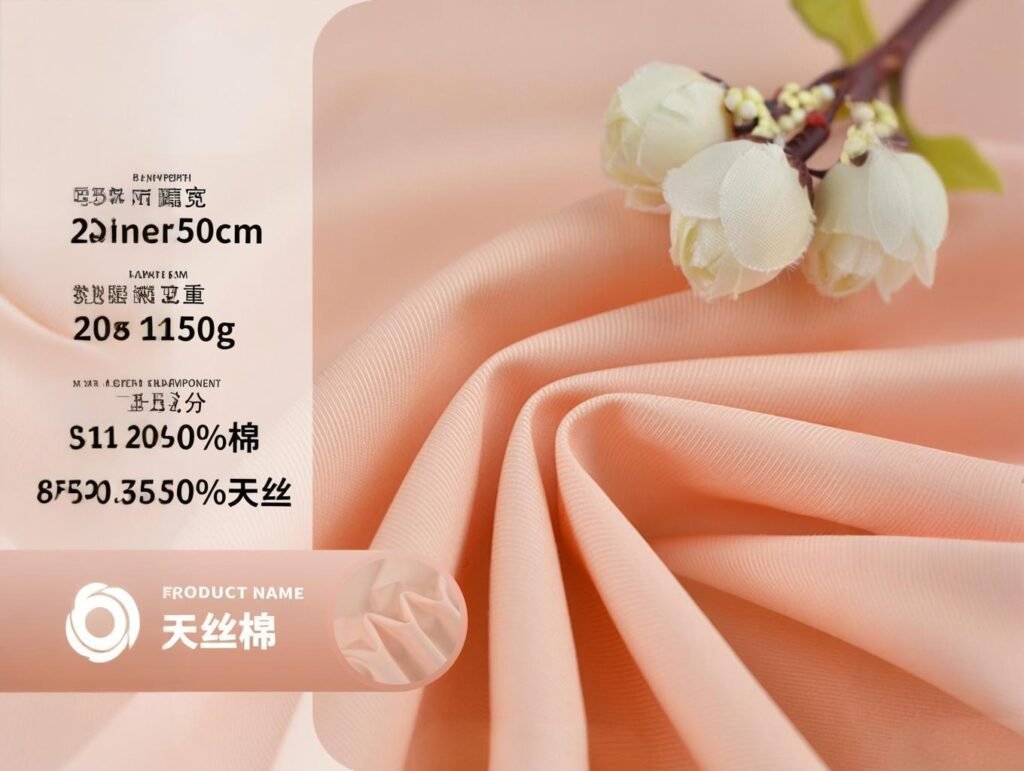
In 2025, silk satin is being transformed through hybrid weaving technologies, digital printing, and functional finishing techniques. These innovations are expanding both aesthetic and performance possibilities—especially for fashion, interior, and active luxury. Advancements in hybrid weaving, nanotech finishing, and digital dyeing are making silk satin more durable, vibrant, and sustainable for modern fashion and interiors.
- Digital Printing on Silk Satin
- Reduces water usage by up to 80% compared to traditional dyeing.
- Enables hyper-realistic, full-color patterns for luxury brands.
- Nanotech Finishes
- Stain resistance, UV protection, and wrinkle reduction are being integrated into premium silk satin.
- Popular in travel-ready apparel and hotel interiors.
- Hybrid Fiber Blends
- Some producers combine silk with bamboo, TENCEL™, or recycled polyesters to add functionality and sustainability.
- Blends can reduce cost while retaining much of satin’s signature feel and shine.
- Anti-Snag Weaves
- New dobby loom innovations reduce thread pull risk in silk satin for upholstery and accessories.
| Innovation Type | Description | Primary Benefit |
|---|---|---|
| Digital Printing | Waterless, high-res pattern printing | Eco-friendly + Customizable |
| Nanotech Finishing | Advanced coatings for durability | Longer lifespan |
| Hybrid Blends | Silk mixed with natural fibers | Cost-efficiency + comfort |
| Structural Weaving | Tighter weave to prevent snagging | Better for high-wear use |
A luxury interior brand in Germany reported a 40% increase in contract orders after launching a digitally printed silk satin wallpaper line with stain-resistant coating—combining elegance with functionality.
What Are the Current Pricing Trends for Silk Satin in the Global Market?
The price of silk satin in 2025 reflects increased demand, rising labor costs, and eco-certification expenses. However, pricing also varies greatly depending on silk type, fabric weight, finishing technique, and supplier region. In 2025, silk satin fabric prices range from \$10 to \$80 per meter depending on the silk type, GSM, and finishing. Sustainable and European-milled satin commands higher premiums.
- Main Pricing Factors
- Type of silk: Mulberry (standard), Tussar (textured), or Eri (ethical).
- GSM: Lightweight (60–80 GSM) vs heavyweight bridal satin (120–200 GSM).
- Finishing: Reactive dye, digital print, wrinkle resistance.
- Certifications: GOTS, OEKO-TEX, bluesign® often increase cost by 10–20%.
- Typical Silk Satin Price Ranges (2025)
| Silk Satin Type | Supplier Region | Price Range (USD/meter) | MOQ |
|---|---|---|---|
| Basic Mulberry Silk Satin (75–80 GSM) | China | \$10 – \$15 | 300 meters |
| GOTS Organic Silk Satin (90–110 GSM) | India | \$18 – \$30 | 100 meters |
| Digital Printed Satin (Designer Grade) | Italy | \$35 – \$55 | 100 meters |
| Peace Silk Satin (Ethical/Vegan) | Germany/India | \$40 – \$65 | 50–100 meters |
| TENCEL-Silk Blend Satin | Vietnam/China | \$12 – \$22 | 200 meters |
| Heavy Bridal Satin (120+ GSM) | France | \$45 – \$80 | 50 meters |
Small brands can often save 20–30% by ordering raw greige silk and outsourcing finishing locally, especially in the EU or U.S.
Are There Opportunities for Customization and Private Labeling with Silk Satin?
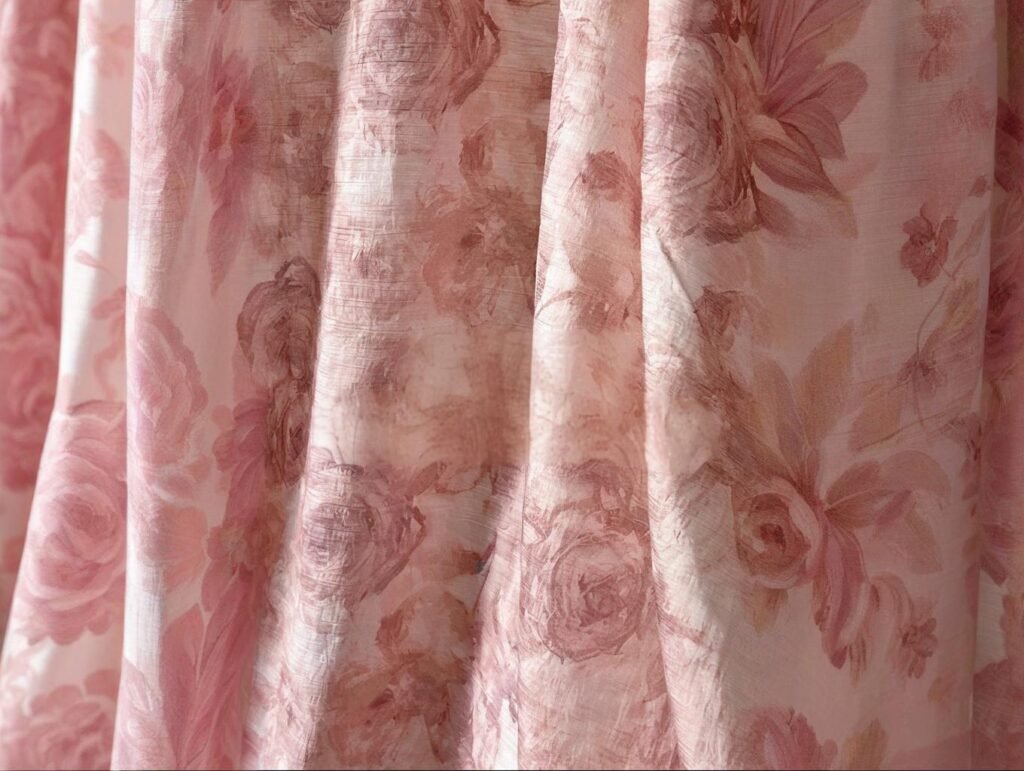
Absolutely. B2B buyers today are demanding not just quality—but uniqueness. Mills like SzoneierFabrics are helping brands customize everything from yarn twist, weave structure, finishing, to branding elements like woven logos or eco-label tags. Silk satin can be customized in GSM, color, weave, and even branded finishes—making it ideal for private label programs in luxury fashion and home décor.
- Customization Options at Szoneier
- Fabric Weight: 60–200 GSM, adjusted to application.
- Color Matching: Pantone matching, lab dips, custom dye lots.
- Print Design: Screen printing, digital printing, sublimation.
- Finishes: Enzyme wash, calendaring, anti-wrinkle, stain-proof.
- Private Label Opportunities
- Woven-in brand tags.
- Embossed or digitally printed logos for interiors.
- Eco-labels (GOTS, OEKO-TEX) for ethical market appeal.
| Customization Area | Options Available |
|---|---|
| GSM Range | 60–200 (light blouses to upholstery use) |
| Color | Solid dye, reactive dye, printed gradients |
| Finishing | Gloss, matte, crushed satin, nano-coating |
| Branding | Logo print, woven labels, custom packaging |
A boutique bridal label in Australia increased conversions by 37% after offering brides the option to select GSM and finish of their dress lining satin—creating a luxury, made-to-order feel with Szoneier’s help.
Looking for a trusted silk satin fabric manufacturer that understands quality, customization, and speed to market?
SzoneierFabrics is your ideal partner.
✅ Over 18 years of fabric R\&D and export experience ✅ Fast sampling, free design, and flexible MOQ (as low as 50 meters) ✅ GOTS, OEKO-TEX certified sourcing and production ✅ OEM & private label customization for luxury apparel and interiors
Let’s create silk satin fabric that speaks for your brand—beautiful, ethical, and unforgettable.