Skip to content
Most people assume that all fishing bags are waterproof—until the day their gear gets soaked. It usually happens quietly: a splash from the side of a boat, a sudden rainstorm, or water seeping through the seams after hours outdoors. By the time you notice, your tackle is wet, your tools are rusting, and your trip is already compromised.
The truth is, waterproof performance is not determined by design alone—it is fundamentally defined by the fabric and construction behind it.
Fishing bags use waterproof fabrics such as PVC-coated materials, TPU-laminated fabrics, and coated nylon or polyester, each offering different levels of water resistance, flexibility, durability, and environmental performance. Fully waterproof bags typically rely on TPU or PVC systems combined with sealed seams and waterproof closures.
Understanding these materials is not just technical knowledge—it directly affects how reliable your gear is in real-world conditions. Some fabrics perform exceptionally in harsh marine environments, while others are better suited for lightweight, everyday use.
There’s a story often shared among anglers: a fisherman invested in premium rods and reels but chose a basic “water-resistant” bag. One unexpected wave later, his equipment was soaked, costing far more than the bag itself. That single moment changed how he evaluated gear forever.
This article will walk you through exactly which waterproof fabrics are used in fishing bags—and how to choose the right one for your needs.
What Are Waterproof Fabrics in Fishing Bags?
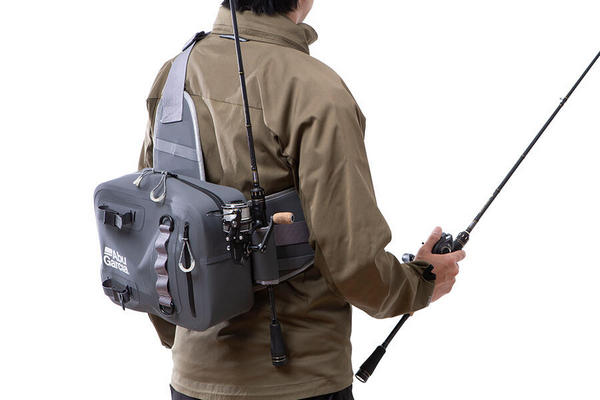
Waterproof fabrics used in fishing bags are not simply thicker or denser materials—they are engineered systems designed to prevent water intrusion under real-world pressure conditions. In fishing environments, water exposure is not occasional; it is constant, unpredictable, and often aggressive. Whether it’s offshore spray, wet boat decks, sudden rain, or accidental immersion, the material must perform consistently without failure.
At the construction level, a waterproof fishing bag fabric is typically composed of two essential layers. The first is the base fabric, often high-strength nylon (420D–1680D) or polyester, which provides structural integrity, tear resistance, and load-bearing capacity. The second is a functional barrier layer, such as TPU (thermoplastic polyurethane) or PVC, which blocks water penetration. These layers are either coated or laminated, creating a composite material that behaves very differently from standard textiles.
One of the most common misunderstandings in the fishing gear market is the misuse of the term “waterproof.” Many products marketed as waterproof are, in reality, only water-resistant. This distinction becomes critical once the bag is exposed to prolonged moisture or pressure. A water-resistant fabric may repel light rain or splashes, but it will eventually allow water to seep through, especially at seams or stress points. In contrast, a true waterproof fabric is designed to withstand sustained exposure and even partial submersion without leakage.
From a product development perspective, this difference directly affects customer experience, return rates, and brand reputation. Bags that fail under real fishing conditions often lead to damaged gear—electronics, bait, clothing—which quickly erodes trust in the product.
How Waterproof Fabrics Actually Work
Definition of Waterproof Fabric
A waterproof fabric is defined by its ability to resist water penetration under measurable pressure. This performance is quantified using the hydrostatic head test, expressed in millimeters (mm). The test measures how much water pressure a fabric can withstand before leakage occurs.
Unlike casual outdoor fabrics, fishing bag materials must maintain this resistance even when the fabric is flexed, folded, or compressed—conditions that frequently occur during use.
Waterproof vs Water-Resistant
| Feature | Water-Resistant | Waterproof |
|---|---|---|
| Protection Level | Light rain or splashes | Heavy rain, waves, immersion |
| Fabric Type | PU-coated polyester/nylon | TPU or PVC laminated fabrics |
| Seam Construction | Standard stitching | Seam sealing or high-frequency welding |
| Durability Under Pressure | Limited | Stable under sustained pressure |
| Use Case | Shore fishing, casual use | Offshore fishing, kayaking, extreme environments |
In practical terms, many entry-level fishing bags use PU-coated fabrics because they are cost-effective and flexible. However, once exposed to continuous water contact—such as sitting in a wet boat or being splashed repeatedly—these materials begin to fail, especially at stitch holes.
Coating vs Lamination
The waterproof capability of a fishing bag largely depends on how the barrier layer is applied to the base fabric. There are two primary manufacturing approaches: coating and lamination.
Coating involves applying a liquid polymer (such as PU or PVC) onto the surface of the fabric. This process is relatively simple and cost-efficient, making it suitable for mid-range products. However, coatings can degrade over time due to abrasion, UV exposure, or repeated folding.
Lamination, on the other hand, bonds a solid waterproof film—typically TPU—directly to the fabric using heat and pressure. This creates a more stable and uniform barrier that is less prone to peeling or cracking. Laminated fabrics also maintain performance better under mechanical stress, which is critical for fishing applications where bags are constantly handled, dragged, or compressed.
Comparison of Technologies
| Technology | Waterproof Level | Durability | Flexibility | Typical Cost Range (USD/m²) |
|---|---|---|---|---|
| PU Coating | 2,000–5,000 mm | Medium | High | 1.5–3.0 |
| PVC Coating | 5,000–10,000 mm | High | Low to Medium | 2.0–4.0 |
| TPU Lamination | 10,000–20,000+ mm | Very High | High | 4.5–8.0 |
From a manufacturing standpoint, TPU laminated fabrics are increasingly preferred for premium fishing bags because they offer a balance of durability and flexibility. Unlike PVC, which can become stiff in cold conditions, TPU remains flexible across a wider temperature range, making it more reliable in diverse fishing environments.
Hydrostatic Rating Explained
Hydrostatic head ratings provide a standardized way to evaluate waterproof performance. However, interpreting these numbers correctly is important.
| Rating (mm) | Practical Meaning |
|---|---|
| 1,000 mm | Suitable for light rain, short exposure |
| 3,000–5,000 mm | Handles moderate rain and splashes |
| 10,000 mm | Reliable for heavy rain and wet surfaces |
| 15,000–20,000 mm | Suitable for offshore and harsh environments |
| 20,000+ mm | Designed for extreme conditions, near-immersion scenarios |
In real-world fishing use, a minimum of 8,000–10,000 mm is generally required to ensure consistent waterproof performance. Anything below that may perform well in controlled conditions but tends to fail under repeated exposure.
Another important factor is that hydrostatic ratings apply to the fabric itself, not the entire bag. If seams, zippers, or closures are not properly engineered, water can still enter regardless of fabric performance.
Real Case Insight
A practical example from production highlights how material choice directly impacts product performance and market response.
A mid-range fishing bag originally used 600D polyester with PU coating rated at approximately 3,000 mm. While initial feedback was acceptable, users reported leakage after extended use, particularly around the base panel and seams. Return rates increased, and the product struggled to maintain positive reviews.
The manufacturer upgraded the material to 840D nylon with TPU lamination, achieving a hydrostatic rating of approximately 15,000 mm. At the same time, seam construction was improved using high-frequency welding instead of traditional stitching in critical areas.
The results were measurable:
| Metric | Before Upgrade | After Upgrade |
|---|---|---|
| Leakage Complaints | Frequent | Nearly eliminated |
| Customer Rating | 3.8 / 5 | 4.6 / 5 |
| Return Rate | ~12% | <3% |
| Retail Price | $39.99 | $49.99 |
Despite a 20–25% increase in production cost, the improved product justified a higher retail price and significantly enhanced brand perception. This kind of upgrade is common among brands targeting serious anglers rather than casual users.
Waterproof performance in fishing bags is not determined by a single factor. It is the result of multiple components working together as a system.
Three elements are particularly critical:
First, material structure. The combination of base fabric density (denier), weave tightness, and lamination quality determines the fundamental barrier against water.
Second, coating or lamination integrity. Even a high-quality base fabric will fail if the waterproof layer is inconsistent, too thin, or poorly bonded.
Third, seam construction. Stitch holes are natural entry points for water. Without seam sealing, taping, or welding, even the best waterproof fabric becomes vulnerable.
In many cases, product failure is not due to the fabric itself but due to weak points in construction—especially seams and closures.
Key Takeaway
For fishing bags, waterproof performance is not an optional feature—it is a functional requirement that directly affects usability and durability. Choosing the right fabric means understanding not just the material type, but also how it is constructed, tested, and assembled into the final product.
A bag labeled as “waterproof” should be evaluated based on hydrostatic rating, lamination technology, and seam treatment—not just marketing claims. In demanding fishing environments, these details determine whether the gear inside stays dry or ends up damaged.
For brands and product developers, investing in true waterproof materials—particularly TPU laminated fabrics with proper seam construction—often leads to better long-term results, including lower return rates, stronger customer trust, and higher product positioning in the market.
Which Waterproof Fabrics Are Most Common in Fishing Bags?

In fishing bag manufacturing, material selection is never a one-size-fits-all decision. The most commonly used waterproof fabrics—PVC-coated fabrics, TPU-laminated fabrics, PU-coated nylon or polyester, and waterproof tarpaulin—each serve different product tiers and usage scenarios. What separates a reliable fishing bag from a problematic one is not just the material itself, but how well that material aligns with the intended environment and user behavior.
In real production, especially for brands targeting Amazon sellers, offshore anglers, or outdoor enthusiasts, these materials are rarely used in isolation. Instead, manufacturers combine them strategically. For example, a bag might use TPU-laminated fabric for the main waterproof compartment, reinforced tarpaulin for the base, and lightweight nylon panels for secondary storage areas. This hybrid construction allows brands to control cost while still delivering performance where it matters most.
Understanding the strengths and limitations of each material helps avoid common product failures—such as cracking in cold weather, stiffness affecting usability, or coatings degrading after repeated folding.
Core Waterproof Fabric Types
PVC-Coated Fabrics
PVC-coated fabrics remain one of the most widely used materials in fishing bags, particularly in entry-level to mid-range products. The manufacturing process involves applying a layer of polyvinyl chloride onto a base fabric, typically polyester (500D–1000D), creating a fully sealed surface that blocks water penetration.
From a functional standpoint, PVC offers consistent waterproof performance even under heavy exposure. It is especially resistant to chemicals, oils, and saltwater, which makes it suitable for harsh fishing environments.
Advantages:
- Provides a fully sealed, non-porous surface that prevents water entry
- Performs well in saltwater and contaminated environments
- Lower material and processing cost compared to TPU
- Easy to clean, often requiring only a wipe-down
Limitations:
- Higher weight compared to alternative materials (typically 20–30% heavier than TPU equivalents)
- Reduced flexibility, especially in low temperatures below 0°C
- Long-term use may lead to surface cracking or hardening
- Environmental concerns due to chlorine-based composition
In practice, PVC is often used in cooler bags, deck bags, and storage bags where durability and cost control are prioritized over user comfort.
TPU-Laminated Fabrics
TPU-laminated fabrics are increasingly becoming the standard for high-performance fishing bags. Unlike PVC, TPU (thermoplastic polyurethane) is bonded as a film layer onto fabrics such as nylon (840D, 1050D) or polyester, resulting in a material that combines waterproofing with flexibility.
This material performs particularly well in dynamic conditions—where bags are folded, compressed, or exposed to temperature changes. For anglers who move frequently or store gear in tight spaces, this flexibility becomes a noticeable advantage.
Advantages:
- High waterproof ratings (commonly 10,000–20,000 mm or higher)
- Maintains flexibility across a wide temperature range
- Strong resistance to abrasion and repeated folding
- Better environmental profile compared to PVC
- Supports advanced construction methods such as heat welding
Limitations:
- Higher raw material cost, typically 1.5–2 times that of PVC
- More complex manufacturing process requiring specialized equipment
- Slightly longer production lead times due to lamination and welding steps
From a product positioning perspective, TPU is often used in premium fishing backpacks, dry bags, and waterproof tackle systems. Brands targeting higher retail price points or professional users tend to favor TPU because it delivers both performance and perceived quality.
PU-Coated Nylon & Polyester
PU-coated fabrics are commonly found in lightweight fishing bags designed for casual use. The coating is applied as a thin liquid layer, which provides basic water resistance but does not create a fully sealed barrier.
These materials are often chosen for their balance between cost, weight, and flexibility. However, their performance limitations become evident under prolonged exposure to water.
Advantages:
- Lightweight, typically 10–20% lighter than PVC-based fabrics
- Soft and flexible, making bags easier to fold and carry
- Lower cost, suitable for entry-level products
- Easier to process in standard sewing production lines
Limitations:
- Limited waterproof capability (usually below 5,000 mm)
- Coating can degrade over time due to abrasion and UV exposure
- Stitch holes remain vulnerable to water penetration
- Not suitable for heavy rain or wet deck conditions
In real applications, PU-coated fabrics are often used in secondary compartments, inner linings, or hybrid designs where full waterproofing is not required.
Waterproof Tarpaulin Fabric
Tarpaulin fabrics are designed for maximum durability and are commonly used in heavy-duty fishing bags. These materials typically consist of a polyester mesh core with thick PVC or PE coatings on both sides, creating a robust, multi-layer structure.
Tarpaulin is known for its resistance to tearing, punctures, and environmental stress, making it ideal for demanding conditions such as offshore fishing, kayak fishing, or industrial use.
Advantages:
- Extremely high durability, often exceeding 50,000 abrasion cycles
- Fully waterproof, even under pressure and prolonged exposure
- Strong resistance to UV, saltwater, and mechanical wear
- Suitable for large-capacity or load-bearing bags
Limitations:
- Heavier than most other materials
- Moderate flexibility, which can affect comfort in wearable bags
- Slightly higher cost than standard PVC coatings
Tarpaulin is frequently used in the base panels of fishing bags, where contact with wet surfaces and sharp objects is most common.
Material Comparison Table
| Fabric Type | Waterproof Level | Flexibility | Durability | Typical Use Scenario | Cost Level |
|---|---|---|---|---|---|
| PVC-Coated Fabric | High (5,000–10,000 mm) | Low | High | Deck bags, cooler bags | Low |
| TPU-Laminated Fabric | Very High (10,000–20,000+ mm) | High | Very High | Premium backpacks, dry bags | High |
| PU-Coated Fabric | Medium (1,000–5,000 mm) | High | Medium | Lightweight or casual fishing bags | Low |
| Tarpaulin Fabric | Very High (10,000–20,000+ mm) | Medium | Very High | Heavy-duty, offshore bags | Medium |
Real Case Insight
A mid-tier fishing gear brand initially relied on PVC-coated fabric for its main product line. While the bags performed well in terms of waterproofing, customer feedback highlighted issues with stiffness and handling discomfort, especially during colder seasons.
The brand transitioned to TPU-laminated nylon (840D) for its next product iteration. This change increased material costs by approximately 30%, but the overall product experience improved significantly.
Measured results included:
- Noticeable improvement in flexibility, particularly in temperatures below 10°C
- Reduction in user complaints related to stiffness and cracking
- Increase in average retail price from $45 to $59
- Higher repeat purchase rate among experienced anglers
This shift allowed the brand to reposition itself in a more premium segment without fundamentally changing its product design.
No single waterproof fabric can meet all performance requirements. Each material has trade-offs, and relying on one type alone often leads to compromises.
In well-designed fishing bags, materials are combined based on functional zones:
- TPU-laminated fabrics are used in areas requiring maximum waterproofing
- Nylon or polyester panels are used to reduce weight and improve usability
- Reinforced tarpaulin is applied to base panels for abrasion resistance
This layered approach allows manufacturers to optimize performance without unnecessarily increasing cost or weight.
Another key consideration is that material performance must align with construction techniques. For example, using TPU fabric without welded seams limits its effectiveness, just as using tarpaulin without reinforced stitching reduces durability.
Key Takeaway
Selecting the right waterproof fabric for fishing bags is not about choosing the “best” material in isolation. It is about matching the material to the intended use, environment, and product positioning.
For casual fishing scenarios, PU-coated fabrics may be sufficient. For offshore or high-exposure environments, TPU or tarpaulin becomes necessary. For brands aiming to balance cost and performance, PVC remains a practical option.
The most successful products are those that combine materials strategically—delivering waterproof protection where it is needed most, while maintaining usability, durability, and cost efficiency across the entire design.
How Do TPU and PVC Fabrics Compare in Fishing Bags?


TPU and PVC are the two dominant waterproof materials used in fishing bags, but they serve very different product strategies. On paper, both can achieve high waterproof ratings and strong surface protection. In real-world use, however, the differences become obvious—especially after weeks or months of exposure to water, sun, and repeated handling.
From a manufacturing perspective, choosing between TPU and PVC is not just a material decision. It directly affects product positioning, user experience, return rates, and even brand perception. Many fishing bags that look similar at launch perform very differently over time, and in most cases, the root cause can be traced back to this material choice.
Based on Szoneier’s production experience across multiple fishing gear projects, the shift toward TPU is clear in mid-to-high-end markets. At the same time, PVC remains highly relevant in cost-sensitive segments and heavy-duty storage applications. The key is understanding where each material performs best—and where it becomes a limitation.
TPU vs PVC Performance Analysis
Flexibility and User Experience
Flexibility is one of the first differences users notice, especially in real fishing conditions where bags are constantly opened, folded, and repositioned.
TPU maintains a soft and elastic feel across a wide temperature range. Even in colder environments—such as early morning offshore trips or winter fishing—TPU fabrics remain pliable. This makes the bag easier to handle, pack, and store.
PVC behaves differently. While it performs well at room temperature, it tends to stiffen significantly as temperatures drop. In environments below 10°C, PVC-coated materials can become rigid, making zippers harder to operate and reducing overall usability. In extreme cases, repeated folding can lead to visible stress marks or micro-cracks.
Flexibility Comparison Table
| Property | TPU Fabric | PVC Fabric |
|---|---|---|
| Flexibility | Excellent, remains soft under repeated bending | Low, becomes rigid over time |
| Cold Resistance | High, stable below 0°C | Poor, stiffens in cold conditions |
| User Comfort | High, easy to carry and compress | Moderate, less ergonomic |
From a user perspective, this difference becomes critical during long fishing trips. A bag that feels manageable at the start of the day can become frustrating if it stiffens or resists movement.
Durability and Lifespan
Durability is often misunderstood as simple strength. In fishing bags, it is more about how well the material maintains performance over time under exposure to water, UV radiation, and mechanical stress.
TPU shows strong resistance to aging. It can withstand repeated folding cycles, abrasion, and environmental exposure without significant degradation. This makes it particularly suitable for products that are used frequently or stored in variable conditions.
PVC, while initially strong, tends to degrade faster under long-term exposure. UV radiation can cause the surface to harden or become brittle, and over time, this leads to cracking—especially at fold lines or stress points.
Durability Comparison Table
| Factor | TPU | PVC |
|---|---|---|
| Crack Resistance | Very High, maintains integrity under stress | Medium, prone to cracking over time |
| UV Resistance | High, stable under prolonged sun exposure | Medium, may degrade with UV |
| Lifespan (Typical Use) | 3–5+ years | 1–3 years depending on conditions |
In production feedback, one of the most common complaints with PVC-based bags is surface cracking after extended outdoor use. TPU significantly reduces this issue, which directly impacts product reviews and return rates.
Weight Differences
Weight is another factor that directly affects user experience, especially for anglers who carry their gear over long distances or for extended periods.
| Material | Weight Level |
|---|---|
| TPU | Medium, balanced between strength and portability |
| PVC | Heavy, due to thicker coating layers |
PVC-coated fabrics often require thicker layers to achieve durability, which increases overall weight. TPU, by contrast, achieves similar or better performance with thinner, more efficient structures.
In practical terms, a fishing backpack made with PVC can be 15–25% heavier than a TPU equivalent. While this may not seem significant on paper, it becomes noticeable during full-day use.
Environmental Impact
Environmental considerations are becoming increasingly important, particularly for brands targeting European and North American markets.
TPU is generally regarded as more environmentally responsible. It is recyclable in many industrial systems and does not contain chlorine. It also produces fewer harmful byproducts during manufacturing and disposal.
PVC contains chlorine and requires more complex processing. Recycling options are limited, and environmental regulations in some regions are becoming stricter regarding its use.
For brands aiming to position themselves as sustainable or environmentally conscious, TPU provides a clearer path forward.
Cost Comparison
Cost remains one of the main reasons PVC continues to be widely used.
| Material | Cost Level (Relative) |
|---|---|
| TPU | High (typically 1.5–2× PVC) |
| PVC | Low |
From a factory perspective, TPU not only has higher raw material costs but also requires more advanced processing methods, such as lamination and heat welding. This increases both material and production costs.
PVC, on the other hand, is easier to process and more widely available, making it suitable for large-volume, cost-sensitive production runs.
Real Case Insight
A European outdoor brand working with Szoneier initially developed a fishing backpack using 600D PVC-coated fabric. The product performed well in waterproof testing but received consistent feedback regarding stiffness and handling discomfort, particularly in colder climates.
The brand decided to upgrade to 840D TPU-laminated nylon while keeping the overall design unchanged. The transition increased production costs by approximately 25–30%, but the impact on the product was immediate.
Key results included:
- Improved flexibility, especially in temperatures below 10°C
- Reduction in user complaints related to stiffness and material fatigue
- Increase in retail price from €49 to €69
- Higher average customer ratings and improved repeat purchase rates
This shift allowed the brand to reposition itself from a mid-range product to a premium offering without significant redesign costs.
PVC is often misunderstood as an inferior material, which is not accurate. It remains highly effective in specific applications.
PVC performs well in:
- Heavy-duty storage bags that are not frequently folded
- Static environments such as boat storage compartments
- Products where cost control is the primary concern
However, TPU becomes the better choice when the product is expected to deliver a higher level of user experience.
TPU is preferred when:
- The bag is frequently carried, folded, or compressed
- Long-term durability and resistance to aging are required
- The product is positioned in a mid-to-high-end market
In many successful fishing bag designs, manufacturers combine both materials. For example, TPU may be used in main compartments for flexibility and waterproofing, while PVC or tarpaulin is used in base panels for added abrasion resistance.
Key Takeaway
Choosing between TPU and PVC is not about selecting the “better” material—it is about selecting the right material for the intended use.
TPU is the stronger option when flexibility, durability, and long-term performance are priorities. It supports premium positioning and delivers a better user experience over time.
PVC remains a practical solution for cost-sensitive products and heavy-duty applications where flexibility is less critical.
The most effective fishing bags are those where material selection aligns with real usage conditions. When the material matches the environment, the product performs as expected. When it does not, even the best design cannot compensate for that mismatch.
Why Are Coatings and Laminations Critical for Waterproofing?
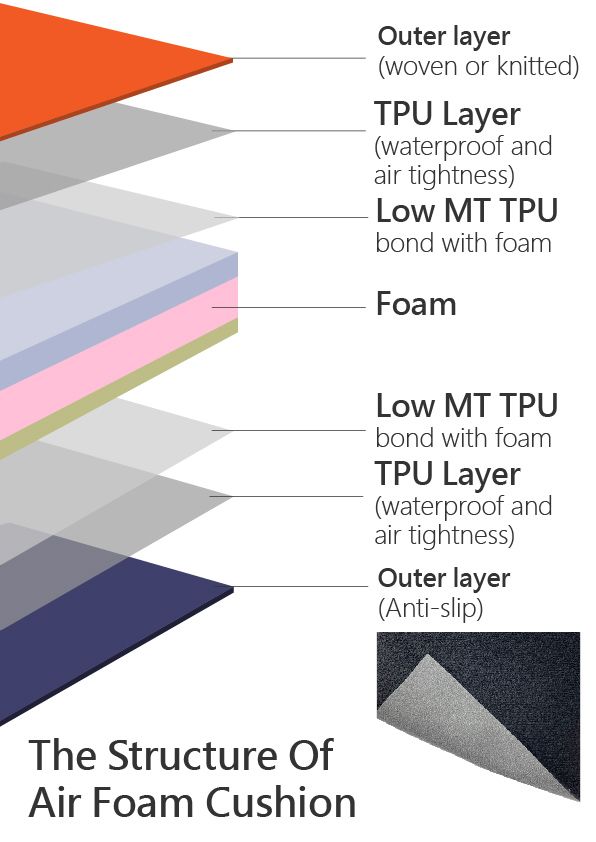
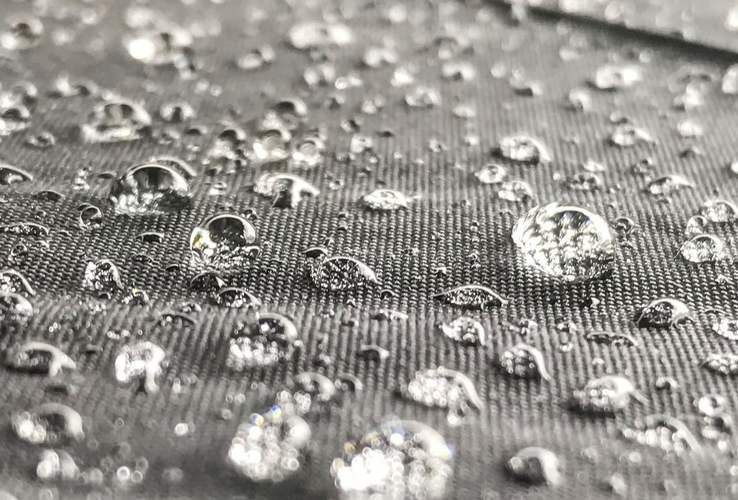
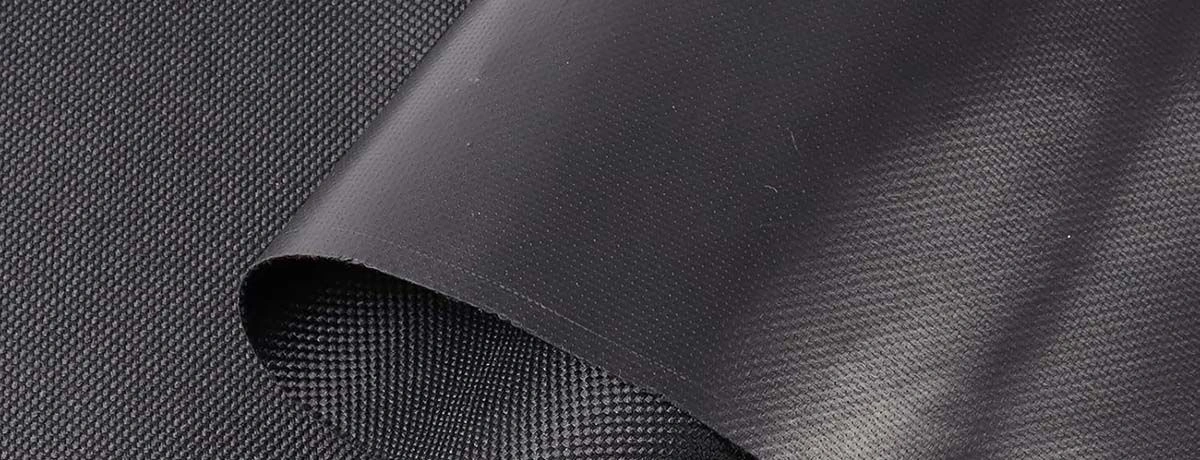
Coatings and laminations are the core technologies that transform ordinary textiles into functional waterproof materials. Base fabrics such as nylon or polyester, regardless of their thickness or density, are naturally porous. Water can pass through the microscopic gaps between fibers, especially under pressure. Without surface treatment, even a heavy 1680D fabric will absorb moisture and eventually allow leakage.
In fishing environments, this limitation becomes immediately visible. Bags are not just exposed to occasional rain—they are placed on wet decks, splashed by waves, and sometimes partially submerged. Under these conditions, untreated fabrics fail quickly, regardless of how “strong” they appear.
The real waterproof performance of a fishing bag comes from surface engineering. This involves adding a continuous barrier layer that blocks water penetration while maintaining flexibility and durability. Coating and lamination are the two primary methods used to achieve this, and each has distinct characteristics that influence product performance.
One of the most common mistakes in product development is assuming that material thickness alone determines waterproof capability. In reality, waterproofing is controlled by how effectively the surface layer seals the fabric and how well that layer holds up under repeated use.
Coating and Lamination Technologies
PU Coating Function
PU (polyurethane) coating is applied as a liquid layer onto the surface of the fabric. During production, the liquid polymer spreads across the textile and fills the gaps between fibers, forming a thin protective film once cured.
This method is widely used in lightweight fishing bags because it balances cost, flexibility, and ease of processing. The resulting fabric remains soft and easy to handle, which is important for foldable or compact designs.
Advantages:
- Lightweight structure, typically reducing overall bag weight by 10–15% compared to heavier coatings
- Maintains fabric flexibility, allowing easy folding and compression
- Lower production cost, suitable for entry-level or high-volume products
- Compatible with standard sewing processes
Limitations:
- Waterproof capability is limited, usually in the range of 1,000–5,000 mm
- Coating thickness can vary, leading to inconsistent performance
- Over time, repeated folding and abrasion can cause the coating to wear off
- UV exposure may accelerate degradation, especially in outdoor use
In practical applications, PU-coated fabrics are more accurately described as water-resistant rather than fully waterproof. They perform well in light rain but are not reliable in prolonged wet conditions.
PVC Coating Structure
PVC coating differs significantly from PU in both structure and performance. Instead of a thin liquid layer, PVC creates a thicker, more solid barrier on the fabric surface. This results in a non-porous layer that effectively blocks water, even under pressure.
PVC-coated fabrics are commonly used in fishing bags designed for heavy-duty environments, such as offshore storage or deck use. The material provides consistent waterproofing and strong resistance to chemicals, saltwater, and abrasion.
Advantages:
- Creates a fully sealed surface with strong waterproof performance (often 5,000–10,000 mm or higher)
- Provides excellent resistance to environmental factors such as oil, salt, and dirt
- Durable under rough handling and abrasive conditions
- Cost-effective compared to high-end lamination technologies
Limitations:
- Adds significant weight due to thicker coating layers
- Reduces flexibility, especially in low temperatures
- Can become rigid or brittle over time
- Less suitable for products requiring frequent folding or carrying
From a user perspective, PVC-coated bags often feel more rigid and less comfortable, but they perform reliably in static or heavy-duty applications.
TPU Lamination Process
TPU lamination represents a more advanced approach to waterproofing. Instead of applying a coating, a solid TPU film is bonded to the fabric using heat and pressure. This creates a uniform, stable barrier that integrates closely with the base material.
Unlike coatings, which can wear off over time, laminated layers maintain their integrity even under repeated mechanical stress. This makes TPU particularly suitable for fishing bags that are frequently handled, folded, or exposed to varying temperatures.
Advantages:
- High waterproof performance, typically exceeding 10,000–20,000 mm
- Maintains flexibility across a wide temperature range
- Strong resistance to abrasion, folding, and long-term use
- More consistent performance due to uniform film structure
- Supports advanced construction methods such as heat welding
Limitations:
- Higher material and processing cost
- Requires specialized equipment and more controlled production conditions
- Slightly longer manufacturing lead time
In high-performance fishing bags, TPU lamination is often combined with welded seams to create near-complete waterproof systems.
Technology Comparison Table
| Technology | Waterproof Level | Flexibility | Durability | Cost |
|---|---|---|---|---|
| PU Coating | 1,000–5,000 mm | High | Medium | Low |
| PVC Coating | 5,000–10,000 mm | Low | High | Low |
| TPU Lamination | 10,000–20,000+ mm | High | Very High | High |
This comparison highlights that no single technology dominates across all categories. Each serves a specific purpose depending on product requirements.
Multi-Layer Fabric Systems
High-performance fishing bags rarely rely on a single-layer structure. Instead, they use multi-layer systems designed to balance durability, waterproofing, and usability.
A typical structure includes:
- Outer layer: High-denier nylon or polyester (420D–1680D) providing strength, abrasion resistance, and structural stability
- Middle layer: Waterproof barrier such as TPU or PVC, responsible for blocking water penetration
- Inner layer: Protective lining that prevents internal abrasion and improves handling
This layered approach allows manufacturers to optimize each function separately. For example, a bag may use a rugged outer layer to resist wear while relying on a TPU membrane to maintain waterproof performance.
Seam Construction Matters
Even the most advanced waterproof fabric will fail if seam construction is not properly handled. Stitching creates tiny holes in the material, which become direct entry points for water.
To address this, several techniques are used:
- Heat sealing: Applying adhesive tape over seams to block water entry
- High-frequency welding: Fusing materials together without stitching, creating a continuous waterproof bond
- Seam taping: Reinforcing stitched seams with waterproof tape
Among these methods, welding provides the highest level of waterproof integrity because it eliminates needle holes entirely.
Waterproof System Breakdown
| Component | Role |
|---|---|
| Base Fabric | Provides structural strength and load-bearing capacity |
| Coating/Lamination | Acts as the primary waterproof barrier |
| Seams | Critical control points where leakage often occurs |
| Zippers/Closures | Secondary protection, often requiring waterproof design |
This system perspective is essential. Focusing on only one component—such as upgrading fabric—without addressing others often leads to incomplete performance.
Real Case Insight
A fishing bag developed with TPU-laminated fabric initially performed well in lab testing but failed during field use. The issue was traced to standard stitched seams, which allowed water to penetrate through needle holes during prolonged exposure.
After switching to high-frequency welded seams, the product’s waterproof performance improved significantly. Field testing showed no leakage even after extended exposure to wet conditions.
The impact was measurable:
- Customer complaints related to leakage dropped sharply
- Product ratings improved across multiple sales channels
- The brand was able to market the product as fully waterproof rather than water-resistant
This case highlights that material selection alone is not enough. Construction methods must support the intended performance.
Waterproofing should be viewed as a system rather than a single feature. Many products fail because development focuses too heavily on fabric selection while overlooking construction details.
Common failure points include:
- High-quality fabric combined with unsealed seams
- Strong coatings paired with weak zipper systems
- Multi-layer materials assembled without proper bonding techniques
Each of these issues can compromise the entire product, even if the base material meets high specifications.
Key Takeaway
Achieving true waterproof performance in fishing bags requires a coordinated approach. Coatings and laminations provide the essential barrier, but they must be integrated with proper seam construction and overall design.
The most reliable products combine:
- A suitable waterproof technology (PU, PVC, or TPU)
- Reinforced or welded seams to eliminate leakage points
- A multi-layer structure that balances durability and usability
When these elements work together, the result is a fishing bag that performs consistently in real-world conditions, not just in controlled testing environments.
Which Waterproof Fabric Is Best for Different Fishing Environments?
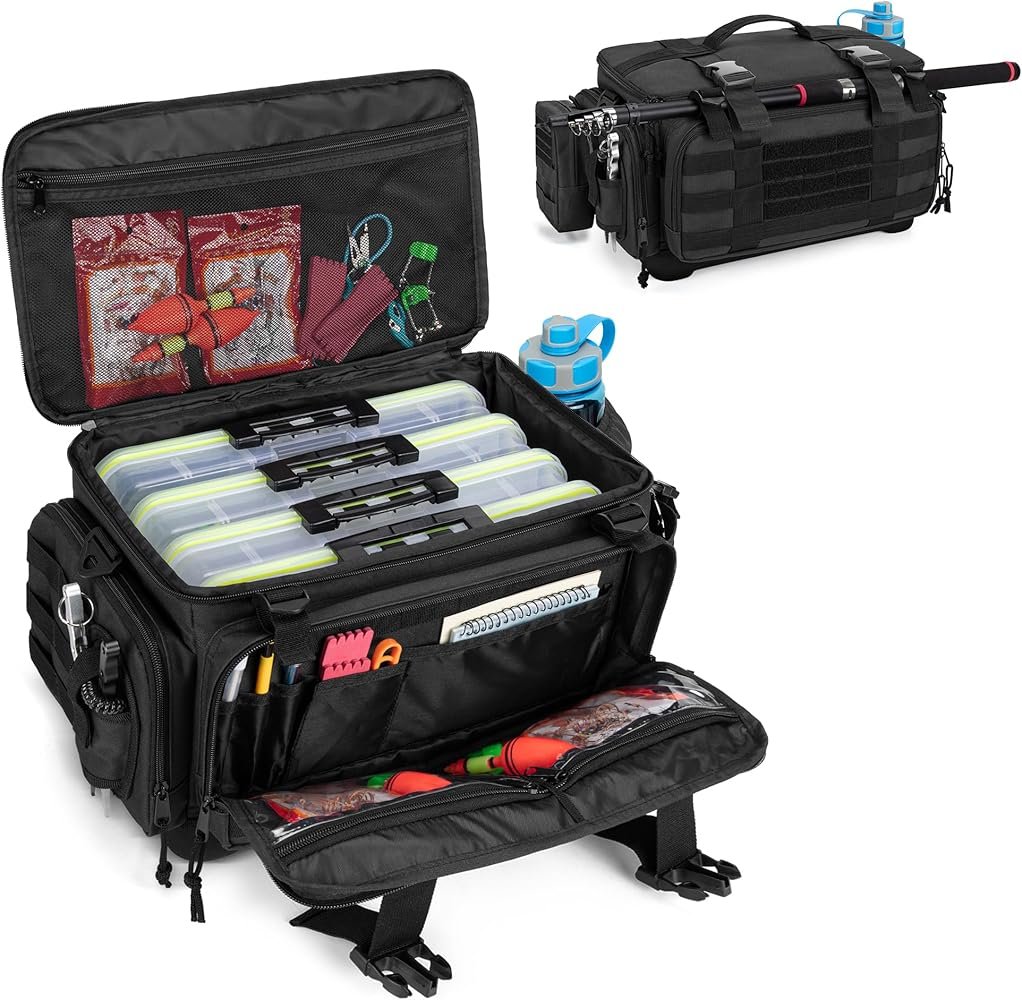
Selecting the right waterproof fabric for a fishing bag is not about choosing the highest specification material—it is about choosing the material that matches how and where the bag will actually be used. In real fishing conditions, environments vary dramatically. A bag designed for offshore saltwater fishing faces completely different stresses compared to one used for casual freshwater trips or travel fishing.
From Szoneier’s production experience across multiple product lines, one recurring issue stands out: many brands apply the same material across all their fishing bags. This approach often creates two problems. Either the product becomes overbuilt—too heavy, too expensive for its intended use—or it underperforms, leading to water ingress, wear issues, and negative customer feedback.
The more effective strategy is scenario-based material selection. Each fishing environment has its own combination of water exposure, mechanical stress, portability requirements, and user expectations. Matching materials to these conditions results in better product performance and clearer market positioning.
Matching Materials to Real Fishing Scenarios
Offshore Fishing (Saltwater & Harsh Conditions)
Offshore fishing represents one of the most demanding environments for any fishing bag. Equipment is exposed to constant moisture, salt spray, UV radiation, and mechanical impact from boat movement.
In this scenario, waterproof performance is not just about resisting rain—it must withstand continuous exposure to water and prevent long-term degradation caused by salt and sunlight.
Recommended materials:
- TPU laminated fabrics (840D–1050D nylon base)
- Heavy-duty PVC tarpaulin (for static or structural components)
TPU performs particularly well offshore because it maintains flexibility while offering high waterproof ratings, typically above 15,000 mm. This flexibility becomes important when handling gear in tight spaces or under dynamic conditions.
PVC tarpaulin, while heavier, is still widely used in base panels and storage areas due to its strong resistance to abrasion and chemical exposure.
Offshore Material Performance Table
| Requirement | TPU | PVC |
|---|---|---|
| Waterproof Performance | Excellent (15,000–20,000+ mm) | Excellent (8,000–15,000 mm) |
| Salt Corrosion Resistance | High, stable under exposure | Medium, may degrade over time |
| Flexibility | High, easy to handle | Low, becomes rigid |
| Long-Term Durability | Very High | High |
In real usage, offshore anglers often prefer TPU-based bags for main compartments and PVC-reinforced bases for durability.
Kayak & Dry Bag Fishing
Kayak fishing introduces a different type of challenge. Unlike offshore fishing, where water exposure is constant but mostly external, kayak fishing often involves partial or full submersion. Bags may sit in pooled water or be splashed repeatedly at close range.
In these conditions, waterproofing must approach a sealed system rather than simple resistance.
Recommended materials:
- TPU laminated fabrics
- Roll-top closure systems combined with welded seams
TPU is particularly effective in this environment because it retains flexibility even when folded tightly. Roll-top designs rely on repeated folding to create a seal, and stiff materials like PVC do not perform as well in this application.
Kayak Use Case Insight
In field testing, TPU-based dry bags consistently outperform PVC alternatives in kayak scenarios. The reasons are practical rather than theoretical:
- TPU maintains flexibility after repeated rolling and unrolling
- It resists micro-cracking at fold points
- Welded seams integrate more effectively with TPU films
As a result, the seal integrity remains stable over time, even under frequent use.
Freshwater Fishing (Casual Use)
Freshwater fishing environments—such as lakes, rivers, or ponds—are generally less demanding. Water exposure is intermittent, and the risk of prolonged soaking is lower.
In this context, lightweight materials become more important than extreme waterproofing.
Recommended materials:
- PU-coated polyester (300D–600D)
- Lightweight nylon (420D–600D)
These materials provide sufficient protection against light rain and occasional splashes while keeping the bag easy to carry.
Freshwater Material Comparison
| Material | Weight | Cost | Waterproof Level |
|---|---|---|---|
| Polyester (PU-coated) | Light | Low | 1,000–3,000 mm |
| Nylon (PU-coated) | Light | Medium | 2,000–5,000 mm |
For casual anglers, comfort and portability often matter more than maximum waterproof performance. Overengineering these products with heavy materials can negatively impact usability without adding meaningful value.
Travel & Mobility Fishing
Travel fishing—whether by air, hiking, or multi-location trips—places a strong emphasis on weight reduction, compactness, and ease of handling.
In these scenarios, the bag is often carried for extended periods, making ergonomics a key factor.
Recommended materials:
- Lightweight nylon (210D–420D)
- Hybrid constructions with TPU panels in critical zones
Instead of fully waterproof construction, many travel fishing bags use targeted waterproofing. For example, the bottom panel or internal compartments may use TPU, while the rest of the bag remains lightweight.
This approach reduces overall weight while still protecting essential gear.
Multi-Compartment Tackle Bags
Multi-compartment tackle bags are designed for organization and load capacity rather than full waterproofing. These bags often carry multiple boxes, tools, and accessories, requiring structural stability.
Recommended materials:
- 600D–1000D nylon or polyester for structure
- Reinforced base panels using PVC or TPU
In this case, waterproofing is usually secondary to durability and shape retention. The base panel becomes the most critical area because it is frequently placed on wet or rough surfaces.
Scenario-Based Material Selection Table
| Scenario | Key Priority | Best Material Strategy |
|---|---|---|
| Offshore Fishing | Maximum waterproof + durability | TPU main body + PVC reinforced base |
| Kayak Fishing | Submersible waterproofing | TPU laminated + welded seams + roll-top |
| Freshwater Fishing | Lightweight + basic protection | PU-coated polyester or nylon |
| Travel Fishing | Portability + comfort | Lightweight nylon + partial TPU panels |
| Heavy Storage / Deck Use | Load strength + abrasion resistance | PVC tarpaulin or 1000D nylon |
This table reflects a key principle in product development: different use cases require different performance priorities. Trying to meet all scenarios with a single material often leads to compromises.
Real Case Insight
A fishing gear brand initially used PVC-coated fabric across its entire product range. While this simplified production, it created several issues:
- Lightweight products felt unnecessarily heavy
- Premium users complained about stiffness and handling
- Entry-level products were overbuilt and priced too high
After restructuring their material strategy, the brand introduced three distinct product lines:
- Lightweight series using PU-coated nylon for casual fishing
- Premium waterproof series using TPU laminated fabrics
- Heavy-duty storage series using reinforced PVC tarpaulin
The results were measurable:
- Broader product range covering different price segments
- Improved conversion rates due to clearer product positioning
- Reduction in complaints related to usability and weight
This shift demonstrates how material selection directly impacts both product performance and market success.
One of the most common mistakes in fishing bag development is treating all use cases as if they require the same level of waterproofing and durability.
In reality, each environment introduces different priorities:
- Offshore fishing demands maximum protection and durability
- Kayak fishing requires flexibility and sealing performance
- Freshwater fishing prioritizes weight and comfort
- Travel fishing focuses on portability and efficiency
Ignoring these differences often leads to products that are either too heavy, too expensive, or not durable enough for their intended use.
Key Takeaway
There is no universal “best” waterproof fabric for fishing bags. The right choice depends entirely on how the bag will be used.
Effective material selection should always consider:
- The level and duration of water exposure
- The intensity of use and environmental stress
- The importance of weight and user comfort
When materials are matched correctly to real fishing scenarios, the result is a product that performs reliably, feels appropriate for its purpose, and aligns with customer expectations.
How Do Waterproof Fabrics Affect Durability and Performance?
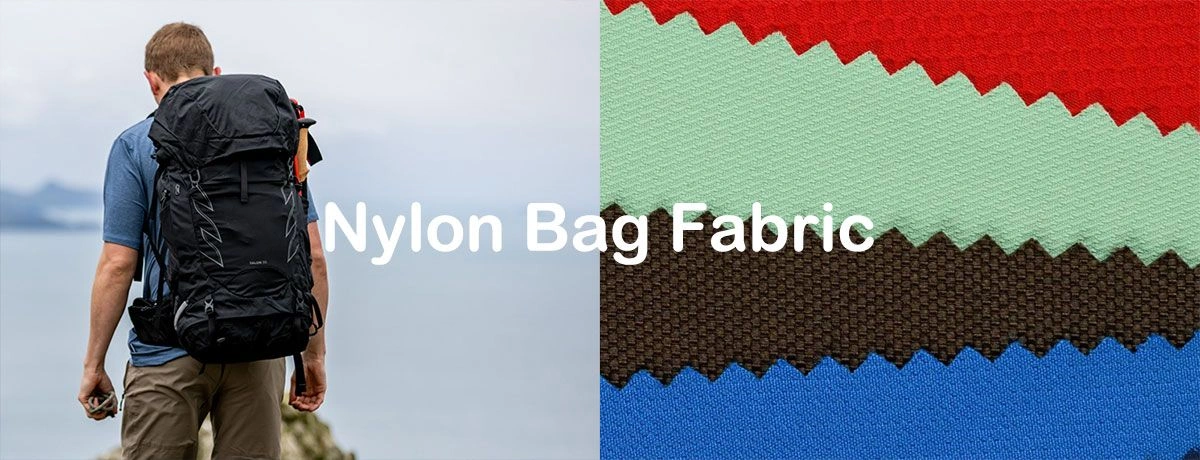
Waterproof fabrics play a defining role in how fishing bags perform over time. While waterproofing is often the primary focus during product selection, durability is what determines whether that performance lasts beyond the first few uses. In real fishing conditions, bags are exposed to repeated stress cycles—loaded with gear, dragged across rough surfaces, exposed to sun, soaked with water, and then dried again. These cycles gradually break down materials that are not engineered for long-term resilience.
From a manufacturing standpoint, durability is not a single attribute. It is the result of multiple interacting factors: fabric density (denier), coating or lamination technology, environmental resistance, and structural design. A bag may pass initial waterproof testing but still fail after months of real-world use if the material cannot withstand abrasion, UV exposure, or repeated flexing.
Szoneier’s production experience shows that many product failures are not due to design flaws, but rather incorrect material selection. Lower-grade coated fabrics may meet cost targets but often lead to issues such as cracking, peeling, or loss of waterproof performance over time. In contrast, higher-quality materials like TPU-laminated nylon or high-denier fabrics maintain both structure and function across extended use cycles.
Performance Factors of Waterproof Fabrics
Tear Strength and Abrasion Resistance
Fishing bags are frequently subjected to mechanical stress. They are loaded with heavy tackle boxes, tools, and accessories, then placed on rough surfaces such as rocks, boat decks, or sand. Under these conditions, tear strength and abrasion resistance become critical.
High-denier fabrics—such as 840D or 1000D nylon—provide stronger fiber structures, which resist tearing under load. When combined with TPU lamination, these materials form a highly durable composite that can withstand both internal stress and external abrasion.
| Fabric | Tear Strength | Abrasion Resistance |
|---|---|---|
| 1000D Nylon + TPU | Very High | Excellent |
| 600D Polyester (PU-coated) | Medium | Moderate |
| PVC-Coated Fabric | High | High |
| TPU Laminated Fabric | Very High | Very High |
In practice, abrasion resistance is one of the most overlooked factors. A bag may remain waterproof, but if the outer layer wears down quickly, the internal structure becomes exposed, leading to rapid failure. This is why reinforced base panels—often using PVC or double-layer TPU—are commonly added in high-wear zones.
UV and Saltwater Resistance
Fishing environments expose materials to prolonged sunlight and saltwater, both of which accelerate material degradation.
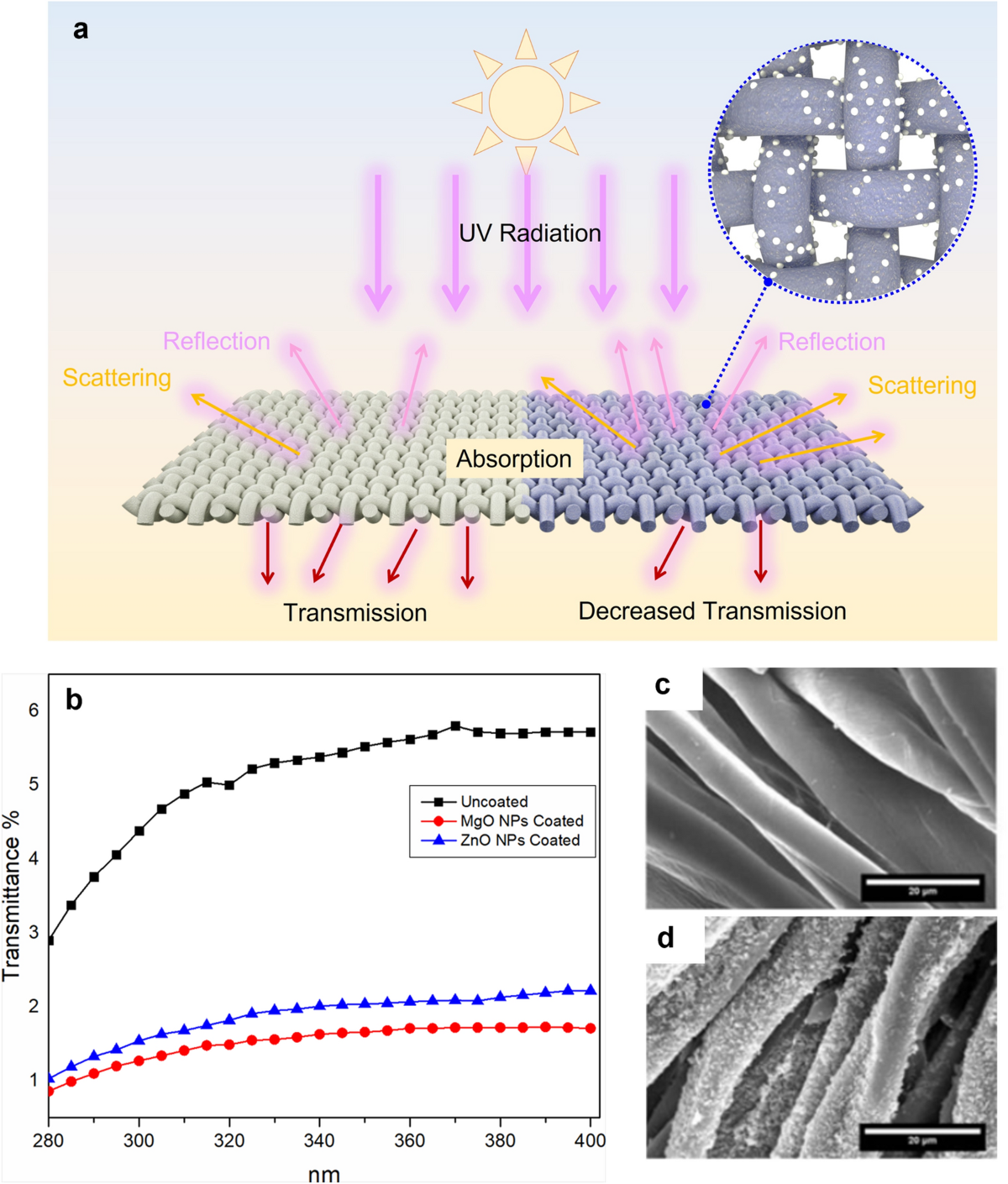
UV radiation breaks down polymer chains over time, causing fading, brittleness, and reduced flexibility. Saltwater, on the other hand, introduces chemical stress that can weaken coatings and accelerate aging.
| Material | UV Resistance | Saltwater Resistance |
|---|---|---|
| Nylon | Medium | Medium |
| Polyester | High | High |
| TPU | High | High |
| PVC | Medium | Medium |
Polyester generally performs better than nylon under UV exposure, which is why it is often used in outer layers for bags intended for long outdoor use. TPU also demonstrates strong resistance to both UV and saltwater, maintaining its structure and flexibility over time.
PVC, while initially durable, tends to degrade faster when exposed to prolonged sunlight. This often results in surface hardening or discoloration after extended use.
Flexibility in Cold Weather
Cold temperatures reveal weaknesses that may not be visible under normal conditions. Materials that perform well at room temperature can become rigid or brittle when exposed to low temperatures.
| Material | Cold Flexibility |
|---|---|
| TPU | Excellent |
| Nylon | Good |
| Polyester | Moderate |
| PVC | Poor |
TPU maintains its flexibility even below freezing, which is critical for fishing in colder climates or early morning conditions. PVC, by contrast, becomes noticeably stiff, making the bag harder to handle and increasing the risk of cracking at fold points.
This difference is particularly important for products that require frequent opening, folding, or compression, such as backpacks or dry bags.
Long-Term Wear Behavior
Over time, all materials degrade—but they do so in different ways. Understanding these patterns helps predict product lifespan and maintenance requirements.
- TPU tends to maintain its flexibility and structural integrity, even after repeated use cycles
- PVC may gradually harden and develop cracks, especially in areas subject to bending
- PU coatings often wear down or peel off, particularly in high-friction zones
These degradation patterns directly affect waterproof performance. Once a coating peels or a surface cracks, water can penetrate the fabric, even if the base material remains intact.
Performance Lifecycle Comparison
| Material | Typical Lifespan (Regular Use) | Maintenance Requirement |
|---|---|---|
| TPU Laminated Fabric | 3–5+ years | Low |
| PVC-Coated Fabric | 1–3 years | Moderate |
| PU-Coated Fabric | 6–18 months | Higher |
These ranges are based on real usage conditions rather than laboratory testing. Actual lifespan depends on factors such as frequency of use, exposure to sunlight, and handling practices.
Real Case Insight
A fishing bag designed for mid-range retail used 600D polyester with PU coating. Initial performance was acceptable, and the product passed standard waterproof tests. However, after approximately six months of regular use, customers began reporting issues:
- Coating peeling in high-wear areas
- Reduced water resistance during prolonged exposure
- Visible wear on the base panel
The manufacturer upgraded the material to 840D nylon with TPU lamination while reinforcing the base with a double-layer structure.
The results were clear:
- Product lifespan extended to over two years under similar conditions
- Waterproof performance remained stable over time
- Customer complaints related to material failure dropped significantly
Although production costs increased, the reduction in returns and improved customer satisfaction offset the initial investment.
Short-term cost savings in material selection often lead to higher long-term costs. Lower-grade fabrics may reduce production expenses, but they increase the likelihood of product failure, which impacts:
- Return rates
- Customer reviews
- Brand credibility
In contrast, investing in higher-quality waterproof materials improves product reliability and reduces after-sales issues.
Another important consideration is that durability must be evaluated as a system. A high-performance fabric alone is not enough if other components—such as seams, zippers, or reinforcements—do not match its performance level.
Key Takeaway
Durability in fishing bags is not defined by a single feature. It is the result of material quality, structural design, and environmental resistance working together.
When selecting waterproof fabrics, it is important to consider:
- Tear strength and abrasion resistance for mechanical durability
- UV and saltwater resistance for environmental stability
- Flexibility under different temperatures for usability
- Long-term wear behavior for sustained performance
Choosing the right material is not just about meeting initial specifications—it is about ensuring that the product continues to perform reliably over time. In this sense, material selection is not a cost, but an investment in long-term product value.
Are There Breathable Waterproof Fabrics Used in Fishing Bags?


Breathable waterproof fabrics do exist, and they are widely used in outdoor apparel such as jackets and hiking gear. However, in fishing bag manufacturing, their role is much more limited. The primary reason is simple: fishing environments demand absolute protection from water, while breathability—although useful—is rarely the top priority.
Fishing bags are frequently exposed to direct water contact, not just moisture or humidity. They are placed on wet surfaces, splashed by waves, and sometimes partially submerged. Under these conditions, even a small compromise in waterproof integrity can lead to gear damage. As a result, most fishing bags rely on non-breathable materials such as TPU or PVC, which create a complete barrier against water.
That said, breathable waterproof technologies are not irrelevant. In certain product categories—particularly lightweight backpacks or hybrid outdoor gear—these materials can improve comfort and reduce internal moisture buildup. The key is understanding where they add value and where they introduce unnecessary risk.
Understanding Breathable Waterproof Technology
Membrane Fabrics (ePTFE & PU Membranes)
Breathable waterproof fabrics are based on membrane technology. These membranes contain microscopic pores that are engineered to perform two functions simultaneously: block liquid water and allow water vapor to escape.
The science behind this lies in scale. Water droplets are much larger than water vapor molecules. The membrane pores are small enough to prevent droplets from passing through, but large enough to allow vapor to diffuse outward.
Common membrane types include:
- ePTFE (expanded polytetrafluoroethylene), known for high breathability and consistent pore structure
- PU (polyurethane) breathable coatings, which rely on molecular diffusion rather than open pores
In apparel, these materials are highly effective because they manage sweat while protecting against rain. In fishing bags, however, the situation is different. Bags do not generate internal heat in the same way the human body does, so the benefit of vapor transfer is less pronounced.
Breathability vs Waterproof Trade-Off
The key limitation of breathable waterproof fabrics is that they involve a trade-off. Increasing breathability often reduces the maximum waterproof rating, especially under pressure.
| Property | Waterproof Fabric (TPU/PVC) | Breathable Membrane Fabric |
|---|---|---|
| Waterproof Level | Very High (10,000–20,000+ mm) | Medium–High (5,000–10,000 mm) |
| Breathability | Low (minimal vapor transfer) | High (active vapor release) |
| Durability | High, resistant to abrasion and stress | Medium, more sensitive to wear |
| Cost | Medium–High | High |
In fishing applications, this trade-off is significant. A bag exposed to standing water or pressure (for example, when placed on a wet deck) requires a higher waterproof threshold than most breathable membranes can reliably provide.
When Breathable Fabrics Make Sense
Although not common, breathable waterproof fabrics do have specific use cases in fishing-related products.
They are most suitable for:
- Lightweight fishing backpacks used for walking or hiking
- Hybrid outdoor bags designed for both fishing and trekking
- Short-duration trips where full waterproofing is less critical
In these scenarios, the bag is carried for extended periods, and user comfort becomes more important. Breathable panels can help reduce sweat buildup on contact areas, especially on back panels or shoulder straps.
For example, in hiking-focused fishing gear, a fully sealed TPU bag may trap heat and moisture, making it uncomfortable over time. Introducing breathable zones can improve ventilation without compromising the entire structure.
Limitations in Fishing Bags
Despite their advantages, breathable waterproof fabrics are rarely used as the main material in fishing bags. Several practical limitations explain this.
First, waterproof reliability is lower compared to fully laminated materials like TPU. Breathable membranes are designed to resist rain, not prolonged water pressure or submersion.
Second, the cost is significantly higher. Membrane fabrics require more complex manufacturing processes, including lamination and protective layering. This increases both material and production costs.
Third, construction becomes more complicated. Maintaining both breathability and waterproof integrity requires precise sealing techniques. Any weakness in seams or bonding can compromise performance.
Fishing bags, by contrast, prioritize:
- Complete water protection
- Structural durability
- Ease of cleaning after exposure to dirt, salt, or fish residue
Breathable fabrics do not always align with these priorities, which is why they remain a niche option.
Hybrid Material Solutions
Instead of relying entirely on breathable waterproof fabrics, some advanced fishing bag designs use hybrid constructions. This approach combines the strengths of both material types.
A typical hybrid design may include:
- A waterproof outer shell made from TPU or PVC to protect gear
- Breathable mesh or membrane panels in low-risk areas
- Ventilated back panels to improve carrying comfort
This allows moisture to escape from non-critical zones while maintaining full waterproof protection where it matters most.
For example, the main storage compartment may be fully sealed, while external pockets or back-contact areas incorporate breathable materials. This reduces internal condensation and improves overall usability.
Real Case Insight
A brand developing a lightweight fishing backpack for long-distance use introduced breathable mesh panels combined with a TPU-laminated main compartment.
The goal was to improve comfort without sacrificing waterproof performance. After field testing, several improvements were observed:
- Reduced moisture buildup on the user’s back during extended use
- Improved comfort in warm and humid conditions
- No compromise in waterproof protection for stored gear
Customer feedback highlighted the difference, particularly among users who combined fishing with hiking or travel.
This example shows that breathable materials can add value when applied selectively, rather than as a full replacement for waterproof fabrics.
Breathability is often seen as an upgrade, but in fishing applications, it is not always necessary. The primary function of a fishing bag is to keep gear dry under all conditions. Any feature that compromises this function—even slightly—can lead to product failure.
In most cases, the benefits of breathability do not outweigh the risks associated with reduced waterproof performance.
However, in specific scenarios where comfort and mobility are equally important, breathable elements can enhance the user experience when integrated carefully.
Key Takeaway
Breathable waterproof fabrics are a specialized solution rather than a standard choice for fishing bags.
They are most effective in:
- Lightweight or hybrid outdoor designs
- Situations where comfort and ventilation are priorities
For most fishing environments, fully waterproof materials such as TPU or PVC remain the more reliable option. They provide consistent protection, higher durability, and simpler construction.
The most practical approach is not to replace waterproof materials with breathable ones, but to combine them strategically—ensuring that performance is maintained while comfort is improved where it matters.
How Do Manufacturers Choose the Right Waterproof Fabric?

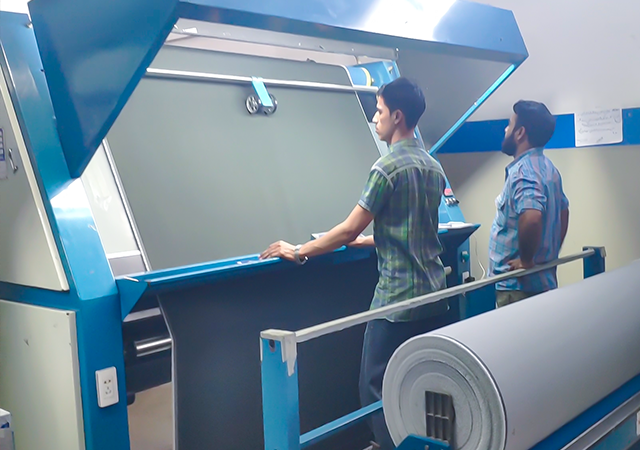
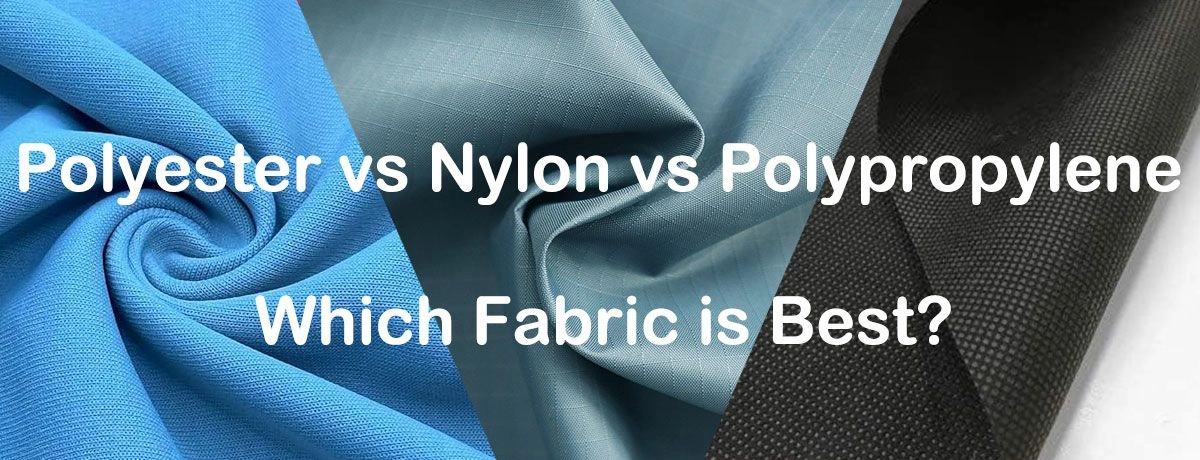
Choosing the right waterproof fabric is one of the most critical decisions in fishing bag manufacturing. It directly determines how the product performs in real conditions, how long it lasts, and how it is positioned in the market. Unlike simple product categories, fishing bags must operate in unpredictable environments—water exposure, UV radiation, mechanical stress, and temperature changes all interact to test the material.
From Szoneier’s experience across hundreds of custom projects, fabric selection is never based on a single factor such as cost or waterproof rating. It is a structured process that evaluates how different variables work together. A material that performs well in isolation may fail when combined with certain construction methods or when used in the wrong environment.
The most reliable approach is to treat fabric selection as an engineering decision. This means defining the use case clearly, identifying performance priorities, and balancing trade-offs between durability, weight, cost, and user experience.
Material Selection Framework
Step 1: Define Usage Environment
The starting point is always understanding how the bag will be used in real life. Without this clarity, material selection becomes guesswork.
Key considerations include:
- Will the bag be exposed to continuous water or only occasional splashes?
- Is the environment freshwater or saltwater?
- Will the bag be placed on wet surfaces or potentially submerged?
- How frequently will the product be used—daily, weekly, or occasionally?
For example, a bag designed for offshore fishing must withstand saltwater, UV exposure, and constant moisture. In contrast, a freshwater bag used occasionally may prioritize lightweight construction over extreme waterproofing.
This step often reveals that different products within the same brand require completely different material strategies.
Step 2: Determine Performance Priorities
Once the environment is defined, the next step is identifying which performance factors matter most. Not every product needs maximum waterproofing or maximum durability. Over-specifying materials can increase cost without adding real value.
| Priority | Recommended Material |
|---|---|
| Maximum waterproof protection | TPU laminated fabric / PVC tarpaulin |
| Lightweight construction | Nylon (210D–420D) |
| Cost efficiency | Polyester or PVC-coated fabric |
| Premium feel and performance | TPU laminated nylon |
In practice, manufacturers often rank these priorities rather than treating them equally. For instance, a premium offshore bag may prioritize waterproofing and durability over weight, while a travel fishing bag may prioritize comfort and portability.
Step 3: Balance Weight vs Durability
Weight and durability are closely linked but often in conflict. Heavier materials tend to offer better resistance to wear and stress, but they reduce portability and comfort.
| Requirement | Solution |
|---|---|
| Lightweight and portable | Nylon + PU coating |
| High durability and structure | 1000D nylon or reinforced polyester |
| Waterproof + durable | TPU laminated fabric (840D–1050D) |
A common mistake is overbuilding a product. For example, using heavy PVC tarpaulin for a small travel bag may improve durability but significantly reduce usability. On the other hand, using lightweight PU-coated fabric for a heavy-duty application can lead to premature failure.
The goal is to match the material strength to the actual load and usage conditions, not to exceed them unnecessarily.
Step 4: Consider Product Positioning
Material selection is also influenced by how the product is positioned in the market. Different price segments require different performance levels and user expectations.
- Entry-level products typically use PVC or polyester to maintain affordability
- Mid-range products often combine nylon with PU coatings for balance
- Premium products rely on TPU laminated fabrics for performance and perceived quality
Customers in higher price segments expect not only better waterproofing but also improved handling, flexibility, and long-term durability. Materials like TPU help meet these expectations, while also supporting stronger brand positioning.
Step 5: Combine Materials (Hybrid Design)
In modern fishing bag design, using a single material throughout the product is rarely the most effective approach. Instead, manufacturers combine materials based on functional zones.
A typical hybrid structure might include:
- Nylon body panels to reduce overall weight
- TPU laminated base for waterproof protection in high-contact areas
- Reinforced corners or panels for abrasion resistance
This approach allows each part of the bag to perform its specific function without adding unnecessary cost or weight.
For example, the base panel—where the bag contacts wet or rough surfaces—requires higher durability and waterproofing than upper compartments. Using TPU or PVC in this area while keeping the rest of the bag lightweight creates a more balanced product.
Common Material Selection Mistakes
Even experienced brands can encounter issues when material selection is not aligned with real use cases.
Typical mistakes include:
- Using low-cost materials in products intended for demanding environments
- Overlooking waterproof requirements in favor of aesthetics or cost
- Overbuilding products, resulting in excessive weight and reduced usability
- Ignoring user comfort, particularly in wearable designs
These mistakes often lead to higher return rates and negative customer feedback, even if the product performs well in controlled testing.
Decision Matrix
| Scenario | Recommended Solution |
|---|---|
| Offshore fishing | TPU laminated fabric with reinforced base |
| Kayak fishing | TPU + welded seams + roll-top closure |
| Freshwater fishing | Polyester or nylon with PU coating |
| Travel fishing | Lightweight nylon with selective waterproof panels |
| Heavy-duty storage | PVC tarpaulin or reinforced high-denier nylon |
This matrix highlights the importance of aligning material selection with real-world usage. Each scenario has different performance requirements, and the material must reflect those differences.
Real Case Insight
A fishing gear brand initially developed its entire product line using a single PVC-coated fabric. While this simplified sourcing and production, it created limitations:
- Lightweight products felt too heavy
- Premium customers perceived the material as low-end
- Certain products were overbuilt for their intended use
After restructuring the product line, the brand adopted a segmented material strategy:
- TPU laminated fabrics for premium waterproof products
- Nylon-based materials for lightweight and travel-focused designs
- PVC tarpaulin for heavy-duty storage and utility bags
The impact was significant:
- Clear differentiation between product lines
- Improved conversion rates due to better alignment with user needs
- Reduction in complaints related to weight and usability
This case demonstrates how material selection influences not only product performance but also overall market success.
There is no single “best” waterproof fabric. The most successful products are those that use the right combination of materials for the intended purpose.
Focusing on one material as a universal solution often leads to compromises. Instead, manufacturers must consider how materials interact with design, construction methods, and user expectations.
A well-designed fishing bag is not defined by having the highest specifications, but by how effectively those specifications match real usage conditions.
Key Takeaway
Selecting waterproof fabrics should always follow a structured approach:
- Start with the actual usage scenario
- Define performance priorities clearly
- Balance durability, weight, and cost
- Use hybrid material strategies where appropriate
When these factors are aligned, the result is a product that performs consistently and meets user expectations across different environments.
Choosing the Right Waterproof Fabric Defines Product Success
Waterproof fabrics form the foundation of fishing bag performance. Whether using TPU for premium waterproofing, PVC for durability and cost control, or nylon for lightweight construction, each material contributes to the final product in a specific way.
The difference between a reliable product and a disappointing one often lies in how these materials are selected and combined. A well-engineered fishing bag is not just waterproof—it is built to perform consistently over time, across changing conditions, and under real user behavior.
At Szoneier, with over 18 years of experience in fabric development and bag manufacturing, material selection is approached as a practical engineering process. Each project involves evaluating real usage scenarios, testing material combinations, and refining construction methods to ensure that the final product delivers both performance and usability.
By aligning material choices with real-world conditions, manufacturers can create fishing bags that not only meet expectations but continue to perform long after they leave the factory.
Ready to Create Your Custom Waterproof Fishing Bags?
If you’re planning to develop fishing bags that truly perform in wet and demanding environments, choosing the right waterproof fabric is the first step—and the most important one.
Szoneier supports you with:
- Full waterproof material options (TPU, PVC, coated nylon, polyester)
- Low MOQ starting from 50 pcs
- Fast sampling within 5–7 days
- Custom design, structure, and branding
- Stable production and strict quality control
Whether you’re launching a new product line or improving an existing design, we can help you select the right materials and build fishing bags that stand out in both performance and market appeal.
Tell us your idea, your target market, and your requirements—we’ll help you turn it into a product that works in real conditions.
Contact Szoneier today to start your custom waterproof fishing bag project.