Skip to content
At first glance, a drawstring bag seems like one of the simplest products you can imagine—just fabric, strings, and a basic structure. But behind that simplicity lies a surprisingly complex system of material selection, product design, engineering, and large-scale production. The truth is, a drawstring bag manufacturer doesn’t just “make bags”—they build solutions tailored for completely different use cases, from sports and retail to outdoor and promotional applications.
A drawstring bag manufacturer produces a wide range of products including standard gym sacks, heavy-duty canvas bags, waterproof outdoor bags, and customized branded solutions using materials such as cotton, polyester, nylon, and specialty fabrics. Beyond production, manufacturers also handle design, material optimization, customization, quality control, and scalable manufacturing to meet different application needs.
Think about it this way: one bag might be designed for a fitness enthusiast, another for a retail brand packaging premium products, and another for an outdoor traveler facing unpredictable weather. They may all look similar, but they are built differently from the ground up. Understanding what a manufacturer actually produces—and how it works—can completely change how you approach product development.
What Types of Drawstring Bags Do Manufacturers Produce?
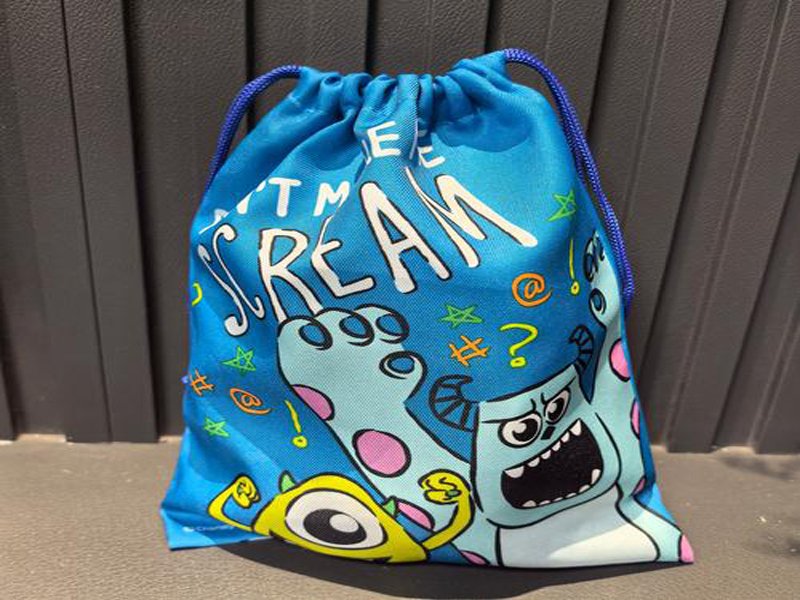
Drawstring bags are often perceived as simple products, but from a manufacturing perspective, they represent one of the most versatile categories in soft goods production. A single structural concept—fabric body with a corded closure—can be engineered into products that serve entirely different industries, from low-cost promotional giveaways to high-performance outdoor gear.
This diversity is not accidental. It is driven by how manufacturers combine materials, construction techniques, and functional design adjustments to meet specific use cases. In global sourcing markets, especially across Asia, drawstring bags are produced in hundreds of variations, with differences in fabric weight, coating technology, reinforcement methods, and accessory integration.
According to industry estimates, lightweight promotional drawstring bags can be produced at scale for under $1 per unit in bulk orders, while premium or technical variants—such as waterproof TPU models—can exceed $8–$12 per unit depending on specifications. This wide cost range reflects the complexity behind what might otherwise appear to be a simple product.
Standard Drawstring Bags
Standard drawstring bags are the foundation of this category. They are typically designed for high-volume production, cost efficiency, and broad usability. Most are made from lightweight polyester, non-woven polypropylene, or thin cotton blends, with fabric weights ranging from 70D to 210D.
| Type | Description | Use Case |
|---|---|---|
| Basic gym sack | Lightweight, minimal structure | Sports and fitness |
| Promotional bag | Ultra cost-efficient design | Events and branding |
| Everyday bag | Balanced durability and usability | Daily carry |
The defining characteristic of these bags is simplicity. Manufacturing processes are streamlined, often involving basic stitching, standard cord channels, and minimal reinforcement. This allows factories to achieve extremely high daily output—some large-scale facilities can produce over 20,000 units per day for simple designs.
However, simplicity does not mean lack of strategy. For brands, these products are often used as entry-level marketing tools. A well-designed promotional drawstring bag can deliver long-term brand exposure at a very low cost per impression, especially in events, trade shows, or retail giveaways.
From a production standpoint, consistency is critical. Even minor variations in stitching alignment or fabric cutting can become highly visible across large batches, which is why experienced manufacturers implement standardized templates and quality checkpoints even for basic designs.
Heavy-Duty and Premium Drawstring Bags
As performance requirements increase, manufacturers begin to modify both material selection and structural design. Heavy-duty drawstring bags are built to withstand repeated use, higher load capacity, and more demanding environments.
| Type | Feature | Use Case |
|---|---|---|
| Canvas drawstring bag | Thick, high-density fabric | Retail and lifestyle |
| Reinforced nylon bag | High tensile strength | Outdoor and sports |
| Multi-layer bags | Structured construction | Heavy loads |
Canvas and high-denier nylon (such as 600D or 900D) are commonly used in this category. These materials significantly improve abrasion resistance and load-bearing capacity. For example, a standard polyester bag may safely carry 3–5 kg, while a reinforced nylon version can handle 10 kg or more under proper construction.
In addition to fabric upgrades, structural reinforcements are introduced. These may include:
- Double-stitched seams
- Reinforced bottom panels
- Metal or reinforced eyelets for cord durability
- Thicker braided cords for improved grip and strength
These enhancements increase production complexity and cost, but they also extend product lifespan. In many retail environments, durability directly correlates with perceived product value. Consumers are more likely to reuse a sturdy drawstring bag, which in turn increases brand visibility over time.
Manufacturers like Szoneier, with deep experience in fabric sourcing and construction techniques, often play a key role at this stage. Instead of simply producing based on a design file, they may suggest material substitutions or structural adjustments to optimize performance without unnecessarily increasing cost.
Waterproof and Outdoor Drawstring Bags
For outdoor, marine, or travel applications, protection becomes the primary requirement. In these scenarios, standard fabrics are insufficient, and manufacturers must incorporate specialized materials and sealing technologies.
| Type | Feature | Use Case |
|---|---|---|
| Coated polyester bag | Water-resistant surface | Outdoor activities |
| TPU/PVC bag | Fully waterproof construction | Travel and marine use |
| Roll-top drawstring bag | Sealed closure system | Extreme conditions |
Waterproof drawstring bags typically use TPU or PVC-coated fabrics, combined with high-frequency welding or heat sealing instead of traditional stitching. This eliminates needle holes, which are the main source of water penetration in sewn products.
From a technical standpoint, waterproof performance is often measured using hydrostatic pressure ratings. Basic water-resistant fabrics may withstand 500–1,000 mm of water pressure, while fully waterproof materials can exceed 5,000 mm. This distinction is critical for applications such as kayaking, camping, or beach use.
The roll-top closure is another important innovation. By folding the top section multiple times before securing it, the bag creates a physical barrier against water entry. This design is widely used in dry bags and has been adapted into drawstring formats for added convenience.
However, these products require more precise manufacturing processes. Welding temperatures, pressure consistency, and material compatibility must be carefully controlled. Small deviations can compromise waterproof integrity, which is why production for these items typically involves lower output speeds and stricter quality inspections.
Specialty and Niche Drawstring Bags
Beyond mainstream categories, manufacturers also develop niche products tailored to specific functional or aesthetic requirements. These designs often target smaller but higher-value market segments.
- Mesh drawstring bags designed for airflow, commonly used in sports, laundry, or swim gear
- Neoprene drawstring bags offering cushioning and impact resistance, suitable for electronics or delicate items
- Luxury fabric bags made from velvet, satin, or microfiber, used in premium packaging or branding
| Type | Key Advantage |
|---|---|
| Mesh | Breathability and quick drying |
| Neoprene | Shock absorption and flexibility |
| Velvet/Satin | Visual appeal and brand positioning |
These products highlight how material selection alone can redefine a bag’s purpose. For example, neoprene—commonly associated with wetsuits—introduces elasticity and protection, making it suitable for carrying fragile items. Velvet and satin, on the other hand, transform a simple bag into a packaging solution that enhances perceived product value.
In many cases, these niche products involve smaller production runs but higher margins. Brands targeting premium markets often prioritize tactile experience, visual presentation, and uniqueness over cost efficiency.
Product Type Comparison
To better understand how these categories differ, it is useful to compare them across key manufacturing and performance dimensions:
| Category | Durability | Cost | Complexity | Application |
|---|---|---|---|---|
| Standard | Medium | Low | Low | Mass use |
| Heavy-duty | High | Medium | Medium | Long-term use |
| Waterproof | Very high | High | High | Outdoor |
| Specialty | Variable | Medium–high | High | Niche markets |
This comparison illustrates a fundamental principle in product development: as functionality and performance requirements increase, so do material costs, production complexity, and quality control demands.
How Manufacturers Adapt the Same Core Design
One of the most interesting aspects of drawstring bag production is how a single basic structure can be adapted into entirely different products. The core design remains consistent—a flexible body with a cord closure—but small adjustments create significant variations in performance.
These adjustments typically include:
- Fabric type and thickness
- Coating or lamination methods
- Stitching versus welding techniques
- Reinforcement placement
- Cord material and configuration
For manufacturers, this flexibility is both an opportunity and a challenge. It allows them to serve multiple markets using similar production lines, but it also requires a deep understanding of material behavior and end-use requirements.
At Szoneier, this adaptability is reflected in the breadth of production capabilities. With over 18 years of experience in fabric development and bag manufacturing, the company supports a wide range of drawstring bag types, from high-volume promotional items to technically demanding outdoor products. The focus is not just on producing bags, but on aligning each design with its intended use scenario, ensuring that material selection, construction, and finishing processes work together as a complete system.
For brands and buyers, this means that selecting the right drawstring bag is less about choosing a “type” and more about defining the application. Once the use case is clear, the product can be engineered accordingly, often with input from experienced manufacturers who understand how to balance performance, cost, and scalability in real-world production.
Which Materials Are Used in Drawstring Bag Manufacturing?
Material selection sits at the center of drawstring bag manufacturing. While the overall structure of a drawstring bag remains relatively simple, the choice of fabric determines how the product performs in real-world conditions—how long it lasts, how it feels in hand, how it reacts to moisture, and ultimately how it is perceived by end users.
From a manufacturing perspective, selecting the right material is not just a design decision but a technical one. It directly affects production efficiency, defect rates, cost control, and long-term product consistency. A well-designed bag made from the wrong fabric will fail in performance, while a properly matched material can significantly elevate even the simplest design.
In global production, materials used in drawstring bags can be broadly categorized into natural fabrics, synthetic materials, and specialty fabrics. Each category serves different market segments and functional requirements, and experienced manufacturers often guide brands in choosing the most appropriate option based on application rather than preference alone.
Natural Materials
Natural fabrics are widely used in drawstring bags where comfort, appearance, and sustainability play a larger role than technical performance. These materials are especially common in retail, lifestyle, and eco-conscious product lines.
| Material | Key Feature | Use Case |
|---|---|---|
| Cotton | Soft and breathable | Retail and lifestyle |
| Canvas | Thick and durable | Heavy-duty use |
| Jute | Eco-friendly | Sustainable products |
| Linen | Lightweight and natural texture | Casual applications |
Cotton remains one of the most commonly used natural fibers due to its softness and accessibility. It is particularly suitable for applications where the bag comes into direct contact with skin or is used for everyday carrying. However, cotton has limitations in durability and water resistance, which must be considered in product planning.
Canvas, essentially a heavier and more tightly woven cotton fabric, addresses some of these limitations. With fabric weights often ranging from 8 oz to 16 oz per square yard, canvas provides significantly improved durability and load-bearing capacity. This makes it suitable for retail bags, bookstore merchandise, and reusable shopping applications where longevity is expected.
Jute and linen represent a different segment within natural materials. Jute, often used in eco-friendly packaging, offers a coarse texture and strong environmental positioning. It is biodegradable and widely recognized as a sustainable material, but it lacks flexibility and softness. Linen, on the other hand, provides a lighter and more refined texture, though it is less commonly used due to higher raw material costs.
One important consideration with natural fabrics is variability. Unlike synthetic materials, natural fibers can show slight differences in texture, color, and strength between batches. This requires manufacturers to implement stricter quality control measures, especially for large-scale production where consistency is critical.
Synthetic Materials
Synthetic fabrics dominate the drawstring bag market, particularly in applications where durability, weight efficiency, and cost control are key factors. These materials are engineered to deliver consistent performance across large production volumes, which is why they are widely used in sports, promotional, and travel products.
| Material | Key Feature | Use Case |
|---|---|---|
| Polyester | Durable and versatile | Sports and promotions |
| Nylon | Lightweight and strong | Outdoor and travel |
| Non-woven PP | Low cost and scalable | Mass production |
Polyester is the most widely used synthetic material in drawstring bag manufacturing. It offers a balanced combination of strength, weight, and cost efficiency. Common fabric specifications range from 190T to 420D, depending on the intended use. Polyester also supports various finishing treatments, such as PU coating or PVC backing, which enhance water resistance and durability.
Nylon is often selected for higher-performance applications. Compared to polyester, nylon provides superior tensile strength and abrasion resistance while maintaining a lighter weight. This makes it ideal for outdoor gear, hiking accessories, and travel-related products. However, nylon typically comes at a higher material cost, which impacts overall pricing.
Non-woven polypropylene (PP) is used primarily for ultra-low-cost, high-volume production. It is not woven like traditional fabrics but bonded together through heat or chemical processes. This results in a lightweight and inexpensive material that is suitable for single-use or short-term applications, such as trade show giveaways or packaging solutions.
From a manufacturing standpoint, synthetic materials offer several advantages. They are easier to cut, more stable during stitching, and less prone to shrinkage or deformation. This contributes to faster production speeds and lower defect rates. In large factories, switching from natural to synthetic materials can improve output efficiency by 15–25% depending on the product design.
Specialty Materials
Specialty fabrics are used when drawstring bags need to deliver specific functional or aesthetic features beyond standard performance. These materials are often found in niche markets or premium product lines.
| Material | Function | Application |
|---|---|---|
| Mesh | Breathability and ventilation | Sports and laundry |
| Neoprene | Cushioning and flexibility | Protective bags |
| Laminated fabrics | Waterproofing and sealing | Outdoor and marine use |
Mesh fabrics are designed to allow airflow, making them ideal for storing items that require ventilation, such as sports gear, swimwear, or damp clothing. They are typically made from polyester or nylon and can vary in density depending on the required level of breathability.
Neoprene is a synthetic rubber material known for its elasticity and shock-absorbing properties. It is commonly used in protective applications, such as carrying electronics or fragile items. While not traditionally associated with drawstring bags, neoprene introduces a completely different user experience, combining flexibility with a premium feel.
Laminated fabrics, including TPU and PVC-coated materials, are essential for waterproof drawstring bags. These fabrics are designed to prevent water penetration and are often paired with heat-sealed construction methods. In outdoor and marine environments, this combination provides reliable protection against moisture, which standard fabrics cannot achieve.
Specialty materials typically involve more complex sourcing and production processes. They may require specialized machinery, such as high-frequency welding equipment, and additional testing to ensure performance standards are met. As a result, they are often used in smaller production runs or higher-margin products.
Material Performance Comparison
Understanding how different materials perform relative to each other is essential when developing a product that meets both functional and commercial requirements.
| Material | Durability | Weight | Water Resistance | Cost |
|---|---|---|---|---|
| Polyester | High | Light | Medium–high | Medium |
| Nylon | Very high | Very light | Medium | Medium–high |
| Cotton | Medium | Medium | Low | Medium |
| Canvas | High | Heavy | Low | Medium |
| Non-woven PP | Low–medium | Very light | Low | Low |
This comparison highlights a key principle in product development: no single material excels in every category. Polyester offers a strong balance across most metrics, which explains its widespread use. Nylon pushes performance further but at a higher cost. Natural materials provide aesthetic and environmental benefits but fall short in technical performance. Non-woven materials prioritize cost efficiency over durability.
How Material Selection Impacts Product Success
In practice, material selection is not just about choosing a fabric—it is about defining the product’s positioning in the market. A promotional giveaway bag, a retail lifestyle product, and an outdoor waterproof bag may all share the same drawstring structure, but their material choices place them in entirely different categories.
Incorrect material selection is one of the most common issues in product development. For example, using low-density polyester for a bag intended to carry heavy items can lead to premature failure, even if the design itself is sound. Similarly, choosing canvas for a product that requires water resistance can limit its usability.
Experienced manufacturers approach this decision by starting with the end-use scenario. They evaluate factors such as load requirements, environmental exposure, frequency of use, and target price point before recommending suitable materials.
At Szoneier, this process is supported by extensive experience in fabric development and sourcing. With over 18 years in the industry, the company works with a wide range of materials, from standard polyester and nylon to specialized laminated fabrics and neoprene. The goal is not simply to offer options, but to ensure that each drawstring bag is built with materials that align with its intended function, production scale, and market positioning.
For brands, this level of material expertise can significantly reduce development risks. Instead of relying on trial and error, they can move forward with greater confidence, knowing that the foundation of their product—the material itself—has been carefully selected to support both performance and long-term consistency.
How Are Drawstring Bags Designed and Customized?
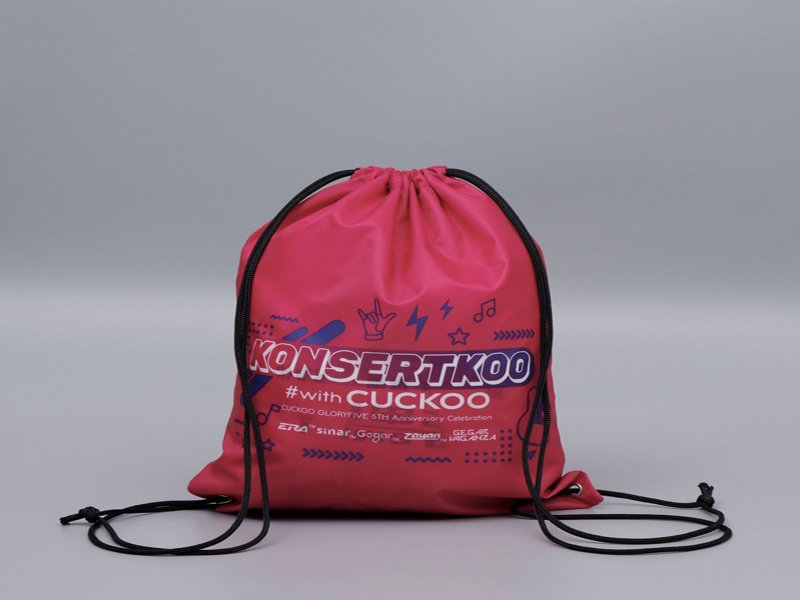
Designing and customizing a drawstring bag is a multi-stage process that goes far beyond visual styling. While the product itself appears simple, the development behind it involves a series of technical decisions that directly influence functionality, durability, production efficiency, and brand presentation.
In professional manufacturing environments, customization follows a structured path: starting from concept definition, moving through material selection and structural engineering, and ending with branding integration and sampling validation. Each stage is interconnected. A decision made at the concept level—such as target price or usage scenario—can influence everything from fabric choice to stitching methods and printing techniques.
For brands, especially those operating in competitive retail or promotional markets, this process is not just about creating a bag. It is about developing a product that aligns with user expectations, performs consistently in real-world use, and can be produced reliably at scale.
Core Design Elements
Every drawstring bag begins with a set of fundamental design variables. These elements define the product’s structure and determine how it will function before any customization is added.
| Element | Options | Impact |
|---|---|---|
| Size | Small, medium, large | Determines capacity and use scenario |
| Shape | Flat, boxed, gusseted | Affects internal volume and load distribution |
| Material | Cotton, polyester, nylon, etc. | Defines durability and feel |
| Closure | Standard drawstring, flap, roll-top | Influences accessibility and protection |
Size is typically defined based on the intended contents. For example, a gym sack designed to carry shoes and clothing may require dimensions around 40–45 cm in height, while a promotional giveaway bag might be smaller to reduce material costs. Even small changes in size can significantly impact fabric consumption and, by extension, production cost.
Shape is another critical factor. Flat designs are easier to produce and minimize material waste, making them suitable for high-volume orders. Gusseted or boxed structures, on the other hand, increase internal capacity and improve load stability, but require additional cutting and sewing steps.
Material selection ties directly into performance. A lightweight polyester bag may be sufficient for short-term use, while a nylon or canvas version is better suited for repeated, heavy-duty applications. Closure design also plays a functional role. Standard drawstrings provide convenience, but roll-top or flap closures offer better protection in outdoor or travel scenarios.
These core elements form the framework of the product. Once they are defined, manufacturers can move into more detailed customization.
Custom Features and Functional Additions
To enhance usability and differentiate products in the market, manufacturers often integrate additional features into the base design. These functional upgrades transform a basic bag into a more versatile and user-oriented product.
Common enhancements include external zipper pockets for securing small valuables, internal compartments for separating items, reinforced corners to handle higher stress points, and adjustable cords for improved comfort during carrying.
| Feature | Benefit |
|---|---|
| Reinforcement | Extends product lifespan under load |
| Compartments | Improves organization and user convenience |
| Pockets | Adds storage flexibility |
Reinforcement is particularly important in drawstring bags because the corners—where the cords are anchored—experience the highest tension during use. Without proper reinforcement, these areas are prone to tearing, especially in bags carrying more than 5–7 kg. Manufacturers typically address this by adding extra fabric layers, bar-tack stitching, or metal eyelets.
Functional additions must be carefully evaluated against cost and production complexity. For instance, adding a single zipper pocket can increase labor time per unit by 10–20%, depending on the design. In large production runs, this can have a noticeable impact on lead time and overall cost.
Experienced manufacturers often guide brands toward practical feature sets. Instead of adding multiple elements that may not be used by end consumers, they focus on features that provide clear, measurable improvements in usability.
Branding and Logo Customization
Branding is one of the most visible aspects of drawstring bag customization. It transforms a functional product into a marketing tool or a retail item with identity and value.
| Method | Suitable Material | Effect |
|---|---|---|
| Screen printing | Cotton, canvas | Bold and cost-effective |
| Heat transfer | Polyester | Flexible and scalable |
| Sublimation | Polyester | High-resolution, full-color |
| Embroidery | Cotton, canvas | Premium and textured |
Each branding method has its own technical requirements and visual characteristics. Screen printing is widely used for simple logos and large volumes due to its cost efficiency. Heat transfer allows for more complex designs and is compatible with synthetic fabrics. Sublimation printing, which embeds ink directly into polyester fibers, produces high-resolution images that do not fade or peel, making it ideal for sports and promotional applications.
Embroidery offers a premium aesthetic but comes with higher costs and longer production times. It is typically used in retail or branded merchandise where perceived value is a priority.
From a manufacturing perspective, branding must be integrated early in the design process. The placement, size, and method of application can influence fabric choice, panel layout, and even stitching sequences. Late-stage changes to branding specifications often lead to delays or additional sampling rounds.
Sampling and Prototyping
Before moving into mass production, manufacturers develop samples to validate the design. This stage is critical for identifying potential issues and ensuring that the product performs as intended.
| Step | Purpose |
|---|---|
| Prototype development | Translate concept into physical product |
| Material testing | Verify durability and suitability |
| Fit and function check | Evaluate usability in real conditions |
The initial prototype focuses on structure and dimensions. It allows both the manufacturer and the client to assess whether the design meets expectations. Adjustments are often made at this stage, such as modifying pocket placement, adjusting cord length, or refining overall proportions.
Material testing follows, particularly for products with specific performance requirements. For example, a bag intended for outdoor use may undergo water resistance testing, while a heavy-duty bag may be tested for load capacity and seam strength.
Fit and function checks simulate real-world use. This includes evaluating how the bag opens and closes, how it feels when carried, and whether it accommodates the intended contents comfortably. These practical evaluations are essential because design specifications alone cannot fully predict user experience.
Sampling typically takes 5–10 days for standard designs and longer for complex or highly customized products. While this stage adds time to the development process, it significantly reduces the risk of costly errors in mass production.
Customization Complexity and Development Time
Not all customization projects are equal. The level of customization directly affects development time, production complexity, and cost structure.
| Custom Level | Features Included | Development Time |
|---|---|---|
| Basic | Standard size with logo | Short |
| Medium | Material changes and added features | Moderate |
| Advanced | New structure and full customization | Longer |
Basic customization projects are relatively straightforward. They involve applying branding to an existing design, allowing manufacturers to use established production processes. These projects can move quickly from sampling to bulk production.
Medium-level customization introduces changes to materials or adds functional features. This requires additional testing and may involve adjustments to production workflows.
Advanced customization involves developing entirely new structures or integrating multiple complex features. These projects often require several rounds of sampling and close collaboration between the brand and the manufacturer.
One common challenge in advanced customization is overengineering. Adding too many features can increase cost and lead time without delivering proportional value to the end user. Successful product development often involves simplifying designs to focus on the most impactful elements.
Balancing Creativity and Manufacturability
Customization in drawstring bag manufacturing is ultimately a balancing act. On one side is creativity—the desire to create a unique product that stands out in the market. On the other is manufacturability—the need to produce that product efficiently, consistently, and at scale.
Manufacturers play a crucial role in maintaining this balance. They evaluate whether a design can be produced using existing machinery, whether materials are readily available, and whether the production process can maintain consistent quality across large volumes.
At Szoneier, this process is approached with a practical mindset shaped by over 18 years of experience in fabric development and bag manufacturing. Rather than focusing solely on visual design, the emphasis is placed on how each decision affects real-world performance and production feasibility. This includes advising on material compatibility, optimizing structural details, and ensuring that branding methods align with both design intent and manufacturing capabilities.
For brands, this collaborative approach reduces uncertainty. It allows them to move from concept to production with greater confidence, knowing that the final product has been engineered not just to look good, but to perform reliably and scale effectively in the market.
How Does the Manufacturing Process Work?
The manufacturing of drawstring bags is often underestimated because of the product’s simplicity. In reality, it is a tightly coordinated process where material behavior, machine precision, and human workmanship must align to achieve consistent quality at scale. From raw fabric to finished goods ready for shipment, each step in the process introduces variables that can either strengthen or compromise the final product.
For large-volume production, even minor inconsistencies—such as slight misalignment in cutting or uneven stitching tension—can multiply across thousands of units. This is why professional manufacturers treat drawstring bag production as a controlled system rather than a series of isolated steps. The goal is not only to produce bags efficiently, but to ensure that every unit meets the same performance and appearance standards.
In most factories, the process follows a structured workflow: fabric sourcing and preparation, cutting and printing, sewing or sealing, assembly, quality inspection, and final packaging. While the sequence appears straightforward, the execution at each stage determines the reliability of the end product.
Fabric Sourcing and Preparation
The process begins long before any physical production takes place. Material sourcing is a critical decision point that sets the foundation for everything that follows. Manufacturers must evaluate fabric specifications based on the intended application, including tensile strength, weight, coating requirements, and cost targets.
| Step | Description |
|---|---|
| Fabric selection | Choose material based on application and cost |
| Inspection | Identify defects such as weaving flaws or color inconsistencies |
| Pre-treatment | Apply coatings, lamination, or finishing processes |
Fabric inspection is particularly important. In bulk production, even a small percentage of defective material can lead to significant waste or rework. Standard practice involves checking fabric rolls for issues such as uneven dyeing, holes, or weak نقاط in the weave. High-quality factories typically implement incoming material inspection protocols that reject substandard batches before they enter production.
Pre-treatment processes vary depending on the product requirements. For example, polyester fabrics may receive PU or PVC coatings to improve water resistance, while some materials undergo heat setting to stabilize dimensions. These treatments not only enhance performance but also improve consistency during subsequent manufacturing steps.
Industry data suggests that material-related issues account for up to 30% of production defects in soft goods manufacturing. This highlights why experienced manufacturers invest heavily in material control at the earliest stage.
Cutting and Printing
Once materials are prepared, the next step is to convert raw fabric into precisely shaped components. This stage combines mechanical accuracy with design alignment, particularly when branding elements are involved.
| Step | Description |
|---|---|
| Cutting | Fabric panels are cut according to patterns |
| Printing | Logos and graphics are applied |
| Alignment | Ensures consistency across batches |
Cutting is typically performed using either manual cutting tables or automated cutting machines, depending on production scale. For high-volume orders, computerized cutting systems improve accuracy and reduce material waste by optimizing pattern layout. Even a 2–3% improvement in fabric utilization can result in substantial cost savings when producing tens of thousands of units.
Printing is often integrated into this stage. The choice of printing method—screen printing, heat transfer, or sublimation—affects not only the visual outcome but also the production sequence. For example, sublimation printing requires printing on flat panels before assembly, while some heat transfer applications can be performed after partial construction.
Alignment is a critical but often overlooked factor. Misaligned logos or inconsistent positioning can significantly impact perceived quality, especially in branded products. Manufacturers typically use positioning guides or jigs to maintain consistency, particularly in repeat orders where brand standards must be strictly followed.
Sewing and Assembly
This stage represents the core of the manufacturing process, where individual components are transformed into a functional product. It is also the most labor-intensive phase and has the greatest impact on overall product quality.
| Step | Description |
|---|---|
| Stitching | Panels are joined together |
| Reinforcement | Stress points are strengthened |
| Cord installation | Drawstring system is integrated |
Stitching quality is essential for durability. Factors such as stitch density, thread type, and tension settings must be carefully controlled. For example, increasing stitch density can improve seam strength, but it also increases production time. Manufacturers must balance these variables based on the product’s intended use.
Reinforcement is applied to high-stress areas, particularly the corners where drawstrings are anchored. Techniques include double stitching, bar-tack reinforcement, and the use of metal or reinforced eyelets. Without these measures, even high-quality fabrics can fail under repeated use.
Cord installation is the final step in assembly. The type of cord—whether polyester rope, cotton cord, or braided nylon—affects both functionality and user comfort. Poor-quality cords can fray or break over time, which is why manufacturers often test cord durability separately from the main fabric.
For waterproof drawstring bags, traditional stitching is replaced or supplemented with heat sealing or high-frequency welding. These methods eliminate needle holes, ensuring that the bag maintains its waterproof integrity. However, they require specialized equipment and stricter process control.
In terms of production time, assembly typically accounts for the largest share of manufacturing effort. In many factories, it represents approximately 30–40% of total production time, reflecting its complexity and importance.
Quality Control and Inspection
Quality control is not a single step but a continuous process that spans the entire production cycle. However, final inspection plays a crucial role in ensuring that only compliant products are shipped.
| Check | Purpose |
|---|---|
| Visual inspection | Identify defects in appearance |
| Strength testing | Verify seam and material durability |
| Function testing | Ensure proper usability |
Visual inspection focuses on detecting issues such as uneven stitching, fabric defects, or printing errors. In high-volume production, inspectors often use sampling methods based on AQL (Acceptable Quality Level) standards to balance efficiency with accuracy.
Strength testing may involve pulling seams or applying weight to the bag to ensure it meets load requirements. For example, a standard drawstring bag might be tested to تحمل 5–7 kg, while heavy-duty versions may be tested at higher thresholds.
Function testing evaluates how the product performs in use. This includes checking whether the drawstring closes smoothly, whether pockets function correctly, and whether the overall structure meets design expectations.
Skipping or reducing quality control can lead to significant downstream issues, including customer complaints, returns, and damage to brand reputation. In contrast, robust inspection processes help maintain consistency across large production runs.
Packaging and Delivery
Once products pass inspection, they move to the final stage: packaging and logistics. Although often considered secondary, this stage has a direct impact on product condition upon arrival and overall supply chain efficiency.
| Step | Description |
|---|---|
| Folding and packing | Organize products for shipment |
| Labeling | Apply product and compliance information |
| Logistics | Coordinate transportation and delivery |
Packaging methods vary depending on product type and shipping requirements. Simple drawstring bags may be packed in bulk cartons, while higher-end products may require individual polybags or branded packaging.
Efficient packing reduces shipping volume and cost. For example, optimizing folding methods can increase carton capacity by 10–15%, which becomes significant in large shipments. Proper labeling ensures compliance with import regulations and facilitates distribution once the products reach their destination.
Logistics coordination involves selecting appropriate shipping methods—sea freight for cost efficiency or air freight for speed—based on delivery timelines and budget constraints.
Manufacturing Efficiency and Quality Balance
To better understand how each stage contributes to the overall process, it is useful to examine their relative impact on time and quality:
| Stage | Time Contribution | Impact on Quality |
|---|---|---|
| Material preparation | ~20% | High |
| Cutting and printing | ~25% | Medium |
| Assembly | ~35% | Very high |
| Quality control | ~20% | Critical |
This breakdown highlights an important principle: manufacturing efficiency is not solely about speed. Increasing output without maintaining control at each stage can lead to inconsistencies that undermine the entire production run.
Experienced manufacturers focus on process stability rather than maximum speed. They invest in standardized workflows, skilled labor training, and equipment maintenance to ensure that production remains consistent over time.
At Szoneier, the manufacturing process is managed as an integrated system. With over 18 years of experience in fabric development and bag production, the company combines material expertise, advanced machinery, and structured quality control protocols to deliver reliable results. Each stage—from fabric inspection to final packaging—is monitored to ensure that the finished drawstring bags meet both functional requirements and brand expectations.
For brands and buyers, understanding this process provides valuable insight into how quality is built into a product. It also reinforces the importance of working with manufacturers who prioritize consistency, because in large-scale production, consistency is what ultimately defines product success.
What Industries Do Drawstring Bag Manufacturers Serve?

Drawstring bags have evolved from simple utility items into highly adaptable products used across a wide range of industries. Their core structure—a flexible body combined with a corded closure—allows manufacturers to modify materials, construction methods, and design features to meet very different functional and commercial requirements.
In modern manufacturing, demand is not driven by the product itself, but by how effectively it fits a specific application scenario. A drawstring bag used in a gym, for example, must prioritize lightweight durability and moisture resistance, while a bag designed for luxury retail packaging focuses more on texture, appearance, and brand presentation. This adaptability is what makes drawstring bags relevant across multiple sectors.
From a market perspective, global demand for soft promotional and utility bags continues to grow steadily, with drawstring bags occupying a significant share due to their low production cost, ease of customization, and versatility. For manufacturers, serving different industries requires not just production capacity, but also a deep understanding of how usage conditions influence material selection and structural design.
Sports and Fitness Industry
The sports and fitness sector remains one of the largest consumers of drawstring bags. These products are widely used by gyms, sports teams, fitness brands, and event organizers, where portability and durability are essential.
| Requirement | Solution |
|---|---|
| Lightweight carry | Polyester or nylon fabrics |
| Sweat resistance | Water-resistant or coated materials |
| Durability | Reinforced stitching and corners |
In practical use, these bags are expected to carry clothing, shoes, and accessories while being exposed to moisture and frequent handling. Polyester fabrics in the 210D to 420D range are commonly used because they offer a balance between weight and strength. For higher-end applications, nylon is preferred due to its superior abrasion resistance and lighter feel.
Sweat resistance is another important factor. Bags used in fitness environments often come into contact with damp clothing, which can lead to odor buildup or material degradation. Coated fabrics or moisture-resistant linings help mitigate these issues and extend product lifespan.
From a manufacturing standpoint, the sports sector often demands large production volumes with consistent quality. Many orders are tied to events or seasonal campaigns, requiring reliable lead times and the ability to scale quickly. This makes production efficiency and material availability key considerations.
Education and Events Industry
The education and events sector focuses primarily on cost efficiency and scalability. Drawstring bags are commonly used in schools, conferences, trade shows, and promotional campaigns where large quantities are required within tight budgets.
| Requirement | Solution |
|---|---|
| Low cost | Non-woven polypropylene materials |
| Bulk production | Simplified design and construction |
| Branding | Screen-printed logos |
Non-woven polypropylene (PP) is the dominant material in this segment due to its extremely low cost and ease of production. These bags are typically designed for short-term use, such as distributing materials at events or providing school kits.
In high-volume scenarios, production efficiency becomes critical. Manufacturers often standardize sizes, minimize structural complexity, and streamline printing processes to achieve output levels of tens of thousands of units per day. This allows them to meet tight deadlines without compromising basic quality standards.
Branding plays a central role in this sector. Even though the bags are low-cost, they serve as marketing tools, carrying logos and messages to a wide audience. As a result, print clarity and consistency are important, even in large-scale production.
While the growth rate of this sector is relatively stable compared to others, it remains a consistent source of demand due to recurring events, academic cycles, and promotional activities.
Retail and Branding Industry
In retail environments, drawstring bags are no longer just functional items—they are part of the brand experience. Companies use them for packaging, merchandise, and promotional products that reflect their identity and values.
| Requirement | Solution |
|---|---|
| Premium appearance | Cotton, canvas, or specialty fabrics |
| Reusability | Durable construction |
| Brand visibility | High-quality printing or embroidery |
Materials such as cotton and canvas are commonly used in this segment because of their natural texture and perceived quality. Fabric weight and finishing play a significant role in how the product is received by consumers. For example, a heavier canvas bag conveys durability and value, while a lighter cotton bag may be positioned as casual or eco-friendly.
Reusability is a key consideration. Unlike promotional bags that may be discarded after short-term use, retail drawstring bags are often designed for repeated use. This increases their value as a branding tool, as they continue to display the brand over time.
Printing quality is also more demanding in this sector. Techniques such as embroidery or high-resolution printing are used to create a more refined appearance. While these methods increase production cost, they contribute to a stronger brand image.
From a market perspective, this segment has shown steady growth, driven by increasing emphasis on sustainable packaging and brand differentiation. Consumers are more likely to reuse a well-designed bag, which aligns with both environmental goals and marketing strategies.
Travel and Outdoor Industry
The travel and outdoor sector requires drawstring bags to perform under more demanding conditions. Products in this category must withstand exposure to weather, heavy loads, and extended use.
| Requirement | Solution |
|---|---|
| Water resistance | Coated polyester or nylon |
| Strength | High-denier fabrics |
| Protection | Multi-layer or reinforced construction |
Materials used in this segment often include high-denier polyester (such as 600D or higher) or nylon with specialized coatings. These fabrics provide increased resistance to abrasion, tearing, and environmental factors.
Water resistance is particularly important for outdoor applications. Coated fabrics or laminated materials help protect contents from rain or moisture, while reinforced seams improve structural integrity. In more advanced designs, waterproof construction methods such as heat sealing may be used.
Load-bearing capacity is another key factor. Bags designed for travel or outdoor use may need to carry heavier items, requiring stronger stitching, reinforced stress points, and more durable cords.
This sector has experienced strong growth in recent years, driven by increasing interest in outdoor activities, travel, and lifestyle products. As a result, manufacturers are investing in more advanced materials and construction techniques to meet higher performance expectations.
Industry Demand Comparison
To better understand how different industries influence product design and material selection, the following comparison highlights key trends:
| Industry | Material Preference | Key Requirement | Growth Trend |
|---|---|---|---|
| Sports | Polyester / Nylon | Durability and moisture resistance | High |
| Education | Non-woven PP | Cost efficiency and scalability | Stable |
| Retail | Cotton / Canvas | Branding and reusability | Growing |
| Outdoor | Coated fabrics | Protection and strength | High |
This comparison illustrates how each industry prioritizes different aspects of performance. While cost is the primary driver in education and events, durability and protection are more critical in sports and outdoor applications. Retail, meanwhile, balances functionality with visual and tactile appeal.
How Industry Needs Shape Product Development
The diversity of industries served by drawstring bag manufacturers highlights an important principle: product development is driven by application, not by design alone. The same basic bag structure can be adapted into entirely different products by adjusting materials, features, and construction methods.
For manufacturers, this means maintaining flexibility in both production capabilities and material sourcing. It also requires a strong understanding of end-use scenarios, as misalignment between product design and industry requirements can lead to poor performance or limited market acceptance.
At Szoneier, this approach is reflected in the ability to support multiple industries through tailored solutions. With over 18 years of experience in fabric development and bag manufacturing, the company works closely with clients to match materials, structures, and production methods to specific use cases. Whether the requirement is high-volume promotional bags or performance-driven outdoor products, the focus remains on delivering solutions that align with real-world applications.
For brands and buyers, understanding how different industries use drawstring bags provides valuable insight into product positioning. It allows them to define requirements more clearly and collaborate with manufacturers more effectively, resulting in products that not only meet expectations but also perform reliably in their intended environment.
How Do Manufacturers Ensure Quality and Durability?
Ensuring quality and durability in drawstring bag manufacturing is not the result of a single inspection step—it is the outcome of a controlled system that begins with raw material selection and continues through every stage of production. While the product itself may appear simple, maintaining consistent performance across thousands or even millions of units requires discipline in process control, technical understanding of materials, and rigorous testing standards.
In large-scale production environments, the challenge is not just to produce a functional bag, but to ensure that every unit performs the same way under real-world conditions. Variations in fabric strength, stitching tension, or assembly accuracy can lead to premature failure, which is why experienced manufacturers treat quality as something that must be engineered into the process rather than inspected at the end.
Industry data from soft goods manufacturing shows that more than 60% of product failures can be traced back to issues in material selection and early-stage processing. This highlights the importance of controlling quality from the very beginning, rather than relying solely on final inspection.
Material Quality Control
The foundation of durability starts with materials. No amount of advanced construction can compensate for weak or inconsistent fabric. As a result, manufacturers implement strict material control procedures before production begins.
| Step | Purpose |
|---|---|
| Fabric inspection | Identify weaving defects, color inconsistencies, or damage |
| Strength testing | Verify tensile strength and tear resistance |
| Consistency check | Ensure uniformity across fabric batches |
Fabric inspection typically involves both visual checks and physical testing. Rolls of fabric are examined for defects such as holes, uneven dyeing, or weak نقاط in the weave. In high-volume production, even a small defect rate—such as 2–3%—can result in significant waste if not detected early.
Strength testing is particularly important for drawstring bags that are expected to carry weight. Manufacturers may perform tensile tests to measure how much force the fabric can withstand before breaking. For example, polyester fabrics used in standard drawstring bags are often required to meet minimum strength thresholds to ensure they can handle everyday use.
Consistency checks ensure that materials from different batches behave the same way during production. Variations in thickness or coating can affect cutting accuracy, stitching performance, and overall product appearance. Maintaining uniform material quality helps reduce defects later in the process and improves production efficiency.
Structural Reinforcement
Even with high-quality materials, certain areas of a drawstring bag are more vulnerable to stress. These include the corners where the cords are attached, the seams that hold panels together, and the channels through which the drawstrings pass. Reinforcing these نقاط is essential for long-term durability.
| Area | Reinforcement Method |
|---|---|
| Corners | Double stitching, fabric patches, or metal eyelets |
| Seams | Reinforced stitching or higher stitch density |
| Cord channels | Strengthened edges and additional stitching |
Corners are the most critical stress points. When the bag is loaded and the drawstrings are tightened, these areas تحمل the highest tension. Without reinforcement, tearing can occur after repeated use. Manufacturers typically address this by adding extra layers of fabric or using bar-tack stitching, which distributes stress more evenly.
Seam strength is another key factor. Increasing stitch density or using stronger thread can improve durability, but it also affects production time. Manufacturers must balance these factors to achieve both performance and efficiency.
Cord channels are often overlooked, but they play a crucial role in usability. Weak or poorly constructed channels can fray over time, leading to functional issues. Reinforcing these areas ensures smooth operation and extends the product’s lifespan.
Production Process Control
Consistency in manufacturing is achieved through standardized processes and skilled execution. Even with the same materials and design, variations in production methods can lead to differences in quality.
| Process | Control Method |
|---|---|
| Cutting | Use of precision templates or automated cutting systems |
| Sewing | Standardized stitching techniques and machine settings |
| Assembly | Trained operators and workflow consistency |
Cutting accuracy is the first step in maintaining dimensional consistency. In large-scale production, manufacturers often use templates or computerized cutting machines to ensure that each panel is identical. Even small deviations in cutting can affect how the bag is assembled and how it looks in the final stage.
Sewing is where most quality variations occur. Factors such as thread tension, stitch length, and operator skill all influence the strength and appearance of the product. To minimize variability, manufacturers establish standard operating procedures and train workers to follow consistent techniques.
Assembly involves integrating all components, including cords, reinforcements, and additional features. Skilled labor is essential at this stage, as improper assembly can compromise both functionality and durability. In many factories, experienced operators are assigned to critical مراحل to ensure consistent results.
Process control also includes regular equipment maintenance. Machines that are not properly calibrated can introduce inconsistencies, such as uneven stitching or misaligned seams. Preventive maintenance helps maintain stability across production runs.
Testing and Inspection
Testing and inspection validate whether the product meets performance requirements. While quality is built into the process, testing provides confirmation that standards have been achieved.
| Test | Purpose |
|---|---|
| Load test | Evaluate weight-bearing capacity |
| Abrasion test | Measure resistance to wear and friction |
| Function test | Ensure proper usability and operation |
Load testing involves applying weight to the bag to verify that it can handle expected الاستخدام conditions. For example, a standard drawstring bag may be tested with loads of 5–7 kg, while heavy-duty versions may be tested at higher levels.
Abrasion testing simulates long-term use by exposing the fabric to repeated friction. This helps determine how well the material resists wear, particularly in areas that come into frequent contact with other surfaces.
Function testing focuses on usability. This includes checking whether the drawstrings operate smoothly, whether closures function correctly, and whether the overall structure performs as intended. These practical evaluations are important because they reflect the user experience, which cannot be fully assessed through technical specifications alone.
Inspection is often conducted using sampling methods based on AQL (Acceptable Quality Level) standards. This approach balances efficiency with reliability, ensuring that a representative portion of the production batch is thoroughly checked.
Quality Assurance Framework
To understand how quality control is distributed across the manufacturing process, it is useful to examine the relative importance of each stage:
| Stage | Risk Level | Control Importance |
|---|---|---|
| Material sourcing | High | Critical |
| Production | Medium | High |
| Final inspection | Medium | Critical |
Material sourcing carries the highest risk because it affects every subsequent step. Poor-quality materials cannot be corrected later in the process. Production introduces variability, which must be controlled through standardized methods and skilled execution. Final inspection serves as the last checkpoint, ensuring that only compliant products are shipped.
Building Consistent Performance at Scale
Quality in drawstring bag manufacturing is not just about avoiding visible defects. It is about ensuring that every product performs consistently over time, regardless of when or where it was produced. This level of consistency is particularly important for brands that rely on repeat orders or large-scale distribution.
Manufacturers achieve this by integrating quality control into every stage of the process, from material selection to final inspection. They also rely on data and experience to identify potential issues before they become problems. For example, tracking defect rates across production batches can reveal patterns that indicate underlying process inefficiencies.
At Szoneier, quality assurance is managed as a continuous system rather than a separate function. With over 18 years of experience in fabric development and bag manufacturing, the company combines material expertise, standardized production processes, and structured testing protocols to ensure reliable performance. Each drawstring bag is produced with the understanding that consistency is just as important as durability, especially in large-scale production.
For brands and buyers, this approach provides confidence that the products they receive will meet expectations not only in appearance but also in long-term use. In a market where competition is high and user expectations continue to rise, consistent quality is what ultimately defines a successful product.
Which Types of Drawstring Bags Are Most Popular in the Market?

Market demand for drawstring bags is shaped less by design innovation and more by how well a product balances cost, durability, and real-world usability. Over the past decade, certain types of drawstring bags have consistently outperformed others across global markets, not because they are complex, but because they meet practical expectations in high-frequency use scenarios.
From a manufacturing and sourcing perspective, popularity is closely tied to scalability. Products that can be produced efficiently, maintain consistent quality across large volumes, and serve multiple applications tend to dominate. At the same time, evolving consumer preferences—particularly around sustainability and lifestyle branding—are gradually shifting demand toward more premium and reusable options.
In current market conditions, drawstring bags can be grouped into four dominant categories: polyester-based bags, cotton and canvas bags, non-woven bags, and specialty products. Each occupies a distinct position in terms of cost, performance, and growth potential.
Polyester Drawstring Bags
Polyester drawstring bags remain the most widely used type globally. Their dominance is largely due to their ability to deliver reliable performance at a competitive cost, making them suitable for both commercial and promotional applications.
| Feature | Benefit |
|---|---|
| Lightweight | Reduces carrying effort and shipping cost |
| Durable | Withstands repeated use |
| Water-resistant | Handles light moisture exposure |
Polyester fabrics, typically ranging from 190T to 420D, offer a balanced combination of strength and flexibility. This makes them ideal for sports, fitness, and promotional use, where bags are expected to handle daily wear without adding unnecessary weight.
Another key advantage is production efficiency. Polyester is easy to cut, sew, and print on, which allows manufacturers to achieve high output rates with minimal defect levels. In large-scale production, this can translate into cost savings of 10–20% compared to more complex materials.
From a market standpoint, polyester drawstring bags are often used in gym memberships, sports events, corporate promotions, and brand campaigns. Their versatility allows them to serve both short-term and medium-term use cases, which is why they consistently account for the largest share of global demand.
Cotton and Canvas Drawstring Bags
Cotton and canvas drawstring bags have gained significant traction in retail and lifestyle markets, particularly as consumer awareness around sustainability and product longevity continues to increase.
| Feature | Benefit |
|---|---|
| Soft texture | Comfortable for everyday use |
| Natural appearance | Enhances brand perception |
| Reusability | Supports eco-conscious positioning |
Cotton bags are typically lighter and more flexible, making them suitable for casual use, while canvas—being thicker and more structured—offers higher durability and a more premium feel. Fabric weights for canvas products often range from 8 oz to 16 oz, which contributes to their long lifespan.
In retail environments, these bags are frequently used as packaging solutions or branded merchandise. Unlike disposable packaging, a well-made cotton or canvas drawstring bag is likely to be reused multiple times, increasing brand exposure over an extended period.
The growth of this segment is also influenced by regulatory and consumer pressure to reduce single-use plastics. Many brands are transitioning to reusable fabric bags as part of their sustainability strategies, which has driven steady demand in this category.
However, from a manufacturing perspective, natural fabrics introduce additional challenges. Variability in raw materials, higher production costs, and longer processing times require more careful quality control. Despite this, the perceived value and environmental positioning of these bags continue to support their growing market share.
Non-Woven Drawstring Bags
Non-woven polypropylene drawstring bags occupy a distinct segment focused on ultra-low-cost, high-volume distribution. These products are designed for efficiency rather than long-term durability.
| Feature | Benefit |
|---|---|
| Low cost | Enables large-scale distribution |
| Lightweight | Reduces shipping and handling effort |
| Simple design | Supports rapid production |
Non-woven materials are produced through bonding processes rather than traditional weaving, which significantly reduces manufacturing time and cost. This allows factories to produce large quantities—often tens of thousands of units per day—making them ideal for events, trade shows, and short-term promotional campaigns.
These bags are commonly used for conference giveaways, school programs, and marketing events where the primary goal is visibility rather than longevity. While their durability is limited compared to woven fabrics, their affordability makes them a practical choice for one-time or short-term use.
The market for non-woven drawstring bags remains stable. Demand is consistent due to recurring events and promotional activities, but growth is relatively limited compared to other segments, as some brands shift toward more sustainable or reusable alternatives.
Specialty Drawstring Bags
Specialty drawstring bags represent a smaller but increasingly important segment of the market. These products are designed to meet specific functional or aesthetic requirements that standard bags cannot address.
Common examples include waterproof drawstring bags for outdoor use, mesh bags for ventilation, and premium fabric bags for high-end branding or packaging.
| Type | Key Advantage |
|---|---|
| Waterproof | Protects contents from moisture |
| Mesh | Allows airflow and quick drying |
| Premium fabrics | Enhances visual and tactile appeal |
Waterproof drawstring bags, often made from TPU or PVC-coated materials, are used in outdoor and travel applications where protection is critical. Mesh bags are popular in sports and swim-related activities, where ventilation helps prevent odor and moisture buildup.
Premium drawstring bags, made from materials such as velvet, satin, or high-grade canvas, are used in luxury retail and gifting. These products focus on presentation and brand perception rather than purely functional performance.
Although specialty bags currently represent a smaller share of the overall market, they are experiencing steady growth. This is driven by increasing demand for differentiated products and niche applications, particularly in outdoor and premium retail sectors.
Market Popularity Breakdown
The relative popularity of each category can be summarized as follows:
| Type | Market Share (%) | Growth Trend |
|---|---|---|
| Polyester | ~40% | High |
| Cotton / Canvas | ~30% | Growing |
| Non-woven | ~20% | Stable |
| Specialty | ~10% | Increasing |
Polyester continues to lead due to its versatility and cost-performance balance. Cotton and canvas are gaining ground as sustainability becomes a stronger purchasing factor. Non-woven products maintain a steady presence in high-volume, low-cost applications, while specialty products are expanding as markets become more segmented and performance-driven.
Why Certain Products Remain Best-Sellers
The popularity of specific drawstring bag types is closely linked to how well they meet core market requirements. Products that combine reasonable cost with dependable performance tend to achieve the highest sales volumes.
For example, polyester bags succeed because they offer sufficient durability for most use cases without significantly increasing cost. Cotton and canvas bags are growing because they align with broader consumer trends toward sustainability and reusability. Non-woven bags remain relevant because they solve a specific need—large-scale distribution at minimal cost.
At the same time, market demand is gradually shifting toward products that deliver more than basic functionality. Users are increasingly looking for bags that provide better organization, improved durability, or enhanced visual appeal. This is driving incremental innovation within each category, rather than completely new product types.
Adapting to Changing Market Demand
For manufacturers, staying aligned with market trends requires continuous adjustment in both material sourcing and product development. It is not enough to produce standard designs; manufacturers must understand how demand is evolving across different industries and regions.
At Szoneier, this is addressed through ongoing market analysis and product development. With over 18 years of experience in fabric and bag manufacturing, the company tracks shifts in material preferences, performance requirements, and branding trends to ensure that its product offerings remain relevant. This includes expanding into more sustainable materials, improving durability in core products, and developing specialized solutions for emerging applications.
For brands and buyers, understanding which drawstring bags are most popular provides a practical starting point for product selection. Rather than focusing on design novelty alone, the most effective approach is to align product choices with proven market demand, ensuring that the final product delivers both functional value and commercial viability.
How Do You Choose the Right Drawstring Bag Manufacturer?
Selecting a drawstring bag manufacturer is not simply a sourcing decision—it is a strategic step that directly influences product quality, development speed, and long-term brand performance. In global supply chains, especially when working with overseas factories, the gap between a capable manufacturer and an unsuitable one can be significant. The difference often shows up not in initial pricing, but in consistency, communication efficiency, and the ability to execute complex requirements without repeated errors.
For brands developing drawstring bags—whether for retail, promotional use, or specialized applications—the goal is to identify a manufacturing partner that can translate product concepts into stable, scalable production. This requires evaluating both visible capabilities, such as production capacity, and less visible factors, such as technical expertise and process control.
In practice, the most reliable manufacturers are those that understand not only how to produce a product, but how to optimize it for real-world use and large-scale manufacturing conditions.
Key Evaluation Criteria
When assessing potential manufacturers, several core factors determine whether a supplier can meet project requirements effectively.
| Factor | Why It Matters |
|---|---|
| Material expertise | Ensures appropriate fabric selection for performance and cost |
| Production capacity | Supports current orders and future scaling |
| Customization ability | Enables product differentiation |
| Quality control | Maintains consistency across batches |
| Lead time | Determines speed to market |
Material expertise is often underestimated but plays a critical role in product success. A manufacturer with strong knowledge of fabrics can recommend alternatives that improve durability or reduce cost without compromising performance. For example, selecting the correct polyester density or coating can extend product lifespan while maintaining budget targets.
Production capacity is equally important, particularly for growing brands. A supplier may be able to handle initial orders but struggle when volumes increase. This can lead to delays or inconsistent quality if production is outsourced to secondary facilities without proper oversight.
Customization ability reflects how well a manufacturer can adapt to unique product requirements. This includes modifying structures, integrating additional features, or supporting specialized branding techniques. Manufacturers with limited customization capabilities may restrict product differentiation, making it harder for brands to stand out in competitive markets.
Quality control systems ensure that products remain consistent across production runs. Without structured quality management, even well-designed products can suffer from variability, leading to customer complaints or returns.
Lead time affects not only delivery schedules but also overall business agility. Faster sampling and production cycles allow brands to respond more quickly to market trends and customer feedback.
Capability Assessment
Beyond basic criteria, a deeper evaluation of a manufacturer’s operational capabilities provides insight into how they handle real-world projects.
| Capability | Importance |
|---|---|
| Design support | High |
| Sampling speed | High |
| Manufacturing flexibility | Medium |
| Communication | Critical |
Design support is particularly valuable during the early stages of product development. Manufacturers with in-house design or engineering teams can identify potential issues before production begins, reducing the need for costly revisions later. They can also suggest improvements based on experience, such as optimizing material usage or reinforcing stress points.
Sampling speed is another key indicator of operational efficiency. In most cases, standard samples should be completed within 5–10 days. Delays at this stage often signal inefficiencies that may carry over into bulk production.
Manufacturing flexibility refers to the ability to handle different order sizes, product variations, and customization levels. While not every project requires high flexibility, it becomes important when developing multiple SKUs or testing new designs.
Communication is often the most critical factor, especially in international sourcing. Clear and timely communication reduces misunderstandings, ensures alignment on specifications, and helps resolve issues quickly. Manufacturers who respond slowly or provide unclear information can create delays and increase project risk.
Common Mistakes to Avoid
Many sourcing challenges arise not from technical limitations, but from decision-making errors during supplier selection.
Focusing solely on price is one of the most common mistakes. While lower pricing may seem attractive initially, it often comes at the expense of material quality, production consistency, or service reliability. Over time, these issues can lead to higher costs due to rework, delays, or product failures.
Ignoring quality control systems is another risk. Without understanding how a manufacturer manages quality, brands may face inconsistencies that are difficult to detect until products reach the market.
Overlooking customization capabilities can limit product potential. A manufacturer that cannot support specific design requirements may force compromises that weaken the final product.
Skipping sample validation is also a critical error. Samples provide the only reliable way to evaluate how a design performs in practice. Moving directly to bulk production without thorough testing increases the likelihood of defects or unmet expectations.
Manufacturer Selection Matrix
Different projects prioritize different outcomes. Aligning manufacturer selection with project priorities helps ensure better results.
| Priority | Recommended Focus |
|---|---|
| High quality | Experienced manufacturer with strong QC systems |
| Fast turnaround | High-capacity factory with efficient workflows |
| Custom design | Supplier with advanced R&D and engineering support |
| Cost efficiency | Manufacturer with optimized production processes |
This matrix highlights that there is no single “best” manufacturer for all situations. The right choice depends on the specific goals of the project. For example, a promotional campaign may prioritize cost and speed, while a retail product line may emphasize quality and customization.
How to Evaluate a Manufacturer in Practice
In real sourcing scenarios, evaluation often involves a combination of document review, sample testing, and direct communication. Brands may request certifications, review past projects, or conduct factory audits to verify capabilities.
Sample evaluation is particularly important. It provides insight into material quality, construction accuracy, and overall finish. Testing samples under real-use conditions—such as carrying weight or exposure to moisture—can reveal potential issues that are not visible through specifications alone.
Communication during the sampling phase also serves as an indicator of future collaboration. Manufacturers who provide clear updates, respond quickly, and offer practical suggestions are more likely to maintain effective communication during bulk production.
How Szoneier Supports Drawstring Bag Development
With over 18 years of experience in fabric research, manufacturing, and product development, Szoneier approaches drawstring bag production with a focus on practical execution and long-term reliability. The company works across a wide range of materials, including cotton, canvas, polyester, nylon, neoprene, jute, linen, and Oxford fabrics, allowing it to support diverse applications from promotional products to performance-driven designs.
Production processes are structured to maintain consistency, combining standardized workflows with skilled labor and advanced equipment. Quality control is integrated throughout the manufacturing cycle, ensuring that each batch meets defined performance standards rather than relying solely on final inspection.
Szoneier also offers flexible development support, including low minimum order quantities and fast sampling services. This enables brands to test designs, refine specifications, and move to market more efficiently. Design support is provided to help optimize both product performance and cost, ensuring that customization decisions align with real manufacturing conditions.
Reliable lead times are another key focus. By maintaining stable production systems and material sourcing channels, Szoneier supports predictable delivery schedules, which is essential for brands operating in time-sensitive markets.
Making the Right Choice
Choosing the right drawstring bag manufacturer ultimately comes down to alignment. The best partner is not necessarily the one offering the lowest price, but the one that understands the product’s intended use, can execute the design consistently, and supports the brand’s long-term goals.
For companies planning to develop or expand drawstring bag product lines, working with an experienced manufacturer provides a significant advantage. It reduces uncertainty in development, improves product quality, and enables more efficient scaling.
If you are preparing to launch a new project or optimize an existing product, partnering with a manufacturer that combines material expertise, production capability, and responsive communication can make a measurable difference. Szoneier offers this integrated approach, helping brands turn concepts into reliable, market-ready products with confidence.