Skip to content
A laptop bag may look like a simple daily accessory, but for a manufacturer, it is a carefully built protection system. It has to carry an expensive device, survive rain and friction, match a customer’s style, support branding, protect the laptop from scratches and impact, and still feel comfortable on the shoulder after a long commute. That is why a real laptop bag manufacturer does far more than sew fabric into a bag. It develops product structures, selects materials, creates samples, tests details, adds logos, manages bulk production, and helps customers turn an idea into a sellable product.
A laptop bag manufacturer produces laptop backpacks, sleeves, briefcases, messenger bags, travel laptop bags, business computer bags, school laptop bags, waterproof laptop bags, shockproof laptop bags, tech organizers, charger pouches, and custom private label collections. The production process usually includes fabric selection, padding design, lining choice, zipper and hardware matching, logo customization, sample development, quality inspection, packaging, and shipment. Common materials include polyester, nylon, Oxford fabric, neoprene, canvas, PU leather, coated fabric, EVA foam, PE foam, soft lining, webbing, zippers, buckles, and reinforced panels.
The real value of a manufacturer is not only the number of bag styles it can make. It is whether the factory understands how people actually use laptop bags. A student throws it under a desk. A business traveler slides it under an airplane seat. A commuter walks through sudden rain. A tech brand wants a clean product that makes its logo look professional. A retail seller wants a bag that photographs well, feels good in hand, and receives fewer complaints after delivery.
Picture a customer opening a new laptop backpack for the first time. They touch the outer fabric, pull the zipper, check the laptop compartment, feel the padding, look at the logo, and imagine carrying it to work tomorrow. In those first few seconds, they decide whether the bag feels cheap or trustworthy. That feeling is built long before the product reaches them. It begins at the manufacturer’s cutting table, fabric shelf, sample room, and quality inspection line.
What Does a Laptop Bag Manufacturer Make?
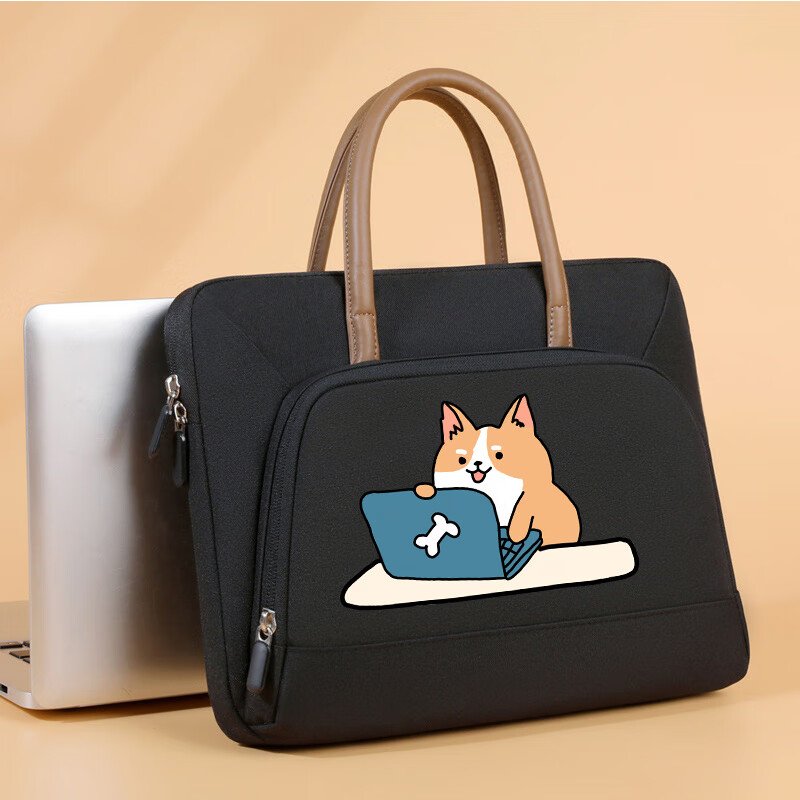
A laptop bag manufacturer makes protective carrying products designed for laptops, tablets, chargers, documents, and daily tech accessories. The main products include laptop backpacks, laptop sleeves, laptop briefcases, laptop messenger bags, travel laptop bags, school laptop bags, waterproof laptop bags, business computer bags, and custom branded tech bags. A professional manufacturer also supports material development, structure design, sample making, logo application, packaging, and quality control, helping customers create products for different users, price levels, and sales channels.
In today’s market, laptop bags are no longer one-size-fits-all products. Buyers search for laptop bags by use case: office work, business travel, college, daily commute, cycling, outdoor work, corporate gifting, online retail, and private label collections. Manufacturers must therefore produce different structures, not just different colors. A sleeve protects a laptop inside another bag. A backpack carries a laptop plus accessories. A briefcase fits office meetings. A messenger bag gives quick access. A travel laptop backpack supports organized storage and long-distance movement.
For a factory like Szoneier, which works across fabric development and finished product manufacturing, the production range can be broader than simple laptop bags. The same material knowledge used for polyester, nylon, neoprene, canvas, Oxford fabric, jute, linen, cotton, and coated textiles can be applied to different laptop bag designs. This helps customers build complete product lines instead of one isolated product.
What Is a Laptop Bag?
A laptop bag is a carrying product designed to protect and transport a laptop together with related items such as chargers, cables, documents, tablets, pens, phones, notebooks, and personal essentials. A proper laptop bag has a padded compartment or protective pocket that keeps the device separated from other objects. Without that protective structure, a normal bag with a laptop inside is not truly a laptop bag.
A laptop bag can be soft, structured, slim, heavy-duty, waterproof, fashionable, business-style, or travel-oriented. The exact product depends on the user. An office worker may want a slim black laptop bag with clean lines. A student may need a backpack with a large capacity and strong fabric. A traveler may need a trolley strap, organizer pockets, and reinforced bottom. A designer brand may need a laptop tote with stylish fabric and custom lining.
| Laptop Bag Element | What It Does | Why It Matters to Customers |
|---|---|---|
| Outer fabric | Creates appearance and handles wear | Customers judge quality by texture, strength, and color |
| Laptop compartment | Holds the device securely | Prevents movement, scratches, and impact |
| Padding | Absorbs shock and adds structure | Makes the product feel protective |
| Lining | Covers inside and protects surfaces | Prevents scratches and improves inner appearance |
| Zipper | Controls access and security | A poor zipper makes the whole bag feel cheap |
| Handles and straps | Support carrying weight | Comfort and strength matter every day |
| Hardware | Connects, adjusts, and strengthens | Affects durability and premium feel |
| Logo and packaging | Builds brand identity | Helps customers recognize and remember the product |
A good manufacturer understands that a laptop bag is both functional and emotional. It must protect the device, but it also has to match how customers want to look at work, school, or travel.
What Is a Laptop Backpack?
A laptop backpack is one of the most common products made by laptop bag manufacturers. It uses two shoulder straps and usually includes a dedicated laptop compartment, front pockets, side pockets, organizer sections, padded back panel, and sometimes a trolley sleeve for travel. Laptop backpacks are popular because they distribute weight better than hand-carry bags and leave both hands free.
Laptop backpacks are used by students, office workers, commuters, travelers, photographers, tech employees, and outdoor users. Because they carry more weight, material and structure are especially important. A laptop backpack may need 600D polyester, 600D Oxford fabric, 900D Oxford bottom panels, nylon webbing, PE foam, EVA padding, breathable mesh, quality zippers, and reinforced stitching.
| Laptop Backpack Type | Main User | Common Features | Suggested Material Direction |
|---|---|---|---|
| Daily laptop backpack | Office workers and students | Laptop pocket, front organizer, side bottle pocket | 600D polyester or 600D Oxford |
| Business backpack | Professionals | Clean shape, hidden pockets, soft laptop lining | High-density nylon or 1680D Oxford |
| Travel laptop backpack | Frequent travelers | Trolley sleeve, large capacity, reinforced handle | 900D/1680D Oxford or nylon |
| Waterproof backpack | Rain commuters and cyclists | Coated fabric, protected zipper, stronger seams | TPU-coated nylon or coated Oxford |
| School laptop backpack | Students | Strong bottom, large capacity, comfortable straps | 600D/900D Oxford |
| Outdoor laptop backpack | Field users | Rugged shell, reinforced panels, easy-clean surface | PVC/TPU-coated fabric or heavy Oxford |
A laptop backpack manufacturer does not simply create one standard model. It adjusts pocket layout, laptop size, back panel comfort, strap width, fabric strength, zipper direction, logo placement, and internal organization according to the target customer.
What Is a Laptop Sleeve?
A laptop sleeve is a slim protective case designed to fit closely around a laptop. It may be carried by hand or placed inside another bag. Laptop sleeves are often made from neoprene, foam-laminated polyester, felt-style fabric, PU-coated fabric, microfiber-like lining, or soft tricot lining. They are lighter and simpler than backpacks, but they still require accurate sizing and protective materials.
Laptop sleeves are popular for online stores, tech brands, corporate gifts, and retail accessories because they are easy to customize and ship. They can be made for 11-inch, 13-inch, 14-inch, 15.6-inch, 16-inch, and 17-inch laptops. Some sleeves include handles, front pockets, zipper closures, magnetic flaps, waterproof coating, soft lining, or printed patterns.
| Laptop Sleeve Type | Material Option | Main Benefit | Best Use |
|---|---|---|---|
| Neoprene sleeve | 2–5 mm neoprene | Soft cushioning and light splash resistance | Daily laptop protection |
| Foam-laminated sleeve | Polyester + PE/EVA foam | Better structure and custom print options | Private label retail |
| Felt-style sleeve | Felt-like fabric + lining | Soft lifestyle appearance | Minimalist and casual products |
| Business sleeve | Nylon, PU leather, soft lining | Clean professional look | Office and meetings |
| Sleeve with handle | Neoprene or Oxford + webbing | Easier hand carry | Students and office users |
| Waterproof sleeve | Coated fabric + protected zipper | Better rain and spill protection | Commuters |
The key challenge in sleeve manufacturing is fit. A sleeve that is too loose feels unsafe. A sleeve that is too tight creates frustration. A professional manufacturer should confirm device size, laptop thickness, zipper allowance, seam structure, and padding thickness before sampling.
What Is a Laptop Briefcase?
A laptop briefcase is a hand-carry or shoulder-carry computer bag designed for office, business, meetings, and professional travel. It usually has a rectangular structure, padded laptop compartment, document section, front pocket, handles, removable shoulder strap, and sometimes a trolley sleeve. Briefcases are often made from nylon, Oxford fabric, polyester, PU leather, genuine leather, or mixed materials.
Laptop briefcases need a more polished appearance than casual backpacks. Customers judge handle quality, zipper smoothness, structure, lining, and hardware closely. The bag should not collapse too easily, but it should not feel too heavy either. Reinforced handles are especially important because the briefcase carries weight from one or two top points.
| Briefcase Product | Customer Need | Common Materials | Important Detail |
|---|---|---|---|
| Value laptop briefcase | Affordable office protection | 600D polyester, PE foam | Basic padding and stable zipper |
| Business briefcase | Professional appearance | High-density nylon, Oxford fabric | Clean stitching and soft lining |
| Premium briefcase | Higher perceived value | 1680D Oxford, leather trim, microfiber lining | Strong handles and quality hardware |
| Travel briefcase | Airport and meeting use | Nylon or Oxford with EVA padding | Trolley sleeve and organizer pockets |
| Waterproof briefcase | Rain commuting | PU/TPU-coated fabric | Covered zipper and reinforced bottom |
A laptop briefcase manufacturer must pay attention to shape. If the material is too soft, the briefcase looks cheap. If the material is too stiff, it becomes uncomfortable and bulky. Balanced foam lamination and fabric selection help create the right structure.
What Is a Laptop Messenger Bag?
A laptop messenger bag is a crossbody or shoulder bag with a flap or front opening, usually designed for quick access and casual commuting. It often includes a padded laptop section, organizer pockets, adjustable shoulder strap, buckle or magnetic closure, and sometimes waterproof or water-resistant fabric. Messenger bags are popular among students, designers, cyclists, office workers, and casual professionals.
Messenger bags are different from briefcases because they feel more flexible and relaxed. They are different from backpacks because weight sits on one shoulder or across the body. This means strap strength and comfort are critical. The flap can help protect the main opening from rain, but side gaps and zipper placement must be planned carefully.
| Messenger Bag Type | Main Material | Best User | Key Production Focus |
|---|---|---|---|
| Casual messenger | Canvas, polyester canvas | Students and lifestyle users | Flap design and strap comfort |
| Business messenger | Nylon, Oxford fabric | Office commuters | Clean structure and laptop padding |
| Cycling messenger | TPU-coated fabric, ripstop nylon | Rain commuters and cyclists | Waterproof opening and stable strap |
| Premium messenger | 1680D Oxford, leather trim | Professionals | Hardware, lining, and finish |
| School messenger | 600D polyester or Oxford | Students | Reinforced strap points and pockets |
A good laptop messenger bag should balance access and protection. Customers want to open it quickly, but they still expect the laptop to stay secure and separated from chargers, keys, and other items.
How Are Laptop Bags Different from Regular Bags?
Laptop bags are different from regular bags because they include device-specific protection. A regular backpack can carry a laptop, but it may not protect it properly. A real laptop bag includes padding, internal structure, soft lining, stable compartments, and sometimes water-resistant materials.
| Feature | Regular Bag | Laptop Bag |
|---|---|---|
| Laptop compartment | Often missing | Dedicated padded section |
| Padding | Limited or none | Foam, neoprene, EVA, PE padding |
| Lining | Basic fabric | Soft or durable lining for devices |
| Device fit | Not size-specific | Designed for laptop dimensions |
| Internal organization | General storage | Charger, cable, tablet, document pockets |
| Water protection | Varies widely | Often includes coating or protected openings |
| Carry comfort | Depends on style | Designed for laptop weight |
| Reinforcement | Basic | Stress points reinforced |
This difference matters for customers. A laptop is often one of the most expensive things they carry daily. A product that protects it well can earn trust quickly.
What Products Can a Manufacturer Build Around Laptop Bags?
Many laptop bag manufacturers also produce related tech-carry products. These may include tablet sleeves, charger pouches, cable organizers, document cases, tech accessory pouches, travel organizers, camera laptop backpacks, anti-theft backpacks, waterproof computer bags, and corporate gift bags. This allows customers to develop matching product collections.
| Related Product | Function | Material Option | Business Value |
|---|---|---|---|
| Tablet sleeve | Protects tablets | Neoprene, soft lining, PU fabric | Adds smaller accessory item |
| Charger pouch | Holds adapters and cables | Polyester, nylon, mesh | Complements laptop bags |
| Tech organizer | Organizes cables and gadgets | Oxford, nylon, elastic webbing | Useful for travel and retail |
| Document case | Holds files and laptop accessories | Polyester, canvas, nylon | Good for office users |
| Anti-theft backpack | Protects valuables | Oxford, nylon, hidden zipper | Popular for travel and commuting |
| Camera laptop backpack | Holds camera gear and laptop | EVA dividers, Oxford, nylon | Higher-value product category |
| Waterproof laptop case | Protects from rain and spills | TPU/PVC-coated fabric | Suitable for outdoor users |
| Corporate logo bag | Branded company use | Polyester, Oxford, canvas | Good for events and employee gifts |
For customers building a brand, this matters because one successful laptop bag can become a product family. A backpack, sleeve, tech pouch, and organizer can share the same fabric, color, logo, and packaging style.
Product Range and Use Case Matrix
A clear use case matrix helps buyers understand what a laptop bag manufacturer can produce and which product fits their market.
| Use Case | Best Product Type | Key Features | Suggested Materials |
|---|---|---|---|
| Office work | Briefcase, business backpack | Clean appearance, padded laptop pocket | Nylon, 1680D Oxford, PU leather trim |
| Daily commute | Laptop backpack, messenger bag | Water resistance, organizer pockets | 600D Oxford, coated polyester |
| School use | Laptop backpack | Large capacity, durable straps | 600D/900D Oxford |
| Travel | Travel laptop backpack | Trolley sleeve, reinforced handle | 1680D Oxford, nylon |
| Cycling | Waterproof backpack, messenger bag | Rain protection, stable carry | TPU-coated fabric, ripstop nylon |
| Online retail | Sleeve, backpack, tech pouch | Good photos, clear features | Neoprene, polyester, Oxford |
| Corporate gifts | Logo laptop bags | Custom branding, practical cost | Polyester, Oxford, canvas |
| Outdoor work | Rugged laptop bag | Easy-clean surface, heavy-duty panels | PVC/TPU-coated fabric |
| Fashion market | Laptop tote, sleeve | Style, texture, custom lining | Canvas, nylon twill, PU leather |
This kind of structure helps customers move from a broad idea to a product direction. Instead of asking “What laptop bags do you make?”, they can ask, “Which laptop bag fits my customer’s daily use?”
Which Laptop Bag Types Are Produced?
Laptop bag manufacturers produce many types of computer-carry products, including office laptop bags, travel laptop backpacks, student laptop backpacks, outdoor laptop bags, laptop sleeves, business briefcases, messenger bags, waterproof laptop bags, anti-theft laptop backpacks, and private label retail collections. Each type is built for a different user, so the materials, pocket layout, padding, zipper, handle, and logo method must change accordingly.
Office bags focus on clean appearance, laptop protection, and professional organization. Travel bags need strong fabric, reinforced handles, trolley sleeves, and large capacity. Student bags need durability, comfort, and value. Outdoor and cycling bags need water resistance, rugged fabric, and stable carrying. Retail brands often need custom colors, packaging, logos, and product styles that photograph well and stand out online.
A strong manufacturer is not only judged by whether it can make many styles. It is judged by whether it understands why each style exists. A sleeve should feel slim and protective. A backpack should feel balanced and comfortable. A briefcase should look professional. A travel bag should survive heavy use. A waterproof bag should actually handle rain. The product type decides the production logic.
Which Bags Fit Office Use?
Office laptop bags are designed for daily work, meetings, commuting, and professional environments. The most common office styles include business laptop backpacks, slim laptop briefcases, laptop sleeves, messenger bags, and laptop totes. These products usually need clean lines, neutral colors, soft laptop compartments, organized pockets, and materials that look polished rather than overly rugged.
Office users often carry a laptop, charger, phone, notebook, documents, wallet, keys, and sometimes a tablet. The bag should keep these items organized without looking bulky. For office bags, high-density nylon, 1680D Oxford, PU-coated polyester, PU leather trim, soft lining, and EVA foam are commonly used.
| Office Bag Type | Main User Need | Common Features | Material Direction |
|---|---|---|---|
| Business laptop backpack | Hands-free commuting | Hidden pockets, padded back, clean shape | Nylon, 1680D Oxford |
| Slim briefcase | Meetings and office work | Handles, shoulder strap, document pocket | Oxford, nylon, PU leather |
| Laptop sleeve | Carry inside another bag | Soft lining, slim zipper | Neoprene, PU fabric, tricot lining |
| Office messenger | Easy access and casual business look | Flap, organizer pockets, padded laptop section | Nylon, canvas, Oxford |
| Laptop tote | Style and daily convenience | Padded insert, handles, inner pockets | Canvas, nylon twill, PU leather |
Office laptop bags should avoid unnecessary bulk. Customers in this category usually want products that look neat in meetings, on public transport, and in cafés. The design should feel organized, not tactical.
Which Bags Fit Travel?
Travel laptop bags are built for airports, trains, business trips, hotels, taxis, and long walking days. They need stronger materials and more organization than simple daily bags. Common travel products include travel laptop backpacks, expandable laptop backpacks, carry-on computer bags, laptop briefcases with trolley sleeves, anti-theft backpacks, and tech organizer sets.
Travel users care about durability, security, capacity, comfort, and quick access. A laptop bag used for travel may need a trolley sleeve, luggage strap, hidden pocket, passport pocket, charger section, water bottle pocket, padded laptop compartment, tablet pocket, and reinforced bottom.
| Travel Bag Type | Key Features | Material Direction | Customer Benefit |
|---|---|---|---|
| Travel laptop backpack | Large capacity, laptop pocket, organizer | 900D/1680D Oxford, nylon | Handles business trips and daily travel |
| Anti-theft backpack | Hidden zipper, back pocket, secure opening | Oxford, nylon, coated fabric | Better security in public places |
| Expandable backpack | Adjustable capacity | Polyester, Oxford, reinforced zipper | Flexible for short trips |
| Briefcase with trolley sleeve | Fits luggage handle | Nylon, Oxford, leather trim | Easier airport movement |
| Tech organizer set | Cable and accessory storage | Polyester, nylon, mesh | Keeps small items organized |
Travel bags should not be underbuilt. Weak zippers, thin handles, poor stitching, and soft bottoms often fail faster during travel. A manufacturer should reinforce stress points and choose stronger hardware for this category.
Which Bags Fit Students?
Student laptop bags need durability, comfort, large capacity, and a practical price. Students often carry laptops together with books, water bottles, chargers, lunch boxes, clothing, and personal items. The bag may be placed on classroom floors, thrown into lockers, carried through rain, and overloaded daily.
The best student laptop bags usually include a padded laptop compartment, large main compartment, side bottle pockets, front organizer, comfortable shoulder straps, reinforced bottom, and easy-clean fabric. Materials such as 600D polyester, 600D Oxford, 900D Oxford, PE foam, sponge shoulder padding, and 300D polyester lining work well.
| Student Bag Feature | Why It Matters | Suggested Material |
|---|---|---|
| Large capacity | Students carry books and laptops | 600D/900D Oxford |
| Comfortable straps | Heavy daily load | Sponge foam + mesh + webbing |
| Reinforced bottom | Floor contact and abrasion | 900D Oxford or coated fabric |
| Water resistance | Campus rain and spills | PU-coated polyester or Oxford |
| Padded laptop pocket | Device protection | PE foam or EVA foam |
| Side bottle pockets | Daily convenience | Mesh or elastic fabric |
| Affordable branding | School or retail use | Screen print, woven label, rubber patch |
Student laptop bags do not always need premium luxury materials, but they must be strong. A low price is only attractive if the product survives real use.
Which Bags Fit Outdoor Use?
Outdoor laptop bags are designed for rougher environments, wet weather, field work, cycling, photography, delivery, outdoor commuting, and mobile work. These bags need water resistance, abrasion resistance, stronger handles, stable carrying, and easy-clean surfaces. Common products include waterproof laptop backpacks, rugged laptop cases, cycling messenger bags, outdoor tech backpacks, and field work computer bags.
Materials may include TPU-coated nylon, TPU-coated polyester, PVC-coated fabric, ripstop nylon, 900D Oxford, 1200D Oxford, reinforced webbing, waterproof zippers, and EVA foam. For outdoor use, the bottom panel and zipper area are especially important because water and dirt often enter from weak points.
| Outdoor Bag Type | Main Challenge | Material Direction | Important Detail |
|---|---|---|---|
| Waterproof laptop backpack | Rain exposure | TPU-coated fabric | Protected zipper and seam planning |
| Cycling messenger bag | Movement and rain | Ripstop nylon, TPU-coated fabric | Stable strap and reflective detail |
| Rugged work bag | Dirt and rough surfaces | PVC-coated fabric, heavy Oxford | Reinforced bottom and handles |
| Camera laptop backpack | Fragile equipment | Oxford, nylon, EVA dividers | Shock protection and organization |
| Field laptop case | Worksite use | Heavy coated fabric | Easy-clean panels |
Outdoor laptop bags need honest product claims. If a bag is described as waterproof, the fabric, zipper, seams, and opening structure must support that claim. Waterproof fabric alone is not enough.
Which Bags Fit Retail Brands?
Retail brands need laptop bags that are attractive, consistent, easy to explain, and suitable for their target customers. Products may include laptop sleeves, backpacks, briefcases, messenger bags, totes, travel bags, and accessory pouches. The manufacturer must support not only production but also customization: colors, logos, packaging, materials, product tags, and size options.
Retail products need strong visual identity. A bag should photograph well, feel good when unboxed, and communicate its features clearly. For online sales, customers cannot touch the product before buying, so product details such as padded laptop compartment, water-resistant fabric, soft lining, reinforced handles, and custom logo should be easy to describe.
| Retail Product Type | Selling Point | Custom Options |
|---|---|---|
| Laptop sleeve | Slim protection and style | Neoprene thickness, print, lining, zipper |
| Laptop backpack | Daily organization and comfort | Fabric, color, pockets, logo, packaging |
| Business bag | Professional look | Nylon, Oxford, leather trim, metal logo |
| Travel bag | Large capacity and durability | Trolley sleeve, reinforced bottom, organizer |
| Fashion laptop tote | Style and function | Canvas, PU leather, printed lining |
| Waterproof laptop bag | Rain confidence | Coated fabric, zipper cover, waterproof claim |
| Tech pouch | Accessory organization | Elastic loops, mesh pockets, custom logo |
Retail brands should think beyond one product. A laptop bag line can include a backpack, matching sleeve, charger pouch, and travel organizer. This creates a stronger brand presentation and encourages repeat purchases.
Which Bags Fit Corporate Buyers?
Corporate buyers often need laptop bags for employees, events, conferences, onboarding kits, training programs, client gifts, and brand promotions. These buyers usually care about logo visibility, practical price, delivery time, consistent quality, and packaging. The product should look professional but not be overly expensive.
Common corporate laptop bags include logo laptop sleeves, simple briefcases, business backpacks, document laptop bags, and event gift bags. Materials such as 600D polyester, Oxford fabric, neoprene, PU-coated polyester, and standard polyester lining work well for this market.
| Corporate Bag Type | Best Use | Material Choice | Branding Method |
|---|---|---|---|
| Logo laptop sleeve | Events and employee gifts | Neoprene or polyester | Screen print, heat transfer |
| Business backpack | Staff and client gifts | 600D Oxford or polyester | Woven label, rubber patch |
| Laptop briefcase | Professional gifting | Oxford, nylon, PU leather trim | Embroidery, metal logo |
| Document laptop bag | Training and conferences | Polyester or canvas | Printed logo |
| Tech organizer pouch | Onboarding kits | Nylon, polyester, mesh | Woven label or print |
For corporate orders, delivery time and consistency matter. Customers usually do not want complex development. They want a practical product that looks clean, carries a laptop, and presents the logo well.
Which Bags Fit E-Commerce Sellers?
E-commerce sellers need products that can stand out through features, photos, reviews, and price positioning. They often search for laptop bags with waterproof fabric, shockproof padding, anti-theft pockets, USB charging holes, expandable capacity, slim design, or custom packaging. The manufacturer must support stable quality because reviews can quickly affect sales.
| E-Commerce Product Feature | Why It Sells | Material or Structure Support |
|---|---|---|
| Waterproof claim | Easy to understand online | PU/TPU-coated fabric and zipper cover |
| Shockproof protection | Builds trust | EVA or PE foam padding |
| Slim design | Good lifestyle appeal | Neoprene, nylon, thin foam |
| Anti-theft pocket | Travel security | Hidden zipper and back pocket |
| Large capacity | Practical for daily use | Oxford fabric and strong zipper |
| Lightweight | Easy buying decision | Polyester or nylon |
| Custom packaging | Better unboxing | Branded polybag, hangtag, insert card |
For online products, the manufacturer should help the seller avoid exaggerated claims. A product described as waterproof or shockproof should have matching materials and construction. Otherwise, poor reviews may follow.
Which Bags Fit Premium Brands?
Premium brands need laptop bags with better materials, cleaner stitching, refined lining, stronger hardware, and more thoughtful design. Suitable products include high-density nylon backpacks, 1680D Oxford briefcases, leather-trimmed laptop bags, premium sleeves, travel laptop bags, and minimalist business bags.
Premium customers pay attention to small details. They notice zipper smoothness, handle feel, lining softness, stitching balance, logo placement, and material texture. The product should feel intentional.
| Premium Bag Detail | Recommended Choice | Why It Matters |
|---|---|---|
| Outer shell | High-density nylon, 1680D Oxford, leather trim | Creates premium first impression |
| Laptop padding | EVA foam, suspended pocket | Improves protection confidence |
| Lining | Brushed tricot, microfiber-like lining | Soft touch and scratch prevention |
| Zipper | Smooth reverse zipper or quality coil zipper | Better daily experience |
| Hardware | Metal puller, strong D-ring | Higher perceived value |
| Branding | Debossed patch, metal logo, woven label | Clean and refined |
| Packaging | Custom hangtag, insert card, branded bag | Better retail presentation |
Premium does not always mean complicated. Often, the best premium laptop bag is simple, clean, and carefully made.
Product Type Selection Guide
A clear selection guide helps customers choose the right product before sampling.
| Customer Goal | Best Laptop Bag Type | Recommended Material Direction |
|---|---|---|
| Affordable daily use | Laptop backpack | 600D polyester or Oxford |
| Professional office use | Briefcase or business backpack | Nylon, 1680D Oxford, PU leather trim |
| Online accessory sales | Laptop sleeve | Neoprene or foam-laminated polyester |
| Student market | School laptop backpack | 600D/900D Oxford |
| Rain commute | Waterproof laptop backpack | TPU-coated fabric or coated Oxford |
| Travel market | Travel laptop backpack | 1680D Oxford, nylon, reinforced bottom |
| Fashion market | Laptop tote or messenger bag | Canvas, nylon twill, PU leather |
| Corporate gifts | Logo sleeve or backpack | Polyester, Oxford, neoprene |
| Outdoor work | Rugged laptop bag | PVC/TPU-coated fabric, heavy Oxford |
This table gives customers a practical starting point. Once the product type is chosen, the manufacturer can recommend materials, structure, logo, and packaging.
How Szoneier Supports Different Laptop Bag Types
Szoneier can support custom laptop bag development across many product types because the company understands both fabric selection and finished product manufacturing. Customers can develop laptop backpacks, sleeves, briefcases, messenger bags, travel bags, school bags, waterproof bags, outdoor work bags, corporate logo bags, and private label collections.
| Product Need | Szoneier Support |
|---|---|
| Laptop backpack | Fabric, padding, pocket layout, logo, packaging |
| Laptop sleeve | Neoprene thickness, size, print, lining, zipper |
| Laptop briefcase | Structure, handle, lining, hardware, logo |
| Messenger bag | Flap design, strap system, laptop pocket |
| Travel laptop bag | Trolley sleeve, reinforced bottom, organizer layout |
| Waterproof laptop bag | Coated fabric, zipper protection, material testing |
| Corporate laptop bag | Logo application, practical materials, fast sampling |
| Retail collection | Custom colors, packaging, matching accessories |
For customers, the benefit is that they do not need to start with a perfect technical drawing. They can begin with a use case, reference image, laptop size, target price, logo, and quantity plan. Szoneier can help turn those details into a practical sample direction.
What Materials Are Used?
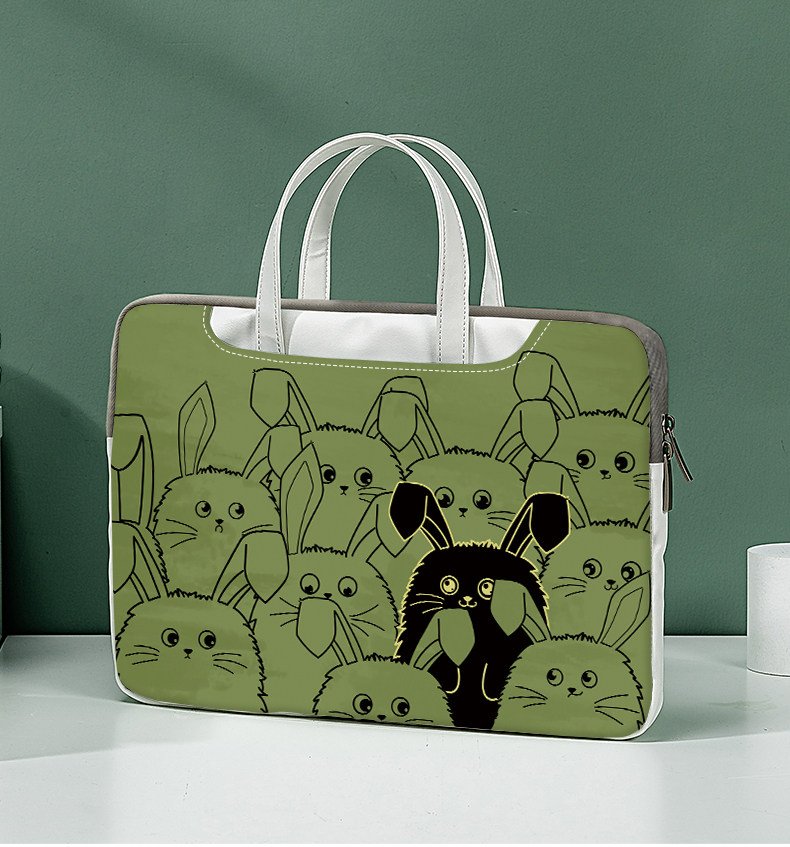
Laptop bag manufacturers use a combination of outer fabrics, inner linings, padding materials, coatings, hardware, webbing, thread, reinforcement panels, and packaging materials. The most common laptop bag fabrics include polyester, nylon, Oxford fabric, neoprene, canvas, PU leather, genuine leather, TPU-coated fabric, PVC-coated fabric, and laminated textiles. The most common protective materials include EVA foam, PE foam, sponge foam, soft tricot lining, microfiber-like lining, and reinforced bottom panels. A reliable laptop bag is not made from one material alone. It is built from a full material system designed to protect electronics, support daily carrying, and match the product’s target market.
For customers developing custom laptop bags, material choice affects almost every part of the product: price, durability, water resistance, weight, hand feel, logo method, production lead time, and customer reviews. Polyester is practical and cost-friendly. Nylon feels cleaner and more premium. Oxford fabric is strong and structured. Neoprene is soft and protective for sleeves. Canvas gives a casual lifestyle feel. Coated fabrics improve rain protection. Foam and lining decide whether the laptop compartment feels safe. Hardware decides whether the bag survives real use.
A good manufacturer should not simply ask, “Which fabric do you want?” The better question is, “Who will use the bag, where will they use it, what laptop size must it protect, and what price level should the final product reach?” Once these points are clear, the material recommendation becomes much more accurate.
What Is Polyester Fabric?
Polyester is one of the most widely used materials in laptop bag manufacturing because it is stable, affordable, easy to dye, easy to print, and suitable for large-scale production. It is often used for daily laptop backpacks, school bags, office bags, promotional laptop bags, linings, inner pockets, and value-focused custom collections.
Polyester can be made in different deniers, such as 210D, 300D, 600D, 900D, and higher. For laptop bags, 600D polyester is one of the most common outer fabric choices because it offers a practical balance between durability, price, and customization flexibility. 210D and 300D polyester are often used for linings, inner pockets, or lightweight bag bodies. Higher-denier polyester can be used for reinforced panels and more durable designs.
| Polyester Type | Common Use | Main Benefit | Best Product Fit |
|---|---|---|---|
| 210D polyester | Inner lining, pocket fabric | Lightweight and economical | Basic interiors |
| 300D polyester | Lightweight shell, lining | Smooth and easy to sew | Slim bags and organizers |
| 600D polyester | Main laptop bag shell | Good cost-performance balance | Daily backpacks and corporate bags |
| 900D polyester | Reinforced areas | Better abrasion resistance | Bottom panels and travel bags |
| Recycled polyester | Eco-conscious products | Sustainability story | Modern retail collections |
Polyester becomes more useful when combined with coating. PU-coated polyester can resist light rain and daily moisture better than untreated fabric. DWR finishing can make water bead on the surface. Foam lamination can improve structure. Printing and embroidery can support branding.
The main weakness of polyester is perceived quality. Low-grade polyester can look flat, thin, or cheap. If the coating is poor, it may peel or crack. If the fabric density is too low, it may not hold shape well. For a more premium laptop bag, polyester should be upgraded with better weaving, stronger coating, good lining, smooth zippers, and reinforced construction.
What Is Nylon Fabric?
Nylon is commonly used in higher-quality laptop bags because it is strong, lightweight, flexible, and smooth. It often feels more refined than basic polyester and is popular for business laptop backpacks, travel computer bags, premium briefcases, sling bags, and technical commuter bags.
Nylon can be produced in many styles, including plain nylon, high-density nylon, ripstop nylon, crinkle nylon, and ballistic-style nylon. It can also be treated with PU coating, TPU coating, or DWR finish to improve water resistance. High-density nylon gives a clean and modern look, while ripstop nylon creates a more technical outdoor feeling. Ballistic-style nylon gives a rugged, durable appearance.
| Nylon Type | Key Feature | Best Use | Product Feeling |
|---|---|---|---|
| Standard nylon | Smooth and flexible | Office and daily laptop bags | Clean and practical |
| High-density nylon | Fine surface and premium touch | Business backpacks | Refined and modern |
| Ripstop nylon | Tear-resistant grid | Outdoor and travel bags | Technical and lightweight |
| Ballistic-style nylon | Dense and abrasion-resistant | Heavy-duty laptop bags | Rugged and premium |
| TPU-coated nylon | Stronger waterproof potential | Rain commuter bags | Technical and protective |
Nylon is a strong choice when the customer wants a bag that feels lighter, smoother, and more premium. It is especially suitable for business users and travelers. However, nylon is usually more expensive than polyester. It also needs coating or treatment for better rain protection. Untreated nylon can absorb moisture, darken when wet, and dry unevenly.
For custom projects, nylon should be selected when its benefits match the target price. If the product is a low-cost corporate gift backpack, polyester or Oxford may be more suitable. If the product is a premium private label business backpack, nylon can help create a stronger first impression.
What Is Oxford Fabric?
Oxford fabric is one of the most practical materials used in laptop bag manufacturing. It is known for durability, structure, and a slightly textured woven surface. Oxford fabric is often made from polyester or nylon yarn and is commonly used for laptop backpacks, school bags, business computer bags, messenger bags, travel bags, and reinforced panels.
Oxford fabric is popular because it can hold shape better than many lightweight fabrics. It also works well with PU coating, TPU coating, PVC coating, foam lamination, embroidery, patches, screen printing, and different lining structures. For many laptop bag projects, 600D Oxford is a safe and practical starting point. For stronger bags, 900D Oxford or 1680D Oxford can be used.
| Oxford Fabric | Feel | Common Use | Advantage |
|---|---|---|---|
| 300D Oxford | Light and flexible | Slim bags, inner panels | Lower weight and cost |
| 600D Oxford | Balanced and durable | Daily laptop backpacks | Strong value and structure |
| 900D Oxford | Firmer and stronger | Travel bags, student bags, bottom panels | Better abrasion resistance |
| 1200D Oxford | Heavy-duty | Work laptop bags | Stronger structure |
| 1680D Oxford | Dense and premium | Business and travel bags | High perceived quality |
Oxford fabric is not automatically waterproof. It needs coating or treatment. PU-coated Oxford is suitable for daily water resistance. TPU-coated Oxford is better for higher waterproof requirements. PVC-coated Oxford can work for rugged and easy-clean bags.
The biggest advantage of Oxford fabric is adaptability. It can be used for entry-level, mid-range, and premium products depending on denier, coating, color, lining, and hardware. This makes it especially useful for customers who want to test new laptop bag styles with controlled cost and reliable performance.
Is Neoprene Used?
Neoprene is widely used in laptop sleeves, protective laptop pockets, tablet cases, tech pouches, and soft inner compartments. It is flexible, cushioned, slightly stretchy, and naturally resistant to small splashes. Neoprene is not usually used as the main shell for large structured backpacks, but it is excellent for close-fit laptop protection.
A laptop sleeve made from neoprene can protect against scratches, light bumps, and daily handling. Common thicknesses include 2 mm, 3 mm, 4 mm, and 5 mm. A 2 mm sleeve feels slim and lightweight. A 3 mm sleeve is a balanced choice for daily use. A 4 mm or 5 mm sleeve feels more protective but also bulkier.
| Neoprene Thickness | Feel | Best Use | Customer Benefit |
|---|---|---|---|
| 2 mm | Thin and flexible | Slim sleeves | Easy to place inside another bag |
| 3 mm | Balanced | Standard laptop sleeves | Good daily protection |
| 4 mm | More cushioned | Premium sleeves | Better bump resistance |
| 5 mm | Thick and protective | Rugged sleeves | Stronger protection feel |
| Laminated neoprene | Custom surface | Branded sleeves | Supports print and color design |
Neoprene is often chosen for online retail products because it photographs well, supports colorful printing, and is easy for customers to understand. However, brands should be careful with waterproof claims. Neoprene can resist small splashes, but stitched seams and zippers can still allow water entry. It is better to describe most neoprene sleeves as water-resistant or splash-resistant unless special waterproof construction is used.
Is Canvas Suitable?
Canvas is suitable for laptop bags when the product needs a casual, natural, lifestyle-oriented look. It is commonly used for laptop totes, messenger bags, casual backpacks, fashion laptop bags, and eco-inspired product lines. Canvas can be made from cotton, polyester-cotton blends, or other blended yarns. It can also be waxed, coated, printed, dyed, embroidered, or combined with leather trims.
Canvas gives a warmer and more relaxed feeling than nylon or Oxford fabric. It works well for customers who want a product that feels less technical and more lifestyle-driven. A canvas laptop tote with a padded insert can be attractive for designers, students, office workers, and daily shoppers.
| Canvas Type | Appearance | Best Use | Key Consideration |
|---|---|---|---|
| Cotton canvas | Natural and soft | Casual totes and messenger bags | Needs treatment for water resistance |
| Heavy cotton canvas | Strong and structured | Lifestyle backpacks | Adds weight |
| Polyester-cotton canvas | More stable | Daily laptop bags | Better shape control |
| Waxed canvas | Vintage and water-resistant | Premium casual bags | Requires special care |
| Coated canvas | Cleaner and more protective | Fashion laptop bags | Better rain resistance |
The weakness of canvas is moisture absorption. Untreated canvas can soak water faster than coated polyester or nylon. For laptop protection, canvas bags should include water-repellent treatment, PU backing, padded compartments, and soft lining. Canvas can work beautifully, but the inner structure must protect the device.
What Coated Fabrics Are Used?
Coated fabrics are used when laptop bags need water resistance, easy-clean surfaces, or rugged outdoor performance. Common options include PU-coated polyester, PU-coated Oxford, TPU-coated nylon, TPU-coated polyester, PVC-coated fabric, and laminated textiles.
| Coated Fabric | Protection Level | Hand Feel | Best Use |
|---|---|---|---|
| PU-coated polyester | Medium | Flexible and practical | Daily backpacks |
| PU-coated Oxford | Medium to high | Structured | School and commuter bags |
| TPU-coated nylon | High | Smooth and technical | Premium waterproof bags |
| TPU-coated polyester | High | Technical and stable | Rain commuter bags |
| PVC-coated fabric | High | Rugged and heavier | Work and outdoor laptop bags |
| Laminated fabric | Medium to high | Depends on layer | Structured premium bags |
A waterproof laptop bag cannot rely on coated fabric alone. Zippers, seams, openings, and bottom panels must also be designed correctly. A coated fabric with exposed seams may still leak. This is why Szoneier can help customers match material, structure, and product claim.
What Hardware Materials Are Used?
Hardware includes zippers, sliders, pullers, buckles, adjusters, D-rings, hooks, rivets, magnetic buttons, trolley sleeve parts, and decorative logos. These components affect daily use and durability. A weak zipper or broken buckle can ruin a laptop bag even if the fabric is good.
| Hardware Part | Common Material | Function | Quality Risk |
|---|---|---|---|
| Zipper | Nylon coil, metal, waterproof zipper | Opens and closes compartments | Jamming or broken teeth |
| Slider | Metal, plastic, rubber puller | Controls zipper movement | Breakage or rough pulling |
| Buckle | Plastic or metal | Secures straps | Cracking or weak locking |
| D-ring | Metal or plastic | Connects shoulder strap | Bending or breaking |
| Adjuster | Plastic or metal | Adjusts strap length | Slipping under load |
| Hook clip | Metal or plastic | Detachable strap connection | Weak spring or rust |
| Rivet | Metal | Reinforces stress points | Loose attachment |
| Magnetic button | Metal magnet | Fast closure | Weak hold or corrosion |
| Logo plate | Metal, rubber, PU, leather | Brand display | Poor attachment |
Hardware choice should match product positioning. A premium briefcase may use metal hardware. A school backpack may use durable plastic buckles to reduce weight. A waterproof commuter bag may use coated or waterproof zippers. A travel bag needs strong zipper and handle components because travel use is more demanding.
Material System for Different Laptop Bag Levels
A practical manufacturer should offer material systems for different product levels. Not every customer needs premium nylon or TPU-coated fabric. Not every product should use basic polyester. The material system should match the market.
| Product Level | Outer Fabric | Padding | Lining | Hardware | Best For |
|---|---|---|---|---|---|
| Entry level | 600D polyester | PE foam | 210D polyester | Standard zipper | Corporate gifts and value bags |
| Mid-range | 600D/900D Oxford | PE + EVA foam | 300D polyester | Better zipper and webbing | Retail and school bags |
| Premium business | High-density nylon or 1680D Oxford | EVA foam | Brushed lining | Metal puller, reverse zipper | Office and travel users |
| Waterproof | TPU-coated nylon or Oxford | EVA + PE foam | Nylon/polyester lining | Waterproof or covered zipper | Rain commuters |
| Rugged work | PVC/TPU-coated fabric, heavy Oxford | EVA foam | Durable lining | Strong buckles and webbing | Outdoor and field users |
| Fashion lifestyle | Canvas, nylon twill, PU leather | Soft foam | Printed or soft lining | Decorative hardware | Lifestyle retail |
This table helps customers choose more intelligently. A good manufacturer does not force one material solution onto every project. It adjusts based on the product’s purpose.
How Szoneier Supports Material Customization
Szoneier can support a wide range of fabric and material customization for laptop bag projects. Customers can choose from polyester, nylon, Oxford fabric, neoprene, canvas, cotton, jute, linen, coated fabrics, laminated fabrics, mesh, lining fabrics, webbing, and different post-treatment processes. The company can also support finished bag development, including structure, logo, sampling, and production.
| Customer Need | Szoneier Material Direction | Product Benefit |
|---|---|---|
| Affordable laptop backpack | 600D polyester or Oxford | Cost-effective and practical |
| Premium business bag | Nylon or 1680D Oxford | More refined appearance |
| Laptop sleeve | Neoprene or foam-laminated fabric | Soft protection and easy branding |
| Waterproof laptop bag | TPU/PU/PVC-coated fabric | Better rain protection |
| Casual laptop tote | Canvas or cotton blend | Lifestyle look |
| Rugged laptop bag | Heavy Oxford and coated panels | Stronger durability |
| Private label collection | Custom colors, lining, logo, packaging | Strong brand identity |
Material customization should happen before sample production, not after. When the fabric, coating, padding, lining, hardware, and logo method are planned together, the sample is more likely to match the customer’s market.
How Are Laptop Bags Protected?
Laptop bags are protected through padding, compartment structure, lining, shock-absorbing materials, reinforced panels, water-resistant fabrics, strong zippers, and careful seam construction. A good laptop bag protects against scratches, light impact, daily friction, moisture, pressure, and movement inside the bag. The most important protective areas are the laptop compartment, bottom panel, corners, zipper opening, back wall, and inner divider. A manufacturer must design protection into the bag from the beginning rather than adding padding as an afterthought.
Customers do not always use technical language, but they know what protection feels like. A laptop pocket that feels thin creates doubt. A soft lining creates confidence. A suspended laptop compartment feels safer than a pocket that touches the bottom. A reinforced base feels stronger when the bag is placed on the floor. A smooth zipper cover feels more secure in rain. These small material and structure decisions decide whether the final product feels trustworthy.
Protection is especially important because laptop bags carry valuable electronics. Many customers carry devices worth hundreds or even thousands of dollars. They expect the bag to protect against everyday accidents: bumping into a chair, placing the bag on a hard floor, walking through light rain, packing a charger next to a laptop, or squeezing the bag under an airplane seat.
What Padding Is Used?
Common padding materials used in laptop bags include EVA foam, PE foam, EPE foam, sponge foam, neoprene, and multi-layer foam structures. Padding can be used in laptop compartments, back panels, shoulder straps, handles, side walls, and bottom panels.
EVA foam is firmer and often used for premium protection. PE foam is lighter and cost-effective, making it suitable for standard backpacks. Sponge foam is soft and comfortable, often used in shoulder straps and back panels. Neoprene is flexible and protective for sleeves. Multi-layer foam can combine firm support and soft touch.
| Padding Material | Protection Style | Best Use | Key Benefit |
|---|---|---|---|
| EVA foam | Firm impact support | Laptop pockets, bottom panels | Strong protective feel |
| PE foam | Lightweight cushioning | Standard laptop bags | Cost-effective and stable |
| EPE foam | Volume cushioning | Travel protection | Light shock absorption |
| Sponge foam | Soft comfort | Straps and back panels | Better carrying comfort |
| Neoprene | Flexible cushioning | Laptop sleeves | Soft close-fit protection |
| Multi-layer foam | Balanced protection | Premium laptop bags | Better impact performance |
Padding thickness should match the bag type. A slim sleeve may use 2–4 mm neoprene. A daily backpack may use 5–8 mm foam in the laptop compartment. A travel laptop bag may use thicker EVA foam and a suspended pocket. More padding is not always better because too much padding can make the bag bulky and reduce usable space.
How Does Foam Work?
Foam works by absorbing and spreading impact force. When a bag hits a surface, foam reduces the direct force transferred to the laptop. Different foams behave differently. Firm foam holds structure and resists compression. Soft foam improves comfort and touch. Flexible foam wraps around the device. Layered foam can improve both comfort and protection.
Foam placement matters as much as foam type. The laptop needs protection on the back, front, bottom, and sides. The bottom is especially important because many impacts happen when the user places the bag down. If the laptop compartment touches the bag’s base directly, impact transfers more easily.
| Foam Area | Purpose | Recommended Material | Why It Matters |
|---|---|---|---|
| Back wall | Protects laptop against body and outside pressure | EVA or PE foam | Adds structure and comfort |
| Front wall | Separates laptop from accessories | PE or EVA foam | Prevents charger scratches |
| Bottom | Reduces impact when bag is placed down | EVA foam or extra PE foam | Protects laptop edge |
| Side walls | Reduces corner impact | PE foam or laminated foam | Helps protect laptop corners |
| Shoulder straps | Improves comfort | Sponge foam | Reduces shoulder pressure |
| Back panel | Improves carrying comfort | Sponge foam + mesh | Better daily use |
Foam should also be fixed properly. If foam shifts during use, protection becomes uneven. Good stitching, lamination, and compartment design keep padding in the right place.
Are Laptop Compartments Padded?
A real laptop bag should have a padded laptop compartment. This compartment may be built as a separate pocket, suspended sleeve, padded divider, zippered laptop section, or removable laptop insert. The purpose is to keep the laptop stable and separated from hard accessories.
The most protective designs often use a suspended laptop compartment. This means the laptop pocket is raised slightly above the bottom of the bag. If the bag hits the floor, the laptop does not directly contact the impact point. This small design detail can significantly improve user confidence.
| Laptop Compartment Type | Protection Level | Best Use | Key Detail |
|---|---|---|---|
| Basic padded pocket | Medium | Daily backpacks | Simple foam protection |
| Suspended pocket | High | Premium backpacks and travel bags | Laptop raised above bottom |
| Removable padded sleeve | Medium to high | Totes and flexible bags | Can be used separately |
| Zippered laptop section | High | Business and travel bags | Better separation |
| Elastic strap pocket | Medium | School and office bags | Keeps laptop stable |
| Multi-device section | High | Tech backpacks | Separate laptop and tablet zones |
The compartment should also be correctly sized. If it is too loose, the laptop moves. If it is too tight, users struggle to insert the device. Manufacturers should confirm laptop dimensions, including thickness and protective case allowance.
Do Linings Prevent Scratches?
Soft linings help prevent scratches by reducing friction between the laptop surface and the inside of the bag. Common soft linings include brushed tricot, microfiber-like fabric, velvet-like lining, and smooth polyester lining. A soft laptop pocket makes the product feel safer and more premium.
Scratches often happen when laptops rub against rough lining, exposed seams, zipper edges, chargers, keys, or power banks. Lining alone cannot solve every problem, but it is a key part of protection. A soft lining should be combined with proper compartment separation and organizer pockets.
| Scratch Risk | Cause | Protective Solution |
|---|---|---|
| Laptop surface marks | Rough lining | Brushed tricot or microfiber-like lining |
| Corner scratches | Laptop movement | Better pocket fit and elastic strap |
| Charger damage | Accessories touch laptop | Separate charger pocket |
| Zipper contact | Laptop edge near zipper | Inner zipper guard |
| Seam friction | Exposed seam inside pocket | Covered seam or binding |
| Tablet scratches | Shared pocket | Separate tablet divider |
For premium laptop bags, lining is one of the easiest ways to improve perceived quality. Customers feel the lining every time they place the laptop inside.
Is Shockproof Design Possible?
Shockproof design is possible, but it must be understood correctly. A laptop bag can be designed to reduce shock from normal daily impacts, but it is not a hard protective case unless built with very rigid shells and advanced structures. Most laptop bags are better described as shock-resistant, impact-protective, or padded rather than completely shockproof.
A shock-resistant laptop bag may include EVA foam, PE foam, a suspended laptop pocket, reinforced corners, structured side walls, soft lining, and a strong outer shell. For more advanced products, molded EVA panels or semi-hard shells can be used.
| Protection Feature | Shock Benefit | Suitable Product |
|---|---|---|
| EVA foam padding | Firm impact absorption | Premium backpacks and briefcases |
| Suspended laptop pocket | Reduces bottom impact | Travel and business bags |
| Reinforced corners | Protects laptop edges | Heavy-use backpacks |
| Molded EVA shell | Semi-hard protection | Protective cases |
| Multi-layer foam | Better force distribution | Premium laptop bags |
| Soft lining | Reduces surface friction | Sleeves and laptop pockets |
| Stable strap or elastic band | Reduces internal movement | Backpacks and briefcases |
Manufacturers should be careful with marketing language. If the bag has padding, it can be described as padded or shock-resistant. If it has been tested to a specific impact standard, stronger claims may be used. Overpromising can create customer disappointment.
How Does Waterproofing Support Protection?
Waterproofing is part of laptop protection because moisture can damage electronics, documents, chargers, and accessories. Water protection usually comes from coated fabrics, DWR treatment, waterproof zippers, zipper flaps, seam design, reinforced bottom panels, and protected openings.
| Water Protection Area | Material or Design | Function |
|---|---|---|
| Outer shell | PU/TPU/PVC-coated fabric | Blocks or reduces water entry |
| Surface finish | DWR treatment | Makes water bead and roll away |
| Zipper area | Covered zipper or waterproof zipper | Reduces water entry through openings |
| Bottom panel | Coated Oxford or TPU/PVC panel | Protects from wet floors |
| Seams | Binding, seam tape, careful placement | Reduces leakage paths |
| Laptop pocket | Foam + lining separation | Keeps device away from wet shell |
A laptop bag does not need to be fully waterproof for every customer. Office users may only need light rain resistance. Cyclists and outdoor workers need stronger waterproof construction. The manufacturer should match water protection to real use.
How Are Straps and Handles Reinforced?
Straps and handles are protection features because they prevent the bag from falling, tearing, or becoming uncomfortable under load. Laptop bags often carry heavy devices, so webbing, stitching, reinforcement patches, and hardware strength are important.
| Carrying Part | Risk | Reinforcement Method |
|---|---|---|
| Shoulder strap joint | Tearing under weight | Bar-tack stitching and inner patch |
| Top handle | Fabric ripping | Webbing core and reinforced sewing |
| Crossbody strap | Pulling force | Strong D-ring and metal hook |
| Backpack strap | Shoulder pressure | Sponge foam and mesh padding |
| Trolley sleeve | Luggage movement | Strong panel stitching |
| Side handle | Load stress | Reinforced fabric and webbing |
A laptop backpack may look strong, but weak strap stitching can cause failure. Manufacturers should test load-bearing points, especially for travel and student bags.
Protection Level by Product Type
Different products need different protection levels. A slim sleeve does not need the same structure as a travel backpack. A work laptop bag needs stronger reinforcement than an office briefcase.
| Product Type | Protection Priority | Recommended Structure |
|---|---|---|
| Laptop sleeve | Scratch and light bump protection | Neoprene or foam + soft lining |
| Daily backpack | Laptop padding and water resistance | PE/EVA foam, PU-coated fabric |
| Business briefcase | Shape and device protection | EVA foam, soft lining, reinforced handles |
| Student backpack | Heavy load and daily wear | Strong Oxford, reinforced straps, padded pocket |
| Travel backpack | Impact, abrasion, organization | Suspended pocket, reinforced bottom, strong zipper |
| Waterproof backpack | Rain protection | TPU/PU coating, protected zipper, seam planning |
| Outdoor work bag | Rugged protection | PVC/TPU fabric, heavy Oxford, strong hardware |
This table helps buyers choose the correct protection level before sampling. It also helps avoid overbuilding a simple product or underbuilding a high-performance one.
Common Protection Mistakes
Protection mistakes usually happen when design focuses too much on appearance and not enough on real use. A bag may look attractive in product photos but fail when a customer carries a heavy laptop every day.
| Mistake | Customer Problem | Better Solution |
|---|---|---|
| Thin laptop padding | Laptop feels unsafe | Use EVA or thicker PE foam |
| No bottom suspension | Impact transfers to laptop edge | Raise laptop pocket above bottom |
| Rough lining | Device surface may scratch | Use soft tricot or microfiber-like lining |
| Weak zipper | Poor daily experience | Upgrade zipper and slider |
| No strap reinforcement | Strap may tear | Add webbing and bar-tack stitching |
| Exposed zipper on rain bag | Water enters easily | Add zipper flap or waterproof zipper |
| Weak bottom panel | Fast wear and moisture risk | Use 900D Oxford or coated base |
| Loose laptop pocket | Device moves inside bag | Improve sizing and add strap |
A professional manufacturer should review these risks during sample development. It is much cheaper to fix a sample than to fix a full production order.
How Szoneier Builds Protection into Custom Laptop Bags
Szoneier can help customers design protective laptop bags by matching fabric, padding, lining, coating, zippers, reinforcement, and quality inspection to the product’s use case. For example, a student laptop backpack may use 600D Oxford, PE foam, reinforced straps, and a strong bottom panel. A premium business bag may use high-density nylon, EVA padding, brushed lining, and refined hardware. A waterproof commuter bag may use TPU-coated fabric, covered zipper construction, and reinforced seams.
| Customer Need | Protection Solution | Szoneier Custom Support |
|---|---|---|
| Daily laptop backpack | PU-coated fabric + PE foam | Material selection and sample development |
| Premium business bag | EVA padding + soft lining | Fabric, structure, and logo customization |
| Laptop sleeve | Neoprene + tricot lining | Thickness, size, print, and zipper options |
| Travel laptop bag | Suspended pocket + reinforced bottom | Pattern design and material zoning |
| Waterproof laptop bag | Coated fabric + protected zipper | Coating and structure recommendation |
| School laptop bag | Strong Oxford + reinforced straps | Low MOQ and durable material options |
| Outdoor work bag | PVC/TPU panels + heavy hardware | Rugged fabric and quality control |
Protection should not be treated as one feature. It is built through many small decisions, and those decisions are exactly where a capable laptop bag manufacturer adds value.
What Custom Features Can Be Added?

A laptop bag manufacturer can add many custom features, including brand logos, custom colors, pocket layouts, waterproof zippers, hidden compartments, anti-theft structures, USB cable openings, trolley sleeves, reinforced handles, breathable back panels, padded laptop compartments, reflective details, custom linings, hangtags, labels, and branded packaging. These features turn a standard laptop bag into a product that fits a specific brand, market, user group, and price level.
For customers developing their own laptop bag line, customization is not just about making the bag look different. It is about making the product easier to sell and easier to use. A commuter may care about a waterproof zipper cover. A student may care about side bottle pockets and comfortable straps. A business traveler may care about a trolley sleeve and hidden passport pocket. A retail brand may care about logo placement, color matching, packaging, and product tags. A corporate client may care about cost control, delivery time, and clean logo presentation.
A good manufacturer should help customers choose custom features based on real user value. Adding too many features can increase cost, weight, and production complexity. Adding too few features can make the product feel generic. The best custom laptop bag usually has a clear purpose: protect the laptop, organize daily items, match the brand style, and create a product people can understand quickly when they see it online or in store.
What Logo Methods Work?
Logo customization is one of the most requested services in laptop bag production. Common logo methods include screen printing, heat transfer, embroidery, woven labels, rubber patches, PU leather patches, genuine leather patches, metal logos, debossing, embossing, reflective printing, zipper pull logos, and custom hangtags. The best method depends on fabric type, product style, budget, order quantity, and water resistance requirement.
A logo should not be chosen only by appearance. It must also survive real use. Laptop bags are touched, rubbed, carried, packed, exposed to rain, placed on floors, and squeezed during travel. A poor logo method may crack, peel, fade, or look cheap after use. That can hurt the brand even if the bag itself is well made.
| Logo Method | Best Fabric Match | Style Effect | Best For | Practical Note |
|---|---|---|---|---|
| Screen printing | Polyester, Oxford, canvas | Clean and cost-effective | Corporate bags, promotional sleeves | Ink adhesion should be tested |
| Heat transfer | Smooth polyester, nylon, neoprene | Modern and flat | Sport, tech, online retail bags | Heat must match fabric/coating |
| Embroidery | Canvas, Oxford, polyester | Textured and premium | Lifestyle, school, casual bags | Needle holes affect water resistance |
| Woven label | Most fabrics | Subtle and clean | Daily laptop bags | Good cost-performance option |
| Rubber patch | Oxford, TPU-style fabric, polyester | Sporty and durable | Outdoor and commuter bags | Strong modern look |
| PU leather patch | Canvas, Oxford, nylon | Classic and premium | Business and lifestyle bags | Works well on neutral fabrics |
| Genuine leather patch | Canvas, nylon, Oxford | Higher-end appearance | Premium collections | Higher cost and care needed |
| Metal logo | Nylon, 1680D Oxford, PU leather | Luxury and professional | Business briefcases, premium backpacks | Adds weight and cost |
| Reflective print | Nylon, polyester, TPU fabric | Safety and tech feeling | Cycling and travel bags | Durability testing needed |
| Custom zipper pull | Most laptop bags | Small premium detail | Private label products | Good for subtle branding |
For waterproof laptop bags, logo placement should be planned carefully. Embroidery creates needle holes, so it may not be ideal on the most rain-exposed part of the bag. Rubber patches, heat transfer, woven labels, or bonded logo methods may be better for water-resistant or waterproof designs.
Which Colors Can Be Made?
Laptop bags can be produced in standard stock colors or custom brand colors. Common colors include black, grey, charcoal, navy, army green, khaki, beige, brown, and dark blue. For fashion, student, sport, or retail collections, brighter colors and contrast panels can also be developed. Custom Pantone colors may be possible depending on fabric type, quantity, dyeing method, and coating requirements.
Color is more than decoration. It affects product positioning. Black feels professional and safe. Charcoal feels modern. Navy feels business-friendly but softer. Army green feels outdoor and rugged. Beige and khaki feel casual and lifestyle-oriented. Bright colors feel young, sporty, or promotional. The right color helps the product speak to the right customer before they read any product description.
| Color Direction | Best User Market | Material Match | Product Feeling | Practical Note |
|---|---|---|---|---|
| Black | Business, travel, daily commute | Nylon, Oxford, polyester | Professional and versatile | Easy to sell and hides dirt |
| Charcoal grey | Premium tech and office bags | High-density nylon, 1680D Oxford | Modern and clean | Strong for minimalist designs |
| Navy | Office, school, corporate use | Polyester, Oxford, nylon | Trustworthy and softer than black | Good for broad audiences |
| Army green | Outdoor, cycling, work bags | Oxford, TPU-coated fabric | Rugged and practical | Works well with black trims |
| Beige or khaki | Lifestyle, fashion, casual bags | Canvas, cotton, coated fabric | Warm and natural | Shows stains more easily |
| Bright colors | Students, sport, retail collections | Polyester, Oxford | Energetic and visible | Best with durable colorfastness |
| Contrast panels | Travel, sport, outdoor bags | Mixed Oxford/nylon | More dynamic | Adds design identity |
| Custom Pantone | Private label collections | Polyester, nylon, Oxford | Brand-specific | Requires lab dip approval |
| Printed pattern | Fashion and online retail | Polyester, canvas, lining | Strong visual difference | Needs print durability testing |
For custom color projects, sample approval is important. A color can look different on a screen, fabric swatch, coated fabric, and finished bag. Lighting, coating thickness, weave texture, and material base can all change the final appearance.
Can Pockets Be Customized?
Pockets are one of the most important custom features in laptop bag manufacturing because they decide how useful the bag feels in daily life. Pocket customization can include laptop compartments, tablet pockets, charger pockets, front organizer pockets, hidden anti-theft pockets, side bottle pockets, passport pockets, document sections, cable organizers, pen slots, mesh pockets, zippered pockets, and quick-access phone pockets.
A bag with poor pocket planning can frustrate users quickly. If the charger scratches the laptop, the laptop pocket is too loose. If the bottle pocket is too small, users stop using it. If the passport pocket is hard to access at the airport, it loses value. If the front pocket has no organization, small items get lost.
| Pocket Type | Function | Best Product Use | Design Note |
|---|---|---|---|
| Padded laptop pocket | Protects laptop | All laptop bags | Should match laptop size and thickness |
| Tablet pocket | Separates tablet from laptop | Business and travel bags | Soft lining improves quality |
| Charger pocket | Holds power adapter | Backpacks, briefcases, travel bags | Prevents charger from hitting laptop |
| Cable organizer | Keeps cables tidy | Tech backpacks and travel organizers | Elastic loops work well |
| Front organizer | Holds small daily items | Office and school bags | Add pen, card, and phone slots |
| Hidden back pocket | Protects valuables | Travel and anti-theft bags | Good for passport and wallet |
| Side bottle pocket | Holds bottle or umbrella | Student and commuter bags | Needs elastic or adjustable structure |
| Document pocket | Holds papers and notebooks | Business briefcases | Should avoid laptop pressure |
| Mesh pocket | Shows contents clearly | Travel and tech bags | Good for cables and accessories |
| Quick-access pocket | Holds phone or transit card | Commuter bags | Place where user can reach easily |
Pocket layout should follow the customer’s routine. A business traveler needs a passport pocket and document section. A student needs large capacity and bottle pockets. A tech user needs cable organizers and device separation. A cycling user needs secure pockets that do not swing open.
Are Zippers Customizable?
Zippers can be customized by type, size, color, puller style, waterproof level, slider material, opening direction, and placement. Common zipper options include nylon coil zippers, reverse zippers, metal zippers, resin zippers, waterproof zippers, coated zippers, double sliders, lockable zipper pulls, and custom logo zipper pullers.
Zippers are one of the most touched parts of a laptop bag. Customers may not know the fabric specification, but they immediately notice if the zipper feels rough, weak, misaligned, or cheap. A smooth zipper makes the bag feel more reliable. A poor zipper can make even a good fabric bag feel low quality.
| Zipper Type | Main Benefit | Best Use | Possible Limitation |
|---|---|---|---|
| Standard nylon coil zipper | Smooth and affordable | Daily laptop bags | Basic water resistance |
| Reverse zipper | Cleaner appearance | Business and commuter bags | Slightly higher cost |
| Metal zipper | Premium visual effect | Fashion and leather-style bags | Heavier and may scratch |
| Waterproof zipper | Stronger rain protection | Outdoor and cycling bags | Firmer pull feel |
| Coated zipper | Better water resistance | Rain-ready laptop bags | Needs surface durability testing |
| Double slider zipper | Easier access | Travel and large backpacks | Requires good alignment |
| Lockable zipper pull | Security feature | Travel and anti-theft bags | Adds cost |
| Custom logo puller | Branding detail | Private label products | Needs mold or custom production |
For waterproof laptop bags, zipper design is as important as fabric. Water often enters through zipper teeth, zipper stitching, or top openings. A PU-coated Oxford bag with a protected zipper flap may perform better in real rain than a more expensive fabric with an exposed zipper.
Can Packaging Be Branded?
Packaging can be customized to support retail sales, online delivery, corporate gifting, and private label presentation. Common packaging options include standard polybags, custom printed polybags, hangtags, woven labels, care labels, barcode labels, size stickers, insert cards, product feature cards, dust bags, and printed boxes.
Packaging is often underestimated, but it strongly affects the first impression. A laptop sleeve sold online may arrive in a simple polybag, but a branded insert card and clean hangtag can make it feel more professional. A premium business backpack may need a dust bag or custom carton. A corporate gift bag may need individual packaging with logo and product information.
| Packaging Option | Purpose | Best Use | Customer Benefit |
|---|---|---|---|
| Standard polybag | Protects during shipment | Basic orders | Cost-effective and practical |
| Custom polybag | Adds brand identity | Online retail | Better unboxing impression |
| Hangtag | Explains features | Retail bags | Helps sell material and function |
| Care label | Shows cleaning instructions | Coated and fabric bags | Reduces misuse |
| Barcode label | Supports inventory | Retail and marketplace orders | Easier logistics |
| Size label | Shows laptop fit | Sleeves and backpacks | Reduces customer confusion |
| Insert card | Tells brand story or warranty | Premium and online products | Builds trust |
| Feature card | Highlights water resistance, padding, fabric | Technical laptop bags | Makes benefits clear |
| Dust bag | Premium protection | High-end briefcases and backpacks | Better luxury feel |
| Printed box | Gift and premium presentation | Sleeves, corporate gifts | Strong unboxing value |
Good packaging should match the product level. A low-cost corporate laptop bag does not need luxury packaging. A premium laptop sleeve may benefit from a branded box. A waterproof laptop backpack may need a hangtag explaining coating, water resistance, and care.
Can Straps and Handles Be Customized?
Straps and handles are key comfort and strength features. Laptop bags carry heavy devices, so carrying systems must be stronger than those on simple fashion bags. Custom options include padded shoulder straps, adjustable straps, detachable crossbody straps, reinforced top handles, side handles, trolley sleeves, chest straps, luggage straps, and breathable back panels.
| Carrying Feature | Best Product Use | Material Option | User Benefit |
|---|---|---|---|
| Padded shoulder straps | Backpacks | Sponge foam, mesh, webbing | Better comfort |
| Detachable shoulder strap | Briefcases and messenger bags | Webbing, metal hooks, shoulder pad | Flexible carrying |
| Reinforced top handle | Backpacks and briefcases | Webbing core, fabric wrap | Strong hand carry |
| Trolley sleeve | Travel laptop bags | Oxford/nylon panel | Attaches to luggage handle |
| Side handle | Travel bags | Reinforced webbing | Easier lifting |
| Chest strap | Cycling and outdoor bags | Webbing and buckle | Improves stability |
| Breathable back panel | Backpacks | Mesh and sponge foam | Reduces heat and pressure |
| Anti-slip shoulder pad | Messenger bags | Rubberized or padded material | Better crossbody comfort |
A good strap system should be tested under load. A laptop backpack may carry a laptop, books, charger, water bottle, and clothing. Weak strap stitching can fail even if the outer fabric is strong.
Can Waterproof Features Be Added?
Waterproof and water-resistant features can be added through coated fabric, DWR treatment, waterproof zippers, zipper flaps, sealed seams, reinforced bottom panels, roll-top closures, storm flaps, and water-resistant inner compartments. The level of waterproofing depends on the intended use.
| Waterproof Feature | Function | Best Use | Note |
|---|---|---|---|
| PU-coated fabric | Daily water resistance | Office and school bags | Practical and cost-effective |
| TPU-coated fabric | Stronger waterproof performance | Rain commuter bags | Premium technical option |
| PVC-coated fabric | Rugged water blocking | Work and outdoor bags | Heavier but easy to clean |
| DWR finish | Surface water beading | Lifestyle and commuter bags | Not a full waterproof layer |
| Waterproof zipper | Reduces zipper leakage | Outdoor and cycling bags | Higher cost and firmer pull |
| Zipper flap | Protects zipper from rain | Backpacks and briefcases | Strong value upgrade |
| Reinforced bottom | Protects from wet floors | Travel and school bags | Highly practical |
| Roll-top closure | Better rain protection | Outdoor backpacks | Sporty appearance |
| Seam tape | Reduces stitch leakage | Higher waterproof claims | Requires compatible material |
Manufacturers should be honest about water protection. A bag can be water-resistant without being fully waterproof. If a product uses waterproof fabric but standard stitching and exposed zippers, it should not be promoted as fully waterproof.
Can Anti-Theft Features Be Added?
Anti-theft laptop bags are popular for travel, commuting, college campuses, and city use. Custom anti-theft features include hidden zippers, back-side pockets, lockable zipper pulls, cut-resistant panels, RFID pockets, rear laptop access, and secret compartments.
| Anti-Theft Feature | User Benefit | Best Product Type |
|---|---|---|
| Hidden zipper | Makes access harder for thieves | Travel backpacks |
| Back pocket | Protects passport and wallet | Commuter and travel bags |
| Lockable zipper pull | Adds security | Travel laptop bags |
| Rear laptop access | Keeps laptop compartment protected | Business backpacks |
| RFID pocket | Protects cards from scanning | Travel and premium bags |
| Secret pocket | Stores valuables discreetly | Anti-theft backpacks |
| Cut-resistant panel | Adds protection | Higher-end city bags |
Anti-theft features should not make the bag annoying to use. If hidden openings are too difficult to access, customers may stop using them. The best design protects valuables while keeping daily access smooth.
Custom Feature Selection Guide
Not every bag needs every feature. The right custom features depend on target users and price level.
| Customer Goal | Recommended Custom Features | Why |
|---|---|---|
| Office laptop bag | Soft lining, clean logo, organizer pockets | Professional and practical |
| Student backpack | Bottle pockets, reinforced bottom, comfortable straps | Handles heavy daily use |
| Travel backpack | Trolley sleeve, hidden pocket, strong zipper | Better for airports and trips |
| Waterproof commuter bag | Coated fabric, zipper flap, reinforced base | Protects against rain |
| Premium business bag | Metal logo, EVA padding, brushed lining | Higher perceived value |
| Corporate gift | Simple logo, stock fabric, standard packaging | Cost and delivery control |
| Online retail sleeve | Custom print, soft lining, size label | Strong product presentation |
| Outdoor work bag | Rugged coating, strong webbing, easy-clean panels | Built for rough conditions |
A professional manufacturer should help customers choose features that improve sales and user experience, not features that only look impressive on a specification sheet.
How Does OEM/ODM Production Work?
OEM/ODM laptop bag production works by turning a customer’s idea, reference sample, drawing, logo, or product requirement into a finished bag through design confirmation, material selection, sample development, sample revision, pre-production approval, bulk production, quality inspection, packaging, and shipment. OEM usually means the customer provides the design or specifications and the factory manufactures it. ODM usually means the factory helps develop or adapt a product based on its experience, existing structures, or new design support.
For laptop bags, OEM/ODM production is especially useful because many customers know the product they want to sell but do not know all the material and structure details. They may have a reference photo, a laptop size, a target price, a logo, and a use case. A capable manufacturer can turn those basic details into fabric recommendations, pattern development, padding plans, logo options, and a working sample.
The best production process is not rushed. A laptop bag carries electronics, so the sample should be reviewed carefully. Does the laptop fit? Does the padding feel safe? Does the zipper move smoothly? Does the fabric match the brand style? Does the logo look correct? Does the bottom panel feel strong? Does the bag stand properly? These questions should be answered before bulk production begins.
What Is OEM Laptop Bag Production?
OEM laptop bag production means the factory manufactures laptop bags according to the customer’s design, specifications, technical pack, sample, or detailed requirements. The customer usually owns the design, brand, logo, and sales channel. The factory focuses on production, material sourcing, sampling, quality control, and delivery.
OEM is suitable for customers who already have a clear product idea. They may provide CAD drawings, tech packs, reference samples, fabric requirements, logo files, packaging design, color codes, and quality standards. The factory then develops samples and produces the final goods based on approved details.
| OEM Input from Customer | Factory Role | Final Output |
|---|---|---|
| Technical drawing | Pattern making and material matching | First sample |
| Reference sample | Structure analysis and reproduction | Similar custom product |
| Logo file | Logo method recommendation | Branded laptop bag |
| Fabric requirement | Material sourcing and testing | Correct material selection |
| Size chart | Pattern development | Accurate laptop fit |
| Packaging artwork | Packaging production | Retail-ready goods |
| Quality standard | Inspection planning | Consistent bulk order |
OEM production is best when the customer wants control over the product design. The manufacturer’s role is to make the design manufacturable, stable, and commercially practical.
What Is ODM Laptop Bag Production?
ODM laptop bag production means the factory helps design or develop the product. The customer may not have a complete technical drawing. Instead, they may provide a market idea, target customer, reference images, logo, price range, and material preference. The factory then recommends product structures, fabric options, functional features, and sample directions.
ODM is useful for startups, online sellers, retail brands, promotional buyers, and customers launching a new laptop bag category. It allows them to reduce development time by using the manufacturer’s product experience.
| ODM Customer Need | Factory Support | Benefit |
|---|---|---|
| “We want a waterproof laptop backpack.” | Suggest coated fabric, zipper, structure | Faster development |
| “We need a business laptop bag.” | Recommend nylon/Oxford, clean layout, logo method | More professional product |
| “We want a laptop sleeve collection.” | Suggest neoprene thickness, sizes, printing | Easier retail setup |
| “We need a student laptop backpack.” | Recommend durable fabric, pockets, straps | Better fit for daily use |
| “We want a travel laptop bag.” | Add trolley sleeve, organizer, reinforced bottom | More useful product |
| “We need low MOQ custom bags.” | Use available fabric and flexible logo methods | Lower starting risk |
ODM does not mean the product is generic. It means the factory helps build a product direction faster, then customizes details such as fabric, color, logo, pockets, lining, packaging, and sizing.
How Is a Sample Made?
A laptop bag sample is made through requirement confirmation, material selection, pattern making, cutting, sewing, logo application, structure assembly, finishing, and review. The sample is used to check whether the design works before bulk production. It is one of the most important steps in custom laptop bag manufacturing.
A good sample should be tested like a real product. Insert the laptop. Pull the zipper. Wear the backpack. Check the strap comfort. Place the bag on the floor. Review the logo position. Check whether the lining feels soft. Confirm pocket sizes. If the product is water-resistant, test the surface and zipper areas. Sample review should be practical, not only visual.
| Sample Step | What Happens | Customer Should Check |
|---|---|---|
| Requirement confirmation | Product type, size, function, logo, fabric discussed | Is the project direction clear? |
| Material selection | Fabric, lining, padding, zipper, hardware chosen | Does the material match the market? |
| Pattern making | Bag panels and structure prepared | Does the size fit the laptop? |
| Cutting | Sample fabric panels cut | Are fabric direction and panels correct? |
| Sewing | Bag structure assembled | Are seams clean and strong? |
| Logo application | Logo added by print, patch, embroidery, etc. | Is size and position correct? |
| Finishing | Threads trimmed, shape adjusted | Does it look clean? |
| Sample review | Product checked and tested | What needs revision? |
The first sample is not always perfect, especially for custom designs. Adjustments may be needed for size, pocket position, padding, zipper direction, fabric stiffness, logo placement, or handle length. This is normal in product development.
How Is Bulk Production Managed?
Bulk production begins after the sample, material, color, logo, size, packaging, and quality standard are approved. The manufacturer prepares materials, confirms pre-production samples if needed, cuts fabric, arranges sewing lines, applies logos, assembles components, performs inspections, packs the goods, and prepares shipment.
In laptop bag production, consistency is important. Every bag should match the approved sample. Fabric color, pocket size, zipper direction, logo position, stitching, padding, and packaging should remain stable across the order.
| Bulk Production Stage | Main Task | Quality Focus |
|---|---|---|
| Material preparation | Fabric, lining, foam, zipper, hardware arranged | Color, quantity, material quality |
| Pre-production confirmation | Final standard confirmed | Approved sample matches order |
| Cutting | Fabric cut into panels | Accurate size and direction |
| Sewing | Panels assembled | Stitching strength and neatness |
| Logo application | Branding added | Position, color, durability |
| Hardware assembly | Zippers, buckles, straps attached | Smooth function and strength |
| In-line inspection | Problems checked during production | Early defect control |
| Final inspection | Finished bags checked | Appearance and function |
| Packaging | Bags packed and labeled | Clean shape and correct labels |
| Shipment preparation | Cartons arranged | Quantity and export details |
A professional manufacturer should control quality during production, not only at the end. If a problem is found early, it is easier to correct.
How Is Quality Checked?
Quality checking for laptop bags should cover material quality, sewing quality, structure, protection, function, logo, packaging, and performance. The inspection should confirm that the product is not only good-looking but also usable and reliable.
| QC Area | What to Check | Why It Matters |
|---|---|---|
| Fabric | Color, stains, defects, coating | Protects appearance and function |
| Cutting | Panel size and accuracy | Controls final shape |
| Stitching | Seam strength, stitch density, loose threads | Prevents failure |
| Laptop compartment | Size, padding, lining | Protects device |
| Zipper | Smoothness, alignment, slider strength | Daily user experience |
| Straps | Load-bearing and comfort | Prevents carrying failure |
| Hardware | Buckles, D-rings, hooks | Supports function |
| Logo | Position, color, adhesion | Protects brand image |
| Water resistance | Surface and zipper behavior | Supports product claim |
| Packaging | Label, polybag, carton | Reduces shipping issues |
Quality checking should match the product type. A laptop sleeve needs fit, lining, zipper, and logo checks. A travel laptop backpack needs strap strength, capacity, zipper durability, and bottom reinforcement checks. A waterproof laptop bag needs coating, zipper, seam, and surface water tests.
What Files Should Buyers Provide?
Customers can help the production process move faster by providing clear project information. A full technical pack is helpful but not always required. Reference images, laptop size, logo file, target quantity, target price, color preference, fabric preference, and packaging needs are enough to begin discussion.
| Buyer Information | Why It Helps | Example |
|---|---|---|
| Product type | Defines structure | Backpack, sleeve, briefcase |
| Laptop size | Defines compartment | 13 inch, 15.6 inch, 17 inch |
| Reference images | Shows style | Shape, pocket layout, details |
| Logo file | Supports branding | AI, PDF, SVG, PNG |
| Quantity | Affects MOQ and price | Sample, small batch, bulk |
| Target price | Guides material selection | Entry, mid-range, premium |
| Fabric preference | Narrows material options | Oxford, nylon, canvas, neoprene |
| Color | Guides stock or custom fabric | Black, navy, Pantone color |
| Waterproof need | Defines coating and zipper | Light rain, waterproof commuter |
| Packaging | Defines presentation | Polybag, hangtag, box |
The clearer the information, the more accurate the quotation and sample will be.
OEM/ODM Timeline Factors
Production time depends on design complexity, material availability, custom color needs, logo method, sample revisions, order quantity, packaging, and quality testing. A simple stock-fabric laptop sleeve can move faster than a custom waterproof backpack with TPU fabric, molded logo, printed lining, and custom packaging.
| Factor | Faster Option | Slower Option | Advice |
|---|---|---|---|
| Fabric | Stock polyester/Oxford | Custom-dyed or special coated fabric | Use stock fabric for first sample |
| Structure | Existing reference style | New complex pattern | Confirm details early |
| Logo | Woven label or simple print | Metal logo or molded rubber patch | Choose based on product level |
| Color | Standard black/grey/navy | Custom Pantone | Approve lab dip first |
| Packaging | Standard polybag | Custom box and inserts | Add after product sample approval |
| Waterproof level | Basic PU coating | TPU + seam treatment | Match to market need |
| Revisions | Clear feedback | Multiple unclear changes | Give detailed comments after sample |
Customers can reduce development delays by making decisions clearly after each sample review. Frequent changes to fabric, size, pockets, or logo method can extend the process.
Common OEM/ODM Mistakes
Many custom laptop bag projects face problems because key details are not confirmed early. A professional manufacturer can help avoid these mistakes through clear communication and sample review.
| Mistake | Result | Better Approach |
|---|---|---|
| No confirmed laptop size | Compartment fit issue | Provide exact laptop dimensions |
| Choosing fabric by photo only | Material may not match expectation | Review fabric swatches |
| No target price | Quotation becomes unclear | Share price range early |
| Logo method chosen too late | Sample delay | Confirm logo file and method early |
| Overclaiming waterproofing | Customer complaints | Match claim with construction |
| Ignoring packaging | Last-minute delays | Plan hangtags and labels early |
| No sample testing | Bulk risk | Test fit, zipper, straps, padding |
| Too many late changes | Timeline and cost increase | Approve details before bulk |
OEM/ODM production works best when customer and factory treat the sample as a serious development step.
How Szoneier Manages OEM/ODM Laptop Bag Projects
Szoneier can support OEM/ODM laptop bag projects from fabric recommendation to finished product delivery. The company can help with material selection, free design support, low MOQ customization, fast sampling, sample review, logo customization, packaging, quality inspection, and production management.
| Project Stage | Szoneier Support | Customer Benefit |
|---|---|---|
| Idea discussion | Product type, use case, material direction | Clear development path |
| Material selection | Polyester, nylon, Oxford, neoprene, canvas, coated fabric | Better fit for price and market |
| Design support | Structure, pockets, logo placement | Easier customization |
| Sampling | Fast physical sample development | Real product review |
| Revision | Adjust size, padding, fabric, pockets | Better final product |
| Bulk production | Controlled manufacturing process | Stable supply |
| Quality inspection | Fabric, sewing, logo, function checks | Lower defect risk |
| Packaging | Labels, hangtags, custom packing | Retail-ready presentation |
| Delivery support | Export and shipment coordination | Easier order completion |
For customers, the biggest advantage is practical guidance. They can start with an idea, a photo, or an existing sample. Szoneier can help turn it into a laptop bag that fits the target customer, price level, and brand style.
Which Clients Need Laptop Bag Manufacturers?

Laptop bag manufacturers serve clients who need custom computer-carry products for retail, online sales, company use, travel accessories, school supply, outdoor work, promotional programs, and private label collections. The most common client types include startups, retail brands, e-commerce sellers, corporate buyers, travel brands, school and education suppliers, tech accessory brands, outdoor gear companies, event organizers, and distributors. Each client type has different priorities, so the manufacturer must adjust product style, material, MOQ, logo method, packaging, quality standard, and lead time.
A startup may care about low MOQ, fast sampling, and practical materials because it is still testing the market. A retail brand may care about custom colors, high-quality finishing, product consistency, and packaging. A corporate buyer may want logo laptop bags delivered on time for an event or employee kit. A travel brand may need stronger materials, trolley sleeves, anti-theft pockets, and durable zippers. An e-commerce seller may focus on product photos, clear feature selling points, lightweight shipping, and review-friendly quality.
The value of a good laptop bag manufacturer is not just production capacity. It is the ability to understand what each client is trying to achieve. Some clients want a low-cost logo sleeve. Some want a premium business backpack. Some want a waterproof laptop bag for rainy commuters. Some want an entire custom collection with matching backpacks, sleeves, pouches, and packaging. The manufacturer’s job is to translate those business goals into real products people can use every day.
Do Startups Need Custom Bags?
Startups often need custom laptop bags when they are launching a new accessory brand, testing a product idea, preparing a crowdfunding campaign, creating company merchandise, or building a small private label collection. Their biggest concerns are usually MOQ, sample cost, speed, material guidance, and risk control. Many startups do not have a complete technical pack at the beginning, so they need a manufacturer that can help turn rough ideas into practical samples.
A startup may begin with a reference photo, logo, preferred color, target laptop size, and a simple product goal such as “a slim waterproof laptop sleeve” or “a minimalist laptop backpack for office workers.” A capable manufacturer can help recommend fabric, padding, zipper, logo method, and packaging.
| Startup Need | Common Concern | Manufacturer Support | Practical Product Direction |
|---|---|---|---|
| Market testing | Avoiding large inventory risk | Low MOQ customization | Stock fabric with custom logo |
| Fast launch | Short development timeline | Quick sampling | Simple sleeve or backpack structure |
| Limited material knowledge | Unsure which fabric to use | Fabric and structure recommendation | Polyester, Oxford, neoprene, nylon |
| Brand identity | Need logo and color | Logo method and packaging support | Woven label, heat transfer, hangtag |
| Budget control | Need sellable product at realistic cost | Material zoning and cost options | Upgrade key areas only |
| Product validation | Need sample before order | Sample development | First sample review and revision |
For startups, the best first product is usually not the most complicated one. A clean laptop sleeve, practical daily backpack, or simple business bag can be easier to launch than a complex waterproof anti-theft travel bag. Once customer feedback is clear, the brand can add more features and upgrade materials.
Do Retail Brands Need Private Label?
Retail brands need laptop bag manufacturers when they want private label products that fit their store identity, customer group, and price level. These brands may sell through physical stores, online shops, boutiques, tech accessory stores, stationery stores, gift shops, luggage shops, or lifestyle channels. Their focus is usually product consistency, packaging, visual identity, quality stability, and repeatable supply.
Private label laptop bags often need custom logos, custom colors, hangtags, barcodes, care labels, product feature tags, packaging, and sometimes exclusive material combinations. A retail brand may not want a generic laptop bag with a logo added casually. It wants a product that feels like part of its collection.
| Retail Brand Goal | Custom Requirement | Material Choice | Branding Detail |
|---|---|---|---|
| Value collection | Practical price and stable supply | 600D polyester or Oxford | Woven label, simple hangtag |
| Premium business line | Better hand feel and details | Nylon, 1680D Oxford, leather trim | Metal logo, soft lining |
| Lifestyle collection | Texture and color | Canvas, cotton blend, nylon twill | Embroidery, printed lining |
| Travel line | Durability and organization | Oxford, ballistic-style nylon | Feature tag, trolley sleeve |
| Waterproof line | Clear rain-protection story | TPU/PU-coated fabric | Waterproof feature card |
| Student line | Durable and colorful | Polyester, Oxford | Print, rubber patch, bright colors |
Retail brands also need good quality control because product returns can damage profit and reputation. A zipper that fails, a logo that peels, or a sleeve that does not fit the advertised laptop size can create bad customer feedback.
Do Corporate Buyers Need Logo Bags?
Corporate buyers often need custom laptop bags for employee welcome kits, conference gifts, trade shows, training programs, client gifts, team equipment, company merchandise, and promotional campaigns. Their main concerns are logo visibility, professional appearance, delivery time, budget control, consistent quality, and simple ordering.
Corporate laptop bags do not always need complex design. A well-made laptop sleeve with a clean logo may be enough for an event. A business backpack with a subtle woven label may be better for employees. A document-style laptop briefcase may work well for training or sales teams.
| Corporate Use | Best Product | Material Direction | Logo Method | Key Concern |
|---|---|---|---|---|
| Employee onboarding | Laptop backpack or sleeve | Polyester, Oxford, neoprene | Woven label, heat transfer | Practical and professional |
| Conference gift | Laptop sleeve | Neoprene or polyester | Screen print | Cost and delivery time |
| Client gift | Business briefcase | Nylon, Oxford, PU trim | Metal logo, leather patch | Premium impression |
| Sales team equipment | Laptop backpack | Oxford or nylon | Subtle logo label | Durability and comfort |
| Training program | Document laptop bag | Polyester or canvas | Printed logo | Simple and useful |
| Company store | Private label laptop bag | Custom fabric options | Woven label, packaging | Brand consistency |
Corporate buyers usually prefer a smooth process. They need clear quotation, fast sample, logo confirmation, delivery schedule, and quality consistency. The product should look professional because it represents the company.
Do Travel Brands Need Laptop Bags?
Travel brands need laptop bag manufacturers because laptops are now part of modern travel. Many travelers carry laptops, tablets, chargers, power banks, headphones, passports, documents, and clothing. Travel laptop bags need stronger materials, organized pockets, reinforced handles, trolley sleeves, anti-theft features, and better comfort.
A travel brand may develop laptop backpacks, carry-on computer bags, expandable backpacks, business travel briefcases, tech organizers, anti-theft backpacks, and waterproof commuter bags. These products usually require higher durability than simple office bags.
| Travel Product | Main Features | Material Direction | Why It Matters |
|---|---|---|---|
| Travel laptop backpack | Large capacity, laptop pocket, organizer | 900D/1680D Oxford, nylon | Handles heavy use |
| Expandable backpack | Adjustable storage | Oxford, polyester, strong zipper | Useful for short trips |
| Anti-theft backpack | Hidden zippers and pockets | Nylon, Oxford, coated fabric | Better public-space security |
| Business travel briefcase | Trolley sleeve and document section | High-density nylon, PU trim | Professional travel use |
| Tech organizer | Cable and accessory storage | Polyester, nylon, mesh | Complements luggage |
| Waterproof travel bag | Coated fabric and protected openings | TPU/PU-coated fabric | Handles weather changes |
Travel bags need stronger testing around zippers, handles, straps, and bottom panels. These are the parts that fail fastest during travel.
Do E-Commerce Sellers Need Supply?
E-commerce sellers need laptop bag manufacturers that can provide stable quality, attractive features, custom branding, good packaging, and products that photograph well. Online shoppers cannot touch the product before buying, so the product page must communicate value clearly. Features such as waterproof fabric, padded laptop compartment, anti-theft pocket, lightweight design, USB cable opening, soft lining, and custom color can improve conversion when they are real and well presented.
E-commerce sellers also care about customer reviews. A bag that looks good but has weak zippers, poor stitching, or bad smell may receive negative reviews quickly. Quality consistency matters more when every buyer can publicly share feedback.
| E-Commerce Need | Product Feature | Material or Production Support |
|---|---|---|
| Strong product photos | Clean shape and texture | Oxford, nylon, coated fabric |
| Clear selling points | Waterproof, shock-resistant, anti-theft | Matching fabric and structure |
| Good reviews | Reliable zipper, padding, stitching | Quality inspection |
| Size accuracy | Fits listed laptop size | Pattern and sample testing |
| Lightweight shipping | Controlled material weight | Polyester, nylon, neoprene |
| Brand presentation | Custom logo and packaging | Hangtag, insert card, polybag |
| Fast product testing | Low MOQ and quick sample | Stock fabric and standard hardware |
For online sellers, exaggerated claims are risky. If a product says waterproof but leaks in real use, reviews may damage sales. A good manufacturer helps match marketing language with actual construction.
Do Schools and Education Suppliers Need Laptop Bags?
Schools, education suppliers, training companies, and student product distributors need laptop bags that are durable, affordable, comfortable, and safe for daily use. Students often carry more weight than expected, including laptops, books, stationery, water bottles, lunch boxes, and sports items. Bags may be placed on floors, buses, lockers, and outdoor benches.
| Education Market Need | Product Direction | Material Recommendation |
|---|---|---|
| Student backpacks | Large capacity and strong straps | 600D/900D Oxford |
| School logo bags | Simple branding and durable fabric | Polyester or Oxford |
| Laptop sleeves | Low-cost device protection | Neoprene or foam-laminated polyester |
| Teacher bags | Professional and organized | Nylon or Oxford briefcase |
| Training kits | Lightweight laptop document bags | Polyester or canvas |
| Campus retail | Colorful and practical bags | Polyester, Oxford, custom print |
For education markets, durability and comfort are more important than luxury. Reinforced bottom panels, strong zippers, comfortable straps, and water-resistant fabric can reduce complaints.
Do Outdoor and Work Brands Need Laptop Bags?
Outdoor and work brands need laptop bags for users who carry computers in harsher environments. This may include technicians, engineers, photographers, delivery staff, field workers, construction supervisors, and outdoor professionals. Their bags may face rain, dust, dirt, wet floors, tools, and heavy accessories.
| Work/Outdoor User | Product Need | Material Direction |
|---|---|---|
| Field technician | Rugged laptop case | PVC/TPU-coated fabric, heavy Oxford |
| Photographer | Laptop camera backpack | EVA dividers, nylon, Oxford |
| Delivery staff | Waterproof tech bag | TPU-coated fabric |
| Engineer | Strong work laptop backpack | 900D/1200D Oxford |
| Outdoor commuter | Rain-resistant backpack | TPU-coated nylon or Oxford |
| Tool and laptop user | Separated compartments | Heavy lining and reinforced panels |
These products require stronger materials and smarter compartment design. Hard accessories should not touch the laptop. The bottom should resist dirt and moisture. Handles and straps should be reinforced.
Client Type Decision Matrix
A decision matrix helps buyers understand which product and material direction fits their business.
| Client Type | Best Product Type | Main Priority | Suggested Material |
|---|---|---|---|
| Startup | Sleeve or simple backpack | Low MOQ and fast sample | Neoprene, polyester, Oxford |
| Retail brand | Full laptop bag collection | Brand identity and quality | Nylon, Oxford, canvas |
| Corporate buyer | Logo sleeve or backpack | Cost, logo, delivery | Polyester, Oxford, neoprene |
| Travel brand | Travel backpack, organizer | Durability and function | 1680D Oxford, nylon |
| E-commerce seller | Feature-rich laptop bag | Photos, reviews, clear selling points | Oxford, coated fabric, neoprene |
| School supplier | Student laptop backpack | Durability and price | 600D/900D Oxford |
| Outdoor brand | Waterproof/rugged laptop bag | Weather and abrasion resistance | TPU/PVC-coated fabric |
| Fashion brand | Laptop tote or sleeve | Style and texture | Canvas, nylon twill, PU leather |
| Tech accessory brand | Sleeve, organizer, backpack | Device protection | Neoprene, soft lining, EVA foam |
The more clearly a client understands its customer, the easier it is to choose the right product. A manufacturer like Szoneier can then recommend materials, structure, sampling, and logo options that match the market.
How Can Szoneier Support Custom Laptop Bags?
Szoneier can support custom laptop bags by providing fabric development, material selection, bag manufacturing, free design support, low MOQ customization, fast sampling, free sample support, logo customization, packaging options, quality inspection, and OEM/ODM production. With more than 18 years of experience in fabric research and development, finished product manufacturing, and sales, Szoneier can help customers create laptop backpacks, laptop sleeves, briefcases, messenger bags, travel computer bags, waterproof laptop bags, school laptop bags, business laptop bags, and private label tech accessory collections.
The company works with many fabric types, including cotton fabric, canvas fabric, polyester fabric, nylon fabric, neoprene fabric, jute fabric, linen fabric, Oxford fabric, coated fabrics, and other customized materials. This broad material base is important because laptop bags are not all the same. A laptop sleeve needs soft protection. A travel backpack needs durability. A waterproof bag needs coated fabric. A lifestyle tote may need canvas. A premium business bag may need nylon or 1680D Oxford.
Szoneier’s strength is not only making a bag. It can help customers choose the right fabric and structure before production begins. That reduces guesswork and helps the final product feel more practical, more protective, and more suitable for the target market.
What Products Can Szoneier Make?
Szoneier can produce a wide range of custom laptop bag products, from simple laptop sleeves to complex travel laptop backpacks. Customers can develop single products or coordinated collections with matching materials, colors, logos, and packaging.
| Product Type | Custom Options | Best Customer Use |
|---|---|---|
| Laptop backpack | Pockets, laptop compartment, straps, logo, fabric | Office, school, travel, retail |
| Laptop sleeve | Size, thickness, print, lining, zipper | Online retail, corporate gifts |
| Laptop briefcase | Handles, shoulder strap, organizer, lining | Business and professional use |
| Laptop messenger bag | Flap, crossbody strap, laptop pocket | Casual and commuter use |
| Travel laptop bag | Trolley sleeve, large capacity, anti-theft pockets | Travel brands and business users |
| Waterproof laptop bag | Coated fabric, protected zipper, reinforced base | Rain commuters and outdoor users |
| School laptop bag | Large capacity, durable fabric, strong straps | Education market |
| Laptop tote | Canvas, nylon, PU leather, padded insert | Fashion and lifestyle brands |
| Tech organizer | Cable loops, mesh pockets, zipper sections | Travel and accessory collections |
| Charger pouch | Small custom pouch | Add-on product or set item |
This product range allows customers to build a more complete offer. A brand may start with a laptop backpack and later add a matching sleeve, tech pouch, and travel organizer.
What Fabrics Can Szoneier Customize?
Szoneier can customize many fabric types used in laptop bag manufacturing. This includes functional fabrics, lifestyle fabrics, coated fabrics, and protective materials. Customers can choose based on price, style, waterproof level, weight, durability, logo method, and market positioning.
| Fabric Type | Laptop Bag Use | Custom Value |
|---|---|---|
| Polyester fabric | Daily backpacks, linings, pockets | Cost-effective and easy to customize |
| Nylon fabric | Premium business and travel bags | Smooth, strong, and refined |
| Oxford fabric | Backpacks, briefcases, school bags | Durable and structured |
| Neoprene fabric | Sleeves and protective compartments | Soft cushioning |
| Canvas fabric | Casual totes and messenger bags | Natural lifestyle appearance |
| Cotton fabric | Soft casual bags and trims | Comfortable and natural |
| Jute fabric | Eco-inspired bags and panels | Natural texture |
| Linen fabric | Lifestyle totes and soft bags | Light natural look |
| PU-coated fabric | Water-resistant bags | Practical rain protection |
| TPU-coated fabric | Waterproof commuter bags | Stronger weather protection |
| PVC-coated fabric | Rugged work bags | Easy-clean and heavy-duty |
| Mesh fabric | Back panels and straps | Breathability and comfort |
| Soft lining fabric | Laptop compartments | Scratch prevention |
Szoneier can also support post-treatment processes such as coating, lamination, printing, embroidery, logo application, color matching, and special surface finishing. This helps customers build products that are not only functional but also visually aligned with their brand.
How Fast Is Sampling?
Sampling speed depends on the product complexity, material availability, logo method, custom color needs, and structure difficulty. If the customer uses stock fabric and a simple structure, sampling can be faster. If the project requires custom fabric dyeing, special coating, molded logo, custom hardware, or complex waterproof construction, the timeline may be longer.
Fast sampling is valuable because customers need to see and test the real product before bulk production. A sample allows the customer to check laptop fit, padding feel, zipper function, logo placement, fabric texture, pocket layout, and overall appearance.
| Sampling Factor | Faster Option | More Complex Option | Practical Advice |
|---|---|---|---|
| Fabric | Stock polyester, Oxford, nylon | Custom-dyed or coated fabric | Use stock fabric for first structure sample |
| Product type | Sleeve or simple backpack | Waterproof travel backpack | Start simple if testing market |
| Logo | Woven label or screen print | Molded rubber or metal logo | Confirm logo early |
| Color | Standard black, grey, navy | Custom Pantone color | Approve lab dip before bulk |
| Lining | Standard polyester | Custom printed or soft premium lining | Upgrade after structure approval |
| Packaging | Standard polybag | Custom box and inserts | Add after sample confirmation |
| Waterproof design | PU-coated fabric | TPU with seam treatment | Match to real user need |
Szoneier’s fast sampling support helps customers move from concept to physical product more efficiently. It also reduces the risk of placing a bulk order based only on drawings or photos.
What MOQ Is Available?
Szoneier supports low MOQ customization, which is useful for startups, online sellers, small brands, trial orders, corporate buyers, and customers testing a new product line. MOQ can depend on fabric choice, product complexity, custom color, logo method, packaging, and hardware requirements. Standard stock materials usually allow more flexible quantities, while custom-dyed fabric, special coatings, molded logos, and custom hardware may require higher MOQ.
| Custom Requirement | MOQ Impact | Best For |
|---|---|---|
| Stock fabric + simple logo | Lower MOQ | Trial orders and fast launch |
| Stock fabric + custom lining | Medium MOQ | Private label products |
| Custom color fabric | Higher MOQ | Brand collections |
| TPU-coated custom fabric | Higher MOQ | Premium waterproof bags |
| Molded rubber logo | Medium to high MOQ | Outdoor and sport bags |
| Metal logo hardware | Medium to high MOQ | Premium business bags |
| Custom packaging | Medium MOQ | Retail and online products |
| Full new structure | Depends on complexity | Long-term product development |
For customers who are new to laptop bag production, a practical approach is to start with available fabrics and a manageable order quantity. After the product is tested in the market, custom color, exclusive fabric, and more advanced packaging can be added.
How Can Buyers Start?
Buyers can start a custom laptop bag project by sending Szoneier a reference image, product type, laptop size, target quantity, logo file, preferred fabric, target price, color requirement, waterproof level, packaging idea, and target customer description. A complete technical pack is helpful, but not required at the beginning.
The more clearly the buyer explains the product goal, the better the manufacturer can recommend materials and structure. For example, “a 15.6-inch waterproof commuter laptop backpack for office workers, black color, subtle logo, mid-range price” gives much more useful direction than “we need a laptop bag.”
| Information to Provide | Why It Helps | Example |
|---|---|---|
| Product type | Defines structure | Backpack, sleeve, briefcase, tote |
| Laptop size | Defines compartment | 13 inch, 15.6 inch, 17 inch |
| Reference images | Shows style direction | Similar shape, pocket layout |
| Target user | Guides material and feature choice | Student, traveler, office worker |
| Quantity | Affects quotation and MOQ | Sample, small batch, bulk order |
| Target price | Helps select materials | Value, mid-range, premium |
| Fabric preference | Narrows material options | Oxford, nylon, neoprene, canvas |
| Waterproof need | Defines coating and zipper | Light rain or stronger rain protection |
| Logo file | Supports branding | AI, PDF, SVG, PNG |
| Color | Guides stock or custom dyeing | Black, navy, custom Pantone |
| Packaging | Defines retail presentation | Polybag, hangtag, box |
After receiving these details, Szoneier can help suggest materials, estimate cost, develop a sample, and prepare for production.
How Does Szoneier Help with Design?
Szoneier provides free design support, which is helpful for customers who have an idea but need help turning it into a manufacturable product. Design support can include product structure suggestions, material matching, size planning, pocket layout, logo placement, color matching, lining selection, zipper direction, and packaging recommendations.
| Design Need | Szoneier Support | Customer Benefit |
|---|---|---|
| Product concept | Suggest suitable bag type | Faster direction |
| Material uncertainty | Recommend fabrics and coatings | Less guesswork |
| Laptop fit | Help plan compartment size | Better usability |
| Pocket layout | Suggest practical organization | Better user experience |
| Logo placement | Match logo method with fabric | Cleaner branding |
| Waterproof idea | Recommend coating and zipper details | More realistic product claim |
| Price control | Offer material alternatives | Better cost management |
| Product line planning | Suggest matching accessories | Stronger collection |
Free design support is especially useful when customers do not have a full in-house product team. The manufacturer’s practical production experience can prevent common mistakes before sample development begins.
How Does Szoneier Check Quality?
Szoneier can check quality across fabric, cutting, sewing, logo, structure, hardware, padding, lining, packaging, and finished product appearance. Quality control is important because laptop bags protect valuable devices and are used frequently.
| QC Area | What Is Checked | Why It Matters |
|---|---|---|
| Fabric | Color, defects, coating, texture | Ensures correct material quality |
| Cutting | Panel size and direction | Controls final shape |
| Stitching | Seam strength, neatness, thread | Prevents tearing and poor appearance |
| Laptop compartment | Size, padding, lining | Protects the device |
| Zipper | Smoothness, alignment, slider | Affects daily use |
| Straps and handles | Load strength and comfort | Prevents carrying failure |
| Hardware | Buckles, D-rings, hooks | Supports durability |
| Logo | Placement, color, adhesion | Protects brand identity |
| Waterproof details | Coating, zipper cover, seams | Supports rain protection |
| Packaging | Label, polybag, carton | Reduces shipping and retail issues |
A good inspection process should be based on the product type. A laptop sleeve needs fit and lining checks. A travel backpack needs load and zipper checks. A waterproof bag needs water-related checks.
Why Choose Szoneier for Custom Laptop Bags?
Szoneier is suitable for customers who need a factory that understands both fabric development and finished product manufacturing. With more than 18 years of experience, the company can support material selection, design development, sampling, low MOQ customization, free samples, fast lead times, private label branding, OEM/ODM production, and quality control.
| Szoneier Advantage | Customer Value |
|---|---|
| 18+ years of fabric and product experience | More practical material recommendations |
| Wide fabric options | Polyester, nylon, Oxford, neoprene, canvas, cotton, jute, linen |
| Fabric post-treatment support | Coating, lamination, printing, finishing |
| Finished product manufacturing | Fabric and bag structure developed together |
| Free design support | Easier for customers with early-stage ideas |
| Low MOQ customization | Lower starting risk |
| Fast sampling | Quicker product testing |
| Free sample support | Easier material and product evaluation |
| OEM/ODM service | Custom brand products |
| Logo and packaging customization | Retail-ready presentation |
| Quality control | More stable production quality |
| Short lead time | Faster market response |
For customers, this means fewer disconnected suppliers and a smoother development path. They can discuss fabric, bag structure, logo, sample, and production with one team.
Final Buying Advice
A laptop bag manufacturer produces much more than a simple bag. It produces a product system: outer fabric, padding, lining, compartments, zippers, straps, hardware, logos, packaging, quality control, and user experience. The best manufacturer helps customers choose the right product type for the right market.
If the goal is a low-cost corporate gift, a simple polyester or neoprene laptop sleeve may work well. If the goal is a student backpack, durable Oxford fabric and strong straps matter most. If the goal is a premium business bag, nylon, 1680D Oxford, EVA padding, soft lining, and clean hardware may be better. If the goal is a waterproof commuter bag, coated fabric, protected zippers, and reinforced seams should be planned from the beginning.
| Buyer Goal | Suggested Product | Recommended Direction |
|---|---|---|
| Launch a simple product | Laptop sleeve | Neoprene or foam-laminated polyester |
| Build a daily-use bag | Laptop backpack | 600D polyester or Oxford |
| Serve office professionals | Business backpack or briefcase | Nylon, 1680D Oxford, soft lining |
| Sell to students | School laptop backpack | 600D/900D Oxford, strong straps |
| Build travel collection | Travel laptop backpack | Reinforced fabric, trolley sleeve |
| Target rainy commuters | Waterproof laptop bag | TPU/PU-coated fabric, protected zipper |
| Create lifestyle product | Laptop tote or messenger bag | Canvas, nylon twill, custom lining |
| Develop premium line | Business bag collection | High-quality fabric, EVA padding, refined hardware |
If you are planning to develop custom laptop backpacks, laptop sleeves, laptop briefcases, travel laptop bags, waterproof laptop bags, corporate logo bags, or private label tech accessories, Szoneier can help you turn your idea into a real product. Send your reference image, laptop size, target user, preferred fabric, logo file, quantity plan, waterproof requirement, target price, and packaging idea to Szoneier. The team can recommend materials, create a sample, adjust details, and support production based on your market needs.