Skip to content
Most people see a travel bag as a finished product—something you carry through airports, pack for trips, or use daily. But behind every travel bag is a complex system of design, materials, engineering, and production. A travel bags manufacturer doesn’t just “make bags.” It creates functional products tailored to different travel scenarios, user needs, and performance expectations.
At its core, a travel bags manufacturer produces a wide range of products including carry-on luggage, backpacks, duffel bags, travel organizers, and specialized functional bags, while also providing integrated solutions such as material selection, product design, sampling, customization, and large-scale production. These manufacturers combine fabrics like nylon, polyester, Oxford, and specialty materials with precise construction methods to ensure durability, lightweight performance, and real-world usability. In many cases, they also support branding, packaging, and product optimization to meet market demands.
Imagine a traveler rushing through a busy airport with a bag that fits perfectly in the overhead bin, keeps everything organized, and holds up after years of use. That experience doesn’t happen by accident—it’s the result of thoughtful manufacturing decisions at every stage. Let’s explore exactly what travel bag manufacturers produce and how they bring these products to life.
What Does a Travel Bags Manufacturer Actually Produce?
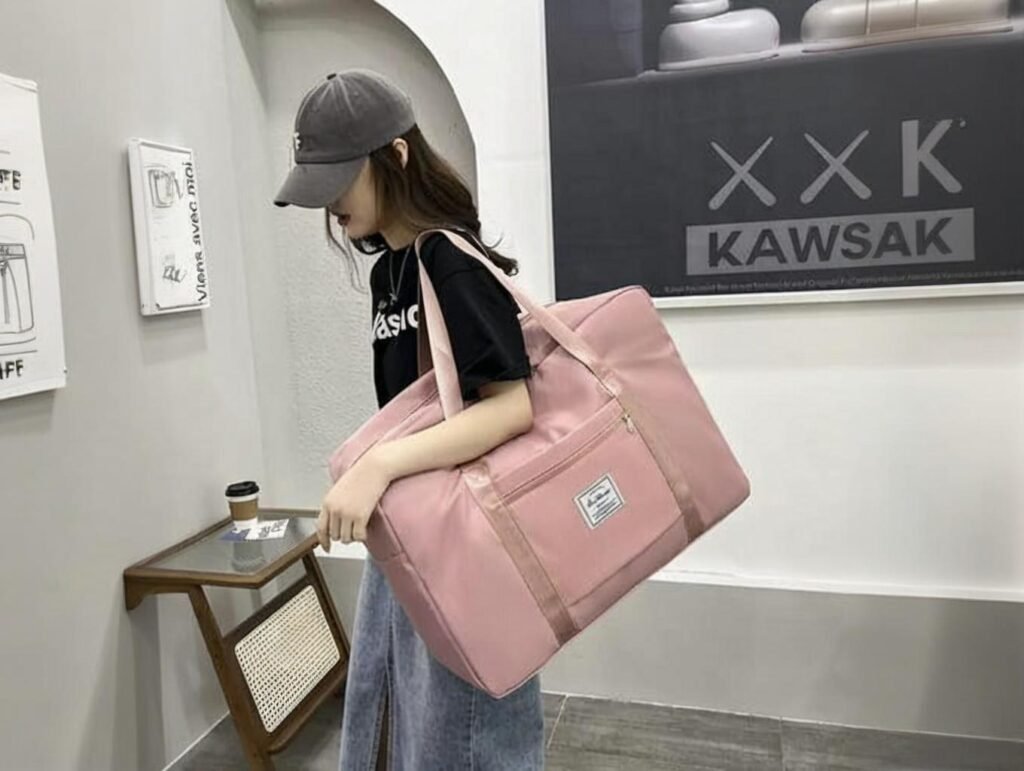
A travel bags manufacturer today operates far beyond the traditional image of a factory producing simple luggage. In a global market where mobility, efficiency, and product differentiation directly influence purchasing decisions, manufacturers are expected to deliver highly engineered, purpose-driven travel solutions rather than generic products. From cabin-ready carry-ons to multi-functional travel systems, the scope of production has expanded significantly in both breadth and complexity.
At its core, a modern manufacturer develops products that must meet three simultaneous demands: functional performance, cost efficiency, and brand positioning. For example, a carry-on bag is no longer just about storage—it must comply with airline size restrictions, optimize internal organization, reduce weight, and maintain durability across repeated use cycles. According to industry data, over 65% of frequent travelers prioritize weight and compartment design over appearance alone, which directly shapes how manufacturers design and produce travel products.
More importantly, manufacturers are no longer acting as passive suppliers. They have evolved into product development partners, supporting brands from early-stage concept creation through to large-scale production and global distribution readiness. This shift is particularly evident in B2B collaborations, where brands rely on factories not only for manufacturing but also for engineering feasibility, material innovation, and cost optimization strategies.
What Types of Travel Bags Are Produced?
The product range of a travel bags manufacturer is broad and continuously evolving. Each category is designed around specific user scenarios, which directly influence structure, material selection, and production complexity.
| Category | Examples | Key Features |
|---|---|---|
| Carry-on bags | Cabin luggage, rolling bags | Airline-compliant sizing, rigid or semi-rigid structure, smooth mobility systems |
| Backpacks | Travel backpacks, laptop bags | Ergonomic support, multi-compartment organization, lightweight construction |
| Duffel bags | Gym bags, travel duffels | Flexible capacity, easy storage, high load adaptability |
| Travel organizers | Packing cubes, toiletry bags | Space optimization, modular packing systems |
| Specialty bags | Waterproof bags, medical bags | Functional protection, environment-specific durability |
In practical manufacturing terms, each category represents a different engineering challenge. For instance, a rolling carry-on requires integration of wheel systems, telescopic handles, and reinforced frames, while a travel backpack focuses more on load distribution, stitching strength, and ergonomic design.
From a production perspective, factories often categorize these products based on assembly complexity and component count. A standard backpack may involve 40–60 individual components, whereas a structured luggage piece can exceed 100 components when including hardware, reinforcements, and internal systems.
Are Manufacturers Only Producing Bags or Full Solutions?
The expectation from brands has shifted dramatically over the past decade. Instead of sourcing from multiple vendors, companies increasingly prefer manufacturers that can deliver end-to-end product solutions.
| Service Type | Description |
|---|---|
| Product design | Concept development, CAD modeling, structural engineering |
| Material sourcing | Fabric selection, testing, supplier coordination |
| Sampling | Prototype creation, performance validation |
| Mass production | Scalable manufacturing with quality control systems |
| Branding | Logo application, packaging design, private labeling |
This integrated model reduces development time and ensures consistency across all stages. For example, when material sourcing and production are handled within the same system, it minimizes discrepancies in color, texture, and durability—issues that can otherwise lead to return rates exceeding 8–10% in retail environments.
From a commercial standpoint, brands that work with full-solution manufacturers often achieve 20–30% faster product launch cycles, which is a critical advantage in fast-moving consumer markets.
What Industries Use These Products?
Travel bags are no longer confined to the travel industry. Their applications span multiple sectors, each with distinct requirements that influence product design and manufacturing standards.
| Industry | Application |
|---|---|
| Travel & tourism | Luggage systems, carry-on solutions |
| Fitness & sports | Gym bags, performance duffels |
| Medical | Equipment transport, sterile storage bags |
| Military | Tactical packs, high-durability gear |
| Retail & fashion | Lifestyle travel products, branded collections |
This cross-industry demand drives manufacturers to develop versatile production capabilities. For example, medical bags require compliance with hygiene standards and often incorporate antimicrobial materials, while military applications demand abrasion resistance exceeding 1000D fabric benchmarks and reinforced stitching capable of withstanding extreme loads.
Such diversity also impacts production planning. Factories must maintain flexibility in both material inventory and manufacturing processes, enabling them to switch between product types without compromising efficiency or quality.
Product Scope Expansion in Modern Manufacturing
As consumer expectations evolve, manufacturers are continuously expanding their product scope. This expansion is driven by both functional needs and lifestyle trends.
| Trend | Impact |
|---|---|
| Multi-functional bags | Increased versatility, reduced need for multiple products |
| Lightweight designs | Improved portability, reduced travel fatigue |
| Smart compartments | Enhanced organization and accessibility |
| Sustainable materials | Reduced environmental impact, stronger brand appeal |
One notable shift is the growing demand for lightweight yet durable materials. Advanced polyester and nylon blends now allow manufacturers to reduce product weight by 15–25% without compromising strength, which is a key selling point in competitive markets.
Sustainability is another major driver. Brands increasingly request recycled fabrics such as RPET, and manufacturers must adapt by sourcing certified materials while maintaining production efficiency. This adds complexity, as sustainable materials often require different handling, cutting, and stitching techniques.
Product Complexity vs Simplicity
Not all travel bags are created equal in terms of production requirements. Understanding the difference between simple and complex products is essential for both manufacturers and brands.
| Product Type | Complexity Level | Production Requirement |
|---|---|---|
| Basic tote bag | Low | Straightforward cutting and stitching |
| Travel backpack | Medium | Structured assembly, multiple compartments |
| Carry-on luggage | High | Multi-component integration, hardware systems |
As complexity increases, so does the need for precision engineering and quality control. For example, a high-end carry-on bag must pass multiple performance tests, including:
- Drop testing for structural integrity
- Wheel durability testing (often exceeding 10,000 cycles)
- Handle extension and retraction testing
These requirements significantly increase both production time and cost. However, they also contribute to higher perceived value and longer product lifespan, which are critical factors in brand positioning.
Product Line Development
A mid-sized travel brand initially focused on producing basic duffel bags with limited differentiation. Over time, the company expanded its product line to include:
- Structured carry-on luggage
- Ergonomic travel backpacks
- Modular travel organizers
This expansion resulted in measurable improvements:
- Customer retention increased by over 35%
- Average order value grew by approximately 28%
- Brand recognition improved across multiple retail channels
The key factor behind this success was the ability to work with a manufacturer capable of supporting diverse product categories and scalable production. Instead of relying on separate suppliers, the brand leveraged a unified manufacturing system, which ensured consistent quality and faster product development cycles.
How Szoneier Supports Product Development
Szoneier operates with a clear focus on bridging the gap between product concept and market-ready solutions. With over 18 years of experience in fabric and bag manufacturing, the company has developed capabilities that align closely with the evolving demands of global brands.
Its approach is built around four core strengths:
- Extensive product category coverage, enabling brands to expand their offerings without changing suppliers
- Custom design and development support, including structural optimization and material recommendations
- Advanced material sourcing, covering a wide range of fabrics such as polyester, nylon, neoprene, and eco-friendly alternatives
- Scalable production systems, capable of handling both low-MOQ customization and large-volume manufacturing
In practical terms, this means brands can move from idea to production with greater confidence and efficiency. By integrating design, sourcing, and manufacturing into a single workflow, Szoneier helps ensure that every product is not only functional but also commercially viable.
Ultimately, the role of a travel bags manufacturer has transformed into something much more strategic. It is no longer just about producing goods—it is about delivering solutions that align with market trends, user expectations, and brand objectives, all while maintaining the operational efficiency required in today’s competitive landscape.
Which Types of Travel Bags Are Commonly Manufactured?
Travel bag manufacturing has evolved into a highly segmented and data-driven industry, where each product category is designed around specific travel behaviors, environments, and user expectations. Rather than producing generic items, manufacturers now develop distinct product lines tailored to clearly defined use cases, ranging from short urban trips to long-haul international travel.
In practical terms, the global travel goods market—valued at over $70 billion annually—is driven by changing mobility patterns. The rise of low-cost airlines, digital nomad lifestyles, and fitness-oriented travel has significantly diversified demand. As a result, manufacturers must maintain a broad and flexible product portfolio that balances functionality, durability, and cost efficiency.
Understanding the main categories of travel bags is essential not only for product development but also for identifying which segments offer the strongest commercial potential. Each category comes with different requirements in terms of materials, structure, and production processes, which directly impacts pricing, lead time, and scalability.
What Are the Main Travel Bag Categories?
Travel bags are typically grouped into several core categories, each serving a specific role within the overall travel experience.
| Category | Description | Use Case |
|---|---|---|
| Carry-on bags | Structured luggage with defined shape | Air travel and business trips |
| Backpacks | Ergonomic, hands-free carrying systems | Mobility and daily travel |
| Duffel bags | Soft-sided, flexible storage bags | Short trips and gym use |
| Tote bags | Open-top or zippered lightweight bags | Casual travel and shopping |
| Organizer bags | Compact storage units with compartments | Packing and space optimization |
From a manufacturing standpoint, these categories differ significantly in complexity. Carry-on bags require multi-layer structural engineering, including frame reinforcement and hardware integration, while tote bags rely on material quality and stitching precision rather than complex assembly.
Backpacks, on the other hand, sit in the middle of the spectrum. They combine structural elements with ergonomic design, often incorporating padding systems, ventilation channels, and load-balancing features. This makes them one of the most technically demanding soft-bag categories.
Which Bags Are Designed for Air Travel?
Air travel places strict and measurable constraints on product design. Airlines impose size and weight limits that directly influence how manufacturers engineer carry-on products.
| Feature | Requirement |
|---|---|
| Size compliance | Typically within 55 × 35 × 20 cm (varies by airline) |
| Lightweight construction | Often under 2.5–3.5 kg for empty bags |
| Organization | Quick-access compartments for documents and electronics |
Carry-on luggage and travel backpacks dominate this segment because they are specifically optimized for efficiency and compliance. In fact, industry surveys indicate that more than 60% of frequent flyers prefer carry-on-only travel, which has led to increased demand for compact yet high-capacity designs.
To meet these expectations, manufacturers focus on:
- High-strength yet lightweight materials such as polycarbonate shells or 600D–1680D polyester fabrics
- Smooth mobility systems, including multi-directional spinner wheels tested for thousands of rolling cycles
- Internal compartment engineering that maximizes usable space without exceeding external size limits
Travel backpacks designed for flights often include features such as laptop sleeves, hidden pockets, and suitcase-style openings, allowing them to function as a hybrid between traditional backpacks and carry-on luggage.
Are Backpacks and Duffel Bags Included?
Backpacks and duffel bags are not only included but are among the fastest-growing segments in the travel goods market. Their growth is closely tied to lifestyle changes, particularly the increase in short-duration travel, weekend trips, and fitness-related mobility.
| Bag Type | Advantage |
|---|---|
| Backpack | Hands-free movement, ergonomic support, versatility |
| Duffel bag | Flexible capacity, lightweight design, easy storage |
Backpacks are especially popular among younger consumers and frequent travelers who prioritize mobility and convenience. Features such as padded shoulder straps, breathable back panels, and modular compartments make them suitable for both travel and daily use.
Duffel bags, by contrast, appeal to users who need maximum storage flexibility. Their soft structure allows them to accommodate irregularly shaped items, which is particularly useful for gym gear or short trips. Many modern duffel bags also include shoe compartments, wet/dry separation, and reinforced handles, increasing their functional value.
From a production perspective, these categories offer advantages as well. Compared to rigid luggage, backpacks and duffel bags typically have lower tooling costs and shorter development cycles, making them ideal for brands testing new product lines or entering the market with limited risk.
Comparing Bag Types by Function
Each travel bag category performs differently across key functional dimensions. Understanding these differences helps brands select the right product mix for their target audience.
| Bag Type | Capacity | Mobility | Structure | Best Use |
|---|---|---|---|---|
| Carry-on | High | Moderate | Structured | Air travel and business trips |
| Backpack | Medium | High | Semi-flexible | Daily travel and mobility |
| Duffel | High | Medium | Flexible | Short trips and sports use |
Carry-on bags excel in capacity and protection, making them suitable for longer journeys or professional travel. Backpacks prioritize mobility and user comfort, which is critical in urban environments or multi-destination trips. Duffel bags offer maximum adaptability, particularly when storage flexibility is more important than structure.
Manufacturers must account for these differences during the design phase. For example, increasing capacity in a backpack without compromising comfort requires careful weight distribution engineering, while enhancing the structure of a duffel bag may involve adding internal panels or reinforced seams.
Hybrid Bag Designs
One of the most important trends in recent years is the rise of hybrid bag designs. These products combine features from multiple categories to meet the needs of modern travelers, who often require versatility in a single item.
| Hybrid Type | Benefit |
|---|---|
| Backpack + carry-on | Combines mobility with structured storage |
| Duffel + backpack | Offers flexibility with improved carrying comfort |
Hybrid designs are particularly appealing in scenarios where travelers move between different environments, such as transitioning from airports to urban settings. A backpack that opens like a suitcase, for example, allows users to pack efficiently while maintaining portability.
However, hybrid products also introduce additional manufacturing challenges. They often require:
- More complex pattern development
- Additional components such as hidden straps or convertible handles
- Higher-quality materials to ensure durability across multiple use modes
As a result, hybrid bags typically fall into the mid-to-high complexity category, with production costs increasing by approximately 15–25% compared to standard designs.
Product Diversification Strategy
A practical example illustrates how product diversification can drive business growth. A travel brand initially focused on a single product line—basic backpacks targeted at budget-conscious consumers. While this approach generated steady sales, growth was limited due to intense competition and low differentiation.
The company later introduced two additional product lines:
- A premium carry-on series designed for business travelers
- A functional backpack series with enhanced organization and ergonomic features
Within one year, the results were clear:
- Customer segments expanded to include both business and lifestyle users
- Average product pricing increased by over 20%
- Repeat purchase rates improved significantly due to complementary product offerings
The key to this success was working with a manufacturer capable of handling multiple product categories with consistent quality standards, ensuring that brand identity remained cohesive across all items.
How Szoneier Supports Multi-Type Production
Szoneier has built its manufacturing system around the need for flexibility and product diversity. With over 18 years of experience in fabric and bag production, the company is equipped to support a wide range of travel bag categories while maintaining efficiency and quality control.
Its capabilities include:
- Production of backpacks, duffel bags, carry-on luggage, and specialized functional bags
- Access to a broad selection of materials, including polyester, nylon, neoprene, and eco-friendly fabrics
- In-house development support for pattern making, structural optimization, and sampling
- Scalable manufacturing systems that accommodate both low-MOQ customization and high-volume orders
This flexibility allows brands to develop multi-category product lines without the need to manage multiple suppliers, reducing operational complexity and improving time-to-market.
In a competitive global market, the ability to produce and manage diverse travel bag types is no longer optional—it is a core requirement. Manufacturers that can deliver this level of versatility are better positioned to support brands in building strong, adaptable, and commercially successful product portfolios.
What Materials Do Travel Bag Manufacturers Use?
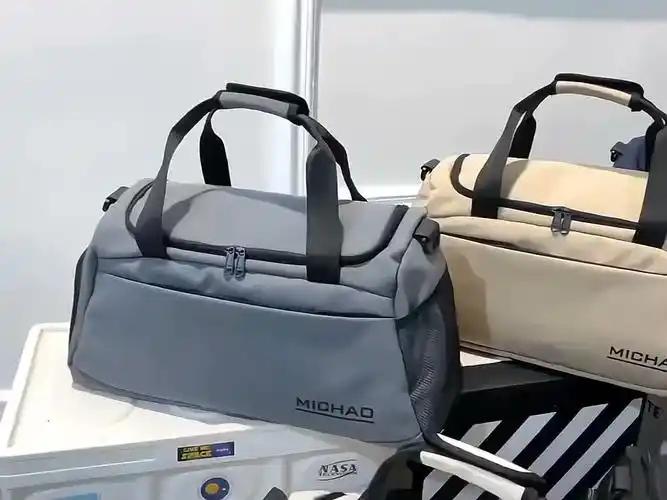
Material selection is one of the most critical decisions in travel bag manufacturing, directly influencing product durability, weight, cost, and long-term user satisfaction. While the external design of a bag may define its visual appeal, it is the combination of fabrics, coatings, and structural components that ultimately determines how well the product performs in real-world travel conditions.
In today’s market, manufacturers rely heavily on synthetic materials such as nylon, polyester, and Oxford fabrics, not because they are inexpensive, but because they offer predictable performance across a wide range of environments. Unlike natural materials, which can vary in strength and moisture response, synthetic fabrics provide consistency—an essential requirement when producing at scale.
From a production standpoint, material selection is never arbitrary. It is guided by three primary factors:
- Product positioning, such as whether the bag is designed for premium or entry-level markets
- Usage conditions, including urban commuting, air travel, or outdoor environments
- Performance targets, such as weight reduction, abrasion resistance, or water protection
Most high-quality travel bags are not made from a single material. Instead, they use layered or hybrid constructions, where each material serves a specific function—outer shell for durability, inner lining for structure, and coatings for protection.
Which Fabrics Are Most Commonly Used?
The majority of travel bags are constructed from a core group of materials that balance cost, performance, and manufacturability.
| Material | Key Characteristics | Typical Application |
|---|---|---|
| Nylon | Lightweight, high tensile strength, flexible | Premium backpacks, performance travel bags |
| Polyester | Cost-effective, stable, UV-resistant | Everyday travel bags, mass-market products |
| Oxford fabric | Thick, structured weave, abrasion-resistant | Heavy-duty and outdoor bags |
| Canvas | Natural texture, high density, aesthetic appeal | Lifestyle and fashion-oriented bags |
| Neoprene | Elastic, shock-absorbing, water-resistant | Laptop sleeves, protective compartments |
Among these, nylon and polyester dominate global production. Industry estimates suggest that over 70% of travel bags are made using these two materials, primarily because they offer a reliable balance between durability and cost.
Nylon is often selected for products where performance is a priority, while polyester is widely used in price-sensitive segments where maintaining margins is critical.
Why Are Nylon and Polyester Dominant Materials?
Although both nylon and polyester are synthetic, their properties differ in ways that significantly affect product performance and positioning.
| Factor | Nylon | Polyester |
|---|---|---|
| Strength | High tensile strength | Moderate to high |
| Weight | Lighter | Slightly heavier |
| Cost | Higher | More economical |
| Durability | Excellent abrasion resistance | Good long-term stability |
Nylon’s molecular structure gives it superior elasticity and resistance to tearing, making it ideal for products that must withstand frequent movement and stress, such as backpacks and outdoor travel bags. It also performs better under repeated folding and compression, which is common in travel scenarios.
Polyester, while slightly less flexible, offers better resistance to UV exposure and color fading, which makes it suitable for products exposed to sunlight over long periods. Its lower cost also makes it the preferred choice for large-scale production, particularly in retail environments where pricing competitiveness is essential.
From a manufacturing perspective, polyester is easier to handle in mass production due to its dimensional stability, which reduces variation during cutting and sewing processes.
How Do Coatings Improve Material Performance?
Base fabrics alone are not sufficient to meet modern performance expectations. Coatings are applied to enhance functionality, particularly in areas such as water resistance, durability, and longevity.
| Coating Type | Function | Benefit |
|---|---|---|
| PU (Polyurethane) coating | Water resistance | Suitable for everyday travel conditions |
| TPU (Thermoplastic polyurethane) coating | Waterproofing and flexibility | Higher durability and premium feel |
| PVC (Polyvinyl chloride) coating | Heavy-duty protection | Strong resistance to harsh environments |
These coatings are typically applied to the inner or outer surface of the fabric, forming a protective layer that prevents moisture penetration and improves resistance to wear.
For example, a standard polyester fabric with PU coating can withstand light rain and splashes, while a TPU-coated nylon fabric can achieve near-complete waterproofing, making it suitable for outdoor or marine environments.
However, coatings also introduce trade-offs. Heavier coatings such as PVC can significantly increase product weight and reduce flexibility, which is why they are primarily used in industrial or heavy-duty applications rather than consumer travel bags.
Material Selection Based on Product Type
Different travel bag categories require different material combinations to achieve optimal performance.
| Product Type | Recommended Material | Reason |
|---|---|---|
| Carry-on bags | Nylon / Polyester blends | Balance of weight, durability, and cost |
| Backpacks | Nylon (often 420D–840D) | Flexibility and strength for daily use |
| Duffel bags | Polyester / Nylon | Cost efficiency with sufficient durability |
| Outdoor bags | Oxford fabric / coated nylon | Enhanced abrasion and weather resistance |
This illustrates a key principle in manufacturing: material choice is always driven by function, not preference. Selecting the wrong material—even if it appears similar—can lead to issues such as premature wear, structural failure, or poor user experience.
For instance, using low-density polyester in a heavy-load backpack may reduce costs initially but can result in seam failure rates increasing by up to 15% under stress conditions.
Fabric Density and Performance
Fabric density, commonly measured in denier (D), is another critical factor that determines strength and durability.
| Fabric | Density (Denier) | Performance Level |
|---|---|---|
| Nylon 210D | Low | Ultra-light, suitable for packable bags |
| Nylon 420D | Medium | High performance, balanced strength and weight |
| Polyester 600D | Medium | Standard durability for everyday use |
| Oxford 900D | High | Heavy-duty, high abrasion resistance |
Higher denier fabrics use thicker yarns, which increases resistance to tearing and abrasion. However, this also adds weight and can reduce flexibility. Manufacturers must therefore balance strength requirements with user comfort, particularly for products like backpacks where weight directly affects usability.
In premium segments, it is common to combine different densities within a single product—for example, using 840D nylon in high-stress areas and 420D nylon in less critical zones—to optimize both performance and weight.
Material Optimization in Production
A travel gear brand initially produced duffel bags using standard 600D polyester. While the product performed adequately in controlled conditions, customer feedback highlighted issues with water resistance and long-term durability.
The manufacturer recommended upgrading to a 420D coated nylon with TPU backing. After implementation:
- Water resistance improved significantly, withstanding prolonged exposure to rain
- Abrasion resistance increased, reducing visible wear after repeated use
- Customer satisfaction scores improved, particularly among frequent travelers
Although the material cost increased by approximately 12–15%, the brand was able to reposition the product at a higher price point, resulting in improved margins and stronger market perception.
This example demonstrates that material decisions are not just technical—they directly influence brand value and customer retention.
How Szoneier Supports Material Selection
Szoneier approaches material selection as a structured and collaborative process rather than a fixed decision. With extensive experience in fabric manufacturing and bag production, the company offers a wide range of material options tailored to different product requirements.
Its capabilities include:
- Access to a full spectrum of fabrics, including nylon, polyester, Oxford, canvas, and neoprene
- Custom coating solutions such as PU, TPU, and specialized finishes for enhanced performance
- In-house material testing to evaluate strength, water resistance, and durability
- Technical guidance on optimizing material combinations based on product design and market positioning
In practice, this means brands are not limited to standard material choices. Instead, they can develop products that are precisely aligned with their target use cases, whether that involves lightweight urban travel, rugged outdoor conditions, or premium lifestyle positioning.
As the travel goods industry continues to evolve, material innovation remains a key differentiator. Manufacturers that can effectively combine the right fabrics, coatings, and structural elements are better equipped to deliver products that meet real-world demands while maintaining commercial viability.
How Do Manufacturers Develop and Design Travel Bags?
Behind every successful travel bag on the market is a structured development process that balances creativity with engineering discipline. What appears to be a simple product—a backpack, a carry-on, or a duffel—is in reality the result of multiple iterative stages involving design logic, material science, prototyping, and production planning.
In professional manufacturing environments, travel bag development is not driven by guesswork or aesthetics alone. It follows a repeatable workflow designed to reduce risk, control costs, and ensure that the final product performs reliably under real travel conditions. This is especially important in B2B manufacturing, where even minor design flaws can lead to large-scale production defects, delayed shipments, or increased return rates.
A typical development cycle includes four core stages:
- Concept and requirement analysis
- Design and material selection
- Sampling and prototyping
- Testing, validation, and refinement
Each stage plays a critical role in transforming an initial idea into a production-ready product that meets both market expectations and manufacturing constraints.
How Does Product Design Start?
The design process begins long before sketches or CAD files are created. It starts with a clear understanding of who the product is for, how it will be used, and where it will be positioned in the market.
Manufacturers and brands typically define three key inputs at this stage:
- Target users, such as business travelers, outdoor enthusiasts, or daily commuters
- Usage scenarios, including air travel, short trips, or multi-purpose use
- Product positioning, whether entry-level, mid-range, or premium
| Design Input | Purpose |
|---|---|
| User needs | Define core functionality and feature priorities |
| Market trends | Influence styling, color, and product direction |
| Material options | Determine durability, weight, and cost range |
This stage is critical because it sets the foundation for all subsequent decisions. For example, designing a bag for frequent flyers requires strict adherence to airline size standards and weight optimization, while a bag for outdoor use must prioritize abrasion resistance and weather protection.
Industry data shows that products developed with clearly defined user scenarios are over 30% more likely to succeed commercially, largely because they address specific needs rather than trying to appeal to everyone.
What Role Do Samples and Prototyping Play?
Sampling is one of the most important stages in travel bag development. It is the point where design concepts are translated into physical products, allowing both manufacturers and clients to evaluate real-world performance.
| Stage | Purpose |
|---|---|
| Initial sample | Validate overall design concept and structure |
| Revised sample | Improve functionality, materials, and usability |
| Final sample | Confirm readiness for mass production |
The first sample often reveals issues that are not visible in digital designs. These may include:
- Structural weaknesses in high-stress areas
- Incorrect material behavior, such as excessive stiffness or lack of support
- Inefficient internal layouts that reduce usable space
It is common for a product to go through 2 to 4 sampling iterations before reaching final approval. While this may seem time-consuming, it significantly reduces the risk of defects during mass production.
From a cost perspective, investing in proper sampling can lower defect rates by up to 20–25%, which translates into substantial savings when producing at scale.
How Are Designs Optimized for Production?
A design that looks good and functions well is not necessarily suitable for mass production. Manufacturers must refine the design to ensure it can be produced efficiently without compromising quality.
| Factor | Optimization Goal |
|---|---|
| Material usage | Minimize waste and improve cutting efficiency |
| Construction methods | Enhance durability while simplifying assembly |
| Cost structure | Balance quality with competitive pricing |
For example, reducing the number of fabric panels in a backpack can shorten sewing time and lower labor costs, while selecting standardized components such as zippers and buckles can improve sourcing efficiency and reduce lead times.
This stage often involves collaboration between design and production teams. Adjustments may include:
- Simplifying complex stitching patterns
- Replacing heavy materials with lighter alternatives
- Standardizing dimensions to improve scalability
The goal is to ensure that the product is not only functional but also economically viable for large-scale manufacturing.
Design vs Manufacturing Reality
One of the most common challenges in product development is the gap between design intent and manufacturing feasibility. What works on paper does not always translate smoothly into production.
| Design Aspect | Challenge | Solution |
|---|---|---|
| Complex structure | Difficult to assemble consistently | Simplify construction and reduce components |
| Heavy materials | Increase product weight and cost | Use lighter, high-strength fabrics |
| Excess features | Add cost without clear value | Focus on essential functions |
For instance, adding multiple compartments may improve organization but can also increase production time and cost. Manufacturers must evaluate whether these features deliver real user value or simply add complexity.
Balancing creativity with practicality is essential. Products that achieve this balance are more likely to succeed because they offer both usability and cost efficiency.
Functional Design Elements in Travel Bags
The performance of a travel bag depends heavily on its functional design features. These elements are carefully engineered to enhance user experience and product longevity.
| Feature | Benefit |
|---|---|
| Multi-layer compartments | Improve organization and accessibility |
| Reinforced handles and stress points | Increase durability under heavy loads |
| Lightweight structural design | Reduce travel fatigue and improve portability |
| Water-resistant layers | Protect contents from environmental exposure |
In addition to these core features, modern travel bags often incorporate advanced design elements such as hidden pockets, modular compartments, and ergonomic support systems.
For example, reinforced stitching at load-bearing points can increase a bag’s lifespan by 30–40% under repeated use, while well-designed compartments can significantly improve packing efficiency.
Product Development Workflow
A travel bag project for a mid-range brand illustrates how a structured development process leads to better outcomes.
The project followed a clear sequence:
- Initial concept design based on target user research
- Selection of lightweight yet durable materials
- Development of multiple samples for testing and refinement
- Final optimization for production efficiency
During the sampling phase, several issues were identified, including uneven weight distribution and insufficient reinforcement in high-stress areas. These were addressed through design adjustments and material upgrades.
The final result included:
- Improved durability and user comfort
- Reduced production defects
- Shorter time to market due to fewer post-production corrections
This example highlights the importance of early-stage testing and iterative refinement in achieving a reliable and commercially successful product.
How Szoneier Supports Design and Development
Szoneier integrates design and manufacturing into a cohesive development system, enabling brands to move efficiently from concept to production. With extensive experience in fabric and bag manufacturing, the company provides structured support at every stage of the process.
Its capabilities include:
- Free design consultation based on product positioning and target markets
- Rapid sampling services, allowing quick validation and iteration
- Material recommendations tailored to performance and cost requirements
- Production-oriented optimization to ensure scalability and efficiency
By combining technical expertise with practical manufacturing knowledge, Szoneier helps brands avoid common pitfalls such as over-engineered designs, inefficient material usage, and production delays.
In a competitive market, the difference between a successful product and a failed one often lies in how well the development process is managed. A manufacturer that understands both design intent and production reality can ensure that each product is not only visually appealing but also durable, functional, and ready for large-scale manufacturing.
What Production Processes Are Involved in Manufacturing?

Travel bag manufacturing is a highly coordinated process that transforms raw materials into durable, functional products through a sequence of controlled operations. While the end product may appear simple, the production behind it involves precision engineering, standardized workflows, and continuous quality monitoring. Every stage—from fabric cutting to final inspection—plays a direct role in determining how the bag performs under real-world conditions such as heavy loads, repeated handling, and exposure to moisture or friction.
In professional factories, production is not treated as a linear assembly line but as a system of interconnected processes, where small deviations in one stage can affect the entire product. For example, inaccurate cutting can lead to misaligned panels, which in turn affects stitching quality and overall structural integrity. This is why experienced manufacturers invest heavily in both process control and operator training, ensuring consistency across thousands of units.
A well-managed production system delivers three key outcomes:
- Stable and repeatable product quality across batches
- Efficient use of materials, reducing waste and cost
- Scalable capacity to handle both small and large orders without disruption
How Are Fabrics Cut and Prepared?
The production process begins with fabric cutting, a stage that determines the accuracy of every component that follows. Even minor deviations at this stage can lead to assembly issues later in production.
| Process | Purpose |
|---|---|
| Fabric cutting | Shape raw materials into precise components |
| Pattern layout | Maximize material utilization and minimize waste |
| Marking | Ensure alignment and assembly accuracy |
Modern factories increasingly rely on computerized cutting systems, which use digital pattern files to achieve high precision. Compared to manual cutting, automated systems can improve material utilization by 5–10%, which has a significant impact on overall production cost, especially in large-scale manufacturing.
In addition to cutting technology, pattern layout optimization is critical. By arranging pattern pieces efficiently, manufacturers can reduce fabric waste, which typically accounts for 8–15% of total material consumption if not properly managed.
Preparation also includes pre-treatment processes such as fabric inspection and, in some cases, pre-shrinking or coating checks to ensure the material behaves consistently during production.
What Stitching and Construction Methods Are Used?
Stitching is one of the most critical determinants of a travel bag’s durability. The strength of a bag is not defined solely by the fabric but by how well the components are joined together.
| Method | Application | Benefit |
|---|---|---|
| Single stitching | Low-stress areas | Efficient and cost-effective |
| Double stitching | Load-bearing zones | Increased tensile strength |
| Binding | Edge finishing | Prevents fraying and improves appearance |
| Reinforced stitching | Handles, corners, straps | Enhances long-term durability |
High-stress points such as handles and shoulder straps often undergo reinforced stitching techniques, including bar-tacking or cross-stitching, which can significantly increase resistance to tearing under load.
In quantitative terms, properly reinforced seams can withstand 30–50% higher load capacity compared to basic stitching. This is particularly important for travel bags that may carry weights exceeding 10–15 kilograms during regular use.
Consistency in stitching is equally important. Factories implement strict guidelines on stitch density, thread tension, and seam allowance to ensure uniform quality across all units.
How Are Components Assembled?
Once individual components are prepared, they are assembled into a complete product. Travel bags typically consist of multiple elements that must be integrated with precision.
- Outer fabric panels
- Zippers and closure systems
- Handles and shoulder straps
- Internal linings and compartments
- Hardware such as buckles and hooks
| Assembly Step | Function |
|---|---|
| Panel joining | Create the main structure of the bag |
| Zipper installation | Provide secure and smooth access |
| Hardware attachment | Add functionality and usability |
| Lining integration | Enhance internal organization |
Assembly requires careful coordination because misalignment at this stage can affect both functionality and appearance. For example, improperly installed zippers may lead to operational failure after repeated use, while uneven panel alignment can result in visible defects.
To maintain consistency, many manufacturers use assembly jigs and standardized procedures, ensuring that each component is positioned accurately during production.
Production Workflow Breakdown
A structured workflow helps manufacturers control quality and efficiency throughout the production cycle.
| Stage | Key Focus | Common Challenge | Solution |
|---|---|---|---|
| Cutting | Dimensional accuracy | Material waste | Optimized layout and automation |
| Sewing | Seam strength | Weak or uneven stitching | Reinforcement and operator training |
| Assembly | Component alignment | Misfitting parts | Process standardization |
| Finishing | Visual consistency | Surface defects | Final inspection protocols |
Each stage is interconnected, meaning that improvements in one area often lead to better outcomes across the entire process. For example, precise cutting reduces the need for adjustments during sewing, which in turn improves assembly efficiency.
How Is Quality Controlled During Production?
Quality control is not limited to the final inspection stage. It is integrated throughout the production process to identify and resolve issues as early as possible.
| Stage | Inspection Focus |
|---|---|
| Material stage | Fabric defects, color consistency, coating quality |
| Production stage | Stitching accuracy, alignment, component integration |
| Final stage | Overall appearance, functionality, and performance |
In addition to visual inspections, manufacturers conduct performance testing to ensure that products meet durability standards. Common tests include:
- Load testing to verify structural strength under weight
- Abrasion testing to evaluate resistance to wear and friction
- Water resistance testing to assess protection against moisture
For higher-end products, additional tests such as zipper cycle testing or handle pull testing may be conducted to simulate long-term usage conditions.
Effective quality control systems can reduce defect rates to below 2–3% in well-managed factories, which is a key benchmark for reliable manufacturing.
Production Optimization
A practical example highlights how process improvements can enhance production performance. A manufacturer producing mid-range travel bags identified inefficiencies in its workflow, particularly in the cutting and sewing stages.
The company implemented several changes:
- Introduced automated cutting machines to improve precision
- Standardized stitching methods across production lines
- Strengthened in-line quality inspections to detect issues earlier
As a result:
- Production errors decreased significantly, reducing rework rates
- Lead times shortened due to improved workflow efficiency
- Product consistency improved, leading to fewer customer complaints
This case demonstrates that process optimization is not only about speed but also about improving reliability and reducing long-term costs.
How Szoneier Ensures Production Excellence
Szoneier approaches manufacturing with a focus on precision, consistency, and scalability. Its production system integrates advanced equipment with experienced craftsmanship to ensure reliable outcomes across different product categories.
Key strengths include:
- Use of modern cutting and sewing equipment to maintain accuracy and efficiency
- Skilled production teams trained in handling various materials and construction methods
- Multi-stage quality control systems that monitor every step of production
- Streamlined workflow management designed to support both small and large orders
By combining technical expertise with structured production processes, Szoneier ensures that each product meets strict standards for durability, functionality, and visual consistency.
In a competitive manufacturing environment, the difference between an average product and a high-performing one often lies in the quality of the production process. A factory that can control each stage with precision is better positioned to deliver products that perform reliably in real-world travel conditions while maintaining cost efficiency and scalability.
Which Customization Options Do Manufacturers Provide?
Customization has become a defining capability in modern travel bag manufacturing. In a market where product differentiation directly influences purchasing decisions, brands are no longer satisfied with standard designs. Instead, they rely on manufacturers to deliver tailored solutions that reflect brand identity, target specific user groups, and meet precise functional requirements.
From a manufacturing perspective, customization is not limited to adding a logo. It involves a coordinated adjustment of materials, structure, color systems, branding methods, and functional features, all aligned with the product’s intended market positioning. Whether the goal is to create a premium travel collection or a cost-efficient retail line, customization enables brands to control both perception and performance.
Industry data indicates that customized products can command 20–40% higher retail prices compared to generic alternatives, particularly when branding and functionality are well integrated. This is why most professional manufacturers have developed structured customization systems that support both low-volume testing and large-scale production.
What Logo and Branding Methods Are Available?
Branding is often the most visible aspect of customization, but it also requires careful selection based on material type, product positioning, and durability requirements.
| Method | Application | Effect |
|---|---|---|
| Screen printing | Flat fabric surfaces | Cost-effective and suitable for large volumes |
| Embroidery | Text, logos, patches | Premium appearance with strong durability |
| Heat transfer | Complex graphics and gradients | High precision and color detail |
| Metal logos | Zippers, plates, badges | High-end and durable brand expression |
Each method serves a different purpose. For example, screen printing is widely used for promotional or entry-level products due to its low cost, while embroidery is preferred for mid-to-high-end bags where texture and perceived quality are important.
Metal logos, often used on premium travel bags, provide a more durable and upscale look. However, they require additional assembly steps and precise placement, which can increase production complexity.
Choosing the right branding method is not only a design decision but also a cost-performance trade-off. Poor selection can lead to issues such as fading prints, damaged logos, or inconsistent branding across batches.
How Do Material and Color Customization Work?
Material and color customization are fundamental to defining both the visual identity and performance characteristics of a travel bag.
Manufacturers can adjust:
- Fabric types such as nylon, polyester, Oxford, or specialty materials
- Fabric density (denier), which affects durability and weight
- Color matching based on Pantone or custom references
- Surface finishes, including matte, glossy, or textured coatings
| Custom Element | Impact |
|---|---|
| Material | Determines durability, weight, and cost |
| Color | Defines visual appeal and brand consistency |
| Finish | Enhances functionality such as water resistance |
Color customization is particularly important for brand consistency. Professional manufacturers use color calibration systems to ensure that production batches match design specifications, as even slight variations can affect brand perception.
Material customization, on the other hand, directly influences product performance. For instance, switching from standard polyester to high-density nylon can improve abrasion resistance by over 25%, but also increases material cost. Manufacturers must therefore balance performance improvements with commercial viability.
Can Manufacturers Support Private Label Production?
Private label production is one of the most востребованные services in B2B manufacturing, allowing brands to build their own product lines without owning production facilities.
Most professional manufacturers provide full private label support, including:
- Custom logo integration across products
- Packaging design aligned with brand positioning
- Product labeling for retail and compliance requirements
| Service | Benefit |
|---|---|
| Logo customization | Strengthens brand recognition |
| Packaging design | Enhances perceived value and shelf appeal |
| Product labeling | Ensures professional and compliant presentation |
This approach enables brands to launch products that appear fully developed and market-ready, even at relatively low volumes. In many cases, private label solutions allow businesses to enter the market with reduced upfront investment while maintaining strong brand control.
From a production standpoint, private labeling requires careful coordination to ensure consistency across all elements, including packaging materials, print quality, and labeling accuracy.
Customization vs Standard Products
Choosing between standard and custom products depends on business goals, target markets, and budget constraints.
| Factor | Standard Product | Custom Product |
|---|---|---|
| Cost | Lower initial investment | Higher due to development and tooling |
| Uniqueness | Limited differentiation | Strong brand identity |
| Flexibility | Restricted options | High level of control |
Standard products are often suitable for quick market entry or testing, while custom products are essential for brands aiming to build long-term differentiation and customer loyalty.
However, customization requires planning. Poorly defined requirements can lead to longer development cycles, increased costs, and potential production delays. This is why experienced manufacturers guide clients through the process, ensuring that customization decisions are both practical and commercially viable.
Functional Customization Options
Beyond aesthetics, functional customization plays a key role in improving usability and product performance. These features are often what differentiate a product in real-world use.
| Feature | Purpose |
|---|---|
| Additional compartments | Improve organization and storage efficiency |
| Waterproof layers | Protect contents from moisture |
| Reinforced handles and straps | Increase load-bearing capacity |
| Expandable sections | Provide flexible storage options |
For example, adding reinforced handles can significantly improve durability, particularly for bags designed to carry heavy loads. Similarly, waterproof layers are essential for outdoor or travel scenarios where exposure to rain is common.
Functional customization often requires adjustments in both design and production. Adding compartments or structural elements can increase assembly time and material usage, which must be considered when calculating overall cost.
Custom Product Development
A travel brand seeking to differentiate itself in a competitive market decided to invest in product customization. Instead of using standard designs, the company developed a customized product line featuring:
- Distinctive color schemes aligned with brand identity
- Reinforced structures for improved durability
- Custom logo applications using a combination of embroidery and metal elements
The results were measurable:
- Stronger brand recognition in retail environments
- Increased customer engagement due to unique design elements
- Higher perceived value, allowing for improved pricing strategies
This case illustrates that effective customization is not just about aesthetics—it directly contributes to brand positioning and market performance.
How Szoneier Supports Customization
Szoneier has developed a flexible customization system designed to support brands at different stages of growth. Its approach focuses on combining design flexibility with manufacturing efficiency.
Key capabilities include:
- Free design support to help refine product concepts and specifications
- Low minimum order quantities, enabling smaller brands to test customized products
- Rapid sampling services to validate designs before mass production
- Full OEM and ODM support, covering everything from product development to branding
- Flexible production systems that adapt to different customization requirements
By integrating these services into a single workflow, Szoneier allows clients to move from concept to finished product with greater speed and confidence.
In a market where differentiation is critical, customization is no longer optional. Manufacturers that can provide structured, reliable customization options are better positioned to help brands create products that are not only visually distinctive but also functionally superior and commercially competitive.
How Do Manufacturers Ensure Product Quality and Performance?

In travel bag manufacturing, quality is not a final checkpoint—it is the result of a controlled system that begins with raw materials and continues through every production stage. Products that perform well in real-world conditions are those that have been engineered, tested, and verified repeatedly before reaching the market.
Travel bags are exposed to demanding environments: they are dragged across airport floors, compressed into overhead compartments, subjected to sudden impacts during handling, and opened and closed dozens of times during a single trip. Industry feedback shows that over 70% of product failures in travel bags are linked to stress points such as seams, zippers, and handles, rather than the main fabric itself. This is why professional manufacturers focus on system-level quality control, ensuring that every component performs reliably under stress.
A robust quality assurance framework typically combines:
- Material validation before production
- In-process control during manufacturing
- Performance testing under simulated real-world conditions
- Continuous improvement based on feedback and defect analysis
What Testing Standards Are Applied?
Testing is the backbone of quality assurance. Manufacturers rely on a series of standardized and internal tests to evaluate how a product will perform during actual use.
| Test Type | Purpose |
|---|---|
| Load testing | Measure weight capacity and structural integrity |
| Abrasion testing | Evaluate resistance to friction and wear |
| Water resistance testing | Confirm protection against moisture |
| Drop testing | Simulate impact during handling and transport |
Load testing is particularly important for travel bags, as products are often expected to carry 10–20 kg or more. During testing, bags are filled to specified weights and subjected to repeated lifting and handling cycles to ensure that seams, handles, and attachment points do not fail.
Abrasion testing replicates the wear caused by repeated contact with rough surfaces. High-quality fabrics can withstand thousands of abrasion cycles without significant degradation, which is essential for maintaining both appearance and performance over time.
Water resistance testing varies depending on product positioning. Entry-level bags may only require splash resistance, while premium or outdoor-oriented products are tested for extended exposure to moisture, ensuring that internal contents remain protected.
How Is Durability Verified?
Durability is evaluated through a combination of material-level and structural testing. This dual approach ensures that both the components and the overall construction meet performance expectations.
| Factor | Verification Method |
|---|---|
| Fabric strength | Tensile and tear resistance testing |
| Stitching | Seam strength and pull testing |
| Zippers | Repeated opening and closing cycles |
| Handles and straps | Load-bearing and fatigue testing |
For example, zipper systems are often tested through thousands of open-close cycles to simulate long-term use. Low-quality zippers may fail early, leading to one of the most common consumer complaints.
Similarly, seam strength testing measures how much force a stitched joint can تحمل before failure. Reinforced seams can increase load capacity by 30–50% compared to standard stitching, making them essential for high-stress areas such as shoulder straps and carry handles.
Durability testing is not only about preventing failure but also about ensuring consistent performance over the product’s lifespan, which directly impacts customer satisfaction and brand reputation.
What Role Does Material Selection Play in Quality?
Material selection is the foundation of product quality. Even the most precise manufacturing process cannot compensate for poor material choices.
| Material Choice | Impact |
|---|---|
| Nylon | High strength, flexibility, and abrasion resistance |
| Polyester | Stable performance with cost efficiency |
| Oxford fabric | Enhanced structural strength for heavy-duty use |
| Coated fabrics | Improved water resistance and protection |
Selecting the appropriate material involves balancing performance with cost. For instance, high-density nylon offers superior durability but comes at a higher price point, while polyester provides a more economical solution for mass-market products.
Material quality also affects long-term performance. Inferior fabrics may show signs of wear quickly, leading to issues such as color fading, fiber breakdown, or reduced tensile strength. In contrast, high-quality materials maintain their integrity over extended use, supporting stronger brand positioning.
Quality Control System Structure
A structured quality control system ensures that issues are identified and addressed at the earliest possible stage, rather than after production is complete.
| Stage | Focus Area | Key Outcome |
|---|---|---|
| Incoming materials | Fabric inspection, color consistency | Stable raw material quality |
| Production process | Stitching accuracy, assembly alignment | Consistent construction |
| Final inspection | Overall appearance and functionality | Reliable finished products |
Incoming material inspection is critical because defects at this stage can propagate through the entire production process. For example, inconsistencies in fabric thickness or coating can affect both cutting precision and final performance.
During production, in-line inspections help detect issues such as uneven stitching or misaligned components before they accumulate. Final inspection then verifies that the product meets all quality standards, including visual consistency, functionality, and structural integrity.
Factories with well-implemented quality systems can achieve defect rates below 2–3%, which is considered a benchmark for reliable manufacturing.
Common Quality Issues and Solutions
Even with structured processes, certain quality issues are more common in travel bag manufacturing. Understanding their causes helps manufacturers implement effective solutions.
| Issue | Cause | Solution |
|---|---|---|
| Seam failure | Insufficient stitching strength | Reinforced stitching and quality thread |
| Fabric wear | Low-density or poor-quality material | Upgrade to higher-grade fabric |
| Zipper breakage | Inferior components or misalignment | Use high-quality zippers and precise installation |
Addressing these issues early not only improves product performance but also reduces costs associated with returns, repairs, and reputational damage.
For example, upgrading from standard zippers to higher-grade components may increase unit cost slightly, but it can significantly reduce failure rates, leading to lower long-term costs and higher customer satisfaction.
Quality Improvement Strategy
A manufacturer producing mid-range travel bags faced increasing customer complaints related to durability. The issues were traced to inconsistent material quality and insufficient inspection during production.
To address this, the company implemented several changes:
- Introduced stricter material sourcing standards, focusing on verified suppliers
- Increased inspection frequency at key production stages
- Enhanced worker training to improve consistency in stitching and assembly
The results were measurable:
- Defect rates decreased significantly across production batches
- Customer feedback improved, particularly regarding durability
- The brand’s reputation strengthened, leading to increased repeat orders
This case highlights the importance of systematic quality management rather than isolated improvements.
How Szoneier Ensures High Quality
Szoneier integrates quality control into every stage of its manufacturing process, ensuring that products meet both functional and commercial expectations.
Its approach includes:
- Strict material sourcing standards, ensuring consistent fabric and component quality
- Multi-stage inspection systems that monitor production from start to finish
- Performance testing designed to simulate real-world usage conditions
- Continuous optimization of production processes based on data and feedback
By combining technical expertise with structured quality management, Szoneier ensures that each product delivers reliable durability, consistent performance, and long-term value.
In a competitive market, quality is not just a technical requirement—it is a strategic advantage. Manufacturers that invest in comprehensive quality systems are better positioned to deliver products that meet real-world demands while supporting brand growth and customer trust.
Are Travel Bag Manufacturers Capable of Full Product Solutions?
The role of travel bag manufacturers has changed significantly over the past decade. What was once a production-focused industry has evolved into a solution-driven ecosystem, where manufacturers are expected to support every stage of a product’s journey—from initial concept to final delivery. This shift is largely driven by the increasing complexity of global markets, where speed, consistency, and product differentiation are critical to success.
Today, many professional manufacturers operate as integrated development partners, offering end-to-end services that reduce the need for brands to coordinate multiple vendors. Instead of sourcing design, materials, production, and packaging separately, companies can rely on a single partner to manage the entire process. This approach not only improves efficiency but also ensures that all elements of the product are aligned in terms of quality, cost, and performance.
A full-service manufacturer typically supports the following areas:
- Product design and structural engineering
- Material sourcing and performance optimization
- Sampling and prototyping with iterative improvements
- Mass production with quality control systems
- Branding, packaging, and logistics coordination
This integrated model has been shown to reduce product development cycles by 20–35%, particularly for brands that are launching new product lines or entering competitive markets.
Do Manufacturers Provide Design-to-Delivery Services?
Yes, many modern manufacturers now offer complete design-to-delivery workflows. This means that a product can move through every stage of development within a single system, ensuring consistency and minimizing communication gaps.
| Stage | Service |
|---|---|
| Concept | Design development, technical consultation |
| Development | Sampling, prototyping, and performance testing |
| Production | Scalable manufacturing and process control |
| Final stage | Packaging, labeling, and delivery coordination |
This structure allows brands to focus on market strategy, branding, and sales, while the manufacturer handles execution. For example, instead of managing separate suppliers for materials and production, brands can rely on the manufacturer’s internal sourcing network, which reduces lead times and improves coordination.
In practical terms, this approach also minimizes risks. Misalignment between design and production—one of the most common issues in fragmented supply chains—is significantly reduced when both are handled within the same organization.
How Do Manufacturers Support Different Market Needs?
A key advantage of full-service manufacturers is their ability to adapt products to different market segments. Not all travel bags are designed for the same audience, and successful manufacturers understand how to tailor products based on specific requirements.
| Market Segment | Product Strategy |
|---|---|
| Entry-level | Focus on cost efficiency and essential features |
| Mid-range | Balance between performance, durability, and price |
| Premium | Emphasis on high-performance materials and advanced design |
For entry-level markets, manufacturers prioritize cost control and efficient production, often using standardized materials and simplified designs. In contrast, premium products may incorporate advanced fabrics, reinforced structures, and specialized features, which require more complex development and higher production costs.
This flexibility is essential because it allows brands to position their products effectively. A single manufacturer capable of supporting multiple segments enables companies to expand their product lines without changing suppliers, maintaining consistency in quality and branding.
What Should You Look for in a Reliable Manufacturer?
Selecting the right manufacturing partner is one of the most important decisions in product development. A reliable manufacturer must demonstrate both technical capability and operational stability.
| Factor | Why It Matters |
|---|---|
| Experience | Indicates proven expertise and problem-solving ability |
| Material capability | Enables diverse product development options |
| Quality control | Ensures consistent and reliable output |
| Production capacity | Supports timely delivery and scalability |
Experience is particularly valuable because it reflects a manufacturer’s ability to handle complex projects and adapt to changing requirements. Companies with long-term industry presence are more likely to have established processes, trained teams, and stable supply chains.
Material capability is another critical factor. Manufacturers with access to a wide range of fabrics and components can provide better recommendations and help optimize products for both performance and cost.
Manufacturer Capability Comparison
Not all manufacturers offer the same level of service. Understanding the difference between basic suppliers and advanced manufacturers helps in making informed decisions.
| Capability | Basic Supplier | Advanced Manufacturer |
|---|---|---|
| Design support | Minimal or client-driven | Comprehensive design and engineering support |
| Material options | Limited to standard fabrics | Extensive range including custom materials |
| Customization | Basic logo application | Advanced structural and functional customization |
| Quality control | End-stage inspection only | Multi-stage, integrated quality systems |
Basic suppliers typically focus on production execution, which may be sufficient for standardized products. However, advanced manufacturers provide greater flexibility, innovation, and reliability, making them better suited for brands aiming to differentiate themselves in competitive markets.
From a strategic perspective, working with an advanced manufacturer can reduce long-term costs by minimizing errors, improving product performance, and accelerating time to market.
Full-Service Manufacturing Advantage
A travel brand looking to expand its product portfolio initially worked with multiple suppliers for design, materials, and production. This fragmented approach led to several challenges, including inconsistent quality, longer development cycles, and communication delays.
The company later partnered with a full-service manufacturer capable of handling the entire process. The results were significant:
- Product development timelines were shortened due to better coordination
- Quality improved as materials and production were aligned from the start
- Operational complexity decreased, allowing the brand to focus on marketing and sales
This example demonstrates that integrated manufacturing is not just about convenience—it directly contributes to efficiency, consistency, and overall business performance.
How Szoneier Provides Full Product Solutions
Szoneier has built its operations around the concept of full-service manufacturing, combining fabric expertise with product development and scalable production capabilities. With over 18 years of experience, the company is equipped to support brands at every stage of the product lifecycle.
Its integrated approach includes:
- Fabric research and development, enabling customized material solutions
- Comprehensive product design and engineering support
- OEM and private label production for brand-specific products
- Low minimum order quantities, allowing flexible product testing
- Rapid sampling services to accelerate development cycles
- Efficient production systems designed for both small and large orders
- Strict quality control processes to ensure consistent performance
By consolidating these capabilities into a single system, Szoneier allows clients to move from concept to finished product with greater speed and confidence.
In today’s competitive environment, the ability to deliver full product solutions is no longer optional—it is a defining characteristic of advanced manufacturers. Companies that offer integrated services are better positioned to help brands develop products that are not only functional and reliable but also aligned with market demands and ready for commercial success.
From Materials to Finished Products—What a Manufacturer Truly Delivers
A travel bags manufacturer does far more than produce bags. It delivers a complete system that combines:
- Material expertise
- Product design
- Engineering precision
- Manufacturing efficiency
- Quality assurance
Every travel bag you see is the result of multiple layers of decision-making, from fabric selection to construction techniques.
Understanding what a manufacturer produces—and how it does so—helps you make better decisions when developing your own products. The right partner can transform an idea into a high-performing product that meets real-world travel needs.
If you are planning to create or improve your travel bag products, working with an experienced manufacturer is essential.
Szoneier combines fabric innovation, product development expertise, and over 18 years of manufacturing experience to help you build travel bags that stand out in both performance and quality.
Contact Szoneier today to request samples and start your custom travel bag project with confidence.