 Skip to content
What Is Heavy-Duty Canvas Made of? A Buyer's Checklist for Industrial Applications
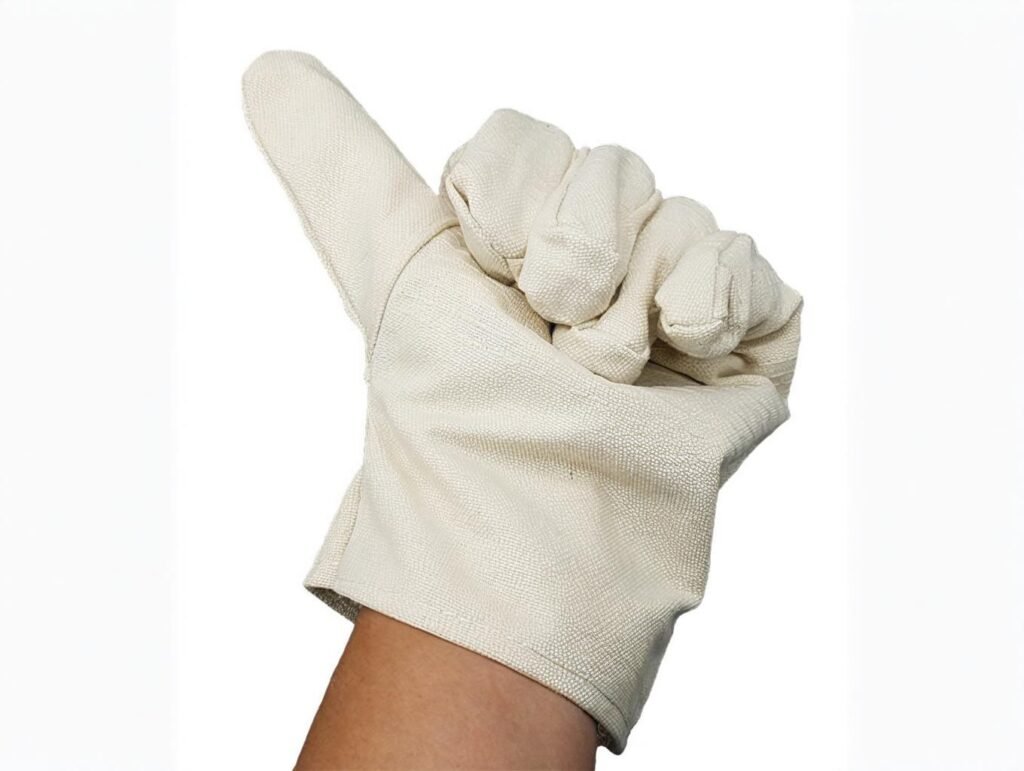
Heavy-duty canvas has long been a trusted fabric in industries demanding ruggedness and reliability—from tarps covering machinery to durable bags and industrial upholstery. But understanding what exactly constitutes “heavy-duty canvas” is critical for buyers seeking materials that meet specific industrial performance requirements.
Heavy-duty canvas is primarily made from tightly woven cotton fibers or cotton blends, designed with a dense weave and heavyweight construction, often enhanced by coatings or treatments that improve water resistance, abrasion durability, and longevity for industrial use.
Picture a shipping company relying on canvas tarps that shield cargo from harsh weather for months on end without tearing or degrading. Behind that resilience lies a fabric engineered with precision—carefully selected fibers, weaves, and finishes that ensure it won’t fail under pressure.
This article serves as your comprehensive guide to the composition and quality factors of heavy-duty canvas, empowering you to make confident, informed sourcing decisions for your industrial applications.
What Are the Primary Fibers Used in Heavy-Duty Canvas?
Heavy-duty canvas is a versatile material widely used in industrial applications such as workwear, military gear, and outdoor equipment. Known for its durability, resistance to abrasion, and longevity, the fabric’s properties are largely determined by the fibers used in its construction. While cotton fibers are a traditional staple for canvas, modern materials and blends of synthetic fibers have become more common to enhance performance in specialized uses, such as water resistance, UV protection, and stretchability.
Cotton – The Traditional Gold Standard
Cotton is, by far, the most established fiber used in heavy-duty canvas production. Its cellulose structure provides excellent tensile strength, breathability, and comfort, which makes it the benchmark for natural fiber canvas.
Why Cotton Remains the Industry Standard
Cotton canvas has been used for centuries, and even in modern times, it remains a preferred choice due to its eco-friendliness, availability, and comfort. The fiber’s natural properties allow it to hold up under extreme working conditions while still maintaining comfort for the wearer or user.
- Long-Staple Cotton: This variety of cotton, especially when ring-spun, produces smoother, stronger yarns that are more resistant to pilling and abrasion. Its superior fiber length contributes to higher strength and longevity, crucial for heavy-duty applications like tool bags, tents, and cargo covers.
- Advantages of Cotton in Canvas:
- Breathability: Cotton allows air to pass through the fabric, reducing sweating and discomfort, especially in workwear.
- Repairability: In the field, cotton can be repaired with basic stitching, reducing downtime.
- Eco-friendly: Especially when sourced from organic fields and GOTS-certified, cotton is biodegradable, making it an attractive sustainable option.
Industry Insight: A prominent U.S. workwear company shifted from short-staple to long-staple cotton, and the results were significant: tear resistance increased by 18%, and returns decreased due to improved product performance under stress.
Polyester Blends – Added Durability & Weather Resistance
While cotton is strong and comfortable, its vulnerability to environmental elements like moisture, UV rays, and abrasion is often a concern. For these reasons, polyester is commonly blended with cotton to enhance weather resistance and dimensional stability.
The Role of Polyester in Canvas Blends
Polyester is a synthetic fiber known for its exceptional strength and resistance to shrinking and stretching. It is often blended with cotton in 65/35 or 70/30 ratios, providing a good balance between durability and workability.
- Advantages:
- Increased abrasion resistance: Polyester adds superior abrasion resistance, making it ideal for heavy-use environments.
- UV stability: Polyester offers enhanced resistance to ultraviolet light, making it suitable for outdoor applications exposed to prolonged sun exposure.
- Dimensional stability: The blend prevents shrinking, which can be a major concern with 100% cotton fabrics, especially in marine covers and outdoor gear.
- Trade-offs:
- Reduced breathability: Polyester’s compact structure reduces airflow through the fabric, which may cause discomfort in humid conditions.
- Stiffer hand feel: The fabric may feel less flexible than pure cotton, especially when subjected to high-stress conditions.
Example: In marine environments, the 70/30 cotton-polyester blend is often the preferred choice for tarpaulins and sail covers, where weatherproofing and UV resistance are crucial.
Nylon Blends – Superior Strength & Flexibility
Nylon is a synthetic fiber with an impressive strength-to-weight ratio, making it ideal for applications where tear resistance and flexibility are paramount. While it is more expensive than polyester, its performance in demanding applications justifies its cost.
Why Nylon Blends are Used in Heavy-Duty Canvas
Nylon’s superior tensile strength and elasticity make it the fiber of choice in high-stress, high-performance applications. When blended with cotton, nylon creates a fabric that is resilient, tear-resistant, and highly flexible.
- Advantages:
- Extreme tear resistance: Nylon’s high tensile strength helps prevent the fabric from tearing even under heavy loads.
- Mildew and rot resistance: Nylon is naturally resistant to mildew and rot, ensuring longer-lasting use in moist or humid environments.
- Flexibility: The elasticity of nylon allows the fabric to retain its shape even under stress.
- Trade-offs:
- Reduced breathability: While stronger and more elastic, nylon is less breathable than cotton, which may make the fabric less comfortable in hot environments.
- Higher cost: Nylon blends are generally more expensive than polyester blends, making them less cost-effective for certain large-scale projects.
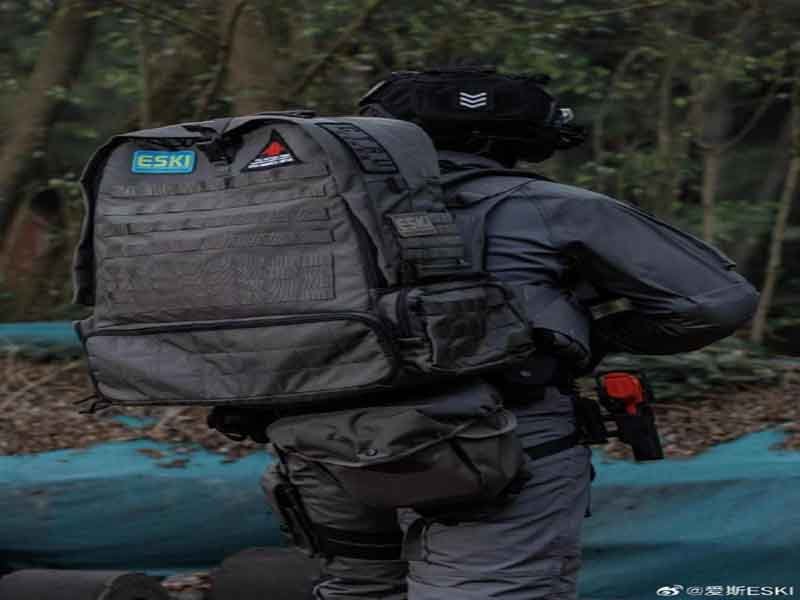
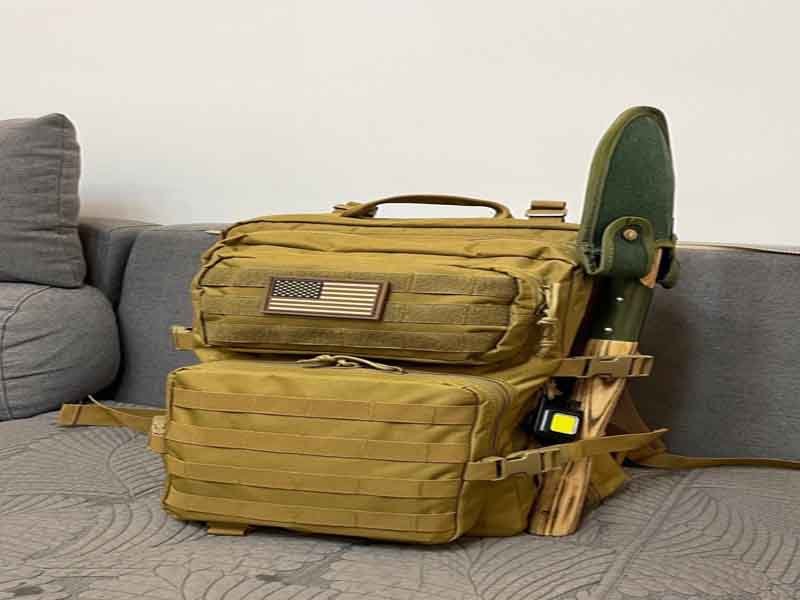
Real-World Application: Military-grade canvas gear, such as backpacks and tactical bags, often incorporates cotton/nylon blends for their ballistic-grade abrasion resistance and strength, which makes them suitable for extreme use conditions.
| Fiber Type | Strength | Breathability | Water Resistance | Typical Use Case |
|---|---|---|---|---|
| 100% Cotton | High | High | Low (unless treated) | Tool bags, tarps, upholstery |
| Cotton/Polyester | Moderate | Moderate | Moderate | Outdoor gear, covers |
| Cotton/Nylon | Very High | Low | Moderate | Tactical & military gear |
Case Study: A manufacturer of industrial tool bags tested both 100% cotton duck canvas and a 65/35 cotton-polyester blend. Their findings showed that while pure cotton offered better tear resistance, the polyester blend provided superior durability in wet environments and reduced shrinkage over time, resulting in extended product lifespans and lower warranty claims.
Which Weave Patterns Define Heavy-Duty Canvas Strength?
The weave structure of canvas plays an integral role in determining its overall strength, durability, and suitability for various applications. In heavy-duty canvas, the tightness and uniformity of the weave pattern directly contribute to essential properties such as tensile strength, abrasion resistance, and tear resistance. Additionally, the choice of weave can affect the surface texture, flexibility, and weight of the fabric, making it a critical consideration for industries requiring tough, long-lasting materials.
Plain Weave – Versatile Strength for General Use
The plain weave is the simplest and most common type of weave used in canvas production. Characterized by its over-under interlacing pattern, it is designed for durability without compromising weight. This weave is densely packed in heavy-duty grades, making it suitable for a range of general-use applications.
Why Plain Weave is Ideal for General Applications
Plain weave is often regarded as a workhorse weave because of its versatility and strength. It is a straightforward construction method that provides high durability at a relatively low cost. The tighter the weave, the stronger the fabric becomes, though it may sacrifice some surface smoothness in comparison to other patterns like duck weave.
- Advantages:
- Durability at low weight: Plain weave provides impressive strength without adding unnecessary weight, making it ideal for general-purpose items like tarpaulins and grain sacks.
- Economical production: This weave structure is cheaper to produce, making it an affordable option for industries needing large quantities of material.
- Easy to coat or finish: The open structure of plain weave makes it easier to apply finishes such as water repellents, fire retardants, or waterproof coatings.
- Limitations:
- Rougher surface: While not as smooth as other weaves, the plain weave’s rough texture may not be suitable for applications that require a polished or smooth appearance.
- Less uniform: In comparison to the more tightly woven duck weave, the plain weave may show slight inconsistencies, particularly in high-stress areas where uniform strength is needed.
Typical Uses: Plain weave canvas is commonly used for protective covers, grain sacks, tarpaulins, and basic workwear. Its balance of strength and weight makes it a reliable option for everyday tasks and general applications that don’t require advanced weatherproofing or abrasion resistance.
Duck Weave – Tighter, Smoother, and Longer-Lasting
The duck weave is characterized by its tighter structure and heavier yarns. Sometimes referred to as double fill because of its dense interlacing, it offers superior tear resistance, abrasion resistance, and flexibility when compared to plain weave. Duck canvas is often used for applications requiring long-lasting performance under demanding conditions, such as military gear, tool bags, and heavy-duty apparel.
Why Duck Weave is Essential for Heavy-Duty Applications
Duck weave stands out because of its denser construction and high tensile strength, which make it ideal for fabrics that need to withstand repeated wear and extreme conditions. It is frequently classified by a numbering system that denotes weight in ounces per square yard, with lower numbers indicating heavier and denser fabrics.
- Advantages:
- Exceptional tear resistance: The tight structure of the duck weave ensures that the canvas holds up under heavy loads, making it perfect for tool bags, military tents, and industrial applications.
- Smooth surface for printing and branding: The smooth finish makes it easier to add logos, designs, or branding, making duck weave canvas the preferred choice for custom-printed items like aprons and heavy-duty bags.
- Withstands repeated abrasion cycles: Duck weave can endure the stress of continuous friction without significant degradation, making it the top choice for workwear and outdoor gear.
- Common Grades:
- #10 Duck (~14.75 oz): This medium-weight fabric offers an excellent balance of strength and flexibility. It is commonly used for bags and aprons that require moderate protection against wear.
- #8 Duck (~18 oz): A heavier option, often used for tool bags, military tents, and shelter covers due to its exceptional tear resistance and ability to withstand heavy loading.
- #4 Duck (~24 oz): The heaviest and strongest of the duck fabrics, designed for extreme abrasion resistance and load-bearing applications, including military gear and industrial tools.
Field Insight: In extended outdoor testing conducted by a tent manufacturer, #10 duck canvas was compared to #8 duck canvas to assess the longevity and durability under harsh conditions.
- #8 duck tents outlasted #10 duck tents by 30% before showing signs of wear at stress points.
- The tighter weave of #8 duck canvas also improved water repellency after waxing, resulting in a 40% reduction in leakage complaints compared to the #10 duck canvas.
| Weave Type | Durability | Texture | Typical Uses |
|---|---|---|---|
| Plain Weave | High | Rougher | Tarps, sacks, protective covers |
| Duck Weave | Very High | Smooth | Tool bags, heavy-duty apparel |
Choosing the Right Weave for Your Heavy-Duty Canvas Needs
When selecting a weave for a heavy-duty canvas, understanding the intended application and the environmental conditions it will face is critical. Whether you’re manufacturing tool bags, outdoor gear, or military equipment, the correct weave ensures the longevity and performance of the fabric.
Key Considerations for Choosing the Right Weave:
- Durability Requirements: If the fabric will experience heavy abrasion or stress, such as in military tents or industrial bags, duck weave is the better choice due to its tight structure and superior tear resistance.
- Weight and Flexibility: For general use where flexibility and moderate durability are required, plain weave offers an affordable solution without compromising too much on performance.
- Customization Needs: If the fabric requires printing, duck weave’s smooth surface makes it ideal for branding and customized designs.
Whether you choose plain weave for its economy and versatility, or duck weave for its superior strength and long-lasting durability, selecting the right weave pattern ensures your canvas performs at its best for years, reducing downtime and increasing the overall quality of the product.
How Does Canvas Weight Affect Its Industrial Performance?
When sourcing canvas for industrial and commercial applications, canvas weight is a critical factor that cannot be overlooked. Canvas weight, typically measured in ounces per square yard (oz/yd²) or grams per square meter (gsm), plays a fundamental role in determining how the fabric will perform in various environments. It impacts key characteristics such as structural integrity, abrasion resistance, load capacity, and flexibility, all of which directly influence the product’s service life and functional suitability for the intended application.
Why Weight Matters in Industrial Applications
Canvas weight is a primary consideration in selecting the appropriate fabric for specific applications. The density and thickness of the weave are directly related to weight, influencing how the canvas behaves under different conditions.
- Higher weight = denser weave & thicker yarns → This results in increased tear resistance, better abrasion durability, and superior tensile strength, making the fabric ideal for high-stress and load-bearing applications.
- Lower weight = increased flexibility & breathability → Lighter canvases are easier to handle, fold, and store, making them suitable for products that require portability, such as tents, tarps, or bags. However, lighter weight canvases may not be as durable as heavier weights under harsh conditions.
- Balance is essential: While it might seem tempting to specify the heaviest possible fabric, over-specifying weight can result in unnecessary stiffness and added costs, particularly for products that require mobility. Conversely, under-specifying weight can lead to premature wear, compromising the fabric’s lifespan and overall performance.
Industry Insight: In high-stress applications like tool carriers or industrial workwear, heavier grades of canvas (16 oz and above) are typically required for their exceptional durability and load-bearing capacity. However, for applications requiring portability, such as event tents or light-duty tarps, a canvas weight range of 10-12 oz is often sufficient. The right weight ensures the fabric performs optimally without sacrificing key characteristics such as flexibility and ease of handling.
Weight Ranges and Application Suitability
Canvas weight directly correlates with specific industrial uses, offering a range of characteristics that make it suited for particular tasks. The following table summarizes the weight ranges and their common applications:
| Weight (oz/yd²) | Approximate GSM | Typical Industrial Applications | Key Characteristics |
|---|---|---|---|
| 10–12 oz | 340–400 gsm | Tarps, tents, light bags | Breathable, flexible, moderate durability |
| 14–16 oz | 475–540 gsm | Tool bags, heavy-duty apparel, industrial covers | High durability, abrasion resistant |
| 18–24 oz | 610–810 gsm | Industrial upholstery, heavy tarps, workwear | Maximum durability, less flexible |
10–12 oz Canvas: Flexibility and Portability
The 10–12 oz range of canvas is ideal for applications where portability and ease of handling are paramount. Despite offering only moderate durability, this weight is perfectly suited for items like tarps, tents, and light-duty bags, which do not experience the same levels of wear and tear as tool bags or workwear.
- Breathability: This weight range allows for increased airflow, making it comfortable for outdoor applications.
- Flexibility: The lower weight ensures that the fabric remains easy to handle and fold, which is crucial in applications where transportability is needed.
Typical Uses: Camping gear, event tents, light-duty tarps, furniture covers.
14–16 oz Canvas: High Durability for Heavy-Duty Use
Canvas in the 14–16 oz range strikes a balance between strength and flexibility, making it ideal for industrial applications like tool bags, heavy-duty apparel, and industrial covers. These fabrics offer excellent abrasion resistance and tear strength, making them suitable for high-stress environments.
- Durability: The increased weight contributes to higher tear resistance, making this canvas ideal for items that will undergo repeated friction or heavy loads.
- Abrasion Resistance: This range excels in abrasion-prone environments, where fabrics may experience rubbing or scraping over extended periods.
Typical Uses: Tool bags, workwear, industrial covers, heavy-duty tents.
18–24 oz Canvas: Maximum Durability for Extreme Applications
The 18–24 oz weight range is designed for extreme industrial applications requiring maximum durability and abrasion resistance. This heavyweight canvas is used in heavy tarps, industrial upholstery, and workwear, where the fabric will experience significant stress and require a high level of protection against wear.
- Maximum Durability: The heavy weight ensures the fabric can withstand constant abrasion, heavy load-bearing, and harsh environmental conditions.
- Reduced Flexibility: While the fabric offers maximum protection, it tends to be stiffer and less flexible, which may limit its applications in areas where mobility is essential.
Typical Uses: Industrial upholstery, heavy tarps, military tents, protective covers.
Case Insight: A Logistics Equipment Supplier’s Upgrade
A logistics equipment supplier operating in a high-stress warehouse environment decided to upgrade the canvas used in their tool carriers from 12 oz cotton duck canvas to 16 oz cotton duck canvas. The decision was based on the need for improved durability in the face of wear and tear from constant handling and abrasion.
- 45% Reduction in Fabric Surface Wear: After 12 months of use, the heavier 16 oz canvas showed a significant reduction in fabric wear, extending the lifespan of the tool carriers.
- Fewer Product Returns: With the enhanced durability, the supplier reported a decrease in returns related to seam failures, as the heavier canvas provided better seam integrity and resistance to stress.
- Extended Product Lifecycle: The overall lifecycle of the product was extended by 18 months, which resulted in fewer replacements and more satisfied customers.
The Impact of Canvas Weight on Performance
Understanding the relationship between canvas weight and industrial performance is critical when selecting fabric for specific applications. Canvas weight influences not just the durability of the fabric, but also its functionality, comfort, and flexibility in different environments. Selecting the right weight ensures that the fabric will perform optimally and maintain cost-effectiveness across the product lifecycle.
Whether you are manufacturing heavy-duty tool bags, light-duty tarps, or military-grade shelters, choosing the right canvas weight is essential to ensure the long-lasting performance of your product. Too light a weight can lead to early wear, while too heavy a weight may cause unnecessary stiffness and costs. Finding the right balance is key to achieving the perfect canvas for your needs.
Are There Common Finishes or Coatings Applied to Heavy-Duty Canvas?
While raw heavy-duty canvas offers strength and durability, it is often enhanced with specialized finishes or coatings to make it more suitable for specific applications. These treatments help the fabric adapt to various environments, enhance performance in harsh conditions, and meet industry standards. Whether applied during the manufacturing process or added as a post-application treatment, these coatings can significantly extend the life span of the canvas, improve its weather resistance, and ensure compliance with safety regulations.
Common Finishes and Their Industrial Benefits
A. Wax Coating
Wax coating is one of the oldest and most traditional methods used to enhance the performance of heavy-duty canvas. This finish involves saturating the fibers of the canvas with natural or synthetic wax compounds. The wax creates a hydrophobic barrier that helps the fabric resist water while allowing for some breathability.
Advantages of Wax Coating
- Natural Appearance: The waxed finish offers a rugged, matte look, which is often preferred for heritage-style products or outdoor gear.
- Water Resistance: The primary benefit of waxing is the ability to make canvas water-resistant, as it allows water to bead off the surface, preventing moisture absorption.
- Re-coatability: Waxed canvas can be re-coated in the field, ensuring that the fabric continues to provide water resistance even after extended use.
Considerations
- Periodic Maintenance: Waxed canvas requires regular reapplication of wax, especially after prolonged exposure to rain or heavy use.
- Softening in High Heat: Wax can soften and lose its waterproofing capabilities if exposed to high temperatures or direct sunlight for extended periods.
Typical Uses
Wax coatings are commonly applied to products that require durability and water resistance but also need to maintain a natural, rugged appearance. Common applications include outdoor backpacks, heritage jackets, and military tarps.
B. PU (Polyurethane) Coating
Polyurethane (PU) coatings are applied to canvas to create a continuous waterproof membrane on the fabric’s surface. This coating offers superior protection against moisture ingress, ensuring that the fabric remains waterproof even under the most extreme conditions.
Advantages of PU Coating
- Very High Water Resistance: PU coatings are highly effective at creating a waterproof barrier. They can withstand heavy rainfall and are often used in applications exposed to continuous moisture.
- Durability: The coating is long-lasting, providing excellent protection against weathering, wear, and tear.
- Stain and Dirt Resistance: PU coatings help canvas resist dirt and stains, ensuring that the fabric remains cleaner for longer.
Considerations
- Breathability: PU coatings reduce the breathability of the fabric, which may lead to a build-up of moisture on the inside of the fabric. This makes PU-coated canvas less suitable for applications where air circulation is critical.
- Stiff Hand Feel: While the waterproof properties are superior, the fabric may feel stiffer compared to uncoated or waxed canvas.
Typical Uses
PU-coated canvas is often used in applications where high water resistance and long-term durability are essential, such as in industrial covers, marine-grade tarps, and all-weather tents.
C. Flame Retardant Treatment
Flame-retardant (FR) canvas is treated with chemical agents that slow down or prevent ignition when exposed to fire. These treatments are essential for environments that require fire safety compliance, particularly in industries like oil and gas, mining, and welding.
Advantages of Flame Retardant Treatment
- Safety Compliance: FR canvas meets international safety standards such as NFPA 701 and EN 13501-1, which are critical in industrial environments where fire hazards are present.
- Prevention of Ignition: The chemical treatment makes the fabric more resistant to flames and heat exposure, reducing the likelihood of fire spread.
Considerations
- Washing Out Over Time: FR treatments may wear off after repeated washing or exposure to extreme conditions unless the fabric is inherently flame-retardant.
- Reduced Flexibility: The chemicals used to treat canvas can make the fabric feel slightly stiffer, reducing its overall flexibility.
Typical Uses
Flame retardant-treated canvas is widely used in welding curtains, protective workwear, and safety shelters where fire resistance is a crucial requirement for worker safety.
D. Anti-Mildew Coating
Anti-mildew treatments are applied to canvas to inhibit the growth of mold and mildew, which are common problems in humid or coastal environments. These treatments typically involve the use of fungicides that prevent the growth of microorganisms, keeping the canvas clean and odor-free.
Advantages of Anti-Mildew Coating
- Prevents Mold and Mildew: Anti-mildew coatings ensure that canvas products do not suffer from microbial growth, which can cause unpleasant odors and discoloration.
- Longer Fabric Life: The treatment extends the lifespan of canvas by preventing degradation caused by mold and mildew, especially in humid climates or areas with frequent rainfall.
Considerations
- Combination with Breathability: Anti-mildew treatments are most effective when combined with breathable canvas constructions. If the fabric becomes too airtight, the mildew inhibitors may lose effectiveness.
- Periodic Reapplication: Like other treatments, anti-mildew coatings may require reapplication after prolonged exposure to moisture.
Typical Uses
Anti-mildew-treated canvas is commonly used in marine upholstery, outdoor awnings, and tropical-climate covers that need to resist microbial growth and maintain appearance over time.
Finishes at a Glance
| Finish Type | Water Resistance | Breathability | Durability | Typical Uses |
|---|---|---|---|---|
| Wax Coating | High | High | Moderate | Jackets, backpacks, tarps |
| PU Coating | Very High | Low | High | Industrial covers, tents, marine gear |
| Flame Retardant | Variable | High | Moderate | Workwear, safety gear, tents |
| Anti-Mildew | Moderate | High | High | Marine canvas, outdoor gear |
Example: Outdoor Gear Manufacturer’s Success with Waxed Canvas
An outdoor gear manufacturer introduced waxed canvas backpacks into their product line to meet growing consumer demand for water-resistant yet breathable materials. After one year, customer feedback surveys revealed:
- A 30% increase in satisfaction regarding water resistance, particularly during rainy conditions.
- A 25% reduction in warranty claims for moisture-related damage, as the waxed finish effectively protected against rain and moisture.
- An improved repeat purchase rate of 17%, with customers returning for additional products due to the reliability and durability of the waxed canvas.
The finishes and coatings applied to heavy-duty canvas play a crucial role in determining its performance and longevity under various conditions. Whether it’s for waterproofing, fire safety, or mildew prevention, the right treatment can significantly enhance the functionality of canvas products in industrial, commercial, and outdoor applications. Selecting the appropriate coating is critical to meet specific requirements, ensuring the product’s reliability and service life.
What Are the Key Quality Indicators When Buying Heavy-Duty Canvas?
When sourcing heavy-duty canvas for industrial, commercial, or outdoor use, the quality indicators you evaluate can greatly influence the fabric’s performance, durability, and overall suitability for your application. Heavy-duty canvas is a versatile and reliable material, but to ensure that it meets the required standards, you must carefully assess several key factors. These include fabric weight consistency, weave tightness, yarn quality, finishing quality, and compliance with industry certifications. Understanding and inspecting these elements will help you avoid potential pitfalls, such as premature wear, poor performance, or customer dissatisfaction, which could ultimately lead to increased costs and product returns.
For applications like tool bags, workwear, tarps, upholstery, or protective covers, these quality indicators determine the canvas’s tensile strength, abrasion resistance, maintainability, and longevity. Let’s dive into the specifics of each factor to ensure that the canvas you purchase performs as expected and lasts for its intended lifespan.
Essential Quality Checks
A. Fabric Weight Consistency
Fabric weight, measured in grams per square meter (GSM) or ounces per square yard (oz/yd²), is one of the most important factors to consider when evaluating canvas. Consistent weight ensures that the canvas will perform uniformly across the entire roll, reducing the likelihood of weak spots or inconsistent areas in the finished product. Variations in weight can be a sign of inconsistent weaving or yarn thickness, which can affect the fabric’s overall strength and wear resistance.
Why Fabric Weight Consistency Matters
- Strength and Durability: Inconsistent fabric weight can result in thinner sections of canvas that are more prone to tearing or abrasion. If a roll has sections that are too thin, these areas are weaker and may fail prematurely when exposed to stress or heavy use.
- Manufacturing Consistency: A reliable supplier should provide uniform weight measurements throughout the roll to ensure that every section of canvas performs at the same level, minimizing defects during cutting, seaming, and finishing.
What to Inspect
- Sample multiple sections: Randomly select sections from various areas of the roll to measure GSM or oz/yd² and ensure that there is no significant variation. The weight should be consistent across all areas of the canvas.
- Check for manufacturer certification: Ask the supplier to verify that their fabric has passed weight consistency tests in accordance with industry standards.
B. Weave Tightness and Evenness
A high-quality heavy-duty canvas should have a dense, even weave that is free from irregularities such as yarn slubs or frayed edges. The tightness and evenness of the weave are crucial for the fabric’s abrasion resistance, tear strength, and overall durability. A tightly woven canvas resists wear and tear much better than a loosely woven one.
Why Weave Tightness and Evenness Matter
- Abrasion Resistance: A tighter weave results in a more robust canvas that can withstand friction without the risk of fibers wearing out or unraveling. This is especially important for heavy-duty applications like tool bags, tents, and tarps.
- Prevents Fraying: Uniform weave tightness prevents edges from fraying when the fabric is cut, maintaining its integrity and preventing weakness at critical stress points.
What to Inspect
- Visual inspection: Check the canvas visually under good lighting for any visible irregularities in the weave. The fibers should be tightly packed and uniformly distributed.
- Tactile testing: Feel the surface of the canvas to ensure it is smooth and free from slubs, which are lumps of yarn that can cause weak spots.
C. Yarn Quality
The quality of the yarn used in heavy-duty canvas production is one of the most significant factors determining its strength and longevity. Long-staple, combed cotton yarns are the gold standard for canvas, providing superior tensile strength and resilience compared to short-staple or recycled fibers.
Why Yarn Quality Matters
- Tensile Strength: Long-staple yarns are less likely to break under stress, offering greater resistance to tearing and abrasion.
- Surface Cleanliness: Higher-quality yarns result in a cleaner surface that provides a better finish for treatments such as waxing or polyurethane coating. This leads to more consistent waterproofing and stain resistance.
What to Inspect
- Fiber length and uniformity: Ask for details about the yarn type used in the canvas. Long-staple cotton is preferred for its higher quality and durability. Inspect the fibers for consistency and smoothness.
- Tensile testing: Some suppliers may be able to provide tensile strength test results, which will give you a clear understanding of the yarn’s performance under stress.
D. Finishing Quality
Canvas undergoes a variety of finishing treatments to improve its performance, including waxing, polyurethane coating, flame retardant treatment, or anti-mildew applications. The quality of these finishes is critical to ensuring that the canvas performs effectively and uniformly. Poorly applied finishes can result in uneven water resistance, streaks, or peeling, all of which can compromise the fabric’s durability and effectiveness.
Why Finishing Quality Matters
- Performance Consistency: Uniform finishes ensure that the fabric performs as expected, whether it’s for water resistance, flame retardancy, or anti-mildew properties. Uneven finishes can lead to weak points in the fabric.
- Aesthetic Quality: In some cases, such as branded merchandise or custom tents, the visual appeal of the canvas is just as important as its performance. Uneven finishes can detract from the fabric’s overall look.
What to Inspect
- Coating evenness: Check that the finishes are evenly applied across the entire surface of the canvas. Ensure that there are no blotches, streaks, or patches where the finish is missing.
- Durability testing: Some finishes may degrade over time with exposure to the elements. Request information on the longevity of the finish and whether it is designed to withstand specific environmental conditions.
E. Certifications
Certifications such as OEKO-TEX Standard 100, Global Organic Textile Standard (GOTS), or REACH compliance offer important assurances about the safety, sustainability, and regulatory compliance of the canvas. These certifications confirm that the fabric meets specific environmental and safety standards, making it a safer and more sustainable choice for industrial use.
Why Certifications Matter
- Safety: Certifications ensure that the canvas is free from harmful chemicals that could pose health risks to workers or consumers. For example, OEKO-TEX Standard 100 ensures the fabric is free of toxic substances.
- Sustainability: Standards like GOTS ensure that the fabric is made with organic materials and produced under eco-friendly conditions.
What to Inspect
- Request documentation: Always ask the supplier for the relevant certification documents. Review them to confirm that the canvas meets industry standards for health and safety.
- Cross-check with third parties: Where applicable, verify the certification with the issuing body to ensure authenticity.
Quality Indicator Summary
| Quality Indicator | Importance Level | What to Inspect |
|---|---|---|
| Weight Consistency | Critical | Sample multiple areas for GSM accuracy |
| Weave Tightness | High | Visual and tactile inspection |
| Yarn Quality | High | Fiber length and uniformity analysis |
| Finish Uniformity | Medium | Coating evenness and durability testing |
| Certifications | High | Request documentation from supplier |
When sourcing heavy-duty canvas, it’s essential to assess key quality indicators such as weight consistency, weave tightness, yarn quality, finishing quality, and certifications to ensure that the fabric meets both performance and regulatory standards. Each of these factors plays a significant role in determining the longevity, strength, and reliability of the canvas in industrial and commercial applications. By understanding these indicators and conducting thorough inspections, you can avoid costly errors and ensure that the canvas you purchase will stand up to the demands of the field.
How Does Heavy-Duty Canvas Compare to Other Industrial Fabrics?
When selecting industrial fabrics for demanding applications, heavy-duty cotton canvas is often compared to synthetic fabrics like polyester, nylon, and various blends. Each fabric type has distinct advantages and trade-offs depending on the end-use priorities—whether that’s breathability, water resistance, repairability, or environmental sustainability. Understanding these differences is crucial in choosing the right material for your specific needs, whether that be for workwear, outdoor products, or industrial gear.
Heavy-duty cotton canvas stands out for its breathability, comfort, and ease of repair. As a natural fiber, canvas offers a tactile feel that makes it ideal for applications where wearer comfort and long-term durability are paramount. It is also biodegradable, making it an eco-conscious choice, particularly in industries focused on sustainability.
In contrast, synthetic fabrics such as polyester and nylon generally outperform cotton in key areas like water resistance and weight savings. These fabrics are often the preferred choice for ultralight gear or applications that involve high moisture exposure. However, synthetic fabrics typically lack breathability, can be more challenging to repair in the field, and are often derived from petrochemical-based resources.
Material Comparison Table
| Fabric Type | Strength | Breathability | Water Resistance | Repairability | Environmental Impact |
|---|---|---|---|---|---|
| Cotton Canvas | High | High | Moderate (treated) | Easy | Renewable, biodegradable |
| Polyester | Very High | Low | High | Difficult | Petrochemical-based |
| Nylon | Very High | Low | High | Difficult | Petrochemical-based |
| Cotton-Poly Blend | Moderate-High | Moderate | Moderate | Moderate | Partial renewable fiber |
In-Depth Comparison of Key Factors
1. Strength and Durability
- Cotton Canvas: While cotton canvas may not reach the strength levels of nylon or polyester, it still provides high durability. Its natural fiber construction makes it well-suited to environments that require long-lasting products such as workwear, tool bags, and outdoor gear. Its strength is enhanced when treated for water resistance or abrasion resistance.
- Polyester and Nylon: Both fabrics offer exceptional strength and are more resistant to abrasion and tearing than cotton, particularly when exposed to heavy loads or extreme wear. These qualities make them ideal for marine covers, rain gear, and high-performance applications where long-term use is required without much concern for breathability or comfort.
2. Breathability
- Cotton Canvas: One of the key advantages of cotton canvas over synthetics is its breathability. As a natural fiber, canvas allows air to pass through, reducing heat buildup and providing comfort for users. This makes it ideal for workwear like jackets and aprons where comfort over long periods is essential.
- Polyester and Nylon: Both polyester and nylon, while highly durable, are low in breathability. This can be a significant drawback in applications where ventilation is critical, such as workwear or gear used in hot climates. These fabrics are more suited to environments where moisture resistance and strength are prioritized over comfort.
3. Water Resistance
- Cotton Canvas: Untreated cotton canvas offers moderate water resistance but can absorb moisture over time. To make cotton more water-resistant, it is often treated with coatings like wax or polyurethane. These coatings enhance its hydrophobic properties, but cotton will never be as impermeable as polyester or nylon without extensive treatment.
- Polyester and Nylon: Both polyester and nylon are inherently water-resistant fabrics, often performing better than cotton in environments exposed to moisture or heavy rain. Polyester, in particular, is highly water-repellent, making it ideal for tents, rain gear, and marine covers.
4. Repairability
- Cotton Canvas: One of the standout features of cotton canvas is its ease of repair. Since it is a natural fiber, small tears or holes in cotton canvas can be quickly patched using basic sewing techniques. This is especially important for field applications, where quick fixes are needed to maintain functionality and extend the life of the product.
- Polyester and Nylon: Synthetic fabrics like polyester and nylon are more difficult to repair compared to cotton canvas. The synthetic fibers can fray or melt when exposed to high temperatures, making field repairs more complicated. Often, these materials require specialized equipment or techniques to restore their integrity.
5. Environmental Impact
- Cotton Canvas: Cotton is a renewable resource, and when produced sustainably, it is biodegradable, making it an environmentally friendly option. Organic cotton canvas further reduces the environmental footprint by avoiding the use of harmful pesticides and chemicals during production.
- Polyester and Nylon: Both of these materials are petrochemical-based, meaning they are derived from non-renewable resources. While they offer excellent durability, their environmental impact is a significant downside. They are not biodegradable, and their production requires higher energy inputs compared to natural fibers like cotton. However, efforts to use recycled polyester are helping reduce some of these impacts.
6. Cost-Effectiveness
- Cotton Canvas: While heavier and generally more expensive than synthetics, cotton canvas offers a great value for long-lasting products that require comfort and repairability. The cost-effectiveness of cotton is seen in its durability over time and its ability to be repaired without professional assistance.
- Polyester and Nylon: Synthetic fabrics tend to be less expensive than cotton canvas, especially when produced at scale. However, their higher cost over time for repairs or disposal (due to their non-biodegradability) could add up in the long run. Despite this, for applications where lightweight, water resistance, and strength are paramount, synthetics often provide a better initial value.
Application Considerations
- Canvas is ideal for products that prioritize comfort, durability, and a natural aesthetic, such as aprons, tool rolls, heavy-duty jackets, and industrial upholstery. It is particularly well-suited for outdoor equipment and workwear where long-term wearability and repairability are critical.
- Synthetics like polyester and nylon are often selected for applications that require high water resistance, low weight, and strength under extreme conditions, such as marine covers, rain gear, and ultralight gear. These materials perform well in environments that expose fabric to constant moisture and require minimal weight.
- Blends, such as cotton-polyester blends, offer a compromise between breathability, durability, and environmental performance. However, these blends may not match the full breathability of pure cotton, making them a middle ground when a combination of features is needed.
Case Study: A Construction Company’s Transition
A large construction company that had previously used nylon tool bags for its field teams transitioned to heavy-duty cotton canvas tool bags. While the canvas bags were slightly heavier, the company found that the increase in weight was more than offset by the 30% reduction in fabric failures over a two-year period. The benefits included:
- Faster and cheaper repairs: Workers could easily patch up the cotton canvas bags in the field, something that was not possible with nylon.
- Increased durability: The natural fibers held up better in the long run, and the bags saw fewer tearing incidents and degradation.
- Cost savings: The reduced number of replacement bags and fewer warranty claims resulted in lower overall costs for the company.
When deciding between heavy-duty cotton canvas and synthetic fabrics like polyester or nylon, it’s essential to weigh the specific needs of your application. Canvas excels in comfort, repairability, and environmental sustainability, while synthetics offer superior water resistance, strength, and lightweight performance for more extreme conditions. The right fabric depends on the priorities of the end use, whether that’s durability, breathability, or moisture protection. By understanding the strengths and limitations of each fabric type, you can ensure that your choice delivers optimal performance in your application.
What Are the Typical Industrial Applications for Heavy-Duty Canvas?
Heavy-duty canvas remains one of the most trusted industrial fabrics due to its exceptional durability, versatility, and adaptability. Over the years, canvas has proven itself as a reliable material across a wide array of industries that demand performance under harsh conditions. Its unique combination of strength, flexibility, and abrasion resistance makes it suitable for a broad range of applications, from construction and manufacturing to logistics and agriculture.
Thanks to its ability to be treated, coated, or blended with other materials, canvas can be adapted to meet the specific needs of different environments. It is capable of enduring prolonged exposure to abrasion, UV radiation, and moisture, making it a reliable choice for both indoor and outdoor industrial use.
Sector-Specific Use Cases
A. Tool and Equipment Bags
Heavy-duty canvas is a cornerstone in the manufacture of tool bags, gear carriers, and utility cases. Its abrasion resistance is a key attribute, ensuring that the fabric won’t wear out when exposed to the sharp edges of tools or heavy handling. The tensile strength of canvas allows it to maintain its structural integrity under heavy loads, which is essential for keeping tools organized and easily accessible during industrial operations.
For environments that require added durability (such as construction sites, mechanical workshops, and fieldwork), canvas bags are often reinforced with double-stitched seams, riveted stress points, and wax or polyurethane coatings to improve water resistance and prevent damage from dust, dirt, or moisture.
- Benefits:
- High abrasion resistance: Withstands friction from sharp tools or rough environments.
- Longevity: Canvas bags retain their shape and strength under heavy load.
- Repairability: Easy to patch and repair in the field.
- Industry Examples: Common in construction, utilities, mechanical services, and fieldwork.
B. Tarps and Covers
Canvas is widely used in the production of tarps and covers for machinery, vehicles, and stored materials. Its strength and resilience make it an ideal material for protecting valuable equipment from weather elements, UV radiation, and mechanical wear. When treated with water-repellent or flame-retardant finishes, canvas tarps offer enhanced performance, especially in environments that require long-term outdoor exposure.
In environments such as logistics yards, warehouses, and construction sites, UV-treated canvas ensures that outdoor equipment and stored goods are well-protected, prolonging their lifespan and reducing the cost of replacements. Additionally, canvas’s ability to breathe prevents moisture buildup, reducing the likelihood of mold or rust forming on covered goods.
- Benefits:
- Weather resistance: Protects against rain, snow, and UV exposure.
- Heavy-duty durability: Endures mechanical wear and tear, ensuring long-term protection.
- Sustainability: Can be recycled, making it an eco-friendly alternative to plastic tarps.
- Industry Examples: Used in logistics, manufacturing, shipping, and construction.
C. Upholstery and Furniture
In industrial settings, canvas upholstery is an excellent choice for furniture, workbenches, and seating in high-traffic environments. The material’s tear resistance ensures it withstands continuous use without significant wear, while its easy-to-clean surface makes it practical for maintenance-intensive areas like workshops, military facilities, or hospitality spaces.
Heavy-duty canvas upholstery also provides a cost-effective solution for furniture that needs to be durable yet comfortable. It offers a long service life, reducing the need for frequent replacements. In environments where high durability is essential, canvas remains a top choice due to its ability to hold up to rough treatment while maintaining a comfortable feel.
- Benefits:
- Tear and abrasion resistance: Handles high use without degradation.
- Ease of cleaning: Simple maintenance compared to other upholstery materials.
- Long lifespan: Provides a durable solution for industrial and commercial furniture.
- Industry Examples: Common in workshops, military facilities, and hospitality environments.
D. Industrial Workwear
Heavy-duty canvas is commonly used in protective work clothing such as aprons, jackets, overalls, and tool belts. The material’s breathability helps workers stay comfortable during long shifts, while its strength protects against sparks, debris, and minor abrasions that workers may encounter in industries like manufacturing, welding, and agriculture.
Canvas is particularly effective in environments where workers need protection from physical hazards but also need comfort to maintain productivity throughout long workdays. The fabric’s ability to be treated for flame resistance or water resistance further enhances its functionality in specialized fields like welding or construction.
- Benefits:
- Breathability: Comfortable for long hours in hot conditions.
- Protection: Shields from sparks, debris, and abrasions.
- Durability: Holds up well to rough, demanding environments.
- Industry Examples: Widely used in manufacturing, welding, construction, agriculture, and carpentry.
E. Packaging and Storage
Canvas is a sustainable and durable material for industrial sacks, storage bins, and reusable shipping bags. As more industries move toward eco-friendly practices, canvas offers a renewable alternative to traditional single-use plastics. The strength of canvas allows it to withstand heavy-duty use and be reused multiple times, reducing environmental waste.
Canvas also offers a breathable storage solution, unlike plastic alternatives that trap moisture. This characteristic is particularly valuable for storing goods like produce, grains, and textiles, where ventilation is necessary to preserve the integrity of the contents.
- Benefits:
- Strength and durability: Capable of holding heavy loads without breaking down.
- Sustainable: A recyclable and reusable alternative to plastic.
- Breathability: Ideal for storing goods that need air circulation.
- Industry Examples: Used in agriculture, retail, and food storage.
Application Summary Table
| Application | Key Benefits | Industry Examples |
|---|---|---|
| Tool Bags | Durability, repairability | Construction, utilities |
| Tarps & Covers | Weather resistance, strength | Logistics, manufacturing |
| Upholstery | Wear resistance, ease of care | Industrial, hospitality, military |
| Workwear | Protection, comfort | Farming, manufacturing, welding |
| Packaging | Sustainability, strength | Agriculture, retail, food storage |
Heavy-duty canvas remains a cornerstone fabric across a variety of industries thanks to its strength, versatility, and reliability. Whether it’s for tool bags, tarps, workwear, or storage solutions, canvas excels in applications that demand durability and long-term performance under challenging conditions. Additionally, its repairability and eco-friendly nature make it an attractive option for industries looking for cost-effective and sustainable materials.
By carefully considering the specific needs of your application—be it for protection, comfort, or environmental sustainability—canvas provides a flexible and dependable solution that can be tailored through coatings and finishes to meet a wide range of industrial challenges.
How Should Buyers Evaluate Suppliers for Heavy-Duty Canvas?
When sourcing heavy-duty canvas, choosing the right supplier is crucial. Beyond comparing prices, buyers need to evaluate several key factors, such as consistent quality, on-time delivery, and the supplier’s ability to meet specific technical requirements. Selecting the wrong supplier can result in costly delays, poor product performance, and damage to a brand’s reputation.
A reliable supplier will not only offer a competitive price but also ensure that the canvas delivered meets the highest standards of quality, adheres to safety and environmental regulations, and is tailored to meet the buyer’s specific application needs. The following checklist can help guide the evaluation process to ensure that the supplier you choose can consistently meet your requirements.
Supplier Evaluation Checklist
A. Quality Assurance
A strong quality assurance process is critical for ensuring that every roll of heavy-duty canvas meets the required standards. Ask your potential supplier for documentation of their quality control processes and independent lab testing results to verify attributes such as weight consistency, weave uniformity, tear strength, and finish adhesion. A transparent supplier will also provide pre-production samples and bulk shipment samples to ensure that the fabric performs as expected before committing to large orders.
Why Quality Assurance Matters
- Consistency and reliability: Well-established quality control processes reduce the risk of defects, ensuring that each batch of canvas meets performance expectations.
- Verification of standards: Independent testing provides third-party validation of the fabric’s durability and functionality, confirming its suitability for the intended industrial use.
What to Look for in a Supplier
- ISO-certified quality control: Look for suppliers who are certified by ISO 9001, as this ensures standardized quality management processes.
- Testing certifications: Suppliers should provide test results for key quality metrics, such as tensile strength, abrasion resistance, and water resistance.
B. Customization Capabilities
In many industrial applications, heavy-duty canvas must meet specific requirements such as specialized coatings, custom dye shades, weave patterns, or printing. A supplier with in-house customization capabilities can provide tailored solutions that eliminate the need for outsourcing, reducing lead times and enhancing overall project flexibility.
Why Customization Matters
- Product differentiation: Custom treatments and designs allow you to create a product that stands out in the marketplace, enhancing brand identity.
- Faster turnaround times: Suppliers who offer in-house customization can provide faster prototyping and quicker production times, ensuring that your project stays on schedule.
What to Look for in a Supplier
- In-house finishing: Suppliers with their own finishing capabilities (such as waxing, lamination, or coating applications) can better control the final product’s quality.
- Color-matching and printing services: Make sure the supplier has experience with digital printing and color-matching to match specific brand requirements.
C. Certifications and Compliance
Global buyers should ensure that the supplier’s canvas meets international safety and environmental standards. This is especially important for industries that require compliance with regulatory bodies and for customers concerned with sustainability. Certifications like OEKO-TEX Standard 100, GOTS (Global Organic Textile Standard), and REACH (Registration, Evaluation, Authorization, and Restriction of Chemicals) are critical for ensuring the safety and environmental integrity of the fabric.
Why Certifications Matter
- Safety compliance: Certifications like OEKO-TEX Standard 100 ensure that the canvas is free from harmful chemicals, which is particularly important in consumer-facing products.
- Sustainability: GOTS-certified canvas ensures that the fabric is made from organic cotton and produced in an environmentally responsible manner, aligning with corporate sustainability goals.
- Global market access: Suppliers with REACH compliance can ensure that their products are safe for use across the European Union, where chemical safety regulations are stringent.
What to Look for in a Supplier
- Certification documentation: Ensure that the supplier provides valid certificates for OEKO-TEX, GOTS, and REACH, or any other relevant certifications.
- Clear compliance processes: Ask for specific information on how the supplier adheres to regulatory requirements in different regions.
D. Production Capacity and Lead Times
The supplier’s production capacity should align with your forecasted order volumes and meet your lead time expectations. Whether you require a small batch for a prototype or a large-scale order for ongoing production, a reliable supplier should be able to accommodate your needs efficiently. Suppliers with flexible production schedules and diversified production lines are better positioned to meet both standard and rush orders.
Why Production Capacity and Lead Times Matter
- Meeting demand: Suppliers with sufficient capacity can ensure timely fulfillment of large or urgent orders.
- Contingency planning: Suppliers with established contingency plans for rush orders or seasonal fluctuations can help avoid delays, especially in industries with unpredictable demand spikes.
What to Look for in a Supplier
- Production flexibility: Inquire about the supplier’s ability to adjust schedules for urgent orders or increased volume needs.
- Clear communication: Understand the lead times for both prototype testing and full-scale production.
E. Communication and Support
Effective communication and responsive customer support are essential for a smooth working relationship. Look for suppliers who provide a dedicated account manager or technical support team to address concerns and answer questions quickly. Transparent communication can reduce misunderstandings related to product specifications, sampling, or shipping, ensuring that the final product meets your expectations.
Why Communication and Support Matter
- Faster issue resolution: Quick and clear communication helps resolve issues before they escalate into production delays or quality issues.
- Enhanced customer experience: A supplier that offers personalized support fosters a positive relationship, increasing the likelihood of successful long-term partnerships.
What to Look for in a Supplier
- Dedicated account managers: Suppliers should offer direct access to an account manager who understands your requirements and can provide tailored support.
- Clear escalation processes: Ensure that the supplier has a transparent system for handling any issues that may arise, ensuring that they are addressed quickly.
Supplier Evaluation Summary Table
| Evaluation Criteria | Why It Matters | Ideal Supplier Feature |
|---|---|---|
| Quality Assurance | Product reliability | ISO-certified QC processes |
| Customization | Product differentiation | In-house finishing and printing |
| Certifications | Regulatory and eco-compliance | OEKO-TEX, GOTS, REACH |
| Capacity & Timing | Meet deadlines | Flexible production scheduling |
| Customer Support | Problem-solving efficiency | Dedicated account management |
When evaluating suppliers for heavy-duty canvas, it’s essential to look beyond just price. A reliable supplier will demonstrate consistent quality, a commitment to sustainability, and the technical capabilities to meet your specific requirements. Suppliers who are transparent about their quality control processes, provide customization options, and meet certification standards will help you ensure that the canvas you purchase meets the highest performance standards and can be used in a variety of industrial applications.
By choosing a supplier with strong production capacity, clear communication, and proven reliability, you can reduce risk, increase efficiency, and ensure that your final product is both high-quality and cost-effective.
Ready to Source Premium Heavy-Duty Canvas?
At SzoneierFabrics, we specialize in customizable heavy-duty canvas solutions tailored to your industry needs. We offer:
- Free design consultations to match the right fabric to your application.
- Fast sampling for prototype testing and client approvals.
- Low MOQ to support both small and large-scale production.
- Full compliance certifications for global market access.
Contact us today to request free samples or start a custom canvas project that will stand up to your toughest requirements.
heavy-duty canvas fabric, industrial canvas material, cotton duck canvas, durable canvas fabric, canvas fabric for industrial use, heavy canvas for bags, waterproof canvas fabric, waxed canvas, canvas fabric for tarps, canvas fabric durability, abrasion resistant canvas, canvas fabric supplier, canvas fabric for upholstery, flame retardant canvas, canvas fabric rolls, canvas fabric weight, canvas fabric coating, heavy-duty cotton canvas, canvas fabric wholesale, canvas fabric customization, canvas fabric for workwear, heavy canvas tote bags, canvas fabric for packaging, canvas fabric by the yard, industrial textile fabric, canvas for outdoor gear, cotton canvas industrial, canvas fabric manufacturing, thick canvas fabric, canvas material for equipment bags, cotton canvas vs polyester,

Can't find the answers?
No worries, please contact us and we will answer all the questions you have during the whole process of bag customization.
Make A Sample First?
If you have your own artwork, logo design files, or just an idea,please provide details about your project requirements, including preferred fabric, color, and customization options,we’re excited to assist you in bringing your bespoke bag designs to life through our sample production process.