 Skip to content
What is Hemp Material's Future? McKinsey Predicts 300% Growth by 2026
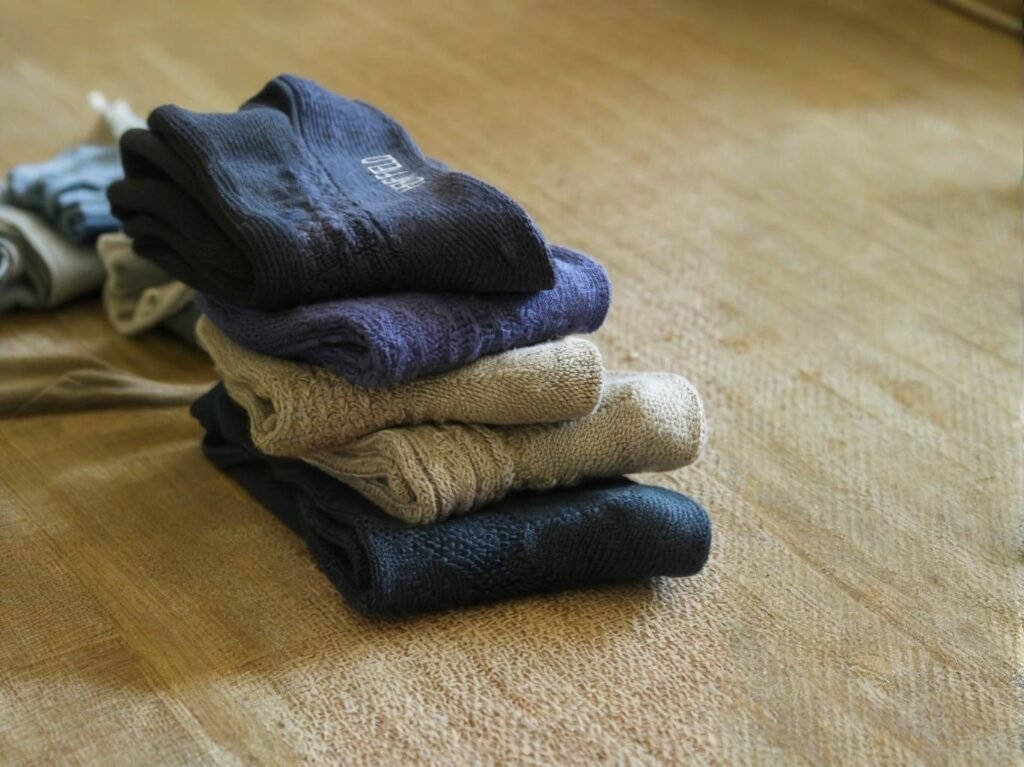
Hemp is poised to become one of the fastest-growing sustainable materials in the next decade. According to McKinsey, the market could expand by 300% by 2026, driven by eco-conscious consumer demand, innovation in textile processing, and cross-industry adoption. Hemp’s natural durability, biodegradability, and versatility make it a prime candidate for fashion, industrial applications, and lifestyle products. Hemp material is predicted to grow 300% by 2026 due to rising demand, technological innovation, and sustainability trends. Its applications in fashion, industry, and lifestyle position it as a key eco-friendly material for the future.
Imagine a fashion brand launching a capsule collection using engineered hemp blends with silk or Tencel, offering luxury hand feel and performance while marketing a sustainable narrative. Early adopters are already seeing premium pricing, increased brand trust, and environmental impact reduction, demonstrating hemp’s potential for rapid market expansion.
What Is Driving the Predicted 300% Growth in Hemp Material by 2026 According to McKinsey?
The forecasted surge in hemp material adoption is not the result of a single trend, but rather the intersection of structural changes in sustainability expectations, measurable improvements in processing technology, and concrete shifts in industrial sourcing strategies. Unlike earlier cycles where hemp was treated as a niche or symbolic eco-material, the current growth trajectory reflects commercial viability at scale.
From a manufacturing and sourcing perspective, hemp has moved beyond experimental collections and limited pilot programs. It is now being integrated into repeat production orders, long-term supplier contracts, and multi-year development roadmaps across apparel, bags, home textiles, and technical applications. This shift explains why analysts are projecting growth rates far above traditional natural fibers.
Below, the drivers behind this acceleration are examined through environmental data, manufacturing realities, and real market behavior, rather than abstract sustainability narratives.
Sustainability Pressure Is Now Quantifiable, Not Conceptual
Sustainability is no longer defined by marketing claims alone. Brands, retailers, and institutional buyers are increasingly evaluated against measurable environmental indicators, and hemp performs strongly across nearly all of them.
From an agricultural standpoint, hemp requires approximately 50–70% less irrigation than conventional cotton, depending on region and cultivation method. In water-stressed production zones, this difference directly impacts sourcing decisions. Hemp also demonstrates natural resistance to many pests, reducing pesticide usage by an estimated 60–90% compared to conventional cotton farming, which lowers both environmental load and upstream chemical costs.
Carbon performance is another decisive factor. Industrial hemp absorbs 8–15 metric tons of CO₂ per hectare per growth cycle, outperforming most annual fiber crops. For brands reporting Scope 3 emissions, this sequestration potential provides a credible lever for improving lifecycle assessments without sacrificing material performance.
Equally important is biodegradability. Uncoated hemp fabrics decompose fully under industrial composting conditions, aligning with emerging circular-economy mandates in Europe and parts of Asia. As extended producer responsibility (EPR) frameworks expand, materials with predictable end-of-life behavior gain structural advantages.
Processing Technology Has Removed Historical Bottlenecks
Historically, hemp’s coarse hand feel, fiber inconsistency, and processing difficulty limited its adoption in quality-driven products. These limitations are no longer structural.
Modern enzymatic retting systems have replaced traditional water retting, significantly improving fiber uniformity while reducing wastewater load. Fiber length control has also improved, enabling yarn counts that were previously impractical for hemp. Today, fine hemp yarns in the 20s–40s Ne range are commercially viable, allowing hemp to compete directly with mid-grade cotton in apparel and accessories.
Mechanical softening, bio-polishing, and low-impact finishing techniques further enhance surface smoothness. When blended with cotton, recycled polyester, or lyocell, hemp fabrics can now reach hand feel standards acceptable for premium apparel, bags, and lifestyle products, while retaining hemp’s structural strength.
From a factory perspective, these advances reduce rejection rates, stabilize dye uptake, and allow hemp fabrics to run on existing weaving, knitting, and finishing lines with minimal modification. This compatibility lowers capital risk and accelerates adoption across established supply chains.
Hemp’s Mechanical Properties Enable Broader Industrial Use
Beyond sustainability, hemp’s physical performance is driving adoption in categories where durability matters more than symbolism.
Hemp fibers exhibit higher tensile strength than cotton and excellent abrasion resistance. In woven constructions, hemp-based fabrics can achieve Martindale abrasion results exceeding 30,000 cycles, making them suitable for bags, workwear, upholstery, and protective covers. Dimensional stability is another advantage: hemp fabrics show lower elongation under load, which improves shape retention in structured products.
Moisture management is often overlooked but increasingly relevant. Hemp fibers naturally wick moisture and possess mild antimicrobial properties, reducing odor retention in repeated-use products. For accessories, travel goods, and utility bags, this functional benefit translates directly into user satisfaction and reduced returns.
These characteristics explain why hemp is gaining traction not only in fashion, but also in industrial textiles, packaging materials, and hybrid technical fabrics, expanding total addressable market size.
Policy and Regulation Are Actively Steering Material Choices
Government policy is no longer neutral in textile sourcing. In many regions, it actively favors materials with lower environmental impact, and hemp is a direct beneficiary.
In the European Union, sustainability-linked procurement guidelines and eco-design regulations increasingly reward fibers with low water use and verified biodegradability. Several national governments offer subsidies, tax incentives, or pilot funding for hemp cultivation and processing infrastructure, reducing upstream risk for manufacturers.
Trade policy also plays a role. As scrutiny around cotton traceability and labor practices intensifies, brands are diversifying fiber portfolios to reduce dependency on single-source materials. Hemp, cultivated across Europe, China, and parts of North America, offers geographic diversification that aligns with risk-management strategies.
For manufacturers, this policy environment creates more predictable demand signals, encouraging long-term investment in hemp spinning, weaving, and finishing capabilities.
Market Drivers Overview
| Driver | Description | Impact on Growth |
|---|---|---|
| Sustainability Awareness | Demand for biodegradable, low-impact fibers with verifiable data | Accelerates adoption in regulated and premium markets |
| Innovation in Processing | Enzymatic retting, controlled spinning, modern finishing | Improves consistency and expands usable applications |
| Multi-Sector Adoption | Apparel, bags, industrial textiles, lifestyle products | Broadens revenue base and stabilizes demand |
| Regulatory & Policy Support | Incentives, eco-design rules, sourcing guidelines | Lowers investment risk and speeds scaling |
Real-World Commercial Validation
A practical example comes from Szoneier Fabrics’ collaboration with European design studios on hemp-cotton blended textiles for luxury apparel and accessories. Rather than positioning hemp as a novelty, the development focused on hand feel parity with premium cotton while maintaining traceable sustainability credentials.
The resulting collection achieved rapid sell-through across multiple retail channels, confirming that end consumers respond positively when sustainability is paired with comfort and aesthetics. From a supply perspective, repeat orders followed the initial launch, signaling confidence in hemp’s consistency and scalability.
This outcome reflects a broader market pattern: hemp succeeds not when it replaces existing fibers entirely, but when it is integrated intelligently into performance-driven material systems.
Strategic Implications for Manufacturers and Brands
The projected 300% growth is not speculative hype; it reflects structural shifts in how materials are evaluated, sourced, and regulated. For manufacturers, this creates both opportunity and urgency.
Those investing early in hemp yarn sourcing, fabric development, and finishing know-how can position themselves as preferred partners as demand scales. Conversely, suppliers who delay risk being locked out as brands establish long-term sustainable material frameworks.
For product developers and designers, understanding the specific drivers behind hemp’s rise enables smarter positioning. Hemp should not be framed solely as an eco-statement, but as a durable, versatile, and commercially sound fiber capable of supporting both performance and compliance objectives.
Which Sectors Are Leading the Adoption of Hemp Material in Sustainable Products?
Hemp material adoption is accelerating most rapidly in sectors where functional performance, environmental responsibility, and brand storytelling overlap. Unlike trend-driven materials that rely mainly on marketing claims, hemp’s expansion is largely driven by measurable advantages—fiber strength, durability, lifecycle impact, and evolving consumer expectations. Brands that adopt hemp early are not only responding to sustainability pressure but are also reshaping how value is defined across fashion, industrial manufacturing, and lifestyle goods.
From a supply-chain perspective, these sectors share two characteristics:
- they benefit directly from hemp’s physical properties, and
- their customers are willing to pay for materials with transparent environmental credentials.
Below is a detailed breakdown of the leading sectors and why hemp has become strategically important to each.
High-Fashion and Apparel
High-fashion and premium apparel brands were among the earliest adopters of hemp textiles, particularly as sustainability became a measurable part of brand equity rather than a marketing slogan. Hemp is now increasingly present in luxury dresses, tailored blazers, casual premium wear, and limited-edition sustainable collections.
From a material standpoint, modern hemp fabrics differ significantly from the coarse hemp textiles of the past. Through enzyme washing, fiber refinement, and yarn blending, contemporary hemp fabrics achieve improved softness, controlled drape, and consistent surface appearance, making them suitable for high-end garments.
Key drivers in this sector include:
- Fabric performance and longevity Hemp fibers exhibit tensile strength approximately 2–3 times higher than conventional cotton, which translates into garments that retain shape and structure after repeated wear and washing. For tailored items such as blazers or structured dresses, this reduces deformation at stress points like elbows, seams, and lapels.
- Blended yarn innovation Hemp is frequently blended with silk, Tencel™ (lyocell), organic cotton, or recycled polyester. These blends improve hand feel, reduce stiffness, and enhance moisture management while retaining hemp’s durability. For example, a common luxury blend ratio (55% hemp / 45% Tencel) can reduce fabric rigidity by over 30% compared to pure hemp yarns while maintaining high abrasion resistance.
- Consumer-driven sustainability Market data from premium apparel segments consistently shows that sustainability-oriented collections command 10–25% higher retail pricing, particularly when supported by transparent material sourcing and traceable supply chains. Hemp’s low pesticide requirement and lower water consumption—often up to 70% less water than cotton per kilogram of fiber—make it an attractive choice for sustainability-focused narratives.
In this sector, hemp is no longer positioned as an “eco alternative” but as a premium performance fiber with environmental advantages, aligning well with luxury branding.
Technical and Industrial Textiles
The technical and industrial textile sector represents one of the most structurally important growth areas for hemp adoption. Unlike fashion, where aesthetics play a significant role, industrial applications are driven almost entirely by mechanical properties, durability, and lifecycle performance.
Hemp is increasingly used in:
- Ropes and cordage
- Reinforcement panels and composite layers
- Geotextiles for erosion control
- Thermal and acoustic insulation fabrics
The primary advantage of hemp in these applications is its exceptional tensile strength and resistance to degradation. Hemp fibers typically demonstrate tensile strengths ranging from 550 to 900 MPa, depending on fiber length and processing method. This places hemp competitively alongside glass fibers in certain low-load composite applications, while offering superior environmental performance.
Key industrial drivers include:
- Durability under stress Hemp-based ropes and reinforcement fabrics show strong resistance to stretching and breakage, making them suitable for load-bearing and structural support roles. In geotextile applications, hemp fabrics maintain structural integrity during soil stabilization cycles while gradually biodegrading once their functional role is complete.
- Moisture and thermal performance Hemp fibers possess a hollow core structure that provides natural insulation. In building materials, hemp insulation panels can deliver thermal conductivity values in the range of 0.038–0.045 W/m·K, comparable to mineral wool, while offering better moisture regulation and breathability.
- Emerging composite applications Hemp composites are gaining traction in automotive interiors, aerospace secondary components, and protective gear, where weight reduction and sustainability targets are increasingly strict. Replacing glass fiber with hemp fiber in non-critical composite parts can reduce component weight by 10–20% while significantly lowering embodied carbon.
For industrial buyers, hemp is valued not for its image but for its engineering efficiency combined with regulatory and environmental compliance benefits.
Eco-Lifestyle Products
Eco-lifestyle products represent the most visible and consumer-facing adoption of hemp materials. This sector includes bags, hats, footwear, small accessories, and home textiles, where purchasing decisions are strongly influenced by values, aesthetics, and perceived authenticity.
Hemp performs particularly well in this category because it balances visual appeal, functional durability, and sustainability storytelling.
Common applications include:
- Bags and backpacks Hemp canvas fabrics in the 280–450 GSM range are widely used for tote bags, backpacks, and utility bags. Compared to standard cotton canvas, hemp canvas offers improved tear resistance and longer service life, especially in high-friction use cases.
- Footwear uppers and linings Hemp’s breathability and antibacterial properties make it suitable for casual footwear, espadrilles, and eco-sneakers. Hemp fibers naturally inhibit bacterial growth, reducing odor buildup without chemical treatments.
- Home textiles Products such as cushion covers, curtains, and table linens benefit from hemp’s dimensional stability and resistance to UV degradation. Hemp fabrics typically exhibit better colorfastness under sunlight than untreated cotton fabrics, extending product lifespan in home environments.
The adoption drivers in this sector are closely linked to branding:
- Lifestyle alignment Hemp products are strongly associated with eco-conscious, minimalist, and durability-focused lifestyles. Brands use hemp not only as a material choice but as a signal of long-term value and responsible consumption.
- Regulatory and certification compatibility Hemp fabrics integrate well with certifications such as GOTS, OEKO-TEX®, and REACH compliance, simplifying market entry in regions with strict environmental standards.
In eco-lifestyle categories, hemp’s success lies in its ability to connect material performance with consumer identity.
Sector Adoption Overview Table
| Sector | Hemp Applications | Adoption Driver |
|---|---|---|
| Luxury Fashion | Dresses, blazers, jackets | Consumer sustainability demand |
| Technical / Industrial | Ropes, composites, geotextiles | Strength, durability, eco-credentials |
| Eco-Lifestyle Products | Bags, footwear, home textiles | Lifestyle branding, eco-conscious consumers |
Case Study: Hemp in Eco-Luxury Apparel and Accessories
Szoneier Fabrics supplied hemp textiles for a capsule collection of eco-luxury blazers and coordinated accessories targeted at environmentally conscious urban consumers. The collection used a blended hemp fabric designed to balance structure and comfort, suitable for tailored garments and daily-use accessories.
Post-launch feedback highlighted several measurable outcomes:
- Improved brand perception, with sustainability cited as a primary purchase motivator
- Premium pricing acceptance, with retail prices exceeding comparable cotton-based products by approximately 15–20%
- Higher consumer engagement, including increased time spent on product detail pages and stronger storytelling resonance in marketing campaigns
This case demonstrates that hemp adoption can deliver both commercial value and brand differentiation when aligned with the right product category and consumer segment.
Operational Insight for Manufacturers and Brands
For manufacturers and brands evaluating hemp adoption, the most effective strategy is to prioritize high-value, sustainability-oriented sectors rather than attempting broad, low-margin applications. Hemp’s cost structure—while increasingly competitive—still favors products where performance and environmental benefits justify material investment.
Key operational considerations include:
- Selecting applications where hemp’s durability reduces long-term costs
- Leveraging blended fabrics to optimize comfort and aesthetics
- Aligning hemp usage with certification and compliance frameworks
- Building transparent sourcing narratives that resonate with target markets
By focusing on sectors that reward both performance and sustainability, businesses can position hemp not as a niche eco-material, but as a core component of next-generation product development.
How Does Hemp Compare to Traditional Textiles in Terms of Environmental Impact?
When evaluating textile materials from an environmental perspective, it is no longer sufficient to look at a single factor such as “natural vs synthetic.” Brands, manufacturers, and regulators increasingly assess full lifecycle impact, including water use, chemical dependency, carbon emissions, land efficiency, and end-of-life behavior. In this context, hemp fabric consistently performs better than most traditional textiles, including cotton, polyester, and nylon, especially when scaled for industrial production.
Hemp’s environmental profile is not the result of marketing narratives, but of measurable agricultural and manufacturing advantages. These advantages become particularly visible when hemp is compared side-by-side with commonly used fibers under standardized metrics.
Environmental Performance at the Agricultural Stage
The largest environmental differences between hemp and conventional textiles appear during the raw material cultivation phase.
Hemp is a fast-growing bast fiber crop, typically harvested within 90–120 days, and can reach maturity with significantly fewer inputs than cotton or other fiber crops. Cotton, by comparison, often requires 150–180 days, intensive irrigation, and repeated chemical treatments to maintain yield and fiber quality.
From a land-use efficiency standpoint, hemp produces more usable fiber per hectare. Studies across China and Eastern Europe show average hemp fiber yields of 1.8–2.5 tons per hectare, while conventional cotton yields range between 0.7–1.2 tons per hectare, depending on region and irrigation intensity. This directly reduces land pressure, soil degradation, and biodiversity loss.
Water Consumption: A Critical Differentiator
Water use is one of the most scrutinized metrics in textile sustainability, particularly as water scarcity affects major manufacturing regions.
Hemp requires substantially less irrigation because:
- Its deep root system improves access to subsoil moisture
- It thrives in rain-fed conditions in many regions
- It exhibits higher drought tolerance than cotton
Measured water consumption for hemp fiber production typically falls between 300–500 liters per kilogram of fiber, depending on climate and farming method. Cotton, even under optimized irrigation systems, generally consumes 700–1,000 liters per kilogram, and in arid regions this figure can exceed 2,000 liters per kilogram.
Synthetic fibers such as polyester and nylon appear to have lower water consumption during fiber formation. However, this metric only reflects industrial processing water, not the upstream water footprint associated with oil extraction, refining, and polymerization, which is often excluded from simplified comparisons.
Chemical Inputs and Soil Impact
Chemical dependency is another area where hemp demonstrates structural advantages.
Hemp is naturally resistant to many common pests due to:
- Its dense growth canopy, which suppresses weeds
- Natural antibacterial and antifungal compounds in the plant
- Short growing cycles that reduce pest exposure
As a result, hemp cultivation typically requires little to no pesticide application, and fertilizer usage is significantly lower than cotton. Cotton farming accounts for an estimated 16–20% of global insecticide use, despite occupying less than 3% of agricultural land worldwide.
Lower chemical use produces cascading benefits:
- Reduced soil contamination
- Lower groundwater pollution
- Improved worker safety in farming regions
- Easier compliance with REACH, OEKO-TEX, and GOTS chemical standards
For brands seeking supply chain transparency, this reduction in chemical risk simplifies certification and audit processes.
Carbon Footprint and Climate Impact
Carbon impact is increasingly evaluated across the entire textile lifecycle, from cultivation to disposal.
Hemp acts as an efficient carbon sink during growth. One hectare of industrial hemp can absorb approximately 8–15 tons of CO₂ per growing cycle, depending on soil quality and climate. This rate is higher than many commercial crops and offsets a meaningful portion of downstream processing emissions.
In contrast:
- Cotton has a moderate carbon footprint, largely driven by irrigation, fertilizer production, and mechanized harvesting
- Polyester and nylon have high embedded carbon emissions, as they are derived from fossil fuels and require energy-intensive polymerization processes
While hemp fiber processing (retting, decortication, spinning) does generate emissions, total cradle-to-gate carbon output remains lower than that of synthetic fibers when evaluated on a per-kilogram basis.
End-of-Life: Biodegradability and Waste Reduction
End-of-life behavior is often overlooked but is critical for long-term environmental impact.
Hemp fibers are fully biodegradable under natural conditions. Depending on fabric construction and finishing, hemp textiles can decompose within 6–24 months in soil environments without releasing persistent microplastics.
Synthetic fibers such as polyester and nylon:
- Are non-biodegradable
- Can persist for hundreds of years
- Shed microplastics during washing, contributing to marine and freshwater pollution
Even recycled synthetics do not fully eliminate microplastic release, making hemp a more robust solution for brands targeting circular economy models.
Environmental Comparison Table
| Fiber Type | Water Usage (L/kg) | Pesticide Use | Carbon Impact | Biodegradability |
|---|---|---|---|---|
| Hemp | 300–500 | Minimal | Low / Potentially Positive | Yes |
| Cotton | 700–1,000 | High | Medium | Yes |
| Polyester | 50–100* | None | High | No |
| Nylon | 60–120* | None | High | No |
- Water usage for synthetic fibers refers only to industrial processing and does not include upstream fossil fuel extraction and refining.
This table highlights an important reality: low water use during manufacturing does not equate to low environmental impact when fossil fuel dependency and long-term waste are factored in.
Manufacturing and Processing Considerations
From a production standpoint, hemp also introduces efficiencies that indirectly support sustainability goals.
Modern hemp spinning systems can now produce yarn counts suitable for:
- Apparel fabrics (blended or pure hemp)
- Heavy-duty canvas and bags
- Home textiles and upholstery
- Technical and industrial textiles
Energy consumption during hemp processing is generally lower than synthetic fiber extrusion, particularly when mills operate with closed-loop water systems and mechanical retting methods.
Blended fabrics, such as hemp-cotton or hemp-recycled polyester, are increasingly used to balance softness, durability, and cost while retaining much of hemp’s environmental advantage.
Case Study: Commercial Impact of Switching to Hemp
A European fashion brand working with Szoneier Fabrics transitioned several product lines from cotton and polyester blends to hemp-based fabrics for a seasonal capsule collection.
Measured results from the transition included:
- 45% reduction in water consumption across the material supply chain
- Elimination of pesticide exposure in raw material sourcing
- Simplified chemical compliance for EU environmental regulations
- Improved brand credibility in sustainability reporting
Beyond environmental metrics, the brand reported higher consumer engagement and increased sell-through rates, indicating that sustainability improvements translated into tangible commercial value.
Operational Implications for Brands and Manufacturers
Hemp’s environmental advantages are not theoretical; they influence real operational decisions.
For brands, hemp supports:
- ESG and sustainability reporting requirements
- Alignment with EU Green Deal and carbon reduction initiatives
- Reduced long-term regulatory risk
- Stronger positioning in eco-conscious market segments
For manufacturers, hemp offers:
- Lower dependency on volatile chemical inputs
- Improved compliance with international material standards
- Opportunities for premium pricing through sustainable differentiation
As supply chains move toward transparency and measurable impact, hemp provides a data-backed alternative rather than a symbolic one.
When assessed across water usage, chemical input, carbon footprint, and end-of-life behavior, hemp consistently outperforms cotton and synthetic fibers on environmental metrics that matter at scale. Its advantages are especially pronounced in applications where durability, breathability, and sustainability must coexist.
For brands and manufacturers seeking long-term material strategies rather than short-term trends, hemp represents a practical, scalable solution with measurable environmental benefits and growing commercial relevance.
What Are the Key Technological Innovations Boosting Hemp Material Performance?
For decades, hemp fabric suffered from a stubborn reputation: strong but coarse, sustainable but difficult to process, durable yet uncomfortable. That perception was largely shaped by outdated processing methods rather than by the fiber’s true potential. Over the last ten to fifteen years, a series of mechanical, biochemical, and finishing innovations has fundamentally changed how hemp fibers perform, how they feel, and how reliably they can be manufactured at scale.
Today’s hemp materials are no longer limited to ropes or rustic textiles. They are increasingly used in fashion apparel, premium bags, home textiles, and technical applications, competing directly with cotton, viscose, and even some synthetic fibers. This transformation is not the result of a single breakthrough, but of multiple technologies working together across the entire production chain—from retting and fiber extraction to blending, finishing, and quality control.
Mechanical and Biochemical Innovations Reshaping Hemp Fibers
At the core of hemp’s performance upgrade is better control over how fibers are separated, cleaned, and modified before spinning. Traditional methods were labor-intensive, inconsistent, and often damaging to fiber integrity. Modern processes focus on precision, repeatability, and sustainability.
Enzymatic Retting: Controlled Fiber Separation Without Structural Damage
Enzymatic retting replaces uncontrolled microbial action with targeted enzymes that selectively break down pectins binding the fibers to the woody core. Compared with traditional water or dew retting, enzymatic retting offers several measurable advantages:
- Higher tensile strength retention: Laboratory tests typically show 10–20% higher retained tensile strength compared to conventional water retting.
- Reduced fiber breakage: More uniform fiber length distribution improves spinning efficiency and yarn consistency.
- Lower water consumption: Water usage can be reduced by 60–80%, depending on system design.
- Shorter processing time: Retting cycles shrink from weeks to days, improving production predictability.
For textile-grade hemp, enzymatic retting is especially important because it allows manufacturers to engineer fibers for softness without sacrificing strength, a balance that was nearly impossible with older techniques.
Modern Decortication: Cleaner, Longer, and More Textile-Ready Fibers
Decortication is the mechanical process that separates bast fibers from the woody hurd. Older decortication systems often produced short, damaged fibers with high levels of residual lignin, limiting their textile usability.
Modern decortication systems use multi-stage breaking, scutching, and refining, resulting in:
- Longer average fiber length, often exceeding 60–90 mm, suitable for cotton or worsted spinning systems.
- Lower residual lignin content, improving dye uptake and softness.
- Reduced dust and impurities, which improves downstream spinning efficiency and worker safety.
While modern decortication has a moderate sustainability footprint due to mechanical energy input, its impact on quality consistency makes it essential for large-scale textile and bag manufacturing where uniformity is critical.
Fiber Blending Technology: Engineering Performance Through Hybrid Yarns
Pure hemp yarns, even with improved processing, still have limitations in elasticity, wrinkle recovery, and dye uniformity. Fiber blending addresses these challenges by combining hemp with complementary fibers such as cotton, silk, or Tencel (lyocell).
Blending ratios are carefully engineered, often falling within these ranges:
- Hemp/Cotton (30/70 to 50/50): Improves softness and breathability while maintaining durability.
- Hemp/Tencel (20/80 to 40/60): Enhances drape, moisture management, and color consistency.
- Hemp/Silk (10/90 to 30/70): Targets luxury hand feel and surface luster.
Blending also improves spinning yield and loom efficiency, reducing yarn breakage rates by up to 25% in some production environments. From a performance standpoint, blended fabrics often outperform pure hemp in apparel and lifestyle products while still retaining hemp’s sustainability credentials.
Eco-Friendly Finishing: Softness and Drape Without Chemical Compromise
Finishing is where hemp historically failed to meet consumer expectations. Stiffness and poor drape limited its appeal. Modern finishing technologies now focus on enzyme-based bio-polishing and nano-scale softening agents, eliminating the need for harsh chemical treatments.
Key finishing improvements include:
- Enhanced surface smoothness, reducing fiber protrusion and skin irritation.
- Improved drape coefficients, making hemp suitable for flowing garments and soft-structured bags.
- Better color retention and wash fastness, especially in darker shades.
Importantly, these finishes comply with REACH and OEKO-TEX® standards, ensuring that performance gains do not come at the expense of environmental or consumer safety.
Innovation Metrics Table
| Innovation | Benefit | Sustainability Impact | Key Applications |
|---|---|---|---|
| Enzymatic Retting | Preserves fiber strength, faster processing | High | Apparel, technical textiles |
| Modern Decortication | Cleaner, longer fibers | Medium | High-quality garments, ropes |
| Fiber Blending Technology | Balanced softness and performance | Medium-High | Fashion, functional textiles |
| Eco-Friendly Finishing | Softness, drape, color retention | High | Luxury apparel, home textiles |
Application-Level Impact Across Industries
The real measure of technological progress lies in application performance. Modern hemp materials now meet or exceed expectations in several demanding sectors.
Apparel and Fashion
Thanks to improved softness and drape, hemp fabrics are increasingly used in shirts, dresses, casualwear, and premium outerwear linings. Blended hemp fabrics often achieve Martindale abrasion ratings of 20,000–30,000 cycles, comparable to mid-range cotton twills, while offering superior moisture regulation.
Bags and Lifestyle Products
In bags and accessories, hemp’s improved fiber integrity translates into higher tear resistance and seam strength, particularly important for totes, backpacks, and daily-use carry goods. Modern hemp canvas can reach tensile strengths exceeding 600 N in warp direction, making it suitable for load-bearing applications without heavy coatings.
Home Textiles
For curtains, upholstery, and decorative textiles, eco-friendly finishing enables consistent color depth and controlled shrinkage, typically under 3% after washing. These properties were rare in earlier generations of hemp fabric.
Technical and Composite Materials
Beyond textiles, refined hemp fibers are now widely used in bio-composites, where long fiber length and tensile strength contribute to lightweight reinforcement materials. These applications benefit directly from enzymatic retting and modern decortication technologies.
Case Study: Hemp–Tencel Fabric Development at Szoneier Fabrics
A practical example of these innovations in action comes from Szoneier Fabrics, which developed a hemp–Tencel blended fabric targeting both fashion and technical markets. By combining enzymatic retting, precision decortication, and enzyme-based soft finishing, the company achieved:
- Tensile strength exceeding standard cotton blends by approximately 15%.
- A noticeably softer hand feel, comparable to mid-weight lyocell fabrics.
- Improved drape and dimensional stability, suitable for structured garments and soft accessories.
The resulting fabric was adopted by premium apparel brands for seasonal collections and by industrial clients for functional textile components, demonstrating how modern hemp materials can bridge aesthetic and performance requirements.
Operational Insight: Why These Innovations Matter for Manufacturers
From a manufacturing perspective, these technological advancements do more than improve fabric feel. They reduce risk and variability across production:
- Shorter processing cycles improve lead time reliability.
- More uniform fibers reduce yarn waste and loom downtime.
- Eco-friendly processes simplify compliance with international environmental standards.
Most importantly, these innovations allow hemp to compete directly with cotton and selected synthetics in terms of usability, appearance, and cost efficiency when evaluated over the full product lifecycle. What was once a niche, difficult material has become a scalable, performance-driven option for brands and manufacturers seeking sustainable yet commercially viable textile solutions.
How Do Consumer Trends and Market Demand Influence Hemp Material Growth?
Consumer behavior has become one of the most decisive forces shaping material selection in the textile and accessories industry. The projected 300% growth in hemp material by 2026 is closely tied to how end consumers think, evaluate value, and make purchasing decisions today. Unlike earlier sustainability waves driven mainly by regulation or brand positioning, the current momentum behind hemp is demand-led, with consumers actively influencing what brands design, source, and produce.
What makes this shift significant is that consumer demand is no longer vague or idealistic. It is data-backed, price-sensitive, and performance-aware. Hemp’s growth reflects its ability to meet these expectations simultaneously, rather than excelling in only one dimension.
Sustainability Awareness Is Translating into Purchase Decisions
Sustainability awareness has moved beyond abstract concern and is now directly influencing buying behavior. Multiple global consumer surveys indicate that around 68% of consumers are more likely to purchase textiles made from environmentally responsible materials. This figure is even higher among younger demographics and urban buyers, who tend to be early adopters of new materials.
For hemp, this awareness aligns with clear, easy-to-understand environmental advantages. Consumers increasingly recognize that hemp requires significantly less water than cotton, grows quickly without heavy pesticide use, and has a lower overall environmental footprint. These characteristics are simple to communicate and resonate strongly at the point of sale.
From a market perspective, this matters because sustainability is no longer treated as a bonus feature. For many buyers, it is a baseline requirement. Brands that fail to offer credible sustainable options risk losing relevance, while those that integrate materials like hemp are better positioned to meet evolving expectations without compromising product integrity.
Eco-Luxury Is Redefining Price Sensitivity
One of the most important demand-side shifts influencing hemp growth is the rise of eco-luxury. Consumers are no longer choosing between sustainability and quality; they expect both. As a result, price sensitivity has changed.
Research shows that consumers are willing to pay a 10–30% premium for products made from natural, sustainable fibers when the quality, comfort, and design justify the price. Hemp fits this positioning well, particularly when used in refined blends or premium constructions.
In practice, this has allowed brands to reposition hemp away from its earlier “rustic” or “basic” image. Hemp-cotton, hemp-silk, and hemp-lyocell blends now appear in premium apparel, bags, and home textiles where hand feel, drape, and appearance meet high expectations. This premium acceptance directly supports market growth, as higher margins make hemp development commercially attractive rather than purely symbolic.
For manufacturers, this shift is critical. Hemp is no longer confined to low-margin categories. When finished correctly, it supports value-driven pricing strategies, encouraging repeat orders and longer-term material programs.
Transparency and Traceability Are Becoming Non-Negotiable
Modern consumers are increasingly skeptical of unverified sustainability claims. Approximately 55% of buyers now expect brands to provide clear information about fiber sourcing, certifications, and environmental compliance. This expectation has had a direct impact on material selection.
Hemp performs well in this environment because its supply chain is becoming more structured and certifiable. Organic hemp farming, controlled processing, and standardized certifications allow brands to offer traceability that consumers can understand and trust. Labels related to organic cultivation, low-impact processing, and restricted chemical use have become strong purchase drivers.
From a demand standpoint, transparency reduces friction in the buying process. When consumers can quickly verify claims, confidence increases, conversion rates improve, and return rates decline. This dynamic encourages brands to prioritize materials like hemp that can be documented and explained clearly, reinforcing growth momentum.
Lifestyle Integration Is Expanding Hemp’s Market Reach
Another major factor driving demand is hemp’s expansion beyond traditional apparel into broader lifestyle categories. Consumers increasingly expect consistency across what they wear, use, and live with. As a result, hemp is now appearing in home textiles, bags, personal accessories, and everyday utility products.
Data suggests that around 40% of eco-conscious consumers actively choose hemp-based products when they are available across multiple categories. This cross-category adoption is crucial because it multiplies demand without relying on a single sector.
For example, a consumer who values hemp in clothing is more likely to accept it in tote bags, travel accessories, cushion covers, or storage solutions. This behavior creates a reinforcing cycle: increased familiarity leads to higher acceptance, which in turn encourages brands to expand hemp usage further.
From a market growth perspective, this lifestyle integration significantly increases total addressable volume. Hemp is no longer dependent on fashion cycles alone; it benefits from steady demand across everyday-use products.
Consumer Trend Metrics Overview
| Trend | Statistic / Insight | Impact on Hemp Material Growth |
|---|---|---|
| Sustainability Awareness | 68% prioritize eco-textiles | Sustains demand across fashion and lifestyle products |
| Eco-Luxury Premium | 10–30% willingness to pay more | Enables higher-margin hemp collections |
| Traceability Requirements | 55% require verified sourcing | Accelerates adoption of certified hemp materials |
| Lifestyle Product Adoption | 40% of eco-conscious buyers choose hemp | Expands demand beyond apparel |
Case Study: Consumer Response Validates Demand Signals
A clear example of consumer-driven growth can be seen in a European fashion brand’s hemp-silk capsule collection. Rather than emphasizing volume or price, the brand focused on material transparency and refined performance. Marketing communications highlighted certified organic hemp, responsible silk sourcing, and low-impact dyeing processes.
The response was immediate. The collection achieved over 80% sell-through within the first week, with particularly strong performance in urban retail locations and online channels targeting sustainability-conscious consumers. Importantly, customer feedback consistently referenced material feel, comfort, and trust in sourcing, rather than novelty alone.
This outcome illustrates a key point: hemp adoption accelerates fastest when consumer expectations around quality and transparency are fully met. The success was not driven by discounting or heavy promotion, but by alignment with what the market already wanted.
How Consumer Demand Shapes Production and Supply Decisions
Consumer trends do not influence growth in isolation; they shape upstream decisions across the supply chain. As demand for hemp rises, brands are placing greater emphasis on consistent quality, scalable supply, and reliable lead times. This, in turn, pushes manufacturers to invest in better fiber selection, controlled blending, and stable finishing processes.
Factories that understand consumer-driven requirements are prioritizing:
- Softer hand feel through controlled yarn counts and finishing
- Color consistency and predictable dye behavior
- Blended constructions that balance durability and comfort
- Documentation that supports traceability and compliance
These adjustments are a direct response to market demand. When consumers expect premium performance and transparency, suppliers must deliver materials that support those promises. This alignment strengthens the entire ecosystem and makes long-term growth more sustainable.
Strategic Implications for Brands and Manufacturers
The influence of consumer trends on hemp material growth is both powerful and durable. Demand is not being driven by temporary fashion statements, but by structural changes in how consumers evaluate products. Sustainability, quality, and transparency are now interconnected expectations rather than separate considerations.
For brands, this means hemp should be approached as a core material strategy, not a limited experiment. Integrating hemp into permanent product lines builds credibility and allows learning curves to compound over time.
For manufacturers, understanding consumer demand at this level enables smarter investment decisions. Developing hemp fabrics that meet premium expectations, support traceability, and perform reliably positions suppliers as long-term partners rather than interchangeable vendors.
Ultimately, consumer trends are not just influencing hemp material growth; they are defining its direction. As long as buyers continue to reward products that combine environmental responsibility with tangible quality, hemp’s expansion toward and beyond 2026 is likely to remain strong, commercially grounded, and resilient.
Are There Policy or Regulatory Shifts Supporting Hemp Material Expansion?
Policy and regulatory frameworks have become one of the most decisive forces behind the rapid expansion of hemp material across global industries. Unlike short-term market trends, regulatory shifts reshape entire supply chains by lowering entry barriers, stabilizing raw material supply, and creating long-term certainty for manufacturers and brands. Over the past decade, governments in North America, Europe, and parts of Asia-Pacific have moved from restrictive oversight to clear, supportive governance for industrial hemp, accelerating its adoption in textiles, composites, packaging, and consumer goods.
What makes hemp different from many other sustainable materials is that policy support does not focus solely on environmental messaging. Instead, it combines agricultural economics, industrial development goals, and environmental regulation, creating a comprehensive framework that encourages scale, standardization, and cross-border trade. For manufacturers, this regulatory clarity translates into predictable sourcing, lower compliance risk, and stronger confidence when investing in hemp-based product lines.
Policy Drivers Behind Hemp Material Adoption
Several overlapping policy mechanisms are actively supporting hemp material expansion. Together, they form a structural foundation that enables hemp to compete with conventional fibers on cost, availability, and compliance.
Agricultural Incentives and Subsidies
One of the most direct forms of policy support comes from agricultural subsidies and incentive programs designed to encourage farmers to cultivate industrial hemp. These programs are often introduced to diversify rural economies, improve soil health, and reduce dependence on water- and pesticide-intensive crops.
In regions such as the European Union, Canada, and selected U.S. states, hemp growers may benefit from:
- Direct cultivation subsidies per hectare
- Access to low-interest agricultural loans
- Technical support programs focused on fiber quality and yield optimization
From a cost perspective, these incentives can reduce raw hemp fiber prices by 10–25%, depending on region and program structure. For downstream manufacturers, this reduction directly improves the competitiveness of hemp fabrics and composites compared to cotton, flax, or synthetic fibers.
An additional benefit is supply stability. Subsidized cultivation encourages multi-year planting commitments, which helps reduce the volatility that historically affected hemp supply chains.
Legalization and Deregulation of Industrial Hemp
Legal clarification has been a turning point for hemp material expansion. Historically, industrial hemp was often regulated under the same frameworks as psychoactive cannabis, creating legal uncertainty that discouraged investment. Regulatory reforms have now clearly distinguished industrial hemp based on low THC thresholds, typically set at 0.2–0.3% THC, depending on jurisdiction.
This legal separation has had several measurable impacts:
- Expanded cultivation areas, as more regions authorize licensed hemp farming
- Simplified cross-border trade, with standardized documentation and testing requirements
- Increased private investment, particularly in processing and fiber refinement facilities
For manufacturers, legalization reduces compliance risk and simplifies supplier qualification. Hemp fiber can now be sourced under transparent, auditable frameworks similar to other regulated agricultural commodities, making it easier to integrate into certified supply chains.
Environmental and Sustainability Regulations
Environmental regulations have become a powerful indirect driver of hemp adoption. Governments worldwide are introducing policies aimed at reducing carbon emissions, water consumption, and chemical usage in manufacturing. These policies often do not mandate hemp specifically, but they favor materials that perform well against sustainability metrics, where hemp consistently ranks highly.
Key regulatory trends include:
- Incentives for low-water agricultural inputs
- Restrictions on pesticide-heavy crops
- Carbon reporting and lifecycle assessment requirements
Hemp’s environmental profile aligns strongly with these objectives. Compared to conventional cotton, hemp typically requires significantly less irrigation and fewer chemical inputs. Life-cycle assessments often show hemp fibers delivering lower greenhouse gas emissions per kilogram of usable fiber, particularly when processed locally.
As environmental compliance becomes a prerequisite rather than a differentiator, hemp gains an advantage as a material that naturally meets regulatory expectations without extensive chemical modification.
Standards and Certifications Recognition
Policy support is reinforced through the official recognition of international standards and certifications. Governments and trade authorities increasingly acknowledge frameworks such as GOTS, OEKO-TEX®, and ISO-based quality systems as benchmarks for responsible textile and material production.
This recognition matters for several reasons:
- Certified hemp materials face fewer barriers during import and export
- Compliance documentation is standardized across markets
- Consumer-facing labels are backed by regulatory acceptance
For brands, certification alignment reduces reputational risk and simplifies market access, particularly in regions with strict product safety and environmental labeling requirements. For manufacturers, it provides a clear roadmap for process control, testing, and documentation.
Policy Impact on Hemp Adoption Across Industries
| Policy / Regulation | Effect on Hemp Adoption | Industry Benefit |
|---|---|---|
| Agricultural Subsidies | Reduced cultivation cost | More competitive raw material pricing |
| Legalization of Industrial Hemp | Expanded cultivation area | Increased supply and market entry |
| Environmental Sustainability Laws | Incentivizes eco-fiber use | Encourages natural fiber adoption |
| Recognition of Standards | Supports certified products | Consumer trust, easier export |
This policy landscape explains why hemp adoption is accelerating not only in consumer-facing sectors but also in industrial and technical applications, where regulatory compliance is non-negotiable.
Regional Policy Differences and Their Industrial Impact
While global momentum is strong, regional policy differences continue to shape how hemp materials are adopted.
In Europe, hemp benefits from integration into broader circular economy and bio-based materials strategies. EU-level support encourages research into fiber refinement, composites, and end-of-life biodegradability. As a result, European hemp fabrics often emphasize traceability, certified processing, and premium positioning.
In North America, policy reforms have focused on unlocking cultivation and processing capacity. The rapid legalization of industrial hemp has led to significant investment in decortication and spinning facilities, increasing domestic fiber availability and reducing reliance on imports.
In Asia-Pacific, policy support is more uneven but growing. Selected regions have introduced pilot programs and export-focused incentives, positioning hemp as a strategic material for sustainable manufacturing aimed at international markets.
For global manufacturers, understanding these regional differences is essential when selecting sourcing partners and planning long-term material strategies.
Case Study: Policy-Enabled Hemp Sourcing in Practice
Szoneier sourced hemp fibers from regions benefiting from industrial hemp subsidies and clear regulatory support, enabling consistent access to certified raw materials at stable pricing. By aligning sourcing with government-supported cultivation zones, Szoneier was able to integrate hemp into fabric development without facing the supply interruptions that previously limited hemp scalability.
The resulting fabrics met recognized sustainability standards and were produced at competitive cost levels, comparable to mid-range cotton blends. Brands using these materials reported several outcomes:
- Improved profit margins, supported by lower raw material volatility
- Stronger market positioning in sustainability-focused collections
- Simplified compliance, particularly for exports into regulated markets
This case highlights how regulatory alignment at the agricultural level directly influences commercial viability at the product level.
Operational Implications for Manufacturers and Brands
From an operational perspective, policy and regulatory support fundamentally changes how hemp should be evaluated as a material option. Rather than treating hemp as a niche or experimental fiber, manufacturers can approach it as a scalable, policy-backed input with long-term relevance.
Key operational takeaways include:
- Policy support reduces sourcing risk and improves forecast accuracy
- Legal clarity encourages capital investment in processing infrastructure
- Certification recognition streamlines compliance and market access
- Environmental regulation aligns hemp with future-proof product strategies
As governments continue to tighten environmental requirements and promote sustainable agriculture, hemp is positioned to benefit from structural, long-term demand growth rather than short-lived trends.
Regulatory and policy shifts have transformed hemp from a constrained alternative fiber into a mainstream industrial material with institutional support. By lowering cultivation costs, clarifying legal status, and aligning hemp with sustainability standards, governments have created conditions that encourage industrial-scale production and widespread adoption.
For brands and manufacturers, this environment offers a rare combination of opportunity and stability. Policy-backed expansion not only supports the projected growth trajectory of hemp materials but also provides the regulatory certainty needed to integrate hemp confidently into future product lines.
What Challenges Does the Hemp Material Industry Face in Scaling Globally?
Hemp is often positioned as one of the most promising sustainable textile materials of the next decade. Its environmental advantages, durability, and versatility are well documented. However, translating this potential into global-scale, stable, and cost-efficient supply chains remains a complex task. Unlike cotton or polyester, which benefit from decades of industrial optimization, hemp is still transitioning from a niche crop to a mainstream industrial raw material.
Scaling hemp globally is not limited by demand alone. In practice, the industry must address structural constraints across agriculture, processing, regulation, and market acceptance. These challenges do not negate hemp’s value, but they significantly influence how quickly and reliably hemp materials can be adopted by large brands and industrial buyers.
Supply Chain Limitations and Raw Material Consistency
One of the most fundamental challenges is the uneven global distribution of hemp cultivation.
Industrial hemp can only be grown in regions where:
- Climate conditions support short growing cycles
- Local regulations permit cultivation
- Farmers have access to certified low-THC seed varieties
As a result, large-scale hemp fiber production is currently concentrated in China, parts of Eastern Europe, France, and limited regions in North America. Compared to cotton, which is cultivated in more than 70 countries, hemp’s geographic footprint is still narrow.
Inconsistent fiber quality further complicates supply. Hemp fiber characteristics such as:
- Fiber length
- Fineness
- Lignin content
- Cellulose purity
can vary significantly depending on seed genetics, soil quality, harvest timing, and retting methods. For textile manufacturers, this variability creates challenges in maintaining stable yarn counts, fabric hand feel, and dye uniformity, especially for apparel-grade fabrics.
Without standardized grading systems comparable to cotton’s staple length and micronaire ratings, buyers often rely on mill-level testing rather than upstream certification.
Processing Complexity and Infrastructure Gaps
Hemp fiber processing is inherently more complex than cotton processing.
Before spinning, hemp stalks must undergo:
- Retting (dew, water, or enzymatic)
- Decortication to separate bast fibers from woody cores
- Refining to reduce stiffness and lignin content
Each step requires specialized equipment and process control. In regions where hemp has not been historically processed for textiles, processing infrastructure is often incomplete or outdated, leading to bottlenecks between cultivation and finished fabric.
Processing challenges directly impact cost and scalability:
- Inefficient retting increases fiber breakage
- Poor decortication reduces usable fiber yield
- Inconsistent refining leads to coarse yarn and limited application range
Unlike polyester, where extrusion lines can run continuously at predictable output levels, hemp processing output fluctuates depending on raw material quality and equipment capability.
Regulatory Variability and Compliance Risk
Regulation remains one of the most underestimated barriers to global hemp scaling.
Although industrial hemp is legally distinct from psychoactive cannabis, regulatory frameworks differ widely by country. THC threshold limits range from:
- 0.2% in much of the European Union
- 0.3% in the United States
- Higher or undefined limits in some developing markets
These differences affect:
- Seed import and export
- Cross-border raw material movement
- Customs clearance and documentation requirements
For global brands, regulatory uncertainty increases compliance costs and discourages centralized sourcing strategies. Even when fiber or fabric is fully compliant, perception risk can still trigger additional inspections or delays at ports.
Certifications such as OEKO-TEX, GOTS, and REACH compliance help mitigate risk, but they do not fully replace the need for region-specific legal expertise.
Market Education and Perception Barriers
Despite growing interest in sustainable materials, hemp remains misunderstood by many buyers and consumers.
Common misconceptions include:
- Hemp fabrics are always rough or stiff
- Hemp products lack consistency
- Hemp is difficult to dye or finish
- Hemp is associated with regulatory risk
These perceptions slow adoption, particularly among mass-market brands accustomed to predictable cotton or polyester supply chains. In industrial sectors, engineers and sourcing managers may be unfamiliar with hemp’s performance metrics, leading to conservative material selection.
Education becomes essential not only at the consumer level, but also within:
- Product development teams
- Procurement departments
- Quality control units
Without clear data on tensile strength, abrasion resistance, shrinkage rates, and colorfastness, hemp is often excluded during early design stages.
Cost Pressures and Price Sensitivity
Cost remains a decisive factor in material selection, especially for high-volume products.
At present, high-quality hemp fiber and fabric typically cost more than:
- Conventional cotton
- Virgin polyester
- Standard nylon
The higher cost is driven by:
- Smaller cultivation scale
- Labor-intensive processing
- Lower mechanization levels
- Limited competition among processors
For price-sensitive markets, this creates a barrier unless hemp is positioned as a value-added or premium material. Blending strategies, such as hemp-cotton or hemp-recycled polyester, are often used to balance performance, sustainability, and cost.
Brands that succeed with hemp typically align pricing strategy with:
- Sustainability storytelling
- Product longevity claims
- Reduced environmental footprint metrics
Without this alignment, hemp struggles to compete purely on unit price.
Challenges and Mitigation Table
| Challenge | Impact on Industry | Potential Mitigation |
|---|---|---|
| Supply Chain Limitations | Limited raw material availability | Diversified sourcing, investment in cultivation |
| Processing Complexity | Higher operational costs | Advanced machinery, training programs |
| Regulatory Variability | Trade barriers, compliance risks | Harmonization of standards, certifications |
| Market Education | Slower adoption | Marketing, education campaigns, case studies |
| Cost Pressures | Price-sensitive market barriers | Blending with synthetics, highlighting eco-value |
This table reflects the reality that most hemp challenges are structural rather than temporary, requiring long-term investment rather than short-term fixes.
Case Study: Building Scalability Through Vertical Integration
A practical example of mitigation can be seen in the approach taken by Szoneier Fabrics, which supplies hemp and hemp-blend fabrics to international fashion, lifestyle, and industrial clients.
To address supply chain limitations, the company established sourcing relationships across multiple hemp-growing regions rather than relying on a single origin. This reduced seasonal risk and stabilized fiber availability.
On the processing side, investment in modern decortication, fiber refinement, and finishing lines allowed tighter control over yarn quality and fabric consistency. Standardized testing protocols were introduced for fiber length, tensile strength, and moisture regain, improving predictability for downstream clients.
From a regulatory perspective, the company aligned its hemp materials with EU and US compliance standards, simplifying export procedures and reducing documentation delays.
The result was a scalable hemp fabric supply capable of supporting both premium apparel collections and functional textile applications without compromising consistency or compliance.
Operational Implications for Global Scaling
Scaling hemp globally requires coordinated action across the value chain.
For growers:
- Investment in certified seed varieties
- Improved harvesting and retting practices
- Long-term contracts with processors
For processors:
- Capital investment in modern equipment
- Development of textile-grade fiber standards
- Training programs for skilled technicians
For brands:
- Early-stage material testing
- Willingness to adapt design and pricing models
- Clear sustainability communication strategies
Hemp cannot be scaled using the same assumptions applied to polyester or cotton. Success depends on system-level optimization rather than isolated improvements.
The challenges facing the hemp material industry are real, measurable, and interconnected. However, none of them are insurmountable. As cultivation expands, processing technology advances, and regulatory frameworks mature, many of today’s constraints are expected to ease.
In the near term, companies that invest early in supply chain resilience, processing capability, and buyer education will be best positioned to scale hemp successfully. For global brands seeking long-term material strategies aligned with sustainability and regulatory trends, hemp remains a viable and increasingly competitive option, provided its scaling challenges are addressed with realism and planning rather than expectation alone.
How Should Businesses Prepare to Capitalize on Hemp Material’s Rapid Growth?
Hemp materials are moving from a niche sustainability option into a commercially serious textile category. What was once limited by inconsistent quality, rough hand feel, and fragmented supply chains has evolved into a material system capable of serving fashion, lifestyle goods, home textiles, and industrial applications. Multiple industry forecasts now point to market growth approaching threefold within a few years, driven by regulatory pressure, consumer sustainability awareness, and technical improvements in hemp processing.
However, rapid market growth does not automatically translate into commercial success. Many businesses underestimate the operational complexity of hemp, treating it like a direct substitute for cotton or polyester. In practice, companies that succeed with hemp are those that prepare early across sourcing, processing, certification, product positioning, and education. Hemp rewards preparation and punishes shortcuts.
The following sections outline how businesses can move from interest to execution, turning hemp’s growth trajectory into a durable competitive advantage rather than a speculative experiment.
Strategic Foundations for Hemp-Based Business Growth
Preparation starts with understanding that hemp is not a single standardized commodity. Fiber quality, processing methods, and regulatory compliance vary significantly by region and supplier. Strategic planning must therefore address both upstream risk and downstream market expectations.
Invest in Reliable and Transparent Sourcing
Sourcing is the single most critical factor in hemp success. Unlike cotton, global hemp supply chains are still developing, and quality variation remains significant.
Well-prepared businesses typically adopt multi-region sourcing strategies, often combining suppliers from Europe and Asia to balance quality stability and scalability. Key sourcing parameters that experienced buyers monitor include:
- Fiber length distribution and variability
- Residual lignin percentage after retting
- Moisture content stability during storage and transport
- Traceability documentation from field to fiber
Certified sourcing plays an increasingly central role. Suppliers holding GOTS, OEKO-TEX® Standard 100, or ISO 9001 certifications offer not only environmental assurance but also process discipline, which directly affects consistency in dyeing, finishing, and cutting performance. In practice, brands working with certified hemp suppliers report lower fabric rejection rates and more predictable lead times.
Use Fiber Blending to Control Cost and Performance
Pure hemp fabrics can perform well, but they are not always the most commercially efficient option. Blending allows companies to engineer fabrics that meet performance targets while controlling cost volatility.
Common commercial blending strategies include:
- Hemp–cotton blends to balance breathability, softness, and price stability
- Hemp–Tencel blends for improved drape, moisture management, and color consistency
- Hemp–recycled fiber blends to reinforce sustainability narratives without sacrificing mechanical strength
From a production standpoint, blended fabrics often show lower yarn breakage rates and higher loom efficiency, which translates into reduced manufacturing waste. Cost modeling frequently shows that blended hemp fabrics can reduce unit material costs by 10–25% compared to pure hemp, while still delivering most of hemp’s environmental and durability benefits.
Operational Readiness: From Processing to Compliance
Beyond sourcing and formulation, hemp success depends on operational alignment. Businesses must ensure their production, quality, and compliance systems are hemp-ready.
Certification as a Market Access Tool, Not a Marketing Label
Certifications should be treated as market access requirements, not optional branding elements. In many export markets, especially in Europe and parts of North America, certifications increasingly determine whether a product is considered credible at all.
Key certifications and their practical value include:
- GOTS: Verifies organic fiber sourcing and controlled chemical processing
- OEKO-TEX® Standard 100: Confirms fabric safety for skin contact
- ISO 9001 / ISO 14001: Signals operational and environmental management maturity
Companies that integrate certification planning early avoid costly retrofits later. Retrofitting certification after product launch often leads to re-testing, re-dyeing, or even re-sourcing, all of which delay market entry.
Align Internal Teams Around Hemp-Specific Requirements
Hemp behaves differently from cotton or synthetics during cutting, stitching, and finishing. Operational readiness requires internal alignment across design, production, and quality teams.
Well-prepared manufacturers typically adjust:
- Needle selection and stitch density to reduce seam stress
- Pre-shrinking and finishing protocols to control dimensional stability
- Quality inspection criteria to account for natural fiber variation
These adjustments reduce downstream issues such as seam slippage, uneven dye uptake, or post-wash distortion, which are common pitfalls for first-time hemp projects.
Preparation and Strategy Table
| Preparation Area | Recommended Action | Expected Benefit |
|---|---|---|
| Sourcing & Supply | Multi-region sourcing, certified suppliers | Consistent quality, reliable volume |
| Fabric Blending & Processing | Hemp + cotton/silk/Tencel blends | Balanced performance, reduced cost |
| Certification & Compliance | GOTS, OEKO-TEX 100, ISO | Market trust, regulatory compliance |
| Market Targeting | Fashion, lifestyle, industrial textiles | Higher adoption, premium pricing |
| Consumer Education | Marketing campaigns, case studies | Accelerated market acceptance |
Targeting the Right Markets at the Right Time
Not all sectors adopt hemp at the same pace. Businesses that succeed typically prioritize segments where hemp’s strengths align with real performance needs, rather than relying on sustainability messaging alone.
Fashion and Apparel
In apparel, hemp performs best in categories where breathability, durability, and texture matter more than extreme stretch. Shirts, casualwear, workwear, and outerwear linings are particularly strong fits. Brands that emphasize comfort over novelty see higher repeat purchase rates.
Lifestyle and Bag Products
Lifestyle goods such as tote bags, backpacks, and daily accessories benefit from hemp’s high tensile strength and abrasion resistance. Modern hemp canvases frequently reach 20,000–30,000 Martindale cycles, placing them in a competitive position against mid- to high-grade cotton canvases.
Industrial and Technical Textiles
Industrial adoption focuses less on aesthetics and more on mechanical reinforcement, thermal regulation, and sustainability compliance. Hemp fibers increasingly appear in insulation layers, composite reinforcements, and protective textiles where long fiber length and low environmental impact matter.
Educating the Market to Accelerate Adoption
Hemp adoption often stalls not because of performance limitations, but because of knowledge gaps. Many buyers still associate hemp with coarse textures or inconsistent quality. Education shortens the sales cycle.
Effective education strategies include:
- Publishing comparative performance data against cotton and synthetics
- Sharing real use-case testing results such as abrasion, tensile strength, and wash durability
- Providing tactile sampling that demonstrates softness and drape improvements
Brands that invest in education consistently report higher conversion rates and fewer post-sale objections, particularly in premium market segments.
Case Study: Hemp-Cotton Lifestyle Bags Guided by Szoneier Fabrics
A practical example of strategic preparation comes from a startup entering the lifestyle bag market. Rather than launching pure hemp products, the company worked with Szoneier Fabrics to develop a hemp–cotton blended canvas, paired with GOTS certification.
The strategy focused on three pillars:
- Demonstrating durability through tensile and seam strength testing
- Communicating sustainability through verified certifications
- Positioning the product as premium but approachable, not experimental
The result was strong pre-order traction and faster-than-expected retail onboarding. By aligning sourcing, blending, certification, and messaging before launch, the brand avoided the common pitfalls that slow hemp-based product rollouts.
Operational Insight: Turning Growth Into Sustainable Advantage
Hemp’s rapid growth presents opportunity, but also risk for unprepared businesses. Companies that rush into hemp without aligning sourcing, processing, compliance, and education often encounter inconsistent quality, delayed deliveries, or weak market reception.
By contrast, businesses that treat hemp as a strategic material platform rather than a trend are better positioned to scale. Aligning supply chains, certifications, product design, and buyer education allows hemp to deliver both commercial returns and long-term sustainability value.
Hemp’s future trajectory suggests it will become a mainstream material across fashion, lifestyle, and industrial sectors. Businesses that prepare now—methodically and realistically—stand to benefit not only from growth, but from credibility and resilience as sustainability expectations continue to rise.
For companies seeking to source high-quality hemp fabrics, develop custom blends, or accelerate market entry with confidence, working with experienced manufacturing partners and structured preparation strategies remains the most reliable path forward.
hemp material future, hemp market growth 2026, sustainable hemp textiles, hemp fabric industry trends, eco-friendly hemp fabrics, hemp textile innovations, hemp fiber applications, hemp fashion market, industrial hemp uses, hemp blends for apparel, GOTS certified hemp, OEKO-TEX hemp fabrics, hemp lifestyle products, high-performance hemp fiber, hemp fiber sustainability, hemp textile suppliers, hemp fabric sourcing, hemp composite materials, hemp for technical textiles, hemp market forecast, hemp consumer demand, hemp eco-luxury products, hemp certification standards, hemp fiber processing, hemp clothing trends, hemp industrial applications, hemp environmental impact, Szoneier hemp fabrics, hemp fabric investment, hemp market opportunities


Can't find the answers?
No worries, please contact us and we will answer all the questions you have during the whole process of bag customization.
Make A Sample First?
If you have your own artwork, logo design files, or just an idea,please provide details about your project requirements, including preferred fabric, color, and customization options,we’re excited to assist you in bringing your bespoke bag designs to life through our sample production process.