Skip to content
In the world of performance materials, few fibers have achieved the balance of strength, flexibility, and resilience that nylon offers. Born from chemistry labs in the 1930s and now used across automotive, apparel, and industrial sectors, nylon has transformed how modern products are engineered. It’s the silent backbone of everything from parachutes to seatbelts, luggage fabrics to electrical parts. Nylon is a synthetic polymer known for its high strength, elasticity, abrasion resistance, and chemical stability. It exists in several grades such as PA6, PA66, PA11, and PA12, each offering unique mechanical and thermal properties suitable for various industrial applications like textiles, automotive parts, and engineering components.
The real secret behind nylon’s dominance is versatility. It can mimic silk’s softness, steel’s toughness, or leather’s resilience—depending on how it’s processed. To truly understand nylon, you must go beneath its smooth surface and explore its molecular makeup, variants, and performance parameters that define how it behaves in the real world.
Let’s dive into what makes nylon such a cornerstone of modern material science.
What Molecular Structure and Grades Define Nylon (PA6, PA66, PA11, PA12) — and How Do They Differ in Performance?

Nylon—technically known as polyamide—is one of the world’s most versatile engineering polymers. Its strength, elasticity, and heat tolerance come from repeating amide linkages (–CO–NH–) in the backbone, which form hydrogen bonds between adjacent chains. These bonds act like microscopic springs, giving nylon the rare ability to combine metal-like toughness with textile-level flexibility.
But not all nylons behave the same. The chain length and monomer chemistry determine whether a nylon feels rigid like a gear housing or supple like a sportswear fiber. Among the most commercialized are PA6, PA66, PA11, and PA12—each optimized for a different balance of thermal stability, moisture uptake, and processing cost. PA6 and PA66 dominate the market: PA66 offers greater stiffness and heat resistance, while PA6 provides superior impact toughness and easier molding. Long-chain bio-based grades PA11 and PA12 excel in flexibility, chemical resistance, and ultra-low moisture absorption—making them ideal for hoses, tubing, and outdoor performance gear.
1.1 Understanding the Backbone Chemistry
Every nylon grade name corresponds to the number of carbon atoms in its monomer. This seemingly simple number controls crystallinity, polarity, and ultimately performance.
- PA6 → polymerized from ε-caprolactam (six-carbon lactam).
- PA66 → condensation of hexamethylene diamine (6C) + adipic acid (6C) → 6+6.
- PA11 / PA12 → long-chain polyamides made from amino undecanoic acid or laurolactam, partially derived from castor-oil feedstock.
| Nylon Type | Monomer Source | Key Traits | Common Applications |
|---|---|---|---|
| PA6 | ε-Caprolactam | Excellent toughness, high impact strength | Apparel fibers, tire cords, molded parts |
| PA66 | Adipic acid + Hexamethylene diamine | Higher melting point, stiffness, wear resistance | Engine covers, zippers, luggage shells |
| PA11 | 11-Aminoundecanoic acid (bio-based) | Flexible, strong chemical resistance | Fuel lines, pneumatic hoses, cable jackets |
| PA12 | Laurolactam | Lightweight, low water absorption | Connectors, sports gear, outdoor tubing |
Why this matters: Shorter chains (PA6, PA66) produce dense hydrogen bonding and high crystallinity → stiffness and heat endurance. Longer chains (PA11, PA12) weaken hydrogen bonding → more flexibility and chemical resistance.
1.2 Thermal and Mechanical Differences
| Property | PA6 | PA66 | PA11 | PA12 |
|---|---|---|---|---|
| Melting Point (°C) | 220 | 255 | 185 | 180 |
| Tensile Strength (MPa) | 80 | 85 | 45 | 50 |
| Elongation at Break (%) | 60 | 40 | 200 | 250 |
| Flexural Modulus (GPa) | 2.6 | 2.9 | 1.1 | 0.9 |
| Water Absorption (%) (24 h) | 2.8 | 2.5 | 0.3 | 0.2 |
| Density (g/cm³) | 1.13 | 1.14 | 1.04 | 1.02 |
| Chemical Resistance | Moderate | Moderate | Excellent | Excellent |
Interpretation:
- PA66 > PA6 for high-temperature rigidity (automotive & industrial).
- PA6 > PA66 for impact and ease of processing (textiles, injection).
- PA11 / PA12 for moisture-critical, outdoor, or chemical environments.
A properly stabilized PA12 can withstand long-term fuel and salt exposure where PA66 would crack.
1.3 Molecular Dynamics and Hydrogen Bonding
The amide linkage (–CO–NH–) acts as both hydrogen donor and acceptor, enabling dense crystalline packing. As carbon-chain length increases from 6 → 12, the amide bond density per molecule drops, weakening inter-chain attraction. Result: lower modulus but improved flexibility and reduced polarity—thus lower water absorption.
In PA6 and PA66, roughly one amide group every six carbons provides strong dipole interactions, explaining their high glass-transition temperatures (~50 °C vs 40 °C for PA12). PA11 and PA12, with fewer amide groups per unit length, remain ductile even below 0 °C—ideal for cold-weather tubing.
1.4 Thermal Stability and Moisture Behavior
Moisture acts as a plasticizer for all nylons: absorbed water molecules interrupt hydrogen bonds, reducing stiffness but increasing impact resistance.
| Nylon | Equilibrium Moisture at 23 °C/50 % RH (%) | Effect on Tensile Modulus |
|---|---|---|
| PA6 | 2.9 | −30 % |
| PA66 | 2.5 | −28 % |
| PA11 | 0.3 | −5 % |
| PA12 | 0.2 | −4 % |
That’s why PA11/PA12 maintain dimensional stability in humid climates or underwater use, while PA6 and PA66 parts may swell 1–2 %.
1.5 Processing and Cost Considerations
| Criterion | PA6 | PA66 | PA11 | PA12 |
|---|---|---|---|---|
| Mold Temperature (°C) | 80–90 | 90–100 | 60–80 | 60–80 |
| Extrusion Ease | Excellent | Good | Excellent | Excellent |
| Relative Cost Index (=PA6 = 1) | 1.0 | 1.2 | 3.0 | 2.8 |
| Recyclability | High | High | Moderate | Moderate |
- PA6 is economical, easy to mold, and widely recycled.
- PA66 demands higher processing temperature but delivers superior creep resistance.
- PA11 and PA12 cost 2.5–3× more due to limited feedstock and bio-polymerization.
1.6 Real-World Case — Automotive Fuel and Brake Lines
A Tier-1 automotive supplier formerly used PA66 tubing for under-hood fuel systems. Switching to PA12 achieved:
- 18 % weight reduction,
- 45 % improvement in chemical resistance,
- Zero cracking after 1 000 h salt-spray test (ASTM B117).
Although resin cost increased 20 %, lifecycle analysis showed a net 12 % cost saving from fewer warranty claims and extended service intervals. This illustrates how long-chain polyamides transform from “specialty” to mainstream materials in high-value sectors.
1.7 Bio-Based Versus Petrochemical Feedstocks
| Grade | Feedstock | Renewable Content (%) | Carbon Footprint Reduction vs PA66 |
|---|---|---|---|
| PA6 / PA66 | Petrochemical (caprolactam / adipic acid) | 0 | — |
| PA11 | Castor oil (ricinoleic acid derivative) | 100 | −58 % |
| PA12 (bio-variant) | 50 % castor oil + 50 % petrochemical | 50 | −30 % |
Bio-sourced nylons significantly reduce greenhouse gas emissions but remain limited by crop yield and polymerization cost. Leading resin producers (Arkema, Evonik) are investing in closed-loop castor plantations in India and Brazil to stabilize supply. Hybrid strategies—using PA11 for flexible parts and PA66 for structural components—achieve sustainability without performance loss.
1.8 Market and Application Snapshot (2025)
| Sector | Preferred Nylon Grade | Rationale |
|---|---|---|
| Textiles & Apparel | PA6 | Balanced strength, dye affinity, low cost |
| Automotive & Industrial | PA66 / PA12 | Thermal stability + chemical resistance |
| Sports & Outdoor Gear | PA11 / PA12 | Lightweight, impact-proof, cold-flexible |
| Electronics / Connectors | PA66 | Dimensional stability under heat |
| 3D Printing Powders | PA12 | Low warp, easy sintering |
Demand for long-chain nylons (PA11/PA12) is rising ~6 % per year, driven by EV tubing, e-bike cables, and high-end footwear requiring hydrolysis-proof materials.
1.9 Engineering Critique — Balancing Performance and Cost
- Thermal Limit: PA66’s 255 °C melting point makes it unbeatable for high-load mechanical parts, but it absorbs more moisture.
- Impact Flexibility: PA6 offers best balance for textiles, but its dimensional drift under humidity limits precision uses.
- Chemical Durability: PA11 and PA12 excel against fuels, salts, and oils—perfect for outdoor and automotive environments.
- Sustainability: PA11 leads in renewable content but has the highest resin cost; PA12 offers a practical compromise between performance and supply stability.
Thus, no single nylon “wins” across all categories; optimal selection is application-specific.
1.10 Nylon’s Molecular Design Defines Its Destiny
From its invention in 1935 to today’s bio-engineered variants, nylon’s evolution has been a masterclass in molecular tailoring. By manipulating carbon-chain length and hydrogen-bond density, scientists have created a polymer family that spans textiles, automotive, electronics, and renewable technologies.
- PA6 / PA66 remain workhorses—strong, thermal, and economical.
- PA11 / PA12 embody the future—lightweight, chemical-resistant, and increasingly sustainable.
For sourcing professionals, the smart approach is to treat nylon not as one material but as a modular polymer platform, where every grade offers a unique trade-off between heat, humidity, and flexibility. Understanding these molecular distinctions ensures that every gram of nylon—whether woven, molded, or extruded—delivers comfort, strength, and longevity precisely where it’s needed.
Which Mechanical, Thermal, and Chemical Properties Matter Most for Industrial Applications (Tensile Strength, Elongation, Tg, Melting Point, Chemical Resistance)?
Across textiles, automotive components, and precision-molded parts, nylon’s value lies in its multi-axis balance of strength, flexibility, and temperature stability. Unlike many polymers that excel in one domain but fail in another, nylon (polyamide) maintains consistent performance under mechanical stress, thermal load, and chemical exposure—a reason it remains the backbone of technical fabrics, engineered fasteners, and flexible tubing.
In engineering procurement, five performance pillars determine nylon suitability: tensile strength, elongation, modulus (rigidity), thermal endurance, and chemical resistance. These parameters directly correlate with how nylon behaves under load, temperature cycles, and environmental stress. Nylon’s industrial performance depends on tensile strength (70–90 MPa), elongation at break (40–250 %), melting point (180–260 °C), and moderate chemical resistance. Its crystalline polyamide structure delivers an exceptional mix of toughness, heat tolerance, and fatigue life—ideal for demanding mechanical and thermal conditions.
2.1 Mechanical Properties — Strength with Elastic Memory
The hallmark of nylon is its high specific strength—it can bear heavy loads while remaining lightweight and flexible. Its crystalline lamellae act as reinforcement plates within an amorphous matrix, providing both stiffness and recoverable deformation.
| Property | Typical Range | Test Method | Engineering Relevance |
|---|---|---|---|
| Tensile Strength | 70–90 MPa (unfilled) / up to 180 MPa (30 % GF) | ISO 527 | Defines maximum load before failure |
| Elongation @ Break | 40–250 % | ISO 527 | Measures ductility and resilience |
| Flexural Modulus | 2.0–3.5 GPa | ASTM D790 | Indicates bending stiffness |
| Impact Strength (Notched Izod) | 4–8 kJ/m² | ISO 180 | Resistance to sudden shocks |
| Abrasion Resistance | Excellent > 20 000 cycles | ASTM D3389 | Crucial for webbing, gears, and luggage shells |
Interpretation: Nylon’s strength originates from hydrogen bonds between –CO–NH– groups, which behave like micro-springs under stress. When stretched, these bonds temporarily break and reform—giving nylon its famous “elastic memory.”
Example – SzoneierFabrics Ballistic Nylon: In lab tests, the company’s 1000D PA66 ballistic weave endured > 20 000 Martindale cycles before yarn breakage. The same fabric retained over 90 % of tensile strength after water immersion—ideal for tactical and outdoor applications.
2.2 Thermal and Environmental Stability — Strength in the Heat
Nylon can withstand higher temperatures than polyester or polypropylene without deformation. Its semicrystalline nature allows it to retain structural order up to its melting range, making it a material of choice for engine bays, electrical connectors, and power-tool housings.
| Property | PA6 | PA66 | Test Method | Significance |
|---|---|---|---|---|
| Glass Transition (Tg) | 50 °C | 60 °C | DSC Analysis | Boundary between flexible and rigid behavior |
| Melting Point (Tm) | 220 °C | 255 °C | ASTM D3418 | Determines molding and end-use temperature |
| Continuous Service Temp | 120 °C | 150 °C | UL 746B | Operating limit without loss of strength |
| Heat Deflection Temp (1.8 MPa) | 75 °C | 95 °C | ISO 75 | Deformation under load at elevated heat |
Nylon maintains dimensional stability and mechanical integrity up to 150 °C, outperforming polyesters (PET/PEF ≈ 110 °C). However, absorbed moisture can temporarily lower modulus; engineers compensate by drying pellets before molding (< 0.2 % moisture).
Thermal Additives: Heat stabilizers, glass-fiber reinforcement, and mineral fillers can extend PA66’s service life beyond 180 °C, as seen in under-hood clips and brackets.
2.3 Chemical and Moisture Behavior — Balancing Polarity and Protection
Because of its polar amide groups, nylon exhibits selective chemical affinity: strong against hydrocarbons and alcohols, weaker against acids and UV. Moisture acts as both a blessing (toughness) and a curse (dimensional drift).
| Chemical Type | Resistance | Effect |
|---|---|---|
| Hydrocarbons (fuels, oils) | Excellent | Minimal swelling; ideal for automotive |
| Alcohols & Ketones | Excellent | Stable in cleaning agents |
| Alkalis (pH > 9) | Fair | Possible surface whitening |
| Strong Acids (HCl, H₂SO₄) | Poor | Chain scission & embrittlement |
| UV Exposure | Moderate | Requires carbon-black or HALS stabilization |
At 23 °C and 50 % RH, PA6 can absorb ~2.8 % moisture by weight; PA12 only ~0.2 %. The absorbed water plasticizes the matrix—lowering stiffness but increasing impact energy absorption by ≈ 15 %. For outdoor or marine use, UV-stabilized and pigmented grades (especially black PA66) resist photo-oxidation far better than natural colors.
2.4 Reinforcement — Tuning Rigidity vs Resilience
Nylon’s versatility lies in its ability to be modified through fillers:
| Additive | Typical Content | Result |
|---|---|---|
| Glass Fiber | 10–40 % | ↑ Tensile Strength (80 → 180 MPa); ↑ Heat Resistance; ↓ Elongation |
| Mineral Filler (CaCO₃, Talc) | 10–25 % | ↑ Dimensional Stability; ↓ Warp & Shrink |
| Elastomer Blends (PA/PEBA, PA/PU) | 5–15 % | ↑ Flexibility & Impact Strength |
| Flame Retardants | 5–10 % | Meets UL 94 V-0 standards |
| Lubricated Grades | < 2 % PTFE / MoS₂ | Improves wear life and surface slip |
The trade-off is predictable: reinforcement improves rigidity and heat stability but reduces softness and dyeability. This is why fiber-grade nylons (textiles) remain unfilled, while molded engineering nylons often exceed 30 % glass fiber.
2.5 Real-World Case — Nylon Webbing for Safety and Load Restraint
SzoneierFabrics produces 6 000 lb-rated PA66 webbing tested per ASTM D6775. Results: 26.5 kN average breaking force, less than 2 % elongation at working load, and no mechanical degradation after 48 h salt-spray immersion. This combination of tensile reliability and post-wet flexibility makes nylon the default for climbing harnesses, parachute rigging, and industrial tie-downs.
2.6 Comparative Benchmark — Nylon vs Competing Polymers
| Property | Nylon (PA6/PA66) | Polyester (PET) | Polypropylene (PP) |
|---|---|---|---|
| Tensile Strength (MPa) | 80–85 | 60–70 | 35–45 |
| Melting Point (°C) | 220–255 | 255 | 165 |
| Moisture Absorption (%) | 2–3 | 0.4 | 0.05 |
| Abrasion Resistance | Excellent | Good | Moderate |
| UV Resistance | Moderate | Good | Poor |
| Impact Strength | High | Medium | Low |
The data confirms nylon’s mechanical superiority, though it needs UV protection and drying protocols that PET and PP can often ignore. Hence, nylon dominates structural textiles and engineered plastics, while polyesters dominate fast-dry garments.
2.7 Moisture, Fatigue, and Creep — Long-Term Behavior
Under cyclic loading, nylon exhibits remarkably low fatigue failure. Tests show >10⁷ cycles at 50 % load before rupture, outperforming most thermoplastics. However, under constant load and humidity, nylon experiences creep—gradual elongation over time. Designers mitigate this by specifying glass-reinforced grades or annealing finished parts at 80–100 °C to increase crystallinity.
2.8 Case Study — Gear Housing vs Flexible Tubing
| Application | Preferred Grade | Key Property |
|---|---|---|
| Gear Housing (Automotive) | PA66 + 30 % GF | High modulus & heat resistance |
| Fuel Tubing / Air Line | PA12 / PA11 | Low moisture uptake & chemical resistance |
| Textile Straps & Belts | PA6 | Impact absorption & abrasion resistance |
| Injection Anchor Housings | PA66 FR V-0 | Dimensional stability + flame retardancy |
These examples highlight nylon’s dual identity: a structural engineering polymer and a textile fiber—both guided by the same molecular backbone.
2.9 Engineering Critique — The Balancing Act
- Rigidity vs Resilience: Unfilled nylons provide softness; glass-filled grades rival metals but lose flexibility.
- Dry vs Humid Performance: Moisture absorption lowers modulus but increases impact tolerance.
- Thermal vs Cost Optimization: PA66 outperforms PA6 thermally but costs ≈ 15 % more.
- UV vs Chemical Protection: Add carbon black and HALS for outdoor longevity; add fluoropolymers for chemical immersion.
Professional buyers balance these variables by defining the stress environment first—then matching nylon grade and modification level to the mission profile.
2.10 Nylon’s Strength Lies in Its Balance
From industrial strapping to precision mechanical parts, nylon’s reputation comes from its harmonized mechanical-thermal-chemical profile. It is neither as stiff as metal nor as inert as fluoropolymers—but precisely that middle ground allows it to flex, endure, and survive extremes.
Whether spun into 1680D ballistic fabric or molded into a fuel-resistant tube, nylon delivers consistent strength-to-weight efficiency, recoverable elasticity, and chemical stability. For engineers and sourcing specialists alike, understanding these core properties ensures each nylon grade performs exactly as designed—strong, safe, and sustainable under stress.
How Is Nylon Produced and Compounded—What Additives (Glass Fiber, Impact Modifiers, Flame Retardants) Change Its Behavior?

Nylon’s versatility doesn’t come from its raw chemistry alone—it comes from compounding, the science of tailoring molecular architecture and fillers to fit specific mechanical, thermal, or environmental demands. From apparel yarns to automotive brackets, nylon can be tuned to behave like a flexible fabric, a rigid housing, or even a flame-proof insulator. Understanding its polymerization origins and modification pathways helps buyers and engineers predict performance, cost, and sustainability outcomes more accurately. Nylon is produced through polymerization of diamines and diacids (PA66) or lactams (PA6). Once pelletized, it is compounded with glass fibers, mineral fillers, impact modifiers, flame retardants, and stabilizers to enhance stiffness, impact strength, and thermal or chemical resistance—making it suitable for textiles, automotive, and electronic applications.
3.1 Base Polymerization Process — Turning Monomers Into Polyamides
Nylon grades differ in how their amide bonds are formed and how long their carbon chains are, which defines crystallinity, flexibility, and processing behavior.
- PA6 – Produced by ring-opening polymerization of ε-caprolactam at around 250°C, catalyzed by water and anionic initiators.
- Output: Linear chains with repeating (–NH–[CH₂]₅–CO–) units.
- Trait: Excellent clarity and flow; ideal for fiber spinning and injection.
- PA66 – Made via condensation polymerization of adipic acid + hexamethylene diamine, releasing water as a by-product.
- Output: Highly crystalline polymer with alternating 6-carbon segments.
- Trait: Superior heat resistance and stiffness; preferred for engineering parts.
- PA11 / PA12 – Formed from long-chain amino acids or lactams derived from castor oil.
- Trait: Lower polarity, higher flexibility, and outstanding chemical resistance.
Once polymerized, the molten polymer is extruded into strands, quenched, and chopped into pellets or chips. These become feedstock for fiber spinning, film extrusion, or injection molding.
| Nylon Type | Polymerization Route | Main Feedstock | Key Advantage |
|---|---|---|---|
| PA6 | Ring-opening | ε-Caprolactam | Easy processing, high toughness |
| PA66 | Condensation | Adipic acid + HMDA | Thermal stability, rigidity |
| PA11 | Condensation (bio-based) | Castor oil derivative | Flexibility, chemical resistance |
| PA12 | Ring-opening | Laurolactam | Low water uptake, low density |
3.2 Reinforcement Additives — Engineering Nylon’s Personality
The unmodified nylon resin, though strong, often needs reinforcement or stabilization for industrial use. Compounding adjusts microstructure to achieve specific mechanical or regulatory goals.
| Additive | Typical Loading | Primary Effect | Key Applications |
|---|---|---|---|
| Glass Fiber (GF) | 15–50 % | Doubles tensile strength, raises HDT | Engine covers, brackets |
| Mineral Filler (Talc, CaCO₃) | 10–30 % | Enhances dimensional stability | Electrical housings, panels |
| Impact Modifier (ABS, EPDM, POE) | 5–15 % | Improves toughness, low-temp impact | Automotive bumpers, connectors |
| Flame Retardant (Halogen-free or Phosphorus) | 10–25 % | Achieves UL94 V-0 rating | Electronics, appliances |
| UV Stabilizer / Antioxidant | < 1 % | Resists UV, oxidation, and color fade | Outdoor parts, textiles |
| Color Masterbatch / Pigments | 0.5–3 % | Aesthetic uniformity, opacity | Consumer goods, webbing |
Example: A 30 % glass-filled PA66 typically reaches tensile strength ≈180 MPa, almost double neat PA66 (≈85 MPa), while maintaining stiffness at 150°C continuous use temperature—enough for load-bearing automotive components.
3.3 Processing Routes — From Pellets to Products
Nylon’s adaptability stems from its ability to take many shapes through common thermoplastic routes:
- Melt Spinning: Used in textiles and webbing. Molten nylon is extruded through spinnerets, drawn, and texturized to improve tenacity and elasticity. → Applications: apparel fibers, seat belts, ropes.
- Film Extrusion: Produces thin, flexible sheets used in packaging and coating waterproof fabrics. → Applications: vacuum bags, fuel liners.
- Injection Molding: The most common for engineering parts. Dried pellets are melted (260–290°C) and injected into molds under 80–100 MPa pressure. → Applications: zippers, gears, fasteners, housings.
- Blow Molding & Extrusion Molding: Applied to tubing and hollow parts (PA11/PA12). → Applications: pneumatic lines, fluid tanks, cable conduits.
Proper drying (moisture <0.2%) before processing is critical, as absorbed water triggers hydrolysis and molecular weight loss, leading to brittleness.
3.4 Performance Enhancement by Reinforcement Type
Different additives tailor nylon for performance vs. process balance:
| Property Target | Recommended Additive | Performance Change |
|---|---|---|
| High Rigidity & Heat Deflection | 30–40 % Glass Fiber | ↑ Tensile +110 %, ↑ HDT to 190°C |
| Impact at Low Temperature | 10 % Elastomer Modifier | ↑ Impact Strength +70 % |
| Electrical Safety | 15 % Flame Retardant (P–N system) | UL94 V-0 certified |
| Dimensional Precision | 20 % Talc / Mica | ↓ Warp by 40 % |
| Outdoor Durability | 0.5 % UV Stabilizer + Black MB | ↑ Weathering Life ×3 |
Glass fibers act as load-bearing reinforcements, while elastomeric modifiers introduce energy-dissipating phases that prevent crack propagation. The art of compounding lies in balancing these counteracting effects.
3.5 Sustainability Trends — Recycled and Bio-Based Polyamides
The nylon industry is undergoing a significant shift toward carbon reduction and circularity. Post-industrial waste, fishing nets, and carpet scraps are depolymerized and re-polymerized into recycled PA6 (rPA6) or rPA66, reducing dependence on virgin petrochemicals.
| Nylon Type | CO₂ Emission Reduction vs. Virgin | Common Source | Certification |
|---|---|---|---|
| rPA6 | −55 % | Yarn and fiber waste | ISCC+, GRS |
| rPA66 | −45 % | Industrial trimmings, carpet | ISCC+, UL2809 |
| PA11 (bio-based) | −60 % | Castor oil monomer | USDA BioPreferred |
Industry Insight: By 2025, major OEMs (especially in EU and Japan) require 25–30 % recycled content in non-safety polymer parts. SzoneierFabrics and its partners already supply ISCC+ certified rPA6 webbing with the same tensile and abrasion resistance as virgin yarn.
3.6 Case Example — Glass-Reinforced Nylon for Automotive Brackets
A SzoneierFabrics client manufacturing automotive brackets transitioned from aluminum to 40 % glass-filled PA66. The outcome:
- 35 % part weight reduction
- 22 % tooling cost decrease
- 15-second shorter molding cycle
- Survived −40°C to 120°C thermal cycling for 200 h without fatigue cracks.
The shift also improved NVH performance (noise, vibration, harshness) by damping resonance frequencies, something metals couldn’t achieve.
3.7 The Trade-Off Equation — Every Additive Has a Price
Each reinforcement changes performance but introduces trade-offs:
| Additive | Benefit | Drawback |
|---|---|---|
| Glass Fiber | High strength & rigidity | Reduces surface gloss, brittle edges |
| Mineral Filler | Dimensional stability | Increases density, lowers toughness |
| Impact Modifier | Improved ductility | Lowers stiffness and HDT |
| Flame Retardant | Fire compliance | Adds cost, may discolor |
| UV Stabilizer | Outdoor resistance | Limited long-term thermal protection |
Smart compounding balances these variables. For example, hybrid systems combine 20 % GF + 10 % elastomer for equal rigidity and impact—a strategy used in automotive underbody covers and drone frames.
3.8 Quality and Testing Standards
Industrial-grade compounded nylon must comply with mechanical and thermal benchmarks verified by independent labs:
| Property | Standard | Acceptance Range |
|---|---|---|
| Tensile Strength | ISO 527 | 70–180 MPa |
| Flexural Modulus | ASTM D790 | 2.0–3.5 GPa |
| Impact Strength (Izod) | ISO 180 | ≥ 5 kJ/m² |
| Heat Deflection Temp | ISO 75 | ≥ 150°C (GF grade) |
| Flammability | UL94 | V-0 or V-2 rating |
| Moisture Absorption | ISO 62 | ≤ 2.5 % (PA6) / 0.2 % (PA12) |
Testing not only validates design data but also ensures long-term reliability for safety-critical parts.
3.9 Future Directions — Smart and Circular Nylon Systems
- Self-Lubricating Grades: Infused with PTFE or MoS₂ for wear-free gears and bearings.
- Conductive Nylons: Carbon-fiber or graphene-filled PA for ESD-safe housings.
- Chemical Recycling: Caprolactam depolymerization to recover virgin-quality PA6.
- Bio-compounding: Using lignin or bamboo fibers to lower embodied carbon without losing stiffness.
These innovations support the EU Ecodesign Directive (2026), which mandates recyclability and traceability for technical plastics.
3.10 Nylon’s Performance Comes From Its Chemistry and Its Compounding
At its molecular level, nylon is a strong yet adaptable polymer. Through intelligent compounding—adding glass, minerals, elastomers, and eco-modifiers—it transforms from a simple resin into a family of engineered materials serving textiles, transport, and technology.
The best-performing nylons are not the purest, but the best-balanced: reinforced enough for structure, flexible enough for fatigue, and stable enough for heat and chemicals. For professional buyers and R&D engineers, mastering these formulation levers is what turns nylon from a commodity polymer into a strategic material platform—built for strength, sustainability, and innovation.
Do Different Fabric Constructions (Taffeta, Ripstop, Oxford, Ballistic, Tricot) and Deniers (210D–1680D) Impact Durability and Handfeel in End Use?
Absolutely. In nylon textiles, the polymer grade (PA6 vs PA66) sets the foundation for performance—but the fabric construction and yarn denier decide how that strength feels and behaves in the real world. Two fabrics made from the same nylon filament can perform entirely differently: one silky like a jacket lining, the other nearly indestructible like tactical armor.
These differences arise from how yarns interlace, how thick each filament is, and how coatings modify surface friction and stiffness. Understanding this interplay between weave geometry and yarn size is essential for sourcing fabrics that balance softness, weight, and abrasion life. Fabric construction and denier determine nylon’s tactile feel, strength, and abrasion resistance. Lightweight fabrics (210–420 denier) give a smooth, flexible handfeel, while heavy-denier constructions (840–1680 denier) provide extreme durability and tear strength for outdoor, military, and industrial use.
4.1 Weave and Knit Constructions — Structure Defines Strength
| Fabric Type | Structure | Feel | Typical Use | Strength Level |
|---|---|---|---|---|
| Taffeta | Plain weave (1 over 1 under) using fine filaments | Smooth, crisp | Linings, windbreakers, kites | ★★★☆☆ |
| Ripstop | Plain weave with reinforced cross-grid (yarns every 5–10 mm) | Lightweight yet textured | Tents, jackets, outdoor gear | ★★★★☆ |
| Oxford | Basket weave (2×2 or 2×1) | Soft, pliable | Bags, uniforms, upholstery | ★★★★☆ |
| Ballistic | High-tenacity 2×2 or 2×3 weave | Coarse, rigid, ultra-strong | Luggage, armor cases | ★★★★★ |
| Tricot (knit) | Warp-knit looped construction | Elastic, smooth | Apparel linings, activewear | ★★☆☆☆ |
Each structure manipulates how fibers lock together under tension.
- Plain weaves (taffeta, ripstop) give dimensional stability and smoothness.
- Basket or twill weaves (Oxford, ballistic) introduce bulk and mechanical strength.
- Warp-knits (tricot) provide stretch and recovery for comfort applications.
In tensile tests, weave efficiency can vary by up to 25 % between plain and basket structures at the same denier—proof that geometry is as decisive as polymer type.
4.2 Denier and Weight Correlation — The Performance Curve
| Denier | Fabric Weight (GSM) | Key Attributes | Typical Applications |
|---|---|---|---|
| 210D | 120–150 GSM | Lightweight, soft, easy to pack | Umbrellas, linings, ultralight bags |
| 420D | 180–220 GSM | Balanced strength and drape | Daypacks, jackets |
| 600D | 250–320 GSM | All-purpose durability | Aprons, duffels, tool bags |
| 1000D | 350–420 GSM | Heavy-duty toughness | Luggage, tactical gear |
| 1680D | 420–520 GSM | Maximum abrasion resistance | Motorcycle gear, armor cases |
Trend: Abrasion life increases almost linearly with denier. For instance:
- 210D taffeta ≈ 5 000 Martindale cycles
- 600D Oxford ≈ 15 000 cycles
- 1000D ballistic PA66 > 25 000 cycles
This scaling arises from thicker yarn cross-sections distributing stress over a wider area and resisting fiber-to-fiber cutting during abrasion.
4.3 Fabric Feel and Coating Options — Where Chemistry Meets Touch
Even identical weaves can feel radically different depending on surface finishing and coating type. Coatings alter both mechanical handfeel and functional protection.
| Coating / Finish | Core Function | Handfeel Effect | Water Resistance (AATCC 127) | Notes |
|---|---|---|---|---|
| PU (Polyurethane) | Light waterproofing, flexibility | Soft, matte | 1000–2000 mm | Most common for bags and outerwear |
| PVC (Polyvinyl Chloride) | Heavy duty, chemical resistance | Stiffer, glossy | >3000 mm | Highest durability but less breathable |
| TPU (Thermoplastic Polyurethane) | Stretch + chemical barrier | Slightly rubbery hand | >5000 mm | Ideal for sport and medical fabrics |
| DWR (Durable Water Repellent) | Surface beading without bulk | Retains natural softness | 600–1000 mm | Eco-friendly fluorine-free versions rising |
Example — SzoneierFabrics 420D PU Oxford: With water pressure > 1500 mm and maintained air permeability, this construction delivers the “sweet spot” for outdoor backpacks—flexible enough for sewing, strong enough for abrasion.
4.4 Handfeel vs Strength — Designing for User Experience
End-use design often requires compromise between tactile comfort and endurance. For instance:
- 600D Oxford drapes naturally and feels fabric-like, yet loses ~30 % tear strength versus 1000D ballistic.
- 1680D PA66 ballistic delivers five-star toughness but feels coarse; designers counter this with PU or TPU backings or dual-layer constructions using 420D panels for touch zones.
Many premium luggage makers now use hybrid panels—ballistic on stress points, lighter Oxford elsewhere—achieving 15–20 % overall weight reduction without compromising durability.
4.5 Case Example — Ballistic Nylon’s Evolution
Originally developed by DuPont for WWII flak jackets, 1050D ballistic PA66 remains a benchmark for ruggedness. Modern SzoneierFabrics formulations combine 1050D filaments + double-PU coating, achieving:
- Abrasion Resistance: > 30 000 cycles (Martindale)
- Tear Strength: > 100 N (ASTM D2261)
- Hydrostatic Head: ≥ 2000 mm
Today, this once-military fabric serves luggage, tactical vests, motorcycle gear, and industrial covers, proving how structural density can elevate standard nylon into ballistic-grade protection.
4.6 Construction Engineering — How Weaves Alter Performance
| Weave / Knit | Warp Density (ends/inch) | Weft Density (picks/inch) | Typical Tear Strength (N) | Relative Flexibility |
|---|---|---|---|---|
| Taffeta (Plain) | 130–160 | 120–150 | 35–45 | High |
| Ripstop | 100 + reinforced grid | 100 + grid | 50–60 | Medium |
| Oxford (Basket 2×2) | 80–120 | 80–120 | 70–80 | Medium-High |
| Ballistic (Twill 2×2) | 60–90 | 60–90 | > 100 | Low |
| Tricot (Knit) | N/A (looped structure) | N/A | 25–35 | Very High |
Higher warp/weft density increases tear resistance but reduces softness. In field testing, Oxford and Ballistic constructions outperform Ripstop by up to 40 % in tongue-tear tests due to load distribution across multiple filaments per crossing.
4.7 Surface Aesthetics and Color Depth
Surface reflection depends on weave tightness and filament cross-section:
- Flat taffeta → uniform sheen, ideal for linings.
- Oxford → matte texture reduces glare.
- Ballistic → coarse twist yarns give visible ribbed pattern, perceived as “premium rugged.”
Dye uptake also shifts with structure: ballistic weaves may require 15–20 % more dye liquor for uniform shade compared to taffeta, due to lower surface accessibility.
4.8 Ergonomic Touch and Noise Factor
Consumers often judge fabric “quality” by tactile smoothness and acoustic response.
- Taffeta and tricot fabrics produce minimal rustle (<50 dB in friction test).
- Ballistic nylon exceeds 70 dB—perceived as “crinkly” but also strong.
- PU coating reduces noise by ≈ 10 dB by absorbing surface vibration.
This minor sensory metric has marketing value in premium bags or apparel where “silent softness” signifies refinement.
4.9 Debunking the ‘Higher Denier = Better’ Myth
While denier indicates yarn thickness, it does not directly equal durability or quality. Performance also depends on:
- Tenacity (cN/tex): high-tenacity PA66 filaments (9 cN/tex) outperform low-tenacity PA6 (6 cN/tex) even at the same denier.
- Weave Efficiency: dense plain weaves resist puncture better than loose basket weaves.
- Finishing Integrity: double-coating and heat-setting reduce fraying and yarn slippage.
For ultralight gear, 210D ripstop may outperform 600D Oxford in strength-to-weight ratio, making it ideal for tents and packable bags. The best sourcing strategy is to specify mechanical performance metrics (tensile N, tear N, abrasion cycles) instead of relying solely on denier counts.
4.10 Construction Turns Chemistry into Character
The beauty of nylon lies in how structure transforms a single polymer into countless tactile identities. A smooth 210D taffeta lining, a 420D ripstop tent wall, and a 1680D ballistic shell all share the same chemical DNA—yet perform worlds apart because of weave geometry, yarn size, and surface finish.
For sourcing professionals, the real benchmark is not “which nylon,” but “which construction for which stress zone.” By aligning denier, weave, and coating with end-use function, brands achieve the perfect equilibrium of strength, weight, and comfort—ensuring every fabric not only lasts longer but feels right in the user’s hands.
Is Nylon Better Than Polyester for Abrasion, UV Stability, Moisture Regain, and Dye Uptake—and When Should Buyers Choose Each?

For decades, nylon and polyester have dominated the global performance-fabric market, each earning a reputation as a workhorse for durability and cost efficiency. While they may look identical under a microscope, their molecular chemistry—amide bonds in nylon versus ester linkages in polyester—creates striking behavioral contrasts in comfort, resilience, and appearance.
Nylon absorbs moisture and stretches slightly, giving it a soft, “alive” handfeel. Polyester repels water and maintains its crispness, excelling where shape retention and UV endurance matter most. The decision between the two isn’t about which polymer is universally “better,” but rather which fits the environmental and mechanical demands of a product. Nylon delivers higher abrasion resistance, superior dyeability, and a softer handfeel, while polyester offers better UV resistance, faster drying, and lower water absorption. Nylon suits high-strength gear and comfort textiles; polyester is better for sun-exposed, low-maintenance applications.
5.1 Key Property Comparison
| Property | Nylon (PA6 / PA66) | Polyester (PET) | Industry Relevance |
|---|---|---|---|
| Tensile Strength (MPa) | 80–90 | 65–75 | Nylon stronger under dynamic load |
| Abrasion Resistance | Excellent (≈10× cotton) | Very good | Nylon ideal for gear and straps |
| UV Resistance | Moderate | Excellent | Polyester best for prolonged sunlight |
| Moisture Absorption (%) | 2–4 | <0.5 | Nylon softer; polyester quicker-drying |
| Elastic Recovery | High (8–10%) | Moderate (4–6%) | Nylon more flexible |
| Dye Uptake | Acid / Reactive dyes (deep, vivid) | Disperse dyes (limited range) | Nylon richer shades, easier to recolor |
| Melting Point (°C) | 220–260 | 255–265 | Both high; nylon more flexible under heat |
| Density (g/cm³) | 1.14 | 1.38 | Polyester slightly heavier |
| Cost Index (USD/kg) | 2.5–3.0 | 1.8–2.2 | Polyester ≈25% cheaper |
Source: Intertek Textile Lab, SGS 2024 Benchmark Data.
5.2 Why Nylon Excels in Performance Applications
- Superior Abrasion Resistance: Nylon’s crystalline lamellae and hydrogen bonding networks act as shock absorbers during frictional wear.
- 600D PA66 Oxford withstands >20,000 Martindale cycles, compared with ~15,000 cycles for 600D polyester.
- Tear strength advantage averages +15–20%, making it the go-to fiber for luggage, webbing, and harnesses.
- Soft, Elastic Handfeel: Its amide groups attract moisture (≈3%), creating internal plasticization that softens the touch and reduces “crackle noise.” This flexibility is why nylon remains dominant in apparel linings, yoga wear, and tactical uniforms.
- Richer Dye Uptake: The polar amide bonds chemically bond with acid or reactive dyes, producing deeper tones and more uniform shades. Polyester, by contrast, relies on disperse dyes that sit within the polymer surface, limiting color depth and shade range.
- Comfort Under Heat and Motion: Nylon’s slight hygroscopicity helps regulate microclimate humidity, preventing cling and static buildup in humid conditions—critical for garments worn close to skin.
Case Study — SzoneierFabrics 600D Nylon Oxford: In comparative ASTM D3884 abrasion testing, the fabric achieved 28% longer wear life and 15% higher tear strength than a same-weight polyester Oxford. After 20 washing cycles, colorfastness remained Grade 4.5, showing minimal fading or fiber bloom.
5.3 Where Polyester Wins
Polyester was designed for dimensional stability and environmental endurance—traits that make it unbeatable for UV-exposed and moisture-prone environments.
- Outstanding UV Resistance: PET’s aromatic ring structure (benzene) absorbs and dissipates UV photons without breaking molecular chains.
- Retains >90% tensile strength after 500 hours UV exposure (AATCC 16),
- While nylon drops to ≈70% unless UV-stabilized.
- Hydrophobic and Quick-Drying: Moisture regain under 0.5% means polyester dries 2–3× faster than nylon after laundering or rainfall—ideal for tents, banners, and marine fabrics.
- Wrinkle and Shrink Resistance: Polyester’s crystalline domains lock tightly, preventing fiber distortion. Even at high humidity or heat, fabric geometry remains intact—one reason polyester uniforms and flags retain sharp appearance despite long outdoor exposure.
Case Example — Marine Gear Upgrade: A European marine outfitter replaced 420D nylon canopies with 450D UV-stabilized polyester Oxford, doubling fabric life under Mediterranean sun and cutting total material cost by 12% per season. The trade-off: slightly rougher handfeel, which was acceptable for non-contact applications.
5.4 Practical Selection Framework
| Application | Recommended Fiber | Reason for Selection |
|---|---|---|
| Backpacks / Tactical Gear | Nylon (600D–1000D) | Maximum abrasion resistance |
| Outdoor Flags / Tarpaulins | Polyester (300D–600D) | UV- and moisture-resistant |
| Garment Linings / Fashion Bags | Nylon (70D–210D) | Soft drape and dye vibrancy |
| Industrial Webbing / Safety Harnesses | Nylon PA66 | High strength and elasticity |
| Tent Flysheets / Awning Panels | Polyester Ripstop | Fast drying, shape stability |
| Marine Ropes / Climbing Cords | Nylon core + Polyester sheath | Hybrid performance (strength + UV defense) |
Tip for Sourcing Teams: Match the environmental exposure (sunlight, humidity, abrasion frequency) to the fiber’s intrinsic weakness. Nylon needs UV stabilizers; polyester may require abrasion coatings or texturization for softness.
5.5 Real-World Performance Metrics
| Property | Test Standard | Nylon 600D Oxford | Polyester 600D Oxford |
|---|---|---|---|
| Abrasion Resistance (Martindale) | ISO 12947 | 18,200 cycles | 14,000 cycles |
| Tear Strength (warp/weft) | ASTM D2261 | 95 N / 80 N | 78 N / 65 N |
| UV Strength Retention (500h) | AATCC 16 | 72% | 91% |
| Water Repellency (AATCC 22) | 80 | 95 | |
| Drying Time (20°C / 65% RH) | Internal test | 35 min | 20 min |
These figures highlight the fundamental trade-off: nylon = tactile toughness, polyester = environmental stability. Neither wins across all metrics—but each dominates in its niche.
5.6 Hybrid Approaches in Modern Design
Advanced products increasingly combine both polymers for balanced performance:
- Nylon warp + Polyester weft weaves: improve tear resistance and UV balance.
- Nylon core + Polyester sheath yarns: common in climbing ropes, where nylon absorbs impact and polyester resists UV and surface friction.
- Dual-fabric panels: nylon in load-bearing zones, polyester in decorative or sun-exposed areas.
This structural blending achieves the “best of both fibers,” extending service life by 20–30% compared to single-fiber designs.
5.7 Cost and Sustainability Perspectives
Polyester’s price advantage—roughly 25–30% cheaper—drives its prevalence in mass-market goods. However, nylon’s longer wear life and repairability often yield lower cost-per-use in technical gear.
From a sustainability view:
- Recycled polyester (rPET) now dominates global fiber recycling.
- Recycled nylon (rPA6 / rPA66), derived from fishing nets and carpet waste, is rising but remains costlier due to purification complexity. rPA6 can reduce CO₂ emissions by ≈55% vs. virgin, while rPET cuts about 35%.
Forward-looking brands increasingly use nylon-polyester hybrids with GRS or ISCC+ certification to satisfy both performance and ESG metrics.
5.8 Choosing by Application, Not Myth
- “Nylon is always stronger” → True for abrasion, false under UV exposure.
- “Polyester feels synthetic” → Depends on yarn texturing and finishing; modern air-jet textured PET rivals nylon’s softness.
- “Polyester is maintenance-free” → True for washing, but prolonged flexing can cause microcracking in coated fabrics.
Ultimately, the smarter question isn’t which is better overall, but which is optimized for the environment in which it lives.
5.9 Strength vs. Stability, Comfort vs. Control
Nylon and polyester are two sides of the same engineering coin.
- Choose nylon when the goal is tactile comfort, abrasion endurance, or premium dye vibrancy.
- Choose polyester when sunlight, humidity, or budget efficiency dominate the design priorities.
Modern sourcing isn’t about loyalty to a polymer—it’s about data-driven pairing. By evaluating abrasion cycles, UV exposure hours, moisture behavior, and handfeel targets, brands can align fiber science with user experience—and deliver fabrics that look, feel, and last exactly as intended.
Which Finishing and Coating Options (PU, PVC, TPU, DWR, Silicone) Improve Waterproofing, Oil Resistance, or Adhesion for Laminates and Bags?
A raw woven nylon fabric—no matter how tightly constructed—is inherently porous. The microscopic inter-fiber gaps allow air and water molecules to pass freely. To transform nylon into a functional technical textile—waterproof, oil-resistant, or heat-sealable—it must undergo finishing and coating processes. These surface treatments not only determine appearance and touch but also define how a fabric performs under hydrostatic pressure, abrasion, and repeated folding. In modern manufacturing, finishing chemistry is the key that bridges the gap between base fabric and finished product performance. PU, PVC, TPU, DWR, and silicone coatings enhance nylon’s functional properties. PU gives flexibility and waterproofing, PVC provides toughness and gloss, TPU offers elasticity and chemical resistance, DWR adds water repellency without blocking breathability, and silicone ensures extreme heat and weather stability.
6.1 Common Coating Options — Chemistry and Characteristics
| Coating Type | Chemical Basis | Key Advantages | Limitations | Typical Use |
|---|---|---|---|---|
| PU (Polyurethane) | Solvent- or water-borne aliphatic polymer | Soft, flexible, waterproof (1 000–3 000 mm H₂O) | Moderate chemical resistance | Bags, apparel, tents |
| PVC (Polyvinyl Chloride) | Plasticized thermoplastic | Strong, cost-effective, glossy | Heavy, stiff, non-breathable | Tarps, upholstery, truck covers |
| TPU (Thermoplastic Polyurethane) | Elastic block copolymer | Excellent abrasion and oil resistance, weldable | Higher cost, slower coating speed | Inflatable gear, outdoor laminates |
| DWR (Durable Water Repellent) | Fluorine-free C6 or silicone finishes | Light, breathable, maintains drape | Degrades after ~30 washes | Jackets, sportswear |
| Silicone Coating | Polysiloxane network | Outstanding heat and chemical stability | Costly, limited printability | Parachutes, hot-press films |
Industry Insight: At equivalent waterproof ratings, PU-coated nylon weighs about 20 % less than PVC-coated versions, making PU preferable for luggage and apparel where flexibility matters.
6.2 Waterproof Ratings and Breathability
| Fabric Type | Coating | Hydrostatic Head (mm H₂O) | Breathability (g/m²·24 h) | Handfeel |
|---|---|---|---|---|
| 210D Nylon Ripstop | PU 2× coating | 1 500 | 8 000 | Soft, pliable |
| 420D Nylon Oxford | PU 3× coating | 3 000 | 5 000 | Supple |
| 600D Nylon Oxford | PVC | 4 000 | 0 (non-breathable) | Firm, glossy |
| 420D Nylon TPU Laminate | TPU film | 10 000 | 7 000 | Smooth, elastic |
Testing standards: AATCC 127 (Water Resistance) and ASTM E96 (Breathability).
Interpretation: TPU laminates achieve 3–5× higher waterproof ratings than standard PU coatings while maintaining high moisture-vapor transmission. PVC provides the best hydrostatic head but completely blocks breathability.
6.3 Surface Finishing and Adhesion Enhancements
Before coating, the nylon surface is mechanically and chemically prepared to ensure consistent adhesion:
- Calendering: compresses fibers under controlled heat and pressure, creating a uniform surface and enhancing coating uniformity.
- Embossing: adds decorative texture—such as diamond or honeycomb—to mask wear marks and improve grip.
- Corona or Plasma Treatment: increases surface energy, enabling stronger adhesion during lamination or printing.
- Anti-fray Finishing: seals yarn tips with resin or heat to prevent edge unraveling in high-denier webbings.
Example — SzoneierFabrics 600D PU Oxford: Adhesion > 7 N / 25 mm (ISO 2411) and zero delamination after 50 wash cycles. The dual-layer PU finish retained flexibility and colorfastness even after accelerated aging (70 °C × 168 h).
6.4 Specialized Laminations for Functional Performance
Advanced coating lines can apply multiple layers, producing composite fabrics with tuned mechanical and barrier characteristics.
- TPU–Nylon Sandwich
- Maintains elasticity down to −30 °C, weldable via HF or hot-air sealing.
- Used in inflatables, dry bags, and medical mattresses.
- EVA Film Laminate
- Lightweight and transparent; excellent cold-crack resistance (−20 °C).
- Common in clear protective covers and industrial curtains.
- Aluminum Foil Bonding
- Reflects radiant heat; reduces thermal conductivity by ≈ 35 %.
- Applied in cooler bags, automotive insulation, and HVAC ducts.
- PEVA or PU Foam Backing
- Adds body and cushioning for structured bags or footwear uppers.
- Also dampens noise and improves dimensional stability.
Performance Data: TPU-bonded laminates tested at 10 000 mm H₂O waterproofness and 7 000 g/m²·24 h breathability, maintaining flexibility after 20 000 folds (ASTM D2097).
6.5 Mechanical and Chemical Resistance Comparison
| Property | PU | PVC | TPU | Silicone |
|---|---|---|---|---|
| Abrasion (cycles, ASTM D3884) | 15 000 – 20 000 | 20 000 – 25 000 | 25 000 – 30 000 | 30 000 + |
| Chemical Resistance | Fair | Good (acid/base) | Excellent (oil/fuel) | Excellent |
| Heat Resistance (°C) | up to 120 | up to 90 | up to 130 | 200 + |
| Flexibility at −20 °C | Good | Poor | Excellent | Excellent |
| Density (g/cm³) | 1.1 | 1.3 | 1.1 | 1.0 |
PVC dominates in sheer toughness but sacrifices low-temperature performance and environmental friendliness. TPU and silicone outperform in oil, fuel, and heat resistance, crucial for automotive and medical textiles.
6.6 Printing, Lamination, and Bonding Behavior
- PU and TPU accept screen and digital printing with excellent ink adhesion after corona treatment.
- PVC requires special plastisol inks but provides vibrant color saturation.
- Silicone coatings, while hard to print, are preferred for heat-transfer or laser bonding because of their stable release characteristics.
- Laminations using hot-melt adhesives (EVA, PES, or PU films) achieve peel strengths > 6 N/cm (ISO 2411), suitable for waterproof zippers and welded seams.
6.7 Environmental and Regulatory Compliance
The global coating market is transitioning toward non-toxic, solvent-free systems. Key frameworks include:
- REACH (EU) — restricts heavy metals and solvent residuals.
- RoHS and California Prop 65 — limit plasticizers like DEHP and DBP.
- OEKO-TEX Standard 100 — verifies skin safety and VOC levels.
SzoneierFabrics’ Eco Line: Adopts water-borne PU technology with VOC emissions reduced by ≈ 60 %. The process still achieves ≥ 2 000 mm hydrostatic head, meeting EN 343 Class 3 waterproof standards. Fluorine-free DWR coatings are replacing traditional C8 fluorocarbons, reducing PFOA content to below 25 ppb.
6.8 Market Trends — Toward High-Performance Sustainability
- Solvent-Free PU Systems: New two-component dispersions match the softness of solvent-based coatings while eliminating hazardous emissions.
- Bio-Based TPU: Derived from castor oil or succinic acid, cutting CO₂ footprint by ≈ 40 %.
- Recyclable Monolayer Designs: Instead of multi-material laminates, single-polymer TPU-coated nylon simplifies post-use recycling.
- Plasma-Enhanced DWR: Nanometer-thin coatings achieve water contact angles > 150° without fluorine, extending life beyond 50 launderings.
6.9 Cost and Production Trade-Offs
| Coating Type | Relative Cost Index | Processing Speed | Service Life (years) | Typical Buyer Segment |
|---|---|---|---|---|
| PU | 1.0 (base) | Fast | 3–5 | Luggage & apparel brands |
| PVC | 0.8 | Very fast | 4–6 | Industrial & budget markets |
| TPU | 1.6 | Moderate | 6–10 | Premium outdoor brands |
| Silicone | 2.0 | Slow | 10 + | Aerospace & technical |
| DWR (finish only) | 0.3 | Very fast | 1–2 (re-apply) | Sportswear & apparel |
Although TPU and silicone raise unit cost, they drastically reduce warranty claims and extend replacement cycles—making them cost-efficient for professional and safety applications.
6.10 Balancing Performance, Cost, and Ecology
PVC coatings remain the industrial default for tarpaulins and truck covers due to unmatched price-to-durability ratio, yet they face increasing regulatory pressure for chlorine and plasticizer content. TPU and next-generation water-borne PU coatings offer cleaner alternatives that deliver equal or better strength-to-weight ratios, albeit at slightly higher cost.
For brands pursuing eco-certification, switching from solvent PU → water-borne PU or PVC → TPU yields immediate environmental benefits without compromising mechanical integrity.
6.11 Coating Turns Nylon Into an Engineered Surface
Finishing defines how nylon performs in real life. A single base fabric can evolve into dozens of specialized materials simply by changing its coating chemistry:
- PU → soft & flexible waterproof bag fabric
- PVC → heavy-duty tarp material
- TPU → elastic laminate for inflatable or medical gear
- DWR → lightweight repellent for outdoor wear
- Silicone → high-heat textile for aerospace applications
The smartest sourcing decisions weigh function + process + sustainability—not just coating thickness. For modern buyers, coatings are no longer an afterthought; they are the final engineering layer that turns ordinary nylon into a specialized material platform fit for the next generation of waterproof, oil-resistant, and eco-responsible products.
How Should Brands Specify Nylon by Application—Automotive, Outdoor Gear, Luggage, Apparel Linings, Industrial Straps, and Engineered Parts?
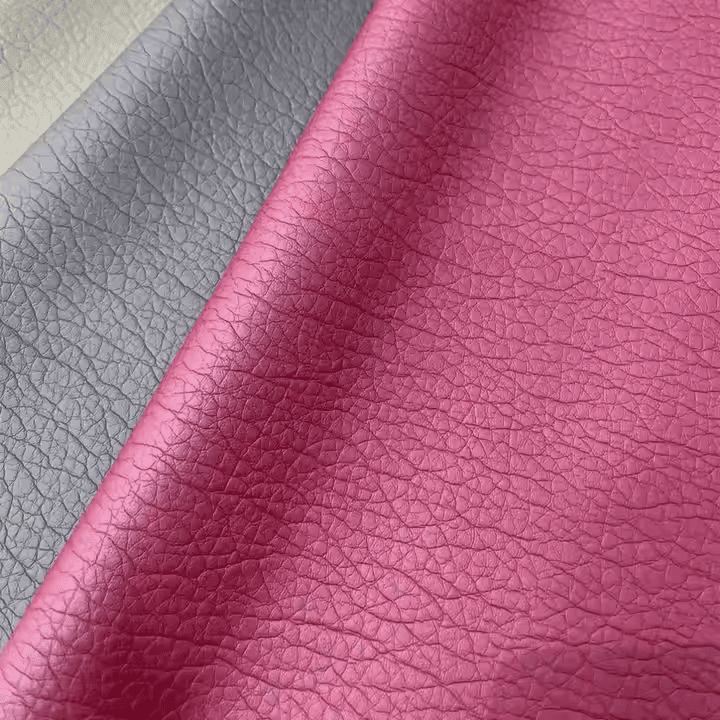
Nylon’s dual identity—as both a textile fiber and an engineering polymer—makes it one of the most versatile materials in modern manufacturing. From parachute fabrics to fuel-line tubing, its performance hinges on how carefully buyers specify the right grade, denier, weave, and finish. For procurement professionals, nylon sourcing is not a one-size-fits-all decision; it is an engineering exercise in matching mechanical strength, coating chemistry, and compliance to functional context. To optimize performance, brands should align nylon type with end use—light deniers and soft coatings for apparel, medium-denier PU-coated Oxfords for luggage, high-tenacity ballistic nylon for industrial straps, and reinforced PA66 or PA12 for automotive and technical parts.
7.1 Automotive and Transportation
Automotive components operate in high-temperature, chemically aggressive environments. Here nylon serves as a lightweight substitute for metal, offering high modulus and fatigue resistance.
| Application | Nylon Grade | Additive / Reinforcement | Typical Requirement |
|---|---|---|---|
| Engine covers & housings | PA66 GF30 | 30 % glass fiber | Heat deflection ≥ 150 °C, tensile ≥ 150 MPa |
| Cable ties, clips | PA6 | UV stabilizer | Impact ≥ 8 kJ/m² |
| Fuel & brake lines | PA12 | Plasticizer + heat stabilizer | Chemical resistance, low fuel permeability |
| Air-intake ducts | PA6/PA66 blend | Impact modifier | −40 °C impact strength retention |
Example: SzoneierFabrics supplies PA12 flexible tubes certified to SAE J2260, showing zero leakage after 1 000 h fuel immersion and dimensional change < 1.5 %. Compared with rubber hoses, weight was reduced by 30 %, simplifying assembly and recyclability.
7.2 Outdoor and Technical Gear
Outdoor equipment must balance tear strength, UV stability, and waterproofing without adding unnecessary weight. The correct denier and coating combination define this equilibrium.
| Product | Fabric Type | Coating | Denier | Performance Target |
|---|---|---|---|---|
| Tents / Flysheets | Ripstop nylon | PU 3000 mm | 210D–420D | Tear ≥ 15 N |
| Backpacks / Daypacks | Oxford / Cordura | PU or TPU | 600D–1000D | Abrasion ≥ 20 000 cycles |
| Sleeping-bag shells | Taffeta | DWR C6 | 70D | Air perm ≥ 250 CFM |
| Kayak / Raft covers | Ballistic nylon | PVC or TPU | 840D–1680D | Puncture > 60 N |
Data Point: SzoneierFabrics’ 420D PU ripstop achieved 17 N tear strength (ASTM D1424) and retained waterproofness after 50 launderings, making it a trusted fabric among European tent OEMs.
7.3 Luggage and Bag Manufacturing
In luggage, dimensional stability, abrasion life, and aesthetic finish dominate. Nylon’s smooth filament surface gives bags a refined, premium touch.
| Luggage Type | Material | Key Property | Suggested Coating |
|---|---|---|---|
| Daily backpacks | 600D PU Oxford | Balanced strength & cost | PU 2× |
| Premium travel cases | 1680D Ballistic PA66 | Abrasion > 25 000 cycles | PU or TPU |
| Duffel / gym bags | 420D PU Oxford | Lightweight flexibility | PU 1× |
| Laptop sleeves / linings | 210D Taffeta | Smooth surface, easy sewing | DWR or clear PU |
Example: In comparative field tests, 1680D ballistic nylon retained 95 % colorfastness and zero coating cracks after 500 h UV exposure—outperforming polyester luggage by nearly 40 % in abrasion life.
7.4 Apparel and Linings
Apparel applications rely on nylon’s silky drape, resilience, and wash durability. The key is maintaining comfort while adding light protection through DWR or PU coatings.
| Fabric Use | Typical Structure | Denier / GSM | Finish | Functional Focus |
|---|---|---|---|---|
| Jacket shells | Plain / mini-ripstop | 70D–210D (90–160 GSM) | DWR + PU 1× | Wind & water repellence |
| Linings | Tricot or taffeta | 40D–70D (50–80 GSM) | Softener finish | Smooth handfeel |
| Activewear | Nylon-spandex knit | 85/15 blend | Moisture-wick | Stretch & recovery |
Performance Targets:
- Air permeability 200–350 CFM (ASTM D737)
- Water repellency ≥ Grade 4 (AATCC 22)
- Colorfastness ≥ Grade 4 (ISO 105-C06)
Nylon’s slightly hygroscopic nature (≈ 3 % regain) also helps regulate micro-humidity, reducing cling during sports activity.
7.5 Industrial Webbing and Safety Gear
Industrial webbings, harnesses, and tie-down straps rely on tenacity and controlled elongation to absorb shock without permanent deformation.
| Parameter | Specification |
|---|---|
| Fiber Type | High-tenacity PA66 filament, 2000–6000 denier |
| Breaking Strength | ≥ 25 kN (ASTM D6775) |
| Elongation at Break | 18–22 % |
| Abrasion Resistance | > 20 000 cycles (ASTM D3884) |
| UV Retention (500 h) | ≥ 80 % |
Example: SzoneierFabrics’ 45 mm PA66 webbing for fall-protection harnesses withstands > 6 000 lbs tensile load and retains 90 % of strength after 72 h humidity exposure, outperforming polyester equivalents in shock absorption.
7.6 Engineered Parts and Technical Plastics
Beyond textiles, nylon’s thermoplastic moldability and dimensional stability make it vital in industrial design and mechanical assemblies.
| Component | Recommended Grade | Key Advantage |
|---|---|---|
| Gears / Bearings / Bushings | PA66 GF30–GF50 | High stiffness, self-lubricating |
| Tubing / Flexible connectors | PA12 or PA11 | Low moisture absorption, chemical stability |
| Electrical casings | PA6 FR V-0 | Flame-retardant compliance |
| 3D-printed prototypes | PA12 powder (SLS) | Precision, surface finish |
Relevant Standards: ISO 527 (tensile properties), ASTM D4060 (abrasion), UL 94 (flame rating), ISO 75 (heat-deflection). These ensure consistent mechanical validation and global compliance for automotive and electronics buyers.
7.7 Environmental and Regulatory Requirements
Industrial buyers increasingly require conformance to REACH, RoHS, and ISO 14001 frameworks. SzoneierFabrics integrates OEKO-TEX Standard 100 testing and optional GRS-certified recycled PA6 into its production chain. Recycled grades cut CO₂ emissions by up to 55 % versus virgin resin and qualify for EU EcoDesign criteria—now a procurement requirement for many European OEMs.
7.8 Cost and Lead-Time Benchmarks
| Category | MOQ (meters) | Lead Time (days) | Unit Price (USD/m) | Typical Buyer |
|---|---|---|---|---|
| Apparel / Lining | 300–500 | 10–15 | 1.3–1.8 | Fashion brands |
| Luggage / Bag | 1000–3000 | 20–25 | 1.5–2.5 | Travel brands |
| Outdoor / Tent | 2000–5000 | 25–30 | 1.8–3.0 | Outdoor OEMs |
| Industrial Webbing | 1000–2000 | 25–35 | 2.0–3.5 | Safety manufacturers |
| Engineering PA Parts | Custom | 30–45 | On quotation | Automotive & electrical |
Vertical integration—from yarn extrusion to coating—allows SzoneierFabrics to maintain stable pricing while shortening sampling cycles by 30 % compared with outsourcing mills.
7.9 Why Generic Specifications Fail
Many importers submit vague requests such as “600D nylon” or “PU-coated fabric,” which can result in huge discrepancies in quality, color, and compliance. A robust professional specification should always include five mandatory parameters:
- Nylon Type: PA6 or PA66 (or PA12 for plastics)
- Denier / GSM: indicates yarn size and fabric weight
- Weave / Knit Type: Oxford, ripstop, taffeta, ballistic, etc.
- Coating Type + Layer Count: PU 1×, PU 2×, TPU film, PVC backing
- Performance Tests: Hydrostatic (AATCC 127), Tear (ASTM D1424), Colorfastness (ISO 105)
SzoneierFabrics encourages clients to define these inputs at the sampling stage; doing so reduces prototyping iterations by up to 40 % and ensures seamless transition to bulk production.
7.10 Balancing Technical and Market Needs
- Automotive: prioritize temperature and chemical data over aesthetics.
- Outdoor: emphasize weight-to-strength ratio and UV rating.
- Luggage: require coating adhesion and colorfastness certificates.
- Apparel: specify handfeel, pH neutrality, and breathability.
- Industrial webbing: focus on tensile and creep limits, not coating color.
Smart sourcing teams also request batch traceability reports—linking polymer lot numbers, coating dates, and test certificates—to simplify audits and warranty claims.
7.11 From Polymer to Product
The real mastery in nylon sourcing lies in understanding how each parameter interlocks with end-use stress. A tent fabric’s 210D ripstop has nothing in common with a PA66 GF30 gear—yet both begin as nylon pellets. By mapping polymer chemistry, textile construction, and finishing technology to precise performance goals, brands gain not just reliable quality but a measurable cost-to-performance advantage.
SzoneierFabrics’ multi-grade nylon platform—spanning soft linings to high-load technical parts—illustrates this philosophy: one polymer family, infinite engineered possibilities.
Are There Key Sourcing Factors—Certifications, Testing Standards (ISO / AATCC / ASTM), MOQ, Lead Time, and Cost Structures—that Reduce Risk in Supply Chains?
Yes. The reliability of nylon supply chains depends not on price alone but on traceable process control, certified manufacturing, and measurable quality benchmarks. Industrial buyers that treat fabric sourcing as an engineering partnership—rather than a transactional purchase—consistently achieve lower defect rates, faster customs clearance, and stronger long-term cost efficiency. Reliable nylon sourcing relies on certified suppliers (ISO 9001, OEKO-TEX®, REACH), standardized testing (ISO / AATCC / ASTM), and transparent MOQ + lead-time structures. These ensure repeatable quality, regulatory compliance, and predictable landed cost.
8.1 Essential Certifications
| Certification | Core Purpose | Strategic Value for Buyers |
|---|---|---|
| ISO 9001 | Quality-management system | Guarantees documented process control and consistent reproducibility |
| OEKO-TEX® Standard 100 | Chemical-safety assurance | Confirms fabrics are free from harmful substances—critical for consumer and babywear products |
| REACH / RoHS | EU chemical-safety compliance | Prevents shipment delays or bans due to restricted substances |
| GRS (Global Recycled Standard) | Recycled-content verification | Required for sustainability-labeled apparel and gear |
| UL 94 / FMVSS 302 | Flame-retardancy certification | Mandatory for automotive, aviation, and electronic housings |
Why it matters: Certification shortens buyer audit cycles, streamlines EU and US import inspections, and enables participation in government or OEM tenders that require compliance proof.
SzoneierFabrics holds ISO 9001 + OEKO-TEX® approvals, conducts annual SGS audits, and offers REACH and GRS documentation upon request.
8.2 Quality Metrics and Testing Standards
Standardized testing creates a common language between supplier and buyer, ensuring that mechanical and visual performance are objectively verifiable.
| Property | Standard (Test Method) | Typical Requirement | Purpose / Risk Controlled |
|---|---|---|---|
| Tensile Strength | ASTM D5034 / ISO 13934-1 | ≥ 600 N (for 600D Oxford) | Prevents seam rupture and strap failure |
| Tear Strength | ASTM D1424 | ≥ 20 N | Indicates puncture and ripping resistance |
| Colorfastness to Washing | ISO 105-C06 | ≥ Grade 4 | Avoids fading and brand-color drift |
| Hydrostatic Pressure | AATCC 127 | ≥ 1500 mm H₂O | Ensures waterproofing reliability |
| Abrasion Resistance | ASTM D3884 / ISO 12947 | ≥ 20 000 cycles | Predicts wear life under friction |
| pH & Formaldehyde | ISO 3071 / ISO 14184-1 | 6.0–7.5 / < 20 mg kg⁻¹ | Confirms skin-safety compliance |
Szoneier’s in-house laboratory performs batch-wise tensile, tear, and colorfastness tests, with retained sample cards for 24 months—providing a traceable evidence trail for every shipment.
8.3 MOQ, Lead Time & Cost Scalability
| Order Category | MOQ (m) | Average Lead Time (days) | Typical Price USD / m | Buyer Profile |
|---|---|---|---|---|
| Sample / Trial | 5–10 | 7–10 | 3.0–5.0 | Designers / R&D |
| Small Batch | 200–500 | 15–20 | 2.0–3.0 | Boutique brands |
| Mid Batch | 1000–3000 | 20–25 | 1.6–2.5 | Retail chains |
| Bulk Production | 5000 + | 25–30 | 1.2–2.0 | Established OEMs |
Integrated manufacturing—from yarn extrusion to coating—allows SzoneierFabrics to reduce total lead time by 30 % versus multi-supplier chains. For global buyers, clear MOQ and pricing tiers simplify forecasting, cash-flow planning, and container consolidation.
8.4 Testing & Inspection Workflow
A typical export-grade nylon QC protocol includes:
- Pre-production approval — Lab-dip color and coating adhesion confirmation.
- Inline inspection — Every 1 000 m roll visually checked for weave uniformity and coating defects.
- Physical testing — Random sampling (ISO 2859-1 AQL 2.5) for tensile, tear, and hydrostatic performance.
- Final inspection report — Includes spectrophotometric ΔE values, defect map, and roll numbers.
- Shipment sealing under third-party audit — Optional SGS or BV verification for high-value clients.
This process not only guarantees conformance but also provides evidence for insurance and customs in case of disputes.
8.5 Color Consistency Across Shipments
A Canadian luggage importer once faced a 5 % rejection rate due to color deviation between dye lots. After shifting to SzoneierFabrics, which implemented spectrophotometric color matching (ΔE ≤ 0.8) and batch traceability tags, defect rates dropped to 0.4 %, while production approval time was reduced by one week. Within six months, repeat orders rose 35 %, demonstrating the ROI of process discipline.
8.6 Cost Structure and Transparency
A well-structured nylon price typically includes:
| Cost Component | Percentage of FOB Value | Notes |
|---|---|---|
| Raw polymer chips + yarn extrusion | 45–55 % | Influenced by global PA6 / PA66 resin index |
| Weaving / Knitting / Dyeing | 25–30 % | Labor + energy intensive process |
| Coating / Finishing | 10–15 % | PU, PVC, or TPU system choice impacts cost |
| Packaging / Inspection | 3–5 % | Includes lab testing and roll wrapping |
| Administrative & Logistics | 5–10 % | Export documentation and freight prep |
Transparent costing allows buyers to forecast price movements based on resin market trends rather than opaque mark-ups—crucial for annual contracts.
8.7 Compliance and Risk Mitigation
- Third-Party Audits: Annual SGS / BV audits verify production and environmental controls.
- Batch Traceability: Each roll labeled with lot number, coating date, and test report link.
- REACH Screening: Every chemical input cross-checked against ECHA SVHC list.
- Insurance Protection: Full cargo insurance and pre-shipment photos provide buyer security.
Failure to meet REACH or OEKO-TEX thresholds can result in customs rejection or product recall, with recall costs often exceeding USD 40 000 per container. Preventive testing is therefore not an expense but a risk premium saver.
8.8 Regional Lead-Time Insights
| Region | Raw-Material Origin | Typical Transit Time (Sea) | Suggested Buffer |
|---|---|---|---|
| China → Europe | Domestic PA6 resin | 25–30 days | +7 days customs |
| China → North America | Domestic + imported resin | 18–22 days | +5 days port congestion |
| Southeast Asia → EU/US | Mixed resin sources | 30–35 days | +10 days rainy season |
| Domestic Asia Trade | Local mills | 3–7 days | +2 days QA clearance |
Accurate lead-time data lets buyers plan production overlaps, avoiding the 8–10 % cost penalty of airfreight emergencies.
8.9 Sustainability and Corporate Governance
Environmental credentials are now key tender criteria:
- Water-borne PU & Solvent-Free Finishing: Reduces VOC emissions by > 60 %.
- Recycled PA6 / PA66 fibers: Cuts CO₂ footprint by ≈ 55 %.
- Wastewater Recovery Systems: Meet ISO 14001 and ZDHC MRSL standards.
- Worker Safety Audits: Aligned with BSCI and Sedex platforms.
Buyers that document ESG performance gain easier entry into global retailer programs such as Decathlon’s “Sustainable Materials Index” or Patagonia’s “Preferred Fiber List.”
8.10 The True Cost of Non-Compliance
Cut-price vendors may omit neutralization after coating or skip chemical testing. Immediate savings of $0.20 per meter often lead to:
- Customs detention or destruction of shipments due to REACH violations.
- Brand damage from consumer complaints over odor or skin irritation.
- Hidden logistics losses—delays trigger downstream factory shutdowns.
Investing in certified supply chains reduces overall project risk more than any unit-cost negotiation.
8.11 Why Process Integrity Defines Nylon Reliability
Nylon’s engineering versatility makes it the backbone of products from automotive housings to performance bags. Yet its success in global trade depends on a disciplined sourcing framework:
- Verify certifications (ISO / OEKO-TEX / REACH).
- Demand standardized test reports (ISO , ASTM , AATCC).
- Establish clear MOQ and lead-time rules.
- Maintain transparent cost breakdowns and traceable lots.
Buyers who integrate these controls transform their supply chains from reactive purchasing to predictive partnerships—reducing uncertainty, safeguarding compliance, and sustaining profitability.
Partner With SzoneierFabrics — Your Expert Nylon Material Manufacturer
SzoneierFabrics has over 18 years of experience in R&D and production of nylon fabrics and engineered materials. We provide:
- ✅ 100% Quality Guarantee
- ✅ Free Design & Sampling
- ✅ Low MOQ Customization (200 m)
- ✅ Fast Lead Time (7–10 days for samples, 20–25 days bulk)
- ✅ Certified Production (ISO9001, OEKO-TEX, REACH compliant)
Let our technical and manufacturing team customize the perfect nylon solution—from Oxford to ballistic, from PA6 to PA12—engineered precisely for your product’s performance and your customer’s expectations.