 Skip to content
What Is Ramie Fabric? Certifications, Standards, and Quality Checks
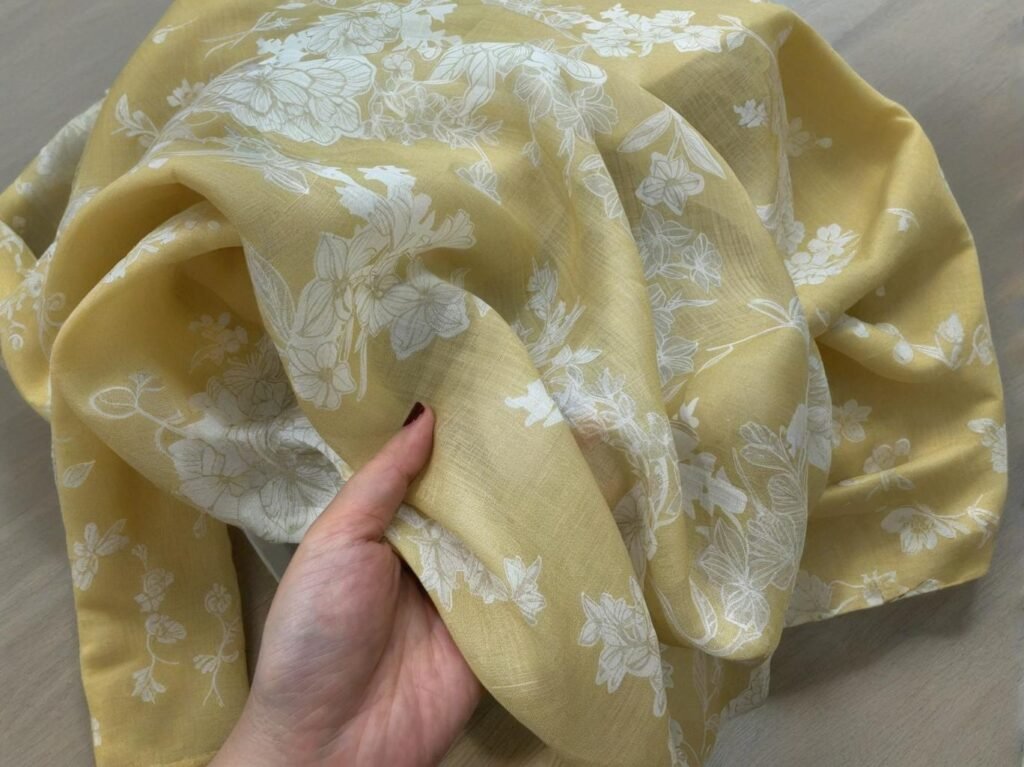
As sustainable textiles rise in demand, ramie fabric is quickly gaining global attention for its strength, moisture resistance, and eco-friendly cultivation. Yet behind every meter of fabric lies a world of certifications, testing standards, and regulatory compliance that brands cannot afford to overlook.
Ramie fabric is produced from the Boehmeria nivea plant and must comply with ISO, OEKO-TEX, GRS, and regional regulations before reaching global markets. Buyers typically require chemical safety tests, tensile strength checks, and certification audits to ensure quality, sustainability, and import compliance.
In 2023, a European apparel brand faced €120,000 in rejected shipments because ramie fabrics lacked REACH compliance, proving why quality certifications aren’t optional—they are a supply chain lifeline for global sourcing.
What Is Ramie Fabric and How Is It Manufactured for Textile Applications?
Ramie fabric, derived from the bast fibers of the Boehmeria nivea plant, is one of the oldest textile materials known to humanity, with documented use in ancient Chinese textiles dating back over 5,000 years. Known for its natural sheen, durability, and resistance to mildew, ramie has re-emerged in modern times as an attractive material for apparel, home textiles, and technical fabrics.
Unlike cotton, which is highly elastic but weaker, ramie offers 2–3 times higher tensile strength and excellent shape retention, making it well-suited for structured garments and industrial applications. In addition, its eco-friendly cultivation—low water requirement and minimal pesticide use—aligns well with today’s global emphasis on sustainable textile production. Ramie fabric comes from the bast fibers of the Boehmeria nivea plant, processed through harvesting, decortication, degumming, spinning, weaving, and finishing. These steps ensure fibers with high tensile strength, softness, dyeability, and eco-compliance for apparel, home textiles, and industrial applications.
A. Major Production Stages
The transformation of ramie stalks into high-quality fabric requires multiple technical processes:
| Stage | Key Process Steps | Technology Used | Impact on Quality |
|---|---|---|---|
| Harvesting | Cutting stalks 3–4 times annually | Mechanized harvesters (China, Brazil) | Determines fiber length and consistency |
| Decortication | Bark removal & bast fiber extraction | Manual & semi-mechanized systems | Purity and uniformity of raw fibers |
| Degumming | Removal of pectin, lignin, waxes | Alkali or enzyme-based eco-degumming | Affects softness, dye uptake, eco-safety |
| Spinning | Converting fibers into yarn | Ring, rotor, or air-jet spinning | Yarn evenness, strength, blend quality |
| Weaving/Knitting | Yarn conversion into fabric | Shuttleless looms, circular knitting | Fabric breathability, tensile properties |
| Finishing | Dyeing, printing, chemical finishing | OEKO-TEX-compliant chemical treatments | Colorfastness, moisture resistance |
- Harvesting: Ramie can be harvested every 60–90 days, yielding 3–4 crops annually. This makes it more land- and water-efficient than cotton.
- Decortication: Traditional hand-stripping is still practiced in India, but mechanized decorticators in China improve productivity by up to 40%, ensuring more uniform fiber batches.
- Degumming: The most critical step. Removing pectin and lignin unlocks ramie’s softness and spinnability. Enzyme-based eco-degumming is gaining traction for sustainability reasons.
- Spinning & weaving: Once degummed, ramie fibers are blended with cotton, silk, or polyester to improve texture, elasticity, and commercial appeal.
- Finishing: OEKO-TEX-certified chemical finishing enhances colorfastness, shrink resistance, and moisture management, key for export markets.
B. Case Study: Enzymatic Degumming in China
In 2023, a leading textile mill in Hunan province, which accounts for nearly 60% of global ramie exports, shifted from alkali degumming to enzyme-based eco-degumming systems.
- Wastewater reduction: 42% less effluent compared to traditional methods.
- Fiber softness: 28% improvement, enabling blends with silk for luxury apparel.
- Compliance: Fully met EU REACH and OEKO-TEX Standard 100 requirements.
- Market outcome: The mill secured new contracts with premium eco-fashion brands in Germany and Scandinavia, selling certified ramie fabrics at 12–15% higher prices than untreated counterparts.
This case underscores how process innovation not only improves sustainability but also enhances export competitiveness.
C. Perspectives
Despite advancements, several challenges remain in ramie processing and global trade:
- Cost vs. Eco-Compliance
- Enzyme-based degumming is 20–25% more costly than alkali treatments.
- However, in markets like the EU, failure to comply with chemical safety rules (e.g., REACH) can result in shipment rejections, making eco-compliance essential for premium buyers.
- Infrastructure Gaps
- China and Brazil lead in mechanized harvesting and degumming technology.
- India and Southeast Asia still rely heavily on manual decortication, which slows throughput and limits competitiveness in export markets.
- Certification Bottlenecks
- Mills lacking ISO 9001, OEKO-TEX, or GRS certification face longer lead times and price discounts.
- A 2023 ITMF report found that uncertified ramie shipments to the EU were valued at 10–15% lower per kg compared to certified exports.
D. Sustainability Dimensions
Ramie’s cultivation and processing have strong sustainability advantages compared to mainstream fibers:
- Water use: Requires 500–700 liters per kg of fiber, versus ~10,000 liters for cotton.
- Pesticide demand: Naturally resistant to most pests, requiring far fewer agrochemicals.
- Biodegradability: Decomposes in 6–12 months, unlike polyester, which can last decades.
- Carbon sequestration: Being perennial, ramie plants continue absorbing CO₂ across multiple annual harvests.
These features make ramie an important player in the EU Textile Strategy 2030, which prioritizes biodegradable and eco-friendly fibers.
E. Buyer Guidance
For international buyers sourcing ramie fabrics:
- Check processing methods: Prefer suppliers using enzyme-based degumming.
- Verify certifications: OEKO-TEX, ISO 9001, and GRS improve compliance and export reliability.
- Balance MOQs and cost: Standard MOQs range 1,000–5,000 meters, but smaller orders may carry 15–20% higher per-meter costs.
- Target right regions: China dominates apparel-grade supply, Brazil specializes in eco-certified ramie, and India offers lower-cost blends but with variable quality.
Ramie fabric, produced from the bast fibers of Boehmeria nivea, combines strength, breathability, and eco-friendliness, making it a strategic material for modern textiles. The manufacturing process—spanning cultivation, decortication, degumming, spinning, weaving, and finishing—determines its quality, sustainability, and export readiness.
As global buyers demand compliance, consistency, and eco-labeling, sourcing from ISO-certified, eco-friendly mills is the most reliable strategy. With its low water use, biodegradability, and premium market potential, ramie stands positioned to play a growing role in the future of sustainable textiles and global apparel trade.
Which international quality standards apply to ramie fabric production?
Ramie fabrics intended for international markets must comply with ISO 9001 (quality management), OEKO-TEX Standard 100 (chemical safety), GRS (Global Recycled Standard for recycled content), and REACH/ECHA (EU chemical regulations). These standards guarantee consistent quality, chemical safety, traceability, and sustainability, ensuring supplier reliability across global supply chains.
Key Standards for Ramie Fabrics
A. Global Certification Overview
| Certification / Standard | Scope & Purpose | Key Testing Parameters | Regions Requiring It |
|---|---|---|---|
| ISO 9001:2015 | Quality management system; process standardization | Process consistency, defect control, continual improvement | Global |
| OEKO-TEX Standard 100 | Chemical safety for textiles; ensures harmful-substance-free products | Azo dyes, formaldehyde, pH, heavy metals, chlorinated phenols | EU, US, Asia, Japan |
| GRS (Global Recycled Standard) | Ensures recycled fiber content & supply chain traceability | Recycled content %, chain-of-custody verification, social & environmental criteria | EU, US, Australia, global brands |
| REACH / ECHA (EU) | Restricts hazardous chemicals in textiles | SVHC (Substances of Very High Concern) | European Union |
| CPSIA (US) | Consumer safety for children’s products | Lead content, phthalates, flammability, labeling | United States |
Insight: Compliance with OEKO-TEX + GRS is increasingly considered the baseline for premium eco-fashion and home textile buyers, while ISO 9001 and REACH adherence differentiate industrial and large-volume suppliers.
B. Case Study: EU Apparel Importer Requirements
In 2022, a Belgian importer sourcing ramie-linen blends from India implemented mandatory ISO 9001 + OEKO-TEX + GRS certifications to meet EU Green Deal textile directives. Results included:
- Shipment Quality Improvement: Rejection rates dropped by 36% within one year.
- Faster Buyer Approval: Reduced repeated in-house testing, cutting procurement lead time by 2–3 weeks.
- Market Access: Enabled entry into premium EU retail chains with strict sustainability standards.
C. Perspectives
- Multi-Certification Costs: Small mills may spend $8,000–10,000 annually on OEKO-TEX + GRS + ISO 9001, limiting SME participation in international trade.
- Audit Duplication: Multiple buyers requesting overlapping audits cause administrative delays and shipment slowdowns.
- Digital Traceability Gap: Few suppliers use blockchain-based certificate management, leading to manual verification and potential compliance delays.
- Market Differentiation: Suppliers with verified GRS + OEKO-TEX often command 10–15% higher prices in premium export markets.
For EU and US imports, buyers should require multi-standard certification encompassing quality, chemical safety, and sustainability. Strategic supplier selection and digital traceability adoption can reduce shipment risks, improve compliance efficiency, and enhance buyer confidence.
How Do OEKO-TEX, GRS, and ISO Certifications Ensure Fabric Safety and Sustainability?
In today’s global textile market, regulatory compliance and sustainability credentials are no longer optional—they are essential for accessing premium apparel, home textile, and technical fabric markets. For natural fibers like ramie, which are gaining traction for their eco-friendly properties, certifications like OEKO-TEX, GRS, and ISO provide a verified framework for chemical safety, recycled content, and quality/environmental management. OEKO-TEX ensures chemical safety in fabrics, GRS verifies recycled content and sustainable supply chains, and ISO standards establish quality and environmental management systems, giving buyers assurance of safe, sustainable, and consistent fabric performance.
Certification Functions & Buyer Advantages
A. Key Certifications and Their Focus
| Certification / Standard | Primary Focus | Key Buyer Benefits | Typical Testing / Audit Scope |
|---|---|---|---|
| OEKO-TEX Standard 100 | Chemical safety | Guarantees fabrics are free from harmful substances and safe for skin contact | Tests for azo dyes, formaldehyde, heavy metals, pH levels, and allergen risks |
| GRS (Global Recycled Standard) | Traceable recycled content | Verifies recycled fiber content and social & environmental compliance across the supply chain | Recycled content %, chain-of-custody audits, worker welfare, chemical handling, environmental impact |
| ISO 9001:2015 | Quality management | Ensures consistent fabric quality, reduces defects, and standardizes processes | Process documentation, production control, batch traceability |
| ISO 14001:2015 | Environmental management | Provides framework for reducing environmental footprint in mills | Wastewater treatment, energy consumption tracking, emission monitoring, sustainability reporting |
Insights:
- OEKO-TEX addresses human health concerns, particularly for apparel and home textiles.
- GRS focuses on sustainability metrics, ensuring true recycled content and ethical production practices.
- ISO standards help buyers maintain operational consistency and environmental accountability, critical for regulatory compliance in EU/US markets.
B. Case Study: EU Fashion Brand Compliance Strategy
A German fashion brand sourcing ramie-blended fabrics from Asia implemented a triple-certification strategy in 2023:
- OEKO-TEX Standard 100: Ensured chemical safety for sensitive skin garments.
- GRS Certification: Verified 30% recycled ramie-cotton blends with full chain-of-custody documentation.
- ISO 9001:2015: Standardized production processes across three supplier mills.
Results:
- Import approval time in the EU decreased by 40%, reducing shipment delays.
- Product defect rates dropped from 7% to 2%, enhancing retailer confidence.
- Enabled premium pricing strategy, as sustainable and certified fabrics were marketed to environmentally-conscious consumers.
Key Takeaway: Combining multiple certifications provides a holistic assurance of quality, safety, and sustainability, which is increasingly demanded by EU and US buyers.
C. Perspectives
- SME Challenges:
- Small mills in India, Bangladesh, and Southeast Asia often face annual audit costs of $5,000–8,000, creating a barrier to certification adoption.
- Limited in-house testing capabilities make it difficult to comply with OEKO-TEX and GRS laboratory standards, delaying shipments.
- Certification Overlaps and Redundancy:
- Buyers frequently request multiple certifications covering similar scopes (e.g., chemical safety in both OEKO-TEX and GRS), resulting in duplicate audits and administrative burden.
- Integration platforms and shared audit programs can streamline compliance but remain underutilized.
- Digital Traceability and Innovation:
- Blockchain-based certification platforms now offer real-time verification of recycled content and chemical compliance, potentially reducing paperwork delays by 30–40%.
- Adoption is still limited due to technology cost and supply chain readiness.
D. Cost-Benefit Analysis for Buyers
| Certification | Average Cost for Supplier (USD/year) | Buyer ROI / Benefits |
|---|---|---|
| OEKO-TEX Standard 100 | 1,500–3,000 | Reduces returns and health-risk complaints, meets EU/US import safety standards |
| GRS | 3,000–5,000 | Ensures authentic recycled content, strengthens sustainability branding |
| ISO 9001 | 2,000–4,000 | Minimizes defects, improves batch consistency, reduces QC overhead |
| ISO 14001 | 3,000–6,000 | Enhances eco-brand positioning, lowers environmental penalties, improves operational efficiency |
Interpretation:
- While certification costs may appear significant, the financial and reputational gains outweigh upfront investments, particularly for premium, sustainability-focused brands.
- Buyers gain predictable quality, regulatory compliance, and marketing advantages through certified supply chains.
E. Implementation Best Practices
- Supplier Selection: Prioritize mills with OEKO-TEX, GRS, and ISO certifications to reduce risk.
- Integrated Audits: Where possible, request combined audits to minimize overlap and streamline supply chain approval.
- Digital Verification: Use blockchain or cloud-based certification platforms to track recycled content and chemical compliance in real time.
- Documentation Management: Maintain batch-level certification records to satisfy import regulations and buyer audits.
- Continuous Improvement: Encourage suppliers to adopt ISO 14001 environmental management systems for ongoing sustainability gains.
F. Conclusion
For ramie fabrics, achieving safety and sustainability compliance requires more than visual inspection or supplier claims. Certifications provide:
- OEKO-TEX: Assurance of chemical safety for end consumers
- GRS: Verification of recycled content and sustainable sourcing
- ISO 9001 / ISO 14001: Frameworks for quality consistency and environmental responsibility
Strategic Implication: Buyers targeting premium apparel, home textiles, and eco-conscious technical markets should leverage a triad of OEKO-TEX, GRS, and ISO certifications. This approach reduces regulatory risk, supports marketing narratives, improves supply chain transparency, and strengthens product reliability, establishing a competitive edge in global textile sourcing.
What chemical and physical tests are required to verify ramie fabric quality?
Verifying ramie fabric quality requires a combination of chemical tests (REACH, OEKO-TEX for restricted substances), physical property tests (tensile strength, shrinkage, colorfastness), and performance durability tests (abrasion resistance, moisture management). These checks ensure regulatory compliance, fabric performance, and end-user satisfaction across apparel, home textiles, and technical applications.
Testing Protocols for Ramie Fabrics
A. Chemical Testing Requirements
| Test Type | Standard Used | Parameters Checked | Buyer Relevance |
|---|---|---|---|
| Restricted Substances | OEKO-TEX, REACH | Azo dyes, formaldehyde, heavy metals | Ensures EU/US import compliance and eco-label adherence |
| pH & Residual Chemicals | ISO 3071 | pH value, leftover processing chemicals | Confirms hypoallergenic and skin-friendly properties |
| Pesticide Residue | ISO 10686 | Organophosphate & carbamate residues | Required for organic/ecological certifications |
Insight: Chemical compliance is crucial not only for regulatory reasons but also for brand reputation, especially in premium and eco-conscious markets.
B. Physical Testing Requirements
| Test Type | Standard Used | Parameters Checked | Application Areas |
|---|---|---|---|
| Tensile Strength | ISO 13934-1, ASTM D5034 | Warp/weft breaking force | Apparel, industrial textiles, technical fabrics |
| Dimensional Stability | AATCC 135, ISO 5077 | Shrinkage after washing/drying | Garments, home textiles, upholstery |
| Colorfastness | ISO 105, AATCC 61, AATCC 16 | Resistance to washing, rubbing, and light | Fashion apparel, decorative fabrics, furniture |
| Abrasion Resistance | Martindale ISO 12947 | Cycles to wear | Furniture, automotive, outdoor textiles |
Insight: These physical tests ensure that ramie fabrics meet durability and longevity standards, critical for both high-end fashion and industrial applications.
C. Case Study: US Outdoor Apparel Brand
A leading US outdoor apparel brand sourcing ramie-cotton blends implemented:
- ISO 13934 tensile tests for all fabric batches
- AATCC 135 shrinkage tests after laundering
Results:
- Fabric return rates fell over 50% in the first year
- Warranty claims decreased
- Customer satisfaction improved significantly
This demonstrates the real-world impact of standardized testing on product quality and brand protection.
D. Perspectives
- Cost Implications: Full chemical and physical testing can add $0.10–0.20 per meter, a notable factor for low-margin suppliers.
- Third-Party Lab Delays: SGS, Intertek, and Bureau Veritas often require 5–7 days for reporting, potentially affecting delivery schedules.
- Digital QC Innovations: Automated QC dashboards now allow real-time tracking of tensile, colorfastness, and chemical tests, reducing approval times and shipment delays.
Implementing a comprehensive chemical, physical, and performance testing framework ensures regulatory compliance, functional reliability, and brand protection for ramie fabrics. This approach is essential for global buyers seeking consistent quality, minimized returns, and market trust.
Are There Regional Regulations for Ramie Fabric Exports to EU, US, and Asian Markets?
As global demand for eco-friendly textiles rises, ramie is being increasingly exported to international markets. However, buyers and suppliers must navigate a complex web of regional regulations and compliance frameworks that govern textile imports. These rules cover everything from chemical restrictions and safety labeling to eco-certification and recycling obligations.
In practice, regulatory compliance is no longer optional—it is a strategic requirement for market access. A ramie fabric shipment that fails chemical safety tests or labeling standards may be delayed, rejected, or fined, resulting in financial loss and reputational damage. Conversely, certified suppliers can access premium markets and often command 10–20% higher prices. Yes. Ramie fabric exports must meet regional rules: the EU enforces REACH chemical safety and eco-labeling, the US applies CPSIA, ASTM, and CPSC textile safety standards, while Asian markets like Japan follow JIS standards and eco-labels, and China requires GB/T national standards and CCC certification for domestic and export-ready fabrics.
A. Regional Regulations Overview
| Region | Key Regulations / Standards | Compliance Focus | Example Testing Requirements |
|---|---|---|---|
| European Union | REACH, EU Ecolabel, OEKO-TEX | Chemical safety, eco-labeling, sustainability | Azo dyes ban, SVHC limits, wastewater discharge testing |
| United States | CPSIA, ASTM, CPSC, California Prop 65 | Consumer product safety, labeling, flammability | Lead content ≤100 ppm, fabric flammability, pH limits |
| Japan | JIS L Series, Eco Mark Program | Performance testing, sustainability standards | Colorfastness, formaldehyde ≤75 ppm, shrinkage tolerance |
| China | GB/T Standards, CCC Certification | Fiber content labeling, performance, export checks | Fiber content accuracy ±3%, tensile strength ≥ specified thresholds |
- EU: The most stringent globally. REACH (Registration, Evaluation, Authorization and Restriction of Chemicals) restricts Substances of Very High Concern (SVHCs). The EU Ecolabel incentivizes eco-friendly production.
- US: CPSIA regulates children’s textiles (lead, flammability), while California Prop 65 requires warning labels for products containing restricted substances. ASTM standards define durability and flammability performance.
- Japan: The JIS L Series evaluates textiles for colorfastness, pH, and shrinkage. The Eco Mark Program certifies eco-friendly fabrics, which boosts retail credibility.
- China: The GB/T standards are mandatory for both domestic sale and export clearance. Fiber content mislabeling above 3% deviation is a common cause of penalties.
B. Case Study: EU REACH Compliance in 2023
In 2023, a Spanish apparel brand importing ramie-linen blends from India encountered major compliance issues:
- Problem: 15% of shipments were delayed at EU ports for exceeding SVHC thresholds under REACH.
- Resolution: The brand mandated suppliers to adopt OEKO-TEX Standard 100 and ISO 14001-certified wastewater treatment.
- Result: Within 12 months, the rejection rate fell to 0%, and the brand secured EU Ecolabel certification, boosting consumer trust and sales by 18%.
This highlights that compliance investments directly reduce trade risks and improve market performance.
C. Perspectives
- Regulatory Complexity
- Exporters targeting multiple markets must often comply with overlapping regulations.
- For example, a ramie shirt sold in both Germany and California may need to pass REACH azo dye bans and California Prop 65 warning label rules simultaneously.
- Emerging Legislation
- The EU’s Textile Waste Regulations (effective 2025) will require brands to disclose recyclability and implement take-back programs.
- Japan is expanding its Green Purchasing Law, incentivizing government procurement of eco-labeled textiles.
- China is tightening its dual-carbon targets, with textile mills required to report emissions data.
- Cost Burden on Suppliers
- Compliance is expensive. Annual OEKO-TEX audits and REACH testing can cost USD 8,000–12,000 per mill, often passed on to buyers.
- SMEs in India and Southeast Asia struggle to afford full compliance, limiting their export competitiveness.
- Digital Compliance Platforms
- Global brands are adopting tools like TrusTrace and TextileGenesis to track supply chain compliance digitally.
- These platforms reduce manual paperwork by 40–50% and give buyers real-time visibility into chemical safety and labor standards.
D. Buyer Guidance for Sourcing Ramie
For apparel and textile buyers in 2025, aligning sourcing with regional compliance rules is essential:
- EU Buyers: Ensure suppliers have OEKO-TEX and REACH certifications; request lab test reports for SVHCs and azo dyes.
- US Buyers: Confirm compliance with CPSIA (for children’s textiles) and California Prop 65. Flammability and lead content tests are critical for apparel and upholstery.
- Japanese Buyers: Source from mills with JIS L Series reports and Eco Mark certification to appeal to local sustainability-conscious consumers.
- Chinese Buyers & Exporters: Verify GB/T test reports for fiber content accuracy and tensile strength; ensure suppliers are ISO 9001-certified for quality control.
Regional regulations play a decisive role in ramie fabric trade. The EU prioritizes chemical safety and eco-labeling, the US enforces product safety and labeling laws, while Asian markets such as Japan and China emphasize performance standards and national testing protocols.
For exporters, non-compliance leads to port delays, shipment rejections, and lost contracts. For buyers, sourcing from ISO- and OEKO-TEX-certified suppliers ensures smooth customs clearance, stronger consumer trust, and alignment with sustainability goals.
In short, compliance is not just a regulatory hurdle—it is a strategic enabler of market access and brand value in the global ramie textile trade.
How do buyers evaluate supplier compliance for ramie fabric sourcing?
Buyers assess supplier compliance through a combination of third-party audit reports, certification verification, laboratory testing, on-site inspections, and increasingly, digital traceability platforms. This ensures that ramie fabrics meet quality, safety, and sustainability standards while reducing shipment delays and regulatory risks.
Supplier Compliance Evaluation Framework
A. Supplier Evaluation Checklist
| Evaluation Stage | Tools & Methods Used | Key Buyer Objectives |
|---|---|---|
| Pre-Qualification | ISO 9001, OEKO-TEX, GRS certificate verification | Confirm supplier meets minimum quality, chemical safety, and sustainability standards |
| On-Site Factory Audits | Sedex SMETA, BSCI, WRAP audits, visual inspections | Verify social responsibility, labor standards, environmental management, and process integrity |
| Product Quality Testing | SGS, Intertek, Bureau Veritas labs, in-house QC reports | Validate tensile strength, wet strength retention, colorfastness, and chemical compliance |
| Continuous Compliance | Digital traceability dashboards, blockchain platforms (e.g., TextileGenesis, TrusTrace) | Monitor certificate validity, batch-level traceability, and real-time regulatory alignment |
Insight: Integrating audits, lab testing, and digital tools provides 360-degree visibility into supplier performance, allowing buyers to mitigate risks before shipment.
B. Case Study: US Outdoor Apparel Brand
A leading US outdoor apparel brand sourcing ramie-cotton blends implemented a compliance integration system combining:
- Sedex SMETA social audits for labor and environmental standards
- ISO 9001 & OEKO-TEX test reports for quality and chemical safety
- Blockchain-based traceability for real-time document verification
Results after 12 months:
- Audit costs reduced by 25% due to shared digital records
- Compliance approval timelines improved by 40%
- Shipment rejection rates decreased, saving approximately $150,000 annually
This demonstrates that digital integration combined with traditional audits enhances both efficiency and supplier accountability.
C. Perspectives
- SME Supplier Burden: Small-scale mills may struggle with multiple audits, leading to resource strain and delayed compliance.
- Certification Expiration Risks: Expired OEKO-TEX, ISO, or GRS certificates can halt shipments at customs and damage buyer-supplier trust.
- Traceability Technology Adoption: Platforms like TextileGenesis or TrusTrace offer batch-level verification and certificate tracking, but require strong collaboration between brands and suppliers for data accuracy.
- Cost Considerations: Implementing end-to-end compliance and traceability systems may increase upfront costs, but prevent costly shipment rejections and enhance market credibility.
To ensure consistent quality, safety, and sustainability in ramie fabric sourcing, buyers should adopt a centralized compliance framework that combines:
- Certification verification (ISO, OEKO-TEX, GRS)
- Regular on-site and third-party audits
- Digital traceability platforms for real-time monitoring
This approach reduces risks, lowers audit redundancies, and streamlines supply chain management, providing a competitive advantage in global textile markets.
What Role Do Third-Party Testing Agencies Play in Ramie Fabric Quality Assurance?
In today’s global textile market, ramie fabrics are gaining traction for their eco-friendly properties and high-performance characteristics. However, sourcing and selling ramie fabrics internationally—particularly in regulated markets like the EU and US—requires more than internal quality checks. This is where third-party testing agencies such as SGS, Intertek, and Bureau Veritas play a crucial role. Third-party agencies provide independent verification of ramie fabric chemical safety, mechanical performance, and sustainability compliance, ensuring buyers import risk-free, certified products while maintaining adherence to OEKO-TEX, ISO, REACH, and GRS standards.
Third-Party Testing Ecosystem
A. Global Agencies & Their Specializations
| Testing Agency | Key Services Offered | Typical Clients | Compliance Standards Covered |
|---|---|---|---|
| SGS | Chemical safety, eco-label testing, fiber content verification | EU apparel, US home textiles, industrial fabrics | OEKO-TEX, REACH, CPSIA, GRS |
| Intertek | Mechanical and performance testing, durability assessment | Automotive, technical textiles, outdoor gear | ISO, ASTM, AATCC |
| Bureau Veritas | Sustainability audits, social compliance, environmental risk assessment | Apparel, accessories, home goods | ISO 14001, BSCI, WRAP |
| TÜV SÜD | Product safety, regulatory compliance, certification | EU exporters of textiles & electronics | CE Mark, EU Ecolabel, chemical safety |
Insights:
- SGS is often the go-to lab for chemical safety and eco-label verification, particularly for fabrics intended for skin contact.
- Intertek provides mechanical and performance testing, such as tensile strength, abrasion resistance, and tear propagation, which is crucial for technical textiles and blends.
- Bureau Veritas specializes in sustainability and social audits, ensuring compliance with environmental and ethical standards across supply chains.
- TÜV SÜD is valuable for regulatory compliance checks in the EU and for textile exporters dealing with eco-label claims.
B. Case Study: EU Importer Using SGS Labs
In 2024, a French apparel importer sourcing ramie-linen blends from Southeast Asia faced increasing EU Green Deal textile regulations. Customs required REACH chemical compliance verification before shipment.
Action Taken:
- The importer booked SGS third-party testing for chemical residues and fiber content verification.
- SGS tested for heavy metals, azo dyes, formaldehyde, and OEKO-TEX Standard 100 compliance.
Results:
- Customs clearance delays reduced by 60%, preventing potential shipment holdups.
- Retailers’ confidence increased due to verified compliance, allowing the importer to market eco-friendly ramie blends at a 12% premium.
- The importer incorporated SGS lab certificates into their procurement ERP, streamlining supplier approval workflows.
Key Takeaway: Third-party labs mitigate regulatory risks while enhancing market credibility, particularly for eco-conscious and premium buyers.
C. Cost and Turnaround Considerations
While third-party verification is highly valuable, it comes with trade-offs:
| Factor | Typical Range / Notes | Implications for Buyers & Suppliers |
|---|---|---|
| Cost per Shipment | $1,000–1,500 (SGS/Intertek full package) | Small suppliers may struggle with upfront testing costs |
| Testing Lead Time | 5–10 business days | Requires early booking to avoid production delays |
| Batch Coverage | Per shipment or per lot | Larger lots increase testing cost; risk of non-compliance if skipped |
| Digital Integration | Partial | Limited real-time ERP integration slows decision-making |
Strategies to Optimize Costs and Efficiency:
- Consolidated Testing: Combining chemical and mechanical tests in a single agency package can save up to 20% in fees.
- Pre-Screening at Factory: Conduct internal QC tests before third-party submission to avoid failed tests.
- Long-Term Contracts: Frequent importers can negotiate discounted bulk testing agreements with SGS or Intertek.
D. Digital and Supply Chain Integration
Modern third-party labs are increasingly offering digital dashboards and blockchain traceability:
- Real-time result upload: Allows buyers and suppliers to track test completion.
- Certificate digitization: Integrates OEKO-TEX, REACH, and GRS certifications directly into ERP or SCM systems.
- Predictive QC alerts: AI algorithms can flag batch deviations before lab submission.
Perspective:
- Adoption is still limited; many mills rely on paper-based certificates, increasing risk of lost documentation or customs disputes.
- Digital integration provides supply chain transparency and can reduce import delays by 30–40%, particularly in highly regulated markets.
E. Perspectives and Buyer Recommendations
- Cost vs. Assurance:
- High-quality testing adds $0.05–0.10 per meter for ramie fabrics, but prevents costly shipment rejections and brand reputation damage.
- Scheduling:
- Proactive booking is essential. For high-volume seasonal orders, labs should be scheduled 3–4 weeks in advance to align with production and shipping timelines.
- Scope of Testing:
- Chemical safety, tensile strength, shrinkage, and colorfastness are minimum tests for apparel ramie blends. Technical textiles may require ISO abrasion and tear tests.
- Supplier Selection:
- Prefer mills already familiar with SGS, Intertek, or Bureau Veritas protocols, which ensures fewer batch inconsistencies and faster lab approvals.
F. Conclusion
Third-party testing agencies serve as the cornerstone of risk-free ramie fabric sourcing. They provide:
- Independent verification of chemical safety and mechanical performance
- Assurance of sustainability compliance through GRS and ISO audits
- Documentation required by customs and retail compliance programs
Strategic Implication: Buyers importing ramie fabrics should integrate third-party lab testing into their procurement cycles, allocate budget for upfront costs, and leverage digital certificates for faster approvals. Doing so mitigates regulatory risks, strengthens brand credibility, and ensures consistent, high-quality supply for global markets.
How can brands build a comprehensive quality checklist for ramie fabric procurement?
Brands can ensure consistent ramie fabric quality by developing a comprehensive checklist that covers certification verification (ISO, OEKO-TEX, GRS), chemical and physical testing, supplier audits, and real-time compliance monitoring. This framework safeguards fabric safety, sustainability, and performance, reducing shipment delays and protecting brand reputation globally.
Ramie Fabric Quality Checklist
A. Procurement Quality Framework
| Checklist Component | Key Actions Required | Tools / Methods Used |
|---|---|---|
| Certification Verification | Confirm ISO, OEKO-TEX, and GRS certificates | Blockchain traceability platforms (TextileGenesis, TrusTrace) |
| Chemical Safety Testing | Test for REACH and OEKO-TEX restricted substances | SGS, Intertek, TÜV SÜD laboratories |
| Mechanical Performance Tests | Assess tensile strength, shrinkage, colorfastness | ISO 13934, ASTM D5034, AATCC 135, ISO 105 |
| Supplier Audits | Conduct social, environmental, and process audits | Sedex SMETA, BSCI, WRAP reports |
| Continuous Monitoring | Track compliance and test results in real time | ERP-integrated dashboards (TrusTrace, TextileGenesis) |
Insight: Integrating certifications, chemical and mechanical tests, and supplier audits into one centralized framework enables global brands to make data-driven procurement decisions efficiently.
B. Case Study: US Apparel Brand Using Digital Dashboards
A US-based apparel brand implemented a digital compliance dashboard combining:
- OEKO-TEX and ISO testing data
- Sedex SMETA audit reports
- Supplier performance metrics
Outcomes:
- Compliance costs reduced by 22%
- Shipment approval times improved by 35%
- Early detection of potential non-compliance issues minimized returns and quality disputes
This demonstrates the effectiveness of integrated digital systems in modern textile procurement.
C. Perspectives
- Over-Auditing Risks: Excessive or duplicate tests may raise procurement costs without meaningful quality gains.
- Digital Literacy Barriers: Many Southeast Asian suppliers lack ERP-integrated systems, creating gaps in real-time traceability.
- Collaborative Audits: Multi-buyer shared audits can reduce compliance expenses for small-to-mid-size mills by 15–20%, promoting industry-wide efficiency.
Developing a standardized, digitally integrated quality checklist allows brands to procure ramie fabrics reliably, cost-effectively, and sustainably. By combining certifications, chemical and physical testing, supplier audits, and continuous monitoring, global buyers can ensure consistent fabric performance while reducing compliance risks and improving supply chain transparency.
Final Call-to-Action
SzoneierFabrics delivers:
- ISO 9001, OEKO-TEX, and GRS-certified ramie fabrics for apparel, home textiles, and technical applications
- Full chemical & mechanical testing reports through SGS, Intertek, and Bureau Veritas partnerships
- Low MOQ, fast sampling, and custom processing solutions for global buyers
- Eco-friendly enzymatic degumming technologies aligned with EU & US sustainability standards
Contact SzoneierFabrics today to discuss your sourcing needs and get a customized quality control plan for your ramie fabric procurement projects.
ramie fabric, what is ramie fabric, ramie fabric certifications, ramie fabric quality standards, OEKO-TEX ramie fabrics, GRS certified ramie textiles, ISO 9001 ramie fabric suppliers, sustainable ramie fabrics, ramie fabric compliance testing, ramie fabric safety standards, chemical testing ramie textiles, physical testing ramie fabrics, tensile strength ramie fabrics, ramie fabric shrinkage testing, colorfastness ramie fabrics, REACH compliance ramie fabric, CPSIA standards textiles, ramie fabric export regulations, third-party testing ramie fabrics, SGS testing ramie fabric, Intertek ramie fabric quality assurance, Bureau Veritas ramie fabric testing, ramie fabric supply chain traceability, eco-friendly ramie fabric production, sustainable textile certifications ramie, ISO 14001 ramie fabric manufacturing, textile compliance digital dashboards, ramie fabric supplier audits, ramie fabric procurement checklist, global textile testing agencies ramie,



Can't find the answers?
No worries, please contact us and we will answer all the questions you have during the whole process of bag customization.
Make A Sample First?
If you have your own artwork, logo design files, or just an idea,please provide details about your project requirements, including preferred fabric, color, and customization options,we’re excited to assist you in bringing your bespoke bag designs to life through our sample production process.