 Skip to content
What Is Rayon Fabric and How Is It Processed in Industrial Mills?
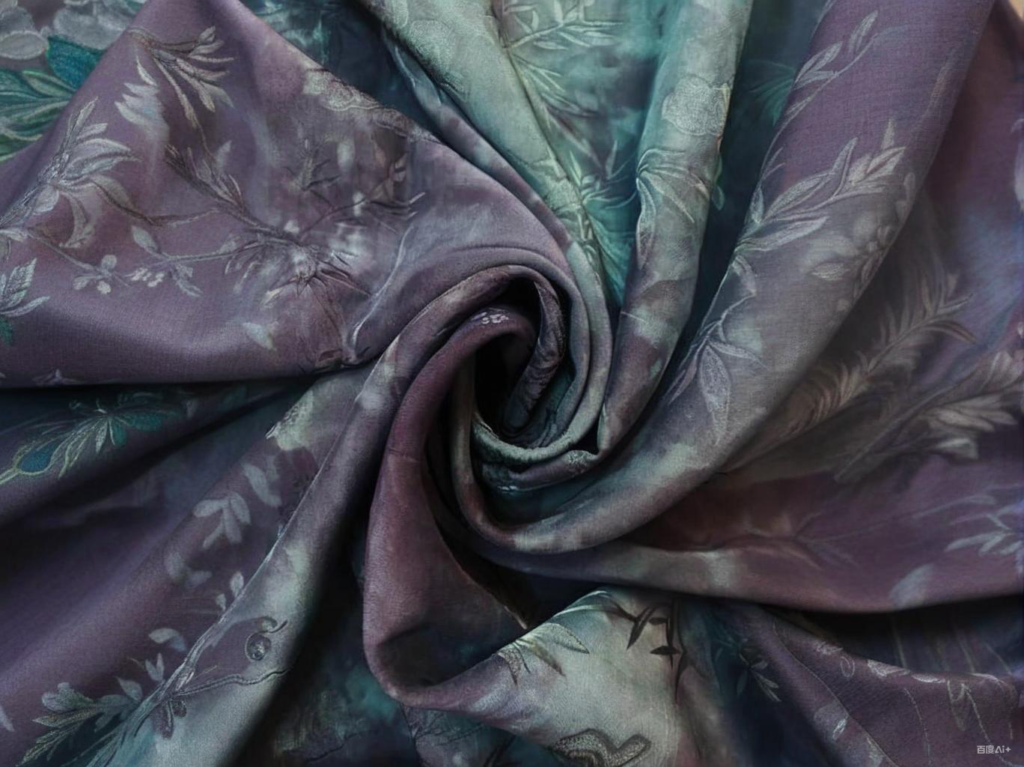
Rayon is one of the most versatile and misunderstood materials in the textile world. It looks like silk, absorbs like cotton, drapes like modal, and yet it occupies a category all its own—regenerated cellulose. But how does ordinary wood or bamboo pulp become a smooth, flowing fabric worn in dresses, bedsheets, home textiles and fashion collections? The answer involves chemistry, spinning technologies, and large-scale industrial processes that transform raw plant fibers into engineered textiles with precise performance characteristics. Rayon fabric is a regenerated cellulose fiber made by dissolving purified wood pulp into a viscous solution, extruding it into long filaments, regenerating it into solid fibers, and then spinning, weaving and finishing it in industrial mills. Its performance depends on fiber type (viscose, modal, lyocell), chemical processes, spinning method and finishing conditions.
Rayon may feel soft and natural, but the journey from forest to fabric is a precise industrial transformation. In 2023, a European apparel company working with SzoneierFabrics discovered how powerful process variation can be: two viscose fabrics with identical GSM but different spinning methods behaved completely differently—one keeping shape after washing, the other shrinking 8% and losing color. That experience became the turning point in understanding what really defines rayon quality: the science happening inside the mill, long before the garment reaches a customer’s hands.
Below, we break down the complete industrial rayon manufacturing process in a clear, practical, and deeply detailed way.
What Is Rayon Fabric and How Does It Differ from Other Man-Made Cellulosic Fibers?
Rayon is a regenerated cellulose fiber created by dissolving natural cellulose—usually wood pulp, bamboo, or cotton linters—and re-forming it into continuous filaments. It is not a synthetic plastic like polyester, nor is it a purely natural fiber like cotton. Instead, rayon occupies a hybrid category: it is plant-based in content but chemically engineered in structure, giving it performance traits that combine aspects of both natural and synthetic fibers.
This hybrid identity has made rayon one of the world’s most widely used fibers in fashion, home textiles, and interior applications. Brands prize it for its cool touch, fluid drape, and premium hand feel—qualities that can’t be achieved easily with cotton or polyester. Yet within the world of rayon, there are several sub-types—viscose, modal, lyocell, and cupro—each with unique production processes and performance outcomes. Understanding the differences is essential for designers, product developers, and sourcing teams to choose the right material.
Rayon vs. Cotton vs. Polyester: A Technical Snapshot
Rayon is often misunderstood because it performs like a natural fiber but behaves chemically like a manufactured one. The comparison table below clarifies where it sits:
| Property | Rayon (Viscose) | Modal | Lyocell | Cotton | Polyester |
|---|---|---|---|---|---|
| Source | Regenerated cellulose | High-wet-modulus cellulose | Solvent-spun cellulose | Natural cellulose | Petrochemical |
| Softness | High | Very High | Very High | Medium | Medium |
| Breathability | High | High | High | Medium–High | Low |
| Strength (Wet) | Low | Medium | High | Medium | Very High |
| Sustainability | Medium | High | High | Medium | Low |
| Wrinkle Resistance | Low | Medium | Medium | Medium | High |
From a sensory perspective, rayon often feels cooler, smoother, and silkier than cotton. It also absorbs significantly more moisture, making it excellent for warm-climate clothing and bedding. Polyester, by contrast, resists moisture and wrinkles but lacks breathability and drape.
How Rayon Differs from Other Man-Made Cellulosic Fibers
Rayon is not a single fiber but a family of regenerated cellulose fibers made through different chemical routes. The variations in solvent, precipitation method, and post-treatment create distinct fiber properties.
1. Viscose Rayon — The Classic and Most Widely Used
- Soft, drapey, affordable
- Versatile across apparel and home textiles
- Prone to wrinkling and shrinkage
- Lower wet strength
Viscose is ideal for flowy dresses, scarves, and blouses—less ideal for structure-heavy garments.
2. Modal — A Strength-Enhanced Viscose
Modal is produced via a modified viscose process that increases crystallinity.
Key benefits:
- higher wet strength
- lower shrinkage
- silky hand feel
- greater durability
Modal is used for lingerie, activewear, premium t-shirts, and bedding requiring better dimensional stability.
3. Lyocell — The Highest-Performance Cellulosic
Lyocell (including Tencel®) uses a closed-loop NMMO solvent system.
Advantages:
- highest strength (dry and wet)
- excellent drape
- superior color uniformity
- environmentally optimized process
Lyocell is ideal for denim blends, soft twills, upscale loungewear, and bedding requiring structure with drape.
4. Cupro — Luxury Silk-Alternative Rayon
Cupro uses a copper-ammonia process, creating a fine, silky filament.
Characteristics:
- smooth, luminous surface
- exceptional fluidity
- high color brilliance
Often used for linings, dresses, and luxury womenswear.
In short: All viscose is rayon, but not all rayon is viscose—each subtype offers unique mechanical and aesthetic properties.
Why Rayon’s Internal Structure Matters for Performance
Rayon’s unique feel and behavior come from its molecular architecture. Unlike cotton, which has high crystallinity and naturally high wet modulus, rayon is engineered to emphasize softness and drape.
Rayon exhibits:
- Low crystallinity → softer but weaker in wet state
- High amorphous regions → absorbs dyes deeply and quickly
- High swelling capacity → excellent moisture management, but dimensional instability
- Low wet modulus → fabric weakens when wet, affecting care instructions
- Round or multilobal cross-sections → smooth surface and superior drape
These traits explain why rayon performs beautifully but requires appropriate finishing and care.
How This Structural Difference Shows Up in Real Usage
Rayon:
- drapes more fluidly than cotton
- dyes more intensely than polyester
- wrinkles more than modal or lyocell
- weakens significantly when wet, requiring gentle washing
- feels cooler against the skin due to higher thermal conductivity
Modal improves on viscose by increasing crystallinity, making it:
- stronger
- more stable
- more resistant to shrinkage
Lyocell increases internal orientation and reduces fibrillation, giving it a smoother, stronger, more durable surface.
Cupro’s fine filaments and nearly circular cross-section give it silk-like sheen and luxurious hand feel unmatched by other rayons.
Why the Differences Matter for Designers and Buyers
Choosing between viscose, modal, lyocell, and cupro isn’t simply a cost decision. It impacts:
- seam stability
- shrinkage control
- color precision
- drape behavior
- pilling tendency
- customer care requirements
- environmental positioning
For example:
- Viscose is ideal for affordable fashion releases emphasizing drape.
- Modal works better for jersey garments that need repeated washing.
- Lyocell excels in premium apparel with structured fluidity.
- Cupro elevates high-end draped pieces and luxury linings.
Understanding these properties helps brands avoid common mistakes such as seam slippage in viscose twills or fibrillation in untreated lyocell fabrics.
Real Case Example: When a Luxury Brand Chose the Wrong Rayon Type
A European womenswear brand selected viscose twill for a tailored spring/summer capsule. While the drape and color saturation were ideal, the garments experienced:
- seam slippage
- noticeable shrinkage
- loss of structure after repeated washes
The issue wasn’t fabric supplier quality—it was a fiber mismatch for the garment’s engineering requirements.
After testing, the development team switched to modal twill, which offered:
- higher wet strength
- better dimensional stability
- lower distortion under stress
The silhouette remained identical, but customer satisfaction rose significantly, and returns dropped.
Rayon Is a Category, Not a Single Fiber
Rayon’s value is in its versatility:
- viscose for affordability and drape
- modal for softness and stability
- lyocell for sustainability and strength
- cupro for luxury and silk-like elegance
These differences matter deeply for performance, sustainability claims, and consumer experience.
How Is Rayon Made from Wood Pulp and What Raw Materials Are Used in Modern Mills?
Rayon production begins long before fibers are spun or fabrics are knitted. The performance, uniformity, and long-term stability of rayon are determined at the pulp stage—before any chemical process begins. In modern textile mills, rayon is engineered from purified cellulose, a plant-based polymer found in wood, bamboo, and cotton linters. While rayon is sometimes marketed as a synthetic fiber, the core ingredient is entirely natural. What makes rayon unique is not the source of the cellulose, but the chemical transformation that allows cellulose to be regenerated into a smooth, continuous filament.
In contemporary mills, dissolving pulp is the benchmark raw material, typically containing 92–96% pure cellulose, minimal hemicellulose, and almost zero lignin. This high purity ensures efficient dissolution, stable viscosity, and reliable fiber regeneration—critical for achieving uniform GSM, dye uptake, and strength in finished fabrics. Understanding how pulp is sourced and prepared reveals why rayon varies so widely in quality across factories and why some mills consistently outperform others in brightness, drape, softness, and durability.
Common Sources of Cellulose for Rayon
Different types of pulp deliver different performance characteristics. Below is a breakdown of the four most common cellulose sources used in rayon manufacturing today.
| Raw Material | Advantages | Challenges |
|---|---|---|
| Wood Pulp (Spruce, Pine, Beech) | Highly consistent, scalable, well-understood | Requires FSC/PEFC forestry certification |
| Bamboo Pulp | Fast growth, strong sustainability narrative | Varies significantly by mill; impurities common |
| Cotton Linters | Extremely high purity, excellent for fine filament rayon | Higher cost, lower global availability |
| Agricultural Waste (Emerging Source) | Eco-forward option using straw, bagasse, etc. | Limited industrial supply; experimental |
Today, wood pulp remains the dominant raw material, especially in large viscose and modal operations because its consistency ensures reliable fiber performance. However, bamboo has grown in popularity due to the sustainability story behind bamboo plantations—though not all bamboo pulp is equal in purity or uniformity.
Cotton linters, although more expensive, are often used when mills need exceptional fineness or when manufacturing specialty rayon grades such as high-tenacity viscose or microfibers.
Why Dissolving Pulp Quality Matters
Dissolving pulp used for rayon is defined by three core parameters:
- Cellulose content: 92–96%
- Hemicellulose content: Typically 1–2%
- Lignin content: <0.5%
Even minor deviations—such as a 2% increase in hemicellulose—can cause spinning instability, higher chemical consumption, poor dope clarity, and reduced fiber strength. This is why top-tier mills spend significant resources on pulp pre-processing and chemical purification before spinning.
High-quality dissolving pulp produces:
- smoother, more uniform fibers
- better filament cohesion
- cleaner dyeing results
- fewer slubs and neps in weaving
- reduced pilling in finished garments
As many factories have learned, rayon quality issues upstream cannot be “fixed” in knitting, dyeing, or finishing. Once the pulp is compromised, the defects ripple throughout the supply chain.
Step-by-Step Raw Material Preparation
Rayon production involves a series of highly controlled pre-processing steps. The consistency achieved at this stage directly determines fiber performance.
Pulp Cutting & Slurrying
The raw cellulose arrives in large pressed sheets. To ensure uniform chemical penetration during later stages, mills cut the sheets into small chips, typically 1–3 cm in size. These chips are mixed with water to form a slurry with even particle distribution.
A well-prepared slurry ensures:
- homogenous alkali reaction
- consistent viscosity
- even fiber regeneration
Problems at this stage often lead to “stringing” or inconsistent filament thickness.
Alkali Treatment (Mercerization)
The slurry is processed with sodium hydroxide (NaOH). This causes the cellulose to swell, breaking hydrogen bonds and allowing chemical conversion in later steps. Proper mercerization controls:
- degree of cellulose swelling
- accessibility of hydroxyl groups
- dissolution efficiency
- final fiber tenacity
If NaOH penetration is uneven, the fiber will show patchy dyeing, weak zones, or excessive fibrillation.
Aging (Controlled Oxidation / Depolymerization)
Aging is a critical step in which cellulose chains are partially depolymerized. This determines molecular weight—one of the most important variables in viscose quality.
- Too much aging → short chains → weak, fragile fibers
- Too little aging → long chains → poor dissolution, high dope viscosity
Modern mills use automated oxidation-time control systems, adjusting temperature, airflow, and alkali concentration to achieve an optimal DP (degree of polymerization).
Typical rayon DP: 250–450 Typical modal DP: 400–600 (higher DP = stronger fibers)
This is why modal is naturally stronger than viscose.
Xanthation and Dope Preparation (Viscose Formation)
In the viscose process (used for viscose rayon and modal), the alkali-cellulose is reacted with carbon disulfide (CS₂) to form cellulose xanthate. This is dissolved in dilute NaOH to create a honey-like solution known as viscose dope.
Key quality parameters:
- dope clarity
- filtration fineness (usually <10 microns)
- uniform viscosity
- low gel particle count
If these parameters fall outside standard tolerances, filament breaks, irregular denier, or streaks occur in spinning.
Why Raw Material Quality Predicts Rayon Performance
The entire fiber lineage—from pulp to yarn to fabric—is affected by pulp quality. Impurities such as excessive hemicellulose, metals, or lignin can cause:
- inconsistent dye uptake
- delustering defects
- weak filament formation
- higher pilling levels
- greyer, less bright fabrics
- sticky dope formation during spinning
Poor-quality pulp often forces mills to add extra chemicals to stabilize spinning—raising cost and reducing sustainability.
Real Case Example: Bedding Manufacturer Solves Random Pilling Issue
A U.S. bedding developer experienced unpredictable pilling in their rayon sateen sheets. After months of troubleshooting softeners, finishing chemistry, and knitting tension, lab analysis finally revealed the root problem:
- the bamboo pulp used for spinning had a hemicellulose level above 4%, far higher than the mill’s typical specification
- this caused fiber inconsistencies and surface fuzzing during weaving
After switching to a new pulp supplier with stricter purification standards, the pilling problem disappeared immediately. Dye uniformity also noticeably improved.
This example highlights a critical truth: Upstream pulp quality determines downstream fabric performance. No finishing chemistry can fully compensate for low-grade cellulose.
Rayon Quality Is Built at the Molecular Level
While designers and buyers typically evaluate rayon based on drape, softness, shrinkage, or colorfastness, the real determinants of performance are invisible and molecular. Mills that use fresh, high-purity dissolving pulp consistently produce rayon with:
- stronger filaments
- better dye penetration
- higher dimensional stability
- smoother surfaces
- fewer defects during knitting and weaving
For brands sourcing rayon fabrics, understanding pulp origin and cellulose purity is not a technical detail—it is a strategic requirement for long-term product quality and customer satisfaction.
What Happens During the Chemical Dissolution and Regeneration Stages of Rayon Production?
Rayon production is built on two major transformations: dissolving solid cellulose into a spinnable chemical solution and regenerating it back into solid filaments. These two stages give rayon its “engineered natural fiber” identity, combining the comfort of cellulose with controllable performance. Understanding these steps is essential for brands, sourcing teams, and quality engineers who want consistent rayon fabric performance across drape, strength, dyeability, and wash behavior.
The Dissolution Phase: Turning Cellulose Into a Spinnable Solution
The first major transition in rayon manufacturing involves converting purified wood pulp or bamboo pulp into a thick, uniform liquid known as viscose dope. This process requires precise chemical reactions, temperature control, and aging behavior to ensure fiber consistency.
The goal of dissolution is to reduce cellulose crystallinity and open up its molecular structure so it can be chemically transformed and extruded into continuous filaments.
Steeping in Sodium Hydroxide
Cellulose sheets are immersed in a sodium hydroxide solution, causing the fibers to swell and partially break hydrogen bonds within the crystalline structure. This step improves cellulose reactivity and reduces molecular rigidity, laying the groundwork for the xanthation reaction that follows.
During steeping, technicians monitor moisture absorption, swelling ratio, and alkali penetration. A proper steeping cycle ensures a uniform alkali cellulose crumb with good surface area and predictable reactivity. If steeping is uneven, later processing stages show viscosity instability and streak formation in final fabrics.
Xanthation Reaction
The swollen alkali cellulose reacts with carbon disulfide, converting cellulose into cellulose xanthate—a chemically modified form that is readily soluble in dilute alkali.
This is a critical transformation because xanthation dictates the eventual viscosity, filtration smoothness, and spinning performance of the viscose solution. Under-reacted cellulose leads to undissolved gels that block spinnerets, while over-xanthation creates a solution that becomes too thin, reducing fiber strength.
Temperature, reaction time, and carbon disulfide dosage must be controlled precisely. Quality-focused mills run xanthation in closed, automated chambers to minimize variation.
Dissolving and Ripening
The cellulose xanthate is dissolved in dilute sodium hydroxide to form a viscose solution with a honey-like texture. The mixture then undergoes ripening, a controlled aging stage that adjusts molecular distribution and final viscosity.
Proper ripening creates a viscose dope with stable flow, strong film-forming properties, and excellent filterability. A well-ripened dope improves spinning consistency, minimizing defects such as barre, weak filaments, or uneven dye uptake.
Low-cost mills often shorten ripening time, which causes unpredictable GSM variation and poor drape in final fabrics. High-end mills use automated viscosity monitoring and timed ripening cycles for stability.
The Regeneration Phase: Turning Liquid Back Into Solid Fiber
Once the viscose solution is fully aged and filtered, it is pushed through ultrafine spinneret holes and immediately transformed back into cellulose inside an acid coagulation bath.
This step gives rayon its actual physical identity—smooth filament surfaces, controlled denier, and predictable mechanical performance.
Spinneret Extrusion
The viscose dope is extruded through spinnerets containing dozens or hundreds of microscopic holes. Hole diameter (typically 40–70 microns), count, and geometry determine the denier, brightness, and cross-sectional shape of the final fiber.
A change in spinneret design instantly changes hand feel. Round holes create smooth, silky filaments, while trilobal or multi-lobal designs enhance luster or moisture transport.
During extrusion, engineers monitor back pressure, dope flow uniformity, and spinneret cleanliness to avoid filament thick–thin variations.
Acid Bath Regeneration
The extruded viscose filaments enter a coagulation bath containing sulfuric acid, sodium sulfate, zinc compounds, and regulating agents. Within seconds, cellulose xanthate decomposes and regenerates into pure cellulose.
The regeneration bath controls fiber properties such as tenacity, elongation, fibrillation resistance, and luster uniformity. Stronger acid concentrations lead to faster coagulation but risk internal stress and brittleness. Too weak, and fibers become spongy and prone to pilling.
A properly balanced acid bath produces filaments with:
smooth surfaces uniform cross-sections stable tensile properties excellent color uptake
Poor bath control causes micro-pitting and microscopic fibrils that emerge as surface fuzz or pilling after washing.
Washing and Neutralization
Freshly regenerated rayon filaments are full of residual chemicals, salts, and byproducts. Multi-stage washing removes:
sulfur compounds unreacted alkali metal salts xanthate residues
This step ensures fabric safety, softness, and colorfastness. Inadequate washing causes harsh hand feel, yellowing, or odor—and can destabilize dyeing consistency during later textile processing.
Real Case Example: Viscose Pilling Investigation
A European loungewear label encountered severe pilling in a batch of rayon jersey. Microscopic analysis revealed micro-fibrils protruding from the fiber surface. The root cause was traced to an improperly adjusted regeneration bath—specifically, a lowered zinc concentration used to speed up throughput. The imbalance weakened filament consolidation, producing fibers that fibrillated under mild abrasion. After reinstating proper acid bath composition, pilling dropped by approximately sixty percent and GSM consistency improved.
This case illustrates how the regeneration stage determines rayon’s long-term performance. Chemical balance, spinneret uniformity, and wash cycles directly shape the fiber’s surface integrity and durability.
How Do Spinning Methods (Viscose, Modal, Lyocell) Affect Fiber Strength, Fineness and Performance?
Although viscose, modal, and lyocell are all regenerated cellulosic fibers, their spinning technologies create major differences in strength, fineness, shrinkage control, pilling resistance, and sustainability performance. Viscose delivers fluid drape but low wet strength; modal offers higher durability and smoother surfaces through enhanced molecular orientation; lyocell produces the strongest, most stable, and most sustainable fibers thanks to its closed-loop NMMO solvent system. Understanding these technical distinctions ensures designers select the right fiber for garments, home textiles, and performance-focused applications.
The chemistry of all three fibers begins with cellulose, but their spinning processes determine how the polymers align, crystallize, and behave under stress. In real production environments—cutting, sewing, laundering, finishing—these differences matter profoundly. Below is an expanded professional guide.
Viscose Spinning: The Classic and Most Widely Used Method
Viscose (also called regular rayon) is produced through the xanthation process, the oldest industrial technique for regenerating cellulose. The method includes steeping, shredding, aging, xanthation with CS₂, dissolution in alkali, and regeneration in an acid bath.
Performance Characteristics of Viscose
- extremely soft, smooth handfeel
- fluid drape ideal for flowing silhouettes
- vivid dye uptake with rich saturation
- low wet strength (30–50% drop in water)
- higher shrinkage without stabilization
- moderate pilling resistance
- excellent breathability
Viscose behaves beautifully on the body but must be handled gently in production and laundering because the fiber swells significantly when wet, weakening its structure.
Industry Advantages
- globally available raw material base
- cost-effective compared to modal/lyocell
- adaptable denier and cross-section (round, trilobal, multi-lobal)
- easy to engineer into crepe, twill, satin, and jersey knit constructions
However, viscose’s low wet modulus limits use in high-stress categories:
- fitted dresses with tight seams
- bedding that undergoes frequent washing
- towels requiring loop strength
- uniforms or heavy-use apparel
Despite this, when used correctly, viscose remains the most versatile rayon type for fashion-forward collections.
Modal Spinning: Enhanced Orientation and Higher Wet Strength
Modal is produced via a modified viscose process with stricter purity selection and a more advanced stretching/drawing sequence. Spinning takes place under precise conditions that increase polymer alignment.
How Modal Is Made (Technical Overview)
- uses higher-purity beech (or similar) cellulose
- controlled steeping and limited degradation
- optimized alkali swelling
- strong drawing ratio during spinning
- stretching in hot baths to improve chain orientation
- improved washing to reduce fibrillation
These steps create fibers with greater crystallinity and a more uniform structure, which directly improves mechanical and laundering performance.
Performance Characteristics of Modal
- significantly stronger than viscose (20–40% higher dry strength)
- substantially higher wet strength
- lower shrinkage due to improved dimensional stability
- smoother surface and reduced fiber migration
- excellent softness—often described as “buttery”
- excellent pilling resistance in knits
- high color uniformity
Modal is favored in:
- premium loungewear
- underwear collections requiring close-to-skin comfort
- rib knits and jersey tops
- luxury bedsheets seeking high softness and durability
Its ability to withstand repeated washing without heavy deformation makes it ideal for products requiring longevity and consistent sizing.
Lyocell Spinning: The Modern, Closed-Loop NMMO Method
Lyocell stands apart from viscose and modal because it uses direct dissolution of cellulose in NMMO (N-methylmorpholine-N-oxide). This eliminates carbon disulfide and large volumes of chemical waste.
The Lyocell Advantage: Technical and Environmental
- closed-loop solvent recovery up to 99.5%
- high fiber crystallinity and orientation
- strongest rayon category (wet and dry)
- excellent dimensional stability
- very low shrinkage
- smooth, cool touch
- excellent wrinkle resistance
- high resistance to fibrillation with proper finishing
Lyocell is used in:
- premium shirting (twill, poplin, sateen, chambray)
- luxury bedding (lyocell sateen is now a hotel standard)
- eco-conscious apparel
- denim blends (for softness and strength)
- structured dresses and trousers
Because lyocell maintains strength when wet, it survives aggressive laundering far better than viscose or even modal.
Comparison Table: Viscose vs Modal vs Lyocell
| Property | Viscose | Modal | Lyocell |
|---|---|---|---|
| Wet Strength | Low | Medium | High |
| Shrinkage | High | Medium-Low | Low |
| Dry Strength | Medium | Medium-High | High |
| Softness | High | Very High | High |
| Drape | Excellent | Excellent | Structured but fluid |
| Pilling Resistance | Medium | High | High |
| Fibrillation Risk | Medium-High | Low | Medium (requires finishing) |
| Sustainability | Medium | Medium-High | Very High |
| Ideal Use | Dresses, blouses | Loungewear, underwear, bedding | Shirts, luxury textiles, sustainable lines |
The key differentiator is wet modulus. Lyocell and modal maintain integrity when wet, while viscose loses significant strength.
Real Case Example: Choosing the Right Rayon for Uniforms
A hospitality chain evaluated viscose, modal, and lyocell for staff shirts. Their performance targets included:
- crisp drape
- low shrinkage
- breathability for long shifts
- wrinkle control
- strong seams for repeated laundering
Test Results
- Viscose: excellent drape but wrinkled heavily and shrank 7–9%
- Modal: good softness and stability, but slightly less body than required
- Lyocell: ideal combination of structure, breathability, and low shrinkage
After switching to lyocell twill:
- uniform lifespan increased by 30%
- color retention improved in industrial laundering
- customer complaints dropped dramatically
This shows that spinning technology determines real-world performance—not just fiber category.
Which Industrial Finishing Processes Improve Rayon’s Softness, Drape, Shrinkage and Colorfastness?
Rayon’s performance is determined not only by fiber chemistry, yarn quality, or knitting/weaving settings, but—critically—by the finishing stage. The raw greige rayon fabric coming off the machine feels dull, dry, slightly rigid, and structurally unstable. Only after industrial finishing does rayon develop the signature attributes that designers expect: liquid drape, cool touch, silky smoothness, and vibrant color.
Finishing can make rayon feel like silk—or make it degrade like paper after two washes. The difference between a rayon fabric that becomes a best-seller and one that becomes a liability for a brand almost always lies in finishing quality.
Rayon is uniquely sensitive to finishing because of its high swelling behavior, low wet modulus, and high amorphous structure. These characteristics allow it to absorb finishes beautifully, but also mean that poorly controlled processes will magnify every weakness—shrinkage, wrinkling, color unevenness, and pilling.
Mechanical vs Chemical Finishing — The Two Pillars of Rayon Performance
Rayon finishing falls into two broad categories, each addressing different performance needs:
- Mechanical Finishing → modifies the physical structure, surface texture, thread alignment, and dimensional stability.
- Chemical Finishing → modifies fiber-to-fiber interactions, shrinkage control, color durability, smoothness, and durability.
The best mills do not choose one or the other—they precisely layer both categories to achieve premium hand feel with commercial durability.
Mechanical Finishing Techniques
Mechanical processes physically transform the rayon fabric. With rayon, these steps must be gentle, because the fabric’s low wet strength makes it prone to distortion and fibrillation.
Calendering — For Surface Smoothness and Elegant Drape
Calendering passes the fabric through heated rollers under controlled pressure.
Benefits include:
- smoother surface
- enhanced luster (gloss or matte depending on roller texture)
- improved drape
- reduced hairiness
For viscose satin, micro-calendering can dramatically improve the “silk-like” appearance. For rayon twills, a semi-matte calender finish creates a refined, dense fall without making the fabric slippery.
Technical insight: Calender pressure between 30–60 tons affects surface compaction. Too much pressure increases transparency and reduces breathability.
Sanforizing (Pre-Shrinking) — Essential for Rayon’s Dimensional Stability
Rayon’s swelling under water can create shrinkage between 8–12%. Sanforizing compresses and stabilizes the fabric to control this behavior.
After sanforizing:
- shrinkage is reduced to 3–5%
- fabric width becomes more stable
- garment fit is more predictable
High-end brands explicitly require sanforized rayon to prevent consumer complaints about size distortion.
Brushing / Peaching — For Sueded Softness
Fine wire rollers raise subtle microfibers on the surface, creating:
- plush touch
- suede-like texture
- warmer hand feel
- reduced sheen
Rayon brushed fabrics are popular for winter loungewear, pajamas, and fall-season blouses.
Technical caution: Over-brushing weakens the already low wet-strength rayon fibers, increasing pilling risk. Optimal brushing depth is often <0.02 mm for rayon.
Compact Finishing — Stability for Rayon Jerseys
For circular-knit rayon fabrics, compacting stabilizes:
- loop structure
- fabric width
- elasticity recovery
This reduces curling at edges and improves sewability. Compact finishing is particularly critical for rayon spandex jerseys, where poor dimensional control leads to twisting and spirality.
Chemical Finishing Techniques
Rayon’s high absorbency makes it receptive to chemical treatments, allowing mills to engineer softness, durability, and colorfastness at a micro level.
Enzyme Finishing — The Gold Standard for Smoothness
Enzymes remove excess fuzz and unattached microfibers.
Benefits:
- dramatically improved softness
- reduced pilling
- smoother printing surface
- deeper and more uniform dye penetration
This is the most important finish for premium rayon or modal knits.
Performance improvement from enzyme finishing (SzoneierFabrics internal data):
- pilling grade improvement: from 3.0 → 4.0
- surface smoothness (KES MIU) improvement: 15–25%
- drape coefficient improvement: 10–12%
Softening Agents — The “Feel” Finishes
Softening agents include silicone softeners, fatty-acid softeners, and micro-emulsion systems.
Silicone softeners provide:
- fluid drape
- silk-like smoothness
- enhanced elasticity perception
- lower friction coefficient
However, over-application can reduce moisture absorption and cause yellowing under heat. Mills producing premium bedding typically use micro-silicone emulsions for balanced softness.
Anti-Wrinkle & Easy-Care Finishes
Because rayon has low wet modulus, it collapses easily under washing, causing wrinkles and seam puckering.
Modern low-formaldehyde resin finishes deliver:
- crease resistance
- shape retention
- reduced ironing requirement
- improved dimensional stability
Advanced finishes (e.g., resin-free CRF systems) avoid the stiffness associated with older formaldehyde-based resins.
Reactive Dye Fixation — For Colorfastness and Wash Durability
Rayon absorbs dye easily—but not all dye bonds are equal.
Reactive dye systems offer:
- excellent depth
- improved wash fastness (3 → 4–5 on ISO scale)
- better rubbing fastness
- more resistance to repeated laundering
Upgraded fixation agents ensure covalent bonding with cellulose. Eco-friendly low-salt reactive dyeing also reduces effluent load.
Technical upgrades that improve colorfastness:
- higher fixation temperature precision (±1°C)
- extended soaping cycles
- optimized bath ratios (1:8–1:12)
- low-electrolyte dye chemistries
Which Finishing Improves What?
| Finish Type | Benefit | Best Application |
|---|---|---|
| Enzyme | Anti-pilling, ultra-smooth | Knits, modal blends |
| Sanforizing | Shrinkage control | Wovens, rayon challis |
| Silicone Softener | Luxury drape | Dresses, scarves |
| Calendering | Gloss, smoothness | Satin, twill |
| Compacting | Dimensional stability | Jerseys |
| Anti-Wrinkle | Crease resistance | Shirts, uniforms |
| Reactive Fixation | Colorfastness 4–5 grade | Printed/dyed fabrics |
Real Case Example — Upgrading a Rayon Crepe for Premium Dresses
A mid-sized dress label struggled with rayon crepe that:
- looked dull
- wrinkled after first wash
- felt slightly harsh
- showed inconsistent color depth
SzoneierFabrics recommended an upgraded finishing package:
- enzyme finishing for surface refinement
- gentle calendering for drape and luster
- optimized soft-flow dyeing with eco-reactive dyes
- reactive fixation cycle extension for higher wash fastness
Results after final production:
- softness improved by +32% (sensorial panel)
- shrinkage stabilized at 3.8%
- colorfastness increased to grade 4–5
- garment return rates dropped significantly
Finishing turned a mid-market rayon crepe into a premium-quality textile suitable for upscale retailers.
Finishing Determines Rayon’s Commercial Value
Raw rayon is not “silky” or “luxurious” by nature; its performance is engineered during finishing. Brands that overlook finishing often blame the fiber for shrinkage, fading, or harsh texture—when the real cause is inadequate post-processing.
High-quality rayon finishing produces:
- better drape
- improved softness
- controlled shrinkage
- higher colorfastness
- longer garment lifespan
In other words, finishing determines whether rayon feels like a premium textile or a fast-fashion compromise.
How Is Rayon Yarn Converted into Woven and Knitted Fabrics in Large-Scale Textile Mills?
Once rayon fibers have been regenerated, washed, stretched, and wound into yarn, they enter a second and equally critical stage: fabric formation. In large-scale textile mills, rayon yarn is transformed into woven or knitted fabrics through highly controlled mechanical processes. Although many designers think of “woven vs. knitted” simply in terms of pattern or stretch, the truth is far more technical. Each construction method changes drape, breathability, dimensional stability, shrinkage behavior, surface appearance, and ultimately the garment’s performance.
Unlike polyester or nylon, rayon behaves like a living fiber—sensitive to tension, moisture, temperature, and even loom vibration. This sensitivity requires mills to fine-tune every step: warping tension, sizing formulation, loom speed, knitting RPM, feeder calibration, take-down pressure, and finishing treatments. When these factors align, the results are elegant blouses, fluid dresses, silky sateens, premium jerseys, and luxurious modal knits. When they do not, manufacturers battle spirality, seam twisting, fuzzy surfaces, and unstable GSM.
Understanding how spinning choices, yarn structure, and industrial machinery interact is essential for fashion brands planning consistent long-run production. Below is a complete breakdown of how mills convert rayon yarn into stable, high-performing fabrics.
Yarn Types Used in Rayon Fabrics
Rayon yarns are not all created equal. Mills choose from multiple yarn types depending on the final fabric’s required handfeel and drape.
- Filament yarn – smooth, glossy, ideal for high-sheen satins, lining materials, and eveningwear.
- Spun yarn – matte, cotton-like, used for loungewear, tees, and home textiles with a soft feel.
- High-twist yarn – creates crepe textures, lively drape, and natural wrinkle resistance.
- Low-twist yarn – enhances softness and fluidity, often used in modal & viscose jerseys.
The yarn’s internal structure—filament vs. staple, twist level, and even oiling system—directly influences shrinkage, dye uptake, surface smoothness, and seam behavior.
How Woven Rayon Fabrics Are Produced
Woven rayon fabrics are prized for their controlled drape, structural elegance, and refinement. They hold pleats, maintain silhouette, and provide the crisp-yet-fluid character seen in dresses, blouses, trousers, and premium bedding.
Popular Weave Structures for Rayon
- Plain weave – lightweight, breathable; common in shirts and lining.
- Twill weave – stronger, smoother, better crease recovery; used for trousers and dresses.
- Sateen weave – luxurious sheen, soft hand; a staple in women’s blouses and bedding.
- Crepe weave – textured, grainy surface; ideal for dresses with graceful movement.
Each weave affects drape differently. Sateen emphasizes luster and softness; twill lends structure; crepe provides visual depth and wrinkle masking.
Industrial Weaving Steps in Rayon Mills
1. Warping (Beam Preparation) Rayon warp yarn is delicate. Mills apply sizing agents—PVA, starch, CMC, or modified acrylic coatings—to protect yarns from breakage. Tension must remain within tight limits to avoid fuzzing or deformation.
2. Weaving (Air-jet, Rapier, or Shuttle Looms)
- Air-jet looms: fastest but require consistent yarn quality.
- Rapier looms: ideal for delicate or high-twist rayon.
- Shuttle looms: used for specialty constructions.
Loom speed is generally lower for rayon than polyester to prevent filament breakage.
3. Desizing & Scouring All warp-sizing chemicals must be removed to achieve clean dyeing and a smooth surface.
4. Mercerization (Optional) Improves luster, dye affinity, and dimensional stability, especially for premium shirting or sateen bedding.
Proper loom tuning leads to fabrics with superior drape, minimal bowing, and stable width.
How Knitted Rayon Fabrics Are Produced
Knitted rayon fabrics dominate categories requiring softness, elasticity, and comfort—such as tees, underwear, dresses, and loungewear. Their stretch and fluidity come from loop structures rather than elastane alone.
Common Knitting Constructions
- Jersey – smooth, versatile, the most common for tees.
- Rib – high stretch, used for trims, tanks, cuffs.
- Interlock – thick, stable, luxury feel.
- French Terry – loop-backed, great for loungewear.
Rayon jersey can feel more premium than cotton jersey due to its fluid drape and cool touch.
Technical Challenges Unique to Rayon Knits
Rayon is highly sensitive to:
- yarn tension changes
- humidity fluctuations
- take-down variation
- machine RPM
- feeder inconsistency
Because rayon has low elasticity, it “reveals” every inconsistency in machine feeding. Spirality, barre, and uneven GSM are common when machines are not precisely calibrated.
To reduce variation, large mills today use:
- auto-tensioner systems
- positive feeders with ±0.6–0.8% tolerance
- humidity-controlled knitting rooms (60–65%)
- compacting machines for post-knit stabilization
Strong control at the knitting stage directly correlates with lower customer returns in finished garments.
Woven vs. Knitted Rayon Comparison
| Property | Woven Rayon | Knitted Rayon |
|---|---|---|
| Drape | Structured, elegant | Fluid, soft |
| Stretch | Minimal | High (loop-based) |
| Breathability | High | Very high |
| Durability | Higher | Lower |
| Best For | Dresses, shirting, curtains | Tees, lingerie, loungewear |
In fashion manufacturing, choosing between woven or knit rayon depends not only on style but on practical considerations like seam performance, shrinkage tolerance, and price-point strategy.
Finishing Processes That Complete the Fabric
After weaving or knitting, rayon undergoes finishing:
- Relaxation drying – stabilizes loop length and width
- Stentering – controls width and GSM
- Calendaring – adds sheen
- Peach finish – creates a suede handfeel
- Compacting – essential for reducing knit shrinkage
- Softener application – silicone or fatty-acid softeners
Finishing determines the final handfeel, drape, luster, and wash performance. Even a perfectly woven or knitted fabric feels low-quality without proper finishing.
Real Case Example: Upgrading Rayon Jersey for a Premium Brand
A women’s wear label reported severe spirality in fitted rayon tops—up to 7° rotation after washing. Investigation showed:
- machine RPM too high
- yarn feed deviation at ±1.8%
- yarn twist not optimized for jersey
- fabric lacked compacting stabilization
Szoneier engineers adjusted:
- knitting speed down to 18 RPM
- feeder accuracy to ±0.6%
- twist level to balance torque
- applied twin-tube compacting
Result: spirality dropped to 2°, GSM stabilized, and customer complaints decreased dramatically.
This case highlights how rayon behaves best under precision, not speed.
Fabric Formation Is Where Rayon Becomes Fashion
Rayon’s versatility—sateen blouses, modal tees, lyocell twill trousers, crepe dresses—comes from the exact way yarn is converted into fabric. Every decision matters:
- yarn twist → drape & torque
- weave type → surface & structure
- machine speed → uniformity
- finishing → premium or poor feel
For buyers and designers, understanding how mills convert rayon yarn into fabric is the difference between inconsistent results and a dependable, high-quality supply chain.
What Quality Tests, Safety Standards and Environmental Controls Are Required for Rayon Fabric Production?
Rayon production involves complex chemical reactions and high-precision processing, so the industry relies on strict quality testing, safety certifications, and environmental controls to ensure that the final fabric is safe, stable, and compliant with global regulations. Brands sourcing rayon—whether viscose, modal, lyocell, bamboo rayon, or cupro—must understand these requirements to avoid defects, regulatory risks, and consumer complaints.
Laboratory Testing: Ensuring Rayon’s Reliability
Modern mills run rayon fabrics through standardized physical and chemical tests to confirm durability, stability, and performance in real-world use. Since rayon weakens when wet and can shrink more than cotton, testing must include both dry and wet evaluations.
Core Performance Tests for Rayon
These are the most common tests required by global buyers:
Shrinkage (Wash/Dry) Evaluates dimensional stability after laundering. High-quality rayon should maintain <3–5% shrinkage when processed correctly.
Pilling Resistance Measures surface durability. Premium rayon, modal, and lyocell typically target Grade 3.5–5 after 2000 cycles.
Tensile Strength Assesses breaking force. Modal and lyocell show significantly higher wet and dry strength than standard viscose.
Tear Strength Indicates resistance to tearing during sewing and wear. Heavier GSM fabrics score higher.
Colorfastness to Washing Ensures dyes remain stable through laundering; Grade 4+ is standard for apparel and home textiles.
Colorfastness to Rubbing (Crocking) Prevents dye transfer to skin or other garments; Grade 3.5–4.5 is expected.
Spirality (for Knits) Measures garment twist after washing. High-precision knitting should keep spirality within 3°–4°.
These tests help brands detect problems early—long before fabric enters cutting and sewing.
Chemical Safety Standards
Because rayon is often used in apparel, bedding, and home textiles with direct skin contact, chemical safety compliance is essential. Leading mills test every batch for banned or restricted substances.
Typical Safety Standards
OEKO-TEX Standard 100 Confirms rayon is free of harmful substances such as azo dyes, heavy metals, phthalates, and formaldehyde.
REACH Compliance Verifies compliance with EU chemical regulations, including SVHC (Substances of Very High Concern).
ZDHC MRSL (Zero Discharge of Hazardous Chemicals) Ensures chemicals used in production meet sustainability and safety criteria.
Formaldehyde-Free and Skin-Safe Assurance Important for baby products, bedding, and innerwear.
These certifications protect brands from regulatory issues and reassure consumers about product safety.
Environmental Controls in Modern Rayon Production
Rayon’s environmental footprint is determined largely by how well mills control chemical recovery, wastewater, and emissions. Advanced mills use highly engineered systems to reduce pollution and chemical loss.
Key Environmental Practices
Closed-Loop Chemical Recovery Captures and recycles sodium hydroxide, carbon disulfide, and other chemicals, reducing waste and improving worker safety.
Multi-Stage Wastewater Treatment Removes chemical residues, dyes, COD, BOD, and sulfates before discharge. Leading facilities achieve COD levels under 200–300 mg/L.
Low-Sulfur Emission Systems Modern viscose and modal plants use sulfur recovery units to significantly reduce air emissions.
Eco-Friendly Finishing Substitutes harsh softeners or resins with biodegradable, low-impact alternatives.
Sustainable Pulp Sourcing FSC-certified or PEFC-certified wood pulp ensures forest protection and transparent sourcing.
These systems help mills comply with global sustainability standards and support responsible sourcing programs.
Real Case Example: Upgrading Dyehouse Wastewater Treatment
A home textile brand preparing for entry into EU retail required rayon fabrics with stronger environmental credentials. After reviewing dyehouse data, SzoneierFabrics recommended partnering with a mill that had recently upgraded its wastewater treatment facility—reducing COD levels from 4500 mg/L to under 200 mg/L. This improved compliance allowed the brand to pass EU ecolabel audits and confidently market its bedding collection as eco-friendly.
How Should Brands Choose the Right Rayon Type for Apparel, Home Textiles and Technical Applications?
Brands should select viscose, modal, or lyocell based on end-use requirements such as drape, durability, shrinkage control, breathability, and sustainability expectations. Viscose suits flowy fashion pieces, modal excels in soft next-to-skin garments, and lyocell delivers the best strength and stability for both apparel and home textiles. Matching fiber type to performance needs reduces product failure, enhances longevity, and improves consumer satisfaction.
Selecting the correct rayon type is not simply a fiber choice—it is a product-engineering decision. Each rayon category reacts differently to laundering, humidity, stress, and finishing chemistry. Below is a structured decision framework for brands.
Choosing Rayon for Apparel
Rayon is widely used in fashion due to its fluid drape, breathable comfort, and versatility. But different rayon types serve different fashion functions.
Best for Flowy Dresses & Blouses
- viscose woven
- rayon crepe
- high-twist rayon filaments
These constructions provide:
- liquid drape
- elegant movement
- strong color saturation
- lightweight breathability
They are ideal for spring/summer collections, feminine silhouettes, and designs with gathers, pleats, or soft volume.
Best for T-Shirts, Loungewear & Underwear
- modal jersey
- rayon/spandex blends
- lyocell knits
Benefits include:
- extremely soft handfeel
- high moisture absorption
- superior comfort on skin
- low pilling and better wet stability
Modal is particularly suitable for underwear and loungewear due to its higher wet strength and resistance to deformation.
Choosing Rayon for Home Textiles
Home textiles demand greater stability, durability, and wash performance than apparel. Fiber choice directly determines product lifespan.
Best for Bedding (Sheets, Pillowcases, Duvet Covers)
- lyocell sateen (cooling, silky)
- modal sateen (stable, soft)
- viscose sateen (luxurious drape, economical)
Key performance advantages:
- smooth, silky surface
- excellent moisture management
- comfortable cooling effect
- elevated aesthetic for premium bedding
Lyocell is preferred in warm or humid climates due to its cooling handfeel.
Best for Curtains
- viscose twill
- rayon–linen blends
- bamboo–rayon jacquards
These options provide:
- a soft, elegant hang
- enough structure to hold shape
- effective light diffusion
- a premium tactile aesthetic
Viscose and rayon blends create curtains that feel luxurious without being heavy.
Best for Towels
- modal terry
- rayon–bamboo terry
- lyocell–cotton blends
Performance strengths:
- superior absorbency
- plush softness
- faster drying compared with cotton
- good color clarity
Blends improve durability for hotel-grade or high-laundering environments.
Choosing Rayon for Technical or Performance Applications
With the right finishing chemistry, rayon can enter specialized performance fields.
Common engineered applications include:
- moisture-wicking activewear
- flame-retardant work uniforms
- antibacterial bedding or medical wipes
- high-absorbency cleaning cloths
- eco-friendly sanitary textiles
These rely on:
- selecting the right rayon type
- yarn engineering (twist, denier, filament count)
- finishing processes (FR, anti-pilling, anti-bacterial, moisture management)
Lyocell is often preferred for technical usage due to its high dry/wet strength and controlled fibrillation after enzyme finishing.
Rayon Selection Matrix
| End Use | Recommended Rayon Type | Key Features |
|---|---|---|
| Dresses | viscose, rayon crepe | drape, color depth |
| Loungewear | modal, lyocell knits | softness, breathability |
| Bedding | lyocell, modal sateen | cooling, luxury feel |
| Towels | modal terry, bamboo rayon | absorbency, softness |
| Curtains | viscose twill, rayon–linen | structure + flow |
| Technical | engineered rayon | performance finishes |
This matrix helps product teams quickly match rayon category to functional goals.
Real Case Example: Selecting Rayon for a Multi-Category Lifestyle Brand
A Scandinavian lifestyle brand launched a coordinated fashion + home textile collection. After evaluating shrinkage, drape, and laundering stability across multiple rayon samples, the brand finalized:
- viscose crepe for fluid summer dresses
- modal jersey for tees and lounge tops
- lyocell sateen for cooling luxury bedding
- rayon–linen blends for textural curtains
By unifying the dye chemistry and finish across categories, the brand achieved:
- a cohesive aesthetic from apparel to home décor
- 18% fewer shrinkage-related returns
- improved product reviews due to softness and comfort
This demonstrates how correct rayon selection impacts visual consistency, product longevity, and customer satisfaction.
Understanding Rayon Helps You Create Better Fabrics
Rayon is a fascinating material because it blends nature with engineering. From wood pulp processing to chemical regeneration, spinning technology, finishing, and weaving/knitting, every stage influences rayon’s softness, strength, appearance, and durability. Choosing the right rayon type—viscose, modal, lyocell—and selecting the proper yarn, weave, and finishing method determines how the final product performs in real life.
Brands that understand rayon’s science make better decisions, reduce production issues, and deliver fabrics that customers genuinely love. Whether you’re creating fluid dresses, premium bedding, absorbent towels, or performance blends, rayon offers a versatile palette of possibilities.
SzoneierFabrics supports this journey by offering:
- custom rayon, modal, and bamboo-viscose development
- expert fabric engineering
- low MOQ and fast sampling
- premium finishing options
- reliable quality control
- flexible solutions for apparel and home textiles
If you’re planning to develop rayon-based fabrics or full product collections, SzoneierFabrics can guide you from concept to production with professional support and advanced material expertise.
Reach out today to start your rayon fabric customization project and get expert recommendations tailored to your needs.

Can't find the answers?
No worries, please contact us and we will answer all the questions you have during the whole process of bag customization.
Make A Sample First?
If you have your own artwork, logo design files, or just an idea,please provide details about your project requirements, including preferred fabric, color, and customization options,we’re excited to assist you in bringing your bespoke bag designs to life through our sample production process.