 Skip to content
What Is Satin vs Cotton? Which Works Better for Summer Apparel?
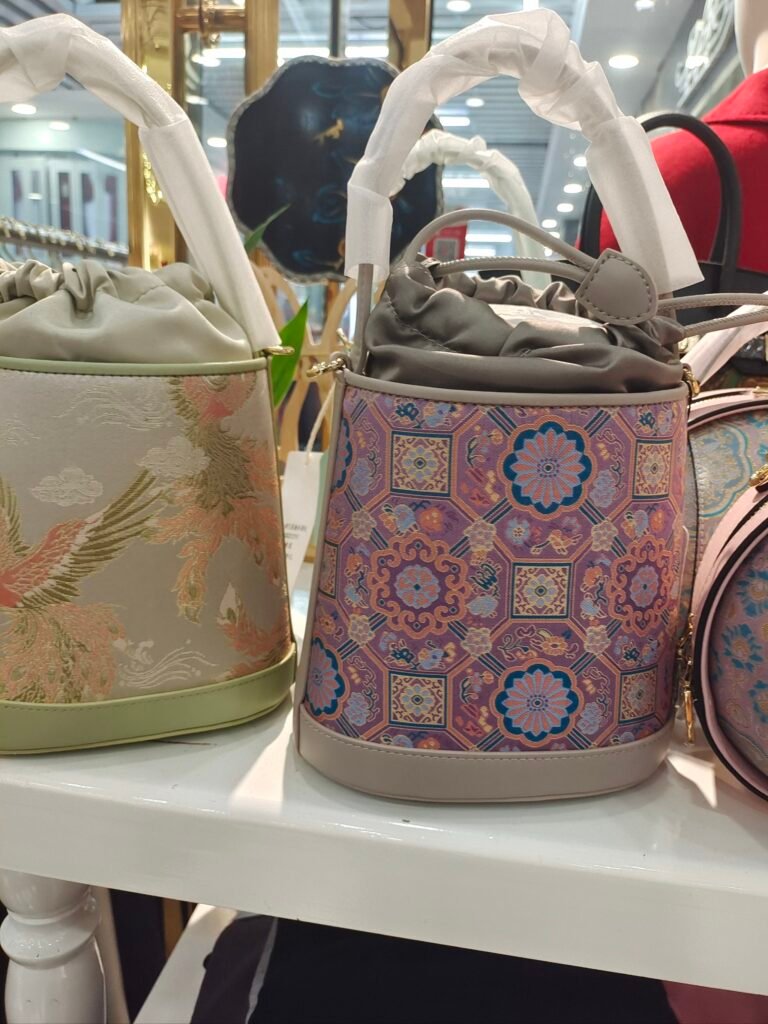
Every summer, designers and apparel buyers face the same dilemma: Which fabric delivers the perfect balance of comfort, style, and cost for hot-weather clothing—satin or cotton? Both materials have centuries of textile heritage, yet they offer distinct advantages when it comes to breathability, drape, and affordability.
Satin, defined by its smooth weave rather than fiber type, offers a luxurious drape and cooling feel ideal for evening dresses and nightwear, while cotton, a natural fiber, provides superior breathability, moisture-wicking, and casual comfort for everyday summer apparel. Choosing between them depends on the garment’s purpose, cost constraints, and desired aesthetic.
Consider this: In 2023, a European resortwear brand switched 40% of its summer collection from cotton to lightweight silk-satin blends, boosting sales in high-end resort markets by 22%. Yet in the same year, sportswear brands doubled down on organic cotton fabrics, citing sustainability and sweat absorption as top consumer priorities. Both fabrics shine under different lights—let’s explore how.
What Are the Key Differences Between Satin and Cotton Fabrics in Terms of Fiber Composition and Weave Structure?
Although both satin and cotton appear frequently in wardrobes and fashion collections, they are fundamentally different in how they are defined, constructed, and perceived. Cotton is a fiber—a natural cellulose staple spun into yarns—while satin is a weave structure that can be applied to various fibers, traditionally silk and now polyester, acetate, or blends.
This distinction explains why satin is prized for its lustrous surface and drape, whereas cotton is valued for its breathability, comfort, and everyday wearability. Fashion buyers and sourcing teams often weigh these attributes when deciding which fabric aligns better with a product line’s aesthetic, functional, and cost requirements.
Satin is defined by its weave (warp floats creating a glossy finish) and can be made from silk or synthetics, while cotton is a natural fiber typically woven in plain or twill patterns, offering softness and breathability rather than sheen.
Fiber vs. Weave Comparison
| Parameter | Satin | Cotton |
|---|---|---|
| Definition | Weave structure (4:1 or 5:1 warp floats) | Natural fiber from cotton plant |
| Common Fiber Types | Silk, Polyester, Acetate | 100% Cotton, Cotton Blends |
| Weave Pattern | Satin Weave (Glossy Front) | Plain Weave, Twill Weave |
| Surface Texture | Smooth, Lustrous | Matte, Soft |
| Typical GSM (Summer Apparel) | 80–150 GSM | 100–200 GSM |
| End-Use Applications | Dresses, Lingerie, Nightwear | T-Shirts, Shirts, Casual Wear |
1.1 Material Origins and Processing
The first distinction lies in material origin:
- Satin:
- Not a fiber but a weave technique requiring filament yarns.
- Originally woven with silk filaments in Tang Dynasty China, now also woven with polyester, acetate, or nylon filaments.
- The longer filaments create continuous reflective surfaces, giving satin its hallmark glossy face and dull back.
- Cotton:
- A cellulose fiber harvested from the seed hairs of the cotton plant.
- Composed of short staple fibers that must be spun into yarns.
- Produces a matte, absorbent surface with excellent moisture management, but without natural shine unless treated.
Processing also differs: cotton requires spinning, weaving/knitting, and finishing, while satin requires filament fibers and specialized weave setups that prioritize float structures over intersections.
1.2 Performance Metrics
For sourcing decisions, performance under real use conditions often matters more than historical definitions.
- Tensile Strength:
- Silk or polyester satin exhibits higher tensile strength than lightweight cotton fabrics, especially in finer GSM ranges.
- Cotton’s staple structure makes it less durable in high-tension applications but more resilient to abrasion.
- Shrinkage:
- Cotton can shrink 3–5% post-wash, especially if untreated.
- Polyester satin shrinks less than 2% due to dimensional stability. Silk satin may require dry cleaning to avoid shrinkage or distortion.
- Moisture Management:
- Cotton excels in absorbency (up to 27 times its weight in water), making it breathable and ideal for hot climates.
- Satin made from synthetics has low absorbency, which can trap heat, while silk satin balances breathability with sheen.
- Care Requirements:
- Cotton is machine-washable and low maintenance.
- Satin, particularly silk-based, often requires delicate handling or dry cleaning, which influences consumer buying decisions.
1.3 Aesthetic vs. Functional Trade-Offs
The strongest contrast between satin and cotton lies in aesthetics versus functionality:
- Satin:
- Prioritized in fashion when sheen, elegance, and drape are key selling points.
- Dominates in bridal gowns, lingerie, nightwear, and luxury accessories.
- Used by luxury brands to project exclusivity and by mass-market retailers to offer “affordable glamour” with polyester satins.
- Cotton:
- Valued for comfort, affordability, and versatility.
- Dominates in casualwear, everyday shirting, denim, and undergarments.
- Associated with breathability, making it practical for warm-weather and active lifestyles.
For buyers, the choice often reflects end-user expectations: satin for special occasion garments and cotton for everyday essentials.
1.4 Market Perspective: Luxury vs. Mass Applications
The market positioning of satin and cotton differs sharply:
- Luxury Fashion:
- Satin is non-negotiable for bridal couture and high-end lingerie. Silk duchess or charmeuse satins retail at $30–$60 per meter, contributing significantly to garment costs.
- Cotton, even at luxury quality (e.g., Egyptian or Supima), is far more affordable, averaging $10–$20 per meter, and used in shirts or casual dresses.
- Mass Market:
- Polyester satin ($2–$5 per meter) is common in fast-fashion eveningwear and online bridal alternatives.
- Cotton remains the undisputed leader in basics like T-shirts and jeans, benefiting from low MOQs and fast turnaround times in global supply chains.
1.5 Sustainability Considerations
Sourcing teams must now weigh sustainability as much as aesthetics or cost:
- Cotton:
- Conventional cotton accounts for 16% of global pesticide use, raising environmental concerns.
- Organic and BCI-certified cottons mitigate this but come at a 15–20% cost premium.
- Satin:
- Silk satin is biodegradable but resource-intensive, requiring mulberry cultivation.
- Polyester satin has a high carbon footprint but recycled PET satins reduce emissions by up to 40%.
- Acetate satin is semi-natural (wood pulp origin) but relies on chemical processing.
Eco-conscious brands may market organic cotton as a sustainable everyday option, while premium labels turn to peace silk or recycled polyester satin to align with ESG goals.
Case Example: Sourcing Decisions in 2023
A European mid-market fashion brand compared cotton and satin for its summer capsule collection:
- Cotton Shirts (150 GSM plain weave):
- Cost-effective at $12/m.
- High consumer satisfaction for comfort and breathability.
- Positioned for everyday wear.
- Polyester Satin Dresses (120 GSM charmeuse):
- Slightly cheaper at $5/m.
- Outperformed cotton in visual appeal and sold 30% faster in eveningwear categories.
- Received lower consumer ratings for comfort in warm climates.
The outcome? The brand retained cotton for core basics but expanded polyester satin in its partywear line, proving that fiber and weave strategy should vary by product category.
Satin vs. Cotton as Complementary, Not Competing, Fabrics
Satin and cotton are not direct substitutes but complementary fabrics serving different needs:
- Satin is defined by its weave, excelling in shine, drape, and luxury positioning, but with trade-offs in comfort and care depending on fiber composition.
- Cotton is defined by its fiber, excelling in breathability, comfort, and affordability, but lacking the elegance of satin.
- Sourcing Strategy: Use satin for statement pieces, bridalwear, lingerie, and eveningwear; use cotton for everyday essentials, casualwear, and accessible price points.
- Sustainability: Both fabrics face environmental scrutiny, but innovations like organic cotton, recycled polyester satin, and peace silk are creating sustainable sourcing options.
For fashion buyers, the key lies in aligning fabric choice with target consumer expectations, price tier, and garment function. Satin delivers visual drama; cotton ensures daily comfort—together, they define much of the modern apparel landscape.
Which fabric—satin or cotton—offers better breathability and moisture-wicking for hot summer climates?
When consumers shop for summer apparel, two qualities matter most: breathability and moisture management. These properties determine not only how a garment feels on first contact but also how comfortable it remains during hours of wear in humid, hot, or arid conditions. Satin and cotton are often compared in this context because they appear in similar categories—from shirts and dresses to nightwear and resort pieces—but their performance diverges sharply depending on fiber content and weave.
Cotton outperforms satin in breathability and moisture-wicking due to its natural cellulose structure, while satin feels cooler to touch but may retain heat in humid conditions unless made from lightweight silk or specialized blends.
Thermal and Moisture Performance
| Property | Cotton (100%) | Satin (Silk / Polyester) |
|---|---|---|
| Air Permeability (mm/s) | 300–400 | 100–250 |
| Moisture Regain (%) | 7–8% (High Absorbency) | 0.5–1% (Polyester Satin), 8–10% (Silk) |
| Thermal Conductivity (W/mK) | 0.04–0.06 (Breathable) | 0.03–0.04 (Slightly Lower) |
| Comfort in Humid Conditions | Excellent | Moderate–Good (Silk) / Moderate (Poly) |
2.1 Cotton: Natural Breathability and Moisture Absorption
Cotton’s cellulose-based fiber structure contains thousands of tiny channels that absorb moisture from the skin and allow air to circulate freely. Its plain or twill weaves also encourage breathability, especially in lighter fabrics like poplin or voile.
- Moisture Regain: At 7–8%, cotton efficiently absorbs sweat, preventing cling and stickiness.
- Summer Performance: Cotton garments can handle high humidity, making them the default choice in tropical markets.
- Limitations: Cotton retains moisture longer than synthetics, which may cause garments to feel damp. However, in hot climates, the evaporation effect can actually cool the skin.
Brands like Nike and Adidas continue to use organic cotton for summer T-shirts, where absorbency and comfort matter more than sheen or luxury.
2.2 Satin: Cooling Touch but Limited Breathability
Satin’s smooth surface feels cool against the skin on first contact because the warp-dominant weave reflects heat and reduces friction. However, its breathability depends heavily on fiber composition:
- Silk Satin: Absorbs 8–10% of its weight in moisture, offering decent performance in hot climates. Lightweight silk charmeuse is often used for luxury resortwear and summer dresses, delivering both cooling touch and elegance.
- Polyester Satin: Retains only 0.5–1% moisture, trapping sweat and heat in humid climates. It feels smooth and looks glossy but lacks the comfort of natural fibers.
- Polyester-Silk Blends: Offer a middle ground, balancing absorbency with affordability.
Luxury resort brands often use silk satin kaftans or gowns for their cooling elegance in eveningwear, even in hot destinations, though they are less practical for day-long wear compared to cotton.
2.3 Climate Impact Analysis
The effectiveness of satin vs. cotton shifts based on climate type:
- Tropical / Humid Climates (e.g., Southeast Asia, Brazil): Cotton dominates because it absorbs sweat and allows airflow, reducing discomfort in sticky conditions. Polyester satin in these climates can feel clammy.
- Arid / Hot Climates (e.g., Middle East, Southwest U.S.): Lightweight silk satin can be advantageous because its low thermal conductivity and reflective sheen reduce heat buildup. Cotton still performs well, but silk satin may feel cooler during the hottest hours.
- Temperate Summer Climates: Both fabrics work, but cotton is generally preferred for casual daywear, while satin is reserved for formal or evening apparel.
2.4 Case Study: Sportswear vs. Resortwear
- Sportswear Brands (Nike, Adidas, Puma): Prioritize cotton and cotton blends for summer tees, tanks, and training apparel. The emphasis is on sweat absorption, durability, and comfort during movement. Satin has no role here due to its low elasticity and poor moisture-wicking.
- Luxury Resortwear Brands (Chanel, Etro, Emilio Pucci): Incorporate silk satin kaftans, tunics, and dresses for premium resort collections. Here, the cooling hand-feel and elegant drape matter more than long-term breathability, aligning with evening cocktails or special occasions rather than everyday wear.
This shows that consumer use-case segmentation is critical: cotton for performance and casual wear, satin for visual elegance and event wear.
2.5 Performance Trade-Offs
Neither cotton nor satin is perfect in all contexts. Designers and mills increasingly turn to blended fabrics to combine benefits:
- Cotton-Satin Blends: Retain cotton’s moisture absorption while adding satin’s sheen. Used in shirts, dresses, and home textiles where both performance and luxury are desired.
- Stretch Satin with Cotton Core: Found in lingerie and occasionwear, offering softness, moisture absorption, and a structured sheen.
- Finishing Technologies: Wrinkle-resistant or moisture-management finishes are sometimes added to cotton-satin blends, enhancing wearability in travel and summer categories.
The trade-off is clear: cotton excels in raw breathability, satin excels in elegance and touch. For modern buyers, the answer often lies not in “either-or,” but in thoughtful blending and finishing.
Which Fabric Wins for Summer?
For pure functional performance in hot summer climates, cotton remains superior thanks to its:
- High air permeability
- Excellent sweat absorption
- Proven comfort in humid conditions
However, satin—particularly lightweight silk satin—has a niche role in luxury and resortwear, where cool touch, sheen, and drape outweigh moisture-wicking performance. Polyester satin, while cost-effective, is not ideal for hot, humid climates unless finished with moisture-management coatings or blended strategically.
For sourcing managers and designers, the best strategy is to:
- Use cotton in active, casual, and high-humidity categories.
- Opt for silk satin in luxury resort and evening apparel.
- Consider cotton-satin blends for hybrid garments offering both breathability and visual appeal.
This balanced approach ensures consumers enjoy both comfort and elegance, depending on the market and climate.
How do satin and cotton compare in softness, drape, and wearer comfort for summer apparel?
Softness and drape define how a garment feels against the skin and moves with the body—two critical factors in summer apparel, where both aesthetic elegance and thermal comfort play central roles. Satin and cotton represent two very different textile experiences: one rooted in luxury sheen and fluidity, the other in breathable, everyday softness.
Satin, with its signature smooth weave and long yarn floats, creates a low-friction surface that feels silky and cooling. This makes it a preferred choice for garments designed to flow elegantly, such as evening gowns, nightwear, and resort pieces. Cotton, by contrast, is valued for its breathability, moisture absorption, and skin-friendliness. Although less fluid in drape, cotton excels in all-day comfort under hot, humid conditions, particularly in casual or functional clothing.
Satin provides superior drape and a cool, smooth handfeel, making it ideal for elegant summer garments, while cotton offers breathable, skin-friendly softness suited for casual wear and all-day comfort.
Comfort & Drape Performance
| Property | Satin (Silk / Poly Blends) | Cotton (100% & Blends) |
|---|---|---|
| Drape Coefficient (0–1 scale) | 0.85–0.95 (Fluid) | 0.55–0.70 (Structured) |
| Friction Coefficient | 0.25–0.35 (Low, Smooth) | 0.40–0.55 (Higher, Soft) |
| Skin Cooling Index | High (Silk) / Moderate (Poly) | Moderate |
| All-Day Wear Comfort | Good (May feel warm in humidity) | Excellent (Breathable) |
Interpretation:
- Satin’s high drape coefficient means garments naturally flow and contour to the body, enhancing elegance and sensuality.
- Its low friction coefficient delivers a cooling glide on the skin but may also cause garments to shift more easily when worn.
- Cotton’s higher friction creates a stable, non-slippery feel, which many consumers associate with security and ease in daily wear.
- Breathability remains cotton’s greatest advantage, while satin’s strength lies in its fashion impact and sensory luxury.
3.1 Luxury vs. Casual Applications
- Satin: Typically used in evening gowns, lingerie, blouses, and resort wear, satin dominates spaces where elegance, gloss, and fluidity are paramount. Satin garments are often chosen for occasional wear rather than extended daily use, as they prioritize fashion-forward appearance over functional sweat management.
- Cotton: Found in t-shirts, summer dresses, button-down shirts, and casual trousers, cotton represents the fabric of daily life in hot weather. Its ability to absorb sweat, resist static, and remain comfortable during long hours makes it the functional champion of summer wardrobes.
Together, the two fabrics create a natural segmentation: satin for glamour, cotton for practicality.
3.2 Case Study: Silk-Satin Nightwear Market
The global luxury nightwear and loungewear market expanded by 12% in 2023, with much of the growth attributed to silk-satin garments.
- Consumer drivers: In tropical regions like Southeast Asia, buyers valued silk satin’s natural cooling properties at night, reporting improved comfort compared to cotton or synthetic alternatives.
- Market behavior: Premium brands like La Perla and Olivia von Halle positioned silk-satin nightwear as an aspirational lifestyle product, appealing to consumers seeking both luxury and relief from hot climates.
- Contrast with cotton: While cotton nightwear dominated volume sales due to affordability, satin accounted for higher margins and customer loyalty in premium segments.
This case illustrates how satin and cotton coexist in the marketplace, each thriving in different price tiers and consumer motivations.
3.3 Function vs. Fashion
The comparison between satin and cotton in summer apparel reveals a trade-off between functional comfort and visual drama.
- Satin strengths:
- Best for fashion-forward garments where sheen, flow, and elegance are central.
- Delivers a cool touch at first wear, making it desirable in luxury evening contexts.
- Enhances body movement visually, making garments appear more dynamic on runways or red carpets.
- Cotton strengths:
- Excels in all-day wear, offering unmatched breathability and moisture absorption.
- Maintains wearer comfort during sweat-heavy conditions, such as commuting, outdoor events, or hot climates.
- Requires less delicate handling, allowing casual consumers to wash and wear garments frequently without fear of damage.
From a sourcing perspective, satin appeals most in premium and aspirational markets, while cotton secures its dominance in mass and mid-market summer fashion.
3.4 Consumer Perceptions
- Luxury buyers often associate satin with romance, sensuality, and exclusivity. Even when satin is made from polyester blends, the smooth finish communicates a sense of occasion and refinement.
- Everyday consumers trust cotton for comfort and practicality, perceiving it as safe, breathable, and family-friendly. Surveys by Cotton Inc. (2023) reported that 72% of consumers worldwide prefer cotton for summer basics, citing comfort as the top reason.
This divergence in consumer perception shapes sourcing decisions: brands use satin to differentiate fashion lines and cotton to anchor wardrobe staples.
Satin and cotton serve distinct but complementary roles in summer apparel. Satin offers fluid drape, cooling smoothness, and glamorous aesthetics, making it ideal for eveningwear, lingerie, and resort collections. Cotton provides breathable softness and structured comfort, excelling in casual and functional daywear.
For brands, the choice depends on target consumer expectations and product positioning:
- Choose satin to emphasize luxury, visual impact, and sensual appeal.
- Choose cotton to ensure comfort, versatility, and sweat-friendly wearability.
Ultimately, the most successful summer collections often combine both—cotton for daytime practicality and satin for evening elegance—reflecting the dual needs of the modern consumer.
Do Durability and Wrinkle Resistance Vary Significantly Between Satin and Cotton Fabrics?
When apparel buyers evaluate fabrics, two of the most critical performance factors are durability and wrinkle resistance. Durability refers to tensile strength, abrasion resistance, and shape retention over time, while wrinkle resistance impacts how garments look after washing, storage, or a day’s wear. Cotton and satin represent two very different fiber families—natural vs. engineered luxury—and their performance diverges significantly depending on fiber type and intended use.
In short: cotton is structurally durable but wrinkles easily, whereas polyester satin resists wrinkles and maintains surface smoothness but can sacrifice breathability. Silk satin falls somewhere in between—luxurious but delicate, requiring more specialized care.
Polyester satin outperforms cotton in wrinkle resistance and surface smoothness, while cotton fabrics, especially twills, provide superior structural durability for everyday summer wear.
Durability & Wrinkle Resistance Metrics
| Property | Cotton (100%) | Satin (Silk / Polyester) |
|---|---|---|
| Tensile Strength (N) | 300–400 (Woven Cotton) | 250–350 (Silk), 400–500 (Poly Satin) |
| Abrasion Resistance (Cycles) | 20,000–30,000 | 15,000–25,000 (Silk), 40,000+ (Poly) |
| Wrinkle Recovery (%) | 40–50% (Low) | 60–80% (High for Polyester Satin) |
| Shape Retention Post-Wash | Moderate | High (Especially Polyester Satin) |
Interpretation:
- Cotton’s tensile strength is high, especially in woven twills and denims, making it reliable for workwear, uniforms, and casualwear.
- Silk satin, while elegant, performs less well in abrasion tests and requires delicate handling.
- Polyester satin delivers both strong tensile values and high wrinkle recovery, giving it an advantage for modern easy-care garments.
4.1 Everyday vs. Occasion Wear Durability
The suitability of cotton or satin often depends on whether the garment is for daily use or occasional wear.
- Cotton Apparel:
- Performs best in T-shirts, shirts, and summer dresses.
- Withstands repeated washing at high temperatures, making it ideal for garments with a long lifecycle.
- Wrinkles easily, requiring ironing unless blended with polyester.
- Polyester Satin Apparel:
- Preferred for evening gowns, event wear, and travel-friendly dresses.
- Its wrinkle resistance ensures garments retain a polished appearance after transport or long wear.
- Less breathable than cotton, which can reduce comfort in hot climates.
- Silk Satin Apparel:
- Delivers unmatched luxury appeal but is more fragile.
- Performs best for special occasions rather than high-frequency use.
4.2 Case Study: Workwear & Hospitality Apparel
In sectors like hospitality and corporate uniforms, both durability and ease of care are critical. A leading uniform supplier in Europe recently shifted from 100% cotton shirts to cotton-polyester blends finished with satin weave effects.
- Result: The new shirts combined cotton’s breathability with satin’s smoothness and wrinkle resistance, reducing pressing requirements.
- Operational Benefit: Hotels reported 20% savings in laundry costs due to reduced ironing time and improved garment longevity.
- End-User Feedback: Employees preferred the smoother texture, which provided a more premium appearance for front-of-house roles.
This case demonstrates how blending cotton with polyester satin delivers a balanced fabric solution that addresses both durability and wrinkle management.
4.3 Natural vs. Synthetic Trade-offs
Every sourcing decision involves compromises between performance, sustainability, and consumer perception.
- Cotton (Natural):
- Eco-friendly in perception, especially organic cotton.
- High tensile strength and good abrasion resistance.
- Prone to wrinkling and shrinkage if untreated.
- Higher lifecycle cost due to pressing and care requirements.
- Polyester Satin (Synthetic):
- Excellent wrinkle resistance and shape retention.
- Strong in abrasion testing, particularly in travelwear and uniforms.
- Limited breathability, which can affect comfort.
- Environmental impact concerns unless recycled polyester is used.
- Silk Satin (Luxury Natural):
- Offers heritage value, cultural prestige, and unparalleled sheen.
- Lower abrasion resistance and more delicate care requirements.
- Appeals to couture and bridal markets, not everyday wear.
Strategic Insight: Many brands resolve this tension by using blends—cotton-polyester for uniforms, silk-poly blends for mid-luxury eveningwear—balancing natural fiber credibility with synthetic performance.
Buyer Guidance: Matching Fabric to Market
- Mass-Market Casualwear:
- Use cotton or cotton-polyester blends.
- Focus on wrinkle-resistant finishes to reduce consumer care costs.
- Luxury Occasionwear:
- Silk satin remains the gold standard.
- Emphasize heritage, sheen, and storytelling over durability.
- Travel & Workwear:
- Polyester satin dominates due to wrinkle resistance and easy care.
- Recycled polyester satins now align with sustainability goals.
- Hybrid Products:
- Cotton-satin blends expand satin’s appeal beyond eveningwear, giving brands a way to position products as both practical and elegant.
Durability and wrinkle resistance indeed vary between satin and cotton, with the trade-off largely tied to fiber composition:
- Cotton provides robust structural durability, making it the fabric of choice for everyday wear, but its wrinkle-prone nature requires frequent maintenance.
- Silk Satin embodies luxury but demands delicate handling, suiting couture and bridal markets.
- Polyester Satin excels in wrinkle resistance, abrasion strength, and shape retention, making it travel- and workwear-friendly while aligning with consumer demand for low-maintenance garments.
For buyers, the key is aligning fabric performance with market expectations. Cotton appeals to practicality and natural authenticity, polyester satin to modern convenience, and silk satin to heritage luxury. When carefully selected—or blended—these fabrics allow brands to meet diverse consumer needs while balancing cost, aesthetics, and performance.
Is Satin or Cotton More Cost-Effective for Large-Scale Summer Apparel Production?
For sourcing managers and apparel buyers, cost-effectiveness isn’t simply about raw material prices—it’s about balancing yield efficiency, finishing costs, market positioning, and consumer expectations. Both satin and cotton play crucial roles in summer apparel, but they occupy very different ends of the market.
Cotton benefits from global cultivation, abundant supply, and simple weaving processes, making it the natural choice for mass-market basics and casualwear. Satin, on the other hand, can span everything from low-cost polyester charmeuse to premium silk duchess, with price ranges that dramatically affect its suitability for mass versus luxury segments.
Cotton is generally more cost-effective for mass-market summer apparel due to lower raw material costs and simpler processing, while polyester satin offers mid-range affordability, and silk satin remains premium-priced for luxury segments.
Cost Comparison by Fabric Type
| Fabric Type | Average Cost per Meter (USD) | MOQ (Meters) | Target Market |
|---|---|---|---|
| Cotton (100%) | $2–$5 | 1,000–3,000 | Casual & Everyday Apparel |
| Polyester Satin | $3–$7 | 1,000–2,000 | Mid-Market, Occasion Wear |
| Silk Satin | $20–$50+ | 500–1,000 | Luxury & Designer Collections |
| Cotton-Satin Blends | $5–$12 | 800–2,000 | Premium Summer Apparel |
Key takeaway: Cotton is consistently the most affordable option for large-scale production, while polyester satin provides a cost-effective way to introduce sheen and drape into collections. Silk satin remains reserved for high-end markets due to its elevated price point.
5.1 Case Study: Apparel Sourcing Trends
The 2024 McKinsey Fashion Report revealed that 60% of mass-market summer apparel is cotton-based, reflecting its dominance in T-shirts, blouses, and casual dresses. Reasons include:
- Low raw material costs: Cotton accounts for less than 20% of final garment cost in most basics.
- Ease of processing: Cotton plain-weave fabrics require less specialized finishing than satin weaves.
- Broad consumer acceptance: Consumers associate cotton with comfort and breathability, making it an easy sell.
By contrast, satin—particularly polyester satin—is favored in occasion wear and resortwear where visual appeal commands higher markups. Luxury designers almost exclusively rely on silk or silk-blend satins for premium collections, where fabric alone may represent 40–50% of the garment’s final cost.
5.2 Production Yield & Fabric Efficiency
Beyond raw material costs, production yield and processing efficiency heavily influence cost-effectiveness.
- Cotton:
- Woven primarily in plain or twill weaves.
- Minimal waste during cutting and sewing.
- Easy to print and dye, with low finishing overhead.
- Higher GSM cottons (150–200 GSM) are especially efficient for shirts and dresses because they balance opacity and breathability.
- Satin:
- Requires more complex loom setups with warp floats.
- Susceptible to snagging during weaving and cutting, increasing wastage.
- Printed satin (especially silk) demands multiple finishing steps such as calendering or digital printing, raising processing costs by 10–15% per meter.
- Polyester satin yields better efficiency but requires anti-static or wrinkle-resistant finishes for consumer acceptance.
For large-scale summer apparel production, these efficiency differences often make cotton more cost-effective in volume-driven categories like fast fashion and basics.
5.3 Price vs. Perceived Value
An important nuance in cost analysis is the perceived value consumers attach to satin versus cotton.
- Cotton Basics:
- A $5 cotton T-shirt may have similar production costs to a polyester satin camisole.
- Consumers, however, see cotton basics as everyday items with limited pricing flexibility.
- Satin Apparel:
- Satin eveningwear and blouses often retail at 2–3x the price of equivalent cotton garments, even when production costs are comparable.
- The aesthetic appeal of sheen, drape, and luxury associations enables brands to command higher margins.
In short, cotton is cheaper to produce, but satin (particularly polyester satin) allows brands to extract branding premiums, especially in categories like nightwear, occasion dresses, and resort collections.
5.4 Luxury vs. Fast Fashion Approaches
How brands integrate satin or cotton depends on their market tier:
- Luxury Brands:
- Silk satin dominates bridal gowns, couture, and resortwear.
- Fabric costs can reach $30–$60 per meter, but retail markups justify the expense.
- Cotton is used sparingly, mostly for premium shirting or blends in high-end casualwear.
- Fast Fashion:
- Cotton remains the backbone of T-shirt, shirt, and summer dress categories due to low costs and scalability.
- Polyester satin is strategically used for slip dresses, blouses, and skirts, offering “affordable glamour.”
- Wholesale polyester satin at $3–$5 per meter allows retailers to keep retail prices under $50 while maintaining healthy margins.
This dual strategy highlights that satin is not a replacement for cotton but a complementary option depending on target demographics.
5.5 Sustainability Considerations
Cost-effectiveness must now also be weighed against sustainability commitments:
- Cotton: Conventional cotton is water-intensive and pesticide-heavy, but organic cotton and Better Cotton Initiative (BCI) programs improve sustainability while raising costs by 15–20%.
- Polyester Satin: Virgin polyester has a high carbon footprint, but recycled PET satin reduces emissions by up to 40%, increasingly used by mid-market brands.
- Silk Satin: Biodegradable and luxurious, but resource-intensive. Peace silk options appeal to eco-conscious luxury buyers, though at higher price points.
For brands targeting eco-certifications, cotton-satin blends (organic cotton with silk or recycled polyester satin) provide an interesting balance of performance, aesthetics, and sustainability.
Matching Fabric to Market Strategy
When evaluating cost-effectiveness for large-scale summer apparel production, cotton generally wins in terms of base material costs, production efficiency, and scalability. It remains the backbone of mass-market basics, from T-shirts to lightweight dresses.
However, satin’s versatility offers a pricing advantage through perceived value:
- Polyester satin provides mid-market affordability with elevated aesthetics.
- Silk satin remains strictly premium, suited for bridal, couture, and high-end resortwear.
- Cotton-satin blends offer a hybrid approach for premium summer collections, balancing comfort and sheen.
For sourcing managers, the decision is not about choosing satin or cotton but strategically integrating each fabric into the right product categories. Cotton secures cost-effective basics, while satin—particularly in polyester form—creates margin-rich, fashion-forward pieces.
Are there sustainability and eco-friendly sourcing options for both satin and cotton fabrics?
In today’s apparel and textile industry, sustainability has shifted from trend to baseline requirement. Whether buyers are sourcing cotton basics or luxury satin gowns, environmental and ethical sourcing frameworks now shape procurement decisions as much as cost and aesthetics. Both cotton and satin face distinct sustainability challenges: cotton for its intensive water and pesticide demands, satin (especially polyester-based) for synthetic waste and microplastic pollution.
Yes, organic cotton, recycled polyester satin, and peace silk offer sustainable sourcing options, with certifications like GOTS, OEKO-TEX, and Bluesign ensuring eco-friendly production for both fabrics.
Sustainability Framework
| Fabric Type | Sustainable Option | Certification Standards | Environmental Benefit |
|---|---|---|---|
| Cotton (100%) | Organic Cotton | GOTS, OEKO-TEX Standard 100 | No pesticides, ~50% less water usage |
| Polyester Satin | Recycled Polyester (rPET) | GRS, Bluesign | 40% lower carbon footprint |
| Silk Satin | Peace Silk (Ahimsa Silk) | GOTS, Fair Trade | Cruelty-free, ethical labor |
| Cotton-Satin Blends | Low-Impact Dye Blends | OEKO-TEX, REACH | Reduced chemical load |
6.1 Cotton: From Conventional to Organic and Regenerative
Conventional cotton cultivation consumes ~10,000 liters of water per kilogram and accounts for 16% of global pesticide use, making it a focal point for sustainability critiques. The rise of organic cotton addresses these concerns by eliminating synthetic pesticides and fertilizers.
- Organic Cotton: Certified by GOTS (Global Organic Textile Standard), it ensures chemical-free cultivation and processing. Studies suggest water usage drops by 40–50% in organic systems, while biodiversity improves through crop rotation.
- Regenerative Cotton: Emerging initiatives promote soil health through cover cropping and reduced tillage, offering carbon sequestration benefits. Brands like Patagonia and Levi’s are early adopters.
- Limitations: Yields can be lower, raising costs 10–20% compared to conventional cotton. However, premium pricing and eco-brand positioning offset the difference.
6.2 Satin: Tackling the Polyester Problem
Polyester satin dominates mass-market applications because it is durable, low-cost, and wrinkle-resistant. However, virgin polyester is petroleum-based and contributes to microplastic shedding. Solutions now focus on recycling and closed-loop systems:
- Recycled Polyester Satin (rPET): Produced from post-consumer PET bottles or textile waste, reducing landfill pressure and cutting carbon emissions by ~40% compared to virgin polyester.
- Certifications: The Global Recycled Standard (GRS) ensures transparency in recycled content, while Bluesign validates safe chemistry in dyeing and finishing.
- Market Adoption: Luxury brands like Stella McCartney use rPET satin for handbags and footwear linings, marketing both sustainability and performance.
This innovation allows satin to retain its elegance while reducing its environmental footprint, though production costs run 15–20% higher than virgin polyester.
6.3 Silk Satin: Peace Silk and Ethical Labor
Silk remains the gold standard for couture satin. However, traditional sericulture raises both ethical and ecological questions. Conventional silk production involves boiling silkworm cocoons, a process animal-rights advocates contest.
- Peace Silk (Ahimsa Silk): Harvested without killing the silkworm, allowing moths to emerge naturally. Certified under Fair Trade and GOTS, it appeals to ethically conscious luxury markets.
- Eco-Silk Initiatives: Some suppliers reduce chemical use in degumming and finishing, aligning with OEKO-TEX standards.
- Challenges: Production volumes are small, and costs can be 30–40% higher than conventional silk. As a result, peace silk is most commonly used in niche luxury collections, bridalwear, and eco-luxury lingerie.
6.4 Cotton-Satin Blends: Hybrid Solutions
Blending cotton and satin (often polyester-based) creates versatile fabrics combining softness, sheen, and moderate breathability. The sustainability question lies in finishing and dyeing:
- Low-Impact Dyeing: OEKO-TEX and REACH compliance ensure reduced toxic discharge.
- Water-Saving Technologies: Some mills use air-dyeing systems, cutting water use by 50–60%.
- Eco Appeal: These blends allow mid-market buyers to balance aesthetic appeal and eco-certification, widening the fabric’s consumer reach.
6.5 Case Study: Eco-Luxury Brand Adoption
- Stella McCartney: Pioneered rPET satin for handbags and accessories. Results showed a 60% energy saving compared to virgin polyester, aligning with the brand’s carbon-reduction commitments.
- Patagonia: Transitioned most of its cotton basics to 100% organic cotton by 2022, eliminating synthetic pesticides entirely. Their marketing emphasizes water savings and soil health, resonating with environmentally conscious buyers.
- Gucci & Kering Group: Experiment with peace silk satin for select capsule collections, catering to consumers who demand ethical luxury narratives.
6.6 Consumer Behavior Insights
Consumer willingness to pay for sustainable fabrics has shifted dramatically in the past five years.
A 2024 Statista Survey revealed:
- 68% of millennial buyers actively prefer eco-certified fabrics.
- 52% are willing to pay 10–20% more for garments labeled organic or recycled.
- Luxury buyers are particularly responsive to storytelling around heritage + sustainability, e.g., “bridal gowns made with cruelty-free satin.”
This data highlights that eco-certification is no longer just compliance—it is a sales driver and brand differentiator.
6.7 Cost vs. Compliance
Eco-friendly textiles rarely come without a price premium:
- Certifications (GOTS, GRS, Bluesign) add 5–15% production costs through audits and compliance processes.
- Mills must invest in new dyeing technologies and wastewater treatment, raising CAPEX.
- Brands, however, offset these costs through premium positioning, marketing leverage, and consumer loyalty.
For sourcing managers, the calculation is straightforward: the cost increase is outweighed by reduced regulatory risk, stronger market positioning, and alignment with ESG goals.
A Dual Path to Sustainable Satin and Cotton
Both satin and cotton have well-documented environmental downsides, but innovation and certification frameworks are driving measurable progress:
- Cotton → Organic and regenerative systems cut water and pesticide impact.
- Polyester Satin → Recycled (rPET) options reduce carbon emissions and waste.
- Silk Satin → Peace silk and eco-degumming processes improve ethical sourcing.
- Blends → Low-impact dyeing ensures safer chemistry and compliance.
For modern buyers, the best strategy is not choosing one fabric over the other, but selecting the right sustainable version depending on product category and target market. In practice, this means organic cotton basics, rPET satins for mid-market apparel, and peace silk for luxury couture—a sourcing mix that balances sustainability with performance, cost, and consumer expectations.
How do dyeing, printing, and finishing techniques differ for satin versus cotton materials?
The fiber composition and surface structure of a fabric determine how it reacts to dyeing, printing, and finishing processes. Cotton, a cellulosic fiber with a matte and porous surface, absorbs water and dyes readily, making it compatible with cost-efficient reactive and vat dyeing techniques. This results in deep, rich, and wash-fast colors, which explains cotton’s dominance in mass-market everyday apparel.
Satin, however, presents different challenges. Whether woven from silk, polyester, or acetate, satin has a smooth, tightly woven surface with fewer dye-receptive sites. Silk satin takes acid dyes beautifully but requires delicate handling. Polyester satin, by contrast, must rely on disperse dyes and high-heat processes like digital sublimation or transfer printing to achieve vibrant, permanent color. These differences make satin more resource-intensive to process but also open opportunities for luxury finishes and high-definition prints.
Cotton supports low-cost reactive dyeing and pigment printing for everyday apparel, while satin—especially silk or polyester—relies on disperse dyes, digital sublimation, or screen printing for high-end, vibrant designs and special finishes like water repellency or wrinkle resistance.
Fabric Processing Techniques
| Process Type | Cotton Fabrics | Satin Fabrics (Silk / Polyester) | Cost Impact ($/m) | Typical Applications |
|---|---|---|---|---|
| Dyeing | Reactive, Vat Dyes | Disperse, Acid, Low-Impact Dyes | +$1–2 | Everyday Apparel, Eveningwear |
| Printing | Pigment, Screen Printing | Digital Sublimation, Screen, Heat Transfer | +$3–5 | Resortwear, Fashion Dresses |
| Finishing Treatments | Wrinkle-Free, Mercerization | Water-Repellent, Anti-Static, Soft-Touch | +$0.5–1.5 | Outdoor Wear, Luxury Apparel |
Interpretation:
- Cotton dyeing relies on reactive and vat dyes, both inexpensive and wash-durable.
- Satin dyeing depends on disperse dyes for polyester and acid dyes for silk—higher cost but capable of producing luminous colors that match satin’s sheen.
- Printing on cotton is often pigment-based, producing bold but flatter colors, while digital sublimation on satin can achieve photographic precision.
- Finishing treatments vary: cotton gains wrinkle resistance or mercerization for improved sheen, while satin is often treated with soft-touch, anti-static, or water-repellent finishes to enhance comfort and luxury appeal.
7.1 Digital Printing for High-End Apparel
One of the biggest advances for satin in the past decade has been the adoption of digital printing technologies.
- Luxury adoption: Houses like Valentino and Gucci employ digital sublimation to achieve photo-realistic prints up to 1200 DPI. This allows intricate floral motifs, gradients, and multi-color designs that would be impossible with traditional screen printing.
- Cotton limitation: While digital printing exists for cotton, the absorbent structure often causes designs to lose sharpness and saturation, particularly at higher DPI. This makes satin a preferred canvas for high-fashion digital artworks.
- MOQ advantage: Digital printing supports low minimum order quantities, making it ideal for capsule collections and custom projects, even though costs are 2–3x higher than screen printing.
For brands, digital printing on satin is not only a design tool but also a way to offer limited-edition exclusivity.
7.2 Performance Finishes
Different finishing technologies highlight how cotton and satin serve distinct market needs:
- Cotton finishes:
- Wrinkle-free coatings are standard in shirting and office wear, ensuring garments maintain crispness throughout the day.
- Moisture-wicking finishes have grown in popularity for casualwear and athleisure, improving comfort in summer climates.
- Mercerization, a traditional finish, adds slight sheen, improves dye affinity, and enhances tensile strength.
- Satin finishes:
- Water-repellent finishes allow satin outerwear, handbags, and accessories to resist stains and moisture without losing sheen.
- Anti-static treatments are critical for polyester satin, reducing clinging and improving wearer comfort.
- Soft-touch finishes enhance the tactile sensation, making satin feel more luxurious while preserving its drape.
Where cotton’s finishes address functionality for daily wear, satin’s finishes reinforce its luxury image and comfort under special conditions.
7.3 Technology Costs vs. Design Impact
The choice of technique reflects a constant trade-off between cost efficiency and design ambition:
- Cotton processing remains more affordable. Reactive dyeing is cost-effective, pigment printing is widely accessible, and finishes like wrinkle-free coatings add only marginal costs. This makes cotton the undisputed leader in volume-driven, everyday apparel markets.
- Satin processing is more expensive. Digital sublimation or disperse dyeing can increase costs by $3–5/m, and high-end finishes add further premiums. However, the visual and sensory payoff—brighter colors, glossy surfaces, luxury handfeel—allows brands to justify higher retail prices.
This cost-versus-design tension explains why satin is concentrated in premium fashion, lingerie, bridalwear, and accessories, while cotton dominates casual and mass-market segments.
7.4 Case Examples: Fashion in Practice
- Resortwear Brands: Many resortwear designers rely on digital prints on polyester satin, which can replicate tropical landscapes, abstract art, or photo-realistic motifs that withstand chlorine and saltwater exposure.
- Bridal Industry: Silk satin gowns often undergo specialist acid dyeing for depth of shade, followed by soft-touch and anti-static finishes, ensuring gowns drape elegantly without clinging during ceremonies.
- Casualwear Retailers: Cotton t-shirts and shirts continue to use pigment printing, balancing low costs with bold, everyday graphics.
These real-world sourcing choices reflect how fabric properties dictate design strategies.
Satin and cotton diverge sharply in how they respond to dyeing, printing, and finishing techniques.
- Cotton is versatile, affordable, and ideal for reactive dyeing and pigment printing, producing reliable, durable colors for everyday casualwear. Its finishes prioritize functionality—wrinkle resistance, moisture wicking, and durability.
- Satin requires specialized, higher-cost processes such as disperse dyeing, acid dyeing, and digital sublimation, but rewards investment with brilliant colors, smooth finishes, and luxurious handfeel. Its finishes are designed to reinforce its premium status.
For buyers, the choice is strategic: cotton ensures scalability and affordability, while satin delivers design impact and consumer prestige. In today’s competitive apparel market, both fabrics complement each other—cotton dominating in daywear practicality, and satin excelling in luxury, occasion, and high-fashion statements.
Which Fabric Type Works Best for Specific Summer Apparel Categories Such as Dresses, Shirts, and Nightwear?
Choosing the right fabric for summer apparel requires balancing functionality, aesthetics, and consumer expectations. While cotton has long been the workhorse of casual summer wardrobes due to its breathability and moisture absorption, satin continues to define luxury and occasionwear with its lustrous surface and fluid drape. Increasingly, modern fashion brands use blends and finishes to combine these qualities, targeting both comfort-driven consumers and those seeking aesthetic appeal.
Cotton is best for T-shirts, casual dresses, and everyday summer apparel due to its breathability and comfort, while satin excels in evening gowns, nightwear, and luxury resortwear where aesthetics and drape matter most.
Fabric Recommendations by Apparel Type
| Apparel Category | Preferred Fabric | Key Reasons | Example Brands |
|---|---|---|---|
| T-Shirts, Polo Shirts | 100% Cotton | Breathability, Moisture Absorption | Uniqlo, Patagonia |
| Casual Summer Dresses | Cotton, Cotton Blends | Comfort, Easy Care | Zara, H&M |
| Evening Gowns, Resortwear | Silk / Polyester Satin | Drape, Gloss, Elegance | Valentino, Elie Saab |
| Lingerie & Nightwear | Silk Satin, Stretch Satin | Softness, Luxury Appeal | Victoria’s Secret, La Perla |
| Travel-Friendly Apparel | Polyester Satin Blends | Wrinkle Resistance, Light Weight | Mango, Massimo Dutti |
This comparison highlights how cotton anchors the casualwear segment, while satin defines the premium and luxury categories, particularly where fluidity and sheen are critical.
8.1 Case Study: Bridalwear vs. Everyday Apparel
Fabric preference varies dramatically across apparel segments:
- Bridal Designers: A survey of European bridal ateliers in 2023 revealed that 70% of designers selected duchess satin for structured gowns. Its weight and gloss provide sculptural silhouettes that photograph well, crucial for weddings.
- Casual Brands: In contrast, 80% of fast-fashion and mid-market brands rely on organic or combed cotton for summer T-shirts. These garments must withstand frequent washing, absorb sweat, and provide day-long comfort in hot climates.
Insight: This stark contrast shows how end-use dictates material choice. A cotton tee and a duchess satin gown may both be “summer apparel,” but their functional requirements, care expectations, and consumer perceptions are worlds apart.
8.2 Hybrid Approaches in Modern Fashion
Blended fabrics have opened a middle ground between cotton’s comfort and satin’s aesthetic value.
- Cotton-Satin Blends: Offer subtle sheen with improved breathability, now common in premium summer office wear like blouses and lightweight dresses.
- Polyester-Satin Blends: Improve wrinkle resistance, making garments travel-friendly for resortwear collections.
- Stretch Satin Blends: Introduce comfort and durability to nightwear and lingerie, extending product lifespan while retaining luxury appeal.
Market Example: Several mid-market officewear labels in Asia now source cotton-satin shirting fabrics at 140–160 GSM, marketed as breathable yet polished—positioning themselves between casual cotton and luxury satin.
8.3 Price, Performance & Perception
Fabric choice is rarely about technical performance alone; it also reflects brand positioning and consumer psychology.
- Price: Cotton is cost-effective, especially in high volumes, making it the logical choice for casual and mass-market products. Satin, particularly silk satin, is more expensive but supports higher retail margins in luxury categories.
- Performance: Cotton wins on everyday durability and comfort. Polyester satin surpasses cotton in wrinkle recovery and abrasion resistance, making it ideal for garments that must stay polished with minimal care.
- Perception: Consumers perceive satin as luxurious and aspirational, while cotton is seen as practical and authentic. This perception directly influences marketing narratives and price elasticity.
Strategic Note: Brands often segment collections accordingly: cotton for entry-level essentials, satin for statement and premium pieces.
Buyer Guidance by Apparel Type
- T-Shirts & Polos: Stick to 100% cotton or cotton-rich blends. Moisture absorption and breathability are critical in summer climates. Opt for organic cotton where sustainability positioning is important.
- Casual Dresses: Cotton or cotton-linen blends perform best. Consider enzyme-wash finishes for softness and easy care.
- Eveningwear & Resortwear: Satin dominates. Use silk satin for luxury couture and polyester satin for accessible eveningwear. Resort collections benefit from wrinkle-resistant finishes for packability.
- Nightwear & Lingerie: Stretch satin or silk satin for softness and fluidity. Satin provides sensuality and elegance that cotton cannot replicate.
- Travel-Friendly Apparel: Polyester satin blends, finished with anti-static and wrinkle-resistant treatments, are preferred by brands targeting frequent travelers and resort shoppers.
Consumer Care Considerations
Durability is closely tied to consumer education:
- Cotton: Can withstand hot washing and tumble drying, but shrinks if not pre-treated.
- Satin: Requires delicate handling—dry cleaning or cool handwashing for silk, low-temperature washing for polyester.
- Blends: Generally offer easier care instructions, appealing to consumers seeking balance between luxury and practicality.
Data Point: A Luxury Fashion Aftercare Study 2023 showed that 60% of satin garment failures were linked to incorrect home laundering, underscoring the importance of clear care labeling.
The choice between cotton and satin for summer apparel is not about which fabric is “better” overall, but about which fabric fits the purpose:
- Cotton: Best for T-shirts, polos, and casual summer dresses where comfort, sweat absorption, and durability matter most.
- Satin: Excels in evening gowns, lingerie, and resortwear where drape, sheen, and luxury perception drive consumer value.
- Blends: Increasingly bridge the gap, providing comfort and practicality without sacrificing elegance.
For buyers and designers, the best strategy is to align fabric choice with end-use requirements, brand positioning, and consumer expectations. By doing so, brands can maximize both garment performance and profitability across diverse summer collections.
Partner with SzoneierFabrics for Custom Summer Fabrics
Choosing between satin and cotton for summer apparel depends on end-use priorities:
- Cotton excels in breathability, affordability, and everyday comfort.
- Satin delivers luxury aesthetics, fluid drape, and premium brand positioning.
At SzoneierFabrics, we provide:
- Custom fabric development in satin, cotton, and blends
- Low MOQs & rapid sampling for global fashion brands
- Eco-certified production meeting OEKO-TEX & GOTS standards
- Technical guidance for fabric sourcing, finishing, and apparel performance
Contact us today to customize summer fabrics for your next apparel collection—because great fashion starts with the right textile foundation.
satin vs cotton, satin vs cotton for summer, cotton vs satin fabric comparison, best fabric for summer apparel, satin vs cotton breathability, satin vs cotton comfort, satin vs cotton softness, satin vs cotton drape, satin vs cotton durability, satin vs cotton wrinkle resistance, cotton vs satin moisture wicking, satin vs cotton cost analysis, sustainable cotton fabrics, sustainable satin fabrics, eco-friendly cotton vs satin, satin vs cotton nightwear, satin vs cotton dresses, satin vs cotton t-shirts, satin vs cotton shirts, satin vs cotton resortwear, organic cotton fabrics, recycled polyester satin, silk satin vs cotton, cotton-satin fabric blends, satin vs cotton dyeing methods, satin vs cotton finishing techniques, wrinkle-free summer fabrics, breathable fabrics for hot weather, lightweight summer apparel fabrics, custom cotton and satin fabrics



Can't find the answers?
No worries, please contact us and we will answer all the questions you have during the whole process of bag customization.
Make A Sample First?
If you have your own artwork, logo design files, or just an idea,please provide details about your project requirements, including preferred fabric, color, and customization options,we’re excited to assist you in bringing your bespoke bag designs to life through our sample production process.