 Skip to content
Where is 100% cotton fabric made?
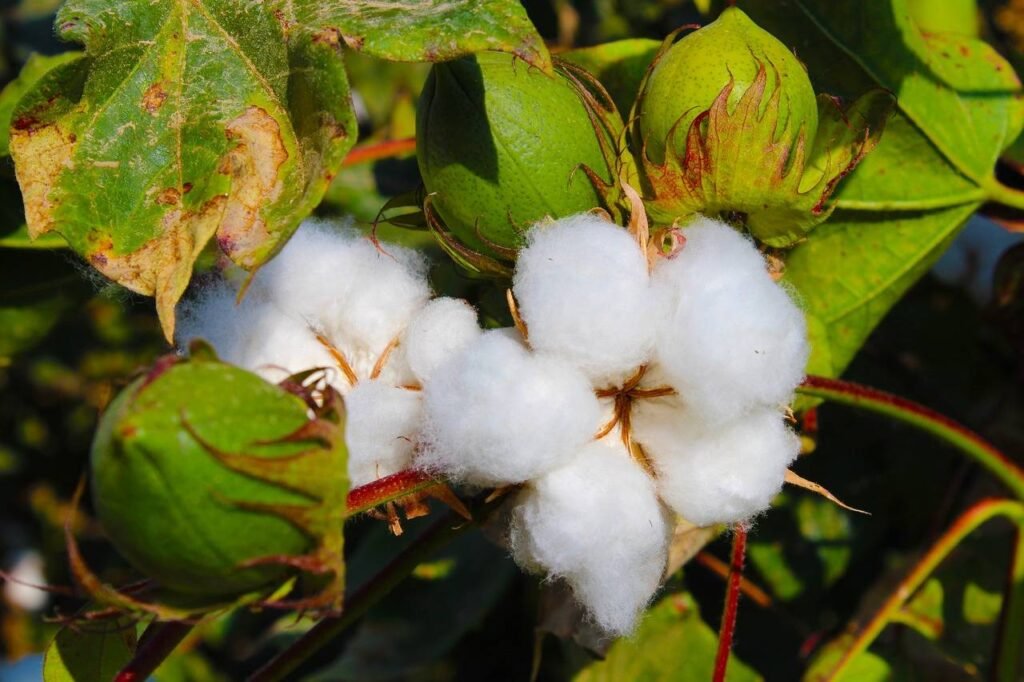
Cotton is one of the most widely used fabrics in the world, found in everything from casual clothing to luxury textiles. Its natural, breathable properties make it a staple in the fabric industry. However, have you ever wondered where 100% cotton fabric is made, and what makes certain countries leaders in cotton production? The global cotton supply chain is vast and complex, but understanding where and how 100% cotton fabric is made can offer valuable insights into sourcing, quality, and sustainability. 100% cotton fabric is produced in various regions around the world, with countries like China, India, the United States, and Brazil being the largest producers. Each of these countries has its own unique approach to cotton cultivation, processing, and fabric manufacturing. While cotton is grown in many climates, the process of turning raw cotton into fabric requires a combination of agricultural, industrial, and technological expertise. This article will dive into the countries leading the way in 100% cotton fabric production, the factors influencing these regions, and how these regions contribute to the fabric industry globally.
As we move deeper into this topic, you’ll uncover not only the geographical spread of cotton production but also the challenges and innovations that shape its journey from field to fabric.
1. What Countries are Known for Producing 100% Cotton Fabric?
The journey of 100% cotton fabric begins with the cotton plant, which is grown in countries that can support its cultivation needs. Cotton thrives in warm climates, often requiring significant amounts of water and a long growing season. Countries that are known for producing 100% cotton fabric include:
- China: As the world’s largest producer of cotton, China also has a robust textile manufacturing industry, turning much of its raw cotton into fabric and other finished products. Chinese factories are known for their advanced technology and large-scale production capabilities.
- India: India follows closely behind China in cotton production. With a massive domestic textile industry, India is a significant player in the global market, especially for cotton-based garments. Indian cotton is known for its superior quality and diverse grades, which are highly sought after in high-end fashion markets.
- United States: The U.S. is a major exporter of cotton and has a large textile industry. Cotton from the U.S. is often considered some of the finest in the world, with its cotton farming operations being highly mechanized for efficiency.
- Brazil: Brazil is another large producer of cotton, especially in the central-west region. Brazilian cotton is increasingly becoming popular due to its sustainability initiatives and high-quality fiber.
These countries dominate the cotton fabric market not only due to their large-scale cotton production but also because of their infrastructure, skilled labor, and investment in technology that allow them to process and export cotton fabric to markets worldwide.
Key Producers of 100% Cotton Fabric
1.1. China’s Dominance in Cotton Production China has long been the leader in both cotton production and textile manufacturing. With a favorable climate and government support for the cotton industry, China produces millions of tons of cotton annually. Additionally, China’s focus on advanced spinning and weaving technologies ensures that much of its cotton is converted into fabric and used in a variety of products, including clothing, home textiles, and industrial materials.
1.2. India’s Cotton Production Strategy India’s cotton industry is unique due to its wide range of cotton varieties. The country grows several types of cotton, each known for its distinct characteristics. Indian cotton fabric is prized for its softness, durability, and dyeing ability. Moreover, India is also a key player in the organic cotton movement, with an increasing number of farms adopting sustainable practices.
1.3. The U.S. Cotton Supply Chain The U.S. cotton industry is notable for its emphasis on technology, especially in the harvesting and processing stages. U.S. farmers employ high-tech machinery to harvest cotton, reducing labor costs and increasing efficiency. In addition to being a key cotton exporter, the U.S. is also home to several textile mills that convert cotton into finished fabrics, such as denim and woven textiles.
2. Which Regions are the Leading Producers of Cotton Worldwide?
While individual countries are major players in cotton production, certain regions within these countries are known for their dominant roles in cotton cultivation. These regions often have specific conditions ideal for cotton growth, including temperature, water availability, and soil composition. The leading cotton-producing regions are:
- North America (United States & Mexico): The southern U.S., particularly Texas, Arizona, and California, is a significant cotton-producing region. Mexico also contributes to the cotton supply, especially for the U.S. market, with a focus on high-quality cotton varieties.
- South Asia (India, Pakistan, Bangladesh): South Asia is the heart of the cotton industry, with India and Pakistan being two of the largest producers. Cotton from this region is often processed into textiles for both domestic use and export. Bangladesh, while primarily a textile manufacturing hub, relies heavily on cotton imports to feed its garment industry.
- Africa (Egypt & West Africa): Egypt is known for producing some of the finest cotton in the world, specifically the Giza cotton variety. In West Africa, countries like Burkina Faso and Mali have been increasing their cotton production, driven by both domestic consumption and exports.
- South America (Brazil & Argentina): Brazil’s cotton industry is centered in the central-west and northeastern regions, where climatic conditions are perfect for cotton growth. Argentina is also expanding its cotton industry, with much of its production being exported to international markets.
Key Cotton-Producing Regions
2.1. North America’s Cotton Production and Export Trends The U.S. cotton industry has been highly mechanized, with farmers using advanced equipment for planting, harvesting, and processing. Regions like Texas, which have arid climates, use irrigation systems to maintain the cotton fields. The U.S. is a global leader in cotton exports, supplying raw cotton to many countries, particularly in Asia.
2.2. South Asia’s Role in Cotton Manufacturing South Asia’s cotton production is driven by countries like India and Pakistan, which cultivate a mix of high-yield and quality cotton varieties. The region is also home to some of the largest cotton textile mills, especially in India, where cotton is transformed into fabric used in fashion, home textiles, and industrial products.
2.3. Africa’s Growing Cotton Industry Egyptian cotton is renowned for its long staple fibers and is a luxury product used in high-end textiles, such as luxury bed linens. West Africa’s cotton industry, while still growing, is important for the global textile industry, and countries like Burkina Faso and Mali are increasingly producing cotton for export, as well as local manufacturing.
3. How is 100% Cotton Fabric Manufactured in Different Countries?
The process of turning raw cotton into fabric is complex and involves multiple stages, from the field to the final textile product. While the basic process remains similar globally, certain countries have developed unique manufacturing processes that influence the quality and efficiency of production. The process can typically be broken down into:
- Harvesting: Cotton is harvested either by hand or machine, with most cotton-producing countries opting for mechanical harvesting. In countries like India, hand-harvesting is still common, especially in smaller farms where labor costs are lower.
- Ginning: After harvesting, the cotton goes through a ginning process, where the cotton fibers are separated from the seeds. This stage is crucial in determining the fiber length and quality, which directly impacts the final fabric’s texture and durability.
- Spinning: The ginned cotton fibers are then spun into yarn. The quality of the yarn is determined by several factors, including fiber length, strength, and cleanliness. Different countries have varying levels of technology and machinery for spinning, with countries like China and India being known for their large-scale spinning operations.
- Weaving or Knitting: The spun yarn is then woven or knitted into fabric. This process can be done on a variety of machines, from handlooms to advanced industrial weaving machines. Different weaving techniques, such as plain weave, satin weave, or twill weave, produce different types of cotton fabrics.
- Finishing: The final step in cotton fabric production is finishing, which includes processes like dyeing, bleaching, printing, and treating the fabric for softness, durability, or water resistance. The finishing process can vary depending on the intended use of the fabric, with high-end textiles often undergoing more complex and time-consuming finishing techniques.
Cotton Fabric Manufacturing Techniques by Region
3.1. China’s Advanced Textile Manufacturing China is one of the world’s largest textile manufacturers, with state-of-the-art machinery used in every stage of cotton fabric production. The country is known for its high-volume, efficient operations, capable of producing vast amounts of cotton fabric. Additionally, Chinese manufacturers frequently invest in technology to improve the quality and sustainability of their cotton fabric production, including automated systems that monitor every stage of the process.
3.2. India’s Traditional and Modern Manufacturing Blend India’s cotton manufacturing industry blends traditional methods with modern technology. While the country is known for its large-scale, automated textile mills, many regions still rely on traditional handloom weaving for creating finer, more intricate cotton fabrics. This blend allows India to produce a diverse range of cotton textiles, from mass-produced garments to luxury fabrics, such as those used for sari weaving.
3.3. U.S. Cotton Manufacturing and Innovation The U.S. is home to some of the most technologically advanced textile mills in the world. U.S. manufacturers use high-tech machinery for spinning, weaving, and finishing cotton fabrics. These mills are often located near the cotton-growing regions to reduce transportation costs and increase efficiency. American cotton fabrics are known for their durability and are used in a variety of applications, including denim, home textiles, and medical textiles.
4. Are There Key Factors That Influence the Production of Cotton Fabric?
Several factors influence the production of cotton fabric, from the quality of the cotton harvested to the environmental conditions that affect cultivation and manufacturing. Some of the most important factors include:
- Climate: Cotton grows best in warm, sunny climates with long growing seasons. Regions with the right climate conditions, such as the southern U.S., India, and parts of China, are more likely to be successful in large-scale cotton production.
- Soil Quality: Cotton plants thrive in well-drained, nutrient-rich soil. Regions with fertile soil, such as the Black Soil regions in India, are known for their high-quality cotton production.
- Water Availability: Cotton requires large amounts of water, especially during its growing season. As a result, regions with access to irrigation systems or areas with consistent rainfall are better equipped to produce cotton in large quantities.
- Labor Costs and Availability: Labor is an essential component of cotton cultivation and processing. Countries with access to low-cost labor, like India and Bangladesh, often have an advantage in the global cotton fabric market, particularly for products that require hand-loom weaving or manual intervention in the manufacturing process.
- Technological Innovation: As cotton production becomes increasingly mechanized, technological advancements in harvesting, ginning, spinning, and weaving are making production more efficient. Countries like China and the U.S. are at the forefront of these innovations, which help reduce labor costs and increase output.
- Environmental Concerns and Sustainability: With growing concerns about climate change and water use, many cotton-producing regions are adopting more sustainable farming practices. This includes using less water, reducing pesticide use, and investing in organic cotton farming. These sustainability initiatives are beginning to influence the global cotton fabric market, as consumers and businesses become more conscious of the environmental impact of their purchases.
Factors Affecting Cotton Production and Quality
4.1. The Impact of Climate on Cotton Quality Climate conditions such as temperature, rainfall, and sunlight have a profound impact on the quality of cotton produced. Cotton grown in regions with moderate temperatures and well-distributed rainfall tends to produce longer, stronger fibers that result in higher-quality fabrics. However, extreme weather conditions, such as droughts or floods, can significantly reduce cotton yield and quality.
4.2. Soil Quality and Its Effects on Cotton Growth Cotton plants require specific soil conditions to thrive. Regions with alkaline or clay-rich soils are ideal for cotton growth. Fertile soil contributes to better fiber quality and overall cotton health. Farmers often add fertilizers to the soil to boost nutrient levels, which directly impacts the yield and quality of cotton.
4.3. The Role of Technology in Cotton Fabric Production The introduction of technology in cotton farming and fabric manufacturing has revolutionized the industry. For example, automated cotton pickers and advanced spinning machines have improved efficiency in the U.S. and China. Additionally, innovations in dyeing and finishing techniques allow manufacturers to create more durable, vibrant fabrics, while reducing water usage and chemical waste.
5. What Are the Benefits of Sourcing 100% Cotton Fabric from Specific Countries?
Sourcing 100% cotton fabric from specific countries comes with various benefits that depend on the country’s agricultural practices, manufacturing capabilities, and the quality of cotton produced. Each region offers unique advantages for fabric sourcing, and understanding these can help manufacturers, designers, and buyers make informed decisions when selecting cotton fabric for their products.
- High-Quality Cotton: Certain countries like Egypt, the U.S., and India produce cotton with superior fiber length and strength, making it ideal for high-end fabrics used in luxury textiles, such as bed linens, shirts, and fine garments. For instance, Egyptian cotton is famous for its extra-long staple fibers, which contribute to its silky texture and durability.
- Cost-Effective Sourcing: For budget-conscious buyers, countries with lower labor costs and efficient production processes, such as India and Bangladesh, offer cost-effective solutions without compromising on quality. These countries have extensive manufacturing infrastructure that allows for bulk production at competitive prices.
- Sustainability Practices: Countries like the U.S. and Brazil have increasingly adopted sustainable cotton farming practices, such as using less water and reducing pesticide use. These sustainable practices can be beneficial for brands looking to align with eco-friendly values and appeal to environmentally conscious consumers.
- Speed to Market: Countries with a strong manufacturing sector, such as China and India, have efficient textile mills that allow for faster turnaround times. This can be crucial for brands that need to meet tight deadlines or respond quickly to market trends.
Sourcing cotton fabric from the right country can offer manufacturers a competitive edge, whether in terms of quality, price, or sustainability. It’s important for businesses to evaluate their needs and consider the long-term benefits of sourcing from specific regions.
Evaluating Cotton Sourcing Locations
5.1. The Role of Egyptian Cotton in Luxury Textiles Egyptian cotton is renowned for its soft, luxurious feel, making it a sought-after choice for premium textiles such as fine sheets and high-end garments. The country’s unique climate and farming techniques contribute to the production of cotton with longer fibers, which are less prone to fraying, adding to its overall durability.
5.2. Cost-Effective Cotton from India and Bangladesh India and Bangladesh are known for their high-quality cotton at more affordable prices. These countries’ cotton farming and textile industries have grown significantly over the past decades, making them attractive for brands looking for cost-effective solutions. While labor costs are lower, the cotton itself is often just as durable and versatile as more expensive alternatives.
5.3. Sustainable Cotton Production in the U.S. and Brazil Sustainability is a growing concern, and countries like the U.S. and Brazil are making strides in adopting sustainable farming practices. The U.S. cotton industry, for example, uses technology to minimize water usage and pesticide application. Brazil has also focused on sustainable farming to reduce environmental impact, making its cotton an attractive choice for brands that prioritize eco-friendly sourcing.
6. How Do Global Cotton Prices Affect the Fabric Industry?
Global cotton prices play a significant role in shaping the fabric industry. These prices are influenced by factors such as weather conditions, supply and demand, geopolitical events, and production costs. Fluctuations in cotton prices can impact the cost of fabric, affecting both manufacturers and consumers.
- Price Volatility: Cotton prices are known to be volatile, with fluctuations caused by factors such as poor harvests, global demand, and political instability in key cotton-producing countries. For instance, if a major cotton-producing region like India experiences a drought, it can lead to a decrease in supply, causing prices to rise.
- Impact on Fabric Costs: Since cotton is one of the primary raw materials in the fabric industry, changes in cotton prices directly affect the cost of producing cotton fabrics. Higher cotton prices can lead to higher production costs, which may be passed on to consumers in the form of more expensive fabrics.
- Influence on Global Trade: Countries that are major cotton exporters, such as the U.S. and India, can influence global cotton prices through their supply decisions. For example, if the U.S. exports less cotton due to domestic needs, it can cause a shortage in global markets, raising prices.
- Long-Term Trends: Over time, trends in cotton prices can influence the broader fabric industry. For example, consistently high cotton prices may push manufacturers to seek alternative materials, such as synthetic fibers or blends, to keep costs down.
Understanding cotton pricing trends is essential for anyone involved in the fabric industry. Buyers must be prepared for price fluctuations, while manufacturers may need to adjust their business models to account for shifts in raw material costs.
Analyzing Global Cotton Price Trends
6.1. The Impact of Weather Events on Cotton Prices Weather events like droughts, floods, or extreme temperatures have a direct impact on cotton production. For instance, a drought in Texas, one of the largest cotton-growing regions in the U.S., can lead to lower crop yields, which in turn drives up cotton prices globally. Similarly, a good harvest in major cotton-producing countries can lower prices, benefiting textile manufacturers.
6.2. How Geopolitical Events Influence Cotton Trade Geopolitical tensions, such as trade wars or tariffs, can significantly affect cotton prices. For example, trade disputes between the U.S. and China have historically impacted cotton prices, as tariffs on cotton exports can make U.S. cotton more expensive in foreign markets, shifting global supply chains.
6.3. Long-Term Impact of Cotton Prices on Consumer Products Over time, the rising cost of cotton can influence consumer purchasing behavior. As the cost of cotton fabrics rises, brands may increase prices, leading consumers to shift toward more affordable options, including synthetic fabrics or cotton blends. Manufacturers must stay ahead of these trends to remain competitive in the market.
7. Is Sustainable Cotton Fabric Production Becoming More Common?
Sustainability in cotton fabric production is a growing concern as consumers and brands become increasingly aware of environmental issues. Cotton farming, like any agricultural activity, can have significant ecological impacts, including water usage, pesticide use, and soil degradation. However, there are several steps being taken globally to make cotton production more sustainable.
- Organic Cotton: Organic cotton farming has gained popularity as an alternative to conventional cotton farming. Organic cotton is grown without synthetic pesticides or fertilizers, which reduces environmental harm. Countries like India and the U.S. are leading producers of organic cotton, and the demand for this fabric is growing, especially in the fashion and home textile industries.
- Water-Efficient Farming Practices: Cotton farming requires large amounts of water, which has led to concerns about water scarcity in some cotton-producing regions. To address this, several countries are investing in more efficient irrigation techniques, such as drip irrigation, to reduce water usage while maintaining high cotton yields.
- Sustainable Cotton Certifications: Many cotton producers are seeking certifications such as the Global Organic Textile Standard (GOTS) and the Better Cotton Initiative (BCI). These certifications help ensure that cotton is produced with minimal environmental impact, and they are increasingly valued by consumers who prioritize sustainability.
- Recycling and Upcycling Cotton: Some companies are now exploring ways to recycle and upcycle cotton fabric to reduce waste. By reusing old cotton garments or fabric scraps, manufacturers can reduce their reliance on virgin cotton and minimize the environmental impact of the cotton production process.
Sustainable cotton production is not only good for the environment but also meets the rising demand from consumers and businesses for eco-friendly products. As more producers and manufacturers embrace sustainability, the future of cotton fabric looks increasingly green.
Exploring Sustainable Cotton Practices
7.1. Organic Cotton Growth and Certification The organic cotton movement has seen significant growth, particularly in regions like India, where organic farming practices are becoming more widespread. Organic cotton certification bodies such as GOTS help ensure that cotton is grown without harmful chemicals, making it a more sustainable option. The rise in demand for organic cotton products reflects growing consumer preference for environmentally responsible textiles.
7.2. Water Conservation in Cotton Farming Water scarcity is one of the most pressing concerns in cotton farming. Countries like Australia and India are working on solutions to reduce water usage in cotton cultivation. Techniques like rainwater harvesting and efficient irrigation systems, such as drip irrigation, are helping cotton farmers conserve water while maintaining productivity. These practices are essential to ensure the sustainability of cotton farming in water-stressed regions.
7.3. The Role of Cotton Recycling in Reducing Environmental Impact Recycling cotton fabric is an innovative solution to reducing the environmental footprint of cotton production. By reusing old cotton garments and fabric scraps, manufacturers can reduce the need for new cotton farming. This process not only conserves resources but also helps prevent textile waste from ending up in landfills. Companies like Levi’s and Patagonia are leading the charge by incorporating recycled cotton into their products.
8. Do Different Cotton Varieties Impact the Quality of Fabric Produced?
Cotton is not a one-size-fits-all material; it comes in various types and grades, each offering different properties that affect the final fabric quality. Cotton varieties differ in terms of fiber length, strength, and fineness, all of which have a direct impact on the texture, durability, and usability of the fabric.
- Upland Cotton: Upland cotton is the most widely grown type of cotton, accounting for over 90% of global cotton production. It is characterized by shorter fibers, which make it less smooth than longer fiber varieties but still suitable for a wide range of fabric types, including denim and basic cotton garments.
- Pima Cotton: Pima cotton is known for its long, silky fibers and superior quality. It is often used in luxury fabrics like high-end bed linens and dress shirts. Pima cotton is grown primarily in the U.S., Peru, and Australia and is prized for its durability, softness, and ability to retain dye.
- Egyptian Cotton: Egyptian cotton is another high-quality cotton variety known for its long staple fibers, which are ideal for fine textiles. Egyptian cotton is used in luxury products such as premium sheets and towels, where durability and a soft feel are essential.
- Organic Cotton: Organic cotton is grown without synthetic fertilizers or pesticides, making it a more eco-friendly option. While it may not always match the quality of conventionally grown cotton in terms of fiber length, organic cotton is still widely used in high-end fabrics due to its environmental benefits.
- Supima Cotton: Supima cotton is a premium variety of Pima cotton, grown exclusively in the U.S. It is known for its exceptional softness, strength, and color retention, making it ideal for both fashion and home textiles.
The quality of cotton fabric produced depends heavily on the variety of cotton used. Higher-quality varieties, such as Pima and Egyptian cotton, are more expensive but offer superior properties like softness, durability, and smoothness. Understanding the differences between cotton types helps manufacturers and designers choose the right fabric for their needs.
The Influence of Cotton Varieties on Fabric Quality
8.1. Upland Cotton’s Role in Everyday Fabrics Upland cotton, while not as luxurious as varieties like Pima or Egyptian cotton, is versatile and cost-effective. It is commonly used for basic clothing items such as t-shirts, jeans, and casual wear. While it may have shorter fibers, Upland cotton still provides sufficient durability and comfort for everyday use.
8.2. Pima and Egyptian Cotton in Luxury Textiles Pima and Egyptian cotton are preferred for high-end textiles due to their long, smooth fibers, which result in softer, more luxurious fabrics. These cottons are commonly used in premium sheets, towels, and upscale apparel. Their superior quality also contributes to a longer lifespan, making them highly desirable for luxury brands.
8.3. The Benefits of Organic Cotton in the Fabric Industry Organic cotton is gaining popularity due to its environmentally friendly farming practices. While its fiber quality may not always match conventional cotton varieties, its eco-friendly appeal makes it an attractive option for consumers and brands focused on sustainability. Organic cotton is often used in casual wear, baby clothes, and eco-conscious products.
As you can see, the journey of 100% cotton fabric from field to finished product involves multiple factors, including the region of production, cotton variety, and manufacturing techniques. Whether you’re sourcing cotton fabric for your next collection or exploring sustainable options for your business, understanding these aspects can help you make more informed decisions.
If you’re looking for high-quality, custom cotton fabric for your brand, SzoneierFabrics can help! With our years of experience in fabric R\&D and manufacturing, we offer a wide range of cotton fabrics tailored to your specific needs. Contact us today for a quote or to discuss custom fabric options for your business.



Can't find the answers?
No worries, please contact us and we will answer all the questions you have during the whole process of bag customization.
Make A Sample First?
If you have your own artwork, logo design files, or just an idea,please provide details about your project requirements, including preferred fabric, color, and customization options,we’re excited to assist you in bringing your bespoke bag designs to life through our sample production process.