 Skip to content
Where to Buy Heavy-Duty Canvas Material Fabric Online
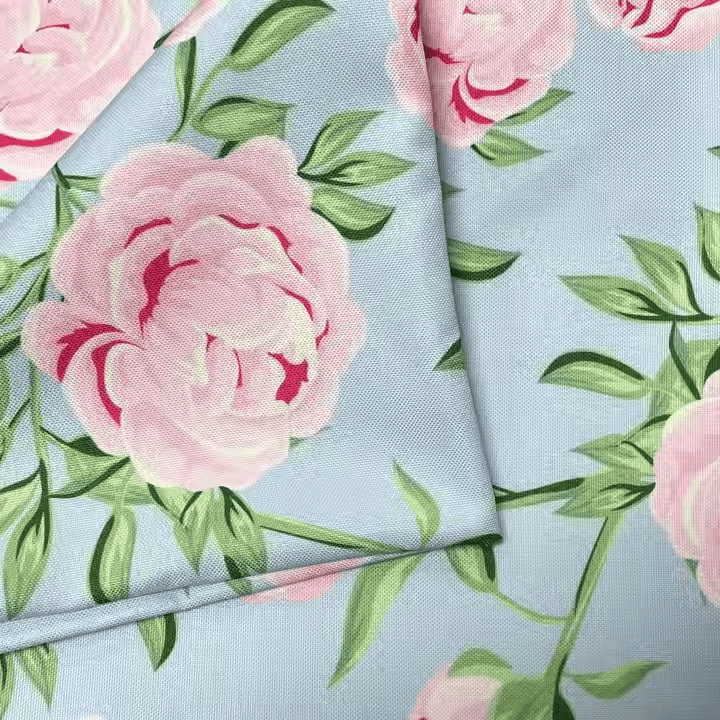
Canvas isn’t just a rugged fabric used for tents or tarps anymore—it’s now at the heart of durable products across home furnishings, fashion, outdoor gear, and industrial manufacturing. As demand surges for heavy-duty canvas with specific coatings, GSM weights, and finishes, buyers need more than just a fabric—they need a long-term material partner. But navigating the online fabric supply landscape is not always simple: flooded marketplaces, inconsistent specs, confusing pricing, and vague quality guarantees can leave even experienced professionals second-guessing their choices.
If you’re asking “Where can I buy heavy-duty canvas fabric online with confidence?”—the answer lies in choosing reliable manufacturers with customization capability, technical know-how, and transparent production processes.
In this article, we’ll break down the entire sourcing process: what makes a canvas “heavy-duty,” how to select the right type, where to find reliable suppliers online, and what specs, coatings, and logistics to prioritize before placing your order. Whether you’re developing tactical gear, boat covers, or utility totes—this is your definitive guide.
Let’s start with a story: A Canadian outdoor equipment startup once ordered “heavy-duty waterproof canvas” from three different online platforms. All listed 18oz cotton duck, but one frayed at the seams after sewing, one had uneven dyeing, and only one met their expected tensile strength. What was the difference? That final supplier provided pre-sale swatch testing, exact GSM breakdowns, and reinforced weave samples. That’s what this article will help you spot.
What Is Heavy-Duty Canvas Fabric and Why Is It Popular in Commercial Applications?
Heavy-duty canvas refers to high-strength woven fabric—typically made from cotton, polyester, or a blend—designed for applications requiring superior abrasion resistance, tensile strength, and durability. The term “heavy-duty” is defined by weight (usually over 12 oz per square yard), tightness of weave (often plain or duck), and added treatments such as waterproofing, flame retardancy, or UV resistance.
In commercial use, heavy-duty canvas fabric is favored for its robust performance in outdoor, utility, industrial, and heavy-apparel applications. Its balance of strength, breathability, and adaptability makes it a trusted material for manufacturing tents, tool bags, sails, awnings, and covers.
Understanding Canvas Strength and Structure
▸ Common Fabric Weights and GSM Range
| Canvas Type | Weight (oz/sq yd) | GSM (g/m²) | Suitable Applications |
|---|---|---|---|
| Light Canvas | 6–9 oz | 200–300 | Linings, totes, upholstery backing |
| Midweight Canvas | 10–12 oz | 340–400 | Aprons, banners, backpacks |
| Heavy-Duty Canvas | 14–24 oz | 475–810 | Tents, tool bags, industrial covers |
Note: Many buyers confuse 12oz with heavy-duty, but in global standards, most industrial canvas starts at 14oz and above.
▸ Material Composition: Cotton vs Polyester vs Blends
- 100% Cotton Canvas: Strong, breathable, eco-friendly. Good for vintage-style gear and paintable surfaces. Susceptible to mildew without coating.
- Polyester Canvas: Synthetic, highly water and UV resistant. Often used in marine and awning industries.
- Poly-Cotton Blends: Combine the softness of cotton with polyester’s weatherproof qualities.
▸ Key Finishing Treatments
| Treatment | Function |
|---|---|
| Waterproof Coating | Ideal for tarps, tents, and boat covers |
| Flame Retardant | Required for tents and industrial curtains |
| UV Stabilized | Prevents fading in outdoor sun exposure |
| Anti-Mildew | Inhibits mold in damp environments |
▸ Use Case Spotlight: Canvas in Tactical Gear
A U.S. brand producing tactical vests opted for 16oz military-grade canvas with PU coating. Compared to nylon, their return rate dropped by 35% after switching to reinforced canvas with bartack support areas.
Which Industries Commonly Use Heavy-Duty Canvas Material?
Heavy-duty canvas is a cross-industry staple. From agriculture to automotive, this fabric supports demanding operational needs thanks to its strength, structure retention, and resistance to wear and tear.
Industries that rely on heavy-duty canvas include construction, outdoor recreation, shipping/logistics, military equipment, upholstery, and promotional product manufacturing. Each sector has specific GSM, weave, and finishing requirements tailored to performance and regulatory needs.
Cross-Sector Canvas Applications
▸ Construction and Industrial Use
Heavy-duty canvas is widely used in:
- Drop cloths for painting and site protection
- Tool bags and pouches due to tear resistance
- Concrete curing blankets, which require moisture retention and strength
Many builders request 18oz fire-retardant cotton canvas with stitched edge reinforcement.
▸ Marine and Outdoor Gear
Canvas remains a primary choice for:
- Boat covers, sails, tents, and awnings
- Often uses 600D polyester canvas or 20oz cotton duck with anti-UV coating
A German outdoor brand found 17oz canvas with wax coating outlasted previous synthetic fabrics by 2.4x in field tests over 12 months.
▸ Furniture and Upholstery
- Heavy canvas is ideal for slipcovers, lounge chairs, and floor cushions.
- Flame-retardant and abrasion-resistant finishes are standard in hospitality projects.
▸ Transportation and Cargo
Canvas is used for:
- Truck tarpaulins, cargo covers, and tiedown slings
- 21oz PVC-backed canvas offers waterproofing with high tear strength
▸ Fashion and Accessories
- Popular in canvas backpacks, tool aprons, and workwear
- Japanese minimalist brands often choose 12–14oz dyed cotton canvas for visual texture and weight.
How to Choose the Right Type of Heavy-Duty Canvas Fabric for Your Project
Choosing the right heavy-duty canvas fabric starts with a clear understanding of your product requirements, environmental exposure, durability expectations, and even aesthetic goals. It’s not just about weight or price—it’s about performance alignment.
To select the best heavy-duty canvas, evaluate GSM, material composition, weave density, coating types, and intended end-use. Also factor in processing needs like sewing, printing, or lamination. A mismatch in any of these areas can result in performance failure, increased returns, or brand reputation damage.
Key Considerations in Fabric Selection
▸ Determine Fabric GSM and Weight Requirements
| Application | Recommended GSM | Notes |
|---|---|---|
| Tote Bags / Backpacks | 340–450 GSM | Balance between flexibility and strength |
| Heavy Covers / Tents | 500–800 GSM | High tear resistance; often coated |
| Upholstery / Furniture | 450–600 GSM | Needs durability and aesthetic texture |
| Tactical / Military Use | 600–900 GSM | Often PU coated for water and mildew proof |
Case Study: A startup producing foldable work stools chose 500 GSM canvas but saw seams tear under 90kg. A switch to 720 GSM wax-coated cotton canvas resolved the issue.
▸ Understand Canvas Weave: Plain vs Duck
- Plain Weave: Lightweight, looser construction. Easier to sew.
- Duck Weave: Tighter and stronger. Better for rugged applications.
For example, No. 8 duck canvas (18oz) is used for military-style gear; No. 10 (14.7oz) for tote bags.
▸ Match the Right Coating with Usage Needs
- PVC Coated Canvas: Waterproof, durable, stiff. For tarps, truck covers.
- PU Coated Canvas: Lighter, more flexible. Great for tents and apparel.
- Waxed Canvas: Water-resistant with a vintage aesthetic. Ideal for fashion, bags, and tool rolls.
Quote from an Australian bag brand:
“Once we introduced waxed canvas in our outdoor satchel line, sales doubled in 6 months. Customers loved the texture and durability.”
▸ Fabric Color, Printing & Finishing
- Pigment Dyeing gives natural fade and character (best for fashion)
- Reactive Dyeing is wash-fast (best for utility)
- Screen Printing or digital pigment printing is ideal for branding or artistic designs
What Are the Key Specifications to Consider When Sourcing Canvas Fabric Online?
Online canvas sourcing brings convenience—but it also brings risks if specs are unclear or incomplete. Many suppliers list only fabric weight and material, but miss out on finish, shrinkage tolerance, or weave type. To avoid production issues, every order should be backed by detailed specs.
Key specifications include GSM, weave structure, fiber content, colorfastness, coating type, shrinkage rate, and tensile strength. Request full tech packs, swatch samples, and lab test data to verify claims before ordering.
Understanding and Verifying Fabric Specs
▸ Technical Spec Sheet Example
| Specification | Description / Range |
|---|---|
| Material | 100% Cotton / Polyester-Cotton |
| GSM | 475–900 |
| Weave Type | Plain / Duck |
| Colorfastness | 3–4 ISO scale (good) |
| Shrinkage Rate | <3% after wash (pre-shrunk) |
| Coating | Wax / PU / PVC / None |
| Tear Strength | >18N (warp) / >15N (weft) |
| Dyeing Method | Pigment / Reactive / Vat |
| Width | 58″–63″ standard |
Use this table as a checklist when reviewing online product listings or factory quotes.
▸ Request SGS / Intertek Lab Test Reports
If you’re producing canvas products for export or regulated industries, ask for third-party lab tests on:
- Flame resistance (NFPA 701 or CPAI-84)
- Lead and heavy metals (especially for children’s products)
- UV resistance rating
- Water repellency rating (AATCC 22 or ISO 4920)
Some Chinese suppliers like Szoneier Fabrics provide lab testing certificates with each shipment—an excellent sign of quality control.
▸ Beware of Misleading Listings
A listing might say “18oz heavy-duty canvas” but lack a defined GSM or coating. Always ask:
- Is the GSM measured post-finishing or raw?
- What is the warp/weft thread count?
- Is the fabric pre-shrunk or raw loomstate?
Real Story: A U.S. tent maker ordered canvas from an online platform advertising “military-grade 600 GSM.” Upon arrival, the fabric weighed only 480 GSM and had no UV coating—resulting in $7,200 worth of unusable stock.
Where Can You Buy Heavy-Duty Canvas Material in Bulk with Low MOQ?
Thanks to digital sourcing and global logistics, buying heavy-duty canvas in bulk is easier than ever—but finding suppliers who offer low MOQs, customization, and quality assurance is a different story. Many platforms offer bulk deals, but hidden minimums, generic materials, and inconsistent communication can derail a project.
The best places to buy heavy-duty canvas material online with low minimum order quantities are verified fabric manufacturers, direct-from-factory websites, and curated B2B marketplaces. Look for suppliers that provide sample support, customization options, and transparent shipping policies.
Platforms and Sourcing Channels Breakdown
▸ Direct-from-Factory Websites
These suppliers, like Szoneier Fabrics, run their own online platforms or provide inquiry portals. Advantages include:
- Custom GSM and weave options
- Lower MOQ (as low as 50 meters)
- Free lab dips or swatch cards
- Direct technical support
Example: A Canadian outdoor brand ordered just 100 meters of custom waxed canvas from Szoneier with printed logo lining. Lead time: 12 days. No middlemen, no delays.
▸ Online Sourcing Marketplaces
Sites like Alibaba, Made-in-China, and GlobalSources offer broad listings. However, quality control varies.
| Platform | MOQ Range | Pros | Cons |
|---|---|---|---|
| Alibaba | 100–500 meters | Large supplier pool | Varying trust levels |
| GlobalSources | 200–1000 meters | Better quality screening | Higher MOQ than factory-direct |
| Etsy Wholesale | 10–50 meters | Great for small studios | Limited industrial-grade options |
Pro Tip: Use RFQ (Request for Quote) to filter suppliers by your exact spec and MOQ.
▸ Wholesale Fabric Distributors
Some regional distributors (like Big Duck Canvas in the US or Merchant & Mills in the UK) offer warehouse stock of heavy-duty canvas. They’re ideal for:
- Quick resupply
- Swatches without waiting
- No customs clearance hassles
However, you may have limited say over coating, dyeing, or GSM.
▸ Things to Ask Before Ordering:
- Can I get a free sample or swatch card?
- What’s your MOQ per color or finish?
- Are custom coatings or logos possible?
- Do you offer cut-to-length services?
Is It Safe to Source Custom Heavy-Duty Canvas Fabric from Overseas Manufacturers?
Yes—but with the right checks in place. Sourcing custom canvas overseas, especially from manufacturers in China, India, and Vietnam, can result in cost savings, flexible specs, and scalable supply. But poor communication, misaligned quality expectations, or shipping delays can derail timelines.
It’s safe to source custom canvas fabric overseas if you work with verified suppliers, request lab testing, clarify all specs in writing, and confirm sample approval before bulk production. Always review policies for quality disputes, lead times, and customs documents.
What Makes an Overseas Supplier “Safe”?
▸ Essential Vetting Criteria
| Criteria | Why It Matters |
|---|---|
| Business License & Export Cert | Confirms they are a registered exporter |
| ISO/SGS/FSC Certification | Signals serious compliance and quality control |
| Sampling Policy | Lets you test fabric before placing large orders |
| Factory Photos or Video Tours | Verifies real production capability |
| English-Speaking Sales Team | Reduces miscommunication during spec clarification |
Szoneier, for example, offers multilingual support and has worked with clients across North America, Australia, and Europe.
▸ Sample First, Always
Never skip the sample. Even if it’s a $30 cost and a week’s wait, it can save you thousands.
Case in Point: A European garden furniture company approved a swatch of 20oz PU-coated poly canvas from a Vietnamese mill. Once approved, they rolled out a 5,000-meter order that met every waterproofing and UV-resistance test in their internal QC.
▸ Shipping Considerations
Ask suppliers:
- Do you offer EXW / FOB / CIF / DDP terms?
- Will you handle customs paperwork or assist?
- Can I split bulk shipments?
It’s also wise to:
- Use freight forwarders familiar with fabric imports
- Request customs HS code beforehand (ex: 5209.39 for cotton canvas)
▸ Red Flags to Watch Out For:
🚩 No mention of GSM or weave in listing 🚩 Refusal to provide samples 🚩 “Too good to be true” pricing 🚩 Factory cannot name any past export clients 🚩 Extremely vague on lead times and return policy
How Do Lead Time, Shipping, and Sample Policies Vary Across Canvas Fabric Suppliers?
Lead time and shipping are often the make-or-break factors in a canvas sourcing project. You might find the perfect fabric, but if the supplier needs 60 days to ship or doesn’t offer samples, your production schedule could collapse.
Lead times, shipping options, and sample policies vary significantly across canvas fabric suppliers. Factors such as customization level, order quantity, geographic location, and production capacity will directly impact fulfillment speed and delivery reliability. Smart buyers confirm timelines and sample conditions before placing orders.
Comparing Global Supplier Lead Times
▸ Standard Lead Time by Supplier Type
| Supplier Type | Sampling Lead Time | Bulk Production Lead Time | Notes |
|---|---|---|---|
| Chinese OEM Factory (ex: Szoneier) | 3–7 days | 10–20 days | Fast prototyping; low MOQ |
| Indian Mill (Semi-Automated) | 7–14 days | 20–35 days | Strong cotton canvas expertise |
| US/EU Wholesalers | 1–3 days (stocked) | N/A | Only pre-stocked SKUs |
| SE Asian Trading Co. | 5–10 days | 25–40 days | Often slower due to middlemen |
Tip: Always ask whether lead time is quoted “from sample approval” or “from deposit received.”
▸ Common Shipping Methods for Canvas Fabric
| Shipping Mode | Typical Use Case | Transit Time | Cost (Est.) |
|---|---|---|---|
| Express (DHL, FedEx) | Swatches, urgent sample rolls | 3–7 days | High ($15–$25/kg) |
| Air Freight | Small bulk (under 200kg) | 5–10 days | Moderate ($6–$12/kg) |
| Sea Freight | Standard for large rolls | 20–40 days | Low ($0.5–$2/kg) |
Szoneier, for example, offers consolidated sea freight and DDP service for North America and Europe, reducing customs complexity for first-time buyers.
▸ Understanding Sampling Policies
A professional supplier will offer:
- Swatches (4″x4″) in multiple GSMs
- Metered cut samples for print/sewing testing
- Color lab dips or coating samples on request
- Free samples for qualified buyers (often refundable with bulk order)
Real Case: A U.S.-based home decor brand ordered five GSM variants of canvas from Szoneier for lamp shade prototyping. Swatches arrived in five days, allowing them to finalize fabric texture before launching on Amazon.
What Are the Best Practices for Verifying Quality When Buying Canvas Fabric Online?
Buying fabric online—especially heavy-duty canvas—requires trust and transparency. With no tactile feedback or in-person inspection, poor due diligence can lead to project delays, unhappy customers, or product recalls.
To verify quality when buying canvas online, always inspect physical samples, request technical test reports, review detailed spec sheets, and evaluate the supplier’s communication and problem-solving responsiveness.
A Quality Control Framework for Canvas Orders
▸ Before Order: Pre-Production Checks
- Request:
- Full GSM verification report (pre- and post-coating)
- Colorfastness and tear strength tests
- Swatch or meter roll of final spec
- Production photos or factory video walkthrough
- Confirm:
- Shrinkage tolerance (target <3%)
- Weight consistency (±5% deviation across rolls)
- Batch color matching (pantone / internal code)
▸ During Production: In-Process Inspection (if possible)
If ordering >1000 meters:
- Consider hiring a third-party inspector (like QIMA, TUV)
- Or ask for:
- Roll-by-roll GSM check photos
- Video showing coating application or weave density
Szoneier offers real-time updates via WhatsApp and sends pre-shipment inspection videos for orders above 300 meters.
▸ After Arrival: Post-Delivery Tests You Can Do
| Test | Method |
|---|---|
| GSM Check | Use digital scale + cutter (1m x 1m sample) |
| Water Resistance | Spray test (AATCC 22 method) |
| Stretch & Recovery | Tug fabric manually along warp/weft—should snap back |
| Visual Inspection | Lay fabric flat under light; check for dye spots, weave |
| Strength Test | Stitch a corner, apply pull tension—watch for tearing |
Final Tips:
- Don’t skip samples. It’s your only real verification before mass production.
- Document everything. Keep emails, spec sheets, test reports, and order agreements.
- Start small. Place a trial order first, then scale.
Real Buyer Insight:
“What helped us most wasn’t just the fabric quality—it was the supplier’s willingness to send test reports, swatches, and fix small problems without being asked. That’s what made us stick with them.” — Procurement Manager, Tactical Bag Brand, USA
Ready to Source Heavy-Duty Canvas with Confidence?
Whether you’re sourcing canvas for tool bags, outdoor tents, upholstery, fashion, or custom branded goods—picking the right supplier matters just as much as picking the right fabric. At Szoneier Fabrics, we combine years of R&D with full in-house manufacturing, free sampling, low MOQs, and transparent lead times.
We’ve helped global customers—from boutique brands to industrial buyers—create durable, high-quality canvas products that meet technical and aesthetic requirements. And we’re ready to help you too.
Contact us today for a custom quote, free samples, or expert guidance on your next project.
heavy-duty canvas fabric, buy canvas fabric online, canvas material wholesale, custom canvas fabric supplier, waterproof canvas fabric, industrial canvas material, bulk canvas fabric, heavy canvas by the yard, canvas fabric for upholstery, durable canvas fabric, 18oz cotton canvas, polyester canvas fabric, canvas fabric roll supplier, printed canvas fabric, canvas fabric for bags, where to buy canvas fabric, canvas duck fabric, waxed canvas wholesale, canvas for outdoor use, heavy canvas for tents, canvas supplier China, low MOQ canvas fabric, military grade canvas, fire retardant canvas, marine canvas material, canvas fabric factory, canvas for tool bags, canvas material manufacturer, canvas fabric swatch samples, custom GSM canvas fabric,
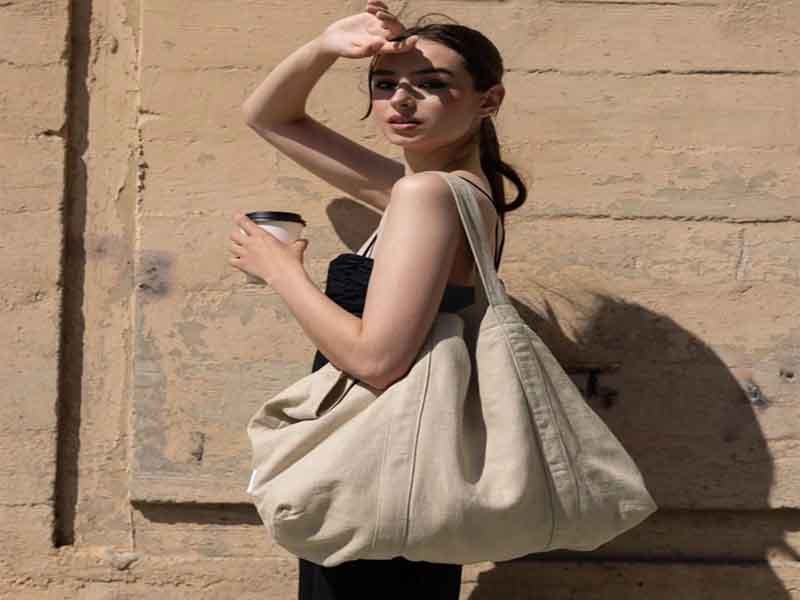
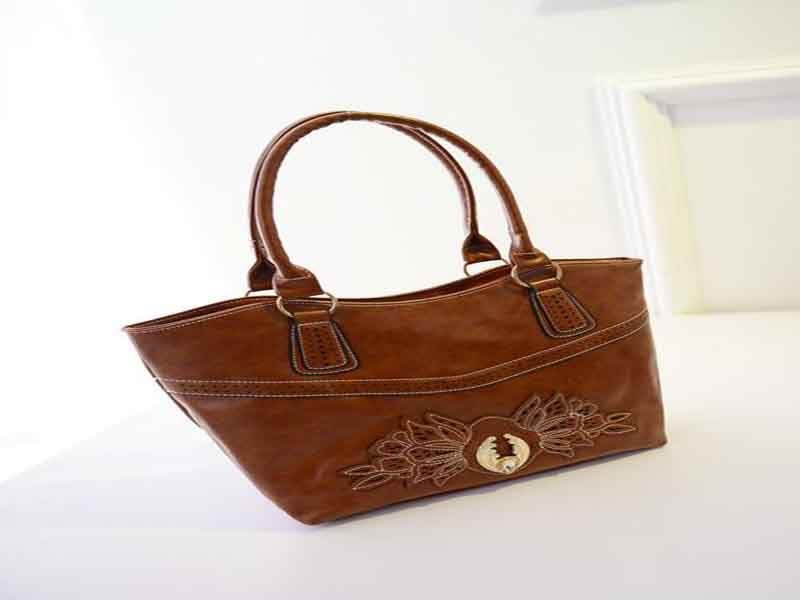
Can't find the answers?
No worries, please contact us and we will answer all the questions you have during the whole process of bag customization.
Make A Sample First?
If you have your own artwork, logo design files, or just an idea,please provide details about your project requirements, including preferred fabric, color, and customization options,we’re excited to assist you in bringing your bespoke bag designs to life through our sample production process.