 Skip to content
Who is the major producer of cotton fabric?
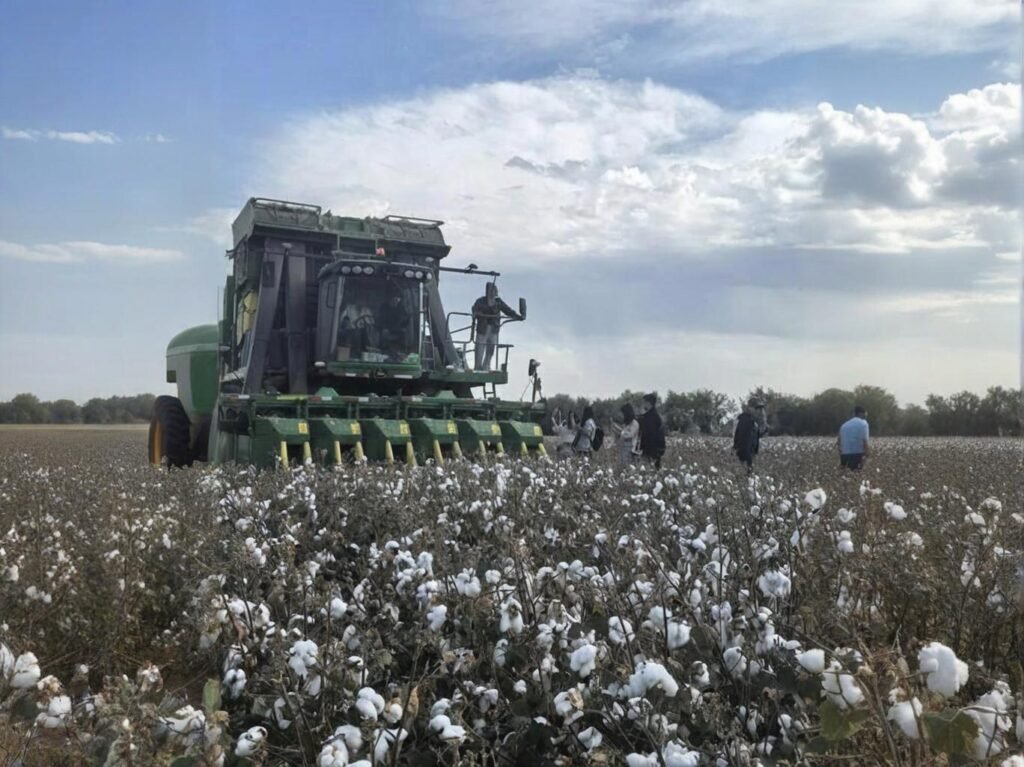
Cotton fabric, a cornerstone of the global textile industry, has shaped economies and fashion for centuries. With an industry valued at over $100 billion, cotton fabric continues to be one of the most widely used materials in the world. The rise of fast fashion, home textiles, and sustainability demands have further fueled the need for high-quality cotton fabric.
The largest producers of cotton fabric today include countries like China, India, the United States, and Pakistan. These countries not only produce the raw cotton but also play an influential role in fabric manufacturing and global textile exports. In 2025, China alone accounted for nearly 30% of the world’s cotton fabric production, making it the leading player in the industry.
This article will explore the key countries, top fabric manufacturers, and market trends shaping cotton fabric production today and in the coming years. Whether you are sourcing cotton fabric for your business or simply curious about the industry, this guide will provide valuable insights into the global cotton fabric landscape.
Let’s dive into the major producers and what’s driving the growth in this dynamic industry.
1. What Are the Key Countries Leading Cotton Fabric Production?
The production of cotton fabric is concentrated in a few key regions of the world, with Asia leading the pack in both cotton production and fabric manufacturing. These countries have developed highly efficient textile sectors capable of both large-scale cotton production and fabric manufacturing.
China, India, the United States, and Pakistan are the world’s largest producers of cotton fabric, each playing a vital role in both domestic markets and international exports. These countries dominate the industry due to their strong cotton farming sectors, manufacturing infrastructure, and advanced textile technology.
Regional Breakdown of Cotton Fabric Production
1.1. China: The Largest Global Producer of Cotton Fabric
- Production Share: China is the world’s largest producer of cotton fabric, responsible for nearly 30% of global cotton fabric output.
- Key Drivers:
- Massive domestic demand for textiles (fashion, home goods, and medical supplies)
- Advanced textile manufacturing technologies, including automated weaving and dyeing processes
- Government subsidies for the textile industry
- Top Manufacturers: Companies like China National Cotton Corporation (CNCC) and Shandong Ruyi Technology Group are among the largest manufacturers, supplying both local and international markets.
| Country | 2025 Cotton Fabric Production Share (%) | Key Industry Drivers |
|---|---|---|
| China | 30% | Huge domestic demand, technology, subsidies |
| India | 25% | Cost efficiency, labor-intensive manufacturing |
| United States | 10% | Advanced manufacturing, quality control |
| Pakistan | 6% | Competitive labor costs, growing exports |
1.2. India: A Major Cotton Producer with Growing Fabric Output
- Production Share: India is the second-largest producer of cotton fabric, accounting for around 25% of global output.
- Key Drivers:
- Large-scale cotton farming in the western and southern regions of India
- Expanding textile export sector, particularly to Europe and the Middle East
- Favorable labor costs combined with low cost of raw cotton
- Top Manufacturers: Companies such as Arvind Limited, Vardhman Textiles, and Reliance Industries dominate the Indian market, producing cotton fabric in various weights and finishes.
1.3. The United States: High-Quality Cotton Fabric for Premium Markets
- Production Share: The United States contributes about 10% of global cotton fabric production, with a strong emphasis on high-quality textiles.
- Key Drivers:
- Technological advancements in cotton processing and fabric weaving
- Export focus, especially on high-end apparel and industrial textiles
- Strong cotton production in states like Texas, California, and Mississippi
- Top Manufacturers: Burlington Industries and Milliken & Company are major U.S. players in cotton fabric production, with a focus on premium, specialized fabrics.
1.4. Pakistan: Competitive Cotton Fabric Manufacturer
- Production Share: Pakistan is one of the top global producers, contributing 6% of cotton fabric production.
- Key Drivers:
- Low labor costs combined with a competitive textile manufacturing sector
- Strong export capabilities to markets such as the U.S. and Europe
- Major cotton production in Sindh and Punjab provinces
- Top Manufacturers: Companies like Pakistan Denim Manufacturers Association (PDMA) and Interloop Limited lead the charge in the cotton fabric sector.
2. How Has the Cotton Fabric Industry Evolved Over the Last Decade?
The cotton fabric industry has undergone significant changes in the past decade, driven by technological innovations, sustainability demands, and market trends. Advances in manufacturing techniques, such as digital printing and automated weaving, have increased efficiency and product customization. At the same time, increasing awareness around environmental sustainability has prompted producers to adopt eco-friendly practices and focus on organic cotton.
In the past decade, cotton fabric production has seen a shift towards more efficient processes, increased customization options, and greater sustainability efforts, all of which have been key to the industry’s growth.
Key Evolutionary Changes in Cotton Fabric Production
2.1. Technological Advancements in Cotton Weaving and Dyeing
- Automation: The shift from manual to automated weaving processes has increased production efficiency, allowing manufacturers to produce large volumes of cotton fabric in less time.
- Digital Printing: Digital textile printing technology has revolutionized fabric customization, allowing for vibrant designs and intricate patterns with less water and energy consumption.
- Improved Dyeing Techniques: Modern dyeing methods, such as waterless dyeing and low-water dyeing, have reduced the environmental impact of cotton fabric production.
2.2. Sustainability and the Shift Towards Organic Cotton
- Organic Cotton: Driven by consumer demand for sustainable products, many cotton fabric producers are now turning to organic cotton, which is grown without harmful pesticides and fertilizers.
- Eco-Friendly Coatings: The use of water-based coatings and solvent-free treatments has reduced the environmental footprint of cotton fabric production.
- Waste Reduction: Textile manufacturers are adopting circular economy principles, such as fabric recycling, to minimize waste and enhance sustainability.
2.3. The Rise of Cotton Blends and Functional Fabrics
- Many cotton fabrics today are blended with synthetic fibers like spandex or polyester to increase durability, flexibility, and performance. These functional fabrics are popular in industries such as sportswear, medical textiles, and workwear.
| Advancement | Impact on Cotton Fabric Industry | Example |
|---|---|---|
| Automation | Increased efficiency and reduced costs | Fully automated weaving lines |
| Digital Printing | Reduced water usage, vibrant designs | Personalized home textiles |
| Organic Cotton | Reduced pesticide use, sustainable farming | Eco-friendly apparel lines |
3. Which Companies Are Major Players in Cotton Fabric Production?
The cotton fabric industry is driven by several key players who have a significant impact on global production. These companies range from textile giants to specialized manufacturers, each contributing to the supply of cotton fabric used in everything from fashion apparel to medical textiles. Leading companies in the cotton fabric sector are continuously innovating, improving their manufacturing capabilities, and responding to changing market demands, including a push toward sustainability and customization.
Top global companies in cotton fabric production include multinational corporations like Arvind Limited, Vardhman Textiles, Shandong Ruyi, and Burlington Industries—all of which are pioneers in innovation, scale, and production efficiency.
Key Players and Their Market Influence
3.1. Arvind Limited (India)
- Market Share: One of India’s largest textile manufacturers
- Key Strengths: Known for its large-scale cotton production and extensive denim and woven fabric offerings. Arvind has partnered with global brands, positioning itself as a leading supplier of both cotton and blended fabrics.
- Sustainability: Arvind focuses heavily on organic cotton and waterless dyeing techniques, aligning with the global demand for eco-friendly textiles.
| Company Name | Focus Area | Sustainability Initiatives |
|---|---|---|
| Arvind Limited | Cotton, denim, and blended fabrics | Organic cotton, waterless dyeing |
| Vardhman Textiles | Cotton fabrics and yarn production | Recycled fabric, eco-friendly practices |
| Burlington Industries | Cotton and synthetic fabrics | High-quality, sustainable cotton blends |
3.2. Vardhman Textiles (India)
- Market Share: A major player in India and beyond, with a strong presence in both woven fabrics and cotton yarn production.
- Key Strengths: Vardhman specializes in producing high-quality cotton fabric and yarn, which is exported worldwide. They are known for their focus on cost-effective production while maintaining high standards of quality control.
- Sustainability: Vardhman uses recycled fabric and adopts eco-friendly practices to minimize its environmental footprint.
3.3. Shandong Ruyi Technology Group (China)
- Market Share: One of China’s largest cotton fabric manufacturers
- Key Strengths: Shandong Ruyi operates one of the largest vertically integrated cotton fabric operations in China, from spinning to weaving to final garment production. The company focuses on mass production of blended fabrics and high-performance textiles.
- Sustainability: Ruyi is working toward sustainable cotton sourcing and wastewater treatment in its production processes.
3.4. Burlington Industries (USA)
- Market Share: A key player in the U.S. market, Burlington Industries focuses on high-end cotton and synthetic fabric blends.
- Key Strengths: Known for its advanced textile manufacturing techniques, Burlington produces fabric for apparel, automotive, and industrial applications. Their premium cotton fabric is particularly sought after in the fashion and home textiles industries.
- Sustainability: Burlington is focused on using sustainable materials and energy-efficient production processes to reduce its environmental impact.
4. How Do Cotton Prices Impact Global Fabric Production?
Cotton prices play a critical role in determining the cost structure of fabric production globally. Fluctuating cotton prices directly affect the cost of raw materials, which in turn impacts fabric manufacturers’ ability to remain competitive in the global market. Global demand, weather patterns, government subsidies, and international trade policies all influence cotton pricing.
Cotton prices have a direct influence on fabric production costs. As cotton becomes more expensive, manufacturers either increase product prices, reduce margins, or switch to blended fabrics to maintain cost efficiency.
The Economics of Cotton Pricing and Fabric Production
4.1. Factors Affecting Cotton Prices
- Weather Conditions: Droughts, floods, and other extreme weather events significantly impact cotton crop yields, especially in key production regions like India, China, and the U.S..
- Global Supply and Demand: The global cotton supply chain is affected by demand fluctuations, especially during periods of economic growth or downturn.
- Government Policies: Subsidies and tariffs, particularly in countries like China and India, directly influence cotton production prices.
- Exchange Rates: Currency fluctuations impact cotton prices in international markets, particularly affecting exporters.
4.2. Price Trends Over the Last Decade
- Cotton prices have seen significant volatility in recent years, with prices peaking during periods of poor harvests and dropping when production meets demand. For example, cotton prices rose sharply in 2020, driven by adverse weather and supply chain disruptions due to the COVID-19 pandemic.
- Recent Trend: Over the past few years, supply chain disruptions and rising demand for sustainable textiles have driven up the cost of raw cotton, impacting the cost structure of fabric production.
| Year | Cotton Price per Pound (USD) | Key Event |
|---|---|---|
| 2018 | \$0.77 | Moderate pricing due to stable harvests |
| 2020 | \$0.85 | Price spike due to global supply chain disruptions (COVID-19) |
| 2021 | \$1.00 | Surge in demand for cotton post-pandemic recovery |
4.3. Impact on Cotton Fabric Manufacturers
- Cost Increases: As cotton prices rise, textile manufacturers face higher raw material costs, which could result in increased prices for end products like clothing, home textiles, and industrial fabrics.
- Market Adjustments: Some manufacturers may look to reduce costs by increasing the use of blended fabrics (e.g., polyester-cotton blends), which can mitigate the impact of rising cotton prices.
A large apparel manufacturer based in Bangladesh faced a 30% increase in cotton prices in 2020 and responded by increasing production of cotton-polyester blends to maintain cost efficiency without sacrificing quality.
5. What Are the Key Factors Driving Cotton Fabric Demand in Global Markets?
The demand for cotton fabric is primarily driven by fashion trends, increased disposable income, and a growing interest in sustainable textiles. These factors, along with the expanding use of cotton fabric in healthcare, automotive, and home textiles, are reshaping the cotton fabric market. As global economies recover from economic slowdowns, cotton fabric demand continues to grow, especially in emerging markets.
Key factors driving cotton fabric demand include the need for high-quality, versatile textiles in various applications, as well as the increasing consumer preference for eco-friendly and organic cotton fabrics.
Global Demand Drivers for Cotton Fabric
5.1. Consumer Preference for Sustainable and Organic Cotton
- As sustainability becomes a more significant factor in consumer purchasing decisions, demand for organic cotton and eco-friendly fabric options has surged.
- Organic cotton fabrics are now being used in fashion, home textiles, and even medical products, as more consumers and brands prioritize ethical sourcing and environmentally responsible production methods.
- Major fashion brands and retailers are increasingly incorporating organic cotton into their product lines to meet the rising consumer demand for eco-conscious options.
| Market Segment | Growth in Demand | Sustainability Trend |
|---|---|---|
| Fashion & Apparel | 8% annually | Organic cotton, eco-friendly dyeing |
| Home Textiles | 5% annually | Recycled cotton, low-impact coatings |
| Medical Textiles | 6% annually | Biodegradable fabrics, organic materials |
5.2. Economic Growth in Emerging Markets
- Emerging markets in Asia, Africa, and Latin America are seeing a rise in demand for cotton fabric as income levels increase and more people can afford cotton-based products.
- Asia-Pacific is expected to see the highest demand growth, driven by countries like Vietnam, Bangladesh, and Indonesia, where cotton fabric is increasingly used in both domestic consumption and exports.
- Cotton fabric is also being used for products such as bed linens, clothing, and personal protective equipment (PPE) in these regions, which are expanding rapidly due to urbanization.
5.3. Rise of Cotton in Industrial and Medical Applications
- The automotive industry has been a surprising driver of cotton fabric demand, especially for car upholstery, seat covers, and interior panels.
- Cotton’s natural properties, such as its breathability and comfort, make it a popular choice for automotive fabrics that must be durable yet pleasant to the touch. Additionally, its sustainable nature aligns with many companies’ environmental goals.
- Medical textiles, including bandages, wound care products, and medical uniforms, are also contributing to cotton fabric demand. As hospitals and medical centers focus more on biodegradable and eco-friendly materials, cotton fabric’s versatility in these areas becomes more apparent.
6. Are Emerging Markets Becoming Major Players in Cotton Fabric Production?
Yes, emerging markets are not only expanding cotton fabric production but are also playing a crucial role in the global supply chain. These markets, particularly in Asia and Africa, are increasingly competitive in cotton manufacturing due to lower labor costs, improved technology, and access to raw cotton.
Countries like Bangladesh, Vietnam, and Ethiopia are rapidly growing their textile industries and challenging traditional leaders like China and India in cotton fabric production. This trend is reshaping the landscape of the global cotton market.
Cotton Fabric Production in Emerging Markets
6.1. Bangladesh: An Emerging Power in Cotton Fabric Manufacturing
- Bangladesh has rapidly grown to become one of the world’s largest producers of cotton fabrics, driven by its labor-intensive manufacturing processes and competitive pricing.
- The country has become a top exporter of woven cotton fabrics, especially in the fast-fashion sector. In 2025, Bangladesh is expected to contribute over 7% of global cotton fabric exports.
- Textile industry infrastructure improvements, coupled with preferential trade agreements with countries like the EU and the U.S., have bolstered its position in the global market.
6.2. Vietnam: Growing Textile Hub
- Vietnam has seen a rise in both cotton production and fabric manufacturing, especially for premium and specialty fabrics. The country has positioned itself as a strong competitor, especially in the fashion and sportswear sectors.
- With modernized textile facilities and expanding export markets, Vietnam’s role in the cotton fabric industry is becoming increasingly significant.
6.3. Africa: The Next Frontier
- Ethiopia, Uganda, and Kenya are emerging as growing textile manufacturing hubs in Africa. These countries are leveraging abundant labor, sustainable cotton farming, and favorable trade policies to attract investments in textile manufacturing.
- As cotton production increases in these regions, local fabric manufacturers are gaining the ability to meet international demand at competitive prices.
| Country | 2025 Market Share in Cotton Fabric | Key Growth Factor |
|---|---|---|
| Bangladesh | 7% | Labor costs, fast-fashion focus |
| Vietnam | 5% | Specialized fabrics, technology |
| Ethiopia | 2% | Sustainable cotton, low wages |
| Kenya | 1% | Government incentives, local production |
A global fashion brand has shifted part of its production to Bangladesh to capitalize on its competitive cotton fabric pricing, boosting its cost efficiency for high-volume, low-margin products.
7. How Does Sustainability Affect Cotton Fabric Production?
Sustainability is now at the forefront of the cotton fabric industry. Growing awareness of the environmental impact of cotton farming, coupled with consumer demand for eco-friendly products, has led to significant shifts in how cotton is produced and processed.
Sustainability efforts in cotton fabric production focus on minimizing water usage, reducing chemical use, and integrating renewable resources into the production process. These initiatives are driving demand for organic cotton, water-based dyes, and sustainable manufacturing practices.
Sustainable Practices in Cotton Fabric Production
7.1. Organic Cotton and Certification Programs
- Organic cotton production is one of the main trends that is reshaping the industry. Cotton grown without the use of synthetic fertilizers and pesticides is in high demand due to its lower environmental footprint.
- Certifications such as GOTS (Global Organic Textile Standard) and OEKO-TEX are helping manufacturers and consumers verify sustainable cotton sourcing.
7.2. Waterless Dyeing and Eco-Friendly Coatings
- Waterless dyeing technologies are helping reduce the water consumption traditionally associated with cotton fabric dyeing.
- Eco-friendly coatings, such as water-based finishes and natural dyes, are replacing traditional chemicals, further reducing the impact of cotton fabric production on the environment.
7.3. Fair Trade and Labor Practices
- Many textile companies are now seeking Fair Trade certification to ensure ethical labor practices and fair wages for workers involved in cotton fabric production.
A U.S. apparel manufacturer has adopted 100% organic cotton for its products, achieving GOTS certification and using waterless dyeing to cut water usage by 40%.
Partner with SzoneierFabrics for Quality Cotton Fabrics
At SzoneierFabrics, we are committed to delivering high-quality, sustainable cotton fabric solutions tailored to your specific needs. Whether you are sourcing fabric for fashion, healthcare, or home textiles, we offer:
- ✅ Custom cotton fabric in various weights and finishes
- ✅ Organic cotton and recycled cotton options
- ✅ Low MOQs for customized orders
- ✅ Fast prototyping and free samples
- ✅ Global shipping with reliable lead times
📩 Ready to source premium cotton fabric?
Let’s create the future of textiles, together.



Can't find the answers?
No worries, please contact us and we will answer all the questions you have during the whole process of bag customization.
Make A Sample First?
If you have your own artwork, logo design files, or just an idea,please provide details about your project requirements, including preferred fabric, color, and customization options,we’re excited to assist you in bringing your bespoke bag designs to life through our sample production process.