
Why are all clothes polyester now?
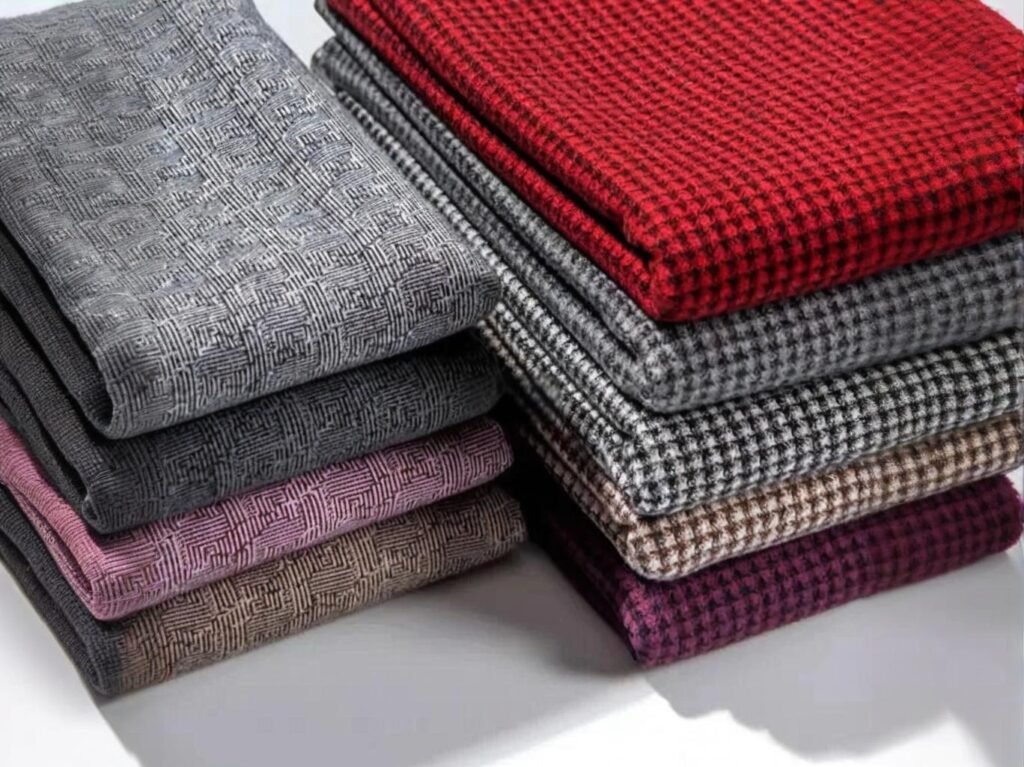
Open your wardrobe today, and chances are most of what you find—whether it’s your workout leggings, your business shirt, or even that cute floral dress—is made of polyester or at least a polyester blend. Once regarded as a stiff, synthetic novelty of the 1970s, polyester is now the dominant fiber in global fashion, used in everything from fast fashion to high-performance activewear. The shift didn’t happen overnight. It’s the result of decades of fiber innovation, economic pressure, global logistics, and evolving consumer expectations.
So, why are all clothes polyester now?Because polyester is cheap, scalable, durable, and incredibly versatile—it outperforms natural fibers in cost efficiency, wrinkle resistance, drying time, and blend compatibility. These advantages make it the most widely adopted textile solution for both budget-conscious brands and performance-driven fashion. As supply chains grow leaner and buyers seek faster production, polyester has become the default for mass-market apparel.
And yet, the real story is more complex. From its environmental criticisms to its cutting-edge reinvention through recycled content and biopolyesters, polyester is a fabric that keeps evolving. This article unpacks why polyester is so dominant—and whether it’s here to stay.
1. What Makes Polyester the Most Common Fabric in Modern Apparel?
Polyester is the most common fabric in modern apparel because it offers a unique combination of affordability, durability, fast-drying performance, and compatibility with mass production methods.
Breaking Down Polyester’s Market Dominance
a) Polyester’s Share in Global Fiber Production
According to Textile Exchange (2024), over 54% of all textile fibers produced globally are polyester. That’s more than cotton, nylon, rayon, and wool combined.
| Fiber Type | Global Share (2024) | Key Attributes |
|---|---|---|
| Polyester | 54% | Inexpensive, durable, versatile |
| Cotton | 22% | Breathable, natural feel |
| Viscose/Rayon | 6.5% | Soft, drapes well, but less durable |
| Nylon | 5% | Stretchy, moisture-wicking, higher cost |
| Wool/Silk/Others | 12.5% | Natural, niche, premium-priced |
b) Why Manufacturers Choose Polyester First
- Scalability: Can be spun and woven using fast, automated systems
- Consistency: Uniform dye uptake, fewer defects
- Versatility: Usable for wovens, knits, blends, and technical fabrics
c) Durability Under Stress
Polyester’s abrasion resistance and tensile strength make it suitable for:
- Outdoor gear
- Workwear uniforms
- Everyday fast fashion
d) Example: Zara & H\&M Product Lines
Analysis of Zara’s Spring/Summer 2024 collection shows over 65% of items include polyester, often blended with cotton or elastane for comfort.
2. Why Do Fashion Brands Prefer Polyester Over Natural Fibers?
Fashion brands prefer polyester over natural fibers because it offers cost savings, shorter production cycles, better shelf appearance, and easier blending with spandex and other fibers for fit and feel.
Brand-Level Considerations That Favor Polyester
a) Cost Efficiency at Scale
Polyester yarn costs between \$0.90–\$1.20 per kg, whereas cotton can range from \$1.50–\$2.20, and organic cotton goes even higher.
| Fabric Type | Avg. Yarn Cost/kg | Dyeing Cost | Drying Time | Production Yield |
|---|---|---|---|---|
| Polyester | \$0.90 – \$1.20 | Low | Fast | High |
| Cotton | \$1.50 – \$2.20 | High | Slow | Medium |
| Organic Cotton | \$2.50+ | High | Slow | Low |
The lower material and processing costs allow brands to maintain margins—even with lower-priced products.
b) Blending Flexibility
Polyester can be blended easily with:
- Cotton for softness
- Spandex for stretch
- Viscose for drape
- Wool for warmth
Blends like poly-cotton (65/35) dominate the T-shirt and basic knitwear categories due to better pilling resistance and wrinkle-free presentation.
c) Shelf Appearance and Longevity
Polyester holds its shape and color longer than many natural fibers:
- No shrinkage
- No fading after repeated washes
- No ironing required in many cases
d) Case Study: SHEIN’s Material Strategy
SHEIN uses polyester in over 75% of its SKUs. The reasons:
- Lightweight shipping
- Easy to sew in mass production
- Works with digital printing and sublimation
3. How Does Polyester Outperform Cotton, Wool, and Silk in Everyday Use?
Polyester outperforms cotton, wool, and silk in everyday use due to its superior durability, faster drying time, wrinkle resistance, and ability to retain color and shape after repeated washing.
Real-World Performance Comparisons Across Use Cases
a) Daily Wear and Tear
Polyester has a higher abrasion resistance and lower moisture retention compared to natural fibers, making it ideal for:
- Gymwear
- School uniforms
- Work uniforms
- Athleisure garments
| Property | Polyester | Cotton | Wool | Silk |
|---|---|---|---|---|
| Abrasion Resistance | ★★★★★ | ★★☆☆☆ | ★★☆☆☆ | ★☆☆☆☆ |
| Wrinkle Resistance | ★★★★★ | ★★☆☆☆ | ★★★☆☆ | ★★★☆☆ |
| Drying Speed | ★★★★★ | ★☆☆☆☆ | ★★★☆☆ | ★★☆☆☆ |
| Maintenance Effort | Low | Medium | High | High |
b) Color Retention and Dye Behavior
- Polyester’s molecular structure binds well with disperse dyes, maintaining bright colors longer.
- Cotton fades with repeated washing, especially in darker shades.
This is why polyester dominates in digitally printed garments, promotional tees, and fast-fashion apparel with bold colors.
c) Thermal Performance and Seasonality
While polyester isn’t as breathable as cotton or as insulating as wool, it can be engineered to mimic both:
- Hollow-core polyester yarns trap heat for winter jackets
- Moisture-wicking treatments make it breathable for summer activewear
d) Case Study: Polyester Activewear vs. Cotton T-Shirts
A U.S.-based gymwear brand ran consumer tests:
- 87% preferred polyester-based T-shirts for workouts due to their lighter feel and quick-drying performance
- Cotton versions showed sweat stains, odor retention, and heavier weight during exercise
4. Is Polyester Really Cheaper to Produce at Scale?
Yes, polyester is significantly cheaper to produce at scale due to its petrochemical feedstock origin, automation-friendly spinning systems, and global supply infrastructure that supports low-cost continuous production.
The Economics of Polyester Manufacturing
a) Feedstock Advantages
Polyester is made from purified terephthalic acid (PTA) and monoethylene glycol (MEG)—both derived from crude oil or natural gas. These inputs are readily available in countries like China, India, and the U.S.
| Fabric Type | Feedstock Origin | Price Volatility | Renewable? |
|---|---|---|---|
| Polyester | Petrochemicals | Moderate | No (unless rPET) |
| Cotton | Agriculture | High | Yes |
| Wool | Animal Husbandry | Seasonal | Yes |
| Silk | Silkworm Farming | Very High | Yes |
Due to scale and automation, polyester production lines can output hundreds of tons per day with minimal labor input.
b) Infrastructure & Globalization
- Polyester mills are concentrated in countries with low energy and labor costs (China, Vietnam, India).
- Machinery such as spinning frames and warp knitters are highly efficient and digitized.
This results in:
- Lower MOQ thresholds
- Consistent pricing even in high volumes
- Less fluctuation based on environmental factors (unlike cotton, which is vulnerable to drought and pests)
c) Energy Consumption
Although energy-intensive, polyester can be recycled and produced in closed-loop systems, reducing long-term energy footprint. New technologies like CO2 dyeing and solar-powered finishing units are helping reduce emissions.
d) A Southeast Asian OEM Factory
A Vietnamese garment exporter compared monthly production costs for a 10,000-unit T-shirt batch:
| Input | Cotton Blend (\$USD) | Polyester Blend (\$USD) |
|---|---|---|
| Yarn + Fabric | 11,800 | 7,400 |
| Dyeing | 3,600 | 2,100 |
| Labor | 6,500 | 5,200 |
| Total Cost | 21,900 | 14,700 |
The result: polyester saved over 32% per batch, allowing more aggressive B2B pricing and higher margins.
5. Are Consumers Actually Demanding More Polyester Clothing?
Yes, consumer behavior shows increasing demand for polyester-based clothing, particularly in categories like activewear, fast fashion, outerwear, and travel wear—driven by affordability, low maintenance, and performance.
Analyzing Consumer Demand and Buying Behavior
a) Affordability Drives Volume Purchases
- Polyester garments tend to retail at lower price points.
- This appeals to price-sensitive demographics, particularly in emerging economies and for value-driven purchases.
| Market Segment | Average Unit Price (Polyester) | Consumer Benefit |
|---|---|---|
| Fast Fashion (Zara, H\&M) | \$12–\$29 | Affordable, trendy, short-term |
| Gymwear (e.g., Decathlon) | \$15–\$40 | Breathable, durable, fast-drying |
| Travel/Outdoor Wear | \$25–\$60 | Lightweight, wrinkle-free |
b) Performance Over Perception
While cotton is still perceived as more “natural,” surveys show that buyers often choose polyester-blend clothes because they’re easier to care for, especially among Gen Z and millennials.
A 2023 global textile report by McKinsey showed:
- 72% of online apparel shoppers selected “doesn’t wrinkle or shrink” as a key reason to choose synthetic or blended materials.
c) Digital-First Preferences
Online retailers often favor polyester for:
- Consistent sizing (less shrinkage after wash)
- Photo consistency (colors stay vibrant on screen and post-purchase)
- Reduced return rates (due to lower damage in transit and fewer wrinkles)
d) Amazon Essentials
Amazon’s house brands have transitioned to a higher polyester content, especially in T-shirts, polos, and leggings. The result? Lower returns, higher review scores (on wrinkle-free performance), and stronger repeat purchase rates.
6. What Role Does Polyester Play in Fast Fashion and E-Commerce?
Polyester is the backbone of the fast fashion and e-commerce industries due to its low cost, quick production cycles, wrinkle resistance during shipping, and compatibility with automated cutting and printing systems.
Why Polyester Enables the Speed of Fashion
a) Shorter Production Timelines
Polyester fabrics dry quickly, don’t need as much finishing time, and are easier to print, making them ideal for fast-moving product cycles.
| Process | Polyester Time-to-Complete | Cotton Time-to-Complete |
|---|---|---|
| Dyeing & Drying | 6–8 hours | 24+ hours |
| Cutting & Finishing | Fully automated | Often semi-automated |
| Wrinkle Correction | Minimal needed | Heavy ironing/pressing |
With weekly drops now common among e-commerce retailers, polyester enables:
- Fast design-to-market cycles (7–15 days)
- Just-in-time inventory fulfillment
b) Low Logistics Risk for Global Shipping
Polyester is lightweight and wrinkle-resistant, making it ideal for:
- Cross-border shipping (less need for steaming/ironing)
- Small parcel delivery in polybags
- Reduced warehouse damage rates
This is crucial for platforms like:
- SHEIN
- Boohoo
- Temu
- AliExpress sellers
c) Ease of Integration with Digital Printing
- Sublimation and heat-transfer printing perform best on polyester.
- E-commerce brands producing printed T-shirts and leggings can launch new SKUs faster and with lower waste.
d) Return-on-Investment for Low-Margin Retailers
Since margins in fast fashion are razor-thin, polyester’s cost-efficiency provides just enough buffer to scale operations profitably—especially for SMEs or private label sellers on Amazon and Shopify.
e) Shopify Brand Using Polyester to Scale
A Canadian Shopify brand selling printed hoodies shifted from cotton blends to 100% polyester fleece:
- Reduced product cost by 27%
- Cut ironing and finishing labor by 80%
- Lowered customer returns due to shrinkage to nearly 0%
- Enabled 2–3 day dispatch for orders
7. Which Innovations Have Made Polyester More Comfortable and Sustainable?
Modern innovations have transformed polyester into a fabric that can feel like cotton, perform like nylon, and meet sustainability demands through recycled yarns and bio-based alternatives.
Polyester’s Technological and Environmental Upgrades
a) Soft-Touch Engineering
Traditional polyester had a plastic-like feel, but new techniques have changed that:
- Microfilament Spinning: Produces thinner, silkier yarns
- Brushed Polyester Finishes: Mimic the softness of flannel or fleece
- Air Texturizing (ATY): Gives polyester the loft and softness of natural fibers
| Treatment Method | Sensory Benefit | Use Case |
|---|---|---|
| Brushing | Warmer, softer hand feel | Fleece jackets, pajamas |
| Micro-denier Yarn | Silk-like softness | Scarves, linings, women’s fashion |
| ATY | Lofty, cotton-like texture | T-shirts, yoga wear |
b) Eco-Innovation in rPET (Recycled Polyester)
- Made from post-consumer PET bottles
- Reduces dependency on virgin oil-based feedstocks
- Certified under GRS (Global Recycled Standard)
Major brands now use rPET blends:
- Adidas: Recycled polyester in 90% of training wear
- Patagonia: 100% rPET in fleece and outerwear
- Zara & H\&M: Conscious and Join Life collections
| rPET vs Virgin Polyester | Energy Use | CO₂ Emissions | Water Consumption |
|---|---|---|---|
| Virgin Polyester | High | High | Moderate |
| rPET | 59% less | 32% less | 90% less |
c) Bio-Based Polyester and Circular Polyester
- Bio-PET: Derived from renewable sources like sugarcane
- Chemical Recycling: Breaks polyester back into monomers for reuse
- Circular Polyester Models: Collect-wear-return for reprocessing (e.g., H\&M Garment Collecting)
d) Comfort Enhancements for End-Users
- Moisture-wicking finishes
- Odor control (silver-based treatments)
- Stretch recovery polymers (like T400 or Lycra T142C)
These make polyester feel less synthetic—and more like a technical performance fabric with comfort-first benefits.
8. Do B2B Buyers Still Have Viable Alternatives to Polyester?
Yes, but polyester remains unmatched in affordability and versatility. While B2B buyers have access to alternatives like cotton, viscose, hemp, and modal, each comes with limitations in scale, cost, or performance.
Polyester vs Alternative Fabric Options for Manufacturers
a) Cotton and Organic Cotton
- Pros: Natural, breathable, biodegradable
- Cons: Expensive, prone to shrinkage, water-intensive
- Best For: Premium basics, conscious brands
b) Viscose, Modal, Tencel (Lyocell)
- Pros: Soft, drapey, biodegradable
- Cons: Limited supply, higher cost, sourcing complexities
- Best For: Luxury casualwear, lingerie, fashion-forward collections
| Material | Avg. Price (USD/kg) | Key Strength | Limitation |
|---|---|---|---|
| Polyester | \$0.90 – \$1.20 | Cost, durability | Non-biodegradable (unless rPET) |
| Cotton | \$1.50 – \$2.20 | Comfort, brand story | Shrinks, fades |
| Modal | \$2.80 – \$3.50 | Drape, softness | Lower strength, higher MOQ |
| Hemp | \$2.50 – \$3.00 | Sustainability | Coarse handfeel, color limits |
| Recycled Polyester | \$1.30 – \$1.70 | Sustainability + scale | Color inconsistency (early-stage tech) |
c) When to Consider Alternatives
- When targeting high-end markets or luxury fashion
- When brand values demand plastic-free, biodegradable materials
- When certifications like GOTS or Cradle to Cradle are mandatory
d) But for Mass-Market B2B… Polyester Still Wins
For B2B buyers prioritizing:
- Cost predictability
- Fast sampling
- Consistent color
- Mass production readiness
Polyester continues to deliver unmatched ROI and production scalability—even when competing with newer fibers.
Polyester’s Reign Isn’t Accidental—It’s Strategic
Polyester didn’t take over the fashion world by luck. Its rise is the result of decades of material science, cost efficiency, and global supply chain integration. Whether you’re a fast-fashion giant, a gymwear start-up, or an established OEM, polyester provides the perfect mix of price, speed, and performance.
But that doesn’t mean you have to compromise on sustainability or softness. Today’s polyester fabrics are smarter, greener, and more advanced than ever.
Want to Source High-Quality, Custom Polyester Fabrics?
SzoneierFabrics is your expert Chinese polyester manufacturer offering:
- 100% Quality Assurance
- Free Custom Design Services
- Low MOQ Starting at 300 Meters
- Fast Sampling & Short Lead Times
- Recycled & Certified Polyester Options
Whether you’re developing a fashion line, gymwear range, or eco-conscious brand—SzoneierFabrics delivers high-performance, scalable, and cost-effective solutions tailored to your business.


Can't find the answers?
No worries, please contact us and we will answer all the questions you have during the whole process of bag customization.
Make A Sample First?
If you have your own artwork, logo design files, or just an idea,please provide details about your project requirements, including preferred fabric, color, and customization options,we’re excited to assist you in bringing your bespoke bag designs to life through our sample production process.