 Skip to content
Why Is Neoprene So Expensive?
From wetsuits to tool bags, knee braces to laptop sleeves, neoprene has carved a niche across sportswear, industrial, and consumer goods markets. Yet buyers often raise the same concern: Why does neoprene cost more than polyester, cotton, or even nylon blends? The answer lies in a combination of material science, chemical processing, market demand, and compliance costs.
Neoprene is expensive due to its complex chemical composition, energy-intensive manufacturing process, reliance on specific raw materials like limestone or petroleum, and added costs for safety certifications and lamination.
Understanding these factors isn’t just academic—it impacts product profitability, branding, and long-term user satisfaction. For example, a U.S.-based fitness gear brand increased margins by 18% after switching to performance-optimized neoprene and repositioning their offering at a premium tier.
Let’s begin by dissecting the source of neoprene’s cost—starting with the raw materials that set the stage for everything downstream.
1. What Raw Materials Are Used to Produce Neoprene and How Do They Impact Cost?
Neoprene is made from synthetic rubber called polychloroprene, derived from either petroleum or limestone-based chloroprene monomers. The source material heavily influences its cost, performance, and sustainability.
How Raw Material Choices Shape Price and Performance
1. Petroleum-Based Chloroprene Derived from crude oil, this is the traditional base for neoprene production. The cost fluctuates with global oil prices, and its processing requires high heat and chemical input.
- Pros: Lower initial cost, widely available
- Cons: High environmental impact, shorter lifespan, VOC emissions
2. Limestone-Based Chloroprene Developed by companies like Yamamoto (Japan), this cleaner alternative uses calcium carbonate sourced from limestone, producing finer foam structure and higher elasticity.
| Material Type | Avg. Base Cost per kg | CO₂ Emissions | Durability | Market Perception |
|---|---|---|---|---|
| Petroleum Neoprene | \$2.80–\$3.50 | High | Moderate | Low–Medium |
| Limestone Neoprene | \$4.20–\$5.50 | Medium | High | Premium/Eco |
| TPE (Alt. Foam) | \$2.50–\$3.00 | Low–Medium | Varies | Moderate |
3. Why Raw Material Cost Fluctuates Neoprene prices are sensitive to:
- Global oil prices for petroleum-based variants
- Mining and refinement costs for limestone
- Trade restrictions on chemical precursors (especially in China, EU, and Japan)
Case in Point: In 2023, chloroprene prices spiked by 17% globally after several Japanese limestone mines reduced output due to safety regulations, directly impacting premium neoprene costs worldwide.
4. Supply Chain Risk Only a few global suppliers produce high-grade chloroprene rubber. Disruptions in Japan or China often cause ripple effects in pricing and lead times.
2. How Does the Manufacturing Process of Neoprene Affect Its Price?
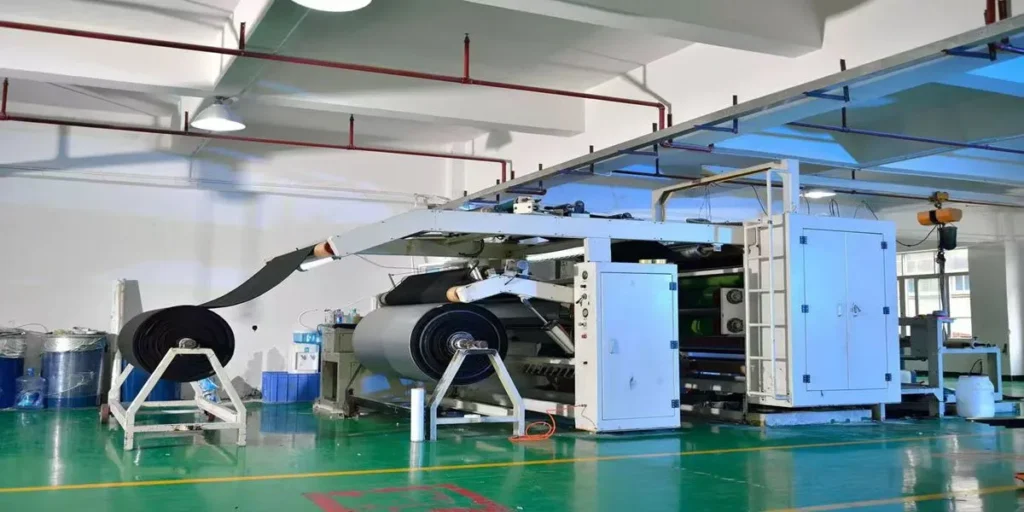
Neoprene’s production involves polymerization, foam expansion, curing, slicing, and lamination—all of which require specialized equipment, chemical control, and skilled labor, significantly increasing the overall cost.
Inside Neoprene’s Labor-Intensive Production Line
1. Polymerization and Chemical Processing Creating polychloroprene requires precise heat, pressure, and catalysts. Mismanagement leads to foam inconsistencies or off-gassing issues.
Key Cost Drivers:
- Reactor-grade catalysts (expensive, temperature-sensitive)
- Quality control instrumentation (e.g., density testers, tensile testers)
- Ventilation and emission capture systems (to meet compliance laws)
2. Foam Expansion and Vulcanization To create closed-cell neoprene foam:
- A chemical blowing agent (like azodicarbonamide) is activated under heat
- The material is then vulcanized to stabilize its form and elasticity
- Resulting foam must be cured and aged for strength retention
| Step | Energy Requirement | Labor Intensity | Cost Impact |
|---|---|---|---|
| Polymerization | High | Medium | High |
| Foam Expansion | Very High | High | Very High |
| Curing & Slicing | Medium | Low | Medium |
3. Precision Slicing & Thickness Control Neoprene slabs are sliced into sheets ranging from 1mm to 10mm. Any variance affects product quality. This requires ±0.1mm precision, demanding automated slicing equipment and trained operators.
4. Lamination with Fabric Liners To make neoprene usable in apparel or bags, it must be laminated with:
- Nylon jersey
- Polyester Lycra
- Recycled PET
- Bamboo charcoal liners (for eco/medical grade)
Each additional layer requires adhesives, pressure bonding, and heat processing, increasing both time and cost.
Real Production Example – SzoneierFabrics: To create a 4mm neoprene for medical braces, the production process takes 36–48 hours including foam curing, lamination, QC testing, and cutting. That’s 3–4× longer than producing a polyester knit.
5. Waste Management and Yield Loss During die-cutting for sleeves, braces, or padding:
- 10–15% material is lost
- Higher-grade neoprene minimizes waste but increases initial sheet cost
- Waste neoprene can’t be easily recycled, adding disposal costs
3. Why Is Limestone-Based Neoprene More Expensive Than Petroleum-Based Options?
Limestone-based neoprene is more expensive due to cleaner processing, tighter foam cell structure, better elasticity, and limited production sources, which collectively make it a premium material with higher cost and superior performance.
Breaking Down the Price Premium of Limestone Neoprene
1. Clean and Controlled Production Limestone neoprene uses calcium carbonate as its base, requiring a more refined chemical reaction with lower off-gassing, less pollution, and tighter temperature controls. This makes the process:
- Slower
- More energy-efficient
- More expensive due to the advanced equipment involved
2. Structural Advantages = Higher Performance Limestone neoprene offers a 95% closed-cell ratio, meaning fewer water pockets, better thermal insulation, and more resilience against compression. This results in:
- Greater longevity
- Lighter weight at the same thickness
- Better customer satisfaction (especially for wearables)
| Property | Petroleum Neoprene | Limestone Neoprene |
|---|---|---|
| Closed-cell ratio | 75–80% | 93–95% |
| Elongation @ break | 150–180% | 300–400% |
| Odor retention | High | Low |
| Water absorption | 3–5% | <1% |
| Environmental impact | High | Medium |
3. Brand Differentiation Potential Buyers using limestone neoprene can claim:
- Eco-performance benefits
- All-day comfort for skin contact
- Premium feel and durability
This justifies higher retail pricing and better brand positioning—especially in North America and the EU where eco-conscious purchasing behavior is rising.
4. Limited Global Suppliers = Price Control Limestone neoprene is primarily produced by companies like Yamamoto (Japan), Sheico (Taiwan), and Nam Liong (Taiwan). With fewer global producers and high demand for premium sportswear and orthopedics, pricing power stays with the manufacturer.
A French luxury swimwear brand switched to limestone neoprene for its “eco-core” wetsuit line and was able to charge 20% more per unit while cutting product return rates by 32% due to improved fit and odor control.
4. What Role Do Thickness and Density Play in Neoprene Pricing?
Thicker and denser neoprene sheets cost more due to greater raw material usage, longer curing times, and higher production precision requirements. Premium applications often demand both higher thickness and tighter foam density.
Why Thickness and Density Are Not Just Technical—They’re Cost Drivers
1. Material Volume = More Cost Thicker neoprene simply uses more polychloroprene rubber per sheet.
- A 5mm neoprene sheet weighs 2.5× more than a 2mm sheet
- Each added millimeter increases cost proportionally—but adds insulation, cushioning, and durability
2. Density Affects Performance and Lamination High-density neoprene (150–180 kg/m³) offers:
- Less compression set (foam doesn’t flatten out over time)
- Better shape memory
- Improved performance under mechanical stress
\| Thickness & Density Example Table |
| Type | Thickness | Density | Cost per Yard (USD) | Application Examples |
|---|---|---|---|---|
| Budget Grade | 2mm | 120 kg/m³ | \$5.50–\$6.20 | Simple sleeves, novelty items |
| Mid-Grade | 3mm | 135 kg/m³ | \$6.50–\$8.00 | Travel bags, waist belts |
| Premium Performance | 4–5mm | 160–180 kg/m³ | \$9.00–\$12.00 | Orthopedic supports, wetsuits |
| Industrial/Fire-Rated | 6mm+ | 180+ kg/m³ | \$13.00–\$16.00 | Oil rigs, flame gear, diving |
3. Slicing & Tolerance Requirements Add to Cost Thicker sheets need:
- More curing time
- More pressure during lamination
- ±0.1mm tolerance control, especially for OEM applications like braces or high-precision pouches
4. Use Case Demands Precision
- In sportswear, thinner, stretchier neoprene is favored
- In industrial mats, thicker neoprene (6mm+) is required for shock absorption
- In bag manufacturing, a balance (3–4mm, medium density) works best
Real Buyer Feedback: An Australian orthopedic brand producing compression braces with 4mm neoprene found that slightly lower density foam (135 kg/m³) caused compression loss after 3 months. After switching to 165 kg/m³, customer satisfaction scores improved by 41%.
5. Design Efficiency Can Offset Thickness Cost Some buyers reduce cost by:
- Using thicker neoprene only in high-impact zones
- Combining 3mm neoprene with rigid inserts or mesh for support
- Laser-cutting to improve pattern layout and reduce waste
5. Is Certified Neoprene (OEKO-TEX, REACH, UL94) More Costly to Source?
Yes—neoprene with certifications like OEKO-TEX, REACH, or UL94 is more expensive due to rigorous testing, chemical restrictions, and compliance documentation that ensure the material is safe, traceable, and legally exportable to regulated markets.
Why Certified Neoprene Carries a Premium
1. What Are the Common Certifications and What Do They Cover?
| Certification | Region | Focus Area | Added Cost (%) |
|---|---|---|---|
| OEKO-TEX® Standard 100 | Global | Human-ecological safety (skin contact) | +10–15% |
| REACH | EU | Chemical safety and substance limits | +8–12% |
| UL94 | US / Global | Flame-retardant classification | +15–20% |
| ISO 10993 | Global | Biocompatibility (medical applications) | +12–18% |
2. Testing Requirements = Cost and Time Certifications require:
- Laboratory testing fees (SGS, TÜV, Intertek, etc.)
- Batch traceability systems
- Third-party audits and re-certification every 12–24 months
These add fixed overhead to each certified batch of neoprene.
3. Why B2B Buyers Need Certifications For products sold in regulated markets (e.g., EU, US, Australia), certifications are not just nice to have—they’re legal shields.
- A U.S. baby product brand using uncertified neoprene in diaper bags faced a class-action lawsuit due to allergic reactions from chemical residues. They now only source OEKO-TEX certified neoprene from vetted factories like SzoneierFabrics.
4. Factory Compliance Affects Material Cost Factories producing certified neoprene must:
- Use compliant chemicals and adhesives
- Maintain cleanroom standards
- Operate waste-water treatment systems (especially for dyeing/lamination)
This infrastructure costs more—factories pass that cost onto the buyer.
5. Brand Positioning and End Consumer Trust Certified neoprene adds marketing leverage:
- “REACH-tested” = safe for EU consumers
- “OEKO-TEX certified” = no skin-irritating chemicals
- “UL94-V0 compliant” = fire safety rated for electronics
These claims justify higher retail prices and help brands differentiate.
6. Do Customization and Lamination Add Significant Cost to Neoprene Products?
Yes—custom lamination, color matching, printing, embossing, and unique fabric liners can increase neoprene cost by 15–40%, depending on the complexity and materials used. However, these upgrades also enable better product performance and brand uniqueness.
How Customization Affects Cost and Buyer Strategy
1. Fabric Lamination Choices Neoprene is often laminated with outer and inner fabrics. Options include:
| Liner Type | Features | Cost Increase |
|---|---|---|
| Nylon Jersey | Strong, printable | +10–15% |
| Polyester Lycra | Stretchy, smooth | +15–18% |
| Bamboo Charcoal Knit | Antibacterial, odor-resistant | +20–25% |
| RPET (Recycled Poly) | Eco-certifiable | +18–22% |
2. Double-Lining vs Single-Lining
- Double-lined neoprene (fabric on both sides) is more durable and easier to stitch but costs 20–30% more than single-lined versions.
- Often essential for bags, laptop sleeves, and wearable braces.
3. Custom Color Matching
- Dye-to-match solutions cost more than stock black or gray
- Requires batch-specific pigment formulation
- MOQ thresholds often apply (e.g., 300 yards per color)
4. Embossing, Printing, and Texture Effects
- Rubber embossing: +\$0.50–\$1.20 per yard
- Screen or heat transfer printing: +\$0.30–\$0.80 per unit
- Laser-perforation (for breathability): +\$0.80–\$1.50 per yard
Case Study – Custom Bag Manufacturer (USA): A travel bag company requested embossed neoprene with RPET liner and custom navy pantone dye. The cost rose by 33%, but they were able to price the product 45% higher due to perceived luxury and eco-positioning.
5. Cutting and Pattern Layout Waste Customized shapes like gloves, pouches, or braces often result in:
- 12–18% material loss
- Laser or die-cut tooling charges
- Higher QA overhead for stitching or edge sealing
6. Smart Strategy for B2B Buyers
- Use stock lining + custom print only on brand-facing sides
- Request digital mockups first to avoid retooling
- Use modular cutting designs to maximize sheet yield
Pro Insight from SzoneierFabrics: Buyers can often reduce cost by mixing SKUs with one core material spec and multiple design variants, sharing the lamination cost across more units.
7. Which Industries Drive Demand and Influence Neoprene’s Global Market Price?
High-volume demand from sportswear, medical, automotive, and military sectors significantly impacts global neoprene pricing by straining supply, influencing raw material priorities, and shaping regulatory-driven production costs.
Who’s Driving the Price Upstream?
1. Sportswear and Wetsuit Markets Brands like Rip Curl, Quiksilver, and O’Neill place large seasonal orders for limestone neoprene, especially during spring and summer. These orders tighten supply and cause temporary spikes in sheet prices.
- A global shortage in 2022 saw neoprene wetsuit prices increase by 18% due to mine slowdowns in Japan.
2. Medical and Orthopedic Gear This sector demands certified, skin-safe neoprene for products like:
- Knee and back braces
- Posture correctors
- Compression garments
Medical-grade neoprene must pass ISO and biocompatibility tests—creating a pricing premium and priority in production lines.
3. Automotive and Industrial Use Applications include:
- Car seat padding
- Engine gaskets
- Tool bag insulation
- Safety gloves
Automotive OEMs often buy in bulk (metric tons), locking in pricing that impacts supply for smaller players.
4. Military and Tactical Contracts Military-grade neoprene must be flame-resistant, high-density, and often Kevlar-lined. These specialized specs reduce production line capacity for standard materials and raise base pricing.
5. Electronics and Packaging Sector Neoprene is used in:
- Shockproof sleeves
- Device holders
- Cable management pads
This segment’s demand for tight tolerances and anti-static coatings adds processing costs and affects pricing in consumer markets.
According to Grand View Research, the global neoprene market reached \$2.1 billion in 2023, projected to grow at 3.5% CAGR, with Asia-Pacific leading in production and North America leading in consumption. This imbalance continues to apply price pressure upstream.
8. How Can B2B Buyers Reduce Neoprene Costs Without Sacrificing Quality?
Buyers can reduce neoprene costs by optimizing thickness, selecting smart laminations, batching color orders, consolidating designs, and working with experienced factories like SzoneierFabrics to balance function and affordability.
Cost-Efficiency Tactics for Buyers
1. Use Thickness Strategically Rather than using 5mm throughout a product, apply:
- 5mm only in impact zones (e.g., elbow pads)
- 3mm in general areas (e.g., bag panels, strap cushioning)
This hybrid layering saves up to 12–18% per unit without changing comfort or protection.
2. Choose Cost-Effective Liners Instead of dual bamboo liners, combine:
- Nylon jersey outside (durable and printable)
- Polyester or mesh inside (cost-efficient)
Cost-Saving Table – Lamination Combinations
| Outer Liner | Inner Liner | Performance | Cost Efficiency |
|---|---|---|---|
| Nylon Jersey | Bamboo Charcoal | High | Moderate |
| RPET Knit | Polyester Mesh | Medium | High |
| Polyester Lycra | Nylon Jersey | High | Moderate |
3. Order Custom Colors in Larger Batches MOQ is typically 300–500 yards per color for dye-to-match options. Share bulk orders across multiple SKUs to maximize dye lot usage.
4. Use Modular Pattern Design Design shapes and templates that fit into sheet layouts with less waste. This can reduce scrap rate by 10–15%, lowering effective material costs.
5. Avoid Over-Specification Don’t over-engineer neoprene specs for basic products. A 4mm 160kg/m³ foam might be unnecessary for a laptop sleeve, where 3mm 135kg/m³ performs well at lower cost.
6. Consolidate Product Specs Across SKUs Instead of using different neoprene grades for every product:
- Select 1–2 core configurations
- Vary only size, color, or external branding
- This reduces sampling time, waste, and lamination complexity
Sourcing Success Example – SzoneierFabrics Buyer: A Canadian fitness brand reduced per-unit cost by 22% by consolidating 6 SKUs into 2 base neoprene specs. Szoneier’s team helped redesign internal foam layouts and recommended switching from 4mm across all to a hybrid 3mm–5mm approach.
Partner with SzoneierFabrics for Smart, High-Performance Neoprene Sourcing
At SzoneierFabrics, we specialize in helping international buyers, wholesalers, and brand owners reduce cost without cutting corners. Our team balances quality, compliance, speed, and affordability in every custom neoprene solution.
What We Offer:
- Free expert consultations to balance spec vs. budget
- Custom thickness, density, and lamination options
- Certified materials: OEKO-TEX, REACH, UL94, ISO-tested
- Low MOQs starting at 50 pcs, with fast sampling
- Free samples and tight-tolerance production
- Global shipping, pre-shipment inspection, and photo confirmation
Start sourcing smarter today:
Let us help you create cost-effective, high-performing neoprene products that meet the demands of today’s global market.


Can't find the answers?
No worries, please contact us and we will answer all the questions you have during the whole process of bag customization.
Make A Sample First?
If you have your own artwork, logo design files, or just an idea,please provide details about your project requirements, including preferred fabric, color, and customization options,we’re excited to assist you in bringing your bespoke bag designs to life through our sample production process.