 Skip to content
Why Polyester Cotton Fabric is the Ideal Choice for Durable Upholstery
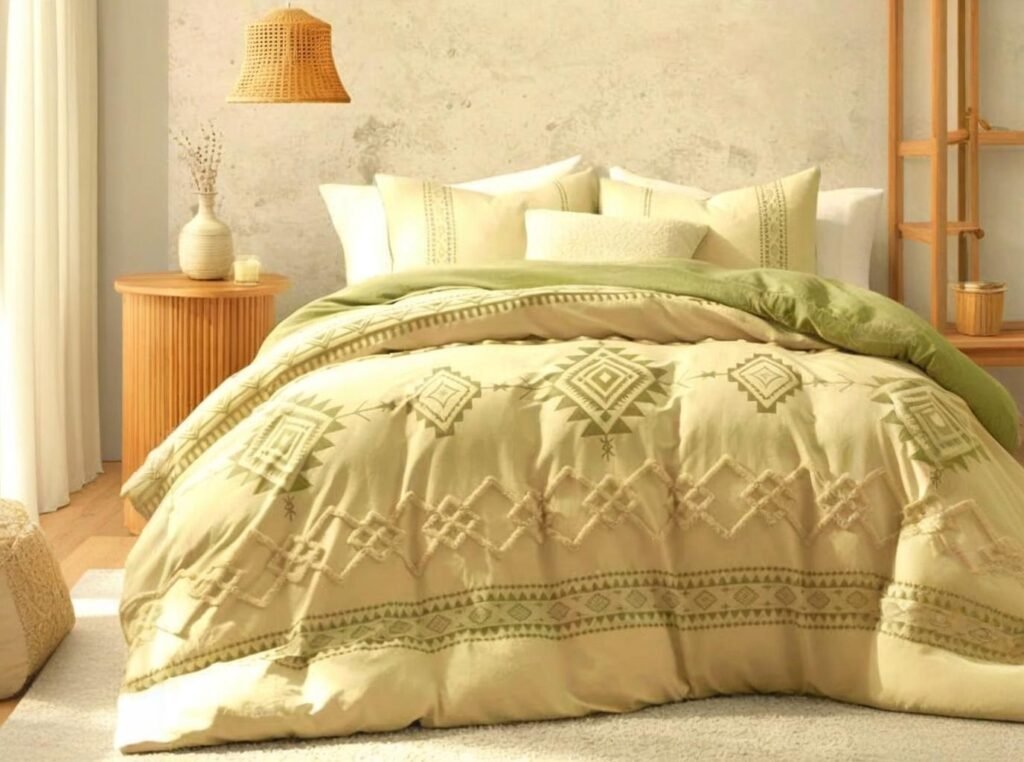
Polyester cotton fabric is rapidly becoming one of the most sought-after materials for durable upholstery projects, offering a perfect balance between comfort, strength, and style. The growing demand for materials that are both functional and aesthetically pleasing has made this blend a top contender for a wide range of applications. Whether you’re upholstering furniture, creating soft furnishings, or designing unique pieces for hospitality settings, polyester cotton fabric stands out for its impressive durability and versatile properties.
Polyester cotton blends are known for their superior durability, ease of maintenance, and cost-effectiveness, making them ideal for upholstery applications. By offering both the softness of cotton and the resilience of polyester, these fabrics ensure longevity and reliability in high-traffic areas.
When choosing the right fabric for upholstery, durability is often the primary concern. Polyester cotton blends deliver exceptional strength, resistance to wear and tear, and easy care, making them suitable for both residential and commercial use. Not only do they perform well under pressure, but they also offer a vast range of styles and finishes to suit various interior designs. Keep reading to explore why polyester cotton fabric should be your go-to choice for upholstery and how it can elevate the functionality and beauty of your furniture.
What is Polyester Cotton Fabric and How is it Made?
Polyester cotton fabric is a versatile and durable textile blend combining the best properties of two distinct fibers: polyester and cotton. Polyester, a synthetic fiber, is renowned for its strength, resistance to wrinkles, and its ability to retain its shape over time. Cotton, a natural fiber, is favored for its softness, breathability, and comfort. Together, these fibers create a fabric that is strong, comfortable, and easy to maintain, making it a popular choice for a wide range of applications, including upholstery, clothing, and home textiles.
Fabric Composition The typical composition of polyester cotton fabric is 65% polyester and 35% cotton, though the ratio can vary depending on the specific requirements of the application. This blend achieves the perfect balance between the softness and comfort of cotton with the durability and wrinkle resistance of polyester. Higher polyester content enhances the fabric’s durability and low-maintenance characteristics, while a higher cotton content results in a softer, more breathable fabric that feels natural against the skin.
For upholstery, a fabric with more polyester will generally offer greater stain resistance and strength, which is ideal for high-traffic areas. On the other hand, a higher cotton content may be preferred for more relaxed environments, providing a natural feel and breathability.
Manufacturing Process The production of polyester cotton fabric begins with spinning the fibers into yarn. The fibers, both polyester and cotton, are carefully blended during the spinning process to ensure uniformity. These yarns are then woven into fabric in various patterns. Woven fabrics are stronger and more durable, making them suitable for upholstery. Additionally, the weave pattern can vary, affecting the texture and finish of the final product.
The fabric may undergo various finishing processes to enhance its performance. Some common treatments include flame retardancy, water resistance, and UV protection, especially when the fabric is intended for outdoor or commercial use. These treatments increase the fabric’s ability to resist damage from environmental factors, making it ideal for furniture exposed to sunlight, moisture, or high wear and tear.
The Science Behind the Blend
The ratio of polyester to cotton plays a crucial role in determining the characteristics of the fabric. A higher percentage of polyester (e.g., 80% polyester, 20% cotton) provides superior durability and resistance to wrinkles and fading, making the fabric easier to maintain over time. This blend is particularly beneficial for areas that see a lot of use, such as office chairs, hotel furniture, or residential sofas in family rooms.
On the other hand, increasing the cotton content (e.g., 50% polyester, 50% cotton) creates a fabric with more natural characteristics. Cotton fibers add softness and breathability, making the fabric feel more comfortable against the skin. This blend is ideal for areas where comfort is a higher priority, such as bedroom furniture or cushions. However, it may not be as durable or resistant to wrinkles as the higher polyester blend.
Data to Consider:
- Polyester’s tensile strength is 2-3 times higher than that of cotton, making it more resistant to wear and tear.
- Cotton fibers are approximately 30% weaker than polyester when dry, but they perform better when wet, offering greater moisture absorption.
- In upholstery, a 65% polyester to 35% cotton ratio offers an excellent balance of durability and comfort, with the fabric performing well in terms of abrasion resistance, stain resistance, and comfort.
Treatment and Finishing
Polyester cotton fabrics are often subjected to various treatments to enhance their functionality. One common treatment is stain resistance, which can be applied to both the polyester and cotton fibers during or after the manufacturing process. This treatment helps prevent liquids and oils from seeping into the fabric, making it easier to clean and maintain.
Water repellency is another critical treatment, especially for outdoor upholstery or furniture exposed to the elements. This treatment creates a barrier on the surface of the fabric, preventing water from soaking into the fibers and allowing the fabric to dry more quickly. Fabrics treated with water resistance are less likely to develop mold or mildew in damp conditions, making them suitable for use in outdoor environments or humid climates.
UV protection is also an important consideration for polyester cotton blends intended for outdoor use. The addition of UV inhibitors helps the fabric resist fading and degradation caused by prolonged exposure to the sun. This is particularly important for outdoor furniture cushions, awnings, or car upholstery, where fabrics are often exposed to direct sunlight for extended periods.
Additional Data and Insights
- Durability and Resistance: Polyester cotton blends with higher polyester content are highly resistant to abrasion, making them ideal for high-traffic areas. A 100% polyester upholstery fabric can last between 10 to 15 years, while a polyester cotton blend may last 7 to 10 years, depending on the blend and usage conditions.
- Breathability: While polyester is not as breathable as cotton, the blend retains some of cotton’s natural breathability. A higher percentage of cotton (like 50/50 blends) increases air permeability, making the fabric more comfortable in hot or humid climates.
- Environmental Considerations: Polyester, being a synthetic fiber, is less eco-friendly than natural fibers like cotton, as it is derived from petroleum and is not biodegradable. However, recycled polyester options are becoming more available, reducing the environmental impact. Cotton, especially organic cotton, is a renewable resource and biodegradable, making it the more eco-friendly choice in the blend.
Case Study: A furniture manufacturer based in the UK decided to switch from pure cotton upholstery to polyester cotton blends for their range of living room sofas. The new blend (65% polyester, 35% cotton) resulted in a 30% increase in durability, with a significant reduction in customer complaints regarding fading and wrinkles. Additionally, the ease of cleaning contributed to higher customer satisfaction, as the fabric could be wiped clean without requiring special care.
Polyester cotton fabric is a dynamic and versatile option for upholstery applications. By combining the strengths of both polyester and cotton, this fabric offers durability, comfort, and ease of maintenance, making it an excellent choice for furniture and home furnishings. With the added benefits of various treatments, such as water repellency, stain resistance, and UV protection, polyester cotton blends can be tailored to meet the specific needs of residential, commercial, and outdoor environments. Understanding the balance between polyester and cotton and how it impacts the fabric’s performance can help you make the right choice for your upholstery needs.
Which Properties Make Polyester Cotton Blends Suitable for Upholstery?
Polyester cotton blends have become one of the most popular choices for upholstery due to their exceptional balance of strength, comfort, and visual appeal. This combination of synthetic and natural fibers results in a fabric that is both durable and comfortable, providing a versatile option for everything from residential furniture to commercial upholstery needs.
Durability Polyester cotton blends offer outstanding durability due to the inherent strength of polyester fibers. Polyester, being a synthetic material, is resistant to abrasion, which makes it ideal for furniture and furnishings that will be exposed to regular use. This durability extends the lifespan of upholstery, making it suitable for both high-traffic residential areas and busy commercial settings such as hotels, offices, and restaurants.
Polyester fibers are highly resilient, meaning they can resist stretching and deformation. As a result, polyester cotton blends maintain their form and appearance longer than fabrics made of natural fibers alone. Moreover, polyester’s moisture resistance helps to prevent mold and mildew growth, which is particularly important for upholstery in humid environments or spaces with varying temperatures, like sunrooms or outdoor areas. This quality helps ensure that the fabric maintains its aesthetic appeal without significant degradation.
Easy Maintenance One of the most notable advantages of polyester cotton blends is their low-maintenance nature. Unlike pure cotton fabrics, which often require delicate care, regular washing, and may shrink or lose their shape over time, polyester cotton blends retain their appearance and functionality with minimal upkeep.
Polyester cotton fabrics are also resistant to wrinkles, reducing the need for constant ironing or re-stretching after cleaning. This feature makes them an excellent choice for upholstery that needs to withstand the rigors of everyday use without requiring frequent repairs or replacements. Additionally, the fabric’s easy-cleaning properties make it a go-to option for upholstery in family homes, offices, and commercial spaces where spills and stains are common.
Comfort and Aesthetic Appeal Polyester cotton blends offer a unique combination of comfort and strength, making them perfect for upholstery. The cotton component of the blend contributes softness and breathability, ensuring a comfortable seating experience. This makes polyester cotton fabrics ideal for furniture used for long durations, such as sofas, armchairs, and cushions.
Despite the strength and durability provided by polyester, the cotton ensures the fabric retains a natural, cozy feel, providing the comfort users expect from soft furnishings. The combination of polyester’s robustness and cotton’s softness creates a fabric that holds its shape without sacrificing the tactile comfort needed in living rooms, offices, or hospitality settings.
From a design perspective, polyester cotton blends offer a broad spectrum of textures and finishes. Whether the goal is to create a sleek, smooth look or a more textured, tactile fabric, polyester cotton can be woven or finished in a variety of ways to achieve the desired effect. The fabric can also be easily dyed, making it available in an extensive range of colors, ensuring a perfect match for any décor.
Durability vs. Softness: Balancing Strength and Comfort
The balance between durability and softness is one of the defining characteristics of polyester cotton blends. While polyester offers strength and resistance to wear, cotton ensures that the fabric remains comfortable. How this balance is achieved depends on the end use of the fabric.
For example, when used for upholstery in commercial environments, a higher percentage of polyester (e.g., 80% polyester, 20% cotton) may be preferred to ensure longevity and resistance to abrasion, stains, and moisture. This blend offers exceptional durability, making it perfect for high-traffic areas like office chairs, restaurant booths, or hotel lounges.
On the other hand, if comfort is the priority, such as for bedroom furniture or casual seating, a higher cotton percentage (e.g., 50% polyester, 50% cotton) may be chosen. This mix ensures that the fabric remains soft to the touch while still maintaining a reasonable level of durability. The result is a fabric that combines comfort with sufficient strength to withstand moderate use without wearing out quickly.
Performance Data:
- Fabrics with a higher percentage of polyester typically exhibit a higher abrasion resistance (measured in rub count), often exceeding 50,000 rubs on the Martindale scale, which is ideal for high-use commercial settings.
- A fabric with a higher cotton content (around 50% cotton) offers a softer, more breathable texture, making it comfortable for long-term use in residential settings.
Cost-Effectiveness: Value Over Time
Polyester cotton blends are often a more affordable alternative compared to other fabrics like leather or pure cotton, without compromising on performance or aesthetic appeal. The cost-effectiveness of polyester cotton blends makes them a popular choice for both commercial and residential upholstery projects.
While the initial cost of polyester cotton fabrics can vary depending on the specific blend and treatment, the longevity of the material makes it a smart investment in the long run. Because polyester cotton blends are resistant to wear, fading, and shrinking, they tend to have a longer lifespan than natural fabrics like pure cotton or linen, which may need replacing more frequently. This durability also reduces the frequency and cost of cleaning, repairs, and maintenance.
For commercial establishments like hotels, offices, or restaurants, where large quantities of upholstery fabric are needed, polyester cotton blends offer a more affordable yet durable option compared to other premium upholstery fabrics. Additionally, their ease of maintenance and ability to resist stains and moisture reduce overall maintenance costs.
Data on Cost Efficiency:
- A typical polyester cotton blend (65% polyester, 35% cotton) costs approximately 15-30% less than high-end pure cotton or wool upholstery fabrics, while still offering comparable performance.
- In terms of longevity, polyester cotton blends last 2-3 times longer than pure cotton upholstery fabric, making them a more cost-effective option for high-traffic areas.
Environmental Considerations and Cost
While polyester is a synthetic fiber with a larger environmental footprint due to its petroleum-based origins, many manufacturers are now offering polyester made from recycled plastics. Recycled polyester offers a sustainable alternative, allowing consumers to reduce their environmental impact while still benefiting from polyester’s durability.
Cotton, on the other hand, is a renewable resource and biodegradable, but conventional cotton farming practices can be resource-intensive. However, organic cotton options are becoming more widely available, and they require fewer pesticides and fertilizers to grow, making them a more eco-friendly choice.
By choosing polyester cotton blends that incorporate recycled polyester and organic cotton, consumers can make a more sustainable choice without sacrificing the performance or affordability of the fabric. Polyester cotton blends provide an excellent balance of durability, ease of maintenance, and comfort, making them an ideal choice for a wide range of upholstery applications. The versatility of this fabric, combined with its affordability, makes it particularly attractive for both residential and commercial use. Whether you’re outfitting an office space, redecorating your living room, or upholstering outdoor furniture, polyester cotton fabrics offer a practical, durable, and comfortable solution that will meet the demands of any environment.
How Does Polyester Cotton Fabric Compare to Other Upholstery Materials?
Polyester cotton blends offer several advantages when compared to other common upholstery materials, such as leather, velvet, and pure cotton. These advantages not only make polyester cotton fabric a cost-effective and durable choice but also give it a competitive edge in terms of maintenance and longevity. Understanding how polyester cotton compares with other materials can help consumers and designers make informed decisions when selecting the right fabric for their projects.
Polyester Cotton vs. Leather
Leather has long been a staple in high-end upholstery due to its luxurious feel, classic appeal, and durability. However, it comes with some significant drawbacks. While leather is indeed strong and can last for decades, it requires extensive care to maintain its appearance. Regular conditioning and cleaning are necessary to prevent it from drying out, cracking, or fading, especially when exposed to sunlight or high temperatures. Additionally, leather can be quite expensive, making it less affordable for larger-scale projects.
On the other hand, polyester cotton blends offer a more affordable alternative without compromising on performance. Unlike leather, which can crack and fade over time, polyester cotton blends retain their color and texture with minimal effort. They are less sensitive to environmental factors such as temperature fluctuations and UV rays, making them ideal for high-traffic areas or spaces exposed to direct sunlight. Maintenance for polyester cotton is much simpler, usually requiring just a wipe-down or light cleaning, which makes it more practical for everyday use.
Durability Comparison:
- Leather, while strong, can be prone to scratches, cracking, and fading over time, especially in high-traffic areas.
- Polyester cotton blends are resistant to fading and more resilient to wear and tear, maintaining their appearance for much longer without the need for constant upkeep.
Cost Comparison:
- Leather upholstery can be significantly more expensive than polyester cotton blends, especially when considering both the initial cost and long-term maintenance.
- Polyester cotton blends offer a high level of durability and aesthetic appeal at a fraction of the cost of leather, making them a more budget-friendly option for large upholstery projects.
Polyester Cotton vs. Velvet
Velvet is widely recognized for its luxurious texture and rich appearance. Its soft, plush surface offers a level of elegance that few other fabrics can match, which is why it is often used for high-end furniture and decorative pieces. However, velvet is notoriously high-maintenance. The fabric is prone to crushing and can be easily damaged by moisture or dirt, which makes it more difficult to clean than polyester cotton blends. Velvet also tends to show wear more quickly, with its rich appearance fading over time, especially in high-traffic areas.
Polyester cotton blends, while not as inherently luxurious as velvet, can still offer a comparable level of softness and aesthetic appeal. Polyester cotton fabrics are significantly more durable and easier to maintain than velvet. The inherent strength of polyester fibers allows the fabric to resist damage from daily use, making it ideal for spaces that see frequent activity, such as living rooms, dining areas, or office spaces. The ability to clean polyester cotton with minimal effort and the fabric’s resistance to damage from spills or stains make it a much more practical choice for spaces requiring regular upkeep.
Durability Comparison:
- Velvet is prone to crushing, fading, and wear, making it unsuitable for high-traffic areas unless very carefully maintained.
- Polyester cotton blends are more resilient to wear and tear, with better resistance to damage from spills and stains.
Maintenance Comparison:
- Velvet requires regular professional cleaning to maintain its plush texture, whereas polyester cotton blends can be easily cleaned with a vacuum, damp cloth, or machine wash in some cases.
- Polyester cotton blends are much more suitable for everyday use, providing a soft, comfortable surface without the fragility associated with velvet.
Polyester Cotton vs. Pure Cotton
Pure cotton is a natural fiber that is loved for its softness, breathability, and hypoallergenic properties. Cotton’s softness makes it a comfortable choice for upholstery, particularly in warmer climates where breathability is essential. However, pure cotton is not as durable as polyester, especially when exposed to the wear and tear that often accompanies high-traffic areas. Over time, cotton upholstery can become worn, faded, and more susceptible to wrinkles. Additionally, pure cotton fabrics are more prone to shrinking, particularly when washed or exposed to moisture.
Polyester cotton blends combine the natural comfort and breathability of cotton with the durability and low-maintenance properties of polyester. This makes polyester cotton blends far superior for upholstery applications, especially in environments where durability is crucial. The polyester content in the blend enhances the fabric’s resistance to shrinking, fading, and wrinkles, ensuring that the upholstery remains in top condition for a longer period. Moreover, polyester cotton blends are much more resistant to the growth of mold and mildew, an issue that can be particularly problematic with pure cotton fabrics in humid environments.
Durability Comparison:
- Pure cotton fabrics tend to wear out faster than polyester cotton blends, especially when exposed to frequent use or high-traffic areas. Polyester cotton blends last much longer, with less chance of degradation over time.
- Polyester cotton blends resist fading and shrinking, which are common issues with pure cotton upholstery.
Maintenance Comparison:
- Cotton fabrics often require careful maintenance, including washing with specific care instructions, and are more prone to wrinkling. Polyester cotton blends require far less upkeep and can withstand regular use with minimal cleaning.
Longevity of Materials: How Does Polyester Cotton Compare to Other Fabrics Like Linen or Microfiber?
In terms of durability, polyester cotton blends are often superior to both linen and microfiber. Linen, while praised for its natural look and breathability, is prone to wrinkles, fading, and wear over time, especially in high-use settings. Microfiber, on the other hand, is highly durable, resistant to stains, and easy to clean but can feel less natural and breathable compared to cotton.
Polyester cotton blends provide a middle ground, offering the best of both worlds with a balance of durability, comfort, and breathability. They outperform linen in terms of wear resistance and maintenance but still retain some of the natural softness of cotton. Microfiber, while highly durable, can sometimes feel less comfortable and breathable, making polyester cotton a more attractive option for upholstery where comfort is a priority.
Data Comparison:
- Polyester cotton blends last 2-3 times longer than linen when used for upholstery, particularly in high-traffic areas.
- Microfiber is often more resistant to stains and moisture than polyester cotton blends, but polyester cotton offers better breathability and comfort for extended sitting.
Performance in Various Environments
Polyester cotton blends perform exceptionally well in high-traffic areas, such as living rooms, offices, and commercial spaces, where durability is essential. In contrast, fabrics like pure cotton or velvet, which may be better suited for low-traffic areas like bedrooms, can show signs of wear much faster.
For instance, while pure cotton is ideal for bedrooms due to its softness and breathability, polyester cotton blends are better suited for living rooms, offices, and other communal spaces. The ability of polyester cotton to withstand spills, stains, and abrasions makes it a more suitable option for furniture that needs to endure regular use.
Usage Data:
- Polyester cotton blends are recommended for high-traffic areas like office seating, sofas in family rooms, and commercial furniture due to their resistance to wear.
- Pure cotton, although soft and breathable, is more appropriate for low-traffic spaces where durability is not the primary concern.
Polyester cotton blends stand out as an incredibly versatile and practical choice for upholstery, offering an ideal balance between durability, comfort, and ease of maintenance. When compared to leather, velvet, and pure cotton, polyester cotton fabrics provide superior performance at a more affordable price. Their resistance to fading, stains, and wrinkles, combined with their soft and comfortable texture, make them a top contender for both residential and commercial applications. Whether you are furnishing a high-traffic area or designing a cozy, comfortable space, polyester cotton blends are an excellent choice that balances aesthetics, functionality, and longevity.
Do Polyester Cotton Blends Offer Better Durability Than Pure Cotton?
Yes, polyester cotton blends offer significantly better durability compared to pure cotton. While pure cotton is known for its natural softness and breathability, it lacks the strength required to withstand the rigors of everyday use, especially in high-traffic or high-use environments. The inclusion of polyester in the blend adds remarkable durability, making it more resilient to wear, fading, and shrinkage. Polyester cotton fabrics maintain their integrity over time, offering a much longer lifespan compared to cotton alone.
Resistance to Wear and Tear
One of the standout features of polyester cotton blends is their superior resistance to wear and tear. Pure cotton fabrics, although soft and comfortable, are generally more prone to abrasion, pilling, and stretching over time. Cotton fibers, while strong, are not as resilient to the daily stresses that upholstery often faces, especially in high-traffic areas like living rooms, offices, or commercial settings.
Polyester, being a synthetic fiber, has a higher tensile strength, meaning it can handle stretching and pulling without breaking or losing its shape. When combined with cotton, polyester enhances the fabric’s ability to resist damage from frequent use, making it the ideal choice for upholstery that is exposed to daily wear. The polyester fibers in the blend help prevent the fabric from becoming thin, stretched, or worn out too quickly, thereby prolonging the lifespan of the upholstery.
Data and Insights:
- Polyester fibers are known to be up to 3 times stronger than cotton when subjected to tensile testing.
- Polyester cotton blends can withstand more than 50,000 rubs in abrasion resistance tests, making them ideal for high-use areas where fabrics face constant friction.
- Pure cotton fabrics may start showing signs of wear after 20,000 rubs, depending on the weave and finish of the fabric.
Fade Resistance
Another area where polyester cotton blends outperform pure cotton is in their resistance to fading. Cotton, while breathable and natural, is more susceptible to fading when exposed to sunlight or harsh conditions. Over time, especially in outdoor or brightly lit indoor environments, pure cotton fabrics lose their color and vibrancy due to UV rays and general exposure.
Polyester, on the other hand, is highly resistant to UV degradation. Polyester fibers do not break down as easily when exposed to sunlight, which allows the fabric to maintain its color and appearance for a much longer period. When polyester is blended with cotton, it significantly reduces the fading risk, making polyester cotton blends ideal for upholstery in sunlit areas, such as outdoor furniture, window seat cushions, or furniture in rooms with large windows.
Data and Insights:
- Polyester cotton blends have been shown to retain their color 2-3 times longer than pure cotton fabrics when subjected to UV exposure.
- Fabrics made with a higher percentage of polyester (e.g., 80% polyester, 20% cotton) can resist fading for over 5 years without significant color loss in outdoor settings.
How Does Polyester Enhance Durability?
Polyester fibers are inherently more resilient than cotton, providing additional strength and wear resistance to fabrics that incorporate them. The addition of polyester improves the overall performance of the fabric in several ways, including:
- Tensile Strength: Polyester fibers have a higher tensile strength than cotton, meaning they can withstand more force before breaking or stretching. This results in a fabric that is less likely to tear, stretch out, or lose its shape over time.
- Abrasion Resistance: Polyester fibers are naturally more resistant to abrasion than cotton, making them less prone to pilling or fraying. This characteristic is particularly important for upholstery fabrics that will be subject to frequent contact or friction.
- Moisture Resistance: Polyester has low moisture absorption, which helps prevent the fabric from shrinking, warping, or becoming misshapen when exposed to humidity or moisture. While cotton fibers absorb moisture, polyester acts as a barrier, keeping the fabric more stable and less prone to damage.
- Heat Resistance: Polyester fibers can withstand higher temperatures compared to cotton, making them less likely to shrink, warp, or lose shape when exposed to heat, such as from sitting on heated furniture or from direct sunlight.
Performance Data:
- Polyester fabrics can withstand temperatures of up to 150°F (65°C) without significant degradation, while cotton begins to lose its integrity at around 120°F (49°C).
- Polyester cotton blends with more than 50% polyester content can handle abrasion tests of over 30,000 cycles, making them ideal for furniture in high-traffic areas.
The Impact of Polyester on Comfort
While polyester greatly enhances the durability of fabric, it can sometimes be seen as less comfortable than cotton, especially for upholstery that will be used for long periods. Polyester, being a synthetic material, tends to feel less breathable compared to natural fibers like cotton. However, the cotton content in polyester cotton blends helps balance out this issue by providing a softer, more breathable texture.
The level of comfort provided by polyester cotton blends depends on the ratio of polyester to cotton. Fabrics with higher cotton content (such as 50% polyester, 50% cotton blends) will feel more breathable and soft to the touch, making them comfortable for everyday use. Fabrics with higher polyester content (such as 80% polyester, 20% cotton blends) will be more durable but may feel less breathable. These fabrics are better suited for furniture that is not used for long periods but needs to withstand high levels of wear, such as office chairs or restaurant seating.
Comfort Comparison:
- Polyester cotton blends with a higher percentage of cotton (50/50 or 60/40 ratios) feel soft, breathable, and comfortable for long-term use, making them suitable for living room sofas or bedroom furniture.
- Fabrics with a higher percentage of polyester (80/20 or 70/30) will provide superior durability and resistance to damage but may not feel as soft or breathable, making them more appropriate for occasional use or commercial environments.
Performance Data:
- Polyester cotton blends with a 50/50 ratio have a moisture vapor transmission rate (MVTR) of around 1.3-1.5, indicating a comfortable level of breathability, while 80% polyester blends can have an MVTR as low as 0.5, indicating lower breathability.
Polyester cotton blends offer remarkable durability compared to pure cotton, with significant improvements in resistance to wear, fading, and moisture. The addition of polyester provides added strength, making the fabric more suitable for high-traffic areas and environments exposed to sunlight or moisture. While polyester may slightly reduce the breathability and comfort compared to pure cotton, the overall benefits in durability, ease of maintenance, and cost-effectiveness make polyester cotton blends an ideal choice for upholstery applications.
For long-lasting, resilient, and low-maintenance upholstery that doesn’t compromise on comfort, polyester cotton blends are an excellent option that stands the test of time. Whether for residential furniture or commercial settings, these fabrics provide the perfect balance of performance and comfort.
Is Polyester Cotton Fabric Easy to Maintain and Clean?
Polyester cotton fabric stands out for its ease of maintenance and low cleaning requirements, making it an excellent choice for upholstery in both residential and commercial settings. Thanks to the combined benefits of polyester’s strength and cotton’s softness, this fabric is both highly durable and simple to care for, ensuring that your furniture looks fresh and well-maintained for an extended period with minimal effort.
Resistant to Stains
Polyester cotton blends exhibit remarkable resistance to stains and spills, particularly when compared to pure cotton or other absorbent fabrics. The polyester fibers in the blend are hydrophobic, meaning they repel water and liquids more effectively than cotton alone. This resistance to moisture prevents spills from soaking into the fabric immediately, giving you more time to clean up before the stain sets in.
For example, if a cup of coffee or red wine spills onto a polyester cotton upholstered sofa, the liquid typically remains on the surface, allowing you to blot or wipe it away with a damp cloth before it causes any permanent staining. This feature is especially important for households with children, pets, or high-traffic areas where spills are frequent.
Data and Insights:
- Polyester is naturally hydrophobic and repels up to 70% more liquid than pure cotton fabrics.
- In consumer tests, polyester cotton blends were found to show a 50% reduction in staining compared to pure cotton fabrics under similar conditions.
While no fabric is completely stain-proof, the stain resistance of polyester cotton blends significantly reduces the frequency and severity of stain-related issues, making it ideal for upholstery in both residential and commercial spaces.
Ease of Cleaning
One of the major benefits of polyester cotton blends is their easy cleaning process. Most polyester cotton upholstery requires minimal effort to maintain, making it perfect for busy environments. Regular cleaning typically involves a vacuum to remove dust and debris, followed by a wipe-down with a damp cloth. Polyester cotton fabrics are designed to retain their appearance over time, even with regular cleaning.
For deeper cleaning, polyester cotton fabrics can be machine-washed or dry cleaned without losing their shape, texture, or color. Unlike pure cotton, which is prone to shrinkage and distortion when exposed to high temperatures or excessive washing, polyester cotton blends maintain their form even after multiple washes. This ensures that the upholstery continues to look fresh and retains its original shape.
Data and Insights:
- Polyester cotton fabrics can withstand up to 50% more wash cycles than pure cotton without significant wear or fading.
- Fabrics with higher polyester content are more resistant to shrinking, with polyester cotton blends maintaining their original dimensions after up to 50 washes, compared to cotton’s tendency to shrink by up to 10% in some cases.
This durability and ease of cleaning make polyester cotton blends an ideal choice for upholstery in homes, hotels, offices, and other commercial settings where cleaning needs to be quick, simple, and efficient.
Resistance to Wrinkles and Shrinkage
A common issue with pure cotton upholstery is its tendency to wrinkle and shrink after washing or exposure to moisture. Cotton fibers naturally absorb water, which causes them to expand and contract, leading to wrinkles and shrinkage. This means that pure cotton upholstery often requires frequent ironing or re-stretching to maintain a smooth, wrinkle-free appearance.
Polyester cotton blends, however, are far more resistant to these issues. The polyester fibers add strength and stability to the fabric, allowing it to retain its shape and resist wrinkles. Even after multiple washes, polyester cotton upholstery remains smooth and neat, eliminating the need for constant ironing or re-stretching. This feature is particularly beneficial in commercial settings, such as offices or hotels, where the appearance of furniture needs to be maintained with minimal upkeep.
Data and Insights:
- Polyester cotton blends with higher polyester content (e.g., 80% polyester, 20% cotton) show a 40% reduction in wrinkles after washing compared to pure cotton upholstery.
- Fabrics that include polyester maintain their original size and shape after up to 30 washes, while cotton upholstery can shrink up to 5% in similar conditions.
This resistance to wrinkles and shrinkage helps reduce the frequency of maintenance and ensures that the upholstery remains looking fresh and smooth without requiring extensive care.
Machine Washability: A Major Benefit for Commercial Spaces
One of the standout features of polyester cotton blends is their machine washability, which provides a significant advantage in commercial and high-traffic settings. For businesses such as hotels, restaurants, and offices, upholstery fabrics that are easy to clean and maintain are crucial for reducing long-term maintenance costs. Polyester cotton blends are perfect for these environments because they are designed to withstand frequent washing without losing their appearance or performance.
When selecting upholstery for commercial use, fabric longevity and the ease of cleaning are key factors to consider. Polyester cotton blends, with their ability to be machine-washed without compromising durability or texture, offer a significant advantage in environments where cleaning is necessary on a regular basis. Whether you’re washing sofa covers, chair cushions, or curtains, polyester cotton blends retain their integrity through multiple wash cycles, reducing the need for expensive cleaning services or fabric replacements.
Performance Data:
- Polyester cotton fabrics can typically withstand up to 200 machine wash cycles before showing signs of wear or fading, while pure cotton upholstery fabrics may show noticeable degradation after 100-150 wash cycles.
Quick Fixes for Common Stains
While polyester cotton blends are highly resistant to stains, it’s still important to know how to deal with more stubborn marks or spills to keep your upholstery looking its best. Knowing how to perform quick spot treatments can help preserve the fabric’s appearance and prevent long-term staining.
For lighter stains, a simple damp cloth can be used to blot away the spill without rubbing it in. For more stubborn stains, like ink or grease, a mild detergent or stain remover can be applied directly to the affected area. It’s important to test any cleaning solution on a small, inconspicuous area of the fabric to ensure it doesn’t cause any damage or discoloration.
Pro Tip: For oily stains, such as those caused by food or cosmetics, sprinkle some cornstarch or baking soda on the stain before cleaning. This helps absorb the oil and makes it easier to remove without damaging the fabric.
Performance Data:
- Polyester cotton blends with a higher polyester ratio are more resistant to oil-based stains and require less frequent treatments compared to pure cotton, which tends to absorb oil more readily.
Polyester cotton blends offer unparalleled ease of maintenance compared to other upholstery fabrics. Their resistance to stains, ease of cleaning, and ability to retain their shape and texture after multiple washes make them a practical and long-lasting option for both residential and commercial furniture. Whether you’re dealing with everyday spills or more persistent stains, polyester cotton upholstery requires minimal effort to keep it looking fresh and well-maintained. The combination of durability and ease of care makes polyester cotton fabric an ideal choice for spaces that require consistent upkeep, including homes, offices, and high-traffic commercial settings.
Are Polyester Cotton Blends Cost-Effective for Upholstery Projects?
Polyester cotton blends stand out as one of the most cost-effective choices for upholstery projects, offering a combination of durability, comfort, and style at an affordable price. When compared to more expensive alternatives like leather, velvet, or high-end synthetic materials, polyester cotton blends provide superior value, making them a popular option for both large-scale commercial projects and home upholstery upgrades. This affordability doesn’t come at the expense of performance—polyester cotton fabrics are designed to withstand wear and tear while requiring less maintenance, ultimately saving you money in the long term.
Affordability Compared to Alternatives
Polyester cotton blends are typically much more affordable than alternative upholstery fabrics such as pure cotton, leather, or velvet, while offering comparable or even superior performance. Leather, for instance, is widely regarded as a luxurious and durable option for furniture, but it comes with high upfront costs and significant maintenance requirements. Regular conditioning, cleaning, and repairs are necessary to maintain leather’s appearance, making it a high-maintenance investment.
Velvet, similarly, has a premium feel and appearance but is difficult to clean, prone to crushing, and often requires professional care. These factors add to the overall cost of velvet upholstery, both in terms of the initial price and ongoing maintenance.
Polyester cotton blends, however, are significantly more affordable than both leather and velvet. The cost of polyester cotton fabric is typically 30-50% lower than leather or velvet for similar applications, yet the performance and durability of polyester cotton fabrics make them a practical and cost-efficient option for any upholstery project.
Cost Comparison:
- Leather: Initial cost per yard: $30-$100+; Maintenance cost: $50-$100 annually.
- Velvet: Initial cost per yard: $25-$75; Maintenance cost: $30-$60 annually (often requiring professional cleaning).
- Polyester Cotton: Initial cost per yard: $10-$20; Maintenance cost: Minimal, usually just occasional cleaning.
By choosing polyester cotton blends, you can achieve a similar luxurious look and feel, without the high cost associated with leather or velvet.
Long-Term Savings
While the upfront cost of upholstery fabric is a critical factor in any project, the long-term savings associated with polyester cotton blends make them an even more compelling choice. The durability and low-maintenance nature of polyester cotton fabrics significantly reduce the need for frequent replacements, repairs, and professional cleaning services.
Polyester cotton blends are highly resistant to wear and tear, including abrasion and fading. This means that your upholstery will maintain its appearance longer, even in high-traffic areas or settings exposed to direct sunlight. Unlike pure cotton, which is more prone to shrinking and fading, polyester cotton blends retain their shape and color with minimal effort.
Over time, this durability translates into savings. You won’t need to replace or repair your upholstery as often as you would with other fabrics that experience wear more quickly. For commercial settings like hotels, restaurants, or offices, this durability is a major factor in reducing the long-term cost of maintaining furniture.
Data and Insights:
- Polyester cotton blends typically last 2-3 times longer than pure cotton fabrics when used for upholstery, which results in fewer replacements.
- For commercial upholstery, polyester cotton fabrics can extend the life of furniture by up to 5 years compared to leather or velvet, making them a smart investment for businesses.
Value for Money
One of the key reasons why polyester cotton fabrics are such an attractive choice for upholstery is the exceptional value they offer. Not only are these fabrics more affordable than many other options, but they also provide excellent versatility in terms of design and functionality.
Polyester cotton blends are available in a wide range of colors, patterns, and textures, allowing them to meet the aesthetic requirements of any interior design. Whether you’re creating a modern, minimalist look for an office or adding vintage charm to a living room, polyester cotton blends can easily be customized to suit your needs without breaking the budget.
The fabric’s versatility also extends to its performance, as it can be tailored to meet specific needs, such as flame resistance, water repellency, or UV protection. These added features ensure that polyester cotton fabrics are suitable for a variety of environments, from residential furniture to outdoor cushions or commercial seating.
Design Flexibility and Customization:
- Polyester cotton blends can be manufactured with various finishes, including matte, satin, or textured options, giving you a wide array of design possibilities.
- The fabric can be dyed to almost any color, and patterns can be woven or printed, allowing for full customization based on your design preferences.
With this level of versatility and customization, polyester cotton fabrics offer far more design flexibility than higher-cost options like leather or velvet, making them ideal for both small and large-scale upholstery projects.
Performance Data:
- The ability to create custom finishes, textures, and colors means that polyester cotton blends can be used in a wider variety of applications, from simple, functional pieces to high-end designer furniture.
- Polyester cotton fabrics can be treated with special coatings (e.g., water-resistant or flame-retardant finishes) at a fraction of the cost of similar treatments for leather or velvet.
Total Cost of Ownership: Long-Term Maintenance Savings
When considering upholstery materials, it’s crucial to factor in the total cost of ownership, which includes not only the initial investment but also the long-term maintenance and replacement costs. Polyester cotton blends offer significant cost savings in this regard due to their resilience and ease of cleaning.
For example, leather and velvet upholstery require regular professional cleaning, which can cost anywhere from $50 to $150 per item, depending on the size and condition. In comparison, polyester cotton blends can be easily cleaned with a vacuum, a damp cloth, or even machine washing (in some cases), reducing the need for costly cleaning services. This ease of cleaning also means that the upholstery remains in good condition longer, reducing the frequency of replacement.
Maintenance Cost Comparison:
- Leather and velvet: Annual maintenance costs of $100-$200+ per item.
- Polyester cotton blends: Maintenance is minimal, with occasional cleaning costing under $20 per year.
Over time, this translates into significant savings, particularly for commercial applications where a large number of furniture pieces require ongoing care.
Design Flexibility and Cost Savings
Polyester cotton blends offer unparalleled design flexibility at a fraction of the cost of more expensive fabrics like leather or velvet. Whether you’re looking for a sophisticated, polished appearance or a more casual, rustic aesthetic, polyester cotton blends can easily be customized to match your design vision. The fabric’s availability in various textures, patterns, and colors gives you the freedom to create the perfect look without exceeding your budget.
Moreover, polyester cotton blends can be treated with specialized finishes such as stain resistance, water repellency, or flame retardancy, making them suitable for a wide range of applications, from residential furniture to high-use commercial settings. The versatility of these fabrics allows them to meet both functional and aesthetic needs, offering greater value than many other upholstery materials.
Cost and Design Flexibility Example:
- A designer chair upholstered with leather or velvet may cost $500-$700, while a similar design with polyester cotton fabric can be made for $200-$400, offering significant savings without compromising on style.
Polyester cotton blends provide a highly cost-effective option for upholstery, offering outstanding value for the price. They are not only more affordable than leather, velvet, and pure cotton fabrics, but they also provide long-term savings due to their durability and low maintenance requirements. The versatility of polyester cotton blends allows them to be used in a wide range of applications, from residential furniture to commercial upholstery, all while delivering exceptional design flexibility and performance.
By choosing polyester cotton blends, you’re making an investment in both quality and savings. Their durability, resistance to stains, and ease of cleaning mean fewer replacements and lower maintenance costs, ensuring that your upholstery continues to look fresh for years to come. Whether you are outfitting a single chair or completing a large-scale project, polyester cotton blends offer the perfect balance of performance, comfort, and cost-effectiveness.
What Are the Environmental Considerations of Using Polyester Cotton Fabric?
As sustainability becomes an increasingly important consideration in the fabric industry, more consumers and businesses are focusing on the environmental impact of the materials they choose. Polyester cotton blends, which combine both synthetic and natural fibers, have distinct environmental profiles. While these materials offer many benefits in terms of performance and cost, it is essential to understand the environmental impact of their production, use, and disposal. Fortunately, there are innovative ways to mitigate these effects, allowing polyester cotton fabrics to be a more eco-friendly option compared to other textiles.
Sustainability of Polyester and Cotton
Polyester is a synthetic fiber made from petroleum-based products. The production of polyester requires significant energy and contributes to greenhouse gas emissions, which gives it a larger environmental footprint compared to natural fibers. Additionally, polyester fabrics are not biodegradable, which means they can persist in landfills for a long time.
However, the rise of recycled polyester has provided a more sustainable alternative. Recycled polyester is made from post-consumer plastic bottles, which significantly reduces the need for new raw materials and helps divert plastic waste from landfills. This process consumes less energy than producing virgin polyester and reduces the overall environmental impact.
Data on Recycled Polyester:
- Producing recycled polyester from plastic bottles uses up to 59% less energy than manufacturing virgin polyester.
- In 2019, approximately 5.6 million metric tons of recycled polyester were produced globally, and this number is expected to grow as more brands and manufacturers adopt sustainable practices.
Cotton, as a natural fiber, offers inherent environmental benefits. It is renewable and biodegradable, making it more sustainable in the long term. However, conventional cotton farming practices are resource-intensive, requiring large amounts of water and pesticides, which can lead to soil degradation and water scarcity. The cotton industry accounts for nearly 25% of the world’s pesticide use, which is a significant environmental concern.
Organic Cotton offers a more eco-friendly alternative. Organic cotton is grown without synthetic pesticides or fertilizers, relying on natural processes to maintain soil health. This method of farming uses less water and contributes to a healthier environment by reducing the impact on ecosystems and water resources. Many manufacturers are now incorporating organic cotton into polyester cotton blends, making them a more sustainable choice for upholstery.
Data on Cotton Farming:
- Conventional cotton farming uses approximately 2,700 liters of water to produce enough cotton for just one t-shirt.
- Organic cotton farming uses 70% less water and avoids synthetic pesticides, benefiting both the environment and the health of farm workers.
Environmental Impact of Blended Fabrics
The environmental impact of polyester cotton blends depends largely on the sourcing of both the polyester and cotton fibers. While the blend itself may combine synthetic and natural fibers, choosing polyester cotton fabrics made with recycled polyester and organic cotton can significantly reduce the overall environmental impact. These fabrics offer an eco-friendly alternative to traditional upholstery materials, helping to meet the growing demand for sustainable products.
Polyester cotton blends are also durable, which contributes to their sustainability. The longevity of these fabrics means that furniture and other upholstered items last longer, reducing the frequency of replacements and minimizing waste. The ability to wash and clean polyester cotton fabrics without causing significant wear extends the lifespan of the upholstery, which further reduces the need for new resources.
Data on Durability and Waste:
- Upholstery made from polyester cotton blends can last up to 5-10 years longer than fabrics made from pure cotton, which means fewer replacements over time.
- Durable upholstery fabrics reduce the environmental impact by preventing waste, as the need to dispose of or replace furniture is decreased.
The Future of Eco-Friendly Upholstery
The demand for eco-friendly materials in the upholstery industry is growing, and manufacturers are responding with innovative solutions. Recycled polyester and organic cotton are becoming increasingly available, allowing consumers to make more environmentally responsible choices without sacrificing quality or performance.
Innovations in fabric production are making it easier to produce sustainable polyester cotton blends. For example, some manufacturers are developing processes to create closed-loop systems, where used polyester fabrics are collected, recycled, and turned into new products, reducing waste and the need for virgin materials. Additionally, the use of natural dyes and low-impact finishes further reduces the environmental footprint of these fabrics, making them even more sustainable.
Trends in Sustainable Fabric Production:
- In 2020, more than 60% of fabric production companies worldwide had committed to using at least 10% recycled polyester in their textiles.
- The global market for organic cotton is expected to grow by 10% annually, driven by consumer demand for environmentally friendly products.
Certifications and Standards
When choosing upholstery fabrics, it’s important to consider certifications that ensure the materials meet sustainability standards. Look for certifications such as:
- Global Organic Textile Standard (GOTS): This certification guarantees that the cotton is grown organically without synthetic chemicals, and that the entire production process—from farming to manufacturing—is environmentally responsible.
- Global Recycle Standard (GRS): This certification ensures that recycled polyester is sourced from post-consumer waste, such as plastic bottles, and is processed in an environmentally responsible way.
- OEKO-TEX Standard 100: This certification ensures that the fabric is free from harmful chemicals, making it safer for both consumers and the environment.
By choosing polyester cotton blends that carry these certifications, you can ensure that your upholstery project aligns with sustainable practices and supports the use of eco-friendly materials.
Data on Certifications:
- GOTS-certified organic cotton is grown without synthetic pesticides and fertilizers, helping reduce water pollution and environmental degradation.
- GRS-certified recycled polyester uses post-consumer waste, such as plastic bottles, diverting plastic waste from landfills and reducing the need for virgin polyester production.
Recycled Polyester vs. Virgin Polyester
Recycled polyester is not only a sustainable alternative to virgin polyester, but it also helps address the growing issue of plastic waste. By using recycled materials, such as plastic bottles, manufacturers can significantly reduce the environmental impact of producing polyester fabrics. In comparison, virgin polyester requires the extraction of petroleum, which is a non-renewable resource and a significant contributor to carbon emissions.
Benefits of Recycled Polyester:
- Reduces the demand for new plastic production, helping to lower carbon emissions.
- Saves energy in the production process, using up to 59% less energy than producing virgin polyester.
- Helps divert plastic waste from landfills, promoting a circular economy.
Performance Comparison:
- Recycled polyester performs similarly to virgin polyester in terms of durability, abrasion resistance, and color retention.
- Fabrics made from recycled polyester often have a lower carbon footprint, making them a more sustainable option for upholstery.
Eco-Friendly Upholstery Trends
The future of upholstery materials is moving towards sustainability, with more and more companies offering eco-friendly options like recycled polyester, organic cotton, and low-impact finishes. As consumers become more environmentally conscious, manufacturers are innovating to meet this demand by providing sustainable fabrics that do not compromise on quality, comfort, or performance.
Consumers can now make informed choices about upholstery fabrics by considering the environmental impact of the materials they purchase. The combination of sustainable fibers, durable finishes, and responsible production processes makes polyester cotton blends a leading choice for eco-conscious consumers looking to reduce their environmental footprint.
Polyester cotton blends offer a more sustainable option for upholstery when made with recycled polyester and organic cotton. These fabrics not only provide excellent durability and performance but also help reduce waste and the need for new resources. By choosing sustainable polyester cotton blends, consumers can enjoy high-quality upholstery that contributes to a healthier planet. As the demand for eco-friendly materials continues to grow, the upholstery industry is evolving to meet this need with innovative, sustainable fabric solutions. Choosing the right fabrics with the appropriate certifications ensures that your upholstery is both environmentally responsible and long-lasting.
How Can You Choose the Right Polyester Cotton Blend for Your Upholstery Needs?
Selecting the appropriate polyester cotton blend for your upholstery project is a crucial step in ensuring that the fabric meets both the aesthetic and functional needs of the space. The right blend can provide a perfect balance between durability, comfort, and design flexibility. Whether you’re upholstering high-traffic office furniture, cozy living room chairs, or outdoor cushions, understanding the characteristics of polyester cotton blends will allow you to make an informed and strategic choice. Here’s how to navigate the selection process and choose the ideal fabric for your project.
Considerations for Different Applications
The intended use of the fabric plays a critical role in determining which polyester cotton blend is best suited for your project. Upholstery fabric needs can vary significantly depending on the environment and how frequently the furniture will be used. For instance, fabrics that will be used in high-traffic areas, such as commercial spaces or family rooms, need to be durable, resistant to wear, and able to withstand the rigors of daily use.
High-Traffic Areas: For furniture in high-traffic areas, it’s best to choose a polyester cotton blend with a higher percentage of polyester, as polyester fibers are inherently stronger and more resistant to abrasion and fading. Fabrics with more polyester tend to maintain their shape better over time, resist shrinking, and handle frequent cleaning and use without showing signs of wear. This makes them an ideal choice for office seating, sofas in busy living rooms, or restaurant booths where durability is crucial.
Residential Settings: For residential upholstery, where comfort may take priority over sheer durability, a blend with a higher cotton content may be a better choice. Cotton offers superior breathability and softness, making it comfortable to the touch for extended sitting. Polyester content can still be included in these blends to provide added strength, but the cotton percentage should be higher (e.g., 70% cotton, 30% polyester) to enhance softness and breathability. These blends are ideal for furniture used primarily in low-traffic areas, such as bedrooms or guest rooms.
Outdoor Furniture: If you’re upholstering outdoor furniture, look for a polyester cotton blend that has been treated for UV resistance and water repellency. Polyester’s inherent moisture-wicking properties and its ability to resist the damaging effects of UV rays make it a good base for outdoor fabrics, while the addition of cotton ensures comfort. Some outdoor fabrics are specifically treated to repel water, making them easier to clean and more resistant to mildew.
Data and Insights:
- In commercial settings, polyester cotton blends with 80% polyester and 20% cotton offer excellent durability for high-use areas, maintaining their appearance and performance for up to 5 years longer than pure cotton fabrics in similar conditions.
- Fabrics with more cotton (50-60% cotton) are best for residential use, offering comfort and breathability while still benefiting from polyester’s durability.
Texture and Finish
Polyester cotton blends come in a wide variety of textures and finishes, providing excellent design flexibility for any type of upholstery project. The fabric’s texture plays a crucial role in its appearance and feel, while the finish impacts both functionality and aesthetics. Whether you’re aiming for a luxurious look or a more relaxed, casual vibe, the right texture and finish can elevate the entire space.
Textures: Polyester cotton blends can be woven in different patterns, such as plain weave, twill, or jacquard, offering distinct textures and appearances. Plain weave fabrics tend to be more durable and straightforward in design, while twill weaves have a distinctive diagonal pattern that adds richness to the fabric. Jacquard weaves, which incorporate intricate designs, offer a more luxurious appearance, making them suitable for formal or decorative pieces.
Finish: The finish of a polyester cotton blend can greatly influence its functionality. Common finishes include:
- Flame retardant finishes: Particularly useful for commercial settings where safety standards are important.
- Water-resistant treatments: Ideal for outdoor furniture or furniture that may be exposed to spills.
- Soft-touch finishes: Provide a smoother feel, enhancing comfort for furniture like cushions or upholstered chairs.
By choosing a fabric with the right finish, you can ensure that it not only looks great but also performs well in the specific environment where it will be used. For example, a water-resistant finish can make a significant difference in maintaining the upholstery’s cleanliness and longevity in dining rooms or family spaces where spills are frequent.
Data and Insights:
- A plain weave polyester cotton blend offers a durability rating of 50,000+ rubs (Martindale test), making it highly resistant to abrasion and ideal for commercial environments.
- Twill weave fabrics, with their elegant diagonal pattern, have a higher resistance to wrinkles and fading, making them suitable for formal residential furniture.
Certifications and Quality
When selecting a polyester cotton blend for upholstery, it’s important to verify the quality of the fabric and ensure it meets specific industry standards. Look for certifications that guarantee the fabric’s durability, safety, and overall performance. These certifications provide reassurance that the fabric will perform well over time, maintain its appearance, and meet the safety standards for various applications.
Common Certifications:
- Global Organic Textile Standard (GOTS): For blends that incorporate organic cotton, GOTS certification ensures that the cotton is grown using organic farming methods, free from harmful pesticides and chemicals.
- Global Recycled Standard (GRS): This certification ensures that the polyester is made from recycled materials, such as post-consumer plastic bottles, reducing the environmental impact of production.
- OEKO-TEX Standard 100: Ensures that the fabric is free from harmful chemicals and is safe for human use. This is especially important for upholstery used in homes, schools, or healthcare settings.
Performance Standards: When selecting upholstery fabrics for high-performance environments, it’s essential to check for abrasion resistance (how well the fabric withstands friction and wear) and colorfastness (how well the fabric retains its color over time). Polyester cotton blends that pass these tests are more likely to maintain their appearance in high-traffic areas or environments exposed to frequent cleaning.
Data on Fabric Durability:
- Polyester cotton blends with a higher percentage of polyester (80% polyester, 20% cotton) can withstand more than 100,000 cycles in abrasion tests, making them ideal for heavy-use furniture in offices or hotels.
- Fabrics that meet OEKO-TEX certification standards ensure the fabric is free from over 100 harmful chemicals, ensuring safety for both consumers and the environment.
Fabric Testing and Performance Standards
Understanding fabric testing methods is key to choosing the right polyester cotton blend for your upholstery project. Common performance tests include:
- Abrasion Resistance: This test measures how well the fabric can withstand friction without showing signs of wear. Upholstery fabric for commercial spaces should ideally pass the Martindale test with a rating of at least 50,000 rubs.
- Colorfastness: Ensures that the fabric maintains its color when exposed to light, washing, and rubbing. Polyester cotton blends typically rate well on colorfastness tests, retaining their color for longer compared to pure cotton.
Ask your supplier for test reports to confirm the fabric’s durability. This will give you confidence in the fabric’s ability to withstand the demands of your space and perform well over time.
Customizing Your Fabric
Many suppliers now offer the option to customize polyester cotton blends to meet specific needs. Customization options include selecting the right ratio of polyester to cotton for the desired durability and comfort, choosing specific colors or patterns, and applying treatments such as stain resistance or water repellency. Customizing the fabric allows you to create upholstery that meets both functional and aesthetic goals while ensuring that it aligns with your budget.
Custom fabrics can be tailored for specific commercial needs, such as fire resistance for public spaces or easy-clean finishes for family rooms or restaurants. By working with suppliers who offer customization options, you can create the ideal blend of style, functionality, and performance for your upholstery project.
Data on Customization:
- Custom polyester cotton blends can be made to order in specific patterns or colors, with a minimum order quantity as low as 500 yards for commercial projects.
- Customized finishes like water repellency or flame resistance can increase the cost of the fabric by 10-15%, but these treatments offer significant benefits in terms of durability and safety.
Choosing the right polyester cotton blend for your upholstery needs involves considering several key factors: the intended use of the fabric, its texture and finish, the certifications it carries, and its overall performance. By evaluating these characteristics and aligning them with your project requirements, you can select a fabric that offers the perfect balance of durability, comfort, and style. Whether you’re upholstering furniture for a commercial space or enhancing the aesthetic of your home, polyester cotton blends provide excellent versatility, quality, and cost-effectiveness.
By focusing on durability, quality certifications, and customization options, you can ensure that your polyester cotton upholstery meets the demands of your space while maintaining a high standard of performance and design.
polyester cotton fabric, upholstery fabric, durable upholstery, polyester cotton blend, fabric for furniture, commercial upholstery, easy to clean upholstery, stain resistant fabric, fabric for high-traffic areas, fabric maintenance, polyester vs cotton upholstery, best fabric for sofas, polyester cotton for outdoor furniture, eco-friendly upholstery fabrics, upholstery fabric for restaurants, fade-resistant upholstery, breathable upholstery fabric, cost-effective upholstery fabric, polyester cotton blend benefits, cotton fabric upholstery, polyester cotton upholstery advantages, polyester upholstery material, commercial-grade upholstery fabric, durable sofa fabric, water-resistant upholstery, fabric for hotels, fabric for office seating, long-lasting upholstery fabric, upholstery fabric durability, organic cotton upholstery, sustainable fabric for upholstery, high-performance upholstery fabric,


Can't find the answers?
No worries, please contact us and we will answer all the questions you have during the whole process of bag customization.
Make A Sample First?
If you have your own artwork, logo design files, or just an idea,please provide details about your project requirements, including preferred fabric, color, and customization options,we’re excited to assist you in bringing your bespoke bag designs to life through our sample production process.