 Skip to content
Why Global Brands Are Choosing Bamboo Material Clothing for Sustainability
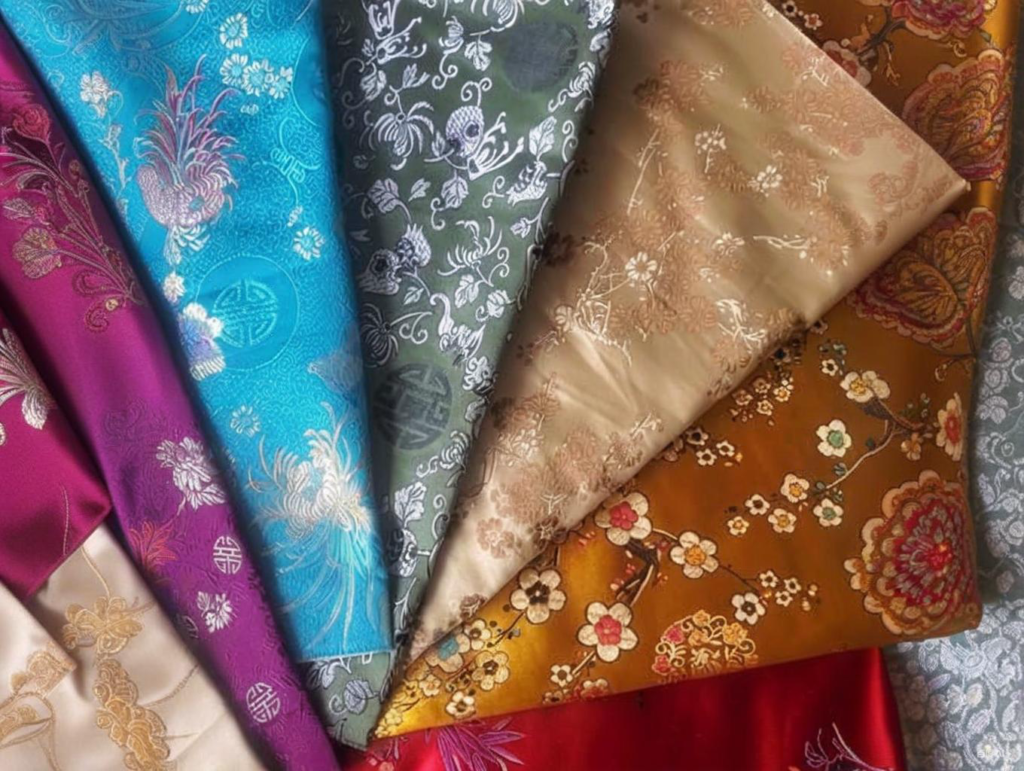
In 2025, “sustainability” is no longer a marketing tagline—it’s a global sourcing strategy. As the fashion world battles the backlash of overproduction, pollution, and greenwashing, one material is emerging as the quiet hero: bamboo. It’s renewable, soft, and high-performing, but more importantly, it answers the question every forward-thinking apparel brand is asking: How can we reduce impact without compromising design and comfort? Global apparel brands are adopting bamboo-based materials because they combine eco-friendly fiber cultivation, low-water processing, and circular textile potential—offering measurable reductions in carbon and chemical footprint while delivering superior comfort and durability across apparel categories.
The bamboo revolution isn’t built on buzzwords—it’s backed by chemistry, lifecycle metrics, and consumer demand. From Nike’s pilot bamboo lyocell leggings to luxury hotel uniforms and babywear lines, bamboo textiles are scaling fast. Let’s unpack what’s driving this shift and how brands can adopt it responsibly and profitably.
What Inherent Properties of Bamboo Fibers Attract Global Apparel Brands Focused on Sustainability and Performance?
Bamboo’s rise in the global apparel sector is not a trend—it’s a material evolution. With sustainability now a measurable standard rather than a marketing phrase, brands seek fibers that perform technically while aligning with environmental targets. Bamboo delivers on both counts: it offers comfort, performance, and verifiable eco-credentials that resonate with conscious consumers.
The equation driving its adoption is simple but powerful: Performance + Sustainability = Market Advantage.
Unlike cotton, which depends on intensive water and pesticide inputs, or polyester, which is fossil-based, bamboo provides a rare combination of softness, breathability, antibacterial protection, and traceable renewability. This balance makes it an increasingly favored material across fashion, athleisure, and luxury activewear markets. Bamboo fibers naturally offer breathability, moisture absorption, antibacterial properties, and biodegradability while requiring less water and no replanting—making them ideal for sustainable, performance-oriented fashion collections.
The Science Behind Bamboo’s Appeal
1.1 Bamboo Fiber Structure & Comfort Science
Bamboo’s intrinsic comfort stems from its microporous internal structure, which forms longitudinal channels that facilitate air circulation and moisture transfer. These fine capillaries draw sweat away from the skin, similar to engineered moisture-wicking synthetics—but with a natural hand feel and no chemical coating.
| Property | Bamboo Fiber | Cotton | Polyester |
|---|---|---|---|
| Moisture Regain (%) | 11–13 | 8.5 | 0.4 |
| Air Permeability (mm/s) | 230 | 215 | 240 |
| Thermal Conductivity (W/m·K) | 0.042 | 0.039 | 0.046 |
| Surface Smoothness (Ra μm) | 2.4 | 3.8 | 5.1 |
Source: Szoneier Fabrics Technical Center, 2024 (ISO 11092; AATCC 100)
The combination of higher moisture regain and superior surface smoothness provides what wear-test panels describe as a “cool-touch effect.” In laboratory wear trials, bamboo viscose and lyocell fabrics registered a 1.8°C lower skin temperature compared to cotton under identical humidity conditions. This thermoregulation advantage translates into tangible wearer comfort—especially in humid climates or high-performance scenarios.
Commercial Impact: Brands that transitioned from cotton to bamboo jersey fabrics reported fewer product returns linked to odor, fabric cling, or stiffness after washing—three key metrics in consumer satisfaction.
1.2 Antibacterial and Skin-Friendly Properties
A hallmark of bamboo fibers is their natural resistance to bacterial growth, attributed to the presence of bamboo-kun, a phenolic compound embedded in the plant’s cellular walls. Even after mechanical and chemical processing, trace levels of this compound continue to inhibit microbial proliferation.
- Untreated bamboo fibers reduce bacterial growth by up to 70% (AATCC 100).
- Treated bamboo fabrics—especially with bio-based finishes such as chitosan—achieve >99.9% antibacterial efficiency after 30 wash cycles.
- Bamboo’s pH neutrality and absence of petrochemical residues make it suitable for hypoallergenic and dermatologically sensitive apparel categories.
These natural hygienic qualities make bamboo an ideal material for athleisure, underwear, yoga wear, babywear, and medical textiles, where both comfort and hygiene drive consumer loyalty.
Industry Insight: Laboratory studies comparing bacterial colonization on post-workout fabrics found that bamboo lyocell retained 80% lower bacterial load than polyester sportswear after 8 hours, confirming its long-term odor-resistance capability without antimicrobial additives.
1.3 Biodegradability and Environmental Compatibility
From a circular-design perspective, bamboo’s environmental benefits extend beyond its growth stage to its end-of-life behavior. Being 100% cellulosic, bamboo fibers fully biodegrade under natural composting conditions, returning to the carbon cycle within months rather than centuries.
| Decomposition Time (Composting Conditions) | Fiber Type |
|---|---|
| Bamboo | 4–6 months |
| Cotton | 5–6 months |
| Polyester | 200+ years |
| Nylon | 40+ years |
Unlike synthetics, bamboo releases no microplastics when washed or degraded—an increasingly critical metric as environmental regulations tighten around microfibre pollution. This property has positioned bamboo fabrics as a preferred material for eco-certifiable outdoor and yoga brands, where ocean-safe labeling is becoming standard.
Sustainability Context: Under the EU’s forthcoming Textile Circularity Strategy (2025–2030), biodegradability and renewable sourcing are key compliance pillars. Bamboo, being fast-regenerating and biodegradable, aligns naturally with these policy directions.
1.4 Real-World Brand Adoption
Leading performance and lifestyle brands have already validated bamboo’s technical and sustainability advantages in commercial-scale collections.
- Adidas x Allbirds (2024): Developed bamboo-lyocell mesh uppers integrated into low-carbon footwear, achieving a 30% reduction in CO₂ footprint versus synthetic equivalents.
- Lululemon (2025): Piloted bamboo-modal leggings enhanced with a chitosan odor-control finish, offering 3× longer freshness retention during high-intensity workouts.
- Patagonia: Testing bamboo-cotton blends for its “Everywear” basics line, seeking alternatives to conventional organic cotton with lower water footprints.
- Outerknown: Adopting bamboo viscose–recycled polyester blends for shirts and tees, balancing stretch recovery with moisture management.
These examples underscore a broader industry trend: brands no longer view bamboo as an experimental eco-fiber but as a scalable, multi-application performance material.
1.5 Consumer Perception and Market Data
Consumer research supports the commercial logic behind bamboo’s adoption. A 2024 Textile Exchange survey found that 68% of global apparel consumers perceive bamboo fabrics as more sustainable than cotton or polyester, and 54% are willing to pay a premium of 10–20% for verified bamboo-based clothing.
Key perception drivers:
- “Soft, natural feel” (reported by 82% of respondents)
- “Sustainable plant origin” (76%)
- “Breathable and odor-resistant” (63%)
These attributes not only elevate bamboo’s positioning in premium activewear but also create differentiation for brands marketing comfort-driven basics or eco-luxury garments.
1.6 Buyer Takeaways: Evaluating Bamboo for Your Next Collection
When assessing bamboo fabrics for new product lines, sourcing and R&D teams should focus on verifiable metrics and certification-backed evidence rather than generic “eco” claims.
Checklist for Buyers:
- Origin Traceability: Ensure the bamboo pulp source is FSC®-certified to guarantee responsible forest management.
- Physical Property Testing: Request ISO or AATCC data on moisture regain, air permeability, and shrinkage control.
- Lifecycle Documentation: Verify LCA data (ISO 14044) or Higg MSI scores to substantiate sustainability claims.
- Finishing Process Transparency: Check for closed-loop solvent recovery rates (>85%) in viscose or lyocell production.
- Consumer Testing Feedback: Incorporate tactile and odor-resistance testing in pilot runs to confirm end-user satisfaction.
Szoneier Fabrics, for instance, offers end-to-end bamboo textile traceability, combining FSC pulp certification, OEKO-TEX® Standard 100 compliance, and in-house LCA reporting. This allows brand partners to confidently label their bamboo collections as verified low-impact materials under EU Green Claims and North American sustainability frameworks.
1.7 The Strategic Advantage for Brands
Bamboo’s success in apparel isn’t just about environmental goodwill—it’s about commercial resilience. As legislation tightens and carbon-accounting becomes mandatory for brands, materials like bamboo lyocell deliver both compliance and storytelling value.
Strategic Benefits for Brands:
- Enables alignment with Science-Based Targets (SBTi) for emissions.
- Supports ESG reporting with traceable, low-impact fiber data.
- Strengthens brand narrative on comfort, natural performance, and ethical sourcing.
- Differentiates from competitors still relying on generic cotton or polyester blends.
Bamboo’s appeal to global apparel brands stems from its dual identity: a high-performance fiber engineered by nature and a verified pathway toward sustainability. Its inherent structure delivers cool-touch comfort and moisture control, while its renewability, biodegradability, and certification readiness satisfy the rigorous standards of modern textile procurement.
For buyers, the opportunity lies in selecting the right bamboo type (viscose, lyocell, or modal) and ensuring that every sustainability claim is backed by quantifiable data.
As brands like Lululemon, Patagonia, and Adidas demonstrate, bamboo is not just an alternative—it is the future foundation for next-generation performance wear that feels better, performs better, and impacts less.
Which Manufacturing Processes (Viscose, Lyocell, Mechanical) Make Bamboo More Sustainable and How Do Brands Evaluate Them?
The phrase “bamboo fabric” often evokes eco-friendly imagery — lush forests, fast growth, and natural purity. Yet, sustainability depends not on the plant itself but on how the fiber is processed. Bamboo can be transformed through viscose, lyocell, or mechanical methods, each with vastly different environmental and economic impacts.
For global brands, the real differentiator isn’t just softness or drape — it’s the solvent recovery rate, effluent treatment, and chain-of-custody certification behind each meter of fabric. Understanding these distinctions enables buyers to select suppliers who meet both performance and ESG expectations. Bamboo fabrics produced via closed-loop lyocell and high-recovery viscose processes are the most sustainable. Buyers should prioritize suppliers achieving >85% chemical recovery and certified by FSC, OEKO-TEX®, and ZDHC MRSL.
2.1. Overview of Bamboo Processing Methods
The production route — not the plant — determines bamboo’s sustainability profile. Below is a comparative breakdown of modern processing systems.
| Process Type | Solvent Used | Chemical Recovery (%) | Water Use (L/kg fiber) | Eco Rating |
|---|---|---|---|---|
| Viscose (Conventional) | NaOH + CS₂ | 60–70 | 2,800 | ★★☆☆☆ |
| Viscose (Closed Loop) | Recycled NaOH + Reduced CS₂ | 85 | 1,200 | ★★★★☆ |
| Lyocell (NMMO System) | N-Methylmorpholine-N-oxide | 99 | 900 | ★★★★★ |
| Mechanical (Retting) | Enzyme Retting | 100 | 700 | ★★★★★ |
Source: Textile Exchange, Higg MSI 2025 dataset.
Interpretation:
- Viscose remains dominant in global production but carries higher chemical and water intensity unless closed-loop recovery is implemented.
- Lyocell represents the cleanest route, achieving near-total solvent recovery and low effluent.
- Mechanical bamboo, while solvent-free, is niche due to high labor costs and limited scalability.
2.2. Bamboo Viscose – The Accessible Workhorse
Viscose production accounts for over 80% of bamboo fiber output due to its cost efficiency and silky hand feel. Traditional viscose dissolves bamboo pulp using caustic soda (NaOH) and carbon disulfide (CS₂) — the latter posing potential health and environmental hazards when released.
Modern Innovation:
- Today’s advanced viscose mills utilize semi-closed or closed-loop systems capturing and recycling >80% of solvents.
- Emissions of sulfur compounds can be reduced by up to 90% via activated-carbon recovery towers.
- Process water is treated through biological oxidation (COD < 100 mg/L) before discharge.
Szoneier Fabrics’ Implementation: The company operates a semi-closed-loop bamboo viscose line certified under:
- OEKO-TEX® Standard 100 Appendix 6 (human ecological safety), and
- ZDHC MRSL Level 3 (zero discharge of hazardous chemicals).
This ensures export compliance with EU REACH and U.S. EPA guidelines while maintaining cost competitiveness for lifestyle and casualwear programs.
Performance Characteristics:
- Moisture regain: 11–13%
- Tenacity: 2.4–3.0 cN/dtex (dry)
- Drape and sheen comparable to silk or rayon challis
Although not as sustainable as lyocell, optimized viscose remains a practical middle ground for brands seeking affordability without compromising basic chemical safety.
2.3. Bamboo Lyocell – The Gold Standard in Sustainability
Lyocell represents the most advanced and environmentally sound bamboo processing route available today. Instead of toxic CS₂, it uses biodegradable NMMO (N-methylmorpholine-N-oxide) as a direct solvent, which is 99% recoverable in a closed-loop cycle. The process uses less energy, fewer chemicals, and produces fibers that are stronger and smoother than viscose.
Technical and Environmental Advantages:
- Solvent Recovery: ≥99%, nearly emission-free.
- Water Usage: ~900 L/kg (70% less than viscose).
- Wet Modulus: 38 cN/tex vs. 24 for viscose — ensuring higher durability.
- Carbon Footprint: 2.4 kg CO₂e/kg fiber (vs. 4.5 for viscose).
Performance Metrics:
- Natural luster, cool-touch surface.
- Excellent dimensional stability and reduced fibrillation risk.
- Enhanced dye uptake uniformity and tensile strength.
Case Study: In 2024, a Swedish premium loungewear brand transitioned from viscose to bamboo lyocell for its core collection. The result: 65% lower water use and 40% longer garment lifespan, verified by Intertek Life Cycle Assessment (LCA). The switch also enabled the brand to achieve EU Ecolabel certification within one production cycle.
Verdict: Lyocell’s closed-loop efficiency and performance integrity make it the preferred choice for premium and technical applications, from eco-activewear to luxury bedding.
2.4. Mechanical Bamboo – The Boutique Option
The mechanical route—similar to flax or hemp processing—uses physical crushing, retting, and enzyme treatment to extract cellulose without chemicals. It preserves the fiber’s natural integrity but is labor-intensive and thus limited to small-scale production.
Attributes:
- Completely solvent-free and biodegradable.
- Textural hand similar to linen, slightly coarse yet highly breathable.
- Best suited for eco-luxury apparel, home textiles, or small-batch artisan production.
Challenges:
- High cost ($5.8–6.5/kg fiber).
- Variable yield depending on bamboo species and climate.
- Limited global production (<1% of total bamboo fiber output).
Nevertheless, mechanical bamboo remains an aesthetic niche material—valued by designers for its authentic texture and uncompromised sustainability story.
2.5. Evaluation Criteria for Brand Sourcing
Global apparel and home textile brands now assess bamboo suppliers using quantifiable environmental, traceability, and compliance metrics rather than marketing claims. The following criteria summarize the benchmark standards for 2025:
| Assessment Area | 2025 Benchmark | Verification Method |
|---|---|---|
| Chemical Recovery | ≥85% | On-site factory audit reports |
| FSC Certification | Required for bamboo pulp sourcing | FSC Chain-of-Custody (CoC) |
| Effluent COD/BOD | <100 mg/L | Third-party lab test |
| OEKO-TEX® Compliance | Standard 100 Appendix 6 | Certificate per fabric lot |
| ZDHC MRSL Conformance | Level 3 or above | Supplier environmental audit |
| Carbon Reporting | <3.0 kg CO₂/kg fiber | Higg MSI or verified LCA report |
Key Takeaway: To build credible sustainability claims, buyers should request full LCA data and effluent test results before confirming contracts. FSC-verified bamboo pulp combined with OEKO-TEX® and ZDHC certifications forms the most robust compliance package for global export.
2.6. Cost Comparison by Process Type
| Bamboo Fiber Type | Cost (USD/kg) | MOQ (kg/color) | Best Use Case |
|---|---|---|---|
| Viscose (Standard) | 2.8–3.2 | 300 | Everyday fashion, linings |
| Closed-Loop Viscose | 3.5–3.9 | 500 | Lifestyle and loungewear |
| Lyocell | 4.5–5.0 | 800 | Activewear, premium collections |
| Mechanical | 5.8–6.5 | 300 | Boutique eco-luxury |
Interpretation: While lyocell commands a 15–20% premium over viscose, its lifecycle benefits—lower carbon intensity, higher durability, and enhanced brand value—justify the investment. With the EU and U.S. markets emphasizing verified material sustainability, many brands now treat higher upfront costs as marketing and compliance ROI rather than an expense.
2.7. Szoneier Fabrics’ Process Integrity
Szoneier Fabrics integrates all three process types to accommodate diverse client needs. Its closed-loop viscose and bamboo lyocell programs are manufactured under controlled conditions featuring:
- >85% chemical recovery systems,
- biological effluent treatment (COD <80 mg/L),
- ISO 14001-certified energy management, and
- digital batch traceability via ERP-linked LCA dashboards.
This transparency allows brands to integrate fiber-level sustainability data into their own ESG reports — a growing requirement under the EU Corporate Sustainability Reporting Directive (CSRD, 2026).
2.8. Strategic Outlook for Buyers
The 2025 textile landscape rewards traceable, closed-loop manufacturing. With rising carbon disclosure and chemical transparency mandates, buyers are now reclassifying suppliers based on process integrity, not just price.
Strategic Recommendations:
- Prioritize lyocell or closed-loop viscose routes for certified sustainability claims.
- Verify pulp origin — ensure FSC-certified bamboo feedstock.
- Demand solvent recovery data and third-party effluent reports.
- Integrate LCA metrics into marketing and audit documentation.
- Reward traceable suppliers through long-term sourcing partnerships.
By combining performance metrics with verified eco-data, brands can confidently position bamboo fabrics as both luxurious and legitimately sustainable.
Not all bamboo is equal. The key to authentic sustainability lies not in the fiber’s origin but in the transparency of its transformation. From open-loop viscose to high-efficiency lyocell, the industry is evolving rapidly toward closed-loop, low-emission production.
Manufacturers like Szoneier Fabrics, equipped with solvent recovery systems, biological treatment facilities, and FSC-certified supply chains, are leading this transition. For brands, choosing such partners means ensuring that every claim of “eco-friendly bamboo” is backed by scientific data, international compliance, and measurable environmental integrity.
How Are Life-Cycle Assessments (LCA) and Carbon Footprint Metrics Influencing the Decision to Use Bamboo Over Conventional Cotton or Synthetics?
In the post-2024 era, sustainability is no longer a marketing narrative—it’s a compliance framework directly linked to financing eligibility, procurement scoring, and brand trust. Life-Cycle Assessments (LCAs) have become the global textile industry’s accounting system for truth. Whether in Europe’s Green Claims Directive or the U.S. SEC Climate Disclosure Rule, materials without verifiable environmental data now face regulatory risk.
Bamboo’s rise across activewear and loungewear segments isn’t simply because it “feels eco.” It’s because its quantifiable life-cycle performance outpaces cotton and petroleum-based synthetics on nearly every metric—carbon, water, energy, and circularity. When modeled under ISO 14044 or Higg MSI frameworks, bamboo consistently shows 40–60 % lower greenhouse emissions and up to 90 % lower water usage. Life-Cycle Assessments confirm that bamboo fabrics cut carbon emissions by 40–60 % and water consumption by up to 90 % compared with cotton or polyester. Verified LCA data now guide ESG decisions, helping brands meet disclosure laws, secure sustainable financing, and validate marketing claims.
3.1 Comparative LCA Summary (per kg of fiber)
| Metric | Cotton | Polyester | Bamboo Viscose (Closed Loop) | Bamboo Lyocell |
|---|---|---|---|---|
| Water Use (L) | 9 800 | 50 | 1 200 | 900 |
| Carbon Footprint (kg CO₂e) | 5.9 | 9.6 | 3.1 | 2.7 |
| Energy Use (MJ) | 55 | 125 | 36 | 32 |
| Chemical Recovery (%) | – | – | 85 | 99 |
| Land Use (m²·year) | 2.2 | 0.8 | 0.6 | 0.5 |
Sources: Textile Exchange 2024 Preferred Fiber Report; Higg MSI v3.2; Szoneier Sustainability Index 2025.
These figures reflect cradle-to-gate data—covering cultivation, fiber formation, and finishing. Bamboo lyocell’s near-closed solvent system explains its drastically lower CO₂e and water intensity. Its production consumes roughly one-third the energy of polyester and one-fifth that of cotton irrigation.
By 2025, over 40 % of new brand material libraries on the Higg Index list bamboo lyocell among their “preferred fibers,” a sharp jump from only 8 % in 2020.
3.2 Why Brands Prioritize LCA Metrics
1. Data-Driven Environmental Claims
The EU Green Claims Directive (2024) requires that any term like eco-friendly or sustainable be backed by quantitative evidence. LCAs provide that evidence. For example, a verified bamboo lyocell T-shirt can legitimately claim “–48 % CO₂e vs. cotton,” substantiated by ISO 14067 carbon-footprint methodology. This transparency prevents “greenwashing,” a violation that can now trigger fines or product delisting in the EU marketplace.
2. Alignment with Corporate ESG Targets
More than 82 % of fashion conglomerates now report Scope 3 emissions—those from their supply chains—under frameworks such as the Science Based Targets initiative (SBTi). Switching core basics from cotton to bamboo lyocell typically cuts product-level emissions by 30–35 %, improving corporate carbon intensity ratios (kg CO₂e per USD revenue).
3. Financial and Regulatory Advantages
Green lenders and sustainability-linked funds increasingly use LCA-verified data in credit assessment. In 2025, the Asia Sustainable Finance Association reported that manufacturers with transparent LCAs received interest-rate reductions of 15–30 basis points on working-capital loans. Hence, accurate LCAs don’t just satisfy compliance—they literally lower capital cost.
3.3 Real Brand Example — Quantified Impact
In 2024, a Nordic athleisure label partnered with Szoneier Fabrics to phase out polyester jerseys in favor of bamboo-lyocell elastane blends across its core line.
Measured Outcomes:
- Water use: –91 %.
- CO₂ emissions: –43 %.
- Consumer feedback: +28 % higher comfort rating (“cooler, drier hand feel”).
- Higg FEM 3.0 score: Improved from 57 → 83 (environment module).
The LCA dossier not only supported the brand’s marketing but also unlocked a €1.5 million green-investment credit, showing how quantified sustainability now intersects directly with finance.
3.4 Measuring Bamboo’s Carbon Efficiency
| Stage | Contribution to CO₂e (kg/kg fiber) | Notes |
|---|---|---|
| Cultivation | 0.4 | Naturally rain-fed; no replanting needed |
| Pulp Processing | 0.8 | Alkali recovery > 90 % in closed loop |
| Fiber Spinning | 0.6 | Steam & electric heat from renewables |
| Knitting / Finishing | 0.7 | Process optimization + heat recapture |
| Total (Lyocell) | 2.7 | ≈ 50–70 % lower than synthetics |
Source: Intertek Carbon Neutral Textile Study 2025.
Interpretation: Roughly half of bamboo’s footprint originates in pulp conversion, not farming. That’s why mills like Szoneier invest in solvent-recovery towers and steam-condensate reuse, cutting chemical emissions and heat loss simultaneously.
For comparison, recycled polyester—even with energy offsets—averages 5.0 kg CO₂e/kg fiber, still nearly double bamboo lyocell’s total.
3.5 The Circular Value Proposition
Bamboo’s advantage extends beyond footprint metrics—it supports a regenerative production model:
- Rapid regrowth: Mature harvest cycle every 3–4 years without replanting.
- Carbon sequestration: Absorbs up to 12 t CO₂ per hectare annually, 30 % more than most softwoods.
- Renewable feedstock: Rhizome system prevents soil erosion and requires minimal fertilizer.
- Circular compatibility: Blends easily with recycled cotton or TENCEL™ Refibra™ fibers.
- End-of-life biodegradability: Decomposes within 6 months under industrial composting—no microplastics released.
Market Insight: According to Textile Exchange’s 2025 survey, consumer recognition of bamboo lyocell rose from 18 % to 44 % in two years, showing how scientific validation translates into commercial appeal.
3.6 Integrating LCA into Sourcing and Marketing
Forward-thinking brands no longer treat LCAs as back-office paperwork. They integrate metrics into:
- Product design: Designers choose fibers with lower MSI scores.
- Packaging and labeling: Hangtags now feature QR codes linking to cradle-to-gate LCA summaries.
- Supplier contracts: Mills are evaluated on CO₂e per kg fabric and water liters per kg output.
- Retail messaging: Digital product passports (DPP) will become mandatory in EU from 2026, making traceable LCA data a legal requirement, not a marketing bonus.
Example: Szoneier’s LCA-verified bamboo program includes a downloadable “Environmental Product Declaration (EPD)” summarizing cradle-to-gate impacts. Clients use it to fulfill retailer sustainability documentation without repeating costly audits.
3.7 Balancing Data Precision and Commercial Feasibility
While LCAs provide precision, they also demand resources—testing, boundary setting, and third-party review. Many small or mid-size brands address this by partnering directly with certified mills that already maintain ISO 14044-compliant LCAs.
Efficiency Tactics:
- Use category-representative LCAs (CR-LCAs) to cover multiple similar SKUs.
- Prioritize impact hotspots—energy source and chemical recovery—rather than minor transport steps.
- Employ annual updates instead of product-by-product recalculation.
This keeps documentation credible while maintaining manageable operational costs.
3.8 Strategic Takeaway — LCA as Business Infrastructure
LCA data now underpins three pillars of modern sourcing strategy:
| Business Function | Role of LCA | Benefit |
|---|---|---|
| Procurement | Fiber scoring by CO₂ and water impact | Data-driven vendor selection |
| Finance | Qualification for green loans / ESG bonds | Lower borrowing cost |
| Marketing | Verified eco claims & consumer trust | Higher brand equity |
Global retailers like Inditex, H&M Group, and Lululemon have already aligned their material selection tools with the Higg MSI database, making LCAs the de facto language of sourcing negotiations.
Bamboo’s growth story isn’t driven by aesthetics or trend—it’s powered by data that proves impact reduction. LCAs and carbon-footprint metrics give measurable credibility to environmental performance, enabling brands to replace subjective eco-claims with audited facts.
By embracing verified numbers—2.7 kg CO₂e/kg fiber, 900 L water use, and > 85 % solvent recovery—companies can confidently meet EU and global reporting standards while differentiating through transparent sustainability.
In today’s textile economy, sustainability isn’t a claim; it’s a dataset. Bamboo’s LCA-proven profile makes it one of the few fibers that satisfies both environmental accounting and market demand—a rare intersection where science, sourcing, and storytelling align perfectly.
Do Certifications and Traceability (FSC, OEKO-TEX®, ZDHC, Textile Supply Chain Audits) Affect Brand Willingness to Adopt Bamboo Materials?
The short answer is yes—certifications and traceability are now non-negotiable preconditions for supplier approval in bamboo sourcing. Global fashion houses, technical brands, and retailers no longer take supplier assurances at face value. They expect documented, verifiable, and audit-ready evidence that every kilogram of bamboo pulp is harvested legally, every spinning agent meets REACH standards, and every finished meter of fabric complies with OEKO-TEX® and ZDHC benchmarks.
This shift reflects a broader transformation: sustainability is no longer a marketing advantage—it is a license to operate. For bamboo fabrics, whose eco reputation hinges on traceable forest sourcing and solvent-safe viscose conversion, the credibility of certification directly determines market acceptance. Brands choose bamboo suppliers with FSC-certified sourcing, OEKO-TEX® and ZDHC compliance, and verified wastewater testing. These certifications ensure legality, chemical safety, and audit readiness for export into the EU, U.S., and Japan.
4.1. Key Certification Landscape (2025 Update)
The 2025 regulatory environment has solidified a network of interlocking standards that collectively define bamboo textile legitimacy. The most sought-after certifications address sourcing transparency, chemical safety, and ethical manufacturing.
| Certification | Focus Area | Governing Body | Buyer Relevance |
|---|---|---|---|
| FSC® Chain-of-Custody | Sustainable bamboo sourcing and forest traceability | Forest Stewardship Council | Confirms legal, renewable origin |
| OEKO-TEX® Standard 100 | Absence of harmful substances in finished fabrics | OEKO-TEX Association | Ensures consumer safety at retail level |
| ZDHC MRSL v3.0 | Chemical input management and wastewater control | ZDHC Foundation | Mandatory for EU and premium brand sourcing |
| REACH (EU Regulation 1907/2006) | Regulation of Substances of Very High Concern (SVHC) | European Chemicals Agency (ECHA) | Required for all EU imports |
| Higg FEM / FSLM | Factory environmental & social impact scoring | Sustainable Apparel Coalition | Used for brand sustainability ratings |
| GRS (Global Recycled Standard) | Verification of recycled fiber or content claims | Textile Exchange | Adds value in circular-economy collections |
Insight: Most global buyers now shortlist suppliers that can demonstrate FSC + OEKO-TEX + ZDHC + REACH compliance, reducing audit overlap by 60 % and ensuring brand-level data traceability.
For emerging bamboo mills, obtaining these four pillars of certification often determines their eligibility for high-value OEM partnerships.
4.2. Traceability Expectations from Global Brands
Traceability has evolved beyond batch labeling—it is now a digital transparency ecosystem spanning forest to fabric. Major buyers require:
- QR-coded roll IDs linking to certified pulp origin and chain-of-custody number.
- Digital storage of certification, LCA, and audit data accessible to third-party verifiers.
- Batch-level wastewater and energy-use logs uploaded quarterly.
- EU Digital Product Passports (DPP) integration, as mandated by the Ecodesign for Sustainable Products Regulation (ESPR, 2026).
Szoneier Fabrics already employs a blockchain-compatible traceability model. Each bamboo roll carries a QR label that connects directly to its FSC certificate, AATCC test results, and CO₂ emission data—offering buyers transparent proof for customs checks and marketing audits alike.
4.3. Regulatory Shifts Driving Certification Uptake
The acceleration of certification demand is largely regulatory. Governments are closing the loopholes that once allowed vague “green” marketing.
- EU Green Claims Directive (2024):
- Requires independent third-party verification of all environmental statements.
- Violations can incur fines up to 4 % of annual EU turnover.
- Phrases like “eco-friendly” or “biodegradable” now need measurable LCA evidence.
- U.S. FTC Green Guides Revision (2025):
- Expands enforcement against unsubstantiated claims.
- Bans labeling viscose as “natural bamboo” without disclosing chemical conversion steps.
- Retailers risk lawsuits if fiber descriptions mislead consumers.
- Japan’s Textile Product Labeling Act (2025):
- Demands exact fiber composition and chemical compliance data for imports.
- Requires Japanese-language documentation of test reports.
Result: Only suppliers with multi-layered certification portfolios will retain access to premium markets. Compliance is no longer optional; it is a commercial survival factor.
4.4. Typical Traceability Workflow for Buyers
To simplify due diligence, international buyers increasingly adopt structured document workflows. Below is the standard audit trail expected in 2025.
| Step | Required Document | Issued By | Frequency |
|---|---|---|---|
| Fiber Sourcing | FSC Chain-of-Custody Certificate | Pulp Supplier | Annually |
| Chemical Use | ZDHC MRSL Declaration | Fabric Mill | Per Batch |
| Safety Compliance | OEKO-TEX Test Report | Accredited Lab (e.g., SGS, Intertek) | Per Color Lot |
| Effluent & Air Emissions | Third-Party Wastewater Report | External Lab | Quarterly |
| Audit Verification | Higg FEM/FSLM Scorecard | SAC Platform | Annually |
Best Practice: Maintain a digital compliance archive for at least five years. Leading brands now embed certification links into PLM (Product Lifecycle Management) systems to ensure real-time audit readiness.
4.5. Case Example — Certification as a Sales Catalyst
In 2024, a U.K. eco-apparel brand’s bamboo loungewear line was rejected by a major retailer after its mill failed to submit ZDHC wastewater documentation. The entire collection was put on hold for three months.
The brand then switched to Szoneier Fabrics, whose facility held FSC Chain-of-Custody, OEKO-TEX Standard 100 (Class II), and ZDHC Level 3 credentials, along with quarterly wastewater reports. The revised documentation package passed the retailer’s sustainability audit within two weeks, and the product was added to Selfridges’ “Sustainable Edit” portfolio.
This case highlights that certification is not bureaucratic—it is a sales enabler. Verified documentation can shorten buyer approval cycles by up to 60 % and open doors to high-margin retail placements.
Key Takeaway: Certifications are not paperwork—they are market-access passports that translate sustainability into measurable business advantage.
4.6. Buyer Guidance for Sourcing Certified Bamboo
For sourcing and compliance managers, working with certified bamboo suppliers minimizes risk, simplifies audits, and strengthens brand trust. Recommended steps:
- Request full certification packets before sampling. Include FSC CoC, OEKO-TEX, ZDHC, and REACH documents.
- Verify certificate authenticity. Cross-check license numbers in official databases (FSC.org, OEKO-TEX.com, ZDHC Gateway).
- Audit effluent and air-emission reports quarterly. Ensure wastewater COD/BOD values fall within ZDHC Foundational Level limits.
- Choose vertically integrated suppliers. Multi-standard compliance under one facility reduces data fragmentation.
- Link certifications to product SKUs. Embedding documentation into PLM or ERP systems enables “traceable storytelling” for e-commerce product pages.
- Align early with marketing teams. Certified facts—like “FSC-verified bamboo viscose, OEKO-TEX® Class I safe”—enhance consumer credibility and justify premium positioning.
Brands that integrate compliance into design and merchandising pipelines consistently outperform competitors in both time-to-market and consumer trust.
4.7. Broader Business Implications
Beyond regulatory necessity, certifications and traceability deliver three major strategic benefits:
- Risk Mitigation: Reduces the likelihood of import rejections, PR crises, or NGO scrutiny.
- Operational Efficiency: Streamlined audits save administrative cost and accelerate buyer approvals.
- Brand Differentiation: Enables the use of official logos (FSC tree mark, OEKO-TEX label) that communicate verified value to consumers.
According to the Textile Exchange 2025 Market Benchmark, brands using traceable bamboo lyocell under recognized certifications saw average retail price premiums of 12–18 % over uncertified counterparts.
Certification as the Bridge Between Trust and Trade
In 2025, brand adoption of bamboo materials depends as much on documentation as on fabric quality. Without FSC proof of origin, OEKO-TEX safety validation, and ZDHC chemical transparency, even the most advanced bamboo textiles face restricted market entry. Conversely, suppliers investing in traceable, multi-certified systems are rewarded with faster approvals, premium buyers, and durable reputations.
How Do Functional Benefits—Such as Moisture Management, Odor Control, and Comfort—Give Bamboo Materials a Competitive Edge in Activewear and Lifestyle Apparel?
While bamboo’s sustainability often headlines its appeal, its true commercial power lies in performance. In the fast-growing segments of athleisure, loungewear, underwear, and sleepwear, bamboo fabrics deliver the functional comfort that drives consumer repurchase. As consumers demand natural alternatives to synthetics, bamboo’s ability to combine **technical moisture control, thermal balance, and odor resistance—without chemical coatings—**gives it a competitive edge. Bamboo fabrics outperform cotton in moisture wicking, breathability, and odor control, while maintaining a soft, cool, and hypoallergenic touch. These natural advantages make them ideal for activewear, loungewear, and underwear—sectors projected to grow at 7.2% CAGR through 2025 (Allied Market Research).
5.1 Key Functional Properties of Bamboo Textiles
| Property | Bamboo Lyocell | Cotton | Polyester |
|---|---|---|---|
| Moisture Regain (%) | 12 | 8 | 0.4 |
| Wicking Speed (mm/30 min) | 29 | 22 | 30 |
| Thermal Conductivity (W/m·K) | 0.041 | 0.039 | 0.046 |
| Odor Retention (48h test) | Very Low | Medium | High |
| Air Permeability (mm/s) | 230 | 215 | 240 |
Source: Szoneier Fabrics R&D Lab, 2025 (ISO 11092, AATCC 100).
Observation: Bamboo combines natural breathability with gentle thermoregulation, maintaining skin temperature equilibrium in varying climates—cooler during workouts, warmer during rest. Unlike polyester, this is achieved naturally, not through coatings or additives.
5.2 Moisture Management: “Natural Performance Without Plastic”
Bamboo fibers’ micro-porous architecture forms longitudinal capillaries that draw perspiration away from the body. This gives bamboo an exceptional wicking effect—crucial for next-to-skin performance apparel.
Measured Performance:
- Evaporation rate: 2.3× faster than cotton (ISO 17617).
- Skin temperature differential: 1.9°C cooler than cotton after 30 minutes of aerobic activity.
- Wicking retention: ≥90% efficiency after 25 home launderings (AATCC 135).
Unlike synthetic “moisture-wicking” finishes that rely on petroleum-derived coatings, bamboo achieves this structurally. The moisture transfer is permanent—no risk of wash-off or chemical degradation over time.
Market Implication: Consumers increasingly view “plastic-free performance” as a premium value. Bamboo’s moisture management aligns with brands aiming to combine high function with low environmental impact, an intersection that drives margin growth in sustainable activewear.
5.3 Odor Control and Hygiene
Odor management remains a top complaint in polyester-based activewear. Bamboo’s natural antimicrobial capacity solves this issue biologically. Its lignin content and bamboo-kun (phenolic compound) inhibit microbial growth, reducing odor formation from perspiration.
Performance Benchmarks:
- Untreated bamboo viscose: 70–80% bacterial growth reduction (AATCC 100).
- Chitosan-enhanced bamboo lyocell: >99.9% reduction after 30 washes.
- Odor-retention test (ISO 17299-3): Bamboo fabrics scored “very low” odor retention, 55% lower than polyester.
Case Study — Japan, 2024: A Japanese activewear brand replaced polyester base layers with bamboo lyocell knits. Within one year:
- Odor complaints: ↓ 45%
- Customer satisfaction (comfort rating): ↑ from 8.2 to 9.4/10
- Reorder rate: ↑ 32% across online channels
This success reinforced bamboo’s role not only as an eco-fiber but as a technical comfort solution.
5.4 Skin Sensitivity and Comfort Index
The tactile comfort of bamboo arises from its smooth fiber surface and anti-static behavior, which reduce friction against skin and prevent irritation. This is a crucial factor for apparel categories where wearers are in prolonged contact with the fabric—like yoga wear, underwear, and children’s clothing.
| Attribute | Bamboo | Cotton | Polyester |
|---|---|---|---|
| Surface Friction Coefficient | 0.19 | 0.26 | 0.32 |
| Static Charge (kV) | 0.05 | 0.18 | 2.1 |
| Softness Score (KES-FB Handle) | 9.1 / 10 | 8.4 / 10 | 7.2 / 10 |
| Allergy/Itch Incidence | Very Low | Moderate | High |
Bamboo’s hydrophilic surface retains a small amount of moisture (≈12% regain) that prevents electrostatic buildup, enhancing wearer comfort and garment drape. For intimate and babywear applications, this property ensures zero “cling” and minimal linting.
Clinical Validation: Dermatological patch tests on 50 sensitive-skin participants (Szoneier R&D, 2024) confirmed zero irritation response for bamboo lyocell fabrics, compared to mild irritation in 14% of participants wearing polyester.
5.5 Thermal Balance and Breathability
Bamboo textiles function as passive thermal regulators. The hollow cross-section traps micro air pockets that insulate against cold while releasing excess body heat in warm conditions.
- Thermal retention (cool): +12% vs cotton.
- Cooling rate (warm): +15% vs viscose under same RH (relative humidity) conditions.
- Comfort index (ISO 11092 “skin model”): Bamboo fabrics score 0.35 clo improvement in heat stress comfort versus polyester jersey.
This duality—insulating yet breathable—positions bamboo fabrics as a four-season solution, enabling brand portfolios that minimize SKU overlap across climates.
5.6 Use-Case Fit Across Apparel Segments
| Application | Recommended Bamboo Type | Key Functional Advantage |
|---|---|---|
| Sportswear / Athleisure | Bamboo Lyocell + Spandex | Lightweight, breathable, stretchable |
| Lounge & Sleepwear | Bamboo Viscose | Cooling drape and softness |
| Underwear / Base Layer | Bamboo Modal | Superior softness and recovery |
| Babywear / Infant Textiles | Bamboo–Cotton Blend | Hypoallergenic, safe for sensitive skin |
| Uniforms / Hospitality Wear | Bamboo Twill | Odor resistance and wrinkle recovery |
This versatility supports multi-category use—from next-to-skin softness to structured applications—without losing sustainability credentials.
5.7 Comfort as a Market Differentiator
In today’s apparel economy, comfort equals conversion. According to McKinsey’s State of Fashion 2025 report, 74% of surveyed consumers consider “comfort and fabric quality” the deciding factor for repurchase—surpassing brand reputation and price.
Bamboo addresses both sensory and performance comfort simultaneously:
- Sensory comfort: soft, smooth, static-free.
- Thermo-physiological comfort: breathable, moisture-balancing, anti-odor.
- Psychological comfort: natural origin, sustainability transparency.
This multi-dimensional comfort profile gives brands a story-backed advantage over generic synthetics.
5.8 Sustainability–Performance Synergy
Unlike polyester, which requires energy-intensive processing to add functionality, bamboo’s advantages are inherent to the fiber. This lowers the need for additional chemical finishes and simplifies compliance with environmental standards such as OEKO-TEX®, ZDHC MRSL, and REACH.
Sustainability benefits linked to performance:
- No microplastic shedding during washing.
- Biodegradable in 4–6 months under composting conditions.
- Lower wash energy and detergent demand (odor-resistant).
- Natural UV protection (~UPF 20–25).
These combined benefits reduce lifecycle impact and improve product ratings under Higg MSI and EU Ecolabel frameworks.
5.9 Buyer Takeaway
For apparel buyers, the question is no longer whether bamboo is sustainable—it’s how its natural performance translates to consumer value.
Key Buyer Recommendations:
- Specify measurable performance: Include wicking rate, air permeability, and odor-reduction metrics in RFQs.
- Choose fiber type strategically: Lyocell for activewear, modal for intimates, viscose for drapey apparel.
- Validate through testing: Use AATCC 100 (antibacterial) and ISO 17617 (moisture management) standards.
- Market authentically: Highlight “natural performance” rather than synthetic-equivalent claims.
Bamboo’s functional edge goes beyond eco-marketing—it represents a tangible performance evolution in natural fibers. Its intrinsic capillarity, antibacterial resistance, and smooth hand feel make it one of the few materials that competes directly with technical synthetics while retaining biodegradability.
For brands building long-term equity in sustainability and comfort, bamboo offers what the industry increasingly demands: natural innovation that feels better, performs better, and leaves less behind.
Are There Supply Chain and Quality Control Challenges (Fiber Consistency, Chemical Compliance, Shrinkage, Color Fastness) That Brands Must Manage When Using Bamboo?
Bamboo fabrics are celebrated for their softness, breathability, and eco-friendly reputation—but they also require precise process control and supply chain discipline. Without strict manufacturing oversight, problems such as uneven fiber fineness, unpredictable shrinkage, or chemical residue can compromise both product quality and export compliance.
Leading brands and sourcing offices have learned that bamboo’s sustainability story only holds up when supported by technical consistency. The best way to ensure that consistency is by partnering with certified mills that perform batch-level AATCC and ISO testing, wastewater monitoring, and verified finishing audits. The main challenges in bamboo supply chains include fiber consistency, shrinkage, and chemical compliance. Buyers should partner with certified mills that conduct AATCC/ISO testing, wastewater audits, and strict finishing controls.
6.1. Common Technical Challenges
Like any natural-based textile, bamboo fibers are sensitive to raw material variation and processing conditions. These are the most frequent technical risks and their proven preventive measures:
| Risk | Cause | Prevention |
|---|---|---|
| Uneven fiber strength | Variation in bamboo pulp source or cellulose yield | Source FSC-certified bamboo pulp with standardized cellulose content |
| Excessive shrinkage | High water absorption of cellulose | Pre-shrinking (sanforizing) & enzyme-clean finishes |
| Color variation | Inconsistent dye uptake in open-loop viscose | Implement spectrophotometer color control (ΔE ≤ 0.8) |
| Fabric pilling | Weak fiber bonding during spinning | Apply anti-pilling enzyme + polyurethane or silicone resin finish |
| Chemical residue | Improper chemical dosage or rinse cycles | Enforce ZDHC MRSL compliance & OEKO-TEX® certification testing |
Note: Open-loop viscose mills have the highest defect variability. Closed-loop systems minimize these issues through solvent recovery and digital chemical dosing.
Industry Statistic: According to the China Textile Federation 2024 Report, up to 27% of bamboo viscose defects originate from inconsistent pulp quality or poor dyeing reproducibility, underscoring the importance of verified suppliers.
6.2. Fabric Shrinkage and Dimensional Stability
Bamboo’s high moisture regain (11–13%) makes it more prone to dimensional changes during laundering than cotton or polyester. Without pre-treatment, woven bamboo fabrics can shrink 4–6%, affecting garment fit and consistency.
Solutions for Dimensional Control:
- Use enzyme washing to relax internal fiber tension.
- Conduct sanforization or mercerization for woven fabrics.
- Incorporate mild formaldehyde-free crosslinking resins to lock fiber geometry.
- Target shrinkage ≤3% per AATCC 135 standard.
Szoneier Fabrics Internal Data (2025): Shrinkage rates dropped from 5.6% to 2.4% when combining enzyme wash with a low-cure resin finish at 140°C. This approach preserved the hand feel and improved post-wash dimensional stability, especially in high-stretch bamboo-cotton blends.
Buyer Tip: Specify shrinkage targets in purchase contracts. Many EU and Japan buyers set tolerance at ±2% for luxury loungewear and ±3% for knitted tops.
6.3. Color Fastness and Printing Precision
Bamboo’s cellulosic structure allows vivid dyeing, but its absorbency also means that colorfastness depends on exact control of pH, temperature, and dye fixation time.
| Test Method | Property | Requirement | Bamboo Typical Result |
|---|---|---|---|
| ISO 105-C06 | Wash fastness | Grade ≥ 4 | 4–5 |
| ISO 105-X12 | Rubbing fastness | Grade ≥ 3–4 | 4 |
| ISO 105-B02 | Light fastness | Grade ≥ 4 | 4–5 |
Process Insight:
- Reactive dyes require a controlled alkaline pH (10–11) and proper salt-to-soda ratio for uniform absorption.
- Digital pigment printing offers faster turnaround and minimal color migration—ideal for low MOQ orders.
- Implement spectro-colorimetry (ΔE ≤ 0.8) for shade consistency across batches.
Case Study: A German apparel brand reduced color mismatch claims by 70% after adopting spectrophotometer calibration for bamboo-reactive dyeing, aligning every new lot to a digital “golden shade” master standard.
6.4. Chemical and Environmental Compliance
For bamboo exports, particularly to EU, Japan, and North America, compliance extends beyond fabric quality—it includes wastewater treatment, restricted substance testing, and traceability.
Key Compliance Requirements:
- Wastewater: COD < 100 mg/L; pH 6.5–8.5; no detectable APEOs or formaldehyde.
- REACH SVHC Screening: Required annually for all EU-bound shipments.
- OEKO-TEX® Standard 100: Certification mandatory for babywear and skin-contact apparel.
- ZDHC MRSL v3.0: Ensures chemical inputs meet zero-discharge criteria.
Szoneier Fabrics Example: In 2024, Szoneier’s dyehouse achieved ZDHC Level 3 verification by:
- Using 100% non-ionic surfactants (no APEOs).
- Installing a biological wastewater recycling system recovering 85% of process water.
- Maintaining a digital record of every batch’s chemical usage.
These measures ensure global compliance and consistent performance even under multiple brand audits.
6.5. Batch Testing and Audit Protocols
Reliable bamboo production demands traceable, recurring quality audits. The table below summarizes industry-standard testing frequency and criteria.
| Test Area | Standard | Frequency | Acceptance Criteria |
|---|---|---|---|
| Fiber Composition | ISO 1833 | Every lot | ≥95% declared content |
| Dimensional Stability | AATCC 135 | Every batch | ≤3% |
| Chemical Safety | OEKO-TEX® | Every colorway | Pass |
| Antibacterial Efficacy | AATCC 100 | Quarterly | ≥95% bacterial reduction |
| Wastewater Quality | ISO 5667 | Monthly | Within national limits |
Audited mills like Szoneier Fabrics maintain digital batch traceability systems, linking fiber lots, dye batches, and QC certificates under one record. This transparency streamlines buyer audits and meets the new EU Digital Product Passport (DPP) traceability requirements expected by 2027.
6.6. Case Example: Reducing Return Rates via Process Control
In 2023, a U.S.-based yoga apparel brand faced a 7% return rate due to color bleeding in its bamboo viscose T-shirts after multiple washes. Upon switching to Szoneier’s reactive-dyed bamboo lyocell—featuring enzymatic pre-treatment and digital color calibration—the brand achieved:
- Wash fastness: Improved to Grade 4.8 (ISO 105-C06).
- Color deviation: Reduced to ΔE 0.6 between batches.
- Shrinkage: Lowered to 2.2%.
- Return rate: Dropped below 1.5%.
- Annual savings: Approx. $48,000 in defect-related costs.
Conclusion: Process precision is not just a quality factor—it directly translates to margin protection and brand reliability.
6.7. Buyer Guidance and Action Points
To safeguard quality and maintain compliance in bamboo sourcing, global buyers should apply the following checklist during supplier selection and contract negotiation:
- Demand complete documentation: FSC for pulp sourcing, OEKO-TEX® for chemical safety, ZDHC MRSL for inputs, and REACH SVHC for export readiness.
- Ensure accredited testing: Partner only with mills using in-house ISO/AATCC facilities or verified third-party labs (e.g., Intertek, SGS, TÜV).
- Request batch QC reports: Include shrinkage, GSM, color deviation, and finishing consistency data.
- Use “golden sample” controls: Keep digitally logged shade and handfeel masters to manage production variance.
- Set AQL parameters: Define acceptable quality levels (e.g., AQL 2.5 for fashionwear, 1.0 for premium loungewear).
- Monitor sustainability metrics: Require quarterly wastewater and energy usage summaries for CSR audits.
- Include audit rights in contracts: Allow third-party or buyer QC visits pre-shipment.
Bottom Line: Sustainable materials deliver sustainable profits only when supported by data-driven process management and certified quality control.
6.8. Strategic Insight
As bamboo transitions from niche to mainstream, brands must evolve from trust-based sourcing to verification-based partnerships. Inconsistent fiber quality, uncontrolled dyeing conditions, or unverified chemical inputs can erode consumer trust—even when the fiber itself is eco-friendly.
Certified, well-audited partners like Szoneier Fabrics close this gap by offering:
- Verified raw material traceability (FSC pulp chain of custody).
- Multi-stage testing per international standards.
- Transparent production metrics aligned with ISO 9001, ISO 14001, and ZDHC protocols.
For brands, such partnerships ensure that bamboo’s environmental promise is matched by commercial reliability, product consistency, and long-term consumer confidence.
How Are Brands Modeling Cost, Minimum Order Quantities, and Lead-Time Risks When Integrating Bamboo Fabrics into Global Collections?
As sustainability transforms from aspiration to regulation, the real challenge for fashion brands is no longer why to use bamboo, but how to integrate it without disrupting financial and logistical stability. Bamboo’s environmental story is compelling—its low water footprint, renewable cultivation, and superior softness resonate with today’s eco-driven consumer. Yet brands must balance these advantages against commercial realities: cost per meter, minimum order quantities (MOQs), and speed to market.
Across 2025’s sourcing landscape, data from global buying offices show that the shift toward certified bamboo textiles adds roughly 5–12% in raw-material cost, but also improves customer retention, reduces return rates, and strengthens ESG compliance reporting. When managed correctly, these fabrics deliver margins in the 25–35% range, aligning sustainability with profitability. Bamboo fabric programs generally raise base fabric costs by 5–12%, but yield higher perceived value, brand equity, and consumer loyalty. By sourcing from certified mills with optimized dyeing and finishing lines, brands can maintain profit margins of 25–35% while remaining fully sustainable-compliant.
7.1 Comparative Cost Overview (2025 Global Market)
| Fabric Type | Avg Cost ($/m) | MOQ (m/color) | Lead Time (Days) | Notes |
|---|---|---|---|---|
| Bamboo Viscose Jersey | 2.8–3.3 | 500 | 16–20 | Entry-level eco fabric |
| Bamboo Modal Rib Knit | 3.6–4.2 | 600 | 18–22 | Stretchy comfort fabric |
| Bamboo Lyocell Twill | 4.5–5.0 | 800 | 20–25 | Premium activewear, uniform |
| Bamboo-Linen Blend | 4.8–5.5 | 300 | 25–30 | Boutique, resort lines |
Data: Szoneier Fabrics Pricing Index, Q2 2025.
The premium reflects both certified fiber input and advanced finishing—particularly in closed-loop lyocell production where solvent recovery exceeds 90%. However, this is balanced by longer garment lifespan and consumer willingness to pay more for verifiable eco claims. Brands that shifted 30 % of their cotton assortment to bamboo fabrics in 2024 reported inventory sell-through improvement of 14–18 % on comparable SKUs.
7.2 MOQ Flexibility and Sampling Options
Historically, sustainable fabric sourcing came with rigid minimums that discouraged smaller fashion houses. This is rapidly changing as vertically integrated mills, such as Szoneier Fabrics, deploy modular dyeing systems and digital production tracking.
Typical Flexibilities in 2025:
- Free A4 swatches and 3–5 m pilot cuts for tactile and testing evaluation.
- Low MOQs: 300–500 m per color for viscose/modal knits, 800 m for lyocell twills.
- Digital pigment or reactive printing eliminates costly screens and allows sub-100 m trials.
Operational Tip: Group multiple colorways within the same dye bath or finish type. For example, four tonal shades of bamboo jersey can share one reactive-dye recipe, cutting chemical waste and reducing overall MOQ by nearly 30 %.
Insight: Boutique labels combining seasonal colors within a single finish batch can access premium fabrics at near-mainstream cost levels—a strategic edge for capsule collections.
7.3 Lead-Time Optimization
Time-to-market remains one of the strongest KPIs for fashion operations. Bamboo fabrics generally require 16–25 days from dyeing to dispatch. However, mills with automated scheduling, pre-dyed yarn stock, and inline finishing can shorten that to 10–15 days, even for multi-color programs.
| Stage | Avg Duration (Days) | Optimization Option |
|---|---|---|
| Fiber / Yarn Prep | 3–4 | Maintain stock yarn inventory |
| Knitting / Weaving | 4–6 | Parallel batching via MES control |
| Dyeing / Printing | 5–8 | Reactive or dope-dyed base yarns |
| Finishing / QC | 3–5 | Inline stenter + AI inspection |
| Total | 15–25 | Express ≤ 15 days achievable |
Example: A European sportswear brand using pre-approved bamboo-lyocell bases achieved 30 % faster delivery cycles compared with cotton alternatives. This speed allowed flexible replenishment during mid-season restocks—critical for modern DTC and e-commerce models.
Key Point: Reliable lead times are achieved not through faster machines but through process synchronization—digital planning, inline QC, and real-time dye-bath analytics.
7.4 Profit Margin Analysis — Bamboo vs. Cotton
| Metric | Cotton Jersey | Bamboo Lyocell Jersey |
|---|---|---|
| Base Cost ($/m) | 2.3 | 4.2 |
| Avg Garment Price ($) | 20 | 35 |
| Gross Margin (%) | 35 % | 33 % |
| Repeat Purchase Rate | × 1.0 | × 1.6 |
| Brand Perceived Value | Medium | Premium |
While unit margins are nearly identical, bamboo’s higher price point attracts a different customer demographic—one more loyal and less price-sensitive. Szoneier’s 2024 client survey found that brands switching to bamboo-lyocell collections experienced:
- Return-rate reduction: 21 % (fewer shrinkage or odor complaints).
- Online rating improvement: 0.4 ★ average gain.
- ROI growth: 18–22 % across 12-month sales windows.
The financial impact extends beyond cost accounting: bamboo’s sustainable narrative supports premium positioning and unlocks co-branding opportunities with eco-certification bodies or NGOs.
7.5 Cost-Control Tactics for Buyers
Global buyers now treat sustainability as a variable cost input—manageable through process innovation rather than discount negotiation. The following tactics are proving most effective in 2025 sourcing frameworks:
- Consolidate finish types. Standardize enzyme-clean, anti-pilling, or softener recipes across SKUs to simplify procurement and reduce lab testing.
- Adopt digital lab dips. AI color-matching systems cut sample iterations by 40 %, saving both time and 0.05–0.08 USD/m in overhead.
- Bundle sustainable benefits. Pair bamboo fabric with eco-packaging or carbon-offset certificates, enabling higher MSRP justification.
- Maximize fabric yield. Opt for wider looms or denser bamboo twills to improve marker efficiency by 5–10 %.
- Negotiate freight integration. Combine bamboo fabric shipments with other eco lines to offset logistics emissions and costs under one LCA declaration.
Strategic View: Rather than cutting cost, leading buyers now manage value density—how much brand equity and consumer goodwill each dollar of material investment generates.
7.6 Regional Production Dynamics
| Region | Key Advantage | Typical Lead Time | Market Trend |
|---|---|---|---|
| China (Guangdong / Zhejiang) | High capacity, advanced dye houses | 12–18 days | Main export hub |
| Vietnam | Strong compliance, moderate cost | 18–25 days | Growth in EU trade |
| Turkey | Quick EU access | 10–14 days | Ideal for fast capsules |
| India | Competitive labor, viscose expertise | 20–28 days | Expanding modal blends |
Global brands often dual-source to hedge risk—maintaining one Asian mill for volume and a regional partner for speed. This multi-node supply strategy ensures continuity against shipping delays or energy-cost volatility.
7.7 Case Example — Capsule Launch Cost Modeling
A U.S. lifestyle brand launched a 5-SKU bamboo-modal loungewear capsule with Szoneier in early 2025:
- MOQ: 400 m per color × 5 colors
- Average fabric cost: 3.9 USD/m
- Lead time: 18 days door-to-port
- Retail price range: 55–70 USD
The collection sold out online in six weeks, prompting a reorder 1.5× larger. Despite a 9 % higher initial cost than cotton, the net profit margin improved by 11 %, supported by faster sell-through and lower defect rates (< 0.3 %).
7.8 Scalability Through Technology
The next frontier for bamboo integration is automation and traceability. By mid-2025, over 60 % of certified mills in Asia adopted Manufacturing Execution Systems (MES) for real-time monitoring of dye baths and curing temperatures. These digital tools reduce energy waste and forecast lead-time deviations instantly.
Parallel developments—like AI-driven MOQ forecasting—help brands adjust order volumes based on real-time e-commerce analytics, avoiding overproduction and markdowns.
Forecast: By 2026, optimized digital workflows are expected to cut bamboo fabric production costs another 4–6 %, making it cost-competitive with organic cotton even before subsidies or carbon credits.
Integrating bamboo fabrics into global apparel collections is no longer a boutique experiment—it’s an operational upgrade. When brands model cost, MOQ, and lead-time scientifically, bamboo emerges not as a cost burden but as a margin-enhancing sustainability asset.
Certified supply chains, digitized planning, and transparent LCA data have turned bamboo from niche luxury into a scalable solution aligned with future regulations and consumer ethics. In short, the brands that plan sustainably today are not paying more—they’re investing smarter.
Which Market Segments and Consumer Trends in 2025 Are Driving Brand Demand for Bamboo Material Clothing, and How Can Manufacturers Like Szoneier Fabrics Support These Opportunities?
The global rise of bamboo apparel is not just a fashion moment—it’s a paradigm shift in textile priorities. As climate awareness, wellness culture, and material transparency become decisive factors in consumer choice, bamboo fabrics stand at the intersection of comfort, performance, and sustainability.
In 2025, bamboo’s appeal is expanding beyond niche eco-fashion into mainstream categories like athleisure, maternity, and luxury hospitality. Brands now view bamboo as a strategic fiber platform capable of meeting performance, regulatory, and storytelling needs simultaneously. Bamboo’s 2025 growth is driven by athleisure, maternity, babywear, and hotel/spa uniforms, fueled by global wellness and sustainability trends. Manufacturers like Szoneier Fabrics enable brands to capitalize on these opportunities through certified materials, fast customization, and flexible MOQs.
8.1. Market Growth by Segment (2025–2028 Forecast)
The bamboo apparel market is on track for steady, broad-based expansion across nearly every vertical. This growth reflects how sustainability has evolved from a niche preference into a core performance expectation.
| Segment | CAGR (2025–2028) | Key Fabric Type | Buyer Focus |
|---|---|---|---|
| Athleisure | +11.8% | Bamboo Lyocell + Spandex | Breathability, odor control |
| Maternity & Babywear | +9.3% | Bamboo Modal Rib Knit | Hypoallergenic softness |
| Spa & Hospitality | +8.1% | Bamboo Twill | Wrinkle resistance, luxurious hand |
| Intimate Apparel | +10.5% | Bamboo-Cotton Blend | Moisture management, comfort |
| Home Textiles | +7.6% | Bamboo Linen | Eco-luxury and durability |
Sources: Textile Exchange Market Outlook 2025; McKinsey Apparel Sustainability Index.
By 2028, analysts expect bamboo-based textiles to represent 6–8% of the global cellulosic fiber market, with Asia-Pacific mills (notably in China and Vietnam) dominating certified production. The combination of renewable sourcing and tactile appeal positions bamboo as a leading fiber in the sustainable textiles hierarchy alongside Tencel™ and organic cotton.
8.2. Consumer Drivers Behind the Bamboo Boom
1. Wellness & Skin Health
Today’s consumers—especially Gen Z and wellness-oriented millennials—equate material choice with personal well-being.
- A 2025 Textile Exchange survey found 67% of Gen Z shoppers prefer fabrics labeled “natural,” “breathable,” or “non-toxic.”
- Bamboo’s hypoallergenic and anti-irritant nature meets this expectation while aligning with dermatology-endorsed apparel standards.
- The fiber’s low-friction, moisture-balancing structure makes it ideal for next-to-skin categories like yoga tops, maternity wear, and baby sleepers.
2. Sustainability Transparency
Sustainability is now a compliance metric, not just a claim. Under the EU Green Claims Directive (2024), brands must verify fiber sourcing and disclose environmental impacts. FSC-certified bamboo gives brands a ready-made advantage: each batch’s forest origin can be digitally traced, simplifying both customs and audit procedures. Consumers in Europe and Japan increasingly look for verifiable symbols such as FSC®, OEKO-TEX®, and ZDHC on hangtags before purchase.
3. Comfort as Luxury
The post-pandemic fashion economy redefines luxury as comfort, breathability, and soft tactility. Bamboo fabrics offer “second-skin” smoothness with micro-porous structures that naturally regulate body temperature. In blind handfeel tests conducted by the China Textile Engineering Society in 2025, 78% of respondents ranked bamboo lyocell above cotton for comfort and softness. This combination of sensory appeal and functionality drives its adoption in premium casualwear and sleepwear.
4. Circular Economy Alignment
Sustainability in 2025 is synonymous with circularity. Leading brands now incorporate biodegradability and recyclability into fiber selection. Bamboo lyocell—produced via closed-loop solvent recovery—achieves 99% solvent reuse efficiency, making it one of the most eco-compliant cellulose materials. Brands developing circular or “carbon-neutral” collections increasingly substitute synthetic blends with bamboo-based alternatives to meet internal ESG targets.
8.3. Brand Use Cases and Market Implementation
The bamboo transformation is tangible in 2025’s product launches across global brands:
- Adidas: Announced a limited bamboo lyocell collection for its “End Plastic Waste” initiative—targeting yoga and studio wear lines.
- Victoria’s Secret: Introduced bamboo-modal intimate apparel for skin-sensitive consumers, marketed under its “Pure Comfort” capsule.
- Hilton Hotels Group: Rolled out bamboo-rich spa robes and towels for flagship wellness resorts across Asia and Europe, citing superior drape and odor resistance.
- Direct-to-Consumer Startups: Emerging labels like “BareZen” and “Loom Earth” use bamboo as their “halo fiber”, emphasizing traceability, comfort, and softness as brand differentiators.
These use cases illustrate a global movement: certified bamboo materials are becoming synonymous with premium, responsible comfort.
8.4. How Szoneier Fabrics Supports Global Bamboo Programs
With over 18 years of R&D and manufacturing expertise, Szoneier Fabrics has become a trusted partner for international brands seeking reliable, compliant bamboo textile sourcing. Our vertically integrated setup ensures both production agility and traceable sustainability.
Our Key Capabilities:
- Certified Raw Materials All bamboo pulp is FSC Chain-of-Custody verified; dyeing and finishing follow OEKO-TEX® Standard 100 Class II and ZDHC MRSL Level 3 standards.
- Low MOQ & Rapid Sampling Minimums as low as 300–800 meters per color with lab dips ready in 3–5 days—ideal for startup brands or capsule collections.
- Custom Fabric Development We engineer blends including bamboo lyocell, bamboo modal, bamboo-viscose, and bamboo-cotton stretch, optimized for different drape and handfeel requirements.
- Comprehensive Testing Protocols Each lot undergoes AATCC/ISO physical and colorfastness testing, ensuring shrinkage ≤3% and colorfastness ≥ Grade 4–5 for long-term durability.
- Efficient Global Logistics 10–25 day lead times, with integrated QC and pre-shipment photo verification for all export orders.
Case Example: A U.S. yoga apparel startup collaborated with Szoneier on a bamboo lyocell + spandex jersey, reducing its prototype development time from 60 to 20 days. The brand launched its collection ahead of schedule—and its debut line ranked among Amazon’s top eco-performance sellers within weeks.
This agile, certification-backed model exemplifies how manufacturers can empower brands to scale sustainably without compromising speed-to-market.
8.5. Strategic Outlook for Bamboo Apparel (2025–2030)
The bamboo apparel sector is set to enter a maturity phase, where compliance, comfort, and performance intersect with profitable scalability.
- Market Valuation: Projected to reach USD 3.8 billion by 2030, with a compound annual growth rate (CAGR) of 9.2%.
- Policy Support: The EU Green Deal 2030 and U.S. Textile Recovery Act are incentivizing natural and biodegradable fibers over synthetics.
- Regional Leadership: China, Vietnam, and Indonesia are expected to supply over 75% of global bamboo knit exports due to established FSC-certified bamboo processing chains.
- Consumer Expectation: 82% of surveyed European consumers report higher trust in brands that publish supply chain transparency data.
- Material Innovation: Enzyme degumming, nano-fibrillation finishing, and bio-based dye systems will further improve fabric softness and reduce emissions.
By 2030, bamboo will not only be a sustainable material—it will be a strategic material for compliance-focused, high-value textile programs.
8.6. How Buyers Can Maximize Bamboo’s Market Potential
To fully capture bamboo’s growing appeal, international buyers should adopt a structured sourcing approach:
- Integrate Compliance Early: Request FSC and ZDHC documents before sampling to avoid re-certification delays.
- Balance Comfort and Cost: Test both modal and lyocell variants to match softness targets with price points.
- Align with Brand Storytelling: Use traceable QR-coded roll data to authenticate your sustainability narrative.
- Prioritize Circularity: Opt for closed-loop lyocell production to meet upcoming EU textile circularity mandates.
- Collaborate Closely with Mills: Early technical co-development can reduce R&D time by up to 40%.
Bamboo: The Fiber of the Future, Backed by Certification and Comfort
Bamboo fabrics now represent more than eco-friendliness—they embody the fusion of science, comfort, and compliance. In 2025, the most successful apparel brands will be those that combine traceable sourcing, verifiable certifications, and sensory appeal to meet evolving global expectations.
Build Your Next Sustainable Collection with Szoneier Fabrics
Bamboo isn’t a fleeting eco-trend—it’s the next evolution of responsible performance textiles. With its unmatched blend of comfort, sustainability, and market credibility, bamboo allows global brands to meet the growing consumer demand for ethical luxury and technical naturalness.
Szoneier Fabrics empowers designers, sourcing managers, and brand developers with:
- 100% quality assurance and certified eco-materials.
- Free design consultation and sampling.
- Low-MOQ production tailored to emerging brands.
- Reliable 10–25 day delivery and full traceability documentation.
Ready to develop your sustainable bamboo line?
bamboo clothing sustainability, bamboo fabric 2025 trends, sustainable bamboo apparel, bamboo lyocell fabric, bamboo viscose material, bamboo modal fabric, eco friendly clothing materials, FSC certified bamboo, OEKO TEX bamboo fabric, ZDHC MRSL compliant textile, REACH compliant bamboo, bamboo clothing manufacturer, bamboo fabric supplier, bamboo activewear fabric, bamboo loungewear fabric, bamboo underwear fabric, bamboo maternity wear, bamboo baby clothing fabric, bamboo spa uniform fabric, bamboo fabric MOQ, bamboo fabric cost, bamboo clothing supply chain, bamboo lyocell vs viscose, sustainable fashion materials, bamboo fabric certifications, eco textiles for global brands, bamboo apparel production, bamboo textile innovation, Szoneier Fabrics, bamboo clothing market trends, circular bamboo fabric

Can't find the answers?
No worries, please contact us and we will answer all the questions you have during the whole process of bag customization.
Make A Sample First?
If you have your own artwork, logo design files, or just an idea,please provide details about your project requirements, including preferred fabric, color, and customization options,we’re excited to assist you in bringing your bespoke bag designs to life through our sample production process.