 Skip to content
Vinyl Material Waterproof Coatings for Eco-Label Compliance
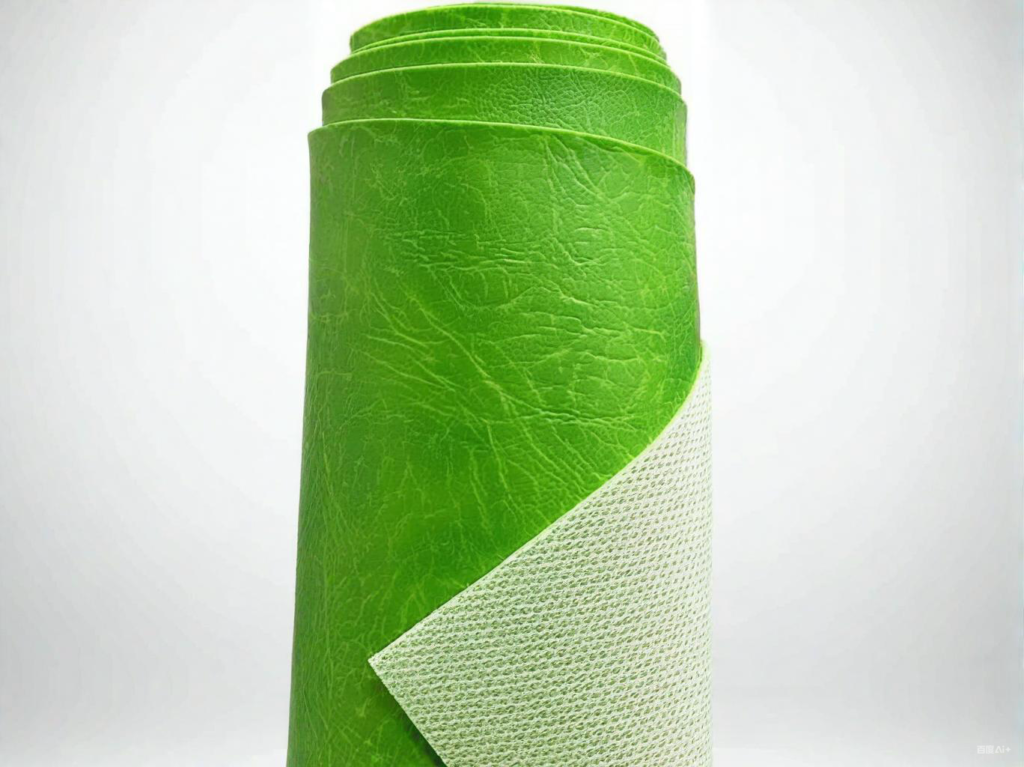
Vinyl waterproof coatings are evolving faster than ever as global sustainability standards tighten. Outdoor, medical, home textiles, and bag industries all demand stronger waterproof performance—yet they must also comply with growing environmental rules. The tension between durability and sustainability is what drives innovation in PVC, TPU, and PU coatings today. Many brands assume eco-compliance is simply about “removing harmful chemicals,” but in reality, it is a deeper engineering challenge involving polymer chemistry, coating processes, plasticizers, additives, manufacturing emissions, and recyclability.
Eco-label compliant vinyl coatings are waterproof materials engineered to meet global environmental standards such as REACH, OEKO-TEX, and GRS while maintaining high durability and chemical safety. This includes eliminating restricted plasticizers, reducing solvent emissions, improving recyclability, and ensuring coatings do not leach harmful substances during use.
A few years ago, a European luggage brand failed a REACH audit because its PVC tarpaulin contained outdated phthalate plasticizers. This error caused a product recall costing over $300,000. Today, companies are more cautious—and many now prioritize working with advanced material suppliers who understand both waterproof technology and environmental law. This is where stories of failed compliance become lessons that push the industry forward.
What Are the Common Types of Vinyl Waterproof Coatings (PVC, PU, TPU) and How Do They Differ Chemically and Environmentally?
In today’s outdoor textile, coated fabric, and technical performance material markets, waterproof coatings form the backbone of product durability and weather protection. Manufacturers rely heavily on three primary types of vinyl-based waterproof coatings—PVC, PU, and TPU—to achieve the required levels of water impermeability, mechanical strength, and long-term environmental stability. Although these coatings may appear similar in purpose, their chemistry, regulatory profiles, and lifecycle impacts are fundamentally different. Understanding these distinctions has become critical for buyers, material engineers, and brands navigating increasingly strict environmental standards across Europe, the United States, and Asia.
PVC remains the world’s most widely used waterproof coating because it delivers exceptional strength and weldability at a relatively low cost. PU coatings have grown in popularity thanks to their softness, versatility, and improved ecological profile. TPU, the most modern of the three, is favored for high-performance applications requiring low toxicity, superior cold resistance, and excellent compliance with eco-label standards.
As global regulations shift toward safer chemistries—phthalate restrictions, solvent limits, VOC caps, and chlorine scrutiny—manufacturers must carefully match coating chemistry with performance requirements and sustainability goals. This makes the comparison among PVC, PU, and TPU more important than ever.
PVC Waterproof Coatings
PVC (polyvinyl chloride) waterproof coatings have dominated the outdoor fabric market for decades due to their durability and cost advantage. They create a completely impermeable layer that resists water, abrasion, and chemical exposure, making them suitable for tarpaulins, marine covers, industrial fabrics, and outdoor upholstery.
PVC’s primary drawback lies in its chemistry. The polymer contains chlorine and requires plasticizers—historically phthalates—to maintain flexibility. It also needs stabilizers (such as calcium-zinc or tin-based compounds) to prevent degradation during processing. Although modern non-phthalate formulations and lead-free stabilizers have reduced compliance risks, PVC still carries higher regulatory sensitivity in markets like the EU, Japan, and California.
Despite this, PVC remains indispensable in many industries because of its weldability, strong mechanical performance, and low material cost. With responsible formulation, PVC can still meet modern regulations—but brands must be diligent.
PU Waterproof Coatings
Polyurethane (PU) waterproof coatings occupy a middle ground between PVC and TPU. PU offers excellent softness, stretch, breathability, and versatility. It does not contain chlorine, and depending on the chemistry, PU can be solvent-based, water-based, or solvent-free, each with distinct environmental implications.
PU has a smoother hand-feel and lighter weight compared with PVC. This makes it ideal for outdoor cushions, garment laminations, and flexible waterproof items where comfort matters. PU coatings also pass many eco-label standards more easily because they require fewer restricted chemicals.
The primary limitation is hydrolysis sensitivity: PU degrades faster in hot and humid environments unless specially formulated for outdoor exposure. Nonetheless, advanced outdoor PU systems—high-performance aliphatic polyurethanes—offer strong UV resistance and durability, making PU a reliable, mid-cost waterproof coating.
TPU Waterproof Coatings
Thermoplastic polyurethane (TPU) represents the most environmentally progressive option among vinyl waterproof coatings. TPU is inherently flexible, non-chlorinated, and free of traditional plasticizers, making it far easier to certify for REACH, ROHS, OEKO-TEX Standard 100, and various Nordic environmental labels.
TPU excels in applications requiring:
- exceptional cold flexibility
- high elasticity
- abrasion resistance
- odorless and solvent-free chemistry
- recyclability under certain thermal recovery processes
High-end outdoor brands use TPU for waterproof backpacks, dry bags, inflatables, performance rainwear laminations, and medical-grade coatings. TPU is also the preferred choice in markets sensitive to chemical exposure—Japan, Korea, the EU, and Scandinavian regions—where regulatory standards are strict and consumer expectations lean heavily toward eco-friendly materials.
The trade-off is cost: TPU is significantly more expensive than PVC and somewhat costlier than PU, limiting its use to premium categories.
Chemical & Environmental Comparison
Chemical Structure Differences
Understanding the core polymer chemistry reveals why each material behaves differently in environmental and performance contexts.
PVC
PVC contains chlorine and is synthesized from vinyl chloride monomers. To remain flexible, PVC must incorporate plasticizers such as DINCH or DOTP (modern non-phthalate options). Stabilizers prevent degradation during heat processing. While chemistry advancements have improved safety, PVC’s dependence on additives remains its biggest compliance challenge.
PU
Polyurethane is created by reacting diisocyanates with polyols. Depending on the formulation, PU may be solvent-based or water-based. Modern water-based PU systems significantly reduce VOC emissions. PU does not require chlorine or phthalate plasticizers, making it easier to certify for sustainability standards.
TPU
TPU is a block copolymer composed of hard and soft segments, resulting in natural elasticity without added plasticizers. It contains no chlorine and typically uses melt-processing, avoiding solvents entirely. This inherently low-toxicity chemistry reduces environmental and regulatory risk.
Environmental Risk Levels
| Material | Chlorine Content | Plasticizers Needed | REACH Risk Level | Typical Eco-Label Success Rate |
|---|---|---|---|---|
| PVC | Yes | Yes | High | Medium |
| PU | No | Sometimes | Medium | High |
| TPU | No | No | Low | Very High |
This comparison demonstrates why global brands increasingly specify PU or TPU when designing eco-conscious outdoor products. PVC remains viable but requires significant formulation oversight.
Performance vs Sustainability Score
| Feature | PVC | PU | TPU |
|---|---|---|---|
| Waterproof Rating | Excellent | Very Good | Excellent |
| Environmental Safety | Medium–Low | Good | Very Good |
| Recyclability | Low | Medium | Medium–High |
| Chemical Compliance | Moderate | Good | Excellent |
| Cost | Low | Medium | High |
PVC’s mechanical strength and cost-efficiency keep it relevant, but TPU leads in sustainability and compliance.
Is PVC Still Acceptable?
Despite heavy criticism in sustainability discussions, PVC maintains a strong foothold due to its performance-to-cost ratio. For tarpaulins, industrial covers, waterproof bags, and upholstery, PVC remains the industry standard.
However, compliance requirements are stricter than ever. Responsible PVC must use:
- non-phthalate plasticizers
- lead-free and low-toxicity stabilizers
- low-VOC coatings
- REACH-compliant additive packages
When manufacturers follow modern formulation practices, PVC can meet environmental regulations—yet the margin for error is smaller compared with PU or TPU.
TPU remains the easiest path to eco-label approval because it eliminates chlorine and plasticizers entirely. But high cost restricts TPU to premium, high-performance, or compliance-sensitive markets.
Material selection is no longer a simple engineering decision—it is a sustainability strategy. PVC, PU, and TPU each have strengths and trade-offs, and understanding their chemical foundations helps brands choose responsibly. PVC offers robust performance at low cost, PU provides a balanced solution with fewer environmental risks, and TPU sets the benchmark for modern eco-friendly waterproofing.
For outdoor furniture, waterproof bags, marine covers, apparel laminations, and performance textiles, choosing the right coating chemistry shapes not only product performance but also regulatory success and environmental impact across the entire lifecycle.
Which Eco-Labels and Certifications (e.g. REACH, OEKO-TEX, GRS) Matter for Vinyl Coated Fabrics Used in Outdoor and Consumer Products?
Eco-labels and chemical compliance certifications determine whether vinyl-coated fabrics can legally enter global markets and whether they are considered safe for end users. For outdoor furniture, rainwear, marine vinyl, bags, baby products, and technical gear, these certifications validate that the waterproof coatings—PVC, PU, and TPU—meet strict environmental, health, and safety standards. Regions such as the EU, USA, and Japan enforce some of the toughest chemical regulations, and compliance is now a prerequisite for brands positioning themselves as environmentally responsible.
Vinyl-coated fabrics typically include multiple chemical elements: plasticizers, stabilizers, pigments, antimicrobial agents, adhesives, and backings. Eco-labels help ensure that each layer—from surface coating to backing yarn—meets standards for restricted substances and sustainable production.
REACH (EU)
REACH is one of the world’s most comprehensive chemical regulations and directly affects all vinyl-coated fabrics shipped into Europe. It restricts a broad list of substances and requires manufacturers to carefully control the composition of coatings.
Restricted substances include:
- phthalates
- heavy metals
- organotins
- volatile solvents
- carcinogenic dyes
PVC coatings must be formulated with non-phthalate plasticizers, REACH-compliant stabilizers, and low-VOC additives to pass EU market entry requirements. Non-compliance can result in immediate customs seizure or mandatory recalls.
OEKO-TEX Standard 100
OEKO-TEX tests for human ecological safety and is now widely required by global retailers, especially for products that touch the skin.
Focus areas include:
- skin-safe substances
- VOC emissions
- restricted chemical residues
- allergenic dyes and colorants
TPU and PU often perform strongly in OEKO-TEX testing due to their inherently cleaner chemistry. PVC can also pass—but only with phthalate-free formulas and controlled stabilizer systems. Brands selling to Europe, Japan, and the U.S. often require OEKO-TEX certification at the fabric level.
GRS (Global Recycled Standard)
GRS is essential for brands marketing sustainability, particularly those using recycled polyester or recycled backing cloths beneath vinyl coatings.
GRS ensures:
- verified recycled content
- traceability across the supply chain
- auditing of chemical inputs
- responsible production practices
Recycled polyester scrims, recycled nylon backings, and recycled PU blends commonly require GRS verification to support eco-label claims at retail.
California Proposition 65
Prop 65 applies to all consumer products sold in California and maintains a long list of chemicals linked to cancer or reproductive toxicity. Even products sold online into California must comply.
Vinyl-coated fabrics may be flagged for:
- lead content
- phthalates
- certain flame retardants
- certain colorants
Failure to comply exposes brands to lawsuits and mandatory warning labels that retailers prefer to avoid.
RoHS
Originally designed for electronics, RoHS also applies to coated fabrics used in tech-adjacent products such as:
- laptop sleeves
- tablet covers
- cable organizers
- drone bags
RoHS restricts:
- cadmium
- lead
- mercury
- hexavalent chromium
- PBDE/PBB flame retardants
For vinyl-coated fabrics used in hybrid textile-electronics accessories, RoHS compliance is increasingly required by major retailers.
Certification Comparison
Understanding which certification applies to which chemical group helps brands choose the proper coating systems and avoid compliance failures during audits.
Regulatory Focus Areas
Heavy Metals
REACH, OEKO-TEX, Prop 65
Plasticizers
REACH, OEKO-TEX
VOC Emissions
OEKO-TEX
Recycled Content
GRS
Environmental Impact
Nordic Swan, Blue Angel (relevant to select PVC formulations)
Many high-end European brands also request data sheets on VOC emissions and eco-toxicity, even when not formally required.
Certification Importance Table
| Certification | Region | Required for | Risk if Missing |
|---|---|---|---|
| REACH | EU | Backpacks, covers, upholstery | Customs blockage |
| OEKO-TEX | Global | Apparel, outdoor gear | Retail rejection |
| GRS | Global | Recycled product lines | Loss of eco-claims |
| Prop 65 | USA | Outdoor goods | Legal penalties |
| RoHS | Global | Tech/bag accessories | Market restriction |
This comparison highlights that compliance is not only about safety—it affects logistics, market access, retailer acceptance, and brand reputation.
Misconceptions & Hidden Risks
There are frequent misunderstandings about the environmental safety of vinyl-coated fabrics:
- “PVC can’t be eco-friendly.” False — phthalate-free PVC with EU-compliant stabilizers can meet REACH and OEKO-TEX standards.
- “TPU always passes certification.” False — solvent-based TPU with high VOC emissions can fail OEKO-TEX and Prop 65 testing.
- “Eco-labels only check the fabric.” False — coatings, adhesives, printing inks, backings, trims, and even zipper pullers may also fail restricted-substance audits.
- “Recycled fabrics automatically pass.” False — recycled backings may still contain contaminants and require GRS verification to ensure purity and traceability.
Brands that misunderstand these risks may face shipment delays, expensive re-testing, or removal from retail shelves.
Real Case Example
A Japanese outdoor brand producing baby carriers and infant accessories required a waterproof TPU fabric suitable for direct skin contact. Their original TPU coating passed REACH for Europe but failed OEKO-TEX due to elevated solvent residues from the coating process.
SzoneierFabrics reformulated the material using a solvent-free TPU coating and reprocessed the backing to remove residual contaminants. The revised fabric passed:
- OEKO-TEX Standard 100 (Class I – baby products)
- REACH SVHC screening
- VOC emission testing
This enabled the Japanese brand to expand distribution into European pharmacies, Japanese department stores, and large-scale e-commerce platforms.
How Do You Test Vinyl Coatings for Compliance with Environmental and Toxicological Standards?
Testing vinyl coatings for compliance with environmental and toxicological standards is significantly more complex than running a simple chemical screening. As global regulations tighten and consumers become more sensitive to chemical exposure, laboratory evaluations must now analyze every aspect of a vinyl coating’s composition and behavior.
Modern testing protocols assess heavy metals, plasticizers, volatile organic compounds (VOC), residual solvents, organotin stabilizers, odor emissions, skin sensitivity, migration under sweat or saliva, UV-stability degradation, and long-term chemical release. These standards ensure the coating remains safe during production, daily use, storage, and even disposal.
For brands manufacturing outdoor furniture, bags, apparel, or marine equipment, ensuring coating compliance is essential not only for regulatory approval but also for customer trust and global market access.
Chemical Testing for Restricted Substances
Chemical testing forms the foundation of all compliance evaluations. It identifies whether the vinyl coating contains substances restricted by international frameworks such as REACH, California Proposition 65, OEKO-TEX Standard 100, or CPSIA.
Unlike older testing models that only checked for a few key compounds, today’s screenings include 300+ hazardous substances. Advanced mass spectrometry equipment (GC-MS, ICP-MS) is used to locate even trace amounts of chemicals that could migrate during use.
Heavy Metal Testing
Heavy metals pose some of the highest toxicity risks in vinyl products. In the past, PVC often relied on lead-based stabilizers, but these are no longer allowed under modern standards.
Heavy metal testing screens for:
- Lead (Pb)
- Cadmium (Cd)
- Chromium VI (Cr(VI))
- Mercury (Hg)
- Nickel, antimony, arsenic (depending on product category)
For products targeting Europe, EN 71-3 and REACH Annex XVII set strict migration limits. OEKO-TEX sets even lower thresholds for infant or skin-contact categories.
PVC stabilizers today must be:
- completely lead-free
- low-cadmium
- chromium-free
Modern calcium-zinc stabilizers and organic tin-free systems are now preferred for eco-compliant coatings.
Plasticizer Testing (Phthalates & Alternatives)
Phthalates were once widely used to give PVC flexibility, but many are now restricted due to reproductive toxicity concerns. Testing ensures that none of the regulated phthalates exceed allowable limits.
Common restricted phthalates include:
- DEHP
- DBP
- BBP
- DINP (restricted for toys and childcare articles)
- DIDP (restricted for certain markets)
Eco-compliant vinyl coatings now use:
- DOTP (safer alternative)
- DINCH
- bio-based plasticizers
- phthalate-free polyester-based plasticizers
These alternatives maintain softness and cold resistance without compromising health standards.
VOC & Residual Solvent Testing
Vinyl coatings frequently undergo processes involving solvents, especially in PU and TPU lamination. High levels of residual solvent can trigger:
- harsh odor
- off-gassing
- skin irritation
- failed eco-label audits
Testing measures emission levels of:
- toluene
- xylene
- ketones
- alcohols
- chlorinated solvents (if present)
Water-based PU and solvent-free TPU coatings usually achieve excellent VOC performance and are preferred for OEKO-TEX–compliant outdoor products.
Odor and Organoleptic Testing
Consumers increasingly associate strong plastic odors with poor quality or toxicity. As a result, odor testing has become a mainstream requirement—even for products with no direct skin contact.
Testing evaluates:
- overall odor intensity
- presence of solvent-like smell
- irritant odors caused by degraded additives
- compatibility with outdoor furniture standards
Brands selling in premium markets value low-odor vinyl for furniture, baby products, pet gear, and automotive interiors.
Sweat & Saliva Migration Testing
Migration testing replicates real-life exposure to sweat, rain, humidity, or saliva. This is particularly important for:
- baby products
- pet products
- outdoor sports accessories
- yoga mats
- wearable waterproof items
- bag straps and handles
The test simulates chemical movement at body temperature, ensuring no harmful compounds leach under moisture.
Testing Methods & Their Meaning
To make compliance transparent and consistent, labs rely on international standards. These standards define test conditions, acceptable limits, sample preparation, and reporting format.
Below is an overview of the most commonly used standards for vinyl coatings:
| Test Type | Standard | What It Measures | Why It Matters |
|---|---|---|---|
| Heavy Metals | EN 71-3, REACH Annex XVII | Lead, cadmium, chromium | Child safety, skin-contact compliance |
| Phthalates | REACH Annex XVII | Plasticizer level | PVC safety validation |
| VOC Emissions | ISO 16000 | Indoor/outdoor odor & vapor | Odor control, toxicity prevention |
| Organotins | EN 16155 | Tin-based stabilizers | Restricts carcinogenic tin compounds |
| Azo Dyes | EN 14362 | Forbidden dyes | Apparel and textile safety |
| SVHC Scan | REACH | Substances of Very High Concern | Legal access to EU market |
Each test provides a specific layer of safety verification. For example, a vinyl could pass phthalate testing but still fail VOC odor requirements, or pass heavy metal testing but fail organotin restrictions.
Performance vs. Safety Conflict
One of the most persistent misconceptions in the outdoor textile industry is that better performance requires stronger, harsher chemicals. Historically, this was true: manufacturers relied on powerful solvents, heavy metal stabilizers, and phthalates to achieve flexibility and waterproof durability.
However, modern polymer engineering has changed the equation. Today’s advanced materials can deliver superior performance while remaining eco-compliant:
- Next-generation TPU coatings offer exceptional cold flexibility without harsh plasticizers
- Water-based PU coatings deliver strong adhesion with zero solvent residue
- PVC formulations using calcium-zinc stabilizers achieve long-term UV stability
- Bio-based plasticizers provide flexibility at sustainable levels
The result: outdoor vinyl can now reach higher waterproof pressure ratings, better abrasion resistance, and improved bending endurance while staying within OEKO-TEX and REACH chemical thresholds.
Real Case Example
A Scandinavian camping gear brand faced a major barrier when their tent groundsheet and waterproof floor panels failed OEKO-TEX testing. Surprisingly, the failure did not come from the vinyl coating itself, but from a legacy adhesive layer that contained organotin-based catalysts. These tin stabilizers are heavily restricted in modern safety frameworks.
SzoneierFabrics’ technical team redesigned the lamination process, replacing the old stabilizer system with a completely non-tin catalyst and modifying the bonding temperature curve for stability. After reformulation:
- The entire product line passed OEKO-TEX Standard 100
- The brand completed testing in just 18 days
- Retail partners green-lit the full European market launch
This example illustrates how environmental compliance depends not only on the coating but on every layer—from adhesives to stabilizers to backing fabrics.
What Additives, Plasticizers, or Treatments in Vinyl Can Compromise Eco-Label Compliance, and How to Avoid Them?
As sustainability standards tighten worldwide, vinyl coatings used in outdoor furniture, bags, upholstery, and waterproof technical textiles are being examined more closely than ever before. Certifications such as REACH, OEKO-TEX Standard 100, California Prop 65, and RoHS now enforce strict limits on chemical additives, solvents, and stabilizers. Many manufacturers assume PVC, PU, and TPU coatings fail compliance due to the base polymer—but the truth is different. Most compliance failures stem from hidden additives, outdated plasticizers, or low-grade stabilizers embedded within the coating formulation.
Understanding which additives create compliance risks—and how to replace them—has become essential for any brand entering European, American, or Japanese markets. The challenge is balancing environmental safety with the mechanical needs of vinyl: flexibility, UV resistance, waterproofing, cold crack resistance, and long-term stability.
What follows is a comprehensive breakdown designed for sourcing managers, technical developers, and compliance teams who must ensure that their vinyl materials meet both performance standards and global eco-label requirements.
Additives That Commonly Cause Failure
The additives listed below are the most common reasons vinyl-based materials fail international compliance testing. Many of them still appear in low-cost formulations and older factories—but forward-thinking suppliers have already transitioned away from these chemistries.
Phthalate Plasticizers
Phthalates such as DEHP, DBP, BBP, and DNOP were once the global standard for softening PVC. They offered excellent flexibility at low cost—but are now banned or heavily restricted due to endocrine-disrupting effects.
PVC coatings that still rely on these older phthalates almost always fail:
- EU REACH Annex XVII
- California Prop 65
- OEKO-TEX Standard 100
- CPSIA (for children’s products)
Even if the material feels soft and durable, it cannot legally enter many premium retail markets.
Heavy Metal Stabilizers
Legacy PVC manufacturing used heavy metals as heat stabilizers, especially:
- lead-based stabilizers
- cadmium-based stabilizers
Both have been phased out in responsible factories for over a decade, but continue to show up in:
- low-end tarpaulins
- imitation leather sold at low prices
- uncertified PVC sheets
- older production lines
Any trace of lead or cadmium will cause instant failure in OEKO-TEX and REACH.
Organotins
Organotin catalysts historically played a role in PVC and PU processing. The most concerning forms include:
- tributyltin (TBT)
- monobutyltin (MBT)
- dibutyltin (DBT)
These compounds can migrate under heat, sweat, and UV exposure, making them unsuitable for fashion textiles, upholstery, and children’s products.
High-VOC Solvents
Vinyl coatings often require solvents during production. When excessive solvent residues remain in the final fabric, the material can fail odor, VOC, or toxicity benchmarks.
High-risk solvents:
- Dimethylformamide (DMF)
- Dimethylacetamide (DMAc)
- Toluene
- Ketones used in cheaper adhesives
Residues from these solvents especially affect PU coatings, TPU calendering, and lamination adhesives.
Chlorinated Paraffins
Chlorinated paraffins (especially short-chain versions) were used as:
- flame retardants
- softeners
- viscosity modifiers
However, they are now restricted due to their toxicity and environmental persistence. Their use can prevent compliance in Europe, Canada, and Japan.
Azo Dyes
Low-cost pigment systems sometimes incorporate azo dyes that can release carcinogenic amines. Many apparel and textile markets prohibit them.
Even in vinyl coatings, pigments must be carefully selected to avoid azo dye contamination during compounding.
Acceptable vs Restricted Additives
Not all additives are harmful. Many eco-friendly replacements provide equal or better performance—if formulated correctly. The tables below highlight acceptable vs restricted chemicals so sourcing teams can quickly identify compliant formulations.
Plasticizer Comparison Table
| Additive Type | Restricted? | Typical Use | Eco-Friendly Replacement |
|---|---|---|---|
| DEHP | Yes | PVC softening | DOTP, DINCH |
| DBP | Yes | PVC flexibility | ATBC (citrate), bio-plasticizers |
| BBP | Yes | Flooring, vinyl | DOA, DINCH |
| DINP | Restricted in toys | General PVC | DOTP |
| DOTP | No | Eco-PVC | Best overall |
Notes for Buyers:
- DOTP is now the global standard for compliant PVC.
- ATBC and other citrate-based plasticizers are ideal for sensitive product categories (baby items, skin-contact textiles).
- DINCH is widely used in medical-grade PVC.
Stabilizer Comparison Table
| Stabilizer | Risk Level | Notes |
|---|---|---|
| Lead-based | Very High | Fails all eco-labels |
| Tin-based | High | Migrates under sweat |
| Barium/Zinc | Medium | Requires strict limits |
| Calcium/Zinc | Low | Preferred for eco-PVC |
Key Insight: Calcium-zinc systems are now preferred for modern PVC production. They offer high heat stability without introducing heavy metals.
Solvent Comparison Table
| Solvent Type | Eco-Label Compliance | Typical Use | Replacement |
|---|---|---|---|
| DMF, DMAc | High-risk | PU coating | Water-based PU |
| Toluene | Restricted | Adhesives | Low-VOC alternatives |
| MEK/Acetone | Medium | Degreasing | Aqueous systems |
Important Tip: DMF is one of the most frequently flagged solvents in EU and U.S. testing. If a supplier uses solvent-based PU, buyers must demand DMF-free guarantees and testing reports.
Eliminating vs Replacing Additives
A common misconception is that brands can simply remove restricted chemicals from vinyl formulations. In reality, additive removal often weakens performance unless replaced scientifically.
Engineering teams must maintain:
- bonding strength
- waterproofing integrity
- flexibility at low temperatures
- UV resistance
- abrasion durability
- odor neutrality
- long-term plasticizer stability
For example, phthalates cannot be removed without adjusting:
- polymer viscosity
- coating thickness
- stabilizer balance
- mechanical stretching behavior
This is why many “eco-friendly” PVC attempts fail structurally unless redesigns consider the entire polymer system—not just the chemical list.
Real Case Example
A European outdoor equipment brand attempted to switch from DEHP to a bio-based plasticizer for sustainability compliance. While initial test results showed excellent softness and flexibility, field testing revealed significant failures:
- cracking and brittleness during winter storage
- yellowing under strong sunlight
- a decline in hydrostatic pressure performance
- color instability after repeated folding
The issue? The original formulation wasn’t recalibrated to compensate for the new plasticizer’s molecular weight and migration behavior.
How SzoneierFabrics Solved It
SzoneierFabrics redesigned the formulation using:
- a hybrid DOTP + bio-based plasticizer system,
- adjusted stabilizer ratios,
- UV-protective anti-yellowing additives, and
- controlled curing temperatures during lamination
This resulted in:
- restored flexibility at sub-zero temperatures
- significantly improved UV color stability
- waterproof pressure values exceeding 3,500 mmH₂O
- full compliance with REACH, OEKO-TEX, and Prop 65
This case highlights the importance of working with a vinyl supplier that understands not only compliance—but also engineering chemistry.
How Does Coating Process (Solvent-Based, Water-Based, Solvent-Free) Affect Environmental Footprint and Compliance?
In the global textile and coated-fabric industry, the chemistry of the polymer—PVC, PU, or TPU—is only part of the sustainability equation. The coating process used to apply that polymer often determines whether a fabric meets or fails environmental regulations. Today’s regulatory landscape is shaped by REACH chemical limits, OEKO-TEX certifications, volatile organic compound (VOC) caps, California Prop 65 restrictions, Japanese chemical emission standards, and growing consumer pressure for safer and greener materials.
What many manufacturers fail to realize is that a fabric made with environmentally friendly polymers such as PU or TPU can still be rejected by an eco-label if the coating process relies heavily on toxic solvents or energy-intensive systems. Conversely, when clean and modern coating processes are used, even a PVC-based material can pass stringent requirements. This makes understanding coating technologies essential for any brand or mill operating in premium markets.
From solvent-based coatings—once the industry norm—to water-based and modern solvent-free hot-melt lamination systems, each technology shapes not only environmental impact but also product performance, cost structure, and long-term compliance potential. As sustainability becomes a market requirement, the choice of coating process increasingly defines a product’s success.
Solvent-Based Coating Processes
Solvent-based coating systems were historically the default method in PVC and PU coating production. They use organic solvents such as DMF (dimethylformamide), MEK (methyl ethyl ketone), toluene, or other volatile chemicals to dissolve the polymer before application. During drying, these solvents evaporate—releasing VOCs into the air.
Despite growing restrictions, solvent-based processes still exist in many factories due to their strong performance advantages: robust adhesion, deep polymer penetration, and high waterproof ratings. For heavy-duty applications like tarpaulins and industrial covers, these strengths are attractive. However, environmental and compliance challenges are becoming increasingly difficult to overlook.
Environmental Impact
Solvent-based coating carries significant drawbacks:
- high VOC emissions that contribute to air pollution
- worker exposure risk requiring advanced ventilation systems
- hazardous waste disposal challenges
- more complex permitting and regulatory audits
- residue risk that affects product certification
In many countries, regulators have tightened limits on allowable solvent emissions, forcing factories to upgrade equipment or shift to more eco-friendly methods.
Performance Strengths
Solvent-based coatings continue to offer:
- excellent adhesion even on smooth backing fabrics
- deep polymer penetration that improves strength
- high-hydrostatic waterproof performance
- predictable stability across temperature ranges
This is why industries requiring extreme waterproof durability—truck tarpaulins, industrial curtains, marine-grade PVC—still use solvent-based processing today.
Compliance Challenges
The biggest drawback is chemical residue. Even after drying, traces of DMF or MEK can remain in the coating.
This leads to risks in:
- VOC tests for apparel and outdoor goods
- OEKO-TEX Class I certification (baby-safe category)
- Japanese chemical emissions standards
- Nordic Swan and EU Ecolabel requirements
- Prop 65 limits on toxic airborne chemicals
As a result, brands serving Japan, the EU, or premium outdoor markets are increasingly rejecting solvent-based coatings.
Water-Based Coating Processes
Water-based coating systems replace harmful organic solvents with water as the polymer dispersion medium. This makes them inherently safer, more environmentally friendly, and easier to certify. They have gained significant popularity in the last decade, driven by both regulatory pressure and consumer expectations for low-odor, low-toxic, and low-emission textiles.
Environmental Impact
Water-based PU and TPU coatings offer dramatic improvements:
- nearly zero VOC emissions
- easier and safer wastewater treatment
- reduced factory health risks
- compatibility with REACH, OEKO-TEX, ROHS, and GRS
- smoother certification processes
Many water-based coating mills now operate with significantly lower environmental oversight because the chemical risks are far smaller compared with TMF-driven or solvent-heavy systems.
Performance Strengths
Water-based coatings deliver several key benefits:
- soft, flexible hand-feel preferred in apparel and bags
- lightweight waterproof barriers
- minimal odor during production and after finishing
- clean surface suitable for consumer-facing products
These qualities have made water-based PU common in fashion, accessories, baby products, and light outdoor equipment.
Limitations
There are still challenges to consider:
- hydrolysis resistance is typically weaker than aliphatic solvent-based PU
- abrasion resistance can be lower
- drying times increase energy consumption if not optimized
- unsuitable for extremely heavy-duty industrial applications
However, advancements in polymer science have significantly improved water-based systems, with many modern formulations approaching solvent-based performance.
Solvent-Free (Hot-Melt) Coating
Solvent-free coatings represent the most advanced and environmentally responsible waterproof coating technology currently available. These include hot-melt TPU, hot-melt PU, and extrusion-coating systems that apply polymer films directly without any solvents.
Instead of dissolving the polymer, these systems melt it and bond it to the substrate through controlled heat, pressure, or calendaring.
Environmental Impact
Solvent-free coatings offer unbeatable sustainability advantages:
- zero solvent emissions
- zero hazardous wastewater
- minimal carbon footprint
- reduced occupational health risk
- simplified compliance across global markets
These are the technologies preferred by premium manufacturers, medical suppliers, baby-product brands, and technical outdoor suppliers.
Performance Strengths
Hot-melt coatings excel in:
- adhesion strength (stronger than water-based or solvent-based in many cases)
- cold resistance, especially in TPU systems
- mechanical durability and long-term waterproof performance
- stability in extreme weather
- suitability for high-performance laminations
This is why mountaineering backpacks, technical outerwear, and inflatable safety equipment frequently rely on hot-melt TPU films.
Limitations
Solvent-free systems are not without drawbacks:
- significantly higher cost
- specialized equipment investment
- limited polymer varieties (especially TPU and some PU systems)
- steeper production learning curve
For mass-market products, cost remains the biggest barrier, but as technology advances and equipment becomes more standardized, adoption continues to grow.
Coating Process Comparison Table
| Coating Type | VOC Level | Eco-Label Compliance | Waterproof Strength | Cost | Best Application |
|---|---|---|---|---|---|
| Solvent-Based | High | Difficult | High | Low–Medium | Heavy-duty PVC tarpaulins |
| Water-Based | Low | Easy | Medium–High | Medium | Apparel, light outdoor bags |
| Solvent-Free | Zero | Very Easy | Very High | High | Premium outdoor gear, baby items |
This comparison shows how the coating process plays a decisive role in whether a fabric meets modern environmental and regulatory standards.
Process Selection and Market Requirements
Europe
The EU maintains some of the strictest chemical standards in the world. Water-based and solvent-free systems are strongly encouraged due to REACH rules and widespread preference for low-emission production. Many EU outdoor brands explicitly prohibit DMF residues and limit VOCs to near-zero levels.
Japan
Japan enforces extremely strict VOC emission thresholds, especially for indoor-use, baby, and bedding products. Solvent-based coatings often fail Japanese deodorization and emissions tests, making water-based PU or solvent-free TPU the standard choice.
USA
California Prop 65 is the dominant compliance driver. Although solvent-based coatings can still be used, trace solvent residues must fall within strict limits, increasing testing and quality-control costs.
Premium Outdoor Brands
High-end brands in Europe, North America, and Japan increasingly require solvent-free TPU coatings for:
- alpine and mountaineering backpacks
- dry bags and watertight systems
- high-performance cycling gear
- breathable waterproof laminates
These brands are prioritizing long-term environmental responsibility and safer chemistries, even at higher production cost.
Cost vs Compliance
Many manufacturers assume that eco-friendly coating methods will dramatically increase cost. While hot-melt TPU systems are indeed more expensive, water-based coatings are now far more affordable than they were a decade ago.
In today’s market:
- water-based coatings deliver 85–90% of solvent-based performance
- drying efficiency has improved with infrared and air-knife systems
- waste treatment is cheaper
- certification passes are easier
- rejected shipments decrease
- factory environments are safer
The long-term cost savings—in reduced risk, smoother compliance, and better market access—often outweigh the initial investment in cleaner production methods.
Which Vinyl Materials Are Best Suited for Eco-Friendly Product Lines Without Sacrificing Waterproof Performance?
Designing eco-friendly waterproof products demands a thoughtful balance between environmental responsibility and real-world performance. Outdoor brands, baby-product manufacturers, travel-gear specialists, and technical apparel labels increasingly expect waterproof materials that not only meet durability standards but also comply with global chemical regulations. Because vinyl-coated fabrics vary widely in chemical composition and recyclability, choosing the right polymer system becomes a strategic decision affecting product safety, sustainability claims, and long-term brand positioning.
Eco-friendly waterproof vinyl materials must deliver three essential outcomes:
- Waterproof integrity that withstands rain, hydrostatic pressure, and abrasion
- Chemically safe constructions free from harmful plasticizers and solvents
- Sustainability performance, such as lower emissions, recyclability, or cleaner production routes
Below is a deep analysis of TPU, PU, and eco-PVC—the three dominant waterproof polymer systems—and their suitability for modern sustainable product lines.
TPU: The Gold Standard for Eco-Friendly Waterproof Materials
Among waterproof materials that behave like vinyl, TPU (thermoplastic polyurethane) consistently earns the highest eco-rating. Unlike conventional PVC, TPU contains no chlorine, no phthalates, and far fewer restricted substances. The material also offers excellent performance across durability metrics without relying on heavy stabilizers or high-emission chemical processes.
TPU is valued for:
- no chlorine
- no phthalates
- high recyclability and re-processability
- outstanding cold-crack resistance (remains flexible below –30°C)
- excellent UV stability without heavy-metal stabilizers
- compatibility with solvent-free and waterborne coating technologies
These qualities make TPU the preferred choice for products requiring direct skin contact, extreme weather durability, or high chemical transparency.
TPU is the go-to material for:
- baby products and infant carriers
- premium backpacks and technical daypacks
- hydration bladders and water reservoirs
- alpine and winter-sport gear
- markets with strict chemical restrictions (Japan, EU, California)
Because TPU meets OEKO-TEX, REACH, and Prop 65 standards more easily than PVC-based systems, it is increasingly used by brands that emphasize transparency, traceability, and low toxicity.
PU: A Good Medium-Cost Eco-Friendly Alternative
PU (polyurethane) has evolved significantly over the last decade, especially with the rapid adoption of water-based and solvent-free PU coating processes. This new generation of PU offers a strong balance between sustainability and affordability.
PU coatings are widely used in:
- performance apparel
- school bags and fashion backpacks
- mattress protectors and upholstery
- cosmetic bags and accessories
Eco-friendly PU is specifically defined by:
- reduced solvent content or fully solvent-free chemistry
- safer crosslinking agents
- lower VOC emissions during lamination
- improved biodegradability compared to PVC
Water-based PU coatings are now standard for home textiles and soft-touch materials because they avoid the odor and emissions often associated with PVC manufacturing.
For brands needing a soft handfeel, good color reproduction, and broad certification compatibility without premium pricing, PU remains a highly practical solution.
Eco-PVC: A Responsible Choice for Heavy-Duty Use
PVC has long been criticized for environmental concerns, but innovations in formulation have allowed PVC to remain relevant—particularly in industrial categories that require extreme waterproofing or abrasion resistance.
Eco-PVC can be sustainable when manufactured with:
- non-phthalate, FDA-approved plasticizers (DINP-free, DEHP-free)
- calcium-zinc or organic stabilizers instead of heavy metals
- low-VOC inks and adhesives
- controlled lamination processes that minimize emissions
Eco-PVC is ideal for:
- tarpaulins and truck covers
- tool bags and professional equipment
- rooftop cargo carriers
- waterproof outdoor furniture covers
- marine and boat accessories
While PVC is not as recyclable as TPU or PU, its low cost, high durability, and excellent waterproofing provide unmatched value for large-scale industrial applications.
Brands choosing eco-PVC must ensure strict compliance with REACH, Prop 65, and OEKO-TEX criteria—particularly with regard to plasticizers, stabilizers, and VOC residues. When produced responsibly, PVC can safely meet global consumer requirements.
Eco Performance Table
| Material | Waterproof Strength | Environmental Safety | Recyclability | Cold Resistance | Best Use Scenario |
|---|---|---|---|---|---|
| TPU | Excellent | Very High | Medium–High | Excellent | High-end outdoor gear |
| PU | Very Good | High | Medium | Good | Apparel, lightweight bags |
| Eco-PVC | Excellent | Medium–High | Low–Medium | Moderate | Heavy-duty waterproof products |
This table highlights a critical insight: waterproof strength does not decline when choosing environmentally safer materials. TPU and eco-PVC both deliver top performance, while PU offers the best balance of softness, price, and compliance.
Choosing Based on Target Market
Premium Outdoor Market
TPU is the clear leader, offering the strongest combination of:
- chemical safety
- long-term flexibility
- cold-weather durability
- certification compatibility
Brands in mountaineering, expedition gear, and infant safety products increasingly treat TPU as the default.
Fashion & Home Goods
Water-based PU provides:
- a soft and elegant handfeel
- excellent color saturation
- compliance with OEKO-TEX
- a lower-priced eco-friendly option
This makes PU suitable for bags, accessories, duvet protectors, table mats, and decorative textiles.
Industrial & Utility Gear
Eco-PVC remains the most cost-effective and structurally robust solution for:
- high-frequency welded components
- abrasion-prone surfaces
- heavy-duty waterproof products
Its affordability and protective performance make it indispensable for automotive, marine, and commercial-grade applications.
Material Choice Is a Branding Decision
Sustainability is no longer only a technical requirement—it is a branding strategy.
- TPU appeals to premium and safety-conscious consumers
- PU appeals to fashion, home goods, and mass retail buyers
- Eco-PVC appeals to industrial and utility markets needing durability at competitive pricing
In this environment, certification and eco-label compliance become part of a brand’s story. Materials validated by REACH, OEKO-TEX, GRS, and Prop 65 send a clear message: the product is safe, modern, and responsibly manufactured.
Brands that choose the right waterproof material not only optimize performance—they strengthen customer trust and long-term market positioning.
How Do Recycled Backings and Vinyl Lamination Contribute to Overall Eco-Certification of Finished Products?
Eco-certification for waterproof vinyl composites is rarely determined by the coating alone. In most cases, certification bodies evaluate the entire construction: the backing fabric, lamination adhesives, stabilizers, bonding chemistry, and even the recyclability of each layer. These elements interact to influence whether a finished vinyl product qualifies for certifications such as GRS, OEKO-TEX Standard 100, REACH, Bluesign, or specific national chemical safety standards.
For manufacturers producing outdoor furniture, bags, apparel accessories, tents, marine upholstery, or technical laminates, recycled backings and compliant lamination processes have become strategic design elements. They not only influence sustainability claims but also determine a product’s long-term environmental impact. The following sections explore how these components affect eco-certification, performance, and market acceptance.
Why Backing Fabrics Matter
When evaluating environmental impact, the backing fabric often represents the majority of the composite’s mass—typically 40–70% of total weight depending on thickness and coating proportion. Even when the vinyl or TPU layer is highly engineered and fully compliant, a non-certified backing can immediately disqualify the entire product.
Backing fabrics influence:
- Recyclability: PET or nylon backings determine whether the product can be mechanically recycled, chemically depolymerized, or downcycled.
- Chemical safety: The dye, finish, and stabilizer chemistry used on the backing must meet OEKO-TEX or REACH restrictions.
- Microplastic shedding: Poor-quality backings can shed more fibers during use, washing, or abrasion testing.
- Durability: Tear strength, tensile stability, and wet-flex behavior depend heavily on the backing.
- Adhesion stability: Poor-quality or contaminated backings reduce lamination strength and cause delamination.
In short, a waterproof composite is only as eco-friendly as its least compliant layer.
Recycled Polyester (rPET) Backings
Recycled polyester backings—especially those with GRS certification—have become the industry standard for sustainable vinyl laminates. Sourcing post-consumer PET bottles reduces landfill volume and carbon footprint while maintaining excellent mechanical performance.
Key advantages:
- Lower carbon footprint compared to virgin PET
- Strong tensile and tear strength suitable for outdoor use
- Excellent laminability with PVC, TPU, PU, and TPO
- Higher adhesion compatibility due to its stable filament structure
- Consistent dyeability for decorative laminates
High-quality rPET backings also pass strict eco-compliance tests more easily because GRS-certified feedstock must meet controlled heavy metal and dye chemical thresholds.
This makes rPET ideal for:
- Waterproof cushions
- Outdoor furniture covers
- Reusable shopping bags
- Lightweight dry bags
- Apparel reinforcements and accessories
Recycled Nylon (ECONYL-Type) Backings
Recycled nylon—often regenerated through depolymerization processes similar to ECONYL—delivers superior performance, though at a higher material cost.
Its main advantages include:
- Exceptional abrasion resistance, outperforming both virgin nylon and polyester
- High tear strength, useful for technical textiles
- Cold-weather flexibility, maintaining softness in sub-zero conditions
- Resistance to repeated flexing, crucial in outdoor and marine applications
These qualities make recycled nylon ideal for:
- High-performance tents
- Footwear components
- Outdoor backpacks
- Marine seating
- Reinforced corners and heavy-duty panels
Because recycled nylon must pass strict chemical filtration during its regeneration process, it often performs well in eco-label testing—though contamination risks (e.g., antimony, dyes) must still be monitored.
Recycled Blended Backings
Blended backings—such as polyester-cotton or polyester-rayon—provide designers with more tactile and visual options. However, they require more careful lamination engineering.
Challenges include:
- Variable adhesion between fibers and coatings
- Risk of mold or mildew growth if natural fibers retain moisture
- Shrinkage differences between components
- Inconsistent tear behavior, especially under wet-flex abrasion
- Complex chemical profiles, increasing risk of restricted substances
Nevertheless, these blends can offer a natural aesthetic or softer handfeel for:
- Upholstery-grade laminates
- Decorative cushions
- Lifestyle bags and accessories
- Indoor/outdoor crossover furnishings
Testing must include:
- Wet-flex durability
- Hydrolysis resistance
- Adhesion stability
- Mildew incubation tests
When engineered correctly, blended backings can pass eco-certifications while delivering a unique market differentiation.
Adhesives and Lamination Chemistry
Adhesive systems are often overlooked, but they play a critical role in eco-compliance—especially under standards that examine organotin stabilizers, solvent emissions, and volatile compounds.
Common compliance risks include:
- Organotin contamination from traditional stabilizers
- VOC-heavy solvent-based glues, which can release harmful fumes
- Chlorinated adhesives prohibited under many eco-labels
- Delamination under humidity, which accelerates microplastic shedding
Today’s eco-compliant laminates increasingly rely on:
- Non-tin catalysts
- Low-VOC polyurethane adhesives
- Water-based systems
- Hot-melt lamination, which requires no solvent
- Solvent-free TPU bonding
SzoneierFabrics applies a combination of non-tin catalysts, low-VOC adhesives, and thermal bonding technology to ensure laminates pass European and North American safety standards.
Recycled Backing Compliance Table
| Backing Type | Eco-Label Compatibility | Durability | Cost | Notes |
|---|---|---|---|---|
| rPET | Excellent (GRS) | High | Low–Medium | Most common sustainable option |
| Recycled Nylon | Very High | Very High | High | Best for premium outdoor gear |
| Recycled Cotton Blends | Medium | Moderate | Medium | Requires mold-resistant coating |
| Virgin Polyester | Medium | High | Low | Acceptable but not eco-preferred |
This table also highlights a practical truth: eco-certified materials do not always align with the cheapest options. High-performance applications typically use recycled nylon, while mass-market eco-products rely on rPET for affordability and consistency.
Recycled ≠ Automatically Eco-Friendly
A common misconception is that recycled backings automatically pass eco-testing. In reality, recycled materials can be more challenging to certify because they may contain contaminants from previous use cycles.
Potential failure points include:
- Excessive antimony from polyester recycling reactions
- Residual dye chemicals that exceed OEKO-TEX limits
- Forbidden flame retardants left over from old textiles
- Microplastic shedding from mechanical recycling defects
- Weak adhesion leading to delamination and particle release
Eco-compliance is not a single material trait—it is a systemic evaluation.
A product passes only when:
- coating
- backing fabric
- adhesive
- stabilizers
- finishes
- dye chemistry
are all tested and aligned.
Real Case Example
An Australian outdoor brand aimed to launch an eco-friendly tent flysheet using an rPET + TPU laminate. The TPU passed all requirements—including SVHC, VOC, and organotin thresholds. However, the backing failed due to high antimony levels, a known risk in recycled PET produced from poorly filtered feedstock.
SzoneierFabrics replaced the backing with a GRS-certified, low-antimony rPET sourced from a controlled supply chain. After reformulating the lamination to ensure proper bonding, the material passed:
- REACH
- OEKO-TEX Standard 100
- U.S. Prop 65
in a single test cycle.
The brand successfully launched the product with full eco-certification and promoted the upgrade as a sustainability milestone.
How Can Manufacturers Work With a Custom Fabric Supplier to Develop Low-Impact, High-Performance Waterproof Vinyl That Meets Eco-Label Requirements?
Sustainable vinyl development has become one of the most technically challenging—and strategically important—tasks for modern outdoor brands, upholstery producers, and industrial textile manufacturers. While waterproof vinyl traditionally relied on chloride-based polymers, high-VOC solvents, and heavy stabilizers, global regulations increasingly demand safer chemistry and cleaner production. Today’s manufacturers must comply with REACH, OEKO-TEX, Prop 65, and Japan’s strict VOC limits, while still delivering high-performance coatings that resist abrasion, cold cracking, and UV degradation.
Developing such materials is no longer a transactional process. It requires collaboration, iterative formulation engineering, rigorous lab testing, and long-term material stability. Brands that work closely with a custom fabric supplier—rather than purchasing off-the-shelf vinyl—gain the ability to create waterproof materials that are safer, stronger, and fully aligned with sustainability commitments.
The following sections provide a complete blueprint for how manufacturers can co-develop eco-friendly vinyl materials with a supplier such as SzoneierFabrics, which specializes in low-impact coatings, small-batch prototyping, and global compliance engineering.
Step 1: Define Target Eco-Labels
Before any formulation begins, the manufacturer must clarify which environmental standards the final vinyl must meet. Every certification has different thresholds for solvents, plasticizers, heavy metals, and emissions.
Common certification goals include:
- REACH compliance (Annex XVII, SVHC restrictions, plasticizer limits)
- OEKO-TEX Standard 100 (restricted amines, heavy metals, VOCs)
- GRS validation (for recycled backing or lamination layers)
- Low-VOC requirements for Japan, Korea, and the EU
- Prop 65 compliance for the U.S. market
- ROHS for electronics-related applications
Defining these requirements early ensures the supplier can design the correct polymer system—choosing suitable plasticizers, stabilizers, pigments, adhesives, and coating technologies.
SzoneierFabrics typically begins each development cycle by mapping eco-label requirements to a chemical formulation matrix. This matrix determines which ingredients are allowed, restricted, or prohibited, ensuring zero risk of certification failure.
Step 2: Select Material Frameworks
Once the eco-label targets are confirmed, the next phase is selecting the correct material framework. Waterproof vinyl is not a single product—it is an engineered structure combining polymer coatings, lamination layers, backing fabrics, and optional treatments.
SzoneierFabrics supports the following frameworks:
- Solvent-free TPU coatings Excellent for high-performance applications requiring clarity, elasticity, and cold resistance.
- Water-based PU coatings Eliminates DMF solvents, meeting strict VOC requirements for apparel and bags.
- Non-phthalate PVC formulations (using DOTP, DINCH, or citrate plasticizers) Ensures softness without relying on restricted phthalates like DEHP or DBP.
- GRS recycled polyester lamination Reduces carbon footprint and supports recycled content certifications.
- Low-odor, low-migration additive systems Suitable for high-end consumer goods and children’s products.
Each combination influences waterproof performance, weight, tactile feel, abrasion resistance, cold flexibility, and price point.
During this stage, brands often request:
- specific GSM ranges
- soft or structured handfeel
- matte or glossy finishes
- customized embossing patterns
- specific colorways aligned with seasonal palettes
Material framework selection is the backbone of sustainable vinyl engineering—and a direct predictor of long-term performance.
Step 3: Prototype Development With Low MOQ
Traditional vinyl suppliers often require very high minimum order quantities (1,000–3,000 meters), making innovation costly and inflexible. SzoneierFabrics takes a different approach: low-MOQ prototyping, enabling brands to test eco-friendly coatings without financial risk.
Manufacturers benefit from:
- small-batch trial runs
- fast sample turnaround (3–7 days)
- multiple coating thickness options
- custom embossing and texture R&D
- Pantone or Lab-value color matching
For emerging brands, boutique outdoor labels, and design studios, this flexibility can be the difference between launching a new material or abandoning it due to cost barriers.
Low-MOQ prototyping also encourages iterative development—where brands can test variations in matte finishes, handfeel, or tear strength before scaling into full production.
Step 4: Lab Testing and Validation
Eco-compliant vinyl cannot rely solely on ingredient lists; it must be validated through scientific testing. Before mass production, SzoneierFabrics conducts a full suite of laboratory analyses to confirm compliance with the target eco-labels.
Key testing includes:
- SVHC screening Ensures the absence of harmful substances like DEHP, lead, chromium VI, organotins.
- Phthalate analysis Essential for products entering the EU or U.S. markets.
- VOC emission testing Measures off-gassing characteristics for sensitive markets such as Japan.
- Waterhead pressure testing Evaluates waterproof performance (1,500–5,000 mm H₂O depending on the application).
- Lamination peel strength tests Ensures multi-layer systems remain stable during folding and outdoor use.
- Cold-flex testing Tests durability at temperatures as low as –30°C.
- UV resistance testing Measures yellowing and degradation under simulated sunlight.
When results do not meet requirements, the material formulation is adjusted—plasticizer ratios, pigment systems, stabilizer packages, or curing parameters may be fine-tuned to achieve compliance.
Step 5: Final Production With Stable Quality
Once prototypes pass required certifications, full-scale production begins. At this stage, consistency is critical. Eco-compliant vinyl must maintain identical color, adhesion, flexibility, and waterproof performance across production batches.
SzoneierFabrics ensures stability through:
- automated coating thickness control
- precise temperature and curing calibration
- repeatable embossing roller systems
- controlled odor and VOC output
- clean-room level lamination for sensitive applications
- batch traceability
- 100% visual inspection before packing
Fast lead times and stable batch quality are especially critical for brands working with retailers, where reorders and color consistency determine sell-through success.
Supplier Collaboration Framework
Developing low-impact waterproof vinyl requires synchronized teamwork between the brand and fabric supplier. The table below outlines the collaboration process:
| Development Stage | Brand Responsibility | Sourcing Partner Responsibility |
|---|---|---|
| Requirement Definition | Define eco-labels & performance targets | Translate into material formula |
| Sample Development | Provide feedback | Adjust coating/lamination |
| Chemical Testing | Confirm lab testing needs | Provide certificates & reports |
| Field Testing | Evaluate waterproof durability | Support redesign if needed |
| Scale Production | Approve material | Maintain quality stability |
This framework ensures every decision is intentional—from chemical formulation to environmental impact, from lab testing to field performance.
Working With a Supplier Is a Long-Term Ecosystem
Eco-compliant waterproof materials cannot be treated as one-off transactions. They require an ecosystem mindset between brand and supplier.
Manufacturers must consider:
- long-term supply stability
- ongoing regulatory changes (e.g., new REACH annex updates)
- iterative engineering improvements
- transparent documentation
- flexible chemistry tailored to each application
- proactive sustainability roadmaps
Brands that treat suppliers as technical partners—rather than price-driven vendors—experience far fewer compliance failures, fewer product recalls, and stronger long-term sustainability credibility.
In markets with increasing consumer scrutiny and retailer auditing, this collaborative model is not optional—it is strategic.
Real Case Example
A Canadian cycling gear brand needed a waterproof vinyl suitable for extreme outdoor conditions. Their requirements included:
- solvent-free coating
- –30°C cold resistance
- GRS-certified recycled backing
- high tear strength
- zero VOC emissions
- OEKO-TEX certification
Three traditional material suppliers failed to meet the specification due to solvent residue, unstable adhesion, or insufficient cold-flex ratings.
SzoneierFabrics developed a hot-melt TPU laminate bonded onto GRS rPET fabric, achieving:
- –30°C cold resistance without cracking
- 4,000 mm waterhead rating, suitable for harsh winter cycling
- 0 VOC emissions, compliant with Japan’s strict standards
- full OEKO-TEX certification, enabling entry into premium sportswear markets
This allowed the brand to launch a fully eco-compliant technical vinyl product line—turning sustainability into a core marketing advantage across Canada and Scandinavia.
Eco-Compliant Waterproof Vinyl Is the Future of Responsible Outdoor & Consumer Product Manufacturing
Eco-label compliance is no longer optional. Consumers expect safer materials, and global regulations continue to expand. Waterproof vinyl materials—whether PVC, TPU, or PU—must be chemically safe, low-odor, solvent-responsible, and backed by recycled or certified substrate fabrics.
Choosing the right polymer is only half the equation. The true challenge lies in:
- eliminating harmful additives
- selecting eco-friendly coating methods
- using certified recycled backings
- ensuring full compliance through testing
- collaborating with a supplier capable of custom eco-engineered solutions
SzoneierFabrics has mastered the balance between performance and sustainability. With advanced coating technology, low-MOQ development, rapid sampling, and complete certification support, Szoneier helps outdoor, medical, home textile, and consumer brands create waterproof materials that are both durable and environmentally responsible.
If you are planning to develop a new waterproof vinyl material or upgrade your existing line to meet global eco-label standards, SzoneierFabrics welcomes your inquiry. Our team can customize the formulation, backing, coating process, and performance metrics to match your exact environmental and functional requirements.
You’re invited to contact us anytime—your next eco-compliant waterproof fabric begins here.
eco-label vinyl material, waterproof vinyl coating, non-phthalate PVC fabric, TPU eco waterproof fabric, water-based PU coating, solvent-free vinyl coating, REACH compliant vinyl, OEKO-TEX vinyl fabric, GRS certified vinyl, eco friendly waterproof fabric, vinyl coating environmental standards, low VOC waterproof coating, sustainable PVC material, recycled polyester backing vinyl, rPET laminated vinyl, eco PVC waterproof fabric, TPU laminated waterproof fabric, PU waterproof coating eco, vinyl material for outdoor gear, green waterproof fabric manufacturing, chlorine-free waterproof material, DOTP plasticizer vinyl, eco-certified coated fabric, waterproof fabric compliance, non toxic waterproof vinyl, eco friendly tarpaulin fabric, solvent-free TPU coating, sustainable outdoor fabric, SzoneierFabrics vinyl material, environmentally safe vinyl coating
Can't find the answers?
No worries, please contact us and we will answer all the questions you have during the whole process of bag customization.
Make A Sample First?
If you have your own artwork, logo design files, or just an idea,please provide details about your project requirements, including preferred fabric, color, and customization options,we’re excited to assist you in bringing your bespoke bag designs to life through our sample production process.