Skip to content
Silk has long been celebrated as the “queen of fabrics,” a natural fiber prized for its softness, luster, and strength. But not all silk is created equal. For manufacturers, designers, and fabric enthusiasts, understanding how raw silk is tested is crucial to ensuring quality and consistency in end products. Whether it’s for luxury apparel, upholstery, or specialty textiles, knowing the exact GSM, thread count, and tensile strength of raw silk informs production decisions and guarantees a product that performs as expected. Raw silk quality is determined by measuring GSM (grams per square meter), thread count, and tensile strength using standardized methods. These metrics ensure durability, hand feel, and consistent performance across applications, guiding manufacturers and designers in selecting the right silk for their projects.
In real-life scenarios, some designers have had to reject entire shipments of silk that looked beautiful on the surface but failed basic tensile strength tests, leading to stretching or tearing during production. In contrast, testing silk properly upfront prevents costly mistakes and ensures the luxurious touch and performance expected of premium silk. Let’s dive into how these tests are conducted and why each parameter matters.
What Is Raw Silk Fabric and Why Are Its Physical Properties Important?
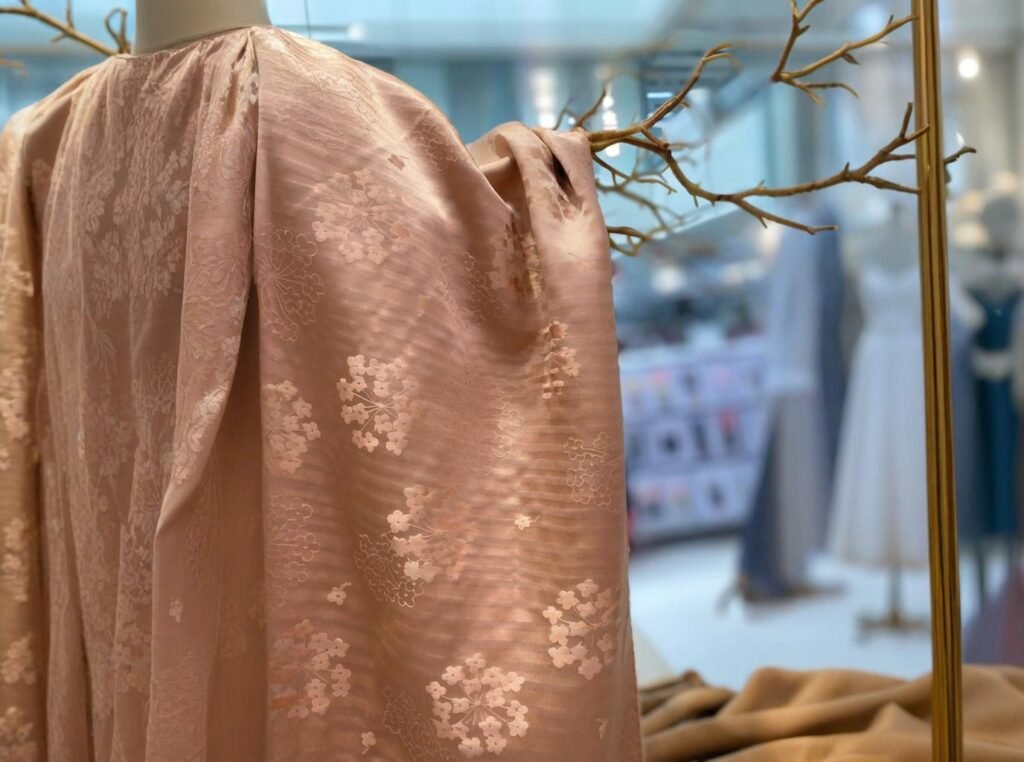
Raw silk fabric represents one of the most distinctive natural textile materials used in apparel and luxury textiles. It originates from the cocoon of the Bombyx mori silkworm and is valued for its natural sheen, breathable structure, and exceptional fiber strength. Unlike fully refined silk fabrics, raw silk retains small amounts of sericin, the natural protein gum that surrounds silk fibroin fibers during cocoon formation. This retained sericin gives raw silk its slightly crisp hand feel, subtle texture, and structural stability.
In the textile industry, raw silk is often associated with fabric types such as silk noil, silk habotai, silk organza, and raw filament silk yarns before complete degumming and finishing processes. Because raw silk undergoes minimal processing compared with finished silk fabrics, its natural physical properties have a much greater influence on how the fabric behaves during weaving, dyeing, garment construction, and long-term use.
For garment manufacturers and textile engineers, understanding the physical properties of raw silk—particularly fiber thickness, fabric weight, and tensile strength—is essential for ensuring product quality and production efficiency. These parameters directly influence fabric drape, sewing performance, durability, and cost control during manufacturing.
The importance of these properties becomes even more apparent when raw silk is used in high-value fashion garments, luxury linings, bridal wear, or specialty textiles. Small variations in fiber diameter or GSM can significantly affect how the fabric feels, how it hangs on the body, and how it performs during sewing operations.
Several key production factors depend on the accurate evaluation of raw silk’s physical characteristics.
First, hand feel and drape determine whether a silk fabric delivers the intended aesthetic effect in finished garments. If the silk fibers are too coarse or the fabric weight too low, the resulting fabric may appear overly stiff or lack the fluid drape associated with luxury silk apparel. Conversely, excessively fine fibers with insufficient structure may produce fabrics that appear weak or transparent.
Second, durability and structural strength are influenced by the tensile properties of the silk filament. Silk fibers are naturally strong relative to their diameter, but variations in filament quality can affect resistance to tearing, stretching, and seam stress during garment assembly.
Third, manufacturing consistency relies on predictable fabric parameters such as GSM (grams per square meter), thread count, and yarn uniformity. Textile manufacturers require consistent material specifications to standardize pattern development, optimize cutting efficiency, and maintain stable production costs.
In practical applications, different garment types require different raw silk characteristics. For example, a raw silk evening dress may require moderate GSM and a relatively high thread count to achieve elegant drape while preventing excessive transparency. On the other hand, raw silk used for lightweight garment linings may prioritize low fabric weight and smooth surface texture over maximum tensile strength.
Because of these varied requirements, textile manufacturers and suppliers perform detailed testing on raw silk fabrics before they enter garment production.
Raw Silk Fiber Analysis
Understanding raw silk begins with analyzing the structure of the individual silk filament. Each cocoon produced by the Bombyx mori silkworm contains a continuous filament composed primarily of two proteins: fibroin, which forms the structural core of the fiber, and sericin, which acts as a protective adhesive coating.
These fibers are among the longest natural textile filaments known, making silk fundamentally different from staple fibers such as cotton or wool.
Fiber Origin and Composition
Raw silk fibers typically measure between 10 and 13 microns in diameter, although variations can occur depending on silkworm breed, diet, climate conditions, and rearing environment. Each cocoon can produce a continuous filament ranging from 800 to 1,200 meters in length, which is then reeled and combined with other filaments to form silk yarn.
The diameter of the silk filament plays a critical role in determining fabric softness and surface smoothness. Finer fibers generally produce softer fabrics with improved drape, while slightly thicker filaments contribute to greater structural stability.
Environmental factors also influence fiber characteristics. Silkworms raised under optimal feeding conditions with consistent mulberry leaf quality tend to produce more uniform filaments with fewer defects.
Surface Characteristics
One defining feature of raw silk is the presence of sericin, which typically accounts for approximately 15–25 percent of the total fiber mass before degumming. This natural gum binds the twin fibroin filaments together during cocoon formation and provides the fiber with its initial stiffness.
Retaining a portion of sericin in raw silk fabrics produces a slightly crisp texture and a natural matte sheen that distinguishes raw silk from fully degummed silk fabrics. Many designers appreciate this subtle stiffness because it allows garments to hold their shape more effectively.
During the degumming process, sericin is removed through controlled washing in alkaline or enzymatic solutions. While degumming significantly increases fabric softness and luster, it also reduces some of the fiber’s original tensile strength. As a result, textile engineers must balance softness with structural durability depending on the intended application.
Visual Quality Parameters
In addition to physical measurements, visual quality indicators play an important role in evaluating raw silk fabric. These parameters are typically assessed through both manual inspection and laboratory testing.
Uniform color and sheen are important indicators of consistent fiber quality. Uneven coloration may indicate variations in cocoon quality or irregular dye absorption during finishing processes.
Surface defects such as slubs, broken filaments, or inconsistent yarn thickness can also affect the appearance and performance of raw silk fabrics. While certain textures are desirable in specialty silk products, excessive filament breakage can weaken the fabric structure.
Manufacturers often combine visual inspection with quantitative measurements such as GSM, thread count, and tensile strength testing to ensure that raw silk fabrics meet the technical specifications required for garment production.
Laboratory testing provides measurable data that supports quality control and ensures consistency across production batches.
Example Raw Silk Properties from Szoneier Tests
| Property | Typical Range | Observed Szoneier Sample |
|---|---|---|
| Fiber Diameter (microns) | 10–13 | 11.2 |
| Cocoon Length (meters) | 800–1,200 | 1,050 |
| Sericin Content (%) | 15–20 | 17 |
| Natural Tensile (MPa) | 300–400 | 345 |
| Luster Rating (1–5) | 4–5 | 4.3 |
The data presented in this table illustrates the natural variability found in raw silk fibers. Even when silk originates from the same silkworm species and geographic region, small differences in fiber diameter, cocoon length, and sericin content can occur.
These variations highlight why systematic testing is necessary before silk fabrics enter large-scale garment production. Textile manufacturers rely on these measurements to ensure that each batch of raw silk performs consistently during weaving, dyeing, and sewing processes.
For example, slight changes in fiber diameter can influence yarn strength and fabric texture. Similarly, variations in sericin content can affect how the fabric reacts during degumming and finishing treatments.
By documenting these parameters through controlled laboratory testing, manufacturers can maintain predictable production performance and reduce the risk of defects during garment manufacturing.
Ultimately, understanding the physical properties of raw silk allows textile suppliers and garment producers to achieve a balance between aesthetic quality, structural durability, and manufacturing efficiency. Raw silk’s natural elegance and strength remain highly valued in the textile industry, but realizing its full potential requires careful attention to the measurable characteristics that define the fiber itself.
What Does GSM Mean in Raw Silk Fabric Testing and How Is It Measured?
In textile manufacturing, GSM—short for grams per square meter—is one of the most important physical parameters used to evaluate fabric weight and structural density. For raw silk fabrics, GSM directly influences how the fabric feels, how it drapes, how durable it is during garment construction, and whether it is suitable for a specific product category.
Unlike synthetic textiles where weight can be tightly controlled through industrial extrusion processes, natural fibers such as silk show subtle variability due to biological and environmental factors. The silkworm’s diet, cocoon structure, reeling method, yarn formation, and weaving construction can all influence the final fabric weight. As a result, GSM testing is essential for ensuring consistency across silk fabric batches.
For designers, garment manufacturers, and textile suppliers, GSM serves as a reliable indicator of fabric structure. A higher GSM silk fabric typically feels denser and more substantial, while a lower GSM silk feels lighter and more delicate. Understanding these differences allows manufacturers to match the correct silk weight with the intended product application.
Several practical aspects of textile performance depend on GSM.
First, thickness perception and tactile quality are strongly linked to fabric weight. Lightweight silk fabrics tend to produce a flowing, airy drape that works well for scarves or soft garments. Heavier silk fabrics create a more structured appearance and can hold shape more effectively in garments such as jackets or tailored dresses.
Second, durability and fabric strength are influenced by GSM. Although silk fibers themselves have excellent tensile strength, a fabric with very low GSM may still tear more easily simply because it contains fewer fibers per unit area. Increasing GSM generally improves resistance to tearing and seam stress.
Third, end-use suitability depends heavily on fabric weight. Apparel manufacturers rely on GSM to determine whether a silk fabric is appropriate for shirts, dresses, linings, or outerwear. Using a silk fabric that is too heavy or too light can dramatically alter how the garment looks and performs.
Because GSM plays such an important role in textile performance, it must be measured accurately using standardized testing methods.
How GSM Is Measured in Raw Silk
The GSM measurement process is straightforward in principle but requires precise laboratory procedures to ensure reliable results. Textile laboratories follow standardized sampling techniques to avoid distortion caused by uneven fabric tension or moisture variation.
The process begins by cutting a precisely sized fabric sample, most commonly measuring 10 centimeters by 10 centimeters. This square sample has an area of 100 square centimeters, which is equivalent to 0.01 square meters.
Once the sample has been cut, it is weighed using a calibrated digital scale capable of measuring small weight differences with high accuracy. The weight is recorded in grams.
The measured weight is then converted to GSM using the following formula:
GSM = Sample Weight (g) ÷ Sample Area (m²)
Because the sample area is known, calculating the GSM becomes a simple mathematical conversion.
For example, if a 10 cm × 10 cm raw silk swatch weighs 0.8 grams, the calculation would be:
GSM = 0.8 ÷ 0.01 = 80 GSM
This means that one square meter of the same fabric would weigh approximately 80 grams.
Although the calculation itself is simple, achieving accurate results requires careful control of environmental conditions. Silk fibers naturally absorb moisture from the air, which can slightly increase the measured weight of the fabric. Therefore, most textile laboratories condition samples before testing.
GSM Insights and Variations
The GSM value of raw silk fabric is influenced by several structural and environmental factors. Understanding these variables helps textile manufacturers maintain consistent fabric performance across production batches.
One major factor affecting GSM is filament density. Silk yarns are produced by combining multiple continuous filaments from cocoons. If more filaments are combined during yarn formation, the resulting yarn becomes thicker, which increases the overall fabric weight.
Another factor is sericin content. Raw silk retains natural sericin proteins that contribute to fiber mass. Fabrics containing higher levels of sericin may display slightly higher GSM readings before degumming. Once sericin is removed during finishing, the fabric weight may decrease slightly.
The weaving style also plays a major role in determining GSM. Tight weave structures such as satin or twill often produce higher fabric weight because more yarn is packed into a given area. Looser weave constructions can produce lighter fabrics even when the same yarn is used.
Moisture absorption also influences measured GSM. Silk can absorb moisture equivalent to approximately 10–11 percent of its dry weight, which can slightly increase laboratory measurements if humidity conditions are not controlled.
Because of these influences, standardized testing environments are necessary to ensure consistent GSM evaluation.
International textile laboratories typically follow ISO 3801:2013, a globally recognized standard that defines procedures for determining fabric mass per unit area.
Practical GSM Categories for Raw Silk Fabrics
Different silk applications require different fabric weights. Designers and garment manufacturers often categorize silk fabrics into several weight ranges to simplify material selection during product development.
Lightweight raw silk fabrics generally fall within the 40–60 GSM range. These fabrics feel extremely soft and breathable and are commonly used in accessories or delicate garments. Their lightweight structure allows air circulation and produces graceful draping characteristics.
Medium-weight silk fabrics typically range between 70 and 90 GSM. This category is widely used for dresses, blouses, and fashion garments where fluid drape is desired without excessive transparency. The fabric remains comfortable while still offering moderate structural stability.
Heavyweight silk fabrics usually fall between 100 and 120 GSM. These fabrics feel thicker and more substantial and are often used for structured garments such as jackets or formal skirts. The increased fiber density improves durability and helps the garment maintain its shape.
GSM Categories and Typical Uses
| GSM Range | Fabric Feel | Common Applications |
|---|---|---|
| 40–60 | Soft, airy | Scarves, linings |
| 70–90 | Smooth, drapey | Dresses, blouses |
| 100–120 | Stiff, substantial | Jackets, structured skirts |
These ranges are widely used within the textile and apparel industries as general guidelines. However, designers may adjust these ranges depending on the specific aesthetic or structural requirements of a garment.
For example, luxury eveningwear designers sometimes select silk fabrics in the 80–100 GSM range to achieve both drape and opacity, while summer fashion garments may favor lighter fabrics closer to 60 GSM.
Moisture Adjustment in GSM Testing
Because silk fibers are hygroscopic, meaning they readily absorb moisture from the environment, laboratories must control temperature and humidity conditions when performing GSM tests.
Standard testing environments typically maintain 65 percent relative humidity and a temperature of 20°C. Fabric samples are conditioned in this environment for a specified period before weighing. This conditioning process allows the fabric to reach moisture equilibrium, ensuring that GSM readings are not artificially inflated or reduced due to environmental fluctuations.
Without proper conditioning, a silk fabric stored in a humid environment could appear heavier than it actually is under normal conditions.
Batch Consistency in Production
In large-scale textile production, maintaining consistent GSM across fabric batches is essential for predictable garment manufacturing. Significant GSM variation between batches can lead to differences in drape, sewing behavior, and finished garment appearance.
Many textile manufacturers set an acceptable GSM tolerance of ±3 to ±5 grams per square meter depending on fabric type. If the GSM variance exceeds this threshold, fabric batches may require blending with other lots or selective sorting before shipment.
Controlling GSM variation helps ensure that garment patterns and production processes remain stable across multiple production runs.
In real-world manufacturing, designers and sourcing teams often specify strict GSM requirements when ordering silk fabrics. For example, a fashion brand developing a lightweight summer dress may require silk fabric within a narrow 70–75 GSM range. If a production batch exceeds that range, the fabric may feel heavier or stiffer than intended, altering the garment’s drape and overall appearance.
By measuring GSM accurately and maintaining tight production tolerances, textile suppliers can deliver silk fabrics that perform consistently during both manufacturing and consumer use.
Which Standards Are Used to Determine Thread Count in Raw Silk Fabric?
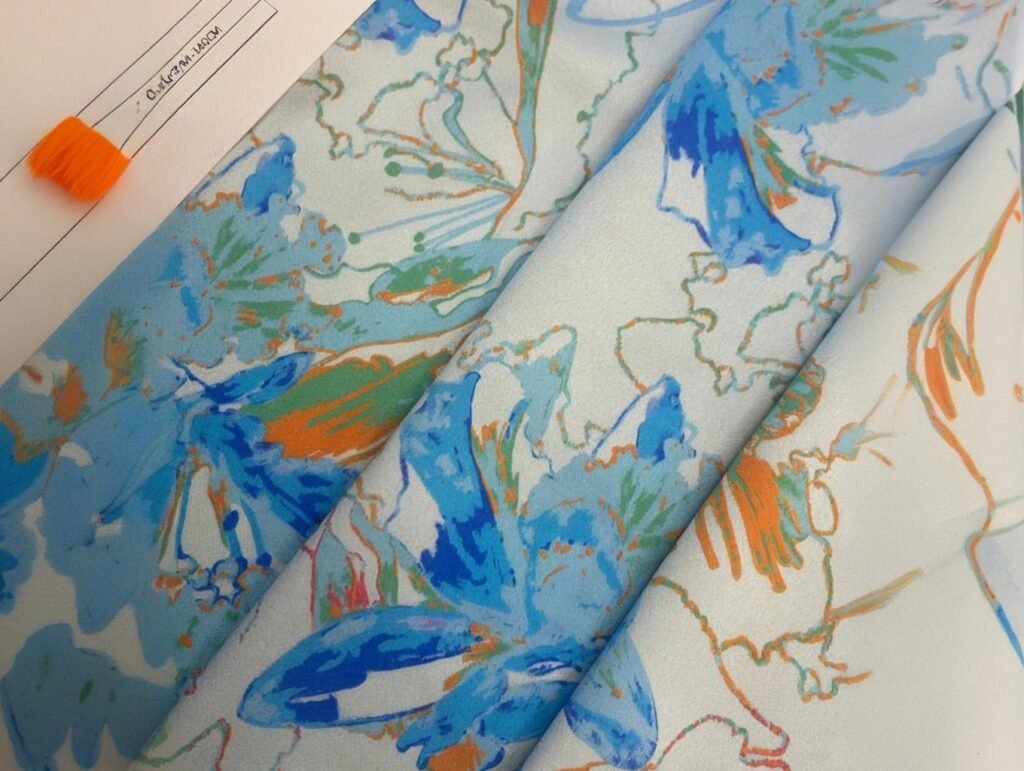
Thread count is one of the most widely referenced parameters in woven fabric evaluation. In raw silk fabrics, thread count represents the total number of warp threads (vertical yarns) and weft threads (horizontal yarns) present within a defined unit of fabric area, typically one square inch or one square centimeter. Although often associated with cotton bedding in popular discussions, thread count is equally important in silk textiles because it directly influences fabric density, surface smoothness, strength, and drape behavior.
For raw silk fabrics, thread count serves as a key indicator of how tightly the yarns are woven together. A fabric with higher thread density generally contains more silk filaments in the same area, which can create a smoother surface, improved durability, and a richer appearance. Conversely, a lower thread count often produces a lighter, more breathable fabric with greater transparency.
In textile manufacturing and garment production, thread count must be measured using standardized methods to ensure consistent results across laboratories and suppliers. Accurate measurement helps manufacturers maintain predictable fabric performance, which is particularly important when producing garments that require precise drape and structural stability.
Understanding how thread count is determined—and which testing standards are used—helps textile engineers, sourcing teams, and designers evaluate raw silk fabrics more effectively.
Why Thread Count Matters in Raw Silk
Thread count plays a fundamental role in determining the physical characteristics of raw silk fabrics. Because silk filaments are naturally fine and smooth, even small changes in yarn density can noticeably alter the fabric’s texture and appearance.
One of the most noticeable effects of thread count is its influence on fabric density and texture. When more threads are woven into a given area, the fabric becomes smoother and more compact. Higher density fabrics tend to reflect light more evenly, creating the characteristic sheen associated with high-quality silk textiles.
Thread density also affects wrinkle resistance. Fabrics with tightly packed yarns often recover from creasing more effectively than loosely woven fabrics because the dense structure helps maintain shape stability.
Another critical factor is durability. In silk fabrics with low thread density, individual yarns may be more exposed and vulnerable to snagging during sewing or garment use. Increasing the number of threads per unit area distributes stress across more fibers, improving resistance to tearing and seam stress.
Thread count also plays a role in end-use selection. Different silk products require different balances of density, flexibility, and weight. Lightweight scarves often benefit from moderate thread density that preserves softness and breathability. In contrast, luxury evening gowns typically require higher thread counts to create opacity and refined drape.
Because thread count significantly affects the performance and aesthetic qualities of silk fabrics, accurate measurement is essential for quality control.
Standards Commonly Used for Thread Count
Textile laboratories use internationally recognized testing standards to ensure that thread count measurements are consistent and reproducible. These standards define the procedures for counting warp and weft yarns within a specific measurement area.
Three standards are commonly used when testing raw silk fabrics.
The first is ISO 7211, an international standard widely used in textile testing laboratories around the world. ISO 7211 provides guidelines for determining yarn density in woven fabrics, including methods for counting warp and weft threads per unit length. The standard also specifies recommended magnification tools and sample preparation techniques to improve accuracy.
Another widely used standard is ASTM D3775, developed by ASTM International in the United States. This test method determines the number of ends (warp yarns) and picks (weft yarns) per unit length of woven fabric. ASTM D3775 is commonly used in North American textile testing laboratories and is frequently referenced in apparel sourcing specifications.
A third standard is AATCC TM 116, established by the American Association of Textile Chemists and Colorists. This method focuses on measuring thread density using optical magnification and specialized counting equipment. It is often used in textile laboratories that perform detailed quality testing for apparel brands and textile manufacturers.
In many professional textile laboratories, more than one testing standard may be used to verify results. Cross-verifying thread count measurements using multiple recognized standards helps ensure that the results are accurate and reliable.
Understanding Thread Count Standards
Although the standards themselves differ slightly in their detailed procedures, the basic principle behind thread count measurement remains consistent. The process involves isolating a known fabric area and counting the number of warp and weft yarns within that space.
The measurement process typically follows several steps.
First, a small fabric sample is selected from the testing material. In many laboratory environments, a 2 cm by 2 cm square is used because it provides a manageable area for accurate yarn counting.
Second, the sample is examined using a magnifying device. Traditional textile laboratories often use pick glasses, which are small magnifying lenses with built-in measurement grids. More advanced facilities may use digital microscopes or automated fabric analysis systems that capture high-resolution images of the fabric surface.
Third, the number of warp and weft yarns visible within the measurement area is counted. Warp threads run along the length of the fabric, while weft threads run across the width.
Finally, the thread count is calculated by converting the counted yarns into the equivalent number per inch or per centimeter.
For example, if 50 warp threads and 50 weft threads are counted within one square inch, the fabric would have a thread count of 100 per square inch.
This process may be repeated at several different locations on the fabric to ensure that the measurement accurately reflects the overall fabric structure.
Example Thread Count Ranges in Raw Silk Fabrics
Different thread count ranges correspond to different types of silk fabrics and applications. The following table illustrates typical thread count ranges and their associated characteristics.
| Thread Count (per inch) | Feel & Drape | Typical Application |
|---|---|---|
| 100–150 | Light, airy | Scarves, linings |
| 200–250 | Smooth, drapey | Blouses, dresses |
| 300+ | Dense, luxurious | Evening gowns, structured garments |
Silk fabrics in the 100 to 150 thread count range are typically lightweight and breathable. These fabrics are commonly used in scarves, lightweight linings, and delicate fashion garments where softness and airflow are desirable.
When thread count increases to around 200 to 250, the fabric becomes smoother and more fluid. This range is often used for blouses, dresses, and other garments that require elegant drape without excessive stiffness.
Thread counts exceeding 300 threads per inch create extremely dense fabrics with luxurious surface appearance and improved opacity. These fabrics are frequently used in evening gowns, formal garments, and structured silk apparel.
Quality Control Practices
In professional textile manufacturing environments, thread count measurement is rarely performed only once. Instead, quality control procedures typically involve multiple measurements across different areas of the fabric.
Sampling from several locations helps identify variations that may occur during weaving. For example, tension differences across the loom width can sometimes produce slight differences in yarn density near the edges of the fabric.
Most premium textile suppliers establish acceptable tolerance ranges for thread count variation. For high-end silk fabrics, variations greater than ±5 threads per inch may be considered unacceptable because they can influence fabric appearance and drape.
Quality control teams therefore perform repeated measurements to confirm that the thread density remains within the specified tolerance range before approving a fabric batch for garment production.
Case Study
A luxury fashion brand sourcing raw silk fabrics for evening gowns once encountered production issues caused by inconsistent thread density. The fabrics were supplied with an average thread count of approximately 240 threads per inch, which was appropriate for the intended garment style.
However, laboratory testing revealed that some sections of the fabric varied by ±10 threads per inch, creating noticeable differences in drape and surface appearance. When garments were cut and assembled from these fabrics, panels from different fabric areas behaved differently, causing uneven draping in finished gowns.
After further testing and sorting, the manufacturer separated the fabric batches and retained only those that met a tighter tolerance of ±5 threads per inch. By controlling the variation more strictly, the production team achieved consistent garment drape and avoided further manufacturing errors.
This example demonstrates why precise thread count testing and controlled tolerances are essential when working with high-quality silk fabrics. Even relatively small variations in yarn density can influence the appearance and performance of finished garments.
How Do You Calculate Thread Count for Raw Silk and What Does It Indicate?
Thread count calculation is one of the most frequently used methods for evaluating woven silk fabrics. While the concept appears simple—counting the number of threads within a given fabric area—the information derived from thread count provides valuable insights into fabric density, structural integrity, drape behavior, and overall textile performance.
In raw silk fabrics, thread count reflects how tightly the warp and weft yarns are woven together. Because silk filaments are naturally fine and smooth, small variations in thread density can noticeably affect the appearance, strength, and tactile qualities of the fabric. Textile engineers, garment manufacturers, and quality control teams rely on thread count calculations to determine whether a silk fabric meets the structural requirements of a particular application.
For instance, a lightweight silk scarf requires a relatively open weave that allows the fabric to move freely and remain breathable. In contrast, structured garments such as silk jackets or formal gowns often require higher thread density to provide stability and opacity.
Accurate thread count measurement allows manufacturers to match the correct fabric construction with the intended garment design.
How Thread Count Is Calculated
The process of calculating thread count follows a systematic procedure designed to produce reliable and repeatable results. Textile laboratories and fabric quality control teams use standardized methods to ensure that measurements remain consistent across production batches.
The first step is selecting a precisely defined fabric area. The most common measurement area is one square inch (approximately 2.54 square centimeters), although smaller sections may be used when magnification tools are available. Using a consistent measurement area allows thread density to be expressed as threads per square inch, which is widely recognized in textile specifications.
The second step involves counting the warp threads, which run vertically along the length of the fabric. A magnifying glass, pick counter, or digital microscope is typically used to identify individual yarns clearly. Each visible vertical thread within the selected area is counted carefully.
The third step is counting the weft threads, which run horizontally across the fabric width. These threads are counted in the same manner using magnification to ensure accuracy.
Once both counts are obtained, the total thread count is calculated by adding the warp and weft values together.
Thread Count = Warp Threads + Weft Threads
For example, if a sample area contains 120 warp threads and 130 weft threads, the total thread count equals 250 threads per square inch.
Although the arithmetic is simple, achieving accurate results requires careful sample preparation and proper magnification tools. Slight counting errors can significantly affect the final thread count value, especially when evaluating high-density silk fabrics.
What Thread Count Indicates in Raw Silk
Thread count is not merely a numerical specification; it provides meaningful information about several important characteristics of raw silk fabrics.
One of the most noticeable effects of thread count is surface smoothness. Fabrics with higher thread density contain more yarns per unit area, which reduces the gaps between threads and creates a smoother fabric surface. This smoother surface reflects light more evenly, contributing to the natural sheen associated with premium silk fabrics.
Thread count also affects opacity. Silk fabrics with lower thread density may allow light to pass through more easily, producing a semi-transparent appearance. Increasing the number of threads per square inch creates a denser weave that improves coverage and reduces transparency.
Another important factor is durability. When more threads are present in the fabric structure, stress applied during sewing or wearing is distributed across a greater number of fibers. This distribution helps improve resistance to tearing and seam stress.
Thread count also influences drape and handling characteristics. Fabrics with lower thread density tend to be lighter and more fluid, which allows them to move easily and create soft folds. In contrast, fabrics with higher thread counts often exhibit greater structural stability and maintain shape more effectively.
Because these characteristics are closely related to garment performance, designers often consider thread count alongside other parameters such as GSM and yarn diameter when selecting silk fabrics.
Thread Count Implications for Production
Thread count information is particularly valuable during textile manufacturing and garment production planning. Understanding yarn density helps manufacturers control fabric quality and ensure consistency across large production runs.
One important relationship involves fabric weight and thread count. In many cases, fabrics with higher thread counts also exhibit higher GSM values because more yarn material is packed into the fabric structure. However, this relationship is not always linear. Some high-thread-count silk fabrics use extremely fine filaments, allowing the fabric to remain lightweight even with dense yarn arrangements.
Another production consideration is loom tension and weaving control. During weaving, the tension applied to warp yarns must be carefully balanced. Excessive tension can distort yarn spacing, while insufficient tension may produce uneven fabric density. Thread count measurements help technicians verify that weaving conditions remain stable.
Manufacturers also use thread count data to adjust yarn diameter and weaving patterns. If a fabric requires higher density without significantly increasing weight, finer silk filaments may be selected to maintain the desired balance between structure and softness.
Practical Example Table: Thread Count Analysis from Szoneier Fabrics
| Sample ID | Warp Threads/inch | Weft Threads/inch | Total Thread Count | GSM | Intended Use |
|---|---|---|---|---|---|
| SZN-101 | 110 | 115 | 225 | 85 | Summer blouses, scarves |
| SZN-102 | 130 | 125 | 255 | 95 | Evening gowns |
| SZN-103 | 150 | 160 | 310 | 110 | Structured silk jackets |
This table illustrates how thread density relates to both fabric weight and intended application. The SZN-101 fabric uses moderate thread density to maintain lightness and breathability, making it suitable for summer garments. The SZN-102 sample increases density slightly to improve drape and visual richness, which is desirable for formal evening wear.
The SZN-103 sample represents a much denser fabric construction. The higher thread count combined with increased GSM creates a fabric capable of maintaining structural shape, making it suitable for garments that require stability such as jackets or tailored silk pieces.
Critical Observation
While high thread count is often associated with premium fabric quality, the distribution of threads within the fabric structure is equally important. If warp and weft threads are not evenly spaced, areas of localized stiffness or uneven texture can develop.
For example, if warp density is significantly higher than weft density, the fabric may feel rigid in one direction but flexible in another. This imbalance can influence garment drape and cause unexpected behavior during sewing or finishing.
High-quality silk fabrics therefore require consistent thread spacing rather than simply maximizing thread count. Uniform yarn distribution ensures that the fabric behaves predictably across its entire surface.
Advanced Measurement Techniques
Modern textile laboratories increasingly use digital technology to improve the accuracy of thread count measurement. Traditional manual counting methods are still widely used, but digital imaging systems provide several advantages.
High-resolution cameras can capture detailed images of the fabric surface, allowing specialized software to identify and count individual yarns automatically. These systems reduce human error and allow technicians to analyze larger sample areas more quickly.
Advanced analysis tools can also evaluate yarn spacing uniformity, fabric distortion, and weave pattern consistency. By combining thread count measurements with other data such as GSM and tensile strength, laboratories can obtain a comprehensive understanding of fabric performance.
Cross-verifying thread count with additional physical tests ensures that the fabric meets both aesthetic and structural requirements before entering garment production.
Case Study
A silk supplier producing luxury scarves once experimented with increasing thread density in order to create a more premium-looking product. The original fabric used a thread count of approximately 200–210 threads per inch, which produced soft, flowing scarves with excellent drape.
When the manufacturer increased thread density above 230 threads per inch, the fabric surface appeared slightly smoother and more compact. However, the scarves became noticeably stiffer and lost some of their fluid movement.
Customer feedback indicated that the scarves felt less comfortable and less elegant when worn, despite the technically higher thread count.
After reviewing both laboratory measurements and consumer feedback, the supplier returned to the original thread count range while maintaining strict control over yarn uniformity and weaving quality.
This example illustrates an important principle in textile engineering: thread count alone does not define fabric quality. The relationship between thread density, fiber diameter, fabric weight, and finishing processes must be balanced to achieve the desired combination of softness, strength, and drape.
What Is Tensile Strength in Silk Fabric and Why Does It Matter for Buyers?
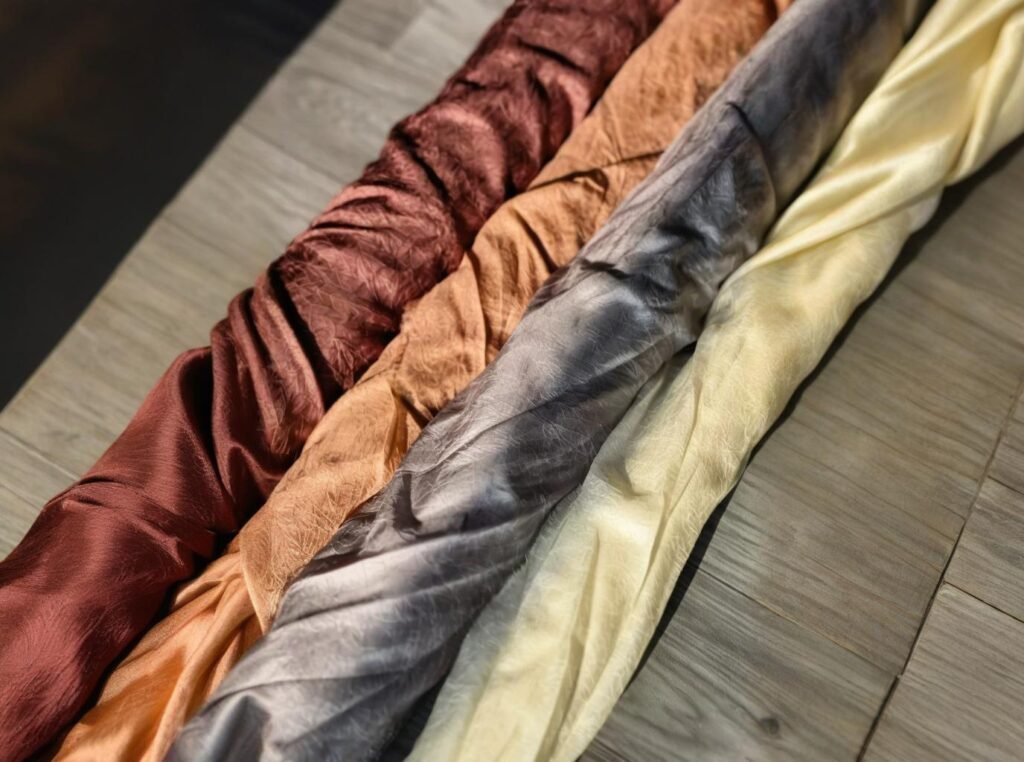
Tensile strength is one of the most important mechanical properties used to evaluate textile durability. In simple terms, tensile strength refers to the maximum force a fabric can withstand before breaking when pulled in tension. For raw silk fabrics, this measurement helps determine how well the material will perform during manufacturing processes and long-term garment use.
Although silk is often perceived as delicate because of its smooth texture and lightweight feel, silk fibers are actually among the strongest natural textile fibers. When measured by strength relative to fiber diameter, silk performs remarkably well compared with many other natural materials. Properly produced raw silk fabrics can withstand significant mechanical stress, making them suitable for applications ranging from luxury garments to decorative upholstery.
For buyers sourcing silk fabrics—especially those producing high-end apparel—tensile strength provides a reliable indicator of how the material will behave during cutting, sewing, pressing, and everyday wear. A fabric that appears visually attractive may still cause production issues if its structural strength is insufficient.
Understanding tensile strength allows designers, garment manufacturers, and sourcing teams to evaluate silk fabrics not only by appearance and hand feel but also by their mechanical performance.
Why Tensile Strength Matters
Tensile strength directly affects several aspects of textile manufacturing and product durability. One of the most immediate benefits of strong silk fabric is durability during production. Garment construction involves multiple mechanical stresses such as cutting, stitching, ironing, and pressing. Fabrics with insufficient tensile strength may tear along seam lines or distort when handled repeatedly on production lines.
Low tensile strength can also lead to problems during fabric finishing operations such as dyeing or printing. When fabrics pass through industrial dyeing machines, they are subjected to tension from rollers and mechanical movement. Weak fabrics may stretch unevenly or suffer structural damage during these processes.
Another reason tensile strength is important is performance in end-use. Finished garments must withstand daily movement, laundering, and long-term wear. Silk dresses, ties, jackets, and blouses experience stress at seams, hems, and structural points. If the fabric lacks sufficient strength, these areas may develop tears, fraying edges, or seam slippage over time.
For premium silk garments, maintaining shape and structure is essential. Tensile strength contributes to the fabric’s ability to resist distortion after stitching and pressing. Fabrics with higher tensile strength maintain their structural integrity better, allowing garments to retain their intended form even after extended use.
A third factor is predictable handling behavior. Textile production involves multiple stages such as weaving, finishing, printing, and garment assembly. Fabrics with stable tensile properties behave more consistently throughout these stages. When tensile strength varies significantly between batches, manufacturers may encounter unpredictable fabric performance, which can disrupt production schedules.
For buyers and sourcing teams, evaluating tensile strength during fabric testing helps prevent costly manufacturing problems later in the supply chain.
Tensile Strength Insights
The tensile strength of raw silk fabrics is influenced by several structural factors related to the silk fiber itself and the way the fabric is produced.
One important factor is fiber diameter. Silk filaments typically measure between 10 and 13 microns in diameter. Slight differences in filament thickness can influence the overall strength of the yarn. Finer filaments often produce softer fabrics, while slightly thicker filaments can contribute to higher tensile strength.
Another factor is cocoon filament length. Silk fibers from longer cocoons can be reeled into more continuous filaments, reducing the number of weak points within the yarn structure. Continuous filaments generally produce stronger yarns than shorter staple fibers.
The presence of sericin, the natural protein coating surrounding silk fibroin fibers, also affects tensile performance. Raw silk retains some sericin, which helps bind the filaments together and contributes to the fabric’s stiffness and strength. During degumming, sericin is removed to produce softer fabrics. While this improves drape and hand feel, it can slightly reduce tensile strength.
The reeling method used during silk yarn production also plays a role. High-quality reeling processes maintain uniform tension and filament alignment, which helps preserve the natural strength of the silk fibers.
Units of Measurement
Tensile strength in silk fabrics is commonly measured using standardized textile testing machines that apply controlled pulling force to a fabric specimen until it breaks. The force required to cause rupture is recorded and expressed in standardized units.
One commonly used unit is Megapascals (MPa), which measures the stress applied to the fabric relative to its cross-sectional area. Another unit used in textile testing is grams-force per denier, which relates tensile force to the fineness of the yarn.
In many textile laboratories, tensile testing follows established standards such as ASTM D5034 (Grab Test) or ISO 13934, which specify procedures for evaluating fabric strength under controlled conditions.
Premium raw silk fabrics generally exhibit tensile strength values in the range of 300 to 400 MPa, although this can vary depending on fiber quality and finishing processes.
Tensile Strength Range for Different Raw Silk Types
| Silk Type | Typical Tensile Strength (MPa) | End Use |
|---|---|---|
| Raw silk (high sericin) | 320–380 | Upholstery, structured garments |
| Degummed silk | 280–340 | Scarves, lining, delicate dresses |
| Silk noil | 150–220 | Casual apparel, accessories |
This table illustrates how tensile strength varies across different silk fabric types.
Raw silk with higher sericin content typically exhibits the greatest tensile strength because the natural protein coating reinforces the fiber structure. These fabrics are often used in applications requiring more structural stability, such as upholstery fabrics or garments with defined shapes.
Degummed silk, which has undergone processing to remove sericin, tends to be slightly softer but somewhat weaker. This type of silk is widely used for scarves, linings, and lightweight dresses where softness and fluid drape are more important than maximum structural strength.
Silk noil fabrics, produced from shorter silk fibers left after reeling continuous filaments, generally have lower tensile strength. These fabrics are often used for casual garments and accessories where a textured appearance is desirable.
Case Study
A European manufacturer producing luxury evening gowns conducted tensile strength testing on several batches of raw silk fabrics sourced from multiple suppliers. Because evening gowns require fabrics that maintain structure during stitching, pressing, and extended wear, the manufacturer established a minimum tensile strength requirement of 330 MPa.
During testing, one batch measured approximately 285 MPa, which fell below the required threshold. Although the fabric looked visually acceptable and had an attractive sheen, laboratory results indicated that it might stretch or distort during garment construction.
Another batch measured approximately 355 MPa, comfortably within the required strength range. This fabric demonstrated stable behavior during cutting and sewing tests, and garments produced from it maintained their structural shape after pressing and finishing.
Based on these results, the manufacturer rejected the lower-strength batch and approved the higher-strength material for production.
This example illustrates why tensile strength testing is an essential part of silk fabric sourcing. Visual inspection alone cannot reveal how well a fabric will perform during manufacturing or long-term use.
By evaluating tensile strength alongside other parameters such as GSM, thread count, and fabric construction, buyers can make more informed decisions and ensure that the silk fabrics they select meet both aesthetic and structural requirements.
How Is Tensile Strength Tested in Raw Silk and Which Methods Are Industry Standard?
Tensile strength testing is one of the most important procedures used to evaluate the structural reliability of silk fabrics. While silk is widely appreciated for its smooth surface and elegant drape, its performance in garment production and long-term use depends heavily on its mechanical strength. Tensile strength testing provides objective data that helps manufacturers determine whether a silk fabric can withstand the stresses involved in cutting, sewing, finishing, and wearing.
In raw silk fabrics, tensile strength testing is especially important because natural fibers may exhibit slight variations depending on cocoon quality, filament diameter, sericin content, and yarn processing techniques. Without standardized testing methods, it would be difficult for suppliers, manufacturers, and buyers to compare materials reliably.
International textile standards organizations have therefore established well-defined testing protocols that ensure tensile strength measurements are consistent and reproducible across laboratories worldwide. These standards define everything from specimen dimensions to environmental conditions and testing speed.
For garment manufacturers sourcing raw silk fabrics for premium apparel or accessories, tensile strength testing helps prevent production issues such as tearing during embroidery, seam failure, or distortion during finishing processes.
Standard Methods for Tensile Strength Testing
Several internationally recognized testing standards are used to evaluate the tensile strength of silk fabrics. These standards define how samples should be prepared, how testing machines apply force, and how results should be recorded.
One widely used method is ISO 2062 and ISO 13934-1, both of which are international standards developed by the International Organization for Standardization. ISO 13934-1 focuses specifically on determining the breaking force and elongation of textile fabrics using strip testing methods. The standard defines specimen preparation, testing speed, and data recording procedures to ensure consistent results.
Another commonly used standard is ASTM D5034, often referred to as the Grab Test. This method is widely used in North American textile laboratories and measures the maximum force a fabric strip can withstand before rupture. The grab test simulates real-world conditions where stress is applied to a localized section of the fabric, such as at seams or garment stress points.
A third method used primarily for fiber-level analysis is ASTM D2256, which measures the tensile strength of individual textile fibers. This test is particularly useful for evaluating silk filament quality before yarn formation. While ASTM D2256 focuses on fiber performance, the results are often compared with fabric-level tensile tests to understand how yarn construction influences overall fabric strength.
Many professional textile laboratories apply more than one testing method to verify tensile performance. Cross-checking results using multiple standards provides a more comprehensive understanding of the material’s structural properties.
Testing Procedure Overview
Although the standards mentioned above contain detailed technical specifications, the general tensile testing procedure for raw silk fabrics follows several key steps.
The first step involves preparing the test specimen. A rectangular strip of silk fabric is cut to a standardized size, commonly 50 millimeters wide and 200 millimeters long. Care is taken to ensure that the fabric edges remain straight and free from damage, as irregular edges could influence the test results.
Once the samples are prepared, they are conditioned in a controlled environment before testing. Textile laboratories typically maintain a standard atmosphere of 65 percent relative humidity and a temperature of 20°C. Samples remain in this environment for at least 24 hours so that the fabric reaches moisture equilibrium. Conditioning ensures that environmental factors such as humidity do not distort tensile strength measurements.
After conditioning, the specimen is mounted in a tensile testing machine, which consists of two mechanical clamps positioned vertically or horizontally. One clamp holds the fabric stationary while the other applies tension by moving away at a controlled speed.
The testing machine gradually increases the applied force until the fabric sample breaks. During this process, sensors record both the applied force and the amount of elongation that occurs before rupture.
The test produces two important measurements. The first is the maximum breaking force, typically expressed in Newtons (N) or Megapascals (MPa). The second is elongation at break, which indicates how much the fabric stretches before failure and is usually expressed as a percentage.
These measurements provide valuable insight into both the strength and flexibility of the fabric.
Multi-Angle Insights on Tensile Strength
Raw silk fabrics do not behave identically in every direction. Because woven fabrics consist of two sets of yarns arranged perpendicular to each other, tensile strength must often be measured separately in the warp and weft directions.
Warp threads run lengthwise along the fabric and typically experience greater tension during weaving. As a result, warp yarns are often stronger and more tightly controlled than weft yarns. Tensile testing therefore frequently shows higher strength values along the warp direction.
Weft threads run across the width of the fabric and may exhibit slightly lower tensile strength depending on weaving conditions and yarn properties. Although weft strength is typically lower than warp strength, it still plays an important role in overall fabric durability.
Another factor influencing tensile strength is sericin content. Raw silk retains natural sericin proteins that help bind silk filaments together. This protein layer contributes to structural rigidity and can improve tensile strength slightly. During degumming, sericin is removed to produce softer silk fabrics. While this improves drape and comfort, it may also reduce tensile strength modestly.
Batch consistency is also an important consideration. In textile manufacturing, tensile strength variations greater than ±10 percent between samples may indicate production inconsistencies. Such variations can lead to uneven garment performance, especially for products that require precise structural behavior.
Maintaining consistent tensile strength across production batches is therefore essential for reliable garment manufacturing.
Example Tensile Strength Measurements from Szoneier Fabrics
| Sample ID | Warp Strength (MPa) | Weft Strength (MPa) | Elongation (%) | Recommended Use |
|---|---|---|---|---|
| SZN-201 | 360 | 345 | 12 | Evening gowns, structured silk |
| SZN-202 | 320 | 310 | 14 | Casual shirts, scarves |
| SZN-203 | 295 | 280 | 16 | Lightweight dresses, linings |
The values shown in this table demonstrate how tensile strength can vary depending on fabric construction and intended use. The SZN-201 sample shows relatively high tensile strength in both warp and weft directions, making it suitable for garments requiring structural stability such as formal evening gowns.
The SZN-202 fabric has slightly lower strength but offers increased elongation, which allows greater flexibility. This balance between strength and stretch makes it suitable for casual garments such as shirts and scarves.
The SZN-203 sample represents a lighter fabric with lower tensile strength but higher elongation. Such fabrics are often used for delicate garments where softness and drape are more important than maximum structural strength.
Real-World Insight
In real production environments, tensile strength testing can reveal potential manufacturing issues before fabrics enter the cutting stage. During the production of luxury silk blouses, one manufacturer discovered that a batch of silk fabric had warp strength values below 300 MPa.
Although the fabric appeared visually acceptable, it began to tear slightly during embroidery operations. Embroidery machines apply localized stress through repeated needle penetration, which can expose weaknesses in the fabric structure.
After testing confirmed the lower tensile strength, the manufacturer replaced the material with a batch exhibiting higher strength values. This adjustment prevented further tearing during embroidery and ensured that the finished garments maintained their structural integrity.
Visual Correlation
Interestingly, tensile strength often correlates with certain visual characteristics of silk fabrics. Fabrics with consistent fiber structure and uniform yarn distribution typically show smoother surfaces, more even sheen, and improved dye absorption.
In contrast, fabrics with irregular filament structure or inconsistent yarn tension may exhibit both reduced tensile strength and visible surface irregularities. These defects can affect both appearance and durability.
Advanced Techniques
Modern textile laboratories increasingly rely on advanced measurement technologies to analyze tensile behavior more precisely. Digital tensile testing machines equipped with high-resolution load sensors record force and elongation data in real time.
These systems generate stress–strain curves, which show how the fabric responds to increasing tension. By analyzing the shape of these curves, engineers can evaluate not only the maximum strength but also the elasticity and deformation behavior of the fabric.
Comparing tensile strength data across multiple production batches also allows manufacturers to develop predictive models for large-scale production. When combined with other parameters such as GSM and thread count, tensile testing helps textile suppliers maintain consistent quality across thousands of meters of silk fabric.
Through these standardized testing methods and advanced analytical tools, manufacturers can ensure that raw silk fabrics meet both aesthetic and structural requirements before entering garment production.
Are There International Standards (e.g., ISO, ASTM) for Raw Silk GSM, Thread Count & Tensile Strength?

In global textile manufacturing, standardized testing plays a crucial role in ensuring that fabric quality can be measured and compared reliably across different suppliers, countries, and production facilities. Raw silk fabrics, like all woven textiles, must meet measurable technical specifications if they are to be used in professional garment production. Parameters such as GSM, thread count, and tensile strength cannot rely on visual inspection alone. Instead, internationally recognized testing standards are used to guarantee that these values are measured consistently and objectively.
Organizations such as the International Organization for Standardization (ISO) and ASTM International have developed widely accepted procedures for textile testing. These standards define how fabrics should be sampled, conditioned, measured, and analyzed. By following these standardized methods, textile laboratories around the world can generate comparable results regardless of location or equipment manufacturer.
For garment brands, designers, and sourcing teams, adherence to international testing standards reduces uncertainty when selecting raw silk fabrics. A fabric tested according to ISO or ASTM methods provides measurable evidence of its physical characteristics. This helps ensure that materials behave consistently during garment manufacturing and meet the performance expectations of end consumers.
International standards are particularly important in the silk trade because silk production occurs across many regions, including China, India, Vietnam, and parts of Europe. Without standardized testing procedures, differences in measurement techniques could lead to inconsistent quality evaluations between suppliers.
Key Standards for Raw Silk
Although raw silk is a natural material, the methods used to evaluate its properties follow the same international testing framework used for other woven fabrics. The three most commonly tested parameters—fabric weight, thread density, and tensile strength—each have established standards that define how they should be measured.
GSM (Weight) Standards
Fabric weight, expressed as grams per square meter (GSM), is measured using ISO 3801:2013, which provides internationally recognized guidelines for determining the mass per unit area of textile fabrics.
ISO 3801 specifies procedures for preparing fabric samples, conditioning them in controlled environmental conditions, and accurately weighing them using calibrated laboratory scales. The purpose of the standard is to ensure that fabric weight measurements remain consistent across different laboratories and production facilities.
This measurement is particularly important for silk fabrics because GSM influences both fabric appearance and garment performance. Lightweight silk fabrics used for scarves or linings may fall within the range of 40–60 GSM, while heavier silk fabrics used in structured garments may exceed 100 GSM.
Designers often specify GSM ranges when sourcing silk fabrics because weight affects drape, opacity, and structural behavior. Using standardized GSM testing ensures that fabrics meet the intended design requirements before entering production.
Thread Count Standards
Thread count refers to the number of warp and weft threads within a defined unit of fabric area. Measuring this parameter accurately requires standardized counting procedures.
The most widely used international standard for thread density is ISO 7211, which provides methods for determining yarn density and thread distribution in woven fabrics. ISO 7211 outlines recommended tools and measurement techniques, including the use of magnification devices such as pick glasses or digital microscopes.
Another commonly used method is ASTM D3775, developed by ASTM International. This standard measures the number of warp ends and weft picks per unit length of fabric. ASTM D3775 is widely applied in North American textile testing laboratories and is frequently referenced in apparel sourcing specifications.
Both ISO 7211 and ASTM D3775 provide objective procedures for measuring thread density, allowing textile buyers to compare fabrics from different suppliers using consistent numerical data.
Accurate thread count measurement is particularly important for silk fabrics because thread density affects surface smoothness, drape, opacity, and structural stability. Even small variations in yarn density can influence how a silk garment behaves during sewing and finishing processes.
Tensile Strength Standards
Tensile strength testing evaluates how much force a fabric can withstand before breaking. Because silk fibers are naturally strong yet lightweight, tensile testing is an essential part of verifying fabric durability.
The most widely used international standard for measuring fabric tensile strength is ISO 13934-1, which defines the strip method for determining the maximum force and elongation of textile fabrics. In this method, fabric strips are clamped in a tensile testing machine and stretched until rupture occurs. The maximum force recorded during the test represents the tensile strength of the fabric.
Another common method is ASTM D5034, known as the Grab Test. This test measures the strength of a fabric sample when tension is applied to a localized portion of the material. Because garments often experience stress at specific points such as seams, the grab test provides useful insight into real-world fabric performance.
At the fiber level, ASTM D2256 measures the tensile strength of individual silk filaments. This test helps evaluate the quality of raw silk fibers before they are spun into yarn or woven into fabric. Comparing fiber-level strength with fabric-level strength allows textile engineers to assess how yarn construction affects overall material performance.
Together, these tensile strength standards help ensure that silk fabrics can withstand the mechanical stresses involved in garment manufacturing and everyday use.
Applying Standards in Real-World Production
In modern textile supply chains, international testing standards are used not only for laboratory evaluation but also as practical tools for production planning and supplier comparison.
One of the most common uses of standardized testing is benchmarking supplier batches. When multiple suppliers provide raw silk fabrics, standardized GSM, thread count, and tensile strength data allow sourcing teams to compare materials objectively. Instead of relying on subjective descriptions such as “lightweight” or “dense,” buyers can evaluate measurable properties.
For example, textile manufacturers may compare several silk fabric batches to determine which one offers the best balance of strength, drape, and weight for a specific garment category.
Another important role of standardized testing is regulatory compliance and international trade. Many global apparel brands require suppliers to provide laboratory test reports demonstrating that fabrics meet recognized ISO or ASTM standards. These reports support product quality audits and ensure that materials meet import requirements in international markets.
Silk fabrics that have been tested using recognized international standards are generally easier to export and integrate into global supply chains because the measurement methods are widely understood.
International Standards for Raw Silk Testing
| Property | Standard | Method Description | Key Benefit |
|---|---|---|---|
| GSM | ISO 3801:2013 | Weighing conditioned fabric per square meter | Consistent weight measurement |
| Thread Count | ISO 7211, ASTM D3775 | Warp/weft threads per unit length | Uniformity across suppliers |
| Tensile Strength | ISO 13934-1, ASTM D5034 | Maximum force under tension | Predictable durability & handling |
These standards provide a framework that allows textile laboratories to evaluate silk fabrics using comparable procedures. By following these methods, manufacturers and buyers can ensure that test results reflect true material performance rather than variations in measurement technique.
Critical Observation
One of the most important benefits of standardized testing is the reduction of batch-to-batch variation. Raw silk fabrics may exhibit slight differences in fiber diameter, sericin content, or weaving tension depending on production conditions. Without standardized measurement procedures, these differences could lead to inconsistent quality evaluations.
By applying ISO and ASTM testing methods consistently, textile suppliers can maintain tighter control over production quality. Manufacturers can also detect deviations early, preventing defective materials from entering garment production.
Standardized testing therefore improves predictability throughout the supply chain. Designers can rely on stable fabric specifications, garment factories can plan production more accurately, and brands can maintain consistent product quality across different seasons.
Case Example
In practical sourcing situations, international standards often serve as the foundation for quality verification. At Szoneier, silk fabrics produced for export markets are routinely tested according to ISO standards before shipment. Test reports typically include GSM measurements, thread density data, and tensile strength values obtained through standardized laboratory procedures.
In one project involving a European fashion house, a batch of high-thread-count silk was tested and documented according to ISO methods. The fabric demonstrated a tensile strength of approximately 355 MPa, confirming that it possessed the structural stability required for premium dress production.
Because the test results followed internationally recognized standards, the fabric could be approved quickly by the client’s quality control team. The standardized documentation ensured that the material met both performance expectations and regulatory requirements for international distribution.
This example illustrates how adherence to international testing standards helps streamline communication between suppliers and buyers while ensuring that raw silk fabrics meet the technical demands of high-end garment manufacturing.
How Do Testing Results Influence Raw Silk Fabric Quality, Pricing, and End-Use Performance?
In the silk textile industry, laboratory testing is not simply a technical requirement—it is a foundation for quality assurance, cost control, and reliable product performance. Raw silk fabrics can appear visually similar at first glance, yet their mechanical properties and structural characteristics may vary significantly depending on fiber quality, weaving parameters, and finishing processes. Without standardized testing data, manufacturers and buyers would have little objective basis for evaluating these differences.
Testing results for GSM (grams per square meter), thread count, and tensile strength provide measurable insights into how a raw silk fabric will behave throughout the production process and during its final use. These parameters influence how the fabric drapes, how it responds to sewing and finishing treatments, and how durable it will be during everyday wear or household use.
For fashion brands, textile manufacturers, and sourcing teams, understanding the relationship between testing results and fabric performance is essential. Accurate testing allows companies to select materials that match their design intentions while minimizing the risk of production defects or product failures.
Quality Impact
One of the most important roles of textile testing is ensuring production consistency. Silk fabrics with verified GSM, thread count, and tensile strength values provide predictable structural behavior during garment manufacturing. When these properties remain stable across multiple fabric batches, cutting patterns, sewing processes, and finishing techniques can be standardized with confidence.
Consistency reduces the likelihood of defects such as tearing during stitching, uneven garment drape, or excessive transparency in finished products. For example, if a silk fabric batch varies significantly in GSM, certain sections of the garment may appear heavier or stiffer than others. By verifying fabric weight and density through testing, manufacturers can maintain uniformity across production runs.
Testing results also influence the perception of luxury quality. Premium silk fabrics typically feature balanced thread density, smooth filament alignment, and strong tensile performance. These characteristics contribute to the refined surface appearance and elegant drape associated with luxury garments.
High-thread-count silk fabrics often display improved light reflection, producing the natural luster that consumers associate with high-end silk products. Similarly, fabrics with adequate tensile strength maintain their structural integrity during garment construction and long-term use, preserving both appearance and durability.
Pricing Influence
Testing data also plays a significant role in determining the market value of silk fabrics. Because silk is a natural fiber with variable production conditions, not all silk fabrics possess identical structural properties. Fabrics that demonstrate superior performance in laboratory testing often command higher prices.
One factor influencing pricing is GSM and thread density. Higher GSM fabrics typically contain more silk yarn per square meter, increasing the amount of raw material required for production. Likewise, fabrics with higher thread counts require more yarn and more precise weaving control, which raises manufacturing costs.
Another pricing factor is tensile strength. Silk fabrics with higher tensile strength can withstand more demanding manufacturing processes, including embroidery, pleating, and structured tailoring. Because these fabrics perform reliably during industrial production, they are often preferred by high-end fashion brands and may carry a price premium.
Testing results also support supply differentiation. Suppliers who provide ISO- or ASTM-verified test reports can demonstrate measurable quality advantages compared with suppliers relying solely on visual inspection. Verified data gives brands greater confidence in material performance, which can justify higher pricing for certified fabrics.
End-Use Performance
Testing results directly influence how raw silk fabrics perform in different applications. The combination of GSM, thread count, and tensile strength determines whether a fabric is suitable for apparel, accessories, or home textiles.
In apparel manufacturing, these parameters influence garment drape, structural stability, and durability. A silk fabric used for blouses or dresses must be lightweight enough to flow naturally while maintaining sufficient strength to endure sewing operations. If tensile strength is too low, seams may weaken or tear during assembly.
Thread density also affects how the fabric behaves during embroidery or decorative stitching. Fabrics with higher thread density typically provide better support for intricate stitching patterns because the yarn structure distributes stress more evenly.
In accessory production, different properties become important. Silk scarves and ties often require moderate GSM values to maintain softness and flexibility. At the same time, the fabric must remain strong enough to resist deformation during repeated folding or knotting.
Accessories with more structural requirements—such as silk-covered handbags or decorative elements—may require higher tensile strength and thread density to maintain shape and resist wear.
For home textile applications, durability becomes even more important. Silk fabrics used for upholstery or decorative cushions must withstand daily use, friction, and occasional cleaning. In these cases, dense thread count and higher tensile strength help maintain structural integrity over time.
Multi-Angle Insights
Testing results also provide valuable guidance for production planning. By analyzing laboratory data, textile manufacturers can classify fabric batches according to their structural characteristics and assign them to the most appropriate product categories.
For example, fabrics with lower GSM and moderate thread density may be designated for lightweight garments or accessories, while heavier and stronger fabrics may be reserved for structured apparel or decorative textiles.
Sorting fabrics in this way reduces material waste and improves production efficiency. Instead of rejecting entire batches due to minor property differences, manufacturers can allocate each batch to the application where its properties perform best.
Table 6: Testing Results vs Application & Pricing Example
| Sample ID | GSM | Thread Count | Tensile Strength (MPa) | Recommended Use | Price Tier |
|---|---|---|---|---|---|
| SZN-301 | 85 | 225 | 310 | Scarves, lightweight dresses | Medium |
| SZN-302 | 95 | 255 | 355 | Evening gowns, blouses | High |
| SZN-303 | 110 | 310 | 380 | Structured silk jackets | Premium |
This example illustrates how testing results help position fabrics within different market segments. The SZN-301 fabric, with moderate GSM and thread density, offers suitable performance for lightweight garments and accessories. Its balanced properties place it in a mid-range price category.
The SZN-302 fabric demonstrates higher thread density and tensile strength, making it suitable for luxury garments such as evening gowns. These improved structural properties support a higher pricing tier.
The SZN-303 fabric combines high GSM, dense thread count, and strong tensile performance. Such fabrics provide the structural stability required for tailored silk garments and often occupy the premium segment of the silk market.
Critical Observation
One important lesson from textile testing is that visual appearance alone does not guarantee fabric quality. A silk fabric may appear luxurious due to its sheen or softness, yet still lack the structural strength required for garment production.
Without testing data, manufacturers risk selecting fabrics that stretch excessively, warp during finishing, or tear under sewing tension. These problems may not appear until garments enter production, at which point corrective action becomes expensive and time-consuming.
Testing therefore acts as a safeguard that verifies whether a fabric’s structural properties match its intended use.
Humanized Perspective
Designers often rely on tactile evaluation when selecting silk fabrics. The way a fabric feels in the hand—its softness, smoothness, and drape—can strongly influence design decisions. However, tactile impressions alone cannot reveal the underlying mechanical properties of the material.
Laboratory testing complements the designer’s sensory evaluation by confirming that the fabric will perform reliably during production. A silk blouse fabric may feel exceptionally smooth and elegant during initial inspection, but tensile testing confirms whether it will withstand repeated sewing operations and laundering.
By combining sensory evaluation with technical testing, designers and manufacturers can make more informed material selections.
Strategic Sourcing
Testing data also plays a strategic role in supplier relationships. When buyers evaluate silk fabrics using standardized testing results, negotiations can be based on measurable performance rather than subjective opinions.
This transparency reduces misunderstandings between suppliers and buyers and encourages long-term collaboration. Suppliers who consistently provide fabrics with verified structural properties are more likely to build trusted partnerships with fashion brands and manufacturers.
Ultimately, understanding raw silk through measurable parameters such as GSM, thread count, and tensile strength enables the creation of textiles that are not only visually beautiful but also technically reliable. Through standardized testing, careful batch selection, and comprehensive material analysis, manufacturers can deliver silk fabrics that perform consistently throughout production and maintain their quality over time.
For companies seeking reliable silk materials, working with suppliers who provide verified testing data ensures that each fabric batch meets the technical requirements necessary for successful garment manufacturing and long-term product performance.