Skip to content

If you’ve ever gone fishing in unpredictable weather, you already know that the wrong bag can ruin an entire trip. A sudden wave, unexpected rain, or even morning dew can soak your gear, corrode hooks, and damage expensive equipment. Yet many people underestimate one critical factor—the material of the fishing bag itself.
At first glance, fishing bags may look similar. But behind the surface, the choice of fabric determines everything: waterproof performance, durability, weight, comfort, and even long-term reliability.
The core answer is this: fishing bags are typically made from materials such as PVC, TPU, nylon, polyester, and coated fabrics, each offering different levels of waterproofing, durability, flexibility, and cost efficiency. The right material depends on the fishing environment, usage frequency, and performance expectations.
For example, offshore anglers often prefer heavy-duty PVC or TPU for maximum waterproofing, while casual freshwater users may choose lightweight polyester or nylon for comfort and portability.
I once spoke with a fishing enthusiast who lost an entire set of premium lures—not because of poor fishing technique, but because his “water-resistant” bag couldn’t handle a sudden splash. That moment changed how he viewed fishing gear forever.
This article will help you avoid that mistake by breaking down every key material used in fishing bag manufacturing—and how to choose the right one for your needs.
What Are the Most Common Materials Used in Fishing Bags?
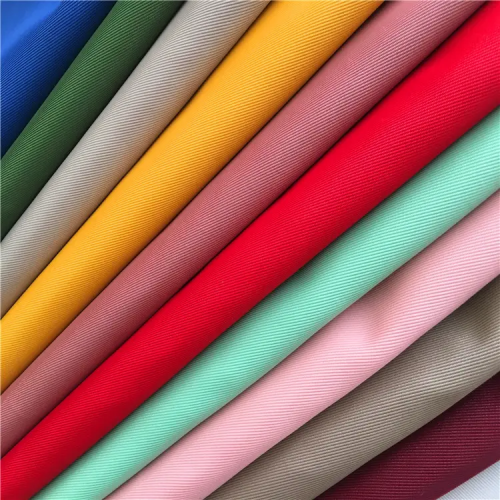


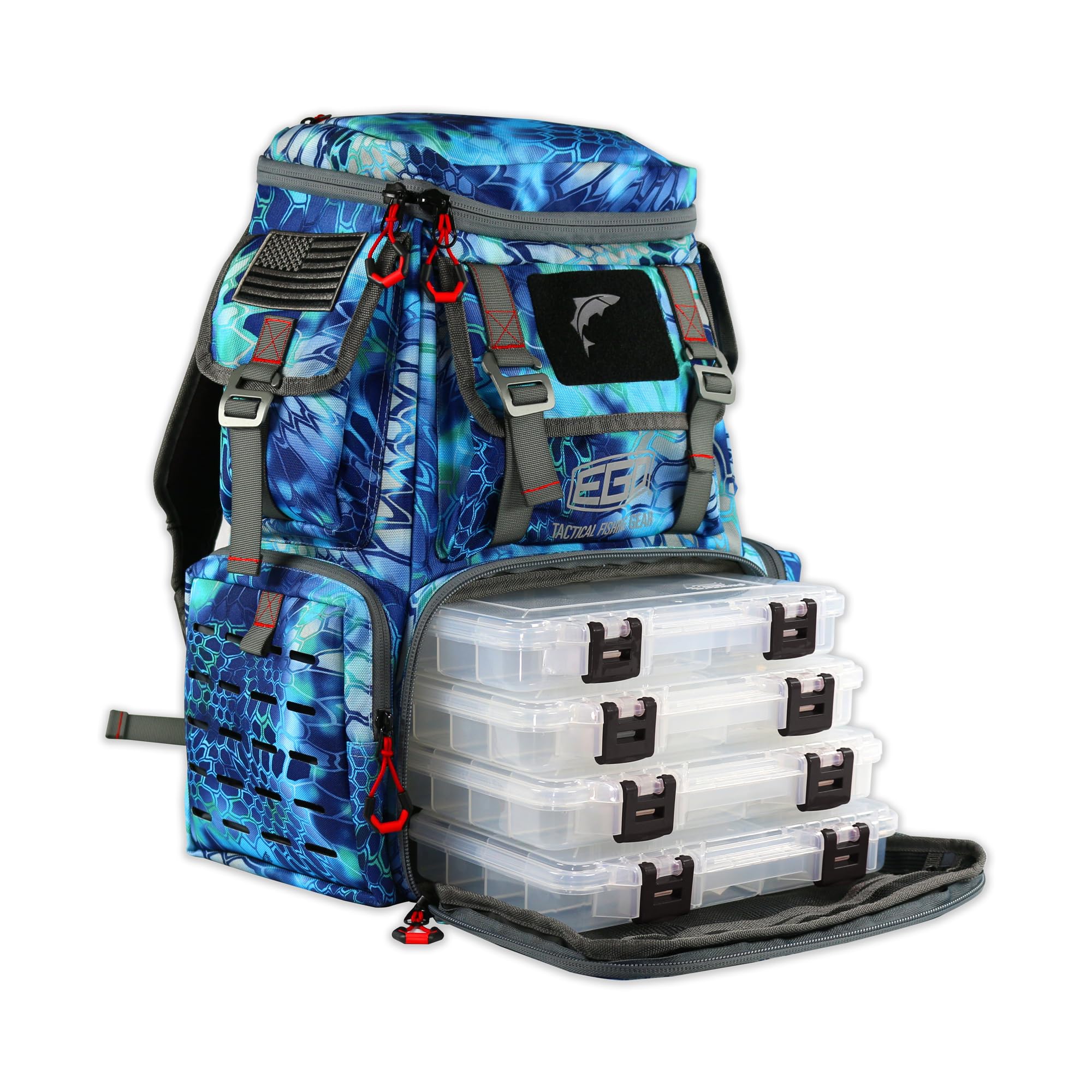
Fishing bags are built to perform in environments where moisture, abrasion, and weight all interact at the same time. The materials used in these bags are not selected randomly—they are chosen based on how they respond to real-world stress. From offshore saltwater exposure to casual freshwater use, each material behaves differently, and that behavior directly affects product performance, lifespan, and user experience.
The most common materials used in fishing bags include PVC, TPU, nylon, polyester, PU-coated fabrics, and increasingly, eco-friendly options like RPET. Each of these materials represents a different balance between waterproofing, durability, flexibility, weight, and cost. Understanding how they compare is essential for designing products that actually perform as expected.
From a manufacturing perspective, there is no universal “best” material. At Szoneier, most fishing bag projects are developed using a combination of materials rather than relying on a single fabric. The outer shell, lining, reinforcement panels, and base structure often use different materials, each selected for a specific function. This layered approach allows manufacturers to optimize performance without overbuilding or overspending.
Understanding Each Core Material
PVC Fabric
PVC (Polyvinyl Chloride) remains one of the most widely used materials in fishing bags, particularly in waterproof and heavy-duty applications. It is created by applying a thick PVC layer onto a base fabric, forming a non-porous surface that blocks water completely.
In practical use, PVC performs consistently in wet environments. It resists water penetration even under pressure, making it suitable for situations where bags are exposed to continuous moisture or placed on wet surfaces.
Key advantages:
- Fully waterproof surface, typically exceeding 8,000–10,000 mm hydrostatic rating
- Strong resistance to saltwater, oil, and chemical exposure
- Easy to clean, especially after contact with fish residue or dirt
- Cost-effective for large-scale production
Limitations:
- Higher weight compared to other materials, often increasing overall bag weight by 15–30%
- Reduced flexibility, particularly in temperatures below 10°C
- Long-term use may lead to stiffness or surface cracking
- Environmental concerns related to chlorine-based composition
Typical use cases:
- Offshore fishing bags exposed to constant water
- Deck storage bags placed on wet boat surfaces
- Heavy-duty marine gear storage
PVC is often chosen when reliability and cost control are more important than comfort or portability.
TPU-Coated Materials
TPU (Thermoplastic Polyurethane) is widely regarded as a premium waterproof material. Instead of forming a thick coating like PVC, TPU is typically laminated as a flexible film onto fabrics such as nylon or polyester.
This structure allows TPU to deliver strong waterproof performance while maintaining flexibility, which becomes important during handling and transport.
Key advantages:
- High waterproof performance, often 10,000–20,000 mm or higher
- Excellent flexibility, even in low temperatures
- Strong resistance to abrasion, folding, and long-term wear
- More environmentally friendly compared to PVC
- Compatible with advanced construction methods such as heat welding
Limitations:
- Higher material and production cost, often 1.5–2 times that of PVC
- Requires more controlled manufacturing processes
Typical use cases:
- Premium fishing backpacks
- Dry bags for kayak or offshore use
- High-end waterproof tackle systems
From a user perspective, TPU offers a noticeable improvement in handling and durability, which is why it is increasingly used in mid-to-high-end products.
Nylon Fabric
Nylon is one of the most versatile materials used in fishing bags, primarily due to its excellent strength-to-weight ratio. It is commonly used as a base fabric rather than a waterproof layer.
High-denier nylon (600D–1000D) provides strong resistance to tearing and abrasion, making it suitable for load-bearing applications.
Key advantages:
- Lightweight compared to coated materials
- High tensile strength, capable of handling heavy loads
- Good abrasion resistance for rough environments
- Flexible and easy to process
Limitations:
- Not inherently waterproof
- Requires coating or lamination to provide water resistance
- Moderate UV resistance compared to polyester
Typical use cases:
- Fishing backpacks and carry bags
- Multi-compartment tackle bags
- Hybrid designs combining waterproof panels
In many designs, nylon serves as the structural backbone, while waterproof layers are added separately.
Polyester Fabric
Polyester is widely used in cost-sensitive fishing bags. It offers a stable structure and good resistance to UV exposure, making it suitable for outdoor use.
Compared to nylon, polyester is slightly less strong but more dimensionally stable, meaning it retains its shape better under environmental stress.
Key advantages:
- Lower cost, making it suitable for entry-level products
- Good UV resistance, reducing fading and degradation
- Stable structure with minimal stretching
Limitations:
- Lower tensile strength compared to nylon
- Requires coating for water resistance
- Moderate abrasion resistance
Typical use cases:
- Entry-level fishing tackle bags
- Casual freshwater fishing gear
- Promotional or budget-focused products
Polyester is often selected when cost efficiency is a primary concern, especially for high-volume production.
PU-Coated Fabrics
PU (polyurethane) coating is commonly applied to nylon or polyester fabrics to improve water resistance. The coating forms a thin layer that reduces water penetration while maintaining flexibility.
Key advantages:
- Lightweight and flexible
- Cost-effective compared to TPU
- Suitable for foldable or compact designs
Limitations:
- Limited waterproof performance, typically below 5,000 mm
- Coating may degrade over time due to abrasion or UV exposure
- Not suitable for prolonged water exposure
Typical use cases:
- Lightweight fishing bags
- Short-duration outdoor use
- Secondary compartments within larger bags
PU-coated fabrics are often used where full waterproofing is not required but basic protection is needed.
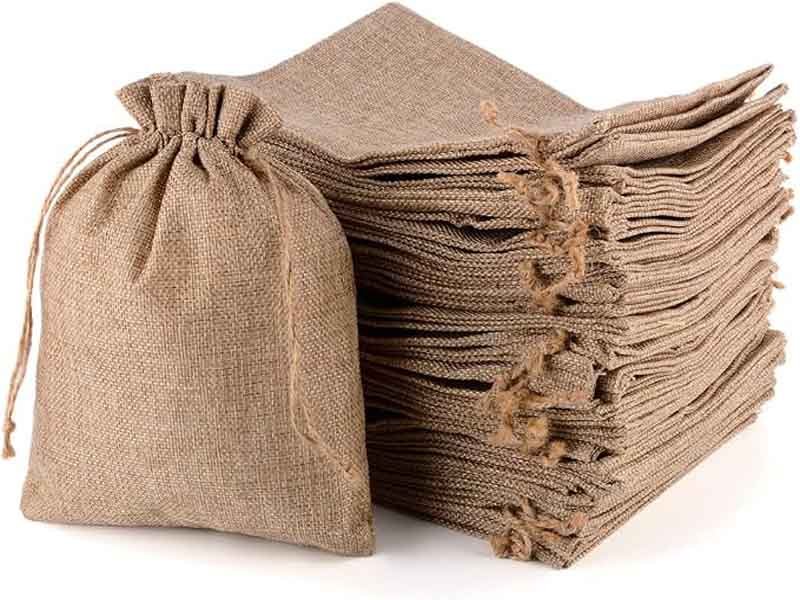
Eco Materials (RPET, Jute)
Sustainability has become an important consideration in product development, leading to increased use of recycled materials such as RPET (recycled polyethylene terephthalate).
RPET is produced from recycled plastic bottles and offers similar properties to standard polyester, with reduced environmental impact.
Key advantages:
- Lower environmental footprint
- Lightweight and flexible
- Strong marketing appeal for eco-conscious brands
Limitations:
- Slightly lower durability compared to high-performance technical fabrics
- Requires coating or lamination for water resistance
Typical use cases:
- Eco-focused fishing bags
- Lightweight casual products
- Brands targeting sustainable product lines
While not suitable for extreme environments, RPET provides a viable option for brands looking to balance performance with sustainability.
Material Comparison Table
| Material | Waterproof Level | Durability | Weight | Cost | Typical Use |
|---|---|---|---|---|---|
| PVC | 100% Waterproof (8,000–15,000 mm) | High | Heavy | Low | Offshore & marine bags |
| TPU | 100% Waterproof (10,000–20,000+ mm) | Very High | Medium | High | Premium dry bags |
| Nylon | Water-resistant (with coating) | Very High | Light | Medium | Backpacks & hybrid bags |
| Polyester | Water-resistant | Medium | Light | Low | Entry-level tackle bags |
| PU Fabric | Water-resistant (1,000–5,000 mm) | Medium | Light | Low | Casual use |
| RPET | Water-resistant | Medium | Light | Medium | Eco-friendly bags |
Material selection is one of the most common reasons why fishing bags succeed or fail in the market. A product may look well-designed, but if the material does not match the intended use, performance issues will quickly appear.
For example:
- A lightweight polyester bag may perform well for occasional freshwater fishing but will struggle in saltwater environments
- A heavy PVC bag may provide excellent waterproofing but become uncomfortable for long-distance carrying
- A PU-coated fabric may reduce cost but fail under repeated exposure
These mismatches often lead to customer dissatisfaction, returns, and negative reviews.
The most effective approach is not to rely on a single material, but to combine materials strategically. By aligning material properties with real usage conditions, manufacturers can create fishing bags that deliver both performance and usability.
Ultimately, the choice of material is not just a technical decision—it is a defining factor in how the product is experienced in the field.
Why Are Waterproof Materials Critical for Fishing Bags?

Fishing bags operate in one of the most unforgiving everyday environments—constant exposure to water. Whether it’s rain, wave splash, condensation, or accidental submersion, moisture is not an occasional factor; it is part of the operating condition. This is why waterproof materials are not a premium feature in fishing bags—they are a baseline requirement for reliable performance.
From a product perspective, the role of waterproof materials goes beyond simply keeping contents dry. They directly influence how long the bag lasts, how well it protects gear, and how users perceive the product after repeated use. Moisture intrusion does not just wet equipment; it accelerates corrosion, weakens materials, and creates long-term issues such as odor buildup and internal degradation.
One of the most common misunderstandings in the market is the confusion between water-resistant and waterproof. Many products are labeled loosely, but the difference becomes obvious in real use. A water-resistant bag may handle light rain or brief exposure, but under sustained conditions—such as sitting on a wet surface or being splashed repeatedly—it will eventually allow water inside. A waterproof bag, by contrast, is designed to maintain a complete barrier even under pressure.
This distinction is critical because fishing gear is often sensitive. Hooks, reels, electronics, bait, and clothing all react differently to moisture, but none of them benefit from exposure. Protecting these items consistently requires materials and construction methods that go beyond basic coatings.
Waterproof Technology Explained
Water Resistance vs Waterproof
| Feature | Water-Resistant | Waterproof |
|---|---|---|
| Protection Level | Handles light rain and splashes | Withstands heavy rain and immersion |
| Fabric Type | PU-coated nylon or polyester | TPU laminated or PVC-coated fabric |
| Seam Construction | Standard stitching | Sealed, taped, or welded seams |
| Zipper Type | Standard zippers | Waterproof or water-resistant zippers |
In practical use, this difference determines whether a bag can be relied on in unpredictable conditions. A water-resistant bag may perform well in controlled environments, but fishing rarely happens under controlled conditions.
Coatings and Laminations
Waterproof performance in fishing bags is achieved through surface engineering rather than base fabric alone. Materials like nylon and polyester are naturally porous, which means they must be treated to block water penetration.
The most common approaches include:
- PU coating: provides a thin protective layer that improves water resistance but does not fully block water under pressure
- PVC coating: creates a thicker, non-porous barrier that prevents water entry even in demanding environments
- TPU lamination: bonds a flexible waterproof film to the fabric, combining high waterproof performance with durability and flexibility
Each of these technologies serves a different purpose. PU coatings are often used in lightweight or entry-level products, while PVC and TPU are used when full waterproof performance is required.
From a manufacturing standpoint, TPU lamination is increasingly preferred for higher-end products because it maintains performance over time without becoming brittle or losing flexibility.
Seam Sealing Methods
Even when a fabric is fully waterproof, the construction method can compromise performance. Stitching introduces needle holes into the material, which become natural entry points for water.
To address this, manufacturers use several seam sealing techniques:
- Heat welding: fuses materials together without stitching, eliminating holes entirely
- Seam taping: applies a waterproof tape over stitched seams to block water entry
- High-frequency welding: uses electromagnetic energy to bond materials at a molecular level
Among these methods, welding provides the most reliable waterproof performance because it creates a continuous, uninterrupted barrier.
In real production, many product failures occur not because of poor fabric choice, but because seams were not properly sealed.
Waterproof Ratings Explained
Waterproof performance is commonly measured using hydrostatic head ratings, expressed in millimeters (mm). This measurement indicates how much water pressure a fabric can withstand before leakage occurs.
| Rating (mm) | Protection Level |
|---|---|
| 1,000 mm | Suitable for light rain |
| 3,000–5,000 mm | Handles heavy rain and splashes |
| 10,000 mm | Reliable waterproof protection |
| 15,000–20,000+ mm | High-performance waterproofing |
| Fully sealed construction | Submersible conditions |
It is important to note that these ratings apply to the fabric itself. If seams, zippers, or closures are not designed to the same standard, the overall product will not achieve true waterproof performance.
Real Case Insight
A fishing gear brand working with Szoneier initially used PU-coated polyester for its main product line. While the bags performed adequately in light conditions, users began reporting issues during extended use:
- Water penetration after prolonged exposure
- Rust forming on internal metal components
- Odor buildup due to retained moisture
The brand upgraded to TPU-laminated fabric combined with welded seams. The design remained largely unchanged, but the material and construction improvements produced measurable results:
- Approximately 60% reduction in customer complaints related to water leakage
- Around 35% increase in repeat purchases
- Improved product ratings and perceived value
This case illustrates how material upgrades can directly influence both product performance and market response.
Waterproofing is not a single feature—it is a system. A fishing bag achieves reliable waterproof performance only when multiple components work together:
- The fabric provides the primary barrier
- Coatings or laminations ensure water cannot penetrate the surface
- Seams are sealed or welded to eliminate weak points
- Zippers and closures are designed to prevent water entry
If any one of these elements is compromised, the entire system becomes vulnerable. For example, a high-quality TPU fabric combined with standard stitching will still leak under pressure.
This system-based approach is often overlooked, especially in lower-cost products where attention is focused on fabric selection alone.
Key Takeaway
Waterproof materials are fundamental to fishing bag performance because water exposure is unavoidable in real use. Choosing the right material is not just about achieving a high waterproof rating—it is about ensuring consistent protection across all conditions.
Effective waterproofing requires:
- Appropriate material selection (TPU, PVC, or coated fabrics)
- Reliable construction methods such as sealed or welded seams
- Supporting components like waterproof zippers
When these elements are aligned, the result is a fishing bag that protects gear, maintains durability, and performs reliably over time. Without them, even well-designed products will struggle to meet user expectations.
Which Fabric Is Best for Durability and Load Strength?

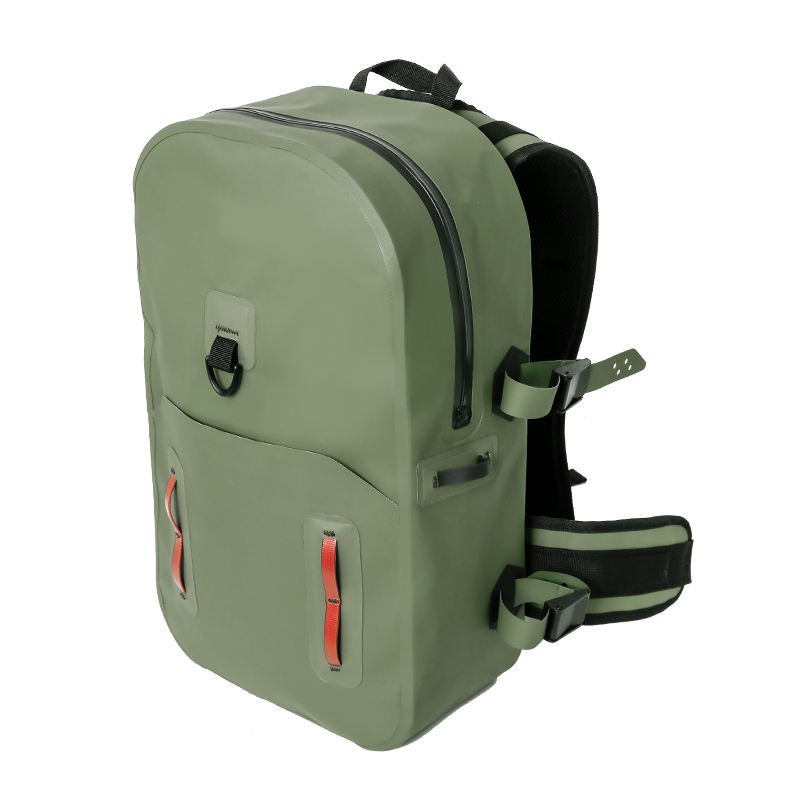

When durability and load strength are the priority, material selection becomes less about appearance or basic waterproofing and more about how the fabric behaves under continuous stress. Fishing bags are not lightly used products—they carry metal tools, tackle boxes, wet gear, and sometimes even sharp objects. They are dragged across rough surfaces, exposed to saltwater, and repeatedly loaded and unloaded.
In these conditions, the best-performing fabrics are typically high-denier nylon (500D–1000D), reinforced polyester, and TPU-laminated materials. These materials offer a combination of tensile strength, abrasion resistance, and structural stability that allows the bag to maintain its shape and function over time.
From a manufacturing perspective, durability is not determined by a single factor such as thickness. It is the result of three core elements working together:
- Fiber strength (the inherent strength of the yarn)
- Fabric density (denier and weave structure)
- Coating or reinforcement (which enhances resistance to wear and environmental stress)
At Szoneier, the development process for heavy-duty fishing bags typically starts with selecting the right base fabric structure. Coatings, laminations, and reinforcements are then applied to enhance performance, rather than compensate for weak materials.
What Actually Determines Fabric Strength?
High-Denier Nylon (500D–1000D)
Denier (D) refers to the thickness of individual fibers used in the fabric. Higher denier fabrics use thicker yarns, which results in stronger, more durable materials.
In fishing bag production, the most common ranges include:
- 210D → lightweight, suitable for minimal load
- 420D → medium-duty applications
- 600D → standard fishing bags
- 840D–1000D → heavy-duty and professional-grade use
High-denier nylon stands out because of its excellent strength-to-weight ratio. Compared to polyester, nylon fibers can absorb more stress before breaking, making them ideal for load-bearing applications.
Advantages:
- Extremely high tensile strength, capable of handling heavy gear without deformation
- Strong tear resistance, preventing damage from sharp tools or hooks
- Excellent abrasion resistance, especially in high-contact areas
- Long service life under repeated use
Limitations:
- Not inherently waterproof, requiring PU, PVC, or TPU treatment
- Slightly higher cost compared to polyester
- Moderate UV resistance, which may require additional treatment for long-term outdoor exposure
In practical applications, 840D or 1000D nylon is often used in premium fishing backpacks and tackle systems where durability is a primary selling point.
Polyester Strength Comparison
Polyester is commonly used as a more cost-effective alternative to nylon. While it does not match nylon’s tensile strength, it offers advantages in stability and environmental resistance.
Advantages:
- Good dimensional stability, meaning it retains its shape under stress
- Better UV resistance compared to nylon, reducing fading and degradation
- Lower cost, making it suitable for large-scale production
Limitations:
- Lower abrasion resistance, especially in rough environments
- Reduced tear strength under heavy loads
- Shorter lifespan in high-stress applications
In mid-range fishing bags, 600D polyester is often sufficient for general use. However, when subjected to heavy loads or rough handling, it tends to wear faster than nylon.
Abrasion Resistance and Real-World Wear
Abrasion resistance is one of the most critical factors for fishing bags. Unlike controlled environments, fishing gear is frequently placed on uneven, rough, or dirty surfaces.
Common contact surfaces include:
- Rocks and gravel near shorelines
- Wet boat decks with embedded debris
- Sand, which acts as a fine abrasive material
| Fabric Type | Abrasion Resistance | Real-World Performance |
|---|---|---|
| 1000D Nylon | Excellent | Handles repeated contact with rough surfaces |
| 600D Polyester | Moderate | Suitable for light to medium use |
| PVC-Coated Fabric | High | Strong surface resistance but less flexible |
| TPU Laminated Fabric | Very High | Combines durability with flexibility |
TPU-laminated fabrics perform particularly well because they combine a strong base fabric with a flexible protective layer. This reduces surface wear while maintaining structural integrity.
Load-Bearing Capacity Comparison
Load strength is not just about how much weight a fabric can hold—it also involves how well the material distributes that weight across seams, panels, and attachment points.
| Material | Load Capacity | Best Use Case |
|---|---|---|
| 1000D Nylon | Very High | Heavy gear, tools, multi-day fishing trips |
| 600D Polyester | Medium | General-purpose fishing bags |
| TPU Laminated Fabric | High | Waterproof bags with load requirements |
| PVC-Coated Fabric | High | Static storage, less frequent movement |
High-denier nylon remains the preferred choice for load-bearing structures because it resists stretching and deformation under weight. TPU and PVC can support heavy loads as well, but they are often used in combination with structural fabrics rather than as standalone load-bearing materials.
Reinforcement Techniques Used in Manufacturing
Even the strongest fabric cannot deliver full durability without proper reinforcement. In high-quality fishing bags, manufacturers integrate additional structural elements to handle stress points.
Common reinforcement methods include:
- Double-layer bottom panels to protect against abrasion and impact
- Bar-tack stitching at high-stress areas such as handles and strap attachments
- Webbing systems that distribute load across the bag rather than concentrating it in one area
- Internal frames or padding to maintain shape and reduce stress on fabric
At Szoneier, a common design approach is to combine a nylon body with a reinforced base made from TPU or PVC. This allows the bag to remain lightweight while strengthening the areas most exposed to wear.
The strongest material is not always the most practical choice. While 1000D nylon offers excellent durability, it may not be suitable for all products.
For example:
- A travel fishing bag made entirely from 1000D nylon may feel too heavy for extended carrying
- A lightweight backpack designed for mobility may benefit more from 420D or 600D materials
This is why experienced manufacturers rarely rely on a single fabric. Instead, they design hybrid structures that balance strength, weight, and usability.
Real Case Example
A U.S.-based fishing brand initially used 600D polyester for its main product line. While the bags performed adequately under light use, customers reported wear issues after several months of heavy use.
The brand upgraded to 840D coated nylon while reinforcing the base panel with a TPU layer.
The results were measurable:
- Product lifespan increased by approximately two times
- Warranty claims decreased by around 40%
- Customers were more willing to accept a higher retail price due to improved durability
This example highlights how material upgrades can directly impact both performance and market perception.
Key Takeaway
For fishing bags where durability and load strength are critical:
- High-denier nylon (840D–1000D) provides the best structural strength
- TPU laminated fabrics enhance both durability and waterproof performance
- Reinforcement techniques are essential to support high-stress areas
Rather than relying on a single material, the most effective designs combine fabrics strategically. This approach ensures that the bag can handle real-world conditions while maintaining comfort and usability.
How Do Material Choices Affect Weight and Flexibility?
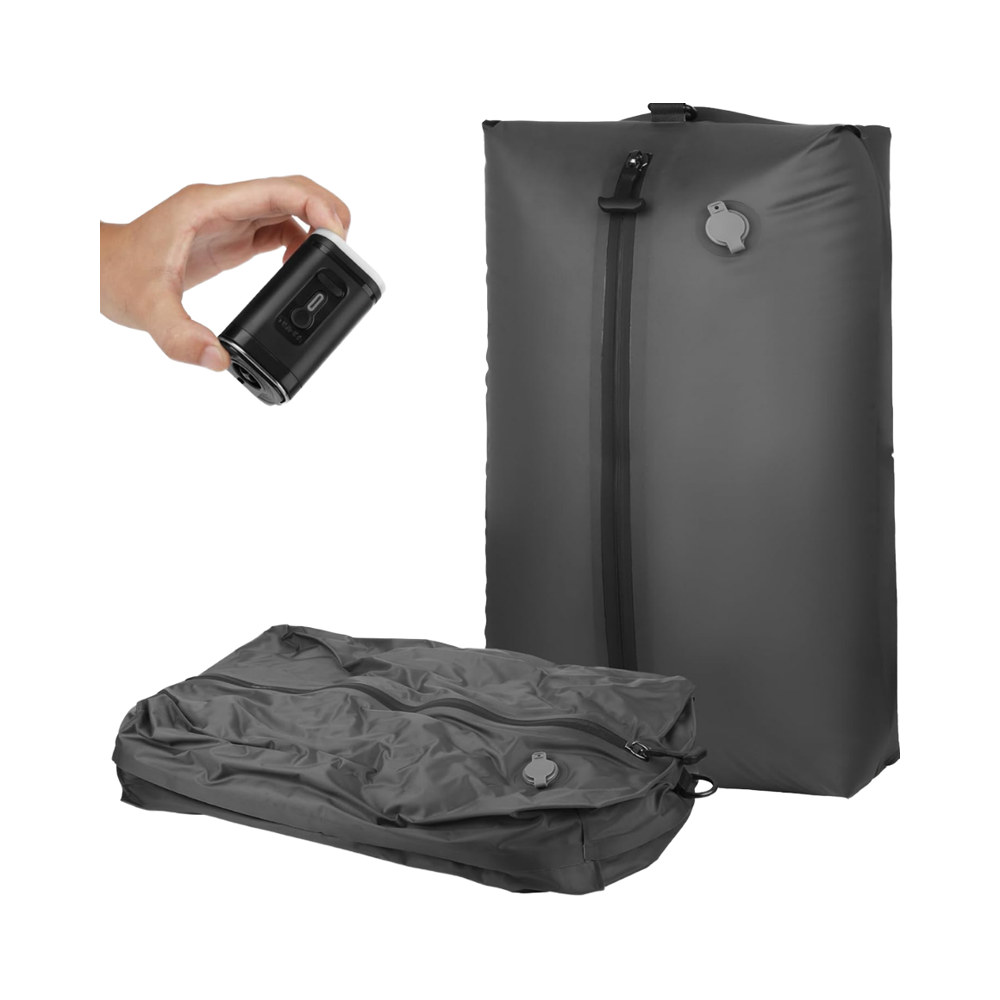
Material selection has a direct and immediate impact on how a fishing bag feels in real use. While durability and waterproofing are often the focus during development, weight and flexibility are what users notice first—especially during long fishing trips where the bag is carried for hours, repeatedly opened, and constantly repositioned.
In practice, a fishing bag is not just a storage tool. It is part of the user’s movement system. Whether walking along a shoreline, climbing rocks, or navigating a boat, the bag must move with the user rather than against them. This is where material choice becomes critical.
Lightweight materials such as nylon improve portability and reduce fatigue. Flexible materials like TPU enhance usability by allowing the bag to adapt to different shapes and storage conditions. On the other hand, heavier materials like PVC provide strong protection but can reduce comfort and limit mobility if overused.
The challenge for manufacturers is not choosing the lightest or strongest material, but finding the right balance between weight, flexibility, and performance.
Weight vs Performance Trade-Off
Lightweight Nylon vs Heavy PVC
Different materials create very different user experiences, even when the bag design remains the same.
| Material | Weight | Flexibility | Comfort Level |
|---|---|---|---|
| Nylon | Very Light | High | Excellent |
| Polyester | Light | Medium | Good |
| PVC | Heavy | Low | Moderate |
| TPU | Medium | Very High | Excellent |
Nylon stands out for its low weight and high flexibility, making it ideal for bags that need to be carried over long distances. PVC, while durable, introduces noticeable weight and stiffness, which can become a disadvantage during extended use.
TPU sits between these extremes. It provides strong waterproof performance while maintaining flexibility, which is why it is increasingly used in higher-end fishing bags.
Flexibility and User Experience
Flexibility is often underestimated, but it plays a major role in how a bag performs in daily use.
Flexible materials improve:
- Packing efficiency, allowing the bag to adapt to irregularly shaped items
- Ease of access, making compartments easier to open and close
- Carrying comfort, as the bag conforms better to the body
Rigid materials, by contrast, can create limitations:
- Reduced internal adaptability, making it harder to fit different gear sizes
- Increased pressure points when carried against the body
- Less forgiving movement when walking or bending
In real fishing scenarios, flexibility becomes especially important when the bag is partially filled or unevenly loaded. A flexible structure adjusts naturally, while a rigid one can feel awkward and unbalanced.
Packability and Storage Efficiency
Fishing bags are often stored in tight or irregular spaces—inside cars, boat compartments, or gear lockers. Materials that allow compression and folding provide a clear advantage in these situations.
Flexible materials such as nylon and TPU allow:
- Folding when not in use
- Compression to fit into limited storage spaces
- Easier stacking with other equipment
PVC-based bags, due to their rigidity, take up more fixed space. Even when empty, they retain their shape, which can be inconvenient in compact storage environments.
For anglers who travel frequently or carry multiple pieces of equipment, this difference becomes noticeable over time.
Comfort in Long Fishing Trips
Comfort is directly influenced by how weight is distributed and how the material interacts with movement. A heavy or stiff bag increases physical strain, especially during long walks or multi-hour trips.
Key factors affecting comfort include:
- Total material weight, which adds to the load carried
- Flexibility, which determines how well the bag adapts to body movement
- Interaction with straps and padding, which distribute weight across the shoulders and back
Even a difference of a few hundred grams can affect fatigue levels when carrying a bag for several hours. This is why lightweight materials are often preferred for mobile fishing scenarios.
Material Weight Comparison (Approximate)
| Material | Weight (g/m²) | Use Scenario |
|---|---|---|
| 210D Nylon | 100–150 | Ultralight, travel-focused bags |
| 420D–600D Nylon/Polyester | 150–300 | Standard fishing bags |
| TPU Laminated Fabric | 300–500 | Premium waterproof bags |
| PVC-Coated Fabric | 500–800 | Heavy-duty, static storage bags |
These values illustrate how quickly weight increases when moving from lightweight fabrics to heavy-duty waterproof materials. The difference is not only in numbers—it translates directly into how the bag feels during use.
Real Case Insight
A European fishing gear brand redesigned one of its best-selling backpacks by replacing PVC-coated fabric with 420D nylon combined with TPU reinforcement in critical areas.
The goal was to reduce weight without sacrificing waterproof performance.
The results were clear:
- Approximately 30% reduction in total bag weight
- Improved user comfort during long-distance carrying
- Higher customer satisfaction scores, particularly in outdoor and travel use cases
- Increased repeat purchase rates
This case highlights how material adjustments, even without major design changes, can significantly improve the overall user experience.
Balancing Weight and Strength
The most effective fishing bags do not rely on a single material. Instead, they use a hybrid construction approach to balance weight, durability, and flexibility.
A typical configuration may include:
- Nylon body panels to keep the bag lightweight and comfortable
- TPU-laminated base to provide waterproof protection in high-contact areas
- Reinforced straps and webbing to handle load distribution
This combination allows the bag to remain practical for long-term use while still offering protection where it is most needed.
One of the most common mistakes in fishing bag development is focusing too heavily on durability while overlooking comfort.
In real-world use:
- A slightly lighter and more flexible bag is often preferred over a heavier, more rigid one
- Especially for users who walk long distances or carry their gear for extended periods
Overbuilt products may perform well in durability tests but fail to meet user expectations in everyday use.
Key Takeaway
Material selection is always a balance between competing priorities:
- Lightweight materials improve comfort and reduce fatigue
- Heavier materials enhance durability and protection
- Flexible materials improve usability and storage efficiency
The most successful fishing bags combine these elements rather than prioritizing one at the expense of others. By aligning material choice with real usage conditions, manufacturers can create products that not only perform well but also feel right in the hands of the user.
Are Eco-Friendly Materials Used in Fishing Bag Manufacturing?
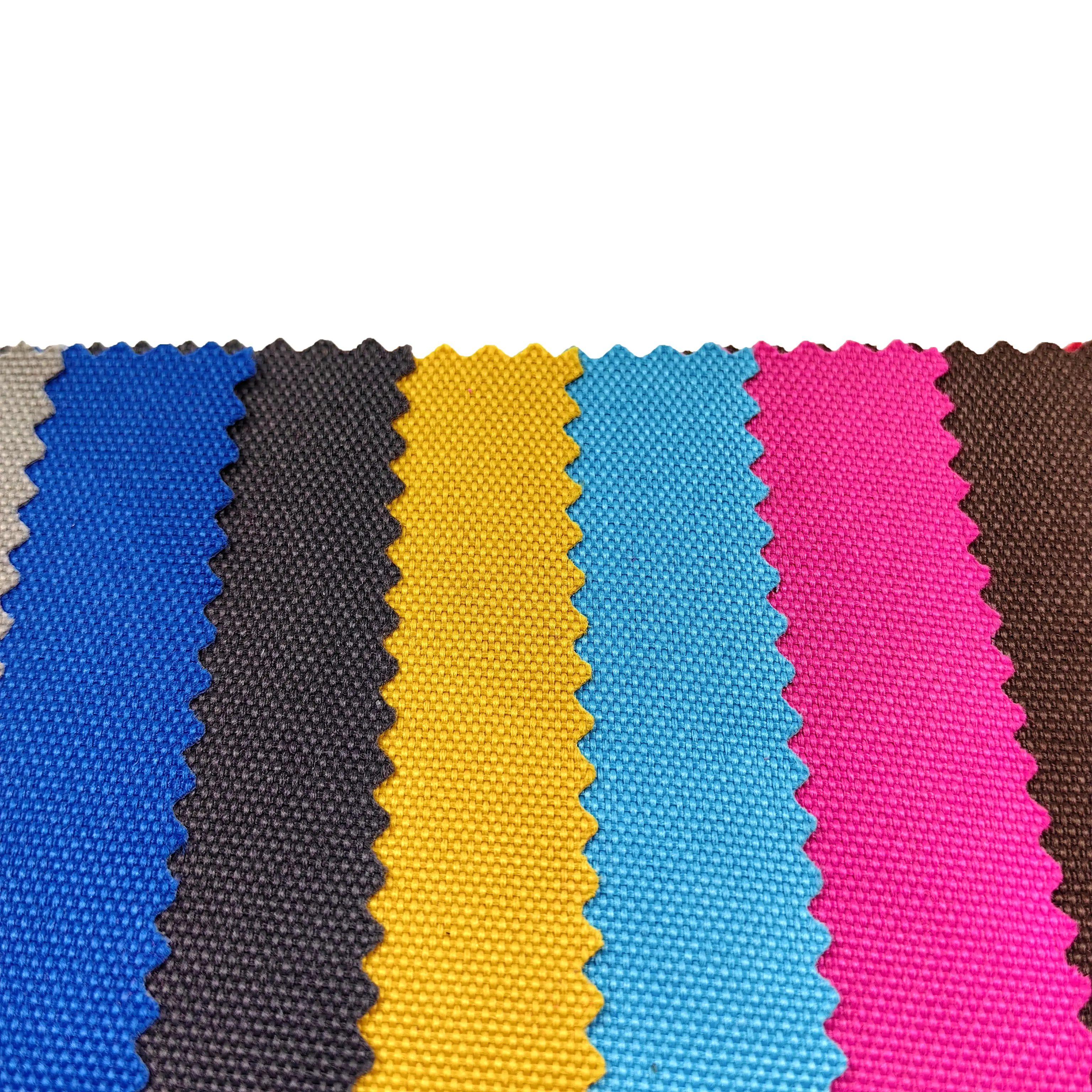
Eco-friendly materials are no longer a niche option in fishing bag manufacturing—they are becoming part of mainstream product development. Over the past few years, sustainability has shifted from a marketing add-on to a factor that directly influences purchasing decisions, especially in Europe and North America. Brands are increasingly expected to demonstrate not only product performance but also environmental responsibility, and material selection plays a central role in that expectation.
In fishing bags, the challenge is more complex than in apparel or lifestyle products. These bags must still perform in wet, abrasive, and high-load environments. This means eco-friendly materials cannot simply replace traditional ones—they must be engineered to deliver comparable durability and waterproof performance.
At Szoneier, many clients now request GRS-certified RPET or recycled nylon as part of their product specifications. In most cases, these materials are combined with advanced coatings or laminations to ensure they meet real-world performance requirements. The result is not a compromise, but a different type of material system—one that balances sustainability with functionality.
Key Eco Materials Used in Fishing Bags
Recycled Polyester (RPET)
RPET (Recycled Polyethylene Terephthalate) is currently the most widely used eco-friendly material in fishing bags. It is produced by recycling post-consumer plastic bottles, which are processed into fibers and woven into fabric.
From a performance standpoint, RPET is very similar to standard polyester. When engineered correctly, it can achieve comparable strength, stability, and compatibility with coatings.
Advantages:
- Reduces plastic waste by reusing post-consumer materials
- Comparable tensile strength and durability to conventional polyester
- Works well with PU coatings and TPU laminations for waterproofing
- Supports certifications such as GRS (Global Recycled Standard) and OEKO-TEX
Limitations:
- Slightly higher material cost, typically 5–15% above standard polyester
- Requires certified supply chains, which may increase sourcing complexity
In practice, RPET is often used in mid-range and premium fishing bags where brands want to communicate sustainability without sacrificing performance.
Organic Cotton
Organic cotton is occasionally used in fishing bags, but primarily in lifestyle or casual product lines rather than technical gear.
Advantages:
- Natural and biodegradable material
- Soft texture, suitable for casual or urban-style fishing bags
- Strong sustainability appeal in branding
Limitations:
- Poor inherent water resistance
- Lower durability under heavy loads or abrasive conditions
- Requires heavy coatings to function in outdoor environments
Because of these limitations, organic cotton is rarely used in high-performance fishing bags. It is more suitable for light-duty applications or complementary product lines.
Jute and Natural Fibers
Jute and similar natural fibers are among the most sustainable materials available, but their application in fishing bags is limited.
Advantages:
- Highly renewable and biodegradable
- Distinct texture and visual appeal
- Low environmental impact during production
Limitations:
- Very low resistance to water and moisture
- Limited durability under repeated stress
- Not suitable for wet or marine environments
These materials are typically used for promotional or eco-themed products rather than functional fishing gear.
Recycled Nylon
Recycled nylon is gaining attention as a higher-performance alternative to RPET. It is produced from recycled industrial waste or discarded nylon products.
Advantages:
- High durability, similar to virgin nylon
- Strong abrasion resistance
- Compatible with waterproof coatings and laminations
- Suitable for high-performance applications
Limitations:
- Higher cost, often 10–20% above standard nylon
- More complex supply chain
Recycled nylon is particularly suitable for premium fishing bags where both performance and sustainability are important.
Eco Materials Performance Comparison
| Material | Sustainability Level | Durability | Waterproof Capability | Cost Impact |
|---|---|---|---|---|
| RPET | High | Medium–High | With coating/lamination | +5–15% |
| Organic Cotton | High | Low | Low (requires coating) | +5–15% |
| Jute | Very High | Low | Very Low | +5% |
| Recycled Nylon | High | High | With coating/lamination | +10–20% |
This comparison shows that eco-friendly materials vary significantly in performance. Not all are suitable for demanding fishing environments, and selection must be based on actual use conditions.
Can Eco Materials Be Waterproof?
Eco materials themselves are not inherently waterproof. Like traditional fabrics, they require additional treatment to achieve water resistance or full waterproof performance.
Common solutions include:
- PU coating for light water resistance
- TPU lamination for high-level waterproofing
- Multi-layer constructions combining eco fabrics with protective barriers
When combined with these technologies, materials like RPET or recycled nylon can achieve waterproof ratings comparable to conventional fabrics. The key is not the base material alone, but how it is engineered within the overall system.
Market Demand Trends
The shift toward sustainable materials is supported by clear market trends.
Recent product development data shows:
- Over 60% of new outdoor and fishing brands request eco-friendly material options
- RPET is one of the fastest-growing segments in textile sourcing
- Sustainability claims are increasingly linked to higher retail pricing and brand differentiation
In many cases, consumers are willing to pay more for products that demonstrate environmental responsibility, provided that performance is not compromised.
Real Case Insight
A fishing gear brand introduced a new product line using RPET fabric combined with TPU lamination. The goal was to maintain waterproof performance while improving sustainability credentials.
The results included:
- Approximately 20% increase in retail price, supported by eco positioning
- Stronger brand identity in environmentally conscious markets
- Higher engagement and conversion rates on platforms such as Amazon and Shopify
Importantly, there was no significant increase in product complaints, indicating that performance remained consistent with traditional materials.
Eco-friendly materials should not be viewed as replacements for performance fabrics, but as part of an upgraded material system. When used without proper engineering, they can lead to reduced durability or waterproofing. When combined with appropriate coatings and construction methods, they can match or even exceed traditional materials.
The most successful products integrate sustainability without compromising function. This often means using eco materials in combination with technical treatments rather than relying on them alone.
Key Takeaway
Eco-friendly materials are increasingly important in fishing bag manufacturing, but their effectiveness depends on how they are applied.
For brands targeting sustainability-focused markets:
- RPET and recycled nylon are the most practical choices
- Waterproof performance must be achieved through coatings or laminations
- Certifications such as GRS and REACH add credibility and market value
When material selection is aligned with both performance requirements and environmental goals, fishing bags can deliver reliability in use while also meeting modern expectations for sustainability.
What Materials Are Used for Fishing Bag Linings and Interiors?
When evaluating fishing bags, most attention is placed on the outer material—waterproof fabrics, durability, and abrasion resistance. However, in real product performance, the internal structure often determines whether the bag succeeds or fails over time.
Fishing bags operate in environments where moisture, organic residue, and repeated loading are unavoidable. Water does not only attack from the outside; it also comes from inside—wet gear, bait, melted ice, and condensation. Without a properly engineered interior, even a well-built outer shell cannot prevent long-term issues such as odor buildup, structural collapse, or internal leakage.
At Szoneier, interior construction is treated as a separate engineering system. The lining, insulation, reinforcement, and compartment design are all developed to work together. This layered approach ensures that the bag maintains usability and durability throughout its lifecycle, not just during initial use.
Internal Material Systems
Waterproof Inner Linings
The inner lining is the first line of defense for protecting gear inside the bag. Unlike outer fabrics, which resist external water, the lining must handle internal moisture—often more aggressively.
Common materials include:
- TPU film (thermoplastic polyurethane)
- PVC lining
- PEVA (polyethylene vinyl acetate)
Each of these materials creates a non-porous surface that prevents water from penetrating deeper into the structure.
Functions:
- Prevent internal leakage from wet gear or melted ice
- Protect sensitive items such as electronics or dry clothing
- Enable easy cleaning after exposure to fish residue, dirt, or saltwater
TPU linings are increasingly preferred in higher-end products because they combine flexibility with durability. PVC linings are still widely used in cost-sensitive products, while PEVA offers a lighter, more eco-friendly alternative for certain applications.
Insulation Materials (for Cooler Fishing Bags)
Many fishing bags are designed to double as cooler bags, especially for storing bait, drinks, or freshly caught fish. In these cases, insulation becomes a critical part of the internal structure.
Common insulation materials include:
- EPE foam (expanded polyethylene)
- EVA foam (ethylene-vinyl acetate)
- Aluminum foil lining
These materials work together to reduce heat transfer and maintain internal temperature.
Insulation Performance Comparison
| Material | Insulation Efficiency | Weight | Cost | Use Case |
|---|---|---|---|---|
| EPE Foam | Medium | Light | Low | Standard cooler bags |
| EVA Foam | High | Medium | Medium | Premium insulated bags |
| Aluminum Foil | Reflective (heat barrier) | Light | Low | Inner lining layer |
In practice, insulation systems are often layered. For example, EVA foam may be combined with aluminum foil to improve both thermal retention and reflective efficiency. This layered structure helps maintain temperature stability for longer periods.
Anti-Odor and Mold Resistance
Fishing environments introduce organic materials such as bait, fish residue, and moisture, which create ideal conditions for odor and mold development.
Without proper material selection, bags can quickly develop persistent smells and hygiene issues.
Common solutions include:
- Antibacterial coatings applied to inner linings
- Moisture-resistant materials that reduce water retention
- Ventilated mesh panels to improve airflow in non-waterproof compartments
These features are particularly important in products designed for repeated use without immediate cleaning.
For example, a fully sealed waterproof bag without ventilation may trap moisture inside, leading to odor buildup over time. Balancing waterproofing with controlled ventilation in certain areas can significantly improve long-term usability.
Reinforced Bottom Panels
The bottom panel of a fishing bag is the most exposed and stressed area. It comes into direct contact with wet surfaces, rough terrain, and heavy loads.
Common materials used for reinforcement include:
- PVC panels for abrasion resistance and waterproofing
- TPU-coated fabrics for flexibility and durability
- EVA molded bases for structural support and impact resistance
A reinforced base prevents deformation, reduces wear, and protects the internal structure from damage. In many cases, this component determines how well the bag holds its shape over time.
Internal Structure Reinforcement
Beyond the lining and base, internal reinforcement plays a key role in maintaining the bag’s usability. Without structural support, even durable fabrics can collapse under load.
High-quality fishing bags often include:
- PE (polyethylene) boards to provide rigidity and shape retention
- Foam padding to protect fragile items and improve comfort
- Adjustable compartment dividers for organizing gear
These elements ensure that the bag can handle repeated loading without losing its form. They also improve the user experience by keeping equipment organized and accessible.
Real Case Insight
A fishing gear brand initially used a basic polyester lining in its mid-range products. While the outer fabric performed well, users reported several issues over time:
- Internal water leakage when storing wet gear
- Persistent odor buildup after repeated use
- Loss of structural shape under heavy loads
The brand upgraded its internal system to include TPU lining combined with EVA structural reinforcement.
The results were significant:
- Improved resistance to internal moisture and leakage
- Noticeable reduction in odor-related complaints
- Enhanced durability and shape retention
This upgrade did not require major changes to the external design but had a strong impact on overall product performance and customer satisfaction.
Why Interior Design Impacts Product Value
The interior of a fishing bag is not always visible at first glance, but it defines the long-term experience. Users interact with the inside of the bag every time they pack, unpack, or clean it.
A well-designed interior:
- Extends the usable lifespan of the product
- Improves organization and accessibility
- Reduces maintenance effort
- Enhances perceived product quality
In contrast, a poorly designed interior often leads to early product failure, even if the outer material remains intact.
In many cases, low-cost fishing bags fail internally before showing external damage. Common issues include:
- Lining tearing or separating from the outer fabric
- Water leakage originating from inside the bag
- Structural collapse due to lack of reinforcement
These failures are often overlooked during initial product evaluation but become apparent after repeated use.
This is why experienced manufacturers treat interior construction as an integral part of product engineering rather than a secondary consideration.
Key Takeaway
For fishing bags that are expected to perform over time, interior materials and structure are just as important as the outer fabric.
A high-quality design should include:
- Waterproof inner linings to manage internal moisture
- Insulation systems where temperature control is required
- Reinforced base panels to handle stress and wear
- Structural components to maintain shape and usability
By integrating these elements into a cohesive system, manufacturers can create fishing bags that remain functional, durable, and easy to use throughout their lifecycle.
How Do Hardware and Accessories Materials Impact Quality?


When evaluating fishing bags, most attention is placed on fabrics—waterproof ratings, denier strength, coatings, and laminations. However, in real-world use, hardware and accessory components often determine whether a product performs reliably or fails prematurely.
Fishing bags are multi-material systems. The fabric may provide structure and waterproofing, but zippers, buckles, webbing, and mesh components are responsible for daily functionality. These parts are opened, closed, pulled, and stressed repeatedly. They are also directly exposed to saltwater, sand, and mechanical wear.
From Szoneier’s production experience, a significant portion of product complaints and upgrade requests are related to hardware rather than fabric. Even when the main material is high-quality, weak hardware can quickly undermine the entire product.
Key Hardware Components and Their Materials
Zippers (Standard vs Waterproof)
Zippers are one of the most critical—and most frequently used—components in fishing bags. They are also one of the most common points of failure.
Types of zippers used in fishing bags include:
- Standard nylon coil zippers
- Waterproof zippers with PU or TPU coating
- Airtight zippers used in fully sealed dry bags
Standard zippers are cost-effective and smooth to operate, but they allow water to pass through easily. Waterproof zippers add a protective coating that blocks water entry, while airtight zippers provide the highest level of sealing but require more force to operate.
Zipper Performance Comparison
| Zipper Type | Waterproof Level | Durability | Cost | Use Case |
|---|---|---|---|---|
| Standard Zipper | Low | Medium | Low | Casual or freshwater bags |
| Waterproof Zipper | High | High | Medium | General fishing bags |
| Airtight Zipper | Very High | Very High | High | Dry bags, submersible gear |
In practice, zipper selection must balance usability and performance. Airtight zippers offer excellent waterproofing but can feel stiff, while standard zippers are easy to use but unsuitable for wet environments.
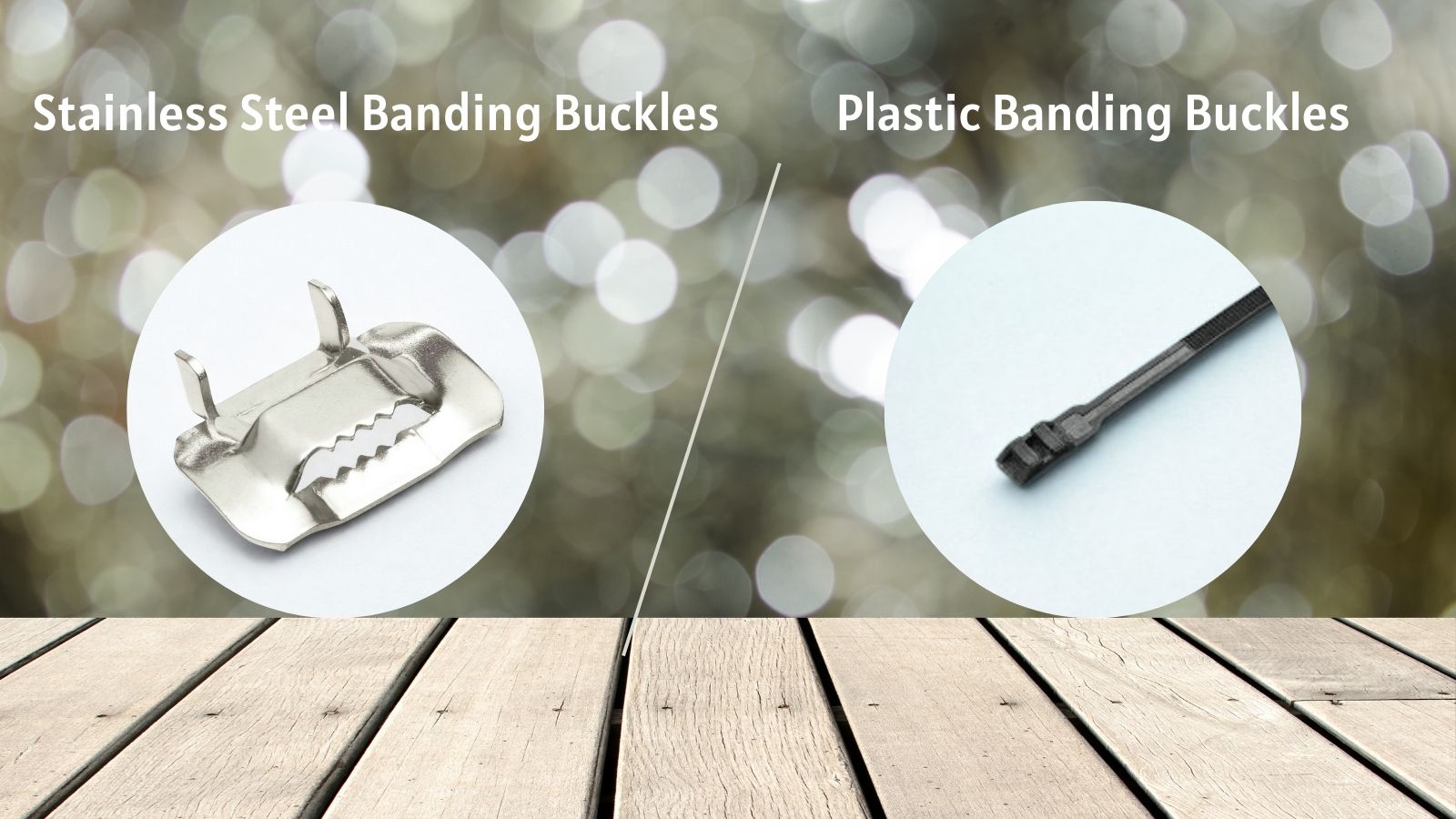
Buckles and Clips
Buckles and clips are responsible for securing straps, compartments, and adjustable features. They must handle repeated stress without breaking or deforming.
Common materials include:
- Plastic (PP, ABS)
- Metal (aluminum, stainless steel)
Plastic buckles are widely used due to their lightweight and corrosion resistance. High-quality ABS or reinforced plastics can perform well even under moderate loads. Metal components offer higher strength but introduce additional weight and potential corrosion issues if not properly treated.
Corrosion Resistance in Marine Environments
Fishing bags used in saltwater environments face constant exposure to corrosive conditions. Salt accelerates the breakdown of materials, especially metals.
Poor hardware selection can lead to:
- Rust formation on metal components
- Reduced mechanical strength over time
- Stiff or jammed moving parts
For this reason, corrosion resistance becomes a key factor in hardware selection, particularly for offshore or marine applications.
Hardware Material Comparison
| Material | Corrosion Resistance | Strength | Weight | Cost |
|---|---|---|---|---|
| Plastic (PP/ABS) | High | Medium | Light | Low |
| Aluminum | Medium | High | Light | Medium |
| Stainless Steel | Very High | Very High | Heavy | High |
In many fishing bag designs, reinforced plastic is preferred for general use due to its balance of weight and corrosion resistance. Stainless steel is used in high-end or heavy-duty applications where maximum strength is required.
Webbing and Straps
Webbing is one of the most important load-bearing components in a fishing bag. It distributes weight across the structure and directly affects carrying comfort.
Common materials include:
- Nylon webbing, known for high tensile strength and flexibility
- Polyester webbing, which offers better UV resistance and dimensional stability
High-quality webbing is typically combined with reinforced stitching, such as bar-tack patterns, to prevent tearing at stress points.
In real use, weak webbing or poor stitching can lead to strap failure, even if the fabric remains intact.
Mesh Panels and Ventilation Materials
Mesh components are used in fishing bags for drainage, ventilation, and moisture control. They are particularly important in compartments designed for wet gear or items that need airflow.
Common materials include:
- Polyester mesh
- Nylon mesh
These materials allow water to drain and air to circulate, reducing moisture buildup and helping gear dry more quickly.
However, mesh must be carefully selected. Low-quality mesh can tear easily under stress or lose shape over time.
Real Case Insight
A fishing gear brand working with Szoneier upgraded several hardware components in its product line:
- Standard zippers were replaced with waterproof coated zippers
- Basic plastic buckles were upgraded to reinforced ABS buckles
No changes were made to the main fabric.
The results were significant:
- Approximately 50% reduction in product returns related to hardware failure
- Improved user feedback regarding product quality and reliability
- Stronger brand perception, particularly in higher price segments
This case highlights how hardware improvements alone can transform product performance.
Customers often judge product quality based on how the bag feels during use. Hardware plays a major role in this perception.
Key factors include:
- Smoothness and reliability of zippers
- Strength and responsiveness of buckles
- Stability of straps under load
Even when the fabric is high-end, poor hardware can create a perception of low quality. Conversely, well-designed hardware can elevate the overall experience.
In many cases, hardware is the first component to fail because it is subjected to repeated mechanical stress. This makes it a critical focus area in product development.
Key Takeaway
High-quality fishing bags require more than strong fabrics. Hardware and accessories must be selected with equal attention to performance and durability.
A reliable design should include:
- Waterproof or water-resistant zippers suitable for the intended environment
- Durable buckles and clips with appropriate strength and corrosion resistance
- High-quality webbing to support load distribution
- Mesh and ventilation components that enhance usability without compromising durability
Ignoring hardware quality can undermine the entire product, regardless of how advanced the fabric may be. When all components are aligned, the result is a fishing bag that performs consistently and meets user expectations over time.
How Do Manufacturers Choose the Right Material for Different Fishing Scenarios?
Choosing the right material for a fishing bag is not a single decision—it is a structured process that connects real-world usage with engineering performance. While many products on the market appear similar, the difference between a reliable bag and a problematic one usually comes down to how well the material matches the fishing scenario.
From a manufacturing perspective, there is no universal “best material.” Each environment places different demands on waterproofing, durability, weight, and usability. A bag designed for offshore fishing will fail if built like a lightweight travel bag, and a heavy-duty PVC bag may feel excessive and uncomfortable in casual freshwater use.
At Szoneier, material selection is approached as a system rather than a standalone choice. Engineers evaluate how the bag will be used, what conditions it will face, and how users interact with it over time. This ensures that the final product is not only technically sound but also practical in real use.
Material Selection by Scenario
Offshore Fishing (Extreme Conditions)
Offshore fishing represents one of the most demanding environments for any fishing bag. Constant exposure to saltwater, strong UV radiation, and heavy handling requires materials that can perform without degradation.
The primary requirements include full waterproof protection, resistance to corrosion, and long-term durability under repeated exposure.
Recommended materials typically include TPU laminated fabrics and heavy-duty PVC. TPU provides flexibility and resistance to cracking, while PVC offers strong barrier protection and cost efficiency for large storage bags. Waterproof zippers or sealed closures are also essential to prevent water intrusion.
In this scenario, durability and waterproofing take priority over weight. A slightly heavier bag is acceptable if it ensures reliable protection.
Kayak and Dry Bag Applications
Kayak fishing introduces a different set of challenges. Bags may be partially submerged, splashed repeatedly, or even dropped into water. This requires materials that not only resist water but also maintain structural integrity under pressure.
The key requirements are submersible waterproofing, flexibility, and lightweight construction.
TPU laminated fabric is widely used in this category because it remains flexible even in wet and cold conditions. Closure systems such as roll-top designs or airtight zippers are commonly applied to create a complete waterproof seal.
Flexibility becomes especially important here. A rigid material can compromise sealing performance, while a flexible structure helps maintain waterproof integrity during movement.
Freshwater and Casual Fishing
Freshwater fishing environments are generally less demanding. Exposure to water is intermittent rather than constant, and the need for extreme waterproofing is reduced.
The focus shifts toward lightweight construction, cost efficiency, and adequate water resistance rather than full waterproofing.
Materials such as PU-coated polyester or 420D to 600D nylon are commonly used. These fabrics provide sufficient protection against light rain and splashes while keeping the bag easy to carry.
In this category, overengineering is a common mistake. Using heavy or expensive materials can reduce user comfort without adding meaningful value.
Travel-Oriented Fishing Bags
Fishing bags designed for travel must prioritize portability and user comfort. These bags are often carried over long distances, packed into vehicles, or used in combination with other gear.
The main requirements are low weight, compact storage, and flexibility.
Lightweight nylon fabrics are typically used for the main body, often combined with TPU panels in high-exposure areas such as the base. This hybrid approach maintains protection where needed while keeping the overall structure easy to carry.
For travel scenarios, even small weight reductions can significantly improve the user experience over time.
Multi-Compartment Tackle Bags
Tackle bags with multiple compartments introduce a different set of design priorities. These products need to support organized storage, maintain structural stability, and handle significant loads.
Key requirements include high load capacity, structural integrity, and moderate waterproofing.
Materials such as 600D to 1000D nylon are commonly used for their strength and abrasion resistance. Reinforced base panels, often made from PVC or TPU-coated fabrics, are added to handle ground contact and heavy loads.
In this scenario, structure becomes as important as material. Internal support elements such as PE boards or dividers are often integrated to maintain shape under load.
Scenario-Based Material Selection Table
| Scenario | Key Requirement | Recommended Material |
|---|---|---|
| Offshore Fishing | Waterproof + durability | TPU / PVC |
| Kayak Fishing | Submersible | TPU |
| Freshwater Fishing | Lightweight | Polyester / Nylon |
| Travel Fishing | Portability | Nylon |
| Heavy Storage | Load strength | 1000D Nylon |
This table reflects a fundamental principle in product development: materials must be aligned with actual use conditions rather than generalized assumptions.
Decision Framework Used by Manufacturers
Professional manufacturers follow a structured evaluation process when selecting materials. This typically includes:
First, analyzing the usage environment. This involves understanding water exposure levels, terrain conditions, and frequency of use.
Second, evaluating load requirements. A bag designed to carry heavy gear requires stronger fabrics and reinforced construction.
Third, defining product positioning. Entry-level products prioritize cost efficiency, while premium products emphasize performance and user experience.
Fourth, aligning with cost targets. Material selection must fit within the overall product pricing strategy.
Fifth, meeting brand expectations. Different brands have different priorities, such as sustainability, durability, or lightweight design.
By combining these factors, manufacturers can make informed decisions rather than relying on assumptions.
Common Mistakes in Material Selection
Despite the availability of advanced materials, several common mistakes still occur in fishing bag development.
One frequent issue is using low-cost materials in high-demand scenarios. This often leads to early product failure and increased return rates.
Another mistake is ignoring waterproof requirements. A bag may appear durable but fail when exposed to prolonged moisture.
Overengineering is also a concern. Using overly heavy or rigid materials can reduce comfort and limit usability, especially in mobile fishing scenarios.
Finally, neglecting user comfort can undermine an otherwise well-built product. Weight, flexibility, and ergonomics must be considered alongside durability.
Real Case Insight
A fishing gear brand initially used PVC across its entire product line. While this approach simplified production, it created several issues, including excessive weight and limited flexibility in certain products.
After working with Szoneier, the brand transitioned to a hybrid material strategy:
- Nylon was used for the main body to reduce weight
- TPU was applied to high-exposure areas for waterproofing
- Reinforced base panels improved durability
This adjustment led to noticeable improvements. The products became more comfortable to use, better balanced in performance, and more appealing across different market segments. Customer feedback improved, and the brand was able to position its products more effectively.
The most effective fishing bags are not built from a single material. They are engineered systems where each material serves a specific function.
For example:
- Nylon provides lightweight structure
- TPU delivers waterproof protection
- PVC reinforces high-stress areas
By combining materials strategically, manufacturers can achieve a balance that no single material can provide alone.
Key Takeaway
Selecting the right material for a fishing bag is not about choosing the strongest or most expensive option. It is about aligning materials with real usage conditions.
A successful product should:
- Match materials to specific fishing scenarios
- Balance waterproofing, durability, weight, and cost
- Integrate multiple materials into a cohesive system
When these factors are properly aligned, the result is a fishing bag that performs consistently, meets user expectations, and stands out in a competitive market.
Why Material Selection Defines Fishing Bag Quality
Fishing bags are more than just storage products—they are performance tools that protect valuable gear in demanding environments. The difference between a reliable bag and a failed one often comes down to material selection.
From outer fabrics to inner linings, from waterproof coatings to hardware components, every detail contributes to the final product experience.
At Szoneier, with over 18 years of experience in fabric development and bag manufacturing, we understand that no two fishing bags should be built the same. Each product is engineered based on real usage scenarios, combining materials like nylon, polyester, TPU, and PVC to achieve the right balance of durability, waterproofing, and comfort.
Whether you are developing a new fishing bag line or improving an existing product, choosing the right materials is the foundation of long-term success.
Ready to Develop Your Custom Fishing Bags?
If you’re looking to create high-performance fishing bags with the right material combination, Szoneier can help you turn your ideas into reliable, market-ready products.
We offer:
- Custom material selection (nylon, TPU, PVC, RPET, and more)
- Low MOQ starting from 50 pcs
- Fast sampling within 5–7 days
- Full customization (design, structure, branding)
- Stable production and strict quality control
Tell us your product idea, target market, and performance requirements — and our team will help you build fishing bags that truly perform in real-world conditions.
Contact Szoneier today to start your custom fishing bag project.