 Skip to content
Materials Commonly Used in Backpack Manufacturing

When you pick up a backpack, you might notice the texture, weight, or color—but what you’re really holding is a carefully engineered combination of materials designed to perform under specific conditions. Some backpacks feel soft yet strong, others rigid and durable, while some are lightweight but surprisingly tough. These differences all come down to the materials used in their construction.
At its core, backpack manufacturing relies on a combination of synthetic fabrics (such as nylon and polyester), natural materials (like canvas and cotton), and advanced treatments (including PU, PVC, and TPU coatings) to achieve specific performance goals. Nylon is typically chosen for strength and abrasion resistance, polyester for cost efficiency and UV stability, while coatings and laminations enhance waterproofing and durability. The best material depends on how the backpack will be used—daily commuting, outdoor travel, heavy-duty work, or lightweight carry.
Think about two different users: one walking through a rainy city with a laptop, another hiking across rough terrain. Both need a backpack, but the materials required are completely different. Understanding how these materials work—and why they’re chosen—is the key to building a product that performs in real life, not just on paper.
What Are the Most Common Materials Used in Backpack Manufacturing?
Walk into any luggage store or browse Amazon’s top-selling backpacks, and one pattern becomes immediately clear: while designs vary widely, the materials behind them follow a surprisingly consistent logic. The success or failure of a backpack is rarely determined by appearance alone—it is largely dictated by what it is made of, how those materials are treated, and whether they match the intended use scenario.
In practical manufacturing terms, the most common materials used in backpack production fall into three main categories: synthetic fabrics such as nylon and polyester, natural textiles like cotton and canvas, and engineered materials that combine base fabrics with coatings or laminations for added performance. Among these, nylon and polyester dominate global production, accounting for an estimated 70–85% of commercial backpacks due to their balance of strength, cost efficiency, and scalability in mass manufacturing.
At a decision-making level, the material you choose directly defines durability, weight, waterproof performance, and long-term reorder consistency. A poorly matched fabric can reduce product lifespan by over 40%, while the right combination can support 3–5 years of daily use under normal conditions.
Overview of Synthetic vs Natural Materials
Synthetic vs Natural Materials in Backpack Production
In modern factories, materials are not selected based on preference but on performance targets and production constraints. Synthetic fabrics have become the industry standard because they offer predictable quality across large production runs, which is critical when manufacturing 10,000–100,000 units per order.
| Material Type | Examples | Typical Specs | Key Characteristics | Common Use Cases |
|---|---|---|---|---|
| Synthetic | Nylon (210D–1680D), Polyester (300D–1200D) | GSM: 150–400 | High strength, abrasion resistance, stable supply | School bags, travel backpacks, outdoor gear |
| Natural | Cotton, Canvas (8oz–16oz) | GSM: 250–600 | Breathable, soft handfeel, eco perception | Tote-style backpacks, fashion bags |
| Hybrid / Treated | PU-coated, PVC-coated, TPU laminated fabrics | Coating: 0.2–0.6 mm | Water-resistant to waterproof, reinforced structure | Outdoor, tactical, cooler, waterproof bags |
From a manufacturing standpoint, synthetic fabrics provide consistency in dyeing, tensile strength, and coating adhesion. Natural fabrics, while attractive for branding and sustainability storytelling, often introduce variability in shrinkage (2–5%), color fastness, and weight tolerance.
Why Nylon and Polyester Dominate
Performance Comparison: Nylon vs Polyester
Nylon and polyester are not interchangeable—they are selected based on specific product requirements. In high-performance backpacks, the difference between the two becomes critical.
| Factor | Nylon | Polyester |
|---|---|---|
| Tensile Strength | 600–900 N (high) | 400–700 N (medium) |
| Abrasion Resistance | Excellent (20,000+ rub cycles) | Good (10,000–15,000 cycles) |
| Weight | Slightly lighter | Slightly heavier |
| Cost (per meter) | 15–25% higher | More cost-efficient |
| UV Resistance | Moderate | Strong |
| Color Stability | Slight fading over time | Better color retention |
Nylon is typically used in premium backpacks, outdoor gear, and tactical products where load-bearing capacity (15–25 kg) and abrasion resistance are critical. Polyester, on the other hand, is widely used in school bags, promotional backpacks, and mid-range retail products due to its cost stability and better UV resistance, especially for products exposed to sunlight.
From a production perspective, polyester also offers more stable pricing across seasons, while nylon prices can fluctuate depending on raw material (petroleum-based) market conditions.
Role of Coatings and Reinforcements
How Coatings Transform Base Fabrics
Base fabrics alone rarely meet market expectations for water resistance or durability. Most commercial backpacks rely on additional treatments to enhance performance.
| Enhancement Type | Typical Thickness | Function | Performance Impact |
|---|---|---|---|
| PU Coating | 0.2–0.4 mm | Water resistance (PU 800–1500 mm) | Flexible, cost-effective |
| PVC Coating | 0.3–0.8 mm | Full waterproofing (up to 3000 mm) | Heavier, less eco-friendly |
| TPU Lamination | 0.2–0.5 mm | Waterproof + eco compliance | Durable, premium feel |
| Ripstop Weaving | Reinforced grid | Prevents tearing | Extends lifespan by 30–50% |
In real production lines, coatings are applied through lamination or roller coating processes. The choice of coating not only affects performance but also impacts sewing difficulty, as thicker coatings require stronger needles and adjusted stitch density (typically 8–10 stitches per inch).
For example, a 600D polyester with PU coating can handle light rain and daily commuting, while a TPU-laminated 420D nylon can achieve near-dry performance even in heavy outdoor conditions.
Why Material Choice Defines Product Success
Common Material Mistakes and Their Impact
Many product failures in the backpack industry are not due to poor craftsmanship, but incorrect material selection at the early development stage.
| Issue | Root Cause | Real Impact |
|---|---|---|
| Fabric tearing within 3–6 months | Low denier fabric (≤210D) used for heavy loads | Return rates increase by 15–25% |
| Water leakage complaints | No coating or insufficient PU layer | Negative reviews, reduced brand trust |
| Overweight product | Over-spec (e.g., 1680D for light use) | Higher shipping cost + poor user experience |
| Color inconsistency | Low-quality dyeing process | Reorder mismatch, brand inconsistency |
From a cost perspective, over-specifying materials can increase unit cost by 20–40% without adding real value to the end user. On the other hand, under-specifying leads to product returns, which can cost brands significantly more in the long term.
A well-balanced material strategy ensures that the backpack meets its intended use without unnecessary cost inflation.
Real Insight: Material Trends in Modern Backpacks
Current Market Trends in Backpack Materials
Material trends are evolving rapidly, driven by both consumer expectations and regulatory pressure.
| Trend | Description | Industry Impact |
|---|---|---|
| Lightweight Materials | Use of 210D–420D fabrics with high-strength weaving | Reduces shipping weight by 10–20% |
| Eco-Friendly Fabrics | RPET (recycled polyester), recycled nylon | Meets GRS, REACH compliance |
| Hybrid Structures | Combining polyester body with reinforced nylon base | Optimizes cost vs durability |
| Soft-Touch Coatings | Matte PU or TPU finishes | Enhances premium perception |
| Anti-Odor / Antimicrobial | Treated linings for gym and travel bags | Adds functional differentiation |
RPET fabrics, for example, are increasingly used by brands targeting eco-conscious markets. These materials can reduce carbon footprint by approximately 30–50% compared to virgin polyester, while maintaining similar mechanical performance.
At the same time, hybrid construction is becoming a standard strategy—using cost-effective polyester for the main body while reinforcing stress areas (bottom panels, straps) with higher-denier nylon or coated materials.
Material Selection Strategy
How Manufacturers Actually Choose Materials
In real factory workflows, material selection is not a single decision but a structured evaluation process. Experienced manufacturers typically consider three core dimensions:
Product Positioning
- Entry-level backpacks: 300D–600D polyester
- Mid-range retail: 600D–900D polyester or mixed fabrics
- Premium/outdoor: 420D–1680D nylon with coatings
Performance Requirements
- Load-bearing capacity: 8–25 kg depending on use
- Waterproof level: PU 800–3000 mm
- Abrasion cycles: 10,000–30,000 rubs
Cost Targets
- Target FOB price determines fabric ceiling
- Fabric cost typically accounts for 30–45% of total bag cost
- Small material upgrades can shift retail positioning significantly
In practice, manufacturers often propose 2–3 material options during sampling to help brands balance performance and pricing. For example, offering both 600D polyester PU and 900D polyester TPU allows clients to compare cost vs durability before finalizing.
What experienced buyers eventually realize is that material selection is not about choosing the “best” fabric, but the most appropriate one for the product’s market positioning. A well-matched material not only improves product performance but also ensures stable mass production, consistent reorders, and better long-term brand reputation.
Which Synthetic Materials Are Used in Backpacks and Why?
If you break down any best-selling backpack on the market—whether it’s a $15 promotional bag or a $200 outdoor pack—you’ll almost always find one thing in common: it is built primarily from synthetic materials. This is not a coincidence. Synthetic fabrics have become the foundation of modern backpack manufacturing because they deliver predictable performance, scalable production quality, and a controllable cost structure that natural materials simply cannot match at scale.
In practical terms, the most widely used synthetic materials in backpacks include nylon, polyester, and a range of engineered fabrics such as Cordura, ripstop constructions, Oxford weaves, and laminated composites like X-Pac or TPU-based fabrics. Each of these materials is selected not just for its base properties, but for how it behaves under stress, how it performs in different environments, and how reliably it can be reproduced across large production runs.
At an industry level, nylon and polyester alone account for more than 80% of global backpack production. Advanced materials like Dyneema or X-Pac, while technically superior in some aspects, are typically reserved for premium segments due to their significantly higher cost—often 3 to 8 times that of standard fabrics.
Nylon (Cordura, Ripstop, Ballistic)
Why Nylon Remains the Benchmark for Performance
Nylon is widely regarded as the highest-performing mainstream material in backpack manufacturing. Its molecular structure gives it superior tensile strength and abrasion resistance compared to polyester, making it the preferred choice for applications where durability cannot be compromised.
| Type | Typical Denier | Feature | Application |
|---|---|---|---|
| Cordura Nylon | 500D–1000D | Exceptional abrasion resistance (20,000+ cycles) | Outdoor, tactical, military backpacks |
| Ripstop Nylon | 210D–420D | Tear-resistant grid structure | Lightweight hiking, foldable bags |
| Ballistic Nylon | 840D–1680D | Extremely high strength, dense weave | Heavy-duty travel, tool backpacks |
Cordura nylon, for example, is not just a fabric but a branded standard that ensures consistent yarn quality and weaving density. In abrasion testing, it can last up to 2–3 times longer than standard polyester under the same conditions. This is why it is commonly used in tactical gear and premium outdoor backpacks that need to handle loads of 20–30 kg without structural degradation.
Ripstop nylon, on the other hand, is engineered with a reinforced grid pattern that prevents small tears from spreading. This allows manufacturers to use lighter fabrics (reducing total bag weight by 15–25%) without sacrificing durability.
Ballistic nylon represents the upper end of strength. Originally developed for military applications, it is often used in travel backpacks where impact resistance and long-term wear are critical. However, its higher weight and cost make it less suitable for everyday consumer products.
Polyester (Standard, RPET)
Why Polyester Dominates High-Volume Production
Polyester is the most widely used material in commercial backpack production, especially in the mid-range and entry-level segments. The main reason is simple: it offers the most stable balance between cost, performance, and production efficiency.
| Type | Typical Denier | Feature | Application |
|---|---|---|---|
| Standard Polyester | 300D–900D | Cost-effective, UV resistant, color stable | School bags, promotional backpacks |
| RPET Polyester | 300D–600D | Recycled, eco-certified (GRS) | Sustainable product lines |
From a manufacturing perspective, polyester is easier to dye, more resistant to UV degradation, and less prone to moisture absorption compared to nylon. This makes it particularly suitable for products that will be exposed to sunlight or stored in humid environments.
In terms of cost, polyester fabrics are typically 15–30% cheaper than equivalent nylon fabrics. This price advantage becomes significant in large-scale orders. For example, in a 50,000-piece production run, switching from nylon to polyester can reduce total material cost by tens of thousands of dollars.
RPET polyester is increasingly used by brands targeting sustainability-focused markets. It is produced from recycled plastic bottles and can reduce carbon emissions by approximately 30–50% compared to virgin polyester. While its mechanical properties are slightly lower than standard polyester, the difference is often negligible for daily-use backpacks.
Advanced Fabrics (Dyneema, X-Pac, Oxford)
High-Performance Materials for Specialized Applications
Beyond nylon and polyester, there is a growing category of advanced synthetic fabrics designed for specific performance requirements.
| Material | Structure | Feature | Performance |
|---|---|---|---|
| Dyneema (UHMWPE) | Ultra-high molecular fibers | Extremely high strength-to-weight ratio | 15× stronger than steel (by weight) |
| X-Pac | Multi-layer laminate (nylon + polyester + film) | Waterproof, dimensionally stable | Near-zero stretch, high durability |
| Oxford Fabric | Basket weave (polyester/nylon) | Dense, abrasion-resistant | Balanced durability and cost |
Dyneema is often considered the strongest lightweight fiber available. It allows manufacturers to create ultra-light backpacks (sometimes under 500 grams) while maintaining high load capacity. However, its cost is significantly higher—often 5–8 times that of standard nylon—making it suitable only for premium or niche markets.
X-Pac is a laminated fabric that combines multiple layers, including a waterproof film and reinforcement fibers. It offers excellent dimensional stability, meaning the fabric does not stretch or deform easily. This is particularly important for structured backpacks that need to maintain shape under load.
Oxford fabric, while less “high-tech” in branding, is one of the most widely used constructions in the industry. It refers to a specific weave pattern that increases fabric density and abrasion resistance. In many cases, 600D or 900D Oxford polyester is the default choice for cost-sensitive yet durable backpacks.
Comparing Synthetic Materials
Performance and Cost Comparison
When selecting materials, manufacturers rarely look at a single parameter. Instead, they evaluate a combination of strength, weight, cost, and long-term durability.
| Material | Strength | Weight | Cost Level | Durability |
|---|---|---|---|---|
| Nylon | High (600–900 N) | Light | Medium–High | High |
| Polyester | Medium (400–700 N) | Light | Low | Medium |
| Dyneema | Very High (>1000 N) | Ultra-light | Very High | Very High |
| X-Pac | High | Medium | High | High |
This comparison highlights a key industry reality: the “best” material is not always the most suitable one. For example, while Dyneema offers unmatched performance, its cost makes it impractical for most commercial applications.
Hidden Insight: Why Oxford Fabric Is Widely Used
The Practical Advantage of Oxford Construction
Oxford fabric is often overlooked in discussions about advanced materials, yet it remains one of the most widely used options in backpack manufacturing.
| Advantage | Manufacturing Impact |
|---|---|
| High density weave | Improves abrasion resistance by 20–30% |
| Cost efficiency | Keeps material cost within target FOB pricing |
| Versatility | Compatible with coatings (PU, PVC, TPU) |
In real production environments, Oxford fabric provides a reliable baseline. It is easy to source, consistent in quality, and adaptable to different coatings and finishing processes. This makes it especially valuable for brands that require stable reorders across multiple production cycles.
Material Selection Based on Use
Matching Materials to Product Positioning
Material selection always starts with defining the product’s use case. Different scenarios require different performance priorities.
| Use Case | Recommended Material | Reason |
|---|---|---|
| Daily commuting | 600D–900D Polyester | Cost-effective, sufficient durability |
| School backpacks | 300D–600D Polyester | Lightweight, budget-friendly |
| Outdoor / hiking | 210D–420D Ripstop Nylon | Lightweight + tear resistance |
| Tactical / heavy-duty | 500D–1000D Cordura Nylon | High load capacity, abrasion resistance |
| Premium / ultralight | Dyneema / X-Pac | Performance-driven, niche market |
For example, using 1680D ballistic nylon for a lightweight school backpack would increase cost and weight without delivering meaningful value. Conversely, using 300D polyester for a tactical backpack could result in early wear and product failure.
Manufacturing Insight: Combining Synthetic Materials
How Factories Optimize Performance and Cost
In real-world manufacturing, backpacks are rarely made from a single material. Instead, factories combine different fabrics to achieve the best balance between performance and cost.
A common configuration looks like this:
- Main panels: 600D polyester (cost control)
- Bottom panel: 1000D nylon or reinforced Oxford (abrasion resistance)
- Stress points (straps, handles): ballistic nylon or webbing reinforcement
- Inner lining: 210D polyester (lightweight, cost-efficient)
- Coating or laminate: PU 800–1500 mm or TPU for waterproofing
This layered approach allows manufacturers to improve durability where it matters most while keeping overall material cost within target ranges. In many cases, this strategy can reduce total cost by 10–20% compared to using high-end materials across the entire product.
Ultimately, the choice of synthetic materials is not about selecting the most advanced option available, but about engineering the right combination for the product’s intended use, price point, and long-term market positioning.
What Natural Materials Are Still Used in Backpack Production?
Despite the dominance of synthetic fabrics in modern backpack manufacturing, natural materials have never disappeared from the industry. In fact, they continue to hold a strong position in specific product segments where visual appeal, tactile comfort, and sustainability messaging are key selling points. From a manufacturing perspective, natural materials such as cotton, canvas, leather, jute, and linen are not simply alternatives to synthetics—they serve different purposes and target different customer expectations.
In practical terms, natural materials are most commonly used in lifestyle backpacks, fashion collections, eco-focused product lines, and premium handcrafted goods. These materials offer a distinct texture, a more organic appearance, and a perception of environmental responsibility that synthetic fabrics cannot fully replicate. However, this comes with trade-offs. Compared to nylon or polyester, natural fabrics generally show 30–50% faster wear under high-load or high-friction conditions, and their resistance to water and deformation is significantly lower unless treated.
The key to using natural materials successfully lies not in replacing synthetic fabrics entirely, but in understanding where they add value and how to compensate for their limitations through design, reinforcement, and finishing processes.
Cotton and Canvas Fabrics
How Cotton and Canvas Are Used in Real Production
Cotton and canvas remain the most widely used natural fabrics in backpack manufacturing. While they are often grouped together, their performance characteristics differ significantly depending on weave density and finishing.
| Material | Typical Weight | Feature | Application |
|---|---|---|---|
| Cotton | 120–300 GSM | Soft, breathable, flexible | Lightweight casual backpacks, inner linings |
| Canvas (Cotton-based) | 8oz–16oz (270–540 GSM) | Dense weave, improved durability | Vintage backpacks, tote-style bags |
Standard cotton fabrics are rarely used alone for structural components because they lack the tensile strength required for load-bearing. Their tear resistance is typically in the range of 150–300 N, which is significantly lower than synthetic fabrics. As a result, cotton is often used in low-stress areas or as a lining material.
Canvas, on the other hand, is engineered through a tighter weave that increases durability. A 12oz canvas, for example, can handle moderate loads of 8–12 kg in daily use scenarios. This makes it suitable for lifestyle backpacks, especially those targeting urban consumers who prioritize aesthetics over technical performance.
However, canvas has limitations. It absorbs moisture easily, leading to weight gain and potential mildew issues in humid environments. Without treatment, its water resistance is minimal, and color fading can occur after prolonged UV exposure.
Leather and Hybrid Materials
The Role of Leather in Premium Backpack Design
Leather occupies a unique position in backpack manufacturing. It is not used for mass-market products but is highly valued in premium and fashion segments where brand perception and material authenticity are critical.
| Material | Thickness | Feature | Performance |
|---|---|---|---|
| Full-Grain Leather | 1.4–2.0 mm | Natural surface, high durability | Long lifespan, develops patina |
| Top-Grain Leather | 1.2–1.6 mm | Refined surface, smoother finish | Balanced durability and appearance |
| PU Leather | 0.6–1.0 mm | Synthetic coating | Lower cost, uniform look |
Full-grain leather is the highest quality option, offering excellent durability and the ability to age naturally over time. In controlled use, leather backpacks can last 5–10 years, significantly longer than most fabric-based alternatives. However, this durability comes with trade-offs. Leather is heavy—often adding 20–40% more weight compared to fabric equivalents—and requires regular maintenance to prevent drying or cracking.
From a production standpoint, leather also introduces complexity. Cutting yield is lower due to natural imperfections, and stitching requires specialized equipment and skilled labor. This increases both material waste and manufacturing cost.
For this reason, many manufacturers use hybrid constructions, combining leather with synthetic fabrics. For example, leather may be used for visible panels, straps, or trims, while the main body remains nylon or polyester to reduce weight and cost.
Sustainability and Eco-Friendly Options
Natural Fibers in Sustainable Product Lines
As sustainability becomes a stronger purchasing driver, natural materials are increasingly used to support eco-focused branding. However, their environmental benefits must be evaluated alongside performance limitations.
| Material | Eco Benefit | Limitation |
|---|---|---|
| Organic Cotton | Renewable, pesticide-free | Lower durability, higher cost |
| Jute | Biodegradable, low water usage | Rough texture, limited flexibility |
| Linen | Natural fiber, breathable | Lower tensile strength, wrinkles easily |
Organic cotton is often used in brands that emphasize environmental responsibility. However, its production cost can be 20–30% higher than conventional cotton, and its durability remains limited compared to synthetic fabrics.
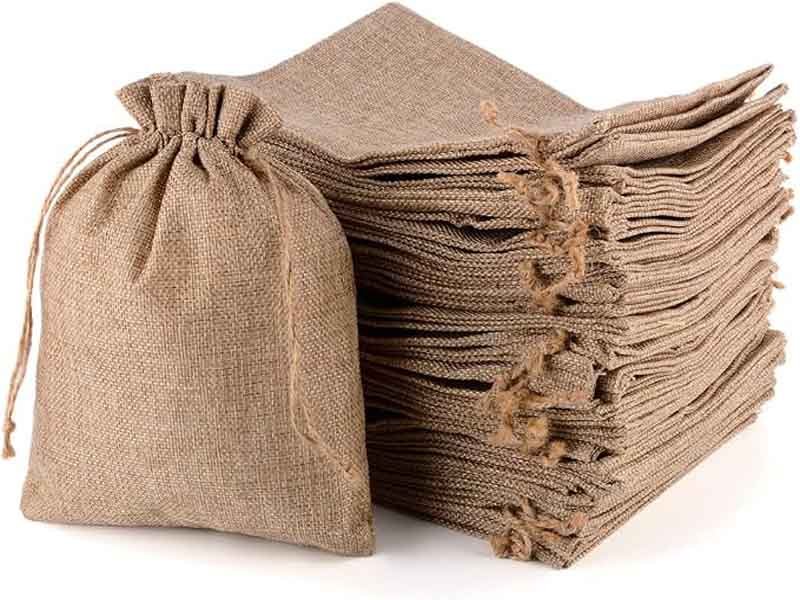
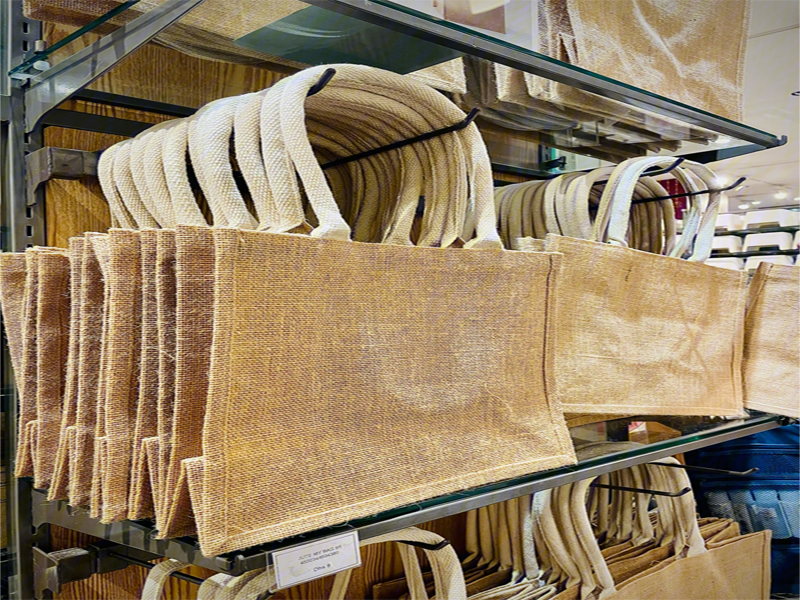
Jute is one of the most sustainable fibers available, requiring minimal water and chemical input. It is commonly used in eco shopping bags and promotional products. However, its coarse texture and low flexibility make it less suitable for structured backpacks.
Linen offers a refined appearance and excellent breathability but lacks the structural strength required for load-bearing applications. It is typically used in lightweight or decorative products.
Why Natural Materials Are Making a Comeback
Market Drivers Behind the Shift
Natural materials are experiencing renewed interest, not because they outperform synthetics, but because they align with changing consumer values.
| Trend | Explanation |
|---|---|
| Eco-conscious design | Increasing demand for low-impact materials |
| Vintage aesthetics | Preference for textured, non-industrial appearance |
| Brand storytelling | Natural materials support authenticity narratives |
| Hybrid innovation | Combining natural look with synthetic performance |
In many markets, especially in Europe and North America, consumers are willing to accept slightly reduced durability in exchange for sustainability and design appeal. This has led to a rise in products that emphasize material origin, recyclability, and reduced environmental footprint.
Hidden Risk: Durability vs Sustainability Trade-Off
Understanding the Real Trade-Off
While natural materials offer clear environmental advantages, they introduce challenges that must be managed carefully.
| Factor | Natural Materials | Synthetic Materials |
|---|---|---|
| Durability | Lower (wear rate increases 30–50%) | Higher |
| Water Resistance | Low (unless treated) | Medium to high |
| Environmental Impact | Lower (renewable, biodegradable) | Higher (petroleum-based) |
| Maintenance | Higher (cleaning, conditioning) | Lower |
For brands, this trade-off must be communicated clearly. A product designed with natural materials should not be positioned as a high-performance outdoor backpack unless additional treatments or reinforcements are applied.
Hybrid Material Strategy
How Modern Backpacks Combine Materials
In current manufacturing practice, purely natural-material backpacks are relatively rare. Instead, hybrid constructions are used to balance aesthetics, performance, and cost.
| Combination Strategy | Benefit |
|---|---|
| Canvas + Polyester Lining | Improved durability and shape retention |
| Leather + Nylon Panels | Premium look with reduced weight |
| Cotton + TPU Coating | Water resistance without losing natural texture |
| Canvas + Reinforced Bottom (PU/PVC) | Extended lifespan in high-wear areas |
For example, adding a polyester lining to a canvas backpack can increase its structural stability and reduce internal wear. Reinforcing the bottom panel with coated fabric can extend product lifespan by 30–40% in real usage conditions.
Treating Natural Materials
How Factories Improve Performance
To make natural materials viable for commercial use, manufacturers apply a range of finishing techniques that enhance durability and functionality.
- Wax coatings are applied to canvas to create water-resistant surfaces, typically achieving a rating of 300–800 mm water resistance.
- Reinforced stitching, often using high-strength polyester thread, increases seam durability and prevents tearing at stress points.
- Protective finishes, such as anti-mold or anti-UV treatments, help extend product lifespan in challenging environments.
- Backing layers or interlinings are added to improve structure and reduce deformation over time.
Factories with advanced finishing capabilities can significantly narrow the performance gap between natural and synthetic materials. In some cases, treated canvas or hybrid fabrics can approach the durability of mid-range polyester while maintaining a distinct natural appearance.
Ultimately, natural materials remain an important part of backpack manufacturing—not as a replacement for synthetics, but as a complementary option that enables brands to differentiate through design, sustainability, and user experience.
How Do Coatings and Treatments Improve Backpack Materials?
If you strip a backpack down to its raw fabric, even high-quality nylon or polyester will not meet real-world expectations. It may feel strong, but it will absorb water, wear quickly at stress points, and degrade under sunlight or humidity. What actually turns these base fabrics into reliable, sellable products is not the fabric alone—but the coatings and treatments applied after weaving.
In practical manufacturing terms, coatings act as functional layers that upgrade a fabric’s performance across multiple dimensions: waterproofing, abrasion resistance, structural stability, and environmental protection. Treatments, on the other hand, enhance surface behavior—such as UV resistance, anti-mildew performance, and flexibility under repeated use.
A well-applied coating system can increase waterproof performance by 300–500%, extend abrasion life by 2–3 times, and significantly reduce product failure rates during long-term use. This is why two backpacks made from the same 600D polyester can perform completely differently depending on how they are treated.
PU, PVC, and TPU Coatings
Core Coating Types Used in Backpack Manufacturing
The three most common coating systems in the industry—PU, PVC, and TPU—each serve different market segments and performance requirements.
| Coating Type | Typical Thickness | Feature | Performance |
|---|---|---|---|
| PU (Polyurethane) | 0.2–0.4 mm | Lightweight, flexible | Water resistance (800–1500 mm) |
| PVC (Polyvinyl Chloride) | 0.3–0.8 mm | Thick, rigid, durable | High waterproof (1500–3000 mm) |
| TPU (Thermoplastic Polyurethane) | 0.2–0.5 mm | Elastic, eco-friendly | Very high waterproof + durability |
PU coating is the most widely used solution in everyday backpacks. It provides sufficient water resistance for commuting or light outdoor use while maintaining fabric flexibility. It also allows easier sewing because the material remains soft and manageable during production.
PVC coating, by contrast, creates a much thicker barrier. It is commonly used in heavy-duty or waterproof bags, such as tool bags or industrial backpacks. However, it adds weight—often increasing total fabric weight by 20–40%—and reduces flexibility, which can affect user comfort.
TPU is increasingly popular in premium and eco-conscious product lines. It combines high waterproof performance with better elasticity and environmental compliance (often meeting REACH or similar standards). While more expensive, TPU-coated fabrics offer longer service life and better resistance to cracking.
Waterproof and Abrasion Treatments
Enhancing Performance Beyond Basic Coating
In addition to base coatings, manufacturers often apply specialized treatments to improve durability and surface resistance.
| Treatment Type | Function | Measurable Benefit |
|---|---|---|
| Waterproof coating | Blocks water penetration | Keeps interior dry under rain exposure |
| Abrasion finish | Reduces surface wear | Extends fabric life by 30–60% |
| Anti-scratch layer | Protects outer surface | Maintains visual quality over time |
Abrasion resistance is particularly important in high-contact areas such as the bottom panel or back panel of a backpack. Without treatment, these areas can show visible wear within 3–6 months of regular use. With proper finishing, abrasion cycles can increase from around 8,000 to over 20,000 rubs in standardized testing.
Anti-scratch layers are often used in premium products where appearance matters. They help maintain a clean surface, especially on darker fabrics where scratches are more visible.
Anti-UV and Anti-Mildew Finishes
Protecting Backpacks in Real Environments
Backpacks are frequently exposed to sunlight, humidity, and temperature changes. Without protective treatments, these factors can significantly reduce product lifespan.
| Treatment | Function | Benefit |
|---|---|---|
| UV-resistant finish | Blocks ultraviolet degradation | Reduces color fading by 40–60% |
| Anti-mildew treatment | Prevents mold growth | Improves hygiene in humid climates |
UV resistance is particularly important for outdoor backpacks or products sold in regions with strong sunlight. Polyester naturally performs better than nylon in UV resistance, but additional treatment ensures color consistency across long-term use and multiple production batches.
Anti-mildew treatments are essential for products stored in humid environments or used for sports and travel. Without them, moisture trapped inside the fabric can lead to odor and visible mold within weeks.
Coating vs Lamination
Understanding the Structural Difference
Although often confused, coating and lamination are fundamentally different processes.
| Method | Description | Performance |
|---|---|---|
| Coating | Liquid layer applied to fabric surface | Flexible, cost-effective |
| Lamination | Membrane bonded to fabric | More durable, stable waterproofing |
Coating is applied using rollers or spraying systems, creating a thin protective layer. It is widely used because it balances cost and performance.
Lamination, on the other hand, involves bonding a film (such as TPU or PET) directly to the fabric. This creates a more uniform and durable barrier, often achieving waterproof ratings above 3000 mm. Laminated fabrics also maintain their performance longer because the membrane is less prone to surface wear.
For example, X-Pac fabrics use lamination to combine multiple layers into a single composite structure, resulting in high dimensional stability and long-term waterproof reliability.
Hidden Insight: Coating Thickness vs Flexibility
The Trade-Off Manufacturers Must Manage
One of the most critical variables in coating performance is thickness. However, increasing thickness does not always lead to better overall performance.
| Thickness Level | Advantage | Drawback |
|---|---|---|
| Thin coating (≤0.2 mm) | High flexibility, lightweight | Limited durability, lower waterproof rating |
| Medium coating (0.2–0.4 mm) | Balanced performance | Standard industry choice |
| Thick coating (≥0.5 mm) | Strong waterproof barrier | Reduced flexibility, heavier feel |
In real-world usage, overly thick coatings can lead to stiffness, making the backpack less comfortable and more prone to cracking under repeated bending. This is especially noticeable in colder environments where materials become less flexible.
The optimal coating thickness depends on the product’s use case. For daily backpacks, flexibility is often prioritized, while for waterproof or industrial bags, durability takes precedence.
Why Coatings Fail Over Time
Common Failure Mechanisms
Even high-quality coatings can degrade if not properly engineered or applied.
| Cause | Effect |
|---|---|
| Repeated bending | Micro-cracks develop in coating layer |
| Abrasion | Gradual thinning and wear of coating |
| Poor adhesion | Delamination or peeling |
In practical terms, backpacks experience constant flexing at fold points and stress areas. If the coating lacks sufficient elasticity or adhesion strength, it will begin to crack or separate from the fabric after several thousand use cycles.
Poor adhesion is often linked to inadequate surface preparation or inconsistent curing during production. This is one of the most common causes of early product failure in low-cost manufacturing.
Controlling Coating Quality
What Determines Consistent Performance
Achieving reliable coating performance is not just about selecting the right material—it requires precise control throughout the manufacturing process.
- Thickness control must be maintained within tight tolerances (±0.02–0.05 mm) to ensure consistent waterproof performance across batches.
- Adhesion strength depends on proper surface treatment and bonding processes, including temperature and pressure control.
- Curing conditions, such as temperature (typically 120–180°C) and time, must be carefully managed to prevent incomplete bonding or over-hardening.
- Environmental stability during production, including humidity and dust control, affects coating uniformity and long-term durability.
Factories with in-house coating and lamination capabilities have a significant advantage in maintaining quality consistency. They can monitor every stage of the process, from raw fabric preparation to final curing, reducing variation between batches and ensuring that large orders—whether 10,000 or 100,000 units—deliver the same performance.
Ultimately, coatings and treatments are not optional enhancements; they are the defining factors that determine whether a backpack can withstand real-world use. A well-engineered coating system transforms standard fabric into a high-performance material, directly influencing product durability, user satisfaction, and long-term brand reputation.
Which Materials Offer the Best Durability and Performance?
Durability is one of the most misunderstood aspects of backpack manufacturing. Many buyers assume that choosing a “strong” material automatically guarantees a long-lasting product. In reality, durability is the result of a system—material selection, fabric construction, coating quality, and structural design all working together. A backpack made from premium nylon can fail quickly if stitching or reinforcement is poor, while a well-engineered polyester product can deliver years of reliable use under normal conditions.
From industry testing and long-term usage data, high-denier nylon—particularly Cordura and ballistic nylon—consistently ranks as the most durable material for demanding applications. Under heavy-use conditions such as travel, outdoor activities, or tactical environments, these materials can last 2–3 times longer than standard polyester fabrics. However, durability must always be evaluated in context. For many everyday products, polyester provides more than enough performance while maintaining a significantly lower cost structure.
The key is not identifying the “strongest” material, but selecting the right material for the expected load, usage frequency, and environmental exposure.
Tear Strength and Abrasion Resistance
How Different Materials Perform Under Stress
Tear strength and abrasion resistance are the two most critical indicators of durability in backpack fabrics. These properties determine how well a material handles pulling forces, friction, and repeated contact with rough surfaces.
| Material Type | Typical Denier | Tear Strength | Abrasion Resistance | Durability Level |
|---|---|---|---|---|
| Nylon (1000D Cordura / Ballistic) | 1000D–1680D | Very high (800–1000 N) | Very high (20,000–30,000 cycles) | Premium |
| Nylon (420D–840D) | 420D–840D | High (600–800 N) | High (15,000–20,000 cycles) | High |
| Polyester (600D) | 600D | Medium (400–600 N) | Medium (10,000–15,000 cycles) | Standard |
| Canvas (12oz–16oz) | 300–500 GSM | Medium (300–500 N) | Medium (8,000–12,000 cycles) | Moderate |
Nylon’s advantage comes from its molecular flexibility. When subjected to sudden force—such as dropping a loaded backpack or pulling on straps—it can absorb and redistribute stress without breaking. This makes it particularly suitable for high-impact environments.
Polyester, while less flexible, offers stable performance and sufficient durability for most daily-use scenarios. Canvas provides a different kind of durability—resistance to moderate wear—but lacks the tensile strength needed for heavy loads or prolonged stress.
Weight vs Strength Comparison
Evaluating Strength-to-Weight Efficiency
In backpack design, durability cannot be considered without weight. A material that is strong but excessively heavy reduces user comfort and increases shipping costs. This is why manufacturers focus on strength-to-weight ratio rather than strength alone.
| Material | Weight (Relative) | Strength | Strength-to-Weight Efficiency |
|---|---|---|---|
| Nylon | Light | High | Excellent |
| Polyester | Slightly heavier | Medium | Good |
| Dyneema (UHMWPE) | Ultra-light | Extremely high | Exceptional |
Nylon offers one of the best balances in the industry. A 420D ripstop nylon, for example, can achieve similar performance to a heavier polyester fabric while reducing total bag weight by 10–20%.
Dyneema represents the extreme end of performance. It is often described as having a strength-to-weight ratio up to 10–15 times higher than steel. This allows for ultra-light backpacks with high load capacity. However, its cost—often several times higher than nylon—limits its use to niche or premium markets.
Polyester remains competitive because its slightly lower performance is offset by cost stability and ease of production. For many brands, this trade-off is more commercially viable.
Long-Term Wear and Reliability
Real Usage Performance Over Time
Durability is ultimately measured not in laboratory tests but in how materials perform over months and years of use.
| Condition | Nylon Outcome | Polyester Outcome |
|---|---|---|
| Daily use (5–10 kg load) | Maintains structure for 2–4 years | Gradual softening after 1–2 years |
| Heavy load (15–25 kg) | Strong resistance, minimal deformation | Increased stress, possible seam strain |
| Rough surfaces (travel, outdoor) | Minimal visible damage | Faster surface wear and fading |
In high-friction environments—such as dragging against concrete, metal racks, or rocky terrain—nylon significantly outperforms polyester. Its higher abrasion resistance means it retains both structural integrity and appearance for longer periods.
However, in controlled environments like commuting or school use, polyester performs reliably and often meets the full product lifecycle expectations.
Why Durability Is Multi-Dimensional
Beyond Fabric: What Really Determines Lifespan
Material strength alone does not define durability. Several additional factors play equally important roles.
| Factor | Impact on Durability |
|---|---|
| Stitching quality | Prevents seam failure under load |
| Coating durability | Maintains waterproofing over time |
| Reinforcement zones | Protects high-stress areas |
| Hardware quality (zippers, buckles) | Ensures overall product reliability |
For example, even a 1000D nylon backpack can fail prematurely if low-quality thread is used or if stitch density is insufficient (below 6 stitches per inch). Conversely, a 600D polyester backpack with reinforced seams and proper construction can perform reliably for years.
Durability must therefore be engineered at the product level, not just selected at the material level.
Hidden Insight: Fabric Construction Matters
Why Two “Identical” Fabrics Perform Differently
It is common to assume that two fabrics labeled as “600D polyester” will perform the same. In reality, their performance can vary significantly depending on how they are constructed.
| Factor | Effect on Performance |
|---|---|
| Weave density | Higher density increases strength and abrasion resistance |
| Yarn quality | Higher-grade fibers improve durability and consistency |
| Finishing process | Affects coating adhesion and long-term stability |
A tightly woven 600D polyester can outperform a loosely woven 800D fabric in abrasion resistance. Similarly, high-quality yarns reduce the risk of fiber breakage over time.
This is why experienced manufacturers focus not just on specifications, but on sourcing consistency and production control.
Where Polyester Can Compete
When Polyester Is the Smarter Choice
Despite nylon’s superior performance, polyester remains highly competitive in many real-world scenarios.
| Scenario | Better Material | Reason |
|---|---|---|
| Daily commuting (5–10 kg load) | Polyester | Cost-effective, sufficient durability |
| High UV exposure | Polyester | Better color stability and resistance to fading |
| Light-use backpacks | Polyester | Meets performance needs without over-specification |
For example, in school backpacks or promotional products, using nylon would increase cost without providing meaningful benefits to the end user. Polyester delivers the required durability while maintaining competitive pricing.
Reinforcing Durability
How Factories Engineer Long-Lasting Backpacks
To achieve consistent durability, manufacturers implement multiple reinforcement strategies during production.
- High-stress zones such as shoulder strap attachments and bottom panels are reinforced with additional fabric layers or higher-denier materials.
- High-quality thread (often bonded polyester thread) is used to improve seam strength and resistance to breakage.
- Stitch density is optimized, typically between 8–10 stitches per inch, to balance strength and flexibility.
- Protective coatings are applied to improve resistance to water, abrasion, and environmental exposure.
In many cases, these reinforcement techniques can extend product lifespan by 30–50% without significantly increasing material cost.
Ultimately, the best-performing backpack materials are those that are matched correctly to their intended use and supported by solid engineering. Nylon leads in extreme durability, polyester dominates in cost-performance balance, and advanced materials push the limits of weight and strength. But the real difference between an average product and a long-lasting one lies in how these materials are combined, constructed, and finished in the manufacturing process.
How Do Backpack Materials Affect Waterproofing and Weather Resistance?
Waterproofing in backpacks is often misunderstood as a simple material choice, but in real manufacturing, it is a system-level result. The base fabric—whether nylon or polyester—only provides the foundation. True weather resistance depends on how that fabric interacts with coatings, laminations, seam construction, and overall product design.
At a technical level, untreated fabrics are not waterproof. Even tightly woven nylon or polyester will allow water penetration under sustained exposure. What differentiates a backpack that keeps contents dry from one that fails in the rain is the combination of fabric behavior, coating technology, and construction precision. When properly engineered, coated fabrics can improve waterproof performance by 300–500%, reaching hydrostatic pressure ratings of 1000 mm to over 3000 mm depending on the application.
Understanding how materials contribute to this system is critical for selecting the right solution for different use cases—from daily commuting to outdoor and marine environments.
Water Absorption vs Repellency
How Base Materials React to Moisture
Before coatings are applied, nylon and polyester behave differently when exposed to water. These differences influence how each material performs in humid or wet environments.
| Property | Nylon | Polyester |
|---|---|---|
| Water absorption rate | 4–7% | 0.4–0.8% |
| Drying speed | Slower | Faster |
| Dimensional stability (wet) | Slight expansion | Highly stable |
| Natural water resistance | Moderate | Better |
Polyester’s lower moisture absorption is a key advantage. It does not retain water within its fibers, which means it dries faster and maintains its shape more consistently in humid conditions. This is why polyester is often preferred for products exposed to frequent environmental changes, such as school bags or travel backpacks.
Nylon, while stronger, absorbs more moisture at the fiber level. This can lead to slight weight increase and reduced dimensional stability when wet. However, once coated, this difference becomes less significant, as the coating layer prevents water from reaching the fibers.
Laminated vs Coated Fabrics
Structural Differences in Waterproof Solutions
Waterproof performance is largely determined by how the protective layer is applied to the fabric. The two primary methods—coating and lamination—offer different advantages.
| Method | Description | Waterproof Level | Durability |
|---|---|---|---|
| Coating | Liquid layer applied to fabric surface | 800–2000 mm | Moderate |
| Lamination | Membrane bonded to fabric | 1500–5000 mm | High |
Coated fabrics, such as PU-coated polyester, are flexible and cost-effective. They are widely used in everyday backpacks because they provide sufficient protection against rain while maintaining softness and ease of sewing.
Laminated fabrics, such as TPU-laminated nylon or multi-layer composites like X-Pac, create a more robust barrier. The membrane acts as a continuous waterproof layer, reducing the risk of micro-leakage over time. This makes lamination the preferred solution for high-performance outdoor or waterproof backpacks.
From a long-term perspective, laminated fabrics maintain their waterproof properties longer because the membrane is less exposed to surface wear compared to coatings.
Performance in Rain and Outdoor Use
Real-World Weather Resistance Comparison
Material performance varies depending on the intensity of exposure and whether treatments are applied.
| Condition | Nylon Performance | Polyester Performance |
|---|---|---|
| Light rain (short exposure) | Good with PU coating | Naturally resistant, performs well |
| Moderate rain (30–60 min) | Requires coating for full protection | Performs well with coating |
| Heavy rain / outdoor use | Needs coating or lamination | Stable with coating, better UV resistance |
| Long-term outdoor exposure | Strong with treatment | More stable under UV and humidity |
In practical use, both materials can achieve similar waterproof performance once coated or laminated. However, polyester often has an advantage in maintaining performance over time in outdoor environments due to its better UV resistance and lower moisture absorption.
For example, a 600D polyester with PU 1000 mm coating can handle daily commuting in rainy conditions, while a TPU-laminated 420D nylon can withstand extended outdoor exposure, including heavy rain and wet surfaces.
Why Waterproofing Depends on More Than Material
Key Factors Beyond Fabric Choice
Even the best material will fail if other aspects of construction are not properly executed.
| Factor | Importance |
|---|---|
| Coating thickness | Directly determines waterproof rating |
| Seam sealing | Prevents water entry through stitching holes |
| Fabric density | Reduces baseline water penetration |
| Construction method | Ensures structural integrity under stress |
Seams are one of the most common failure points. Needle holes created during sewing allow water to penetrate unless sealed with tape or specialized bonding techniques. In many cases, a backpack made from waterproof fabric can still leak due to unsealed seams.
Coating thickness also plays a critical role. A PU layer of 0.2 mm may provide basic resistance, while increasing thickness to 0.4–0.5 mm significantly improves performance—but may reduce flexibility.
Hidden Insight: Coating Quality vs Material Type
Why Application Matters More Than Fabric
In many cases, the quality of the coating process has a greater impact on waterproof performance than the base material itself.
| Factor | Impact |
|---|---|
| Adhesion strength | Prevents peeling and delamination |
| Flex resistance | Reduces cracking during repeated bending |
| Coating uniformity | Ensures consistent waterproof performance |
Poorly applied coatings can fail within months, even if the base fabric is high quality. Cracking, peeling, or uneven coverage can lead to localized leakage, which is often the cause of customer complaints.
High-quality manufacturing processes ensure consistent coating thickness and strong bonding, which directly translates into longer-lasting waterproof performance.
Waterproof vs Water-Resistant
Understanding Market Terminology
In product labeling, the difference between “water-resistant” and “waterproof” is significant and often misunderstood.
| Label | Meaning |
|---|---|
| Water-resistant | Protects against light rain or splashes |
| Waterproof | Fully blocks water penetration under pressure |
Water-resistant backpacks typically rely on basic coatings and fabric density. They are suitable for short-term exposure but may fail under prolonged or heavy rain.
Waterproof backpacks, by contrast, use laminated fabrics, sealed seams, and often roll-top or airtight construction to prevent any water ingress. These are designed for extreme conditions such as hiking, boating, or cycling in heavy rain.
Engineering Perspective: Hybrid Waterproof Strategy
How Manufacturers Achieve Balanced Performance
In real production, achieving optimal waterproofing often involves combining multiple materials and technologies rather than relying on a single solution.
- Polyester is used for outer panels due to its dimensional stability and UV resistance.
- Nylon is applied in reinforcement areas where higher strength is required.
- TPU or PVC coatings are added to create a waterproof barrier.
- Seam sealing or heat welding is used to eliminate leakage points.
For example, a hybrid backpack might use 600D polyester with TPU lamination for the main body, reinforced with nylon at stress points, and finished with sealed seams. This approach balances cost, durability, and waterproof performance.
Ultimately, waterproofing is not defined by a single material choice but by how effectively materials, coatings, and construction methods are integrated. A well-designed system ensures that the backpack performs reliably across different environments, protecting both the product and the user’s expectations over time.
What Materials Are Best for Different Backpack Applications?
One of the most common mistakes in backpack development is trying to find a single “best” material. In reality, material performance is always context-dependent. A fabric that performs exceptionally well in outdoor environments may be unnecessary—or even counterproductive—in a daily-use product. The most successful backpacks are not built with the strongest materials available, but with materials that are precisely matched to how the product will be used.
From a manufacturing and product development perspective, material selection begins with understanding real usage scenarios: how much weight the backpack will carry, how often it will be used, what environmental conditions it will face, and what price point it must meet. When these factors are aligned correctly, material selection becomes a strategic decision rather than a technical guess.
Industry feedback shows that backpacks designed with application-specific material strategies can reduce return rates and product failures by over 40% compared to generic designs that rely on a one-material-fits-all approach. This is especially important for brands scaling production, where consistency across batches directly impacts reputation and long-term customer retention.
School, Laptop, and Daily Backpacks
Materials for High-Volume, Everyday Use
Backpacks in this category prioritize comfort, cost control, and sufficient durability rather than extreme performance. The majority of global backpack production falls into this segment.
| Application | Recommended Material | Typical Specs | Reason |
|---|---|---|---|
| School backpack | Polyester (600D–900D) | PU 800–1000 mm | Cost-effective, lightweight, stable supply |
| Laptop backpack | Polyester + padding + coating | 600D–900D + foam | Shock absorption + structure stability |
| Daily commute | Polyester + PU coating | 300D–600D | Balanced weight, water resistance |
Polyester dominates this segment because it offers predictable performance across large production volumes. It is easy to dye, resistant to UV fading, and maintains structural stability even after repeated use. For example, a 600D polyester backpack can comfortably handle daily loads of 5–10 kg over 1–2 years without significant degradation.
Laptop backpacks require additional considerations. Beyond fabric, internal padding (typically 5–10 mm EVA or foam) plays a critical role in protecting devices. Coatings also help prevent moisture from reaching electronic contents.
From a cost perspective, polyester allows brands to maintain competitive retail pricing while still meeting durability expectations for everyday users.
Travel, Outdoor, and Tactical Backpacks
Materials for High-Stress and Harsh Environments
In contrast to daily-use products, backpacks designed for travel, outdoor activities, or tactical applications must withstand higher loads, rough handling, and environmental exposure.
| Application | Recommended Material | Typical Specs | Reason |
|---|---|---|---|
| Travel backpack | Nylon/polyester hybrid | 600D polyester + 1000D base | Balanced durability and cost |
| Outdoor backpack | Nylon (420D–1000D) | Ripstop + PU/TPU coating | High strength, lightweight |
| Tactical backpack | Cordura / ballistic nylon | 1000D–1680D | Extreme abrasion resistance |
Nylon is preferred in these scenarios because of its superior tensile strength and abrasion resistance. A 500D–1000D nylon fabric can handle loads of 15–25 kg and withstand repeated friction against rough surfaces such as concrete, rocks, or metal structures.
For travel backpacks, hybrid construction is common. Using polyester for the main body and reinforced nylon for high-wear areas (bottom panels, corners, straps) allows manufacturers to control cost while improving durability where it matters most.
Tactical backpacks represent the highest durability tier. Materials like Cordura or ballistic nylon are selected specifically for their ability to endure extreme conditions, often exceeding 20,000 abrasion cycles in testing.
Lightweight vs Heavy-Duty Designs
Balancing Weight and Strength
Material selection also depends heavily on whether the backpack is designed for lightweight portability or heavy-duty performance.
| Use Type | Best Material | Advantage |
|---|---|---|
| Lightweight | Polyester (300D–600D) or ripstop nylon (210D–420D) | Reduced weight, improved comfort |
| Heavy-duty | High-denier nylon (840D–1680D) | Maximum durability, load capacity |
| Mixed use | Hybrid materials | Balanced performance and cost |
Lightweight designs focus on reducing total bag weight, often targeting 400–800 grams for the entire product. Ripstop nylon is commonly used here because it provides tear resistance without adding bulk.
Heavy-duty designs, on the other hand, prioritize structural integrity. These backpacks may weigh more but are built to last under continuous stress, making them suitable for professional or industrial use.
Hybrid designs are increasingly common because they allow brands to optimize both weight and durability. For example, combining 420D nylon for the main body with reinforced 1000D panels can reduce weight while maintaining strength.
Matching Material to Real User Behavior
Why Usage Patterns Matter More Than Specifications
Material selection should always reflect how users actually interact with the product, not just theoretical performance metrics.
| User Behavior | Material Requirement |
|---|---|
| Daily commuting (5–8 kg load) | Lightweight, stable, moderate durability |
| Frequent travel (10–20 kg load) | High abrasion resistance, reinforced structure |
| Outdoor activities (variable conditions) | Strong, weather-resistant, flexible |
| Occasional use | Cost-effective, basic durability |
For example, a commuter using a backpack for short trips and office work does not need ballistic nylon. In this case, using high-end materials would increase cost without improving user experience. Conversely, a traveler dragging a backpack across airport floors and loading it repeatedly into compartments requires a much more durable material system.
Understanding these behaviors allows manufacturers to align material selection with real-world performance expectations.
Hidden Risk: Using the Wrong Material
Common Material Mismatches in Product Development
Incorrect material selection is one of the leading causes of product failure and customer dissatisfaction.
| Mistake | Result |
|---|---|
| Using polyester for heavy-load backpacks | Early wear, seam stress, potential tearing |
| Using high-denier nylon for low-cost products | Increased cost, reduced competitiveness |
| Ignoring coatings or treatments | Poor weather resistance, water damage |
| Over-specifying materials | Heavier product, unnecessary cost increase |
For example, using 300D polyester in a backpack intended to carry 15 kg regularly can lead to fabric deformation and seam failure within months. On the other hand, using 1680D ballistic nylon for a school backpack adds weight and cost without delivering meaningful benefits.
Hybrid Material Advantage
How Combining Materials Improves Performance
Modern backpack design rarely relies on a single material. Instead, manufacturers combine different fabrics to optimize performance across various zones of the product.
| Combination Strategy | Benefit |
|---|---|
| Polyester body + nylon base | Improved durability in high-wear areas |
| Nylon panels + TPU coating | Waterproof and abrasion-resistant |
| Mixed denier fabrics | Cost-performance optimization |
A common configuration in mass production might include:
- 600D polyester for main panels to control cost
- 1000D nylon reinforcement on the bottom and corners
- PU or TPU coating for water resistance
- 210D polyester lining for lightweight interior structure
This approach allows manufacturers to enhance durability where it is needed most while keeping overall material costs within target ranges.
Application-Driven Design
How Factories Translate Use Cases into Material Decisions
In professional manufacturing environments, material selection follows a structured process rather than a single decision point.
- Usage scenarios are defined first, including load requirements, environment, and frequency of use.
- Fabric types and specifications are selected based on these requirements, balancing performance and cost.
- High-stress zones such as straps, bottom panels, and seams are reinforced with stronger materials or additional layers.
- Coatings and treatments are applied to ensure weather resistance and long-term durability.
Factories with extensive experience often propose multiple material combinations during the sampling stage, allowing brands to compare performance, weight, and cost before finalizing production.
Ultimately, the best material for a backpack is not determined by its technical superiority alone, but by how well it aligns with the product’s intended use. When materials, design, and manufacturing processes are all optimized around real-world applications, the result is a product that performs reliably, meets customer expectations, and maintains consistency across large-scale production.
How Should You Choose the Right Material for Backpack Manufacturing?
Choosing the right material for a backpack is not a technical checkbox—it is a strategic decision that directly impacts product positioning, cost structure, durability, and long-term brand perception. In real manufacturing environments, material selection is one of the earliest and most critical decisions because it influences everything that follows: design feasibility, sampling success, production efficiency, and even customer reviews after launch.
Many brands make the mistake of focusing on extremes—either choosing the strongest material available or the cheapest option to reduce cost. Both approaches often lead to problems. Over-specification increases weight and cost without improving user experience, while under-specification leads to early product failure, returns, and negative feedback. The most effective approach is to optimize—selecting materials that are precisely aligned with the product’s intended use, target price, and expected lifespan.
In practice, a structured decision-making process helps avoid costly mistakes and ensures that the final product performs consistently across production batches and real-world use.
Defining Requirements Before Selecting Materials
Material selection should always start with a clear understanding of how the backpack will be used. Without this foundation, even high-quality materials can be misapplied.
| Factor | Key Consideration | Typical Range / Benchmark |
|---|---|---|
| Usage scenario | Daily, travel, outdoor, tactical | Determines base fabric type |
| Load requirement | Light (3–8 kg), medium (8–15 kg), heavy (15–25 kg) | Influences denier and reinforcement |
| Budget target | Entry, mid-range, premium | Controls material ceiling |
| Weather exposure | Indoor, rain, outdoor | Defines coating or lamination level |
For example, a daily commuter backpack carrying 5–8 kg does not require 1000D nylon. A 600D polyester with PU coating (800–1000 mm) will meet performance needs while keeping costs competitive. In contrast, an outdoor backpack exposed to rough terrain and heavy rain requires stronger materials such as 420D–1000D nylon with advanced coatings or laminations.
Defining these parameters early allows manufacturers to narrow down material options efficiently and avoid unnecessary iterations during sampling.
Material Combination Strategies
Moving Beyond Single-Material Thinking
In modern backpack manufacturing, relying on a single material is increasingly rare. Most high-performing products use a combination of materials to balance cost, durability, and functionality.
| Strategy | Structure | Benefit |
|---|---|---|
| Single material | Same fabric throughout | Simplicity, easier production |
| Hybrid materials | Different fabrics for different panels | Optimized performance and cost |
| Reinforced zones | Stronger materials in stress areas | Extended product lifespan |
A typical hybrid configuration might include:
- Main body: 600D polyester for cost control
- Bottom panel: 1000D nylon for abrasion resistance
- Straps and handles: reinforced webbing or ballistic nylon
- Lining: 210D polyester for lightweight structure
This approach allows manufacturers to allocate higher-cost materials only where they are needed, reducing total material cost by 10–20% while improving durability in critical areas.
Customization and Manufacturing Considerations
Aligning Material Choices with Production Reality
Material selection must also consider manufacturing constraints. A theoretically perfect material is not useful if it cannot be produced consistently within the required timeline or order volume.
| Factor | Impact on Material Decision |
|---|---|
| MOQ (Minimum Order Quantity) | Determines feasibility of custom fabrics or colors |
| Sampling process | Validates material performance and construction |
| Lead time | Affects material availability and production scheduling |
For example, custom-dyed nylon or specialized laminated fabrics may require higher MOQs (often 500–1000 meters per color), which may not be suitable for small-batch production. Polyester, on the other hand, is widely available and allows faster sampling (typically 5–7 days) and shorter production lead times.
Sampling is a critical stage. It allows brands to test not only the material itself but also how it performs in combination with stitching, coatings, and overall construction. Many issues—such as stiffness, color inconsistency, or coating adhesion—only become visible at this stage.
Why Material Choice Impacts Brand Success
Direct Link Between Materials and Market Performance
Material decisions have a measurable impact on how a product performs in the market.
| Factor | Business Impact |
|---|---|
| Product lifespan | Longer lifespan reduces returns and increases repeat purchases |
| Performance consistency | Builds trust and strengthens brand reputation |
| Cost efficiency | Improves margins and pricing competitiveness |
For example, a backpack that maintains its structure and appearance after 12–18 months of use is more likely to generate positive reviews and repeat orders. Conversely, early failures—such as fabric wear or water leakage—can quickly damage brand credibility, especially in online marketplaces where reviews directly influence sales.
Material selection, therefore, is not just an engineering decision but a key driver of commercial success.
Hidden Insight: Over-Specification vs Optimization
Finding the Right Balance
One of the most important—and often overlooked—principles in material selection is avoiding both extremes.
| Approach | Result |
|---|---|
| Over-specification | Increased cost, heavier product, reduced competitiveness |
| Under-specification | Short lifespan, higher return rates |
| Optimized design | Balanced performance, cost, and user satisfaction |
For instance, using 1680D ballistic nylon in a lightweight commuter backpack may increase material cost by 30–50% without providing meaningful benefits to the end user. On the other hand, using low-denier polyester for a heavy-duty backpack can lead to structural failure within months.
Optimization means selecting materials that meet performance requirements without exceeding them unnecessarily.
How Professionals Choose Materials
Decision Strategies Used by Experienced Brands
Experienced product developers follow clear patterns when selecting materials for different market segments.
| Scenario | Material Strategy |
|---|---|
| Premium product | Nylon (Cordura) + TPU lamination for durability and waterproofing |
| Mass-market product | Polyester (600D–900D) + PU coating with reinforced zones |
| Eco-focused product | RPET polyester + TPU or PU coating for sustainability and performance |
These strategies are not fixed rules but proven frameworks that balance performance and cost within specific market expectations.
For example, RPET combined with TPU coating allows brands to market sustainability while maintaining waterproof performance comparable to standard synthetic materials.
Turning Ideas into Products
From Material Selection to Mass Production
Selecting the right material is only the first step. Consistent product quality depends on how well that material is processed and controlled during production.
- Accurate material sourcing ensures that fabric specifications remain consistent across batches.
- Controlled processing, including cutting, sewing, and coating application, maintains product integrity.
- Strict quality control verifies key parameters such as fabric strength, coating adhesion, and waterproof performance before shipment.
Factories with integrated capabilities—such as in-house coating, lamination, and testing—have a significant advantage. They can monitor each stage of production, reduce variability, and ensure that large orders (from 1,000 to 100,000 units) maintain the same performance standards as initial samples.
Ultimately, choosing the right material is about aligning technical performance with real-world application and business objectives. When materials are selected through a structured, application-driven approach and supported by reliable manufacturing processes, the result is a product that performs consistently, meets customer expectations, and supports long-term brand growth.
Build Backpacks with the Right Materials for Real Performance
Backpack materials are the foundation of product performance. From synthetic fabrics like nylon and polyester to natural materials like canvas and leather, and from coatings like PU and TPU to advanced laminates, every choice shapes how a backpack looks, feels, and performs over time.
The key is not choosing the most expensive material, but choosing the right material for the right application. A well-designed backpack uses materials strategically—reinforcing stress points, balancing weight and durability, and optimizing cost without sacrificing performance.
At Szoneier, we bring over 18 years of experience in fabric development and backpack manufacturing, offering a wide range of materials including cotton, canvas, polyester, nylon, neoprene, jute, linen, and Oxford fabrics. With advanced coating technologies, flexible customization options, low MOQ, fast sampling, and strict quality control, we help transform ideas into high-performance products.
If you’re planning to develop a new backpack or improve an existing design, now is the time to focus on materials that truly match your goals. Contact Szoneier today to explore custom solutions, evaluate material options, and create backpacks that deliver durability, functionality, and long-term value.
Can't find the answers?
No worries, please contact us and we will answer all the questions you have during the whole process of bag customization.
Make A Sample First?
If you have your own artwork, logo design files, or just an idea,please provide details about your project requirements, including preferred fabric, color, and customization options,we’re excited to assist you in bringing your bespoke bag designs to life through our sample production process.