Skip to content
Most people assume that if a bag looks tough, it can handle rain. But in reality, many drawstring bags fail the moment they’re exposed to water—not because the fabric is weak, but because the design wasn’t built to block moisture. Waterproof performance isn’t just about material—it’s about structure, engineering, and how every component works together.
Waterproof drawstring bags are specially designed using coated or laminated fabrics combined with sealed construction techniques to prevent water from penetrating the material or seams. Unlike standard drawstring bags, which are typically only water-resistant, true waterproof designs rely on multi-layer fabrics, seam sealing, and advanced manufacturing processes to create a barrier against moisture.
Imagine walking through a sudden rainstorm, carrying electronics, clothes, or important items. A regular bag might soak through in minutes, but a properly designed waterproof drawstring bag keeps everything dry. That difference isn’t accidental—it’s engineered. And once you understand how it works, you’ll never confuse “water-resistant” with “waterproof” again.
What Does “Waterproof” Mean for Drawstring Bags?
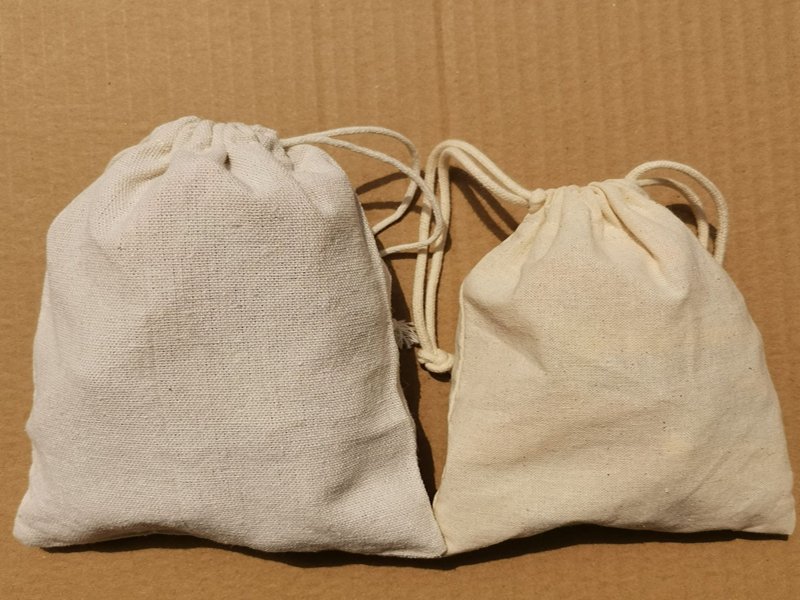
“Waterproof” in drawstring bags means the bag is designed to prevent water from penetrating into the storage area under defined conditions. This is different from a bag that is only water-resistant. A water-resistant drawstring bag can slow down water entry during light rain, splashes, or short exposure, but it does not fully block water for extended periods. A waterproof drawstring bag should provide a stronger level of protection by using suitable coated fabrics, sealed seams, and a construction method that reduces water leakage points.
This distinction matters because many drawstring bags on the market are described loosely as waterproof, even when they are only water-resistant. A lightweight polyester bag with a basic PU coating may protect contents during a short drizzle, but it may leak during heavy rain or prolonged outdoor use. A true waterproof drawstring bag requires more than coated fabric. The fabric must block water, the seams must prevent leakage, the closure must reduce water entry, and the structure must be designed as a complete protection system.
In real-world use, waterproof drawstring bags are valuable for outdoor activities, sports, travel, commuting in rainy climates, swimming programs, boating, hiking, camping, gym use, and school or event situations where contents need better moisture protection. Users may carry clothes, towels, shoes, electronics, documents, snacks, cameras, or personal accessories. If the bag leaks, the user’s belongings may become wet, damaged, or uncomfortable to use.
A reliable waterproof drawstring bag should be evaluated by how it performs in actual conditions, not just by material description. Fabric coating, hydrostatic pressure rating, seam treatment, cord channel design, closure structure, and reinforcement all affect performance. A strong waterproof material can still leak if the stitching holes are not sealed. A sealed seam can still fail if the closure allows water to enter from the top. This is why waterproofing should be understood as a system rather than a single feature.
At Szoneier, waterproof drawstring bag designs are developed by combining high-performance materials, coating technologies, seam solutions, and reinforced construction methods. The goal is to create bags that protect contents reliably while still remaining practical, lightweight, and suitable for the intended use.
Waterproof vs Water-Resistant Explained
The first step in understanding waterproof drawstring bags is knowing the difference between waterproof and water-resistant. These two terms are often used interchangeably, but they describe different protection levels.
A water-resistant bag is designed to resist water entry for a limited time. It may handle light rain, splashes, or brief moisture exposure. This type of protection is often enough for daily commuting, school use, gym bags, promotional bags, or casual outdoor use. Water-resistant bags commonly use PU-coated polyester, coated nylon, or coated Oxford fabric.
A waterproof bag is designed for stronger protection. It should prevent water from passing through the fabric and construction for a longer period or under more demanding conditions. Waterproof bags often use stronger coatings such as PVC, TPU, or high-performance PU, and may require seam sealing, welded construction, or roll-top structures depending on the expected exposure.
| Property | Water-Resistant Drawstring Bag | Waterproof Drawstring Bag |
|---|---|---|
| Water protection | Limited | Strong to complete under defined conditions |
| Exposure duration | Short-term | Longer exposure |
| Fabric requirement | Basic coating or tight weave | Waterproof coating or laminated fabric |
| Seam treatment | Often unsealed | Sealed, taped, welded, or specially constructed |
| Best use | Light rain, splashes, everyday carry | Heavy rain, outdoor sports, travel, wet environments |
| Cost level | Lower | Medium to higher |
| Flexibility | Usually softer and lighter | May be thicker depending on material |
This difference is important for buyers, brands, and users. If the bag will only face light rain during commuting, a water-resistant fabric may be enough. If the bag will be used for boating, camping, hiking, swimming, outdoor events, or heavy rain, a more complete waterproof construction is needed.
How Waterproof Performance Is Measured
Waterproof performance is commonly measured by hydrostatic pressure testing. This test measures how much water pressure a fabric can withstand before water begins to penetrate. The result is usually expressed in millimeters, such as 500 mm, 1000 mm, 3000 mm, or 5000 mm.
A higher hydrostatic pressure rating generally means better resistance to water pressure. However, this rating usually applies to the fabric itself, not always the finished bag. The final bag may still leak through seams, closures, drawcord openings, or stitched areas if those parts are not protected.
| Hydrostatic Rating | Performance Level | Practical Meaning |
|---|---|---|
| 500–1000 mm | Light resistance | Suitable for drizzle or brief splashes |
| 1000–3000 mm | Moderate water protection | Better for commuting, light rain, and outdoor daily use |
| 3000–5000 mm | Strong water protection | Suitable for longer rain exposure and active outdoor use |
| 5000+ mm | High waterproof performance | Better for demanding outdoor or wet conditions |
For example, a drawstring bag made from fabric rated at around 500 mm may resist light drizzle, but it may fail during heavy rain or when exposed for a long time. A fabric rated at 5000 mm can handle much stronger water pressure, but the finished bag still needs good seam and closure design to protect contents properly.
This is why waterproof claims should be evaluated carefully. A high fabric rating is useful, but it is not the whole story. Construction quality determines whether the rating translates into real bag performance.
Waterproof Fabric Coatings
Waterproof drawstring bags usually rely on coated or laminated fabrics. The coating forms a barrier that blocks water from passing through the fabric surface. Different coatings offer different levels of protection, flexibility, weight, cost, and hand feel.
PU coating is common in water-resistant and moderately waterproof bags. It is flexible, relatively lightweight, and cost-effective. PU-coated polyester or nylon is often used for commuting bags, gym bags, school bags, travel bags, and outdoor daily bags.
PVC coating provides stronger waterproofing and surface durability. It is commonly used for wet environments, outdoor gear, industrial bags, and products that need higher water protection. However, PVC can make the fabric heavier and less flexible.
TPU coating is often used for premium waterproof bags because it offers strong protection while maintaining flexibility and a softer feel. TPU is suitable for sports, outdoor, travel, and higher-end waterproof drawstring bags.
Silicone coating is used in some ultra-light outdoor fabrics. It can improve water resistance and tear strength while keeping weight low. It is more specialized and commonly used in performance outdoor products.
| Coating Type | Main Function | Best Application |
|---|---|---|
| PU coating | Flexible water resistance | Daily use, commuting, gym, light outdoor |
| PVC coating | Strong waterproof barrier | Wet environments, outdoor activities, heavy-duty use |
| TPU coating | Flexible premium waterproofing | Sports, travel, higher-end waterproof bags |
| Silicone coating | Ultra-light water protection | Lightweight outdoor and packable bags |
The best coating depends on the bag’s purpose. A lightweight commuter drawstring bag may only need PU coating. A waterproof swimming or outdoor bag may need TPU or PVC. A premium packable outdoor bag may use silicone-coated ripstop nylon.
Seam Sealing and Leakage Control
Seams are one of the most common leakage points in waterproof bags. When fabric panels are stitched together, the needle creates small holes. Even if the fabric itself is waterproof, water can pass through these stitch holes unless they are sealed or protected.
Seam sealing is the process of blocking water entry through stitched areas. This may involve seam taping, heat sealing, welding, bonding, or using special construction methods that reduce exposed stitch holes. For high-waterproof performance, seam treatment is essential.
| Seam Method | Waterproof Performance | Notes |
|---|---|---|
| Standard stitching | Low | Suitable for water-resistant bags only |
| Double stitching with coating | Low to medium | Improves durability but may still leak |
| Seam taping | Medium to high | Covers stitch holes with waterproof tape |
| Heat sealing | High | Bonds materials to reduce leakage |
| High-frequency welding | Very high | Creates strong waterproof seams for coated materials |
| Bonded construction | High | Reduces needle holes and improves water protection |
For many everyday water-resistant drawstring bags, standard stitching with coated fabric may be enough. For true waterproof designs, seam taping or welded construction may be required. This is especially important if the bag will be used in heavy rain, outdoor sports, marine environments, or wet travel conditions.
A waterproof bag should be viewed as a complete system. If the fabric blocks water but the seams leak, the bag cannot be considered truly waterproof.
Closure Design and Top Opening Protection
Drawstring bags have a natural challenge when it comes to waterproofing: the top opening. Unlike roll-top dry bags, which seal tightly by folding and clipping, standard drawstring bags close by pulling cords. This closure is convenient, but it may leave small gaps where water can enter during heavy rain or direct water exposure.
For this reason, waterproof drawstring bags often need improved closure design. Some use overlapping fabric flaps, storm covers, inner collars, roll-top hybrid closures, or tightened cord channels to reduce water entry. The correct solution depends on the protection level required.
| Closure Type | Protection Level | Best Use |
|---|---|---|
| Basic drawcord closure | Low to medium | Light rain and casual use |
| Drawcord with protective flap | Medium | Commuting and outdoor daily use |
| Drawcord with inner collar | Medium to high | Sports, travel, wet conditions |
| Roll-top hybrid drawstring | High | Outdoor and stronger waterproof applications |
| Dry-bag style closure | Very high | Marine, camping, swimming, heavy rain |
A standard drawstring closure can work well for water-resistant bags, but it is not ideal for full waterproof protection in heavy rain. If the bag must protect contents in demanding wet environments, the closure system needs to be upgraded.
Real-World Example: Light Drizzle vs Heavy Rain
A simple way to understand waterproof performance is to compare two common situations.
In light drizzle, a PU-coated polyester drawstring bag may perform well. The water droplets may bead on the surface, and the contents may stay dry during short exposure. This is suitable for commuting, school, gym, or casual outdoor use.
In heavy rain, the same bag may eventually leak. Water may enter through the top opening, seams, or stitch holes. If the user carries papers, electronics, or dry clothing, those items may become wet.
A stronger waterproof drawstring bag made from TPU-coated or PVC-coated fabric with sealed seams and improved closure protection can handle extended exposure much better. A 5000 mm rated fabric, combined with proper construction, can protect contents in tougher conditions.
| Scenario | Basic Water-Resistant Bag | Waterproof Bag |
|---|---|---|
| Short drizzle | Usually acceptable | Performs well |
| Light rain commute | Often acceptable | Performs better |
| Heavy rain | May leak | Designed for stronger protection |
| Wet ground contact | May resist briefly | Better protection |
| Outdoor sports | Limited performance | More reliable |
| Boating or swimming area | Not suitable | Requires waterproof construction |
This comparison shows why users should match the bag to the actual environment. Overstating waterproof performance can lead to disappointment and damaged belongings.
Waterproof System Components
Waterproofing is not a single material feature. It is a system made of several components that must work together. If one part is weak, the entire bag may fail.
| Component | Role in Waterproofing |
|---|---|
| Fabric coating | Blocks water penetration through the fabric surface |
| Seam sealing | Prevents leakage through stitch holes |
| Closure design | Reduces water entry from the top opening |
| Reinforced construction | Maintains structure under stress |
| Waterproof thread or bonding | Reduces leakage and improves durability |
| Coated lining | Adds internal protection |
| Bottom structure | Protects against wet ground contact |
A bag with waterproof fabric but ordinary stitched seams may only be water-resistant in real use. A bag with sealed seams but a loose top opening may still leak in heavy rain. A bag with strong coating but weak corners may tear under load. All parts need to support the intended waterproof level.
Common Waterproof Drawstring Bag Materials
Several materials are commonly used for waterproof or water-resistant drawstring bags. The right choice depends on protection level, weight target, flexibility, cost, and appearance.
Polyester with PU coating is widely used for cost-effective water resistance. It is suitable for daily use, school bags, gym bags, and promotional waterproof-style bags.
Nylon with PU or TPU coating provides better lightweight performance and flexibility. It is suitable for travel, outdoor use, sports, and premium drawstring bags.
Oxford fabric with PVC or PU coating provides stronger structure and durability. It is suitable for heavier-duty drawstring bags, outdoor use, sports teams, and work-related applications.
TPU laminated fabric is often used for premium waterproof products. It offers good flexibility and strong protection.
PVC tarpaulin is commonly used for heavy-duty waterproof bags and dry bags. It is strong and waterproof but usually heavier.
| Material | Protection Level | Best Use |
|---|---|---|
| PU-coated polyester | Water-resistant to moderate waterproof | Daily use, commuting, gym |
| PU-coated nylon | Lightweight water protection | Travel, sports, outdoor daily use |
| TPU-coated nylon | Strong flexible waterproofing | Premium outdoor and sports bags |
| PVC-coated Oxford | Stronger waterproof and abrasion resistance | Wet environments and durable bags |
| PVC tarpaulin | High waterproof performance | Dry bags, marine, outdoor heavy use |
| Silicone-coated ripstop | Lightweight water protection | Packable outdoor bags |
Material choice should reflect actual use. A commuter bag does not need the same fabric as a marine dry bag. A promotional bag does not need the same sealing method as an outdoor waterproof bag.
Waterproof Performance and Durability
Waterproof performance must be supported by durability. If a fabric coating cracks, peels, or wears off, waterproofing declines. If seams stretch or tear, leakage increases. If the cord channel weakens, the top closure may become unreliable.
A good waterproof drawstring bag should use materials that resist both water and daily wear. Abrasion resistance is especially important because bags are often placed on floors, rocks, sand, benches, lockers, and wet surfaces. The bottom area and corners should be reinforced if the bag will carry heavier items.
| Durability Factor | Why It Matters |
|---|---|
| Abrasion-resistant fabric | Protects coating from surface wear |
| Reinforced bottom | Reduces damage from wet or rough surfaces |
| Strong seams | Maintains waterproof structure |
| Flexible coating | Reduces cracking from folding |
| Quality cords | Keeps closure functional |
| Proper storage | Helps maintain coating performance |
Waterproof bags are often used in more demanding environments, so durability is not optional. A bag that blocks water but fails structurally is not reliable.
When Do You Need a Truly Waterproof Drawstring Bag?
Not every user needs a fully waterproof drawstring bag. In many daily situations, water-resistant protection is enough. However, true waterproof construction is important when exposure is frequent, prolonged, or high-risk.
| Use Case | Recommended Protection Level |
|---|---|
| Indoor events | Basic fabric or light water resistance |
| Daily commuting | Water-resistant PU-coated fabric |
| Gym use | Water-resistant and easy-clean fabric |
| Travel backup | Water-resistant or moderate waterproof |
| Hiking and camping | Waterproof fabric with sealed seams |
| Swimming programs | Waterproof or wet/dry construction |
| Boating and marine use | Fully waterproof dry-bag style construction |
| Heavy rain outdoor work | Waterproof fabric and sealed construction |
If the bag carries electronics, documents, or dry clothing in wet conditions, stronger waterproofing is worth considering. If the bag is mainly for indoor light items, a full waterproof build may add unnecessary cost and weight.
How Szoneier Engineers Waterproof Drawstring Bags
Szoneier develops waterproof drawstring bags by matching materials, coatings, seam methods, and closure designs to the intended usage environment. For daily water-resistant bags, Szoneier may recommend PU-coated polyester or nylon with reinforced stitching and easy-clean surfaces. For higher waterproof requirements, TPU-coated nylon, PVC-coated Oxford, or PVC tarpaulin can be used.
Depending on the project, Szoneier can integrate seam taping, heat sealing, high-frequency welding, reinforced bottoms, protective flaps, roll-top hybrid closures, waterproof zipper pockets, and custom lining structures. These options help create different protection levels, from light rain resistance to stronger waterproof outdoor performance.
Szoneier also considers user comfort and product practicality. A waterproof drawstring bag should not become unnecessarily stiff or heavy unless the use case requires it. For commuting and travel, flexibility and light weight remain important. For outdoor and marine use, stronger material and sealing methods may be more important.
With experience in fabric R&D, bag manufacturing, coating applications, and customized OEM/ODM production, Szoneier helps customers develop waterproof drawstring bags that match real-world expectations rather than relying on vague waterproof claims.
“Waterproof” in drawstring bags means the bag is designed to prevent water penetration under specific conditions. It is different from water-resistant protection, which only slows water entry during light rain or short exposure. A truly waterproof drawstring bag depends on more than coated fabric. It requires a complete system that includes waterproof material, seam sealing, closure design, reinforced construction, and proper finishing.
Waterproof performance is often measured through hydrostatic pressure ratings. A 500–1000 mm rating may provide only light resistance, while 5000 mm or higher indicates stronger protection. However, fabric rating alone does not guarantee that the finished bag is waterproof. Seams, closures, and construction quality are equally important.
For daily commuting, school, gym, and casual use, water-resistant drawstring bags may be enough. For heavy rain, hiking, camping, boating, swimming, and demanding outdoor use, stronger waterproof construction is needed. At Szoneier, waterproof drawstring bag development combines high-performance materials, advanced coatings, seam solutions, and practical structure design to ensure reliable protection in real-world conditions.
Why Are Standard Drawstring Bags Not Fully Waterproof?
Standard drawstring bags are not fully waterproof because their materials, seams, closures, and overall construction are usually not designed to block water completely. Most standard drawstring bags are made for light carrying, casual daily use, school activities, promotions, gym clothes, events, and short-distance movement. These uses do not always require full waterproof performance, so manufacturers often prioritize low weight, simple construction, low cost, and easy customization instead of advanced waterproof engineering.
The biggest misunderstanding is that a bag becomes waterproof simply because the fabric feels thick or strong. In reality, thickness alone does not equal waterproof performance. Cotton, canvas, basic polyester, and ordinary Oxford fabric may feel durable, but water can still penetrate if the material is not coated, laminated, or treated properly. A thick canvas drawstring bag may carry heavy items well, but it can absorb rain quickly. A basic polyester bag may resist a few droplets at first, but under steady rain, water can pass through the weave, seams, and top opening.
A fully waterproof drawstring bag requires a complete system. The fabric must block water. The seams must prevent leakage through needle holes. The closure must reduce water entry from the top. The bottom and corners must resist contact with wet ground. The coating or lamination must remain flexible and durable after folding, pulling, and repeated use. If any part of this system is weak, the bag may only be water-resistant, not waterproof.
Standard drawstring bags usually fail because they are built with ordinary woven fabric and traditional stitching. Standard sewing creates needle punctures, and these tiny holes allow water to seep through. The drawstring closure also leaves gaps at the top, especially during heavy rain. Even if the main fabric has some water resistance, the finished bag may still leak through seams, cord channels, or openings.
This is why experienced manufacturers like Szoneier focus on both materials and construction methods when developing waterproof drawstring bags. True waterproof performance depends on coating technology, seam treatment, closure design, fabric strength, and real-use testing—not just the appearance or thickness of the fabric.
Fabric Limitations
Many standard drawstring bags are made from cotton, canvas, basic polyester, nonwoven fabric, or uncoated Oxford fabric. These materials can be practical for everyday use, but they are not naturally waterproof. Some may resist water briefly, while others absorb moisture quickly.
Cotton is highly absorbent. It can feel soft, natural, and breathable, but it absorbs water easily. Once wet, cotton becomes heavier and takes longer to dry. This makes untreated cotton unsuitable for waterproof drawstring bags.
Canvas is stronger than basic cotton fabric, but it is still absorbent unless treated with wax, coating, or water-repellent finishing. Canvas may be durable for dry daily use, but in rain, it can gradually soak through. A canvas drawstring bag may protect items for a short time in light drizzle, but it should not be considered waterproof.
Basic polyester performs better than cotton in moisture exposure because it absorbs less water and dries faster. However, uncoated polyester fabric still contains tiny gaps between yarns. Under rain or pressure, water can pass through the weave. Polyester becomes more protective only when coated with PU, PVC, TPU, silicone, or another water-blocking finish.
| Material | Water Behavior | Waterproof Limitation |
|---|---|---|
| Cotton | Highly absorbent | Soaks quickly and dries slowly |
| Canvas | Absorbs water over time | Durable but not waterproof without treatment |
| Basic polyester | Limited natural resistance | Water can pass through weave under pressure |
| Nonwoven fabric | Low to moderate resistance | Weak structure and limited water blocking |
| Uncoated Oxford | Better structure but still porous | Needs coating for waterproof performance |
This shows why material type alone is not enough. A fabric may be strong, thick, or tightly woven, but without proper coating or lamination, it cannot reliably block water.
Why Thick Fabric Does Not Mean Waterproof
Many buyers assume that thick fabric provides better waterproofing. This is only partly true. A thicker fabric may slow down water entry, but it does not automatically stop water. Waterproof performance depends more on fabric structure, coating, lamination, and seam protection than thickness alone.
For example, a thick untreated canvas bag may absorb a large amount of water. It may feel strong, but once the fabric becomes saturated, moisture can pass through to the inside. A thin coated nylon fabric may provide much better water protection because the coating creates a continuous barrier.
Similarly, 600D polyester may be more durable than 210D polyester, but if both are uncoated, neither is fully waterproof. The heavier fabric may resist light moisture slightly longer, but it can still leak in steady rain.
| Fabric Condition | Water Performance |
|---|---|
| Thick but uncoated fabric | May delay water entry but can absorb or leak |
| Thin but coated fabric | Can block water better despite lower thickness |
| Tight weave without coating | Offers limited resistance, not full waterproofing |
| Coated and sealed fabric system | Provides stronger waterproof performance |
For waterproof drawstring bags, a thinner coated fabric can outperform a thicker untreated fabric. This is why professional waterproof design focuses on material engineering rather than weight alone.
Stitching and Seam Weakness
Seams are one of the main reasons standard drawstring bags are not fully waterproof. Most standard bags are sewn using traditional stitching. This method is simple, cost-effective, and strong enough for regular use, but it creates thousands of small needle holes in the fabric.
Each needle hole can become a water entry point. During light rain, water may not pass through immediately. During heavy rain, prolonged exposure, or pressure from wet surfaces, water can seep through these holes. The seam area also has multiple layers of fabric and thread, which can hold moisture and allow gradual leakage.
Even reinforced stitching does not automatically make a seam waterproof. Reinforced stitching improves strength, but it still uses needles. Unless the seam is sealed, taped, bonded, welded, or otherwise protected, water can still pass through.
| Construction Type | Water Resistance | Main Issue |
|---|---|---|
| Standard stitching | Low | Needle holes allow water entry |
| Double stitching | Low to medium | Stronger seam but still punctured |
| Reinforced stitching | Medium | Better strength, limited waterproofing |
| Seam taping | High | Covers stitch holes with waterproof tape |
| Heat sealing | High | Reduces leakage through bonded construction |
| High-frequency welding | Very high | Creates waterproof seams on compatible materials |
This is why a standard stitched drawstring bag may be durable but not waterproof. Durability and waterproofing are related, but they are not the same. A strong seam can still leak if it is not sealed.
Drawstring Closure Gaps
The drawstring closure is another major reason standard drawstring bags are not fully waterproof. A traditional drawstring bag closes by pulling cords through a top channel. This creates a gathered opening. While this is fast and convenient, it usually leaves small gaps where water can enter.
During light rain, the gathered top may provide enough protection for casual use. During heavy rain, water can collect near the top and seep through the folds. If the bag is tilted, placed on wet ground, or exposed to wind-driven rain, water can enter more easily.
A fully waterproof bag usually needs a better closure system. Roll-top closures, waterproof zippers, storm flaps, inner collars, or sealed top structures provide better protection. Standard drawstring closures are designed for convenience, not complete water sealing.
| Closure Type | Waterproof Performance |
|---|---|
| Basic drawstring closure | Low to medium |
| Drawstring with storm flap | Medium |
| Drawstring with inner collar | Medium to high |
| Roll-top hybrid closure | High |
| Dry-bag style closure | Very high |
This does not mean drawstring bags cannot be waterproof. It means that a standard drawstring structure must be modified if true waterproof protection is required.
Lack of Protective Coatings
Most standard drawstring bags are not coated or laminated. Without a protective coating, woven fabrics remain porous. Water can pass between yarns, especially during prolonged exposure or pressure.
Coatings create a barrier on the fabric surface or back side. PU, PVC, TPU, and silicone coatings are commonly used to improve water resistance or waterproof performance. These coatings fill or cover the tiny gaps in the fabric, preventing water from entering through the textile structure.
| Feature | Impact on Water Protection |
|---|---|
| No coating | Water penetrates more easily |
| Basic water-repellent finish | Helps droplets bead temporarily |
| PU coating | Provides flexible water resistance |
| PVC coating | Creates stronger waterproof barrier |
| TPU coating | Offers flexible premium waterproof protection |
| Lamination | Adds a technical waterproof layer |
A basic water-repellent finish should not be confused with waterproof coating. Water-repellent treatment may cause droplets to roll off at first, but it can wear down over time and may not withstand pressure. Waterproof coating provides a more complete barrier.
Standard bags usually skip coatings because coatings increase cost, may affect fabric hand feel, and may require more careful production. For casual use, this may be acceptable. For waterproof performance, coatings are essential.
Structural Gaps and Design Limitations
Waterproof failure is not always caused by fabric or seams alone. Standard drawstring bags often include structural gaps that allow water to enter. The top opening, cord holes, pocket seams, bottom corners, and side seams can all become leakage points.
Cord holes are especially important. Many drawstring bags use metal eyelets, stitched loops, or fabric tabs near the bottom corners for cord attachment. These areas often have punctures or extra stitching. If not sealed, they can allow water entry.
External pockets can also reduce waterproof performance if they are not designed carefully. A zipper pocket may seem protective, but standard zippers are not waterproof. Water can pass through zipper teeth, zipper seams, or pocket stitching unless waterproof zippers and sealed construction are used.
| Structural Area | Waterproof Risk |
|---|---|
| Top opening | Water enters through gaps |
| Cord channel | Moisture seeps through folds and stitching |
| Bottom eyelets | Punctures and holes allow leakage |
| Pocket seams | Extra stitch lines create water paths |
| Standard zippers | Water passes through zipper teeth |
| Side seams | Needle holes leak under rain pressure |
A waterproof drawstring bag must reduce or control these leakage points. This requires design planning from the beginning, not only adding coating after the bag is sewn.
Failure Point Analysis
Most waterproof failures happen because several weaknesses work together. A bag may have slightly water-resistant fabric, but if the seams are unsealed and the top opening is loose, water will still enter. Another bag may have coated fabric, but if the coating cracks or the bottom corners are punctured, leakage can still occur.
| Failure Point | Estimated Contribution | Explanation |
|---|---|---|
| Fabric absorption or porosity | 40% | Uncoated fabric allows water to pass through |
| Seam leakage | 35% | Needle holes and stitching lines create water paths |
| Structural gaps | 25% | Top openings, cord holes, pockets, and zippers allow entry |
This breakdown shows why waterproof performance must be treated as a complete system. Solving only one problem is not enough. A waterproof bag needs suitable material, protected seams, improved closure, and controlled structural openings.
Why Standard Bags Are Usually Designed This Way
Standard drawstring bags are not fully waterproof because most users do not need full waterproof performance. These bags are often designed for lightweight daily carry, school use, gym clothing, promotions, events, shopping, travel backup, and casual activities. For these purposes, low cost, easy folding, simple printing, and light weight may be more important than complete waterproofing.
Adding waterproof performance increases complexity. Coated materials cost more than basic fabrics. Seam sealing or welding requires special equipment and production control. Waterproof closures can make the bag less simple. Stronger coatings may add weight or stiffness. These changes are worthwhile for outdoor, sports, marine, and rain-heavy use, but they may be unnecessary for indoor events or light daily carry.
| Standard Bag Priority | Result |
|---|---|
| Low cost | Basic materials and standard stitching |
| Lightweight feel | Thin fabric and minimal structure |
| Easy printing | Uncoated or lightly coated fabric |
| Fast production | Traditional sewing methods |
| Simple use | Basic drawstring closure |
| Foldability | Soft, unstructured body |
This explains why many standard drawstring bags are water-resistant at best. They are optimized for convenience and affordability, not waterproof protection.
How to Make a Drawstring Bag Truly Waterproof
To make a drawstring bag truly waterproof, both material and construction need to be upgraded. The fabric should use a waterproof coating or lamination. Seams should be sealed, taped, welded, or bonded. Closure design should reduce top water entry. Stress points should be reinforced without leaving unprotected holes. Pockets and zippers should be designed with waterproof performance in mind.
| Upgrade | Waterproof Benefit |
|---|---|
| PU, PVC, TPU, or silicone coating | Blocks water through fabric surface |
| Seam taping | Covers stitch holes |
| High-frequency welding | Creates waterproof bonded seams |
| Roll-top or storm-flap closure | Reduces top water entry |
| Waterproof zipper | Protects pocket openings |
| Reinforced sealed corners | Prevents leakage at stress points |
| Coated lining | Adds internal moisture barrier |
The correct combination depends on the required protection level. A commuter bag may only need PU-coated fabric and improved seams. A marine or outdoor dry bag may need PVC tarpaulin, welded seams, and roll-top closure.
Water-Resistant May Be Enough for Many Uses
Not every drawstring bag needs to be fully waterproof. In many everyday situations, water resistance is enough. A commuter may need protection from light rain. A gym user may need protection from damp clothes. A school bag may need protection from spills. These cases do not always require heavy waterproof construction.
| Use Case | Recommended Protection |
|---|---|
| Indoor events | Basic fabric or light water resistance |
| Daily commuting | Water-resistant PU-coated fabric |
| Gym use | Water-resistant and easy-clean fabric |
| School activities | Water-resistant polyester or Oxford |
| Outdoor travel | Stronger waterproof coating and improved seams |
| Boating or wet sports | Fully waterproof welded construction |
Choosing the right protection level helps avoid unnecessary cost and weight. A fully waterproof bag may be overbuilt for casual use, while a standard bag may be underbuilt for heavy rain or outdoor activities.
How Szoneier Improves Waterproof Performance
Szoneier improves waterproof performance by analyzing both material and construction. For projects requiring light water resistance, Szoneier may recommend PU-coated polyester, coated nylon, or coated Oxford fabric. These options are suitable for commuting, gym, school, travel, and promotional use.
For stronger waterproof requirements, Szoneier can use TPU-coated fabric, PVC-coated Oxford, PVC tarpaulin, or other waterproof materials. Depending on the use case, construction methods may include seam taping, heat sealing, high-frequency welding, reinforced waterproof panels, storm flaps, roll-top hybrid structures, waterproof zipper pockets, and sealed bottom designs.
Szoneier also considers the balance between waterproofing, weight, flexibility, cost, and branding. A waterproof drawstring bag for outdoor sports may require stronger materials and sealed construction. A lightweight daily bag may need only practical water resistance. A promotional bag may need cost-efficient coating and simple reinforcement.
By combining fabric R&D, coating selection, structural design, and OEM/ODM production experience, Szoneier helps customers avoid vague waterproof claims and develop bags that match real-world conditions.
Standard drawstring bags are not fully waterproof because they are usually made with uncoated fabrics, traditional stitching, basic drawstring closures, and structural gaps that allow water entry. Cotton and canvas absorb moisture. Basic polyester and Oxford fabric can allow water through the weave if not coated. Standard stitching creates needle holes that leak. The top drawstring closure leaves gaps. Pockets, eyelets, zippers, and cord channels can also become entry points.
Waterproof failure is rarely caused by only one issue. It usually comes from a combination of fabric absorption, seam leakage, and structural openings. That is why waterproofing must be designed as a complete system.
For light daily use, water-resistant drawstring bags may be enough. For heavy rain, outdoor sports, travel, swimming, boating, or wet environments, stronger waterproof materials and sealed construction are required. Experienced manufacturers like Szoneier improve waterproof performance by combining coated fabrics, seam protection, reinforced structures, and suitable closure designs, helping customers create drawstring bags that perform reliably in real wet conditions.
Which Materials Make Drawstring Bags Waterproof?
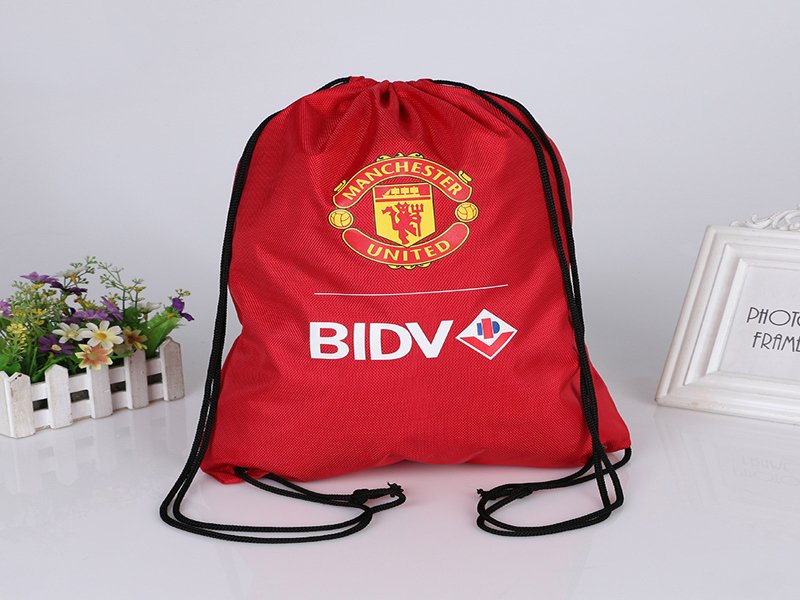
The materials that make drawstring bags waterproof are those designed to block water penetration through coatings, laminations, or synthetic barrier layers. Standard fabrics such as cotton, canvas, basic polyester, and uncoated nylon may offer strength or thickness, but they are not truly waterproof on their own. Water can still pass through the woven structure, seep through stitch holes, or enter from weak construction points. To achieve real waterproof performance, the fabric must include a protective surface or membrane that prevents water from reaching the inside of the bag.
In practical manufacturing, the most reliable waterproof materials for drawstring bags include TPU-coated fabrics, PVC-coated fabrics, tarpaulin, laminated nylon, laminated polyester, and coated Oxford fabrics. These materials are commonly used in outdoor bags, dry bags, marine gear, travel accessories, gym bags, sports bags, and waterproof packaging because they provide more consistent water protection than untreated textile fabrics.
The right waterproof material depends on the intended use. A lightweight waterproof drawstring bag for commuting does not need the same material as a heavy-duty waterproof bag for boating, camping, or industrial use. A student or gym user may prefer a softer, lighter, flexible waterproof fabric. An outdoor user may need stronger abrasion resistance and sealed seams. A marine or industrial customer may prioritize maximum waterproofing over softness or weight.
This is why choosing waterproof material is not only about selecting the strongest fabric. It is about balancing waterproof level, flexibility, weight, durability, cost, hand feel, printing compatibility, and construction method. TPU-coated fabric may be ideal for flexible everyday waterproof bags. PVC-coated fabric is better for rugged and heavy-duty applications. Laminated nylon is useful when low weight and packability matter. Tarpaulin is suitable when strength and waterproof protection are more important than softness.
At Szoneier, waterproof material selection is tailored to the application scenario. The goal is to ensure that waterproof performance matches real user expectations without adding unnecessary weight, stiffness, or cost.
Core Waterproof Materials and Their Properties
Waterproof drawstring bags usually rely on engineered materials rather than untreated woven fabrics. These materials may use coatings, films, laminations, or dense synthetic layers to stop water from passing through the base fabric.
TPU-coated fabric is one of the most popular premium options. TPU stands for thermoplastic polyurethane. It creates a flexible waterproof layer that can bend, fold, and move without feeling overly stiff. TPU-coated nylon or polyester is often used for premium outdoor bags, sports bags, travel bags, waterproof pouches, and flexible dry bags.
PVC-coated fabric is another highly waterproof option. PVC forms a strong plastic-like barrier over the fabric surface. It provides excellent water blocking and abrasion resistance, making it suitable for heavy-duty waterproof bags, outdoor gear, industrial products, and marine-related applications. The trade-off is that PVC is usually heavier and less flexible than TPU.
Tarpaulin is commonly used for heavy-duty waterproof products. It is often made from polyester base fabric coated with PVC or another waterproof layer. Tarpaulin is strong, durable, and highly water-blocking, but it can feel thicker and stiffer than lightweight waterproof fabrics. It is commonly used for dry bags, outdoor storage bags, truck covers, waterproof equipment bags, and rugged travel products.
Laminated nylon or polyester is used when a lighter waterproof structure is needed. Instead of relying only on surface coating, lamination bonds a waterproof film or membrane to the base fabric. This creates a water-blocking layer while keeping the bag more flexible and packable. Laminated nylon is especially useful for lightweight waterproof drawstring bags, travel bags, and compact outdoor bags.
| Material | Waterproof Level | Flexibility | Durability | Typical Use |
|---|---|---|---|---|
| TPU-coated fabric | Very high | High | High | Premium outdoor bags, sports bags, travel bags |
| PVC-coated fabric | Very high | Medium | Very high | Heavy-duty waterproof bags, marine and outdoor use |
| Tarpaulin | Very high to complete | Low to medium | Very high | Dry bags, industrial bags, rugged outdoor products |
| Laminated nylon | High | High | Medium to high | Lightweight waterproof bags, travel, commuting |
| Laminated polyester | High | Medium to high | Medium to high | Daily waterproof bags, promotional waterproof designs |
| Coated Oxford fabric | Medium to high | Medium | High | Gym bags, school bags, sports bags |
Each material has its own place. The best material is the one that matches the bag’s real use environment.
How Coatings Create Waterproof Barriers
Waterproof coatings work by creating a barrier layer over the base fabric. Most woven fabrics have microscopic gaps between yarns. These gaps allow air and sometimes water to pass through. A waterproof coating covers or fills these gaps, preventing water from reaching the inside of the bag.
TPU coating creates an elastic film over the fabric. This film is flexible and can move with the bag, making it suitable for products that need softness and foldability. TPU is often preferred for premium waterproof bags because it offers a strong balance of waterproofing, flexibility, and durability.
PVC coating creates a tougher plastic layer. It is less flexible than TPU, but it is strong, abrasion-resistant, and highly water-blocking. PVC-coated fabrics are commonly used when durability and waterproof protection are more important than a soft hand feel.
Lamination works differently. Instead of applying a coating directly to the surface, a waterproof film is bonded to the fabric. This can create a lighter and more controlled barrier, especially when used with nylon or polyester. Laminated fabrics are useful for lightweight waterproof drawstring bags because they can provide protection without excessive fabric thickness.
| Coating or Treatment Type | Mechanism | Advantage |
|---|---|---|
| TPU coating | Elastic waterproof film applied to fabric | Flexible, durable, premium feel |
| PVC coating | Plastic waterproof layer bonded to fabric | Strong, abrasion-resistant, highly waterproof |
| PU coating | Flexible protective coating | Cost-effective water resistance to moderate waterproofing |
| Silicone coating | Thin protective layer | Ultra-light protection and improved tear resistance |
| Lamination | Waterproof film bonded to fabric | Lightweight protection with good flexibility |
These coatings prevent water from passing through the fabric surface, but waterproof performance still depends on construction. If seams are stitched and unsealed, water can enter through needle holes even when the fabric itself is waterproof.
TPU-Coated Fabric for Flexible Waterproof Bags
TPU-coated fabric is one of the best choices for waterproof drawstring bags that need flexibility, softness, and reliable protection. It is commonly used in premium outdoor bags, waterproof backpacks, dry bags, sports pouches, travel bags, and high-quality waterproof accessories.
The main advantage of TPU is flexibility. A TPU-coated drawstring bag can bend, fold, and move more naturally than many PVC-coated products. This makes it more comfortable for daily use and easier to pack when not in use. TPU also performs well in products where the user expects the bag to feel modern and premium.
TPU-coated nylon is especially useful when lightweight performance matters. Nylon provides strength and abrasion resistance, while TPU provides waterproof protection. TPU-coated polyester can offer a more cost-controlled option while still providing strong water resistance.
| TPU-Coated Fabric Advantage | Practical Benefit |
|---|---|
| Flexible waterproof layer | Better comfort and foldability |
| Strong water blocking | Suitable for outdoor, sports, and travel use |
| Good durability | Handles repeated bending and movement |
| Premium hand feel | Better for retail and higher-end products |
| Works with nylon or polyester | Allows different cost and weight options |
TPU is ideal for drawstring bags used in commuting, cycling, hiking, travel, gym, outdoor events, and premium daily carry. It may not always be the cheapest option, but it offers excellent value when the bag needs to feel lightweight, flexible, and protective.
PVC-Coated Fabric for Heavy-Duty Waterproofing
PVC-coated fabric is widely used when strength and waterproof protection are the top priorities. PVC forms a strong plastic barrier over the base fabric, making it highly effective at blocking water. It is commonly used in dry bags, heavy-duty outdoor bags, waterproof storage bags, marine gear, industrial covers, and rugged equipment bags.
Compared with TPU, PVC is usually heavier and less flexible. However, it is highly durable and resistant to abrasion. This makes it suitable for drawstring bags that may be placed on wet ground, carried in outdoor environments, exposed to rough surfaces, or used in demanding conditions.
PVC-coated Oxford fabric is a common option for waterproof bags that need structure and strength. PVC tarpaulin is even stronger and is often used for high-waterproof products where weight is less of a concern.
| PVC-Coated Fabric Advantage | Practical Benefit |
|---|---|
| Very strong waterproof barrier | Better for wet and harsh conditions |
| High abrasion resistance | Handles rough surfaces and heavy use |
| Durable surface | Long service life in outdoor environments |
| Suitable for welding | Can support strong waterproof seams |
| Cost-effective for heavy-duty use | Good value for rugged waterproof products |
PVC is a strong choice for outdoor sports, fishing, boating, camping, industrial use, and heavy-duty waterproof drawstring bags. For lightweight everyday carry, however, it may feel too stiff or heavy unless carefully selected.
Tarpaulin for Rugged Waterproof Drawstring Bags
Tarpaulin is one of the most durable waterproof materials used in bags. It is usually made from a strong woven base fabric coated with PVC or another waterproof layer. It offers excellent water protection, high abrasion resistance, and a tough surface that can handle outdoor and industrial conditions.
Tarpaulin is often used for dry bags, waterproof backpacks, rafting bags, marine bags, outdoor equipment covers, and heavy-duty storage bags. For drawstring bags, tarpaulin is suitable when the product needs maximum durability and waterproofing rather than soft daily comfort.
The main limitation of tarpaulin is weight and stiffness. It does not fold as easily as lightweight nylon or laminated polyester. It may feel too rugged for casual daily carry. However, for demanding applications, its strength is valuable.
| Tarpaulin Strength | Practical Value |
|---|---|
| Excellent waterproofing | Protects contents in wet environments |
| Very high durability | Suitable for rugged outdoor use |
| Abrasion resistance | Handles rough ground and equipment |
| Weldable structure | Supports strong waterproof seams |
| Long lifespan | Good for heavy-duty applications |
Tarpaulin is best for outdoor, marine, camping, fishing, boating, and industrial drawstring bags. It is not usually the first choice for lightweight commuter bags or fashion-focused products.
Laminated Nylon and Polyester for Lightweight Waterproof Bags
Laminated nylon and polyester are excellent choices for lightweight waterproof drawstring bags. These materials use a bonded waterproof film or membrane to block water while keeping the fabric relatively thin and flexible.
Laminated nylon is especially useful for travel and outdoor products. It combines nylon’s strength and low weight with waterproof protection from the laminated layer. This makes it suitable for packable waterproof bags, lightweight commuting bags, hiking accessories, and sports drawstring bags.
Laminated polyester is often more cost-effective than laminated nylon. It works well for daily waterproof drawstring bags, promotional waterproof designs, and school or gym bags that need water protection without a high price point.
| Laminated Material | Main Benefit | Best Use |
|---|---|---|
| Laminated nylon | Lightweight, flexible, strong | Travel, outdoor, premium daily carry |
| Laminated polyester | Cost-efficient waterproofing | Daily use, promotions, gym, school |
| Laminated ripstop nylon | Tear-resistant and lightweight | Hiking, packable bags, outdoor accessories |
| Laminated Oxford | Stronger structure | Sports and repeated-use waterproof bags |
Laminated materials are ideal when users need a waterproof bag that remains soft and easy to carry. However, the lamination quality must be controlled carefully. Poor lamination can peel, bubble, or weaken after repeated folding or heat exposure.
Coated Oxford Fabric for Practical Waterproof Performance
Oxford fabric is commonly used in school bags, sports bags, gym bags, travel bags, and everyday carry products because of its woven strength and moderate structure. When coated with PU, PVC, or TPU, Oxford fabric can provide useful waterproof or water-resistant performance.
Coated Oxford is often chosen when a drawstring bag needs better durability than thin polyester but should not become as heavy as tarpaulin. For example, a gym drawstring bag may use PU-coated Oxford to resist damp clothing and light rain. A sports team bag may use PVC-coated Oxford for stronger surface protection. A premium outdoor bag may use TPU-coated Oxford for flexible waterproof performance.
| Coated Oxford Type | Best Application |
|---|---|
| PU-coated Oxford | Gym bags, school bags, daily water resistance |
| PVC-coated Oxford | Outdoor bags, sports bags, heavier-duty use |
| TPU-coated Oxford | Premium waterproof drawstring bags |
| 420D Oxford with coating | Balanced strength and weight |
| 600D Oxford with coating | Stronger durability for heavier use |
Coated Oxford is a practical middle-ground material. It is stronger than many lightweight fabrics but more flexible and cost-effective than some heavy-duty waterproof materials.
Lightweight vs Heavy-Duty Waterproof Materials
Not all waterproof materials are the same. Some are designed for low weight and portability. Others are designed for maximum protection and durability. Choosing the right category depends on how the bag will be used.
A lightweight waterproof drawstring bag may use laminated nylon, coated polyester, or silicone-coated ripstop fabric. This is suitable for commuting, travel, casual outdoor use, and packable storage.
A mid-weight waterproof bag may use TPU-coated polyester, coated Oxford fabric, or stronger nylon. This is suitable for sports, gym, outdoor events, school use, and regular travel.
A heavy-duty waterproof bag may use PVC-coated fabric, PVC tarpaulin, or heavy coated Oxford. This is suitable for camping, boating, fishing, marine use, industrial work, and rugged outdoor conditions.
| Category | Material Example | Weight | Use Case |
|---|---|---|---|
| Lightweight | Laminated nylon, coated ripstop, PU polyester | Low | Daily carry, travel, commuting |
| Mid-weight | TPU polyester, coated Oxford, coated nylon | Medium | Sports, gym, outdoor events |
| Heavy-duty | PVC tarpaulin, PVC-coated Oxford | High | Outdoor, marine, industrial use |
The best waterproof material is not always the strongest. A heavy tarpaulin bag may be too stiff for daily commuting. A lightweight laminated nylon bag may not be rugged enough for industrial use. Matching material category to actual use is essential.
Material Performance Comparison
A side-by-side comparison helps clarify how waterproof materials perform in real applications.
| Material | Water Resistance | Flexibility | Weight | Expected Lifespan |
|---|---|---|---|---|
| TPU-coated fabric | 10/10 | 9/10 | Medium | 3–5 years |
| PVC-coated fabric | 10/10 | 6/10 | Heavy | 5+ years |
| Tarpaulin | 10/10 | 5/10 | Heavy | 5+ years |
| Laminated nylon | 8/10 | 9/10 | Light | 2–4 years |
| PU-coated polyester | 7/10 | 8/10 | Light to medium | 2–3 years |
| Coated Oxford | 8/10 | 7/10 | Medium | 3–5 years |
These performance ranges depend on fabric thickness, coating quality, construction method, frequency of use, and care conditions. A well-made PU-coated bag can last longer than a poorly laminated premium material. Manufacturing quality matters as much as material selection.
Waterproof Material Alone Is Not Enough
Even the best waterproof material cannot guarantee a waterproof drawstring bag if the construction is weak. Water can enter through stitched seams, zipper openings, drawstring channels, bottom eyelets, or poorly sealed pockets.
For stronger waterproof performance, the bag may need seam taping, heat sealing, high-frequency welding, waterproof zippers, roll-top closures, protective flaps, or sealed bottom construction. This is especially important for outdoor, marine, and heavy rain applications.
| Construction Element | Waterproof Role |
|---|---|
| Sealed seams | Prevents leakage through stitching holes |
| Welded panels | Creates waterproof bonds without needle holes |
| Roll-top closure | Reduces water entry from the opening |
| Waterproof zipper | Protects pocket access points |
| Reinforced sealed bottom | Prevents ground moisture leakage |
| Coated inner lining | Adds an extra protection layer |
A waterproof drawstring bag should be developed as a full system. Fabric is the foundation, but seam and closure design determine whether the final product performs as expected.
Matching Materials to Different Use Cases
The best waterproof material depends on the expected environment. A daily commuter, gym user, traveler, and marine user do not need the same specification.
| Use Case | Recommended Material | Reason |
|---|---|---|
| Daily commuting | PU-coated polyester or laminated polyester | Good water protection with low weight |
| Gym and fitness | PU-coated Oxford or coated polyester | Easy-clean and moisture-resistant |
| Travel backup | Laminated nylon or coated ripstop | Lightweight and packable |
| Outdoor sports | TPU-coated nylon or coated Oxford | Flexible and durable waterproofing |
| Camping and hiking | TPU-coated ripstop or PVC-coated fabric | Stronger outdoor protection |
| Boating and fishing | PVC tarpaulin or PVC-coated Oxford | Heavy-duty waterproof performance |
| School waterproof bags | PU-coated polyester or coated Oxford | Cost-effective and practical |
| Premium retail bags | TPU-coated fabric or laminated nylon | Better hand feel and product value |
This use-case approach helps avoid unnecessary cost and weight. It also ensures the product performs properly in the conditions users actually face.
How Szoneier Selects Waterproof Materials
At Szoneier, waterproof material selection begins with the application. For lightweight daily carry, Szoneier may recommend PU-coated polyester, laminated polyester, or coated nylon. These materials provide practical water protection while keeping the bag soft and easy to carry.
For sports, gym, travel, and outdoor activities, Szoneier may recommend TPU-coated fabric, coated Oxford, laminated nylon, or ripstop materials. These options offer stronger durability and better flexibility. For marine, camping, fishing, or heavy-duty waterproof bags, PVC-coated fabric, PVC tarpaulin, or welded construction may be more suitable.
Szoneier also considers cost, weight, flexibility, printing method, seam construction, and product positioning. A premium waterproof bag may use TPU-coated nylon with sealed seams and waterproof zipper pockets. A cost-effective school or gym bag may use PU-coated polyester with reinforced construction. A rugged outdoor drawstring bag may use PVC tarpaulin and high-frequency welding.
With over 18 years of experience in fabric R&D and bag manufacturing, Szoneier helps customers choose waterproof materials that align with real product needs instead of overbuilding or underbuilding the bag.
The materials that make drawstring bags waterproof include TPU-coated fabrics, PVC-coated fabrics, tarpaulin, laminated nylon, laminated polyester, coated Oxford fabric, and other engineered barrier materials. These materials block water through coatings, films, laminations, or synthetic protective layers rather than relying on fabric thickness alone.
TPU-coated fabric is ideal for flexible premium waterproof drawstring bags. PVC-coated fabric and tarpaulin are better for heavy-duty outdoor, marine, and industrial use. Laminated nylon and polyester are suitable for lightweight waterproof bags used in commuting, travel, and daily carry. Coated Oxford fabric provides a practical balance of durability and water protection for gym, sports, and school applications.
The best waterproof material is not always the strongest or heaviest. It is the one that matches the intended use, protection level, comfort expectation, and budget. Waterproof performance also depends on construction, including seam sealing, closure design, reinforced bottoms, and waterproof pockets. At Szoneier, waterproof drawstring bag materials are selected according to real application scenarios, ensuring that the final product delivers reliable protection without unnecessary cost or weight.
How Are Waterproof Drawstring Bags Manufactured?
Waterproof drawstring bags are manufactured through a combination of material engineering, precision cutting, specialized seam construction, sealing processes, and performance testing. Unlike standard drawstring bags, which are usually made by sewing fabric panels together, waterproof drawstring bags require a more controlled production process because every stitch hole, fabric edge, pocket opening, and closure gap can become a potential water entry point.
A waterproof bag begins with waterproof material, but material alone does not make the finished product waterproof. This is one of the most important points in bag manufacturing. A fabric may have a strong TPU, PVC, PU, or laminated waterproof layer, but if the panels are stitched with ordinary sewing and the seams are left untreated, water can still enter through the needle holes. In other words, waterproof performance depends on the full system: fabric, coating, seam method, closure structure, reinforcement, and quality inspection.
In real production, waterproof drawstring bags are usually made with coated polyester, coated nylon, TPU-coated fabric, PVC-coated Oxford, laminated fabrics, or PVC tarpaulin. These materials provide the waterproof foundation. The next step is choosing the right construction method. For light water-resistant bags, traditional stitching with coated fabric may be enough. For stronger waterproof bags, seam taping, heat sealing, ultrasonic welding, or high-frequency RF welding may be required. For outdoor, marine, camping, swimming, and heavy rain applications, welded or sealed construction is often more reliable than sewing alone.
The manufacturing process also depends on the intended use. A lightweight waterproof drawstring bag for commuting needs flexibility and low weight. A sports or gym waterproof bag needs durability and easy cleaning. A boating or outdoor waterproof bag may require heavy-duty waterproof fabric, welded seams, and a roll-top closure. The correct production method should match the expected environment rather than simply adding the word “waterproof” to a standard bag design.
Szoneier manufactures waterproof drawstring bags by combining material selection, fabric coating technologies, optimized layering, seam sealing, reinforcement, closure engineering, and practical testing. This ensures the final product can perform reliably in real-world conditions instead of only looking waterproof on paper.
Multi-Layer Fabric Construction
Most waterproof drawstring bags begin with a layered fabric structure. The purpose of layering is to combine durability, water blocking, flexibility, and structural support. A single untreated fabric layer is rarely enough for true waterproof performance because woven textiles naturally contain small gaps between yarns. These gaps must be blocked by a coating, film, or laminated layer.
A typical waterproof fabric structure may include an outer protective layer, a waterproof coating or membrane, and an inner support layer. The outer layer protects against abrasion, dirt, and handling. The middle waterproof layer blocks water penetration. The inner layer adds strength, shape, and sometimes comfort depending on the bag design.
| Layer | Function | Common Material Example |
|---|---|---|
| Outer protective layer | Resists abrasion, dirt, and surface wear | Polyester, nylon, Oxford fabric |
| Waterproof middle layer | Blocks water penetration | TPU, PVC, PU, laminated membrane |
| Inner support layer | Adds structure and stability | Polyester backing, nylon base, coated lining |
For lightweight waterproof drawstring bags, laminated nylon or TPU-coated polyester may be used because these materials provide protection without making the bag too heavy. For heavy-duty waterproof bags, PVC tarpaulin or PVC-coated Oxford fabric may be selected because they offer stronger abrasion resistance and a thicker waterproof barrier.
The balance of these layers affects the final bag. Too much coating can make the bag stiff and heavy. Too little coating may reduce waterproof protection. A well-manufactured waterproof drawstring bag should use enough waterproof structure to protect contents while still remaining practical for the intended user.
Material Preparation and Cutting
Before sewing, sealing, or welding begins, the fabric must be inspected and prepared. Waterproof materials are more sensitive than ordinary fabrics because scratches, coating defects, pinholes, uneven lamination, or damaged edges can affect performance. Manufacturers usually inspect the surface for coating consistency, color accuracy, thickness, and visible defects.
Cutting also needs care. If the material is cut poorly, edges may curl, fray, stretch, or damage the coating. For coated fabrics, cutting tools must be sharp and accurate. In mass production, die cutting, laser cutting, or computerized cutting may be used to maintain consistency. Accurate cutting is especially important for waterproof bags because misaligned panels can create uneven seams or weak sealing areas.
| Preparation Step | Why It Matters |
|---|---|
| Fabric inspection | Identifies coating defects, pinholes, scratches, and color issues |
| Thickness checking | Ensures waterproof layer consistency |
| Accurate cutting | Helps panels align properly during sealing or sewing |
| Edge control | Reduces fraying, curling, and coating damage |
| Batch consistency | Keeps production quality stable across large orders |
Material preparation may look like a basic step, but it has a direct impact on waterproof performance. A high-quality waterproof bag cannot be made from poorly handled coated fabric.
Seam Sealing Techniques
Seams are usually the weakest areas in waterproof bag manufacturing. When traditional stitching is used, the needle creates holes through the fabric. Even very small holes can allow water to pass through under pressure or prolonged exposure. This is why waterproof drawstring bags require special seam treatment.
There are several common seam methods, each with different waterproof performance, cost, and production complexity.
| Method | Waterproof Effectiveness | Application |
|---|---|---|
| Standard stitching | Low | Basic non-waterproof or lightly water-resistant bags |
| Stitching with coated fabric | Low to medium | Daily water-resistant bags |
| Seam taping | Medium to high | Water-resistant and moderately waterproof bags |
| Heat sealing | Very high | Waterproof coated fabric bags |
| Ultrasonic welding | Very high | Lightweight synthetic waterproof materials |
| RF welding | Maximum | Industrial, marine, and heavy-duty waterproof bags |
Seam taping involves applying waterproof tape over stitched seams to cover needle holes. This is commonly used in outdoor garments and some waterproof bags. It improves water protection but requires correct temperature, pressure, and tape compatibility.
Heat sealing bonds coated materials together using heat and pressure. This method can reduce or eliminate needle holes, improving waterproof performance significantly. It is suitable for many TPU, PVC, and coated synthetic fabrics.
RF welding, also known as high-frequency welding, is used for certain materials such as PVC and TPU. It uses electromagnetic energy to bond materials at the molecular level, creating strong waterproof seams. This method is widely used in dry bags, waterproof pouches, inflatable products, and industrial waterproof products.
The selected seam method depends on the target waterproof level. A bag designed for light rain may not need RF welding. A bag designed for boating, camping, or heavy rain should not rely on ordinary stitching alone.
Heat Welding and RF Welding
Heat welding and RF welding are among the most reliable methods for producing waterproof drawstring bags. Unlike standard sewing, these methods bond materials without creating needle holes. This helps prevent leakage at the seams.
Heat welding uses controlled heat and pressure to melt or bond coated fabric layers together. It works well with many waterproof materials, especially TPU and PVC-coated fabrics. The quality of heat welding depends on temperature, dwell time, pressure, and material compatibility. Too much heat can damage the coating. Too little heat can create weak bonding.
RF welding is often used for PVC and TPU materials. It creates a strong, consistent bond and is especially suitable for heavy-duty waterproof products. RF-welded seams can provide excellent waterproof performance and strength, making them common in outdoor dry bags and marine products.
| Welding Method | Advantage | Best Use |
|---|---|---|
| Heat welding | Strong waterproof seams without needle holes | Waterproof sports bags, travel bags, coated fabric bags |
| Ultrasonic welding | Clean sealing for lightweight synthetic materials | Lightweight waterproof bags and pouches |
| RF welding | Very strong waterproof bonding | Dry bags, marine bags, heavy-duty waterproof products |
Welding methods require specialized equipment and experienced operators. This increases manufacturing cost but greatly improves waterproof performance. For serious waterproof applications, the added cost is often necessary.
Closure System Design
The closure system plays a major role in waterproof performance. Drawstring bags are convenient because they open and close quickly, but a standard drawstring closure is not fully sealed. When the top fabric gathers together, small gaps remain between folds. During heavy rain, wind-driven rain, or water pressure, moisture can enter through these gaps.
For this reason, waterproof drawstring bags often use improved closure systems. A simple drawstring closure may be acceptable for light water resistance. A drawstring with a protective flap provides better coverage. A roll-top closure offers much stronger protection because the opening is folded several times before being secured. Some designs combine drawstring access with an inner waterproof collar or roll-top structure.
| Closure Type | Waterproof Level | Best Application |
|---|---|---|
| Drawstring only | Low to medium | Light rain, daily casual use |
| Drawstring with protective flap | Medium | Commuting, gym, school, travel |
| Drawstring with inner collar | Medium to high | Sports, outdoor daily use |
| Roll-top closure | High | Heavy rain, camping, boating, outdoor use |
| Hybrid drawstring + roll-top | High | Bags needing both convenience and waterproof protection |
The closure should match the intended use. A waterproof drawstring gym bag may only need a flap and water-resistant fabric. A camping or boating bag may need a roll-top structure because water exposure is more serious.
Reinforcement Without Creating Leaks
Waterproof drawstring bags still need reinforcement, especially at stress points such as bottom corners, cord attachment areas, pocket edges, and the base. However, reinforcement must be done carefully. Extra stitching can create more needle holes, increasing leakage risk.
To reinforce waterproof bags, manufacturers may use welded patches, bonded reinforcements, coated panels, sealed stitching, or external reinforcement layers. If stitching is necessary, the area may need seam tape or sealing after sewing.
| Reinforcement Area | Risk | Waterproof Solution |
|---|---|---|
| Bottom corners | Pulling stress from cords | Welded or sealed reinforcement patches |
| Cord channel | Repeated opening and closing | Stronger coated fabric and sealed seams |
| Base panel | Wet ground and abrasion | Double-layer coated fabric or welded bottom |
| Pocket edge | Extra stitch holes | Waterproof zipper and seam sealing |
| Strap attachment | Load stress | Reinforced bonded or sealed attachment points |
This step is important because waterproof bags are often used in tougher environments. A bag must resist both water and physical stress. Waterproofing without durability is not enough.
Pocket and Zipper Construction
Pockets improve usability, but they can also create leakage points. Standard zipper pockets are not waterproof. Water can enter through zipper teeth, zipper stitching, or pocket seams. If a waterproof drawstring bag includes pockets, the pocket design must be carefully engineered.
Waterproof zippers, storm flaps, sealed pocket seams, and coated pocket linings can improve protection. For lighter water-resistant bags, a standard zipper with a protective flap may be enough. For stronger waterproof bags, waterproof zippers or welded pocket structures are recommended.
| Pocket Feature | Waterproof Consideration |
|---|---|
| Standard zipper | Convenient but not waterproof |
| Zipper with flap | Better rain protection |
| Waterproof zipper | Stronger moisture protection |
| Welded pocket seam | Reduces leakage through stitching |
| Internal pocket | Protects small items with fewer external seams |
Manufacturers should avoid adding unnecessary pockets to waterproof bags unless they serve a clear purpose. Every added component increases production complexity and potential leakage risk.
Manufacturing Method Comparison
Different manufacturing methods create different waterproof performance levels. A low-cost sewn bag may be suitable for light rain, but not for heavy waterproof use. A welded bag offers better protection but requires higher production cost and technical control.
| Method | Waterproof Performance | Cost | Complexity | Suitable Use |
|---|---|---|---|---|
| Sewn only | Low | Low | Simple | Standard daily bags |
| Sewn + coated fabric | Medium | Medium | Moderate | Water-resistant commuter or gym bags |
| Seam taped | High | Medium to high | Advanced | Outdoor daily bags, travel bags |
| Heat welded | Very high | High | Complex | Waterproof sports and outdoor bags |
| RF welded | Very high to maximum | High | Complex | Dry bags, marine bags, heavy-duty waterproof products |
This comparison shows why manufacturing technique is just as important as material selection. A high-quality waterproof fabric with poor construction will still fail. A moderately waterproof material with excellent sealing may perform better than expected.
Waterproof Testing and Quality Control
After manufacturing, waterproof drawstring bags should be tested according to their intended protection level. Testing may include visual inspection, water spray tests, hydrostatic pressure tests, seam leakage tests, fill tests, and real-use simulation.
A basic water-resistant bag may be tested with spray exposure or short rain simulation. A stronger waterproof bag may be tested by applying water pressure to seams and panels. A dry-bag style product may need more serious testing to check welded seams and closure performance.
| Test Type | Purpose |
|---|---|
| Visual inspection | Checks coating defects, seam alignment, and workmanship |
| Spray test | Simulates light rain exposure |
| Hydrostatic pressure test | Measures fabric water resistance |
| Seam leakage test | Checks whether seams allow water entry |
| Fill or immersion-related test | Used for higher waterproof products |
| Folding test | Checks coating durability after repeated bending |
| Load test | Ensures waterproof structure holds under weight |
Testing should match product claims. A daily water-resistant drawstring bag does not need the same test standard as a marine dry bag, but it should still perform under the conditions promised to the customer.
How Szoneier Manufactures Waterproof Drawstring Bags
Szoneier manufactures waterproof drawstring bags by selecting suitable materials, matching coating technologies with product requirements, and applying appropriate construction methods. For light water-resistant projects, Szoneier may recommend PU-coated polyester, coated nylon, or coated Oxford fabric with reinforced stitching and easy-clean finishing. These options are suitable for commuting, gym, school, travel, and promotional use.
For stronger waterproof requirements, Szoneier can work with TPU-coated fabrics, PVC-coated Oxford, laminated nylon, laminated polyester, or PVC tarpaulin. Depending on the waterproof level required, the production process may include seam taping, heat sealing, high-frequency welding, reinforced waterproof panels, roll-top closures, protective flaps, waterproof zipper pockets, and sealed bottom structures.
Szoneier also considers practical factors such as weight, flexibility, cost, logo method, user comfort, MOQ, and packaging. A waterproof commuter bag should remain soft and portable. A waterproof outdoor bag may need heavier material and stronger sealing. A waterproof promotional bag may need a balance between price and water protection.
With experience in fabric R&D, bag design, sample development, custom manufacturing, and quality control, Szoneier helps customers develop waterproof drawstring bags that are built around real usage conditions rather than simple marketing claims.
Waterproof drawstring bags are manufactured through a complete engineering process that includes waterproof material selection, multi-layer fabric construction, accurate cutting, seam sealing, welding, closure design, reinforcement, pocket protection, and performance testing. The fabric provides the foundation, but the manufacturing method determines whether the finished bag can truly protect contents from water.
Standard sewing alone is not enough for true waterproof performance because needle holes allow leakage. Seam taping, heat sealing, ultrasonic welding, and RF welding improve protection by sealing or eliminating water entry points. Closure design is also critical because basic drawstring openings may allow water to enter from the top. For stronger waterproof applications, roll-top or hybrid closure systems are often needed.
The right manufacturing method depends on the intended use. A daily commuter bag may only need coated fabric and improved seams. A sports or travel waterproof bag may require seam sealing and reinforced coated panels. A marine or outdoor dry bag may need PVC tarpaulin, RF welding, and roll-top closure.
Szoneier integrates advanced manufacturing methods such as optimized layering, seam sealing, heat welding, and reinforced waterproof construction to ensure that waterproof drawstring bags deliver consistent performance in real-world environments.
What Features Should a Waterproof Drawstring Bag Include?

A waterproof drawstring bag should include a complete set of protection, structure, closure, comfort, and usability features. It is not enough to choose waterproof fabric and then build the bag like a standard drawstring bag. Waterproof performance depends on the entire product system. The fabric must block water. The seams must prevent leakage. The closure must reduce water entry from the top. The bottom must resist wet ground contact. The cords and corners must handle repeated carrying stress. The surface should be easy to clean, and the bag should still remain practical for daily use.
This matters because waterproof drawstring bags are often used in conditions where ordinary bags fail. A commuter may walk through sudden rain. A student may carry books during wet weather. A gym user may pack damp clothing or a towel. A traveler may place the bag on wet pavement or sand. An outdoor user may carry gear during hiking, camping, boating, fishing, beach activities, or sports events. In these situations, the bag needs to protect contents from rain, splashes, dirt, moisture, and abrasion while staying light enough to carry comfortably.
The best waterproof drawstring bags are not always the thickest or most complicated. A heavy PVC tarpaulin bag may offer excellent waterproof protection, but it may be too stiff for daily commuting. A lightweight laminated nylon bag may be comfortable and portable, but it still needs sealed seams and a better top closure to perform well in heavy rain. Good design is about matching the feature set to the actual use case.
For everyday waterproof drawstring bags, the most important features include waterproof coating, sealed or welded seams, reinforced bottom construction, protected closure design, durable cords, abrasion-resistant fabric, easy-clean surfaces, and practical storage details. For stronger outdoor waterproof bags, roll-top closures, waterproof zipper pockets, welded construction, and reinforced waterproof panels may be needed.
At Szoneier, waterproof drawstring bags are developed with a full-system approach. Each feature is selected based on how the bag will be used, what level of water protection is required, and how to maintain a balance between protection, weight, durability, comfort, and cost.
Core Waterproof Protection Features
The foundation of a waterproof drawstring bag is its protection system. This includes the fabric, coating, seam structure, and bottom design. If any of these parts are weak, the bag may leak even if the material itself is described as waterproof.
Waterproof coating is the first essential feature. Coatings such as TPU, PVC, PU, and silicone create a barrier that prevents water from passing through the fabric. TPU-coated fabric is flexible and suitable for premium waterproof bags. PVC-coated fabric is stronger and more rugged, often used for heavy-duty waterproof products. PU coating is lighter and cost-effective for daily water resistance. Silicone coating is useful for ultra-light outdoor fabrics.
Sealed seams are equally important. Most standard bags are sewn with needles, which create tiny holes in the fabric. Water can enter through these holes under pressure or prolonged rain. Seam sealing, seam taping, heat sealing, ultrasonic welding, or high-frequency welding helps prevent leakage at these points.
The bottom of the bag also needs attention. Bags are often placed on wet ground, gym floors, boat decks, grass, sand, or outdoor surfaces. A reinforced waterproof bottom protects against both moisture and abrasion.
| Feature | Function | Performance Impact |
|---|---|---|
| Waterproof coating | Blocks water penetration through the fabric surface | Essential for protection |
| Sealed seams | Prevents leakage through stitching holes | Critical for real waterproofing |
| Reinforced bottom | Protects against wet ground and abrasion | High importance |
| Coated inner surface | Adds an extra moisture barrier | Useful for gym and outdoor use |
| Waterproof lining | Improves internal protection | Valuable for higher-end bags |
| Abrasion-resistant outer layer | Protects coating from damage | Extends product lifespan |
These core features work together. A waterproof coating without seam sealing may only produce a water-resistant bag. Sealed seams without a protected closure may still allow water to enter from the top. True waterproof performance requires combined protection.
Waterproof Coatings and Material Selection
The material used for a waterproof drawstring bag determines its weight, flexibility, durability, cost, and protection level. Different materials are suitable for different use cases.
TPU-coated fabric is one of the best choices for flexible waterproof drawstring bags. It provides strong water blocking while keeping the fabric relatively soft. It is suitable for commuting, travel, sports, outdoor activities, and premium retail bags.
PVC-coated fabric is better for rugged waterproof applications. It offers very strong water protection and good abrasion resistance, but it is usually heavier and less flexible than TPU. It is often used for marine, camping, fishing, outdoor, and industrial waterproof bags.
Laminated nylon or polyester is useful for lightweight waterproof bags. These materials bond a waterproof film to the base fabric, creating protection without excessive bulk. They are suitable for travel, packable bags, commuting, and light outdoor use.
Coated Oxford fabric is a practical middle-ground option. It provides better durability than thin polyester and can be coated with PU, PVC, or TPU depending on the required waterproof level.
| Material Type | Main Advantage | Best Application |
|---|---|---|
| TPU-coated nylon | Flexible waterproof performance | Premium outdoor, travel, sports |
| PVC-coated polyester | Strong water barrier | Heavy-duty waterproof bags |
| PVC tarpaulin | Maximum rugged protection | Marine, camping, fishing, industrial use |
| Laminated nylon | Lightweight and packable | Travel, commuting, daily waterproof bags |
| PU-coated Oxford | Practical water resistance and durability | Gym, school, sports, daily use |
| Silicone-coated ripstop | Ultra-light protection | Packable outdoor bags |
The best material is not always the strongest. A daily commuter bag may need soft laminated nylon or PU-coated polyester. A boating bag may need PVC tarpaulin. A gym bag may need coated Oxford fabric with easy-clean surfaces. Material selection should always follow the use case.
Seam Sealing and Leak Prevention
Seams are one of the most vulnerable parts of any waterproof bag. When fabric panels are sewn together, needle holes allow water to pass through. Even if the fabric has a high waterproof rating, the finished bag can fail if the seams are not sealed.
For light water-resistant drawstring bags, standard stitching with coated fabric may be acceptable. For stronger waterproof performance, seam taping or heat sealing is needed. For heavy-duty waterproof bags, high-frequency welding or ultrasonic welding may be the best option.
| Seam Method | Waterproof Level | Best Use |
|---|---|---|
| Standard stitching | Low | Basic bags, indoor use |
| Double stitching | Low to medium | Stronger but not fully waterproof |
| Seam taping | Medium to high | Outdoor daily bags, travel bags |
| Heat sealing | High | Waterproof sports and travel bags |
| Ultrasonic welding | High | Lightweight synthetic waterproof bags |
| RF welding | Very high | Dry bags, marine bags, heavy-duty use |
Seam sealing should also be used around pockets, cord channels, bottom panels, and reinforcement areas. These areas often include extra stitching and are more likely to leak if not properly treated.
A common mistake is using waterproof fabric but leaving all seams unsealed. This creates a product that may look waterproof but performs poorly in rain or wet conditions. The seam system is just as important as the fabric.
Closure and Entry Design
The opening of a waterproof drawstring bag is one of the hardest areas to protect. A standard drawstring closure is convenient, but it usually leaves small gaps where water can enter. When the top fabric gathers together, folds and openings remain. During light rain, this may not be a serious problem. During heavy rain, wind, splashes, or outdoor use, water can enter through the top.
This is why waterproof drawstring bags often use improved closure systems. A drawstring-only closure offers fast access but limited sealing. A drawstring with a protective flap improves water protection. A roll-top closure provides much better waterproofing because the opening is folded several times before being secured. Hybrid designs combine drawstring convenience with a roll-top or storm-flap structure.
| Closure Type | Protection Level | Convenience | Best Use |
|---|---|---|---|
| Drawstring only | Medium | High | Light rain, gym, casual daily use |
| Drawstring + flap | Medium to high | Medium | Commuting, school, travel |
| Drawstring + inner collar | Medium to high | Medium | Sports, outdoor daily use |
| Roll-top closure | High | Medium | Heavy rain, hiking, boating |
| Hybrid drawstring + roll-top | High | Medium | Outdoor bags needing both access and protection |
Choosing the right closure depends on the bag’s intended use. A waterproof gym drawstring bag may only need coated fabric and a flap. A boating or camping bag should use a roll-top or dry-bag style closure.
Structural Reinforcement Features
Waterproof bags still need to handle weight and stress. In fact, many waterproof drawstring bags are used in more demanding conditions than standard bags. Users may carry wet clothes, shoes, towels, sports gear, outdoor accessories, bottles, or equipment. These items create pressure on the seams, corners, cords, and bottom panel.
Reinforced corners are especially important because the drawstrings often connect at the lower corners of the bag. When the bag is worn on the shoulders, these points carry load pressure. Without reinforcement, the fabric may tear or the waterproof coating may crack.
Strong cords are also essential. The cords serve as both the closure and shoulder straps. They need to withstand repeated pulling, tightening, and carrying. Flat straps or wider cords can improve comfort, especially when the bag carries heavier items.
A multi-layer base improves durability and water protection. The bottom of the bag is exposed to wet ground, friction, and the weight of the contents. A reinforced base with coated fabric or welded panels can extend the bag’s lifespan.
| Feature | Benefit |
|---|---|
| Reinforced corners | Prevents tearing at stress points |
| Strong cords | Handles load pressure and repeated pulling |
| Multi-layer base | Improves durability and ground protection |
| Reinforced cord channel | Supports frequent opening and closing |
| Abrasion-resistant panels | Protects against rough surfaces |
| Welded or sealed reinforcement | Adds strength without creating leakage points |
Reinforcement should be done carefully. If extra stitching is added without sealing, it can create new water entry points. Waterproof reinforcement should use sealed, bonded, or welded construction whenever possible.
Practical User Features
A waterproof drawstring bag should protect contents, but it also needs to be convenient. If the bag is too stiff, heavy, hard to clean, or difficult to store, users may not carry it often. Practical user features help the bag remain useful in daily life.
A smooth surface makes the bag easier to clean. This is useful for gym bags, outdoor bags, beach bags, and travel bags. Coated surfaces can often be wiped with a damp cloth after contact with dirt, sand, sweat, or rain.
Flexible material improves comfort and storage. A waterproof bag that can fold or roll is more practical for commuting, travel, and everyday carry. TPU-coated fabrics and laminated nylon often perform well in this area.
Compact design is also valuable. Many users choose drawstring bags because they are easy to store. Even waterproof versions should avoid unnecessary bulk unless the use case requires heavy-duty protection.
| Feature | Benefit |
|---|---|
| Smooth coated surface | Easy cleaning after rain, dirt, or gym use |
| Flexible material | More comfortable carrying and folding |
| Compact design | Easy storage in luggage, lockers, or vehicles |
| Lightweight structure | Better daily portability |
| Quick-drying surface | Reduces dampness after rain exposure |
| Odor-resistant design options | Helpful for gym and wet clothing use |
A waterproof bag should not feel overbuilt if it is intended for everyday use. Practicality is part of performance.
Storage and Pocket Features
Storage features can improve usability, but they must be designed carefully in waterproof bags. Every pocket, zipper, and seam creates a possible water entry point. This does not mean waterproof bags should avoid pockets entirely, but each pocket must serve a real purpose.
A waterproof zipper pocket can protect small valuables such as keys, cards, phones, or earphones. A storm flap over the zipper can improve rain protection. An inner pocket can organize small items without adding external seams. A wet/dry compartment can separate damp clothing or towels from dry items.
| Pocket Feature | User Value | Waterproof Consideration |
|---|---|---|
| Waterproof zipper pocket | Secure storage for valuables | Requires sealed zipper area |
| Inner pocket | Better organization | Less leakage risk than external pocket |
| Storm-flap pocket | Quick access with extra rain protection | Flap must cover zipper well |
| Wet/dry section | Separates damp and dry contents | Needs coated divider |
| Side bottle pocket | Convenient access | Must avoid compromising waterproof body |
The best waterproof drawstring bags usually use fewer but better-designed pockets. Too many external features can reduce waterproof reliability.
Comfort and Carrying Features
Comfort matters even in waterproof drawstring bags. Waterproof fabrics can be heavier or stiffer than standard fabrics, so the carrying system should be designed carefully. Thin cords may cut into the shoulders when the bag carries wet clothing, shoes, or bottles. Wider cords, flat straps, or padded cord covers can improve comfort.
Adjustable cord length is also useful. Users have different body sizes and carrying preferences. A bag that hangs too low may swing during walking, while a bag that sits too high may feel tight.
| Comfort Feature | Benefit |
|---|---|
| Wider cords | Reduces shoulder pressure |
| Flat straps | Improves comfort under heavier loads |
| Adjustable length | Fits different users |
| Soft cord material | Prevents irritation |
| Lightweight fabric choice | Reduces total carrying burden |
| Balanced bag dimensions | Improves stability while walking |
The comfort system should match the expected load. A lightweight waterproof commuter bag may only need soft cords. A waterproof sports bag may need wider straps or reinforced carrying points.
Feature Effectiveness Matrix
Waterproof performance is strongest when multiple features work together. No single feature can guarantee full protection.
| Feature | Waterproof Impact | User Value | Cost Impact |
|---|---|---|---|
| Coated fabric | Very high | High | Medium |
| Seam sealing | Very high | High | Medium |
| Roll-top closure | High | Medium | Medium |
| Drawstring + flap | Medium to high | High | Low to medium |
| Reinforced bottom | Medium | High | Low to medium |
| Waterproof zipper pocket | Medium | High | Medium to high |
| Wider cords | Low | Medium to high | Low |
| Easy-clean surface | Medium | High | Low to medium |
This matrix shows that waterproof bags should not rely only on coated fabric. Seam sealing and closure design often determine whether the bag performs well in actual rain or outdoor use. Reinforcement, comfort, and cleanability improve long-term user satisfaction.
Matching Features to Use Cases
Different waterproof drawstring bags require different feature combinations. A daily commuter bag, gym bag, travel bag, and marine bag should not be designed the same way.
| Use Case | Recommended Features |
|---|---|
| Daily commuting | PU or TPU-coated fabric, sealed seams, flap closure, small zipper pocket |
| Gym and fitness | Coated Oxford, easy-clean surface, reinforced bottom, wet/dry pocket |
| Travel backup | Laminated nylon, lightweight folding design, seam protection |
| Hiking and camping | TPU-coated or PVC-coated fabric, sealed seams, roll-top closure |
| Boating and fishing | PVC tarpaulin, RF-welded seams, roll-top closure, reinforced base |
| School use | PU-coated polyester, reinforced corners, flap closure, name label |
| Outdoor events | Water-resistant coated fabric, easy-clean finish, large logo area |
| Premium retail | TPU-coated fabric, refined construction, waterproof pocket, custom labels |
This use-based approach helps avoid unnecessary cost and weight. A commuter bag does not need the same heavy construction as a marine dry bag. A boating bag should not rely on basic drawstring closure alone.
How Szoneier Designs Waterproof Drawstring Bags
Szoneier designs waterproof drawstring bags by treating waterproofing as a complete system. The process begins with understanding the application: daily commuting, gym use, school use, outdoor travel, sports, beach activities, camping, marine use, or promotional events.
For lightweight daily waterproof bags, Szoneier may recommend PU-coated polyester, laminated nylon, or TPU-coated fabric with seam protection and a flap closure. For sports and gym applications, coated Oxford fabric, reinforced bottoms, easy-clean surfaces, and wet/dry compartments can improve durability and usability. For outdoor or marine projects, PVC tarpaulin, heat sealing, RF welding, roll-top closures, and reinforced waterproof panels can be used.
Szoneier also supports practical customization, including waterproof zipper pockets, inner compartments, flat straps, adjustable cords, branded patches, logo printing, custom sizes, private label packaging, and different fabric weights. Each feature is selected according to user needs rather than added for decoration.
With over 18 years of experience in fabric R&D and bag manufacturing, Szoneier helps customers develop waterproof drawstring bags that deliver real protection while remaining practical, comfortable, and cost-controlled.
A waterproof drawstring bag should include waterproof fabric, sealed seams, reinforced bottom construction, suitable closure design, durable cords, practical storage, comfort features, and easy-clean surfaces. These elements work together to protect contents from rain, splashes, damp ground, wet clothing, and outdoor conditions.
The most effective waterproof bags do not rely on one feature alone. Coated fabric blocks water through the material surface. Seam sealing prevents leakage through stitch holes. Roll-top or flap closures reduce water entry from the opening. Reinforced bases and corners improve durability. Smooth coated surfaces make cleaning easier. Comfortable cords and lightweight materials keep the bag practical for daily use.
The right feature set depends on how the bag will be used. A commuter bag may need flexible water resistance and a protected pocket. A gym bag may need easy cleaning and wet/dry separation. An outdoor or marine bag may need welded seams and roll-top closure. At Szoneier, waterproof drawstring bags are designed with a full-system approach, ensuring that every feature contributes to real-world performance rather than simply adding complexity.
How Do Waterproof Designs Improve Performance in Real Use?
Waterproof designs improve the real-use performance of drawstring bags by protecting contents from moisture, increasing durability, reducing maintenance problems, and giving users more confidence in unpredictable environments. A standard drawstring bag may be useful for light daily carry, but it often fails when exposed to rain, splashes, damp surfaces, wet clothing, or outdoor conditions. Once water enters the bag, the problem is no longer just discomfort. Books, documents, electronics, clothing, snacks, tools, gym gear, and travel items can be damaged, stained, or made difficult to use.
A waterproof drawstring bag solves this problem by turning a simple carrying product into a more dependable protective system. Instead of only holding items, it helps shield them from environmental stress. This is especially valuable for users who commute, travel, attend outdoor events, go to the gym, participate in sports, visit beaches, hike, camp, fish, or work in wet conditions. In these scenarios, rain or moisture exposure is not unusual. It is part of real use.
The performance difference comes from several design elements working together. Coated or laminated waterproof fabrics block water through the bag body. Sealed seams prevent leakage through stitch holes. Reinforced bottoms protect against damp ground and abrasion. Protective linings reduce moisture transfer. Improved closures help reduce water entry from the top. These features make the bag more reliable than a standard drawstring design.
Waterproof design also improves product lifespan. Many waterproof materials use multi-layer structures, coatings, or reinforced surfaces that resist abrasion better than thin untreated fabrics. When the bag is exposed to rough floors, outdoor surfaces, wet grass, sand, gym lockers, or travel handling, stronger waterproof materials can reduce wear. A bag that stays functional longer provides better value for both users and brands.
At Szoneier, waterproof drawstring bags are developed by combining advanced materials, coating technologies, seam solutions, and reinforced construction. This allows the bag to perform consistently across commuting, sports, travel, outdoor, and promotional applications.
Protection Against Environmental Conditions
The most obvious benefit of waterproof design is protection from environmental conditions. In real use, drawstring bags are exposed to water in many forms: rain, splashes, humidity, wet floors, leaking bottles, damp clothing, snow, beach moisture, and condensation. Standard fabrics may absorb water or allow it to pass through. Waterproof fabrics create a barrier.
Rain is one of the most common risks. A user walking to school, work, a bus stop, a campsite, or a gym may be caught in unexpected weather. If the bag is made from untreated cotton, canvas, or basic polyester, water can soak into the fabric and reach the contents. A waterproof-coated fabric helps prevent this.
Splashes are another common issue. Bags used near pools, beaches, boats, sports fields, or outdoor events may be exposed to water from the ground or surrounding activity. Sealed seams and coated surfaces help prevent surface moisture from entering through weak points.
Humidity can also affect contents, especially during travel, outdoor storage, or sports use. A protective lining or coated interior helps reduce moisture transfer and keeps the inner space cleaner.
| Condition | Risk | Waterproof Solution |
|---|---|---|
| Rain | Wet clothing, books, documents, and accessories | Coated or laminated waterproof fabric |
| Splashes | Surface penetration through fabric and seams | Sealed seams and waterproof coating |
| Humidity | Moisture buildup and damp contents | Protective lining or coated inner layer |
| Wet ground | Moisture entering from the bottom | Reinforced waterproof base |
| Damp gym clothes | Odor and moisture transfer | Coated interior or wet/dry section |
| Leaking bottle | Stains and internal moisture | Easy-clean waterproof surface |
These conditions are common in daily and outdoor use. Waterproof design reduces the risk of damage and helps the bag remain dependable.
Better Protection for Valuables and Essentials
Many users carry items that should not get wet. Even a small amount of moisture can cause problems. Paper documents can wrinkle or lose ink clarity. Books can warp. Electronics can be damaged. Clothing can become damp and uncomfortable. Snacks can be spoiled. Personal accessories can stain or absorb odor.
A waterproof drawstring bag creates a protective layer around these items. This does not mean every waterproof bag can be submerged or used like a professional dry bag. Protection level depends on material, seam sealing, and closure design. However, compared with standard bags, waterproof designs offer much better security in common wet conditions.
| Item Carried | Moisture Risk | Waterproof Benefit |
|---|---|---|
| Phone and charger | Water damage and malfunction | Reduces exposure to rain and splashes |
| Books and documents | Warping, staining, ink damage | Keeps papers cleaner and drier |
| Clothing | Dampness, odor, discomfort | Protects dry clothes from wet environments |
| Gym items | Moisture transfer and odor | Helps separate damp items |
| Travel accessories | Damage during weather changes | Supports safer outdoor movement |
| Snacks and packaging | Softening, leaks, contamination | Keeps contents better protected |
This protection increases user confidence. People are more likely to carry a bag outdoors, while traveling, or during active routines if they trust it to protect their belongings.
Durability in Harsh Environments
Waterproof designs often improve durability because waterproof materials are usually engineered with stronger surfaces, coatings, or layered structures. A standard lightweight drawstring bag may be made from thin fabric designed mainly for convenience. A waterproof bag often uses coated polyester, coated nylon, TPU fabric, PVC fabric, tarpaulin, laminated materials, or coated Oxford fabric. These materials can provide better resistance against friction, dirt, and repeated handling.
Abrasion resistance is especially important. Drawstring bags are often placed on gym floors, car trunks, wet pavement, grass, sand, school lockers, boat decks, or outdoor benches. If the fabric surface is weak, it may wear down quickly. A waterproof coating can act as a protective outer layer, reducing damage from surface contact.
Multi-layer structures improve strength by combining a base fabric with a waterproof coating or membrane. The base fabric provides tensile strength, while the coating blocks water and protects the surface. Sealed seams reduce weak points and help prevent fraying, leakage, and seam failure.
| Durability Factor | Effect on Real Use |
|---|---|
| Abrasion resistance | Longer lifespan on rough surfaces |
| Reinforced structure | Better load handling under daily stress |
| Protective coating | Reduced surface damage and easier cleaning |
| Multi-layer fabric | Improved strength and moisture blocking |
| Sealed seams | Fewer leakage and wear points |
| Reinforced base | Better performance on wet or rough ground |
A waterproof bag is often used in tougher environments, so durability is not optional. The bag must handle both moisture and physical stress.
Improved Maintenance and Cleanliness
Waterproof drawstring bags are often easier to clean than standard fabric bags. Coated surfaces do not absorb dirt and moisture as quickly as untreated cotton, canvas, or basic woven fabrics. This makes maintenance easier for gym users, travelers, students, outdoor users, and sports teams.
A smooth waterproof surface can often be wiped with a damp cloth. Mud, sand, dust, sweat, and light stains are easier to remove. This helps the bag maintain a cleaner appearance for longer. It also reduces odor problems, especially when the bag is used for gym clothes, wet towels, swimwear, or outdoor activities.
| Maintenance Feature | User Benefit |
|---|---|
| Smooth coated surface | Easier to wipe clean |
| Low water absorption | Faster drying after rain or splashes |
| Stain resistance | Better appearance over time |
| Coated interior | Easier cleaning after damp clothing |
| Reinforced bottom | Less visible wear from ground contact |
| Odor-control design options | Better for gym and sports use |
Standard fabric bags may absorb sweat, water, and stains more easily. Once they become dirty or damp, cleaning can be more difficult. Waterproof designs reduce this problem and support repeated use.
Better Load Performance Under Wet Conditions
Bags behave differently when wet. Standard cotton or canvas can become heavier after absorbing water. The fabric may sag, stretch, or lose its shape. Basic stitching may weaken over time if repeatedly exposed to moisture. This can reduce the bag’s carrying performance.
Waterproof materials absorb much less water. This helps the bag maintain its structure and carrying feel, even when exposed to rain or splashes. A reinforced waterproof base can also support items better when the bag is placed on damp surfaces.
For users carrying sports shoes, bottles, gym clothes, travel gear, or outdoor accessories, this matters. A waterproof drawstring bag can maintain more consistent performance under wet conditions, while a standard bag may become heavy and uncomfortable.
| Performance Area | Standard Bag in Wet Conditions | Waterproof Bag in Wet Conditions |
|---|---|---|
| Fabric weight | May increase after soaking | Remains more stable |
| Shape retention | May sag or deform | Holds structure better |
| Drying time | Often slower | Usually faster |
| Seam performance | May weaken with repeated moisture | Better if sealed or welded |
| User comfort | Can feel damp and heavy | More reliable and cleaner |
This improved load performance makes waterproof drawstring bags more suitable for travel, sports, outdoor events, and rainy climates.
Real-World Scenario: Traveler in Heavy Rain
Consider a traveler walking through a city during sudden heavy rain. Inside the bag are a phone charger, passport copy, hotel key card, light jacket, snacks, and small personal items. A standard drawstring bag may quickly soak through. The fabric absorbs water, the seams leak, and the gathered top opening allows rain to enter. The contents become damp, and the bag remains wet even after the traveler reaches shelter.
A waterproof drawstring bag performs differently. Coated fabric blocks water through the bag body. Sealed seams reduce leakage. A protective flap or roll-top closure limits water entry from the opening. The surface can be wiped dry after exposure. The traveler can continue using the bag without needing to repack everything.
This type of scenario shows that waterproof design is not only about extreme outdoor activities. It is useful in ordinary travel, commuting, campus life, gym routines, and outdoor events.
Performance Comparison
A standard drawstring bag and a waterproof drawstring bag may look similar at first, but their real-use performance differs significantly.
| Feature | Standard Drawstring Bag | Waterproof Drawstring Bag |
|---|---|---|
| Water protection | Low | High |
| Lifespan in wet use | Medium to short | Longer |
| Maintenance | More frequent | Easier |
| Reliability | Medium | High |
| Surface cleaning | Depends on fabric | Usually easier |
| Wet ground protection | Limited | Better with reinforced base |
| Seam leakage risk | High | Lower with sealed seams |
| Best environment | Indoor or light casual use | Outdoor, travel, sports, rain exposure |
This comparison shows why waterproof design improves more than moisture protection. It improves durability, maintenance, and overall product reliability.
More Reliable for Sports and Gym Use
Sports and gym environments expose bags to moisture in different ways. Users may carry wet towels, sweaty clothes, swimwear, shoes, or bottles. Bags may be placed on locker room floors, near pools, on grass, or beside sports fields. Waterproof design helps manage these conditions.
A coated interior can prevent moisture from spreading through the fabric. Easy-clean surfaces reduce odor buildup and staining. Reinforced bottoms help protect the bag when placed on damp floors. Sealed seams improve overall reliability.
For gym and sports use, full dry-bag waterproofing may not always be necessary. A strong water-resistant or waterproof-coated drawstring bag with reinforced construction may be enough. However, the bag should be designed for repeated moisture exposure.
| Sports/Gym Need | Waterproof Design Benefit |
|---|---|
| Damp towels | Reduces moisture transfer |
| Wet swimwear | Helps contain moisture |
| Dirty shoes | Easier cleaning and stronger base |
| Outdoor practice | Protects from grass, dirt, and rain |
| Water bottles | Better resistance to leaks and spills |
| Locker room use | Improved hygiene and durability |
Waterproof performance improves both function and user satisfaction in active environments.
More Confidence for Outdoor and Travel Use
Outdoor and travel users value reliability. Weather can change quickly, and users may not have another bag available. A waterproof drawstring bag gives them more confidence to carry essential items during unpredictable conditions.
For hiking, camping, fishing, boating, beach trips, festivals, and sightseeing, waterproof designs help protect contents from rain, splashes, sand, mud, and wet surfaces. For travel, the bag can serve as a day bag, laundry bag, beach bag, or secondary storage bag.
The level of waterproofing should match the activity. Light travel may need laminated nylon or PU-coated polyester. Camping or boating may require TPU-coated fabric, PVC-coated Oxford, tarpaulin, welded seams, and roll-top closure.
| Outdoor/Travel Use | Recommended Waterproof Feature |
|---|---|
| City travel | Lightweight coated fabric |
| Beach trips | Easy-clean waterproof surface |
| Hiking | Sealed seams and durable coated fabric |
| Camping | Strong waterproof fabric and reinforced base |
| Fishing | PVC or TPU-coated waterproof material |
| Boating | Welded seams and roll-top closure |
The more demanding the environment, the more complete the waterproof system should be.
Waterproof Design and User Confidence
A major performance benefit of waterproof design is user confidence. When users trust a bag, they use it more often and in more situations. They do not need to constantly worry about sudden rain, wet floors, leaking bottles, or dirty surfaces.
This confidence is valuable for brands as well. A waterproof drawstring bag that performs well creates a stronger product impression. Users are more likely to keep it, reuse it, and associate the brand with reliability. This is especially important for retail products, promotional campaigns, outdoor brands, sports clubs, schools, and travel companies.
A bag that fails during rain creates frustration. A bag that protects contents builds trust.
Balancing Waterproofing, Weight, and Flexibility
Waterproof design should improve performance without making the bag unnecessarily heavy or stiff. A drawstring bag is still expected to be portable and easy to carry. The best design balances water protection with comfort and usability.
For daily use, lightweight laminated polyester, PU-coated polyester, or TPU-coated nylon may be better than heavy PVC tarpaulin. For marine or industrial use, heavier waterproof materials may be necessary. The correct balance depends on the user scenario.
| Priority | Recommended Direction |
|---|---|
| Lightweight daily use | Laminated polyester or PU-coated nylon |
| Flexible premium protection | TPU-coated fabric |
| Heavy-duty waterproofing | PVC-coated fabric or tarpaulin |
| Gym and sports | Coated Oxford with reinforced base |
| Travel backup | Lightweight laminated nylon |
| Outdoor high exposure | Sealed seams and roll-top closure |
Waterproofing should not be overbuilt for the wrong market. The most effective waterproof bag is the one that protects well in the intended environment while remaining practical to carry.
How Szoneier Improves Real-World Waterproof Performance
Szoneier improves waterproof drawstring bag performance by selecting the right materials, coating technologies, seam methods, closure systems, and reinforcement structures for each use case. For daily commuting and gym use, Szoneier may recommend PU-coated polyester, coated Oxford, or laminated nylon with reinforced seams and easy-clean surfaces.
For sports, travel, and outdoor use, TPU-coated fabric, coated nylon, waterproof zipper pockets, sealed seams, and reinforced bases can improve reliability. For marine, camping, fishing, or heavy rain applications, PVC tarpaulin, RF welding, heat sealing, and roll-top closure systems can provide stronger waterproof protection.
Szoneier also considers user experience. A waterproof bag should remain comfortable, practical, and aligned with the customer’s target market. The company can customize material weight, size, closure design, pocket structure, strap type, logo method, color, packaging, and private label details according to project needs.
This full-system approach helps ensure that waterproof drawstring bags perform consistently across different environments rather than relying on a single material claim.
Waterproof designs improve drawstring bag performance by protecting contents, extending product lifespan, improving maintenance, and increasing reliability in wet or unpredictable environments. They help users handle rain, splashes, humidity, wet ground, damp gym clothes, outdoor surfaces, and travel conditions with more confidence.
The performance benefit comes from the combination of coated or laminated fabric, sealed seams, reinforced bases, protective closures, easy-clean surfaces, and durable construction. A standard bag may be enough for indoor or dry conditions, but a waterproof bag performs much better during commuting, sports, travel, outdoor events, camping, fishing, boating, and rainy weather.
Waterproof design is not just about keeping water out. It improves overall product reliability and user trust. Szoneier integrates advanced waterproof materials and construction techniques to ensure that drawstring bags perform consistently across different environments while still balancing weight, flexibility, durability, and cost.
Which Types of Waterproof Drawstring Bags Are Most Popular?

The most popular waterproof drawstring bags are the ones that match real usage conditions instead of simply offering the highest waterproof rating. Users do not all need the same level of protection. A commuter walking through light rain needs a different bag from a kayaker, camper, gym user, or industrial worker. This is why the waterproof drawstring bag market is not dominated by one single design. Instead, several product types have become popular because they solve different moisture-related problems while balancing weight, flexibility, durability, comfort, and cost.
In everyday use, waterproof performance is valuable because people carry items that should not get wet: phones, chargers, wallets, notebooks, towels, clothing, snacks, sports gear, travel documents, and personal accessories. A standard drawstring bag may be enough in dry indoor environments, but once rain, splashes, damp ground, wet gym clothes, beach conditions, or outdoor activities are involved, stronger protection becomes necessary. The right waterproof bag protects contents, improves product lifespan, and gives users confidence in unpredictable environments.
Today, three major categories are especially popular: lightweight water-resistant drawstring bags, fully waterproof dry-bag style drawstring bags, and hybrid waterproof drawstring backpacks. Lightweight water-resistant bags are popular for commuting, school, gym, and casual daily use because they offer practical moisture protection without adding much weight. Fully waterproof dry-bag style bags are used for outdoor sports, boating, camping, fishing, beach activities, and wet travel environments where stronger protection is needed. Hybrid waterproof drawstring backpacks are chosen by users who want water protection plus better organization, stronger structure, and more daily functionality.
There are also specialized waterproof drawstring bags for sports, travel, outdoor events, industrial work, school programs, and promotional markets. Each category has its own material requirements, closure design, construction method, and price range. At Szoneier, waterproof drawstring bags are developed across these categories by combining coated fabrics, sealed or reinforced construction, practical closures, and customization options to meet different market demands.
Lightweight Water-Resistant Drawstring Bags
Lightweight water-resistant drawstring bags are the most common waterproof-style bags for everyday use. Technically, many of these bags are water-resistant rather than fully waterproof, but they are popular because they provide enough protection for normal daily conditions. They are commonly used for commuting, school, gym, travel backup, outdoor events, sports practice, and promotional campaigns.
These bags usually use PU-coated polyester, PU-coated nylon, coated Oxford fabric, or lightweight laminated fabric. The coating helps resist light rain, splashes, and moisture contact. The bag remains soft, foldable, and easy to carry, which is important for users who want convenience more than extreme waterproof performance.
| Feature | Benefit |
|---|---|
| PU-coated fabric | Resists light rain and minor splashes |
| Lightweight construction | Easy to carry for daily movement |
| Flexible body | Comfortable for commuting, gym, and travel |
| Foldable structure | Convenient as a backup bag |
| Large logo area | Suitable for branding and promotional use |
These bags are ideal for users who may walk in light rain, carry damp gym clothes, or need a practical bag for unpredictable daily conditions. They are not designed for submersion, heavy storms, or marine use. A basic drawstring closure can still allow water to enter from the top during strong rain. However, for short exposure and everyday moisture risks, lightweight water-resistant bags perform well.
This type is also popular because it is cost-effective. Compared with fully waterproof welded bags, water-resistant drawstring bags are easier to manufacture and customize. They can include screen printing, heat transfer, sublimation, woven labels, or simple packaging. For schools, gyms, events, and brands, this makes them a practical option for larger orders.
Fully Waterproof Dry-Bag Style Drawstring Bags
Fully waterproof dry-bag style drawstring bags are designed for much tougher wet environments. These bags are popular among outdoor users, campers, hikers, boaters, swimmers, anglers, beach travelers, and adventure sports customers. Unlike ordinary coated drawstring bags, dry-bag style designs focus on stronger waterproofing through material, seam construction, and closure design.
They usually use TPU-coated fabric, PVC-coated fabric, PVC tarpaulin, laminated nylon, or heavy-duty waterproof Oxford fabric. Instead of relying only on sewing, many dry-bag style products use heat sealing, ultrasonic welding, high-frequency welding, or sealed seams to prevent leakage. The closure is often roll-top or hybrid roll-top because a standard drawstring opening cannot provide full waterproof protection in heavy rain or splash-heavy environments.
| Feature | Benefit |
|---|---|
| TPU or PVC material | Strong waterproof barrier |
| Roll-top closure | Reduces water entry from the opening |
| Welded or sealed seams | Prevents leakage through stitch holes |
| Reinforced bottom | Protects against wet ground and abrasion |
| Heavy-duty surface | Suitable for outdoor and marine use |
This type provides the highest waterproof performance among drawstring-style bags. It is useful when contents must stay dry during extended outdoor exposure. For example, a camper may carry clothing, food, power banks, or first-aid items. A beach user may carry towels, phones, keys, and dry clothes. A boater may need to protect personal items from splashes and wet decks.
The trade-off is weight and flexibility. Dry-bag style drawstring bags are usually heavier and stiffer than lightweight water-resistant bags. They may also cost more because waterproof materials and welding techniques require more advanced production. For users who need serious protection, the trade-off is worthwhile. For casual daily use, this type may be more than necessary.
Hybrid Waterproof Drawstring Backpacks
Hybrid waterproof drawstring backpacks are popular because they balance water protection with organization and everyday usability. Traditional drawstring bags are simple and fast to use, but they often lack pockets, compartments, and structure. Hybrid designs solve this problem by adding zipper pockets, inner compartments, side bottle pockets, reinforced panels, wider straps, or improved closures.
These bags usually use coated polyester, coated nylon, PU or TPU-coated Oxford fabric, or laminated materials. They may include a drawstring main closure combined with a protective flap, storm cover, waterproof zipper pocket, or roll-top-inspired opening. The goal is not always full dry-bag protection. Instead, hybrid waterproof drawstring backpacks are designed for users who want stronger daily performance.
| Feature | Benefit |
|---|---|
| Coated fabric with reinforced structure | Better durability and water protection |
| Zipper pockets | Safer storage for keys, cards, phones, and accessories |
| Multi-pocket layout | Better organization for mixed daily items |
| Enhanced closure system | Improved protection compared with standard drawstring |
| Wider straps or stronger cords | Better comfort under heavier loads |
Hybrid waterproof drawstring backpacks are suitable for commuters, students, gym users, sports teams, travelers, and outdoor event participants. A commuter may use one to carry a charger, documents, umbrella, and water bottle. A gym user may carry shoes, towel, clothes, and membership card. A student may use it for sports gear and school essentials.
The advantage of hybrid bags is usability. They offer more organization than basic drawstring bags and more portability than full backpacks. The trade-off is cost and weight. Additional compartments, zippers, reinforcements, and closures increase production complexity. The best hybrid designs add only the features that improve real use, rather than turning the bag into a heavy backpack.
Sports Waterproof Drawstring Bags
Sports waterproof drawstring bags are designed for gym, fitness, school sports, team training, outdoor practice, swimming, and active use. They are popular because sports environments often involve moisture: sweat, damp towels, wet clothing, water bottles, rain, grass, locker rooms, and pool areas.
These bags usually need water-resistant or waterproof-coated fabric, reinforced corners, durable cords, easy-clean surfaces, and sometimes breathable panels or wet/dry compartments. A gym bag does not always need full waterproof construction, but it should handle moisture better than a standard fabric bag.
| Sports Bag Feature | Practical Value |
|---|---|
| Coated Oxford or polyester | Resists moisture and surface dirt |
| Reinforced corners | Supports shoes, bottles, and gear |
| Easy-clean surface | Helps with sweat, mud, and gym use |
| Wet/dry pocket | Separates damp clothing from dry items |
| Strong cords | Handles repeated carrying and pulling |
Sports waterproof drawstring bags are often used by schools, gyms, fitness brands, sports clubs, and promotional fitness campaigns. They are usually lighter than duffel bags and more affordable than structured sports backpacks, making them practical for bulk team use.
Travel Waterproof Drawstring Bags
Travel waterproof drawstring bags are popular because travelers often face unpredictable conditions. Weather can change suddenly, luggage space is limited, and users may need an extra bag for day trips, beach visits, laundry, souvenirs, sightseeing, or outdoor walking. A waterproof or water-resistant drawstring bag works well as a secondary travel bag.
Travel bags usually prioritize lightweight material, foldability, moderate waterproofing, and easy cleaning. Laminated nylon, PU-coated polyester, coated ripstop fabric, or TPU-coated lightweight fabrics are common options. A travel bag should not be unnecessarily heavy, but it should provide more protection than a thin promotional bag.
| Travel Feature | Benefit |
|---|---|
| Lightweight waterproof fabric | Easy to pack and carry |
| Foldable structure | Saves luggage space |
| Water-resistant surface | Protects during rain or beach use |
| Inner pocket | Stores passport copies, cards, or keys |
| Easy-clean coating | Useful for sand, dust, and travel dirt |
Travel waterproof drawstring bags are especially useful for tourism brands, outdoor retailers, airlines, hotels, camps, and promotional travel programs.
Industrial and Heavy-Duty Waterproof Drawstring Bags
Industrial waterproof drawstring bags are less common in casual consumer markets but important for specific applications. They are used in harsh environments where durability and water protection matter more than softness or fashion. Typical users may include workers, outdoor crews, equipment handlers, marine staff, industrial suppliers, or emergency service teams.
These bags usually use PVC tarpaulin, PVC-coated Oxford, heavy TPU-coated fabric, or other rugged waterproof materials. Construction may include welded seams, reinforced bases, strong cord systems, and abrasion-resistant panels.
| Industrial Feature | Purpose |
|---|---|
| Heavy-duty waterproof fabric | Protects contents in harsh environments |
| Welded construction | Prevents water leakage through seams |
| Reinforced base | Handles rough ground and heavier loads |
| Abrasion-resistant surface | Extends lifespan under hard use |
| Strong closure system | Improves reliability in outdoor work |
This type is not usually the lightest or most flexible, but it performs well where standard bags would fail quickly.
Popular Types Comparison
Different waterproof drawstring bag types are popular because they serve different levels of protection and user needs.
| Type | Waterproof Level | Weight | Durability | Use Case |
|---|---|---|---|---|
| Lightweight water-resistant | Medium | Light | Medium | Daily use, commuting, gym, events |
| Dry-bag style | Very high | Medium to heavy | High | Outdoor sports, boating, camping |
| Hybrid waterproof backpack | High | Medium | High | Multi-purpose daily and travel use |
| Sports waterproof bag | Medium to high | Light to medium | High | Gym, fitness, training, school sports |
| Travel waterproof bag | Medium to high | Light | Medium to high | Trips, beach, sightseeing, backup carry |
| Industrial waterproof bag | Very high | Heavy | Very high | Harsh environments and work use |
This comparison shows that waterproof level should match the actual use case. A commuter usually does not need a heavy PVC dry bag. A boater should not rely on a light water-resistant promotional bag.
How to Choose the Right Popular Type
The right waterproof drawstring bag depends on the user’s environment and carrying needs. For daily commuting, a lightweight water-resistant drawstring bag with PU coating may be enough. For gym and sports, coated Oxford fabric with reinforced corners and an easy-clean surface is more practical. For travel, laminated nylon or coated ripstop fabric offers a good balance of protection and portability. For boating, camping, fishing, or heavy rain, dry-bag style construction with sealed or welded seams is a better choice.
| User Need | Recommended Bag Type |
|---|---|
| Light rain protection | Lightweight water-resistant drawstring bag |
| Strong outdoor protection | Fully waterproof dry-bag style bag |
| Better organization | Hybrid waterproof drawstring backpack |
| Gym and fitness | Sports waterproof drawstring bag |
| Travel and trips | Lightweight travel waterproof bag |
| Harsh work environments | Industrial waterproof drawstring bag |
| Promotional campaigns | PU-coated lightweight water-resistant bag |
The best-selling designs are successful because they do not overbuild or underbuild the product. They give users the right amount of waterproofing for the right situation.
How Szoneier Develops Waterproof Drawstring Bags
Szoneier develops customized waterproof drawstring bags across all major categories. For lightweight water-resistant bags, Szoneier can use PU-coated polyester, coated nylon, or coated Oxford fabric to provide practical daily protection. For fully waterproof dry-bag style products, TPU-coated materials, PVC tarpaulin, welded seams, and roll-top closures can be applied. For hybrid waterproof drawstring backpacks, Szoneier can integrate zipper pockets, reinforced bases, compartments, protective flaps, and enhanced closure systems.
Szoneier also supports specialized projects, including sports waterproof bags, travel waterproof bags, industrial waterproof bags, school waterproof bags, and promotional waterproof bags. Custom options include material selection, fabric weight, waterproof coating, seam sealing, RF welding, heat sealing, reinforced corners, waterproof zipper pockets, logo printing, woven labels, custom packaging, low MOQ, and fast sampling.
With over 18 years of experience in fabric R&D and bag manufacturing, Szoneier helps customers choose the right waterproof level for the intended market, ensuring that each design performs reliably without unnecessary cost or weight.
The most popular waterproof drawstring bags include lightweight water-resistant drawstring bags, fully waterproof dry-bag style drawstring bags, hybrid waterproof drawstring backpacks, sports waterproof bags, travel waterproof bags, and industrial waterproof bags. Each type is popular because it solves a different real-world problem.
Lightweight water-resistant bags are ideal for daily commuting, casual outdoor use, gym, school, and promotional markets. Fully waterproof dry-bag style bags are better for boating, camping, fishing, outdoor sports, and heavy rain. Hybrid waterproof drawstring backpacks are popular among users who need both water protection and better organization. Sports bags, travel bags, and industrial bags serve more specific environments.
Popularity is driven by real-world performance. The best waterproof drawstring bag is not always the strongest or most expensive. It is the one that matches the user’s actual exposure to rain, splashes, moisture, dirt, and load stress. Szoneier develops customized waterproof drawstring bags across these categories by combining advanced materials, optimized construction, reinforced structures, and practical features to meet different market demands.
How Do You Choose the Right Waterproof Drawstring Bag?
Choosing the right waterproof drawstring bag starts with understanding the real environment where the bag will be used. A commuter walking through light rain does not need the same waterproof structure as a kayaker, camper, beach traveler, or industrial worker. A gym user carrying damp towels and clothes needs a different solution from a tourist packing electronics during an outdoor trip. This is why the best waterproof drawstring bag is not always the most advanced, thickest, or most expensive option. It is the one that matches the actual use case.
A waterproof drawstring bag should balance four major factors: protection, weight, durability, and usability. If protection is too low, the bag may leak and damage the contents. If protection is overbuilt, the bag may become too heavy, stiff, or costly for daily use. If the material is strong but the seams are not sealed, water can still enter through needle holes. If the closure is convenient but poorly protected, rain may enter from the top. Good selection requires looking at the full system, not just the fabric.
Many buyers make the mistake of choosing a bag based only on the word “waterproof.” In real manufacturing, waterproof performance depends on material, coating, lamination, seam sealing, closure design, bottom reinforcement, pocket construction, and quality control. A PU-coated polyester bag may be enough for daily commuting and light rain. A TPU or PVC dry-bag style design may be necessary for boating, camping, fishing, or heavy rain. A hybrid waterproof drawstring backpack may be the best choice when the user needs both protection and organization.
For brands, schools, gyms, travel companies, outdoor retailers, sports teams, and promotional buyers, choosing correctly also affects user satisfaction and product reputation. A bag that is under-specified will fail in real conditions. A bag that is over-specified may cost more than necessary and feel uncomfortable for everyday use. At Szoneier, waterproof drawstring bag development focuses on matching materials, construction methods, closures, and features to actual user scenarios, helping customers create reliable and competitive products without unnecessary complexity.
Key Factors to Consider
The main factors to consider when choosing a waterproof drawstring bag are waterproof level, material, closure type, seam construction, weight, durability, usability, and budget. Each factor affects the final performance.
Waterproof level determines how much moisture protection the bag can provide. A water-resistant bag may protect against light rain and splashes, while a fully waterproof dry-bag style design may protect contents during heavier exposure. Material affects flexibility, strength, weight, hand feel, and cost. Closure type affects how well the top opening prevents water entry. Seam construction determines whether water can leak through stitch holes. Weight influences comfort and portability. Budget defines how advanced the design can be.
| Factor | Why It Matters | Practical Selection Question |
|---|---|---|
| Waterproof level | Determines protection against rain, splashes, and wet environments | Will the bag face light rain or heavy water exposure? |
| Material | Affects durability, flexibility, weight, and cost | Does the user need softness, strength, or maximum protection? |
| Closure type | Impacts sealing performance | Is a drawstring closure enough, or is roll-top needed? |
| Seam construction | Controls leakage through stitch holes | Are seams stitched, taped, sealed, or welded? |
| Weight | Influences comfort and portability | Should the bag be packable or heavy-duty? |
| Durability | Determines long-term performance | Will the bag contact rough surfaces or carry heavy items? |
| Budget | Defines design scope | Is the product for promotion, retail, sports, or outdoor use? |
A good decision comes from matching these factors to the intended use rather than choosing the strongest specification by default.
Understand the Required Waterproof Level
The first step is deciding how much waterproof protection is actually needed. Not every waterproof drawstring bag needs to perform like a marine dry bag. For many daily applications, water resistance is enough. For outdoor and water activities, stronger waterproofing is necessary.
A water-resistant drawstring bag is suitable for light rain, commuting, gym use, school activities, and casual outdoor use. It usually uses PU-coated polyester, coated nylon, or coated Oxford fabric. It can protect contents from short exposure but may not withstand heavy rain or water pressure.
A waterproof drawstring bag provides stronger protection through coated or laminated materials and improved construction. It is suitable for travel, outdoor sports, camping, beach use, and wet environments.
A dry-bag style drawstring bag offers maximum protection. It usually uses TPU, PVC, tarpaulin, welded seams, and roll-top closures. This type is better for boating, kayaking, fishing, camping, swimming-related activities, and heavy rain exposure.
| Protection Level | Best Use | Typical Construction |
|---|---|---|
| Water-resistant | Daily commuting, gym, school, events | PU-coated fabric, standard or reinforced stitching |
| Moderate waterproof | Travel, outdoor events, sports, light hiking | Coated fabric, seam protection, flap closure |
| High waterproof | Camping, beach, heavy rain, outdoor sports | TPU/PVC material, sealed seams, improved closure |
| Maximum waterproof | Boating, fishing, wet environments, dry-bag use | PVC tarpaulin, welded seams, roll-top closure |
Choosing the right protection level prevents two common problems: leakage from under-specification and unnecessary cost from over-specification.
Choose the Right Material
Material selection determines how the bag feels and performs. Waterproof drawstring bags are commonly made from PU-coated polyester, TPU-coated fabric, PVC-coated fabric, tarpaulin, coated nylon, laminated nylon, laminated polyester, and coated Oxford fabric.
PU-coated polyester is cost-effective and suitable for daily water resistance. It is commonly used for commuting bags, gym bags, school bags, and promotional waterproof-style bags. It is light, flexible, printable, and affordable.
Laminated nylon is better for lightweight waterproof bags. It provides stronger water protection while keeping the bag packable and comfortable. This material is suitable for travel, commuting, and outdoor daily use.
TPU-coated fabric is a premium option. It offers excellent flexibility and waterproof performance. It is suitable for sports, travel, outdoor activities, and higher-end waterproof drawstring bags.
PVC-coated fabric and PVC tarpaulin are used for stronger waterproof performance. They are durable and highly water-blocking but usually heavier and stiffer. They are better for rugged outdoor, industrial, marine, and dry-bag style applications.
Coated Oxford fabric offers a practical balance between durability and protection. It is commonly used for gym, school, sports, and travel bags that need stronger structure than thin polyester.
| Material | Main Advantage | Best Application |
|---|---|---|
| PU-coated polyester | Cost-effective and practical | Daily commuting, gym, school, promotions |
| Laminated nylon | Lightweight and flexible | Travel, packable bags, outdoor daily carry |
| TPU-coated fabric | Premium waterproof flexibility | Sports, outdoor, higher-end retail |
| PVC-coated fabric | Strong waterproof barrier | Heavy-duty outdoor and wet environments |
| PVC tarpaulin | Maximum rugged protection | Dry bags, marine, fishing, camping |
| Coated Oxford fabric | Durable and structured | Gym, sports, school, repeated use |
| Laminated polyester | Balanced cost and protection | Daily waterproof bags and promotional use |
The best material depends on whether the priority is low weight, strong protection, flexibility, durability, or cost control.
Select the Right Closure Type
The closure is one of the most important parts of waterproof performance. Standard drawstring closures are convenient, but they are not fully sealed. When the top fabric gathers together, small gaps remain. Water can enter through these gaps during heavy rain, splashes, or wind-driven moisture.
For daily commuting or gym use, a drawstring closure with coated fabric may be enough. A protective flap can improve rain protection. For stronger waterproofing, roll-top closure is much better because the opening is folded several times and secured. Hybrid closures combine drawstring convenience with improved sealing.
| Closure Type | Waterproof Level | Convenience | Best Use |
|---|---|---|---|
| Drawstring only | Low to medium | High | Light rain, gym, casual use |
| Drawstring + flap | Medium to high | Medium | Commuting, school, travel |
| Drawstring + inner collar | Medium to high | Medium | Sports and outdoor daily use |
| Roll-top closure | High | Medium | Heavy rain, camping, boating |
| Hybrid drawstring + roll-top | High | Medium | Outdoor bags needing access and protection |
If the bag will be used in heavy rain or near water, roll-top or hybrid closure is usually a better choice. If the bag is for light rain and convenience, drawstring with a flap may be more practical.
Check Seam Sealing and Construction Quality
A waterproof material can still fail if the seams are poorly made. Traditional stitching creates needle holes, and water can enter through those holes unless the seams are sealed. This is one of the most common reasons waterproof bags fail in real use.
For light water-resistant bags, reinforced stitching may be enough. For stronger waterproof performance, seam taping, heat sealing, ultrasonic welding, or high-frequency welding should be considered. RF welding is especially common for PVC and TPU materials used in dry bags and heavy-duty waterproof products.
| Construction Method | Waterproof Performance | Best Application |
|---|---|---|
| Standard stitching | Low | Basic bags and indoor use |
| Sewn + coated fabric | Medium | Light water-resistant daily bags |
| Seam taping | Medium to high | Travel, outdoor daily bags |
| Heat sealing | High | Waterproof sports and outdoor bags |
| Ultrasonic welding | High | Lightweight synthetic waterproof products |
| RF welding | Very high | Dry bags, marine, industrial waterproof bags |
Before choosing a waterproof drawstring bag, it is important to ask how the seams are treated. If the answer is only “waterproof fabric,” the finished bag may not be truly waterproof.
Match Bag Type to Use Scenario
A waterproof drawstring bag should be chosen according to real usage. Different scenarios require different levels of protection, structure, and features.
| Scenario | Recommended Bag | Reason |
|---|---|---|
| Daily commuting | Water-resistant drawstring bag | Lightweight, practical, and enough for light rain |
| Gym and fitness | Coated Oxford or PU-coated bag | Handles damp clothing, towels, and easy cleaning |
| Outdoor sports | Hybrid waterproof bag | Balanced protection, durability, and usability |
| Water activities | Dry-bag style drawstring bag | Maximum protection against splashes and wet environments |
| Travel | Coated or laminated fabric bag | Versatile, packable, and weather-ready |
| School use | PU-coated polyester or coated Oxford bag | Cost-effective and durable for students |
| Beach use | Waterproof bag with easy-clean surface | Handles sand, splashes, and wet clothing |
| Industrial use | PVC tarpaulin waterproof bag | Strong, abrasion-resistant, and heavy-duty |
This approach ensures the bag performs effectively in the right environment. A lightweight commuter bag should not be expected to work like a marine dry bag, and a heavy tarpaulin dry bag may be unnecessary for simple daily use.
Decide Which Features Are Necessary
Waterproof drawstring bags can include many features, but not all are necessary. The best design includes features that support the intended use without adding too much weight or cost.
Useful features may include reinforced bottom corners, waterproof zipper pockets, inner compartments, wet/dry sections, easy-clean surfaces, wider cords, adjustable straps, reflective strips, storm flaps, and compact folding structures.
| Feature | When It Is Useful |
|---|---|
| Reinforced bottom | Outdoor, sports, gym, and repeated use |
| Waterproof zipper pocket | Travel, commuting, valuables storage |
| Wet/dry compartment | Gym, swimming, beach, sports |
| Easy-clean surface | Gym, outdoor, travel, school |
| Wider cords | Heavier loads and daily comfort |
| Reflective strip | Commuting, cycling, walking, school use |
| Foldable structure | Travel and backup carry |
| Roll-top closure | Heavy rain and water activities |
The most effective waterproof bags combine multiple practical features rather than relying on a single solution. However, adding too many features can reduce portability and increase cost.
Avoiding Common Mistakes
Many buyers choose the wrong waterproof drawstring bag because they focus on one factor and ignore the complete system. The most common mistake is choosing a water-resistant bag for heavy rain or water activities. A PU-coated bag may resist light rain, but it may not protect contents during boating, camping, or heavy downpours.
Another mistake is ignoring seam sealing. Waterproof fabric alone is not enough if water can enter through stitch holes. Closure design is also often overlooked. A standard drawstring opening can allow water to enter from the top.
Some buyers overpay for full waterproofing when they do not need it. A heavy PVC dry bag may be unnecessary for a school event or casual gym use. Over-specifying increases cost and may make the bag too stiff or heavy.
| Common Mistake | Result |
|---|---|
| Choosing water-resistant bags for heavy rain | Leakage and damaged contents |
| Ignoring seam sealing | Water enters through stitch holes |
| Overlooking closure design | Water enters from the top opening |
| Overpaying for full waterproofing | Higher cost without real user value |
| Choosing heavy material for daily use | Reduced comfort and portability |
| Ignoring reinforcement | Early tearing under load |
| Adding too many pockets | More leakage points and higher cost |
Avoiding these mistakes helps create a waterproof bag that performs well and remains practical.
Decision Optimization Matrix
A decision matrix can make material and design selection easier.
| Priority | Best Choice | Why |
|---|---|---|
| Lightweight | Laminated nylon bag | Good protection with low weight |
| Budget-friendly | PU-coated polyester bag | Practical water resistance at reasonable cost |
| Maximum protection | TPU/PVC dry bag | Best for heavy rain and water exposure |
| Balanced performance | Hybrid waterproof bag | Combines protection, organization, and durability |
| Heavy-duty use | PVC tarpaulin bag | Strongest for rugged environments |
| Gym use | Coated Oxford bag | Durable, easy-clean, and moisture-resistant |
| Travel use | Coated ripstop or laminated fabric bag | Packable, light, and protective |
| Premium retail | TPU-coated fabric bag | Flexible, protective, and high perceived value |
The best waterproof drawstring bag is not the most advanced option. It is the one that matches the real usage environment.
How Szoneier Helps You Build Better Waterproof Drawstring Bags
With over 18 years of experience in fabric R&D and bag manufacturing, Szoneier provides tailored waterproof solutions for different product needs. Instead of offering generic waterproof bags, Szoneier helps customers define the correct protection level, material, closure, construction method, and feature set based on the actual market.
Szoneier works with a wide range of waterproof and water-resistant materials, including TPU-coated fabrics, PVC-coated fabrics, PVC tarpaulin, nylon, polyester, coated Oxford, laminated nylon, laminated polyester, PU-coated fabrics, and other functional materials. For daily commuting and school use, PU-coated polyester or coated Oxford may be recommended. For travel and outdoor use, laminated nylon or TPU-coated fabric may be more suitable. For marine, camping, fishing, or industrial environments, PVC tarpaulin and welded construction can provide stronger protection.
Advanced coating, lamination, and seam sealing technologies are available according to project requirements. Szoneier can support seam taping, heat sealing, high-frequency welding, reinforced waterproof panels, roll-top closures, protective flaps, waterproof zipper pockets, wet/dry compartments, and easy-clean finishes.
Szoneier also offers reinforced construction for durability and load performance. Options include reinforced corners, strong cord channels, multi-layer bases, wider cords, adjustable straps, and abrasion-resistant panels. These details help the bag perform under real daily or outdoor stress.
Flexible low MOQ, fast sampling, free design support, OEM/ODM production, private label service, logo customization, and packaging support allow customers to develop waterproof drawstring bags for different markets, including promotional campaigns, retail collections, school programs, gym and sports products, travel accessories, outdoor gear, and industrial use.
Choosing the right waterproof drawstring bag requires matching the waterproof level, material, closure, seam construction, weight, durability, features, and budget to the real usage scenario. A daily commuter may only need a lightweight water-resistant bag with PU-coated fabric. A traveler may need laminated nylon or coated ripstop material. A gym user may need coated Oxford fabric with an easy-clean surface. A camper, boater, or outdoor user may need TPU or PVC materials, sealed seams, and roll-top closure.
The best waterproof drawstring bag is not necessarily the most expensive or most advanced one. Over-specifying can add unnecessary cost and weight. Under-specifying can lead to leakage and poor user experience. The right choice is the one that protects contents effectively while remaining comfortable, durable, and practical for the intended environment.
Szoneier helps customers build better waterproof drawstring bags by combining material expertise, waterproof construction methods, reinforced design, fast sampling, flexible customization, and real-world application knowledge. For brands planning to develop or upgrade waterproof drawstring bag products, choosing the right structure from the beginning is the best way to create a reliable, competitive, and user-friendly product.