Skip to content
When choosing a reusable shopping bag, many brands face a simple-looking but important question: should they use laminated jute bags or non-laminated jute bags?
At first glance, both products appear similar because they share the same natural jute exterior. However, the difference inside the structure can significantly influence durability, moisture resistance, cleaning ability, customer experience, and long-term performance.
For a retail brand, food company, agricultural business, or lifestyle product company, the shopping bag is more than packaging. It represents the quality of the product inside and becomes part of the customer’s daily life. A poorly selected bag may tear, absorb moisture, or lose its appearance quickly. A well-designed bag can become a reusable product that customers continue carrying for months or even years.
Laminated jute bags and non-laminated jute bags serve different purposes. Laminated jute bags include an additional protective layer, such as PE film, TPU film, or another coating, which improves moisture resistance, structural stability, and cleaning convenience. Non-laminated jute bags maintain the original natural fiber structure, offering better breathability, a more traditional appearance, and a simpler sustainable design.
The best choice depends on the application. Laminated jute bags are usually better for products requiring extra protection, such as groceries, retail shopping, premium packaging, and products exposed to humidity. Non-laminated jute bags are often preferred for natural product brands, promotional programs, agricultural packaging, and applications where breathability and authentic texture are important.
A simple example shows the difference. A boutique clothing brand selling premium linen collections may choose a natural non-laminated jute tote because the texture matches the brand story. Meanwhile, an organic supermarket offering reusable shopping bags may select laminated jute bags because customers expect better protection from rain, spills, and repeated use.
Understanding these differences helps brands create packaging solutions that are not only attractive but also practical.
What Are Laminated Jute Bags?
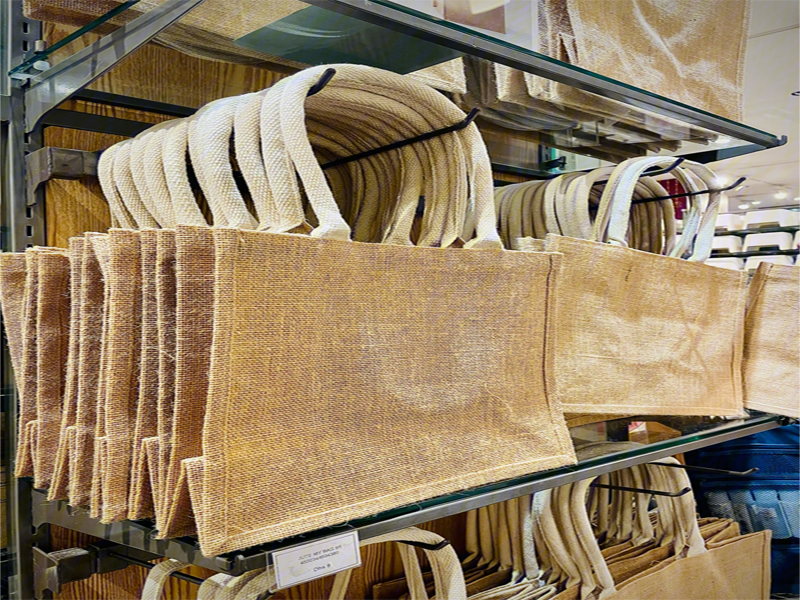
Laminated jute bags are reusable bags made from jute fabric with an additional protective layer bonded or attached to the material. The lamination process creates a barrier that improves resistance against moisture, stains, and daily wear while maintaining the natural appearance of jute on the outside.
The main purpose of lamination is to improve the functional performance of jute. Natural jute has excellent strength and a unique visual texture, but it can absorb moisture because it is a plant-based fiber. By adding a laminated layer, manufacturers can expand the applications of jute bags into environments where additional protection is required.
For example, a retail shopping bag used in a rainy climate may need better moisture resistance than a traditional jute tote. A laminated structure helps protect the customer’s products while keeping the natural appearance that makes jute attractive.
A laminated jute bag usually consists of:
| Layer | Material | Function |
|---|---|---|
| Outer layer | Jute fabric | Natural appearance and strength |
| Middle layer | Adhesive or bonding layer | Connects materials |
| Inner layer | PE, TPU, or coated film | Moisture protection |
This combination creates a hybrid product that balances natural aesthetics with improved technical performance.
What Is Jute Lamination?
Jute lamination is a manufacturing process where a protective film or coating is applied to jute fabric to improve performance.
The process may involve:
- Film bonding
- Heat lamination
- Adhesive lamination
- Surface coating
Different methods create different results.
| Lamination Method | Description | Main Advantage |
|---|---|---|
| PE film lamination | Plastic film bonded to jute | Cost-effective protection |
| TPU lamination | Flexible protective layer | Premium performance |
| Fabric coating | Protective surface treatment | Improved resistance |
| Composite lamination | Multiple layers combined | Higher functionality |
The selected lamination method depends on the final product requirements.
For example:
A supermarket shopping bag may use PE lamination because it provides practical moisture protection.
A premium lifestyle brand may prefer TPU because it creates a softer and more flexible interior.
A specialty packaging company may choose a stronger composite structure for additional durability.
How Are Laminated Bags Made?
The manufacturing process of laminated jute bags requires precise control because the jute fabric and protective layer need to work together.
A typical process includes:
| Production Step | Description |
|---|---|
| Fabric preparation | Select suitable jute material |
| Lamination | Attach protective layer |
| Pattern cutting | Cut laminated fabric panels |
| Sewing | Assemble bag structure |
| Reinforcement | Strengthen handles and seams |
| Printing | Add branding elements |
| Inspection | Check final quality |
The lamination stage is especially important because poor bonding can lead to:
- Layer separation
- Wrinkles
- Uneven surfaces
- Reduced durability
Experienced manufacturers test laminated materials before mass production to ensure stability.
For custom projects, sample approval is valuable because different jute textures and lining materials may create different visual and physical results.
Why Add Lamination to Jute?
The main reason brands add lamination is to improve the practical performance of jute bags.
Natural jute already provides:
- Strong fiber structure
- Attractive texture
- Sustainable image
- Breathable characteristics
However, lamination adds additional benefits.
| Performance Area | Non-Laminated Jute | Laminated Jute |
|---|---|---|
| Moisture resistance | Limited | Higher |
| Cleaning ability | Moderate | Easier |
| Internal protection | Basic | Improved |
| Shape stability | Moderate | Better |
| Application range | Narrower | Wider |
For retail programs, these improvements can significantly influence customer satisfaction.
A customer receiving a reusable shopping bag expects it to handle real-life situations. A laminated jute bag provides more confidence when carrying products during changing weather conditions.
Are Laminated Jute Bags Waterproof?
Laminated jute bags provide improved water resistance, but the level of waterproof performance depends on the material and construction method.
Many people use “waterproof” and “water resistant” interchangeably, but they are different concepts.
| Protection Level | Meaning |
|---|---|
| Water resistant | Protects against light moisture and splashes |
| Waterproof lining | Creates stronger internal protection |
| Fully waterproof construction | Requires sealed seams and specialized design |
A laminated jute bag with PE or TPU film can provide strong moisture protection, but sewing points and openings still influence performance.
For higher protection requirements, manufacturers may add:
- Sealed seams
- Waterproof zippers
- Additional coatings
- Reinforced inner structures
Therefore, brands should define the required protection level before selecting the material.
What Are Non-Laminated Jute Bags?
Non-laminated jute bags are bags made from natural jute fabric without additional waterproof films or protective coatings. They maintain the original characteristics of jute, including natural texture, breathability, lightweight structure, and eco-friendly appearance.
These bags represent the traditional form of jute packaging and remain popular because many brands value the authentic look and feel of natural fibers.
For businesses focused on organic products, handmade goods, sustainable lifestyles, or natural branding, non-laminated jute bags often create a stronger emotional connection with customers.
The appeal of non-laminated jute comes from simplicity.
The bag communicates:
- Natural material selection
- Traditional craftsmanship
- Environmental awareness
- Authentic product positioning
However, non-laminated jute is not suitable for every situation. Without a protective layer, the material has limited moisture resistance and requires more careful handling.
What Makes Natural Jute Different?
Natural jute has several unique characteristics compared with synthetic materials.
| Feature | Natural Jute Performance |
|---|---|
| Appearance | Rustic and authentic |
| Texture | Strong woven feeling |
| Breathability | Excellent |
| Fiber origin | Plant-based |
| Strength | Good |
| Moisture resistance | Limited |
The natural texture is one of the biggest reasons brands choose non-laminated jute.
A coffee company, for example, may prefer the original jute surface because customers associate it with agriculture, traditional production, and natural sourcing.
Why Choose Non-Laminated Bags?
Non-laminated jute bags are chosen when brands prioritize natural appearance, breathability, and simple construction.
Main advantages include:
| Advantage | Benefit |
|---|---|
| Natural surface | Strong brand storytelling |
| Lightweight structure | Comfortable carrying |
| Breathability | Suitable for certain products |
| Lower complexity | Easier production |
| Natural feel | Premium handmade impression |
They are especially suitable for:
- Farmers markets
- Organic brands
- Craft businesses
- Promotional events
- Agricultural applications
However, brands should consider the environment where the bag will be used.
A non-laminated jute bag works well in dry conditions but may require additional protection in humid or wet environments.
Are Non-Laminated Jute Bags Durable?
Non-laminated jute bags can be highly durable when they are manufactured with appropriate fabric weight, stitching methods, and structural design. The absence of lamination does not mean the bag is weak. In fact, natural jute fibers have strong tensile properties, which is one reason they have been used for agricultural sacks and industrial packaging for generations.
The durability of a non-laminated jute bag depends mainly on:
- Jute fabric weight
- Fiber quality
- Weaving density
- Handle reinforcement
- Sewing construction
- Usage environment
A well-designed non-laminated jute tote can easily support regular shopping activities, daily carrying, and repeated reuse.
| Construction Factor | Effect on Durability |
|---|---|
| Higher fabric weight | Improves tear resistance |
| Dense weaving | Creates stronger structure |
| Double stitching | Reduces seam failure |
| Reinforced handles | Supports heavier loads |
| Strong bottom design | Prevents deformation |
For example, a 12 oz non-laminated jute shopping tote with reinforced cotton handles may provide excellent performance for fashion stores, bookstores, and organic retailers. The bag does not need a waterproof layer because its main purpose is carrying dry products while providing a natural customer experience.
However, durability should always be evaluated according to application. A non-laminated jute bag used for dry clothing products may last for years, while the same construction used for wet food products may experience faster material degradation.
How Are They Used?
Non-laminated jute bags are widely used in applications where natural appearance and breathability are more important than moisture protection.
Common applications include:
| Application | Why Non-Laminated Jute Works |
|---|---|
| Farmers markets | Matches natural product image |
| Organic brands | Supports sustainability messaging |
| Handmade products | Enhances craftsmanship feeling |
| Promotional events | Provides reusable branding |
| Gift packaging | Creates rustic premium appearance |
| Agricultural products | Allows airflow |
A handmade soap company, for example, may choose non-laminated jute bags because the natural texture matches the handmade character of the product. Adding lamination might actually reduce the authenticity customers appreciate.
Similarly, a coffee brand may select non-laminated jute packaging for visual storytelling because customers connect the material with farming and traditional production.
The key difference is that non-laminated jute focuses on natural experience, while laminated jute focuses on enhanced protection.
Laminated vs Non-Laminated Jute Bags

Laminated and non-laminated jute bags are not competitors where one option is always better. They are designed for different requirements. The correct choice depends on product type, usage environment, customer expectations, and brand positioning.
Laminated jute bags provide improved moisture resistance, easier cleaning, and wider application possibilities. Non-laminated jute bags maintain the original natural characteristics of jute, including breathability, lightweight structure, and authentic appearance.
For brands choosing between the two options, the decision should begin with one question:
What problem does the bag need to solve?
If the main goal is creating a natural reusable shopping bag, non-laminated jute may be the better choice.
If the bag needs to protect products from moisture and frequent handling, laminated jute may provide better performance.
A direct comparison helps clarify the differences.
| Feature | Laminated Jute Bags | Non-Laminated Jute Bags |
|---|---|---|
| Moisture resistance | Excellent | Limited |
| Natural feeling | Good | Excellent |
| Cleaning convenience | Higher | Moderate |
| Breathability | Lower | Higher |
| Structure stability | Higher | Natural |
| Weight | Slightly heavier | Lighter |
| Cost | Higher | Lower |
| Application range | Wider | More specialized |
Which Bag Has Better Protection?
Laminated jute bags provide better protection because the additional layer creates a barrier between the outside environment and the contents inside the bag.
This advantage becomes important when products may encounter:
- Rain
- Humidity
- Liquid spills
- Condensation
- Frequent transportation
For example, a customer purchasing bottled products from a specialty store may appreciate a laminated jute bag because accidental moisture exposure is less likely to affect the packaging.
Protection comparison:
| Protection Factor | Laminated Jute | Non-Laminated Jute |
|---|---|---|
| Water resistance | High | Low |
| Spill protection | Better | Limited |
| Internal cleanliness | Easier | More difficult |
| Product safety | Higher | Depends on product |
| Outdoor usability | Better | Limited |
However, higher protection does not automatically mean better for every application.
A bakery selling dry bread products may not need lamination.
A luxury clothing brand may prefer the natural feel of non-laminated jute.
The correct choice depends on the product journey.
How Do They Compare in Durability?
Both laminated and non-laminated jute bags can be durable, but they perform differently under various conditions.
Laminated jute has advantages in environments involving moisture and repeated cleaning.
Non-laminated jute performs well when used in dry conditions and where natural texture is important.
| Durability Factor | Laminated Jute | Non-Laminated Jute |
|---|---|---|
| Dry environment | Excellent | Excellent |
| Humid environment | Better | Moderate |
| Heavy product carrying | Excellent with reinforcement | Good with proper structure |
| Frequent cleaning | Better | Limited |
| Long-term outdoor use | Better | Moderate |
The manufacturing quality often matters more than the presence of lamination.
A poorly constructed laminated bag may fail faster than a professionally produced non-laminated bag.
Important details include:
- Handle stitching
- Seam quality
- Fabric selection
- Bottom reinforcement
Which Option Is More Eco-Friendly?
The sustainability comparison between laminated and non-laminated jute bags is more complex than simply choosing the natural option.
Non-laminated jute bags have an advantage because they contain fewer additional materials and maintain a simpler structure.
Advantages include:
- More natural composition
- Better breathability
- Lower material complexity
However, laminated jute bags may provide longer usable life because they resist moisture and damage better.
A bag used 500 times may provide more practical environmental value than a bag used only 50 times.
| Sustainability Factor | Laminated Jute | Non-Laminated Jute |
|---|---|---|
| Natural material percentage | Lower | Higher |
| Reuse potential | High | Medium-high |
| Material simplicity | Moderate | Excellent |
| Durability in wet conditions | Better | Lower |
| Sustainable image | Strong | Very strong |
The most sustainable choice is usually the bag that matches the application and achieves long-term reuse.
For brands focused on sustainability, the entire lifecycle should be considered:
- How long will customers use it?
- How often will it be reused?
- Does it protect products effectively?
- Can materials be responsibly managed?
What Are the Cost Differences?
Cost differences between laminated and non-laminated jute bags come from additional materials and manufacturing steps.
Laminated bags usually cost more because they require:
- Additional film material
- Lamination process
- More production steps
- Extra quality control
General cost comparison:
| Cost Factor | Laminated Jute | Non-Laminated Jute |
|---|---|---|
| Material cost | Higher | Lower |
| Production complexity | Higher | Lower |
| Processing time | Longer | Shorter |
| Custom options | More | Standard |
| Long-term value | Higher in demanding applications | Higher in simple applications |
The final price also depends on:
- Bag size
- Fabric weight
- Printing method
- Handle material
- Order quantity
- Custom features
A professional manufacturer can help optimize the design by selecting the right combination instead of simply adding unnecessary features.
How to Choose the Right Jute Bag?
Choosing between laminated and non-laminated jute bags requires understanding the product application, customer expectations, and environmental conditions. The best solution is not always the most advanced option but the one that solves the actual business requirement.
A successful bag selection process should consider:
- Product characteristics
- Usage environment
- Customer habits
- Brand positioning
- Required lifespan
For example, a luxury fashion brand may prioritize appearance and tactile experience, while a grocery retailer may prioritize protection and easy cleaning.
A structured comparison helps make the decision clearer.
| Requirement | Recommended Option |
|---|---|
| Natural appearance | Non-laminated jute |
| Moisture protection | Laminated jute |
| Premium retail experience | Either, depending on design |
| Food-related applications | Usually laminated |
| Agricultural dry products | Non-laminated |
| Outdoor usage | Laminated |
What Products Need Lamination?
Products requiring additional protection usually benefit from laminated jute bags.
Examples include:
| Product | Reason |
|---|---|
| Fresh food | Moisture protection |
| Bottled products | Spill prevention |
| Cosmetics | Product protection |
| Clothing | Weather protection |
| Premium gifts | Better presentation |
Lamination is especially useful when customers expect the bag to remain clean and functional after repeated use.
Which Applications Prefer Natural Jute?
Non-laminated jute remains popular for applications where authenticity and natural appearance are key selling points.
Common examples:
- Organic farming brands
- Handmade products
- Sustainable lifestyle brands
- Craft markets
- Natural product packaging
These industries often use the material itself as part of their brand story.
The rough texture and natural color communicate:
- Simplicity
- Craftsmanship
- Environmental awareness
How Does Usage Environment Matter?
The environment where the bag is used has a major influence on material selection.
| Environment | Recommended Choice |
|---|---|
| Dry indoor retail | Non-laminated jute |
| Humid climate | Laminated jute |
| Outdoor market | Laminated or coated jute |
| Premium boutique | Customized based on brand |
| Agricultural storage | Depends on product |
A retailer in a dry climate may not need lamination.
A retailer operating in a rainy region may benefit significantly from additional protection.
What Features Should Brands Consider?
Beyond choosing laminated or non-laminated construction, brands should consider additional design elements.
Important features include:
| Feature | Purpose |
|---|---|
| Fabric weight | Controls strength |
| Handle type | Improves comfort |
| Bag size | Matches products |
| Printing method | Builds recognition |
| Inner structure | Improves usability |
| Reinforcement | Extends lifespan |
Szoneier helps brands evaluate these factors and develop customized jute bag solutions based on actual product requirements.
With more than 18 years of experience in fabric development and finished product manufacturing, Szoneier provides customized jute bags, cotton bags, canvas bags, polyester products, nylon products, neoprene products, linen products, and Oxford fabric solutions.
What Types of Laminated Jute Bags Exist?
Laminated jute bags are available in different structures depending on the level of protection, appearance, and application requirements. While many people think of lamination as a single process, the actual construction can vary significantly depending on the materials selected and how the protective layer is applied.
For brands developing customized jute bags, choosing the correct laminated structure is important because different products require different performance levels. A reusable retail tote may only need basic moisture resistance, while food packaging or outdoor products may require stronger barrier protection.
Common laminated jute bag structures include:
| Type | Structure | Main Characteristics |
|---|---|---|
| PE laminated jute bag | Jute + PE film | Affordable moisture protection |
| TPU laminated jute bag | Jute + TPU layer | Flexible and premium performance |
| Coated jute bag | Jute + surface coating | Improved surface resistance |
| Multi-layer jute bag | Multiple protective layers | Maximum protection |
The correct choice depends on several factors:
- Product type
- Customer usage environment
- Desired lifespan
- Brand positioning
- Budget requirements
A professional manufacturer evaluates these factors before recommending the final structure.
Are PE Laminated Bags Common?
PE laminated jute bags are one of the most widely used options because they provide a practical balance between performance and cost.
PE, or polyethylene, is a lightweight material commonly used for protective packaging because it offers good moisture resistance and flexibility.
PE laminated jute bags are often selected for:
- Retail shopping bags
- Grocery bags
- Promotional bags
- Agricultural packaging
- Reusable market bags
Their advantages include:
| Feature | PE Laminated Jute Performance |
|---|---|
| Water resistance | Good |
| Weight | Lightweight |
| Cost efficiency | Excellent |
| Flexibility | Good |
| Production availability | High |
For example, a supermarket introducing reusable shopping bags may choose PE laminated jute because customers need a practical bag that can handle different weather conditions while remaining affordable.
However, PE laminated bags also have limitations.
They may provide less premium feeling compared with TPU solutions, and some brands focused heavily on sustainability may prefer alternative materials.
What Are TPU Laminated Bags?
TPU laminated jute bags use thermoplastic polyurethane as the protective layer. TPU is known for flexibility, durability, and a softer touch compared with many traditional plastic films.
TPU laminated jute bags are often used for premium applications where both performance and customer experience are important.
Advantages include:
| Feature | TPU Performance |
|---|---|
| Flexibility | Excellent |
| Soft touch | Excellent |
| Crack resistance | High |
| Durability | High |
| Premium appearance | Strong |
Applications include:
- Luxury retail bags
- Premium lifestyle products
- High-end gift packaging
- Specialty reusable bags
A premium fashion brand, for example, may prefer TPU lamination because customers interact directly with the bag. The softer internal feeling creates a more refined experience.
The main consideration is cost. TPU solutions generally require higher investment compared with basic PE lamination.
How Do Coated Jute Bags Work?
Coated jute bags use a protective layer applied directly onto the jute surface. Unlike laminated structures where a separate film layer is attached, coating creates a protective surface treatment.
Common coating options include:
| Coating Type | Characteristics |
|---|---|
| PU coating | Flexible and soft |
| PVC coating | Strong protection |
| Acrylic coating | Lightweight surface improvement |
Coated jute bags can improve:
- Water resistance
- Stain resistance
- Surface durability
- Cleaning ability
They are often used when brands need a stronger external surface.
For example, an outdoor lifestyle brand may choose coated jute because the bag needs additional resistance against environmental exposure.
However, coating may slightly change the natural texture of jute, so brands should evaluate whether the final appearance matches their positioning.
Which Designs Fit Different Industries?
Different industries require different laminated jute bag designs.
| Industry | Recommended Design |
|---|---|
| Fashion retail | TPU laminated premium tote |
| Grocery retail | PE laminated shopping bag |
| Coffee brands | Lined or laminated pouch |
| Gift companies | Decorative laminated jute bag |
| Agriculture | Heavy-duty coated jute sack |
| Lifestyle brands | Custom laminated tote |
The best design combines:
- Appropriate protection
- Comfortable use
- Attractive appearance
- Brand consistency
A manufacturer with experience in multiple fabrics can provide better recommendations because laminated jute products often combine different materials and processes.
How Are Custom Jute Bags Manufactured?
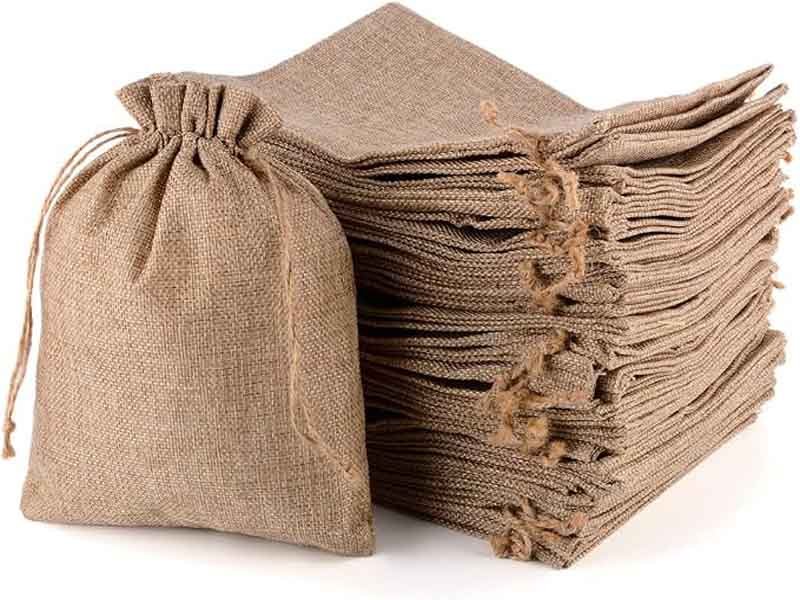
Custom jute bag manufacturing involves multiple stages, from material selection and product design to printing, sewing, and quality inspection. When lamination is added, production requires additional technical control to ensure the protective layer works properly with the natural jute fabric.
A successful custom bag project depends on communication between the brand and manufacturer. Before production begins, important details should be confirmed:
- Bag purpose
- Material requirements
- Size specifications
- Printing artwork
- Handle selection
- Lining or lamination choice
- Packaging requirements
The manufacturing process typically includes:
| Production Stage | Description |
|---|---|
| Design confirmation | Define product specifications |
| Material selection | Choose jute and protective layers |
| Sample development | Create prototype |
| Material preparation | Inspect fabrics |
| Cutting | Prepare components |
| Sewing | Assemble bag |
| Printing | Add branding |
| Inspection | Verify quality |
What Materials Are Selected?
Material selection is the foundation of a successful jute bag project.
A custom bag may include:
- Jute outer fabric
- Laminated film
- Cotton handles
- Polyester webbing
- Labels
- Zippers
- Decorative accessories
Different combinations create different results.
| Material Combination | Application |
|---|---|
| Jute + PE film | Retail shopping bags |
| Jute + TPU | Premium reusable bags |
| Jute + cotton handles | Comfortable carrying |
| Jute + canvas reinforcement | Heavy-duty applications |
| Jute + printed labels | Brand-focused packaging |
The fabric weight should also be selected carefully.
| Jute Weight | Application |
|---|---|
| 8–10 oz | Lightweight bags |
| 10–12 oz | Standard retail totes |
| 12–16 oz | Premium and heavy-use bags |
| 16 oz+ | Industrial applications |
Szoneier’s experience with different fabrics allows brands to compare jute with alternatives such as cotton, canvas, polyester, nylon, neoprene, linen, and Oxford fabric when selecting the best solution.
How Is Lamination Applied?
Lamination requires precise manufacturing control because the protective layer must bond properly with the jute surface.
The process usually includes:
- Preparing jute fabric
- Cleaning and checking surface condition
- Applying film or coating
- Controlling bonding temperature or adhesive
- Checking material stability
- Preparing laminated fabric for cutting
Quality problems may occur if lamination is not properly controlled.
Common issues include:
| Problem | Possible Cause |
|---|---|
| Layer separation | Weak bonding |
| Wrinkles | Improper pressure control |
| Uneven surface | Material inconsistency |
| Reduced flexibility | Incorrect material selection |
Professional manufacturers test laminated fabric before producing finished bags.
Which Printing Methods Work Best?
Printing on laminated jute bags requires considering both the jute surface and protective layer.
Common methods include:
| Printing Method | Advantages |
|---|---|
| Screen printing | Durable and cost-effective |
| Heat transfer | Detailed artwork |
| Digital printing | Flexible design options |
| Embroidery | Premium appearance |
| Woven label | Long-term branding |
For retail programs, screen printing remains popular because it provides reliable results for logos and simple graphics.
For premium brands, embroidery or woven labels may create stronger perceived value.
The printing method should match:
- Brand style
- Quantity
- Artwork complexity
- Budget
How Is Quality Controlled?
Quality control ensures that every customized jute bag meets the approved specifications.
A complete inspection system may include:
| Inspection Stage | Checking Items |
|---|---|
| Fabric inspection | Weight, color, texture |
| Lamination inspection | Bonding quality |
| Cutting inspection | Size accuracy |
| Sewing inspection | Stitch strength |
| Printing inspection | Logo quality |
| Final inspection | Overall appearance |
For custom orders, sample approval plays an important role.
The approved sample becomes the reference for:
- Materials
- Dimensions
- Printing
- Construction
- Finishing
This reduces differences between initial development and final production.
Szoneier provides integrated fabric development and finished product manufacturing, helping brands create customized jute bags from concept to production. With more than 18 years of experience, the company supports custom, private label, OEM, and ODM projects using various materials and production techniques.
Whether you need laminated jute shopping bags, natural non-laminated jute totes, custom printed packaging bags, or specialty textile products, Szoneier can provide professional manufacturing solutions.
Are Jute Bags Suitable for Different Industries?
Jute bags are suitable for many industries because they offer a unique combination of natural appearance, reusable performance, and customization flexibility. The choice between laminated and non-laminated jute bags depends largely on the specific industry requirements, product characteristics, and customer expectations.
Some industries value the authentic texture and breathable structure of natural jute, while others require additional protection provided by lamination. A successful packaging solution begins by understanding how the bag will be used after it leaves the factory.
For example, a fashion retailer may focus on creating a premium customer experience, while a food company may prioritize moisture protection and product safety. Both may use jute bags, but their ideal designs are completely different.
| Industry | Main Requirement | Recommended Jute Solution |
|---|---|---|
| Fashion retail | Premium appearance and comfort | Customized jute tote |
| Food retail | Moisture protection | Laminated jute bag |
| Coffee industry | Natural storytelling and barrier protection | Laminated or lined jute pouch |
| Agriculture | Strength and durability | Heavy-duty natural jute |
| Gift packaging | Attractive presentation | Premium customized jute bag |
| Lifestyle brands | Reusable daily product | Branded jute tote |
The flexibility of jute allows brands to create packaging that matches their identity while providing practical value to customers.
How Are They Used in Retail?
Retail businesses are one of the largest application areas for jute bags because reusable shopping bags have become an important part of the customer experience.
Retail brands use jute bags for:
- Shopping packaging
- Promotional campaigns
- Seasonal collections
- Gift packaging
- Loyalty programs
Laminated jute bags are especially useful for retail because customers expect shopping bags to handle different situations.
For example:
A customer buys clothing from a boutique during a rainy day. A laminated jute bag provides better protection compared with untreated natural jute.
A customer purchases beauty products. The smoother laminated interior helps prevent accidental leakage from affecting the bag.
Retail benefits include:
| Feature | Customer Value |
|---|---|
| Moisture resistance | Better product protection |
| Reusable design | Longer usage period |
| Custom branding | Stronger brand recognition |
| Premium texture | Better shopping experience |
| Durable construction | Higher customer satisfaction |
A well-designed retail jute bag can continue promoting the brand long after the purchase.
A customer may use the same bag for groceries, travel, or daily shopping, creating repeated brand exposure.
Are They Good for Food Packaging?
Jute bags can be excellent for food-related packaging when the correct structure is selected. The natural appearance of jute fits especially well with products associated with agriculture, organic production, and traditional craftsmanship.
Common food applications include:
- Coffee packaging
- Tea packaging
- Grain products
- Organic food gift sets
- Specialty agricultural products
However, food packaging requires careful consideration because different products have different protection requirements.
| Product Type | Recommended Structure |
|---|---|
| Coffee beans | Laminated jute with barrier layer |
| Dry grains | Non-laminated heavy jute |
| Tea products | Small lined jute pouch |
| Gift food products | Premium laminated jute bag |
| Fresh products | Depends on moisture requirements |
For example, coffee brands often choose jute because consumers associate it with natural farming and traditional sourcing. However, coffee quality can be affected by humidity, making laminated or lined solutions more suitable.
The important factor is not choosing the most natural material possible, but creating a packaging solution that protects the product while supporting the brand message.
How Do Brands Use Them for Promotion?
Jute bags are effective promotional tools because they combine practical usefulness with long-term visibility.
Compared with disposable promotional materials, reusable bags can remain in customers’ daily lives for extended periods.
Promotional customization options include:
| Custom Element | Purpose |
|---|---|
| Logo printing | Increases recognition |
| Brand slogan | Communicates values |
| Custom artwork | Creates visual appeal |
| Woven labels | Adds professionalism |
| Special handles | Improves experience |
Many brands use jute bags during:
- Product launches
- Trade events
- Corporate campaigns
- Retail promotions
- Environmental campaigns
The strongest promotional bags are those customers actually want to reuse.
A simple logo placed on a low-quality bag may not create much impact. A carefully designed jute bag with comfortable handles and attractive artwork becomes part of the customer’s lifestyle.
Which Industries Benefit Most?
Although many industries can use jute bags, some benefit more because jute naturally matches their brand positioning.
Industries with strong potential include:
| Industry | Reason |
|---|---|
| Organic food | Matches natural image |
| Sustainable fashion | Supports environmental values |
| Coffee and tea | Connects with agricultural origins |
| Handmade products | Reinforces craftsmanship |
| Gift companies | Creates premium packaging |
| Lifestyle brands | Encourages reuse |
The most effective jute bag programs combine three elements:
- Suitable material choice
- Functional design
- Strong brand identity
A natural jute bag is not automatically the best solution for every company. The ideal choice depends on customer expectations and product requirements.
Szoneier supports brands across multiple industries by providing customized jute bag solutions and textile manufacturing services. With experience in jute, cotton, canvas, polyester, nylon, neoprene, linen, and Oxford fabrics, Szoneier helps companies select suitable materials and create products that match their market needs.
How to Find a Reliable Jute Bag Manufacturer?

Finding a reliable jute bag manufacturer is an important step for brands that want consistent quality, professional customization, and stable production support. A good manufacturer does not simply produce bags; they help solve material selection, structural design, manufacturing, and quality challenges.
The difference between an average supplier and an experienced manufacturer often appears in the details:
- Can they recommend the right fabric weight?
- Can they explain laminated versus non-laminated options?
- Can they create accurate samples?
- Can they maintain quality during repeat production?
- Can they provide customization support?
For brands developing long-term packaging programs, manufacturing capability matters more than a simple price comparison.
| Evaluation Area | What to Check |
|---|---|
| Experience | Years of textile manufacturing |
| Material knowledge | Ability to recommend fabrics |
| Customization | Printing and design capability |
| Production control | Quality management system |
| Communication | Technical support ability |
| Delivery capability | Stable production planning |
What Manufacturing Skills Matter?
Jute bag manufacturing requires knowledge across several areas.
A capable manufacturer should understand:
Fabric Development
Different jute fabrics create different results in strength, appearance, and cost.
Lamination Technology
The manufacturer should understand how protective layers interact with natural fibers.
Bag Construction
Proper cutting, sewing, and reinforcement determine product lifespan.
Customization Techniques
Printing, labels, accessories, and finishing influence brand presentation.
| Manufacturing Skill | Importance |
|---|---|
| Material selection | Ensures correct performance |
| Sample development | Reduces production risk |
| Sewing technology | Improves durability |
| Printing experience | Creates better branding |
| Quality inspection | Maintains consistency |
A manufacturer with experience in multiple fabrics can provide better recommendations because they understand the advantages and limitations of different materials.
How to Evaluate Product Quality?
Before placing a large custom order, brands should evaluate product quality through samples and technical discussions.
Important evaluation points include:
| Quality Area | Checking Method |
|---|---|
| Fabric | Check thickness and texture |
| Lamination | Test bonding stability |
| Stitching | Evaluate seam strength |
| Handles | Check carrying comfort |
| Printing | Review logo clarity |
| Size | Compare with specifications |
A professional sample should represent the final production standard.
Brands should avoid evaluating only appearance because many quality problems appear during actual use.
For example:
- Weak handles may fail under weight.
- Poor lamination may separate after repeated use.
- Incorrect sizing may affect customer experience.
Which Custom Options Are Available?
A professional jute bag manufacturer should provide flexible customization options.
Available options may include:
| Custom Option | Application |
|---|---|
| Fabric selection | Different performance levels |
| Bag size | Product matching |
| Lamination | Moisture protection |
| Printing | Brand identity |
| Handle design | Comfort improvement |
| Labels | Professional appearance |
| Packaging | Retail presentation |
Szoneier provides customization support for different textile products, including jute bags, cotton bags, canvas products, polyester products, nylon products, neoprene products, linen products, and Oxford fabric applications.
The company can support:
- Custom designs
- Private label products
- OEM projects
- ODM development
- Logo customization
How Can Brands Start a Project?
Starting a customized jute bag project usually begins with understanding the product requirements.
A typical development process includes:
| Step | Process |
|---|---|
| 1 | Share product requirements |
| 2 | Confirm material selection |
| 3 | Discuss design and specifications |
| 4 | Develop sample |
| 5 | Approve final details |
| 6 | Begin production |
| 7 | Complete inspection and delivery |
Clear communication during the early stage helps avoid problems later.
Brands should prepare information such as:
- Desired bag style
- Quantity requirement
- Product application
- Logo design
- Target market
- Performance expectations
Szoneier has more than 18 years of experience in fabric research, finished product manufacturing, and customization services. With integrated capabilities from material development to final production, the company helps global brands create reliable textile solutions.
Whether you need laminated jute bags for retail shopping programs, non-laminated natural jute bags for sustainable packaging, waterproof jute solutions, or customized bags with your own logo, Szoneier can provide professional support.
Contact Szoneier today to discuss your custom jute bag requirements and receive recommendations for materials, construction methods, customization options, and manufacturing solutions tailored to your project.