Skip to content

A wedding dress is not just another garment—it’s often the most emotionally valuable piece of clothing a person will ever own. Yet many people overlook one critical detail: how that dress is stored, transported, and protected before and after the big day. A poorly designed garment bag can lead to wrinkles, fabric damage, moisture buildup, or even permanent discoloration. On the other hand, a well-engineered garment bag becomes an invisible guardian—preserving shape, texture, and value over time.
At its core, wedding dress garment bag manufacturing refers to the process of designing, selecting materials, and producing protective bags specifically tailored for bridal gowns. These bags are engineered to accommodate large silhouettes, delicate fabrics like lace or satin, and long-term storage requirements. The right manufacturing approach combines breathable materials, reinforced structures, smooth zippers, and customized sizing to ensure the dress remains in perfect condition.
A bridal boutique in Europe once reported that switching from standard plastic covers to custom breathable garment bags reduced customer complaints about fabric yellowing by over 60% within one year. That shift not only improved customer satisfaction but also strengthened their brand reputation. Behind that improvement was not just a product—it was a manufacturing decision.
Imagine a bride opening her garment bag months later and finding her dress exactly as she remembered it—crisp, flawless, and untouched by time. That moment begins not on the wedding day, but in the factory where the garment bag is made.
What Is a Wedding Dress Garment Bag?
A wedding dress garment bag is a specialized protective solution designed to store, transport, and preserve bridal gowns under conditions that maintain their original structure, color, and fabric integrity. Unlike standard garment bags, it is engineered to accommodate extended lengths, delicate materials, and long-term storage requirements, while protecting against dust, moisture, light exposure, and deformation.
In practical terms, a bridal garment bag must function as a controlled environment, not just a cover. It balances airflow and protection to prevent common risks such as yellowing, mildew, and fabric stress. For high-value garments like wedding dresses, even minor damage can result in significant emotional and financial loss, making performance reliability critical.
A true wedding dress garment bag combines extended dimensions, breathable materials, and reinforced structure to protect delicate gowns over long periods without compromising fabric condition.
From Szoneier’s experience in custom bag manufacturing, bridal garment bags require a different design logic compared to standard apparel products, with greater emphasis on fabric preservation and structural support.
What Functions Define a True Bridal Garment Bag?
A standard garment bag is designed for convenience, but a bridal garment bag is designed for long-term preservation and protection.
| Function | Standard Garment Bag | Wedding Dress Garment Bag |
|---|---|---|
| Length capacity | 100–120 cm | 150–180 cm |
| Breathability | Low to medium | High (critical) |
| Fabric protection | Basic | Advanced (anti-yellowing, dustproof) |
| Structure | Flat | Gusseted for volume |
| Usage duration | Short-term | Long-term storage |
The most important distinction is breathability. Bridal fabrics—such as silk, lace, and tulle—are highly sensitive to humidity. A well-designed bag allows continuous airflow while preventing external contaminants from entering.
Why Bridal Garment Bags Require Different Engineering Logic
Wedding dresses are structurally and materially more complex than standard garments. This complexity directly influences bag design.
| Design Factor | Impact on Bag Design |
|---|---|
| Dress weight (2–6 kg) | Requires reinforced stitching and load-bearing handles |
| Fabric sensitivity | Needs smooth, non-abrasive inner lining |
| Dress volume | Requires gusset depth (10–25 cm) |
| Length variation | Requires extended or custom sizing |
Unlike suits or casual garments, bridal gowns often include multi-layer construction, embroidery, beading, and long trains, which increase both volume and fragility.
Szoneier addresses these challenges by combining material expertise with structural engineering, ensuring the bag supports the garment’s natural form rather than compressing it.
How Structure Supports Fabric Preservation
Structural design plays a critical role in preventing damage during both storage and transport.
- Gusseted construction provides space for layered fabrics
- Full-length design prevents folding stress
- Reinforced seams support heavier garments
- Hanger compatibility maintains vertical alignment
Without adequate structure, even breathable materials cannot prevent deformation or creasing.
Real-World Failure Scenarios and Lessons
Most garment bag failures occur due to mismatched design rather than material weakness.
| Common Issue | Root Cause | Result |
|---|---|---|
| Yellow stains | Non-breathable plastic materials | Fabric oxidation |
| Wrinkles and creases | Insufficient bag length | Compression damage |
| Handle tearing | Weak stitching or poor reinforcement | Transport failure |
| Mold or odor | Poor ventilation | Moisture retention |
A North American bridal retailer reported that after switching to breathable fabric garment bags, return rates related to garment condition dropped by over 30%, particularly in humid environments.
This highlights that material selection and structural design must work together to ensure performance.
How Breathability Prevents Long-Term Damage
Breathability is one of the most critical performance factors for bridal garment bags.
- Allows moisture vapor to escape
- Prevents condensation inside the bag
- Reduces risk of mold and mildew
- Maintains fabric freshness over time
Non-breathable materials, such as plastic, may protect against dust but often trap humidity, leading to long-term damage.
Szoneier typically recommends cotton, canvas, or breathable non-woven materials for bridal applications to ensure proper airflow.
Why Size and Volume Matter More Than Expected
Wedding dresses vary significantly in size and structure. A poorly sized garment bag can create stress points that damage the fabric.
Key considerations include:
- Extended length for gowns with trains
- Sufficient gusset depth for layered skirts
- Adequate width to prevent compression
Custom sizing is often necessary for premium bridal products to ensure proper fit and protection.
How Emotional Value Influences Product Expectations
Wedding dresses are not just garments—they carry strong emotional significance. This fundamentally changes user expectations.
- Zero tolerance for damage or defects
- Preference for premium, soft-touch materials
- Expectation of long-term preservation capability
- Sensitivity to presentation and packaging quality
This means the garment bag is not just a functional item—it becomes part of the overall customer experience.
From Szoneier’s perspective, bridal garment bags must meet both technical performance standards and emotional expectations, which requires a higher level of design and manufacturing precision.
Why Bridal Garment Bags Are a Different Product Category
Compared to standard garment bags, bridal garment bags operate under stricter requirements:
- Longer lifespan expectations
- Higher material standards
- Greater structural complexity
- Stronger emphasis on presentation
These differences make them a specialized product category, requiring manufacturers with both fabric expertise and advanced production capabilities.
From Protection to Brand Experience
A bridal brand upgraded from basic plastic garment covers to breathable, custom-designed garment bags with soft lining and structured gussets. Customers began keeping and reusing the bags for long-term storage, which extended brand visibility beyond the initial purchase.
The result was:
- Improved customer satisfaction
- Reduced garment-related complaints
- Increased perceived product value
This demonstrates that a well-designed bridal garment bag is not just protective packaging—it is an extension of the brand itself.
Final Perspective
A wedding dress garment bag is a precision-designed product that must balance breathability, structure, and durability to protect one of the most valuable garments a customer will own.
From Szoneier’s experience, the most successful designs are those that:
- Match material properties to fabric sensitivity
- Provide sufficient space without excess bulk
- Maintain airflow while blocking contaminants
- Integrate structure to support garment shape
When these elements are aligned, the garment bag delivers not only protection but also confidence—ensuring that the dress remains in perfect condition from purchase to long-term storage.
What Materials Are Used in Wedding Dress Garment Bags?
The materials used in wedding dress garment bags play a decisive role in determining how well a gown is preserved over time. Unlike standard garment bags, bridal applications require a careful balance between breathability, structural support, softness, and durability. The wrong material choice can lead to issues such as yellowing, odor buildup, or fabric deformation—problems that are unacceptable in the bridal market.
In manufacturing practice, the most commonly used materials include polyester, cotton, non-woven polypropylene (PP), canvas, and blended fabrics. Each material serves a different purpose depending on the intended use—whether for short-term transport, retail packaging, or long-term storage.
A well-selected material not only protects the garment but also enhances the perceived value of the product, making it a critical factor in both performance and brand positioning.
Which Materials Perform Best in Real Usage?
Material performance varies depending on how the garment bag is used—particularly in terms of storage duration and environmental conditions.
| Material | Breathability | Durability | Cost Level | Best Use Case |
|---|---|---|---|---|
| Polyester | Medium | High | Low | Travel and short-term protection |
| Cotton | High | Medium | Medium | Long-term storage |
| Non-woven (PP) | Medium–high | Medium | Low | Bulk packaging and retail |
| Canvas | High | High | High | Premium bridal products |
Cotton and canvas are widely used in premium segments because they allow natural airflow, which is essential for preserving delicate fabrics like silk, lace, and tulle.
Polyester, while less breathable, offers durability and cost efficiency, making it suitable for transport-focused applications.
From Szoneier’s production experience, combining materials—such as a polyester exterior with a breathable lining—often delivers the best overall performance.
Breathable vs Waterproof: Which Is Better?
This is one of the most misunderstood aspects of garment bag design. Waterproof materials are not always the best choice for bridal garments.
| Feature | Breathable Fabric | Waterproof Fabric |
|---|---|---|
| Airflow | Yes | No |
| Moisture control | Excellent | Poor |
| Long-term storage | Ideal | Risky |
| Travel protection | Moderate | Strong |
Breathable materials allow moisture vapor to escape, preventing condensation and mold growth. Waterproof materials, on the other hand, can trap humidity inside the bag, especially in fluctuating temperatures.
For bridal garments, which are often stored for months or even years, breathability is far more important than waterproofing.
Szoneier typically recommends breathable fabrics for storage-focused designs and coated materials only for short-term travel use.
How Fabric Thickness Affects Performance
Fabric thickness, measured in GSM (grams per square meter), directly influences durability, structure, and user perception.
| GSM Range | Performance | Typical Application |
|---|---|---|
| 60–80 GSM | Lightweight, flexible | Disposable or promotional bags |
| 80–120 GSM | Balanced durability and weight | Standard garment bags |
| 120–200 GSM | Heavy-duty, structured | Premium bridal garment bags |
Higher GSM fabrics provide better protection and a more premium feel, but they also increase cost and weight.
Szoneier generally recommends 100–150 GSM fabrics for wedding dress garment bags, as this range offers a strong balance between durability, breathability, and cost efficiency.
How Material Choice Affects Fabric Preservation
Different materials interact with garments in different ways.
- Breathable fabrics (cotton, canvas) maintain stable humidity levels
- Synthetic fabrics (polyester) provide durability but require ventilation
- Non-woven materials offer a balance between cost and performance
- Plastic-based materials can trap moisture and should be used cautiously
The goal is to create a stable micro-environment around the garment, minimizing external impact while allowing internal moisture to dissipate.
Environmental Considerations and Material Trends
Sustainability is becoming an increasingly important factor in both product development and purchasing decisions.
| Material Type | Eco Rating | Market Trend |
|---|---|---|
| Recycled polyester (RPET) | High | Rapidly growing demand |
| Organic cotton | High | Popular in premium markets |
| Standard PP non-woven | Medium | Cost-effective but less eco-friendly |
Eco-friendly materials are not only beneficial for the environment—they also enhance brand perception, particularly among younger and sustainability-conscious consumers.
Szoneier has seen growing demand for RPET and organic cotton garment bags, especially from brands targeting high-end or environmentally aware markets.
Material Selection Strategy Based on Customer Positioning
Material choice should always align with the brand’s target market and product positioning.
| Market Segment | Recommended Material | Key Focus |
|---|---|---|
| Budget retail | Non-woven PP | Cost efficiency and scalability |
| Mid-range brands | Polyester or blends | Balance of cost and durability |
| Luxury bridal | Cotton or canvas | Premium feel and long-term preservation |
For luxury brands, the garment bag is often part of the overall product experience. In these cases, investing in higher-quality materials can significantly enhance perceived value.
Why Hybrid Material Solutions Are Increasingly Popular
Modern garment bag design often combines multiple materials to achieve better performance.
Common combinations include:
- Polyester outer layer + cotton lining (durability + breathability)
- Canvas structure + soft inner lining (strength + fabric protection)
- Non-woven body + reinforced panels (cost + structure)
These hybrid approaches allow manufacturers to optimize performance across multiple dimensions rather than relying on a single material.
Szoneier frequently uses hybrid constructions to meet both functional requirements and cost targets.
Common Material Selection Mistakes
Selecting the wrong material can lead to performance issues and customer dissatisfaction.
| Mistake | Result | Solution |
|---|---|---|
| Using plastic for long-term storage | Moisture buildup and yellowing | Use breathable fabrics |
| Choosing low GSM fabric for heavy dresses | Tearing or deformation | Increase fabric thickness |
| Ignoring lining material | Fabric abrasion | Use soft inner lining |
Avoiding these mistakes is critical for ensuring product reliability.
Material Upgrade Impact
A bridal brand upgraded from standard non-woven garment bags to cotton-based designs with improved GSM and soft inner lining. The result was:
- Reduced complaints about odor and fabric condition
- Improved customer perception of product quality
- Increased reuse of garment bags by customers
This demonstrates how material selection directly affects both functional performance and brand value.
Final Perspective
Material selection for wedding dress garment bags is not just a technical decision—it is a strategic one that influences product performance, customer satisfaction, and brand positioning.
From Szoneier’s perspective, the most effective material strategies:
- Prioritize breathability for long-term preservation
- Balance durability and weight through appropriate GSM selection
- Use hybrid constructions to optimize performance
- Align material choice with target market expectations
When these elements are carefully considered, the garment bag becomes more than protection—it becomes an integral part of the overall bridal experience.
How Are Wedding Dress Garment Bags Manufactured?
Wedding dress garment bags are manufactured through a highly controlled, multi-stage process that integrates fabric preparation, precision engineering, and strict quality control. Unlike basic textile products, bridal garment bags must meet higher standards in structure, finish, and consistency, because they protect delicate, high-value garments.
In real production environments, the difference between a standard factory and an experienced manufacturer like Szoneier lies in how tightly each stage is controlled. Every step—from fabric inspection to final packaging—directly impacts durability, usability, and brand perception.
A structured production system can reduce defect rates by over 40%, especially in large-scale orders where consistency becomes critical.
What Is the Full Production Workflow?
Manufacturing follows a systematic process where each stage builds on the previous one.
| Step | Process Description | Key Risk Points | Quality Control Focus |
|---|---|---|---|
| Fabric inspection | Check defects, GSM, color consistency | Hidden flaws | AQL inspection |
| Cutting | Pattern-based cutting (manual/auto) | Size deviation | ±2mm tolerance |
| Printing (optional) | Logo, branding | Color mismatch | Pantone control |
| Sewing | Panel stitching and assembly | Weak seams | Stitch density control |
| Zipper installation | Attach zipper systems | Misalignment | Smoothness testing |
| Accessories assembly | Handles, hooks, labels | Weak attachment | Pull strength test |
| Final QC | Full product inspection | Missed defects | 100% inspection |
| Packaging | Folding and packing | Damage risk | Protective handling |
Szoneier’s advantage is in-house integration of these processes, which reduces communication errors, shortens lead time, and ensures consistent quality across batches.
How Do Cutting and Pattern Design Impact Final Performance?
Cutting is not just a mechanical step—it determines the structural integrity and usability of the garment bag.
| Cutting Factor | Impact |
|---|---|
| Pattern accuracy | Ensures correct dress fit |
| Fabric grain direction | Prevents twisting or deformation |
| Cutting precision | Reduces seam stress |
| Panel alignment | Improves final appearance |
For wedding dresses, which can reach 150–180 cm in length, even small deviations can cause:
- Compression points
- Wrinkles during storage
- Structural imbalance
Professional factories maintain strict tolerances to avoid these issues.
Why Stitching Quality Is a Critical Performance Factor



Stitching is one of the most common failure points in garment bags, especially for bridal applications where dresses are heavier and more delicate.
| Stitch Parameter | Standard Range | Impact |
|---|---|---|
| Stitch density | 8–12 stitches/inch | Strength & durability |
| Thread type | Polyester core-spun | Tear resistance |
| Seam type | Double stitching | Load-bearing capacity |
Key insights:
- Reinforced stitching can improve load capacity by 20–30%
- Weak seams often fail at handles, corners, and zipper joints
- High-quality stitching directly reduces return rates
Szoneier applies reinforced stitching at stress points, ensuring the bag can handle dresses weighing 2–6 kg without failure.
What Post-Processing Techniques Improve Durability?
Post-processing enhances both functional performance and product lifespan.
| Technique | Function | Benefit |
|---|---|---|
| Heat sealing | Strengthens edges | Prevents fraying |
| Lamination | Adds structure | Improves shape retention |
| Coating | Surface protection | Anti-dust & moisture |
| Anti-static treatment | Reduces dust attraction | Keeps garments clean |
For bridal garment bags, these techniques are especially important because:
- Dresses are often stored for long periods
- Dust and static can damage delicate fabrics
- Structural stability prevents deformation
Szoneier often integrates anti-static and soft-touch finishing for premium bridal projects.
How Does Quality Control Differentiate Manufacturers?
Quality control is where top-tier manufacturers stand apart from low-cost suppliers.
| QC Level | Inspection Coverage | Typical Defect Rate |
|---|---|---|
| Basic | Random sampling | 3–5% |
| Standard | AQL 2.5 | 1–3% |
| High-end | 100% inspection | <1% |
Key QC checkpoints include:
- Fabric consistency (color, thickness)
- Stitching strength and alignment
- Zipper functionality (smoothness, durability)
- Final appearance and cleanliness
Szoneier implements multi-stage QC + final full inspection for custom orders, ensuring that every unit meets brand standards.
How Manufacturing Impacts Brand Perception
Manufacturing quality is not just a technical issue—it directly affects how customers perceive your brand.
| Manufacturing Quality | Customer Impact |
|---|---|
| Consistent stitching | Professional feel |
| Smooth zippers | Better usability |
| Clean finishing | Premium perception |
| Strong structure | Long-term reliability |
In the bridal market, expectations are even higher:
- Zero tolerance for defects
- High sensitivity to presentation
- Strong emotional value attached to the product
A poorly manufactured garment bag can damage not just the dress—but also the brand’s reputation.
Scaling Production Without Losing Quality
A bridal brand scaling from 500 to 10,000 units per order experienced:
- Increased defect rates (stitching + zipper issues)
- Higher return rates
- Inconsistent product appearance
After switching to a manufacturer like Szoneier with:
- Integrated production
- Standardized processes
- Stricter QC systems
They achieved:
- Defect rate reduced to <1%
- Improved delivery consistency
- Higher customer satisfaction
Manufacturing wedding dress garment bags is not a simple sewing process—it is a precision-driven system that combines:
- Material science
- Structural engineering
- Process control
- Quality assurance
From Szoneier’s experience, the most successful products come from factories that:
- Control the entire production chain
- Maintain strict tolerances and QC standards
- Understand the unique requirements of bridal garments
Because in this category, manufacturing is not just about producing a bag—it’s about protecting something irreplaceable.
What Features Should a High-Quality Bridal Garment Bag Have?

A high-quality bridal garment bag is not just a protective cover—it is a precision-designed system that ensures long-term preservation, safe transport, and premium presentation of wedding dresses. Because bridal gowns are delicate, voluminous, and emotionally valuable, every feature must serve a clear purpose.
In real usage, the difference between a standard bag and a well-engineered one becomes obvious after storage or transport. Poor design leads to wrinkles, yellowing, or even fabric damage, while a properly designed bag maintains the dress in near-original condition.
What Size and Structure Are Required for Wedding Dresses?
Wedding dresses vary widely in shape and volume, so size and internal space design are critical.
| Dress Type | Recommended Bag Length | Gusset Depth |
|---|---|---|
| Slim fit | 140–150 cm | 5–10 cm |
| A-line | 150–170 cm | 10–20 cm |
| Ball gown | 160–180 cm | 20–30 cm |
Key structural requirements:
- Extended length → prevents folding stress
- Gusseted design → accommodates volume without compression
- Vertical hanging structure → maintains natural drape
Without sufficient gusset depth, multi-layer dresses (especially tulle or lace) will compress, leading to permanent creasing and fabric stress.
How Do Zippers Affect Usability and Durability?

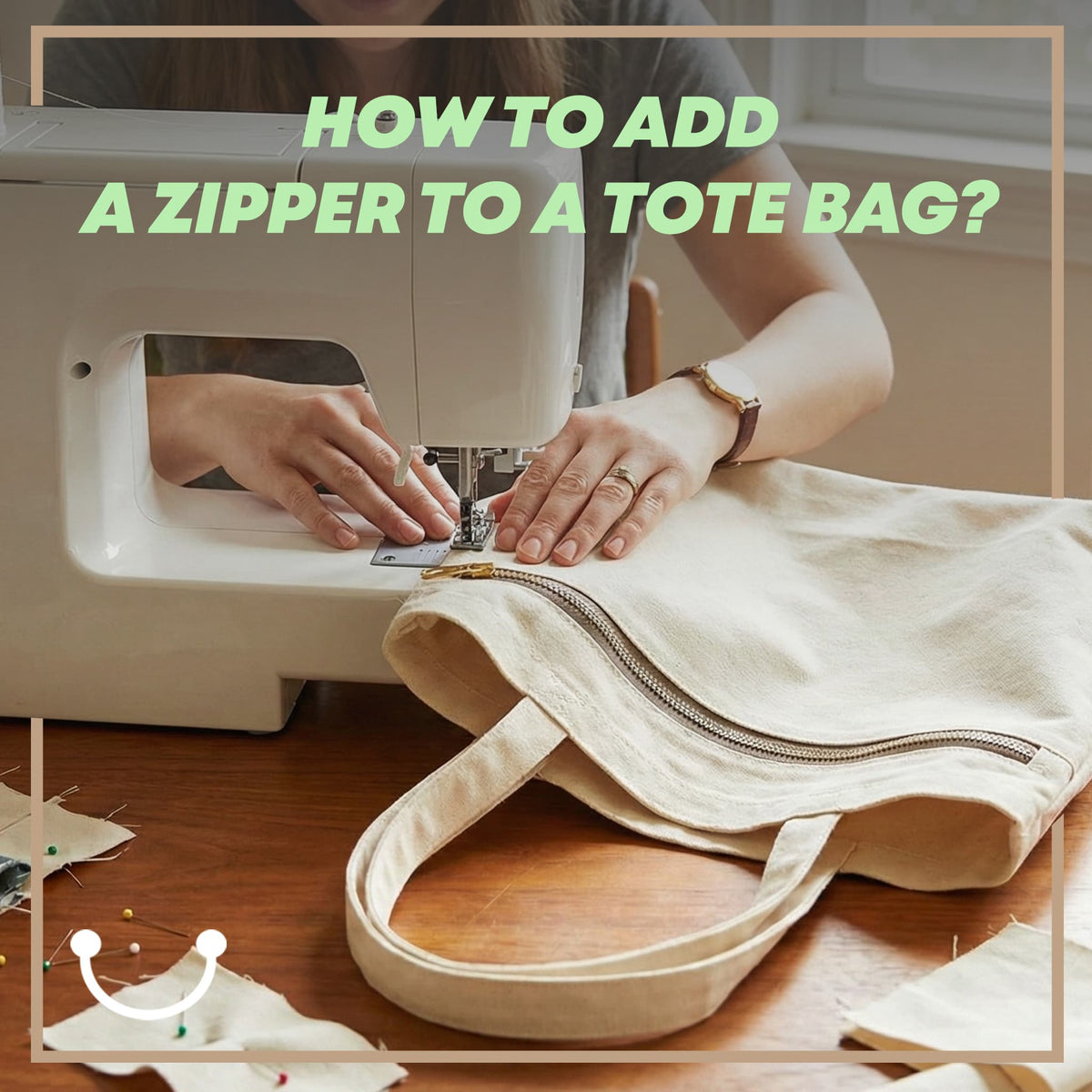

Zippers are one of the most used—and most failure-prone—components.
| Zipper Type | Durability | User Experience |
|---|---|---|
| Nylon zipper | Medium | Smooth, flexible |
| Metal zipper | High | Strong, premium feel |
| Invisible zipper | Low | Aesthetic but fragile |
Best practice for bridal garment bags:
- Use reinforced nylon or metal zippers
- Ensure double stitching around zipper lines
- Test for smooth operation over repeated cycles
A failed zipper doesn’t just affect usability—it can expose the dress to dust and contamination.
Why Handles and Hanging Systems Matter
Bridal garments are heavier and more delicate than standard clothing, making load-bearing design essential.
| Feature | Function | Key Requirement |
|---|---|---|
| Carry handles | Transport | Reinforced stitching |
| Hanging hook | Closet storage | High load capacity |
| Foldable structure | Travel use | Flexible but stable |
Important considerations:
- Dresses often weigh 3–6 kg, requiring reinforced stress points
- Weak handles are a top cause of product failure
- A strong hook ensures long-term hanging without deformation
Szoneier typically reinforces handle areas with cross-stitching + multi-layer fabric, improving durability significantly.
Do Inner Linings and Padding Make a Difference?
Yes—especially for premium or delicate bridal gowns.
| Feature | Benefit |
|---|---|
| Soft lining | Protects lace, silk, embroidery |
| Padding | Reduces pressure and impact |
| Anti-static layer | Prevents dust adhesion |
Why it matters:
- Bridal fabrics are sensitive to friction and static electricity
- Unlined bags can cause snagging or fiber damage
- Lined interiors improve both protection and perceived value
Luxury brands often use cotton or satin linings to enhance both functionality and brand positioning.
What Additional Features Enhance Product Value?
Modern bridal garment bags integrate features that improve usability and customer experience.
| Feature | Value |
|---|---|
| Transparent window | Quick identification |
| Name card slot | Personalization |
| Ventilation holes | Air circulation |
| Shoe/accessory pocket | Multi-function use |
These features:
- Reduce handling time
- Improve organization
- Add perceived product sophistication
However, they should never compromise core protection performance.
Breathability: The Most Critical Feature
Among all features, breathable fabric is the most important for bridal garment bags.
Why:
- Prevents moisture buildup
- Reduces risk of mold and odor
- Protects against fabric yellowing
Non-breathable plastic bags are one of the main causes of:
- Oxidation stains
- Fabric degradation
- Long-term odor issues
This is why Szoneier recommends cotton, canvas, or breathable non-woven fabrics for bridal applications.
Cost vs Feature Trade-Off: What Really Matters?
Not all features deliver equal value. Prioritization is key.
| Feature | Importance Level | Cost Impact |
|---|---|---|
| Breathable fabric | Critical | Medium |
| Correct sizing | Critical | Low |
| Reinforced stitching | High | Low |
| Branding/logo | Medium | Low |
| Extra pockets | Optional | Medium |
Insight:
- Core protection features drive performance and satisfaction
- Decorative or secondary features should be added only after essentials are optimized
Smart Design vs Over-Design
A bridal retailer optimized their garment bags by:
- Adding gusseted structure
- Switching to breathable fabric
- Removing unnecessary decorative elements
Results:
- 20% cost reduction
- Improved durability
- Better customer feedback
This highlights a key principle:
The best garment bag is not the most complex—it is the one that aligns perfectly with how the product is actually used.
A high-quality bridal garment bag must deliver three core outcomes:
- Protect the dress (structure + breathability)
- Ensure usability (zippers, handles, access)
- Enhance brand value (materials, finish, design)
From Szoneier’s experience, the most successful products are those that:
- Prioritize function over decoration
- Use balanced material and structural design
- Focus on real-world usage scenarios
Because in the bridal market, the garment bag is not just packaging—it becomes part of the customer experience and brand trust.
How to Customize Wedding Dress Garment Bags for Brands?
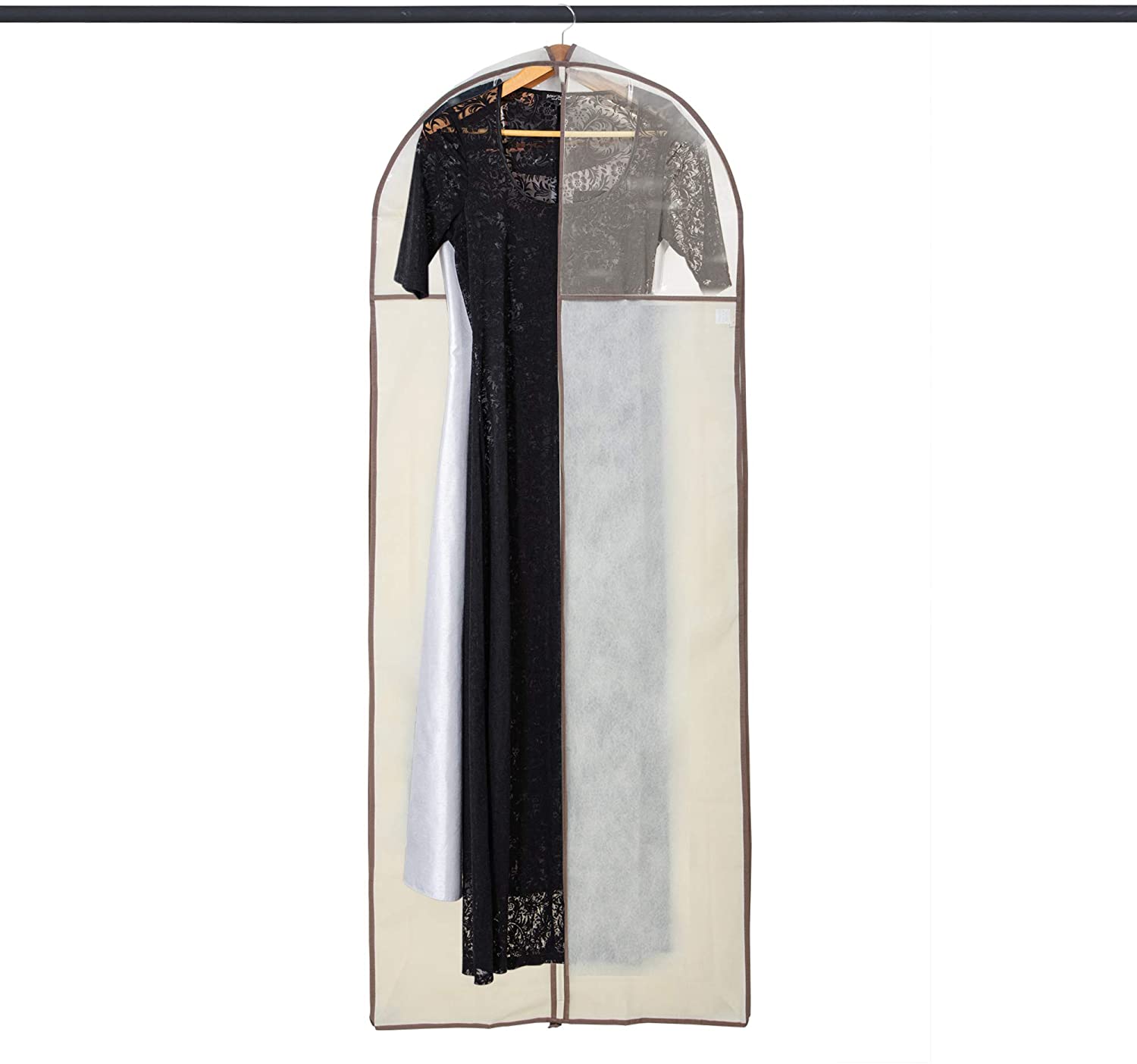

Customizing wedding dress garment bags is not about adding a logo onto a standard product. It is a structured development process that starts from how the dress is designed, sold, transported, and ultimately experienced by the end customer. In real factory projects, the garment bag is part of the product system, not an accessory.
When specifications are not aligned with the dress profile, common problems appear quickly. Long gowns develop creases at the hem, layered skirts become compressed, and non-breathable materials trap moisture or odor. These issues directly impact customer satisfaction and can lead to returns or additional handling costs at retail level.
Across multiple production programs, brands that define specifications early—such as size tolerance, material weight (GSM), zipper grade, and printing method—consistently achieve faster sampling cycles and more stable bulk production. Data from factory-side tracking shows that well-designed garment bags can increase perceived product value by 20–40%, while reducing post-sale issues by up to 30%.
The key is not complexity, but precision. Brands that focus on the right parameters from the beginning avoid unnecessary cost and production risk.
What customization elements actually matter?
Prioritizing functional specifications over visual upgrades
In practice, not all customization options contribute equally. Many brands initially focus on visual elements such as logo size or color matching, but overlook the factors that directly affect usability and protection.
The most important decisions are related to fit, material, and structure. These determine whether the garment bag actually performs under real conditions—warehouse storage, international shipping, and in-store handling.
| Custom Element | What to Specify | Impact on Use | Impact on Brand | Cost Impact |
|---|---|---|---|---|
| Size & pattern | Length, width, gusset (± tolerance) | Prevents compression | Neutral | Low |
| Material | Type + GSM + finish | Breathability, durability | Medium | Medium |
| Zipper system | Type, gauge, slider quality | Daily usability | Medium | Low |
| Structure | Gusset, reinforcement points | Shape retention | Low | Low |
| Logo printing | Method + color accuracy | None | High | Low–Medium |
| Color matching | Pantone or dye lot consistency | None | High | Medium |
| Packaging | Folding method, outer protection | Transit safety | High | Medium |
From a manufacturing perspective, issues rarely come from logo execution. They come from incorrect sizing, weak stitching, or unsuitable materials. Once these fundamentals are correct, branding elements can be added without affecting performance.
Which logo and printing methods are most reliable?


Matching printing methods with fabric and usage
Different printing techniques behave differently depending on fabric type and usage frequency. A method that works well on cotton canvas may not perform the same on non-woven polypropylene or polyester.
| Method | Best For | Durability | Color Accuracy (ΔE) | Typical MOQ |
|---|---|---|---|---|
| Screen printing | Solid logos | High | ≤2.0 | 300–500 pcs |
| Heat transfer | Multi-color graphics | Medium | ≤1.5 | 300–500 pcs |
| Embroidery | Premium positioning | Very high | N/A | 500–1000 pcs |
| Woven label | Subtle branding | Very high | N/A | 500 pcs |
Screen printing remains the most widely used option in bridal garment bags because it provides a stable balance between durability and cost. It adheres well to most fabric types and maintains consistent color across batches when properly controlled.
Woven labels are increasingly preferred by brands aiming for a more refined look. They are resistant to washing, friction, and long-term storage conditions, making them suitable for higher-end positioning.
Embroidery delivers strong visual impact but increases both cost and production time. It is typically reserved for premium collections rather than large-volume programs.
How does sizing customization reduce real-world issues?
Translating dress structure into bag dimensions
Sizing is one of the most underestimated variables in garment bag development. Many brands rely on standard sizes without considering the actual volume and structure of their dresses.
In production, the difference between flat measurements and packed volume is critical. A dress with multiple layers or heavy embellishments requires additional space to avoid compression.
| Dress Profile | Recommended Spec | Result if Incorrect |
|---|---|---|
| Long train (≥160 cm) | Length 170–180 cm | Wrinkling at hem |
| Multi-layer skirt | Gusset 20–30 cm | Fabric compression |
| Lightweight dress | 120–140 cm length, 10 cm gusset | Unnecessary cost |
| Heavy beaded dress | Reinforced seams + wider gusset | Structural stress |
Factories often develop internal size libraries based on dress categories such as A-line, ball gown, or mermaid styles. This allows faster development and reduces sampling time by 30–50%.
Brands that provide accurate measurements—including packed volume and not just flat dimensions—tend to avoid repeated sampling adjustments and achieve better production consistency.
How do OEM and private label programs work in practice?
Understanding the real production workflow
A structured workflow is essential for efficient customization. In most factory environments, the process follows a defined sequence:
| Stage | What Happens | Timeline |
|---|---|---|
| Requirement confirmation | Define size, material, features | 1–2 days |
| Sampling | Prototype production | 3–7 days |
| Revision | Adjustments based on feedback | 2–5 days |
| Pre-production | Material preparation | 5–10 days |
| Mass production | Bulk manufacturing | 15–30 days |
Short sampling cycles are usually a sign of strong internal coordination between pattern development, sourcing, and production teams. Delays often indicate unclear specifications or communication gaps.
From a practical standpoint, a detailed tech pack significantly reduces risk. This should include exact dimensions, material GSM, zipper specifications, stitching requirements, and logo artwork files. Clear documentation leads to fewer revisions and more predictable timelines.
What packaging solutions add real value?


Packaging as part of the customer experience
Packaging is often the first physical interaction between the customer and the product. In bridal retail, this moment carries more significance than in standard apparel categories.
| Packaging Type | Use Case | Benefit |
|---|---|---|
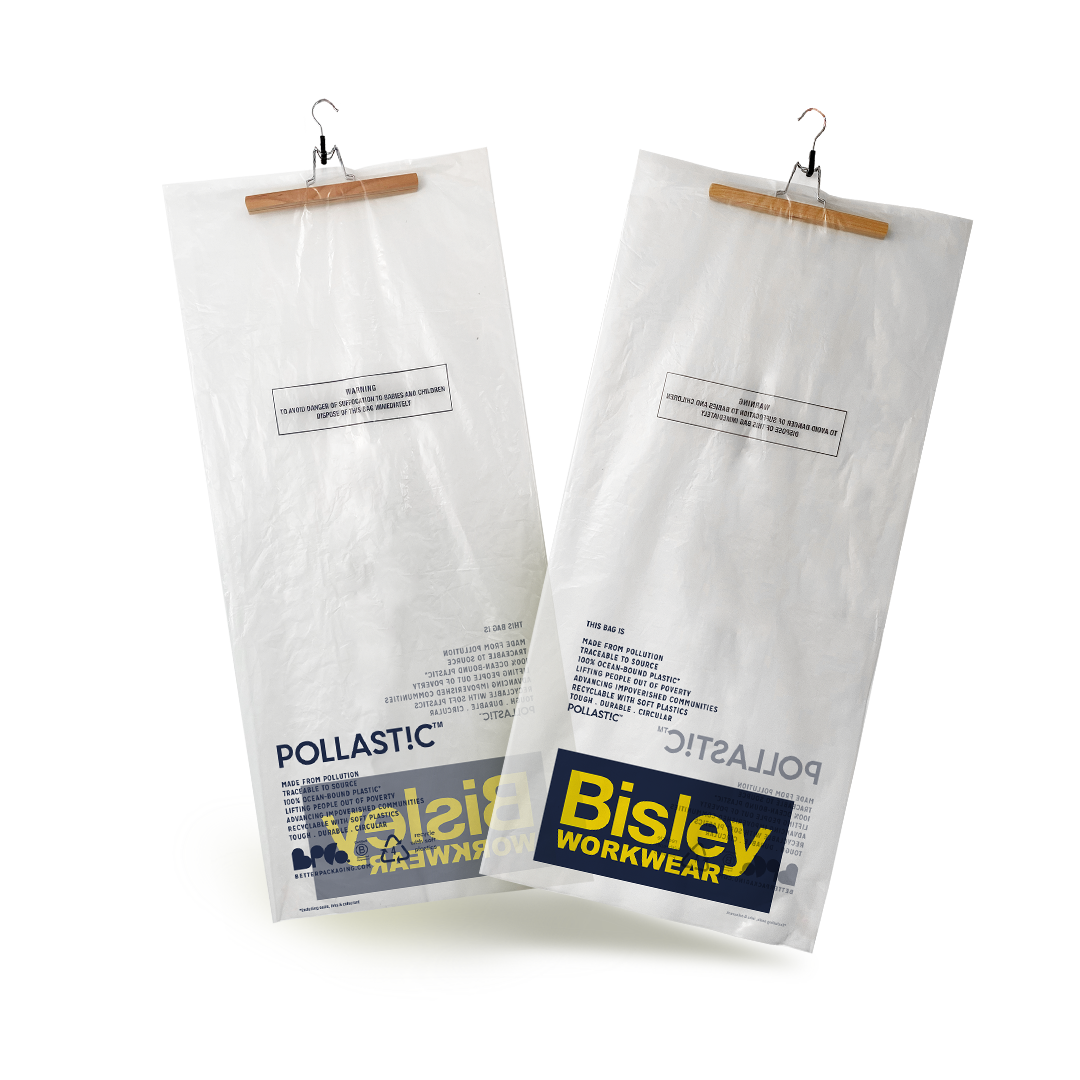
| Polybag | Cost-sensitive programs | Basic dust protection |
| Non-woven outer bag | Mid-range brands | Reusable, improved presentation |
| Custom printed carton | Retail display | Strong brand visibility |
| Eco packaging | Premium markets | Sustainability positioning |
Reusable packaging has become increasingly relevant. Customers often keep these bags for long-term storage, which extends brand visibility beyond the initial purchase. This creates ongoing exposure without additional marketing cost.
Brands targeting higher-end markets are also shifting toward eco-friendly materials, not only for compliance reasons but also to align with consumer expectations.
How do brands avoid common customization mistakes?
Identifying risks early in development
Several recurring issues appear across garment bag projects:
| Mistake | Result | Solution |
|---|---|---|
| Over-customization | Increased cost without functional gain | Focus on core specifications |
| Ignoring material testing | Color fading, odor retention | Conduct pre-production tests |
| Weak specification sheet | Inconsistent production quality | Provide detailed tech pack |
| Unrealistic lead time | Production delays | Align with factory capacity |
Most of these problems originate from unclear requirements at the beginning. When specifications are vague, factories rely on assumptions, which leads to inconsistencies during production.
A structured approach—starting from dress characteristics and usage scenarios—helps reduce both cost and operational risk.
customization as a growth lever
Turning garment bags into part of the product identity
One bridal brand increased its annual volume from 1,000 units to over 20,000 units after shifting from generic garment bags to fully customized versions. The improvement was not driven by marketing campaigns, but by changes in product experience.
The brand introduced breathable non-woven fabric in the 80–120 GSM range, reinforced stitching at stress points, and consistent logo placement. Customers reported fewer wrinkles upon delivery and improved storage convenience.
Return rates decreased, and the garment bag became part of the brand identity. Customers began associating the packaging with product quality, which strengthened repeat purchase behavior.
This pattern is consistent across multiple production cases. When garment bags are designed based on real usage conditions rather than assumptions, they move from being a cost item to a value driver within the overall product system.
Which Industries and Clients Need Wedding Dress Garment Bags?
The demand for wedding dress garment bags extends far beyond traditional bridal boutiques. In today’s fragmented apparel supply chain, these bags are used by designers, eCommerce sellers, rental companies, alteration studios, and luxury fashion houses. Each segment interacts with the product differently, which directly affects material choice, construction methods, and pricing tolerance.
Wedding dress garment bags are not standardized products—they are application-driven solutions. Bridal retailers prioritize presentation and brand consistency, while rental companies focus on durability and lifecycle cost. eCommerce sellers need packaging efficiency and protection during transit, and luxury brands require high-end materials that match their positioning.
In real production environments, this difference becomes visible quickly. A garment bag designed for a boutique display rack will often fail under shipping pressure, while a heavy-duty rental bag may feel too industrial for premium retail. The key is not just manufacturing capability, but understanding how the product is actually used after it leaves the factory.
A common mistake among new buyers is assuming that “one good design” can serve all markets. In practice, mismatched specifications lead to higher return rates, brand inconsistency, or unnecessary cost increases. The most effective suppliers are those who adjust materials, structure, and branding methods based on client type—not just price targets.
Do bridal shops and designers have different needs?
Yes, and the differences are more operational than aesthetic.
Bridal shops operate in a retail-facing environment where consistency is critical. A customer may try on multiple dresses in-store, and the garment bag becomes part of the final handover experience. If logo placement varies, stitching quality fluctuates, or fabric tone shifts between batches, it directly impacts perceived brand value. For this reason, bridal shops tend to prioritize stable production processes over aggressive cost reduction.
Designers, on the other hand, often work with smaller, more flexible production cycles. Many independent designers launch seasonal or limited collections, sometimes producing fewer than 200 dresses per style. Their garment bag requirements reflect this:
Small-batch production realities
- Orders are often below 300 units per design
- Frequent updates to logo artwork or packaging style
- Higher tolerance for cost per unit, lower tolerance for rigidity
Designers are less concerned with repeatability at scale and more focused on differentiation. They may request custom shapes, unique closures, or unconventional fabrics such as soft-touch cotton blends or textured canvas.
Alteration studios represent a third category that is often overlooked. Their focus is purely functional:
Practical usage in alteration workflows
- Bags are opened and closed multiple times per day
- Zippers must withstand frequent handling (often 3,000+ cycles)
- Fabric needs to resist snagging from pins or embellishments
For this group, durability is not a premium feature—it is a baseline requirement. Lightweight non-woven bags often fail within weeks in this environment, leading to repeated replacement costs.
How do eCommerce sellers use garment bags?
eCommerce introduces a completely different set of constraints, most of which are invisible in physical retail.
The primary issue is not display—it is transit risk. Wedding dresses shipped across regions or countries face compression, vibration, and handling pressure. A standard garment bag designed for hanging storage is not sufficient in this context.
Key pressure points in shipping
- Folding stress along seams and zipper lines
- Moisture exposure during long-distance transport
- Abrasion against outer cartons
To address this, eCommerce-focused garment bags typically incorporate structural reinforcement:
- Thicker polyester (commonly 210D–300D) to prevent tearing
- Reinforced zipper tracks with double stitching
- Internal straps or anchors to stabilize the dress
Another constraint is packaging volume. Warehousing and fulfillment costs increase significantly when products cannot be compacted efficiently.
Storage and logistics considerations
- Foldable designs reduce storage space by 30–60%
- Lightweight materials lower shipping costs per unit
- Flat-pack compatibility improves carton utilization
Customer perception also plays a role. Unlike retail stores where the bag is handed over in person, eCommerce packaging becomes the first physical touchpoint.
Branding impact in online sales
- Printed or embroidered logos reinforce brand identity
- Clean, wrinkle-free presentation affects unboxing experience
- Packaging quality influences return and review rates
In practical terms, sellers who upgrade from generic packaging to branded garment bags often report noticeable improvements in customer satisfaction metrics.
What about rental businesses?
Rental businesses operate under a completely different economic model. Their focus is not on one-time presentation, but on repeated usage over extended periods.
A single garment bag in a rental system may be used dozens, sometimes hundreds, of times. This creates a strong emphasis on lifecycle cost rather than initial purchase price.
Key operational requirements
- High-strength stitching at stress points
- Fabric resistance to abrasion and repeated folding
- Easy cleaning and maintenance
Polyester is the dominant material in this segment, particularly in the 300D–600D range. Compared to cotton or non-woven alternatives, polyester offers:
- Higher tear resistance
- Lower moisture absorption
- Better performance under repeated washing
Identification is another critical factor. Rental inventories often include hundreds or thousands of dresses, making quick recognition essential.
Practical identification solutions
- Transparent PVC windows for labels or barcodes
- Color-coded piping or trims
- External pockets for documentation
From a cost perspective, rental companies often calculate performance based on replacement cycles. A bag that lasts twice as long—even at a 20–30% higher unit cost—typically delivers better overall value.
Are luxury brands demanding higher specifications?
Luxury brands approach garment bags from a completely different angle. For them, the bag is not just protective—it is part of the product.
When a customer purchases a high-end wedding dress, every element of the experience is evaluated. The garment bag must align with the brand’s positioning in terms of material, finish, and environmental responsibility.
Material expectations
- Cotton canvas (8–12 oz) for a structured, premium feel
- Organic or recycled fabrics to meet sustainability goals
- Soft inner linings to prevent fabric damage
Finishing details are equally important:
- Even stitching with tight tolerances (often within 1–2 mm variance)
- Hidden seams or reinforced edges
- High-quality zippers with smooth operation
Branding is typically subtle. Instead of large, bold logos, luxury brands prefer understated techniques:
- Embroidery with tonal thread
- Debossed or woven labels
- Minimalist printing
Packaging also extends beyond the bag itself. Many brands integrate eco-friendly elements such as recycled paper tags or biodegradable covers, reflecting broader environmental commitments.
How do regional markets influence demand?
Geographic markets introduce another layer of complexity. Preferences are shaped by consumer behavior, regulatory requirements, and price sensitivity.
In North America, practicality tends to dominate. Buyers often prioritize durability and cost control, especially for mid-range brands and retailers. Polyester-based solutions are widely accepted, provided they deliver consistent performance.
European markets show stronger interest in sustainability. Materials such as organic cotton or recycled polyester are increasingly requested, and compliance with environmental standards can influence purchasing decisions.
The Middle East market leans toward premium presentation. Decorative elements, thicker fabrics, and enhanced finishing are more common, particularly for high-value bridal segments.
Asia-Pacific markets are more diverse, but generally emphasize cost-performance balance. Buyers often look for solutions that meet acceptable quality standards while maintaining competitive pricing.
What volume patterns do different clients follow?
Order volume is one of the most important factors influencing production strategy. Different client types follow distinct patterns, which directly affect manufacturing planning.
Typical order structures
- Small boutiques: 100–500 pieces per order, usually aligned with seasonal demand
- Growing brands: 500–5,000 pieces, often placed quarterly to manage inventory
- Large retailers: 10,000+ pieces, with continuous or rolling production schedules
Factories that only focus on large-scale production often struggle to serve smaller clients efficiently. At the same time, suppliers built around low-volume flexibility may face challenges when scaling up.
Balancing MOQ and scalability
- Low MOQ capability attracts startups and designers
- Stable supply chains support large, repeat orders
- Flexible production lines allow adjustment between batch sizes
From a commercial standpoint, suppliers who can handle both ends of the spectrum tend to build more resilient client portfolios.
aligning product with client type
In one case, a mid-sized rental company initially chose cotton garment bags based on appearance and perceived quality. However, after several months of operation, they encountered high replacement rates due to fabric wear and difficulty in cleaning.
After switching to reinforced polyester bags with upgraded stitching, the results were immediate:
- Replacement frequency dropped by more than 50%
- Cleaning time decreased due to easier maintenance
- Overall operational costs improved despite a slightly higher initial investment
This example highlights a key point: the “best” garment bag is not defined by material alone, but by how well it matches the actual usage environment.
Across industries, the same principle applies. Bridal shops, designers, eCommerce sellers, rental businesses, and luxury brands all require garment bags—but they are solving different problems. Suppliers who understand these differences at a practical level are far more likely to deliver products that perform well beyond the first impression.
How to Choose the Right Wedding Dress Garment Bag Manufacturer?
Selecting a wedding dress garment bag manufacturer is rarely a simple sourcing decision. It directly affects product consistency, brand perception, delivery timelines, and ultimately customer satisfaction. While pricing is often the first filter, experienced buyers know that the real difference between suppliers lies in process control, material expertise, and production stability.
The right manufacturer is one that can consistently reproduce the same quality across batches, adapt to different order sizes, and maintain predictable lead times. In practical terms, this reduces defect rates, avoids delivery delays, and protects your brand reputation—especially when garment bags are part of the final customer experience.
Many brands discover this only after encountering problems. Inconsistent stitching, color variation between batches, delayed shipments, or packaging defects often trace back to weak factory management rather than design flaws. When brands transition from trading companies to specialized factories with integrated production, improvements are measurable. It is common to see defect rates drop by 20–50% and lead times shorten by 15–30%, not because of faster machines, but because of tighter process control.
A reliable manufacturer does not just produce products—they standardize outcomes. That difference becomes critical when scaling from a few hundred units to several thousand.
What certifications and standards should you look for?
Certifications are often treated as formalities, but in reality they reflect how a factory operates internally. While they do not guarantee perfect quality, they indicate whether the factory has structured systems in place.
Key certifications and their practical value
| Certification | What It Covers | Why It Matters in Production |
|---|---|---|
| ISO 9001 | Quality management system | Ensures standardized workflows, reducing batch inconsistency |
| BSCI | Social compliance | Indicates controlled labor practices and stable workforce conditions |
| REACH | Chemical safety (EU) | Ensures fabrics and coatings meet European safety standards |
| GRS | Recycled materials certification | Supports sustainability claims for eco-focused brands |
For example, a factory operating under ISO 9001 typically has defined inspection checkpoints at each production stage—cutting, sewing, and finishing—rather than relying on final inspection alone. This reduces the likelihood of defects accumulating unnoticed.
Similarly, compliance with REACH becomes critical if your products are sold in Europe. Non-compliant materials can lead to rejected shipments or regulatory issues, which are far more costly than initial material upgrades.
Manufacturers that support multiple certifications are generally better equipped to handle international orders, especially when brands expand into new markets.
How to evaluate real factory experience?
Years of experience alone do not provide a clear picture. A factory may claim 15 years in operation but have limited exposure to garment bags specifically. What matters is relevant, repeatable experience.
Practical evaluation criteria
| Evaluation Factor | What to Verify | Why It Matters |
|---|---|---|
| Fabric handling capability | Experience with polyester, cotton, non-woven, canvas | Different materials require different sewing and finishing techniques |
| Product portfolio | Existing garment bag projects | Indicates familiarity with structure and functional requirements |
| In-house production | Cutting, printing, sewing done internally | Reduces dependency on third parties and improves consistency |
| Sampling responsiveness | 3–7 days turnaround | Reflects development efficiency and internal coordination |
A common red flag is excessive outsourcing. If printing, cutting, or even sewing is handled by separate subcontractors, quality control becomes fragmented. This often leads to inconsistencies between samples and bulk production.
Factories with integrated production lines—where most processes are managed internally—are better positioned to maintain stable quality and timelines.
Why production capacity matters for scaling
Production capacity is not just about how many units a factory can produce per day. It determines whether your supplier can grow with you without compromising quality or delivery schedules.
Typical capacity levels and implications
| Capacity Level | Daily Output | Operational Impact |
|---|---|---|
| Small workshop | <1,000 pcs | Limited ability to handle urgent or large orders |
| Medium factory | 1,000–5,000 pcs | Suitable for steady growth and mid-volume clients |
| Large factory | 5,000+ pcs | Supports high-volume, continuous production |
In early stages, smaller factories may seem attractive due to lower MOQs and flexibility. However, as order volumes increase, these suppliers often struggle to maintain timelines, especially during peak seasons.
On the other hand, large factories may prioritize high-volume clients, making it difficult for smaller brands to secure production slots.
The ideal partner is a manufacturer with flexible production planning—capable of handling both small custom orders and scaling up to larger volumes without restructuring the entire production line.
How to assess sampling and development capability
Sampling is where most product issues are either identified or overlooked. A factory’s ability to translate design concepts into functional samples is a strong indicator of its technical competence.
Key sampling benchmarks
| Factor | Practical Standard | Business Impact |
|---|---|---|
| Sampling lead time | 3–7 days | Faster product development cycles |
| Revision rounds | 1–3 iterations | Improves final product accuracy |
| Material sourcing | Access to multiple suppliers | Enables better cost-performance optimization |
A strong development team will not only follow your specifications but also suggest adjustments based on production feasibility. For example, they may recommend changing zipper types to improve durability or adjusting fabric weight to balance cost and performance.
Factories with limited sampling capability often rely heavily on trial and error, which increases both development time and cost.
What MOQ, lead time, and communication should you expect?
Operational efficiency is often reflected in how a factory handles everyday interactions. MOQ, lead time, and communication are not just transactional details—they reveal how well the factory is managed internally.
Typical operational benchmarks
| Factor | Industry Range | What to Look For |
|---|---|---|
| MOQ | 100–500 pcs | Flexibility for small and medium orders |
| Lead time | 15–30 days | Stable and predictable scheduling |
| Communication | 24–48 hours response | Clear and consistent updates |
Factories with rigid MOQs may not be suitable for brands testing new designs or entering new markets. At the same time, extremely low MOQs combined with slow production often indicate limited capacity.
Communication is equally important. Delayed or unclear responses often signal internal coordination issues, which can later translate into production delays or misunderstandings.
Cost vs reliability: what should you prioritize?
Price differences between suppliers are often narrower than they appear once all factors are considered. A lower unit price can quickly become more expensive if it leads to defects, delays, or inconsistent quality.
Practical cost comparison
| Factor | Low-Cost Supplier | Reliable Manufacturer |
|---|---|---|
| Unit price | Lower upfront | Slightly higher |
| Defect rate | Often 5–10%+ | Typically below 2–3% |
| Lead time stability | Variable | Consistent |
| Total cost over time | Higher due to issues | Lower due to stability |
For example, a 5% defect rate on a 5,000-piece order means 250 units may need replacement or compensation. When factoring in logistics, customer service, and brand impact, the cost difference can exceed the initial savings.
Reliable manufacturers focus on preventing issues rather than reacting to them. This shift from reactive to controlled production is what reduces long-term costs.
supplier selection impact
A growing apparel brand once sourced garment bags from a low-cost supplier to reduce initial expenses. While the first batch met expectations, subsequent orders showed increasing inconsistency—uneven stitching, zipper failures, and fabric variations.
After switching to a manufacturer with stricter quality control processes and better material sourcing, the results were measurable:
- Return rates dropped from around 8% to below 2%
- Customer complaints related to packaging decreased significantly
- Delivery timelines became predictable, improving inventory planning
Importantly, the product design itself did not change. The improvement came entirely from production reliability.
Choosing the right manufacturer is ultimately a decision about stability. When your supplier can consistently deliver the same quality, on time, and at scale, your product becomes predictable. And in a business where customer experience is closely tied to product presentation, that predictability is what builds long-term trust.
How Much Does Wedding Dress Garment Bag Manufacturing Cost?
Cost is one of the first questions buyers ask when sourcing wedding dress garment bags, but it is also one of the most misunderstood. While it is common to see price ranges quoted between $1 and $8 per unit, the real cost depends on how materials, structure, customization, and order volume interact in actual production.
In practical sourcing terms, most wedding dress garment bags fall between $1.80 and $4.50 for standard bulk orders, while premium or fully customized versions can reach $6–$8 per unit. The difference is not arbitrary—it reflects material weight, construction complexity, and branding requirements.
A key point many buyers overlook is that garment bags are not standalone cost items. They are part of the product experience. A poorly made bag can lead to returns, damage during shipping, or negative customer perception, all of which increase the true cost beyond the factory price.
In factory environments, cost is not calculated based on a single factor. It is a combination of raw materials, labor time, production efficiency, and defect control. Understanding how each component contributes to pricing helps avoid both overpaying and under-specifying the product.
What are the main cost drivers?
Every garment bag is built from a combination of materials and processes, and each element adds to the final cost. Among all variables, material selection and order quantity typically have the largest impact.
Key cost components in manufacturing
| Cost Factor | Impact Level | Practical Explanation |
|---|---|---|
| Material | High | Fabric type, thickness (GSM), and coating directly affect cost |
| Size | Medium | Larger bags require more fabric and longer sewing time |
| Printing | Medium | Logo complexity, color count, and method (silk screen vs embroidery) |
| Structure | Medium | Reinforced seams, gussets, handles increase labor time |
| Quantity | High | Larger volumes reduce per-unit production cost |
Material alone often accounts for 40–60% of the total manufacturing cost. For example, switching from a 80 GSM non-woven fabric to a 300D polyester can increase material cost by 30–80%, depending on sourcing conditions.
Labor is the second major factor. A simple flat garment bag may take 3–5 minutes to produce, while a reinforced, structured version with handles and piping may require 8–12 minutes. This difference directly impacts unit pricing, especially in labor-intensive production environments.
How does quantity affect unit pricing?
Economies of scale play a major role in garment bag manufacturing. As order volume increases, factories can optimize cutting layouts, reduce material waste, and streamline production.
Typical pricing based on order volume
| Quantity | Estimated Unit Price |
|---|---|
| 100 pcs | $4.50–$8.00 |
| 500 pcs | $2.50–$5.00 |
| 1,000 pcs | $1.80–$3.50 |
| 5,000+ pcs | $1.20–$2.50 |
At lower quantities, fixed costs such as machine setup, pattern cutting, and sampling adjustments are distributed across fewer units, resulting in higher prices.
Once orders exceed 1,000–3,000 units, production becomes more efficient. Fabric rolls are utilized more effectively, cutting patterns are optimized, and sewing lines operate continuously, which reduces labor cost per piece.
For large-scale orders above 5,000 units, factories often achieve peak efficiency. However, beyond this point, price reductions tend to plateau unless material sourcing costs also decrease.
How does customization influence cost?
Customization is often necessary for branding, but each added feature introduces additional cost layers. The key is understanding which customizations provide real value and which simply increase cost without improving performance.
Cost impact of common customization features
| Custom Feature | Cost Impact |
|---|---|
| Logo printing (1–2 colors) | +5–10% |
| Multi-color or large-area printing | +10–15% |
| Custom sizing | +5–10% |
| Premium materials (e.g., cotton, canvas) | +20–50% |
| Reinforced structure (gussets, handles) | +10–20% |
| Special packaging (individual polybags, inserts) | +10–20% |
For example, embroidery can cost 2–3 times more than standard silk-screen printing, especially for larger logos. While it improves perceived value, it may not be necessary for all market segments.
In many cases, simplifying customization—such as limiting logo size or standardizing dimensions—can reduce cost without affecting usability or brand impact.
What is the cost difference between materials?
Material selection is the single most important factor affecting both cost and performance. Different fabrics not only vary in price but also determine durability, appearance, and customer perception.
Typical material cost comparison
| Material | Price Range (per unit) | Practical Use Case |
|---|---|---|
| Non-woven PP (60–100 GSM) | $1.00–$2.50 | Budget retail, short-term use |
| Polyester (190T–300D) | $1.50–$3.50 | eCommerce, rental, general use |
| Cotton (6–10 oz) | $2.50–$5.50 | Premium retail, branding-focused |
| Canvas (10–16 oz) | $4.00–$8.00 | Luxury positioning, long-term use |
Non-woven materials are cost-effective but less durable. They are suitable for one-time use or low-cost retail environments. Polyester offers a balance between durability and price, making it the most widely used option across industries.
Cotton and canvas are often chosen for their premium feel and environmental positioning, but they come with higher costs and, in some cases, increased maintenance requirements.
Hidden costs you should not ignore
Focusing only on unit price can be misleading. Several additional costs can significantly affect the total project budget.
Common hidden cost factors
| Hidden Cost | Practical Impact |
|---|---|
| Sampling fees | Prototype development, often $30–$100 depending on complexity |
| Shipping | Freight costs vary widely based on volume and destination |
| Packaging | Individual packing or branding adds material and labor cost |
| Quality issues | Defects lead to returns, replacements, and reputational damage |
For example, a supplier offering a $1.80 unit price with a 7% defect rate may ultimately cost more than a $2.20 supplier with a 2% defect rate, once replacement and logistics costs are included.
Shipping is another major variable. Air freight can add $0.50–$1.50 per unit depending on weight and distance, while sea freight is more economical but slower.
How to balance cost and quality effectively
Cost control in garment bag manufacturing is not about choosing the cheapest option. It is about optimizing specifications to achieve the best performance within a target budget.
Practical cost optimization strategies
| Strategy | Practical Benefit |
|---|---|
| Standardize dimensions | Reduces cutting complexity and fabric waste |
| Optimize fabric weight (GSM) | Balances durability and cost |
| Limit excessive customization | Avoids unnecessary production steps |
| Choose appropriate materials | Matches product to actual usage scenario |
| Work with experienced factories | Reduces defect-related losses |
For example, reducing fabric thickness from 300D to 210D polyester can lower material cost by 10–20% while still maintaining sufficient durability for most applications.
Similarly, using a standard size across multiple product lines allows factories to reuse cutting patterns, improving efficiency and lowering costs.
Are sustainable garment bags more expensive?
Sustainability has become an important consideration for many brands, but it does come with cost implications.
Cost comparison for eco-friendly materials
| Material | Cost Increase | Market Impact |
|---|---|---|
| RPET (recycled polyester) | +10–20% | Appeals to eco-conscious consumers |
| Organic cotton | +20–40% | Positions product in premium segment |
The higher cost is mainly due to raw material sourcing and certification requirements. However, many brands find that these materials justify their price through improved brand perception and customer loyalty.
In some markets, especially in Europe, sustainable materials are no longer optional—they are expected.
Turning Ideas Into Reliable Products
A wedding dress garment bag may appear simple at first glance, but its cost is shaped by a combination of material decisions, structural design, and manufacturing execution. Small changes—such as fabric thickness, stitching density, or zipper quality—can significantly influence both price and performance.
For brands developing custom garment bags, the goal should not be to minimize cost, but to align cost with real usage needs. A bag designed for retail presentation does not require the same specifications as one used in rental circulation or long-distance shipping.
Working with an experienced manufacturer like Szoneier provides access to more than just production capacity. With over 18 years of experience in fabric development and bag manufacturing, Szoneier supports flexible customization, low MOQ production, fast sampling cycles, and stable large-scale output. This allows brands to move from concept to finished product with fewer delays and fewer costly revisions.
If you are planning to develop or upgrade your wedding dress garment bags, now is the right time to refine your specifications and align them with your market positioning. Reach out to Szoneier to request a quote, explore material options, and build a product that delivers both protection and brand value in real-world use.