Skip to content

Walk into any store or scroll through any online marketplace, and you’ll quickly notice that beach bags are not all the same. Some are oversized and rugged, built to carry everything a family needs for a full day by the sea. Others are sleek, lightweight, and stylish, designed to complement summer outfits. But behind every one of these products lies something most people never think about—the manufacturer.
What does a beach bags manufacturer actually produce? Is it just bags, or something more complex?
A clear answer: A beach bags manufacturer produces a wide range of products including tote bags, mesh bags, waterproof bags, travel bags, and lifestyle carry solutions, using materials such as canvas, polyester, nylon, mesh, neoprene, jute, and more. Beyond basic production, they also develop customized designs, apply branding, optimize functionality for different environments, and support full product creation from concept to final delivery.
Think of it this way: when someone picks up a beach bag that feels “just right”—light enough to carry, strong enough to hold everything, and stylish enough to use daily—that balance didn’t happen by accident. It was engineered step by step, from material selection to final stitching.
Now let’s take a deeper look into what manufacturers truly create—and why it matters.
What Products Does a Beach Bags Manufacturer Typically Produce?


At first glance, a beach bag may look like one of the simplest products in the bag industry. In reality, it is one of the most segmented categories, driven by very specific user behaviors: carrying wet items, managing sand, transporting food, or matching a seasonal fashion look. A professional manufacturer does not treat beach bags as a single SKU—they treat them as a product system.
A typical beach bags manufacturer produces a wide range of product types designed around function, capacity, and user scenarios. This includes breathable mesh bags for sand control, heavy-duty canvas totes for durability, waterproof bags for wet environments, insulated cooler bags for food storage, and hybrid travel beach bags for multi-purpose use. Each category is engineered with different materials, structures, and cost targets.
From a production perspective, beach bag lines are often developed in parallel rather than individually. Brands rarely launch just one bag—they launch collections. This allows them to target multiple price points, retail channels, and consumer needs simultaneously, which is critical for seasonal products like beach bags where competition is high and margins depend on differentiation.
Main Product Categories
Beach bags can be divided into several core categories based on usage scenarios. Each category has distinct material requirements, structural design, and manufacturing complexity.
The most common category is the tote bag. These are typically large, open-top designs made from canvas, cotton, or polyester. They are favored for their simplicity and large capacity. In mass retail, canvas totes usually range between 12 oz and 24 oz fabric weight, with load capacities of 8–15 kg. They are widely used for general beach outings and are also the most cost-efficient to produce at scale.
Mesh bags are designed specifically to solve the problem of sand accumulation. The open structure allows sand to fall through, making them ideal for families or sports users carrying towels and toys. Most mesh bags use polyester or nylon mesh with a GSM between 150–300. Reinforced bottom panels are often added to prevent tearing under weight. In the U.S. market, mesh beach bags have seen consistent growth due to their practicality, especially in coastal regions.
Waterproof bags, often referred to as dry bags, are used in wet or water-intensive environments. These are typically made from PVC, TPU, or laminated fabrics with heat-sealed seams. A standard waterproof beach bag can achieve IPX6–IPX7 water resistance levels, meaning it can withstand heavy splashes or temporary immersion. These products require more advanced manufacturing processes, such as high-frequency welding, which increases production cost by 20–40% compared to standard sewing.
Cooler bags are insulated products designed to maintain temperature for food and beverages. These bags usually include multi-layer structures: an outer fabric (polyester or oxford), a middle insulation layer (EPE foam or PE foam), and an inner lining (PEVA or aluminum foil). A well-constructed cooler bag can maintain temperature for 4–8 hours depending on insulation thickness. This category is particularly popular in the U.S. and European markets where beach outings often include food and drinks.
Drawstring bags represent the lightweight and low-cost segment. They are typically made from polyester or nylon and are designed for short trips or minimal carry. With production costs often below $1.50 per unit at scale (1,000+ pcs), they are widely used for promotional purposes or entry-level retail products.
Travel beach bags are a hybrid category. These combine features such as multiple compartments, waterproof sections, and luggage compatibility. They are designed for users who travel frequently and need a single bag that works both at the beach and during transit. This category often includes higher-end materials and more complex structures, making it suitable for premium brands.
Functional vs Lifestyle Products
Beyond category classification, beach bags are also segmented based on product positioning: functional versus lifestyle.
Functional bags prioritize performance. These products are built to solve specific problems such as water resistance, sand control, or load capacity. Materials used in functional bags are selected based on durability metrics such as tensile strength, abrasion resistance, and waterproof rating. For example, a TPU-coated waterproof bag can withstand over 10,000 flex cycles without cracking, making it suitable for repeated outdoor use.
Lifestyle bags, on the other hand, focus on aesthetics and branding. These are often made from canvas, jute, or blended fabrics and emphasize color, texture, and logo presentation. In retail environments, especially in fashion-driven markets, lifestyle beach bags often outperform functional bags in terms of sales volume because they align with seasonal trends.
From a manufacturing standpoint, lifestyle bags usually require more attention to surface finishing, printing techniques, and branding consistency. Techniques such as screen printing, embroidery, and heat transfer are commonly used. Functional bags, in contrast, require stricter quality control on seams, coatings, and structural integrity.
In many successful product lines, brands combine both approaches. For example, a canvas tote may include a waterproof inner lining, allowing it to serve both functional and aesthetic purposes. This hybrid approach has become increasingly popular in mid-to-high-end markets.
Product Size and Capacity Variations
Size and capacity are critical factors in beach bag design, directly affecting usability and cost. Manufacturers typically categorize products into small, medium, and large sizes based on volume.
Small bags, with capacities between 5–10 liters, are designed for personal use. They are suitable for carrying essentials such as sunscreen, phones, and wallets. These products are often used as add-on items or secondary bags.
Medium-sized bags, ranging from 15–25 liters, represent the most common segment. They are suitable for daily beach use and can accommodate towels, clothing, and basic accessories. This category accounts for a significant portion of retail sales due to its balance between capacity and portability.
Large bags, with capacities of 30–50 liters, are designed for family use or extended outings. These bags must be engineered with reinforced handles and bottom panels to support heavier loads, often exceeding 15 kg. In production, this requires additional stitching, thicker materials, and sometimes structural inserts, which can increase unit cost by 15–25%.
From a sourcing perspective, size directly impacts material consumption and shipping cost. For example, a large canvas beach bag may use up to 0.8–1.2 square meters of fabric, compared to 0.3–0.5 square meters for a small bag. This difference significantly affects pricing, especially in bulk orders.
In real-world manufacturing projects, brands rarely develop a single type of beach bag. Instead, they build coordinated product lines that cover multiple use cases.
For example, a mid-sized U.S. lifestyle brand working with a Chinese manufacturer developed a three-product lineup for a summer launch. The first product was a mesh bag designed for families with children, focusing on sand control and lightweight structure. The second was a canvas tote aimed at retail stores, emphasizing clean design and strong visual branding. The third was a waterproof dry bag positioned as a premium item, targeting outdoor enthusiasts and higher-margin sales channels.
Each product served a different purpose, but together they created a cohesive brand offering. This approach not only increased average order value but also improved retail shelf presence.
From the manufacturer’s perspective, this type of project requires coordination across multiple material suppliers, production lines, and quality control standards. Lead times for such collections typically range from 30 to 45 days depending on complexity and order volume.
Many buyers initially assume that beach bags are simple products with minimal variation. However, once they enter the development process, they quickly realize that each category requires different materials, structures, and production techniques. Choosing the wrong product type—or trying to use a single design for all scenarios—often leads to poor user experience, higher return rates, and weaker brand positioning.
Understanding the full product range is not just about expanding options. It is about aligning product design with real user behavior, which ultimately determines whether a beach bag succeeds in the market.
Which Materials Do Beach Bag Manufacturers Use Most?


Material selection is one of the most critical decisions in beach bag manufacturing because it directly determines durability, water resistance, weight, cost, and overall user experience. Unlike fashion handbags, beach bags must perform under harsh conditions—sun exposure, saltwater, sand abrasion, and heavy loading. This is why manufacturers rarely rely on a single fabric. Instead, they build material systems.
In practical production, the most commonly used materials include canvas, cotton, polyester, nylon, mesh, neoprene, jute, linen, and Oxford fabric. Each of these materials is selected based on a specific performance requirement. For example, canvas is chosen for structure and durability, mesh for sand control, and neoprene for waterproof flexibility.
A key point many buyers overlook is that material choice is not just about “quality”—it is about matching the material to the usage scenario and price positioning. A premium-looking bag made from the wrong material can fail quickly in real beach conditions, while a well-engineered mid-cost material combination can outperform expectations.
Core Material Categories and Their Roles
Beach bag materials can be grouped into functional roles rather than just fabric names. This is how manufacturers actually approach product development.
Canvas is widely used for heavy-duty tote bags. Typically made from cotton or cotton-poly blends, canvas ranges from 10 oz to 24 oz in weight. At 16 oz and above, it offers strong structural integrity and can carry loads exceeding 10–15 kg without deformation. However, untreated canvas has very low water resistance, which means it absorbs moisture and becomes heavier when wet. To address this, many manufacturers apply wax coatings or laminate inner linings.
Cotton is softer and lighter than canvas, making it suitable for casual or promotional beach bags. It is breathable and comfortable to handle, but its durability is significantly lower. Cotton bags are often used in lower-cost segments or as seasonal retail items where lifespan is not the primary concern.
Polyester is one of the most widely used synthetic materials due to its cost-performance balance. With a typical denier range of 300D to 600D, polyester offers moderate durability and decent water resistance, especially when combined with PU or PVC coatings. It is also highly colorfast, making it suitable for printed designs and branding.
Nylon is stronger and lighter than polyester at the same thickness. For example, 420D nylon can outperform 600D polyester in tensile strength while maintaining lower weight. It also has better natural water resistance. This makes nylon a preferred choice for outdoor and travel-oriented beach bags. However, it is generally 15–25% more expensive than polyester.
Mesh is not used for structure but for functionality. It allows sand and water to pass through, solving one of the biggest pain points for beach users. Most mesh fabrics are made from polyester or nylon and are integrated into panels rather than used as the main body. Without reinforcement, mesh alone cannot support heavy loads, which is why it is often combined with stronger base materials.
Neoprene is a premium material commonly used in higher-end beach bags. It is the same material used in wetsuits, offering flexibility, water resistance, and a soft touch. Neoprene bags typically range from 3mm to 5mm thickness and provide excellent shock absorption. However, the material cost is significantly higher—often 2–3 times that of standard polyester—making it suitable for brands targeting premium markets.
Jute and linen are natural fibers used primarily for eco-friendly or lifestyle-focused products. Jute is strong and biodegradable, but it has a rough texture and limited water resistance. Linen is lighter and more refined but less durable. These materials are often chosen for visual appeal and sustainability messaging rather than performance.
Oxford fabric is essentially a type of woven polyester or nylon with a basket weave structure. It is known for its durability and is often used in large-capacity or heavy-duty beach bags. When combined with waterproof coatings, Oxford fabric can achieve strong resistance to wear and moisture, making it a practical choice for family-sized bags.
Natural vs Synthetic Materials
From a manufacturing perspective, materials are typically divided into natural and synthetic categories, each with distinct advantages and limitations.
Natural materials such as cotton, canvas, jute, and linen are valued for their экологically friendly image and tactile feel. They are breathable and visually appealing, which makes them suitable for lifestyle products and retail environments. However, they generally lack water resistance and can degrade faster under repeated exposure to moisture and UV light. For example, untreated cotton can lose up to 20% of its tensile strength after prolonged exposure to saltwater and sunlight.
Synthetic materials such as polyester, nylon, and neoprene are engineered for performance. They offer higher durability, better water resistance, and longer lifespan. Polyester fibers, for instance, can withstand thousands of abrasion cycles without significant wear. Nylon performs even better in high-stress conditions. The trade-off is that synthetic materials may feel less “natural” and are sometimes perceived as less environmentally friendly.
In current market trends, synthetic materials dominate functional beach bags, while natural materials dominate lifestyle and fashion-oriented products. Many brands attempt to bridge this gap by using recycled polyester (rPET), which offers similar performance to standard polyester while improving sustainability positioning.
Why Hybrid Materials Are the Industry Standard
In real manufacturing scenarios, combining materials is not optional—it is standard practice. This is because no single material can meet all performance requirements simultaneously.
One common combination is mesh with canvas. The mesh panels allow sand and water to escape, while the canvas provides structural strength. This design is widely used in family beach bags where both capacity and cleanliness are important.
Another typical combination is polyester with a waterproof coating. By applying PU or TPU coatings, manufacturers can significantly improve water resistance without dramatically increasing cost. A coated polyester fabric can achieve water resistance levels suitable for splashes and light rain while remaining flexible and lightweight.
Canvas combined with a nylon or polyester lining is also widely used. The outer canvas provides a premium look and structure, while the inner lining protects contents from moisture. This hybrid approach allows brands to maintain aesthetics without sacrificing functionality.
In higher-end products, neoprene is sometimes combined with mesh or nylon reinforcements to reduce weight and improve structural stability. This kind of engineering is more complex but creates a differentiated product in the premium segment.
Performance Comparison in Real Use
When evaluating materials, manufacturers focus on three core performance metrics: durability, water resistance, and weight. These factors directly impact user satisfaction and product lifespan.
Canvas ranks high in durability but low in water resistance. It is suitable for heavy loads but not ideal for wet environments unless treated. Polyester offers a balanced performance across all three metrics, making it the most versatile option. Nylon provides superior strength and water resistance while remaining lightweight, which is why it is often used in higher-performance products.
Mesh is unique because its value lies in drainage rather than water resistance. It performs exceptionally well in environments where sand and water need to be managed, but it must be supported by stronger materials.
Weight is another critical factor often overlooked. A heavy material like thick canvas can add 300–500 grams to the base weight of a bag compared to lightweight nylon. For users carrying bags over long distances, this difference becomes noticeable.
Real Industry Insight
In current production trends, more than half of beach bags use hybrid material construction. This is not just a design choice—it is a response to real user behavior. Consumers expect a single product to handle multiple scenarios: carrying wet towels, holding food, resisting sand, and still looking good.
For example, a typical mid-range beach bag developed for the U.S. market might use 600D polyester as the main body, mesh side panels for sand control, and a PEVA-lined compartment for wet items. This combination allows the product to remain cost-effective while delivering multiple functional benefits.
From a cost perspective, hybrid designs can increase material and labor complexity, but they also allow brands to position products at higher price points. A well-designed hybrid beach bag can retail for 30–50% more than a basic single-material bag, while the production cost increase is often limited to 10–20%.
The key takeaway from real manufacturing experience is straightforward: no single material can meet all requirements. The most successful beach bags are not defined by the quality of one fabric, but by how effectively different materials are combined to solve real-world problems.
How Do Manufacturers Design Beach Bags for Different Functions?


Beach bag design is often underestimated. From a distance, most bags look similar—large openings, simple handles, soft bodies. But once you step into product development, the difference between a well-designed bag and a poorly designed one becomes obvious within minutes of use. The real challenge is not making a bag look good, but making it perform under real beach conditions: wet towels, shifting weight, sand contamination, and prolonged carrying.
Manufacturers approach beach bag design as a problem-solving process. Every structural decision—panel layout, stitching method, handle positioning, reinforcement—directly responds to a real usage scenario. A bag that performs well in a studio sample test can still fail in actual beach environments if these variables are not properly considered.
The short answer is straightforward: beach bags are designed differently depending on function. Mesh structures are used to release sand, reinforced bases support heavy loads, waterproof linings isolate moisture, and ergonomic straps reduce carrying fatigue. But behind these features is a deeper layer of engineering decisions that determine whether a product will succeed in the market.
Functional Design Elements
At the core of beach bag design are functional components that directly address user pain points. These are not decorative features—they are performance-driven.
Open mesh panels are one of the most effective design solutions for beach environments. Sand accumulation is a constant issue, especially for families carrying towels, toys, and clothing. By integrating mesh panels—usually on the sides or bottom—manufacturers allow sand to naturally fall out during movement. In product testing, bags with at least 30% mesh panel coverage showed a noticeable reduction in retained sand compared to fully enclosed designs.
Reinforced bases are critical for load-bearing performance. A typical beach bag used for family outings can carry between 15–25 kg, including wet towels and drinks. Without reinforcement, the bottom panel can sag or deform, leading to uneven weight distribution and eventual material failure. Reinforcement is usually achieved through double-layer fabric, inserted PE boards, or cross-stitching techniques. In controlled load tests, adding a reinforced base increased structural stability by up to 40%.
Waterproof linings are designed to separate wet and dry items. Instead of relying solely on external water resistance, manufacturers often include an internal compartment made from PEVA, TPU, or coated polyester. This prevents moisture from spreading inside the bag, which is especially important for electronics, clothing, and food. A well-sealed lining can withstand minor leaks and damp conditions without compromising the rest of the contents.
Handle design plays a larger role than many buyers expect. Wide handles—typically between 3–5 cm—distribute weight more evenly across the shoulder, reducing pressure points. Narrow straps may look minimal, but under load they can cause discomfort within minutes. Handle attachment points are also reinforced with box stitching or bar-tack stitching to prevent tearing under repeated stress.
Zipper closures or magnetic snaps are used for security. Open-top bags are convenient, but they increase the risk of items falling out during movement or transport. For travel-oriented beach bags, secure closures are often considered essential. In retail feedback, products with zip closures tend to have lower return rates due to improved usability.
Structure vs Flexibility
One of the key decisions in beach bag design is whether the product should be structured or flexible. This choice affects not only performance but also storage, transportation, and user preference.
Structured bags are designed to maintain their shape even when empty. They typically use heavier materials such as canvas (16 oz–24 oz) or Oxford fabric, combined with reinforced panels. These bags are ideal for heavy-duty use because they distribute weight more evenly and are easier to pack. When placed on sand, they remain upright, which improves accessibility. However, the trade-off is weight and reduced portability.
Flexible bags, on the other hand, prioritize lightness and packability. Made from mesh, polyester, or lightweight nylon, these bags can be folded into compact sizes, making them suitable for travel. They are easier to carry when empty but may lose shape under heavy loads. Without proper reinforcement, flexible bags can collapse or shift, causing uneven weight distribution.
In manufacturing, the choice between structure and flexibility often depends on the target market. Premium and family-use products tend to favor structured designs, while travel-oriented and promotional products lean toward flexibility.
Ergonomic Considerations
Ergonomics is one of the most overlooked aspects of beach bag design, yet it has a direct impact on user satisfaction. A bag can use high-quality materials and still fail if it is uncomfortable to carry.
Handle length is carefully calibrated to balance hand-carry and shoulder-carry options. A typical range is 25–30 cm drop length. Shorter handles may limit shoulder use, while longer handles can cause the bag to hang too low, increasing strain.
Strap width is another critical factor. At 3–5 cm, wide straps reduce pressure on the shoulder by distributing weight across a larger surface area. In user testing, increasing strap width from 2 cm to 4 cm reduced perceived pressure by more than 30% during extended carrying.
Weight distribution is influenced by both structure and handle placement. If handles are attached too close to the center, the bag may tilt outward when carried. Proper spacing ensures that the load remains balanced, reducing fatigue.
These details may seem minor during design, but they become immediately noticeable in real use. Discomfort is one of the most common reasons for negative product reviews, even when the bag itself is durable.
In one product development project for a mid-range retail brand, the initial sample used a standard single-layer bottom panel with narrow straps. During testing, users reported sagging when the bag was filled and discomfort after carrying it for more than 10 minutes.
The manufacturer made two key adjustments: a reinforced base with an internal PE board and widened straps from 2.5 cm to 4 cm. After these changes, load capacity improved by approximately 40%, and user feedback on comfort increased significantly.
What is important here is not the specific numbers, but the process. Small structural changes—often costing less than $0.30 per unit—can dramatically improve performance and user perception.
Environmental Design Adaptation
Beach environments are not uniform. Design must adapt to different conditions, and this is where many products fail.
For sandy beaches, mesh integration is essential. Without it, sand accumulates quickly and becomes difficult to remove. Bags designed without considering this often receive complaints related to cleanliness.
For wet conditions, waterproof linings or coated fabrics are necessary. Even a small amount of moisture can spread quickly inside a bag if there is no barrier. This is especially problematic when users carry electronics or dry clothing alongside wet items.
For travel use, foldability becomes important. A bag that cannot be compressed takes up valuable luggage space. Flexible designs with minimal rigid components are preferred in this scenario.
UV exposure is another factor rarely addressed directly but always considered in material selection. Polyester and nylon have better UV resistance than natural fibers, which can degrade or fade over time when exposed to sunlight.
Design and Material Must Work Together
One of the most common misconceptions in product sourcing is that strong materials automatically result in strong products. In reality, design determines how effectively a material performs.
A thick canvas bag without proper reinforcement can still sag under load. A waterproof fabric without sealed seams can still leak. A lightweight mesh bag without structural support can tear under stress.
Manufacturers do not treat design and material as separate decisions. They are developed together, often through multiple sampling iterations. Each adjustment—whether it is stitch density, panel layout, or handle attachment—affects how the material behaves in real use.
This is why experienced manufacturers focus on usage scenarios first, then build the design around them. The goal is not to create a visually appealing product, but to create one that performs consistently across different conditions.
What Customization Services Do Beach Bag Manufacturers Offer?


Customization is no longer an optional add-on in beach bag manufacturing—it is the foundation of how products are developed, positioned, and sold. In competitive retail environments, especially for seasonal products like beach bags, standard designs struggle to stand out. What differentiates one product from another is not just material or price, but how well it aligns with brand identity and user expectations.
A professional manufacturer does not simply “produce bags.” They provide a system of customization options that allow brands to control every aspect of the product—from how it looks on the shelf to how it performs in real use. This includes logo execution, material selection, structural design, sizing, color matching, and even packaging presentation.
The direct answer is clear: beach bag manufacturers offer customization across logo, material, size, color, structure, and packaging. But in practice, these elements are interconnected. A decision in one area—such as material—will affect what is possible in another, such as logo printing or structural reinforcement.
Core Customization Options
The most common customization categories form the foundation of any beach bag project. These are typically defined early in the development process because they influence both cost and production feasibility.
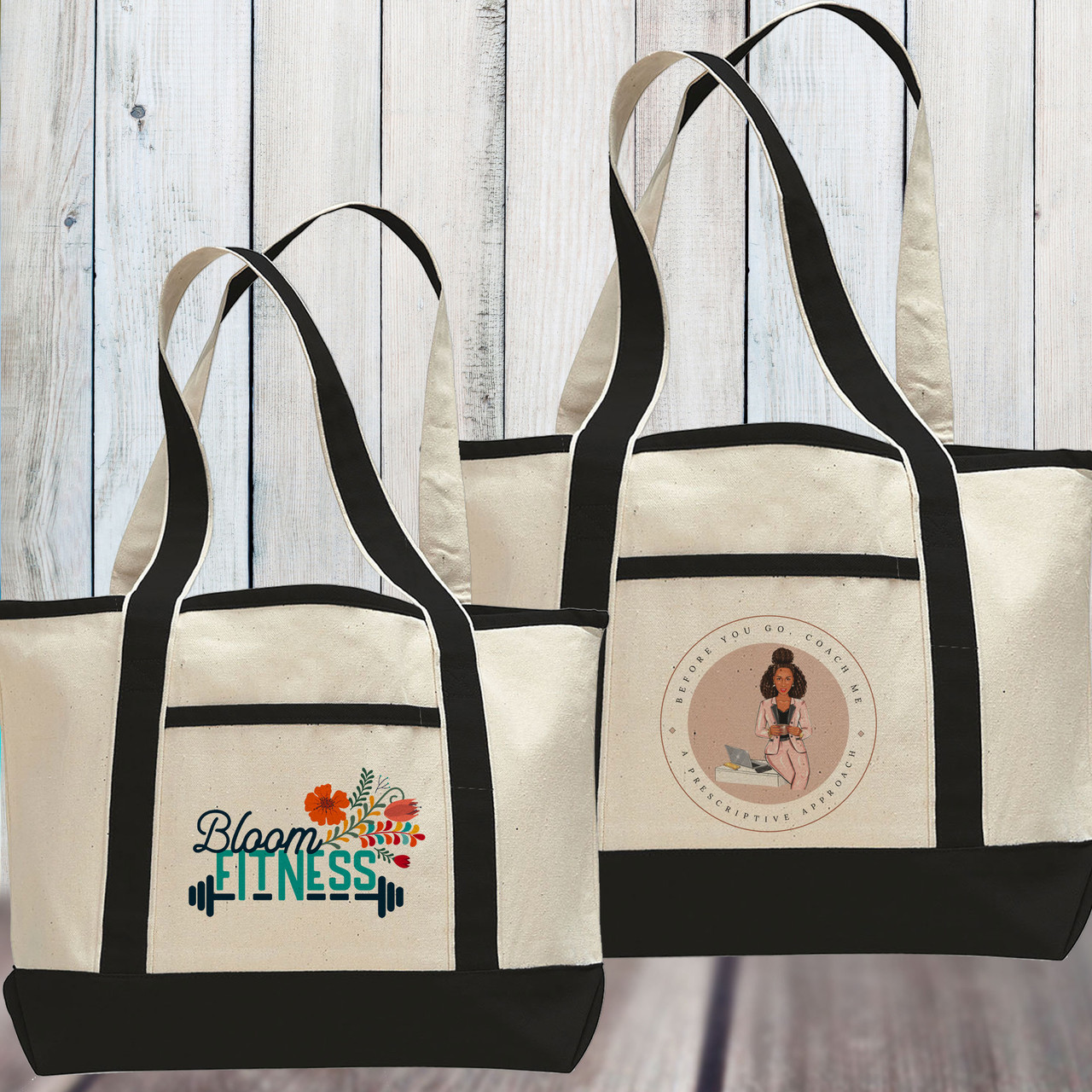
Logo customization is often the starting point. It defines how the brand will be perceived visually. Manufacturers offer multiple techniques depending on material and positioning. For example, a bold logo on a canvas tote may use screen printing, while a premium product may require embroidery or leather patches.
Material customization allows brands to align product performance with target usage. A brand focused on eco-conscious consumers may choose cotton or jute, while a performance-oriented product may rely on nylon or coated polyester. In many cases, manufacturers recommend hybrid material combinations to balance durability and cost.
Size customization is more than just scaling dimensions. Changing the size affects fabric consumption, structural stability, and even handle placement. For instance, increasing a bag from medium (20L) to large (40L) may require reinforced stitching and wider straps to maintain usability.
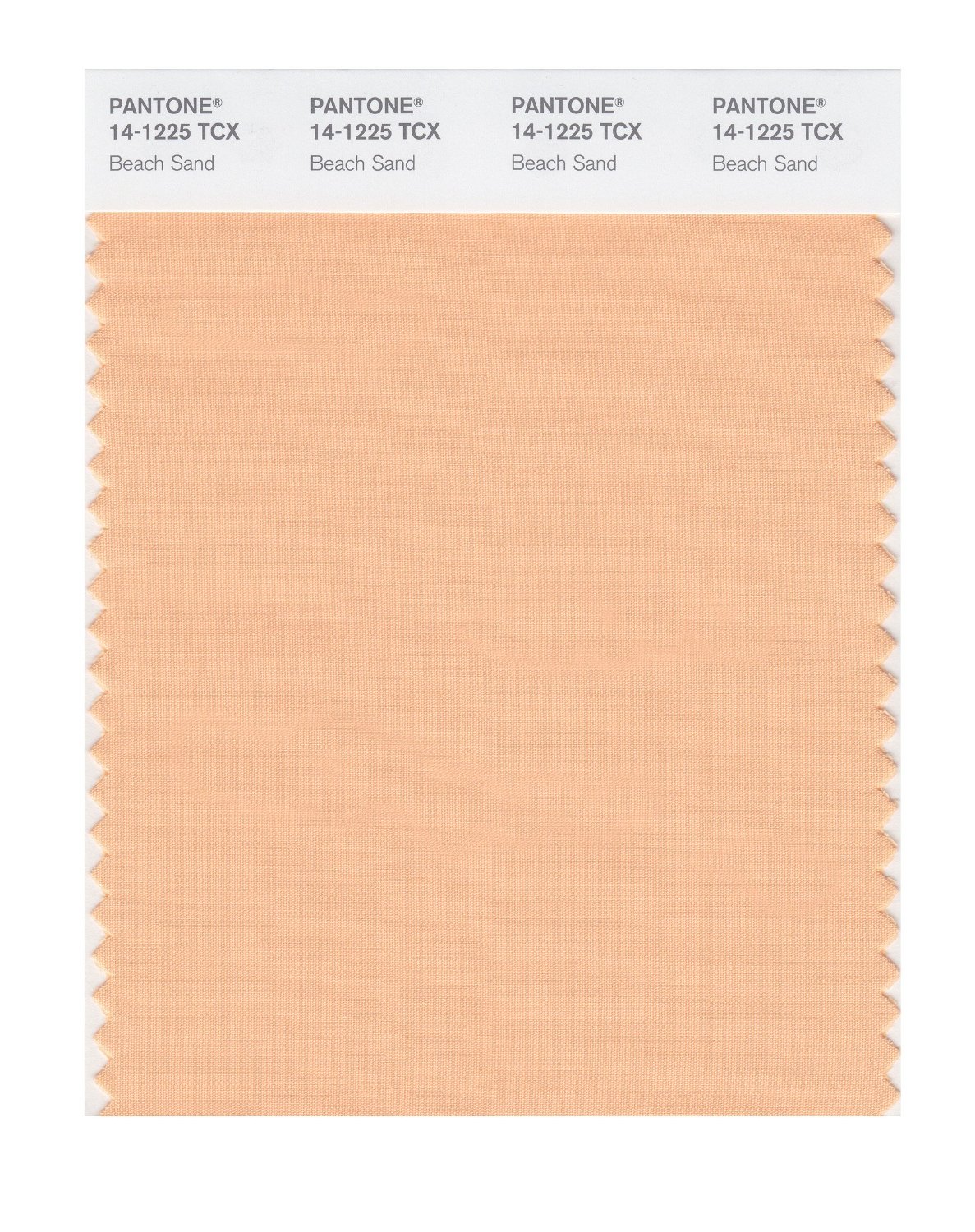
Color customization is typically handled through Pantone matching. This ensures consistency across production batches and aligns the product with brand guidelines. However, color performance varies by material. Polyester holds color more consistently than cotton, which can show slight variations due to natural fiber properties.
Structural customization includes functional features such as pockets, zippers, compartments, and closures. These elements directly impact user experience. A simple addition like an internal waterproof pocket can significantly improve usability without drastically increasing cost.
Logo Application Methods
Logo execution is one of the most visible aspects of customization, but it is also one of the most technically dependent on material choice.
Screen printing is widely used for canvas and cotton bags. It produces bold, solid colors and is cost-effective for large orders. With proper curing, screen-printed logos can withstand repeated washing and abrasion. However, it is less suitable for highly detailed or multi-color designs.
Embroidery is often associated with premium positioning. It creates a textured, durable logo that does not fade easily. This method works best on thicker materials such as canvas or Oxford fabric. The trade-off is cost—embroidery can increase unit price by 10–20% depending on stitch count.
Heat transfer is commonly used for polyester and nylon fabrics. It allows for high-detail graphics and gradient colors. This method is ideal for brands that require photographic-quality designs. However, durability depends on the quality of the transfer film and application process.
Sublimation printing is another option for polyester materials. It allows full-color, all-over designs without adding weight or texture. Because the dye becomes part of the fabric, it does not crack or peel. This makes it suitable for vibrant, design-driven products.
From a manufacturing standpoint, the choice of logo method must be aligned with both material and product positioning. A mismatch—such as using heat transfer on thick canvas—can lead to poor results.
Structural Customization
Structural customization is where product functionality is defined. While logos attract attention, structure determines whether the product performs well in real use.
Multiple compartments are one of the most requested features. They allow users to separate wet and dry items, organize smaller belongings, and improve accessibility. For example, adding two internal pockets and one external zipper pocket can increase perceived product value significantly.
Insulated linings are commonly used in cooler-style beach bags. By integrating materials such as PEVA or aluminum foil with foam insulation, manufacturers can create compartments that maintain temperature for several hours. This feature is particularly popular in markets where beach outings include food and beverages.
Adjustable straps provide flexibility for different carrying styles. While standard tote handles are fixed, adding adjustable shoulder straps allows the bag to be carried crossbody or over the shoulder. This is especially useful for travel-oriented products.
Reinforced stitching is essential for durability. High-stress areas such as handle attachment points are typically reinforced using box stitching or bar-tack stitching. These techniques can increase load capacity without significantly increasing material cost.
What is important to understand is that structural customization is not just about adding features—it is about selecting the right features. Overloading a bag with unnecessary elements can increase cost and complexity without improving user experience.
Packaging Customization
Packaging is often overlooked in early product development, but it plays a significant role in branding and retail performance.
Poly bags are the most cost-effective option. They are widely used for bulk shipments and e-commerce packaging. While simple, they can still be customized with printed logos or labels.
Paper boxes are used for retail display. They provide better protection and create a more premium unboxing experience. For mid-to-high-end products, packaging can influence purchasing decisions as much as the product itself.
Custom packaging solutions, such as branded dust bags or reusable pouches, are increasingly popular. These not only enhance brand perception but also add functional value. For example, a reusable pouch can serve as an additional storage solution for the customer.
From a cost perspective, packaging can account for 5–15% of the total product cost, depending on complexity. However, in retail environments, it often contributes disproportionately to perceived value.
In a recent summer product launch, a lifestyle brand developed a customized beach bag line with a clear focus on both function and visual identity. The project included Pantone-matched colors to align with seasonal branding, large-format screen-printed logos for retail visibility, reinforced handles to support heavier loads, and a waterproof inner lining to handle wet items.
Individually, none of these features were unusual. But when combined, they created a product that stood out both visually and functionally. Retail feedback showed higher engagement compared to previous standard designs, and the product achieved stronger sell-through rates during peak season.
This example highlights an important point: effective customization is not about adding as many features as possible. It is about selecting the right combination of features that align with the product’s intended use and market positioning.
Customization and Product Value
Customization has a direct impact on how a product is perceived and priced in the market.
A standard, non-customized beach bag may compete primarily on price. It offers basic functionality but lacks differentiation. In contrast, a well-customized product can command higher retail prices because it delivers a more complete experience—visually, functionally, and emotionally.
From a manufacturing perspective, customization typically increases production cost by 10–30% depending on complexity. However, the increase in perceived value and retail price often exceeds this cost difference. This is why most brands invest heavily in customization despite the higher initial expense.
The key is to focus on meaningful customization. Features that improve usability—such as better compartments or stronger handles—tend to have a greater impact on customer satisfaction than purely decorative elements.
In real-world sourcing, the most successful products are not the most complex ones. They are the ones where every customization decision serves a clear purpose.
What Types of Beach Bags Are Produced for Different Markets?


Beach bag manufacturing is not driven by a single global standard. In practice, manufacturers rarely develop “universal” products. Instead, they adjust materials, structures, and feature sets based on how people in different markets actually use the product. Climate, lifestyle habits, retail channels, and even purchasing psychology all influence what kind of beach bag will sell.
The direct answer is simple: manufacturers produce different types of beach bags for retail brands, promotional campaigns, travel users, and eco-focused consumers. However, the real complexity lies in how these categories are executed differently across regions and price segments.
A product that performs well in one market can underperform in another—not because of quality issues, but because it does not align with local expectations. This is why experienced manufacturers always ask about the target market before finalizing design specifications.
Market Segmentation and Product Strategy
From a production perspective, beach bags are first segmented by market type rather than material or structure. Each segment has its own priorities, and these priorities directly shape the product.
Retail brands typically focus on design, durability, and brand presentation. These products are often sold in physical stores or online retail platforms where visual appeal plays a major role. Materials such as canvas, cotton blends, or high-quality polyester are commonly used. Reinforced structures, clean stitching, and consistent color matching are essential because these products must withstand both customer handling and repeated use. In mid-to-high-end retail, even small details—such as inner lining color or handle finishing—can influence purchasing decisions.
Promotional products operate under a completely different logic. Cost control is the primary factor. These bags are often produced in large volumes for events, giveaways, or brand exposure campaigns. Lightweight polyester or thin cotton is commonly used, with simplified structures to reduce production time. In this segment, unit cost can be as low as $1–$2 for orders above 5,000 pieces. Durability is less critical because the product is not expected to have a long lifecycle.
The travel market focuses on versatility and portability. Beach bags designed for travelers must be lightweight, foldable, and easy to pack. Nylon and lightweight polyester are the preferred materials because they reduce overall weight while maintaining acceptable durability. Multi-compartment designs are common, allowing users to organize items such as wet clothes, electronics, and personal belongings. In this segment, functionality often outweighs aesthetics.
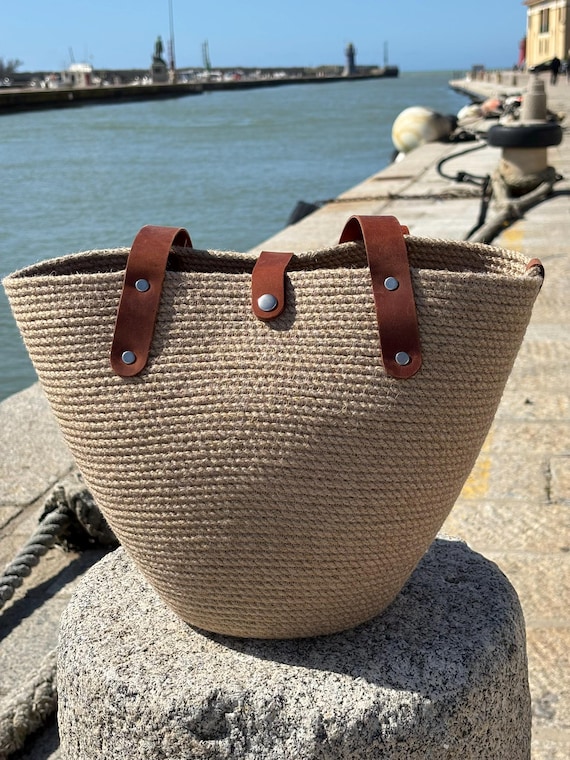
Eco-conscious markets prioritize sustainability and material transparency. Products in this category are typically made from jute, organic cotton, or recycled polyester. The design language is often minimal, with natural colors and simple structures. However, these products still need to meet basic performance expectations. For example, a jute bag may include a laminated inner layer to improve moisture resistance without compromising its eco-friendly positioning.
Regional Preferences and Design Adaptation
Beyond general market segmentation, regional differences play a significant role in product design. These differences are not arbitrary—they are rooted in climate conditions, lifestyle habits, and consumer expectations.
In North America, beach bags tend to be larger and more versatile. Consumers often use a single bag for multiple purposes, including beach trips, shopping, and travel. As a result, manufacturers favor materials such as canvas and durable polyester, combined with large capacities (30–50L). Additional features like internal pockets and reinforced handles are commonly expected.
European markets show a stronger preference for eco-friendly materials and minimalist design. Jute and canvas are widely used, often in neutral tones. The emphasis is less on capacity and more on aesthetics and sustainability. Even when synthetic materials are used, there is often a focus on recycled content or environmentally responsible production processes.
In Southeast Asia, climate conditions—high humidity and frequent exposure to water—drive demand for lightweight and breathable materials. Mesh and nylon are particularly popular because they dry quickly and resist moisture buildup. Bags in this region are often lighter and more compact, reflecting shorter travel distances and more frequent use.
Australia presents a unique combination of strong UV exposure and outdoor lifestyle. Products in this market must be durable, water-resistant, and able to withstand prolonged sun exposure. Polyester and neoprene are commonly used because they offer better resistance to UV degradation compared to natural fibers. Waterproof features are also more prominent, reflecting the outdoor and water-intensive nature of beach activities.
Product Differentiation by Use Scenario
Within each market, beach bags are further differentiated based on specific use cases. This is where design decisions become highly targeted.
For family outings, large-capacity canvas or Oxford fabric totes are the most common choice. These bags must handle heavy loads—often exceeding 20 kg—while maintaining structural integrity. Reinforced bases and wide handles are essential in this category.
For sports and active beach use, mesh bags are preferred. Their ability to release sand and dry quickly makes them practical for carrying equipment such as towels, balls, and swim gear. In these scenarios, breathability is more important than structure.
Travel-focused products prioritize flexibility. Foldable nylon bags are designed to fit into luggage without taking up space. They are often used as secondary bags, which means they must be lightweight but still durable enough for repeated use.
Retail display products emphasize visual appeal. Premium canvas bags with clean lines, strong branding, and consistent finishing are commonly used. These products are designed to stand out on shelves and align with seasonal collections.
Price and Feature Alignment
Price segmentation is another critical factor that shapes product design. Manufacturers must balance features with cost to meet target price points.
In the low-end segment, typically ranging from $1–$3 per unit, products are kept simple. Materials are thinner, structures are basic, and features are minimal. These bags serve functional purposes but offer limited durability.
Mid-range products, priced between $3–$8, represent the largest portion of the market. In this segment, manufacturers introduce better materials, reinforced stitching, and additional features such as pockets or linings. The goal is to achieve a balance between cost and performance.
Premium products, often priced above $8–$20, focus on differentiation. This may include advanced materials like neoprene, complex structures, high-quality logo execution, and customized packaging. These products are designed to support higher retail margins and stronger brand positioning.
It is important to note that price does not only reflect material cost. It also includes design complexity, labor intensity, and perceived value. A well-designed product in the mid-range segment can often outperform a poorly positioned premium product.
In a recent project, a manufacturer worked with two different brands targeting distinct markets. The first brand focused on eco-conscious consumers in Europe. They developed a jute beach bag with minimal design, natural color tones, and simple branding. The product emphasized sustainability and aligned well with local preferences.
The second brand targeted travel users in North America. They chose lightweight nylon with multiple compartments, a waterproof section, and foldable construction. The design prioritized functionality and convenience.
Both products were successful, but for different reasons. The materials, structure, and features were tailored to the expectations of each market. If these designs had been swapped, the results would likely have been very different.
Matching Product to Market
One of the most common mistakes in sourcing is assuming that a high-quality product will perform well in any market. In reality, success depends on alignment. A product must match not only functional requirements but also cultural and behavioral expectations.
For example, a heavy canvas tote may be durable, but it can feel inconvenient in a humid, fast-paced environment where lightweight bags are preferred. Similarly, a minimalist eco-friendly bag may not appeal to consumers looking for multi-functional travel solutions.
Manufacturers who understand these nuances are able to guide buyers toward better decisions. Instead of focusing only on materials or cost, they consider how the product will be used, where it will be sold, and what customers expect.
In the end, beach bag production is not just about making a product—it is about making the right product for the right market.
How Do Beach Bag Manufacturers Ensure Quality and Durability?

Quality in beach bag manufacturing is not achieved by using a single “good material” or adding extra stitching at the end. It is the result of a controlled system that starts with raw material selection and continues through production, testing, and final inspection. Every stage introduces potential risk, and experienced manufacturers design processes to minimize those risks before products reach the customer.
The direct answer is clear: manufacturers ensure quality and durability through material validation, controlled production techniques, structured durability testing, and multi-stage inspection systems. However, what separates a reliable product from an average one is how consistently these steps are executed across batches—not just during sample development.
Beach bags face a unique combination of stress factors: heavy loads, moisture exposure, UV radiation, and repeated handling. A product that performs well in a showroom must still hold up after weeks of real use. This is why durability is treated as a measurable outcome, not an assumption.
Quality Control Starts with Materials
The first point of failure in most low-quality products is material inconsistency. Even when the same fabric type is specified, variations in thickness, coating quality, or fiber density can lead to significant differences in performance.
Manufacturers begin with material inspection, which includes verifying fabric weight (GSM), coating uniformity, tensile strength, and color consistency. For example, a canvas fabric labeled as 16 oz may actually vary between 14 oz and 18 oz if not properly controlled. This difference directly affects load capacity and durability.
Synthetic materials such as polyester and nylon are also tested for coating adhesion and water resistance. Poorly applied coatings can peel or degrade after limited use, especially in environments with saltwater and sun exposure.
Color consistency is another critical factor, particularly for branded products. Dye lots are checked to ensure that color variation stays within acceptable limits. A mismatch in color between batches can lead to rejected shipments, even if the product is structurally sound.
Precision in Cutting and Sewing
Once materials are approved, the next stage is cutting and sewing, where many structural issues originate if not properly controlled.
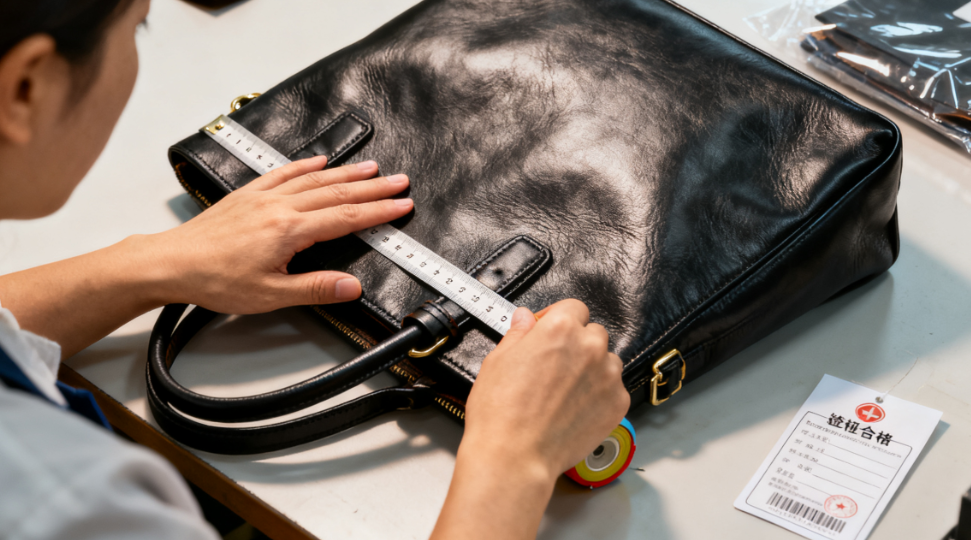
Precision cutting ensures that all panels match the intended dimensions. Even a deviation of a few millimeters can affect how the bag assembles, leading to misalignment or uneven stress distribution. In large-scale production, automated cutting machines are often used to maintain consistency.
Sewing quality is even more critical. Stitch density, thread type, and tension must be carefully controlled. For load-bearing areas such as handles, manufacturers typically use reinforced stitching methods like box stitching or bar-tack stitching. These techniques distribute stress across multiple نقاط rather than concentrating it in a single line.
Thread selection also matters. High-strength polyester thread is commonly used because it resists moisture and UV degradation better than cotton thread. In high-end products, bonded nylon thread may be used for additional strength.
Structural Assembly and Reinforcement
During assembly, the focus shifts from individual components to the overall structure of the bag. This is where design and manufacturing intersect.
Reinforced bases are added to support weight and prevent deformation. This may involve double-layer fabrics, inserted support boards, or cross-stitched reinforcement patterns. Without these elements, even strong materials can fail under load.
Handle attachment is one of the most critical نقاط in the entire product. A poorly attached handle can fail even if the rest of the bag is intact. Manufacturers often extend the handle stitching deep into the body panel to distribute force more evenly.
Edge binding is used to prevent fraying, especially in fabrics like canvas or mesh. Over time, exposed edges can unravel, reducing the lifespan of the product. Binding adds a small cost but significantly improves durability.
For waterproof or coated products, seam sealing or high-frequency welding may be used instead of traditional stitching. This prevents water from penetrating through needle holes, which is a common issue in standard sewn products.
Durability Testing in Real Conditions
Testing is where theoretical quality is validated against real-world conditions. Reliable manufacturers do not rely on visual inspection alone—they simulate usage scenarios.
Load testing measures how much weight a bag can تحمل without structural failure. For beach bags, typical targets range from 10 kg for lightweight products to 25 kg for heavy-duty family bags. During testing, bags are filled with weight and suspended or carried repeatedly to observe stress points.
Abrasion testing evaluates how well the fabric resists wear. Using standardized machines, fabrics are subjected to repeated rubbing cycles—often between 500 and 1,000 cycles for mid-range products. Higher-end materials may exceed these thresholds.
Tear strength testing measures how easily a fabric can be torn once damaged. This is particularly important for mesh and lightweight materials. A small tear should not propagate easily under normal use.
Color fastness testing checks how well the material retains its color under exposure to light, water, and friction. Ratings typically range from 1 to 5, with 4–5 considered acceptable for most retail products.
These tests are not just for certification—they inform design improvements. If a product fails a test, adjustments are made before mass production begins.
Final Inspection and Defect Control
Before products are packed and shipped, they undergo final inspection. This stage combines visual checks with functional testing.
Inspectors look for defects such as uneven stitching, loose threads, misaligned panels, and color inconsistencies. Functional checks include verifying zippers, closures, and handle strength.
In many factories, inspection follows AQL (Acceptable Quality Level) standards, where a sample size is selected from the batch and evaluated. If the defect rate exceeds the acceptable threshold, the entire batch may be reworked or rejected.
For higher-end clients, 100% inspection may be required, especially for products sold in premium retail environments.
Material Choice and Expected Lifespan
Different materials naturally lead to different durability levels, even with the same manufacturing quality.
Canvas, especially in higher weights, offers strong durability and can last between 3–5 years under regular use. Nylon provides similar strength with lower weight, typically lasting 2–4 years depending on usage conditions. Polyester sits in the mid-range, with a lifespan of 1–3 years.
Mesh materials, while highly functional, have shorter lifespans due to their open structure. Depending on usage intensity, they may last between 6–18 months before showing signs of wear.
These ranges are not fixed—they depend heavily on design and usage. A well-designed polyester bag can outperform a poorly constructed canvas bag.
In one production comparison, two versions of the same beach bag were tested. The only difference was the stitching method used at the handle attachment. The first version used single-line stitching, while the second used reinforced box stitching.
Under load testing, the reinforced version demonstrated up to 60% higher durability before failure. The cost difference between the two methods was less than $0.20 per unit.
Similarly, applying a PU coating to polyester fabric increased water resistance significantly and extended the usable lifespan of the product in wet conditions. This adjustment added minimal cost but improved overall performance.
These examples highlight a key principle: small technical decisions can have a disproportionate impact on product quality.
Common Quality Issues and How They Are Prevented
Most quality problems in beach bags can be traced back to a few common causes.
Handle breakage is usually the result of weak stitching or insufficient reinforcement. This is addressed by using stronger stitching techniques and extending reinforcement areas.
Fabric tearing often occurs when low-GSM materials are used in high-stress areas. Selecting appropriate material weights and adding reinforcement layers can prevent this.
Color fading is typically caused by poor dyeing processes or low-quality pigments. Improved dyeing techniques and UV-resistant materials help maintain color over time.
Shape deformation happens when structural support is insufficient. Reinforced bases and proper panel design can maintain shape even under heavy loads.
Quality Is a System, Not a Single Decision
One of the most important insights in manufacturing is that quality is not defined by any single factor. A high-grade material can still result in a poor product if stitching is weak or design is flawed. Conversely, a mid-range material can perform exceptionally well when combined with proper construction and quality control.
True durability comes from the combination of correct material selection, thoughtful design, precise manufacturing, and consistent inspection. Manufacturers who understand this treat quality as an ongoing process rather than a final checkpoint.
For buyers, this means evaluating not just what materials are used, but how the product is made and tested. That is where the real difference lies between a product that lasts one season and one that performs reliably over time.
What Value-Added Services Do Manufacturers Provide Beyond Production?


In modern manufacturing, the real difference between an average supplier and a reliable long-term partner is not production capacity—it is what happens before and after production. For beach bags, where performance, cost control, and seasonal timing all matter, value-added services often determine whether a product succeeds or fails in the market.
The direct answer is straightforward: beyond production, manufacturers provide material consulting, design optimization, rapid sampling, packaging development, logistics coordination, and continuous product improvement. These services are not optional extras. In many cases, they are the reason a product performs well commercially.
From a practical standpoint, most successful beach bag projects are not the result of a single design decision. They are the result of multiple iterations, adjustments, and technical input from the manufacturer. Brands that treat manufacturers as development partners—not just suppliers—tend to achieve better outcomes in both product quality and market performance.
Product Development Support
The earliest stage of a project is where the most critical decisions are made. At this point, value-added services focus on reducing uncertainty and aligning the product with real-world use.
Material consultation is one of the most impactful services. Many buyers select materials based on appearance or cost, but experienced manufacturers evaluate materials based on performance under specific conditions. For example, recommending coated polyester instead of untreated cotton for a beach environment can prevent moisture absorption issues and extend product lifespan. In internal production data, incorrect material selection is responsible for a significant portion of early product failures.
Design optimization goes beyond aesthetics. Manufacturers analyze how the bag will be used and adjust structural elements accordingly. This may include modifying handle placement to improve weight distribution, adding reinforcement to high-stress areas, or simplifying complex structures that could slow down production. These adjustments often improve usability without increasing cost.
Cost engineering is another key component. Instead of simply quoting a price, manufacturers suggest alternative materials, construction methods, or feature adjustments to meet target price points. For example, replacing a full neoprene body with a hybrid design (neoprene panel + polyester body) can reduce material cost by 20–30% while maintaining a similar visual effect.
These services are most valuable when applied early. Changes made during development are relatively low-cost compared to adjustments after mass production begins.
Sampling and Prototyping
Sampling is where concepts are tested against reality. A design that looks good on paper may reveal issues once it is physically produced.
The initial sample stage typically takes 5–7 days. This version focuses on validating basic dimensions, material combinations, and overall structure. At this stage, imperfections are expected. The goal is to identify potential problems rather than achieve perfection.
Revised samples follow, usually within 3–5 days per iteration. Adjustments may include reinforcing weak areas, refining pocket layouts, or improving stitching techniques. It is common for products to go through two or three rounds of sampling before reaching a stable design.
The pre-production sample is the final confirmation before mass production. This version must match production standards exactly, including materials, colors, and finishing details. Any issues identified at this stage can still be corrected without significant financial impact.
Rapid sampling significantly reduces risk. Without it, design flaws may only become apparent after thousands of units have been produced, leading to costly rework or rejected shipments.
Packaging and Branding Support
Packaging is often treated as a secondary consideration, but in retail environments it plays a direct role in how a product is perceived.
Manufacturers provide custom packaging solutions that align with brand positioning. For example, a basic beach bag may use a simple poly bag for cost efficiency, while a premium product may require a printed box with branded inserts. The difference in packaging can influence how customers evaluate the product before even touching it.
Labeling solutions are also part of this process. Woven labels, printed tags, and care instructions must be consistent with brand identity. Inconsistent labeling can weaken brand recognition, especially in competitive retail settings.
Retail-ready packaging is increasingly important for e-commerce and direct-to-consumer brands. Products must arrive in a condition that is immediately suitable for sale, without additional repacking. This reduces handling time and improves operational efficiency for the client.
From a cost perspective, packaging may represent a relatively small portion of total production cost, but its impact on perceived value is significant.
Logistics and Delivery Coordination
Once production is complete, logistics becomes the next critical stage. Delays or inefficiencies at this point can negate the benefits of a well-executed product.
Manufacturers often offer flexible shipping terms, allowing clients to choose between options such as EXW, FOB, or DDP depending on their logistics strategy. This flexibility helps control costs and align with different business models.
Global logistics support includes coordination with freight forwarders, customs documentation, and shipment tracking. For clients unfamiliar with international shipping, this service reduces complexity and minimizes the risk of delays.
Lead time management is particularly important for seasonal products like beach bags. Missing a selling season can significantly impact revenue. Experienced manufacturers plan production schedules and shipping timelines to ensure products arrive at the right time.
In some cases, optimizing logistics can shorten the overall product launch cycle by several weeks, which can make a noticeable difference in competitive markets.
Continuous Product Improvement
Manufacturing does not end with delivery. The most valuable manufacturers continue to provide feedback based on production data and real-world performance.
Material upgrades are often suggested after initial production runs. For example, if a fabric shows signs of wear earlier than expected, an alternative material may be recommended for the next order.
Design refinement is based on observed issues or customer feedback. Small adjustments—such as changing pocket dimensions or reinforcing specific areas—can improve usability in subsequent versions.
Cost reduction is another ongoing process. As production volumes increase, manufacturers may identify ways to streamline processes or source materials more efficiently, reducing unit cost without compromising quality.
This iterative approach is common in long-term partnerships. Products evolve over time, becoming more refined and competitive with each production cycle.
In one project, a brand approached a manufacturer with a basic concept for a beach bag. The initial design used standard cotton fabric, a simple open-top structure, and minimal internal organization.
Through material consultation, the manufacturer recommended switching to a polyester-canvas blend to improve durability and moisture resistance. Design optimization introduced a reinforced base and an internal waterproof pocket. Multiple sampling rounds refined handle placement and stitching techniques.
By the time the product reached mass production, it was significantly different from the original concept. It performed better in load testing, offered improved usability, and aligned more closely with the target market. Retail feedback after launch showed higher customer satisfaction compared to the brand’s previous products.
The key takeaway from this case is that the final product was shaped more by the development process than by the initial idea.
The Process Behind the Product
Many buyers focus primarily on the finished product—materials, appearance, and price. However, in manufacturing, the process behind the product is often more important.
Value-added services reduce risk, improve decision-making, and allow products to evolve before they reach the market. Without these services, even well-designed concepts can encounter problems during production or fail to meet user expectations.
Choosing a manufacturer with strong development capabilities means gaining access to experience that goes beyond basic production. It allows brands to make better decisions, avoid common mistakes, and bring products to market with greater confidence.
In the end, successful beach bags are not just manufactured—they are developed through a structured process that combines technical knowledge, practical testing, and continuous refinement.
How Should You Choose the Right Beach Bag Manufacturer?
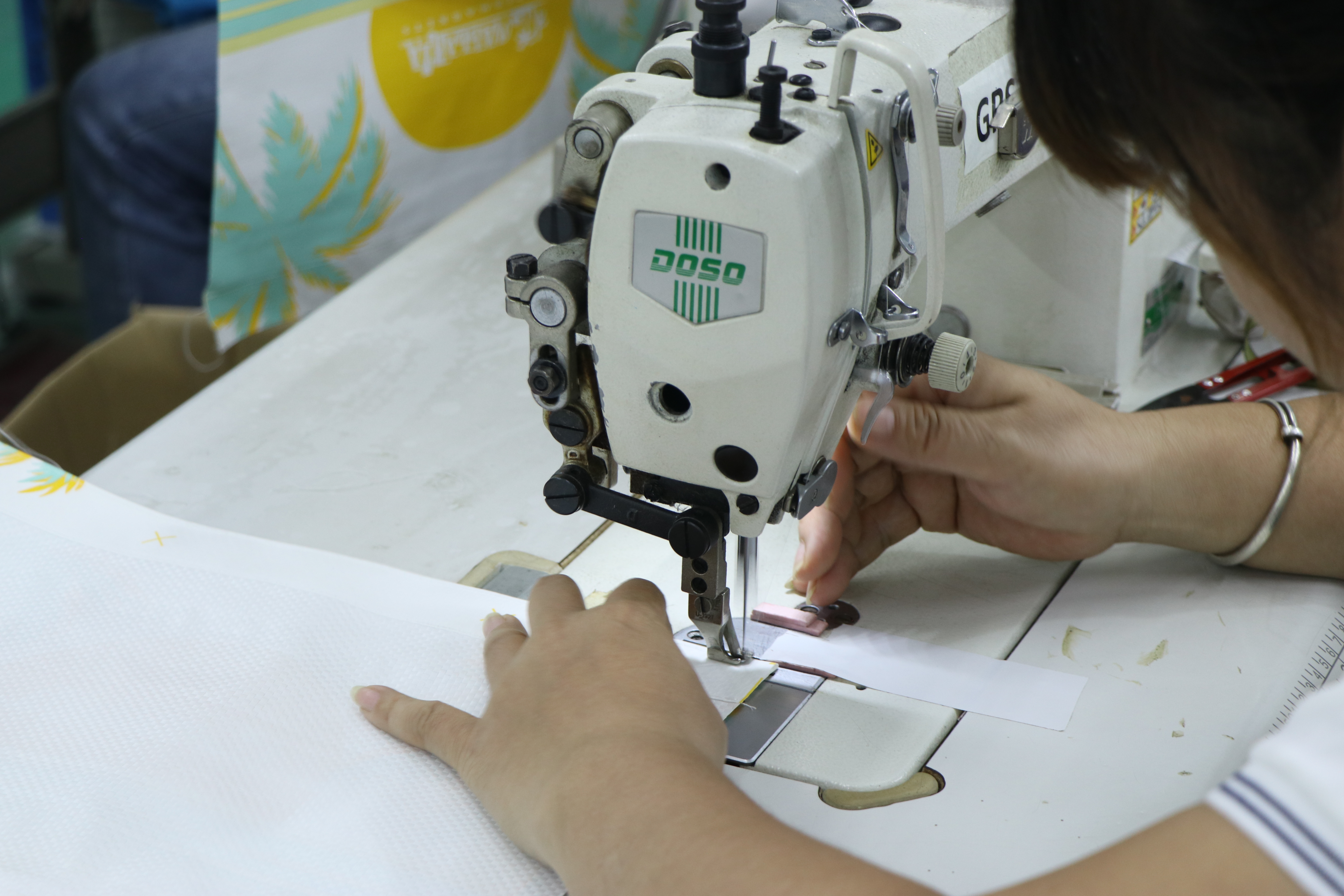
Choosing a beach bag manufacturer is not just a sourcing decision—it is a strategic choice that directly affects product quality, brand reputation, and long-term profitability. Many buyers initially focus on price or minimum order quantity, but in practice, these are rarely the factors that determine success. What matters more is whether the manufacturer can consistently translate an idea into a reliable, market-ready product.
The short answer is this: the right manufacturer combines material expertise, flexible customization, stable production systems, and consistent quality control, while also understanding how the product will be used in real life. They should not simply execute instructions—they should challenge assumptions, suggest improvements, and help prevent problems before they occur.
In real sourcing scenarios, the difference between a smooth project and a problematic one often comes down to the capabilities and mindset of the manufacturer.
Core Evaluation Factors That Actually Matter
When evaluating a manufacturer, it is important to look beyond surface-level claims and focus on capabilities that directly impact product outcomes.
Experience is one of the first indicators. A manufacturer with 10–15+ years in fabric and bag production has likely encountered a wide range of materials, structures, and production challenges. This experience becomes valuable when unexpected issues arise—such as material shortages, design flaws, or production inconsistencies. Less experienced suppliers may offer lower prices but often lack the ability to handle complex requirements.
Material capability is another critical factor. Beach bags are rarely made from a single material, and the ability to work with canvas, polyester, nylon, mesh, neoprene, jute, and coated fabrics allows for more flexible product development. Manufacturers with limited material options tend to push clients toward standard solutions, which may not align with actual product needs.
Customization ability determines how well a product can be differentiated in the market. This includes not only logo application but also structural adjustments, color matching, and packaging development. A manufacturer that can only handle basic customization may limit the product’s potential.
Quality control systems should be clearly defined and consistently applied. This includes material inspection, in-line production checks, and final inspection standards. Without structured quality control, even well-designed products can suffer from inconsistency across batches.
Lead time is often underestimated. For seasonal products like beach bags, timing is critical. A manufacturer that can deliver consistently within agreed timelines provides a significant advantage, especially in competitive retail cycles.
Material and Production Capability as a Competitive Advantage
One of the clearest differences between manufacturers lies in how they approach materials and production processes.
A manufacturer with strong multi-material capability can develop more versatile products. For example, combining mesh panels with reinforced canvas or integrating waterproof linings into polyester structures requires coordination across different material properties and production techniques. Not all factories can handle this level of complexity.
Advanced processing capabilities also matter. Techniques such as high-frequency welding for waterproof products, precise coating applications, and reinforced stitching methods directly affect product performance. These are not visible at first glance but become critical during use.
Fabric research and development is another indicator of capability. Manufacturers that actively test new materials—such as recycled polyester or improved coatings—can offer solutions that align with evolving market demands. This is particularly relevant in segments where sustainability or performance differentiation is important.
In practice, manufacturers with strong material expertise often reduce development time because they can recommend suitable options quickly instead of relying on trial and error.
Communication and Technical Support
Communication is one of the most underestimated factors in sourcing, yet it has a direct impact on project efficiency and outcome.
Clear communication reduces misunderstandings. Specifications for materials, dimensions, and features must be interpreted accurately. Even small miscommunications—such as incorrect handle length or fabric weight—can lead to costly revisions.
Fast response times are equally important. Product development often involves multiple iterations, and delays in communication can extend timelines significantly. A responsive manufacturer helps keep the project moving forward.
Technical guidance is where experienced manufacturers add real value. Instead of simply confirming requests, they provide input based on production experience. For example, they may suggest adjusting stitch density for better durability or modifying a pocket design to improve usability.
In many cases, this type of support prevents issues that would otherwise only become apparent after production.
Identifying and Managing Risks
Every manufacturing project carries risks. The goal is not to eliminate them entirely, but to identify and manage them effectively.
Inconsistent quality is one of the most common issues. This often results from weak quality control systems or inconsistent material sourcing. Choosing a manufacturer with proven processes and stable supplier networks reduces this risk.
Delayed delivery can disrupt entire product launch cycles. This is especially critical for seasonal products. Confirming production capacity, lead times, and contingency plans helps ensure reliability.
Limited customization capability can restrict product development. Some manufacturers may accept orders but lack the technical ability to execute more complex designs. Verifying capabilities through sampling is essential before committing to large orders.
Risk assessment should be an ongoing process, not a one-time evaluation. Regular communication and sample validation help identify potential issues early.
Cost vs Long-Term Value
Price is always a factor, but it should not be the only one. The lowest-cost option often comes with hidden trade-offs.
A low-cost manufacturer may use lower-grade materials, reduce reinforcement, or simplify production processes. While this reduces initial cost, it can lead to higher defect rates, shorter product lifespan, and negative customer feedback.
A balanced approach focuses on value rather than price alone. This means selecting materials and features that meet performance requirements while keeping costs under control. In many cases, small increases in production cost—such as adding reinforcement or improving stitching—can significantly improve product durability and customer satisfaction.
Premium manufacturers typically offer higher-quality products and more advanced capabilities, but they may not always be necessary for every project. The key is to match the manufacturer’s capabilities with the product’s positioning and target market.
In one sourcing project, a brand initially chose a supplier based on the lowest quotation. The first production run revealed issues with handle durability and inconsistent stitching. Returns increased, and the brand had to invest additional time and cost to address the problems.
In a subsequent project, the same brand selected a manufacturer with stronger technical support and quality control systems. Although the unit cost was slightly higher, the manufacturer recommended improvements in material selection and reinforcement. The final product showed better durability, fewer defects, and higher customer satisfaction.
This example reflects a common pattern: focusing solely on cost often leads to higher overall expenses in the long run.
A Manufacturer as a Development Partner
One of the most important mindset shifts in sourcing is viewing the manufacturer as a partner rather than just a supplier.
A capable manufacturer contributes to product development through material recommendations, design adjustments, and process optimization. This collaboration leads to better products and more efficient workflows.
For beach bags, where performance depends on multiple interacting factors—materials, structure, and usage conditions—this partnership becomes even more valuable. A manufacturer who understands these relationships can help avoid common mistakes and improve overall product performance.
A beach bag may appear simple, but behind a well-executed product is a combination of material science, structural design, manufacturing precision, and continuous refinement. Choosing the right manufacturer means selecting a partner who can manage all of these elements consistently.
At Szoneier, with over 18 years of experience in fabric research, product development, and manufacturing, we provide a complete solution—from material selection across cotton, canvas, polyester, nylon, neoprene, jute, linen, and Oxford fabric, to custom design, rapid sampling, and stable production. Our approach is built on practical experience and continuous improvement, helping clients develop products that perform reliably in real-world conditions.
If you are planning your next beach bag project or looking to upgrade an existing product line, this is the stage where the right decisions make the biggest difference. Reach out to explore material options, review sample solutions, and build a product that aligns with your market and performance goals.