Skip to content
Most people think odor-proof bags are just “thicker” or “better sealed” versions of regular bags. That assumption is misleading. The real difference lies deep inside the material structure—where engineering, chemistry, and fabric technology come together to control odor at a molecular level.
Here’s the direct answer: odor-proof bags are made from a combination of activated carbon layers, barrier films like Mylar or polymer laminates, durable outer fabrics such as nylon or polyester, and specialized coatings that enhance airtightness. These materials work together in a multi-layer system to block, absorb, and neutralize odor rather than simply contain it.
Think about it like this: if odor were water, most bags are like a sieve—some leakage is inevitable. Odor-proof bags, on the other hand, act more like a sponge wrapped inside a sealed shell. They don’t just stop odor—they trap it.
A traveler once packed strong-smelling items in a regular bag, only to find everything else affected hours later. After switching to a properly engineered odor-proof bag, the difference was immediate—no smell, no contamination. That contrast comes down to materials, not just design.
What Are the Core Materials in Odor-Proof Bags?
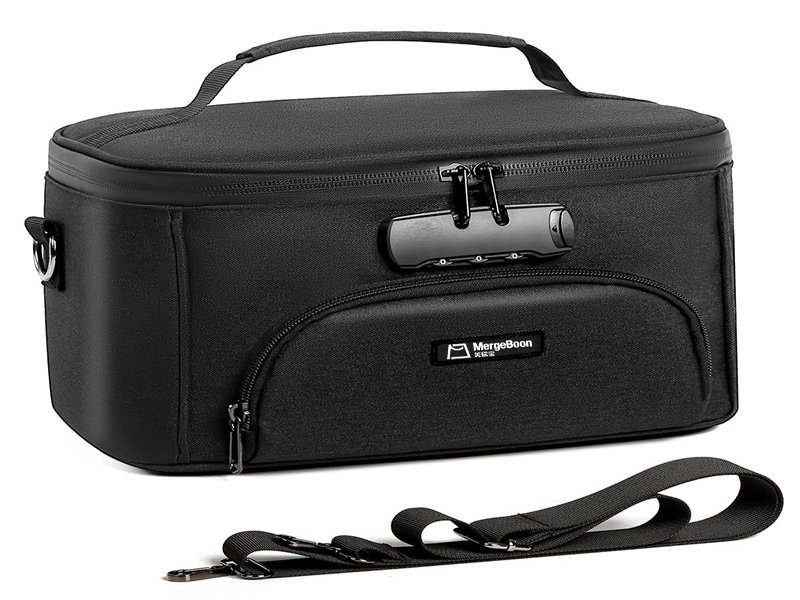
Odor-proof bags are not defined by a single “magic” material. Their performance comes from a multi-layer material system, where each layer is engineered to solve a different part of the odor-control problem. One layer provides structure, another slows down air exchange, another absorbs odor molecules, and another stabilizes the entire system. When these layers are properly combined, the result is a product that performs reliably in real-world conditions. When they are not, even a bag that looks premium on the outside can fail quickly.
In practical manufacturing, this layered approach is what separates true odor-proof bags from standard fabric pouches with marketing claims. Odor is not just about containment—it involves molecular movement, diffusion, and environmental interaction. A single material cannot address all of these variables. Only a coordinated system can.
For buyers, especially those sourcing products at scale, understanding how these materials work together is more important than focusing on any individual specification. The consistency of performance—across batches, environments, and usage scenarios—depends entirely on how well this system is engineered.
Understanding Multi-Layer Material Systems
A multi-layer system works because it combines different physical and chemical properties into one structure. Each material compensates for the limitations of others. For example, a barrier film can slow down odor escape, but it cannot remove odor molecules already inside the bag. Activated carbon can absorb odor, but without a barrier, odor can still leak before adsorption occurs. The outer fabric provides durability but does nothing for odor control on its own.
This layered synergy is what creates a functional odor-proof system rather than a simple storage bag.
Which Materials Actually Block Odor?
Not all materials contribute equally to odor control. Some play an active role, while others provide passive support.
| Material Type | Function | Effectiveness |
|---|---|---|
| Activated carbon | Absorbs odor molecules | Very high |
| Mylar/foil film | Blocks air and odor diffusion | High |
| Polymer laminates (TPU/PVC) | Adds barrier protection | Medium–High |
| Outer fabric (nylon/polyester) | Structural support | Low (alone) |
Activated carbon is the only material in this system that actively removes odor molecules from the air. Its effectiveness comes from its extremely high surface area, created through a network of microscopic pores. These pores trap volatile organic compounds (VOCs), which are responsible for most odors.
Barrier materials such as Mylar or foil films serve a different purpose. They do not absorb odor but instead reduce the rate at which odor molecules can escape. By limiting diffusion, they give the carbon layer more time to capture odor particles.
Polymer laminates like TPU or PVC add another level of resistance. They improve air tightness and provide protection against moisture, which can otherwise interfere with the adsorption process.
Outer fabrics, while essential for durability, contribute very little to odor control on their own. Their role is to protect the internal layers and maintain the overall structure of the bag.
How Do Multi-Layer Materials Work Together?
The effectiveness of an odor-proof bag depends on how these materials are arranged and integrated. Each layer has a defined role, but their interaction determines overall performance.
| Layer | Role | Interaction |
|---|---|---|
| Outer fabric | Strength & durability | Protects inner layers |
| Barrier film | Prevents air exchange | Reduces leakage |
| Carbon layer | Absorbs odor | Core function |
| Inner lining | Stabilizes structure | Supports carbon layer |
The outer fabric acts as the first line of defense against physical damage. It ensures that the internal system remains intact during handling, transport, and repeated use.
The barrier film sits beneath the outer layer and reduces air permeability. This slows down the movement of odor molecules, effectively controlling how quickly they can escape.
The carbon layer is positioned where it can interact with internal airflow. As odor molecules circulate داخل the bag, they come into contact with the carbon surface and are captured.
The inner lining holds everything in place. It prevents shifting between layers and protects the carbon from direct abrasion or contamination. This is important for maintaining consistent performance over time.
When these layers are properly bonded and balanced, they function as a unified system. If the bonding is weak or the layers are misaligned, performance becomes inconsistent.
Are All Odor-Proof Materials the Same?
In the market, products are often marketed using similar terminology—“carbon lining,” “odor-proof,” or “multi-layer”—but the actual material quality can vary significantly. This variation is one of the main reasons why user experiences differ so widely.
| Quality Level | Material Characteristics | Performance |
|---|---|---|
| High-end | Thick carbon + multi-layer laminate | Strong, consistent |
| Mid-range | Thin carbon + basic coating | Moderate |
| Low-end | Single-layer fabric | Weak |
High-end products use dense carbon layers combined with multiple barrier films and durable fabrics. This results in consistent performance, even under demanding conditions such as travel or long-term storage.
Mid-range products often reduce material thickness to lower cost. While they may perform adequately in light-use scenarios, they tend to lose effectiveness more quickly.
Low-end products typically rely on single-layer fabrics or minimal coatings. These may resemble smellproof bags visually but lack the internal structure required for real odor control.
For buyers, this highlights the importance of looking beyond surface descriptions and understanding the actual material composition.
What Happens If One Layer Is Missing?
Because odor-proof bags rely on a system, removing or weakening any one layer can significantly reduce overall performance.
| Missing Layer | Result |
|---|---|
| No carbon layer | No odor absorption |
| No barrier film | Increased leakage |
| Weak fabric | Poor durability |
| No coating | Reduced air resistance |
Without a carbon layer, the bag loses its ability to actively manage odor. Even if the bag is sealed, odor will accumulate and eventually escape.
Without a barrier film, odor molecules can diffuse more quickly through the structure, reducing the effectiveness of the carbon layer.
Weak fabrics compromise durability. Over time, wear and tear can create micro-gaps that allow air and odor to pass through.
Without coatings, the bag becomes more permeable to air and moisture, which can interfere with both odor control and material lifespan.
This is why a complete and well-balanced structure is essential. Partial solutions may work temporarily but fail under consistent use.
In real purchasing decisions, many users focus on what they can see—the outer fabric, color, or design. However, the true performance of an odor-proof bag is determined by what is hidden inside. The density of the carbon layer, the quality of the barrier film, and the precision of the lamination process are not visible, yet they define how the product performs.
Experienced manufacturers such as Szoneier approach this challenge from a material engineering perspective. With over 18 years of experience in fabric development, they focus on optimizing how layers are combined rather than relying on individual components. This includes controlling carbon density, refining lamination techniques, and selecting fabrics that maintain structural integrity over time.
For buyers, the key takeaway is straightforward: an odor-proof bag is not a simple product. It is a material system. Understanding that system is the only reliable way to distinguish between products that perform consistently and those that fail when it matters most.
Why Is Activated Carbon Used in Odor-Proof Bags?
Activated carbon sits at the center of nearly every high-performing odor-proof bag because it does something other materials cannot: it actively removes odor molecules from the air rather than simply trapping them inside a container. This distinction is critical. Standard fabrics and even airtight designs can only delay odor escape, but activated carbon reduces the actual concentration of odor within the bag.
From a material science perspective, activated carbon is engineered to have an extremely high internal surface area—often exceeding 1000 square meters per gram. This is achieved through a controlled activation process that creates a dense network of microscopic pores. These pores act like traps for volatile organic compounds (VOCs), which are responsible for most odors. As air circulates inside the bag, these molecules are drawn into the carbon structure and held there, effectively neutralizing their presence.
This is why activated carbon has become the industry standard across not only smellproof bags but also air filtration systems, water purification, and industrial odor control. Its performance is predictable, scalable, and adaptable to different product formats, making it particularly suitable for both consumer and commercial applications.
Science Behind Carbon Absorption
Understanding why activated carbon works requires looking at how odor behaves at the molecular level. Odor is not a solid or liquid—it is a collection of airborne molecules that move freely through space. To control odor effectively, a material must either block these molecules or capture them. Activated carbon does both indirectly by interacting with them at a microscopic level.
How Does Activated Carbon Absorb Odor?
The effectiveness of activated carbon comes from a combination of physical structure and chemical stability. These properties allow it to capture and retain a wide range of odor compounds.
| Property | Function |
|---|---|
| Microporous structure | Traps small molecules |
| Large surface area | Increases absorption capacity |
| Chemical stability | Maintains performance over time |
The microporous structure creates countless छोटे cavities where odor molecules can enter and become trapped. These pores are often smaller than the molecules themselves, which enhances retention through physical adsorption.
The large surface area ensures that there are enough مواقع for these interactions to occur. Even a thin layer of high-quality carbon can contain billions of सक्रिय adsorption sites, allowing it to handle significant odor loads relative to its size.
Chemical stability ensures that the carbon does not degrade quickly under normal conditions. This allows it to maintain performance over repeated use, provided it is not saturated.
Which Types of Carbon Materials Are Most Effective?
Not all activated carbon is produced in the same way. The source material and processing method influence pore structure, density, and overall performance.
| Carbon Type | Performance | Application |
|---|---|---|
| Coconut shell carbon | Very high | Premium bags |
| Coal-based carbon | High | Industrial use |
| Wood-based carbon | Medium | Lightweight bags |
Coconut shell carbon is widely regarded as the most effective for smellproof applications. It has a high micropore volume, which makes it particularly efficient at capturing small odor molecules. In addition, it offers a good balance between performance and environmental sustainability, as it is derived from renewable resources.
Coal-based carbon tends to have a broader pore structure, which can be advantageous in industrial settings where a wider range of compounds needs to be captured. However, it is often heavier and less suitable for lightweight consumer products.
Wood-based carbon is lighter and more flexible, making it suitable for products where weight is a priority. However, its lower density generally results in reduced adsorption capacity compared to coconut-based alternatives.
For most high-quality smellproof bags, coconut shell carbon is the preferred choice because it delivers consistent performance without significantly increasing weight or cost.
Do Carbon Layers Lose Effectiveness Over Time?
Activated carbon does not last indefinitely. Over time, it reaches a point where its pores are filled with captured molecules. This condition is known as carbon saturation, and it marks the limit of the material’s adsorption capacity.
| Usage Level | Lifespan |
|---|---|
| Light use | 12–24 months |
| Moderate use | 6–12 months |
| Heavy use | 3–6 months |
The rate at which saturation occurs depends on several factors, including odor intensity, frequency of use, and environmental conditions. In light-use scenarios, such as occasional storage, the carbon layer can remain effective for up to two years. In more demanding applications, saturation can occur much sooner.
Once saturated, the carbon cannot absorb additional odor molecules effectively. At this stage, overall performance declines, and odor control becomes less reliable.
What Factors Affect Carbon Performance?
The real-world performance of activated carbon is influenced by both material characteristics and usage conditions. Even high-quality carbon can underperform if these factors are not managed properly.
| Factor | Impact |
|---|---|
| Thickness of layer | Higher = better absorption |
| Exposure to air | Reduces lifespan |
| Moisture levels | Can affect efficiency |
| Frequency of use | Accelerates saturation |
Thickness directly affects how much odor the carbon layer can handle. A thicker or denser layer provides more ظرفیت for adsorption, which extends effective lifespan.
Exposure to air, especially when the bag is frequently opened, introduces new odor molecules and increases the workload on the carbon. This accelerates saturation.
Moisture is another critical factor. Water molecules can occupy the pores in the carbon structure, reducing the available space for odor molecules. In high-humidity environments, this can significantly decrease efficiency.
Frequent use compounds these effects. The more often the bag is used and opened, the faster the carbon layer reaches its capacity.
Can Carbon Be Reused or Reactivated?
In some cases, partially saturated carbon can regain a portion of its effectiveness through exposure to certain conditions. However, this process is limited and does not fully restore original performance.
| Method | Effectiveness |
|---|---|
| Sunlight exposure | Moderate |
| Heat treatment | Limited |
| Replacement layer | Most effective |
Sunlight exposure can help release some trapped molecules, particularly those that are loosely bound. This can provide a temporary improvement in performance.
Heat treatment, such as placing the bag in a warm environment, may also assist in releasing certain compounds. However, excessive heat can damage other materials in the bag, so this method must be used cautiously.
Replacing the carbon layer—or the entire bag—is the most reliable way to restore full performance. In most consumer applications, this is the practical solution once saturation has occurred.
While activated carbon is highly effective, it is important to recognize its limitations. It does not eliminate odor permanently, nor does it function without capacity limits. Its performance depends on proper usage, environmental conditions, and material quality.
Understanding these limitations allows users to make informed decisions. Instead of expecting indefinite performance, they can plan for maintenance, replacement, or alternative solutions when needed. This realistic approach leads to better outcomes and more consistent user satisfaction over time.
What Barrier Materials Help Prevent Odor Leakage?

Barrier materials are the second pillar of odor-proof bag performance, working alongside activated carbon to create a controlled internal environment. If carbon is responsible for removing odor molecules, barrier materials are responsible for controlling their movement. Without an effective barrier, odor can escape faster than it is absorbed, especially under real-world conditions such as pressure changes, repeated handling, or long-term storage.
In practical manufacturing, barrier layers are not optional—they are essential. Even a high-density carbon layer will underperform if odor molecules can bypass it through fabric pores, seams, or microscopic gaps. This is why high-quality odor-proof bags always combine adsorption (carbon) with diffusion resistance (barrier materials). Together, they form a system that both slows down and reduces odor.
From a material science perspective, barrier layers function by limiting permeability—the ability of gases or molecules to pass through a material. The lower the permeability, the better the material is at containing odor. However, achieving low permeability while maintaining flexibility, durability, and usability is a balancing act, which is why different materials are used depending on the application.
Understanding Barrier Technology
Barrier technology is based on controlling molecular diffusion. Odor molecules are extremely small and can pass through many standard fabrics over time. Barrier materials reduce this movement by creating a dense structure that is difficult for these molecules to penetrate.
Unlike carbon, which interacts chemically or physically with odor molecules, barrier materials operate passively. They do not remove odor—they delay or prevent its escape. This delay is critical because it gives the carbon layer enough time to capture odor molecules before they reach the outside environment.
How Does Mylar Film Block Smell?
Mylar, a form of biaxially oriented polyethylene terephthalate (PET), is one of the most commonly used barrier materials in odor-proof bags due to its combination of strength, stability, and low permeability.
| Property | Benefit |
|---|---|
| High density | Reduces molecular penetration |
| Smooth surface | Limits odor adhesion |
| Chemical resistance | Maintains integrity over time |
The high density of Mylar makes it difficult for gas molecules to pass through. Its tightly packed molecular structure reduces the مساحة available for diffusion, effectively slowing down odor movement.
The smooth surface also plays a role. Odor molecules are less likely to adhere or accumulate on the surface, which helps maintain a cleaner internal environment.
Chemical resistance ensures that the material does not degrade when exposed to different compounds, which is important for maintaining long-term performance. In repeated-use scenarios, this stability becomes a key advantage.
It is important to note that Mylar does not absorb odor. Its function is purely as a barrier, which is why it is always used in combination with activated carbon rather than as a standalone solution.
Are Foil and Polymer Layers More Effective?
Different barrier materials offer different trade-offs between performance, flexibility, and cost. The choice depends on the intended use of the bag.
| Material Type | Odor Blocking Ability | Flexibility | Cost |
|---|---|---|---|
| Aluminum foil layer | Very high | Low | Medium–High |
| Mylar film | High | Medium | Medium |
| TPU laminate | Medium–High | High | Medium |
| PVC laminate | Medium | Medium | Low |
Aluminum foil provides the strongest barrier because it is essentially impermeable to gases. In theory, it offers near-complete blockage of odor diffusion. However, its lack of flexibility makes it less suitable for applications where the bag needs to be folded, compressed, or frequently handled.
Mylar strikes a balance between barrier performance and usability. It offers strong resistance to odor diffusion while maintaining enough flexibility for everyday use.
TPU laminates are more flexible and durable, making them ideal for travel-oriented products. While their barrier performance is slightly lower than Mylar or foil, they provide better resistance to mechanical stress.
PVC laminates are often used in cost-sensitive products. They offer basic barrier properties but are generally less effective than higher-end materials.
In real-world applications, the best results often come from combining these materials rather than relying on a single layer.
Which Barrier Materials Work Best for Long-Term Storage?
Long-term storage places greater demands on barrier materials because odor exposure is continuous. Over time, even small مستويات of permeability can lead to noticeable leakage.
| Material Combination | Performance |
|---|---|
| Carbon + Mylar + TPU | Excellent |
| Carbon + foil + fabric | Very high (less flexible) |
| Carbon + basic coating | Moderate |
Combining carbon with Mylar and TPU creates a system that balances strong barrier performance with flexibility and durability. This configuration is commonly used in high-quality consumer products.
Carbon combined with foil layers offers superior barrier performance, making it suitable for applications where maximum containment is required. However, reduced flexibility can limit usability in travel or portable scenarios.
Basic coatings combined with carbon provide moderate performance and are typically used in mid-range products where cost is a primary consideration.
For long-term storage, the key is minimizing permeability while maintaining structural integrity. This often requires multi-layer laminates rather than single barrier materials.
How Do Thickness and Layering Affect Performance?
Barrier effectiveness is directly influenced by material thickness and the number of layers used. However, increasing thickness is not always the best solution.
| Thickness Level | Result |
|---|---|
| Thin film | Faster odor diffusion |
| Medium thickness | Balanced performance |
| Thick laminate | Strong barrier, less flexible |
Thin films are lightweight and flexible but allow faster diffusion of odor molecules. They may perform adequately in short-term scenarios but are less reliable over extended periods.
Medium thickness provides a balance between performance and usability. This is the most common configuration for consumer smellproof bags.
Thick laminates offer strong barrier protection but can reduce flexibility and increase weight. In some cases, they may also create stiffness that affects user experience.
The key is optimization rather than maximization. Effective products use just enough material to achieve the desired performance without compromising usability.
Why Barrier Materials Alone Are Not Enough
Barrier materials are often marketed as “odor-proof,” but this can be misleading. While they play a critical role, they cannot deliver complete odor control on their own.
| Limitation | Explanation |
|---|---|
| No odor absorption | Only blocks, doesn’t neutralize |
| Potential leakage points | Seams and zippers remain weak spots |
| Pressure sensitivity | May degrade under stress |
Without an absorption layer, odor molecules remain inside the bag. Over time, pressure differences or small gaps can allow these molecules to escape.
Seams and zippers are natural weak points in any flexible structure. Even with strong barrier materials, these areas can allow leakage if not properly engineered.
Barrier performance can also be affected by physical stress. Repeated folding, الضغط, or temperature changes can create micro-defects that increase permeability.
This is why barrier materials must always be combined with activated carbon. The barrier slows down odor movement, while the carbon removes it, creating a complete system.
Barrier materials are essential, but they are only one part of the solution. True odor control requires a combination of blocking and absorption. Without this combination, performance will always be limited.
For buyers and product developers, the focus should not be on selecting the “strongest” barrier material in isolation, but on designing a balanced system where each layer supports the others. When properly integrated, barrier materials significantly enhance the effectiveness of the carbon layer and ensure consistent performance across real-world conditions.
What Outer Fabrics Are Used in Odor-Proof Bags?
Outer fabrics are often overlooked because they don’t directly absorb or block odor. However, in practical use, they are just as important as internal layers. The outer fabric determines whether the bag can withstand daily handling, protect the internal odor-control system, and maintain performance over time.
An odor-proof bag is not a static product—it is folded, compressed, carried, and exposed to different environments. Without a durable outer layer, even the best carbon and barrier materials can degrade quickly. This is why experienced manufacturers treat the outer fabric as the structural backbone of the entire system rather than just a cosmetic element.
From a performance standpoint, the outer fabric must balance several factors: strength, flexibility, weight, and resistance to environmental stress. Choosing the wrong fabric can lead to premature wear, seam failure, or loss of internal layer stability, all of which directly affect odor control performance.
Fabric Performance and Selection
Fabric selection is not random. Each material has distinct physical properties that make it suitable for specific applications. Understanding these differences helps explain why certain fabrics are consistently used in high-quality odor-proof bags.
Which Fabrics Provide Strength and Durability?
| Fabric Type | Strength | Wear Resistance | Common Use |
|---|---|---|---|
| Nylon | Very high | Excellent | Outdoor/travel bags |
| Oxford fabric | High | Very good | Multi-purpose bags |
| Polyester | Medium | Good | Lightweight bags |
| Canvas | High | Moderate | Heavy-duty storage |
Nylon is widely recognized for its high tensile strength and مقاومت to abrasion. It performs well in demanding environments where the bag is exposed to repeated movement and friction. This makes it a preferred choice for travel and outdoor applications.
Oxford fabric, typically made from polyester or nylon with a specific weave pattern, offers a balanced combination of durability and flexibility. It is commonly used in multi-purpose bags because it adapts well to different use cases without adding excessive weight.
Polyester is often selected for cost efficiency and lightweight performance. While it does not match the strength of nylon, it provides sufficient durability for everyday use, especially in controlled environments.
Canvas is thicker and more rigid, making it suitable for heavy-duty storage. However, its lower flexibility and higher weight limit its practicality in portable applications.
How Do Nylon, Polyester, and Canvas Compare?
Each fabric has strengths and limitations that influence how it performs in real-world scenarios.
| Feature | Nylon | Polyester | Canvas |
|---|---|---|---|
| Weight | Light | Medium | Heavy |
| Durability | Very high | Medium | High |
| Flexibility | High | High | Low |
| Water resistance | High (with coating) | Medium | Low |
Nylon stands out for its combination of low weight and high durability. When combined with coatings, it also offers strong water resistance, making it ideal for travel and outdoor use.
Polyester provides a middle ground. It is slightly heavier and less durable than nylon but remains flexible and cost-effective, which makes it suitable for daily storage products.
Canvas, while durable, is less flexible and more prone to absorbing moisture unless treated. This limits its use in environments where portability and weather resistance are important.
In practice, nylon and Oxford fabrics dominate the market because they provide the best balance between performance and usability.
Do Fabric Density and Weave Affect Performance?
Fabric quality is not determined solely by material type. Density and weave structure play a significant role in how the fabric performs over time.
| Factor | Impact |
|---|---|
| High-density weave | Better durability and protection |
| Loose weave | Lower resistance to wear |
| Fabric thickness | Increased structural strength |
A high-density weave creates a tighter structure, which improves resistance to abrasion and reduces the likelihood of tearing. It also provides better support for internal layers, helping maintain the integrity of the overall system.
Loose weaves, while sometimes more flexible, are more susceptible to wear and can allow external عوامل such as dust or moisture to penetrate more easily.
Thickness contributes to strength but must be balanced carefully. Excessive thickness can reduce flexibility, making the bag less convenient to use. The goal is to achieve sufficient strength without compromising usability.
How Do Fabrics Interact with Internal Layers?
The outer fabric does not function in isolation. It interacts with coatings, barrier films, and carbon layers to create a cohesive structure.
| Interaction | Benefit |
|---|---|
| Fabric + coating | Improves water resistance |
| Fabric + laminate | Enhances barrier effect |
| Fabric + carbon layer | Provides structural stability |
When combined with coatings such as TPU or PU, the fabric gains additional resistance to moisture and environmental exposure. This helps protect the internal layers from conditions that could reduce their effectiveness.
Lamination with barrier films improves the overall resistance to air and odor diffusion. The fabric provides the mechanical support needed to hold these films in place without damage.
The relationship between fabric and carbon layer is particularly important. The fabric ensures that the carbon remains evenly distributed and protected, which is essential for consistent odor absorption.
In this sense, the outer fabric acts as a support system that enables the internal materials to perform as intended.
What Happens with Low-Quality Fabrics?
Using low-quality fabrics introduces weaknesses that can affect the entire product, even if the internal materials are well designed.
| Issue | Result |
|---|---|
| Weak stitching | Seam leakage |
| Low abrasion resistance | Faster wear |
| Poor flexibility | Reduced usability |
Weak stitching is one of the most common failure points. Seams are natural نقاط of stress, and if they are not reinforced properly, they can become pathways for odor leakage.
Low abrasion resistance leads to visible wear and eventual damage, particularly in travel scenarios where the bag is exposed to rough handling.
Poor flexibility makes the bag harder to use, especially when packing or storing it in tight spaces. This reduces overall user satisfaction and limits practical applications.
These issues often appear after repeated use, which is why fabric quality is closely linked to product lifespan.
Fabric Selection Based on Use Case
Different use cases require different fabric properties. Matching the fabric to the intended application is essential for achieving optimal performance.
| Use Case | Recommended Fabric |
|---|---|
| Travel | Nylon or Oxford |
| Daily storage | Polyester |
| Heavy-duty use | Canvas |
| Outdoor environments | Coated nylon |
For travel, nylon and Oxford fabrics provide the necessary balance of strength, flexibility, and weight efficiency. They can handle frequent movement and compression without losing structural integrity.
Daily storage applications benefit from polyester due to its lightweight nature and adequate durability in controlled environments.
Heavy-duty storage may require canvas, particularly when rigidity and load-bearing capacity are more important than portability.
Outdoor environments demand coated nylon, which offers enhanced resistance to water and environmental stress while maintaining flexibility.
Outer fabrics do not directly control odor, but they are essential for preserving the conditions that make odor control possible. Without a strong and stable outer layer, the internal system cannot operate effectively.
For buyers and product developers, this means that fabric selection should not be treated as a secondary consideration. It is a foundational decision that influences durability, usability, and long-term performance. Ignoring this aspect often leads to products that perform well initially but fail under real-world conditions.
How Do Coatings and Laminations Improve Odor Control?

Coatings and laminations are often the least visible components in an odor-proof bag, yet they play a decisive role in how well the product performs over time. While activated carbon handles odor absorption and barrier films limit molecular diffusion, coatings act as the integration layer that ties everything together. They seal micro gaps, reinforce structural bonds, and reduce air permeability across the entire material system.
In manufacturing terms, coatings are what turn a collection of materials into a functional system. Without them, even high-quality fabrics and carbon layers can lose effectiveness due to tiny imperfections—microscopic gaps, uneven surfaces, or weak bonding between layers. Over repeated use, these small weaknesses can lead to measurable odor leakage.
This is why, in professional product development, coatings are not treated as optional enhancements but as essential performance components. They ensure that the theoretical performance of materials translates into consistent real-world results.
Functional Role of Coatings
At a technical level, coatings serve three primary functions: they reduce permeability, improve durability, and stabilize multi-layer structures.
By modifying the surface and internal bonding of fabrics, coatings help control how air, moisture, and odor molecules move through the material. This control is critical because odor leakage often occurs not through obvious openings, but through microscopic pathways that are invisible to the user.
What Is the Role of TPU, PVC, and PU Coatings?
Different coating materials offer different balances between flexibility, barrier performance, and cost. The choice depends on how the bag is expected to be used.
| Coating Type | Key Function | Flexibility | Odor Resistance Contribution |
|---|---|---|---|
| TPU (Thermoplastic Polyurethane) | Waterproof + flexible barrier | High | Medium–High |
| PVC (Polyvinyl Chloride) | Strong air barrier | Medium | Medium |
| PU (Polyurethane) | Lightweight coating | High | Medium |
TPU is widely regarded as the most balanced option. It provides strong resistance to water and air while maintaining flexibility, which is essential for bags that are frequently folded or compressed. This makes it particularly suitable for travel and daily-use products.
PVC coatings offer stronger barrier properties but are less flexible. They are more commonly used in structured designs where rigidity is acceptable or even desirable.
PU coatings are lighter and more flexible, making them suitable for lightweight products. However, their barrier performance is generally lower, which means they are often used in combination with other materials rather than as a primary solution.
In all cases, coatings do not replace carbon or barrier films—they support them by ensuring that the system remains sealed and stable.
How Do Laminated Layers Enhance Airtightness?
Lamination is the process of bonding multiple material layers together using heat, pressure, or adhesives. This process is critical because it eliminates gaps between layers, creating a more continuous and controlled structure.
| Lamination Type | Benefit |
|---|---|
| Fabric + TPU film | Improved water & air resistance |
| Fabric + Mylar | Strong odor barrier |
| Multi-layer lamination | Maximum structural integrity |
When fabrics are laminated with films such as TPU or Mylar, the resulting material becomes significantly less permeable. This reduces micro-permeation, which is one of the main causes of odor leakage over time.
Multi-layer lamination further enhances this effect by combining several functional layers into a single bonded structure. This not only improves barrier performance but also increases durability, as the layers are less likely to shift or separate during use.
In practice, well-executed lamination ensures that the entire surface of the bag behaves as a unified barrier rather than a collection of পৃথক materials.
Are Waterproof Coatings Also Smell-Resistant?
Waterproof coatings contribute to odor control, but their effect is indirect. They improve the overall system by reducing pathways for air and moisture, both of which influence odor behavior.
| Property | Waterproof Coating | Odor Control Impact |
|---|---|---|
| Water resistance | High | Indirect |
| Air permeability | Reduced | Moderate |
| Odor blocking | Limited alone | Improved with layers |
By reducing water penetration, coatings help prevent moisture from occupying the pores of the carbon layer. This is important because moisture can reduce the efficiency of adsorption.
Lower air permeability also means fewer வாய்ப்புகள் for odor molecules to escape. However, coatings alone cannot neutralize odor—they must work in combination with carbon and barrier layers to achieve full effectiveness.
How Do Coatings Affect Durability?
Beyond odor control, coatings significantly improve the physical durability of the bag. This is essential because structural degradation is one of the main reasons odor-proof products fail over time.
| Factor | Impact |
|---|---|
| Abrasion resistance | Increased |
| Tear resistance | Improved |
| Environmental protection | Enhanced |
| Lifespan | Extended |
Coatings create a պաշտպանական layer that shields the fabric from wear, friction, and environmental exposure. This is particularly important in travel scenarios where bags are subjected to repeated handling and compression.
By protecting both the outer fabric and the internal layers, coatings help maintain the integrity of the entire system. This ensures that odor control performance remains stable over a longer period.
What Happens If Coating Quality Is Poor?
The effectiveness of coatings depends not only on the material used but also on how it is applied. Poor coating quality can introduce weaknesses that compromise the entire product.
| Issue | Result |
|---|---|
| Uneven coating | Weak barrier zones |
| Peeling layers | Loss of protection |
| Low bonding strength | Reduced durability |
Uneven coatings create areas where permeability is higher, allowing odor to escape through localized weak points. Peeling or delamination exposes the underlying fabric, reducing both barrier performance and durability.
Low bonding strength between layers can lead to separation over time, especially under repeated flexing or الضغط. Once layers begin to separate, the effectiveness of the entire system declines rapidly.
These issues are commonly found in low-cost products where manufacturing processes are simplified to reduce expenses.
Coating Thickness vs Performance
The thickness of a coating influences both performance and usability. As with other aspects of material design, balance is key.
| Thickness Level | Effect |
|---|---|
| Thin coating | Lightweight but less effective |
| Medium thickness | Balanced performance |
| Thick coating | Strong barrier but less flexible |
Thin coatings provide minimal resistance to air and moisture, which can limit their effectiveness in demanding conditions. Thick coatings offer stronger protection but may reduce flexibility, making the bag less convenient to use.
Most high-quality products aim for a medium thickness that delivers reliable performance without compromising usability. This balance is achieved through careful material selection and process control.
Coatings and laminations are not standalone solutions—they are enabling technologies. Their value lies in how they enhance and protect the performance of other materials within the system.
Without proper coatings, even high-quality carbon and barrier films cannot deliver consistent results. With well-executed coatings, the entire system becomes more reliable, durable, and effective.
For buyers and product developers, this highlights an important principle: odor control is not achieved by a single material, but by the interaction of multiple layers. Coatings are the element that ensures these layers function together as a cohesive and dependable system.
What Closure Materials Ensure Airtight Sealing?
Closure systems are the point where theory meets reality in an odor-proof bag. You can have a high-density carbon layer, a well-engineered barrier film, and durable outer fabrics—but if the closure allows even minimal air exchange, odor will eventually escape. In practical use, the closure is almost always the first failure point, which is why it deserves the same level of attention as core materials.
From an engineering perspective, closure systems are responsible for controlling airflow at the most vulnerable interface—the opening of the bag. Unlike the rest of the structure, which can be laminated and sealed permanently, closures must be opened and closed repeatedly. This creates a unique challenge: maintaining a tight seal under repeated mechanical stress.
The effectiveness of a closure system depends on three factors working together: material elasticity, mechanical alignment, and structural reinforcement. When these are properly designed, the closure can significantly reduce odor leakage and support the performance of the entire system.
Closure System Engineering
Closure design is not just about choosing a zipper or a seal—it is about how different elements interact to minimize gaps, maintain pressure, and resist wear over time. Even microscopic gaps along a closure line can become pathways for odor molecules, especially under pressure changes or prolonged storage.
How Do Silicone and Rubber Seals Work?
Flexible sealing materials such as silicone and rubber are widely used because they can conform to surfaces and fill irregularities that rigid materials cannot.
| Material | Function | Performance |
|---|---|---|
| Silicone gasket | Flexible sealing under pressure | High |
| Rubber seal | Compresses to block air gaps | Medium–High |
Silicone gaskets are particularly effective because they maintain elasticity across a wide range of temperatures. When compressed, they create a continuous seal that adapts to small surface variations, reducing the likelihood of air leakage.
Rubber seals operate on a similar principle but may degrade more quickly under repeated stress or environmental exposure. They still provide solid performance in mid-range applications, especially when combined with other sealing elements.
In both cases, the key advantage is compression sealing—the ability of the material to deform slightly and eliminate gaps that would otherwise allow air to pass through.
Which Zipper Types Prevent Odor Leakage Best?
Zippers are the most common closure mechanism, but their effectiveness varies significantly depending on design and quality.
| Zipper Type | Odor Control Level | Reliability |
|---|---|---|
| Standard zipper | Low | Poor |
| Waterproof zipper | Medium | Moderate |
| Airtight zipper (double seal) | High | Strong |
| Magnetic + zipper combo | Medium | Moderate |
Standard zippers are not designed for airtight performance. The interlocking teeth leave small gaps that allow air and odor to pass through, especially over time.
Waterproof zippers improve this by adding a coated layer that reduces gaps and limits water and air penetration. However, they still do not provide a fully sealed system.
Double-seal or airtight zippers are the most effective option for everyday odor-proof bags. These designs often include multiple sealing tracks or reinforced ضغط zones that significantly reduce leakage.
Magnetic closures combined with zippers offer convenience but are less reliable as a primary sealing method. They are better suited as secondary closures rather than the main barrier.
Do Closure Systems Affect Overall Performance?
The impact of closure systems is often underestimated, but in practice, it is critical.
| Component | Impact Level |
|---|---|
| Carbon layer | High |
| Barrier film | High |
| Closure system | Critical |
While carbon and barrier materials define the theoretical performance of the bag, the closure determines how much of that performance is actually realized. A weak closure can reduce overall effectiveness drastically, regardless of how advanced the internal materials are.
In many cases, improving the closure system can produce a more noticeable performance gain than increasing material thickness.
How Do Closures Perform Over Time?
Because closures are subject to repeated use, their performance changes over time. Understanding these factors helps explain why some bags lose effectiveness even when materials remain intact.
| Usage Factor | Effect |
|---|---|
| Frequent opening | Wear on sealing surfaces |
| Dirt/debris | Reduces seal quality |
| Mechanical stress | Weakens structure |
Frequent opening causes gradual wear on zipper tracks and sealing surfaces, which can create small gaps. These gaps may not be visible but can significantly affect odor containment.
Dirt and debris can accumulate along the closure line, preventing proper alignment and reducing sealing efficiency. Regular cleaning can help mitigate this issue.
Mechanical stress, such as pulling or overloading the bag, can deform the closure structure. Over time, this can lead to misalignment and reduced sealing performance.
Common Closure Failures
In lower-quality products, closure failures are one of the most common reasons for poor performance.
| Issue | Cause |
|---|---|
| Zipper gaps | Poor alignment |
| Seal degradation | Material fatigue |
| Leakage at seams | Weak stitching |
Zipper gaps often result from low manufacturing precision. If the tracks are not properly aligned, they cannot form a consistent seal.
Seal degradation occurs when materials lose elasticity or structural integrity over time. This is more common in low-grade rubber or poorly processed components.
Leakage at seams is another critical issue. Even if the zipper is well designed, weak stitching around the closure area can create alternative pathways for odor escape.
How Do Advanced Designs Improve Sealing?
High-quality odor-proof bags incorporate additional design features to enhance closure performance and reduce the risk of leakage.
| Design Feature | Benefit |
|---|---|
| Reinforced zipper tracks | Better alignment |
| Double-layer closure | Reduced leakage |
| Hidden sealing flaps | Additional barrier |
Reinforced zipper tracks ensure that the closure remains aligned even under stress, which is essential for maintaining a consistent seal.
Double-layer closures add redundancy. If one layer allows minimal air exchange, the second layer provides an additional barrier, improving overall reliability.
Hidden sealing flaps cover the zipper area, reducing direct exposure to air and further limiting leakage. This design is particularly effective in travel scenarios where the bag is subjected to movement and pressure changes.
Closure vs Material: Which Matters More?
It is not a matter of choosing one over the other. Both the material system and the closure system are essential, but they serve different roles.
| Factor | Importance |
|---|---|
| Material system | Foundation |
| Closure system | Execution |
The material system defines the potential performance of the bag, while the closure system determines how effectively that potential is realized in practice. One cannot compensate for the other. A strong material system with a weak closure will fail, and a strong closure cannot compensate for poor internal materials.
Airtight sealing is not achieved by a single component. It is the result of integration—how the closure system works with the fabric, coatings, barrier layers, and carbon structure. The best-performing designs treat the closure not as an add-on, but as a core part of the system.
For buyers and product developers, this means evaluating closure systems with the same rigor as materials. Only when both are properly engineered can an odor-proof bag deliver consistent, reliable performance in real-world conditions.
Are There Eco-Friendly Materials for Odor-Proof Bags?
Sustainability has become a defining factor in modern product development, and odor-proof bags are no exception. Manufacturers and brands are increasingly exploring eco-friendly materials to reduce environmental impact while maintaining acceptable levels of performance. However, unlike standard textile products, odor-proof bags rely on a complex material system, which makes full sustainability more challenging to achieve.
The reality is that eco-friendly odor-proof bags do exist, but they are typically the result of careful compromise rather than a complete replacement of traditional materials. While outer fabrics and certain coatings can be made more sustainable, core performance components—especially those responsible for odor control—still rely heavily on proven materials like activated carbon and advanced barrier films.
For buyers and product developers, the key is not simply choosing “green” materials, but understanding how sustainability interacts with durability, functionality, and long-term usability.
Sustainability vs Performance
The central challenge in eco-friendly odor-proof bag design is balancing environmental responsibility with real-world performance. Odor control requires precision, consistency, and durability—qualities that some eco materials are still developing.
What Sustainable Materials Are Available?
Eco-friendly materials are most commonly used in the outer structure of odor-proof bags, where they can replace conventional fabrics without directly compromising odor control performance.
| Material Type | Source | Environmental Benefit | Odor Control Role |
|---|---|---|---|
| Recycled polyester (rPET) | Plastic bottles | Reduces waste | Structural layer |
| Organic cotton | Natural fibers | Biodegradable | Limited (needs coating) |
| Hemp fabric | Fast-growing plant | Low environmental impact | Structural |
| Bamboo fiber | Renewable resource | Sustainable production | Moderate |
Recycled polyester (rPET) is one of the most widely adopted options. It repurposes post-consumer plastic waste into durable fabric, reducing landfill and ocean pollution while maintaining performance similar to standard polyester.
Organic cotton offers biodegradability and a lower chemical footprint during production. However, its natural fiber structure makes it more porous, which limits its effectiveness without additional coatings or laminations.
Hemp fabric is gaining attention due to its low environmental impact and strong fiber structure. It requires less water and fewer pesticides compared to traditional crops, making it a sustainable alternative for structural layers.
Bamboo fiber is another renewable option, valued for its fast growth cycle and relatively low resource requirements. While it offers moderate performance, it is typically used in combination with other materials rather than as a standalone solution.
These materials primarily contribute to sustainability and structure, not direct odor control.
How Do Eco Coatings Compare to Traditional Coatings?
Coatings are essential for reducing air permeability and protecting internal layers, but they also present environmental challenges due to chemical processing.
| Coating Type | Environmental Impact | Performance |
|---|---|---|
| Water-based PU | Lower emissions | Medium |
| Bio-based TPU | Reduced petroleum use | Medium–High |
| Traditional PVC | Higher impact | High |
| Solvent-based coatings | High impact | High |
Water-based polyurethane (PU) coatings reduce the use of harmful solvents, lowering emissions during production. However, their durability and barrier performance may not fully match traditional coatings in demanding conditions.
Bio-based TPU represents a newer category, where part of the material is derived from renewable sources. It offers a promising balance between sustainability and performance, although it is still evolving in terms of large-scale application.
Traditional PVC and solvent-based coatings deliver strong performance but come with higher environmental costs. This creates a trade-off between durability and sustainability that manufacturers must manage carefully.
Can Eco Materials Match Odor Control Performance?
When evaluating eco-friendly alternatives, it is important to distinguish between different components of the system. Some areas are easier to replace than others.
| Component | Eco Alternative | Performance Gap |
|---|---|---|
| Carbon layer | Bio-based carbon | Minimal |
| Barrier film | Biodegradable film | Moderate |
| Outer fabric | Recycled fabric | Low |
The carbon layer is the least affected by sustainability concerns. Bio-based activated carbon, often derived from coconut shells or other natural sources, already performs at a high level and aligns well with environmental goals.
Barrier materials present a greater challenge. Fully biodegradable films often have higher permeability, which can reduce their effectiveness in blocking odor over time.
Outer fabrics are the easiest to transition to eco-friendly options, as recycled and natural fibers can provide similar structural performance with lower environmental impact.
What Are the Trade-Offs?
Choosing eco-friendly materials involves balancing multiple factors. While sustainability improves, other aspects may require compromise.
| Factor | Eco Materials | Traditional Materials |
|---|---|---|
| Sustainability | High | Medium–Low |
| Durability | Medium | High |
| Cost | Medium–High | Medium |
| Odor control | Medium–High | High |
Eco materials generally offer clear environmental benefits, but they may have shorter lifespans or slightly reduced performance in demanding conditions. Costs can also be higher due to more complex sourcing and production processes.
For many applications, the difference in odor control performance is not significant, but in high-intensity or long-term use cases, traditional materials still hold an advantage.
Are Consumers Demanding Eco-Friendly Options?
Market demand for sustainable products is growing rapidly, and this trend is influencing both product design and purchasing decisions.
| Trend | Impact |
|---|---|
| Eco-conscious buyers | Increased demand |
| Brand sustainability goals | More custom solutions |
| Regulations | Push for greener materials |
| Reusable products | Preference over disposable |
Consumers are increasingly aware of environmental impact and are actively seeking products that align with their values. At the same time, brands are setting sustainability targets that require changes in material sourcing and manufacturing processes.
Regulatory pressures in certain markets are also encouraging the adoption of greener materials, particularly in packaging and consumer goods.
The shift toward reusable products further supports the adoption of durable, fabric-based solutions over disposable alternatives.
How Do Manufacturers Integrate Eco Solutions?
Integrating eco-friendly materials into odor-proof bags requires a strategic approach. It is not simply a matter of replacing one material with another, but of redesigning the system to maintain performance while reducing environmental impact.
Manufacturers such as Szoneier approach this by combining multiple strategies:
- Using recycled or renewable materials for outer fabrics
- Maintaining high-performance carbon layers for consistent odor control
- Optimizing production processes to reduce waste and energy consumption
- Offering customized material combinations based on specific application needs
With over 18 years of experience in fabric development, Szoneier is able to evaluate how different materials interact and adjust designs accordingly. This allows for practical sustainability—where environmental improvements are achieved without compromising the core function of the product.
Real Insight
In real-world applications, eco-friendly does not automatically mean better. It represents a shift in priorities. Users who prioritize sustainability may accept slightly different performance characteristics, while those with demanding functional requirements may prioritize reliability first.
The most successful products are those that find a balance—delivering sufficient odor control while reducing environmental impact in meaningful ways.
Critical Perspective
Fully biodegradable odor-proof bags remain limited in performance, particularly in areas such as barrier efficiency and long-term durability. Current technology does not yet allow for a complete replacement of traditional materials without trade-offs.
The most practical path forward is the development of hybrid systems, where eco-friendly materials are used wherever possible, and high-performance components are retained where necessary. This approach allows manufacturers to move toward sustainability without sacrificing the reliability that users expect.
As material science continues to evolve, this balance will likely improve. For now, informed selection and realistic expectations are essential for achieving both environmental and functional goals.
Are There Eco-Friendly Materials for Odor-Proof Bags?

Sustainability has become a defining factor in modern product development, and odor-proof bags are no exception. Manufacturers and brands are increasingly exploring eco-friendly materials to reduce environmental impact while maintaining acceptable levels of performance. However, unlike standard textile products, odor-proof bags rely on a complex material system, which makes full sustainability more challenging to achieve.
The reality is that eco-friendly odor-proof bags do exist, but they are typically the result of careful compromise rather than a complete replacement of traditional materials. While outer fabrics and certain coatings can be made more sustainable, core performance components—especially those responsible for odor control—still rely heavily on proven materials like activated carbon and advanced barrier films.
For buyers and product developers, the key is not simply choosing “green” materials, but understanding how sustainability interacts with durability, functionality, and long-term usability.
Sustainability vs Performance
The central challenge in eco-friendly odor-proof bag design is balancing environmental responsibility with real-world performance. Odor control requires precision, consistency, and durability—qualities that some eco materials are still developing.
What Sustainable Materials Are Available?
Eco-friendly materials are most commonly used in the outer structure of odor-proof bags, where they can replace conventional fabrics without directly compromising odor control performance.
| Material Type | Source | Environmental Benefit | Odor Control Role |
|---|---|---|---|
| Recycled polyester (rPET) | Plastic bottles | Reduces waste | Structural layer |
| Organic cotton | Natural fibers | Biodegradable | Limited (needs coating) |
| Hemp fabric | Fast-growing plant | Low environmental impact | Structural |
| Bamboo fiber | Renewable resource | Sustainable production | Moderate |
Recycled polyester (rPET) is one of the most widely adopted options. It repurposes post-consumer plastic waste into durable fabric, reducing landfill and ocean pollution while maintaining performance similar to standard polyester.
Organic cotton offers biodegradability and a lower chemical footprint during production. However, its natural fiber structure makes it more porous, which limits its effectiveness without additional coatings or laminations.
Hemp fabric is gaining attention due to its low environmental impact and strong fiber structure. It requires less water and fewer pesticides compared to traditional crops, making it a sustainable alternative for structural layers.
Bamboo fiber is another renewable option, valued for its fast growth cycle and relatively low resource requirements. While it offers moderate performance, it is typically used in combination with other materials rather than as a standalone solution.
These materials primarily contribute to sustainability and structure, not direct odor control.
How Do Eco Coatings Compare to Traditional Coatings?
Coatings are essential for reducing air permeability and protecting internal layers, but they also present environmental challenges due to chemical processing.
| Coating Type | Environmental Impact | Performance |
|---|---|---|
| Water-based PU | Lower emissions | Medium |
| Bio-based TPU | Reduced petroleum use | Medium–High |
| Traditional PVC | Higher impact | High |
| Solvent-based coatings | High impact | High |
Water-based polyurethane (PU) coatings reduce the use of harmful solvents, lowering emissions during production. However, their durability and barrier performance may not fully match traditional coatings in demanding conditions.
Bio-based TPU represents a newer category, where part of the material is derived from renewable sources. It offers a promising balance between sustainability and performance, although it is still evolving in terms of large-scale application.
Traditional PVC and solvent-based coatings deliver strong performance but come with higher environmental costs. This creates a trade-off between durability and sustainability that manufacturers must manage carefully.
Can Eco Materials Match Odor Control Performance?
When evaluating eco-friendly alternatives, it is important to distinguish between different components of the system. Some areas are easier to replace than others.
| Component | Eco Alternative | Performance Gap |
|---|---|---|
| Carbon layer | Bio-based carbon | Minimal |
| Barrier film | Biodegradable film | Moderate |
| Outer fabric | Recycled fabric | Low |
The carbon layer is the least affected by sustainability concerns. Bio-based activated carbon, often derived from coconut shells or other natural sources, already performs at a high level and aligns well with environmental goals.
Barrier materials present a greater challenge. Fully biodegradable films often have higher permeability, which can reduce their effectiveness in blocking odor over time.
Outer fabrics are the easiest to transition to eco-friendly options, as recycled and natural fibers can provide similar structural performance with lower environmental impact.
What Are the Trade-Offs?
Choosing eco-friendly materials involves balancing multiple factors. While sustainability improves, other aspects may require compromise.
| Factor | Eco Materials | Traditional Materials |
|---|---|---|
| Sustainability | High | Medium–Low |
| Durability | Medium | High |
| Cost | Medium–High | Medium |
| Odor control | Medium–High | High |
Eco materials generally offer clear environmental benefits, but they may have shorter lifespans or slightly reduced performance in demanding conditions. Costs can also be higher due to more complex sourcing and production processes.
For many applications, the difference in odor control performance is not significant, but in high-intensity or long-term use cases, traditional materials still hold an advantage.
Are Consumers Demanding Eco-Friendly Options?
Market demand for sustainable products is growing rapidly, and this trend is influencing both product design and purchasing decisions.
| Trend | Impact |
|---|---|
| Eco-conscious buyers | Increased demand |
| Brand sustainability goals | More custom solutions |
| Regulations | Push for greener materials |
| Reusable products | Preference over disposable |
Consumers are increasingly aware of environmental impact and are actively seeking products that align with their values. At the same time, brands are setting sustainability targets that require changes in material sourcing and manufacturing processes.
Regulatory pressures in certain markets are also encouraging the adoption of greener materials, particularly in packaging and consumer goods.
The shift toward reusable products further supports the adoption of durable, fabric-based solutions over disposable alternatives.
How Do Manufacturers Integrate Eco Solutions?
Integrating eco-friendly materials into odor-proof bags requires a strategic approach. It is not simply a matter of replacing one material with another, but of redesigning the system to maintain performance while reducing environmental impact.
Manufacturers such as Szoneier approach this by combining multiple strategies:
- Using recycled or renewable materials for outer fabrics
- Maintaining high-performance carbon layers for consistent odor control
- Optimizing production processes to reduce waste and energy consumption
- Offering customized material combinations based on specific application needs
With over 18 years of experience in fabric development, Szoneier is able to evaluate how different materials interact and adjust designs accordingly. This allows for practical sustainability—where environmental improvements are achieved without compromising the core function of the product.
Fully biodegradable odor-proof bags remain limited in performance, particularly in areas such as barrier efficiency and long-term durability. Current technology does not yet allow for a complete replacement of traditional materials without trade-offs.
The most practical path forward is the development of hybrid systems, where eco-friendly materials are used wherever possible, and high-performance components are retained where necessary. This approach allows manufacturers to move toward sustainability without sacrificing the reliability that users expect.
As material science continues to evolve, this balance will likely improve. For now, informed selection and realistic expectations are essential for achieving both environmental and functional goals.
How Should You Choose Materials for Odor-Proof Bag Manufacturing?
Material selection is the foundation of any odor-proof bag. It determines not only how effectively the product controls odor, but also how long it lasts, how easy it is to use, and whether it meets cost targets in real production. Unlike standard textile products, odor-proof bags rely on a system of interacting materials, where each layer must perform a specific role without compromising the others.
In practical manufacturing, there is no single “best material.” The most successful products are those where materials are selected and combined based on actual use conditions, not assumptions. A travel bag, for example, requires flexibility and durability under movement, while a storage-focused product may prioritize barrier performance and structural stability.
For product developers and buyers, the goal is to design a balanced multi-layer structure that aligns with performance expectations, cost constraints, and real-world usage.
Material Selection Strategy
A structured approach to material selection helps avoid common mistakes and ensures that each component contributes to overall performance rather than creating weak points.
What Factors Matter Most?
| Factor | Why It Matters | Priority |
|---|---|---|
| Odor intensity | Determines carbon thickness | Critical |
| Usage scenario | Travel vs storage needs | Critical |
| Durability requirements | Affects fabric choice | High |
| Environmental conditions | Impacts coating selection | High |
| Budget | Influences material combination | Medium |
Odor intensity is the starting point. Stronger odors require higher-density carbon layers and more robust barrier systems. Underestimating this factor often leads to early saturation and performance failure.
Usage scenario defines the structural requirements. Bags designed for travel must handle compression, movement, and frequent handling, while storage-focused products can prioritize stability and long-term containment.
Durability requirements influence the choice of outer fabric and reinforcement methods. Products exposed to heavy use need stronger materials to maintain integrity over time.
Environmental conditions such as temperature and humidity affect both odor behavior and material performance. Coatings and laminations must be selected accordingly to maintain consistency.
Budget acts as a constraint, requiring trade-offs between performance and cost. The objective is not to minimize cost at all times, but to achieve the best possible performance within the given range.
Which Material Combinations Deliver Best Results?
Different applications require different material combinations. The effectiveness of a product depends on how well these combinations match the intended use.
| Application | Recommended Structure |
|---|---|
| Travel bags | Nylon + TPU + carbon layer |
| Storage bags | Polyester + Mylar + carbon |
| Heavy-duty use | Oxford + multi-layer laminate + carbon |
| Eco-friendly option | rPET + bio-TPU + carbon |
For travel bags, nylon provides durability and flexibility, while TPU coatings improve resistance to air and moisture. Combined with a carbon layer, this structure delivers reliable performance under dynamic conditions.
Storage bags benefit from polyester combined with Mylar films, which enhance barrier properties. This setup is well suited for controlled environments where long-term odor containment is important.
Heavy-duty applications require stronger materials such as Oxford fabric paired with multi-layer laminates. This combination increases resistance to wear and improves overall structural stability.
Eco-friendly options typically replace conventional fabrics with recycled materials such as rPET and use bio-based coatings. While maintaining core performance through carbon layers, these designs reduce environmental impact.
How Do You Balance Cost and Performance?
Cost-performance balance is one of the most challenging aspects of material selection. Over-engineering a product can make it too expensive, while under-engineering leads to poor performance and customer dissatisfaction.
| Approach | Result |
|---|---|
| Low-cost materials | Reduced performance |
| High-end materials | Strong performance, higher cost |
| Balanced approach | Optimal value |
Low-cost materials often compromise critical components such as carbon density or coating quality, which directly affects odor control. These products may perform adequately in limited scenarios but fail under consistent use.
High-end materials deliver strong performance but may exceed market price expectations, particularly in competitive segments.
A balanced approach focuses on optimizing key components—such as carbon layers and closure systems—while selecting cost-effective options for secondary elements. This strategy delivers reliable performance without unnecessary cost increases.
How Does Custom Manufacturing Improve Results?
Standard material combinations are designed for general use, but they may not fully address specific requirements. Custom manufacturing allows for a more precise approach.
Through customization, manufacturers can adjust:
- Material types and combinations based on target applications
- Layer thickness to match odor intensity and usage frequency
- Structural design to improve usability and performance
- Branding and aesthetic elements to align with market positioning
Manufacturers with extensive experience, such as Szoneier, apply over 18 years of fabric R&D knowledge to refine these decisions. By controlling both material sourcing and production processes, they can ensure consistency across batches and adapt designs to meet real-world demands.
This level of flexibility is particularly valuable for B2B clients who require differentiated products or need to meet specific performance standards.
What Are the Most Common Material Selection Mistakes?
Despite the availability of advanced materials, certain mistakes continue to affect product performance.
| Mistake | Consequence |
|---|---|
| Ignoring carbon quality | Weak odor control |
| Overemphasizing outer fabric | Misplaced focus |
| Choosing cheapest option | Poor durability |
| Not considering use case | Ineffective product |
Carbon quality is often underestimated because it is not visible. However, it is the most critical component for odor control. Low-density or poorly processed carbon leads to rapid saturation and reduced effectiveness.
Focusing too much on outer fabric can lead to neglecting internal layers. While durability is important, it does not compensate for weak odor-control systems.
Selecting materials based solely on cost often results in short product lifespan and inconsistent performance, which can damage brand reputation.
Failing to consider the actual use case leads to mismatched designs that do not perform as expected in real conditions.
Material Selection Checklist
A structured checklist helps ensure that all critical elements are addressed during product development.
| Checklist Item | Importance |
|---|---|
| High-quality carbon layer | Essential |
| Effective barrier film | Essential |
| Durable outer fabric | High |
| Reliable coating | High |
| Strong closure system | Critical |
Each of these components plays a distinct role. Missing or weakening any one of them can reduce overall performance significantly.
There is no universal formula for material selection in odor-proof bag manufacturing. The optimal combination depends entirely on the intended application, target market, and performance expectations.
Flexibility in design is more valuable than rigid standardization. Manufacturers and buyers who understand this principle are better equipped to develop products that meet real-world needs rather than relying on generic solutions.
Ultimately, the goal is not to use the most advanced materials in every case, but to use the right materials in the right combination.
Which Materials Make the Best Odor-Proof Bags?
The best odor-proof bags are those that combine activated carbon for absorption, barrier films for containment, durable fabrics for structure, and advanced coatings for sealing. No single material can deliver full performance—success comes from how these materials work together.
- Carbon handles odor at the molecular level
- Barrier layers prevent leakage
- Fabrics ensure durability and usability
- Coatings and closures complete the system
Understanding this layered approach allows you to make better decisions, whether you’re selecting a product or developing one.
If you are planning to create high-performance odor-proof bags tailored to your specific needs, working with an experienced manufacturer is essential.
Szoneier, with over 18 years of expertise in fabric R&D and product manufacturing, offers custom odor-proof bag solutions across a wide range of materials including nylon, polyester, canvas, neoprene, and more. From material selection to structural design and production, every detail can be optimized to deliver reliable performance.
Whether your focus is durability, odor control, sustainability, or unique design, Szoneier can help turn your concept into a high-quality product.
Reach out today to start your custom odor-proof bag project and create a solution that truly works.