Skip to content
Most people don’t think about the bottom of a tool bag—until it fails. The reality is that the bottom panel is the first point of contact with the ground, the main load-bearing area, and often the weakest structural component if not properly reinforced. Whether placed on wet concrete, rough gravel, or muddy job sites, the base of a tool bag determines how long it survives and how well it protects what’s inside.
A reinforced bottom panel is a structurally enhanced base layer made from durable materials such as rubber, EVA, PVC, or PE boards, often combined with high-strength fabrics and advanced construction techniques. Its purpose is to prevent wear, resist impact, improve stability, and protect tools from moisture and ground conditions. In practical terms, it extends the lifespan of the tool bag, reduces tool damage, and ensures reliable performance in demanding environments.
Imagine a technician placing a fully loaded tool bag—over 15 kilograms—onto a wet, uneven surface. A standard fabric base quickly absorbs moisture, deforms under pressure, and begins to tear. But a reinforced base absorbs the impact, blocks water, and keeps everything intact. That small structural upgrade often makes the difference between daily reliability and constant replacement.
What Are Reinforced Bottom Panels in Tool Bags and Why Do They Matter?
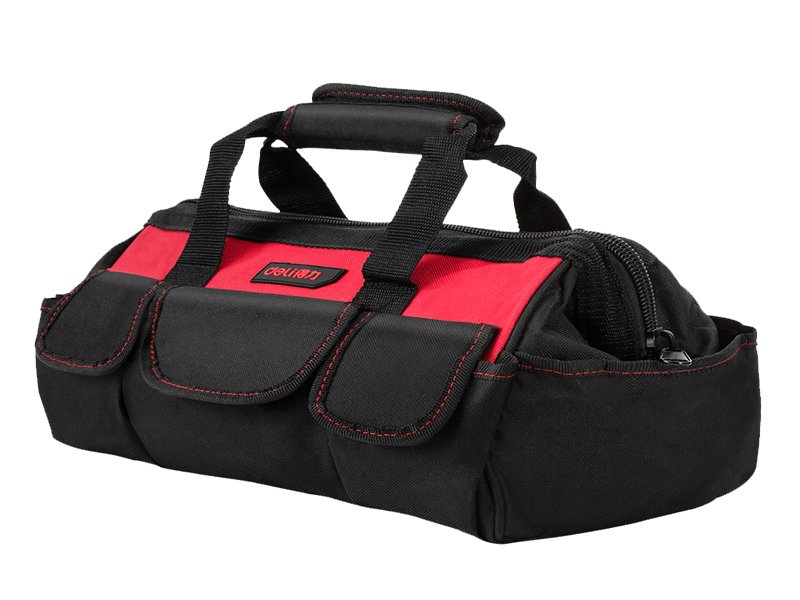
Reinforced bottom panels are one of the most critical yet often overlooked components in a tool bag’s overall design. While fabrics, zippers, and compartments usually receive the most attention, the base of the bag is where the highest level of stress is concentrated. It is the part that consistently comes into contact with rough surfaces, absorbs impact, carries the full weight of tools, and faces the most direct exposure to moisture and contaminants.
In practical terms, the bottom panel determines how long a tool bag will last under real working conditions. Without proper reinforcement, even high-grade materials can fail prematurely. Field data from industrial equipment usage indicates that more than 60% of tool bag failures originate at or near the base, particularly due to abrasion, seam fatigue, and water penetration. This makes the bottom panel not just a structural element, but a defining factor in long-term performance.
Reinforced bottom panels are engineered specifically to address these challenges. They are typically constructed using thicker materials, additional layers, or specialized components such as molded rubber or plastic inserts. The goal is not simply to make the bag stronger, but to ensure that stress is distributed evenly and that vulnerable areas are protected from repeated wear.
From a user’s perspective, the benefits are immediately noticeable. A bag with a reinforced base maintains its shape when loaded, stands upright more reliably, and provides a stable platform for accessing tools. It also prevents water from seeping in when placed on wet ground, which is a common issue in outdoor and industrial environments. Over time, these advantages translate into fewer interruptions, better tool protection, and lower replacement frequency.
Structural Role of Bottom Panels
| Function | Impact on Performance |
|---|---|
| Load Distribution | Prevents stress concentration |
| Impact Absorption | Protects tools from drops |
| Surface Protection | Reduces wear from rough ground |
| Moisture Barrier | Blocks water penetration |
Looking more closely, the bottom panel performs multiple roles simultaneously. It acts as a load-bearing surface, ensuring that weight is spread across the base rather than concentrated at specific points. This reduces the risk of deformation and seam failure. At the same time, it absorbs impact when the bag is set down, protecting both the bag itself and the tools inside.
Surface protection is another key function. Tool bags are often placed on concrete, gravel, metal surfaces, or muddy ground. These environments create constant friction, which can quickly wear down unprotected fabric. Reinforced panels provide a durable barrier that extends the usable life of the bag.
Moisture resistance is equally important. In outdoor work, it is common for bags to sit on wet surfaces for extended periods. Without a proper barrier, water can seep through the base and damage tools. Reinforced panels, particularly those made from non-absorbent materials, prevent this type of ingress and help maintain a dry internal environment.
Failure Comparison: Reinforced vs Non-Reinforced
| Condition | Non-Reinforced Base | Reinforced Base |
|---|---|---|
| Wet Surface | Absorbs water | Repels moisture |
| Heavy Load | Deforms easily | Maintains structure |
| Rough Ground | Rapid abrasion | High resistance |
| Long-Term Use | Short lifespan | Extended durability |
This comparison highlights the practical differences between reinforced and non-reinforced designs. In everyday use, these differences accumulate quickly. A non-reinforced base may perform adequately in light conditions, but under repeated stress, it begins to show signs of wear—fabric thinning, seam stretching, and eventual failure.
By contrast, a reinforced base maintains its integrity over time. It resists deformation under heavy loads and protects against environmental damage. This consistency is particularly important for professionals who rely on their equipment daily, where even minor failures can disrupt workflow.
Real-World Cost Impact
| Factor | Without Reinforcement | With Reinforcement |
|---|---|---|
| Replacement Frequency | High | Low |
| Tool Damage Risk | High | Minimal |
| Maintenance Cost | Increased | Reduced |
From a cost perspective, reinforced bottom panels offer a clear advantage over the lifespan of the product. While tool bags with reinforced bases may have a slightly higher initial price, they tend to last significantly longer. This reduces the need for frequent replacements, which can be a hidden cost in many operations.
More importantly, they lower the risk of tool damage. Moisture exposure, impact, and instability can all lead to equipment failure, particularly for precision tools or electronic devices. Preventing these issues not only saves money but also reduces downtime and maintains productivity.
In industries where tools represent a substantial investment, the protective function of a reinforced base becomes even more valuable. The cost of replacing damaged tools often exceeds the cost difference between reinforced and non-reinforced bags.
User Experience Perspective
| Aspect | Standard Base | Reinforced Base |
|---|---|---|
| Stability | Low | High |
| Confidence in Use | Moderate | High |
| Efficiency | Reduced | Improved |
Beyond durability and cost, reinforced bottom panels also influence how a tool bag feels and performs in daily use. Stability is one of the most noticeable differences. A bag with a reinforced base is less likely to tip over, making it easier to access tools quickly and safely.
This stability contributes to user confidence. When a bag holds its shape and protects its contents reliably, users can focus on their tasks rather than worrying about equipment safety. Over time, this translates into smoother workflows and fewer interruptions.
Efficiency is also affected. A stable, well-structured bag allows for faster tool retrieval and better organization. In contrast, a bag that collapses or shifts under weight can slow down work and create unnecessary frustration.
From a broader perspective, reinforced bottom panels illustrate an important principle in product design: small structural details often have a disproportionate impact on performance. While they may not be immediately visible, their role becomes clear through repeated use.
In demanding environments, where tool bags are subjected to constant stress, reinforcement is not a luxury—it is a necessity. It ensures that the bag can withstand real-world conditions while maintaining its functionality over time. For professionals who depend on their tools, this level of reliability is not just beneficial, but essential.
Which Materials Are Used for Reinforced Bottom Panels?
The performance of a reinforced bottom panel is determined less by its thickness and more by the materials that make up its structure. In real working conditions, the base of a tool bag is subjected to constant friction, heavy loads, moisture exposure, and repeated impact. These demands require materials that can withstand stress over time without compromising flexibility or usability.
There is no single material that can meet all these requirements perfectly. Instead, high-quality reinforced bottom panels rely on a combination of materials, each contributing a specific property—whether it is strength, flexibility, impact resistance, or waterproofing. The effectiveness of the design depends on how well these materials are selected and integrated.
Among the most commonly used materials are PVC, rubber, EVA, and PE boards. Each has distinct characteristics that make it suitable for particular environments and use cases.
PVC (polyvinyl chloride) is widely used in heavy-duty applications due to its high abrasion resistance and structural strength. It performs well in environments where the bag is frequently placed on rough surfaces such as concrete, gravel, or metal flooring. However, its rigidity and weight can make it less suitable for applications where mobility is a priority.
Rubber, by contrast, offers a different set of advantages. It provides excellent grip and shock absorption, which is particularly useful on uneven or slippery surfaces. This makes it a strong candidate for outdoor environments where stability is important. Rubber also performs well in wet conditions, maintaining its integrity without becoming brittle.
EVA (ethylene-vinyl acetate) represents a more balanced option. It is lighter than PVC and more flexible than rigid plastics, while still offering a reasonable level of impact resistance. This makes it suitable for tool bags that need to be carried over longer distances, where reducing weight becomes important.
PE (polyethylene) boards are typically used as internal reinforcement layers rather than external surfaces. Their primary function is to provide structural support, helping the base maintain its shape under load. While they are not as flexible as other materials, their rigidity is valuable in preventing deformation, especially in bags carrying heavier tools.
In higher-performance designs, these materials are rarely used in isolation. Instead, they are combined with outer fabric layers—such as nylon or polyester—to create a multi-layer construction. This layered approach allows manufacturers to balance durability, flexibility, and waterproofing in a way that a single material cannot achieve.
Field data supports this approach. Tool bags with multi-layer reinforced bases have been observed to last up to three times longer than those relying on single-layer fabric bottoms. This difference is not just a matter of material quality, but of how materials are engineered to work together.
Material Comparison Table
| Material | Strength | Flexibility | Weight | Waterproof Level |
|---|---|---|---|---|
| PVC | Very High | Medium | Heavy | Excellent |
| Rubber | High | High | Medium | Excellent |
| EVA | Medium–High | High | Light | High |
| PE Board | High | Low | Medium | Moderate |
From a practical standpoint, each material involves trade-offs. PVC offers maximum durability but adds weight. EVA reduces weight but may not withstand extreme abrasion. Rubber provides grip and flexibility but may not offer the same structural rigidity as a reinforced board. PE boards add support but require additional layers to achieve full waterproofing.
This is why the most effective designs do not rely on a single material choice. Instead, they combine materials strategically to compensate for individual limitations.
Layered Construction Approach
| Layer | Function | Benefit |
|---|---|---|
| Outer Fabric | Abrasion resistance | Protects structure |
| Middle Reinforcement | Load support | Prevents deformation |
| Inner Lining | Waterproof barrier | Protects tools |
The concept of layered construction is central to modern tool bag design. The outer layer acts as the first line of defense against abrasion and environmental exposure. Materials such as high-denier polyester or coated nylon are commonly used here, providing durability without excessive weight.
The middle layer is where structural reinforcement is concentrated. This may include EVA foam, PE boards, or molded components that distribute load and maintain shape. By absorbing stress, this layer prevents the outer fabric from bearing the full impact of weight and pressure.
The inner layer focuses on moisture control. Waterproof linings or laminated coatings prevent water from penetrating into the interior, ensuring that tools remain dry even when the bag is placed on wet surfaces.
When these layers are combined effectively, the result is a base that is both strong and adaptable—capable of handling real-world conditions without compromising usability.
Environmental Suitability
| Environment | Recommended Material |
|---|---|
| Construction | PVC + PE board |
| Marine | Rubber + TPU coating |
| Field Service | EVA + Nylon |
| General Use | Polyester + EVA |
Matching materials to the working environment is often more important than choosing the strongest option available. For example, in construction settings, where abrasion and heavy loads are constant, PVC combined with a rigid PE board provides the necessary durability and structural support.
In marine environments, flexibility and corrosion resistance become more important. Rubber combined with TPU coatings offers strong waterproofing while maintaining resilience against saltwater exposure.
Field service applications, where mobility is critical, benefit from lighter combinations such as EVA and nylon. These materials reduce carrying weight while still providing adequate protection.
For general-purpose use, polyester combined with EVA offers a cost-effective balance between durability and performance, suitable for less demanding conditions.
Weight vs Durability Balance
| Priority | Recommended Material Choice |
|---|---|
| Maximum Durability | PVC + PE board |
| Lightweight Mobility | EVA + Nylon |
| Balanced Performance | Rubber + Polyester |
One of the key challenges in material selection is balancing durability with usability. Heavier materials such as PVC provide excellent resistance to wear but can make the bag more difficult to carry over long distances. Lighter materials improve mobility but may not withstand extreme conditions.
The optimal choice depends on how the tool bag is used. For stationary or heavy-duty work, durability may take precedence. For mobile applications, reducing weight becomes more important. In many cases, a balanced approach offers the best overall performance.
Real-World Application Insight
In construction environments, where tool bags are frequently placed on abrasive surfaces, switching from standard polyester bases to PVC-reinforced panels has shown measurable results. Within a six-month period, base wear was reduced by more than 40%, and users reported improved stability when placing bags on uneven ground.
This improvement is not solely due to increased material strength. It reflects a better alignment between material properties and environmental demands. When the base is designed to handle the specific conditions it faces, both performance and user experience improve.
From a broader perspective, reinforced bottom panels represent a combination of material science and practical design. The choice of materials determines not only how long a tool bag lasts, but how effectively it supports daily work. A well-engineered base does more than resist wear—it ensures that the bag remains reliable, stable, and functional under pressure.
For professionals who depend on their tools, this reliability is not optional. It is a fundamental requirement that directly affects productivity, cost, and overall work quality.
How Do Reinforced Bottom Panels Improve Tool Bag Durability?

Durability in a tool bag is not determined by fabric strength alone. In real working environments, failure rarely happens because the material is inherently weak—it happens because stress is concentrated in specific areas over time. The bottom of a tool bag is the most exposed and consistently stressed component. It carries the full weight of the load, absorbs repeated impact, and comes into direct contact with abrasive and often wet surfaces.
Reinforced bottom panels are designed to solve these exact problems. Rather than allowing stress to accumulate at a few critical نقاط—such as seams or contact edges—they distribute forces more evenly across the base. This structural adjustment changes how the entire bag behaves under load, improving not just strength but long-term reliability.
In practical terms, this means the bag retains its shape, resists tearing, and continues to protect tools even after extended use in harsh conditions. For professionals working daily in construction, maintenance, or outdoor service, this improvement is not marginal. It can extend the usable life of a tool bag by two to three times compared to standard fabric-bottom designs.
A common real-world scenario illustrates this clearly. When a fully loaded tool bag is dropped onto a hard surface, the energy from that impact must go somewhere. In a non-reinforced design, the force is transferred directly into the fabric and stitching, leading to immediate stress and gradual degradation. With a reinforced base, that same energy is absorbed and spread across a larger area, reducing peak stress and preventing localized damage.
Load Distribution Mechanics
| Factor | Without Reinforcement | With Reinforcement |
|---|---|---|
| Load Concentration | High at single point | Evenly distributed |
| Fabric Stress | Localized tearing risk | Reduced stress points |
| Structural Integrity | Deformation over time | Maintained shape |
From an engineering perspective, reinforced bottom panels function similarly to a load-bearing frame. Instead of allowing weight to press down on isolated نقاط, the reinforcement layer spreads the force across the entire base. This reduces the likelihood of material fatigue, which is one of the primary causes of long-term failure.
Over time, repeated loading and unloading cycles can weaken even high-quality fabrics if the stress is not managed properly. Reinforced panels mitigate this by maintaining consistent structural support, ensuring that the bag does not sag or lose its shape.
Impact Resistance Analysis
| Impact Scenario | Standard Base | Reinforced Base |
|---|---|---|
| Drop on concrete | High damage risk | Shock absorption |
| Uneven terrain | Instability | Stable support |
| Heavy tool placement | Compression | Resistance to deformation |
Impact resistance is another critical dimension of durability. Tool bags are rarely handled gently in real working conditions. They are placed down quickly, sometimes dropped, and often used on uneven ground.
A reinforced base acts as a buffer between the external environment and the tools inside. Materials such as EVA or rubber absorb shock, while rigid inserts like PE boards prevent deformation. This combination protects not only the bag itself but also the tools it carries.
This is particularly important for sensitive equipment, including electronic diagnostic tools or precision instruments. Even minor impacts can affect their performance, making the protective role of the base more significant than it might initially appear.
Abrasion Resistance Over Time
| Surface Type | Standard Fabric Wear Rate | Reinforced Panel Wear Rate |
|---|---|---|
| Concrete | High | Low |
| Gravel | Very High | Medium |
| Mud/Wet Ground | Fabric degradation | Minimal impact |
Abrasion is one of the most consistent and unavoidable sources of wear. Every time a tool bag is placed on the ground, friction occurs. Over days and weeks, this repeated contact gradually weakens the material.
Standard fabric bases are particularly vulnerable to this type of wear. Once the outer layer begins to degrade, the underlying structure is exposed, accelerating the failure process. Reinforced panels, especially those made from PVC or rubber, provide a much more resistant surface. They slow down abrasion significantly, extending the lifespan of the bag.
In environments such as construction sites or outdoor maintenance areas, where surfaces are often rough or uneven, this difference becomes especially pronounced.
Moisture and Environmental Protection
| Condition | Standard Base | Reinforced Base |
|---|---|---|
| Wet ground contact | Absorbs moisture | Water barrier |
| Oil/chemical exposure | Material breakdown | Resistant coating |
| Temperature variation | Fabric weakening | Stable structure |
Durability is not only about mechanical strength—it is also about resistance to environmental factors. Moisture, chemicals, and temperature changes all contribute to material degradation over time.
Standard fabric bases tend to absorb water, which can lead to weakening, mold growth, and eventual failure. Reinforced panels, particularly those with coated or laminated surfaces, act as a barrier. They prevent water from penetrating the bag and protect the internal contents.
In industrial environments, exposure to oils and chemicals adds another layer of complexity. Materials used in reinforced panels are often selected for their resistance to these substances, ensuring that the base remains stable even under challenging conditions.
Temperature fluctuations can also affect performance. Some materials become brittle in cold environments or soften under heat. Reinforced designs typically incorporate materials that maintain their properties across a wider temperature range, contributing to overall reliability.
Long-Term Cost Efficiency
| Cost Factor | Standard Bag | Reinforced Base Bag |
|---|---|---|
| Replacement Frequency | High | Low |
| Tool Damage Cost | Moderate–High | Low |
| Maintenance Effort | Frequent | Minimal |
From a financial perspective, the durability improvements provided by reinforced bottom panels translate directly into cost savings. While the initial purchase price may be higher, the extended lifespan reduces the need for frequent replacements.
More importantly, the risk of tool damage is significantly lowered. Tools exposed to moisture, impact, or instability are more likely to fail, leading to additional costs and potential downtime. By protecting both the bag and its contents, reinforced panels reduce these risks.
Maintenance requirements are also minimized. Bags with reinforced bases are less prone to tearing or deformation, meaning they require less frequent repairs or adjustments.
Real-World Case Insight
In one field maintenance operation involving outdoor infrastructure projects, a team transitioned from standard fabric-bottom tool bags to reinforced-bottom designs. Over the course of a year, reported bag failures decreased by more than 50%. At the same time, incidents of tool damage—particularly due to moisture exposure and impact—were significantly reduced.
The improvement was not the result of a single feature, but of a more resilient overall structure. By addressing the نقاط where failure typically occurs, reinforced panels changed how the bags performed under daily stress.
This example reflects a broader principle: durability is not simply about using stronger materials. It is about managing stress, protecting against environmental عوامل, and maintaining structural integrity over time.
When these elements are properly integrated, the result is a tool bag that performs consistently, even in demanding conditions. For professionals who rely on their equipment every day, this consistency is what ultimately defines durability.
What Types of Reinforced Bottom Designs Exist?
Reinforced bottom panels are not a single standardized solution. In practice, they represent a range of structural approaches, each developed to solve different problems related to load-bearing, abrasion, and environmental exposure. Understanding these design types is important because the way a base is constructed has a direct impact on how a tool bag performs over time.
In most professional-grade tool bags, reinforced bottoms fall into three primary categories: molded bases, inserted board structures, and layered fabric reinforcements. While they all serve the same fundamental purpose—improving durability—their behavior under real working conditions varies significantly.
Molded bases are typically manufactured using materials such as rubber, EVA, or composite plastics. These bases are formed as a single integrated unit, creating a rigid shell that attaches to the bottom of the bag. The result is a highly stable structure that resists deformation and provides a complete barrier against water and ground moisture. This type of design is commonly used in environments where tool bags are exposed to heavy loads and harsh surfaces, such as construction sites or industrial maintenance areas.
Inserted board designs take a different approach. Instead of forming a rigid external shell, they incorporate a structural insert—often made from PE board or plastic—between layers of fabric. This creates internal support without significantly increasing external rigidity or weight. The bag maintains a degree of flexibility while still benefiting from improved load distribution and shape retention. This balance makes inserted board designs popular among field technicians who require both structure and portability.
Layered fabric reinforcements represent the most flexible and lightweight option. In this design, multiple layers of fabric are combined, often with coatings or laminations, to enhance durability and water resistance. While this approach does not provide the same level of structural support as molded or inserted designs, it allows for greater adaptability and reduced weight. It is commonly found in general-purpose tool bags or applications where mobility is more important than maximum load capacity.
In real-world usage, these design types are not interchangeable. Each reflects a different set of priorities, and choosing the right one depends on how the bag will be used on a daily basis.
Design Type Comparison
| Design Type | Strength | Flexibility | Weight | Waterproof Level |
|---|---|---|---|---|
| Molded Base | Very High | Low | Heavy | Excellent |
| Inserted Board | High | Medium | Medium | High |
| Layered Fabric | Medium | High | Light | Moderate |
From a practical standpoint, each design involves trade-offs. Molded bases deliver the highest level of protection and durability but add weight and reduce flexibility. Layered fabric designs are easy to carry and adapt well to movement, but they offer less resistance to heavy loads and harsh surfaces. Inserted board structures sit between these two extremes, offering a more balanced performance profile.
Structural Behavior Under Load
| Design Type | Load Capacity | Shape Retention | Stability |
|---|---|---|---|
| Molded Base | Very High | Excellent | Very Stable |
| Inserted Board | High | Good | Stable |
| Layered Fabric | Medium | Moderate | Less stable |
When evaluating performance under load, the differences become more apparent. Molded bases act almost like a rigid platform, allowing the bag to maintain its shape regardless of weight. This stability is particularly valuable when accessing tools, as the bag remains upright and predictable.
Inserted board designs provide solid support but retain some flexibility, which can be advantageous when navigating uneven terrain or confined spaces. Layered fabric bases, while sufficient for lighter loads, tend to shift or deform under pressure, which can affect both stability and ease of use.
Waterproof Performance by Design
| Design Type | Water Resistance | Ground Protection |
|---|---|---|
| Molded Base | Fully waterproof | Complete barrier |
| Inserted Board | High resistance | Partial barrier |
| Layered Fabric | Moderate | Limited protection |
Waterproof performance is closely tied to structural design. Molded bases, particularly those made from rubber or sealed composites, create a continuous barrier that prevents water from entering through the bottom. This makes them ideal for environments where bags are frequently placed on wet or muddy surfaces.
Inserted board designs offer good resistance but depend on the outer fabric layer for waterproofing. While effective in moderate conditions, they may not provide the same level of protection in extreme environments. Layered fabric bases rely primarily on coatings, which can wear over time, reducing their effectiveness.
Application Suitability
| Use Case | Recommended Design |
|---|---|
| Heavy-duty construction | Molded base |
| Field technician | Inserted board |
| Light outdoor use | Layered fabric |
Matching the design to the intended application is essential. In construction settings, where heavy tools and rough surfaces are the norm, molded bases provide the durability and stability required. Field technicians, who often prioritize mobility and balanced performance, benefit from inserted board designs. For lighter outdoor use, layered fabric bases offer sufficient protection without adding unnecessary weight.
Choosing the wrong design can lead to inefficiencies. A heavy molded base may be unnecessary for light tasks, while a flexible fabric base may fail prematurely under industrial conditions.
Cost vs Performance Trade-Off
| Design Type | Cost Level | Value Justification |
|---|---|---|
| Molded Base | High | Maximum durability |
| Inserted Board | Medium | Balanced performance |
| Layered Fabric | Low | Cost-efficient solution |
Cost differences between these designs reflect their construction complexity and material requirements. Molded bases involve more advanced manufacturing processes and heavier materials, which increases cost. Inserted board designs offer a middle ground, while layered fabric solutions are typically the most economical.
However, cost should be evaluated in relation to performance. A lower-cost design that fails quickly in demanding conditions often results in higher long-term expenses. Conversely, investing in a more robust structure can reduce replacement frequency and improve overall reliability.
Design Evolution Trends
| Trend | Impact |
|---|---|
| Hybrid designs | Combine rigidity and flexibility |
| Lightweight reinforcement | Reduce fatigue |
| Integrated waterproof structures | Improve overall performance |
Modern tool bag design is moving toward hybrid solutions that combine the strengths of different approaches. For example, some products integrate a semi-molded base with internal reinforcement layers, achieving both stability and reduced weight. Others incorporate advanced coatings or laminated materials to enhance waterproofing without adding bulk.
There is also a growing focus on reducing weight while maintaining durability. As more professionals work in mobile environments, the ability to carry tools comfortably over long distances has become increasingly important.
Real-World Insight
In outdoor repair operations, where technicians frequently move between locations, switching from layered fabric bases to inserted board designs has shown measurable benefits. Users reported improved load stability, reduced internal shifting of tools, and fewer instances of bags tipping over during use.
This change did not dramatically increase weight, but it significantly improved how the bag performed in everyday tasks. The added structure made tool access more predictable and reduced the need for constant repositioning.
From a broader perspective, reinforced bottom panel design is a balance between engineering performance and practical usability. Each design type reflects a different set of priorities, and understanding these differences allows users to make more informed decisions.
When the design aligns with real working conditions, the result is not just a more durable tool bag, but a more efficient and reliable workflow.
How Do Reinforced Bottom Panels Affect Waterproof Performance?

Waterproof performance in a tool bag is often misunderstood as a function of fabric alone. In reality, the most critical point of failure is not the upper body of the bag, but the base. The bottom panel is in constant contact with wet surfaces—concrete, soil, mud, or even standing water—and this prolonged exposure creates the highest risk of moisture intrusion.
Reinforced bottom panels fundamentally change how a tool bag handles this exposure. Instead of relying on water-repellent coatings that may degrade over time, they introduce a physical barrier made from non-porous materials such as PVC, rubber, or TPU laminates. This barrier prevents water from entering through direct contact, even when the bag is left on damp or saturated surfaces for extended periods.
In practical terms, this distinction becomes obvious very quickly. Tool bags without reinforced waterproof bases often begin absorbing moisture within minutes when placed on wet ground. The fabric at the base acts like a sponge, gradually allowing water to penetrate into the interior. By contrast, reinforced bases maintain a sealed boundary, keeping the inside dry for hours under the same conditions.
This difference is not just about convenience. Moisture exposure can lead to corrosion of metal tools, malfunction of electronic equipment, and overall degradation of stored items. Over time, even small amounts of water ingress can have a cumulative effect, increasing maintenance costs and reducing tool lifespan.
Water Penetration Pathways
| Entry Point | Risk Level Without Reinforcement | Protection with Reinforcement |
|---|---|---|
| Bottom Fabric | High | Fully blocked |
| Seams Near Base | Medium–High | Sealed or minimized |
| Ground Contact | Constant exposure | Barrier protection |
A closer look at how water enters a tool bag reveals that the base is the primary vulnerability. While rain exposure affects the outer surfaces, most prolonged moisture contact occurs from below. When a bag is placed on wet ground, water pressure and capillary action work together to draw moisture into the fabric.
Reinforced bottom panels interrupt this process. By replacing absorbent materials with non-porous layers, they eliminate the primary pathway for water ingress. At the same time, improved seam construction reduces the risk of leakage at connection points.
Material Waterproof Efficiency
| Material | Water Resistance | Long-Term Performance |
|---|---|---|
| PVC | Excellent | Very stable |
| TPU | Excellent | Flexible and durable |
| Rubber | Excellent | Strong ground seal |
| Coated Fabric | Moderate | Degrades over time |
The effectiveness of a reinforced bottom panel depends heavily on the materials used. PVC and TPU laminates provide a continuous waterproof surface that does not absorb moisture. Rubber adds an additional advantage by conforming slightly to uneven ground, creating a tighter seal.
Coated fabrics, while initially water-resistant, tend to lose effectiveness over time as coatings wear down. This makes them less reliable for long-term exposure, particularly in demanding environments.
From a durability standpoint, non-porous materials maintain their waterproof properties far longer than treated fabrics, which is why they are widely used in high-performance designs.
Ground Contact Scenarios
| Environment | Standard Base Outcome | Reinforced Base Outcome |
|---|---|---|
| Wet concrete | Absorbs moisture | Fully protected |
| Mud | Staining + water ingress | Easy cleaning + protection |
| Standing water | Rapid penetration | No leakage |
Different ground conditions highlight the limitations of standard bases. On wet concrete, moisture gradually seeps into unprotected fabric. In muddy environments, water and dirt combine to accelerate material degradation. In standing water, the process is even faster, with immediate penetration in non-reinforced designs.
Reinforced bases address all of these scenarios by creating a consistent barrier. They not only prevent water from entering but also make cleaning easier, as dirt and mud can be wiped off without being absorbed into the material.
An important observation here is that waterproof performance is not just about initial resistance—it is about maintaining that resistance over time. Reinforced panels provide sustained protection, even under repeated exposure.
Seam Integration with Bottom Panels
| Construction Method | Waterproof Result |
|---|---|
| Stitched seams | Potential leakage |
| Seam sealing tape | Improved resistance |
| Welded seams | Complete waterproofing |
The connection between the bottom panel and the rest of the bag is often the weakest point in terms of waterproofing. Even if the base material itself is fully waterproof, poorly constructed seams can allow water to enter.
Traditional stitched seams create small نقاط where water can penetrate, especially under pressure or prolonged exposure. Seam sealing techniques improve resistance by covering these نقاط with protective layers. The most effective solution, however, is welded construction, which fuses materials together to create a continuous, watertight bond.
In high-performance tool bags, this integration between base and body is treated as a critical design element rather than an afterthought.
Maintenance and Longevity
| Factor | Standard Base | Reinforced Base |
|---|---|---|
| Cleaning | Difficult | Easy wipe-down |
| Mold risk | High | Low |
| Water retention | Possible | None |
Waterproof performance also influences how easy a tool bag is to maintain. Standard fabric bases tend to retain moisture, creating conditions where mold and odors can develop over time. Cleaning is more difficult because dirt and water are absorbed into the material.
Reinforced bases, by contrast, do not absorb moisture. This makes them easier to clean and reduces the risk of long-term hygiene issues. A simple wipe-down is often sufficient to remove dirt and water, keeping the bag in usable condition with minimal effort.
From a user perspective, this translates into less maintenance and more consistent performance.
Real-World Case Insight
In outdoor utility operations, where technicians frequently work in wet conditions, the transition to tool bags with TPU-reinforced bases has produced measurable results. Over the course of a single rainy season, moisture-related tool damage decreased by more than 30%. Workers also reported fewer interruptions caused by wet equipment, allowing them to maintain a more consistent workflow.
This example illustrates a broader point: waterproof performance is not an isolated feature. It directly affects operational efficiency, tool reliability, and overall productivity.
When the base of a tool bag is properly reinforced, it eliminates one of the most common sources of failure. Instead of dealing with gradual moisture intrusion and its consequences, users can rely on consistent protection, regardless of ground conditions.
In demanding environments, where exposure to water is unavoidable, this level of reliability is not just beneficial—it is essential.
Which Industries Benefit Most from Reinforced Bottom Tool Bags?
Reinforced bottom tool bags are not a niche solution—they are a practical necessity across a wide range of industries where tools are exposed to demanding conditions. While the specific challenges differ from one sector to another, the underlying requirement remains consistent: protecting equipment from wear, impact, and environmental exposure while maintaining efficiency in daily work.
What changes from industry to industry is not the need for reinforcement, but the way it is applied. In some environments, abrasion resistance is the priority. In others, waterproofing or chemical resistance becomes more critical. Understanding these differences helps explain why reinforced bottom panels have become a standard feature in professional-grade tool bags.
In construction, tool bags are subjected to some of the harshest physical conditions. They are frequently placed on concrete, gravel, steel platforms, and uneven ground. These surfaces create constant abrasion, which quickly wears down standard fabric bases. At the same time, the weight of heavy tools adds pressure that can deform the structure of the bag over time. Reinforced bottom panels address both issues by providing a durable outer layer and a stable base that distributes load evenly. This not only extends the life of the bag but also improves usability, as the bag remains upright and accessible even when fully loaded.
Marine environments present a different set of challenges. Here, the primary concern is not just water exposure, but saltwater corrosion. Salt accelerates the breakdown of both fabrics and metal components, making standard materials unsuitable for long-term use. Reinforced waterproof bases, particularly those made from TPU or rubber, create a sealed barrier that prevents water ingress and reduces the risk of corrosion. In these conditions, even small amounts of moisture can lead to tool damage, making the protective role of the base especially important.
In oil and gas operations, the environment becomes more complex. Tool bags are exposed not only to rough terrain and heavy loads but also to chemicals, oils, and extreme weather conditions. Reinforced bases in this sector must provide a combination of abrasion resistance, chemical stability, and structural strength. Materials such as PVC or coated composites are commonly used because they can withstand both mechanical stress and chemical exposure. Without this level of protection, tool bags tend to degrade quickly, leading to frequent replacements and increased operational costs.
Field service and electrical work introduce another dimension: mobility. Technicians often move between multiple locations, carrying tools over long distances and across varied surfaces. In this context, reinforced bottom panels contribute to structural stability, preventing the bag from collapsing or shifting during use. This makes it easier to organize and access tools quickly, which is critical in time-sensitive tasks. Unlike heavy industrial applications, the emphasis here is on achieving a balance between reinforcement and weight, ensuring that durability does not come at the expense of portability.
Military and tactical applications place perhaps the most demanding requirements on tool bags. Equipment must perform reliably under extreme conditions, including impact, moisture, temperature fluctuations, and rough handling. Reinforced bottom panels in these applications are designed to provide both strength and adaptability. Hybrid constructions—combining rigid elements with flexible materials—are often used to ensure that the bag can withstand stress without becoming cumbersome. Reliability is the key factor, as equipment failure in these environments can have serious consequences.
Across all these industries, one pattern becomes clear: reinforced bottom panels are not simply an added feature. They are a structural necessity that enables tool bags to perform consistently under real-world conditions.
Environmental Stress by Industry
| Industry | Main Challenges | Role of Reinforced Base |
|---|---|---|
| Construction | Abrasion, heavy load | Prevents wear and deformation |
| Marine | Water, salt corrosion | Blocks moisture, resists damage |
| Oil & Gas | Chemicals, rough terrain | Provides durability and stability |
| Field Service | Mobility, varied surfaces | Enhances balance and usability |
Each environment applies a different type of stress to the base of the tool bag. In construction, the stress is primarily mechanical. In marine settings, it is environmental. In oil and gas, it is a combination of both, along with chemical exposure. Reinforced bases are designed to respond to these stresses in a targeted way, ensuring that the bag remains functional over time.
Tool Bag Requirements by Industry
| Industry | Key Requirement | Recommended Base Design |
|---|---|---|
| Construction | High load capacity | Molded PVC or rubber |
| Marine | Waterproofing | TPU or rubber base |
| Electrical | Lightweight + structure | EVA + board insert |
| Military | Rugged durability | Hybrid reinforced base |
This comparison highlights an important point: there is no universal solution that works equally well across all industries. The effectiveness of a reinforced base depends on how well it matches the specific demands of the environment. A design that excels in one setting may be unnecessary or even inefficient in another.
Failure Risks Without Reinforcement
| Industry | Common Failure Without Reinforced Base |
|---|---|
| Construction | Rapid base wear, tearing |
| Marine | Water damage, corrosion |
| Field Service | Bag collapse, poor access |
| Industrial | Structural deformation |
Without reinforcement, tool bags tend to fail at predictable points. In construction, the base wears down quickly due to constant abrasion. In marine environments, moisture penetrates the fabric, leading to corrosion. In field service applications, lack of structure causes the bag to collapse, making tool access more difficult.
These failures are not isolated incidents—they occur repeatedly across different industries, which is why reinforced bottom panels have become a standard requirement rather than an optional upgrade.
Productivity Impact by Industry
| Factor | Impact |
|---|---|
| Tool damage | Delays and replacement cost |
| Bag instability | Slower workflow |
| Moisture exposure | Equipment failure |
| Structural weakness | Frequent replacements |
The impact of these issues extends beyond the tool bag itself. Tool damage leads to delays, instability slows down workflow, and frequent replacements increase operational costs. Over time, these factors combine to reduce overall efficiency.
Reinforced bottom panels help mitigate these risks by providing a stable, durable, and protective foundation. This allows workers to focus on their tasks rather than dealing with equipment limitations.
Real-World Application Example
In a coastal maintenance project, technicians initially used standard tool bags with fabric bases. Due to constant exposure to moisture and salt air, tools began to show signs of corrosion within a short period. Bags also degraded quickly, requiring frequent replacement.
After switching to tool bags with reinforced waterproof bases, the situation improved significantly. Tools remained dry, corrosion was reduced, and the bags maintained their structural integrity over time. As a result, maintenance interruptions decreased, and overall workflow became more consistent.
This example illustrates how a relatively small design change—reinforcing the base—can have a substantial impact on performance in demanding environments.
Long-Term Value Perspective
| Aspect | Without Reinforcement | With Reinforcement |
|---|---|---|
| Product lifespan | Short | Extended |
| Operational efficiency | Reduced | Improved |
| Total cost | Higher over time | Lower overall |
From a long-term perspective, reinforced bottom panels deliver value that goes beyond durability. They reduce replacement frequency, protect tools from damage, and support more efficient workflows. While the initial investment may be slightly higher, the overall cost of ownership is typically lower.
In practical terms, this means fewer disruptions, more reliable equipment, and better performance over time.
Ultimately, the industries that benefit most from reinforced bottom tool bags are those where conditions are demanding and consistency is essential. Whether it is construction, marine work, field service, or industrial operations, the presence of a reinforced base ensures that the tool bag can keep up with the demands of the job.
How to Choose the Right Reinforced Bottom Panel for Your Tool Bag?

Choosing the right reinforced bottom panel is not about selecting the most rugged or most expensive option available. It is about matching the structure and material of the base to the way the tool bag is actually used in daily work. When this alignment is correct, the bag performs reliably, tools remain protected, and workflow becomes more efficient. When it is not, even a well-made bag can feel inconvenient, unstable, or short-lived.
In real working environments, the base of a tool bag carries the majority of stress. It supports the full weight of the tools, absorbs repeated impact, and faces constant contact with different surfaces—sometimes dry, often wet, and frequently abrasive. Because of this, the bottom panel should not be treated as a secondary feature. In many cases, it should be the most carefully considered part of the entire design.
A practical way to approach the selection process is to focus on three fundamental questions. First, how heavy are the tools that will be carried? Second, what types of surfaces will the bag be placed on? Third, how frequently will the bag be used? These questions provide a clearer framework than simply comparing product specifications.
For example, a technician working daily in outdoor environments with heavy tools and wet surfaces will require a very different base structure than someone using a tool bag occasionally in controlled indoor conditions. The difference is not incremental—it directly affects durability, usability, and long-term cost.
One practical rule that emerges from field experience is that if a tool bag is frequently exposed to rough or wet conditions, the bottom panel should be the strongest and most resilient part of the bag. Users who transition from standard fabric bases to reinforced designs often notice immediate improvements in stability, confidence, and overall performance.
Load and Structure Matching
| Tool Load Level | Recommended Bottom Panel | Reason |
|---|---|---|
| Light (<5 kg) | Layered fabric + coating | Flexible and lightweight |
| Medium (5–15 kg) | EVA + board insert | Balanced strength and weight |
| Heavy (15 kg+) | Molded PVC or rubber | Maximum load support |
Load capacity is one of the most straightforward factors to evaluate, yet it is often overlooked. Carrying heavier tools places concentrated stress on the base, which can lead to deformation or tearing if the structure is insufficient.
For lighter loads, flexibility and reduced weight are more important than maximum strength. In these cases, layered fabric with protective coatings can provide adequate performance without adding unnecessary bulk. As the load increases, additional reinforcement becomes necessary to maintain shape and prevent stress concentration. For heavy-duty use, molded bases offer the structural integrity required to handle significant weight without compromising stability.
The key is to avoid extremes. Overly heavy reinforcement can reduce mobility, while insufficient support leads to early failure.
Surface Condition Consideration
| Ground Type | Recommended Material | Performance Benefit |
|---|---|---|
| Smooth indoor | Coated fabric | Cost-effective |
| Rough outdoor | PVC or rubber | Abrasion resistance |
| Wet/muddy | TPU or rubber | Waterproof protection |
| Uneven terrain | Molded base | Stability and grip |
The type of surface the bag interacts with has a direct impact on material selection. Smooth indoor environments place minimal stress on the base, making lighter and more economical solutions sufficient. However, once the bag is used outdoors, conditions change quickly.
Rough surfaces such as concrete or gravel create continuous abrasion, which can rapidly wear down standard fabrics. In these cases, materials like PVC or rubber provide the necessary resistance. Wet or muddy conditions introduce another layer of complexity, requiring waterproof materials that prevent moisture from penetrating the base.
Uneven terrain adds the need for stability. A molded base, with its rigid structure, helps the bag maintain balance and reduces the likelihood of tipping over during use.
Weight vs Comfort Trade-Off
| Priority | Suggested Design |
|---|---|
| Maximum durability | Thick molded base |
| Lightweight mobility | EVA reinforced panel |
| Balanced use | Hybrid structure |
Weight is a factor that is often underestimated until the bag is used over extended periods. Even small increases can become noticeable when tools are carried for hours or across long distances.
For stationary or heavy-duty applications, the added weight of a molded base may not be a concern. In contrast, for mobile work, reducing weight becomes essential. EVA-based reinforcements or hybrid structures offer a compromise, providing sufficient durability while keeping the overall weight manageable.
The goal is not to minimize weight at all costs, but to ensure that the bag remains comfortable and practical to use throughout the workday.
Cost vs Long-Term Value
| Option | Initial Cost | Long-Term Value |
|---|---|---|
| Basic reinforcement | Low | Moderate |
| Mid-level hybrid | Medium | High |
| Heavy-duty molded | High | Very high |
Cost is often the first factor considered, but it is rarely the most informative when viewed in isolation. Lower-cost options may meet basic requirements but tend to wear out faster, leading to more frequent replacements. Over time, this increases total ownership cost.
Higher-end reinforced bases, while more expensive upfront, often deliver better long-term value by extending the lifespan of the bag and reducing the risk of tool damage. This is particularly relevant in professional settings where tools represent a significant investment.
Evaluating cost in terms of performance and longevity provides a more accurate picture of value.
Quality Evaluation Checklist
| Feature | What to Look For |
|---|---|
| Material density | Thick, durable base layer |
| Seam integration | Sealed or welded joints |
| Base attachment | Firm, no separation gaps |
| Structural rigidity | Maintains shape under load |
When comparing products, many tool bags appear similar at first glance. However, the details of construction often determine how they perform over time.
Material density affects resistance to wear and impact. Seam integration is critical for preventing water ingress, particularly at the junction between the base and the side walls. The way the base is attached to the bag influences overall durability—gaps or weak نقاط can lead to separation under stress. Structural rigidity ensures that the bag maintains its shape, improving both stability and ease of use.
Paying attention to these factors helps avoid common issues that may not be immediately visible but become apparent during regular use.
Real-World Selection Insight
In one practical case, a mobile repair technician initially chose a lightweight fabric-bottom tool bag for ease of carrying. While convenient at first, the bag began to show signs of wear after repeated use on wet and uneven outdoor surfaces. Moisture exposure and lack of structural support led to frequent replacements and occasional tool damage.
After switching to a design with an EVA and TPU reinforced base, the performance improved significantly. The bag maintained its structure, resisted moisture, and provided better stability during use. Although the weight increased slightly, the overall efficiency and reliability more than compensated for the difference.
This example illustrates a broader point: the right choice often becomes clear when viewed through the lens of real-world conditions rather than theoretical specifications.
Selecting a reinforced bottom panel is ultimately about understanding how the tool bag fits into daily work. When the structure, material, and usage conditions are properly aligned, the result is a tool bag that performs consistently, protects valuable equipment, and supports a smoother, more efficient workflow.
Do Custom Reinforced Bottom Panels Offer Advantages for Brands?
Custom reinforced bottom panels offer a clear advantage for brands because they shift product development from a generic, one-size-fits-all approach to a solution built around real usage conditions. In practice, most standard tool bags are designed to meet broad market expectations, which often means compromises in performance. Customization removes those compromises by aligning structure, materials, and construction methods with how the product will actually be used.
For brands targeting professional users—whether in construction, marine work, field service, or industrial maintenance—this alignment is critical. End users quickly recognize when a product has been designed with their environment in mind. The base of a tool bag, in particular, is one of the first components to reveal whether the design is practical or generic.
Customization allows brands to fine-tune several key variables at once. Material selection can be adjusted based on environmental exposure, thickness can be optimized for load requirements, and structural design can be tailored to balance rigidity and flexibility. Instead of adapting to a pre-existing design, the product becomes purpose-built.
This approach has a direct impact on performance. A tool bag designed for marine environments, for example, can incorporate corrosion-resistant materials and fully sealed waterproof bases, ensuring long-term reliability under constant exposure to moisture and salt. In contrast, a product intended for urban maintenance work may prioritize reduced weight and improved mobility, using lighter reinforcement structures that still provide sufficient durability.
Beyond performance, customization also plays an important role in brand differentiation. In competitive markets, visual design alone is rarely enough to create a lasting impression. Structural features—such as a distinctive base design or a unique material combination—offer a more meaningful way to stand out. These are the elements that users experience daily, and they often have a stronger influence on brand perception than surface-level aesthetics.
In real-world applications, brands that invest in customized reinforced structures tend to see measurable benefits. Products last longer, receive more consistent user feedback, and are less likely to be returned due to performance issues. Over time, this contributes to stronger market positioning and improved customer trust.
Customization Options Overview
| Element | Customization Possibility | Benefit |
|---|---|---|
| Material | PVC, TPU, EVA, hybrid | Tailored performance |
| Thickness | Adjustable layers | Load optimization |
| Structure | Molded, inserted, hybrid | Application-specific design |
| Surface Texture | Anti-slip, smooth | Improved usability |
Customization is most effective when it is driven by real user needs rather than purely visual differentiation. For example, selecting a thicker base material may improve durability, but if it adds unnecessary weight, it can reduce usability. The goal is to create a balanced design where each element serves a clear purpose.
Material choice is often the starting point. Different environments require different properties—abrasion resistance, waterproofing, flexibility, or chemical stability. Thickness adjustments allow the base to handle specific load levels without overengineering the product. Structural variations, such as combining molded elements with flexible layers, provide additional control over performance characteristics.
Performance Optimization Through Custom Design
| Scenario | Standard Design Limitation | Custom Solution |
|---|---|---|
| Heavy industrial use | Insufficient strength | Thick molded base |
| Outdoor wet conditions | Water ingress | Fully sealed bottom |
| Lightweight mobility | Excess weight | EVA hybrid base |
These examples illustrate how customization addresses practical challenges. Standard designs often attempt to cover multiple use cases, which can result in compromises. Custom solutions, by contrast, focus on solving specific problems.
In heavy industrial environments, for instance, a standard base may not provide enough structural support, leading to deformation over time. A customized molded base can eliminate this issue by distributing load more effectively. In wet conditions, upgrading to a fully sealed construction prevents water ingress, protecting both the bag and its contents.
For applications where mobility is critical, reducing weight becomes a priority. A hybrid design using EVA and lightweight fabrics can maintain durability while improving comfort during extended use.
Cost Efficiency Analysis
| Approach | Initial Cost | Long-Term Benefit |
|---|---|---|
| Standard product | Lower | Limited optimization |
| Custom design | Moderate | Higher efficiency and lifespan |
From a cost perspective, customization is often misunderstood. While it may increase initial production costs, it typically reduces total ownership cost over time. Products that are better aligned with their intended use tend to last longer and perform more reliably, reducing the need for replacements and minimizing the risk of tool damage.
For brands, this translates into fewer warranty claims, lower return rates, and improved customer satisfaction. These factors have a direct impact on profitability, especially in markets where product reliability is a key purchasing criterion.
Brand Differentiation Factors
| Feature | Market Impact |
|---|---|
| Unique base structure | Product identity |
| Enhanced durability | Customer trust |
| Optimized performance | Positive user experience |
Differentiation in the tool bag market is increasingly driven by performance rather than appearance. Users are more likely to remain loyal to a brand that consistently delivers reliable products than to one that focuses primarily on visual design.
Structural innovation, particularly in high-stress components like the bottom panel, creates a tangible difference that users can experience. Over time, this builds trust and reinforces the brand’s reputation for quality.
Real-World Customization Example
In one case involving outdoor tool bags for coastal maintenance, a company needed a solution that could withstand constant exposure to moisture and salt air. Standard designs were failing prematurely, leading to tool corrosion and frequent product replacement.
By developing a customized base using a combination of TPU and rubber, along with sealed seam construction, the final product achieved a much higher level of waterproofing and durability. The result was a noticeable reduction in tool damage and a significant improvement in user satisfaction. Return rates decreased, and the product gained stronger acceptance in its target market.
This example highlights how targeted customization can solve specific problems that generic designs cannot address effectively.
Why Experience Matters
The success of a customized reinforced bottom panel depends heavily on execution. Material selection, structural design, and manufacturing processes must work together seamlessly. Small design errors—such as improper seam integration or incorrect material thickness—can lead to performance issues that are not immediately visible but become apparent over time.
Working with an experienced manufacturer helps mitigate these risks. Expertise in fabric development, material behavior, and production techniques ensures that the final product performs as intended under real-world conditions.
Szoneier, with over 18 years of experience in fabric R&D and product manufacturing, approaches reinforced bottom panel design as a complete system rather than an isolated feature. By combining technical knowledge with practical application insight, it is possible to develop tool bags that meet specific performance requirements without unnecessary complexity.
At a broader level, the reinforced bottom panel is more than just a structural component. It is the foundation that determines how the entire tool bag performs—how it handles weight, resists wear, and protects valuable equipment.
For brands looking to develop or upgrade their product lines, focusing on this area offers a clear path to meaningful improvement. Customization is not about adding features—it is about solving real problems in a way that standard designs cannot.
If the goal is to create tool bags that perform reliably in demanding environments, this is where the process begins.