Skip to content
A neoprene bag manufacturer does much more than produce one kind of soft bag. In real custom production, neoprene can become a beach tote, a lunch bag, a laptop sleeve, a wine carrier, a bottle holder, a makeup pouch, a sports waist bag, a cooler tote, a tablet case, a travel organizer, or a full private label product line. The material looks simple at first glance, but the product range is surprisingly wide because neoprene combines stretch, cushioning, insulation, water resistance, and a soft hand feel in one material system.
A neoprene bags manufacturer produces custom soft goods made from neoprene foam fabric, including tote bags, lunch bags, cooler bags, laptop sleeves, bottle holders, can coolers, cosmetic bags, toiletry pouches, sports pouches, beach bags, wine carriers, accessory cases, and promotional bags. These products can be customized by size, thickness, color, surface fabric, lining, zipper, handle, pocket structure, logo method, label, tag, and packaging. The best manufacturer does not only sew neoprene; it helps buyers match product function, material structure, branding, and production quality to real market use.
This matters because most customers do not simply search for “a neoprene bag.” They search for a product that solves a specific business need. A beauty brand may need a premium neoprene cosmetic pouch for a skincare kit. A beverage company may need custom can coolers for an event. A travel accessory seller may need laptop sleeves with private label packaging. A lunchware brand may need reusable insulated neoprene lunch bags. A resort shop may need colorful neoprene beach totes. These are all different products, even if they share the same base material.
Current custom neoprene bag suppliers commonly list product categories such as laptop sleeves, cooler totes, drinkware sleeves, pouches, lunch bags, cosmetic bags, bottle sleeves, can coolers, and tote bags, with branding options such as full-color printing, embroidery, heat transfer, sublimation, patches, labels, and private label packaging. This matches what buyers are actively looking for in search: not only “who can make neoprene bags,” but also “which products can be customized,” “what logo methods are available,” “what MOQ is realistic,” and “how to choose the right structure for my market.”
Szoneier is positioned for this kind of custom product development because it combines over 18 years of fabric research, finished product manufacturing, sales support, and custom OEM/ODM service. The company works with many materials, including cotton fabric, canvas fabric, polyester fabric, nylon fabric, neoprene fabric, jute fabric, linen fabric, Oxford fabric, and treated functional fabrics. For customers developing neoprene bag products, this broader material capability is useful because the right product may use neoprene alone, neoprene with lining, neoprene with webbing handles, neoprene with Oxford reinforcement, or a hybrid material system.
Imagine a customer who wants “a neoprene bag” for a new product launch. At first, the request sounds simple. But after discussion, the real need becomes clearer: the bag must hold two lunch containers, resist condensation, carry a printed logo, include an inner name label, fit retail packaging, and be delivered before a seasonal campaign. Suddenly, this is no longer just a neoprene bag. It is a product development project involving material thickness, lining, zipper, handle strength, logo durability, sample approval, and quality control. That is exactly where an experienced manufacturer can turn a rough idea into a product customers actually want to use.
What Does a Neoprene Bags Manufacturer Produce?
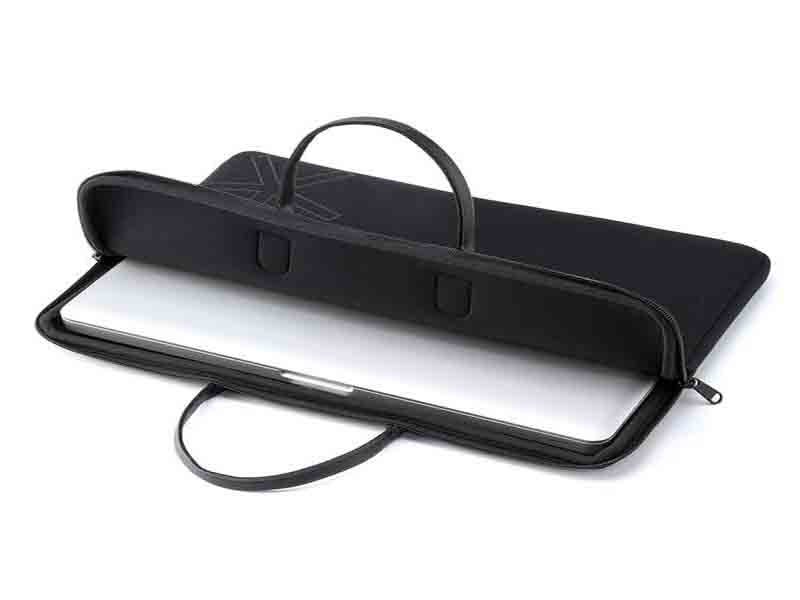
A neoprene bags manufacturer produces a wide range of soft, flexible, water-resistant, cushioned, and customizable bag products made from neoprene foam fabric. The main categories include neoprene tote bags, beach bags, lunch bags, cooler bags, laptop sleeves, tablet sleeves, phone pouches, bottle holders, wine carriers, can coolers, cosmetic bags, toiletry pouches, sports pouches, travel organizers, promotional bags, and private label accessories. These products are popular because neoprene offers a useful mix of insulation, cushioning, stretch, moisture resistance, and brandable surface area.
The product range is broad because neoprene sits between fabric, foam, and rubber. It can be cut and sewn like a textile, but it feels more protective than ordinary cloth. It can stretch around bottles and electronics. It can cushion fragile items. It can resist light moisture better than untreated canvas or cotton. It can support logo printing, sublimation, heat transfer, patches, labels, and custom packaging. This makes it useful across many product categories.
A strong manufacturer does not simply list many product types. It understands why each product needs different structure. A neoprene bottle sleeve needs accurate diameter and stretch. A laptop sleeve needs padding and soft inner surface. A lunch bag needs insulation and easy-clean lining. A tote bag needs handle reinforcement. A cosmetic pouch needs clean zipper movement and stain-resistant interior. A sports pouch needs comfort and sweat exposure control.
What Are the Main Neoprene Bag Categories?
The main neoprene bag categories can be grouped by use: daily carry bags, food and drink bags, protective sleeves, beauty and travel pouches, sports accessories, beach and lifestyle bags, and promotional products. Each group has different design priorities.
| Category | Common Products | Main Buyer Concern |
|---|---|---|
| Daily Carry | Tote bags, casual handbags, shopping totes | Appearance, handle strength, capacity |
| Food and Drink | Lunch bags, cooler bags, bottle sleeves, can coolers | Insulation, moisture resistance, cleaning |
| Protective Cases | Laptop sleeves, tablet sleeves, phone pouches | Cushioning, fit accuracy, scratch protection |
| Beauty and Travel | Cosmetic bags, toiletry pouches, organizers | Soft protection, lining, zipper quality |
| Sports and Fitness | Running pouches, gym pouches, bottle holders | Stretch, sweat resistance, comfort |
| Beach and Resort | Beach totes, wet-item pouches, swim bags | Splash resistance, color, large capacity |
| Gift and Promotion | Logo sleeves, wine carriers, event pouches | Branding, price, fast production |
| Private Label Lines | Matching sets across categories | Product consistency, packaging, quality |
A buyer choosing a neoprene bag product should begin with use case. A lunch bag and a cosmetic pouch may both use 3mm neoprene, but their lining, zipper, cleaning needs, and packaging are different. The manufacturer’s job is to translate that use case into the right product specification.
Which Industries Use Neoprene Bags?
Neoprene bags are used across food and beverage, beauty, electronics, sports, travel, beachwear, wellness, corporate gifts, school products, outdoor lifestyle, wine packaging, and promotional product markets. Their appeal comes from practical use and easy branding.
| Industry | Common Neoprene Products | Why Neoprene Works |
|---|---|---|
| Food and Beverage | Lunch bags, bottle sleeves, can coolers | Insulation and condensation control |
| Beauty and Skincare | Cosmetic bags, toiletry pouches | Soft protection and premium touch |
| Electronics | Laptop sleeves, tablet cases, cable pouches | Cushioning and scratch resistance |
| Sports and Fitness | Phone pouches, waist bags, bottle holders | Stretch, comfort, moisture resistance |
| Travel | Organizers, protective sleeves, wet pouches | Lightweight protection and flexibility |
| Beach and Resort | Beach totes, swim pouches, sunscreen bags | Splash-friendly feel and bright colors |
| Wine and Gift | Wine carriers, bottle bags | Cushioning and gift presentation |
| Corporate Gifts | Logo pouches, sleeves, drink holders | Useful branding and repeat exposure |
| School and Kids | Lunch bags, pencil pouches, bottle holders | Colorful, soft, reusable products |
| Outdoor Lifestyle | Small pouches, gear holders | Soft protection and water resistance |
Search results around custom neoprene products show the same direction: manufacturers commonly promote laptop sleeves, cooler totes, drinkware sleeves, pouches, lunch bags, cosmetic bags, and bottle holders, while also emphasizing OEM/ODM customization, logos, packaging, and material options.
Are Neoprene Bags Only for Sports Products?
Neoprene bags are not only for sports products. While neoprene is widely used in sports pouches, bottle holders, running belts, and gym accessories because of its flexibility and moisture resistance, it is also used in lifestyle, beauty, food, technology, travel, beach, gift, and retail categories. The material’s soft protection and custom branding potential make it suitable for many markets beyond fitness.
This is an important point for customers. Some buyers associate neoprene with wetsuits, knee braces, or gym products. But the same material qualities also work well for modern tote bags, cosmetic pouches, lunch bags, laptop sleeves, wine carriers, and branded promotional items.
| Market Perception | Reality |
|---|---|
| Neoprene is only for sports | It is also used for lunch, beauty, tech, travel, and gifts |
| Neoprene looks too casual | Surface fabric, color, logo, and packaging can make it premium |
| Neoprene is only black or plain | It supports solid colors, full prints, patterns, and custom labels |
| Neoprene is only for small sleeves | It can be used for totes, cooler bags, and larger soft goods |
| Neoprene is always waterproof | Finished bags are usually water-resistant unless specially designed |
| Neoprene cannot look fashionable | Many lifestyle and beach bags use colorful neoprene surfaces |
For a brand, this means neoprene can be positioned differently depending on design. A black 5mm laptop sleeve feels professional. A pastel cosmetic pouch feels soft and beauty-oriented. A bright beach tote feels lifestyle-driven. A rubber patch sports pouch feels active and durable.
What Makes Neoprene Suitable for Custom Bags?
Neoprene is suitable for custom bags because it offers multiple useful functions in one material: water resistance, cushioning, insulation, stretch, flexibility, soft touch, shape recovery, and printability. It also works well with different accessories such as zippers, webbing handles, rubber patches, woven labels, linings, inner pockets, and custom packaging.
| Neoprene Feature | Product Benefit | Example |
|---|---|---|
| Water Resistance | Handles splashes and condensation | Bottle sleeve, beach pouch |
| Cushioning | Protects contents from small bumps | Laptop sleeve, cosmetic bag |
| Insulation | Slows temperature change | Lunch bag, can cooler |
| Stretch | Fits curved or irregular items | Bottle holder, phone pouch |
| Soft Touch | Feels comfortable and premium | Tote bag, pouch |
| Printability | Supports logos and patterns | Promotional bag, private label pouch |
| Flexibility | Easy to carry and pack | Travel organizer, sports pouch |
| Shape Recovery | Looks better after use | Sleeve, tote, pouch |
The key advantage is combined performance. Nylon may be stronger but does not naturally cushion. Canvas may look natural but does not insulate well. Polyester may be economical but often needs padding for protection. Neoprene brings several functions together, which is why many custom bag buyers choose it when they want a useful product that feels different from ordinary fabric bags.
How Does Szoneier Support Different Product Types?
Szoneier supports different neoprene bag products by helping customers choose material thickness, surface fabric, lining, structure, zipper, handle, logo method, packaging, and quality standards based on product use. The company can also compare neoprene with cotton, canvas, polyester, nylon, jute, linen, Oxford fabric, and treated materials when another structure makes more sense.
| Customer Product Need | Szoneier Support |
|---|---|
| Neoprene tote bag | Handle design, surface selection, logo placement |
| Neoprene lunch bag | Thickness, lining, zipper, insulation review |
| Neoprene laptop sleeve | Cushioning, soft lining, size accuracy |
| Neoprene bottle holder | Stretch fit, seam comfort, condensation control |
| Neoprene cosmetic pouch | Wipeable lining, zipper, beauty-brand packaging |
| Neoprene sports pouch | Sweat exposure, body comfort, flexible logo |
| Neoprene wine carrier | Bottle fit, handle strength, gift presentation |
| Neoprene promotional product | Low MOQ, logo method, fast sampling |
| Private label collection | Labels, tags, packaging, product consistency |
For customers, this is valuable because many neoprene bag projects start with only an idea or reference image. Szoneier can help turn that into a practical product specification, sample, and production plan.
Product Type Decides the Real Specification
A neoprene bags manufacturer may produce many products, but the real skill is matching specifications to each product. The same material thickness, zipper, lining, and logo method should not be used across every category.
| Product | Main Function | Suggested Focus |
|---|---|---|
| Bottle Sleeve | Condensation control and grip | Fit, stretch, seam comfort |
| Laptop Sleeve | Device protection | Thickness, lining, zipper protection |
| Lunch Bag | Food carrying and insulation | Lining, closure, cleaning |
| Beach Tote | Splash-friendly lifestyle use | Handles, color, capacity |
| Cosmetic Bag | Beauty storage and travel | Lining, zipper, stain control |
| Sports Pouch | Movement and sweat exposure | Comfort, seam strength, flexible logo |
| Wine Carrier | Bottle protection and gifting | Handle reinforcement, base support |
| Can Cooler | Drink insulation and promotion | Logo clarity and cost control |
This table helps buyers ask better questions. Instead of asking “Can you produce neoprene bags?” the better question is “Can you produce the specific neoprene bag structure my customers need?”
Neoprene Products Can Be Standard or Fully Custom
Some buyers need standard shapes with a custom logo. Others need fully custom products. Both are common, but they require different development time and cost.
| Development Type | What It Means | Best For |
|---|---|---|
| Standard Shape + Logo | Existing structure with logo change | Fast promotional orders |
| Semi-Custom | Adjust size, color, logo, zipper, or lining | Retail products and low MOQ testing |
| Full Custom | New pattern, structure, material, accessories | Private label lines and unique designs |
| Product Upgrade | Improve existing sample | Brands with current product issues |
| Collection Development | Multiple related products | Lifestyle, beauty, food, travel brands |
For a fast campaign, a standard neoprene bottle sleeve with custom logo may be ideal. For a premium retail launch, full custom development may be worth the extra sampling time.
The Manufacturer Should Understand Use, Not Just Shape
A neoprene tote and a neoprene lunch bag are not different only because of shape. They are different because users behave differently with them. This changes the manufacturing logic.
| Use Behavior | Manufacturing Response |
|---|---|
| Carries cold bottle | Use snug fit and condensation-friendly material |
| Packs lunch containers | Add lining, zipper, and capacity testing |
| Carries laptop daily | Use thicker neoprene and soft inner surface |
| Takes bag to beach | Use colorfast surface and reinforced handles |
| Stores makeup in luggage | Add wipeable lining and stable zipper |
| Runs with phone pouch | Use soft edges and sweat-resistant structure |
| Gives product as gift | Improve packaging and logo presentation |
| Sells as private label | Control labels, colors, repeat consistency |
This user-centered approach makes the final product more successful.
Product Range Matters for Long-Term Buyers
Customers often start with one product and later expand. A beverage company may begin with bottle sleeves, then add can coolers and wine carriers. A beauty brand may begin with cosmetic pouches, then add toiletry bags and travel organizers. A wellness brand may begin with lunch bags, then add bottle holders and yoga pouches.
| Starting Product | Natural Expansion Products |
|---|---|
| Bottle Sleeve | Can cooler, wine carrier, lunch bag |
| Cosmetic Pouch | Toiletry bag, travel organizer, gift pouch |
| Laptop Sleeve | Tablet case, cable pouch, document sleeve |
| Lunch Bag | Cooler tote, bottle holder, snack pouch |
| Beach Tote | Wet pouch, sunscreen bag, cosmetic pouch |
| Sports Pouch | Bottle holder, waist bag, gym organizer |
| Wine Carrier | Gift tote, bottle sleeve, cooler bag |
A manufacturer with broad product capability helps customers build a consistent product line instead of sourcing each item separately.
Which Neoprene Tote Bags Can Be Made?
Neoprene tote bags can be made in many styles, including beach totes, shopping totes, travel totes, gym totes, lifestyle handbags, insulated totes, zipper totes, open-top totes, perforated totes, large-capacity totes, foldable totes, and private label retail totes. These bags are popular because neoprene creates a soft, modern, splash-friendly, and slightly structured body that feels more protective than ordinary fabric while staying lighter and more casual than many rigid materials.
A neoprene tote is one of the most visually powerful neoprene products because it has large panels for color, print, logo, texture, and brand expression. It can be simple and promotional, or it can be premium and lifestyle-oriented. The difference comes from material thickness, surface texture, handle design, lining, bottom construction, zipper, print quality, and packaging.
For custom tote projects, buyers should think beyond appearance. A tote bag must carry weight. It must feel comfortable on the shoulder or in the hand. It must hold shape when filled. It must survive repeated use. If it is for beach or travel, it may face water, sand, sunscreen, and outdoor exposure. If it is for retail, it must look clean after packing and shipping. These practical details should shape the design from the beginning.
What Are Neoprene Tote Bags Used For?
Neoprene tote bags are used for beach trips, resort retail, shopping, daily commuting, gym gear, travel accessories, wellness products, gift sets, promotional campaigns, and lifestyle collections. Their appeal comes from the balance between softness, structure, and visual customization.
| Tote Bag Use | Customer Need | Neoprene Advantage |
|---|---|---|
| Beach Tote | Splash-friendly, colorful, large capacity | Water resistance and soft body |
| Shopping Tote | Reusable and comfortable | Flexible structure and durability |
| Travel Tote | Lightweight and easy to pack | Soft protection and zipper options |
| Gym Tote | Holds clothes, bottles, towel | Moisture resistance and comfort |
| Resort Retail | Attractive lifestyle accessory | Bright prints and premium feel |
| Corporate Gift | Useful branded item | Large logo area |
| Fashion Lifestyle | Soft modern look | Texture, color, and custom handles |
| Gift Packaging | Reusable premium bag | Better value than disposable packaging |
A neoprene tote can be positioned as a practical carryall, a beach accessory, a soft lifestyle handbag, or a branded promotional item. The same base material can serve different markets through design changes.
Which Tote Bag Structures Are Common?
Common neoprene tote structures include open-top totes, zipper totes, snap-button totes, gusseted totes, flat-panel totes, box-bottom totes, foldable totes, perforated totes, lined totes, and multi-pocket totes. Each structure has different production complexity and user value.
| Tote Structure | Best Use | Manufacturing Focus |
|---|---|---|
| Open-Top Tote | Beach, shopping, casual use | Handle strength and edge finishing |
| Zipper Tote | Travel, daily carry, retail | Zipper alignment and top structure |
| Snap Tote | Casual lifestyle bags | Snap placement and panel stability |
| Gusseted Tote | Higher capacity | Side seam and bottom shape |
| Box-Bottom Tote | Better standing shape | Bottom reinforcement and seam control |
| Foldable Tote | Promotion and travel | Thickness and fold line control |
| Perforated Tote | Fashion and breathability | Cutting accuracy and surface strength |
| Lined Tote | Premium or functional use | Lining size and clean assembly |
| Multi-Pocket Tote | Travel and organization | Stitching order and pocket alignment |
The structure should match the market. A beach tote may not need a zipper because users want quick access to towels and sunscreen. A travel tote may need zipper closure for security. A retail lifestyle tote may benefit from lining, pockets, and custom handles.
Can Neoprene Tote Bags Be Printed?
Neoprene tote bags can be printed with screen printing, sublimation printing, heat transfer, digital printed fabric lamination, rubber patches, woven labels, embroidery, and other custom branding methods. Large tote panels are especially suitable for bold logos, all-over patterns, seasonal prints, and lifestyle graphics.
| Logo or Print Method | Best Use | Key Consideration |
|---|---|---|
| Screen Printing | Simple logos and slogans | Cost-effective for clear designs |
| Sublimation Printing | Full-color patterns | Works best on polyester surface |
| Heat Transfer | Detailed logos | Must test adhesion and flexibility |
| Rubber Patch | Sporty premium branding | Adds cost and dimensional effect |
| Woven Label | Subtle private label identity | Clean and professional |
| Embroidery | Textured premium style | Must check material compatibility |
| All-Over Print | Retail and beach collections | Pattern alignment matters |
| Contrast Binding | Visual design detail | Color coordination required |
For tote bags, logo placement matters because the panels may stretch or curve when loaded. A large logo that looks perfect on an empty bag may distort slightly when the tote is filled. Sample testing should include loading the bag with real contents.
Are Neoprene Beach Totes Popular?
Neoprene beach totes are popular because they are soft, colorful, splash-resistant, lightweight, and easy to carry. They can hold towels, swimwear, sunscreen, bottles, sandals, snacks, and resort accessories. Compared with canvas beach bags, neoprene feels more water-friendly. Compared with plastic beach bags, it feels softer and more premium.
| Beach Tote Feature | User Benefit | Design Note |
|---|---|---|
| Splash-Resistant Body | Handles poolside and beach moisture | Use accurate water-resistant claim |
| Large Capacity | Holds towels and daily items | Reinforce handles and bottom |
| Bright Colors | Strong retail appeal | Test colorfastness |
| Soft Structure | Comfortable to carry | Choose suitable thickness |
| Easy-Clean Surface | Better after sand and sunscreen | Surface type matters |
| Inner Pocket | Protects keys and phone | Zipper pocket may be useful |
| Open Top | Quick access | Not fully waterproof |
| Custom Logo | Resort or brand identity | Use durable print or patch |
Beach totes should usually be described as splash-resistant or water-friendly, not fully waterproof, unless the entire construction supports that claim. Open-top totes cannot prevent water from entering from above.
How Are Handles and Bottoms Reinforced?
Handles and bottoms are reinforced through webbing, bartack stitching, wider seam allowances, double stitching, binding, bottom panels, Oxford fabric reinforcement, thicker neoprene, or structural inserts. Reinforcement is important because neoprene is soft and flexible. Without proper support, heavy loads may stretch the handle area or deform the bottom.
| Reinforcement Area | Method | Benefit |
|---|---|---|
| Handle Attachment | Bartack stitching | Improves pull strength |
| Shoulder Handles | Webbing or rope handles | Better carrying comfort |
| Top Edge | Binding or folded reinforcement | Reduces stretching |
| Bottom Panel | Thicker neoprene or added panel | Better shape and load support |
| Corners | Trimmed seam bulk and reinforcement | Cleaner structure |
| Side Seams | Double stitching | Better durability |
| Inner Base | Insert or lining reinforcement | Helps tote stand better |
| Stress Points | Extra stitch rows | Reduces tearing risk |
For tote bags, handle comfort is a major user experience point. A beautiful tote with weak or uncomfortable handles will not be used for long. Szoneier can recommend handle style based on expected load, product positioning, and target market.
Neoprene Tote Bags Can Be Functional or Fashion-Led
Neoprene totes can serve different market positions. Some are practical beach bags. Some are lifestyle handbags. Some are promotional carryalls. Some are premium retail accessories. The design should match the positioning.
| Positioning | Material Direction | Branding Direction | Structure Direction |
|---|---|---|---|
| Promotional Tote | Standard neoprene | Large simple logo | Simple open-top |
| Beach Tote | Colorful or printed neoprene | Lifestyle pattern or patch | Large capacity, strong handles |
| Travel Tote | Durable surface | Subtle logo | Zipper, pockets, lining |
| Fashion Tote | Premium texture | Minimal label or patch | Clean shape and custom handle |
| Gym Tote | Moisture-resistant surface | Sporty logo | Compartments and strong handle |
| Resort Retail | Bright colors | Custom tag and packaging | Open top or zipper pocket |
| Gift Tote | Soft premium feel | Elegant logo | Reusable packaging design |
A buyer should decide the product role before choosing thickness, handles, logo, and packaging.
Common Tote Bag Mistakes
Neoprene tote problems often come from underestimating load, overusing thick material, choosing poor handle design, or ignoring packing shape.
| Mistake | Result | Better Approach |
|---|---|---|
| Weak handle stitching | Handle stretches or tears | Add reinforcement and load testing |
| Too thick material | Heavy and bulky tote | Match thickness to capacity |
| No bottom support | Bag collapses when filled | Add base panel or structure |
| Poor print placement | Logo distorts under load | Test with filled sample |
| Open-top sold as waterproof | Customer complaints | Use splash-resistant wording |
| Cheap zipper on travel tote | Poor user experience | Use reliable zipper |
| Over-compressed packing | Creases and poor unboxing | Plan packing method |
| No colorfastness testing | Fading or transfer | Test wet rub and exposure |
These issues can be prevented during sample development.
Tote Bag Material Comparison
Neoprene is not the only tote bag material. Customers may also consider canvas, cotton, polyester, nylon, Oxford fabric, jute, or linen. The best choice depends on market positioning.
| Material | Tote Style | Strength | Limitation |
|---|---|---|---|
| Neoprene | Beach, lifestyle, soft premium | Splash resistance, soft structure | Less breathable, higher cost |
| Canvas | Reusable, natural, retail | Durable and classic | Absorbs moisture unless treated |
| Cotton | Light lifestyle tote | Soft and natural | Less structure |
| Polyester | Promotional tote | Low cost and printable | Less premium protection |
| Nylon | Travel tote | Lightweight and strong | Less cushioned |
| Oxford Fabric | Utility tote | Durable and structured | Less soft |
| Jute | Eco-style tote | Natural rustic look | Rough and moisture-sensitive |
| Linen | Boutique tote | Premium natural texture | Wrinkles easily |
Szoneier can help customers compare these options instead of defaulting to neoprene for every tote.
Tote Bag Sample Testing Checklist
A tote sample should be tested with real use, not only viewed as an empty product.
| Test | What It Checks |
|---|---|
| Load Test | Handle strength and body stretch |
| Fill Test | Shape when carrying real items |
| Print Test | Logo appearance under tension |
| Zipper Test | Closure smoothness if included |
| Wet Surface Test | Splash and bottom behavior |
| Colorfastness Test | Surface performance when damp |
| Carry Comfort Test | Handle length and shoulder fit |
| Packing Test | Crease and shape after shipping |
For retail totes, these tests are especially important because customers will judge quality quickly by touch, shape, and handle feel.
How Szoneier Supports Custom Neoprene Tote Bags
Szoneier can support neoprene tote bag development from product idea to finished shipment. Customers can customize size, thickness, color, print, handle, lining, zipper, bottom structure, pocket, label, tag, and packaging. For customers unsure about material, Szoneier can also compare neoprene with canvas, cotton, polyester, nylon, Oxford fabric, jute, and linen.
| Custom Requirement | Szoneier Support |
|---|---|
| Beach tote | Splash-friendly surface, bright colors, strong handles |
| Retail tote | Premium surface, logo, packaging, QC |
| Travel tote | Zipper, pockets, durable surface |
| Promotional tote | Low MOQ, fast sample, clear logo |
| Fashion tote | Texture, custom handle, private label |
| Gift tote | Packaging and reusable presentation |
| Large tote | Reinforced handles and bottom |
| Printed tote | Sublimation or full-pattern development |
For customers developing custom tote products, Szoneier’s value is not only production. It is helping the customer choose the right structure, avoid weak details, and create a tote that looks good after real use.
What Neoprene Lunch Bags and Cooler Bags Are Produced?

Neoprene lunch bags and cooler bags are produced for office meals, school lunches, picnics, outdoor drinks, grocery use, baby food, meal-prep containers, promotional food packaging, and private label lifestyle collections. A neoprene manufacturer can make simple lunch totes, zipper lunch bags, insulated cooler bags, bottle cooler sleeves, picnic carriers, snack pouches, wine cooler bags, and reusable food storage bags. These products use neoprene because the material provides soft insulation, light water resistance, cushioning, flexibility, and a comfortable carrying feel.
A neoprene lunch bag is not just a soft container. It needs to work around food, moisture, temperature, cleaning, and daily carrying habits. A good lunch bag should fit real containers, close easily when full, resist condensation, wipe clean inside, carry comfortably, and still look presentable after repeated use. A cooler bag needs even more attention to lining, zipper, handle strength, bottom structure, and insulation performance.
For custom buyers, the key is to decide the performance level early. A simple neoprene lunch tote for light daily use does not need the same structure as a picnic cooler bag. A promotional lunch bag may focus on logo visibility and cost control. A premium retail cooler bag may need thicker neoprene, aluminum foil lining, reinforced handles, better zipper, custom packaging, and stronger inspection. Szoneier helps customers match these design choices to product use, target price, MOQ, and market positioning.
What Are Neoprene Lunch Bags Used For?
Neoprene lunch bags are used to carry meals, snacks, drinks, fruit, baby bottles, lunch boxes, meal-prep containers, and small food items for daily routines. They are popular because they are softer and lighter than hard lunch boxes while offering more insulation and moisture resistance than ordinary fabric bags.
| Lunch Bag Use | User Need | Neoprene Advantage |
|---|---|---|
| Office Lunch | Easy daily carry | Soft structure and moderate insulation |
| School Lunch | Reusable and lightweight | Flexible body and colorful design |
| Meal Prep | Fits containers and bottles | Custom size and zipper options |
| Baby Food | Soft bottle and snack storage | Cushioning and temperature support |
| Picnic Use | Holds food and drinks | Insulation and comfortable handles |
| Promotional Gift | Practical branded item | Large print area and repeat use |
| Retail Lunchware | Attractive reusable product | Custom colors, lining, packaging |
| Travel Snack Bag | Compact food storage | Lightweight and foldable |
For lunch bags, size accuracy matters. Customers often underestimate how much space containers need. A bag that looks good empty may become hard to close when filled with a lunch box, fruit, and bottle. During sampling, the bag should be tested with real containers.
How Do Neoprene Cooler Bags Work?
Neoprene cooler bags work by using the foam structure of neoprene to slow heat transfer. The closed-cell foam helps create a temperature buffer, while the lining and closure improve performance. For better cooling results, neoprene is often paired with PEVA lining, aluminum foil lining, EPE foam, thicker panels, zipper closure, and reinforced seams.
| Cooler Bag Component | Function | Why It Matters |
|---|---|---|
| Neoprene Foam | Provides soft insulation | Slows temperature change |
| Inner Lining | Improves cleaning and moisture control | Important for food and drinks |
| Zipper Closure | Reduces heat exchange | Better than open-top designs |
| Handle Reinforcement | Supports heavier contents | Cooler bags often carry bottles |
| Bottom Panel | Improves shape and stability | Helps when filled |
| Binding | Protects edges | Improves durability |
| Outer Surface | Branding and appearance | Affects retail value |
| Packaging | Protects shape during shipping | Supports private label presentation |
Neoprene cooler bags are best for daily or moderate temperature control, not extreme cold storage. For stronger cooler performance, customers may need thicker insulation layers, better lining, or alternative material combinations. A professional manufacturer should help define realistic performance instead of simply calling every cooler bag “high-performance.”
Which Linings Are Used Inside Lunch Bags?
Common linings for neoprene lunch bags include PEVA, aluminum foil, polyester, waterproof-coated fabric, and easy-clean plastic-based linings. The lining choice affects cleaning, insulation, odor control, spill resistance, and cost.
| Lining Type | Main Benefit | Best Use |
|---|---|---|
| PEVA Lining | Easy to wipe, moisture-friendly | Daily lunch bags and kids’ lunch totes |
| Aluminum Foil Lining | Better insulation support | Cooler bags and picnic bags |
| Polyester Lining | Clean interior finish | Light-use lunch bags |
| Waterproof-Coated Lining | Better spill management | Toiletry or food-related pouches |
| No Lining | Lower cost and flexible structure | Simple promotional lunch totes |
| Padded Thermal Lining | Stronger temperature support | Premium cooler bags |
A lining should be chosen based on real use. If the bag carries only dry snacks, a simple lining may be enough. If it carries food containers, fruit, drinks, or ice packs, PEVA or foil lining makes more sense. If the product is sold as a premium cooler bag, the lining becomes a major part of product value.
Are Neoprene Lunch Bags Water-Resistant?
Neoprene lunch bags are usually water-resistant, not fully waterproof or leakproof. The neoprene body can resist condensation, light moisture, and small splashes, but water may still enter or escape through seams, zippers, stitch holes, and lining joints. A lunch bag should only be called leakproof if the full inner construction has been designed and tested for that claim.
| Moisture Situation | Standard Neoprene Lunch Bag | Improved Design |
|---|---|---|
| Bottle Condensation | Handles well | Standard neoprene is usually enough |
| Damp Table Surface | Usually suitable | Bottom seam review helps |
| Small Food Spill | Limited without lining | Add PEVA or wipeable lining |
| Ice Pack Moisture | Depends on lining | Use foil or PEVA lining |
| Liquid Leak Inside | May leak through seams | Requires sealed or improved lining |
| Light Rain Outside | Usually suitable for short exposure | Add zipper protection if needed |
| Full Waterproof Use | Not suitable | Use waterproof construction or other materials |
Accurate wording protects the brand. “Water-resistant neoprene lunch bag with easy-clean lining” is usually safer than “fully leakproof lunch bag” unless testing supports that claim.
Can Lunch Bags Be Customized for Private Label?
Neoprene lunch bags can be customized for private label through custom size, thickness, color, logo, lining, zipper, handle, pocket, woven label, care label, hang tag, insert card, barcode label, and retail packaging. This makes them suitable for food brands, school product lines, wellness brands, corporate gifts, meal-prep companies, and lifestyle retailers.
| Private Label Option | Purpose |
|---|---|
| Custom Logo | Brand visibility |
| Woven Label | Professional product identity |
| Custom Lining Color | Better brand consistency |
| Hang Tag | Retail story and usage details |
| Care Label | Cleaning instructions |
| Custom Packaging | Gift or retail presentation |
| Barcode Label | Inventory and sales channel support |
| Matching Product Set | Bottle sleeve, snack pouch, lunch tote collection |
For private label lunch bags, packaging is often important. A well-packed lunch bag with a tag, care card, and clean logo feels more retail-ready than a plain bulk-packed item.
Lunch Bag Design Should Start With Food Habits
A lunch bag must match how people actually eat. Some users carry one lunch box. Others carry two containers, a drink, cutlery, fruit, and ice pack. A design that ignores real food habits may look attractive but fail in daily use.
| User Habit | Design Response |
|---|---|
| Carries meal-prep containers | Wider base and rectangular structure |
| Carries bottles | Taller side or bottle pocket |
| Uses ice packs | Better lining and seam review |
| Packs kids’ lunch | Lightweight design and easy zipper |
| Uses office fridge | Compact shape and handle |
| Takes picnic food | Larger capacity and reinforced bottom |
| Wants easy cleaning | PEVA or foil lining |
| Buys as gift | Better logo and packaging |
Sampling should include real container testing. This prevents one of the most common lunch bag complaints: “It doesn’t fit what I need.”
Neoprene Lunch Bag vs Other Lunch Bag Materials
| Material | Strength | Limitation | Best Use |
|---|---|---|---|
| Neoprene | Soft insulation, water resistance, flexibility | Not fully leakproof unless designed | Daily lunch bags, soft coolers |
| Polyester + Foam | Cost-effective and structured | Less stretch and soft feel | Standard insulated lunch bags |
| Oxford Fabric + Foil | Durable and structured | Less soft than neoprene | School and outdoor lunch bags |
| Canvas | Natural appearance | Lower moisture resistance | Lifestyle dry lunch totes |
| Nylon | Lightweight and strong | Needs lining for insulation | Travel lunch bags |
| EVA Molded | Rigid protection | Higher tooling and bulky shape | Hard lunch cases |
Neoprene is strong when softness, reusability, and daily comfort matter. Oxford or polyester may be better when structure and lower cost are the priority.
Cooler Bag Performance Levels
| Level | Product Type | Construction Direction |
|---|---|---|
| Basic | Simple lunch tote | Neoprene body, simple zipper |
| Standard | Daily lunch bag | Neoprene plus PEVA lining |
| Improved | Cooler lunch bag | Thicker neoprene plus foil lining |
| Premium | Picnic cooler tote | Reinforced handles, better lining, structured bottom |
| Heavy Use | Outdoor cooler bag | May need Oxford, TPU, or multi-layer insulation |
Buyers should choose the level based on customer expectation. Overbuilding a basic lunch tote increases cost. Underbuilding a premium cooler product creates complaints.
Common Quality Problems in Lunch Bags
| Problem | Likely Cause | Prevention |
|---|---|---|
| Strong odor | Poor material or rushed packing | Use better material and air before packing |
| Lining wrinkles | Wrong lining size or sewing order | Improve pattern and assembly |
| Zipper hard to close | Bag too small or zipper misaligned | Test with real containers |
| Handle stretches | Weak reinforcement | Add webbing or stronger stitch |
| Poor insulation | Material too thin or no lining | Add thickness or thermal lining |
| Liquid leakage | Standard stitched seams | Use accurate claims or improved lining |
| Logo cracking | Wrong logo method | Test print on actual material |
| Bag collapses | Low-density neoprene | Use better density or structure |
These problems are usually preventable during sample development.
How Szoneier Supports Neoprene Lunch and Cooler Bags
Szoneier can support lunch and cooler bag development by helping customers choose neoprene thickness, lining, zipper, handle, size, structure, logo method, and packaging. Customers can start with a sketch, reference photo, physical sample, or product idea. Szoneier can then develop samples, adjust structure, test fit, and prepare production.
| Customer Need | Szoneier Support |
|---|---|
| Daily lunch tote | 3mm neoprene, simple zipper, custom logo |
| Insulated lunch bag | PEVA or foil lining recommendation |
| Premium cooler bag | Reinforced handles and better bottom structure |
| Kids’ lunch bag | Lightweight material and colorful design |
| Corporate gift | Logo printing and fast sampling |
| Private label product | Tags, labels, packaging, care instructions |
| Low MOQ trial | Practical standard material options |
| Product improvement | Fit, zipper, lining, and handle review |
For customers building a lunchware or food accessory line, Szoneier can also help develop matching bottle sleeves, snack pouches, and cooler totes.
Which Neoprene Sleeves and Protective Cases Are Made?
Neoprene sleeves and protective cases are made for laptops, tablets, phones, cameras, cables, documents, game devices, small electronics, bottles, tools, and travel accessories. These products use neoprene because the material provides soft cushioning, scratch resistance, stretch, light moisture resistance, and a slim protective feel. A neoprene sleeve is not a hard case, but it is one of the most practical materials for everyday protection.
Protective sleeves are one of the strongest neoprene product categories because customers immediately understand the material’s value. A laptop or tablet needs a soft layer between the device and the outside world. A bottle needs protection from scratches and condensation. A travel organizer needs flexibility and cushioning inside luggage. Neoprene answers these needs without making the product too rigid or heavy.
For custom buyers, protective cases require accurate sizing. A sleeve that is too loose feels cheap and unsafe. A sleeve that is too tight is frustrating to use. Thickness, inner lining, zipper placement, corner shape, seam finish, logo method, and packaging all affect the final product.
What Laptop Sleeves Can Be Manufactured?
Manufacturers can produce zipper laptop sleeves, envelope sleeves, flap sleeves, handle laptop sleeves, slim laptop covers, padded laptop cases, tablet sleeves, document sleeves, and custom device pouches. These can be made for common laptop sizes or customized to specific device dimensions.
| Laptop Sleeve Type | Best Use | Key Design Focus |
|---|---|---|
| Zipper Sleeve | Daily commute and office | Zipper smoothness and edge protection |
| Envelope Sleeve | Minimalist style | Flap structure and fit |
| Handle Sleeve | Travel and school | Handle strength and comfort |
| Padded Sleeve | Better protection | Thickness and lining |
| Tablet Sleeve | Slim protection | Accurate size and soft inner surface |
| Document Sleeve | Office and conference use | Flat structure and branding |
| Cable Organizer Sleeve | Tech accessory storage | Pockets and zipper quality |
| Corporate Gift Sleeve | Branded device protection | Logo and packaging |
Common neoprene thickness for laptop sleeves is usually 3mm to 5mm, depending on protection level and product positioning. Premium sleeves often use thicker neoprene, soft lining, and better zipper protection.
Are Tablet and Phone Sleeves Available?
Tablet and phone sleeves can be made from neoprene, especially for customers who want soft protection, low weight, and custom branding. These products are commonly used for retail accessories, corporate gifts, school products, travel kits, and electronics packaging.
| Product | Key Requirement | Neoprene Benefit |
|---|---|---|
| Tablet Sleeve | Slim cushioning | Soft protection without bulk |
| Phone Pouch | Stretch and body comfort | Good for sports and travel |
| E-Reader Sleeve | Scratch protection | Soft inner surface |
| Game Device Case | Cushioning and fit | Flexible protective body |
| Cable Pouch | Organization and protection | Small custom structure |
| Power Bank Pouch | Scratch and impact reduction | Foam body and zipper option |
For small electronic sleeves, stitch quality and edge finishing matter a lot because the product is handled frequently and viewed closely.
How Does Neoprene Protect Electronics?
Neoprene protects electronics by creating a soft foam barrier that reduces scratches, light bumps, pressure marks, and friction inside backpacks, briefcases, luggage, or drawers. It can also resist minor splashes and moisture exposure better than many untreated fabrics. However, a standard neoprene sleeve should not be sold as fully waterproof unless the closure and seams are specially designed and tested.
| Protection Need | Neoprene Contribution | Extra Design Detail |
|---|---|---|
| Scratch Protection | Soft inner surface | Use brushed or smooth lining |
| Light Impact | Foam cushioning | Choose 4mm–5mm for better protection |
| Moisture Resistance | Closed-cell foam body | Protect zipper and seams |
| Fit Stability | Flexible structure | Accurate pattern and size |
| Travel Friction | Soft barrier | Good edge binding |
| Brand Presentation | Clean surface | Logo and packaging customization |
For electronics, zipper placement is important. A zipper should not scratch the device. Inner lining should be soft enough for the product value. Corners should be well shaped because laptop and tablet corners are common impact points.
Which Thickness Is Best for Sleeves?
The best thickness for neoprene sleeves depends on the device or item being protected. Small pouches may use 2mm to 3mm neoprene. Laptop and tablet sleeves commonly use 3mm to 5mm neoprene. Premium protective sleeves may use thicker material or additional lining.
| Sleeve Type | Suggested Thickness | Reason |
|---|---|---|
| Phone Pouch | 2mm–3mm | Slim and flexible |
| Tablet Sleeve | 3mm–4mm | Balanced protection |
| Laptop Sleeve | 4mm–5mm | Better cushioning |
| Cable Pouch | 2mm–3mm | Flexible organization |
| Camera Pouch | 4mm–5mm | More protective padding |
| Document Sleeve | 2mm–3mm | Slim and light |
| Game Device Case | 3mm–5mm | Cushioning and fit |
Thickness should be tested with the actual device. A sleeve needs enough space for insertion and removal while staying snug.
Can Protective Cases Include Custom Logos?
Protective neoprene cases can include custom logos through screen printing, heat transfer, sublimation, woven labels, rubber patches, PU patches, embroidery, debossing, zipper pullers, and private label packaging. The best method depends on brand style and product use.
| Logo Method | Best Sleeve Type | Brand Effect |
|---|---|---|
| Screen Print | Corporate gift sleeve | Clean and cost-effective |
| Heat Transfer | Retail sleeve | Detailed logo |
| Woven Label | Premium laptop sleeve | Subtle and professional |
| Rubber Patch | Sports or tech pouch | Durable and modern |
| PU Patch | Lifestyle sleeve | Premium look |
| Debossed Patch | Minimalist sleeve | Elegant and low-key |
| Custom Zipper Puller | Private label case | Refined detail |
| Retail Packaging | Tech accessory line | Stronger shelf value |
For protective cases, many brands prefer subtle branding because the product is used in professional settings. A small woven label or patch can sometimes feel more premium than a large printed logo.
Protective Case Design Should Start With the Object
A sleeve must be designed around what it protects. The object’s size, weight, shape, corners, surface, and value all matter.
| Protected Item | Design Priority |
|---|---|
| Laptop | Thickness, zipper, soft lining, corner fit |
| Tablet | Slim protection and easy access |
| Phone | Stretch, body comfort, quick opening |
| Camera | Cushioning and secure closure |
| Cable Set | Internal pockets and zipper |
| Power Bank | Impact and scratch protection |
| Game Device | Exact fit and accessory storage |
| Document | Flat shape and clean presentation |
A sleeve that fits poorly can feel worse than no sleeve at all. Fit testing is essential.
Neoprene Sleeves vs Hard Cases
| Feature | Neoprene Sleeve | Hard Case |
|---|---|---|
| Weight | Lighter | Heavier |
| Protection | Good for daily bumps | Stronger impact protection |
| Flexibility | High | Low |
| Storage | Easier to pack | Bulkier |
| Cost | Usually lower | Usually higher |
| Custom Logo | Easy | Depends on material |
| Water Resistance | Moderate | Depends on design |
| Premium Feel | Soft and modern | Structured and protective |
Neoprene is best for everyday protection. Hard cases are better for high-impact or fragile equipment protection.
Common Sleeve Problems
| Problem | Cause | Prevention |
|---|---|---|
| Device does not fit | Wrong pattern or no real device test | Test with actual dimensions |
| Zipper scratches device | Poor zipper placement | Add lining or zipper guard |
| Sleeve feels weak | Thin or low-density neoprene | Use better thickness/density |
| Logo cracks | Wrong logo method | Test bending and stretch |
| Corners bulky | Poor seam design | Adjust pattern and trimming |
| Strong odor | Material or packing issue | Air before packing |
| Poor shape after shipping | Over-compression | Improve packing method |
| Water claim failure | Overstated protection | Use accurate wording |
These are common but avoidable with good sampling.
Protective Sleeve Quality Checklist
| Check Item | Why It Matters |
|---|---|
| Internal Size | Ensures device fit |
| Thickness | Controls protection |
| Inner Surface | Prevents scratches |
| Zipper Movement | Affects daily use |
| Corner Shape | Protects high-risk areas |
| Logo Durability | Protects brand appearance |
| Seam Strength | Prevents splitting |
| Odor | Affects unboxing |
| Packaging | Prevents deformation |
This checklist is useful for buyers reviewing samples.
How Szoneier Supports Neoprene Sleeves and Cases
Szoneier can produce custom neoprene sleeves and protective cases for laptops, tablets, phones, cables, electronics, bottles, cameras, and travel items. Customers can customize thickness, size, surface fabric, lining, zipper, logo, label, handle, packaging, and product structure.
| Customer Need | Szoneier Support |
|---|---|
| Laptop sleeve | Accurate sizing, 4mm–5mm neoprene, soft lining |
| Tablet case | Slim structure and clean logo |
| Phone pouch | Flexible fit and durable seam |
| Camera pouch | Extra cushioning and zipper control |
| Cable organizer | Internal compartments and zipper |
| Corporate gift sleeve | Custom logo and packaging |
| Private label case | Labels, pullers, tags, retail packing |
| Low MOQ sample | Fast development with practical material options |
For customers selling tech accessories or promotional protective products, Szoneier can help create sleeves that feel useful, clean, and brand-ready.
What Neoprene Bottle Bags and Drink Holders Are Produced?

A neoprene bags manufacturer can produce water bottle sleeves, sports bottle holders, wine bottle carriers, beer can coolers, coffee cup sleeves, baby bottle holders, tumbler sleeves, shaker bottle holders, promotional drink sleeves, and insulated beverage carriers. These products are among the most common neoprene applications because neoprene naturally fits bottle-related needs: it stretches around round shapes, cushions glass or metal surfaces, reduces condensation contact, improves grip, and helps slow temperature change.
For buyers, bottle bags and drink holders are attractive because they are useful, easy to brand, lightweight, and suitable for many markets. Beverage brands use them for promotions. Wine brands use them for gift packaging. Sports brands use them for bottle holders. Baby product brands use them for bottle sleeves. Outdoor and travel brands use them for drink carriers. A simple neoprene sleeve can become a strong repeat-use product when the fit, seam, logo, and handle are designed properly.
The most important detail is fit. A bottle sleeve that is too loose feels cheap and unstable. A sleeve that is too tight frustrates users. A wine carrier with weak handles can create safety risk. A can cooler with poor edge stitching may look low-end after a few uses. Good neoprene drink products look simple, but they rely on accurate sizing, correct thickness, stretch recovery, comfortable seams, and durable logo application.
What Bottle Sleeves Use Neoprene?
Neoprene is used for water bottle sleeves, stainless steel bottle holders, glass bottle sleeves, wine bottle carriers, baby bottle sleeves, beer can coolers, slim can coolers, coffee cup sleeves, tumbler sleeves, and shaker bottle holders. Each product has a slightly different structure and performance requirement.
| Product Type | Common Use | Key Manufacturing Focus |
|---|---|---|
| Water Bottle Sleeve | Daily hydration, travel, sports | Diameter fit, stretch, condensation control |
| Sports Bottle Holder | Gym, running, outdoor use | Strap strength, grip, sweat exposure |
| Wine Bottle Carrier | Gift, retail, event use | Bottle protection, handle strength, presentation |
| Beer Can Cooler | Beverage promotion, events | Logo clarity, cost control, edge stitching |
| Slim Can Cooler | Modern drink packaging | Accurate diameter and print placement |
| Baby Bottle Sleeve | Travel and feeding | Soft touch, cleaning, safe structure |
| Coffee Cup Sleeve | Heat comfort, café branding | Thin material and clean edge |
| Tumbler Sleeve | Daily drinkware | Fit accuracy and handle option |
| Shaker Bottle Holder | Fitness and supplement market | Stretch recovery and durable seam |
Bottle products often use 2mm to 3mm neoprene because this thickness provides flexibility, insulation, and cost control. Wine carriers or premium bottle bags may use 3mm to 5mm neoprene for a stronger protective feel.
Are Wine Bottle Carriers Common?
Wine bottle carriers are a common neoprene product because neoprene provides cushioning, soft structure, and gift-friendly presentation. They are used for wineries, gift companies, event brands, holiday promotions, corporate gifts, retail packaging, and private label wine accessories.
A wine bottle carrier needs more than a good-looking logo. It must fit a standard bottle securely, support the bottle weight, protect the glass surface, and provide a comfortable handle. Some designs include one-bottle carriers, two-bottle carriers, zipper styles, open-top sleeves, handle cut-outs, webbing handles, and printed gift designs.
| Wine Carrier Type | Best Use | Design Concern |
|---|---|---|
| Single Bottle Sleeve | Retail gift and simple packaging | Diameter fit and bottom support |
| Two-Bottle Carrier | Gift sets and events | Center divider and handle strength |
| Zipper Wine Bag | Premium presentation | Zipper alignment and bottle clearance |
| Open-Top Carrier | Fast gifting and casual use | Handle strength and bottle stability |
| Printed Holiday Carrier | Seasonal retail | Color and print quality |
| Corporate Gift Carrier | Branded events | Logo placement and packaging |
| Insulated Wine Sleeve | Outdoor picnic use | Thickness and closure |
For wine bottle carriers, handle testing is essential. A full glass bottle creates real load. If the handle area stretches or tears, the product fails badly. Reinforced stitching, suitable thickness, and strong handle design matter more than they may appear in photos.
Can Beer Can Coolers Be Customized?
Beer can coolers and beverage can sleeves can be highly customized with logos, event graphics, team names, slogans, full-color prints, sublimation patterns, screen printing, and promotional packaging. They are commonly used for beverage companies, breweries, outdoor events, weddings, festivals, sports clubs, corporate gifts, and retail drink accessories.
Can coolers are usually simple products, but they need good size control. Standard cans, slim cans, and tall cans require different patterns. The sleeve must fit snugly but still allow easy insertion and removal.
| Can Cooler Type | Typical Use | Custom Focus |
|---|---|---|
| Standard Can Cooler | Beer, soda, events | Logo visibility and cost control |
| Slim Can Cooler | Modern beverage brands | Accurate slim diameter |
| Tall Can Cooler | Larger drink formats | Height and seam strength |
| Foldable Can Cooler | Promotions and giveaways | Easy packing and low cost |
| Full-Print Cooler | Retail and lifestyle products | Sublimation and color consistency |
| Wedding/Event Cooler | Personalized gifts | Small-batch logo flexibility |
| Sports Team Cooler | Fan merchandise | Durable print and bright colors |
For high-volume promotional orders, cost and delivery time are often important. For retail can coolers, print quality, colorfastness, and packaging may matter more.
How Does Neoprene Reduce Condensation?
Neoprene reduces condensation contact by creating a soft barrier between the cold bottle or can and the user’s hand, table, or bag interior. The closed-cell foam structure slows temperature transfer, so the outside surface feels more comfortable and moisture does not transfer as quickly to surrounding items.
This is one of the clearest user benefits of neoprene drink holders. Users may not understand the material science, but they immediately notice that cold drinks are easier to hold and less messy.
| Condensation Issue | Neoprene Benefit | Product Example |
|---|---|---|
| Wet Hands | Reduces direct contact with cold surface | Bottle sleeve, can cooler |
| Wet Table Marks | Adds moisture barrier | Coffee cup sleeve, can cooler |
| Bottle Slipping | Improves grip | Sports bottle holder |
| Cold Discomfort | Creates soft insulation layer | Beer cooler, water bottle sleeve |
| Bag Interior Moisture | Reduces surface wetness transfer | Travel bottle holder |
| Promotional Use | Keeps product useful longer | Branded drink sleeve |
Neoprene does not eliminate all condensation in every environment, but it improves the user experience significantly for daily drinkware.
Which Logo Methods Work for Drink Holders?
Logo methods for neoprene drink holders include screen printing, sublimation printing, heat transfer, woven labels, rubber patches, silicone labels, and full-panel printed fabric. The best method depends on quantity, artwork complexity, stretch, surface fabric, and budget.
| Logo Method | Best For | Consideration |
|---|---|---|
| Screen Printing | Simple logos and large orders | Cost-effective and clear |
| Sublimation | Full-color or all-over designs | Best on polyester surface |
| Heat Transfer | Detailed small logos | Must test stretch durability |
| Rubber Patch | Premium sporty feel | Adds cost and thickness |
| Woven Label | Subtle private label | Smaller branding area |
| Silicone Label | Modern colorful branding | Good for lifestyle and sports |
| Full-Panel Print | Retail beverage products | Requires artwork alignment |
For bottle sleeves, logo stretch testing is important. If the sleeve expands when the bottle is inserted, a rigid logo may crack or distort. Flexible inks, sublimation, or carefully placed labels can reduce this risk.
Bottle Product Sizing Must Be Exact
Bottle and can products depend heavily on accurate diameter, height, and stretch allowance. A few millimeters can change the user experience.
| Product | Fit Risk | Better Development Method |
|---|---|---|
| Standard Can Cooler | Too loose or hard to insert | Test with actual can |
| Slim Can Cooler | Wrong diameter | Create separate pattern |
| Wine Bottle Sleeve | Bottle unstable | Test with standard bottle weight |
| Sports Bottle Holder | Sleeve slips during movement | Review stretch and strap |
| Baby Bottle Sleeve | Poor fit for different bottle brands | Define target bottle size |
| Coffee Cup Sleeve | Slides down cup | Test with real cup shape |
| Tumbler Sleeve | Handle or lid conflict | Check full drinkware shape |
A product sample should always be tested with the actual bottle, can, or cup format.
Drink Holder Thickness Guide
| Product | Suggested Thickness | Reason |
|---|---|---|
| Coffee Cup Sleeve | 2mm | Lightweight heat comfort |
| Standard Can Cooler | 2mm–3mm | Flexible and cost-effective |
| Slim Can Cooler | 2mm–3mm | Snug fit and easy insertion |
| Water Bottle Sleeve | 2mm–3mm | Condensation control and grip |
| Sports Bottle Holder | 3mm | Better durability and structure |
| Wine Bottle Carrier | 3mm–5mm | Cushioning and gift feel |
| Baby Bottle Sleeve | 2mm–3mm | Soft, light, easy to carry |
| Premium Beverage Carrier | 3mm–5mm | Better insulation and perceived value |
Thicker is not always better. For can coolers, too much thickness can reduce flexibility and increase cost. For wine carriers, thicker neoprene may improve protection and gift value.
Promotional vs Retail Drink Holders
| Type | Main Goal | Recommended Focus |
|---|---|---|
| Promotional Drink Holder | Brand exposure and cost control | Simple print, standard material, fast production |
| Retail Drink Holder | Saleable product quality | Better material, packaging, print durability |
| Gift Drink Holder | Presentation and perceived value | Custom tag, patch, packaging |
| Sports Drink Holder | Active use | Strap strength, sweat exposure, grip |
| Wine Carrier | Protection and gifting | Handle, base, thickness |
| Baby Bottle Sleeve | Safe daily use | Softness, cleaning, fit |
Knowing the sales channel helps the manufacturer recommend the right structure.
Common Drink Holder Problems
| Problem | Cause | Prevention |
|---|---|---|
| Sleeve slips | Pattern too large | Test actual bottle size |
| Hard insertion | Pattern too tight | Adjust stretch allowance |
| Logo cracks | Wrong print method | Use flexible logo method |
| Handle tears | Weak reinforcement | Add bartack or webbing |
| Poor insulation | Too thin or loose fit | Improve thickness and fit |
| Seam feels rough | Poor placement or finishing | Move seam or improve binding |
| Wine bottle unstable | Weak bottom support | Reinforce base |
| Color fades | Poor print quality | Test wet rub and colorfastness |
Most of these issues can be solved before bulk production through sample testing.
How Szoneier Supports Neoprene Bottle Bags and Drink Holders
Szoneier can produce custom neoprene drink products including bottle sleeves, wine carriers, can coolers, coffee cup sleeves, tumbler holders, baby bottle sleeves, and sports bottle holders. Customers can customize size, thickness, color, logo, handle, strap, packaging, and product structure.
| Customer Need | Szoneier Support |
|---|---|
| Beverage promotion | Low MOQ, fast sample, logo printing |
| Wine gift packaging | Bottle fit, handle reinforcement, premium branding |
| Sports bottle holder | Stretch fit, strap design, durable seams |
| Retail can cooler | Full-color print and packaging |
| Baby bottle sleeve | Soft material and practical cleaning |
| Custom drinkware accessory | Size development based on actual bottle |
| Private label collection | Tags, labels, packaging, repeat consistency |
For beverage, wine, fitness, and promotional brands, these products are a practical way to create useful branded accessories with strong daily visibility.
Which Neoprene Pouches and Cosmetic Bags Are Produced?
A neoprene bags manufacturer can produce cosmetic bags, toiletry pouches, makeup organizers, skincare pouches, travel wash bags, wet-item pouches, zipper pouches, flat pouches, gusseted pouches, drawstring pouches, tech accessory pouches, stationery pouches, medical pouches, and promotional zip bags. These products use neoprene because the material is soft, protective, flexible, moisture-resistant, and easy to customize with logos, colors, labels, zipper pullers, linings, and packaging.
Neoprene pouches are especially popular because they are small enough for low-risk custom development but useful enough for many markets. A beauty brand can use them for skincare gift sets. A travel brand can use them for toiletry kits. A tech brand can use them for cable organizers. A medical supplier can use them for soft storage pouches. A promotional customer can use them as branded zipper bags. One material can support many small product ideas.
For cosmetic and toiletry products, the most important details are lining, zipper, cleaning, surface feel, odor control, and logo quality. Makeup and skincare products can leak, stain, or rub against the inside of the bag. A pouch that looks attractive outside but is hard to clean inside may disappoint users. This is why custom neoprene cosmetic bags often need wipeable lining, smooth zipper, good stitching, and realistic product claims.
What Cosmetic Bags Use Neoprene?
Neoprene is used for makeup pouches, skincare bags, cosmetic travel kits, beauty gift pouches, brush bags, small organizer pouches, salon accessory bags, and private label cosmetic packaging. It works well because it cushions bottles and jars while resisting bathroom moisture better than many untreated natural fabrics.
| Cosmetic Bag Type | Use | Design Focus |
|---|---|---|
| Makeup Pouch | Daily makeup storage | Lining and zipper quality |
| Skincare Bag | Bottles, creams, serums | Cushioning and wipeable interior |
| Travel Cosmetic Bag | Luggage and hotel use | Flexible structure and cleaning |
| Brush Pouch | Makeup brushes | Interior protection and shape |
| Beauty Gift Pouch | Gift-with-purchase | Logo, color, packaging |
| Salon Pouch | Professional tools | Durability and easy cleaning |
| Mini Cosmetic Pouch | Small accessories | Low MOQ and custom logo |
| Premium Beauty Bag | Retail sale | Surface, zipper, label, packaging |
Beauty customers often care about details. A soft pink neoprene pouch with a clean heat-transfer logo and smooth lining creates a very different feeling from a black sports-style pouch with a rubber patch. The material may be similar, but the design language changes the market.
Are Toiletry Pouches Made From Neoprene?
Toiletry pouches are commonly made from neoprene because the material is soft, flexible, water-resistant, and suitable for travel. They can hold toothbrushes, shampoo bottles, razors, skincare products, wet items, small towels, and bathroom accessories.
| Toiletry Pouch Feature | Why It Matters |
|---|---|
| Water-Resistant Body | Handles bathroom moisture |
| Wipeable Lining | Makes cleaning easier |
| Strong Zipper | Handles repeated travel use |
| Flexible Shape | Fits inside luggage |
| Gusseted Bottom | Adds capacity |
| Hanging Loop | Useful for travel bathrooms |
| Inner Pocket | Organizes small items |
| Custom Logo | Supports travel or hotel branding |
Toiletry pouches face more moisture than ordinary cosmetic pouches. If the product may hold wet items, lining and ventilation should be discussed early. A fully sealed pouch may trap moisture, while a breathable or wipeable structure may improve user experience.
Can Neoprene Pouches Be Wipe-Clean?
Neoprene pouches can be wipe-clean when the surface and lining are chosen correctly. The outer neoprene surface often handles light moisture and dirt well, but makeup, oil, sunscreen, shampoo, and skincare products can stain fabric surfaces. For easier cleaning, manufacturers can add PEVA lining, coated lining, smooth polyester lining, or darker interior fabrics.
| Cleaning Need | Recommended Design |
|---|---|
| Light dust or dirt | Standard neoprene surface |
| Makeup powder | Smooth lining or darker interior |
| Liquid foundation | Wipeable lining |
| Shampoo or soap | PEVA or coated lining |
| Sunscreen | Test surface and lining |
| Wet toothbrush | Ventilation or easy-clean lining |
| Travel spills | Gusseted pouch with lining |
| Frequent use | Strong zipper and durable seams |
A product should not be called stain-proof unless tested. “Easy-clean lining” or “wipeable interior” is usually safer and more accurate.
Which Zipper Styles Are Suitable?
Suitable zipper styles for neoprene pouches include standard coil zippers, reverse coil zippers, colored zippers, nylon zippers, metal zippers, water-resistant zippers, double zippers, and custom zipper pullers. The zipper choice affects appearance, function, cost, and perceived quality.
| Zipper Style | Best Use | Benefit |
|---|---|---|
| Standard Coil Zipper | General pouches | Smooth and cost-effective |
| Reverse Coil Zipper | Clean appearance | Better visual finish |
| Colored Zipper | Lifestyle designs | Adds brand personality |
| Metal Zipper | Fashion pouches | Premium look |
| Water-Resistant Zipper | Toiletry and travel pouches | Better moisture protection |
| Double Zipper | Larger organizers | Easier access |
| Custom Puller | Private label products | Stronger brand detail |
| Hidden Zipper | Premium cosmetic pouch | Clean minimalist look |
For cosmetic bags, zipper smoothness is especially important. Users open and close these pouches often. A zipper that sticks makes the product feel cheap immediately.
How Can Beauty Brands Customize Pouches?
Beauty brands can customize neoprene pouches by choosing soft colors, smooth surfaces, wipeable linings, elegant logos, custom zipper pullers, woven labels, hang tags, insert cards, gift packaging, and matching sizes for product sets. These pouches can be used for gift-with-purchase campaigns, skincare kits, makeup sets, retail accessories, travel products, and subscription boxes.
| Beauty Brand Custom Option | Purpose |
|---|---|
| Soft Color Palette | Matches skincare or beauty identity |
| Heat Transfer Logo | Clean and refined branding |
| Woven Label | Subtle private label look |
| Wipeable Lining | Improves cleaning |
| Custom Zipper Puller | Adds premium detail |
| Gift Tag | Supports campaign messaging |
| Retail Box or Sleeve | Improves presentation |
| Matching Set Sizes | Builds product collection |
| Dark Interior | Hides makeup stains |
| Soft Surface Fabric | Improves hand feel |
For beauty projects, the pouch is often part of the customer’s first brand impression. It must feel clean, pleasant, and useful.
Cosmetic Pouches Need Different Thinking From Sports Pouches
A cosmetic pouch and a sports pouch may both be small neoprene zip bags, but their priorities are different.
| Feature | Cosmetic Pouch | Sports Pouch |
|---|---|---|
| Main Concern | Appearance, cleaning, gift value | Durability, sweat, movement |
| Surface | Smooth, soft, refined | Durable, sporty |
| Logo | Subtle print, label, elegant patch | Rubber patch or flexible print |
| Lining | Wipeable or stain-resistant | Lightweight or moisture-friendly |
| Zipper | Smooth and attractive | Strong and easy to pull |
| Color | Beauty-oriented palette | Sport or active colors |
| Packaging | Gift or retail presentation | Practical or promotional |
| Testing | Stain, zipper, appearance | Stretch, sweat, seam strength |
Understanding market context prevents wrong design choices.
Pouch Structure Options
| Structure | Best Use | Benefit |
|---|---|---|
| Flat Pouch | Documents, makeup, accessories | Simple and cost-effective |
| Gusseted Pouch | Cosmetics, toiletries | More capacity |
| Box Pouch | Travel kits | Better standing shape |
| Rounded Pouch | Beauty and lifestyle | Softer visual style |
| Drawstring Pouch | Gift packaging | Easy closure |
| Multi-Pocket Organizer | Travel or tech | Better organization |
| Hanging Toiletry Bag | Travel bathrooms | Convenience |
| Wet/Dry Pouch | Swim or toiletries | Separates items |
The more complex the structure, the more important pattern making and sewing sequence become.
Cleaning and Stain Risk by Product Type
| Product Stored | Risk | Recommended Solution |
|---|---|---|
| Lipstick | Pigment stains | Dark or wipeable lining |
| Foundation | Oil and color transfer | PEVA or coated lining |
| Shampoo | Liquid leakage | Sealed-style lining review |
| Sunscreen | Oily residue | Test lining and surface |
| Brushes | Powder buildup | Easy-clean interior |
| Razor | Sharp edge risk | Inner pocket or reinforced area |
| Wet toothbrush | Moisture retention | Ventilation or wipeable lining |
| Skincare bottles | Glass impact | Cushioning and gusset control |
This is why lining matters more in cosmetic and toiletry pouches than in simple promotional pouches.
Common Pouch Quality Problems
| Problem | Cause | Prevention |
|---|---|---|
| Zipper waves | Poor sewing tension | Improve zipper assembly |
| Corners bulky | Pattern not adjusted for neoprene | Trim seam allowance |
| Lining wrinkles | Lining size mismatch | Adjust pattern |
| Logo peeling | Wrong logo method | Test on actual surface |
| Pouch smells | Material or packing issue | Air before packing |
| Poor standing shape | Weak gusset design | Improve bottom structure |
| Stains easily | Wrong lining | Use wipeable or dark lining |
| Edge looks rough | Poor binding | Improve edge finishing |
Small pouches are viewed closely, so details matter.
How Szoneier Supports Neoprene Pouches and Cosmetic Bags
Szoneier can produce custom neoprene cosmetic bags, toiletry pouches, travel organizers, wet-item pouches, tech pouches, stationery pouches, and promotional zipper bags. Customers can customize size, thickness, surface fabric, lining, zipper, logo, label, puller, packaging, and product structure.
| Customer Need | Szoneier Support |
|---|---|
| Beauty pouch | Soft color, wipeable lining, clean logo |
| Toiletry bag | Moisture-friendly lining and zipper |
| Travel organizer | Pockets, gusset, durable zipper |
| Promotional pouch | Low MOQ and fast logo customization |
| Premium cosmetic bag | Custom zipper puller, label, packaging |
| Wet-item pouch | Lining and moisture review |
| Tech accessory pouch | Cushioning and internal organization |
| Private label pouch | Tags, labels, packaging, repeat consistency |
For beauty, travel, wellness, and promotional customers, neoprene pouches are a flexible product category with strong customization potential.
How Are Neoprene Bags Customized?
Neoprene bags are customized through size, shape, thickness, density, color, surface fabric, lining, zipper, handle, pocket structure, logo method, label, tag, packaging, and product finishing. A custom neoprene bag manufacturer does not only produce ready-made styles. It helps customers turn a product idea, reference sample, drawing, photo, or brand concept into a finished bag that matches real use, brand identity, target price, and delivery requirements.
For many customers, customization begins with a simple request: “Can you put our logo on this neoprene bag?” But a better custom product goes much deeper. The logo method must match the surface. The thickness must match the product function. The zipper must match the user’s daily experience. The lining must match cleaning or insulation needs. The handle must match load weight. The packaging must match the sales channel. Good customization is not decoration added at the end. It is product engineering from the beginning.
Szoneier supports custom neoprene bags with free design, low MOQ customization, fast sampling, free sample support, OEM/ODM service, private label options, quality control, and broad fabric development capability. Because Szoneier also works with cotton, canvas, polyester, nylon, jute, linen, Oxford fabric, and treated functional materials, customers can choose neoprene alone or combine it with other materials when the product needs more strength, structure, waterproofing, or visual contrast.
Can Sizes and Shapes Be Customized?
Neoprene bag sizes and shapes can be customized according to product use, customer market, packing requirements, and the items the bag will carry. A manufacturer can create flat sleeves, gusseted pouches, zipper bags, tote bags, bottle sleeves, lunch bags, cooler bags, wine carriers, cosmetic pouches, tech organizers, sports pouches, and custom-shaped promotional products.
| Custom Shape | Best Use | Key Development Focus |
|---|---|---|
| Flat Sleeve | Laptop, tablet, documents | Size accuracy and edge finish |
| Gusseted Pouch | Cosmetics, toiletries, accessories | Capacity and zipper shape |
| Box Bag | Lunch bags, cooler bags | Bottom structure and lining |
| Round Sleeve | Bottles and cans | Diameter and stretch allowance |
| Tote Shape | Beach, travel, shopping | Handle and bottom reinforcement |
| Drawstring Pouch | Gift and packaging | Closure and edge finish |
| Multi-Pocket Organizer | Travel and tech accessories | Sewing order and pocket layout |
| Custom Die-Cut Shape | Promotions and gifts | Cutting precision and logo placement |
Size customization should be based on real use. If the bag holds a laptop, the device size matters. If it holds lunch containers, container dimensions matter. If it holds a wine bottle, bottle diameter and height matter. If it is a beauty pouch, the customer should consider bottle height, zipper opening, and cleaning space.
Which Printing Methods Are Available?
Common neoprene bag printing and branding methods include screen printing, sublimation printing, heat transfer, digital printed fabric lamination, embroidery, woven labels, rubber patches, silicone labels, PU patches, embossing, debossing, and custom zipper pullers. The best method depends on artwork complexity, surface fabric, stretch, order quantity, budget, and product use.
| Branding Method | Best For | Main Advantage |
|---|---|---|
| Screen Printing | Simple logos and slogans | Clear and cost-effective |
| Sublimation Printing | Full-color patterns | Strong visual customization |
| Heat Transfer | Detailed logos and smaller runs | Clean edges and flexible design |
| Embroidery | Premium textile effect | Textured brand appearance |
| Rubber Patch | Sports and outdoor style | Durable and dimensional |
| Silicone Label | Lifestyle and colorful branding | Soft modern effect |
| Woven Label | Private label products | Subtle and professional |
| PU Patch | Fashion or gift products | Premium surface detail |
| Embossing/Debossing | Minimalist branding | Elegant low-key effect |
| Custom Puller | Private label detail | Improves user interaction |
Printing should be tested on actual neoprene material. A logo that works well on a flat polyester fabric may crack or distort on a stretch bottle sleeve. A heat transfer that looks good on a cosmetic pouch may not be suitable for a sports pouch exposed to sweat and friction.
Can Colors and Patterns Be Customized?
Colors and patterns can be customized through standard color neoprene, Pantone-matched material, sublimation printing, all-over pattern printing, contrast binding, colored zippers, custom lining colors, custom labels, and seasonal color collections. Standard colors are usually faster and easier for low MOQ orders, while custom colors may require longer material preparation and higher MOQ.
| Color Option | Best Use | Production Note |
|---|---|---|
| Standard Black | Laptop sleeves, sports bags, office products | Fast and widely available |
| Standard Solid Colors | Promotional and lifestyle products | Good for lower MOQ |
| Pantone-Matched Color | Brand-specific products | May require custom material |
| All-Over Print | Beach totes, fashion pouches | Needs artwork and print alignment |
| Contrast Binding | Sporty or playful products | Binding color must be planned |
| Colored Zipper | Retail and beauty pouches | Zipper availability matters |
| Custom Lining Color | Premium private label | Adds brand detail |
| Seasonal Collection | Retail product lines | Requires color consistency control |
For private label customers, color is not only decoration. It communicates market position. Soft neutral colors may suit beauty brands. Bright patterns may suit beach products. Black and gray may suit tech accessories. Neon or reflective details may suit sports products.
Are Labels, Tags, and Packaging Available?
Labels, tags, and packaging are available for custom neoprene bags, especially for private label, retail, gift, and promotional projects. These details help the product feel complete and brand-ready.
| Custom Item | Purpose |
|---|---|
| Woven Label | Brand identity on bag surface |
| Inner Care Label | Cleaning and material information |
| Hang Tag | Retail story and product features |
| Insert Card | Usage instructions or brand message |
| Barcode Sticker | Inventory and sales channel support |
| Custom Polybag | Basic branded packing |
| Paper Belly Band | Simple retail presentation |
| Retail Box | Gift or premium product display |
| Carton Mark | Warehouse and logistics management |
| Custom Zipper Puller | Small premium brand detail |
Packaging should be planned early because it affects cost, lead time, shipping volume, and customer unboxing experience. Neoprene products should not be packed too tightly if shape matters. Freshly produced items may need airing before sealed packaging to reduce odor.
How Do OEM and ODM Services Work?
OEM service usually means the customer provides a design, sample, drawing, or specification, and the manufacturer produces according to approved requirements. ODM service means the manufacturer helps develop the product, including material recommendation, structure design, sample creation, logo method, packaging, and production planning.
| Service Type | Customer Provides | Manufacturer Supports |
|---|---|---|
| OEM | Existing design, sample, logo, size | Production according to approved specs |
| ODM | Idea, market direction, reference image | Design, material, sample, structure support |
| Private Label | Logo and brand requirements | Labels, tags, packaging, product details |
| Low MOQ Custom | Small trial order need | Practical material and logo options |
| Product Upgrade | Existing product issue | Improve material, fit, zipper, or construction |
| Collection Development | Product line concept | Matching materials, colors, and packaging |
For customers without technical drawings, ODM support is especially useful. A simple product idea can be turned into a practical sample through material and structure review.
Customization Should Match the Product’s Real Use
Customization is successful when it improves the user experience, not only when it looks different.
| Product Use | Useful Customization |
|---|---|
| Laptop sleeve | Soft lining, accurate size, premium logo |
| Lunch bag | Easy-clean lining, strong zipper, handle |
| Bottle sleeve | Stretch fit, flexible logo, comfortable seam |
| Beach tote | Bright print, reinforced handle, large capacity |
| Cosmetic pouch | Wipeable lining, smooth zipper, soft colors |
| Sports pouch | Sweat-friendly surface, durable seam, secure closure |
| Wine carrier | Reinforced handle, premium label, gift packaging |
| Promotional item | Clear logo, fast sampling, cost control |
A feature should earn its place. Extra pockets, thick material, custom zipper pullers, or retail boxes are valuable only when they support the product’s market and user behavior.
Customization and MOQ Relationship
| Custom Feature | MOQ Impact | Better for Low MOQ? |
|---|---|---|
| Standard logo print | Low | Yes |
| Standard material color | Low | Yes |
| Custom Pantone neoprene | Higher | Usually no |
| Full sublimation print | Medium | Sometimes |
| Custom rubber patch | Medium to high | Sometimes |
| Custom zipper puller | Medium to high | Usually no for very small orders |
| Custom lining | Medium | Sometimes |
| Retail packaging | Medium | Depends on design |
| New complex structure | Medium to high | Requires sample development |
Customers who need fast launch and low MOQ should begin with standard materials and practical logo methods. After market validation, they can upgrade colors, packaging, and accessories.
How to Prepare Artwork for Custom Neoprene Bags
| Artwork Requirement | Why It Matters |
|---|---|
| Vector logo file | Keeps print edges sharp |
| Pantone color reference | Improves brand color accuracy |
| Logo size requirement | Prevents wrong scale |
| Placement guide | Keeps branding consistent |
| Print method preference | Helps estimate cost and feasibility |
| Pattern repeat file | Needed for all-over prints |
| Mockup reference | Reduces misunderstanding |
| Approval sample | Confirms real material result |
Poor artwork can delay sampling. Clean files help the factory produce better results faster.
How Szoneier Supports Customization
Szoneier supports customization from idea review to finished product delivery. Customers can provide a photo, sample, logo file, sketch, or product concept. Szoneier can recommend neoprene thickness, surface fabric, lining, zipper, handle, logo method, packaging, and production approach.
| Custom Need | Szoneier Support |
|---|---|
| Free design | Product structure and visual suggestion |
| Low MOQ | Practical options for trial orders |
| Fast sampling | Quick sample development |
| Free sample support | Helps customers review product before bulk order |
| Logo customization | Printing, patches, labels, pullers |
| Private label | Tags, labels, packaging, carton details |
| OEM/ODM | Production or product development support |
| Quality assurance | Material, sewing, logo, packing checks |
For customers building their own branded neoprene bag products, Szoneier can make customization easier, more controlled, and more practical.
How to Choose a Neoprene Bags Manufacturer?

Choosing a neoprene bags manufacturer should be based on product capability, fabric knowledge, customization support, sampling speed, MOQ flexibility, quality control, communication clarity, and export experience. The best manufacturer is not simply the one that gives the lowest price. It is the one that can help you choose the right product structure, avoid material mistakes, make accurate samples, control bulk quality, and deliver bags that match your market expectations.
Neoprene products look simple, but they involve many technical decisions. Thickness, density, lamination, surface fabric, lining, zipper, stitching, handle reinforcement, logo method, packaging, and product claims all affect the result. A weak manufacturer may only ask for size and logo. A stronger manufacturer will ask what the bag carries, where it will be used, how much water exposure it faces, what price level you need, and how the product will be sold.
Szoneier is suitable for customers who need more than basic production. With over 18 years of fabric research and finished product manufacturing experience, Szoneier can support custom neoprene bags as well as products made from cotton, canvas, polyester, nylon, jute, linen, Oxford fabric, and treated functional materials. This helps customers compare materials and choose the most suitable solution.
What Factory Capabilities Should Buyers Check?
Buyers should check whether the factory can support material selection, pattern development, logo customization, sample making, sewing, zipper and handle assembly, lining, quality control, packaging, and export delivery.
| Capability | Why It Matters |
|---|---|
| Neoprene Material Knowledge | Helps choose thickness, density, and surface |
| Product Development | Turns ideas into workable samples |
| Cutting and Sewing Skill | Controls shape and durability |
| Logo Application | Protects brand appearance |
| Lining and Accessory Support | Improves function |
| Low MOQ Customization | Helps test products |
| Fast Sampling | Speeds up decision-making |
| Quality Control | Reduces defects and returns |
| Packaging Support | Makes products retail-ready |
| Export Experience | Improves delivery coordination |
A factory with only basic sewing ability may struggle with neoprene if it does not understand stretch, foam thickness, and lamination.
Why Does Fabric R&D Matter?
Fabric R&D matters because neoprene bag quality starts with the material. A manufacturer that understands fabrics can recommend the right thickness, surface, lining, coating, and hybrid structure. This is important because neoprene may not always be the best material alone.
| Product Need | Material Decision |
|---|---|
| Soft protective laptop sleeve | Neoprene with soft lining |
| Heavy-duty outdoor pouch | Neoprene plus Oxford or nylon |
| Fully waterproof storage | TPU/PVC coated fabric may be better |
| Beauty pouch | Smooth neoprene with wipeable lining |
| Beach tote | Printed neoprene with reinforced handle |
| Lunch bag | Neoprene with PEVA or foil lining |
| Promotional sleeve | Standard neoprene with simple logo |
| Natural lifestyle tote | Canvas or cotton may be better |
A multi-material factory gives more honest recommendations. Szoneier’s ability to work with neoprene, cotton, canvas, polyester, nylon, jute, linen, Oxford fabric, and treated materials helps customers avoid forcing one fabric into every product.
How Important Are MOQ and Sampling Speed?
MOQ and sampling speed are very important for customers who want to test new products, launch seasonal campaigns, develop private label lines, or confirm quality before larger production. Low MOQ reduces inventory risk, while fast sampling helps customers make decisions sooner.
| Customer Situation | Why MOQ and Sampling Matter |
|---|---|
| New product test | Lower risk before scaling |
| Seasonal launch | Faster approval process |
| Promotional campaign | Deadline control |
| Private label development | Sample confirms packaging and logo |
| Product improvement | Sample shows revised structure |
| Multi-SKU collection | Testing several styles becomes easier |
| Small brand launch | Lower entry barrier |
| Reorder planning | Approved sample supports consistency |
Fast sampling should still be realistic. Complex products, custom materials, special accessories, or custom packaging may need more time. A good manufacturer explains this clearly.
How Should Buyers Compare Quality and Price?
Buyers should compare quality and price by checking what is included in the quotation. Two suppliers may quote different prices because they use different thickness, density, zipper quality, lining, logo method, packaging, or inspection standards.
| Quote Factor | Low-Cost Version | Better Version |
|---|---|---|
| Neoprene Thickness | Thin standard material | Function-based thickness |
| Foam Density | Soft low-density foam | Better recovery and structure |
| Surface Fabric | Basic polyester | Nylon, textured, printed, or premium surface |
| Lining | None | PEVA, foil, soft lining, coated lining |
| Zipper | Basic zipper | Smooth, durable, or water-resistant zipper |
| Handle | Simple stitch | Reinforced webbing or bartack |
| Logo | Basic print | Tested print, patch, or label |
| Packaging | Bulk pack | Private label or retail packaging |
| QC | Final visual check | Full-process inspection |
The cheapest quote may be suitable for simple promotions. But for retail, beauty, tech, or premium private label products, better material and construction can reduce complaints and improve customer satisfaction.
Why Choose Szoneier for Custom Neoprene Bags?
Szoneier is a strong choice for custom neoprene bags because it offers fabric R&D experience, finished product manufacturing, free design, low MOQ customization, fast sampling, free sample support, OEM/ODM service, private label customization, short lead time, and 100% quality assurance. The company can help customers create neoprene tote bags, lunch bags, cooler bags, laptop sleeves, bottle holders, cosmetic pouches, sports bags, beach bags, wine carriers, and promotional products.
| Customer Need | Szoneier Advantage |
|---|---|
| Need fabric advice | Broad material experience |
| Need custom bag design | Free design support |
| Need trial order | Low MOQ customization |
| Need fast approval | Quick sampling |
| Need own logo | Multiple branding methods |
| Need private label | Labels, tags, packaging |
| Need quality control | 100% quality assurance |
| Need product variety | Multiple neoprene bag categories |
| Need alternative materials | Cotton, canvas, polyester, nylon, Oxford, jute, linen |
| Need OEM/ODM support | From idea to production |
For overseas customers, Szoneier can help reduce development uncertainty by guiding material, structure, sample, production, and packaging decisions.
Questions to Ask Before Choosing a Manufacturer
| Question | Why It Matters |
|---|---|
| What neoprene thickness do you recommend? | Shows material knowledge |
| Can you make my exact product type? | Confirms category experience |
| Can you help with design? | Useful if you lack technical files |
| What logo methods are available? | Affects branding quality |
| What MOQ do you support? | Determines project feasibility |
| How fast can samples be made? | Affects launch timeline |
| Can you customize packaging? | Important for private label |
| How do you inspect quality? | Protects bulk order consistency |
| Can you compare other fabrics? | Helps avoid wrong material choice |
| Can you improve an existing sample? | Shows development ability |
A strong manufacturer should answer these clearly and practically.
Red Flags When Choosing a Supplier
| Red Flag | Possible Risk |
|---|---|
| Only talks about price | May ignore quality and use case |
| Does not ask about product function | May recommend wrong material |
| Cannot explain thickness differences | Weak neoprene knowledge |
| No sample process | High bulk production risk |
| Limited logo options | Branding may be restricted |
| No lining or packaging support | Harder to build private label products |
| Vague QC explanation | Defect risk |
| Unrealistic delivery promise | Delay risk |
| Cannot provide material alternatives | May force neoprene where unsuitable |
| Poor communication | Higher misunderstanding risk |
A reliable factory should help you make better decisions, not just accept every request without review.
Manufacturer Comparison Checklist
| Evaluation Area | Strong Manufacturer Standard |
|---|---|
| Product Range | Produces multiple neoprene bag categories |
| Material Capability | Understands thickness, density, lamination, lining |
| Customization | Supports size, color, logo, packaging, labels |
| Sampling | Offers quick sample development |
| MOQ | Supports practical low MOQ options |
| Quality Control | Checks material, cutting, sewing, logo, packing |
| Communication | Asks about use case and market needs |
| Export Support | Understands overseas customer requirements |
| Alternative Materials | Can compare neoprene with other fabrics |
| Long-Term Support | Can support reorders and product line expansion |
This checklist helps buyers compare factories beyond unit price.
How to Send an Effective Inquiry to Szoneier
To get a faster and more accurate quotation, customers should provide product type, size, quantity, logo file, target use, preferred material, packaging needs, and timeline. A reference photo or sample is also helpful.
| Inquiry Detail | Example |
|---|---|
| Product Type | Neoprene tote, lunch bag, laptop sleeve, pouch |
| Size | Custom dimensions or target item size |
| Quantity | 500 pcs, 1,000 pcs, 5,000 pcs |
| Thickness | 2mm, 3mm, 5mm, or need recommendation |
| Color | Standard color, Pantone, printed pattern |
| Logo | Screen print, sublimation, patch, label |
| Lining | None, PEVA, foil, soft lining |
| Accessories | Zipper, handle, strap, pocket, puller |
| Packaging | Bulk, polybag, hang tag, retail box |
| Use Scenario | Beach, lunch, laptop, beauty, sports, promotion |
| Delivery Need | Sample date and bulk shipment deadline |
Clear details help the manufacturer recommend the right structure and avoid unnecessary sample revisions.
Start Your Custom Neoprene Bag Project With Szoneier
If you are looking for a neoprene bags manufacturer that can produce more than basic stock products, Szoneier can help you develop custom neoprene bags for your brand, retail line, promotional project, gift program, food accessory collection, sports product range, beauty packaging, or travel accessory business.
Szoneier can manufacture neoprene tote bags, beach bags, lunch bags, cooler bags, laptop sleeves, tablet cases, bottle holders, wine carriers, can coolers, cosmetic pouches, toiletry bags, sports pouches, travel organizers, and custom private label bags. You can customize size, thickness, color, logo, lining, zipper, handle, pocket, label, tag, packaging, and material structure.
Send Szoneier your product idea, reference photo, size, quantity, logo file, target use, and packaging needs. The team can help you review materials, develop samples, improve details, control quality, and prepare production. Whether you need a low MOQ trial order or a long-term custom product line, Szoneier can help turn your neoprene bag idea into a brand-ready product.