Skip to content
A laptop bag is no longer just something people use to carry a computer from home to the office. For students, designers, remote workers, sales teams, business travelers, and brand users, it has become part of daily identity. The bag needs to protect an expensive device, hold accessories, match personal style, survive rain, fit under an airplane seat, and still look clean after months of use. That is why the comparison between EVA laptop cases and fabric laptop bags matters more than it may seem at first glance.
EVA laptop cases are better for molded structure, crush resistance, clean shape retention, and compact device protection. Fabric laptop bags are better for storage, comfort, flexible design, richer material choices, lower customization barriers, and wider daily-use scenarios. The right choice depends on laptop size, protection level, user lifestyle, order quantity, branding method, target price, and whether the product is meant to be a slim protective case or a complete carrying solution.
For a brand developing a laptop accessory line, the real question is not simply “Which material is better?” A better question is: “What will the customer actually do with the product every day?” A commuter carrying a charger, mouse, notebook, and bottle needs a different product from a minimalist MacBook user who only wants a hard-shell sleeve inside a backpack. A university student needs lightweight storage. A corporate gift program may care more about logo placement and price control. A premium tech brand may want a molded EVA shell with a fabric-covered surface. Once the real usage scene becomes clear, the material choice becomes much easier.
What Is an EVA Laptop Case?
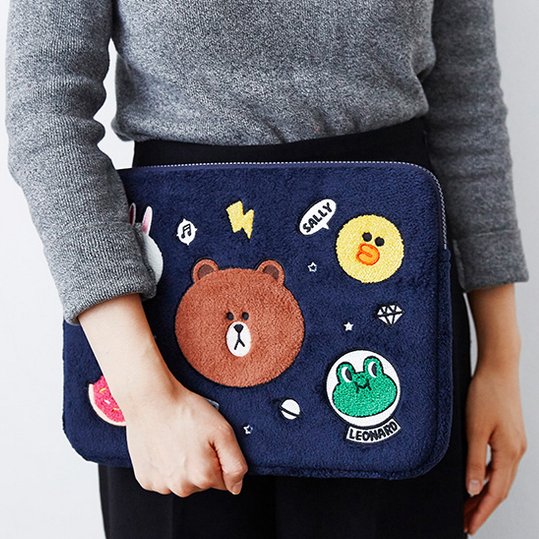
An EVA laptop case is a protective laptop carrier made with ethylene-vinyl acetate foam, usually shaped into a semi-rigid molded shell. Compared with soft sleeves, EVA cases hold their form better and can provide stronger resistance against bumps, compression, and light impact. EVA foam is widely valued because it is lightweight, flexible, shock-absorbing, and resistant to water and chemicals, making it suitable for protective cases, sports gear, packaging, footwear, and travel accessories.
What Makes EVA Different from Ordinary Foam?
EVA is often described as a closed-cell foam. In practical product terms, that means its internal structure is made of tiny sealed cells rather than open pores like a sponge. Closed-cell foam generally resists moisture better than open-cell foam because water does not move through the material as easily. Foam industry references commonly describe closed-cell foams as more water-resistant, more buoyant, and better at resisting mechanical stress than open-cell foams.
For laptop cases, that structure matters. A laptop is vulnerable in several places: screen panel, corners, hinge area, keyboard deck, outer shell, and internal components. A soft fabric sleeve may protect against scratches, but it can collapse under pressure. EVA gives the case a shaped body. When properly designed, the shell can spread pressure across a wider surface instead of letting force concentrate on one point.
For users, that can mean fewer panic moments when a bag gets squeezed in a crowded train, pressed under luggage, or placed in a backpack with books and chargers. For brands, it creates a cleaner “tech protection” message: slim, molded, tidy, and stronger than a basic sleeve.
How EVA Laptop Cases Are Built
Most EVA laptop cases are not made from EVA alone. A finished case often combines multiple layers. The EVA shell gives structure, while the outside may use polyester, PU, nylon, Oxford fabric, leather-like material, or textured fabric. The inside may use velvet, jersey, microfiber, brushed tricot, soft polyester lining, or foam padding. Zippers, elastic straps, mesh pockets, handle trims, and logo patches complete the final product.
A simple EVA case may only need one compartment for the laptop. A more advanced one may include internal elastic bands, a document divider, a charger pocket, pen slots, anti-scratch lining, raised edge protection, and a waterproof zipper. Some brands also cover the EVA shell with fabric to combine hard-shell protection with a softer lifestyle look.
| EVA Case Component | Main Function | Common Custom Options | Buyer Concern |
|---|---|---|---|
| EVA shell | Shape retention and impact resistance | Thickness, hardness, mold shape, surface curve | Is the case protective enough without becoming bulky? |
| Outer cover | Appearance and abrasion resistance | Polyester, PU, nylon, Oxford, RPET fabric | Does the case match the brand style? |
| Inner lining | Laptop surface protection | Velvet, microfiber, soft polyester, tricot | Will it scratch aluminum laptops? |
| Zipper | Opening and closure | Standard zipper, waterproof zipper, reverse zipper | Will the zipper touch the laptop edge? |
| Molded corners | Corner and edge protection | Raised ribs, rounded corners, reinforced corners | Can it handle daily bumps? |
| Handle or strap | Carrying convenience | Webbing handle, PU handle, removable strap | Is it easy to carry alone? |
| Logo area | Brand recognition | Rubber patch, woven label, embossed logo, printed logo | Does the branding look premium? |
The key advantage is control. EVA allows a product team to define the shape more clearly than a purely sewn fabric sleeve. That is why EVA laptop cases are common in protective electronics packaging, gaming device cases, headphone cases, camera accessory cases, tool cases, and portable storage products.
Is EVA Hard or Soft?
EVA is not fully hard like ABS plastic, nor fully soft like cotton padding. It sits in the middle. This is why many EVA laptop cases are called semi-rigid. The material can flex slightly, but it still keeps a molded form.
That middle position is useful. If a case is too hard, it may feel bulky, cold, or heavy. If it is too soft, it may not protect the device well enough. EVA gives a balanced feeling: firm enough to protect, light enough to carry, and flexible enough for daily use.
The feel depends on density, thickness, molding pressure, shell design, and surface covering. A thin EVA shell may feel flexible. A thick molded EVA shell with raised edges may feel much more protective. For custom manufacturing, these details should be defined before sampling instead of being guessed later.
| EVA Design Factor | Lower Specification Result | Higher Specification Result | Practical Note |
|---|---|---|---|
| EVA thickness | Lighter, slimmer, lower protection | Stronger structure, more bulk | Slim laptop cases often use moderate thickness |
| EVA density | Softer hand feel, easier flex | Firmer shell, better compression resistance | Density should match target use |
| Mold depth | Flat sleeve-like shape | More protective 3D shape | Deeper molds may need higher development cost |
| Edge height | Minimal corner protection | Better laptop edge protection | Important for MacBook-style aluminum laptops |
| Outer fabric | Simple appearance | More premium, more durable surface | Fabric-covered EVA can look less “plastic” |
| Inner lining | Basic protection | Better scratch resistance | Soft lining matters for premium laptops |
Where EVA Laptop Cases Win
EVA laptop cases are strongest when the customer wants a clean protective shell. They are especially suitable for users who already carry a backpack, tote, or suitcase and only need a laptop-specific protective layer. They also work well for premium electronic accessories, corporate tech gifts, travel kits, school device programs, and molded storage sets.
A molded EVA case can be made to fit a specific laptop size or product family. For example, a brand may design separate cases for 13-inch, 14-inch, 15.6-inch, and 16-inch laptops. The inner dimension, corner radius, shell depth, and zipper path should be adjusted carefully because laptop sizes are not identical even when screen sizes sound similar. A 14-inch slim ultrabook and a 14-inch gaming laptop may need very different case depth.
| User Scenario | Why EVA Works | Possible Limitation |
|---|---|---|
| Minimal office carry | Clean, slim, professional | Limited room for charger and mouse |
| Backpack insert protection | Adds shell protection inside another bag | Must fit inside backpack compartment |
| Travel electronics case | Good shape retention in luggage | Bulky if too thick |
| Corporate device kit | Easy to standardize by laptop size | Mold and tooling need planning |
| Premium tech accessory | Modern molded appearance | Surface finishing must look refined |
| Student laptop protection | Better against book pressure | May not hold many accessories |
Where EVA Laptop Cases Can Disappoint
EVA is not magic. A poorly designed EVA case can still fail the user. If the shell is too thin, the case may feel cheap. If the zipper is poorly placed, it may rub against the laptop. If the inner lining is rough, it may scratch the device. If the case has no internal pocket, users may force chargers inside and press them against the screen. If the mold is too tight, the laptop may be hard to insert. If the mold is too loose, the laptop may move around inside.
Another mistake is calling EVA “waterproof” without thinking about the whole product. EVA foam has strong moisture resistance because of its closed-cell structure, but a finished case also includes stitching, zipper openings, seams, fabric covering, and internal lining. Some foam references note that EVA’s closed-cell structure gives inherent moisture resistance, but that does not automatically make every EVA product completely waterproof under prolonged exposure or immersion.
For real product development, it is safer to describe most EVA laptop cases as water-resistant unless waterproof zippers, sealed seams, laminated surfaces, and proper testing are included.
EVA Laptop Case Development Checklist
Before ordering an EVA laptop case sample, the brand should prepare product details rather than sending only a reference photo. A reference image can show style direction, but it cannot define protection performance.
| Requirement | What to Confirm | Why It Matters |
|---|---|---|
| Laptop model or size | Length, width, thickness, corner radius | Prevents poor fit |
| Protection level | Scratch, bump, compression, travel use | Controls shell thickness and structure |
| Carrying style | Handheld, inside backpack, shoulder strap | Determines handle and strap design |
| Storage need | Laptop only or charger pocket included | Affects internal layout |
| Surface look | Smooth, textured, fabric-covered, PU-covered | Defines brand positioning |
| Water resistance | Light splash, rain resistance, waterproof target | Determines zipper and fabric choice |
| Logo method | Printed, embossed, rubber patch, woven label | Affects appearance and cost |
| Target price | Entry, mid-range, premium | Guides material and construction choices |
| MOQ plan | Trial order or bulk launch | Affects mold investment decision |
For Szoneier, the useful starting point is always the real use case. A brand can provide a laptop size chart, reference photos, expected protection level, target price, logo file, and preferred surface material. From there, the factory can recommend whether a molded EVA case, fabric-covered EVA case, neoprene sleeve, Oxford fabric bag, or hybrid design is more practical.
EVA Case Cost Logic
EVA laptop cases often involve molding. That makes them different from many fabric bags, where the shape can be adjusted through cutting patterns and sewing. A custom EVA case may require mold development when the shape, depth, corner structure, or shell design is unique. That can make the early development cost higher, especially for small test orders.
However, EVA can become cost-effective when a brand wants repeat production of a stable design. Once the mold is finalized, the product shape becomes easier to control across batches. This is valuable for device programs, corporate accessory lines, tech bundles, and retail products with fixed sizes.
| Cost Factor | EVA Case Impact | How to Control It |
|---|---|---|
| Mold development | Can increase startup cost | Use standard mold where possible |
| Shell thickness | Higher thickness increases material use | Match thickness to real protection need |
| Surface fabric | Premium cover raises cost | Choose polyester or Oxford for balanced cost |
| Inner lining | Soft premium lining adds value | Use better lining for high-end laptops |
| Zipper quality | Waterproof or branded zipper costs more | Match zipper to market level |
| Logo process | Embossed or rubber patch may cost more | Use printing for simple logo projects |
| Quantity | Higher quantity spreads mold cost | Plan repeat size runs where possible |
A good EVA case does not need to be overbuilt. The best design uses enough structure to protect the laptop without making the product heavy, stiff, or expensive. The goal is not simply “more EVA.” The goal is the right shell, the right thickness, the right lining, and the right opening design.
What Is a Fabric Laptop Bag?
A fabric laptop bag is a sewn laptop carrier made from textile materials such as nylon, polyester, canvas, neoprene, Oxford fabric, ripstop fabric, coated fabric, cotton blends, or laminated technical fabrics. Unlike EVA laptop cases, fabric laptop bags usually focus on storage, comfort, flexible styling, lower development barriers, and broader daily-use functions. Fabric laptop bags can be made as sleeves, shoulder bags, briefcases, backpacks, totes, messenger bags, or travel organizers.
Why Fabric Laptop Bags Are So Popular
Fabric laptop bags are popular because they fit real life. Most people do not carry only a laptop. They carry a charger, phone, wallet, keys, documents, power bank, mouse, earbuds, notebook, cosmetics, umbrella, water bottle, badge, and sometimes a tablet. Fabric construction makes it easier to build pockets, compartments, straps, handles, expansion zones, luggage sleeves, bottle pockets, zipper sections, and padded laptop layers.
Search discussions around laptop bag materials often compare leather, nylon, neoprene, canvas, polyester, and synthetic blends based on durability, water resistance, comfort, weight, and appearance. Consumer-facing laptop bag guides commonly describe polyester as light and cost-friendly, canvas as casual and durable, nylon as strong and practical, and neoprene as suitable for sleeves. (initibag.com)
For brands, fabric laptop bags are also attractive because they support more design directions. A single product line can be made in business black nylon, outdoor ripstop, soft neoprene, vintage canvas, recycled polyester, coated Oxford, or premium textured fabric. The same basic pattern can also be adjusted for 13-inch, 14-inch, 15.6-inch, and 16-inch laptop users without a new hard mold for every version.
Common Fabric Choices for Laptop Bags
Different fabrics create different product personalities. A nylon laptop bag does not feel the same as a canvas laptop bag. A neoprene sleeve does not perform like a coated Oxford backpack. Choosing fabric is not only a material decision; it is a market-position decision.
| Fabric Type | Main Strength | Best Use Scenario | Possible Weakness |
|---|---|---|---|
| Nylon | Strong, flexible, abrasion-resistant, lightweight | Business bags, travel bags, outdoor laptop backpacks | Can cost more than basic polyester |
| Polyester | Cost-effective, color stable, versatile | Entry to mid-range laptop bags, school bags, promotional bags | Lower abrasion performance than high-grade nylon |
| Oxford fabric | Structured, practical, often coating-friendly | Laptop backpacks, office bags, daily bags | Quality varies by yarn, density, and coating |
| Canvas | Natural look, casual style, strong hand feel | Lifestyle laptop totes, vintage bags, student bags | Heavier and less water-resistant unless treated |
| Neoprene | Soft, stretchy, shock-absorbing, sleeve-friendly | Laptop sleeves, slim protective covers | Less structured for full bags |
| Ripstop fabric | Tear-resistant grid structure | Outdoor and travel laptop bags | Can look too technical for office use |
| Cotton fabric | Soft, natural, printable | Lightweight casual sleeves and branded gifts | Needs treatment for water resistance |
| Linen blend | Natural texture, premium casual look | Lifestyle laptop sleeves and fashion bags | Not ideal for heavy-duty protection alone |
| Coated fabric | Better water resistance and surface durability | Commuter and travel laptop bags | Coating quality affects long-term performance |
| RPET polyester | Recycled material story, modern brand appeal | Eco-positioned laptop bags | Requires verified sourcing and quality control |
Szoneier’s advantage in fabric laptop bags is the ability to work across many fabric types, including cotton, canvas, polyester, nylon, neoprene, jute, linen, Oxford fabric, and coated or treated materials. For laptop projects, that range allows a brand to build products around different customer groups instead of forcing every product into one material style.
Fabric Laptop Bags Are About Systems, Not Just Fabric
A fabric laptop bag is not protective only because the outer textile is strong. Protection comes from the full construction system: outer shell, padding, lining, laptop compartment, bottom reinforcement, stitching, zipper placement, stress points, handle structure, pocket layout, and hardware.
A thin nylon bag with no padding may protect worse than a thick canvas bag with foam panels. A polyester laptop backpack with suspended laptop compartment may protect better than a premium-looking sleeve with no corner support. The fabric matters, but the structure matters just as much.
| Protection Element | Why It Matters | Recommended Design Approach |
|---|---|---|
| Laptop compartment padding | Absorbs light bumps and pressure | Use foam padding on front, back, and bottom |
| Suspended bottom | Keeps laptop from hitting the floor directly | Lift laptop pocket slightly above bag bottom |
| Soft lining | Prevents scratches | Use tricot, microfiber, or soft polyester |
| Corner reinforcement | Protects vulnerable laptop corners | Add foam blocks or reinforced seams |
| Zipper guard | Prevents zipper teeth from scratching laptop | Use fabric flap or recessed zipper path |
| Outer fabric coating | Improves rain and stain resistance | PU, PVC, TPU, or water-repellent finish |
| Handle reinforcement | Prevents tearing under load | Add bartacks, webbing support, stronger stitching |
| Strap padding | Improves comfort | Use foam shoulder pad or breathable mesh |
| Back panel | Helps comfort and structure | Add foam, mesh, or quilted padding |
| Internal organization | Prevents charger from pressing against laptop | Separate accessory pockets from laptop zone |
This is where experienced manufacturing becomes important. Many laptop bag problems are not visible in product photos. A bag may look good online but fail after three months because the handle stitching is weak, the fabric coating peels, the zipper breaks, or the laptop pocket is too shallow. Buyers rarely complain about “600D polyester” by name. They complain that the bag feels flimsy, the strap hurts, the zipper catches, the laptop moves around, or the rain gets inside.
Which Fabric Works Best for Different Customers?
There is no single best fabric for every laptop bag. The best choice depends on user lifestyle, selling price, and brand positioning.
| Target User | Better Fabric Direction | Product Logic |
|---|---|---|
| Office worker | Nylon, Oxford, coated polyester | Clean appearance, moderate structure, daily durability |
| University student | Polyester, canvas, Oxford | Cost control, storage, color options, lightweight carry |
| Frequent traveler | Nylon, ripstop, coated Oxford, TPU-coated fabric | Higher durability, luggage sleeve, water resistance |
| Designer or creative user | Canvas, cotton, textured polyester, linen blend | Lifestyle texture, softer brand expression |
| Outdoor worker | Cordura-style nylon, ripstop, coated fabric | Abrasion resistance and weather protection |
| Corporate gift program | Polyester, Oxford, neoprene | Logo-friendly and cost-balanced |
| Premium retail brand | Nylon, RPET polyester, PU-coated fabric, hybrid materials | Better finish, stronger story, cleaner details |
| Minimal laptop user | Neoprene, padded polyester, soft nylon | Slim sleeve format, easy carry |
| School device program | Polyester, Oxford, reinforced nylon | Budget, protection, repeat supply stability |
| Medical or industrial staff | Coated polyester, coated nylon, washable fabric | Easy cleaning, durability, practical organization |
For example, a brand selling to students may not need the most expensive nylon. A well-made polyester or Oxford laptop backpack with good padding and pocket design may be more attractive because it hits the right price. A travel brand may need coated nylon, strong zippers, luggage straps, and reinforced handles. A lifestyle boutique may prefer cotton canvas because it looks warmer and more natural, even if it needs water-repellent treatment.
Fabric Bags Offer More Storage Freedom
The biggest daily-use advantage of fabric laptop bags is organization. Users do not judge laptop bags only by protection. They also judge whether the bag makes daily movement easier.
A fabric laptop bag can include:
- Main laptop compartment
- Tablet sleeve
- Charger pocket
- Cable organizer
- Mouse pocket
- Document layer
- Pen slots
- Phone pocket
- Anti-theft back pocket
- Bottle pocket
- Umbrella pocket
- Luggage strap
- Key hook
- AirPods pocket
- Front quick-access pocket
- Hidden zipper pocket
- Padded shoulder strap
- Breathable back panel
- Reinforced bottom
This makes fabric bags especially strong for customers who use laptops as part of a wider work or study setup. A laptop case protects the device. A laptop bag supports the whole day.
Fabric Laptop Bags and Water Resistance
Fabric laptop bags can be water-resistant, but not all fabric bags are waterproof. The difference matters. A polyester laptop bag may resist light rain if it has a water-repellent finish. A coated Oxford bag may perform better in wet conditions. A neoprene sleeve may resist splashes well because neoprene has a closed-cell structure. A TPU-coated nylon backpack with waterproof zipper can perform much better than ordinary uncoated canvas.
Some material guides note that waterproof laptop bag materials often include ballistic or ripstop nylon, TPU-coated polyester, neoprene, PVC-coated fabric, Cordura-type fabrics, and ripstop materials. Szoneier’s own fabric guidance also notes that coating choice can affect water resistance heavily, with PU, PVC, TPU, silicone, and related treatments changing final performance.
| Water Resistance Level | Fabric Construction | Suitable Use |
|---|---|---|
| Light splash resistance | Polyester with water-repellent finish | Office and school daily use |
| Moderate rain resistance | PU-coated Oxford or nylon | Commuting and travel |
| Higher water resistance | TPU-coated fabric, waterproof zipper | Outdoor commuting and rainy cities |
| Soft sleeve water resistance | Neoprene sleeve | Inside backpack or briefcase |
| Natural style with treatment | Treated canvas | Lifestyle bags with improved practicality |
| Not recommended for wet use | Untreated cotton or linen alone | Dry indoor use only |
A proper product brief should not simply say “waterproof laptop bag.” It should define the use scene: light rain while walking from car to office, daily commuting in wet weather, outdoor travel, or full waterproof protection. Each level needs a different material, zipper, seam, and construction strategy.
Fabric Laptop Bag Customization Advantages
Fabric bags are usually easier to customize than molded EVA cases. The shape can be adjusted through pattern making. The material can be changed without creating a new hard shell mold. Pockets can be added or removed. Straps can be widened. Branding can be done through embroidery, screen printing, heat transfer, woven labels, rubber patches, leather patches, jacquard webbing, metal plates, or custom zipper pulls.
For brands testing a new laptop bag collection, this flexibility is valuable. A first sample can be adjusted after feedback. The laptop pocket can be enlarged. The front pocket can be changed. The logo position can move. The handle length can be improved. The lining color can be replaced. This makes fabric bags suitable for low MOQ projects, private label collections, online store launches, company merchandise, and seasonal product development.
| Custom Area | Fabric Bag Advantage | Example |
|---|---|---|
| Material | Wide selection | Nylon for business, canvas for lifestyle, neoprene for sleeves |
| Color | Flexible dyeing and stock color options | Black, gray, navy, beige, custom Pantone |
| Logo | Many branding methods | Embroidery, woven label, rubber patch |
| Structure | Easy pattern adjustment | Backpack, sleeve, tote, briefcase |
| Storage | Pocket layout can be revised | Add charger pocket or tablet sleeve |
| Padding | Can adjust thickness and placement | Add foam to bottom and sides |
| Lining | Easy to change color and texture | Soft gray lining for premium look |
| Hardware | Many zipper and buckle options | Metal puller, waterproof zipper, branded puller |
| MOQ | More flexible for test orders | Useful for new product validation |
| Packaging | Easy private label presentation | Polybag, hangtag, carton, retail box |
Fabric Laptop Bags Can Look More Human
A molded EVA case can look clean and technical. A fabric laptop bag can feel warmer and more personal. That matters because many laptop bags are worn in public. People carry them into cafés, classrooms, airports, hotels, meetings, coworking spaces, libraries, and subway stations. A product that fits the customer’s identity can sell better than a product that only lists material features.
Canvas can feel casual and creative. Nylon can feel sharp and business-ready. Polyester can feel practical and affordable. Oxford fabric can feel structured and reliable. Neoprene can feel soft and modern. Linen blend can feel natural and design-led. Fabric allows a laptop bag to become part of a lifestyle, not just a protective container.
For a custom project, this emotional layer should not be ignored. Many customers decide in seconds: “Does this look like something I would carry?” That decision often happens before they read about denier, coating, foam thickness, or stitching.
Fabric Laptop Bag Development Checklist
Before sampling a fabric laptop bag, a brand should prepare both product and user information. The more clearly the daily-use scene is described, the better the factory can recommend construction.
| Requirement | What to Provide | Why It Matters |
|---|---|---|
| Laptop size | Device dimensions and target screen sizes | Prevents poor pocket fit |
| Product type | Sleeve, backpack, tote, briefcase, messenger | Defines pattern and structure |
| User group | Student, office worker, traveler, corporate user | Guides fabric and layout |
| Protection level | Light, medium, heavy protection | Determines padding thickness |
| Storage list | Charger, mouse, tablet, documents, bottle | Defines pocket planning |
| Fabric preference | Nylon, polyester, canvas, neoprene, Oxford | Controls look and performance |
| Water resistance need | Light splash, daily rain, travel rain | Determines coating and zipper |
| Logo method | Embroidery, print, patch, label | Affects surface design |
| Target price | Entry, mid-range, premium | Helps material selection |
| MOQ | Trial, small batch, bulk | Guides fabric sourcing |
| Color plan | Stock colors or custom colors | Affects lead time |
| Packaging | Simple export pack or retail pack | Affects final presentation |
Szoneier can help brands turn these details into a workable sample plan. Because the company works with many fabric types and finished product manufacturing, it can support fabric selection, structure development, logo customization, sample making, packaging, and production control under one project flow.
Fabric Bag Cost Logic
Fabric laptop bags often offer stronger cost flexibility than EVA cases, especially at the early development stage. A simple polyester laptop sleeve can be cost-controlled. A padded Oxford laptop backpack can serve mainstream daily use. A premium nylon travel laptop bag can target higher retail value. A canvas laptop tote can serve lifestyle buyers. The same factory can build different levels by changing fabric, foam, zipper, lining, hardware, and workmanship.
| Cost Level | Material Direction | Product Type | Suitable Market |
|---|---|---|---|
| Entry level | Polyester, basic Oxford | Simple sleeve, basic shoulder bag | Promotional, school, online entry line |
| Mid-range | PU-coated Oxford, better polyester, neoprene | Padded sleeve, office bag, student backpack | Daily retail, company gifts |
| Upper mid-range | Nylon, ripstop, stronger hardware | Travel laptop bag, commuter backpack | Travel and work users |
| Premium | High-density nylon, RPET, coated technical fabric | Executive backpack, lifestyle laptop bag | Brand collections |
| Specialty | Laminated fabric, waterproof zipper, reinforced build | Outdoor laptop backpack | Rain and travel-focused markets |
The smartest fabric laptop bag is not always the most expensive one. The best product is the one that fits the customer’s real use, target price, and brand story. Overbuilding a student laptop bag may kill price competitiveness. Underbuilding a travel laptop bag may damage brand trust. That balance is where factory experience matters.
EVA Case vs Fabric Bag at a Glance
| Comparison Point | EVA Laptop Case | Fabric Laptop Bag |
|---|---|---|
| Main strength | Molded protection and shape retention | Storage, comfort, and design flexibility |
| Best format | Hard-shell sleeve or compact case | Sleeve, backpack, tote, briefcase, messenger |
| Protection style | Semi-rigid shell resists compression | Padding and compartments absorb daily bumps |
| Custom complexity | Mold may be needed | Pattern and material changes are easier |
| Storage capacity | Usually limited | Can hold laptop and accessories |
| Appearance | Clean, tech-focused, structured | Business, casual, outdoor, lifestyle, premium |
| Water resistance | EVA itself resists moisture, but seams and zippers matter | Depends on fabric, coating, zipper, and seams |
| MOQ flexibility | More sensitive to mold and shape | Often better for low MOQ testing |
| Ideal customer | Minimalist laptop user, tech accessory buyer | Commuter, student, traveler, office user |
| Branding | Patch, embossing, print, shell texture | Embroidery, print, label, patch, custom hardware |
For brands comparing both options, the decision should start from the use case. If the product must protect a laptop inside another bag, EVA may be the cleaner choice. If the product must carry the laptop plus daily essentials, fabric is usually stronger. If the brand wants both, a hybrid design can work: fabric exterior, EVA-reinforced panels, padded laptop compartment, and soft lining. That approach often gives users a better balance of protection, comfort, and style.
Which Offers Better Laptop Protection?

EVA laptop cases usually offer better shape protection and compression resistance, while fabric laptop bags offer better full-day protection when they are designed with padded compartments, reinforced bottoms, and organized storage. In simple words, EVA protects the laptop like a molded shell; fabric protects the laptop through layers, padding, suspension, and smart compartment design. A good EVA case can be better than a thin fabric sleeve, but a well-built fabric laptop bag can be better than a basic EVA case when the user carries accessories, travels often, or needs all-around organization.
Protection Is Not One Single Thing
Many buyers ask, “Which protects better, EVA or fabric?” But laptop protection is not one single feature. A laptop can be damaged by scratches, corner impact, screen pressure, water exposure, zipper scratches, charger compression, drops, and long-term friction inside the bag.
That is why protection should be evaluated by damage type, not only by material name.
| Damage Risk | EVA Laptop Case Performance | Fabric Laptop Bag Performance | Better Choice |
|---|---|---|---|
| Surface scratches | Good with soft lining | Good with soft lining | Both can work |
| Light bumps | Good because of molded shell | Good with foam padding | Both can work |
| Corner impact | Strong if corners are molded well | Strong if corners are padded | Depends on structure |
| Screen pressure | Better if shell is firm | Good if front/back panels are padded | EVA usually stronger |
| Compression in luggage | Better shape resistance | Depends on panel stiffness | EVA usually stronger |
| Charger pressing against laptop | Weak if no separate pocket | Strong if accessories are separated | Fabric bag |
| Daily commuting | Good for laptop-only carry | Better for laptop plus items | Fabric bag |
| Rain exposure | Good material resistance, but zipper matters | Depends on fabric coating and seams | Depends on design |
| Long-term carrying comfort | Limited if handheld only | Better with straps and ergonomic design | Fabric bag |
The better protective product is not always the one that feels harder. A hard shell with poor inner fit can still let the laptop move around. A soft bag with a suspended laptop pocket, dense foam, and separate charger storage can protect very well in normal daily use.
EVA Protection: The Strength of a Molded Shell
EVA laptop cases are strong in three areas: shape retention, compression resistance, and clean laptop containment. When a laptop is inside a well-fitted EVA case, the shell can help reduce direct pressure from books, folders, light luggage, or other items in a backpack.
For users who carry a laptop inside another backpack, EVA is especially useful. The laptop gets its own protective shell instead of relying only on the main backpack compartment. This is why EVA cases are common for electronics, headphones, hard drives, medical tools, gaming accessories, and camera equipment.
A good EVA laptop case should include:
- Proper inner dimensions for the laptop model
- Raised corner or edge structure
- Soft anti-scratch lining
- Smooth zipper path away from laptop edges
- Enough shell thickness for compression resistance
- Interior straps or elastic support if needed
- Separate mesh pocket only when it does not press against the laptop
The biggest risk with EVA is overconfidence. Some suppliers may call any EVA case “protective,” but protection depends heavily on the mold, shell thickness, density, lining, and zipper construction. A thin EVA case may only offer moderate protection. A thick molded case with reinforced corners can offer much better security.
Fabric Protection: The Strength of Layered Construction
Fabric laptop bags protect through layered design rather than shell stiffness alone. The outer fabric resists abrasion. The foam padding absorbs bumps. The lining protects the laptop surface. The laptop pocket holds the device in place. The bottom panel prevents direct floor impact. The accessory pockets keep chargers and hard objects away from the screen.
A strong fabric laptop bag is usually built like a system:
| Layer | Function | Common Material Choice |
|---|---|---|
| Outer fabric | Abrasion and weather resistance | Nylon, polyester, Oxford, canvas, ripstop |
| Coating or finish | Water resistance and surface protection | PU, PVC, TPU, water-repellent finish |
| Foam padding | Shock absorption | PE foam, EVA foam sheet, sponge padding |
| Reinforcement layer | Structure and load support | PP board, PE board, thick foam, binding tape |
| Laptop lining | Scratch prevention | Microfiber, tricot, velvet, soft polyester |
| Pocket structure | Device separation | Padded divider, suspended pocket, elastic band |
| Bottom support | Drop and impact reduction | Foam block, reinforced base, raised laptop sleeve |
This type of construction is very practical for daily users. A commuter does not only worry about dropping the laptop. They worry about a charger denting the screen, a bottle leaking, a zipper scratching the surface, or the bag bottom hitting the floor. Fabric bags can solve these everyday problems more naturally because they allow more compartments and separation.
Which Protects Laptop Corners Better?
Laptop corners are one of the most vulnerable areas. When a bag drops or hits a desk corner, the force often lands on one edge. EVA cases can protect corners well if the mold has enough space and raised structure around the corners. Fabric bags can also protect corners well if foam blocks, reinforced stitching, or padded laptop compartments are used.
A flat sleeve, whether EVA or fabric, may not protect corners well enough if the laptop fits too tightly. A little space for cushioning is necessary. But too much space is also bad because the laptop may slide inside.
| Corner Protection Design | EVA Case | Fabric Bag |
|---|---|---|
| Tight fit with no corner buffer | Risky | Risky |
| Raised molded corners | Strong | Not applicable |
| Foam corner blocks | Possible | Strong option |
| Suspended laptop pocket | Less common | Very useful |
| Reinforced binding | Moderate | Useful |
| Elastic laptop hold | Useful | Useful |
| Soft inner edge | Important | Important |
For brands developing laptop bags, corner protection should be designed intentionally. It should not be left to chance. A sample should be checked by inserting the actual laptop size, closing the zipper, pressing each corner, and testing how much movement the laptop has inside.
How Much Padding Does a Laptop Bag Need?
More padding is not always better. Too much padding can make a bag bulky, hot, heavy, and expensive. Too little padding makes the product feel cheap and unsafe. The right padding depends on the product type.
| Product Type | Suggested Protection Direction | User Expectation |
|---|---|---|
| Slim laptop sleeve | Light to medium padding | Scratch and light bump protection |
| Fabric laptop tote | Medium padding and reinforced laptop pocket | Casual daily carry |
| Office laptop briefcase | Medium padding, structured panels | Professional daily protection |
| Travel laptop backpack | Thicker padding, suspended pocket, reinforced bottom | Stronger impact protection |
| Outdoor laptop backpack | Dense padding, coated fabric, reinforced base | Rain and rough-use protection |
| EVA laptop case | Molded shell plus soft lining | Compression and shape protection |
A 13-inch lightweight sleeve does not need the same padding as a 17-inch travel laptop backpack. A student bag may need balanced protection and low weight. A professional travel backpack may need stronger bottom support because it is placed on floors, luggage racks, airplane seats, and hotel counters.
Is a Laptop Sleeve Enough Protection?
A laptop sleeve is enough when the user mainly needs scratch protection and light bump resistance, especially if the sleeve will be placed inside another backpack or tote. It is not enough when the user needs to carry many accessories, travel frequently, or protect the laptop from drops, heavy compression, or wet weather.
A sleeve is a layer. A laptop bag is a carrying system.
| User Habit | Sleeve Enough? | Better Option |
|---|---|---|
| Carries laptop inside backpack | Yes, if backpack has structure | EVA case or padded sleeve |
| Carries laptop by hand daily | Sometimes | Sleeve with handle or laptop briefcase |
| Carries charger and mouse together | Not ideal | Fabric laptop bag with pockets |
| Travels by airplane often | Not usually | Travel laptop backpack |
| Works in cafés and coworking spaces | Depends on items carried | Fabric shoulder bag or sleeve plus tote |
| Needs rain protection | Only with water-resistant material | Coated fabric bag or EVA case with better zipper |
| Wants minimal style | Yes | Slim EVA case or neoprene sleeve |
| Needs full organization | No | Fabric laptop bag |
For online brands, this creates an opportunity to offer product levels: basic sleeve, upgraded EVA case, and full fabric laptop bag. Customers can choose based on lifestyle instead of being forced into one format.
The Hidden Risk: Accessories Damage Laptops
One overlooked protection issue is accessory pressure. Many laptop screens are damaged not by dramatic drops, but by pressure from chargers, adapters, plugs, pens, keys, or hard items inside the same compartment. A compact EVA case may protect the outside well but become risky if users stuff a bulky charger into a tight inner mesh pocket. A fabric bag can solve this better by separating accessories into independent pockets.
This is why laptop bag design should answer a practical question: where does the charger go?
If the charger shares the same tight compartment as the laptop, pressure marks or screen stress may happen. If the charger sits in a front pocket with padding between it and the laptop, the design is safer. If the cable organizer is too small, users will force accessories into the wrong place. Good protection often comes from good user behavior, and good design guides that behavior.
Protection Comparison by Real Use Case
| Use Case | EVA Laptop Case | Fabric Laptop Bag | Recommended Direction |
|---|---|---|---|
| Laptop-only protection inside backpack | Excellent | Good | EVA case or padded sleeve |
| Office commute with documents | Limited storage | Strong | Fabric laptop briefcase |
| Student daily carry | Good for laptop only | Strong for laptop and books | Fabric backpack with padded laptop pocket |
| Business travel | Good inside suitcase | Strong as carry-on bag | Fabric travel laptop backpack |
| Premium tech accessory | Strong visual fit | Depends on style | EVA case or hybrid design |
| Rainy city commuting | Good material, zipper concern | Strong if coated and well-built | Coated fabric bag or hybrid |
| Corporate gift | Clean and simple | More practical for daily use | Depends on budget and user |
| Retail lifestyle line | Modern but narrow | Broad style options | Fabric or fabric-covered EVA |
| Outdoor work | Limited storage | Strong if technical fabric used | Coated nylon/Oxford laptop bag |
| Minimalist MacBook user | Strong | Good | Slim EVA or neoprene sleeve |
The best answer for protection is often a hybrid approach. A fabric laptop bag with EVA-reinforced panels can offer both structure and organization. A molded EVA laptop case covered with nylon or polyester can offer hard-shell protection with a softer brand look. A neoprene sleeve inside a fabric backpack can offer layered daily protection. For custom projects, Szoneier can help brands choose this balance based on customer use, retail positioning, and target cost.
Which Is Better for Daily Use?
Fabric laptop bags are usually better for daily use because they carry more items, feel more comfortable over longer distances, and offer more organization. EVA laptop cases are better for simple, laptop-only protection when the user wants a slim, structured case that can be carried by hand or placed inside another bag. If the customer’s day includes commuting, meetings, school, travel, chargers, documents, and personal items, fabric is usually more practical. If the customer wants a clean protective shell for one laptop, EVA is easier and neater.
Daily Use Is About Convenience, Not Only Protection
Many brands make the mistake of designing laptop bags around the laptop only. Real users design their day around everything they carry. A laptop is usually the most expensive item, but it is not the only item.
A normal workday carry may include:
- Laptop
- Charger
- Cable
- Mouse
- Phone
- Wallet
- Keys
- Notebook
- Pen
- Earbuds
- Power bank
- Water bottle
- Documents
- Glasses
- Access card
- Small personal items
A laptop case that cannot handle these items may still be useful, but only as part of a larger carrying setup. A fabric laptop bag can become the main daily bag.
Carrying Comfort: Fabric Bags Usually Win
EVA cases are often handheld or placed inside other bags. Some have handles or shoulder straps, but they are usually not as comfortable as a well-designed fabric laptop bag for long daily carry.
Fabric laptop bags can include padded shoulder straps, adjustable straps, breathable back panels, soft handles, luggage sleeves, chest straps, and ergonomic weight distribution. This matters when users carry a laptop for 30 minutes or more.
| Comfort Factor | EVA Laptop Case | Fabric Laptop Bag |
|---|---|---|
| Hand carry | Good for short distance | Good if handle is reinforced |
| Shoulder carry | Limited unless strap added | Strong with padded strap |
| Backpack carry | Usually inside another backpack | Strong as main carry option |
| Weight distribution | Limited | Better with two straps or wide strap |
| Long commute comfort | Moderate | Better |
| Travel comfort | Good as insert case | Better as carry-on organizer |
| Breathability | Not a major feature | Can add mesh back panel |
| Heavy load support | Limited | Better with reinforced structure |
For students, commuters, and travelers, comfort may decide whether they keep using the product after the first week. A beautiful bag that hurts the shoulder will not become a daily favorite.
Storage: Fabric Bags Are More Practical
EVA cases are often compact by design. That is part of their charm. But compact protection becomes a weakness when users need storage.
Fabric bags can support layered organization. A well-planned laptop bag keeps items separated so users do not have to dig through one messy compartment. This improves both convenience and protection.
| Item | EVA Case Storage | Fabric Bag Storage |
|---|---|---|
| Laptop | Strong | Strong |
| Charger | Limited, may create pressure | Separate pocket possible |
| Mouse | Limited | Dedicated pocket possible |
| Documents | Limited | Flat compartment possible |
| Tablet | Rare | Tablet sleeve possible |
| Phone | Rare | Quick-access pocket possible |
| Bottle | No | Side pocket possible |
| Power bank | Limited | Internal pocket possible |
| Pens | Rare | Pen slots possible |
| Travel documents | Rare | Hidden pocket possible |
A laptop bag that organizes daily items saves time. That small convenience matters. A person may open the bag twenty times a day. If each use feels smooth, the product builds loyalty.
Which Is Better for Commuting?
For commuting, fabric laptop bags usually have the advantage. Commuters need comfort, storage, water resistance, quick access, and durability. A fabric backpack, messenger bag, or laptop briefcase can carry the laptop plus daily essentials without needing another bag.
EVA laptop cases are still useful for commuters who already carry a backpack or tote. In that case, the EVA case becomes an internal protection layer. The user slides the laptop into the EVA case, then places it inside a larger bag. This is a good solution for people who like minimal design but still need protection.
| Commuting Scenario | Better Product | Reason |
|---|---|---|
| Subway or train commute | Fabric backpack | Hands-free carry and storage |
| Short walk to office | EVA case or fabric briefcase | Both can work |
| Bike commute | Fabric backpack | Better stability and straps |
| Rainy commute | Coated fabric laptop bag | Better full-bag water resistance if designed well |
| Minimal office carry | EVA case | Clean and compact |
| Commute with lunch and bottle | Fabric bag | More compartments |
| Commute with documents | Fabric briefcase | Better flat storage |
| Commute with another backpack | EVA case | Adds laptop protection inside main bag |
For product development, it is useful to define commute length. A product for 10-minute office movement can be slimmer. A product for one-hour train and walking use needs better comfort and storage.
Which Is Better for Travel?
Travel changes the requirements. A travel laptop product must deal with airport security, luggage handling, hotel movement, long waiting time, and mixed storage. Fabric laptop bags usually work better as main travel bags because they can include luggage straps, passport pockets, tablet compartments, cable organizers, and quick-access front pockets.
EVA laptop cases work well as protective inserts inside luggage or backpacks. They are especially useful when the laptop is packed with clothing, documents, or other gear. The molded shell helps prevent compression.
| Travel Need | EVA Case | Fabric Laptop Bag |
|---|---|---|
| Protect laptop inside suitcase | Strong | Moderate |
| Carry laptop through airport | Moderate | Strong |
| Hold passport and documents | Weak | Strong |
| Store charger and adapter | Limited | Strong |
| Fit under airplane seat | Depends on size | Strong if designed for travel |
| Attach to suitcase handle | Rare | Common with luggage sleeve |
| Quick security access | Good if simple | Strong if laptop compartment opens well |
| Overnight work trip | Not enough alone | Strong |
For brands targeting travelers, fabric laptop backpacks and briefcases are more commercially flexible. However, a premium EVA laptop case can be sold as a travel protection accessory, especially for users who carry expensive laptops inside larger luggage.
Daily Use by Customer Type
Different customers define “daily use” differently. A student may prioritize price, storage, and casual style. A business traveler may prioritize organization and professional appearance. A designer may care about texture and aesthetics. A field worker may need durability and water resistance.
| Customer Type | Daily Pain Point | Better Product Direction |
|---|---|---|
| University student | Books, laptop, charger, budget | Fabric backpack or padded sleeve |
| Office worker | Clean look, laptop, documents | Fabric briefcase or slim EVA case |
| Remote worker | Café use, charger, mouse, notebook | Fabric shoulder bag |
| Business traveler | Airport, documents, devices | Travel laptop backpack |
| Designer | Style and texture | Canvas or premium fabric laptop tote |
| Tech minimalist | Slim carry, device protection | EVA laptop case |
| Corporate team | Logo, cost, practical use | Fabric laptop bag or EVA case depending on budget |
| Outdoor worker | Weather, abrasion, tools | Coated fabric laptop backpack |
| Online brand customer | Visual appeal and useful features | Fabric bag with strong design details |
| Premium laptop user | Scratch and dent prevention | EVA case or padded premium sleeve |
A good manufacturer should not recommend one material for every customer. The right answer depends on who will use the product and what they carry.
Weight and Bulk: A Real Buying Factor
Weight is one of the most important daily-use factors, but many product briefs ignore it. A laptop is already heavy enough. If the bag adds too much weight, customers may stop using it.
EVA cases are usually lightweight for the protection they offer, but thicker shells can add bulk. Fabric bags vary widely. A simple polyester sleeve may be very light. A large canvas laptop tote may feel heavier. A travel backpack with many pockets and reinforced panels may be heavier but more useful.
| Product Type | Weight Feeling | Daily Use Comment |
|---|---|---|
| Slim neoprene sleeve | Very light | Good for light protection |
| Thin EVA case | Light to moderate | Good balance for laptop-only protection |
| Thick EVA case | Moderate | Better protection, more bulk |
| Polyester laptop bag | Light | Good for cost-sensitive daily use |
| Nylon laptop bag | Light to moderate | Good strength-to-weight balance |
| Canvas laptop bag | Moderate to heavy | Strong lifestyle look but heavier |
| Travel laptop backpack | Moderate to heavy | More storage, better for travel |
| Coated waterproof bag | Moderate | Water resistance may add weight |
For custom projects, Szoneier can help adjust the balance by selecting fabric weight, foam thickness, lining, hardware, and structure. A bag does not need to be overbuilt to feel premium. It needs the right details in the right places.
Appearance in Daily Life
Daily-use products are seen by other people. A laptop bag sits in offices, cafés, classrooms, meeting rooms, airports, and hotel lobbies. That means appearance matters.
EVA cases often look modern, clean, and tech-focused. They suit minimalist users and electronics brands. Fabric bags can move across more style categories: professional, casual, vintage, outdoor, sporty, premium, eco-friendly, or fashion-led.
| Style Direction | Better Material Direction | Why It Works |
|---|---|---|
| Minimal tech | EVA, neoprene, smooth polyester | Clean and simple |
| Business office | Nylon, Oxford, coated polyester | Professional and practical |
| Casual student | Polyester, canvas, Oxford | Affordable and flexible |
| Premium lifestyle | Textured nylon, canvas, RPET, PU trim | Better visual identity |
| Outdoor travel | Ripstop nylon, coated Oxford | Technical and durable |
| Eco-inspired | RPET polyester, cotton canvas, jute blend details | Stronger material story |
| Fashion tote | Canvas, cotton, linen blend | Natural and lifestyle-friendly |
| Corporate gift | Polyester, Oxford, EVA | Easy logo customization |
A customer may choose a laptop bag because it feels like “their kind of product.” Material supports that feeling. That is why fabric selection should match both function and identity.
Daily Use Design Mistakes to Avoid
Many laptop bags look fine in photos but fail in daily use. The most common mistakes are practical, not dramatic.
| Mistake | Result | Better Design Choice |
|---|---|---|
| Laptop pocket too loose | Laptop moves around | Fit by laptop dimensions |
| Laptop pocket too tight | Difficult insertion | Add proper tolerance |
| Charger pocket inside laptop zone | Screen pressure risk | Separate accessory pocket |
| Thin handle reinforcement | Handle tearing | Add webbing support and bartacks |
| Cheap zipper | Snagging or breakage | Use reliable zipper grade |
| No bottom padding | Floor impact risk | Add foam or suspended pocket |
| Dark lining only | Hard to find small items | Use contrast lining if suitable |
| Too many useless pockets | Confusing layout | Design by real carry items |
| Heavy fabric for small bag | Poor comfort | Balance fabric weight |
| No water resistance plan | Rain complaints | Use coating or treated fabric |
Daily-use design should be tested like a real day. Put in a laptop, charger, mouse, notebook, phone, keys, and bottle. Carry it. Open it. Close it. Walk with it. Put it under a desk. Place it on a chair. Use it again. Real testing reveals problems that CAD drawings and product photos cannot show.
Daily Use Recommendation
For most daily users, fabric laptop bags are the better all-around choice. They carry more, organize better, and offer more comfort. For minimalist users, EVA laptop cases are excellent as slim protective cases. For brands, the strongest product strategy may be to offer both: an EVA or neoprene protective sleeve for laptop-only users, and a fabric laptop bag for daily carry users.
| Buyer Goal | Recommended Product |
|---|---|
| Slim laptop protection | EVA laptop case |
| Low-cost custom sleeve | Polyester or neoprene sleeve |
| Office laptop carry | Nylon or Oxford laptop briefcase |
| Student daily bag | Polyester or Oxford laptop backpack |
| Premium lifestyle product | Canvas, textured nylon, or hybrid fabric bag |
| Travel laptop solution | Coated nylon or Oxford travel backpack |
| Rain-resistant commuting | Coated fabric laptop bag |
| Corporate logo product | Fabric laptop bag or EVA case |
| High protection plus storage | Fabric bag with EVA-reinforced panels |
| New product testing | Fabric laptop bag with flexible MOQ |
For Szoneier customers, the daily-use question should always come before the material question. Who will use the bag? What will they carry? Where will they go? How much protection do they expect? What price will they accept? Once these answers are clear, the material choice becomes practical instead of theoretical.
Which Material Is More Durable?
Fabric laptop bags usually offer wider durability options because durability can be engineered through fabric type, yarn density, coating, stitching, reinforcement, zipper quality, and structural design. EVA laptop cases are durable in shape retention and compression resistance, but their long-term performance depends on shell thickness, outer covering, zipper quality, and whether the molded body cracks, dents, or deforms after repeated use. For most daily-carry products, a well-built nylon, Oxford, polyester, canvas, or coated fabric laptop bag can deliver excellent durability, while EVA works best when the priority is molded protection rather than flexible load-carrying performance.
Durability Is More Than “Strong Material”
When people ask whether EVA or fabric is more durable, they often expect one simple answer. In real manufacturing, durability is a system. A strong outer fabric cannot save a laptop bag if the zipper is weak. A thick EVA shell cannot save a case if the lining peels or the zipper stitching fails. A canvas laptop tote may feel tough, but without reinforced handles, the stress points can tear. A nylon laptop backpack may use excellent fabric, but if the shoulder strap stitching is poor, the product will still disappoint users.
Durability should be judged across four layers: material durability, structural durability, hardware durability, and daily-use durability.
| Durability Area | What It Means | EVA Laptop Case | Fabric Laptop Bag |
|---|---|---|---|
| Surface durability | Resistance to scratches, abrasion, stains, and wear | Depends on outer covering or coating | Depends on fabric type and finishing |
| Shape durability | Ability to keep product form | Strong advantage | Depends on padding, panels, and structure |
| Load durability | Ability to carry weight repeatedly | Limited if case is slim | Strong if handles and straps are reinforced |
| Seam durability | Resistance to stitching failure | Important around zipper and handle | Very important across whole bag |
| Hardware durability | Zipper, puller, buckle, slider, D-ring performance | Zipper is critical | Zippers, buckles, hooks, and strap adjusters matter |
| Weather durability | Resistance to moisture and rain exposure | EVA body performs well, openings matter | Depends on coating, fabric, seams, zipper |
| Aging durability | Performance after months of use | Shell may deform if too thin or poorly stored | Coating, fabric fray, fading, and stitching matter |
| Cleaning durability | Ability to handle wiping and maintenance | Usually easy to wipe if smooth surface | Depends on fabric surface and coating |
For Szoneier’s custom laptop bag projects, durability should be defined before production. A daily office sleeve, a school laptop backpack, a travel laptop bag, and an outdoor laptop backpack should not use the same durability standard. The customer’s real use scene decides what kind of material and construction makes sense.
EVA Durability: Strong Shape, Limited Load Function
EVA performs well when the product needs a molded structure. It can keep a defined shape better than soft fabric padding. That is why EVA is popular for cases that need protection against pressure, bumps, and deformation. A good EVA laptop case can keep its shell shape after repeated handling, especially when the foam density and molding process are well controlled.
However, EVA cases are not designed to carry heavy loads like a backpack or briefcase. A slim EVA case is usually made for one laptop and perhaps a few flat accessories. If users force in a bulky charger, mouse, adapter, or power bank, the shell may bulge, the zipper may strain, and the inner pressure may affect the laptop.
EVA can also show surface dents or creases if the shell is pressed by sharp objects for a long time. If the outer covering is low quality, it may peel, wrinkle, or separate from the shell. If the case is stored under heavy items, the molded shape may deform.
| EVA Durability Factor | Strong Performance | Risk Area | Better Custom Solution |
|---|---|---|---|
| Molded shell | Keeps shape well | Can deform if too thin | Choose suitable thickness and density |
| Compression resistance | Better than soft sleeves | Not for heavy crushing | Design raised edges and shell depth |
| Moisture resistance | EVA body resists water well | Zipper and seams still leak | Use better zipper and surface covering |
| Surface finish | Clean and modern | Cheap cover may peel | Use durable polyester, PU, or fabric cover |
| Zipper structure | Simple opening | Zipper stress if case is overfilled | Add proper tolerance and smooth zipper path |
| Handle area | Useful for carry | Weak if not reinforced | Add webbing support inside handle seam |
| Inner lining | Protects laptop surface | Can wear or detach | Use soft, bonded, durable lining |
| Mold fit | Protects laptop closely | Too tight causes pressure | Use accurate laptop dimensions |
EVA is durable when used correctly. It is not ideal when the user expects the case to behave like a full daily bag. That is the key distinction.
Fabric Durability: Flexible but Highly Dependent on Specification
Fabric laptop bags can be extremely durable or very weak depending on material and construction. The word “fabric” covers a wide range: thin polyester, heavy canvas, high-density nylon, ripstop fabric, coated Oxford, neoprene, cotton, linen blends, and technical laminated textiles. A low-grade polyester sleeve and a high-density nylon travel backpack are both fabric products, but their durability is not even close.
For laptop bags, durability usually comes from three things: the fabric’s base strength, the coating or finishing, and the sewing structure.
| Fabric Type | Durability Strength | Risk Area | Best Laptop Bag Use |
|---|---|---|---|
| Nylon | Strong abrasion resistance and flexibility | Higher cost than basic polyester | Business, travel, commuter bags |
| Polyester | Good cost control and color stability | Lower strength than premium nylon | Daily bags, school bags, promotional bags |
| Oxford fabric | Structured, practical, coating-friendly | Quality varies by denier and weave | Laptop backpacks, briefcases, office bags |
| Canvas | Strong hand feel and lifestyle look | Heavier, absorbs water if untreated | Casual laptop totes and lifestyle bags |
| Neoprene | Soft, elastic, shock-absorbing | Less structured for large storage bags | Laptop sleeves and soft cases |
| Ripstop nylon | Tear-resistant grid construction | Technical appearance may not suit all brands | Outdoor and travel laptop bags |
| Coated fabric | Better surface protection and rain resistance | Coating may crack if low quality | Rain-resistant commuter bags |
| Cotton fabric | Natural and printable | Lower weather durability | Light sleeves and gift products |
| Linen blend | Premium natural texture | Not ideal for heavy-duty use alone | Fashion laptop sleeves or light totes |
| RPET polyester | Sustainability story and versatile performance | Needs quality verification | Eco-positioned laptop bags |
Fabric durability is highly customizable. Szoneier can recommend fabric based on the target product level: entry-level promotional sleeve, mid-range commuter laptop bag, premium business backpack, or technical travel product. This flexibility is one of the main advantages of fabric laptop bags.
Nylon vs Polyester vs Canvas vs Oxford Fabric
These four materials are some of the most common choices for laptop bags. Each has a different character. The decision should not be based only on “which is strongest.” It should also consider target market, price, appearance, water resistance, and production flexibility.
| Material | Durability Level | Weight | Water Resistance Potential | Style Feeling | Cost Level | Best For |
|---|---|---|---|---|---|---|
| Nylon | High | Light to medium | High with coating | Professional, technical, premium | Medium to high | Travel, business, commuter bags |
| Polyester | Medium | Light | Medium to high with coating | Practical, versatile | Low to medium | School, daily, promotional bags |
| Canvas | Medium to high | Medium to heavy | Low unless treated | Natural, casual, lifestyle | Medium | Totes, lifestyle laptop bags |
| Oxford fabric | Medium to high | Medium | Good with PU/PVC/TPU coating | Structured, practical | Low to medium | Backpacks, office bags, briefcases |
For example, a premium business laptop backpack may use high-density nylon with a water-repellent finish and matte hardware. A student laptop bag may use polyester or Oxford fabric to balance cost and durability. A lifestyle laptop tote may use canvas because the customer wants texture and casual style more than maximum rain protection. A travel laptop bag may use ripstop nylon or coated Oxford because the customer cares about abrasion and weather.
Stitching and Reinforcement Matter More Than Many Buyers Think
A laptop is heavy. Once a charger, books, bottle, and accessories are added, the load increases quickly. The fabric may be strong, but the failure often happens at stress points: handle roots, shoulder strap joints, zipper ends, side seams, bottom corners, and laptop compartment seams.
A durable fabric laptop bag should use reinforcement where the bag receives repeated stress.
| Stress Point | Common Failure | Better Construction |
|---|---|---|
| Handle joint | Tearing or loose stitching | Webbing reinforcement and bartack stitching |
| Shoulder strap root | Seam pulling apart | Box stitching, bartack, reinforced panel |
| Bottom corner | Fabric abrasion and seam wear | Extra binding, bottom panel, corner reinforcement |
| Zipper end | Zipper tearing out | Reinforced zipper stop and seam allowance |
| Laptop pocket seam | Pocket sagging or tearing | Stronger lining, foam support, reinforced stitching |
| Front pocket | Pulling under frequent use | Better zipper and seam reinforcement |
| Bottle pocket | Elastic losing shape | Strong mesh, elastic binding, deeper pocket |
| Back panel | Collapse or wrinkle | Foam panel or PE board support |
| Luggage sleeve | Tearing under suitcase use | Reinforced webbing and dense stitching |
| Strap adjuster | Slipping or cracking | Better plastic or metal hardware |
This is why custom laptop bag buyers should ask about construction, not just fabric. A “strong fabric” with poor sewing is not a strong bag. A mid-range fabric with excellent reinforcement can outperform a premium fabric with weak workmanship.
Zipper Durability Can Make or Break the Product
Zippers are one of the most common failure points in laptop bags and EVA cases. Users open and close laptop bags many times per day. If the zipper catches, splits, scratches the laptop, or feels rough, the whole product feels low quality.
For laptop products, zipper design should consider smooth operation, opening angle, water resistance, and laptop safety.
| Zipper Choice | Advantage | Best Use |
|---|---|---|
| Standard nylon zipper | Cost-effective and flexible | Basic sleeves and daily bags |
| Reverse zipper | Cleaner appearance | Office and lifestyle laptop bags |
| Waterproof zipper | Better rain resistance | Commuter and travel bags |
| Metal zipper | Premium appearance | Fashion laptop bags, but may be heavier |
| Double zipper puller | Easier access | Backpacks, briefcases, travel bags |
| Branded zipper puller | Better brand detail | Private label and premium collections |
| Recessed zipper path | Protects laptop edge | EVA cases and slim sleeves |
A laptop bag can have great fabric and still fail because of a cheap zipper. For Szoneier custom projects, zipper quality should match the product level. A premium laptop bag should not use a zipper that feels rough or weak. A rain-resistant bag should not rely on a standard zipper if the customer expects strong water protection.
Abrasion Resistance in Real Life
Laptop bags rub against desks, floors, train seats, airplane seats, luggage handles, clothing, walls, and car interiors. Abrasion resistance matters especially for bottom panels, corners, straps, and back panels.
Canvas may develop a worn-in lifestyle look, which some customers like. Nylon may resist abrasion better while keeping a cleaner technical surface. Polyester may perform well enough for daily use if the fabric density and coating are suitable. Oxford fabric can be practical for structured bags, especially with a coating.
| Use Environment | Abrasion Risk | Better Material Direction |
|---|---|---|
| Office and desk use | Low to medium | Polyester, nylon, Oxford |
| School use | Medium to high | Oxford, polyester, canvas with reinforcement |
| Travel use | High | Nylon, ripstop, coated Oxford |
| Outdoor commuting | High | Coated nylon, ripstop, technical fabric |
| Corporate gift use | Medium | Polyester, Oxford |
| Lifestyle retail use | Medium | Canvas, cotton blend, textured polyester |
| Heavy daily backpack use | High | Nylon, Oxford, reinforced polyester |
| Minimal sleeve use | Low to medium | Neoprene, EVA, padded polyester |
Abrasion should be designed into the bag. A backpack bottom needs stronger fabric than an inner pocket. A handle needs stronger webbing than a decorative trim. A product may use different materials in different zones, creating durability where it matters without overbuilding the entire bag.
Coatings Improve Durability but Need Quality Control
Coatings can improve water resistance, surface durability, and structure. Common fabric treatments include PU coating, PVC coating, TPU lamination, water-repellent finishing, silicone coating, and laminated layers. But coatings can also become a weakness if poorly selected. Low-quality coating may peel, crack, become sticky, or lose performance after repeated bending and humidity exposure.
| Coating Type | Benefit | Concern | Laptop Bag Use |
|---|---|---|---|
| PU coating | Good water resistance and flexible hand feel | Quality varies | Daily commuter bags |
| PVC coating | Stronger waterproof effect and structure | Heavier and less soft | Heavy-duty or utility bags |
| TPU lamination | Better waterproof potential and premium technical feel | Higher cost | Travel and outdoor laptop bags |
| Water-repellent finish | Light rain and stain resistance | May weaken over time | Office and school laptop bags |
| Silicone coating | Smooth water resistance and flexibility | Specialized cost and feel | Technical fabric bags |
| Laminated fabric | Stronger weather protection | Requires careful seam design | Waterproof-style laptop bags |
For buyers, it is safer to specify the water-resistance level and use environment rather than naming only a coating. The factory can then recommend a practical option based on cost, performance, and target market.
Durability Testing Before Bulk Production
Professional laptop bag development should include practical testing before mass production. The test does not always need to be complex laboratory testing for every small order, but the product should at least be checked in realistic ways.
| Test Area | What to Check | Why It Matters |
|---|---|---|
| Fit test | Laptop inserts smoothly and does not move too much | Prevents poor user experience |
| Zipper test | Opens and closes smoothly repeatedly | Reduces failure complaints |
| Load test | Bag carries expected weight | Checks handles and straps |
| Drop simulation | Bottom and corners protect laptop zone | Checks impact design |
| Rain simulation | Surface resists light rain if claimed | Confirms water-resistance message |
| Abrasion check | Bottom and corners resist rubbing | Predicts daily wear |
| Stitching inspection | Stress points are reinforced | Prevents tearing |
| Lining check | No rough areas touch laptop | Prevents scratches |
| Accessory layout test | Charger does not press laptop | Protects screen |
| Cleaning check | Surface can be wiped or maintained | Improves long-term use |
For larger orders or higher-value retail projects, brands may request more formal testing, such as colorfastness, abrasion resistance, zipper strength, seam strength, water resistance, and material safety checks. The required testing depends on sales market, retail channel, product claims, and customer requirements.
Which Lasts Longer?
A well-made fabric laptop bag usually lasts longer as a daily carrying product because it is designed to handle weight, movement, accessories, and repeated opening. A well-made EVA laptop case can last very well as a protective case if users do not overload it or crush it beyond its intended purpose.
The right comparison is not “EVA vs fabric” in isolation. The right comparison is “EVA case for laptop-only protection” versus “fabric bag for complete daily carry.”
| Product Need | More Durable Choice |
|---|---|
| Shape-retaining laptop-only case | EVA laptop case |
| Daily commute with accessories | Fabric laptop bag |
| Travel carry with many items | Fabric laptop backpack |
| Slim sleeve inside backpack | EVA or neoprene sleeve |
| Heavy school use | Reinforced fabric backpack |
| Premium tech protection | EVA or hybrid EVA-fabric case |
| Outdoor/rainy use | Coated fabric laptop bag |
| Corporate gift with logo | Fabric bag or EVA case depending on use |
| Long-term load carrying | Fabric bag |
| Compression protection inside luggage | EVA case |
For Szoneier’s customers, the best durability strategy is to match material to behavior. A fabric bag can be built with stronger fabric, better stitching, reinforced handles, and coated surfaces. An EVA case can be built with better shell thickness, soft lining, durable zipper, and fabric-covered exterior. When the expected use is clear, durability becomes designable rather than accidental.
Which Is More Water-Resistant?
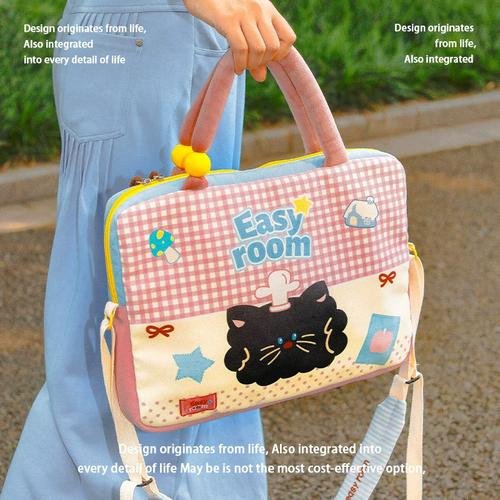
EVA laptop cases usually have stronger material-level water resistance because EVA foam has a closed-cell structure that does not absorb water easily. Fabric laptop bags can also be highly water-resistant, but their performance depends on fabric type, coating, zipper, seam construction, lining, and overall design. In real use, neither product should be called fully waterproof unless the whole structure has been designed and tested for that claim. For most laptop products, “water-resistant” is more accurate than “waterproof.”
Water Resistance Starts with Honest Product Claims
Customers care about water resistance because laptops are expensive. A few drops of rain may not seem serious, but moisture around a laptop can create fear instantly. That is why many sellers like to use the word “waterproof.” But from a manufacturing and trust perspective, the word must be used carefully.
A material may be water-resistant, but a finished bag may still leak through the zipper. A coated fabric may repel rain, but water can enter through seams. EVA may resist moisture, but the zipper and stitching around the case may still allow water inside. A laptop bag may survive light rain, but not heavy rain or immersion.
For product pages, the safer and more accurate approach is to define performance levels.
| Claim | What It Should Mean | Product Design Needed |
|---|---|---|
| Water-repellent | Water beads on surface for light exposure | DWR finish or treated surface |
| Water-resistant | Resists light rain or splashes | Coated fabric, better zipper, good structure |
| Rain-resistant | Better protection during commuting rain | Coated fabric, flap design, water-resistant zipper |
| Waterproof | Designed to block water under defined conditions | Waterproof fabric, sealed seams, waterproof zipper, testing |
| Submersible | Can be immersed under water | Specialized dry-bag construction, not normal laptop bag design |
Most EVA laptop cases and fabric laptop bags should be marketed as water-resistant unless they are specifically designed and tested as waterproof products.
EVA Water Resistance: Strong Material, Weak Openings
EVA foam has a strong advantage at material level because of its closed-cell structure. It does not behave like a sponge. It resists water absorption better than many open-cell foams and soft padding materials. This makes it useful for protective cases, sports products, marine accessories, footwear, and equipment storage.
But a finished EVA laptop case is not just EVA. It has a zipper, seams, fabric cover, lining, stitching, logo patches, pullers, and sometimes handle attachment points. Water can enter through these details.
| EVA Case Area | Water Resistance Performance | Risk |
|---|---|---|
| EVA shell | Strong water resistance | Surface puncture or poor covering |
| Outer fabric cover | Depends on material | Fabric may absorb water if untreated |
| Zipper line | Often weakest area | Water can enter through zipper teeth |
| Sewing holes | Weak point | Needle holes can allow moisture |
| Logo patch | Depends on attachment | Stitching may create entry points |
| Handle area | Depends on construction | Stress seams can leak |
| Inner lining | Usually not waterproof | Can hold moisture if water enters |
| Edge binding | Depends on sealing | Poor finishing may absorb water |
For a laptop case used inside another bag, EVA water resistance is usually enough for light protection. For a case carried alone in rainy conditions, the zipper and seam design become much more important.
Fabric Water Resistance: Fully Customizable
Fabric laptop bags can be made with many levels of water resistance. A basic cotton canvas bag may absorb water quickly unless treated. A polyester bag with a water-repellent finish may handle light rain. A PU-coated Oxford bag can offer better protection. A TPU-laminated nylon bag with water-resistant zippers and covered seams can perform much better for travel and commuting.
The advantage of fabric is flexibility. Brands can choose water resistance based on target price and user need.
| Fabric Option | Water Resistance Potential | Best Use |
|---|---|---|
| Untreated cotton | Low | Dry indoor use, casual lightweight bags |
| Untreated canvas | Low to medium | Lifestyle bags, dry conditions |
| Treated canvas | Medium | Casual commuter bags |
| Basic polyester | Low to medium | Promotional and school bags |
| Water-repellent polyester | Medium | Daily office and student bags |
| PU-coated Oxford | Medium to high | Commuter laptop bags |
| PVC-coated fabric | High | Utility and rain-resistant bags |
| TPU-coated nylon | High | Travel and outdoor laptop bags |
| Neoprene | Medium to high | Laptop sleeves and soft protective cases |
| Ripstop nylon with coating | Medium to high | Lightweight travel bags |
This is one reason Szoneier’s fabric range is useful for custom projects. A brand can start with a budget-friendly polyester sleeve, develop a coated Oxford laptop backpack, or create a higher-end nylon travel bag depending on the market.
Water Resistance by Real Weather Scenario
A laptop bag does not need the same water resistance in every market. A product sold to office users in dry climates can be different from one sold to commuters in rainy cities.
| Scenario | User Expectation | Suggested Product Direction |
|---|---|---|
| Indoor office use | Protection from spills and dust | Basic treated polyester or EVA case |
| Short walk in light rain | Surface water resistance | Water-repellent polyester or coated Oxford |
| Daily rainy commute | Stronger rain protection | PU-coated nylon/Oxford with zipper flap |
| Bike commute | Better weather sealing | Coated fabric, waterproof zipper, covered seams |
| Travel use | Rain and luggage exposure | Coated nylon, ripstop, luggage sleeve |
| Outdoor work | Abrasion and weather resistance | Technical coated fabric |
| Inside backpack protection | Light moisture barrier | EVA case or neoprene sleeve |
| Premium city commute | Protection plus clean appearance | Coated nylon with matte finish |
For product development, brands should avoid vague briefs like “make it waterproof.” A better brief says: “The bag should protect a laptop during 15–20 minutes of light rain while commuting.” That gives the factory a realistic design target.
Zippers Decide a Lot
Zippers are often the weak point in water-resistant laptop products. Even if the fabric is coated, water can enter through standard zipper teeth. A rain flap, reverse zipper, waterproof zipper, or covered zipper design can improve performance.
| Zipper Solution | Water Resistance Level | Cost Impact | Best Use |
|---|---|---|---|
| Standard zipper | Low | Low | Basic laptop sleeves and indoor use |
| Reverse zipper | Low to medium | Low to medium | Cleaner look, light protection |
| Zipper flap | Medium | Medium | Commuter laptop bags |
| Waterproof zipper | Medium to high | Higher | Travel and rain-resistant products |
| Roll-top closure | High if well designed | Medium to high | Outdoor-style laptop bags |
| Hidden zipper | Medium | Medium | Premium minimalist bags |
For EVA laptop cases, waterproof zippers can improve the product but also increase stiffness and cost. For fabric laptop bags, zipper flaps are often a practical way to improve rain resistance without making the bag too expensive.
Seams and Stitching Are Hidden Water Paths
Sewing creates needle holes. These holes can allow moisture to enter if the bag is exposed to rain. Most daily laptop bags do not use fully sealed seams because seam sealing adds cost and manufacturing complexity. For normal commuting, coated fabric plus zipper protection may be enough. For stronger waterproof claims, seam sealing or welded construction may be needed.
| Seam Type | Water Resistance | Practical Use |
|---|---|---|
| Standard stitched seam | Low to medium | Daily bags and sleeves |
| Bound seam | Medium | Stronger appearance and durability |
| Taped seam | Higher | Waterproof-style bags |
| Welded seam | High | Dry bags and technical waterproof products |
| Covered seam design | Medium to high | Rain-resistant commuter bags |
A laptop bag can use smart design to reduce water entry without making every seam waterproof. For example, zipper openings can face downward, flaps can cover vulnerable areas, the laptop compartment can be placed away from the outer wall, and the bottom can use coated fabric.
Neoprene as a Water-Resistant Fabric Option
Neoprene is often used for laptop sleeves because it is soft, flexible, cushion-like, and naturally water-resistant at material level. It is not usually the best choice for a full structured laptop backpack, but it works very well for slim sleeves, inner protective covers, and flexible laptop pouches.
| Neoprene Strength | Practical Meaning |
|---|---|
| Soft cushion feel | Good for scratch and light bump protection |
| Stretch | Fits slim laptop shapes with a snug feel |
| Water resistance | Helps protect from light splashes |
| Lightweight | Easy for daily carry |
| Smooth surface | Modern tech-friendly appearance |
| Printing option | Useful for colorful or branded sleeves |
However, neoprene sleeves are not automatically waterproof. Stitching, zipper openings, and edge binding still matter. Neoprene is best described as water-resistant unless the product has specialized sealing.
Water Resistance and Breathability Trade-Off
Higher water resistance often reduces breathability and changes the feel of the bag. A heavily coated fabric may feel less soft. A waterproof zipper may feel stiffer. PVC-coated fabric may feel stronger but heavier. TPU-coated nylon may feel technical and premium but cost more.
This is where critical thinking matters. Not every laptop bag should be built like outdoor gear. A premium office laptop bag may need a refined matte nylon with moderate water resistance rather than a heavy waterproof fabric. A student bag may need enough water repellency for light rain, not full waterproof construction. A travel bag may justify stronger weather protection because the user moves through airports, streets, and hotels.
| Design Goal | Water Resistance Trade-Off |
|---|---|
| Lightweight daily bag | Avoid overly heavy coatings |
| Premium office appearance | Choose refined coated fabric, not bulky waterproof fabric |
| Low-cost school bag | Use water-repellent polyester or Oxford |
| Outdoor travel bag | Use coated nylon or TPU-laminated fabric |
| Minimal sleeve | Neoprene or EVA works well |
| Corporate gift | Balance cost, logo area, and light protection |
| Rain-focused commuter bag | Invest in zipper and seam design |
| Fashion laptop tote | Use treated canvas or coated lining carefully |
A good custom manufacturer should help the buyer avoid over-specification. Overbuilding can raise cost and reduce comfort. Underbuilding can create complaints. The correct level sits between those extremes.
How Brands Should Test Water Resistance
Before bulk production, water resistance should be checked in ways that match the product claim. A bag sold as “water-resistant” should at least handle light splashing or short rain exposure. A bag described as “rain-resistant” should be tested more carefully around zippers and seams. A bag described as “waterproof” needs more serious testing and construction.
| Test Method | What It Shows | Suitable Product Claim |
|---|---|---|
| Surface spray test | Whether water beads on fabric | Water-repellent |
| Short rain simulation | Whether water enters after light rain | Water-resistant |
| Zipper exposure test | Whether zipper line leaks | Rain-resistant |
| Seam check | Whether stitched seams leak | Higher water resistance |
| Lining moisture check | Whether inside stays dry | Laptop protection confidence |
| Bottom wet surface test | Whether moisture enters from base | Travel and commuter bags |
| Wipe-clean test | Whether surface cleans easily | Daily maintenance |
| Repeated bending test | Whether coating cracks | Long-term use |
For laptop products, testing should always include internal inspection. The outside may look dry, but moisture can still reach the lining or laptop compartment.
Which Is More Water-Resistant in Practice?
EVA is usually more water-resistant at material level. Fabric is more flexible at product level because it can be engineered with coatings, waterproof zippers, seam design, and layered construction. In daily use, a coated fabric laptop bag with good zipper protection may outperform a basic EVA case with a standard zipper if the user carries it in rain. A molded EVA case may outperform an untreated fabric sleeve if the user only needs splash protection inside another bag.
| Situation | Better Water-Resistant Choice |
|---|---|
| Laptop-only case inside backpack | EVA or neoprene sleeve |
| Light office commute | Treated polyester, Oxford, or EVA |
| Rainy city commuting | Coated fabric laptop bag |
| Travel and airport use | Coated nylon or Oxford travel bag |
| Outdoor use | Technical coated fabric |
| Minimal sleeve | Neoprene or EVA |
| Premium professional look | Coated nylon fabric bag |
| Budget-friendly water resistance | PU-coated Oxford |
| Strong splash resistance | EVA case with better zipper |
| Full waterproof claim | Specialized coated fabric with sealed construction |
For brands, the most practical path is to define the level of water protection honestly. A product page that says “water-resistant for light rain and daily splashes” is more believable than one that casually says “100% waterproof” without construction proof. Customers trust clear claims. Factories can build better products when the claim is realistic.
Water Resistance Recommendation for Custom Projects
If the product is a slim protective laptop case, EVA or neoprene can be a strong choice. If the product is a main daily laptop bag, coated fabric is usually more practical. If the product is for students or office users, water-repellent polyester or PU-coated Oxford may be enough. If the product is for travel or rainy commuting, coated nylon, ripstop, TPU-laminated fabric, waterproof zippers, and smarter seam design should be considered.
| Project Type | Recommended Material Direction |
|---|---|
| Low-cost laptop sleeve | Neoprene or polyester with water-repellent finish |
| Slim premium laptop case | EVA with fabric cover and quality zipper |
| Office laptop briefcase | Coated Oxford, nylon, or polyester |
| Student laptop backpack | PU-coated Oxford or polyester |
| Travel laptop backpack | Coated nylon, ripstop, or TPU-laminated fabric |
| Outdoor laptop bag | Technical coated fabric with reinforced base |
| Corporate gift laptop case | EVA, neoprene, or Oxford depending on budget |
| Lifestyle laptop tote | Treated canvas or coated cotton blend |
| Rain-focused commuter bag | Coated fabric with zipper flap or waterproof zipper |
| Hybrid protection product | Fabric outer shell with EVA-reinforced panels |
Szoneier can support custom water-resistant laptop bags through fabric selection, coating recommendations, structural design, sampling, logo customization, and production control. The key is to start with the real use environment. Rainy commute, office carry, school use, travel, and outdoor work all require different levels of protection. A good laptop product does not simply block water; it protects the customer’s daily routine with the right material, structure, and details.
Which Looks More Professional?

EVA laptop cases usually look more modern, clean, and tech-focused, while fabric laptop bags offer a wider range of professional styles, from executive office bags to casual work totes and travel backpacks. If the goal is a slim protective case for a laptop alone, EVA can feel sharp and minimal. If the goal is a complete daily work bag with storage, comfort, and brand expression, fabric usually gives more room to create a product that feels professional, practical, and personal at the same time.
Professional Style Depends on the User Scene
“Professional” does not mean the same thing for every customer. A finance team, a design studio, a university program, a tech startup, and a travel brand may all want laptop bags, but their idea of a professional product can be very different.
A bank employee may prefer black nylon, clean lines, minimal logos, and structured compartments. A designer may prefer canvas, textured fabric, muted colors, and soft details. A sales team may need a laptop briefcase that looks polished when visiting clients. A remote worker may prefer a slim laptop sleeve that fits into a tote. A premium tech brand may want a molded EVA case that feels sleek and device-specific.
| User Scene | Professional Look Means | Better Material Direction |
|---|---|---|
| Corporate office | Clean, structured, dark colors, subtle logo | Nylon, Oxford fabric, coated polyester |
| Business travel | Organized, durable, smart, not bulky | Coated nylon, ripstop, structured polyester |
| Tech accessory brand | Minimal, molded, device-focused | EVA, neoprene, fabric-covered EVA |
| University or education | Practical, affordable, youthful | Polyester, Oxford, canvas |
| Creative industry | Texture, personality, softer styling | Canvas, cotton, linen blend, textured polyester |
| Premium retail | Refined surface, strong details, high-quality trims | Nylon, RPET, PU trim, coated fabric |
| Corporate gift | Logo-friendly, useful, cost-balanced | Polyester, Oxford, EVA, neoprene |
| Outdoor work | Technical, tough, weather-ready | Ripstop nylon, coated Oxford, reinforced fabric |
A professional laptop product should fit the customer’s environment. A shiny hard-shell EVA case may look modern in a tech store but may feel too narrow for daily office use. A canvas laptop tote may look stylish in a creative studio but may not match a conservative business setting. A coated nylon laptop backpack may look excellent for travel but too technical for a fashion-focused buyer.
EVA Gives a Clean Tech Look
EVA laptop cases are strong when the design needs to feel precise, modern, and protective. The molded shell gives the product a defined shape. It does not wrinkle easily. It can look clean on a desk, in a meeting room, or inside a retail display.
EVA works especially well for:
- Minimal laptop cases
- MacBook-style protective cases
- Tech accessory bundles
- Corporate device kits
- Travel electronics cases
- Premium gift packaging
- Molded laptop sleeves
- Hybrid EVA-fabric protective cases
The visual message is simple: this product protects the device.
For brands, this can be powerful. A molded EVA case can feel more “engineered” than a soft sleeve. It can also create a stronger sense of fit if the internal size is designed around a specific laptop category.
However, EVA also has limits. If the surface material looks cheap, the case may feel like generic electronics packaging. If the shell is too bulky, it may look clumsy. If the logo is too large, it may look promotional instead of premium. EVA needs careful surface finishing to look professional.
| EVA Design Detail | Professional Effect | Risk If Poorly Designed |
|---|---|---|
| Matte surface | Modern and premium | Glossy surface may look cheap |
| Fabric-covered shell | Softer and more lifestyle-friendly | Poor bonding may wrinkle |
| Rounded corners | Clean and user-friendly | Too round may look childish |
| Slim profile | Elegant and easy to carry | Too thin may feel weak |
| Subtle logo | Premium and brand-friendly | Oversized logo feels promotional |
| Soft lining | Protects laptop and improves feel | Rough lining reduces trust |
| Smooth zipper path | Clean user experience | Bulky zipper disrupts shape |
| Molded structure | Strong protective message | Overly thick shell looks heavy |
For a professional EVA case, the goal should be controlled simplicity. It should not be overloaded with pockets, straps, patches, and decorative lines. EVA works best when the form itself carries the design.
Fabric Offers More Professional Personality
Fabric laptop bags have a wider style range. A fabric bag can look formal, sporty, casual, outdoor, vintage, minimalist, fashionable, or premium depending on material and structure.
That is why fabric is often better when the product needs to match a broader lifestyle. People do not only carry laptop bags for protection. They wear them. They place them next to outfits. They take them into meetings. They bring them to cafés. They carry them through airports. Fabric helps a laptop bag feel like part of daily life.
| Fabric Style | Visual Feeling | Suitable Product |
|---|---|---|
| Smooth nylon | Clean, business, durable | Office laptop backpack, briefcase |
| Coated Oxford | Structured, practical, modern | Commuter laptop bag |
| Canvas | Casual, warm, creative | Laptop tote, student bag |
| Neoprene | Soft, modern, minimal | Laptop sleeve |
| Ripstop fabric | Technical, travel-ready | Outdoor laptop backpack |
| RPET polyester | Modern and eco-conscious | Sustainable laptop bag line |
| Cotton fabric | Soft and natural | Light laptop sleeve, gift bag |
| Linen blend | Premium casual texture | Lifestyle laptop sleeve |
| PU-trimmed fabric | More refined and polished | Executive laptop bag |
| Textured polyester | Balanced cost and appearance | Retail laptop bag collection |
For Szoneier’s custom projects, this is a major advantage. Since the company can work with cotton, canvas, polyester, nylon, neoprene, jute, linen, Oxford fabric, and many finishing options, brands can build very different laptop bag personalities from one manufacturing partner.
Color Makes a Big Difference
Color affects how professional a laptop bag feels. Black, charcoal, navy, gray, beige, olive, and dark brown are common professional directions. Bright colors can work for youth, school, outdoor, or brand campaign products, but they need careful control.
| Color Direction | Market Feeling | Recommended Use |
|---|---|---|
| Black | Classic, safe, business | Office, travel, corporate gifts |
| Charcoal gray | Modern and understated | Premium daily bags |
| Navy | Professional but softer than black | Business and school bags |
| Beige or khaki | Casual and lifestyle-friendly | Canvas totes, fashion bags |
| Olive green | Outdoor and practical | Travel and utility bags |
| Brown | Heritage and classic | Canvas and leather-trim styles |
| White or cream | Clean and fashionable | Premium sleeves, but harder to maintain |
| Bright colors | Youthful and energetic | Student bags, campaign products |
| Custom brand color | Strong identity | Private label collections |
| Two-tone design | More visual depth | Retail laptop bag lines |
Professional color does not always mean boring. A matte navy nylon bag with black trims can look premium. A canvas laptop tote in beige with brown webbing can feel warm and design-led. A dark gray EVA case with a small rubber patch can look clean and modern. The best color choice depends on customer group and selling channel.
Logo Placement Should Feel Natural
Many custom laptop bags fail visually because the logo is placed too aggressively. Customers want brand identity, but they do not always want to carry a walking billboard. For premium and professional markets, subtle branding often works better.
| Logo Method | Best For | Visual Feeling |
|---|---|---|
| Woven label | Fabric laptop bags, casual products | Soft and professional |
| Rubber patch | Outdoor, travel, tech bags | Durable and modern |
| Embroidery | Canvas, cotton, premium fabric bags | Textured and classic |
| Screen printing | Promotional and simple designs | Cost-effective |
| Heat transfer logo | Smooth fabric and modern sleeves | Clean and flexible |
| Leather patch | Canvas and premium lifestyle bags | Warm and higher-end |
| Metal plate | Executive laptop bags | Polished but higher cost |
| Debossed logo | EVA or PU areas | Subtle and premium |
| Custom zipper puller | Premium private label | Small but memorable |
| Jacquard webbing | Strong brand identity | Fashion and travel products |
A professional design often uses one main logo position and one small supporting brand detail. For example, a woven label on the front pocket and a custom zipper puller. Or a debossed logo on an EVA shell with a small internal label. Too many logos can cheapen the product.
Structure Changes the Professional Feeling
Professional appearance is not only about fabric and color. Structure matters. A laptop bag with a collapsed body may look cheap even if the fabric is good. A bag with a clean rectangular profile, smooth panels, and balanced pocket layout looks more trustworthy.
| Structure Feature | Professional Benefit |
|---|---|
| Clean front panel | Makes the product look organized |
| Hidden zipper | Creates a refined appearance |
| Structured laptop compartment | Keeps the bag from collapsing |
| Padded handle | Improves both look and comfort |
| Smooth seam lines | Looks more premium |
| Balanced pocket layout | Prevents messy visual clutter |
| Reinforced bottom | Helps the bag stand better |
| Slim side profile | Looks cleaner for business use |
| Contrast lining | Improves interior user experience |
| Quality hardware | Makes the whole product feel stronger |
For business laptop bags, the front panel should not be too busy. For travel laptop bags, pockets can be more visible because function matters. For student laptop bags, design can be more relaxed. For premium retail, small details such as zipper pull shape, lining color, binding quality, and stitching consistency become important.
EVA vs Fabric for Premium Brands
Premium brands can use both EVA and fabric, but the design strategy is different.
EVA premium design depends on mold quality, surface material, zipper smoothness, and inner lining. A premium EVA case should feel precise and protective. It should not feel like cheap packaging.
Fabric premium design depends on fabric hand feel, density, stitching, structure, hardware, and pocket experience. A premium fabric laptop bag should feel comfortable, useful, and refined.
| Premium Design Factor | EVA Case | Fabric Laptop Bag |
|---|---|---|
| First impression | Molded, clean, protective | Stylish, practical, lifestyle-driven |
| Tactile value | Surface cover and lining matter most | Fabric hand feel and hardware matter most |
| Logo expression | Debossing, rubber patch, subtle print | Embroidery, woven label, metal plate, patch |
| User interaction | Open, insert laptop, close | Carry, organize, access, wear |
| Main risk | Looks too generic if surface is plain | Looks cheap if structure collapses |
| Best upgrade | Better shell, lining, zipper, surface material | Better fabric, hardware, padding, structure |
| Ideal product | Slim protective case | Daily work/travel bag |
A strong premium line can combine both. A brand could sell a fabric laptop backpack with a matching EVA laptop case or neoprene sleeve. That creates a complete laptop carry system and gives customers more options.
Which Looks Better for Online Sales?
Online shoppers judge products quickly by photos. EVA cases photograph well because the shape is clean and simple. Fabric laptop bags need better styling because pockets, straps, and fabric texture must be shown clearly.
For e-commerce, product visuals should answer practical questions:
- How thick is the case or bag?
- How does the laptop fit inside?
- Where does the charger go?
- What does the fabric texture look like?
- Is the lining soft?
- How big is the logo?
- Can it be carried by hand or shoulder?
- Does it fit daily accessories?
- Does it look professional on a person?
- Does it look bulky when full?
| Photo Angle | EVA Case Purpose | Fabric Bag Purpose |
|---|---|---|
| Front view | Shows clean shell shape | Shows design and pocket layout |
| Side view | Shows thickness | Shows capacity and profile |
| Open interior | Shows laptop fit and lining | Shows compartments and organization |
| Close-up | Shows surface and zipper | Shows fabric texture and stitching |
| Lifestyle carry | Shows slim convenience | Shows comfort and daily style |
| Water-resistance image | Shows splash protection | Shows coating and rain use |
| Size comparison | Shows laptop compatibility | Shows full capacity |
| Logo detail | Shows brand finish | Shows customization quality |
For Szoneier customers building product pages, the manufacturing details should support the visual story. A beautiful product photo should be backed by real material, stable stitching, accurate sizing, and useful structure.
Professional Appearance Recommendation
EVA is better when the brand wants a sleek, tech-focused, laptop-only product. Fabric is better when the brand wants a complete daily carry product with more personality, storage, and lifestyle value. For most custom laptop bag collections, fabric gives more room to match different customer groups. EVA works best as a focused protective case or as part of a hybrid design.
| Brand Goal | Best Direction |
|---|---|
| Minimal tech accessory | EVA laptop case |
| Office laptop bag | Nylon or Oxford fabric bag |
| Creative lifestyle product | Canvas or textured fabric bag |
| Student laptop product | Polyester or Oxford backpack |
| Premium travel product | Coated nylon laptop backpack |
| Corporate gift | Polyester, Oxford, neoprene, or EVA |
| Fashion laptop tote | Canvas, cotton, linen blend |
| Waterproof commuter style | Coated fabric bag |
| Clean device protection | EVA or neoprene sleeve |
| Full custom collection | Fabric bags plus EVA cases |
For brands working with Szoneier, the professional look can be built from the first sample. The factory can help choose fabric, color, logo method, zipper type, lining, hardware, padding, and structure so the final product does not only protect a laptop, but also looks like something customers are proud to carry.
Which Should Brands Choose?
Brands should choose EVA laptop cases when they need molded structure, compact protection, and a clean tech-accessory feel. Brands should choose fabric laptop bags when they need storage, comfort, flexible design, broader style options, easier customization, and stronger daily-use practicality. The best choice depends on customer lifestyle, laptop size, protection level, target price, order quantity, branding plan, and the way the product will be sold.
Start with the Customer, Not the Material
The biggest mistake in laptop bag development is starting with the material before understanding the customer. EVA and fabric are both useful, but they solve different problems. A material is only “better” when it matches the user’s daily behavior.
Before choosing EVA or fabric, a brand should answer a few practical questions:
- Will the customer carry only a laptop or many items?
- Will the product be used inside another bag or as the main bag?
- Does the customer care more about protection, storage, style, or price?
- Is the product for office, school, travel, outdoor, retail, or corporate use?
- Does the brand need low MOQ testing or stable repeat production?
- Is the product positioned as entry-level, mid-range, or premium?
- Will the product need custom logo, packaging, labels, and private label details?
- Does the product need water resistance?
- Does the product need a molded structure?
- How quickly does the brand need samples?
Once these answers are clear, the choice becomes much easier.
| Customer Need | Better Choice | Reason |
|---|---|---|
| Laptop-only protection | EVA case or neoprene sleeve | Slim, protective, simple |
| Laptop plus daily accessories | Fabric laptop bag | More storage and comfort |
| Strong compression resistance | EVA case | Molded shell protects shape |
| Full commuting function | Fabric laptop bag | Straps, pockets, organization |
| Premium tech accessory | EVA or fabric-covered EVA | Clean and device-focused |
| Travel laptop carry | Fabric travel backpack | Better organization and carrying comfort |
| Low MOQ testing | Fabric laptop bag | Easier pattern adjustment |
| Custom molded shape | EVA case | Better shape control |
| Broad product collection | Fabric bags | More material and style options |
| Hybrid protection | Fabric bag with EVA panels | Balance of structure and function |
Choose EVA When Protection Is the Main Story
EVA is a strong choice when the product promise is centered on protection. If the brand wants to sell a laptop case that feels sturdy, compact, and modern, EVA can work very well.
EVA is especially suitable for:
- Slim hard-shell laptop cases
- Laptop sleeves placed inside backpacks
- Tech accessory gift sets
- Device-specific protective cases
- Corporate laptop kits
- Premium electronics packaging
- Travel protection inserts
- Molded cases for laptop and accessories
The key selling points are clear:
- Semi-rigid structure
- Better compression resistance than soft sleeves
- Clean molded appearance
- Lightweight protection
- Water-resistant material body
- Good fit for minimal users
- Strong tech-product feeling
But brands should not choose EVA if the customer expects a main daily bag with many pockets and carrying comfort. EVA can include a handle or small pocket, but it is usually not the best structure for full-day carry.
| EVA Case Works Best When | EVA Case May Not Work Well When |
|---|---|
| The laptop needs its own protective shell | The user needs to carry many items |
| The product should look modern and compact | The product must function as a full work bag |
| The brand can invest in mold or use standard shape | The order is too small for custom mold economics |
| The product is sold as a tech accessory | The product is sold as a lifestyle daily bag |
| The laptop size range is clear | The target laptops vary widely in thickness |
| The design needs shape retention | The design needs flexible expansion |
| The product will go inside another bag | The product must carry heavy loads alone |
| The customer wants minimalism | The customer wants pockets and organization |
For Szoneier customers, EVA can be considered when the goal is a protective case, a molded accessory, or a hybrid laptop protection product. If the project needs low MOQ, fast development, and many design changes, fabric may be easier for the first round.
Choose Fabric When Daily Use Is the Main Story
Fabric laptop bags are the stronger choice when the product must support daily movement. If the customer carries accessories, commutes, travels, studies, or works between locations, fabric usually wins.
Fabric is especially suitable for:
- Laptop backpacks
- Laptop briefcases
- Laptop shoulder bags
- Laptop totes
- Laptop messenger bags
- Padded sleeves
- Travel laptop bags
- School laptop bags
- Corporate laptop bags
- Lifestyle laptop collections
The main advantages are:
- More storage capacity
- Better carrying comfort
- Easier pocket design
- More material choices
- More style flexibility
- Easier logo customization
- Better low MOQ flexibility
- Easier sample revision
- Broader price range
- More suitable for private label collections
| Fabric Bag Works Best When | Fabric Bag May Not Work Well When |
|---|---|
| The customer carries more than a laptop | The product must be a hard molded shell |
| The product needs pockets and compartments | The brand wants a very slim case only |
| The project requires flexible customization | The product needs a fixed 3D molded shape |
| The brand wants multiple styles and colors | The brand only wants one device-specific case |
| Comfort matters | The product will always go inside another bag |
| The product needs logo and label options | The design must resist heavy compression |
| The market includes students, office users, travelers | The market wants a tech-case look only |
| The brand wants faster sample changes | The product needs hard-shell appearance |
Fabric is also better when the brand wants to build a full product family. One material system can support sleeves, shoulder bags, totes, backpacks, organizer pouches, and travel bags. This helps brands build a more complete laptop accessory line.
Consider Hybrid Designs
The best answer is not always EVA or fabric. Many strong laptop products use both. A hybrid design can combine fabric’s comfort and storage with EVA’s structure and protection.
Hybrid options include:
- Fabric laptop bag with EVA-reinforced front panel
- Nylon backpack with EVA-padded laptop compartment
- EVA laptop case covered with polyester or Oxford fabric
- Neoprene sleeve with EVA corner protection
- Canvas laptop tote with reinforced foam and board panels
- Travel backpack with molded EVA accessory pocket
- Laptop briefcase with semi-rigid EVA side panels
- Fabric organizer bag with EVA shell for electronics
| Hybrid Design | Benefit | Suitable Market |
|---|---|---|
| Fabric-covered EVA case | Protective but softer-looking | Premium tech accessories |
| Laptop backpack with EVA panel | Better structure and protection | Travel and commuter bags |
| Neoprene sleeve with EVA corners | Soft feel plus corner support | Minimal laptop users |
| Oxford bag with EVA bottom | Better impact resistance | Student and daily bags |
| Nylon bag with molded accessory pocket | Protects charger, mouse, cables | Business travel |
| Canvas tote with padded laptop insert | Lifestyle look plus function | Creative and retail market |
| EVA shell with fabric handle | Better carrying comfort | Corporate laptop kits |
| Fabric briefcase with structured panels | Professional shape | Office and sales teams |
Hybrid products are especially useful when a brand wants a better story than a basic sleeve. For example, “soft-touch fabric outside, semi-rigid EVA protection inside” is easier for customers to understand than a long technical explanation.
Cost and MOQ Decision
Cost is often the deciding factor. EVA can require mold development if the shape is custom. Fabric bags often allow more flexible sampling because changes can be made through pattern adjustments and material selection. This makes fabric attractive for new brands, online sellers, seasonal collections, and trial orders.
| Cost Factor | EVA Laptop Case | Fabric Laptop Bag |
|---|---|---|
| Sample development | May be higher if mold is needed | Usually more flexible |
| Design revision | Mold changes can be costly | Pattern changes are easier |
| MOQ flexibility | More sensitive to mold and material setup | Usually more flexible |
| Material range | Shell plus cover and lining | Very wide fabric choices |
| Logo cost | Depends on method and shell surface | Many low-to-premium options |
| Unit cost | Can be efficient after mold is set | Varies widely by fabric and structure |
| Best for testing | Standard mold EVA case | Fabric sleeve or bag |
| Best for repeat production | Fixed-size molded case | Stable fabric bag design |
| Premium upgrade path | Better shell, lining, zipper | Better fabric, hardware, padding |
| Cost control path | Use existing mold and simple cover | Use stock fabric and simple structure |
For small trial orders, fabric bags are often easier. For larger repeat orders with a stable design, EVA can become efficient. For premium projects, both can work, but the product must justify the cost through design and user value.
Manufacturing Timeline Considerations
Development time depends on design complexity. A simple fabric laptop sleeve can be sampled faster than a fully custom molded EVA case. A complex travel laptop backpack with many compartments may take longer than a simple EVA shell if the structure is detailed. The timeline depends on material sourcing, pattern making, mold availability, logo method, sample revision, and approval process.
| Product Type | Development Complexity | Notes |
|---|---|---|
| Basic neoprene sleeve | Low | Good for fast logo projects |
| Simple polyester sleeve | Low | Cost-friendly and easy to revise |
| Standard EVA laptop case | Medium | Faster if standard mold exists |
| Custom molded EVA case | Medium to high | Mold development required |
| Fabric laptop briefcase | Medium | Pattern and pocket layout matter |
| Laptop backpack | Medium to high | More panels, straps, and compartments |
| Travel laptop backpack | High | Needs stronger structure and testing |
| Hybrid EVA-fabric product | Medium to high | Requires good material matching |
| Premium retail laptop bag | High | Details, trims, and finishing matter |
| Waterproof-style laptop bag | High | Zippers, seams, coatings need testing |
For brands preparing a launch, the safest approach is to start sampling early and define the must-have features first. Adding too many features late in development can delay production and increase cost.
What Information Should Brands Provide Before Sampling?
A clear project brief helps the factory create better samples. Many problems happen because the first request is too vague: “We need a laptop bag like this photo.” A photo is useful, but it does not tell the factory the laptop size, target user, fabric, padding level, price range, or logo method.
A better brief includes:
| Information Needed | Example |
|---|---|
| Product type | EVA case, sleeve, backpack, briefcase, tote |
| Laptop size | 13-inch, 14-inch, 15.6-inch, 16-inch, custom dimensions |
| Target user | Student, office worker, traveler, corporate team |
| Main function | Protection, storage, travel, gift, retail |
| Material preference | EVA, nylon, polyester, canvas, neoprene, Oxford |
| Water resistance level | Light splash, daily rain, travel rain |
| Storage needs | Charger, mouse, tablet, documents, bottle |
| Logo method | Embroidery, patch, printing, debossing |
| Color plan | Stock color or Pantone color |
| Target price | Entry, mid-range, premium |
| Quantity plan | Sample, trial order, bulk order |
| Packaging | Polybag, hangtag, retail box, custom carton |
| Reference images | Style, structure, pocket layout |
| Quality concerns | Zipper, padding, lining, handle strength |
With this information, Szoneier can recommend the right material, structure, sample direction, and production method more accurately.
Decision Matrix for EVA vs Fabric Laptop Products
For brands that still feel unsure, a decision matrix can make the choice clearer.
| Decision Question | Choose EVA If… | Choose Fabric If… |
|---|---|---|
| What is the main product promise? | Protection and molded structure | Daily carry and organization |
| How much storage is needed? | Laptop only or very few items | Laptop plus accessories |
| Is comfort important? | Short hand carry only | Long commute or travel carry |
| Is low MOQ important? | Standard mold is acceptable | Flexible custom design is needed |
| Is shape retention important? | Very important | Moderately important |
| Is style flexibility important? | Simple tech look is enough | Many styles and colors are needed |
| Is water resistance important? | Splash resistance is enough | Rain-resistant construction is needed |
| Is the product premium? | Mold, lining, and finish must be upgraded | Fabric, hardware, and structure must be upgraded |
| Is the product for retail? | Good for tech accessory shelves | Good for lifestyle and work collections |
| Is the product for corporate use? | Good for device kits | Good for practical daily gifts |
A brand does not need to choose one forever. Many successful product lines include both slim protective cases and full daily laptop bags. Customers have different habits, and a product range can serve more than one need.
Recommended Product Strategies
Different brands should choose different development paths.
| Brand Type | Recommended Product Strategy |
|---|---|
| New online store | Start with fabric laptop sleeves or simple laptop bags for flexible MOQ |
| Premium tech brand | Develop EVA cases or fabric-covered EVA cases with refined lining |
| Corporate gift supplier | Offer polyester/Oxford laptop bags and EVA cases at different price levels |
| Travel brand | Focus on coated nylon or Oxford laptop backpacks with strong organization |
| School product supplier | Use polyester or Oxford fabric with padded laptop compartments |
| Lifestyle brand | Use canvas, cotton, linen blend, or textured polyester laptop totes |
| Outdoor brand | Use ripstop nylon, coated fabric, reinforced seams, and waterproof zipper options |
| Business accessory brand | Use nylon or structured Oxford fabric briefcases and backpacks |
| Eco-positioned brand | Consider RPET polyester, cotton canvas, and responsible packaging |
| Established retailer | Build a full collection: sleeve, briefcase, backpack, EVA case |
For Szoneier customers, the product strategy can be adjusted by target market. A buyer selling to students may need price-friendly polyester laptop backpacks. A boutique brand may need canvas laptop totes. A travel seller may need coated nylon backpacks. A tech accessory brand may need EVA cases. A corporate client may need custom logo products with fast sampling and stable delivery.
Final Buying Recommendation
Choose EVA laptop cases when the product must feel protective, compact, molded, and modern. Choose fabric laptop bags when the product must be useful every day, carry more items, offer comfort, support many styles, and allow easier customization. Choose a hybrid design when the market wants both protection and daily practicality.
The strongest custom laptop product is not the one with the most features. It is the one that solves the right customer problem with the right material, structure, and price. A student does not need an expensive molded case with no storage. A minimalist tech user may not want a large backpack. A traveler needs organization. An office worker needs a clean look. A brand needs stable quality, clear customization, and a supplier who understands both material and finished product manufacturing.
Szoneier can help brands develop custom EVA laptop cases, fabric laptop bags, neoprene sleeves, Oxford laptop backpacks, nylon business bags, canvas laptop totes, and hybrid protective designs. With over 18 years of experience in fabric research, product manufacturing, and custom development, Szoneier supports material selection, free design assistance, low MOQ customization, fast sampling, private label branding, OEM/ODM production, logo customization, packaging, quality control, and short lead times.
If you are planning a laptop bag or laptop case project, prepare your laptop size, target user, reference design, preferred material, logo file, order quantity, and target price. Szoneier can help turn those details into a practical sample and a production-ready product that fits your market.