 Skip to content

What Does a Crossbody Bags Manufacturer Produce?
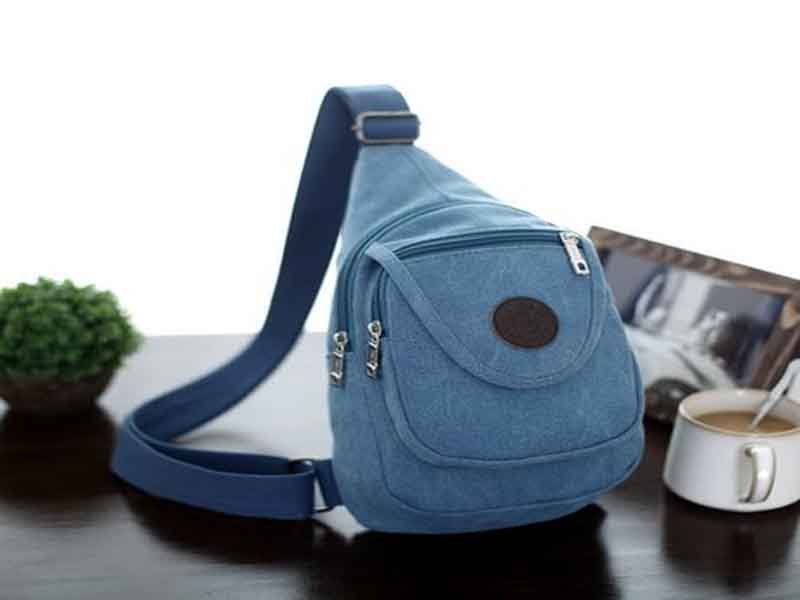
A crossbody bag may look like a simple everyday accessory, but behind every well-designed piece is a combination of material science, structural engineering, production craftsmanship, and market understanding. A lightweight nylon sling bag for outdoor activities, a premium canvas crossbody bag for a fashion collection, and a protective medical utility bag all require completely different approaches in fabric selection, construction methods, and functional design.
A crossbody bags manufacturer produces a wide range of customized bags, including mini crossbody bags, messenger bags, sling bags, travel bags, tactical bags, fashion bags, and industry-specific utility bags. Manufacturers provide complete solutions covering fabric development, bag design, logo customization, sampling, production, quality inspection, and OEM/ODM private label services. Materials commonly include cotton, canvas, polyester, nylon, neoprene, jute, linen, and Oxford fabrics, selected according to durability, appearance, protection requirements, and application environment.
For more than 18 years, professional manufacturers like Szoneier have worked with different industries by transforming simple concepts into finished products. A designer may start with only a sketch and a preferred fabric style, while the manufacturer turns that idea into a functional product through pattern development, material testing, production optimization, and strict quality control. Understanding what a crossbody bag manufacturer actually produces helps brands choose the right partner instead of simply comparing prices.
1. What Types of Crossbody Bags Do Manufacturers Produce?
A professional crossbody bags manufacturer produces much more than one standard bag style. Manufacturers develop different structures based on carrying habits, market positioning, industry requirements, and functional needs. The same crossbody concept can become a fashionable accessory, a travel companion, a tactical storage solution, or a professional working tool depending on its materials and construction.
Crossbody bags are popular because they balance convenience, comfort, and security. Unlike traditional handbags, they allow users to keep their hands free while distributing weight across the shoulder. This makes them suitable for daily commuting, travel, outdoor activities, retail collections, and specialized applications.
A manufacturer usually develops multiple categories of crossbody bags, including fashion crossbody bags, messenger bags, sling bags, travel bags, and utility designs. Each category requires different fabric choices, hardware combinations, compartment structures, and production techniques.
| Crossbody Bag Type | Main Purpose | Common Materials | Typical Features |
|---|---|---|---|
| Mini Crossbody Bag | Fashion and daily use | PU, canvas, cotton, polyester | Compact size, lightweight, stylish appearance |
| Messenger Bag | Work and commuting | Canvas, nylon, Oxford fabric | Larger capacity, document compartments |
| Sling Bag | Outdoor and casual activities | Nylon, polyester, neoprene | Adjustable strap, ergonomic design |
| Travel Crossbody Bag | Travel protection | Oxford, nylon, polyester | Multiple pockets, anti-theft structure |
| Tactical Crossbody Bag | Military and outdoor use | Nylon, heavy-duty fabrics | Reinforced stitching, MOLLE systems |
| Medical Utility Bag | Healthcare applications | Waterproof polyester, Oxford fabric | Functional compartments, easy cleaning |
Mini Crossbody Bags
Mini crossbody bags are among the most popular fashion-oriented products because they combine portability with visual appeal. These bags are usually designed for carrying essential items such as phones, wallets, cards, keys, and cosmetics.
Manufacturers pay special attention to size accuracy, appearance, and lightweight construction. A difference of only a few centimeters can significantly affect the wearing experience. For fashion brands, details such as zipper quality, lining materials, strap width, and logo placement often determine whether a product feels premium.
Common materials include cotton canvas, polyester, synthetic leather, and lightweight nylon. Canvas versions provide a natural lifestyle appearance, while nylon versions focus more on durability and outdoor functionality.
Messenger Crossbody Bags
Messenger bags are designed for users who need more storage capacity while maintaining comfortable shoulder carrying. They are widely used for commuting, business travel, education, and casual urban lifestyles.
A typical messenger bag manufacturer focuses on internal organization. Multiple compartments, padded sections, zipper pockets, and adjustable shoulder straps are often included to improve practicality.
For example, a canvas messenger bag designed for office workers may include a padded laptop compartment, while a travel version may include passport pockets and hidden security compartments.
The production challenge is balancing capacity with weight. Increasing the number of compartments improves functionality but also increases material consumption and production complexity. Experienced manufacturers optimize patterns and fabric thickness to maintain durability without creating unnecessary weight.
Sling Bags and Shoulder Bags
Sling bags have become increasingly popular in outdoor and streetwear markets because of their compact design and comfortable carrying method.
Manufacturers often use nylon, polyester, and neoprene materials because these fabrics offer lightweight performance, abrasion resistance, and easy maintenance.
A well-designed sling bag usually includes:
- Adjustable shoulder straps
- Quick-release buckles
- Multiple storage sections
- Reinforced stress points
- Water-resistant fabric treatments
For outdoor brands, the manufacturing process focuses heavily on durability testing. Strap connections and zipper areas receive additional reinforcement because these parts experience the highest mechanical stress during daily use.
Travel and Utility Crossbody Bags
Travel crossbody bags require more functional thinking than standard fashion products. They are designed around user problems such as organization, security, weather protection, and long-term comfort.
Professional manufacturers often add:
- RFID protection pockets
- Hidden zipper compartments
- Waterproof coatings
- Shock-resistant padding
- Breathable back panels
A travel bag project may involve several rounds of sample adjustment because the manufacturer must evaluate not only appearance but also real-world usability.
For example, increasing pocket depth by 2–3 cm may improve storage capacity, but it can also change the bag’s balance when worn. Experienced factories use sampling processes to solve these details before mass production.
Fashion and Luxury Crossbody Bags
Fashion crossbody bags focus heavily on aesthetics, craftsmanship, and brand identity. Luxury-oriented designs often require more detailed workmanship, including precise stitching, premium hardware, custom labels, and special finishing techniques.
Manufacturers supporting fashion brands usually provide:
- Custom pattern development
- Fabric recommendations
- Hardware matching
- Color customization
- Packaging solutions
The goal is not only to create a bag that functions well but also to create a product that communicates a specific brand image.
2. Which Materials Are Used for Crossbody Bags?
The material choice determines a crossbody bag’s durability, appearance, weight, cost, and application range. A professional manufacturer does not simply select fabrics based on appearance; the choice must match the product’s intended environment and expected lifespan.
Crossbody bags can be produced using natural fabrics, synthetic fabrics, and technical materials. Szoneier develops and supplies multiple fabric solutions, including cotton, canvas, polyester, nylon, neoprene, jute, linen, and Oxford fabrics, allowing different industries to achieve different performance goals.
| Material | Advantages | Common Applications | Considerations |
|---|---|---|---|
| Cotton Fabric | Soft touch, natural appearance | Lifestyle bags, fashion collections | Lower water resistance |
| Canvas Fabric | Strong, durable, classic look | Tote bags, messenger bags, casual bags | Heavier than synthetic fabrics |
| Polyester Fabric | Affordable, versatile, color stable | Fashion and promotional bags | Moderate breathability |
| Nylon Fabric | Lightweight, abrasion resistant | Outdoor and travel bags | Higher material cost |
| Neoprene Fabric | Flexible, cushioning effect | Sports and protective bags | Limited heat resistance |
| Jute Fabric | Eco-friendly natural texture | Sustainable bags | Lower durability without treatment |
| Linen Fabric | Premium natural appearance | Luxury lifestyle products | Requires careful handling |
| Oxford Fabric | Strong and water resistant | Utility and travel bags | More structured feeling |
Cotton and Canvas Fabrics
Cotton and canvas remain popular choices for brands looking for a natural, timeless appearance. Canvas is especially valued because its woven structure provides better strength compared with ordinary cotton fabrics.
Canvas crossbody bags are widely used in lifestyle markets because consumers associate canvas with durability, simplicity, and sustainability.
Manufacturers can customize canvas weight according to application requirements. Lightweight canvas may be suitable for casual fashion bags, while heavier canvas works better for outdoor or utility products.
Polyester and Nylon Fabrics
Polyester and nylon are among the most commonly used synthetic materials in crossbody bag production because they provide excellent balance between performance and cost.
Nylon is preferred for products requiring higher abrasion resistance and lightweight performance. Polyester is widely selected because it offers good color retention and stable production costs.
Many travel and outdoor brands choose these materials because they perform better in environments involving moisture, friction, and frequent use.
Neoprene and Technical Materials
Neoprene has unique characteristics compared with traditional bag fabrics. It provides softness, flexibility, and a cushioning effect, making it suitable for protective and modern lifestyle products.
Manufacturers often use neoprene for:
- Sports crossbody bags
- Electronic accessory bags
- Fashion bags with unique textures
However, neoprene requires careful production control because incorrect cutting or stitching methods can affect the final appearance.
Jute and Linen Fabrics
Jute and linen are increasingly used for environmentally focused product lines. These natural materials provide distinctive textures and communicate a more sustainable brand image.
Their challenge is durability. Manufacturers often combine natural fabrics with protective coatings, lining materials, or reinforcement structures to improve practical performance.
Oxford Fabric and Waterproof Materials
Oxford fabric is widely used in functional crossbody bags because of its strong weaving structure and resistance to wear.
It is commonly selected for:
- Travel bags
- Outdoor bags
- Work bags
- Protective storage bags
Manufacturers can also apply additional treatments such as water-resistant coatings, PU backing, and laminated layers to improve environmental protection.
The best material choice depends on balancing appearance, performance, budget, and user expectations rather than selecting the most expensive fabric available.
3. What Customization Services Does a Crossbody Bag Manufacturer Offer?
A professional crossbody bags manufacturer provides complete customization services that transform an idea, sketch, or reference product into a finished branded bag. These services usually include custom size development, fabric selection, color matching, logo application, hardware customization, lining design, packaging, and private label production. Unlike simple bag suppliers that only sell existing designs, experienced manufacturers help optimize products from appearance, functionality, durability, and production feasibility perspectives.
Modern customization has moved beyond adding a logo to an existing bag. Many brands now require unique structures, exclusive fabrics, customized accessories, and consistent brand identity across multiple product lines. OEM and ODM manufacturers support this process by combining design knowledge, material expertise, and manufacturing experience. Full customization commonly covers materials, structure, hardware, and branding elements. 索尔顿皮具
For example, a lifestyle brand may want a lightweight canvas crossbody bag with a vintage appearance, while an outdoor company may need a waterproof nylon sling bag with reinforced stitching. Both products belong to the same category, but their development processes are completely different.
The strongest manufacturers act as product development partners rather than only production facilities. They help customers avoid common mistakes such as selecting unsuitable fabrics, designing weak strap structures, or choosing hardware that cannot withstand daily use.
Custom Size and Structure
Size and structure determine how practical and comfortable a crossbody bag will be. Even small design adjustments can influence carrying experience, production cost, and user satisfaction.
A professional manufacturer can customize:
- Overall bag dimensions
- Pocket arrangement
- Compartment numbers
- Strap length and width
- Bag shape
- Closure methods
- Internal support structures
For example, a travel crossbody bag designed for passports, smartphones, and small electronics requires different internal organization compared with a fashion mini bag designed only for appearance.
Manufacturers usually evaluate:
| Design Element | Small Fashion Bag | Travel Crossbody Bag | Industrial Utility Bag |
|---|---|---|---|
| Size | Compact | Medium to large | Large functional capacity |
| Compartments | 1–3 sections | Multiple organized pockets | Specialized storage areas |
| Structure | Soft and lightweight | Balanced and practical | Reinforced construction |
| Main Priority | Appearance | Convenience | Protection and durability |
A common mistake is designing a bag only from a visual perspective. A beautiful shape may fail if the opening is too narrow, the strap attachment is weak, or the weight distribution creates discomfort. Experienced manufacturers use prototypes to test these details before production.
Custom Logo and Branding
Logo customization is one of the most important services because a crossbody bag often becomes a visible representation of a brand. The logo method must match the material, product positioning, and expected usage environment.
Common branding methods include:
| Logo Method | Suitable Materials | Appearance | Best Application |
|---|---|---|---|
| Screen Printing | Canvas, polyester | Simple and colorful | Casual bags |
| Embroidery | Fabric materials | Premium texture | Lifestyle collections |
| Woven Labels | Cotton, canvas | Soft brand identity | Fashion products |
| Rubber Patches | Nylon, polyester | Modern outdoor style | Sports and travel bags |
| Metal Logo Plates | PU, leather, premium fabrics | Luxury appearance | Fashion collections |
| Embossing | Leather and PU | Elegant texture | Premium bags |
The best logo solution is not always the most expensive option. For example, embroidery may look attractive on canvas but may not perform well on smooth nylon surfaces. A professional factory evaluates both visual impact and production reliability.
Szoneier supports customized branding solutions including logo design assistance, label development, and production integration, helping customers maintain consistent product identity from prototype to final shipment.
Custom Fabric and Color
Fabric customization is one of the areas where experienced manufacturers create the greatest value. The same crossbody bag design can have completely different market positioning depending on material selection.
A canvas crossbody bag creates a natural lifestyle feeling, while nylon creates a technical outdoor image. Neoprene delivers a modern sporty appearance, and linen creates a premium eco-conscious impression.
Manufacturers typically help customers evaluate:
- Fabric weight
- Thickness
- Texture
- Color stability
- Abrasion resistance
- Water resistance
- Sustainability requirements
| Fabric Choice | Visual Style | Performance | Suitable Market |
|---|---|---|---|
| Cotton Canvas | Natural, classic | Strong, breathable | Lifestyle brands |
| Nylon | Technical, modern | Lightweight, durable | Outdoor and travel |
| Polyester | Versatile | Cost-effective, stable | Promotional and fashion |
| Neoprene | Smooth, sporty | Flexible, protective | Sports and modern bags |
| Linen | Premium natural | Unique texture | Sustainable collections |
| Oxford Fabric | Structured | Water-resistant | Utility products |
Color development is also critical. Professional manufacturers can match Pantone colors, develop seasonal collections, and produce different color combinations based on market trends.
Custom Hardware and Accessories
Hardware components strongly influence the durability and appearance of crossbody bags. Many product failures happen not because of the fabric, but because of poor-quality zippers, buckles, hooks, or strap adjusters.
Common customizable hardware includes:
- Zippers
- Buckles
- D-rings
- Shoulder strap adjusters
- Magnetic buttons
- Metal decorations
- Pullers
A premium crossbody bag may require customized metal hardware with engraved logos, while an outdoor bag may need lightweight plastic buckles designed for repeated use.
Manufacturers consider:
| Hardware Component | Quality Requirement | Testing Focus |
|---|---|---|
| Zipper | Smooth operation | Opening and closing cycles |
| Buckle | Strong connection | Pull strength |
| Strap Adjuster | Stable adjustment | Sliding resistance |
| Hook | Secure attachment | Load testing |
| Metal Decoration | Surface quality | Rust resistance |
Small hardware details often create a large difference in customer perception. A smooth zipper and strong buckle make a product feel more professional, while poor hardware can damage the entire user experience.
Custom Packaging Solutions
Packaging is another important customization area because it affects product presentation, retail experience, and brand recognition.
Manufacturers can customize:
- Hang tags
- Poly bags
- Gift boxes
- Printed cartons
- Care labels
- Brand cards
For premium fashion collections, packaging becomes part of the product experience. For travel and outdoor products, packaging usually focuses more on protection, transportation efficiency, and sustainability.
A well-designed packaging system also helps reduce logistics problems. Proper carton size, protective materials, and product arrangement can minimize damage during international transportation.
4. How Are Custom Crossbody Bags Manufactured?
A crossbody bag manufacturer follows a structured production process that transforms design concepts into finished products. The process includes design development, material preparation, cutting, sewing, hardware installation, quality inspection, and packaging.
Professional manufacturing is not simply sewing fabric pieces together. A successful crossbody bag requires accurate pattern development, suitable material combinations, strong stitching techniques, and repeated quality checks.
The manufacturing process usually starts with a product brief. The factory evaluates the intended use, material requirements, target price, and design expectations before creating samples. This approach reduces production risks and improves efficiency.
A typical development timeline includes:
| Production Stage | Main Activities | Typical Purpose |
|---|---|---|
| Design Development | Structure planning, material selection | Confirm product concept |
| Sampling | Prototype production and adjustments | Test appearance and function |
| Material Preparation | Fabric cutting and accessory preparation | Ensure production consistency |
| Assembly | Sewing and hardware installation | Build finished product |
| Quality Inspection | Functional and appearance checks | Maintain standards |
| Packing | Final preparation | Safe shipment |
Design Development and Sampling
Sampling is one of the most important stages because it determines whether the original idea can become a practical product.
During sample development, manufacturers review:
- Pattern accuracy
- Fabric behavior
- Sewing methods
- Strap strength
- Pocket functionality
- Overall appearance
A professional factory may produce several sample versions before final approval. Adjustments such as changing fabric thickness, modifying pocket position, or reinforcing stress points are common.
For example, a customer may request a lightweight nylon crossbody bag with multiple pockets. During sampling, the manufacturer may discover that too many pockets increase weight and reduce comfort. The structure can then be optimized before mass production.
Fabric Cutting and Preparation
Fabric preparation directly affects production consistency. Manufacturers carefully inspect materials before cutting because defects at this stage can influence the entire production batch.
Quality checks include:
- Fabric color consistency
- Surface defects
- Thickness variation
- Printing accuracy
- Coating condition
Computerized cutting systems or experienced cutting teams ensure that different panels match accurately during assembly.
For patterned fabrics, correct cutting direction is especially important because misalignment can make finished bags appear low quality.
Sewing and Assembly
Sewing is where craftsmanship becomes visible. Different bag styles require different stitching methods.
Important production factors include:
- Stitch density
- Seam strength
- Edge finishing
- Reinforcement points
- Thread selection
High-stress areas such as strap connections, zipper ends, and corners usually require additional reinforcement because these areas experience repeated pressure during use.
A manufacturer with strong production experience understands that durability depends not only on fabric strength but also on how every component is connected.
Hardware Installation
Hardware installation requires precision because incorrect positioning can affect both appearance and function.
Workers install:
- Zippers
- Buckles
- Hooks
- Magnetic closures
- Decorative components
Each component must be aligned correctly. A zipper that is slightly misaligned may create opening problems, while an incorrectly attached strap hook may reduce safety.
Professional factories combine skilled workers with inspection procedures to ensure hardware performance.
Quality Inspection and Packing
Quality control is the final protection before products reach customers. Manufacturers usually inspect finished bags according to appearance, function, and durability requirements.
Typical inspection points include:
| Inspection Area | Checking Items |
|---|---|
| Appearance | Color, shape, stitching, cleanliness |
| Function | Zipper operation, pocket usability |
| Strength | Strap and handle durability |
| Dimensions | Size accuracy |
| Packaging | Protection and labeling |
A reliable manufacturer understands that quality is built throughout the entire production process rather than checked only at the end.
For customers developing custom crossbody bags, choosing a factory with strong sampling ability, material expertise, and quality management can significantly reduce development problems and improve final product performance.
5. What Features Can Be Added to Crossbody Bags?
A modern crossbody bag is no longer only a container for personal belongings. Manufacturers now develop bags with specialized features that improve protection, convenience, comfort, and market differentiation. Depending on the intended application, a crossbody bag can include waterproof structures, ergonomic straps, multiple storage systems, anti-theft designs, protective padding, and industry-specific functions.
Professional crossbody bag manufacturers analyze how users interact with products in real environments. A commuter carrying electronics has different needs from a traveler walking outdoors or a healthcare worker organizing medical tools. The best designs are created by combining user behavior, material performance, and manufacturing experience.
Szoneier develops customized crossbody bags for different applications by combining fabric technology, structural design, and functional manufacturing. With materials including nylon, polyester, canvas, neoprene, Oxford fabric, cotton, and other textiles, manufacturers can create products ranging from lightweight fashion accessories to highly durable professional equipment bags.
| Functional Feature | Purpose | Recommended Materials | Common Applications |
|---|---|---|---|
| Waterproof Protection | Prevent moisture damage | Nylon, Oxford, coated polyester | Travel, outdoor, electronics |
| Adjustable Straps | Improve carrying comfort | Nylon webbing, polyester webbing | Daily bags, travel bags |
| Multiple Compartments | Improve organization | Canvas, nylon, polyester | Work, commuting, travel |
| Anti-Theft Design | Increase security | Nylon, Oxford fabric | Urban travel |
| Protective Padding | Protect valuable items | Neoprene, foam materials | Electronics, medical equipment |
| Reinforced Construction | Improve durability | Heavy canvas, nylon | Tactical and industrial use |
Waterproof and Protective Features
Water resistance has become one of the most requested functions in crossbody bag manufacturing because consumers increasingly expect products to perform in different weather conditions.
Manufacturers can improve water resistance through several methods:
- Selecting water-resistant fabrics
- Adding PU coating
- Applying waterproof finishing treatments
- Using sealed zipper designs
- Adding protective inner layers
The level of protection depends on the application. A fashion crossbody bag may only require light water resistance against rain, while an outdoor or equipment bag may need stronger protection against moisture exposure.
For example, Oxford fabric and coated nylon are commonly selected for travel crossbody bags because they provide a balance between durability, weight, and protection. These materials can maintain appearance while handling daily outdoor conditions.
However, waterproof performance is not determined by fabric alone. The sewing structure, zipper design, and seam construction also influence the final result. A waterproof fabric with weak stitching may still allow water penetration.
Adjustable Shoulder Straps
The shoulder strap is one of the most important components of a crossbody bag because it directly affects comfort and durability.
Manufacturers customize:
- Strap width
- Strap length
- Padding thickness
- Buckle type
- Adjustment system
A narrow strap may look elegant but can create pressure when carrying heavier items. A wider strap distributes weight more effectively and is often preferred for travel or outdoor products.
| Strap Type | Advantage | Suitable Products |
|---|---|---|
| Standard Webbing Strap | Lightweight and affordable | Casual bags |
| Wide Comfort Strap | Better weight distribution | Travel bags |
| Padded Strap | Increased comfort | Outdoor products |
| Detachable Strap | Flexible styling | Fashion collections |
| Adjustable Buckle Strap | Easy size adjustment | Daily-use bags |
A professional manufacturer evaluates strap design together with the overall bag structure. A strong strap attachment point is equally important because it receives repeated pulling force during use.
Multiple Compartments and Pockets
Storage design separates ordinary crossbody bags from highly functional products. Modern consumers expect better organization because they carry more items such as smartphones, chargers, wallets, passports, tablets, and personal accessories.
Manufacturers customize:
- Front pockets
- Hidden compartments
- Zipper sections
- Card slots
- Bottle holders
- Electronic device compartments
A travel crossbody bag, for example, may require quick-access passport storage and hidden security pockets, while a fashion mini bag may prioritize a clean appearance with fewer compartments.
The challenge is finding the right balance. Adding too many pockets increases complexity, weight, and production cost. Experienced manufacturers use pattern optimization to create practical layouts without unnecessary bulk.
Anti-Theft Design Features
Security-focused crossbody bags have become increasingly popular, especially in travel and urban markets.
Common anti-theft features include:
- Hidden zipper compartments
- Concealed pockets
- Cut-resistant materials
- Lockable zipper systems
- RFID-blocking sections
These designs require careful integration because security features should not reduce comfort or visual appeal.
For example, a hidden zipper placed incorrectly may make access inconvenient. A professional manufacturer considers both protection and user experience during product development.
Medical and Industrial Functional Features
Crossbody bags are also widely used beyond fashion markets. Healthcare, military, industrial, and professional fields often require customized functional designs.
Medical or industrial crossbody bags may include:
- Easy-clean fabrics
- Reinforced compartments
- Waterproof interiors
- Tool organization systems
- Protective padding
These applications require stricter material selection because the products must withstand frequent use and specific working environments.
For example, a medical utility bag may prioritize cleaning ability and compartment organization, while a tactical crossbody bag may focus on abrasion resistance and load capacity.
A manufacturer with experience across multiple industries can recommend suitable fabrics, structures, and production methods instead of applying one standard design to every project.
6. Which Industries Use Custom Crossbody Bags?
Custom crossbody bags are used across many industries because they combine portability, branding opportunities, and practical functionality. While fashion remains one of the largest markets, crossbody bags are also widely adopted in outdoor activities, travel, healthcare, military applications, corporate promotions, and professional fields.
A specialized manufacturer understands that different industries require different product standards. A fashion brand may focus on appearance and seasonal trends, while an outdoor company may prioritize durability and weather resistance.
Szoneier supports customized bag production for different applications by combining fabric development capabilities with manufacturing experience. The ability to work with cotton, canvas, polyester, nylon, neoprene, jute, linen, and Oxford fabrics allows manufacturers to develop products for diverse markets.
| Industry | Main Requirements | Common Materials | Typical Bag Types |
|---|---|---|---|
| Fashion & Apparel | Appearance, branding, trend design | Canvas, cotton, polyester, linen | Fashion crossbody bags |
| Outdoor & Travel | Durability and protection | Nylon, Oxford, polyester | Sling and travel bags |
| Military & Tactical | Strength and functionality | Heavy nylon, reinforced fabrics | Tactical crossbody bags |
| Medical & Healthcare | Organization and easy cleaning | Oxford, coated polyester | Medical utility bags |
| Corporate Promotion | Logo visibility and cost control | Polyester, canvas | Promotional bags |
Fashion and Apparel Brands
Fashion brands often use crossbody bags as important accessories that complete clothing collections. These products must match seasonal trends, brand aesthetics, and consumer preferences.
Manufacturers supporting fashion collections usually focus on:
- Fabric appearance
- Color development
- Hardware selection
- Brand details
- Packaging presentation
For example, a summer fashion collection may use lightweight linen or cotton canvas to create a natural lifestyle feeling, while an urban streetwear collection may prefer technical nylon with modern hardware.
The challenge in fashion production is balancing creativity with manufacturing feasibility. A unique design must still be practical enough for consistent production.
Experienced manufacturers help brands adjust designs without losing the original concept.
Outdoor and Travel Markets
Outdoor and travel markets require crossbody bags that perform under demanding conditions.
Important requirements include:
- Abrasion resistance
- Lightweight construction
- Weather protection
- Comfortable carrying
- Functional storage
Nylon and Oxford fabrics are commonly selected because they provide strong durability without excessive weight.
A travel brand may require hundreds of design details, from zipper placement to compartment structure. Small improvements can significantly affect user satisfaction during long trips.
For example, a hidden passport pocket or a breathable back panel may appear like minor details, but they solve real problems experienced by travelers.
Military and Tactical Applications
Military and tactical crossbody bags require higher durability standards compared with ordinary consumer products.
Manufacturers often focus on:
- Heavy-duty fabrics
- Reinforced stitching
- Strong hardware
- Modular attachment systems
- Load-bearing performance
Nylon fabrics are commonly used because they offer excellent abrasion resistance and strength-to-weight ratio.
The production process may include additional reinforcement techniques at stress points such as strap joints and zipper areas.
Unlike fashion products where appearance is often the priority, tactical products are designed around reliability and long-term performance.
Medical and Healthcare Uses
Medical crossbody bags require specialized designs because organization and cleanliness are critical.
Healthcare applications may include:
- Emergency response bags
- Medical equipment carriers
- Professional healthcare storage bags
Important features include:
- Easy-clean surfaces
- Multiple compartments
- Protective structures
- Strong handles and straps
Manufacturers must carefully select materials because some environments require moisture resistance and frequent cleaning.
Oxford fabric and coated polyester are often preferred because they provide durability and easier maintenance.
Promotional and Corporate Products
Companies often customize crossbody bags as promotional products, employee gifts, event merchandise, or brand campaigns.
These products usually focus on:
- Cost efficiency
- Logo visibility
- Large-volume consistency
- Practical daily use
Canvas and polyester are popular choices because they provide good customization flexibility and reasonable production costs.
However, even promotional products require quality control. A poorly made promotional bag can negatively influence brand perception because users associate product quality with company image.
A professional manufacturer helps optimize material selection, design simplicity, and production efficiency to achieve both branding impact and practical value.
7. How Does a Crossbody Bag Manufacturer Ensure Quality?
A reliable crossbody bags manufacturer ensures quality through a complete control system covering materials, production processes, functional performance, and final inspection. Quality is not created only at the last inspection stage; it is built into every step from fabric selection and pattern development to sewing, hardware installation, and packaging.
For crossbody bags, quality involves much more than appearance. A bag may look attractive but fail if the zipper breaks, the strap connection becomes loose, the fabric wears quickly, or the structure loses its shape after repeated use. Professional manufacturers evaluate the entire product lifecycle to ensure that the final bag performs well in real-world conditions.
Szoneier applies a manufacturing approach that combines material expertise, production experience, and detailed inspection procedures. With more than 18 years of experience in fabric development and customized product manufacturing, the company supports different industries by controlling both textile quality and finished product performance.
A professional quality control system usually covers five major areas:
| Quality Control Stage | Main Inspection Items | Purpose |
|---|---|---|
| Material Inspection | Fabric strength, color, thickness, defects | Prevent raw material problems |
| Pattern Inspection | Size accuracy, structure, symmetry | Ensure design consistency |
| Sewing Inspection | Stitching, seams, reinforcement points | Improve durability |
| Hardware Testing | Zippers, buckles, hooks | Ensure functional reliability |
| Final Inspection | Appearance, dimensions, packaging | Confirm shipment quality |
Material Quality Control
The foundation of a high-quality crossbody bag starts with the fabric. Even the best production techniques cannot compensate for poor-quality materials.
Manufacturers inspect fabrics before production begins, checking:
- Color consistency
- Fabric thickness
- Surface condition
- Tensile strength
- Abrasion resistance
- Coating quality
Different materials require different evaluation methods.
For example:
| Material | Important Quality Factors |
|---|---|
| Canvas | Weave density, strength, shrinkage control |
| Nylon | Abrasion resistance, coating performance |
| Polyester | Color stability, tear resistance |
| Neoprene | Thickness consistency, elasticity |
| Oxford Fabric | Water resistance, structural strength |
| Linen | Texture consistency, fiber quality |
A common mistake is selecting fabrics only based on appearance. A fabric that looks attractive in a sample may not perform well after months of daily use. Professional manufacturers evaluate both visual quality and functional performance.
For example, a fashion brand may choose a soft canvas fabric because of its appearance, but if the bag will carry heavy items, the manufacturer may recommend a stronger canvas weight or additional reinforcement.
Stitching and Construction Inspection
Stitching quality directly affects how long a crossbody bag can be used. Because bags experience repeated pulling, bending, and weight pressure, weak seams can quickly become failure points.
Manufacturers usually inspect:
- Stitch density
- Thread quality
- Seam alignment
- Edge finishing
- Reinforcement areas
High-stress areas receive additional attention, including:
- Strap attachment points
- Handle connections
- Corner areas
- Zipper ends
The stitching method also depends on the product purpose.
| Product Type | Recommended Construction Focus |
|---|---|
| Fashion Crossbody Bag | Clean appearance and precise stitching |
| Travel Bag | Strong seams and reinforced structure |
| Tactical Bag | Heavy-duty stitching and stress reinforcement |
| Medical Bag | Durable seams and easy-clean construction |
For example, a tactical nylon crossbody bag may require multiple reinforcement layers at strap connections, while a lightweight fashion bag may prioritize elegant seam finishing.
Hardware Performance Testing
Hardware components often determine the user’s first impression of product quality. A smooth zipper, strong buckle, and stable strap adjuster create confidence, while poor hardware can damage the entire product experience.
Manufacturers evaluate:
- Zipper opening performance
- Buckle strength
- Hook durability
- Metal surface treatment
- Corrosion resistance
Common hardware testing includes:
| Hardware | Testing Method | Purpose |
|---|---|---|
| Zipper | Repeated opening cycles | Check durability |
| Buckle | Pull force testing | Check connection strength |
| Hook | Load testing | Prevent accidental release |
| Metal Parts | Surface inspection | Avoid rust and defects |
For premium products, hardware selection becomes part of brand positioning. A luxury fashion brand may require customized metal accessories, while outdoor products may prioritize lightweight and impact-resistant components.
Functional Testing
Functional testing evaluates whether a crossbody bag performs correctly in practical situations.
Manufacturers may test:
- Carrying comfort
- Strap adjustment
- Pocket accessibility
- Weight distribution
- Water resistance
- Load capacity
A well-designed bag should not only survive production inspection but also provide a good user experience.
For example, a travel crossbody bag carrying a passport, phone, charger, and wallet should maintain balance without creating uncomfortable pressure on the shoulder.
Manufacturers often improve products during sampling by identifying issues such as:
- Pocket placement problems
- Excessive weight
- Difficult zipper access
- Weak structural areas
Final Product Inspection
Before shipment, finished products undergo final inspection to confirm that they meet agreed specifications.
Typical final checks include:
| Inspection Category | Checking Details |
|---|---|
| Appearance | Clean surface, correct color, proper shape |
| Size | Dimensions match approved sample |
| Function | All zippers and accessories operate correctly |
| Packaging | Correct labels and protection |
| Quantity | Accurate shipment count |
A strong final inspection system protects both manufacturers and customers by reducing quality risks before products enter the market.
Quality control is ultimately about creating confidence. When customers purchase or customize crossbody bags, they expect products that maintain appearance, functionality, and durability over time. A professional manufacturer provides that confidence through systematic production management.
8. What Should You Consider When Choosing a Crossbody Bag Manufacturer?
Choosing the right crossbody bags manufacturer requires evaluating more than price. A capable manufacturing partner should have strong material knowledge, product development experience, customization ability, production stability, and quality management systems.
Many companies can produce simple bags, but fewer manufacturers can provide complete solutions from fabric selection and design improvement to finished product delivery. The difference becomes especially important when developing customized products with specific materials, unique structures, or brand requirements.
A suitable manufacturer should be able to answer important questions:
- Can they recommend the right fabric for the application?
- Can they develop accurate samples?
- Can they maintain consistent quality during production?
- Can they customize products beyond standard designs?
- Can they support long-term product development?
Szoneier provides integrated solutions combining fabric research, manufacturing, and customization services. With experience across cotton, canvas, polyester, nylon, neoprene, jute, linen, and Oxford fabrics, the company helps customers develop crossbody bags for different industries and applications.
| Evaluation Factor | Why It Matters | What to Check |
|---|---|---|
| Manufacturing Experience | Reduces production risks | Years of experience, product range |
| Material Capability | Determines product performance | Fabric options and expertise |
| Customization Ability | Creates unique products | OEM, ODM, logo, structure options |
| Sampling Capability | Improves development accuracy | Prototype process |
| Production Capacity | Ensures stable delivery | Factory resources |
| Quality System | Protects product consistency | Inspection procedures |
Manufacturing Experience and Capability
Experience matters because bag manufacturing involves hundreds of small technical decisions.
An experienced factory understands:
- Which fabrics work best together
- How different structures affect durability
- Which sewing methods improve strength
- How to reduce production problems
A manufacturer with years of experience can often identify potential issues before production begins.
For example, a customer may request a lightweight crossbody bag using a specific fabric. An experienced factory can evaluate whether the fabric thickness, zipper weight, and strap structure are balanced or whether adjustments are needed.
This type of manufacturing knowledge saves time and prevents expensive modifications later.
Material and Customization Options
Material capability is one of the strongest indicators of a professional manufacturer.
A factory that understands different fabrics can provide better recommendations based on product goals.
| Customer Requirement | Recommended Material Options |
|---|---|
| Natural lifestyle appearance | Cotton, canvas, linen |
| Outdoor durability | Nylon, Oxford fabric |
| Lightweight design | Polyester, nylon |
| Soft protective feeling | Neoprene |
| Sustainable image | Jute, recycled fabrics |
Customization ability is equally important. A manufacturer should support:
- Custom colors
- Custom sizes
- Custom logos
- Custom packaging
- Special functional designs
The ability to adjust products according to market needs creates stronger product differentiation.
Production Capacity and Lead Time
Production capability affects delivery reliability, especially for brands requiring consistent supply.
Important factors include:
- Production equipment
- Skilled workforce
- Material management
- Quality inspection resources
- Production planning
A manufacturer with organized production processes can handle different order volumes while maintaining quality standards.
However, production speed should not replace quality. Extremely short lead times without proper control may create defects or inconsistent results.
Sample Development Ability
Sampling is one of the most important stages in customized bag production.
A good manufacturer should provide:
- Design suggestions
- Material recommendations
- Prototype adjustments
- Functional testing
The first sample is rarely perfect. Professional development usually involves reviewing details and improving the product step by step.
For example, during sample evaluation, customers may adjust:
- Strap length
- Pocket position
- Fabric thickness
- Logo placement
- Hardware style
A strong sampling process creates a more reliable final product.
Quality and Compliance Standards
Quality standards help ensure consistent production results.
Manufacturers should maintain clear procedures for:
- Material inspection
- Production monitoring
- Final inspection
- Packaging control
For customers developing crossbody bags for international markets, compliance requirements may also become important depending on the application and destination.
A professional manufacturer understands that quality is not only about producing a bag but also about creating a product that meets market expectations.
Selecting the right crossbody bag manufacturer is ultimately about finding a partner that understands your product vision and can transform ideas into reliable finished products. When evaluating suppliers, companies should consider experience, materials, customization capabilities, production management, and quality systems together rather than focusing only on unit price.
For brands, retailers, and organizations looking to develop custom crossbody bags with specific fabrics, structures, or branding requirements, working with an experienced manufacturer like Szoneier provides a complete path from concept development to finished production.
Contact Szoneier for Custom Crossbody Bag Manufacturing Solutions
Whether you need canvas crossbody bags for a lifestyle collection, nylon travel bags for outdoor markets, neoprene bags for modern applications, or customized textile products with your own logo and design, Szoneier provides professional development and manufacturing support.
With extensive fabric knowledge, customized production capabilities, and experience serving different industries, Szoneier helps turn product concepts into reliable finished bags. Contact Szoneier today to discuss your crossbody bag project, material requirements, customization ideas, and production solutions.

Can't find the answers?
No worries, please contact us and we will answer all the questions you have during the whole process of bag customization.
Make A Sample First?
If you have your own artwork, logo design files, or just an idea,please provide details about your project requirements, including preferred fabric, color, and customization options,we’re excited to assist you in bringing your bespoke bag designs to life through our sample production process.