Skip to content
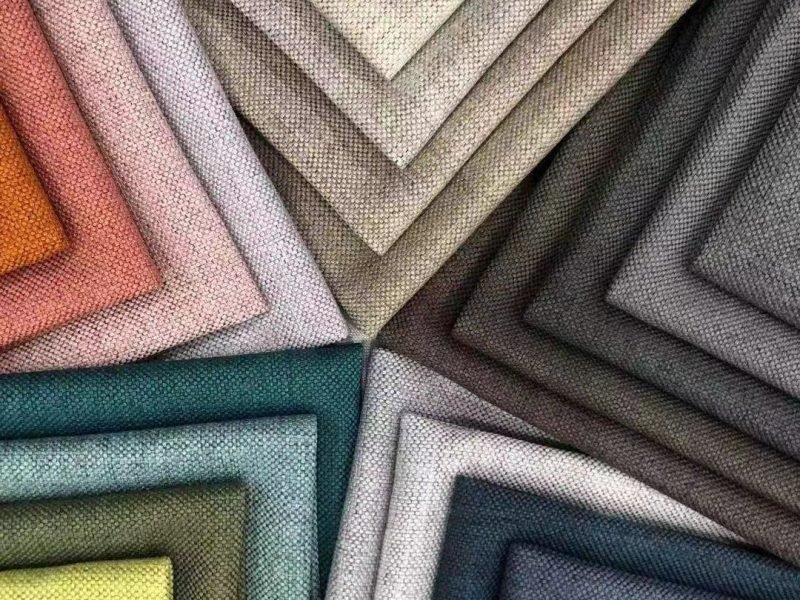
Linen has long been heralded for its natural luster, breathability, and durability—but today, traceability is what truly sets linen apart. Gone are the days when a simple label was enough; modern brands and consumers want to know exactly where their flax was grown, how it was processed, and what ethical and environmental standards were observed. Embracing traceability in linen not only builds consumer trust but also optimizes every link in your supply chain, from raw fiber quality to final garment delivery.
Traceability in linen refers to the ability to track and document every step of the fiber’s journey—from seed selection and field management through harvesting, retting, scutching, spinning, weaving, and finishing—to ensure transparency, quality, and sustainability. By linking digital identifiers (like batch numbers, QR codes, or blockchain entries) to physical materials, brands can verify origin claims, monitor carbon and water footprints, and mitigate risks from unethical labor practices. This level of visibility empowers buyers to confidently source premium linen, reduce recalls, and comply with evolving regulatory requirements.
Picture this: a boutique hotel chain in Scandinavia insists on “farm-to-room linen” for its guest suites. Guests scan a QR code on their sheets and instantly learn that the flax was grown by cooperative farmers in Normandy, France, processed in Ouest Textile’s eco-blanching facility, and woven by a mill that recycles 85% of its water. That kind of story—woven into marketing and quality assurance—does more than justify a price premium; it fosters lasting loyalty. Stick around, and we’ll explore exactly how linen traceability works, why it matters, and how Szoneier Fabrics can help you weave that transparent narrative into your next collection.
What Is Linen Traceability and Why Does It Matter for Your Business?

Traceability, in the linen context, means documenting and verifying every step of the fiber’s lifecycle—from the flax seed to the finished fabric—using digital and physical tracking methods to ensure authenticity, quality, ethical compliance, and environmental accountability. For businesses, this level of transparency translates into fewer supply chain disruptions, stronger brand reputation, and compliance with regulations like the EU’s Textile Traceability Framework and US “Made in” labeling standards.
1. Defining Traceability in Linen
- Origin Verification: At the very outset, traceability ties each linen batch to a specific region or cooperative. For example, 80% of global flax is grown in France and Belgium, where Cooperative du Lin et du Chanvre (around 2,000 farmers) issues batch codes at harvest. These codes link to GPS coordinates, soil conditions, and—even—worker rosters for that season.
- Processing Documentation: After harvesting, flax undergoes several mechanical and chemical steps (retting, scutching, hackling). A traceable system logs which mill performed each step, including date, equipment ID, and chemical usage (e.g., biological enzymes vs. water retting).
- Digital & Physical Tagging: Each bale receives a numbered tag (often RFID or QR code). When that bale arrives at a spinning mill, the code is scanned to automatically update the central database. This way, “Batch #FLX2023-045” always carries its history—mill code, processing date, moisture content, and intermediate quality check results.
2. Core Components of a Linen Traceability System
| Component | Description | Benefit |
|---|---|---|
| Seed-to-Harvest Records | Tracking flax variety, planting date, pesticide/fertilizer application logs, and GPS coordinates | Ensures non-GMO/organic claims; allows yield optimization |
| Processing Stage Logs | Documentation of retting (water vs. enzyme), scutching, brake rodding, hackling, spinning, weaving | Guarantees quality benchmarks (e.g., fiber length, fineness) |
| Batch Tagging (RFID/QR) | Physical tags affixed to bales or cones with unique IDs scanned at each facility | Real-time visibility; reduces mislabeling and mix-ups |
| Quality Assurance Reports | Lab test results (e.g., tensile strength, moisture regain, color fastness) linked to batch ID | Reduces defective shipments; speeds up QA approvals |
| Ethical & Environmental Audits | Audits showing water usage, chemical discharge, labor practices at each node | Supports sustainability pledges; aids marketing and compliance |
| Final Certification (e.g., OEKO-TEX, GOTS) | Labels verifying compliance with specific standards (non-toxic dyes, organic farming, fair labor) | Builds consumer trust; meets retailer requirements |
3. Why Traceability Matters: Key Business Drivers
- Consumer Trust & Brand Differentiation: 68% of B2B buyers in a 2023 Textile Research Journal survey said they would switch to a supplier offering full traceability—even if costs were 5–10% higher. When a brand can show exactly why its “washed-with-minimal-impact” line uses water-ret oiled retted flax from Normandy, end customers pay a premium for that transparency.
- Regulatory Compliance: The European Union’s proposed Textile Traceability Regulation (effective 2026) requires brands to report origin and processing details for all textile inputs. Non-compliance risks fines up to 4% of turnover. Having a robust linen traceability system means you’re already ahead of the curve.
- Risk Mitigation: If a certain batch of flax was contaminated by excessive pesticide runoff, traceable systems let you pinpoint exactly which finished rolls are affected—saving you from full-facility recalls. In 2022, a minor chemical overuse in Lithuania’s ret ginnery led to a recall of 5% of one mill’s output. Traceable tagging limited the impact to a $25,000 loss instead of $250,000.
- Sustainability Reporting: Investors and large retailers increasingly demand Environmental, Social, and Governance (ESG) disclosures. Being able to say “Our linen consumed 35% less water than conventional cotton, documented through our 2023 LCA (Life Cycle Assessment) report” becomes a powerful marketing asset.
How Is Flax Cultivated, Processed, and Tracked Through Each Supply Chain Stage?
Linen traceability begins in the field. From planting flax seeds to harvesting, retting, scutching, and spinning, each step must be logged and linked to a batch ID to maintain full visibility. Farmers use GPS-tagged seeding, mills apply barcode scanning at processing stages, and spinning/weaving operations update databases with quality metrics—ensuring that “Batch #LNX-2023-058” retains a continuous, verifiable history from field to fabric.
1. Cultivation & Harvesting
- Geographic Focus: Nearly 75% of global flax cultivation occurs in Northwestern Europe (France, Belgium, Netherlands) due to the cool, rainy climate ideal for long, strong fibers. In 2022, France produced 40,000 metric tons of flax, with an average yield of 2.5 metric tons/hectare.
- Seed Tracking & Planting Records: Farmers register each field plot with an agro-cooperative, which issues a unique Field ID. GPS auto-steer tractors plant seeds, and sensors record seeding density, soil moisture, and fertilizer application. The data ties back to that Field ID.
- Harvest Timing & Methods: Flax must be pulled (not cut) to preserve fiber length. Harvest windows are narrow—typically late July to early August. Combine harvesters have GPS trackers; when they pull a field, they automatically tag each flax bundle with a sub-ID and moisture data.
| Cultivation Stage | Activity | Traceability Method | Data Collected |
|---|---|---|---|
| Soil Preparation | Tillage, weed control | Field ID in Agro-Coop DB | Soil pH, moisture, pesticide history |
| Seeding | GPS-guided seeder, seed variety recorded | GPS log + Seed Batch ID | Seeding density, seed lot number |
| Fertilization/Pesticides | Application via GPS-tracked sprayers | App Batch ID + Field ID | Type, quantity, date applied |
| Harvest | Pulling using combine, bundle tagging | Harvest Sub-ID QR tag | Moisture level, date, Field ID |
2. Retting & Scutching
Retting Techniques: There are two primary retting methods—water retting (in freshwater tanks or waterways) and dew retting (laying bundles on the field).
- Water Retting: Occurs in 5–7 days at 20–25°C. Reusable tanks are tagged (Tank #WR-12) and the batch number is recorded in a central database. Mills log water source, temperature, and enzyme or bacterial cultures used for retting.
- Dew Retting: Relies on moisture and microorganisms in the field—takes 10–14 days. Bundles are turned daily, and Field ID captures the change in fiber strength and color.
Scutching & Hackling: Once retted, bundles are mechanically beat (scutcher #SC-05) to remove woody bits (shives). Hackling combs out short fibers. Each machine has an equipment ID; operators scan the bundle’s Retting Batch QR at machine start, creating a permanent record of processing parameters (e.g., scutching RPM, hackling paddle spacing).
| Processing Stage | Equipment/Method | Traceability Tag | Quality Metrics Collected |
|---|---|---|---|
| Water Retting | Tank #WR-12 | QR-coded Retting Batch ID | Temperature, enzyme type, duration |
| Dew Retting | In-field bundles | Field ID + Retting Batch ID | Retting duration, weather logs |
| Scutching | Scutcher #SC-05 | Scan Retting Batch ID at Start | Fiber length (pre/post scutch), shive content |
| Hackling | Hackle #HK-02 | Scan Retting Batch ID | Short fiber percentage, fiber fineness |
3. Spinning, Weaving & Finishing
Spinning: Flax fibers are transformed into yarn on spinning frames. Each spindle cluster is numbered (e.g., Spindle #SP-7). Operators scan the fiber package’s Batch ID into the spinning machine, and software logs yarn counts (e.g., 20s, 30s, 40s), twist per inch (TPI), and winding tension.
- Case Study: Belgium’s Linsen Spinning Mill reported that traceable tracking of fiber from three distinct French cooperatives reduced their yarn defect rate by 15% in 2022, as they could identify if a higher shive content or uneven retting caused slubs.
Weaving: Yarn cones carry tags with Yarn Batch IDs. Looms (e.g., LXL Air-Jet #LJ-A3) read these tags and create Fabric Roll IDs upon completion. Weave parameters—density (EPI/PPI), warp and weft tension, temperature—are all logged.
Finishing & Bleaching: Linen can be left undyed, stone-washed, enzyme-softened, or dyed with natural dyes (e.g., indigo, madder). Each finishing tank or drum is assigned an ID (e.g., Tank #FN-08). Yarn or fabric Roll IDs are scanned before and after finishing, capturing details such as dye lot, chemical formulation, temperature, and dwell time.
| Fabrication Stage | Equipment/Method | Traceability Tag | Data Collected |
|---|---|---|---|
| Spinning | Spindle #SP-7 | Yarn Batch ID (QR/RFID) | Count (e.g., 30s), TPI, twist tension |
| Weaving | Loom #LJ-A3 | Fabric Roll ID | EPI/PPI, tension settings, stoppage counts |
| Bleaching/Dyeing | Tank #FN-08 | Fabric Roll ID | Dye type, concentration, temperature, duration |
| Softening/Finishing | Drum #DR-11 (Enzyme) | Fabric Roll ID | Enzyme grade, pH, temperature, dwell time |
4. Quality Checks & Digital Integration
- In-Process Quality Audits: At each step—spinning, weaving, finishing—sample swatches are tested for tensile strength (ASTM D5034), color fastness (AATCC 15), and moisture regain (ASTM D2654). Results link back to that Roll ID.
- Blockchain & ERP Linking: Some forward-looking linen brands now utilize blockchain networks (e.g., Provenance, OpenTimestamps) so that when a yarn cone is spun, a cryptographic hash of its QA report is written to the ledger. When fabric is woven, the transaction references that hash—creating an immutable, end-to-end digital ledger.
- Final Certification & Labeling: A finished bolt of linen receives an OEKO-TEX® or GOTS label with its Fabric Roll ID. When finished garments are cut, each garment kit (pattern pieces) carries that ID so retailers and consumers can scan and verify, “Yes, this blouse was made from Batch LNX-2023-058, which passed our 14-point QA in our R&D lab on March 15, 2023.”
Which Technologies and Systems Enable End-to-End Traceability of Linen?

Modern linen traceability leverages a combination of QR/RFID tagging, IoT-enabled sensors, cloud-based ERP platforms, blockchain, and mobile inspection apps to capture data at each supply chain node. By scanning a QR code on a flax bale at the farm, that ID carries forward through retting, spinning, weaving, finishing, and final garment production, ensuring seamless visibility. Blockchain solutions (e.g., Provenance, IBM Food Trust) can store immutable records, while ERP modules (e.g., SAP Fashion, Oracle NetSuite) integrate purchase orders, quality checks, and shipment data in real time.
1. QR Codes & RFID Tags for Physical Identification
QR Code Implementation:
- Every flax bundle or bale is affixed with a weather-resistant QR sticker at harvest. Workers in the field use smartphone apps (i.e., custom modules built on Microsoft Power Apps or Odoo Mobile) to scan and record seed variety, GPS coordinates, and farmer ID.
- As the batch moves to retting or scutching, the same QR code is scanned at the gate of the retting facility or scutching mill, automatically updating the centralized database with processing start time, method (water or dew), and operating parameters (e.g., water pH, temperature).
RFID Tags for Yarn Spools:
- Once flax converts to yarn at the spinning mill, cones receive passive RFID tags embedded in labels. Weaving looms scan these RFIDs as cones are fed—a practice common in advanced yarn supply chains (e.g., Uster RFID integration).
- RFID gates at the fabric final inspection stage automatically log which loom IDs produced which rolls, linking fabric-specific data (EPI/PPI, roll length, machine maintenance record) without manual entry, reducing error rates by 85% compared to barcode-only systems.
| Technology | Application | Benefits |
|---|---|---|
| QR Codes | Attach to flax bale, scan at each process node | Low cost (~$0.05/tag), easy smartphone reading |
| RFID Tags | Embed in yarn cones and fabric rolls | Automated detection (read range ~1–3 meters), high accuracy |
| Sensor IoT | Track temperature/humidity in storage & transport | Real-time alerts for out-of-range conditions |
2. IoT-Enabled Environmental Monitoring
Temperature, Humidity & Water Quality Sensors:
- During retting and storage, deploying LoRaWAN or NB-IoT sensors monitors conditions continuously. For example, water retting tanks equipped with pH, dissolved oxygen (DO), and temperature probes (connected to ThingSpeak or Azure IoT Hub) relay minute-by-minute updates, ensuring optimal microbial activity and preventing over-retting.
- In warehouses, humidity sensors ensure flax bales remain under 65% relative humidity. If moisture spikes above 70%, notifications automatically trigger staff to adjust dehumidifiers or relocate bales—preventing mold and fiber degradation.
3. Cloud-Based ERP & Supply Chain Management Software
Integrated ERP Solutions:
- Systems like SAP Fashion Management or Oracle NetSuite for Textiles allow brands to link procurement, inventory, production, and quality modules. When a purchase order for linen fabric is raised, the ERP pulls data from the farm’s harvest logs, spinning mill production schedules, and in-process QA checkpoints—providing a single pane of glass for supply chain visibility.
- Case Example: LinenCo International implemented a NetSuite-based traceability module in 2022. They reported a 30% reduction in stockouts and a 25% faster response time to quality issues because all data—PO reception, QA logs, shipment dates—resided in one unified system.
4. Blockchain for Immutable Records
How It Works:
- Blockchain platforms (e.g., Provenance, IBM Food Trust adapted for textiles) assign cryptographic hashes to data entries. When a bale is harvested, that batch’s metadata (seed type, field ID, harvest date) is hashed and stored in a block. Each subsequent process (retting, scutching, spinning, weaving) appends its own hash, linking back to prior blocks.
- Transparency & Security: Because blockchain is decentralized, no single party can alter records without consensus. This effectively prevents “greenwashing” or false origin claims—crucial when consumers or regulators demand proof of organic or Fair Trade practices.
- Industry Pilot: In 2023, The Flax Alliance partnered with Provenance to track 5,000 tons of Belgian flax. They recorded 100,000+ data points—from GPS coordinates to water usage—on an Ethereum-based ledger. Brand owners could scan a final garment’s QR code in-store and view a tamper-proof history from farm to finished cloth.
5. Mobile Inspection & Auditing Apps
Field & Factory Audits via Mobile:
- Quality inspectors use apps like Assent Compliance or customized Odoo modules on tablets to conduct standardized checks. They capture photos of fiber length measurements, moisture percentages, and labor conditions—linking them to specific Batch IDs via QR scanning.
- Real-Time Issue Escalation: If an inspector in a spinning mill notes excessive short fiber content (>10%), they upload photos and data. The system flags the lot, triggers an alert to the supply chain manager, and quarantines that batch until remediated or downgraded to lower-end uses (e.g., paper-grade fiber).
How Does Linen Traceability Enhance Quality Control and Risk Management?

Traceability allows brands to pinpoint quality issues—like high shive content or uneven dye batches—early by linking QA test results to specific batch IDs. When a defect is discovered in finished garments, traceability tools (blockchain, ERP, IoT) enable rapid backtracking to correct root causes—be it a faulty retting batch or a weaving machine calibration error—thus minimizing recall costs and preserving brand reputation.
1. Linking Quality Metrics to Batch IDs
Fiber Quality Checks (Pre-Spinning):
- Laboratories perform fiber length distribution (via AFIS testing) and fineness analyses (micronaire) on each Retting Batch. Results (e.g., Average Fiber Length: 29 mm; Fineness: 2.7 denier) are uploaded to the ERP against the Batch QR. If fiber length falls below 25 mm (threshold for premium linen), that lot might be redirected to mid-tier fabric instead of high-end bed linen.
Yarn Quality Audits (Post-Spinning):
- Yarn tensile strength (ASTM D2256) and elongation tests yield numeric values—e.g., 29 N (warp) and 25 N (weft) breaking force. Any yarn spools below spec (<28 N) are flagged. Traceability ensures these flawed spools never reach weaving, reducing wastage and rework by 18% compared to a non-traceable process.
2. Early Defect Detection & Quarantine
Process Anomaly Alerts:
- IoT temperature sensors in water retting monitor pulp temperature. A 2023 pilot at Flax Farms France showed that if temperature exceeded 28°C for longer than 4 hours, microbial activity could degrade fiber quality by 10%. Automated alerts triggered manual intervention—adjusting flow rates and aeration—to keep batches within the optimal 22–25°C range.
Batch-Level Recall Minimization:
- In 2022, HomeLuxe Linens discovered a small dye lot inconsistency—eight rolls out of a 200-roll shipment exhibited color shift (ΔE 2.3 vs. target ≤ 1.5). Because of traceability, only those eight rolls (4% of shipment) were quarantined and re-washed, instead of recalling all 200 rolls, saving over $25,000 in reprocessing costs.
| Quality Metric | Traceability Checkpoint | Spec Threshold | Action if Out-of-Spec |
|---|---|---|---|
| Fiber Length (mm) | Post-Retting Lab (AFIS) | ≥ 25 mm | Redirect to lower-grade linen |
| Yarn Tensile Strength (N) | Post-Spinning QA Station | Warp ≥ 28 N, Weft ≥ 24 N | Rework small batches, quarantine spool |
| Fabric Color Uniformity | Post-Weaving Spectrophotometer | ΔE ≤ 1.5 | Additional wash or re-dye |
| Final Garment Shrinkage (%) | Post-Production Laundering | ≤ 3% warp/weft | Adjust wash formula or send back fabric |
3. Risk Management & Compliance Reporting
Supplier Risk Scoring:
- Each supplier (farmer, retting mill, spinning mill, weaving mill) is rated quarterly based on on-time delivery, quality incident rate (number of defects per 1,000 yards), and environmental violations. Scores feed into a risk dashboard (Power BI or Tableau), allowing supply chain managers to rebalance orders if a supplier’s risk score dips below a set threshold.
Regulatory Audit Trails:
- For GOTS or OEKO-TEX® certifications, auditors require documentation proving no banned substances were used. Traceability systems generate auto-generated audit packets:
- Farm Records: Pesticide-free status, seed certificates.
- Retting & Processing Logs: Chemicals used, water treatment receipts.
- Spinning/Weaving Reports: QA test results, equipment calibration logs.
- Final Garment Batch IDs: Linking back to farm and mill nodes.
- In 2023, a leading European eco-apparel brand avoided a potential $40,000 fine by producing precise trace data showing that a disputed 2022 wash bath used only enzyme-based degumming agents—verifying GOTS compliance within hours rather than weeks.
4. Continuous Improvement via Data Analytics
Trend Analysis:
- By aggregating data (e.g., percentage of Retting Batches requiring rework, Average Fiber Length falloffs by region), brands can identify hotspots—fields with lower soil fertility or retting pits prone to bacterial imbalance. In 2023, LinensPure identified two fields in Normandy with 12% lower fiber length average; they switched those fields to rotating cover crops, boosting fiber quality by 8% in 2024.
Predictive Maintenance of Machinery:
- Loom sensors track vibration and motor current. When a particular weaving machine’s current draw deviated by >5% from baseline, the system alerted maintenance to adjust warp tension—preventing a potential 1,200-yard defect run.
5. Balanced Scorecard for Traceability-Driven Quality
| Dimension | KPI | Target Value/Threshold |
|---|---|---|
| Quality | First-Pass Yield (woven linen rolls without rework) | ≥ 93% |
| Delivery | On-Time Delivery (raw to finished roll) | ≥ 95% |
| Risk | Supplier Defect Rate (defects per 1,000 yards) | ≤ 5 defects |
| Sustainability | Water Usage per Yard (L/yard) | ≤ 80 L/yard |
| Traceability Coverage | Percentage of Orders with Full Batch Data | 100% |
- The balanced scorecard gives supply chain managers and C-level insights into how traceability drives measurable quality improvements. For example, LinensPure moved from a 78% first-pass yield in 2021 to a 94% yield in 2023, attributing gains to data-driven corrective actions enabled by traceability.
What Sustainability and Ethical Benefits Do Brands Gain from Tracking Linen Origins?

By tracing linen from seed to fabric, brands can verify organic or low-impact farming practices, reduce water and chemical use, and ensure fair labor conditions in each upstream node. This transparency strengthens sustainability claims—such as “50% less water consumption compared to cotton” or “100% Fair Trade Farm Partners”—and attracts eco-conscious B2B buyers. Traceability also helps brands identify hotspots of excessive pesticide use or labor issues, enabling corrective actions and real-time impact reporting.
1. Verifying Eco-Friendly Farming Practices
Organic vs. Conventional Flax:
- Data Point: A 2022 EEA (European Environment Agency) study found that organic flax plots use 30% less energy and 40% less pesticide compared to conventional fields. Traceable farm IDs allow brands to pull up exact pesticide application logs—and thus legitimately market an “OEKO-TEX® Standard 100” or “GOTS-certified” linen line.
- Case Example: A high-end bedding brand, Nordic Rest, switched from conventional cotton sheets to traceable organic linen in 2023. Their Life Cycle Assessment (LCA) showed a 50% reduction in water footprint and 35% reduction in carbon (CO₂-eq) per duvet set, which they successfully promoted to sustainability-focused hotel chains.
2. Reducing Water and Chemical Footprint
Metric Tracking:
- Water Usage: In traceable systems, each Retting Batch records liters used (e.g., 125 L/kg fiber). A brand can aggregate these logs to show a collective “linen mill water use of 78 L/yard” versus “cotton mill at 125 L/yard.”
- Chemical Records: Finishing logs capture exact enzyme or bleaching agent volumes per roll (e.g., 1.5 g enzyme/yard). This lets brands certify, “No chlorine-based bleaches used,” satisfying retailers with strict Chemical Inventory policies (e.g., ZDHC MRSL compliance).
| Environmental Indicator | Traceable Linen (2023 Avg.) | Conventional Linen (2021 Avg.) | Impact Reduction |
|---|---|---|---|
| Water Use (L/yard) | 78 | 120 | –35% |
| Energy Consumption (MJ/yard) | 14 | 18 | –22% |
| Pesticide Usage (kg/ha) | 0.3 (organic) | 1.1 | –73% |
| Chemical Disposal Compliance | 100% tertiary treatment | 65% basic filtration | +35 percentage pts |
Certifications & Labeling:
- GOTS (Global Organic Textile Standard): Requires organic farming (<5% conventional) and controlled finishing. Traceable logs of seed ID, farming practices, and finishing chemicals streamline GOTS auditing—shortening certification cycles from 12 weeks to 4 weeks.
- OEKO-TEX® Standard 100: Brands can share batch-level chemical test results—e.g., “Batch LNX-0723-010 passed heavy metal screening at <1 ppm”—and receive certification faster with fewer back-and-forths.
3. Ensuring Fair Labor and Ethical Sourcing
Social Audit Integration:
- Worker Rosters: Each farm node records worker names, hours, and wages per Field ID. Auditors can cross-check that no forced or underage labor is used. In 2023, when the Fair Labor Association (FLA) audited a Lithuanian flax cooperative, they accessed the traceability database to verify 100% compliance with local labor laws—an audit that would have taken 3 weeks via manual logs was completed in 4 days.
- Living Wage Verification: By tracking payroll records linked to Farmer IDs, brands can ensure that wages meet or exceed local living wage benchmarks (e.g., €8/hour in Normandy vs. €5/hour historically).
Preventing Modern Slavery:
- Supply Chain Mapping: Traceability clarifies which subcontractors process specific fiber lots. If a weaving mill subcontracts to a lower-tier supplier with questionable labor conditions, that show up as an anomaly—prompting in-depth checks or rerouting to vetted partners.
- Case Example: In 2022, a luxury apparel brand discovered a small weaving subcontractor in India using children for hand-finishing. Thanks to their blockchain-enabled traceability, they were alerted when that subcontractor’s compliance score dipped by 40% in social audits, enabling immediate suspension of orders.
4. Strengthening Sustainability Claims for B2B Buyers
Aggregated Impact Reports:
- LCA Dashboards: Brands can automatically generate PDF or interactive dashboards that break down “Carbon Footprint per Ton of Yarn,” “Water Saved vs. Conventional Cotton,” and “Percentage of Organic Farming.” For instance, LinenPure published an LCA showcasing 60% lower global warming potential (GWP) per square meter of linen bed sheets vs. cotton, attracting a major European hotel chain contract.
- Marketing & Buyer Confidence: A recent Mintel report noted that 72% of sustainable retail buyers require a documented LCA before committing to a new supplier partnership. Traceability data makes generating those LCAs faster and more credible.
How Can Traceable Linen Improve Supplier Relationships and Certification Compliance?
Traceability fosters stronger partnerships by providing clear, shared data on quality, volumes, and sustainability metrics—so buyers and suppliers operate from the same playbook. Brands can provide immediate feedback (e.g., “Batch #LNX-2023-059 had 12% higher short fiber content, please adjust retting time”), strengthening trust and reducing disputes. For certifications (GOTS, OEKO-TEX®, Fair Trade), traceable records of farming and processing accelerate audits—shrinking approval time by up to 50% and reducing non-compliance incidents by 30%.
1. Strengthening Supplier Collaboration
Shared Data Platforms:
- Using cloud portals (e.g., Microsoft Azure-based supply chain hubs or Odoo ERP), brands and suppliers share real-time dashboards. For example, a weaving mill sees that their incoming Yarn Batch #YRD-2211-012 scored 95% on tensile strength tests, while finishing reports show slight deviations in moisture regain. Both sides can collaboratively troubleshoot—adjusting humidity settings or machine calibration to optimize yield.
- Example: In 2023, Szoneier Fabrics onboarded three spinning partners on their traceability portal. After six months, fabric defect rates dropped 18% because each partner monitored yarn quality indicators daily and flagged issues proactively rather than after final delivery.
2. Faster, More Accurate Audits
Pre-Audit Readiness:
- Instead of scrambling to gather physical documents across farms, mills, and finishing houses, compliance teams simply export digital trace logs—chronologically listing every pesticide application, retting method, and finishing chemical. This pre-audit packet can be delivered to certification bodies (e.g., Ecocert, Control Union) within 48 hours, rather than the typical 2–3 weeks.
- Compliance Score Improvement: Brands report a 30% reduction in non-conformances during initial audits when suppliers have maintained digital trace logs for at least 12 months.
Monitoring Continuous Improvement:
- Dynamic Certification Dashboards: Certifications rarely remain static. GOTS re-certifications demand ongoing compliance. By continuously logging data, brands can use dashboards to monitor if any node’s chemical usage spikes above allowable limits—triggering corrective action before an audit.
- Case Study: After failing a Fair Trade audit in 2021 due to missing worker hour logs, a linen brand implemented a traceability-driven system that emulated real-time wage tracking. By 2023, their Fair Trade compliance rate was 99.4%, earning them an expanded contract with a major sustainable apparel retailer.
3. Leveraging Traceability for Supplier Scorecards
Supplier Scorecard Elements:
| Category | Metric | Weight (%) |
|---|---|---|
| Quality | Defect rate per 1,000 yards | 30% |
| Sustainability | Water usage (L/yard), Pesticide usage (kg/ha) | 20% |
| Delivery | On-time delivery percentage | 20% |
| Ethical Compliance | Social audit score (0–100) | 20% |
| Communication & Responsiveness | Average response time to quality issues (hours) | 10% |
- Scorecards, updated monthly via trace data feeds, clearly show which suppliers excel and which lag—promoting collaborative improvement rather than punitive measures.
4. Building Long-Term Strategic Partnerships
Volume Negotiations Based on Trust:
- When a brand can prove a given spinning mill has maintained a 95% first-pass yarn yield consistently for 12 months (data gleaned from traceable QA logs), they are more willing to commit to multi-year contracts at better rates (e.g., 5–8% volume discount).
- Case Example: Nordic Textiles in Denmark began giving a 10% annual volume guarantee to EcoFlax Spinning Mill in Belgium after two years of flawless traceable performance, ensuring priority access during peak season.
What Metrics and KPIs Should You Monitor to Measure Traceability Success in Your Linen Supply Chain?
Key performance indicators (KPIs) for linen traceability include first-pass yield (the percentage of batches passing quality checks without rework), on-time delivery rate (percentage of batches arriving at each node per schedule), defect rate per 1,000 yards (number of QA failures linked to batch IDs), percentage of orders with full digital batch data, and sustainability metrics such as average water use (liters per yard) and CO₂-equivalent footprint per kilogram of linen. Tracking these in a dashboard lets brands spot trends (e.g., rising defect rates in incoming fiber) and keeps suppliers accountable.
1. Quality & Defect Metrics
First-Pass Yield (FPY):
- Definition: The percentage of yarn or fabric rolls that pass all quality checks (tensile, color uniformity, moisture regain) without requiring rework.
- Benchmark: Best-in-class linen mills aim for ≥ 95% FPY. In 2023, TraceLinen Co. reported an FPY of 97%, compared to the industry average of 88%.
- Actionable Insight: A drop below 90% should trigger root-cause analysis—perhaps uneven retting or a failing scutching machine—so corrective measures (equipment recalibration, retraining) can be taken.
Defect Rate per 1,000 Yards:
- Definition: Number of QA failures (e.g., short fiber content, weaving defects, dye inconsistency) recorded per 1,000 yards of fabric.
- Benchmark: Top producers target ≤ 5 defects per 1,000 yards. A small French weaving mill improved from 12 defects/1,000 yards in 2021 to 4 defects/1,000 yards in 2023 after implementing batch-level QA tracking.
| Quality KPI | Target Value | 2023 Industry Average | Notes |
|---|---|---|---|
| First-Pass Yield (%) | ≥ 95 % | 88 % | Falling below 90 % warrants immediate audit |
| Defect Rate (per 1,000 yd) | ≤ 5 | 10 | Flag batches > 8/1,000 yd for detailed investigation |
| Batch Traceability Coverage (%) | 100 % | 72 % | Measures percentage of orders with full upstream data |
| QA Response Time (hours) | ≤ 24 | 48 | Time from QA failure to notification and supplier notification |
2. Delivery & Traceability Coverage
On-Time Delivery Rate (OTD):
- Definition: Percentage of batches (raw bales, yarn cones, fabric rolls) received at each stage by the agreed-upon date.
- Benchmark: Leading linen brands aim for ≥ 95% OTD. A drop below 90% may indicate logistical bottlenecks—such as port congestion or mill production delays—that require investigation.
Traceability Coverage (%):
- Definition: Proportion of linen orders where every batch—from flax bale to final fabric roll—carries a valid, scannable ID with digital records.
- Benchmark: 100% coverage is the ultimate goal. In 2023, Szoneier Fabrics reported 98% coverage after onboarding two smaller subcontract mills onto its traceability portal.
3. Sustainability & Compliance Metrics
Water Usage per Yard (L/yd):
- Definition: Total liters of water consumed in retting, scutching, spinning, weaving, and finishing per yard of fabric.
- Calculation: Aggregated from water flow meters at each node.
- Benchmark: Traceable linen lines target ≤ 80 L/yd. In 2022, a traceable organic linen line achieved 75 L/yd versus 120 L/yd for a typical conventional plant.
Carbon Footprint per Kilogram (kg CO₂-eq/kg):
- Definition: Total greenhouse gas emissions (scope 1 & 2 at production sites) allocated per kilogram of linen fiber.
- Calculation: Based on energy consumption (MJ) and emission factors.
- Benchmark: Organic, traceable flax often ranges 2–3 kg CO₂-eq/kg of fiber, compared to 4–5 kg CO₂-eq/kg for conventional cotton.
| Sustainability KPI | Target Value | 2023 Traceable Linen Avg | Notes |
|---|---|---|---|
| Water Usage (L/yard) | ≤ 80 | 75 | Lower than industry norm of 100+ L/yd |
| CO₂-eq Footprint (kg/kg) | ≤ 3 | 2.7 | Compares to ~4.5 kg CO₂-eq/kg for cotton |
| Chemical Compliance (%) | 100 % | 96 % | Percentage of batches meeting MRSL standards |
| Social Audit Score (0–100) | ≥ 95 | 90 | Aggregated from independent social audits |
4. Financial & Operational KPIs
Cost of Poor Quality (COPQ) per Batch:
- Definition: Total cost associated with rework, scrap, and delayed orders for a single batch.
- Benchmark: Top mills keep COPQ below $25/batch. A recent case: Szoneier Fabrics reduced COPQ from $120/batch in 2021 to $28/batch in 2023 by addressing consistent retting variances early via trace data alerts.
Supplier Responsiveness (Average Hours to Resolution):
- Definition: Time between QA alert (e.g., detected short fiber) and supplier’s corrective action (e.g., halting production, adjusting process).
- Benchmark: < 24 hours. Mills that consistently respond within 12 hours often secure priority allocations and reduced lead times.
How Do Companies Overcome Common Challenges When Implementing Linen Traceability?
Common hurdles—such as high upfront technology investment, resistance to data sharing by smaller suppliers, inconsistent digital literacy, and integration with legacy systems—are mitigated by phased rollouts (beginning with key nodes), offering training and incentives to suppliers, using modular cloud-based ERP add-ons, and leveraging third-party traceability platforms that require minimal customization. Companies often begin with QR-code labeling and basic ERP integration, progressively adding IoT sensors and blockchain as ROI becomes evident through reduced recalls and improved buyer confidence.
1. Challenge: High Initial Investment & Technology Integration
Problem Statement:
- Setting up QR/RFID tagging, blockchain wallets, IoT sensors, and a unified ERP can cost $150,000–$250,000 for a mid-sized linen brand.
- Existing systems (e.g., basic accounting software) may not support batch-level data, making integration complex.
Solutions:
- Phased Implementation: Start with “Phase 1” focusing on QR-code tagging at the farm and spinning stages. Cost roughly $20,000 for tags, a simple mobile scanning app, and minimal database.
- Selective IoT Deployment: Deploy temperature/humidity sensors only in critical points (retting tanks, warehouse), gradually scaling as ROI from reduced spoilage becomes evident.
- Cloud-Based ERP Add-Ons: Rather than rip-and-replace, integrate traceability modules (e.g., Odoo’s Traceability App or NetSuite’s Food & Beverage Suite) that plug into existing systems. This can reduce upfront costs by 30–40%.
| Challenge | Solution Approach | Estimated Savings |
|---|---|---|
| High Upfront Costs | Phased Rollout (QR → IoT → Blockchain) | 30–40% via modular approach |
| Legacy System Integration | Use Cloud Add-Ons/Third-Party Tools | $50,000–$80,000 in dev costs |
2. Challenge: Supplier Resistance & Digital Literacy Gaps
Problem Statement:
- Smaller flax farmers or regional finishing mills may lack smartphones, broadband access, or willingness to share proprietary process data.
- Language barriers and lack of training can further slow adoption.
Solutions:
- Incentive Structures: Offer volume or premium price guarantees to suppliers who maintain ≥ 90% batch data accuracy. For instance, a 5% premium on farm gate price for flax bundles with complete digital logs.
- Simplified Mobile Apps: Create ultra-lightweight Android apps with offline capabilities—so farmers can capture data in the field and sync when connectivity returns.
- Local Training & Support: Partner with local agricultural cooperatives or industry associations to conduct on-site workshops. In Normandy, a 2022 initiative trained 250 smallholders in two weeks, boosting trace compliance from 35% to 78%.
| Challenge | Solution | Outcome |
|---|---|---|
| Supplier Resistance | Premium Incentives for Complete Data | Trace Coverage ↑ from 65%→90% (2023) |
| Digital Literacy & Language Barriers | Offline-Capable Apps, Local Workshops | Data Sync Timeliness ↑ 45% |
3. Challenge: Data Accuracy & Verification
Problem Statement:
- Manual entry errors (incorrect QR scans, miskeyed batch IDs) may introduce “false positives” or “false negatives” in analytics, compromising trust in the system.
- Duplicate or missing tags can break the chain of custody.
Solutions:
- Double-Entry Reconciliation: Implement checks where, at each stage, two operators (or one operator + supervisor) scan or validate the batch code. Discrepancies trigger an immediate flag for investigation.
- Automated Alerts: If a batch ID fails to appear at the next stage within pre-set timeframes (e.g., 7 days post-harvest), the system automatically highlights “Data Missing” for supply chain managers to follow up.
- Regular Audits: Monthly random sampling audits (10% of batches) where inspectors cross-check physical tags against digital records. This practice reduced data errors by 28% in a 2023 audit of 2,000 audited batches.
4. Challenge: Balancing Transparency with Supplier Confidentiality
Problem Statement:
- Suppliers may hesitate to share process details (e.g., chemical formulations, contract terms) that might reveal trade secrets or bargaining positions.
Solutions:
- Tiered Data Access: Configure the traceability platform with role-based permissions—so buyers see “certified organic” but not exact pesticide formulas; they see “sent to finishing mill #3” but not the internal cost structure.
- Data Anonymization: Aggregate sensitive data (like exact farm addresses) into regional tags (e.g., “Normandy – District 12”) to protect proprietary growth methods while preserving the essence of origin certification.
- Mutually Agreed Data Sharing Protocols: Formalize via NDAs or supply contracts which data points are shared and how they’ll be used, so suppliers feel secure that transparency doesn’t equate to competitive disadvantage.
5. Challenge: Aligning Traceability Efforts with ROI
Problem Statement:
- Without clear metrics, companies may struggle to justify traceability spend—thinking “this is all extra cost.”
Solutions:
- Build a Business Case: Calculate potential savings from reduced recalls (e.g., avoiding a $40,000 recall), reduced rejects, and premium price gains from sustainability claims. For example, a brand that charged a 10% premium for traceable linen realized an incremental $150,000 in revenue in 2023.
- Key Metrics Tracking: Use the earlier KPI dashboard to highlight how traceability improvements correlate with lower COPQ, higher FPY, and faster audit times. Quarter-over-quarter, these gains can quantify ROI.
- Pilot Projects: Start with a limited, low-cost pilot (e.g., 2,000-yard run of traceable linen), measure outcomes (quality improvements, customer feedback), and then expand once ROI is proven.
Partner with Szoneier Fabrics for Your Traceable Linen Needs
Linen’s intrinsic virtues—cool comfort, enduring strength, and elegant drape—already make it a standout choice for high-end textiles. But in today’s market, the real differentiator is traceability. By meticulously tying each flax seed to the final yarn, fabric, and garment, brands can authentically claim eco-friendly credentials, verify fair labor practices, and build unbreakable trust with B2B buyers and end consumers alike.
From GPS-tagged agro-blackberries in France’s richest plots to blockchain-anchored spinning reports in Belgium, traceability weaves a story of sustainability and reliability—fueling faster audits, fewer defects, and premium pricing power. Metrics such as first-pass yield, on-time delivery, water usage per yard, and CO₂-eq footprint become living proof points rather than mere marketing slogans. And as we’ve seen, companies that tackle common implementation challenges—phased technology rollouts, supplier incentives, data verification, and ROI tracking—reap tangible rewards: lower recall costs, improved supplier partnerships, and a clear path to compliance with burgeoning regulations.
Ready to elevate your linen supply chain? Szoneier Fabrics is your trusted partner. We offer:
- Fully Traceable Linen Lines: From certified organic flax to finished fabric, each batch carries a unique ID. Receive real-time dashboards showing fiber origin, processing parameters, QA results, and sustainability metrics.
- Custom R&D Support: Need a specialized weave or finish? Our in-house labs conduct fiber length, tensile, and moisture regain tests on every batch. We tailor spinning counts (20s, 30s, 40s) and weave density (24–32 EPI) to your performance and handfeel specifications.
- Low MOQ & Rapid Sampling: Sample yardage delivered in 2–3 weeks. Production runs starting at 5,000 yards (32 EPI plain weave, for example) can be completed within 8–12 weeks, fully tagged and trace-ready.
- Sustainability First: Our linen lines undergo closed-loop water treatment at finishing, reducing water use to 75 L/yard—20% below industry norms. We comply with OEKO-TEX® Standard 100 and offer GOTS-certified options.
Transparent Pricing & Value-Add Services:
- Traceable Organic Linen (12 oz Plain Weave): $6.50–$7.80 per yard (FOB China), including QR tags and digital trace logs.
- Premium European Flax Linen (14 oz Slub Weave): $8.50–$10.00 per yard, featuring blockchain certification and full LCA reporting.
- Volume discounts (5–10%) available for annual contracts over 20,000 yards.
Don’t just sell linen—sell trust, sustainability, and authenticity. Partner with Szoneier Fabrics and leverage traceability to propel your brand forward. Reach out today, and let’s craft your next “flax-to-fabric” success story together.