 Skip to content
What is the future of the cotton industry?
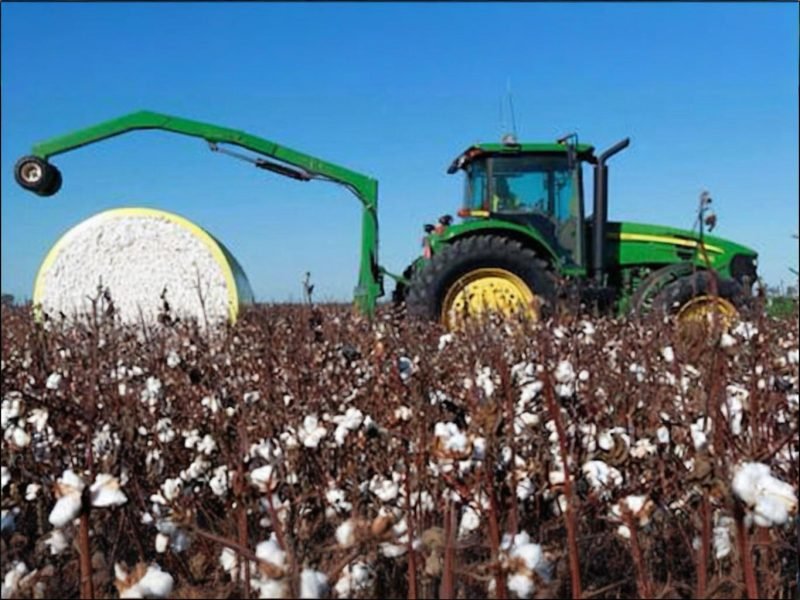
The cotton industry has long been a cornerstone of the global textile market, providing raw materials for everything from clothing to home goods. As the world changes, so too must the cotton industry, adapting to shifts in consumer demand, environmental challenges, and technological advancements. The future of cotton will not only be influenced by these factors but also by the way the industry navigates challenges related to sustainability, pricing, and production methods.
The future of the cotton industry will likely be shaped by technological innovations, sustainability efforts, and changing consumer demands. The industry will face challenges related to climate change, market volatility, and new innovations that promise to revolutionize how cotton is grown, processed, and consumed.
Imagine walking into a clothing store in 2030. The cotton T-shirt you’re holding in your hand is not just soft and stylish, but it’s also sustainably produced, with minimal environmental impact. This shift to a more sustainable and technology-driven cotton industry could soon become a reality, and in this article, we’ll explore what lies ahead for cotton production and the broader textile industry. Let’s dive into the future of cotton and how businesses can stay ahead of the curve.
1. What Are the Major Trends Shaping the Future of the Cotton Industry?
The cotton industry is undergoing significant transformations driven by several key trends. These trends not only reflect shifts in production methods and consumer preferences but also represent new business opportunities for cotton producers and textile manufacturers.
1. Sustainability and Ethical Sourcing
As consumers become more aware of the environmental and social impact of their purchases, the demand for sustainably produced cotton is on the rise. Brands are increasingly seeking certified organic cotton, Fair Trade cotton, and other environmentally friendly alternatives to traditional cotton. These trends are pushing cotton producers to adopt more sustainable farming practices, reduce pesticide use, and explore water-efficient farming technologies.
2. Technological Innovation in Cotton Farming
The future of cotton is closely tied to the use of technology in farming. Innovations such as precision agriculture, drones, and AI-driven farming practices are helping farmers monitor crop health, reduce water consumption, and increase yields. With cotton being a water-intensive crop, technological advancements that promote water efficiency will be crucial in maintaining sustainable production levels.
3. Rise of Cotton Alternatives
Another trend shaping the future of cotton is the growing interest in cotton alternatives. Hemp, bamboo, and synthetic fibers are becoming popular alternatives to traditional cotton due to their sustainability advantages. As these alternatives become more viable and cost-effective, cotton producers may need to adjust their strategies to compete with these new fibers.
- Sustainability: Rising consumer demand for ethically sourced and organic cotton.
- Technology: Innovations like precision farming will enhance cotton production efficiency.
- Alternatives: The competition from sustainable fibers such as hemp and bamboo.
2. How Is Technology Revolutionizing Cotton Farming and Processing?
Technology is a game-changer in the cotton industry, offering solutions that improve both farming practices and processing efficiency. From the seeds to the finished product, new technologies are transforming the way cotton is grown, harvested, and processed.
1. Precision Agriculture
Precision agriculture is revolutionizing cotton farming by using data-driven techniques to optimize crop production. Technologies like GPS-guided tractors, soil sensors, and satellite imagery enable farmers to monitor field conditions in real-time. This allows them to apply water, fertilizers, and pesticides only where needed, improving crop yields while reducing environmental impact.
2. Cotton Ginning Automation
In the processing stage, automation is making cotton ginning more efficient. New automated systems are capable of handling large volumes of cotton more quickly and with less waste. Automated cotton ginning reduces labor costs, increases processing speed, and improves the quality of the final product. This technology is essential for cotton producers who want to stay competitive in a global market.
3. Biotechnology and Cotton Varieties
Biotechnology is playing a crucial role in developing cotton varieties that are more resistant to pests, diseases, and environmental stresses. Genetically modified (GM) cotton, such as Bt cotton, has become increasingly popular due to its ability to resist pest damage, reducing the need for chemical pesticides. In the future, we may see more genetically modified cotton that is drought-resistant, uses less water, or has improved fiber quality.
- Precision Agriculture: Data-driven techniques optimize cotton farming, reducing costs and environmental impact.
- Automation in Ginning: Advances in cotton ginning improve efficiency and product quality.
- Biotechnology: GM cotton varieties offer greater resilience and sustainability.
Technological Revolution in Cotton Farming
Advancements in Cotton Farming Technologies
| Technology | Impact on Cotton Production | Key Benefits |
|---|---|---|
| Precision Agriculture | Optimizes input use (water, fertilizer), increases yields. | Reduces waste, improves crop management. |
| Automated Cotton Ginning | Speeds up processing, reduces waste. | Increased efficiency, cost savings. |
| Genetically Modified Cotton | Resists pests and environmental stress, increases yield. | Less pesticide use, improved quality. |
The Future of Cotton Farming
With increasing pressure to produce more cotton with fewer resources, these technological advancements are crucial for the industry’s future. As climate change continues to impact agricultural production, adopting water-efficient and resilient farming practices will become even more important.
3. What Role Will Sustainability Play in the Future of Cotton?
Sustainability is at the forefront of many industries, and cotton is no exception. As consumers and businesses alike become more eco-conscious, the demand for sustainable cotton is growing. Sustainability in the cotton industry involves minimizing environmental impacts, ensuring fair labor practices, and improving the long-term viability of cotton farming.
1. Water Usage and Conservation
Cotton farming is known for being water-intensive. As global water scarcity becomes an increasing concern, cotton producers are under pressure to adopt more water-efficient farming practices. Innovations such as drip irrigation, rainwater harvesting, and moisture sensors are helping to optimize water use, ensuring that cotton can be grown more sustainably without depleting local water resources.
2. Organic Cotton and Fair Trade Certifications
Organic cotton production is gaining popularity due to its reduced environmental impact. By avoiding harmful chemicals, organic cotton helps preserve soil health and biodiversity. Additionally, Fair Trade certifications are becoming increasingly sought after by consumers who want to ensure their cotton is produced under ethical labor conditions. These certifications not only help promote better farming practices but also ensure fair wages and working conditions for cotton farmers.
3. Recycling and Circular Economy
Sustainability also involves rethinking the lifecycle of cotton products. Cotton recycling initiatives are growing in importance, especially as the fashion industry seeks to reduce waste. Recycled cotton can be used to create new textiles, reducing the demand for virgin cotton and the associated environmental costs. This fits into a larger circular economy model where products and materials are reused, refurbished, and recycled to minimize waste.
- Water Conservation: Advances in irrigation and water management will play a key role in sustainable cotton production.
- Organic and Fair Trade: Increasing demand for ethically sourced and organic cotton will reshape the market.
- Recycling: Cotton recycling initiatives help reduce waste and promote a circular economy.
4. Which Innovations Are Impacting Cotton Production and Supply Chains?
The cotton industry is being shaped by a variety of innovations that are improving both the production process and the supply chain. These innovations not only make cotton farming and processing more efficient but also enhance traceability and sustainability, addressing key consumer concerns.
1. Blockchain for Supply Chain Transparency
Blockchain technology is increasingly being adopted to improve transparency and traceability within the cotton supply chain. By using blockchain, manufacturers and consumers can track the journey of cotton from farm to fabric. This technology allows for greater visibility into the sourcing of cotton, ensuring that it meets ethical and environmental standards. This can be particularly important for consumers and brands seeking to promote sustainable and ethical practices.
2. Drones and Remote Sensing
Drones and remote sensing technologies are making it easier to monitor cotton fields for signs of stress, pest infestations, and water shortages. These technologies provide real-time data to farmers, helping them make more informed decisions about irrigation, pest control, and harvest timing. Drones, in particular, are increasingly being used for crop monitoring, enabling farmers to cover large areas of land quickly and efficiently.
3. Smart Textiles and Cotton Blends
As the cotton industry evolves, there is growing interest in smart textiles and cotton blends. Smart textiles, which can respond to environmental stimuli, are being integrated into cotton fabrics, offering consumers enhanced functionality such as temperature regulation or moisture-wicking. Additionally, cotton blends with synthetic fibers like polyester or spandex are being developed to offer better durability, stretch, and performance, meeting the growing demand for high-performance fabrics.
- Blockchain: Improves supply chain transparency and traceability.
- Drones and Remote Sensing: Enables real-time monitoring of cotton crops, optimizing farming practices.
- Smart Textiles: The integration of cotton with smart technologies and synthetic fibers is increasing in demand.
Innovations Transforming the Cotton Industry
Advancements in Supply Chain Transparency
| Innovation | Impact on Cotton Supply Chain | Key Benefits |
|---|---|---|
| Blockchain Technology | Tracks cotton from farm to fabric, ensuring ethical sourcing. | Improved transparency and trust. |
| Drones and Remote Sensing | Enables efficient monitoring of crops, reduces waste. | Increased efficiency, informed decision-making. |
| Smart Textiles | Combines cotton with smart features like moisture-wicking. | Enhanced functionality, higher market appeal. |
The Future of Cotton Supply Chains
These innovations are not just about improving efficiency—they’re about aligning the cotton industry with modern expectations around transparency, sustainability, and performance. As consumer demand for transparency and sustainability rises, adopting such technologies will be key for cotton producers to stay competitive and relevant.
5. How Will Consumer Demand for Cotton Change in the Coming Years?
Consumer preferences are constantly evolving, and the cotton industry must adapt to these changes. Shifting tastes, increasing environmental awareness, and the growth of eco-conscious fashion are all influencing the demand for cotton products.
1. Demand for Sustainable Products
As consumers become more concerned about the environment, the demand for sustainable products will continue to grow. This includes organic cotton, fair trade-certified cotton, and cotton that is grown with minimal environmental impact. Many consumers are willing to pay a premium for products that align with their values, including those that are ethically sourced and produced with sustainability in mind.
2. The Rise of Eco-Conscious Fashion
The fashion industry is a major consumer of cotton, and it is experiencing a shift towards eco-conscious fashion. Consumers are increasingly choosing brands that prioritize sustainability, which includes using materials like organic cotton and recycled cotton. Cotton producers who can provide these eco-friendly options will be better positioned to meet the rising demand for sustainable fashion.
3. Personalization and Customization
Consumers are also seeking more personalized and customized products. This trend is leading to an increase in demand for custom-designed fabrics and textiles. Cotton producers who can offer customization options—whether it’s through unique prints, blends, or finishes—will be able to tap into this growing market for personalized products.
- Sustainability: Consumers are increasingly choosing sustainable cotton products.
- Eco-Conscious Fashion: Cotton producers must adapt to the rising trend in sustainable fashion.
- Personalization: The demand for customized cotton products is growing.
Shifting Consumer Demand for Cotton
The Changing Face of Cotton in Consumer Markets
| Trend | Impact on Cotton Demand | Key Benefits |
|---|---|---|
| Sustainability Focus | Increased demand for organic and eco-friendly cotton. | Opportunities for eco-conscious cotton producers. |
| Fashion Shifts | Rising demand for sustainable fabrics in fashion. | Cotton producers can align with eco-conscious fashion trends. |
| Customization | Growth in personalized, custom-designed cotton fabrics. | New opportunities in the customization market. |
6. Are Cotton Prices Going to Increase or Decrease in the Future?
Cotton prices are influenced by a range of factors, including supply and demand, global economic conditions, environmental changes, and technological advancements. As we look ahead, it’s important to consider whether cotton prices will increase or decrease and how businesses can plan for these fluctuations.
1. Impact of Climate Change
One of the most significant factors that could drive up cotton prices in the future is climate change. Extreme weather events, such as droughts, floods, and heatwaves, are becoming more frequent and intense, which could drastically affect cotton yields. Lower yields caused by these conditions could lead to higher cotton prices as demand outstrips supply. Areas heavily reliant on cotton production may face supply disruptions, which will further elevate prices.
2. Technological Advancements
On the other hand, technological innovations in farming, processing, and supply chain management could help lower cotton prices. For instance, precision agriculture can increase crop yields and reduce waste, while automation in ginning and textile manufacturing can improve efficiency and reduce labor costs. These advancements could help offset the effects of climate change and stabilize prices.
3. Global Cotton Demand
As emerging economies continue to grow, the demand for cotton will likely increase, particularly in industries like fashion, home textiles, and medical supplies. This rising demand from developing nations, coupled with increased global consumption, could push prices higher. However, if cotton producers can meet this demand with more efficient practices, it may balance out the price increase.
- Climate Change: Extreme weather events may drive up cotton prices by affecting yields.
- Technology: Technological innovations could help lower costs by improving production efficiency.
- Demand: Rising global demand, especially from emerging markets, could contribute to price increases.
7. What Challenges Will the Cotton Industry Face in the Next Decade?
The cotton industry is facing several challenges that could impact its future growth and profitability. These challenges span environmental concerns, market dynamics, and evolving consumer expectations.
1. Climate Change and Water Scarcity
Cotton is a water-intensive crop, and as water scarcity becomes a global issue, cotton production may be further constrained. Droughts and reduced water availability could force cotton farmers to adapt their irrigation methods or face reduced yields. Addressing this challenge will require large-scale investments in water-efficient farming technologies and sustainable water management practices.
2. Labor Issues
Labor conditions in cotton farming, especially in developing countries, remain a significant challenge. Farmers often face low wages and poor working conditions. As demand for ethically produced cotton grows, companies will need to focus more on ensuring fair labor practices throughout the cotton supply chain. Labor shortages due to poor working conditions or migration could also lead to higher costs for cotton producers.
3. Market Volatility and Price Fluctuations
Cotton prices are notoriously volatile, with fluctuations driven by factors such as global economic trends, agricultural policies, and political instability. This volatility makes it difficult for producers to plan and budget for long-term investments. Price uncertainty can also affect the competitiveness of cotton in comparison to alternative fibers, such as synthetics or hemp, which could lead to market share loss.
- Water Scarcity: Reduced water availability may limit cotton production and raise costs.
- Labor Issues: Ethical labor practices are becoming increasingly important, and poor conditions may drive up costs.
- Price Volatility: The cotton market is subject to fluctuations, making long-term planning difficult.
Addressing Cotton Industry Challenges
How to Navigate Future Cotton Challenges
| Challenge | Potential Solutions | Key Benefits |
|---|---|---|
| Climate Change | Adoption of water-efficient technologies and sustainable farming practices. | Improved sustainability and reduced environmental impact. |
| Labor Issues | Investing in fair wages, working conditions, and worker welfare programs. | Better ethical practices, improved reputation. |
| Market Volatility | Using financial tools like hedging and diversification to manage risk. | Stabilized pricing and greater predictability. |
Future-Proofing Cotton Production
To navigate these challenges, cotton producers will need to adopt new technologies, improve labor conditions, and focus on sustainable farming practices. Additionally, diversifying production methods and exploring alternative crops or fibers may help mitigate some of the risks associated with cotton farming.
8. How Can Cotton Producers Adapt to Changing Global Markets?
The global cotton market is becoming increasingly interconnected, and cotton producers must be able to adapt to rapidly changing market conditions. Producers will need to remain agile and innovative to stay competitive in a world where consumer demands, technological advancements, and environmental factors are constantly evolving.
1. Diversifying Cotton Sourcing
One way cotton producers can adapt is by diversifying their sources of cotton. By tapping into new regions with favorable growing conditions, producers can reduce risks associated with local crop failures and price fluctuations. Additionally, sourcing cotton from different regions helps reduce dependency on a single market, providing greater security for suppliers and buyers alike.
2. Collaborating with Brands and Retailers
Cotton producers can strengthen their position in the market by collaborating with brands and retailers who prioritize sustainability. Many brands are seeking transparent supply chains and ethically sourced cotton. By partnering with these brands, producers can secure long-term contracts and higher-value business opportunities, especially if they can demonstrate their commitment to sustainability and ethical practices.
3. Investing in Innovation
To remain competitive, cotton producers must continue investing in innovation, whether it’s through technology, sustainable farming practices, or improved product quality. By adopting technologies like AI, automation, and blockchain, producers can streamline their operations, increase productivity, and reduce costs, making them more attractive to buyers in a highly competitive market.
- Diversification: Sourcing cotton from multiple regions can help manage risks.
- Brand Partnerships: Collaborating with eco-conscious brands can lead to long-term business opportunities.
- Innovation: Investing in technological advancements and sustainable practices will ensure continued competitiveness.
Adapting to Global Cotton Markets
Key Strategies for Cotton Producers
| Strategy | Impact on Cotton Producers | Key Benefits |
|---|---|---|
| Diversifying Cotton Sourcing | Reduces dependency on one market or region, mitigating risks. | Greater market stability and security. |
| Brand Collaborations | Aligns cotton producers with sustainable, ethical brands. | Long-term partnerships, better pricing. |
| Technological Investment | Improves efficiency and productivity, reducing operational costs. | Enhanced competitiveness, reduced costs. |
Adapt to the Future of Cotton with SzoneierFabrics
The future of the cotton industry is complex and filled with both challenges and opportunities. As the industry faces pressures from sustainability demands, technological advancements, and market volatility, cotton producers must adapt to these changes by embracing innovation, diversifying sourcing strategies, and focusing on sustainability.
If you’re looking for high-quality, sustainable cotton fabrics or need customized fabric solutions for your business, SzoneierFabrics is here to help. With over 18 years of experience in fabric R\&D and manufacturing, we provide tailor-made solutions that meet your specific needs, ensuring the highest quality and competitive pricing. Reach out today to inquire about our custom cotton products and request a quote for your next order.



Can't find the answers?
No worries, please contact us and we will answer all the questions you have during the whole process of bag customization.
Make A Sample First?
If you have your own artwork, logo design files, or just an idea,please provide details about your project requirements, including preferred fabric, color, and customization options,we’re excited to assist you in bringing your bespoke bag designs to life through our sample production process.