 Skip to content
Who is the manufacturer of polyester fiber?
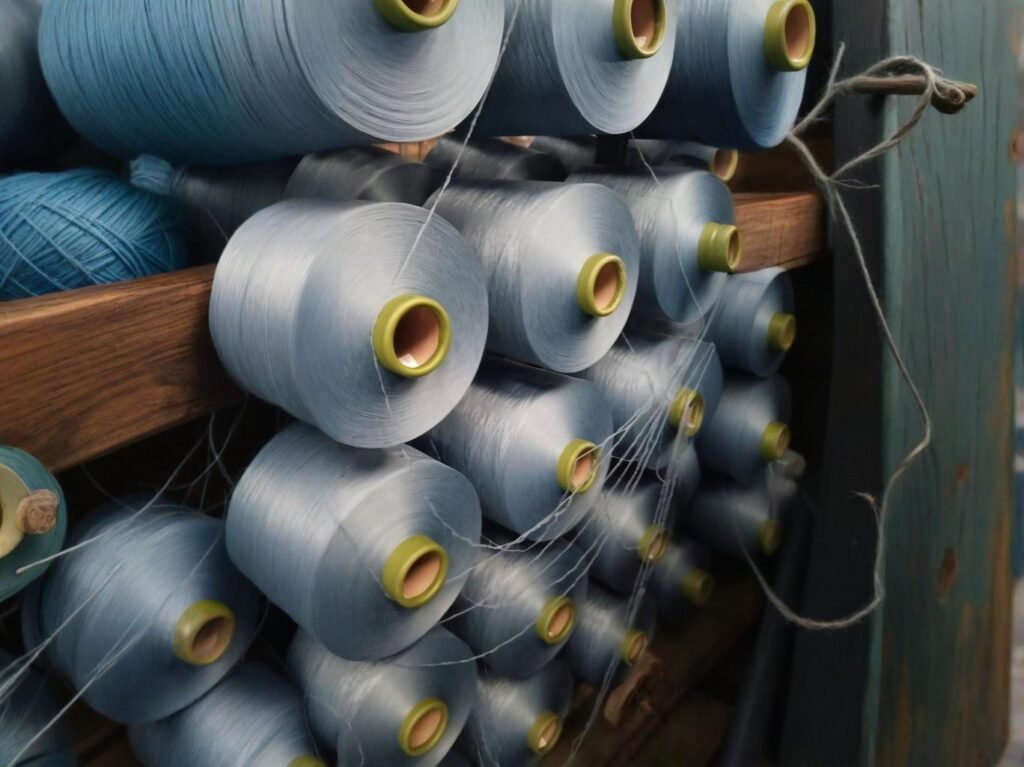
Polyester fiber is in nearly every industry—from fast fashion to industrial textiles, medical fabric to automotive seats. It’s cheap, durable, wrinkle-resistant, and fast to produce. But few people truly understand who makes polyester fiber at scale, or how the fiber’s origin can significantly affect final garment quality, sustainability compliance, and overall sourcing efficiency.
So, who is the manufacturer of polyester fiber?Globally, the largest polyester fiber manufacturers include Reliance Industries (India), Sinopec Yizheng (China), Indorama Ventures (Thailand), Hengli Petrochemical (China), and Unifi (USA). These manufacturers dominate the global market due to their vertical integration, high production capacity, and ability to deliver cost-effective or sustainable solutions to B2B buyers across the textile supply chain.
But behind this list is a complex world of petrochemical feedstocks, global logistics, certification ecosystems, and evolving buyer demands. If you’re a sourcing manager, fashion brand, or OEM producer, understanding the landscape of polyester fiber manufacturing is critical to making strategic choices. Let’s start from the beginning—what exactly are these fibers, and why do they matter so much in textile production?
1. What Is Polyester Fiber and How Is It Used in Textiles?
Polyester fiber is a synthetic material made primarily from PET (polyethylene terephthalate), used in textile applications for its strength, wrinkle resistance, colorfastness, and cost-effectiveness. It is widely applied in apparel, home furnishings, technical fabrics, and industrial materials.
Understanding the Structure and Utility of Polyester Fiber
a) What Is Polyester Fiber Made From?
Polyester is derived from petroleum-based feedstocks—mainly purified terephthalic acid (PTA) and monoethylene glycol (MEG). These components are polymerized to create PET, which is then spun into staple fiber or continuous filament yarn.
| Fiber Type | Structure | Common Uses |
|---|---|---|
| PET Staple Fiber | Short-length fibers | Filling, nonwovens, apparel blends |
| PET Filament Yarn (FDY/POY/DTY) | Continuous filament | Apparel knits, sportswear, linings |
b) Where Is Polyester Fiber Used?
- Apparel: T-shirts, leggings, jackets, suits, socks
- Home Textiles: Curtains, bedsheets, sofa covers
- Industrial: Tire cord, conveyor belts, geotextiles
- Medical: PPE gowns, filtration fabrics
- Packaging: Fiberfill for pillows and insulation
c) Why Polyester Fiber Is Dominating Textiles
- Durability: Resistant to stretching, shrinking, and abrasion
- Dye Affinity: Excellent for digital and disperse dyeing
- Moisture Wicking: Engineered variants are breathable
- Cost Control: Predictable pricing, large-scale availability
d) Case Study: Polyester vs Cotton in Uniforms
A hotel chain in the UAE switched from cotton uniforms to polyester-cotton (65/35) blend:
- Reduced laundry costs by 40%
- Maintained appearance after 150+ washes
- Extended uniform lifespan by 2 years
2. Who Are the Top Global Manufacturers of Polyester Fiber?
The top global polyester fiber manufacturers include Reliance Industries (India), Sinopec Yizheng (China), Indorama Ventures (Thailand), Hengli Petrochemical (China), and Unifi (USA), each known for scale, innovation, or sustainability leadership.
Company Profiles, Capacities & Market Reach
a) Reliance Industries Limited (India)
- World’s largest integrated polyester fiber producer
- Over 2.5 million MT/year of polyester capacity
- Products include staple fiber, filament yarn, PET chips
- Fully integrated from crude oil refining to finished fibers
| Highlights | Details |
|---|---|
| Certification | OEKO-TEX, GRS, bluesign® (select units) |
| Brands Supplied | IKEA, Decathlon, Walmart |
| Strengths | Scalability, cost efficiency, global reach |
b) Sinopec Yizheng Chemical Fibre (China)
- State-owned giant under China Petrochemical Corp
- One of the largest polyester producers in Asia
- Focuses on both textile and industrial grade fibers
| Strength | Details |
|---|---|
| Production Sites | Jiangsu, China |
| Exports | Southeast Asia, Africa, South America |
| Certifications | OEKO-TEX, ISO 9001, national safety |
c) Indorama Ventures (Thailand)
- Global network with plants in Asia, Europe, North America
- Strong in rPET (recycled polyester)
- Owns Trevira GmbH (Germany) for technical fibers
| Focus Area | Application Examples |
|---|---|
| Recycled Polyester | Fashion, automotive, hygiene products |
| Industrial Fibers | Flame-retardant textiles, filtration |
d) Hengli Petrochemical (China)
- One of China’s fastest-growing polyester companies
- Integrated model with its own refinery and PTA plant
- Heavy investment in PET filament yarns (FDY, POY, DTY)
e) Unifi (USA)
- Known for REPREVE®, a 100% rPET fiber
- Supplies Nike, Levi’s, Patagonia, and other ESG-driven brands
- Focuses on circular economy and traceable supply chains
\| Unique Advantage | Fully traceable, bottle-to-fiber model |
3. How Do Integrated Polyester Fiber Producers Control Quality?
Integrated polyester fiber manufacturers control quality by managing every stage of the production chain—from feedstock refinement to fiber spinning—allowing for better consistency, certification compliance, and faster defect response across large-scale output.
Quality Control in Vertically Integrated Fiber Supply Chains
a) What Is Integration in Polyester Fiber Production?
“Integration” means the manufacturer owns or directly operates multiple stages of the production cycle, including:
- Crude oil to paraxylene (PX)
- PX to PTA and MEG
- Polymerization into PET chips
- Extrusion into filament or staple fiber
- Downstream processing (texturizing, crimping, cutting)
| Stage | Controlled By | Impact on Quality |
|---|---|---|
| PTA/MEG Production | In-house | Raw material consistency |
| Polymerization (PET) | In-house | Melt quality and impurity control |
| Spinning/Crimping | In-house | Yarn strength and uniformity |
| Texturing (DTY/FDY) | In-house | Elasticity, luster, softness tuning |
b) Laboratory Testing and Process Monitoring
Top manufacturers like Reliance and Indorama Ventures use:
- Online laser monitoring for filament denier
- Spectrophotometers for dye uptake and shade matching
- Tensile strength testers for breaking force analysis
These tools enable them to produce polyester fibers with:
- Tight denier tolerance (±2%)
- Low shrinkage rate
- High color consistency across dye lots
c) Certifications as Indicators of Quality Systems
Key certifications that indicate strong internal quality systems:
- ISO 9001: General quality management
- OEKO-TEX Standard 100: Safety from harmful substances
- GRS (Global Recycled Standard): Recycled content traceability
- bluesign®: Chemical compliance and resource stewardship
| Manufacturer | ISO 9001 | OEKO-TEX | GRS Certified | bluesign® |
|---|---|---|---|---|
| Reliance | ✅ | ✅ | ✅ | Select lines |
| Indorama Ventures | ✅ | ✅ | ✅ | ✅ |
| Hengli | ✅ | ✅ | ❌ | ❌ |
| Unifi | ✅ | ✅ | ✅ | ✅ |
d) Case Study: RIL’s Zero-Defect Program
Reliance’s “Fiber First” program includes:
- Raw chip inspection before every melt run
- End-of-line fiber visual inspection
- Automated defect detection on crimp lines
Result: One client (a European mattress manufacturer) reported a 97.5% yield rate on polyester staple fiber from Reliance, with <1.2% rejection rate.
4. Which Countries Dominate Polyester Fiber Production and Export?
China and India dominate polyester fiber production and export globally, with China leading in total output and India growing rapidly through integrated giants like Reliance. Other key contributors include Thailand, the USA, South Korea, and Vietnam.
Global Fiber Supply by Region
a) Production by Volume
According to the latest ITMF and Textile Exchange data (2024):
| Country | Polyester Output (Million MT/year) | Global Market Share |
|---|---|---|
| China | 42.0 | \~68% |
| India | 7.5 | \~12% |
| Thailand | 3.2 | \~5% |
| USA | 2.1 | \~3.5% |
| Vietnam | 1.6 | \~2.5% |
| South Korea | 1.2 | \~2% |
b) Export Capabilities
China remains the largest polyester yarn and staple fiber exporter, shipping to:
- Southeast Asia
- Africa
- Europe (basic-grade yarns) India focuses more on:
- Asia-Pacific B2B customers
- Technical textile segments (e.g., hygiene, automotive)
| Country | Major Export Destinations | Fiber Specialization |
|---|---|---|
| China | ASEAN, EU, South America | POY, DTY, staple fiber |
| India | Bangladesh, Vietnam, Middle East | FDY, specialty PET, rPET |
| Thailand | Japan, Australia, North America | Recycled PET yarn, industrial |
| USA | North America, EU | REPREVE®, eco rPET |
c) Trade Agreements and Cost Influence
- China–ASEAN FTA: Reduces tariffs on fiber exports
- India–Bangladesh textile agreements: Encourage raw fiber trade
- USMCA: Supports North American-made fiber use
These trade dynamics heavily influence buyer decisions, especially for brands sourcing yarn for knitting/weaving in low-cost regions.
d) A European Sportswear Brand
A Germany-based brand shifted from Chinese DTY to Thai recycled DTY (from Indorama):
- Cost increase: +8%
- Carbon offset credits available: -2.5 tons CO₂ per ton
- Consumer brand value increased due to traceable rPET content
5. Is China the Largest Polyester Fiber Supplier Worldwide?
Yes, China is the world’s largest polyester fiber supplier by volume, manufacturing over 65% of the global output. Its vast production ecosystem, low-cost labor, vertical integration, and global shipping infrastructure give it an unmatched scale advantage.
Why China Leads the Global Polyester Market
a) Unmatched Production Scale
China’s polyester capacity is centered in industrial hubs such as:
- Suzhou
- Zhejiang (Shaoxing, Ningbo)
- Jiangsu (Yizheng, Changzhou)
Top Chinese producers include:
- Sinopec Yizheng
- Tongkun Group
- Hengli Petrochemical
- Xinfengming Group
| Company Name | Product Focus | Annual Output (MT) | Notable Features |
|---|---|---|---|
| Sinopec Yizheng | POY, FDY, staple fiber | 2.1M+ | Fully integrated, state-owned |
| Hengli Petrochemical | FDY, DTY, PET resin | 1.8M+ | Owns refinery + PTA plant |
| Tongkun Group | FDY, DTY | 1.5M+ | Fast turnaround for B2B |
b) China’s Cost Advantage
- Energy subsidies for industrial zones
- Scale economies from mega-factories
- Streamlined supply chain for dyeing, knitting, garmenting nearby
This allows China to offer:
- Lowest cost per kilogram for mid-range polyester yarn
- Fast delivery times for export-grade yarn (15–25 days)
c) Port & Export Infrastructure
Major textile ports like Ningbo, Shanghai, and Qingdao facilitate easy export via sea freight to:
- Africa
- Southeast Asia
- South America
- EU (basic-grade textiles)
| Metric | China | India | Thailand |
|---|---|---|---|
| Avg. Cost/kg (POY) | \$1.00–\$1.20 | \$1.20–\$1.35 | \$1.30–\$1.45 |
| Lead Time (Export) | 15–25 days | 20–30 days | 18–28 days |
| rPET Output | Moderate (rising fast) | Low | High (Indorama) |
d) Challenges in Chinese Supply
- Limited recycled fiber capacity (though expanding)
- Stricter environmental controls driving costs in Tier 1 provinces
- Volatility during geopolitical trade shifts (e.g., U.S.–China tariffs)
e) Bangladesh Knitwear Supplier
A knitwear exporter in Dhaka sources POY and DTY from Tongkun Group in China:
- Orders 40 tons/month
- Lead time: 17 days from payment to port
- Average cost: \$1.08/kg
- Feedback: “Stable denier, low breakage, dye uptake reliable”
6. Are There Sustainable or Recycled Polyester Fiber Manufacturers?
Yes, several manufacturers specialize in sustainable and recycled polyester fibers (rPET), including Unifi (USA), Indorama Ventures (Global), Reliance (India), and smaller certified players in China and Taiwan. These companies meet rising demand for eco-compliant, traceable materials.
The Landscape of Sustainable Polyester Fiber
a) What Is rPET (Recycled Polyester)?
Recycled polyester is produced by melting down post-consumer PET bottles and re-spinning them into fiber. It helps:
- Reduce plastic waste
- Lower carbon emissions
- Use less energy and water
| Type of rPET | Source Material | Processing Method |
|---|---|---|
| Mechanical rPET | Bottles → Flakes → Chips | Most common, scalable |
| Chemical Recycled PET | Depolymerized to monomers | Higher purity, costlier |
b) Top rPET Fiber Producers
| Manufacturer | rPET Brand | Capacity (MT/year) | Certification |
|---|---|---|---|
| Unifi (USA) | REPREVE® | 150,000+ | GRS, OEKO-TEX, Higg FEM |
| Indorama Ventures | Deja™ | 200,000+ (global) | GRS, ISO 14001 |
| Reliance (India) | Ecopet | 100,000+ | GRS, bluesign® (selected) |
| Longfu Recycling | — | 50,000+ | GRS, China Green Label |
c) Use Cases and Brands
- Nike: Uses REPREVE® in Dri-FIT lines
- H\&M: Join Life collections feature GRS-certified rPET
- Decathlon: Sourcing rPET fleece from Thailand and Vietnam
- Levi’s: Jeans with rPET blended warp threads
d) Recycled Polyester Performance
- Slightly lower tenacity than virgin fiber
- May show color inconsistencies in budget-level producers
- Premium brands use chemical recycling for higher performance rPET
e) Certifications That Matter
- GRS (Global Recycled Standard): Chain of custody + content claims
- bluesign®: Resource efficiency and chemical management
- OEKO-TEX Standard 100: Human ecological safety
| Certification | Purpose | Trusted By |
|---|---|---|
| GRS | Recycled content validation | Nike, Inditex, Patagonia |
| bluesign® | Chemical/environmental safety | Adidas, Mammut, Arc’teryx |
| OEKO-TEX | No harmful substances | Global apparel markets |
7. What Should B2B Buyers Consider When Choosing a Polyester Fiber Supplier?
B2B buyers should evaluate polyester fiber suppliers based on integration level, product range, quality certifications, lead time reliability, sustainability credentials, and ability to meet custom specifications. Choosing the right supplier ensures smoother production, fewer defects, and stronger downstream performance.
Key Criteria for Supplier Selection in Polyester Fiber Sourcing
a) Level of Vertical Integration
Integrated suppliers offer more control and stability. You should ask:
- Do they control PTA/MEG sourcing and polymerization?
- Can they manage in-house spinning, texturing, and crimping?
| Supplier Type | Risk Level | Price Stability | QC Responsiveness |
|---|---|---|---|
| Fully Integrated | Low | High | Fast |
| Semi-Integrated | Moderate | Medium | Medium |
| Outsourced Supply | High | Low | Slow |
b) Product Portfolio and Specialization
Look for suppliers that match your business model:
- For high-performance textiles: Choose FDY/DTY specialists like Indorama or Hengli
- For eco-focused brands: Prioritize rPET suppliers like Unifi or Reliance
- For cost-focused programs: Consider Chinese mills with basic POY/staple fiber at low MOQs
c) Certifications and Compliance
B2B buyers serving global brands must ensure suppliers are certified:
- OEKO-TEX for human safety
- GRS for recycled content
- ISO 9001 / 14001 for manufacturing and environmental quality
d) Lead Times and Communication
Responsive suppliers offer:
- Rapid sampling (5–7 days)
- Flexible MOQs (from 300 kg–5 MT)
- Multi-lingual export teams to ensure smooth documentation
e) Sourcing from India vs. China
A Malaysian knitwear exporter sourcing polyester staple fiber tested two suppliers:
- Indian supplier (Reliance): Slightly higher cost, 100% GRS certified, 17-day delivery
- Chinese supplier: 15% cheaper, but inconsistent shrinkage in final product
Result: Long-term contract awarded to Indian supplier due to better overall yield and post-sale support.
8. How Can Custom Polyester Fiber Be Manufactured for Specialized Applications?
Custom polyester fiber can be engineered by modifying the polymer structure, spinning method, or surface treatment. These customizations allow manufacturers to create fibers for specific uses—such as anti-bacterial apparel, flame-retardant uniforms, stretch fabrics, and moisture-wicking activewear.
Customization Options and Industrial Applications
a) Custom Polymer and Additive Blends
By altering the melt-phase polymer composition, manufacturers can produce:
- Antibacterial fibers (e.g. silver-ion embedded)
- Flame-retardant polyester for automotive and military use
- UV-stabilized fibers for outdoor fabrics
b) Spinneret Shape and Fiber Cross-Section
Advanced spinnerets can create:
- Tri-lobal cross sections for shine (common in satin, formalwear)
- Hollow-core fibers for insulation (used in jackets, pillows)
- Microfilament fibers for silk-like softness
| Spinneret Type | Resulting Property | Use Case |
|---|---|---|
| Tri-lobal | High luster, better light reflection | Fashion apparel |
| Hollow-core | Thermal insulation, lower weight | Winterwear, activewear |
| Flat-round | Standard feel and strength | Workwear, uniforms |
c) Mechanical Treatments for Texture
- Crimping for loft and elasticity
- Texturizing (DTY yarn) for stretch and recovery
- Air-jet entanglement for cotton-like handfeel
d) Finish Treatments and Surface Coatings
- Moisture-wicking: Used in athleticwear
- Antimicrobial: Used in hospital garments, bedding
- Anti-pilling: For children’s clothing and fleece
e) Custom Polyester Yarn for Golf Shirts
A European golf apparel brand worked with a Thai supplier to develop:
- Cationic-dyeable polyester with a dry-feel
- Quick-dry finish + UV protection
- MOQ: 1 MT
- Result: Product sold 40% faster than previous cotton-blend version due to feel and function
Polyester Fiber Manufacturing Is a Strategic Decision
Polyester is more than just a low-cost fabric. It’s a highly engineered textile solution that supports diverse industries, from fashion and workwear to automotive and medical. Knowing who manufactures it, how it’s certified, and what customizations are possible can help you unlock better performance, cost savings, and product appeal.
Looking for a Reliable, Custom Polyester Fiber Manufacturer?
SzoneierFabrics is a professional Chinese factory specializing in custom polyester yarns and textile solutions. With decades of experience, we offer:
- 100% Quality Assurance
- Free Design and Development Support
- Low MOQ Starting at 300 kg
- Customization Options for DTY, FDY, rPET, and more
- Certified Products (OEKO-TEX, GRS Available)
- Fast Sampling and Short Lead Times
From eco-friendly polyester to performance-enhanced fiber solutions, we serve international brands, manufacturers, and B2B wholesalers with full supply chain support.
Can't find the answers?
No worries, please contact us and we will answer all the questions you have during the whole process of bag customization.
Make A Sample First?
If you have your own artwork, logo design files, or just an idea,please provide details about your project requirements, including preferred fabric, color, and customization options,we’re excited to assist you in bringing your bespoke bag designs to life through our sample production process.