 Skip to content
What Is The Lifespan Of Hemp Fabric?

Hemp fabric has emerged as a leading sustainable textile choice, praised for its strength, eco-friendliness, and durability. Yet, for brands and buyers investing in hemp products, understanding its lifespan is vital to ensure long-term value and customer satisfaction.
The lifespan of hemp fabric depends on multiple factors including fiber quality, manufacturing processes, environmental exposure, and care practices—making it one of the longest-lasting natural textiles when properly produced and maintained.
By diving deep into these factors, this guide will help B2B buyers evaluate hemp fabric durability, compare it with other fibers, and make informed sourcing decisions. Let’s begin by exploring the core elements that influence hemp’s longevity.
1. What Factors Influence the Durability and Lifespan of Hemp Fabric?
The durability of hemp fabric hinges on fiber quality, fabric construction, finishing treatments, and usage conditions. Higher-quality hemp fibers combined with strong weaves and proper finishing extend lifespan significantly.
Key factors influencing hemp fabric lifespan include fiber strength, weave density, chemical treatments, exposure to UV and moisture, and the intensity of use.
Factors Affecting Hemp Fabric Lifespan
| Factor | Impact on Lifespan | Notes |
|---|---|---|
| Fiber Quality | Directly proportional | Long, strong fibers last longer |
| Fabric Construction | Dense weaves resist abrasion better | Canvas and twill outperform plain weave |
| Chemical Finishing | Can enhance strength and softness | Overuse may weaken fibers |
| UV Exposure | Causes fiber degradation | Protective finishes improve lifespan |
| Moisture & Mold | Promotes fiber breakdown | Proper drying and antifungal finishes |
| Mechanical Stress | Frequent abrasion reduces lifespan | Heavy use needs tougher fabric |
SzoneierFabrics employs stringent fiber selection and controlled finishing to optimize durability for our clients’ hemp fabrics.
2. Which Types of Hemp Fabric Have the Longest Lifespan?
Among hemp textiles, heavyweight canvas and tightly woven twill fabrics typically exhibit the longest lifespan due to their robust construction and fiber density. Lightweight, loosely woven hemp fabrics, while comfortable, are generally less durable.
Canvas and twill weave hemp fabrics with high GSM values offer superior longevity and are ideal for bags, upholstery, and outerwear.
Hemp Fabric Types and Durability
| Hemp Fabric Type | Typical GSM Range | Durability Level | Common Applications |
|---|---|---|---|
| Hemp Canvas | 280–400+ | Very High | Bags, workwear, upholstery |
| Hemp Twill | 180–320 | High | Jackets, trousers, bags |
| Hemp Plain Weave | 120–180 | Moderate | Shirts, light apparel |
| Hemp Jersey Knit | 140–220 | Lower | T-shirts, base layers |
- Higher GSM and tight weaves increase abrasion resistance
- SzoneierFabrics’ canvas fabrics maintain durability even after repeated washing and heavy use
3. How Do Manufacturing and Finishing Processes Affect Hemp Fabric Longevity?
The lifespan of hemp fabric is heavily influenced by how it is manufactured and finished. Proper retting, fiber extraction, weaving, and finishing can enhance fiber strength, reduce impurities, and improve resistance to wear and tear. Conversely, poor processing can weaken fibers and shorten the fabric’s useful life.
Advanced manufacturing techniques such as enzyme retting, controlled weaving, and protective finishing treatments like UV stabilization and antifungal coatings significantly extend hemp fabric durability.
Impact of Processing on Durability
| Process Step | Influence on Lifespan | Key Considerations |
|---|---|---|
| Retting Method | Determines fiber quality and softness | Enzyme retting preferred for longevity |
| Fiber Extraction | Removes lignin and impurities | Cleaner fibers last longer |
| Weaving Density | Affects abrasion resistance | Tighter weave = higher durability |
| Chemical Finishes | Add protection against UV, mold | Must balance softness and strength |
| Mechanical Finishes | Improve hand feel but can reduce strength | Optimal finishing critical |
- Enzyme retting reduces fiber brittleness
- UV stabilizers protect against sunlight degradation
- Antimicrobial finishes prevent mold and mildew damage
SzoneierFabrics integrates these best practices, delivering hemp fabrics with proven long-term resilience.
4. Do Environmental Conditions Impact the Lifespan of Hemp Textiles?
Yes, hemp fabric longevity is influenced by environmental exposure such as sunlight, moisture, temperature fluctuations, and pollution. Prolonged UV exposure can degrade fibers, while constant moisture can promote mold growth and fiber weakening.
Protecting hemp textiles from harsh environmental conditions through coatings, proper storage, and usage environments extends their lifespan.
Environmental Effects on Hemp Durability
| Environmental Factor | Impact on Hemp Fabric | Protective Measures |
|---|---|---|
| UV Radiation | Causes fiber discoloration and weakening | UV-resistant coatings and pigments |
| Moisture | Encourages mold, mildew, rot | Water-repellent finishes, proper drying |
| Temperature Swings | Fibers expand and contract | Stable indoor storage, controlled climate |
| Pollution | Accelerates fiber degradation | Protective washing and finishing |
- Outdoor hemp products like bags or tents need specialized UV and water resistance
- Indoor textiles last longer with controlled humidity and light
5. How Does Hemp Fabric Compare to Cotton and Synthetic Fabrics in Terms of Durability?
Hemp fabric is widely recognized for its exceptional durability and strength, often outperforming cotton and some synthetic fabrics. The tensile strength of hemp fibers is significantly higher than cotton, contributing to longer wear and tear resistance. While synthetics can be engineered for specific durability, hemp’s natural robustness combined with eco-friendliness gives it a unique advantage.
Compared to cotton, hemp fabric lasts longer under stress, abrasion, and repeated washing. Against synthetics, hemp offers comparable strength with better breathability and biodegradability.
Durability Comparison
| Fabric Type | Tensile Strength (MPa) | Abrasion Resistance | Environmental Impact |
|---|---|---|---|
| Hemp | 690–900 | High | Biodegradable, sustainable |
| Cotton | 287–597 | Moderate | Biodegradable, water-intensive |
| Polyester | 500–700 | Very High | Non-biodegradable |
- Hemp’s strong lignin content makes it resistant to stretching and tearing
- Cotton is softer but less durable over long-term use
- Polyester is strong but less breathable and environmentally harmful
b. Real-World Examples
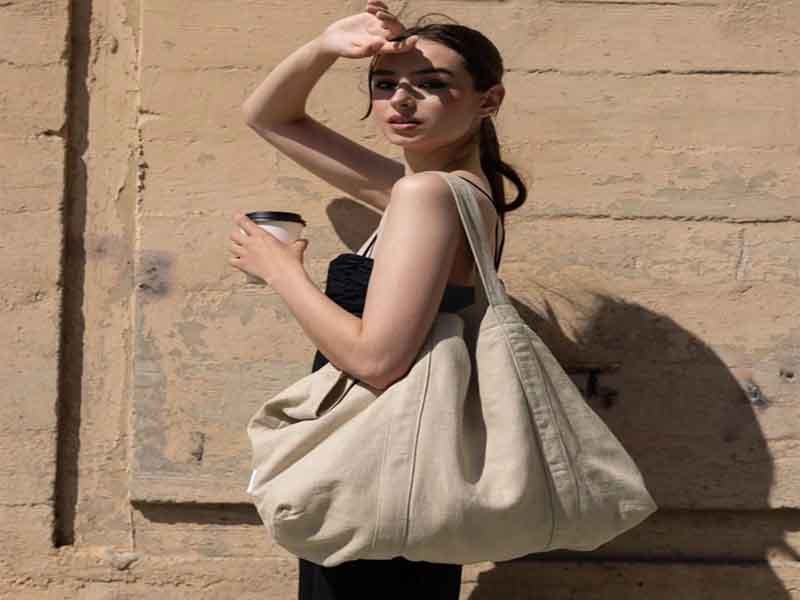
- Hemp canvas bags last multiple years even with heavy use, whereas cotton bags may show wear within a year
- Brands seeking eco-friendly alternatives favor hemp blends for durability and sustainability
6. Are There Specific Care and Maintenance Practices to Extend Hemp Fabric Life?
Proper care is essential to maximize hemp fabric lifespan. While hemp is durable, neglect can lead to premature degradation. Gentle washing, avoiding harsh chemicals, and proper drying extend the life and preserve the strength and appearance of hemp textiles.
Routine maintenance practices such as cold water washing, air drying, and avoiding bleach help preserve hemp fabric’s integrity over time.
Care Guidelines
| Care Practice | Benefit | Recommendations |
|---|---|---|
| Wash in cold water | Prevents fiber weakening | Use mild detergents |
| Air dry | Reduces heat damage | Avoid direct sunlight drying |
| Avoid bleach | Prevents fiber breakdown | Opt for oxygen-based bleaches |
| Iron with low heat | Maintains fabric smoothness | Use protective cloth |
| Store in dry place | Prevents mold and mildew | Use breathable storage bags |
- Enzyme-based detergents are preferred for eco-conscious brands
- Regular inspection for wear and repairing minor tears extend fabric life
7. What Common Signs Indicate the End of Hemp Fabric Usability?
Recognizing when hemp fabric has reached the end of its useful life is important for quality control and product lifecycle management. Common signs include fiber brittleness, excessive pilling, fabric thinning, discoloration, and loss of tensile strength.
When hemp fabric shows these signs, its performance and aesthetic appeal decline, signaling the need for replacement or recycling.
Indicators of Fabric Wear
| Sign | Description | Impact on Use |
|---|---|---|
| Fiber Brittleness | Stiff, fragile fibers prone to breakage | Reduced durability and comfort |
| Excessive Pilling | Surface fuzz and balls | Aesthetic deterioration |
| Fabric Thinning | Noticeable wear through abrasion | Compromised strength |
| Discoloration | Fading or yellowing over time | Reduced visual appeal |
| Loss of Tensile Strength | Reduced resistance to tearing | Increased risk of damage |
- Regular fabric testing can quantify tensile strength loss
- Early detection through visual and tactile inspection aids maintenance decisions
8. How Can B2B Buyers Ensure They Source High-Quality, Long-Lasting Hemp Fabric?
B2B buyers can maximize product longevity by sourcing hemp fabric from reputable suppliers who apply stringent quality controls, advanced processing, and provide full transparency regarding fiber origin and finishing.
Choosing suppliers like SzoneierFabrics, which offer free samples, low MOQ, and detailed certifications, helps ensure consistent quality and durability for hemp fabric orders.
Best Practices for Buyers
| Practice | Benefit | Implementation |
|---|---|---|
| Request Samples | Evaluate texture, strength, and finish | Test before bulk purchase |
| Verify Certifications | Confirm organic and sustainable claims | Look for GOTS, OCS certifications |
| Ask About Processing | Understand retting, finishing methods | Confirm enzyme retting and UV protection |
| Inspect Fabric Weight and Construction | Ensure durability requirements met | Request GSM and weave details |
| Establish Long-Term Partnerships | Secure reliable supply and consistent quality | Negotiate MOQ and lead times |
- Transparency in supply chain fosters trust and reduces risk
- Collaboration with experienced manufacturers like SzoneierFabrics provides tailored solutions
The lifespan of hemp fabric depends on quality, processing, environmental factors, and care. When sourced and maintained correctly, hemp is among the most durable natural textiles, often outlasting cotton and comparable synthetics. B2B buyers should prioritize quality control, advanced processing, and supplier reliability to maximize product longevity.
Interested in sourcing premium, long-lasting hemp fabric?Contact SzoneierFabrics for expert support, free samples, and customizable options tailored to your business needs.
Can't find the answers?
No worries, please contact us and we will answer all the questions you have during the whole process of bag customization.
Make A Sample First?
If you have your own artwork, logo design files, or just an idea,please provide details about your project requirements, including preferred fabric, color, and customization options,we’re excited to assist you in bringing your bespoke bag designs to life through our sample production process.