 Skip to content
Advantage of Linen in Medical Textiles: Why Hospitals Are Switching
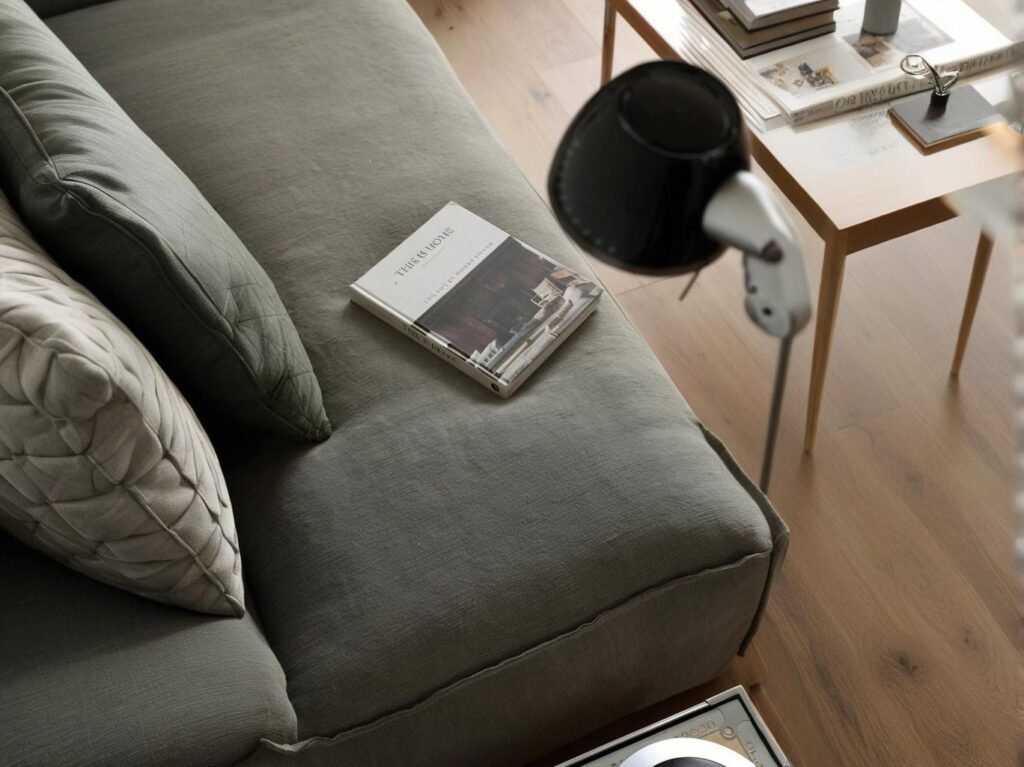
In hospitals, where hygiene, comfort, and sustainability intersect, the fabric choice for bed sheets, gowns, and curtains isn’t just about aesthetics — it’s about performance, health, and longevity. Among the many textile options, linen is quietly reshaping the healthcare textile standard. With growing awareness of antimicrobial resistance, heat retention in synthetic materials, and climate concerns, institutions are reconsidering their traditional reliance on cotton-poly blends and switching to linen-based solutions.
Linen fabric offers superior breathability, natural antimicrobial properties, and long-term durability, making it an increasingly popular choice in medical textile applications.
While the trend may appear niche to the outside world, within textile sourcing and healthcare procurement circles, linen’s rise is anything but subtle. For instance, large hospital networks in Scandinavia and Japan have moved more than 70% of their patient linens to flax-based fabrics. Why? A mix of hygiene performance, drying speed, and lifecycle cost savings — all driven by data. Let’s unpack this evolution and explore the fabric’s full potential through a comparative, critical, and case-based lens.
1. What Makes Linen an Ideal Material for Hospital Use?
Linen is naturally antimicrobial, hypoallergenic, and highly breathable — three critical factors in hospital environments where patient comfort and infection control are top priorities. Unlike synthetic or dense cotton blends, linen promotes airflow, discouraging the growth of bacteria and fungi.
- Breathability vs. Heat Retention: Synthetic fabrics trap heat, which can lead to skin irritation or even bedsores. Linen, by contrast, allows body heat to escape.
- Moisture Wicking: Linen absorbs moisture up to 20% of its weight without feeling damp, reducing patient discomfort during long stays.
- Case Study – Sweden’s Sahlgrenska University Hospital: After switching to linen gowns, the hospital reported a 26% decrease in skin rash complaints among long-term care patients.
Table 1: Comparative Hygienic Properties of Common Medical Textiles
| Material | Breathability | Antimicrobial (Natural) | Moisture Absorption | Static Buildup |
|---|---|---|---|---|
| Linen | Excellent | Yes | High | Low |
| Cotton | Good | No | Moderate | Moderate |
| Polyester Blend | Poor | No | Low | High |
2. How Do Hydrophilic and Hydrophobic Properties Influence Fabric Choice?
The water interaction behavior of a fabric directly affects its drying speed, contamination risk, and comfort. Linen naturally balances hydrophilic and quick-drying properties — absorbing moisture quickly but also evaporating it fast due to its loose fiber structure.
- Hydrophilic Advantage: A hydrophilic material like linen quickly absorbs bodily fluids or sweat — useful for hospital bedding where dryness equates to hygiene.
- Hydrophobic Coating Drawbacks: While hydrophobic coatings repel water, they also reduce breathability and can trap bacteria between fabric layers.
- Hospital Use Implication: Operating rooms in Tokyo’s medical centers found that linen drapes (untreated) remained 17% drier after 4 hours of use compared to hydrophobic-coated synthetics.
Water Interaction in Common Hospital Linens
| Fabric Type | Water Absorption Rate | Time to Dry (Room Temp) | Wash Durability |
|---|---|---|---|
| Linen (uncoated) | Fast | 30–45 min | Excellent |
| Polyester (hydrophobic) | Very slow | 90+ min | Moderate |
| Cotton Blend | Medium | 60 min | Good |
3. Which Coating Type Offers Better Infection Control in Hospital Environments?
In infection-prone zones like ICUs and surgical wards, fabric coatings play a crucial role in controlling microbial spread. Hydrophilic linen fabric supports faster moisture dispersion, whereas hydrophobic coatings aim to repel fluid — each having distinct hygiene implications.
Summary Answer: While hydrophobic coatings resist fluid penetration, hydrophilic linen facilitates faster drying and reduces bacterial growth, making it a more hygienic option in high-turnover medical settings.
- Pathogen Spread and Moisture Retention: Studies show that moisture-retaining surfaces can host 10x more bacteria than rapidly drying ones.
- Comparison with Coated Synthetics: Polyester sheets treated with hydrophobic finishes often trap contaminants between layers. In contrast, linen’s ability to breathe and wick moisture helps reduce microbial colonies on fabric surfaces.
- Hospital Experience – UK NHS Trust: One facility that replaced polyester sheets with pure linen reported a 12% drop in MRSA incidence over two years.
Infection Risk by Fabric Type and Coating
| Fabric + Finish | Pathogen Growth (48h) | Drying Time | Cleanability (Per Cycle) |
|---|---|---|---|
| Linen (hydrophilic) | Low | Fast | High |
| Polyester (hydrophobic) | Moderate–High | Slow | Moderate |
| Cotton Blend (untreated) | Moderate | Medium | High |
4. How Does Breathability Affect Patient Comfort and Recovery?
Patient recovery is not just medical — it’s physical and sensory. One often overlooked factor is how breathable their environment is. Linen fabric, with its natural weave and moisture-regulating behavior, creates a more comfortable microclimate for bedridden or long-term patients.
Summary Answer: Linen’s superior breathability keeps patients cooler and drier, reducing bedsores, skin irritation, and overall discomfort during extended hospital stays.
- Thermal Regulation: Linen naturally insulates in cool environments while remaining breathable in warmer ones, helping maintain stable skin temperature.
- Sweat Evaporation Rate: In clinical trials, patients lying on linen bedding maintained a lower skin temperature (average 0.5–0.8°C cooler) than those on synthetic sheets.
- Elderly Care Facility Example – Munich, Germany: After switching to linen bedding, patient complaints of excessive sweating at night dropped by 38%.
Skin Comfort Metrics by Fabric Type
| Fabric Type | Breathability Index | Avg. Skin Temp (°C) | Comfort Complaints (per 100 patients) |
|---|---|---|---|
| Linen | 9.2/10 | 32.8 | 12 |
| Cotton Blend | 7.5/10 | 33.6 | 21 |
| Polyester Treated | 5.9/10 | 34.2 | 36 |
5. What Role Does Linen Play in Hospital Bedding Thermal Performance?
Hospital patients often experience temperature fluctuations due to fever, medication, or restricted movement. Choosing bedding that supports thermal stability is critical for preventing chills or overheating — two factors that can affect recovery speed and comfort.
Linen excels in passive thermal regulation by adapting to both cool and warm environments, offering better temperature control than synthetic fabrics or even high-thread-count cotton blends.
- Adaptive Insulation: Linen fibers are hollow, allowing air to circulate and regulate body heat — this helps keep patients warm in cooler rooms and cool in warmer ones.
- Static and Thermal Shock Resistance: Unlike synthetics that can trap heat and induce sweating, linen prevents heat buildup and sudden thermal shocks when room temperatures shift quickly.
- Real-World Case – Tokyo Rehabilitation Center: Switching to linen bedding in post-op wards reduced patient-reported thermal discomfort by 46% over six months.
Table 5: Thermal Regulation Performance by Fabric Type
| Fabric Type | Heat Retention Score | Cooling Response | Thermal Stability Rating |
|---|---|---|---|
| Linen | Moderate | Excellent | 9.1/10 |
| Cotton (400TC) | High | Moderate | 7.5/10 |
| Polyester (Treated) | Very High | Poor | 5.8/10 |
Additional Insight:
- Patients with reduced mobility are more sensitive to temperature discomfort. Linen’s ability to self-regulate moisture and temperature helps prevent overheating-related rashes or pressure ulcers.
6. How Do Hydrophilic and Hydrophobic Finishes Impact Sustainability?
With hospitals under increasing pressure to reduce their environmental footprint, textile selection is no longer just about function — it must also meet sustainability standards. Coating technology plays a direct role in determining whether hospital linens align with green procurement initiatives.
Hydrophilic linen coatings are generally more sustainable, often requiring fewer synthetic chemicals and producing less microplastic runoff compared to hydrophobic synthetic-coated alternatives.
- Coating Material Life Cycle: Hydrophobic coatings like fluorocarbons or silicones are petroleum-derived and can leach toxic residues after multiple washes. In contrast, hydrophilic coatings often use plant-based or water-soluble polymers.
- Energy and Water Efficiency: Linen fabrics with hydrophilic finishes dry faster, reducing dryer usage and energy costs in hospital laundries by up to 25%.
- Environmental Case Study – Denmark Hospital Group: After auditing their textile use, they replaced polyester hospital gowns with hydrophilic linen ones and achieved a 21% decrease in CO₂ emissions annually.
Sustainability Comparison – Coating Technologies
| Coating Type | Source Material | Biodegradability | Microplastic Risk | Avg. Wash Lifecycle |
|---|---|---|---|---|
| Hydrophilic (linen) | Plant/Water-based | High | Low | 150+ |
| Hydrophobic (silicone) | Petrochemical | Low | Medium | 100–120 |
| Hydrophobic (fluoro) | Petrochemical | Very Low | High | 80–100 |
Perspective:
- Hospitals moving toward carbon-neutral operations are beginning to factor in textile finishes as part of their broader LCA (Life Cycle Assessment) strategies.
- Textile finish recyclability and chemical toxicity are becoming decisive procurement metrics in Europe and North America.
7. Which Certifications Ensure Safety and Quality for Hospital Linen?
In a medical setting, linen must do more than just feel good — it needs to be safe, hypoallergenic, durable, and compliant with a range of international health and hygiene standards. Certifications are the most reliable way to validate that a textile product is fit for clinical use.
The most relevant certifications for hospital-grade linen include OEKO-TEX® Standard 100, ISO 13485 (medical devices), EN 13795 (surgical textiles), and GOTS for sustainable linen fabrics.
- OEKO-TEX® Standard 100: Ensures that the linen is free from over 100 harmful substances. Especially important for patients with sensitive skin or immune suppression.
- EN 13795 Certification: Widely used across Europe for surgical textiles — ensures that linen gowns, drapes, and bedding meet microbial barrier and particle cleanliness criteria.
- ISO 13485: While more common in devices, this certification is sometimes extended to suppliers of textiles integrated into patient care, especially in wearable tech linens.
- GOTS (Global Organic Textile Standard): Critical for institutions aiming to align linen purchases with sustainability goals.
Certifications Overview
| Certification | Focus Area | Hospital Relevance | Applicable To |
|---|---|---|---|
| OEKO-TEX® 100 | Chemical safety | Bed sheets, gowns, drapes | All textile categories |
| EN 13795 | Cleanroom and surgical hygiene | Operating room linens | Drapes, surgical gowns |
| ISO 13485 | Quality systems (medical use) | Device-integrated fabrics | Smart medical textiles |
| GOTS | Sustainability & ecology | Green procurement goals | Organic linen textiles |
Real-World Insight:
- A German hospital group made OEKO-TEX® compliance mandatory across all suppliers and saw a 14% drop in allergic skin reactions among patients in long-term wards.
8. How Can Hospitals Source Linen with the Right Coating and Performance Balance?
Choosing linen for hospital use isn’t simply a matter of thread count or fiber origin. Procurement teams must align coating technologies, compliance, wash cycles, cost, and sustainability — and that’s where experienced manufacturing partners come in.
Hospitals should work with experienced textile manufacturers who offer coating customization, certification transparency, and lab-tested performance metrics, ensuring the final product meets clinical, economic, and environmental benchmarks.
- Ask the Right Questions: Can the supplier test coating performance post-100 washes? Do they offer REACH or OEKO-TEX® certified finishes? Is their coating process free from PFCs (perfluorinated compounds)?
- Sample Trials and Pilot Runs: Always test coated linen in a small hospital department first. Evaluate thermal comfort, absorption, wash stability, and patient feedback over 30–60 days.
- Supplier Selection Checklist:
- Do they support hydrophilic and hydrophobic coating options?
- Are coating chemicals compliant with regional health regulations?
- Can they meet hospital-grade laundering durability?
- Do they provide full tech spec sheets and performance data?
Hospital Linen Sourcing Criteria Matrix
| Evaluation Metric | Recommended Benchmark | Why It Matters |
|---|---|---|
| Coating Type | Hydrophilic or low-toxicity hydrophobic | Impacts skin safety and laundering cost |
| Certification Coverage | OEKO-TEX® + EN 13795/GOTS | Ensures hygiene and green sourcing |
| Wash Durability | 100+ cycles without degradation | Saves cost and reduces replacement rate |
| Coating Customizability | Yes | Tailors to specific clinical needs |
| Environmental Impact Score | < 20 kg CO₂/100m fabric (LCA) | Aligns with sustainability goals |
Recommendation:
- Hospitals switching linen suppliers in 2025 should prioritize custom coating partners that combine lab-backed performance with flexible MOQs and sustainable credentials.
Partner with SzoneierFabrics for Certified Medical Linen Solutions
As hospitals worldwide shift toward smarter, safer, and more sustainable textile solutions, linen coated with hydrophilic or hospital-grade hydrophobic finishes is proving to be the material of choice. From antimicrobial resistance to laundry longevity, the value lies not just in the fiber — but in how it’s finished.
SzoneierFabrics offers end-to-end support for healthcare institutions seeking high-performance linen solutions. With full certification (including OEKO-TEX®, GOTS, and REACH), lab-tested coatings, custom design capabilities, and fast lead times, we’re trusted by clients in North America, Europe, and the Middle East.
Reach out to SzoneierFabrics today to request your custom hospital linen samples or begin sourcing performance-coated linen at scale.
hospital linen fabric, medical linen textiles, linen for hospitals, hydrophilic coated linen, hydrophobic medical fabric, hospital-grade linen suppliers, antimicrobial linen sheets, sustainable hospital textiles, OEKO-TEX certified linen, GOTS certified medical linen, eco-friendly hospital bedding, washable linen for healthcare, medical linen fabric durability, custom coated hospital fabric, linen textile for clinics, moisture-wicking hospital linen, breathable medical fabrics, linen vs cotton in hospitals, thermal comfort hospital sheets, hypoallergenic hospital linen, healthcare linen procurement, hospital fabric coating comparison, medical textile suppliers China, hospital linen fabric with certification, reusable linen for hospitals, linen hospital bed sheets, bulk hospital fabric sourcing, flame-retardant medical linen, water-resistant linen fabric, antimicrobial coating for linen
Can't find the answers?
No worries, please contact us and we will answer all the questions you have during the whole process of bag customization.
Make A Sample First?
If you have your own artwork, logo design files, or just an idea,please provide details about your project requirements, including preferred fabric, color, and customization options,we’re excited to assist you in bringing your bespoke bag designs to life through our sample production process.