 Skip to content
Antique-Style Linen Chest Finishing Techniques for Export Markets
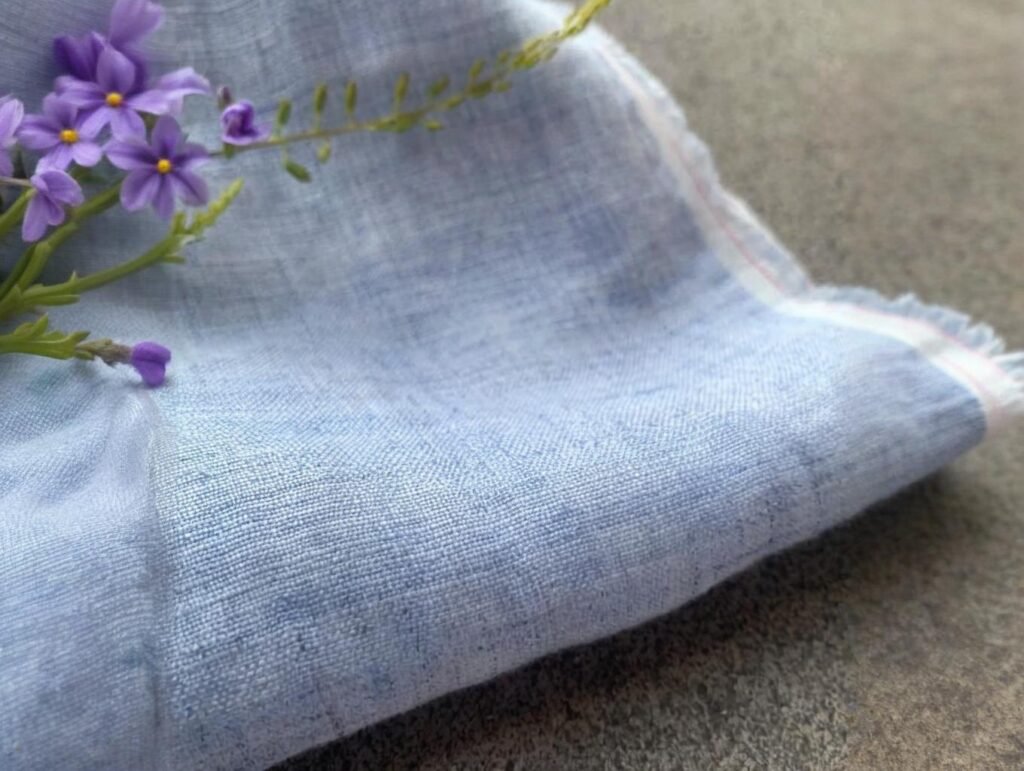
Antique-style linen chests have long been a symbol of elegance, craftsmanship, and history. Whether they’re used for storing heirlooms or as decorative pieces, these timeless storage units offer charm that transcends generations. As demand for high-quality, artisanal home goods rises, particularly in export markets, manufacturers are turning to specialized finishing techniques to enhance the appeal of their linen chests. However, what makes these chests truly stand out isn’t just the wood or fabric but the finishing techniques that imbue each piece with its unique antique character.
Antique-style linen chests are highly sought after in export markets for their vintage aesthetic, durability, and artisanal finishes. The key to their international appeal lies in mastering traditional wood finishing techniques, selecting the right materials, and ensuring compliance with export standards.
The process involves multiple steps—from the choice of wood and stain to applying aging treatments and choosing hardware. Each technique is designed to evoke the feeling of a bygone era while ensuring the durability needed for modern markets. Let’s delve into the techniques that can make your antique-style linen chests irresistible to international buyers and highlight the specific aspects of the export market you need to consider when producing these timeless pieces.
1. What Are Antique-Style Linen Chests and Why Are They Popular in Export Markets?
Antique-style linen chests are reproductions or restorations of traditional storage units originally used to store linens, clothing, and valuables. These chests are often crafted using techniques passed down through generations, including methods of distressing, staining, and applying patinas to mimic the wear and charm of old furniture.
Linen chests, particularly those designed in an antique style, are especially popular in export markets due to their aesthetic appeal, durability, and functional design. Countries in Europe, North America, and Asia favor these pieces for both practical and decorative purposes in homes, hotels, and even museums.
Why Antique-Style Linen Chests Appeal in International Markets
1. Aesthetic Appeal and Nostalgia
- Antique-style furniture often evokes feelings of nostalgia and traditional craftsmanship, which appeal to buyers who desire timeless beauty.
- The vintage look can fit into a wide variety of interior design themes—from rustic to luxury.
2. Durability and Craftsmanship
- Linen chests are generally built to last, with traditional construction methods ensuring they stand the test of time.
- Export markets in countries like the U.S. and Australia seek out high-quality craftsmanship as a guarantee of longevity.
3. Functionality Meets Design
- These chests serve both a functional and aesthetic purpose. Their spacious interiors are ideal for storing textiles, while their exterior designs enhance the home’s interior decor.
- The ability to use them in both traditional and contemporary settings makes them versatile in various global markets.
Case Study: A Scandinavian home décor company successfully introduced a line of antique-style linen chests to U.S. and European markets. The chests were finished with a distressed walnut stain and vintage hardware, appealing to both luxury buyers and those interested in affordable yet elegant storage solutions. Within the first year, the company reported a 22% increase in orders, mainly from international buyers.
2. How Do Traditional Finishing Techniques Enhance the Appeal of Antique-Style Linen Chests?
The charm of antique-style linen chests comes from the fine details, including how they are finished. These finishing techniques give each chest its unique appearance, ensuring that no two are alike. Whether through distressing, staining, or adding a waxed patina, these techniques help create the illusion of age and the character found in genuine antique pieces.
Traditional finishing techniques like distressing, staining, and adding a patina are vital to giving antique-style linen chests their character. These techniques replicate the wear and age of older furniture while maintaining the strength and functionality needed for modern use.
Key Antique-Style Finishing Techniques
1. Distressing
- Distressing involves techniques like sanding, hammering, or scraping to give the wood an aged appearance. This can range from subtle wear marks to more significant damage, depending on the desired look.
- Distressing can be applied to both the wood itself and the hardware, giving it a more authentic aged feel.
2. Staining and Dyeing
- Staining is used to deepen the color of the wood, making it resemble aged timber. This technique can be done using both natural and synthetic stains, depending on the desired hue.
- Dyeing can be employed to achieve a more uniform finish and bring out the natural grain of the wood. Common shades for antique-style pieces include deep walnut, mahogany, and oak tones.
3. Waxing and Patina Application
- Waxing adds a soft sheen to the chest, enhancing the color and texture of the wood. It also provides a layer of protection while keeping the piece’s aged appearance intact.
- Applying a patina adds depth and gives the furniture a more timeworn look. This technique mimics the effects of years of exposure to sunlight and air.
| Technique | Purpose | Common Usage |
|---|---|---|
| Distressing | Mimics natural wear | Popular for rustic designs and vintage looks |
| Staining | Darkens wood, enhances grain | Essential for achieving traditional looks |
| Waxing & Patina | Adds depth and shine | Used for final protective layers and aging effect |
Case Study: A French manufacturer specializing in antique-style furniture found that applying a distressed oak stain to their linen chests increased interest among U.S. buyers. The piece was further enhanced with a hand-applied patina, which mimicked natural aging. This finishing technique not only gave the chest an authentic look but also positioned it as a high-end product, leading to a 15% increase in international sales.
3. Which Wood Types Are Best for Crafting Antique-Style Linen Chests?
The wood used in creating an antique-style linen chest plays a central role in its appearance, weight, durability, and export market acceptance. The grain pattern, color tone, and how it reacts to stains and finishing techniques vary across species, making the choice of timber a key design and pricing factor.
The best wood types for crafting antique-style linen chests are hardwoods such as oak, walnut, cherry, and mahogany. These woods offer both structural integrity and rich grain patterns that respond well to traditional distressing and staining techniques.
Comparing Popular Wood Types for Antique Linen Chests
1. Oak (White & Red Oak)
- Known for strength and visible grain.
- Responds well to distressing and deep staining.
- White oak is preferred for a more subdued tone, while red oak adds warmth.
2. Walnut
- Rich chocolate color with elegant grain lines.
- Great for high-end, classic finishes.
- Often left with minimal staining due to its natural beauty.
3. Cherry Wood
- Smooth grain and medium hardness.
- Naturally darkens with age, adding authentic antique character.
- Often used in mid-century and colonial-style designs.
4. Mahogany
- Deep reddish-brown color with straight grain.
- Holds finishes well and exudes luxury.
- Common in premium export collections targeting Europe and the Middle East.
5. Pine (As Budget Option)
- Softer and more affordable.
- Easier to distress but less durable long term.
- Popular for mass-market export lines where cost is a major factor.
| Wood Type | Grain Visibility | Distressing Capability | Stain Absorption | Export Suitability |
|---|---|---|---|---|
| Oak | High | Excellent | Excellent | Europe, USA |
| Walnut | Medium | Moderate | Good | High-end markets |
| Cherry | Low | Limited | Moderate | North America |
| Mahogany | Medium | Excellent | Excellent | Middle East, EU |
| Pine | Medium | Excellent | Good | Asia, mass retail |
Real-World Example: A Malaysian exporter combined sustainably sourced white oak with a tea-stain finish and wax patina for a French-style linen chest. The wood’s open grain absorbed the stain perfectly, creating a vintage look. The design won a “best craftsmanship” award at an international trade fair and was picked up by three Scandinavian retailers.
4. What Are the Most Common Staining and Dyeing Methods Used in Antique-Style Linen Chest Finishing?
Staining and dyeing methods help establish the mood and character of an antique-style piece. The right color tones—whether subtle or dramatic—can drastically alter a linen chest’s perceived age, value, and authenticity.
Common staining and dyeing methods include oil-based stains, water-based stains, aniline dyes, and layered color techniques. These methods enhance the wood’s grain, simulate natural aging, and allow customization for different market tastes.
Evaluating Stain and Dye Techniques by Application
1. Oil-Based Stains
- Rich color penetration.
- Ideal for open-grain woods like oak or ash.
- Long drying times, but very durable.
2. Water-Based Stains
- Environmentally friendly.
- Brighter color range; preferred for modern antique fusion.
- Dries faster, requires sealing.
3. Aniline Dyes
- Penetrates deeply without raising the grain.
- Ideal for fine-grain woods like cherry or maple.
- Available in both water- and alcohol-soluble forms.
4. Layered Color Techniques (Glazing & Tinting)
- Uses multiple layers of dye/stain and wax.
- Adds visual depth and patina-like shading.
- Often combined with dry brushing for artistic aging effects.
| Technique | Suitable Woods | Market Preference | Finish Depth | Eco-Friendly |
|---|---|---|---|---|
| Oil-Based Stain | Oak, Ash, Pine | Traditional look (US, UK) | High | No |
| Water-Based Stain | Birch, Pine | Eco markets (EU, Canada) | Medium | Yes |
| Aniline Dyes | Cherry, Maple | Luxury antique (France) | High | Depends |
| Glazing & Tinting | All woods | Artisanal export goods | Very High | Yes |
Use Case: A Czech exporter preparing for Germany’s Heimtextil trade fair used water-based walnut stains combined with gray glaze and dry brushing. This created a layered vintage appearance perfect for eco-conscious buyers, earning them a long-term supply agreement with a Berlin-based boutique furniture chain.
5. How Do Distressing and Aging Techniques Affect the Visual and Functional Qualities of Linen Chests?
Distressing and aging are more than just aesthetic tools—they’re storytelling devices. The goal is to simulate natural wear, crafting an authentic “lived-in” look that appeals to buyers seeking heritage charm. However, these techniques must balance visual impact with the chest’s structural integrity and export durability.
Distressing and aging techniques influence both the appearance and longevity of linen chests. When skillfully applied, they enhance the antique character while maintaining usability for international markets.
Exploring Distressing & Aging Techniques in Detail
1. Manual Distressing (Hand-Carving, Dents, Scratches)
- Adds authenticity.
- Common in bespoke or artisanal production.
- Should be evenly distributed to avoid “forced” look.
2. Sandpaper and Wire-Brushing
- Softens edges and enhances grain texture.
- Used before staining to absorb finishes unevenly.
- Ideal for replicating age in oak and pine.
3. Burnishing and Waxing
- Creates smooth, timeworn surfaces.
- Adds depth and sheen to stain colors.
- Wax layering mimics natural patina development.
4. Wormholes and Crackle Finishing
- Simulates insect aging or cracking over decades.
- Often done with heated tools or special lacquers.
- Common in French and Italian antique styles.
Impact Analysis Table:
| Technique | Visual Impact | Functional Risk | Best for Market | Notes |
|---|---|---|---|---|
| Hand Distressing | High | Low | High-end artisan | Requires skilled labor |
| Wire Brushing | Medium | None | Mid-range retail | Great for batch finishing |
| Crackle Finish | Very High | Medium (if not sealed) | Boutique antique look | Works well on colored paint |
| Wax Patina | High | Low | EU export | Must be reapplied periodically |
Case Insight: A Polish workshop creating farmhouse-style linen chests for export to Canada used sandpaper edge distressing combined with dark beeswax layers. Buyers praised the “genuine vintage feel,” and the units retained their look even after long-haul shipping.
6. What Role Does Hardware Selection Play in the Antique Look of Linen Chests?
Hardware choices—hinges, handles, knobs, clasps—are critical in reinforcing the antique story of a linen chest. More than utility, they define character. Export markets often look for cohesive design where hardware matches the chest’s finish, cultural style, and perceived authenticity.
Antique-style linen chest hardware significantly influences perceived value and visual cohesion. Brass, wrought iron, and aged bronze finishes are most commonly used, often hand-forged or pre-treated for a vintage patina.
Hardware Types and Finishing Options
1. Materials: Brass, Iron, Bronze
- Brass: Warm tone, widely used in Victorian-style finishes.
- Iron: Darker tones, popular for rustic or industrial antique looks.
- Bronze: Aged elegance, ideal for Mediterranean and Eastern European designs.
2. Surface Treatments: Aged, Brushed, Blackened, Polished
- Aged: Chemical treatments simulate time-based discoloration.
- Brushed: Adds texture and matte appeal.
- Blackened: Perfect for Gothic or mid-century styles.
- Polished: Often rejected unless paired with very dark stained wood.
3. Styles: Victorian, French Provincial, Shaker, Industrial
- Hardware must match the visual language of the chest.
- Export buyers from Japan or the UAE often demand design alignment between hardware and overall finish style.
| Hardware Material | Typical Style | Aging Method | Export Preferences |
|---|---|---|---|
| Brass | Colonial, Victorian | Vinegar bath aging | UK, US, Australia |
| Iron | Rustic, Gothic | Heat-treated patina | Germany, Canada, Netherlands |
| Bronze | Classic Mediterranean | Acid aging | UAE, France, Spain |
Use Case Story: A Turkish exporter supplied iron-handled linen chests with a distressed oak finish to a boutique chain in Denmark. The hardware was treated with an oxidizing patina, which not only matched the chest’s look but also passed salt-spray resistance tests required for EU shipping. The design was later featured in a Scandinavian interior design magazine.
7. How Can Manufacturers Ensure Antique-Style Finishes Meet Export Market Regulations?
While antique aesthetics sell well globally, they must comply with modern regulatory frameworks—especially when entering high-standard markets like the EU, US, or Japan. Finishes using solvents, waxes, and chemical patinas may raise concerns around VOCs (volatile organic compounds), formaldehyde emissions, and child safety standards.
To ensure antique-style finishes are export-ready, manufacturers must comply with environmental, safety, and labeling regulations—especially regarding coatings, adhesives, and wood treatment substances.
Regulations and Certification Requirements
1. Environmental Compliance (VOC Limits, REACH, CARB)
- EU (REACH): Prohibits certain aging agents with heavy metals.
- US (CARB Phase II): Restricts formaldehyde in composite panels.
- Canada & Australia: Require clear documentation of solvent-based stains or waxes.
2. Fire and Safety Certifications
- For hotel or commercial applications, fire-retardant finishes may be required.
- Look for ASTM E84 or EN 13501 certifications for treated woods or lacquers.
3. Labeling and Traceability
- Exporters must include clear product labeling: wood species, coating types, and care instructions.
- Some countries require documentation for “antique-style” to avoid customs confusion with real antiques (important for tariffs).
| Regulation | Region | Scope | Linen Chest Impact |
|---|---|---|---|
| REACH | European Union | Chemicals in coatings | Avoid cadmium, chromium-based patinas |
| CARB Phase II | USA | Formaldehyde emissions | Use compliant plywood or MDF |
| TSCA Title VI | USA | Toxic Substances Control Act | Required for any composite board used |
| FSC / PEFC | Global | Wood sourcing traceability | Required for eco-conscious buyers |
Real Case Application: An Indonesian manufacturer exporting to Germany shifted from solvent-based patinas to water-based alternatives after failing VOC tests. Despite initial cost increases, they gained access to the eco-furniture segment in Europe and positioned themselves as a premium, compliant exporter.
8. What Are the Key Considerations for Sourcing and Packaging Antique-Style Linen Chests for International Buyers?
A beautiful chest can still lose value if poorly packed or inaccurately sourced. The sourcing and packaging process affects quality perception, breakage rates, and brand trust. Antique-style products are particularly sensitive to surface damage, moisture, and handling abrasions.
Sourcing must ensure consistent raw material quality and ethical traceability, while packaging strategies should prioritize protective layers, humidity control, and cost-efficiency in freight.
Best Practices for Export Readiness
1. Sourcing Considerations
- Sustainable Wood Procurement: FSC-certified oak, pine, beech preferred.
- Finish Reproducibility: Maintain consistent aging effects across batches.
- Artisan vs. Machine Aging: Hybrid models allow better scalability.
2. Packaging and Protection Techniques
- Surface Wrap: Use non-abrasive foam sheets with corner guards.
- Humidity Control: Desiccant packets and sealed cartons recommended.
- Labeling: Include “fragile,” “keep dry,” and handling instructions in the buyer’s language.
| Packaging Element | Function | Suggested Material |
|---|---|---|
| Inner Wrap | Prevent scratches & patina wear | PE foam or acid-free paper |
| Corner Protectors | Absorb shocks in transit | Molded pulp or EVA corners |
| Moisture Barrier | Guard against humidity | LDPE shrink wrap or silica gel |
| Carton Strength | Withstand stacking pressure | Double-wall corrugated board |
Packaging Case Example: A Chinese linen chest maker switched from bubble wrap to a 3-layer packaging system (foam, board liner, anti-static wrap) after experiencing a 12% return rate from US buyers due to finish damage. Post-change, their breakage rate dropped to under 2%, and positive reviews on shipping quality significantly increased.
Ready to Bring Antique Elegance to the World?
Exporting antique-style linen chests isn’t just about charm—it’s about craftsmanship, consistency, and compliance. From wood selection and finish aging to VOC-safe waxes and triple-layer packaging, each detail matters. As demand grows for nostalgic design in global interiors, the opportunity to stand out with timeless design and modern reliability is stronger than ever.
At SzoneierFabrics, we offer expert manufacturing and customization of linen-based furniture and finishes tailored to export markets. Whether you need specific aging effects, certified materials, or scalable production, our team is ready to support your next antique-style product line with fast sampling, low MOQs, and globally trusted service.
Contact SzoneierFabrics today to get a free quote or request a custom sample for your next export project.
antique style linen chest, linen chest finishing techniques, vintage furniture export, antique wood chest manufacturing, distressed wood furniture export, French country linen chest, linen chest for export, reclaimed wood furniture finishing, rustic linen chest supplier, wax finish for antique furniture, VOC compliant furniture finish, aging techniques for wooden furniture, export-ready antique furniture, FSC certified linen chest, hand-finished vintage chests, antique furniture coating standards, linen storage chest wholesale, eco-friendly antique furniture, European style linen chest, traditional wood finishing methods, custom antique chest manufacturer, export packaging for wooden furniture, patina techniques for export furniture, handmade linen chest for overseas market, moisture control in antique furniture shipping, retro furniture finishing guide, old world style chest production, wooden chest with antique look, artisan style furniture finishing, distressed furniture export compliance

Can't find the answers?
No worries, please contact us and we will answer all the questions you have during the whole process of bag customization.
Make A Sample First?
If you have your own artwork, logo design files, or just an idea,please provide details about your project requirements, including preferred fabric, color, and customization options,we’re excited to assist you in bringing your bespoke bag designs to life through our sample production process.